
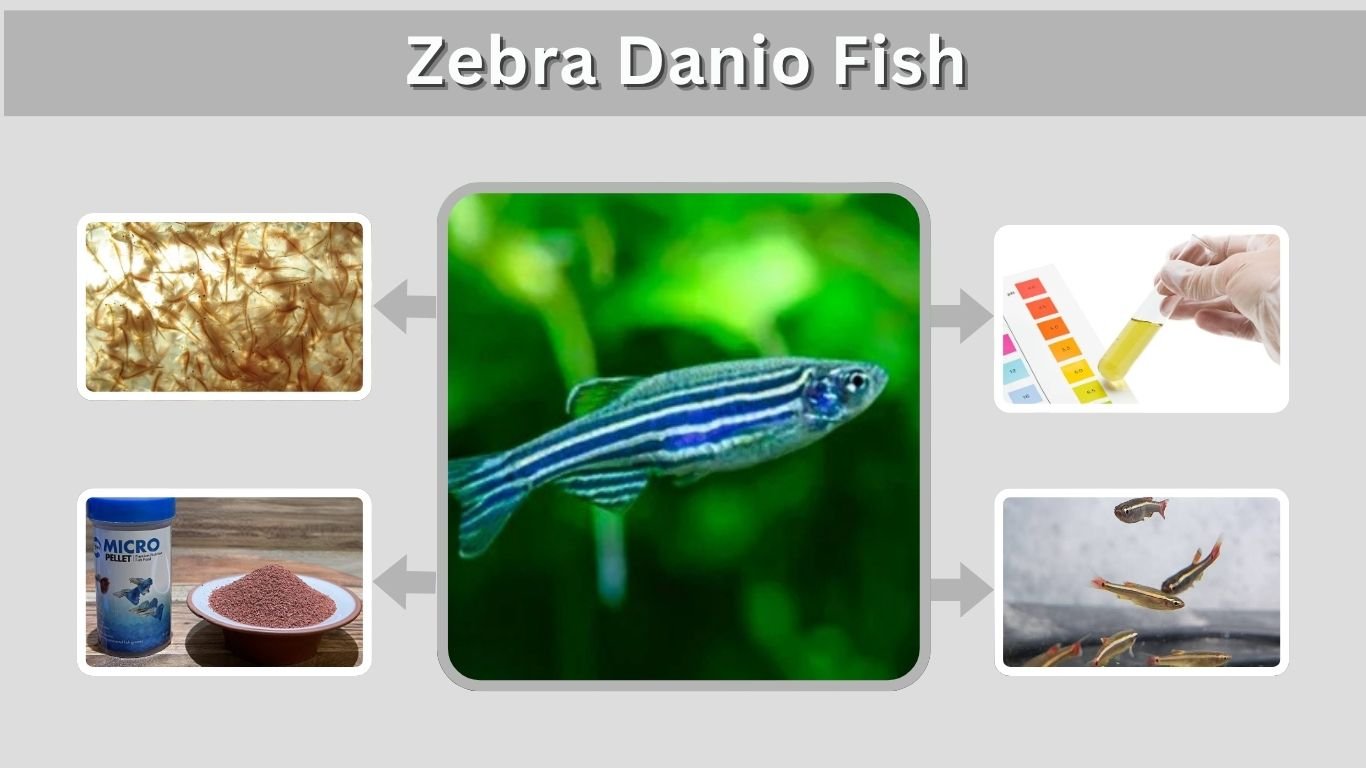
Zebra danios are small, energetic freshwater fish famous for their striking horizontal stripes and active swimming behavior. Also called zebrafish, these hardy fish are popular with beginners because they adapt well to different aquarium conditions and are relatively easy to feed and breed. However, they are schooling fish that need companions, adequate swimming space, and stable water quality. Understanding zebra danio tank size, temperature, diet, behavior, lifespan, and breeding requirements will help you maintain a healthy and active group.
Zebra Danio Appearance and Size
Zebra danios (Danio rerio) have slender, streamlined bodies designed for fast swimming. Their distinctive horizontal stripes make them easy to recognize in an aquarium. Wild-type fish have alternating dark blue and pale metallic stripes, although selective breeding has produced longfin, golden, albino, and other varieties. Adults remain relatively small, making them suitable for many freshwater community tanks.
Identification
- Scientific name: Danio rerio
- Common names: Zebra danio, zebrafish
- Adult size: Usually around 1.5–2 inches
- Body shape: Slender and streamlined
- Pattern: Several horizontal blue-dark stripes
- Fins: Mostly transparent with varying amounts of striping
- Activity level: Very active
- Water type: Freshwater
Male vs Female Zebra Danio
Males generally have slimmer bodies, while mature females develop fuller, rounder abdomens, especially when carrying eggs. Males may also appear slightly more golden between their stripes. These differences become easier to notice once the fish reach sexual maturity.
A swollen female is sometimes described as a “pregnant zebra danio,” but zebra danios are not livebearers. Females produce eggs that are fertilized externally after spawning.
Longfin and Other Zebra Danio Varieties
Longfin zebra danios have dramatically extended fins but otherwise require similar care to standard zebra danios. Golden varieties have lighter yellow or gold coloration, while commercially available fluorescent GloFish danios display brighter colors.
Zebra Danio Tank Setup and Water Requirements
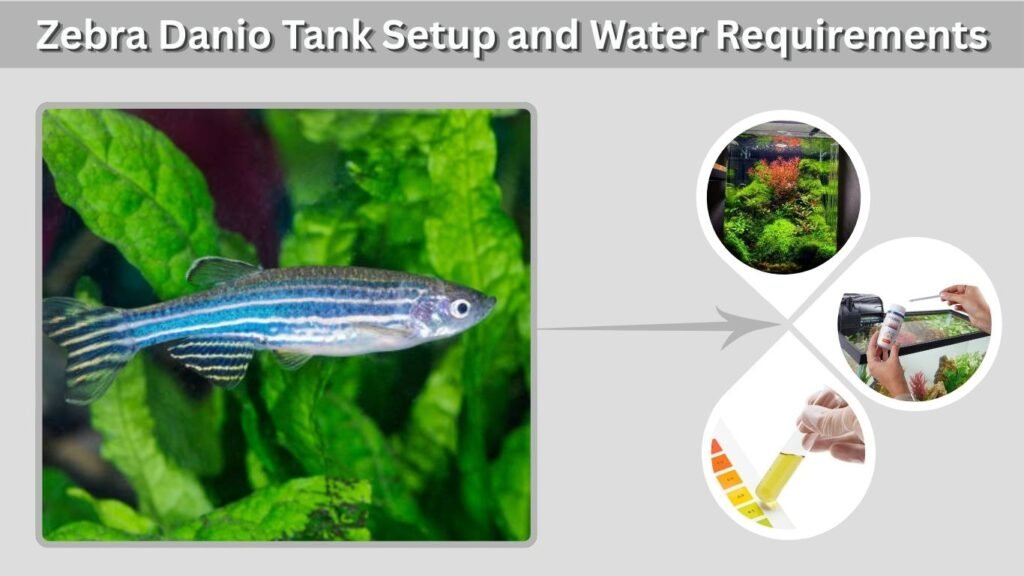
A good zebra danio aquarium should provide plenty of open swimming space while maintaining clean, oxygenated water. These fish spend much of their time actively moving around the aquarium and should not be confined to tiny containers. Plants around the sides and back can provide cover without reducing the open area available for swimming.
Tank Size and Schooling
- Keep at least 5–6 zebra danios together, with larger groups preferred.
- A tank around 20 gallons provides better swimming space for a normal school.
- Choose a longer aquarium rather than a very tall one.
- Always use a secure lid because danios can jump.
- Avoid keeping a single zebra danio for extended periods.
FishBase also describes zebra danios as aquarium fish that should be maintained in groups rather than individually.
Temperature and Water Parameters
- Temperature: About 64–75°F (18–24°C)
- pH: Approximately 6.0–8.0
- Water hardness: Moderate ranges are generally tolerated.
- Filtration: Gentle to moderate filtration works well.
- Water quality: Ammonia and nitrite should remain at zero.
Their natural range includes streams, canals, ponds, ditches, and slower-moving bodies of freshwater, helping explain their adaptability.
Plants and Aquascaping
Plant the rear and sides of the aquarium while keeping the central area relatively open. Java fern, Anubias, Java moss, and other easy freshwater plants can work well.
Moderate water movement is usually suitable, but excessively powerful currents can exhaust the fish. Regular partial water changes and reliable filtration are more important than creating an elaborate aquascape.
What Do Zebra Danios Eat?
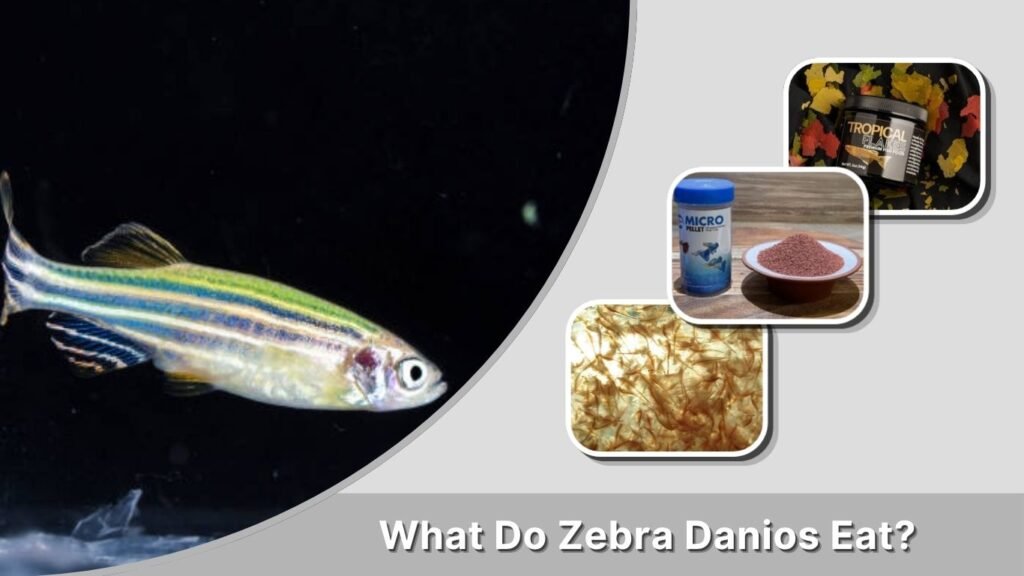
Zebra danios are flexible feeders that readily accept common aquarium foods. In nature, their diet includes small crustaceans, worms, and insect larvae. Aquarium fish can thrive on quality prepared foods supplemented with small frozen or live foods. Providing variety helps supply essential nutrients while encouraging their natural feeding behavior.
Best Foods for Zebra Danios
- High-quality tropical flakes
- Small pellets or micro-pellets
- Brine shrimp
- Daphnia
- Bloodworms as an occasional food
- Mosquito larvae from safe sources
- Other appropriately sized frozen foods
Feeding Routine
Feed small portions once or twice daily. Offer only enough food for the group to finish within a few minutes.
Overfeeding can pollute the water and contribute to digestive problems or bloating. Rotating between quality dry food and occasional protein-rich frozen or live foods provides a more balanced diet than feeding one food exclusively.
Zebra Danio Behavior and Tank Mates
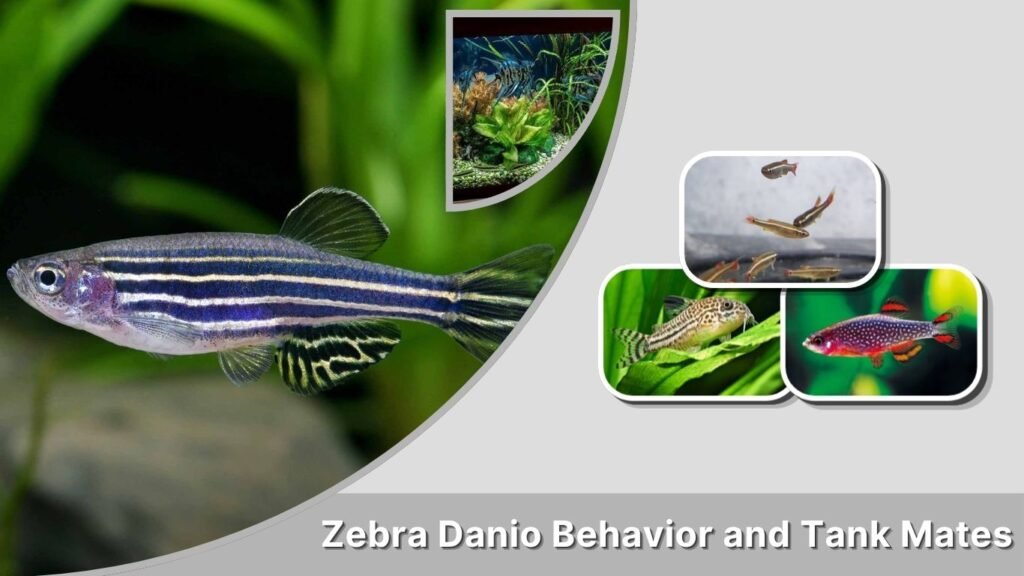
Zebra danios are social, fast-moving fish that spend much of the day swimming with their group. They are normally peaceful community fish, although their constant activity can make them unsuitable companions for very slow or timid species. Maintaining an appropriately sized school usually helps them focus their social behavior on other danios rather than bothering tank mates.
Are Zebra Danios Aggressive?
Zebra danios are not generally considered aggressive, but chasing is common. Males may pursue females during breeding, and members of a school often chase each other while establishing social relationships.
Fin nipping can occasionally occur, especially when too few danios are kept together. Increasing the school size and providing adequate swimming room may reduce problematic behavior.
Best Zebra Danio Tank Mates
- White cloud mountain minnows
- Corydoras catfish
- Rasboras
- Small peaceful barbs
- Peaceful tetras
- Some livebearers
- Other similarly active community fish
Can Zebra Danios Live With Bettas?
Keeping zebra danios with bettas can be unpredictable. Danios are extremely active and may stress slower bettas, while individual bettas may respond aggressively.
Compatibility depends on aquarium size, fish temperament, and available space. A larger planted tank gives them a better chance of coexisting than a small aquarium.
Zebra Danio Breeding and Eggs
Breeding zebra danios is relatively straightforward compared with many aquarium species. They are egg-scattering fish rather than livebearers. Adults provide no parental care and may eat their own eggs, so aquarists wanting to raise significant numbers of fry normally separate the breeding adults or protect the eggs from them.
Setting Up a Breeding Tank
A separate breeding aquarium can contain fine-leaved plants, spawning mops, mesh, or marbles that allow eggs to fall beyond the adults’ reach. Condition males and females with nutritious foods beforehand.
Spawning commonly occurs after the lights come on. Once eggs have been deposited and fertilized, removing the adults improves egg survival.
Zebra Danio Eggs and Fry
The eggs hatch relatively quickly under suitable conditions. Newly hatched fry are extremely small and initially require tiny foods.
Once they become free-swimming, they can receive infusoria or commercially prepared fry foods. As they grow, newly hatched brine shrimp and progressively larger foods can be introduced.
Zebra Danio Lifespan and Health
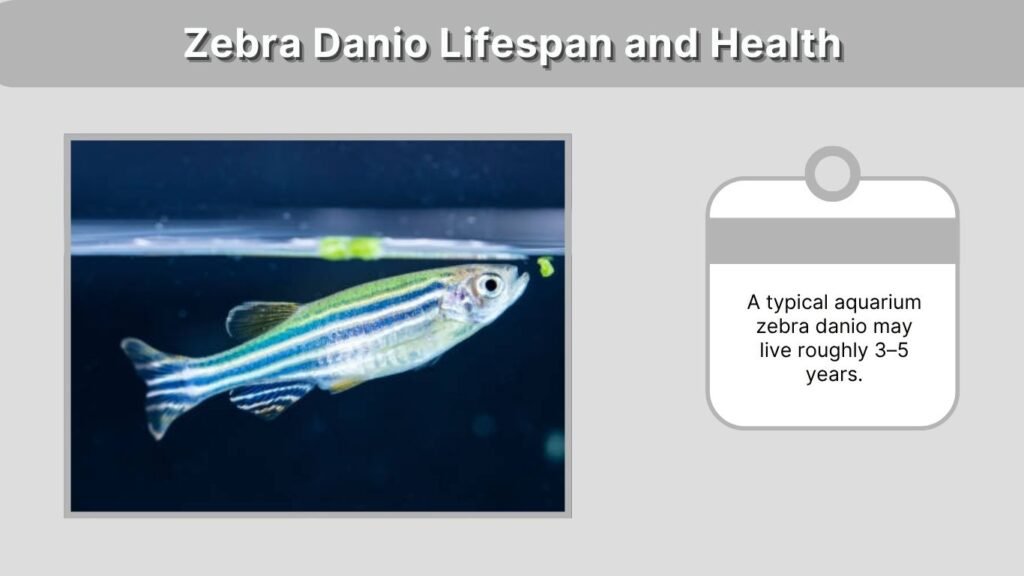
Despite their small size, zebra danios can live for several years when maintained in clean water and given a balanced diet. Domesticated zebrafish have been reported to average around 3.5 years, with some individuals surviving considerably longer. Genetics, nutrition, water quality, disease prevention, and stress all influence longevity.
How Long Do Zebra Danios Live?
A typical aquarium zebra danio may live roughly 3–5 years under good conditions. Consistent maintenance is more important than trying to create extremely precise water parameters.
Stable temperature, adequate swimming space, quality food, regular water changes, and companionship from other zebra danios can all contribute to long-term health.
Bloating and Other Problems
A swollen abdomen does not automatically mean a female is carrying eggs. Bloating can also result from overeating, constipation, internal disease, or poor water quality.
Check ammonia, nitrite, nitrate, temperature, feeding habits, and the behavior of affected fish. Persistent swelling accompanied by lethargy, raised scales, abnormal swimming, or loss of appetite deserves particular attention.
FAQs
The following questions cover some of the most common concerns people have when keeping zebra danios, particularly regarding group size, temperature, tank requirements, breeding, and compatibility.
How many zebra danios should be kept together?
Keep at least five or six, although a larger school is usually better. Zebra danios are social fish and are more comfortable displaying natural schooling behavior when kept in groups.
Are zebra danios cold-water fish?
They tolerate cooler conditions better than many tropical aquarium species. A temperature around 64–75°F (18–24°C) is generally suitable, although stable conditions are important.
Can zebra danios live in a 10-gallon tank?
A small group may physically fit, but zebra danios are highly active swimmers. A longer aquarium of around 20 gallons generally provides a more comfortable environment and more room for a proper school.
Do zebra danios give live birth?
No. Zebra danios are egg layers. Females release eggs during spawning, and males fertilize them externally.
How big do zebra danios get?
Most aquarium zebra danios stay around 1.5–2 inches long. Their small size combined with their energetic personality makes them excellent schooling fish for appropriately sized freshwater community aquariums.