

Boesemani rainbowfish are beautiful freshwater aquarium fish known for their striking blue and orange coloration, peaceful temperament, and energetic swimming behavior. Native to Indonesia, these colorful fish are popular among aquarium enthusiasts because of their attractive appearance and relatively straightforward care requirements. However, maintaining suitable water conditions, providing enough swimming space, and selecting compatible tank mates are essential for their health. This guide explains everything about Boesemani rainbowfish care, including their size, lifespan, temperature, diet, breeding habits, male and female differences, and common aquarium health problems.
What Is a Boesemani Rainbowfish?
The Boesemani rainbowfish (Melanotaenia boesemani) is a freshwater species belonging to the Melanotaeniidae family. Also called Boeseman’s rainbowfish or bicolor rainbowfish, it naturally inhabits freshwater lakes in West Papua, Indonesia.
These fish are particularly famous for their unusual two-tone coloration. Mature males display a blue or purple front half and a bright orange or yellow rear half.
Boesemani rainbowfish are social, active swimmers that prefer living in groups. They generally occupy the middle and upper sections of an aquarium.
Boesemani Rainbowfish Appearance
Several physical characteristics distinguish Boesemani rainbowfish from other rainbowfish species.
- Body color: Metallic blue or purple front with an orange-yellow rear.
- Body shape: Deep, laterally compressed body with a streamlined profile.
- Fins: Colorful dorsal, anal, and tail fins.
- Eyes: Relatively large eyes with dark pupils.
- Male coloration: Bright, contrasting colors that intensify during breeding.
- Female coloration: Usually softer silver, yellow, or greenish tones.
Juvenile Boesemani rainbowfish often appear relatively dull before developing their adult coloration.
Boesemani Rainbowfish Size and Lifespan
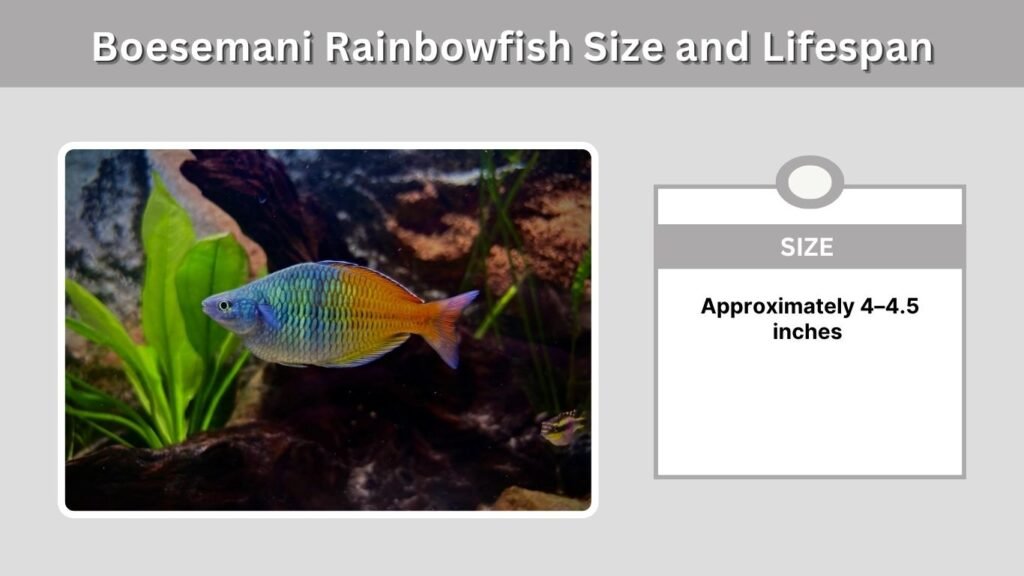
Adult Boesemani rainbowfish generally reach approximately 4–4.5 inches (10–11.5 cm), although females are often slightly smaller than males.
They develop deeper bodies as they mature, especially adult males. Their growth rate depends on genetics, nutrition, aquarium conditions, and overall health.
Boesemani rainbowfish commonly live around 5–8 years with appropriate care. Some individuals may survive longer in well-maintained aquariums.
Providing a balanced diet, stable water parameters, and adequate swimming space helps support healthy growth and longevity.
Boesemani Rainbowfish Tank Size and Setup
Boesemani rainbowfish are energetic swimmers that require spacious aquariums. Although they are not particularly large, their active behavior makes horizontal swimming space essential.
A well-planted aquarium with strong biological filtration, open swimming areas, and a secure lid provides an excellent environment.
Minimum Boesemani Rainbowfish Tank Size
A 55-gallon aquarium with approximately 4 feet of swimming length is a comfortable choice for a group of six to eight Boesemani rainbowfish.
Larger aquariums are preferable when keeping additional community fish.
Boesemani rainbowfish should generally be maintained in groups of at least six, preferably eight or more. Keeping only two or three individuals may increase stress or unwanted chasing behavior.
Aquarium Plants and Decorations
Live plants such as Java fern, Anubias, Vallisneria, and Amazon swords provide natural shelter.
Arrange plants around the aquarium edges while leaving the central area open for swimming.
Driftwood, smooth rocks, and darker substrates can create an attractive natural environment that highlights their brilliant coloration.
Boesemani Rainbowfish Water Parameters
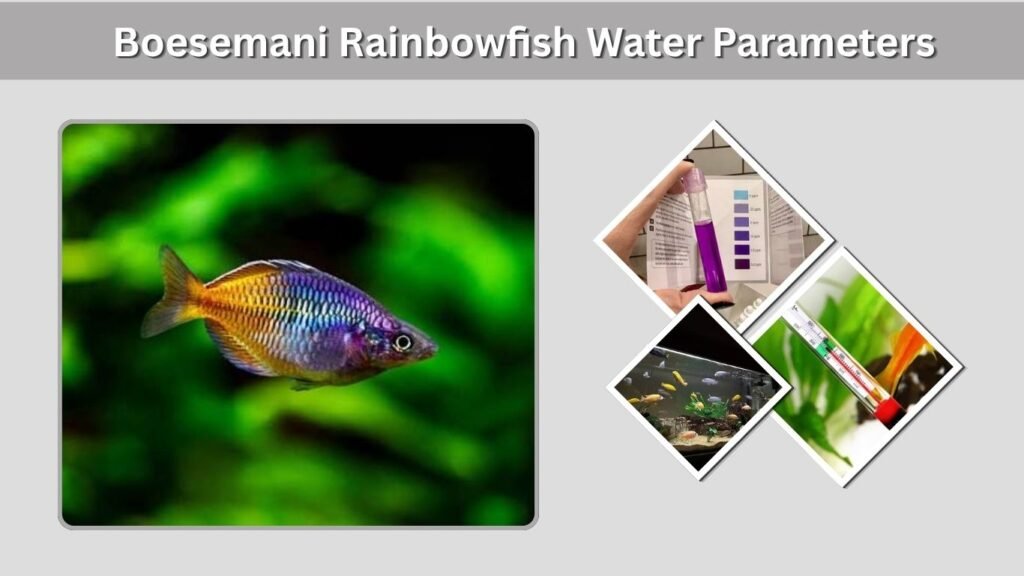
Maintaining stable water conditions is essential for Boesemani rainbowfish health. They generally prefer warm, moderately hard to hard freshwater with neutral to slightly alkaline pH levels.
Recommended aquarium conditions include:
- Water temperature: Approximately 75–82°F (24–28°C).
- pH level: Ideally around 7.0–8.0.
- Water hardness: Approximately 8–20 dGH.
- Ammonia: 0 ppm.
- Nitrite: 0 ppm.
- Nitrate: Maintain low levels through routine maintenance.
- Water movement: Moderate circulation with good oxygenation.
Avoid sudden changes in temperature or water chemistry. Regular water testing and partial water changes help maintain a stable aquarium environment.
Boesemani Rainbowfish Tank Mates and Compatibility
Boesemani rainbowfish are generally peaceful and suitable for many community aquariums. However, their active swimming behavior may disturb very small, delicate, or slow-moving species.
Selecting similarly sized fish with overlapping water requirements helps prevent compatibility problems.
Best Tank Mates for Boesemani Rainbowfish
Suitable aquarium companions include:
- Turquoise rainbowfish: Similar activity levels and compatible care requirements.
- Congo tetras: Peaceful, active fish suitable for spacious aquariums.
- Zebra danios: Fast swimmers that can coexist when water conditions match.
- Peaceful gouramis: Potential companions when temperament and aquarium space are appropriate.
- Corydoras catfish: Peaceful bottom dwellers, provided the species tolerates the selected temperature.
- Peaceful barbs: Active fish that may coexist in sufficiently large aquariums.
Can Boesemani Rainbowfish Live With Angelfish?
Boesemani rainbowfish can sometimes live with angelfish in spacious community aquariums.
However, angelfish generally move more slowly and may become stressed by energetic rainbowfish. Monitor feeding competition, territorial behavior, and aggression when housing these species together.
What Do Boesemani Rainbowfish Eat?
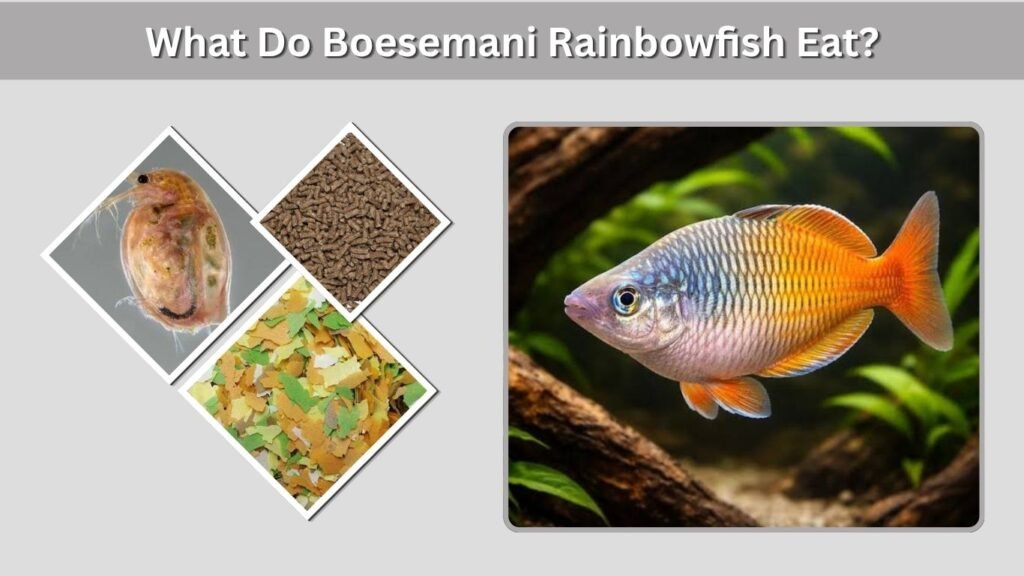
Boesemani rainbowfish are omnivores that consume small aquatic animals and plant-based foods.
In aquariums, they readily accept high-quality tropical flakes, appropriately sized pellets, frozen bloodworms, brine shrimp, and daphnia.
A varied diet supports healthy coloration, growth, and successful breeding.
Boesemani Rainbowfish Feeding Schedule
Feed adult Boesemani rainbowfish once or twice daily, offering only what they can consume within approximately two minutes.
Avoid excessive feeding because leftover food can deteriorate water quality.
Occasional frozen or live foods provide additional nutrition and encourage natural feeding behavior.
Boesemani Rainbowfish Male vs Female
Male and female Boesemani rainbowfish become easier to distinguish as they mature.
Adult males generally develop deeper bodies and stronger blue-orange coloration. Their colors can become especially intense during courtship and territorial displays.
Females usually have slimmer bodies and less contrasting colors. They may display silver, greenish, yellow, or muted orange shades.
Young fish can be difficult to identify because their adult coloration develops gradually.
Boesemani Rainbowfish Breeding and Eggs
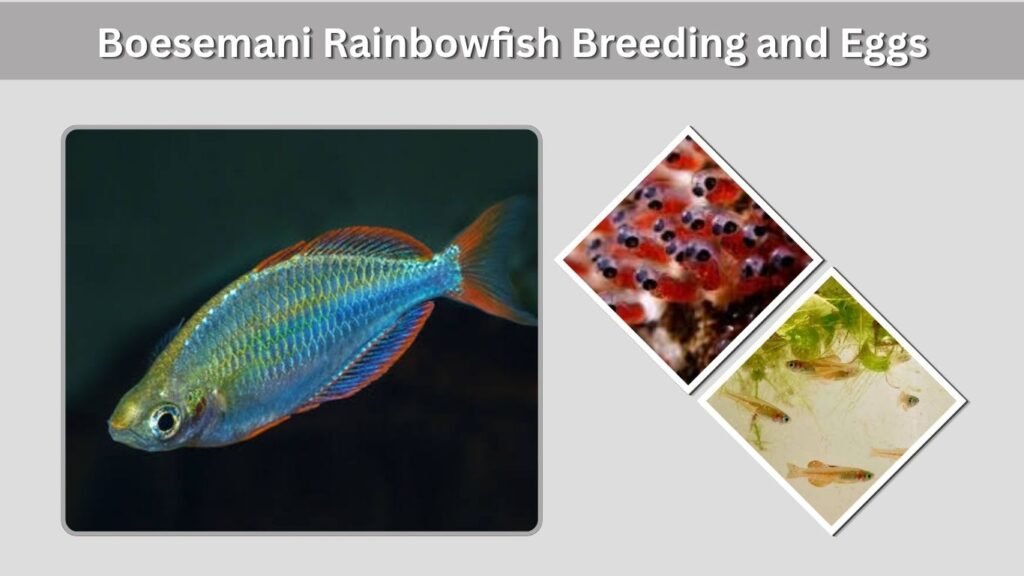
Boesemani rainbowfish are egg-scattering fish that reproduce among aquatic vegetation.
Healthy adults may spawn repeatedly when provided with nutritious food, suitable water conditions, and appropriate spawning materials.
How to Breed Boesemani Rainbowfish
A separate breeding aquarium containing Java moss or spawning mops can improve breeding success.
Maintain clean, slightly alkaline water at an appropriate warm temperature. Condition mature fish with nutritious frozen or live foods before breeding.
Females deposit adhesive eggs among fine-leaved plants, often over several days.
The eggs generally hatch within approximately 7–12 days, depending on temperature.
Newly hatched fry require very small foods, such as infusoria, before progressing to newly hatched brine shrimp.
Common Boesemani Rainbowfish Diseases
Although Boesemani rainbowfish are generally hardy, poor aquarium conditions can contribute to health problems.
Common issues include ich, bacterial infections, fin rot, and fungal infections. Symptoms may include white spots, damaged fins, cloudy eyes, unusual swimming, or reduced appetite.
Stress from overcrowding and poor water quality can increase susceptibility to disease.
Quarantine newly purchased fish, maintain clean water, and identify the cause of symptoms before applying medication.
Essential Boesemani Rainbowfish Care Tips
Consistent maintenance and appropriate aquarium management are important for keeping these colorful freshwater fish healthy.
Follow these basic recommendations:
- Maintain groups: Keep at least six Boesemani rainbowfish to encourage natural social behavior.
- Provide sufficient space: Choose a long aquarium with open swimming areas.
- Maintain stable water conditions: Monitor temperature, pH, ammonia, and nitrite.
- Offer nutritious foods: Rotate quality prepared foods with occasional live or frozen options.
- Choose suitable companions: Avoid aggressive predators and delicate fish that may become stressed.
- Perform regular maintenance: Change aquarium water as needed and clean filtration equipment appropriately.
FAQs
1. How Long Do Boesemani Rainbowfish Live?
Boesemani rainbowfish typically live around 5–8 years in well-maintained aquariums. Their lifespan depends on genetics, water quality, nutrition, and overall care. Stable temperatures, sufficient swimming space, and a balanced diet can help these colorful fish remain healthy for years.
2. Will Boesemani Rainbowfish Eat Shrimp?
Yes, Boesemani rainbowfish may eat small shrimp, especially baby cherry shrimp. Larger adult shrimp sometimes survive in heavily planted aquariums, but their safety is not guaranteed. These rainbowfish are opportunistic feeders and are unsuitable companions for dedicated shrimp breeding colonies.
3. Do Male Boesemani Rainbowfish Fight?
Male Boesemani rainbowfish sometimes chase or display toward each other, particularly during breeding. These interactions are usually harmless when the aquarium is spacious and the group is appropriately balanced. Persistent aggression may indicate overcrowding, competition, or an unsuitable social arrangement.
4. How Long Does It Take Boesemani Rainbowfish to Color Up?
Juvenile Boesemani rainbowfish gradually develop stronger colors as they mature. Some begin showing noticeable coloration within several months, while full adult coloration can take a year or longer. Genetics, nutrition, lighting, and overall aquarium health influence color development.
5. Are Boesemani Rainbowfish Good for Beginners?
Boesemani rainbowfish can be suitable for beginners who maintain stable aquarium conditions and provide adequate space. They are generally peaceful and accept many aquarium foods. However, their schooling requirements, active swimming behavior, and preference for consistent water parameters require preparation.
