
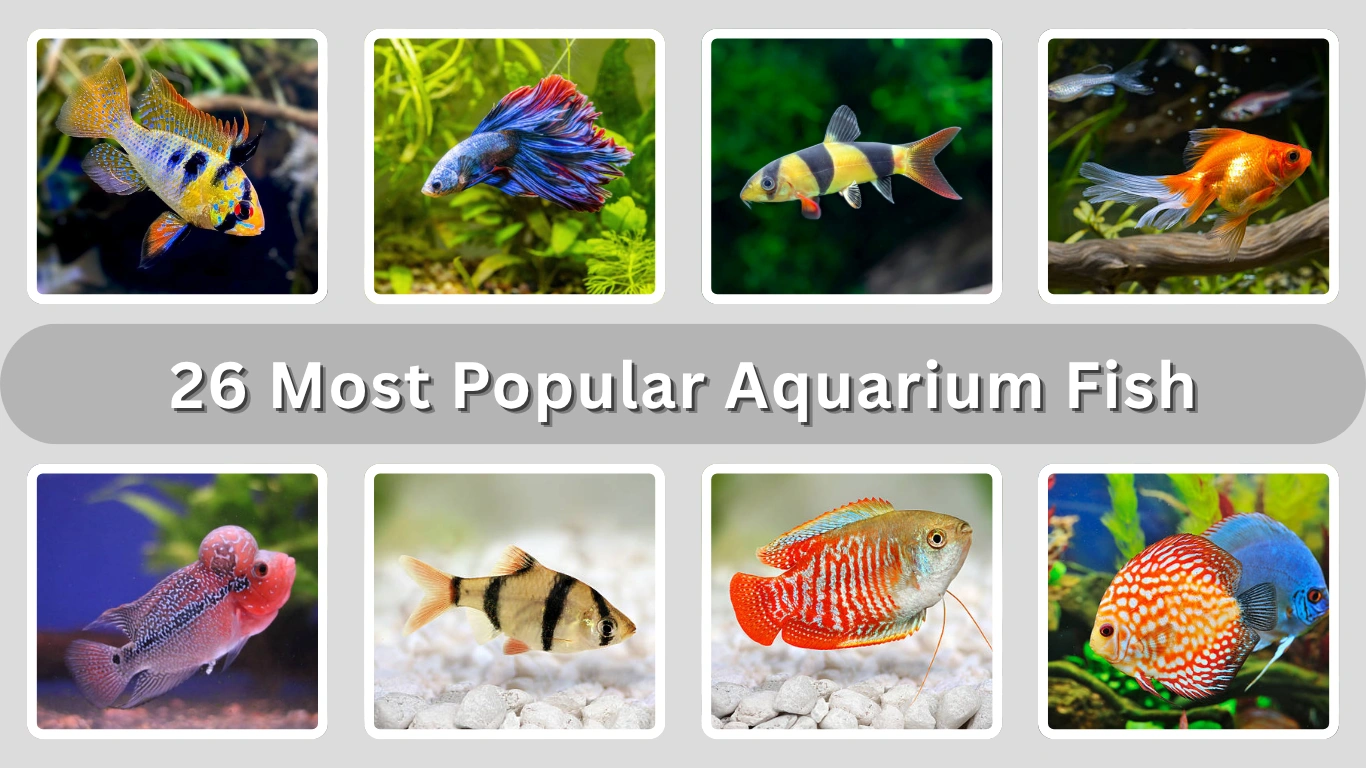
Aquarium fish are a popular choice for hobbyists due to their beauty, diversity, and calming presence. From brightly colored guppies to elegant angelfish, there are countless species suitable for different experience levels and tank setups. Whether you are a beginner or an experienced aquarist, choosing the right fish can enhance your aquarium’s appeal and balance. In this guide, you’ll discover 26 of the most popular aquarium fish, each with unique characteristics and care needs.
1. Guppy
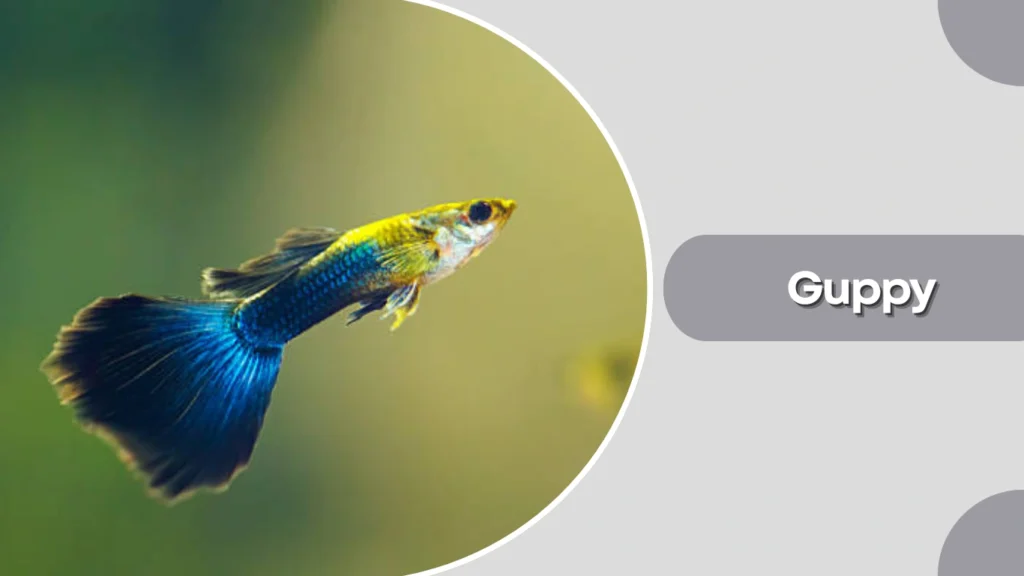
Guppies are among the most popular freshwater aquarium fish due to their vibrant colors, adaptability, and low maintenance needs. They are especially suitable for beginners because they can tolerate a range of water conditions and are easy to breed. Native to South America, guppies have been selectively bred into many stunning varieties, making them a favorite choice for decorative home aquariums.
Identification
- Small, slender body
- Males are smaller and more colorful than females
- Long, flowing tails with unique patterns
- Available in a wide range of colors such as red, blue, yellow, and multicolor
Habitat and Tank Requirements
Guppies prefer a well-maintained freshwater aquarium with stable conditions. A minimum tank size of 10 gallons is recommended to keep them comfortable and active. The ideal water temperature ranges between 22–28°C (72–82°F), with a slightly alkaline pH. Adding live plants and gentle filtration helps mimic their natural environment and provides hiding spots.
Diet and Feeding
Guppies are omnivorous and require a balanced diet to stay healthy. They readily accept high-quality flake food and micro pellets. For better coloration and growth, their diet can be supplemented with live or frozen foods such as brine shrimp, bloodworms, and daphnia. Feeding small portions twice daily is ideal.
Behavior and Temperament
Guppies are peaceful, social fish that thrive in groups. They are active swimmers and enjoy exploring their environment. They get along well with other non-aggressive species, making them perfect for community tanks. However, males may occasionally display mild chasing behavior during breeding.
2. Betta (Siamese Fighting Fish)
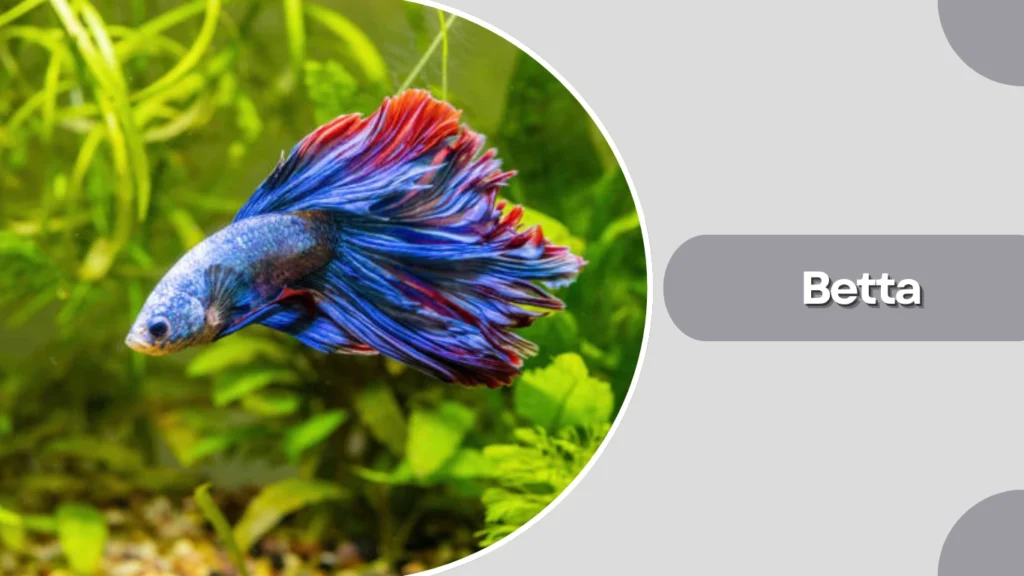
Betta fish are widely known for their striking colors and flowing fins, making them one of the most visually appealing aquarium fish. Native to Southeast Asia, they are hardy and can survive in smaller tanks, but they thrive best in well-maintained environments. Bettas are especially popular among beginners, though they require specific care due to their territorial nature.
Identification
- Medium-sized fish with long, flowing fins
- Bright colors such as red, blue, purple, and white
- Males are more colorful and have larger fins than females
- Distinct upturned mouth and sleek body shape
Habitat and Tank Requirements
Bettas prefer warm, calm water with minimal current. A tank of at least 5 gallons is recommended, even though they can survive in smaller containers. The ideal temperature ranges from 24–28°C (75–82°F). They need access to the water surface to breathe air, so avoid filling the tank completely. Adding plants and hiding spots improves their comfort.
Diet and Feeding
Bettas are carnivorous and require a protein-rich diet. High-quality betta pellets should form the base of their diet. They also benefit from occasional treats like bloodworms, brine shrimp, or mosquito larvae. Overfeeding should be avoided, as it can lead to health problems.
Behavior and Temperament
Bettas are known for their aggressive and territorial behavior, especially males. They should not be kept together with other male bettas. However, they can coexist with certain peaceful tank mates if space and conditions are appropriate. They are intelligent fish and may even recognize their owners.
3. Goldfish
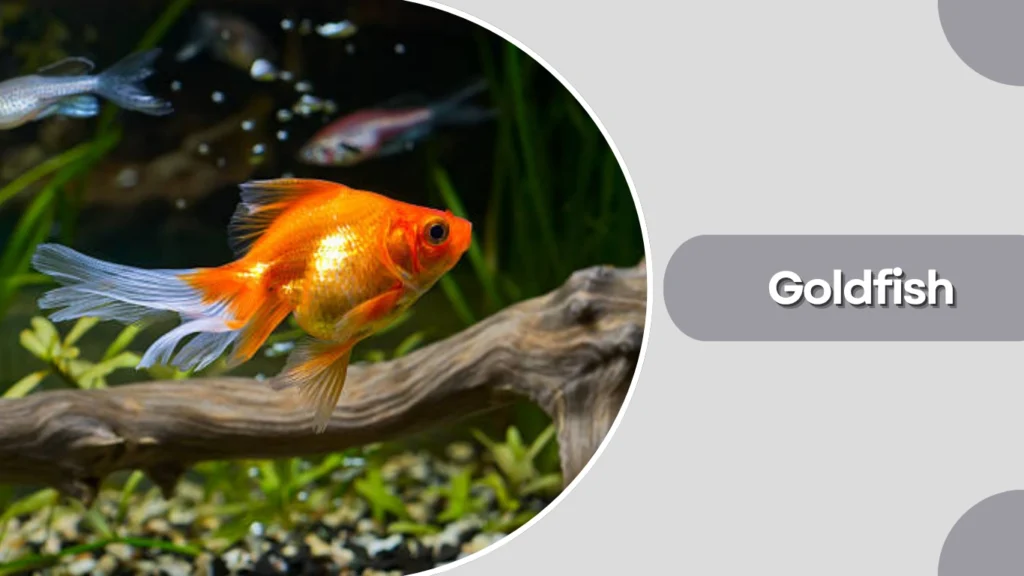
Goldfish are one of the oldest and most well-known aquarium fish, appreciated for their graceful swimming and bright golden coloration. Originally domesticated in China, they have been bred into many varieties with different shapes and fin styles. Although often considered beginner fish, goldfish require proper care, space, and filtration to live long and healthy lives.
Identification
- Rounded or elongated body depending on variety
- Bright orange, gold, white, or calico coloration
- Some types have long, flowing fins (fancy goldfish)
- Prominent eyes in certain varieties like telescope goldfish
Habitat and Tank Requirements
Goldfish need spacious aquariums due to their size and waste production. A minimum of 20 gallons is recommended for one fish, with additional space for more. They prefer cooler water, typically between 18–24°C (65–75°F). Strong filtration and regular water changes are essential to maintain water quality. Avoid overcrowding to prevent stress and disease.
Diet and Feeding
Goldfish are omnivores and enjoy a varied diet. High-quality goldfish flakes or pellets should be their main food source. They also benefit from vegetables like peas and spinach, as well as occasional protein treats such as bloodworms. Feeding small portions 1–2 times daily helps prevent overfeeding.
Behavior and Temperament
Goldfish are peaceful and social fish that do well with other calm species. They are active swimmers and enjoy exploring their surroundings. However, they may eat smaller fish that fit into their mouths, so tank mates should be chosen carefully.
4. Neon Tetra
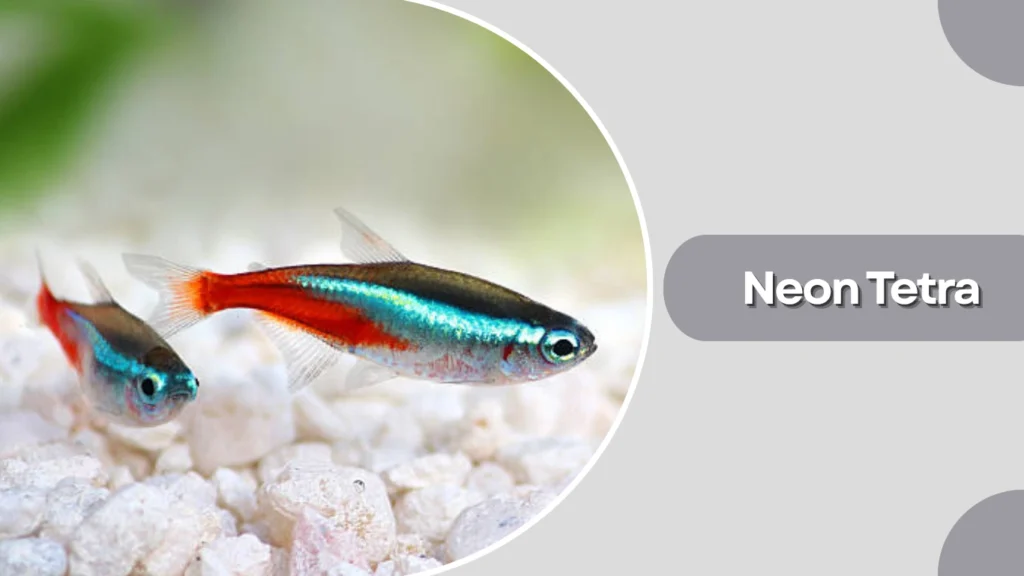
Neon Tetras are small, brightly colored freshwater fish that are extremely popular in community aquariums. Known for their glowing blue and red stripes, they add a vibrant, lively look to any tank. Native to the Amazon Basin, these fish are peaceful and easy to care for, making them a great choice for beginners and experienced aquarists alike.
Identification
- Small, slender body (about 1–1.5 inches long)
- Bright blue horizontal stripe from head to tail
- Red stripe running along the lower half of the body
- Transparent fins with a slight shimmer
Habitat and Tank Requirements
Neon Tetras prefer a well-planted aquarium that mimics their natural habitat. A tank of at least 10 gallons is suitable for a small group. They thrive in soft, slightly acidic water with a temperature range of 20–26°C (68–79°F). Gentle filtration and dim lighting help them feel secure and display their best colors.
Diet and Feeding
Neon Tetras are omnivores and eat a variety of foods. They do well on high-quality micro flakes or small pellets. Their diet can be supplemented with live or frozen foods such as brine shrimp, daphnia, or bloodworms to enhance their health and coloration.
Behavior and Temperament
Neon Tetras are peaceful, schooling fish that should be kept in groups of at least six or more. They are active swimmers and feel safest when in a group. They coexist well with other small, non-aggressive fish, making them ideal for community tanks.
5. Angelfish
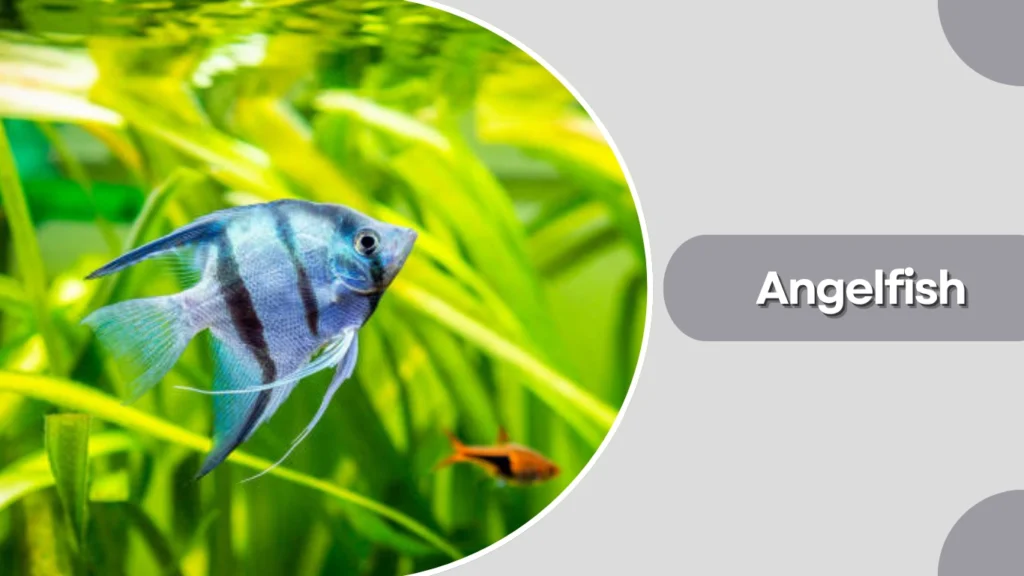
Angelfish are elegant freshwater fish known for their tall, triangular shape and graceful movement. Native to the Amazon River basin, they are a favorite among aquarists for their unique appearance and variety of color patterns. While relatively easy to care for, they require proper tank space and compatible tank mates to thrive.
Identification
- Tall, triangular body shape
- Long, flowing dorsal and anal fins
- Colors include silver, black, gold, and striped patterns
- Can grow up to 6 inches in length and taller in height
Habitat and Tank Requirements
Angelfish need a spacious aquarium due to their height and size. A minimum tank size of 20 gallons is recommended for a pair, with taller tanks preferred. They thrive in warm water between 24–28°C (75–82°F) and slightly acidic to neutral pH. Adding plants and vertical decorations helps mimic their natural environment.
Diet and Feeding
Angelfish are omnivores and require a varied diet. They can be fed high-quality flakes or pellets as a staple. Supplementing their diet with live or frozen foods like bloodworms, brine shrimp, and daphnia helps improve their health and coloration.
Behavior and Temperament
Angelfish are generally peaceful but can become semi-aggressive, especially during breeding. They may show territorial behavior and should not be kept with very small fish that they might see as food. They do well in community tanks with similarly sized, calm species.
6. Molly
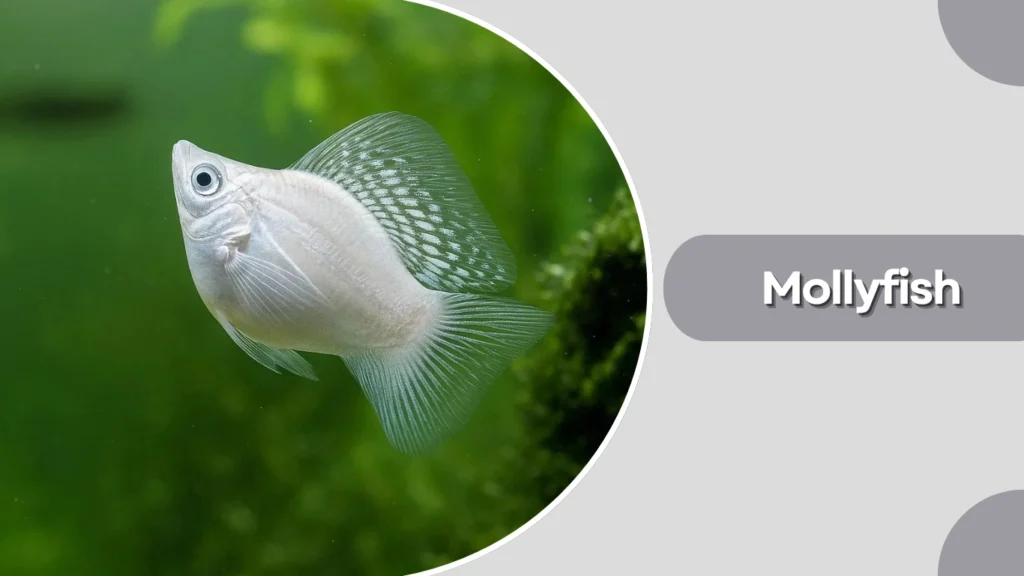
Mollies are hardy and adaptable freshwater fish that are popular among aquarium enthusiasts for their peaceful nature and variety of colors. They are livebearers, meaning they give birth to free-swimming young, which makes them especially interesting for beginners. Mollies can also tolerate slightly brackish water, adding to their versatility in home aquariums.
Identification
- Medium-sized, slightly elongated body
- Available in many colors such as black, white, orange, and dalmatian patterns
- Rounded fins, with some varieties having sail-like dorsal fins
- Females are usually larger than males
Habitat and Tank Requirements
Mollies prefer a well-maintained aquarium with plenty of swimming space. A minimum tank size of 10–20 gallons is recommended depending on the group size. They thrive in water temperatures between 24–28°C (75–82°F) and prefer slightly alkaline conditions. Adding plants and some open space creates a balanced environment for them.
Diet and Feeding
Mollies are omnivores with a strong preference for plant-based foods. They should be fed high-quality flakes or pellets along with algae-based foods. Supplementing their diet with vegetables like spinach or zucchini, as well as occasional live or frozen foods, helps keep them healthy.
Behavior and Temperament
Mollies are peaceful and social fish that do well in groups. They are active swimmers and get along with most non-aggressive species. Males may occasionally show mild aggression toward each other, especially in smaller tanks, so maintaining a proper male-to-female ratio helps reduce stress.
7. Platy
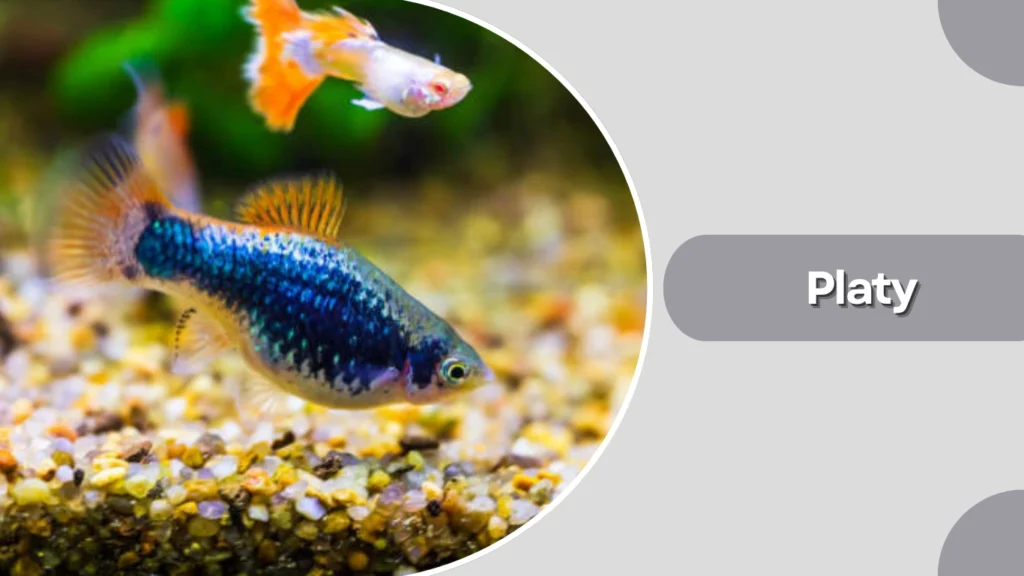
Platies are small, colorful freshwater fish that are well-loved for their peaceful nature and easy care. They are ideal for beginners and are commonly found in community aquariums. Native to Central America, platies are livebearers and come in a wide range of vibrant color variations, making them a lively addition to any tank.
Identification
- Small, compact body
- Bright colors such as red, orange, yellow, blue, and mixed patterns
- Short fins and slightly rounded tail
- Females are larger and less colorful than males
Habitat and Tank Requirements
Platies adapt well to various aquarium conditions, making them very beginner-friendly. A tank size of at least 10 gallons is recommended. They prefer water temperatures between 22–26°C (72–79°F) and slightly alkaline water. Adding plants and open swimming areas helps them stay active and comfortable.
Diet and Feeding
Platies are omnivores and thrive on a balanced diet. High-quality flakes or pellets should be their main food source. They also enjoy plant matter and can be fed vegetables like spinach or zucchini. Occasional treats such as brine shrimp or bloodworms provide additional nutrition.
Behavior and Temperament
Platies are peaceful, social fish that do best in small groups. They are active and friendly, making them excellent for community tanks. They rarely show aggression and coexist well with other non-aggressive fish species.
8. Swordtail
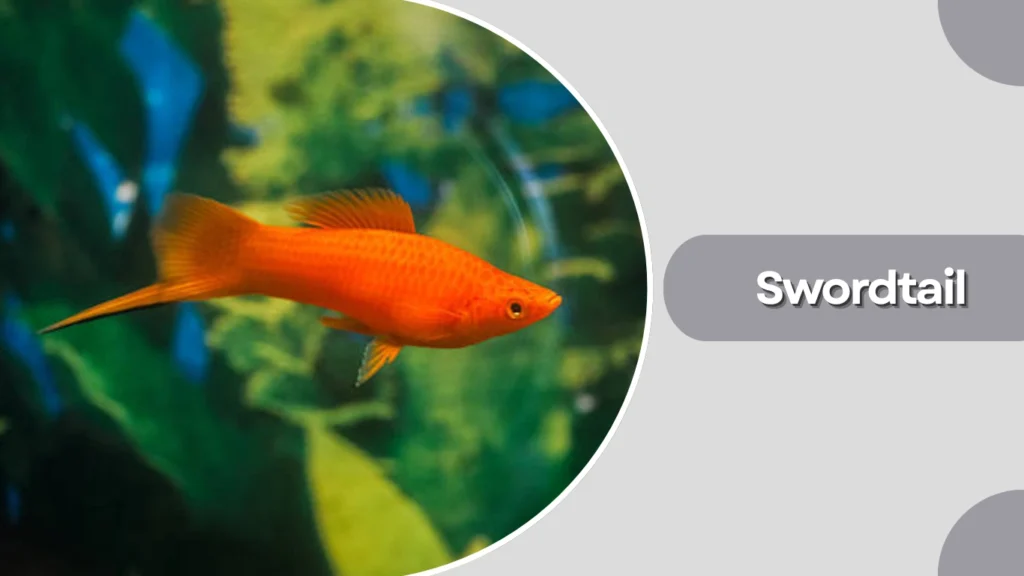
Swordtails are popular freshwater fish known for their vibrant colors and the distinctive sword-like extension on the male’s tail. Native to Central America, they are hardy and easy to care for, making them a great choice for beginners. Their active nature and striking appearance add energy and beauty to community aquariums.
Identification
- Elongated body shape
- Males have a long, sword-like extension on the lower tail fin
- Colors include red, orange, green, and mixed varieties
- Females lack the sword and are usually larger
Habitat and Tank Requirements
Swordtails require a spacious tank due to their active swimming behavior. A minimum of 15–20 gallons is recommended. They thrive in water temperatures between 22–28°C (72–82°F) and prefer slightly alkaline water. Providing plants along with open swimming space creates a balanced environment.
Diet and Feeding
Swordtails are omnivores and eat a wide variety of foods. A diet of high-quality flakes or pellets should be supplemented with plant-based foods and occasional live or frozen options like brine shrimp or bloodworms. A varied diet helps maintain their color and overall health.
Behavior and Temperament
Swordtails are generally peaceful but can show mild aggression, especially among males competing for dominance. Keeping more females than males helps reduce conflict. They are active, social fish that do well in community tanks with other non-aggressive species.
9. Zebra Danio
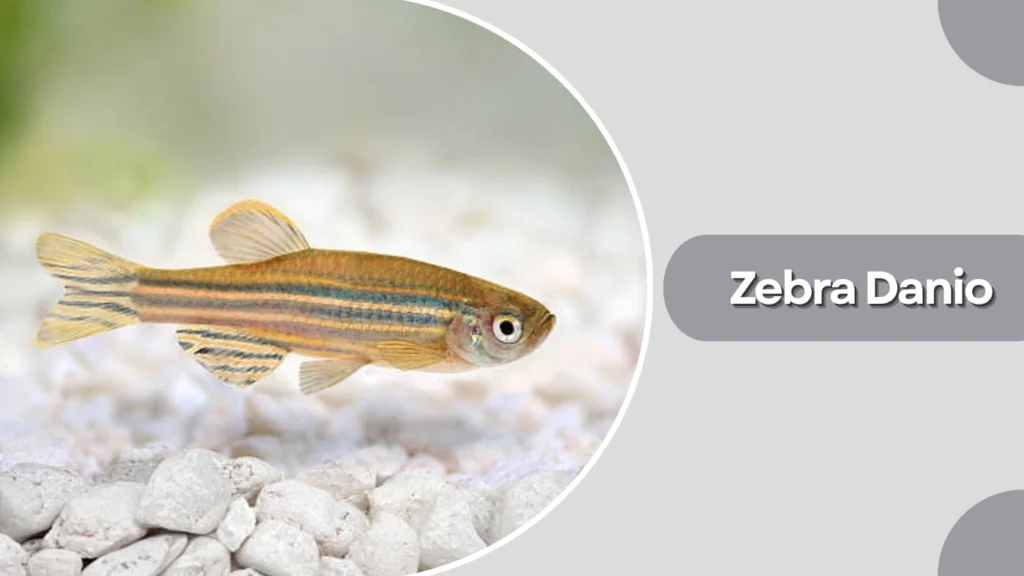
Zebra Danios are small, energetic freshwater fish known for their striking striped patterns and active swimming behavior. Native to South Asia, they are extremely hardy and adaptable, making them an excellent choice for beginners. Their lively nature brings constant movement and excitement to community aquariums.
Identification
- Small, slender body
- Horizontal blue and silver zebra-like stripes
- Short fins and streamlined shape
- Typically grow up to about 2 inches in length
Habitat and Tank Requirements
Zebra Danios are very adaptable and can thrive in a variety of tank conditions. A minimum tank size of 10 gallons is suitable, though larger tanks are better for groups. They prefer temperatures between 18–26°C (65–79°F) and enjoy well-oxygenated water with moderate flow. Providing open swimming space is important due to their active nature.
Diet and Feeding
Zebra Danios are omnivores and not picky eaters. They accept flakes, pellets, and a variety of live or frozen foods such as brine shrimp and daphnia. Feeding small portions once or twice daily helps maintain their health and energy levels.
Behavior and Temperament
Zebra Danios are peaceful, schooling fish that should be kept in groups of at least five or more. They are very active swimmers and may sometimes appear slightly nippy, especially if kept in small numbers. They are well-suited for community tanks with other fast-moving, non-aggressive fish.
10. Discus
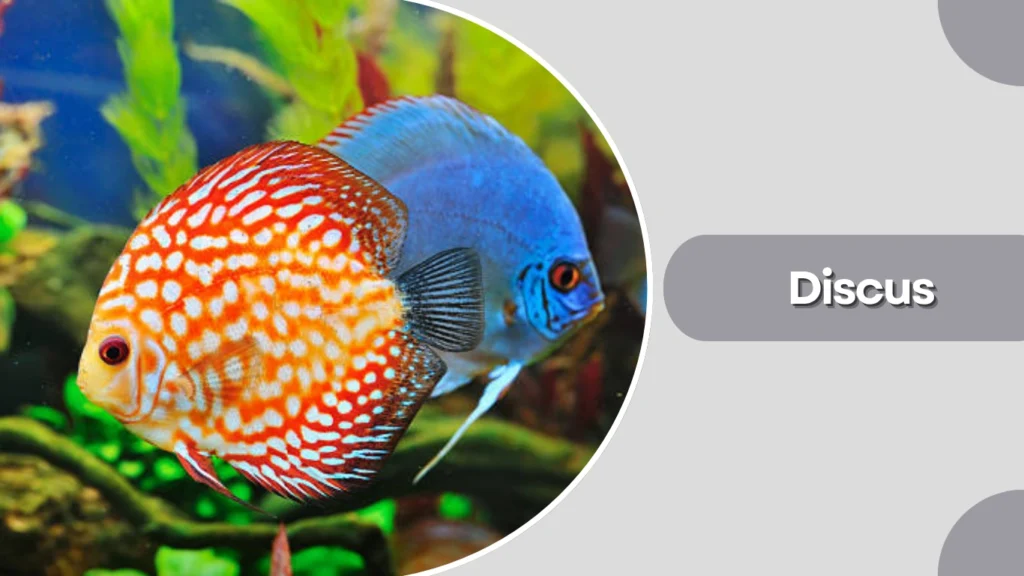
Discus fish are often considered the “king of the aquarium” due to their vibrant colors and graceful, disc-shaped bodies. Native to the Amazon River basin, they are more demanding than many other freshwater fish and are best suited for experienced aquarists. Their beauty and calm presence make them a centerpiece in any well-maintained aquarium.
Identification
- Round, disc-shaped body
- Bright colors including blue, red, green, and patterned varieties
- Long, flowing fins that extend along the body
- Can grow up to 6–8 inches in diameter
Habitat and Tank Requirements
Discus require a clean, stable, and spacious aquarium. A minimum of 30–50 gallons is recommended for a small group. They prefer warm water between 27–30°C (80–86°F) and soft, slightly acidic conditions. Excellent filtration and frequent water changes are essential to maintain their health. A planted tank with open swimming space works best.
Diet and Feeding
Discus are omnivores but need a high-protein, high-quality diet. They can be fed specialized discus pellets along with frozen or live foods such as bloodworms and brine shrimp. Feeding small amounts multiple times a day helps support their growth and health.
Behavior and Temperament
Discus are peaceful and somewhat shy fish that do best in groups. They prefer calm tank mates and a quiet environment. Sudden changes or aggressive companions can stress them, so careful selection of tank mates is important.
11. Oscar
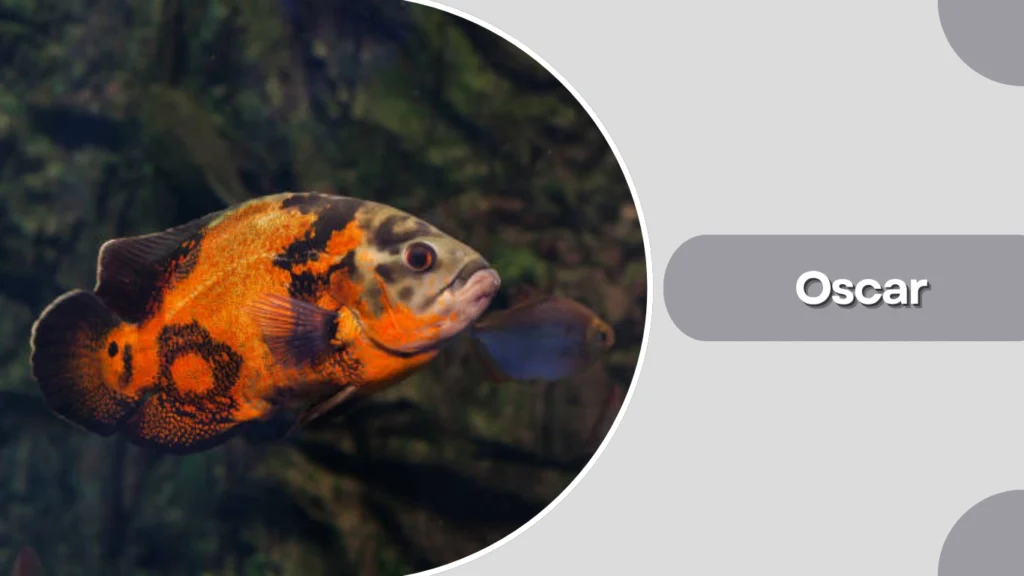
Oscar fish are large, intelligent freshwater cichlids known for their bold personality and interactive behavior. Native to South America, they are popular among experienced aquarists who enjoy fish that can recognize their owners and display unique behaviors. However, their size and temperament require proper care and a spacious aquarium.
Identification
- Large, oval-shaped body
- Colors include black, orange, red, and albino varieties
- Prominent eyes and thick lips
- Can grow up to 10–12 inches in length
Habitat and Tank Requirements
Oscars need a large tank due to their size and activity level. A minimum of 55 gallons is recommended for one fish. They prefer water temperatures between 24–28°C (75–82°F) and slightly acidic to neutral pH. Strong filtration is essential, as they produce a significant amount of waste. Decorations should be sturdy, as Oscars may rearrange the tank.
Diet and Feeding
Oscars are omnivores with a strong preference for protein-rich foods. They can be fed high-quality pellets as a staple diet, along with live or frozen foods such as bloodworms, shrimp, and small fish. Occasional vegetables can also be included. Avoid overfeeding to maintain water quality and fish health.
Behavior and Temperament
Oscars are intelligent but can be aggressive and territorial, especially as they grow. They may not be suitable for typical community tanks. If kept with other fish, tank mates should be large and robust. Oscars often interact with their owners and can even be hand-fed, making them very engaging pets.
12. Gourami
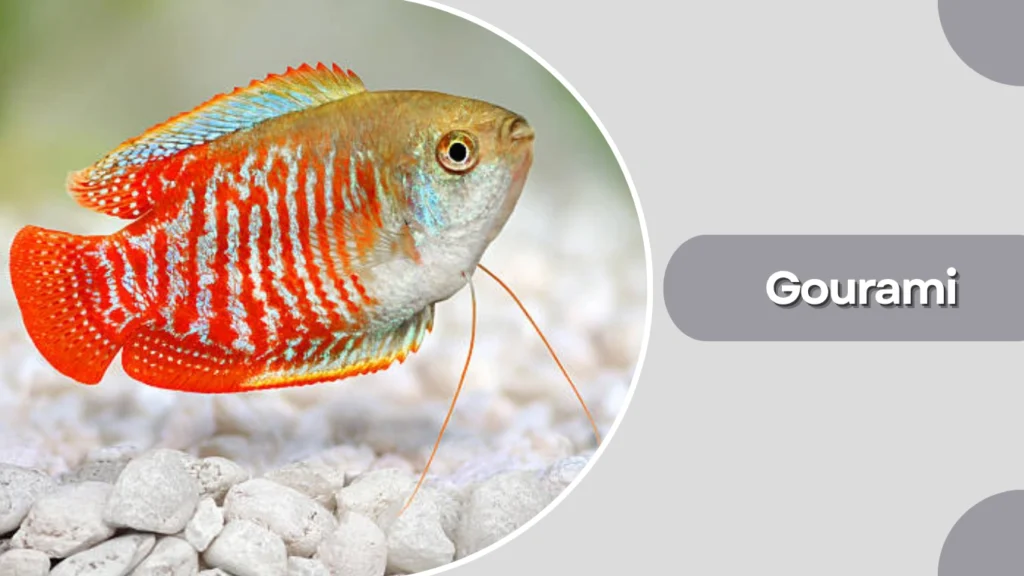
Gouramis are attractive freshwater fish known for their calm nature and unique ability to breathe air from the surface using a specialized organ. Native to Asia, they come in a variety of colors and sizes, making them a popular choice for both beginner and experienced aquarists. Their graceful movement and peaceful behavior add a relaxing presence to aquariums.
Identification
- Oval-shaped, laterally compressed body
- Long, thread-like pelvic fins (feelers)
- Colors vary widely, including blue, gold, pearl, and dwarf varieties
- Medium size, depending on species
Habitat and Tank Requirements
Gouramis prefer a calm, well-planted aquarium with minimal water current. A tank size of at least 10–20 gallons is recommended depending on the species. They thrive in warm water between 24–28°C (75–82°F) and prefer slightly acidic to neutral conditions. Access to the water surface is important for breathing.
Diet and Feeding
Gouramis are omnivores and enjoy a varied diet. They can be fed high-quality flakes or pellets as a staple. Supplementing with live or frozen foods such as bloodworms, brine shrimp, and daphnia helps improve their health and coloration.
Behavior and Temperament
Gouramis are generally peaceful but can be slightly territorial, especially males. They do well in community tanks with non-aggressive fish. Providing enough space and hiding spots helps reduce stress and aggression.
13. Corydoras Catfish
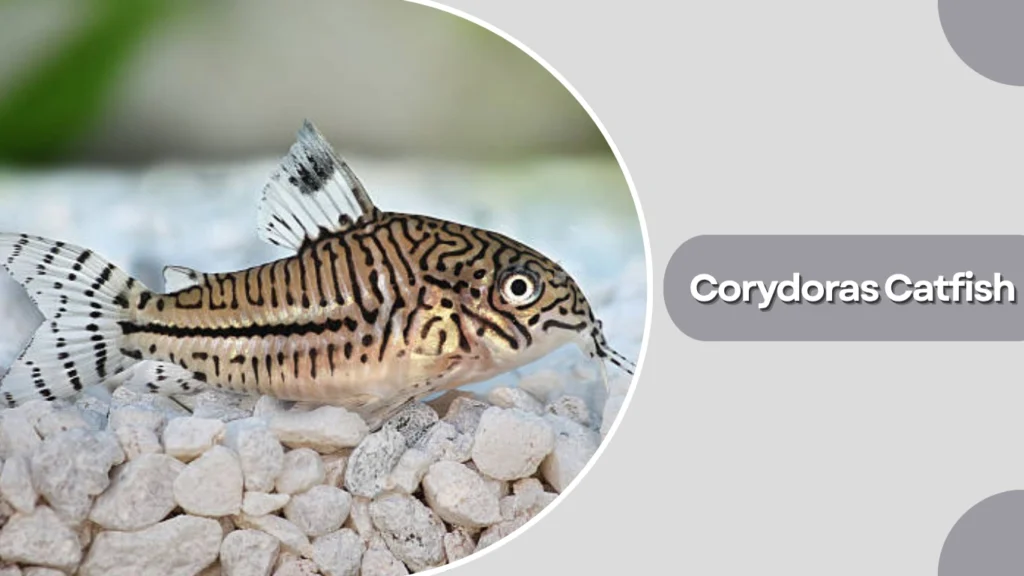
Corydoras Catfish, often called “Corys,” are small, bottom-dwelling freshwater fish known for their peaceful nature and helpful role as tank cleaners. Native to South America, they are highly social and thrive in groups. Their constant activity along the substrate makes them a lively and beneficial addition to community aquariums.
Identification
- Small, rounded body with a slightly flat underside
- Barbels (whisker-like structures) around the mouth
- Armored plates instead of scales
- Usually light-colored with spots or patterns
Habitat and Tank Requirements
Corydoras prefer a soft, sandy substrate to protect their sensitive barbels. A tank of at least 10–20 gallons is suitable, especially when keeping them in groups of 5 or more. They thrive in temperatures between 22–26°C (72–79°F) and require clean, well-oxygenated water. Adding plants and hiding spots enhances their comfort.
Diet and Feeding
Corydoras are omnivores and primarily feed at the bottom of the tank. They should be given sinking pellets or wafers as their main diet. They also enjoy live or frozen foods such as bloodworms and brine shrimp. It’s important to ensure they get enough food, as they should not rely only on leftovers.
Behavior and Temperament
Corydoras are extremely peaceful and social fish that do best in groups. They are active scavengers and often move together along the bottom. They get along well with most community fish and help keep the tank clean by consuming leftover food.
14. Plecostomus (Pleco)
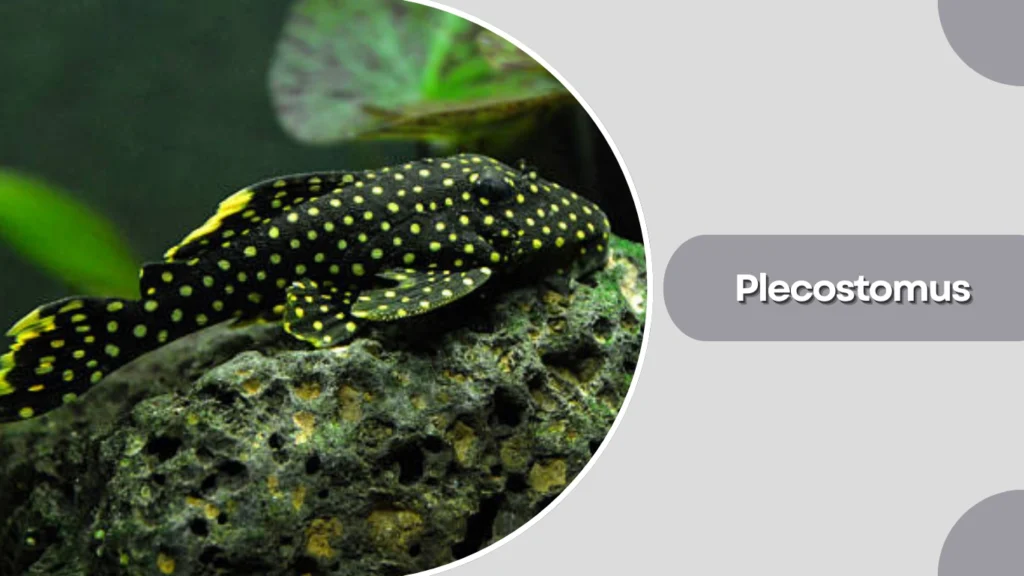
Plecostomus, commonly known as Plecos, are popular freshwater fish recognized for their algae-eating habits and unique appearance. Native to South America, they are often added to aquariums to help control algae growth. While helpful, many species grow quite large and require proper tank space and care.
Identification
- Flattened body with a wide head
- Sucker-like mouth for attaching to surfaces
- Dark coloration with spots or patterns
- Armored body with bony plates
Habitat and Tank Requirements
Plecos need a spacious aquarium, especially larger species that can grow over 12 inches. A minimum of 30 gallons is recommended, though bigger tanks are better. They prefer temperatures between 22–28°C (72–82°F) and slightly acidic to neutral water. Driftwood and hiding spots are important, as they like to rest during the day.
Diet and Feeding
Plecos are primarily herbivores and feed on algae, but they should not rely solely on it. They need a balanced diet including algae wafers, vegetables like zucchini and cucumber, and occasional protein sources. Providing driftwood also supports their digestion.
Behavior and Temperament
Plecos are generally peaceful and spend most of their time at the bottom or attached to surfaces. They are mostly nocturnal and become more active at night. They can coexist with many community fish, but may become territorial with other bottom dwellers if space is limited.
15. Cherry Barb
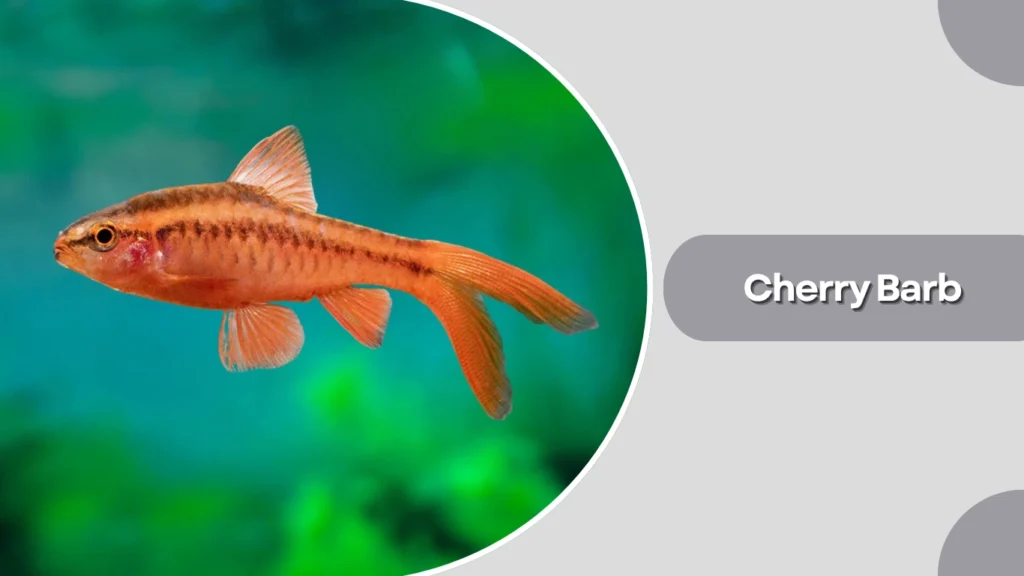
Cherry Barbs are small, colorful freshwater fish known for their bright red coloration and peaceful nature. Native to Sri Lanka, they are a favorite among aquarists for their easy care and attractive appearance. Their calm temperament makes them an excellent choice for community aquariums.
Identification
- Small, slender body
- Males display bright cherry-red coloration, especially during breeding
- Females are lighter in color, often orange or pale red
- Subtle horizontal stripe along the body
Habitat and Tank Requirements
Cherry Barbs thrive in a well-planted aquarium with plenty of hiding spots. A minimum tank size of 10 gallons is suitable for a small group. They prefer water temperatures between 23–27°C (73–81°F) and slightly acidic to neutral conditions. Soft lighting and plants help them feel secure and enhance their colors.
Diet and Feeding
Cherry Barbs are omnivores and accept a wide range of foods. They can be fed high-quality flakes or small pellets as a staple. Their diet can be supplemented with live or frozen foods such as brine shrimp, daphnia, and bloodworms for better health and coloration.
Behavior and Temperament
Cherry Barbs are peaceful, schooling fish that should be kept in groups of at least five or more. They are shy compared to other barbs and prefer a calm environment. They get along well with other non-aggressive species, making them ideal for community tanks.
16. Tiger Barb
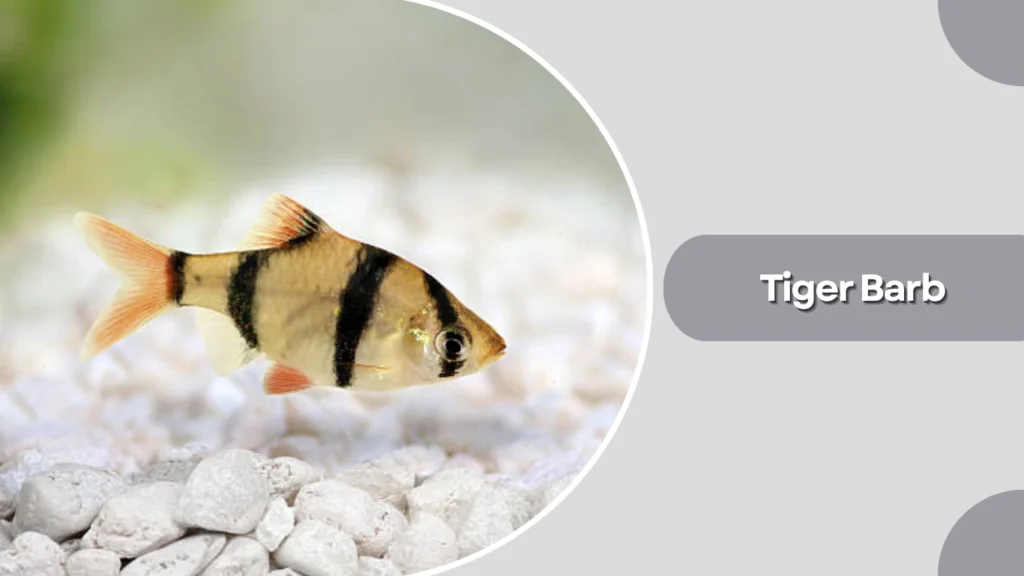
Tiger Barbs are active and energetic freshwater fish known for their bold black stripes and lively behavior. Native to Southeast Asia, they are a popular choice for aquarists who enjoy dynamic and fast-moving fish. While easy to care for, their slightly aggressive nature requires careful selection of tank mates.
Identification
- Small, deep-bodied fish
- Distinct vertical black stripes on a golden or orange body
- Reddish fins and snout
- Typically grow up to about 2–3 inches
Habitat and Tank Requirements
Tiger Barbs thrive in a spacious aquarium with plenty of swimming room. A minimum tank size of 20 gallons is recommended, especially for groups. They prefer water temperatures between 22–27°C (72–81°F) and slightly acidic to neutral pH. Adding plants and open areas creates a balanced environment.
Diet and Feeding
Tiger Barbs are omnivores and have a strong appetite. They can be fed high-quality flakes or pellets as their main diet. Supplementing with live or frozen foods such as bloodworms, brine shrimp, and daphnia helps maintain their health and vibrant coloration.
Behavior and Temperament
Tiger Barbs are semi-aggressive and known for fin-nipping, especially if kept in small numbers. Keeping them in groups of at least six or more helps reduce aggression. They are best suited for tanks with other active, similarly sized fish rather than slow-moving or long-finned species.
17. Rainbowfish
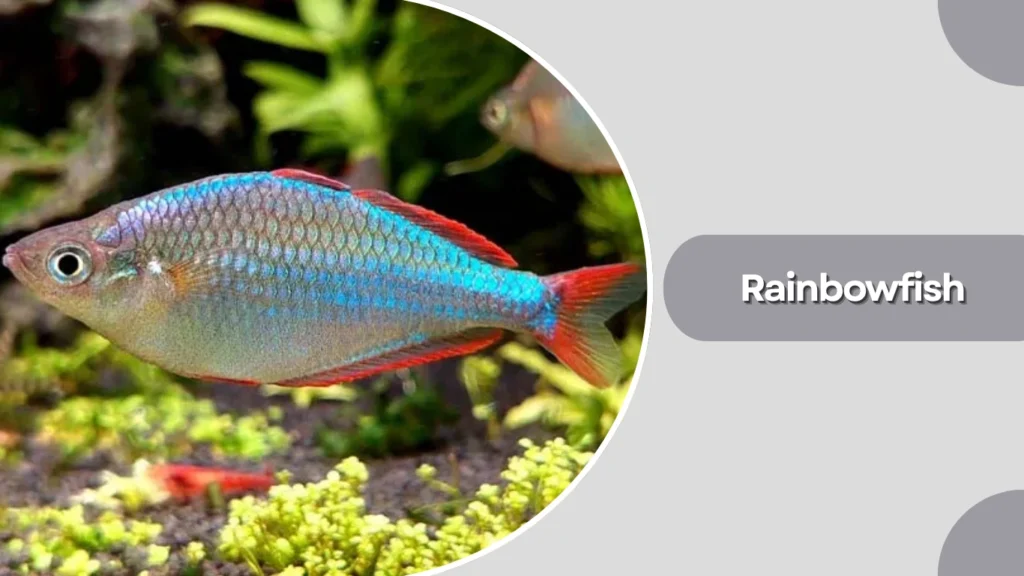
Rainbowfish are beautiful freshwater fish admired for their shimmering, iridescent colors that seem to change under different lighting. Native to Australia and New Guinea, they are active swimmers and bring vibrant energy to aquariums. Their hardy nature and peaceful temperament make them suitable for both beginners and experienced fish keepers.
Identification
- Slender, elongated body
- Iridescent scales that reflect rainbow-like colors
- Forked tail and slightly arched back
- Colors intensify as they mature, especially in males
Habitat and Tank Requirements
Rainbowfish require a spacious aquarium due to their active swimming habits. A minimum of 20 gallons is recommended for a small group. They thrive in water temperatures between 22–28°C (72–82°F) and prefer slightly alkaline conditions. A tank with open swimming space along with some plants works best for them.
Diet and Feeding
Rainbowfish are omnivores and benefit from a varied diet. They can be fed high-quality flakes or pellets as a staple. Supplementing their diet with live or frozen foods like brine shrimp, daphnia, and bloodworms helps enhance their coloration and overall health.
Behavior and Temperament
Rainbowfish are peaceful, schooling fish that should be kept in groups of at least five or more. They are very active and do well in community tanks with other non-aggressive species. Their lively nature makes them a great addition to active aquariums.
18. Killifish
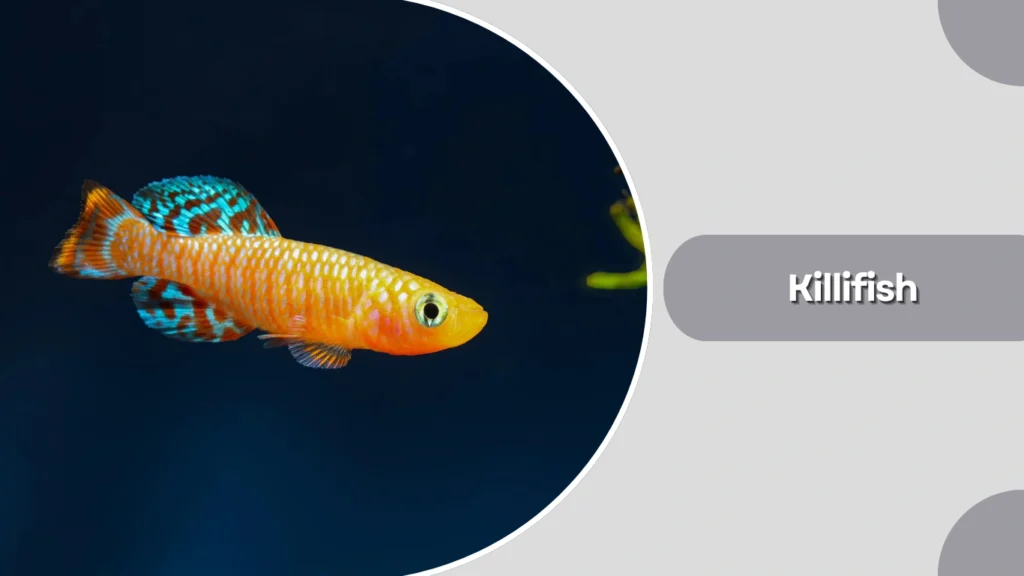
Killifish are small, brightly colored freshwater fish known for their unique patterns and short lifespans in some species. Native to Africa and South America, they are popular among hobbyists who appreciate their vivid colors and interesting breeding behavior. Many species are hardy, though some require more specific care.
Identification
- Small, slender body
- Bright, striking colors with spots, stripes, or patterns
- Males are more colorful than females
- Upturned mouth, adapted for surface feeding
Habitat and Tank Requirements
Killifish prefer a well-covered aquarium, as they are excellent jumpers. A tank size of 10 gallons or more is suitable depending on the species. They thrive in temperatures between 22–26°C (72–79°F) and often prefer slightly acidic, soft water. Adding plants and gentle lighting helps recreate their natural habitat.
Diet and Feeding
Killifish are mostly carnivorous and prefer live or frozen foods. They thrive on diets that include brine shrimp, bloodworms, mosquito larvae, and daphnia. While some may accept dry food, live food is often necessary for optimal health and coloration.
Behavior and Temperament
Killifish are generally peaceful but can be slightly territorial, especially males. They are best kept in species-specific tanks or with calm tank mates. Keeping them in pairs or small groups works well, depending on the species.
19. Arowana
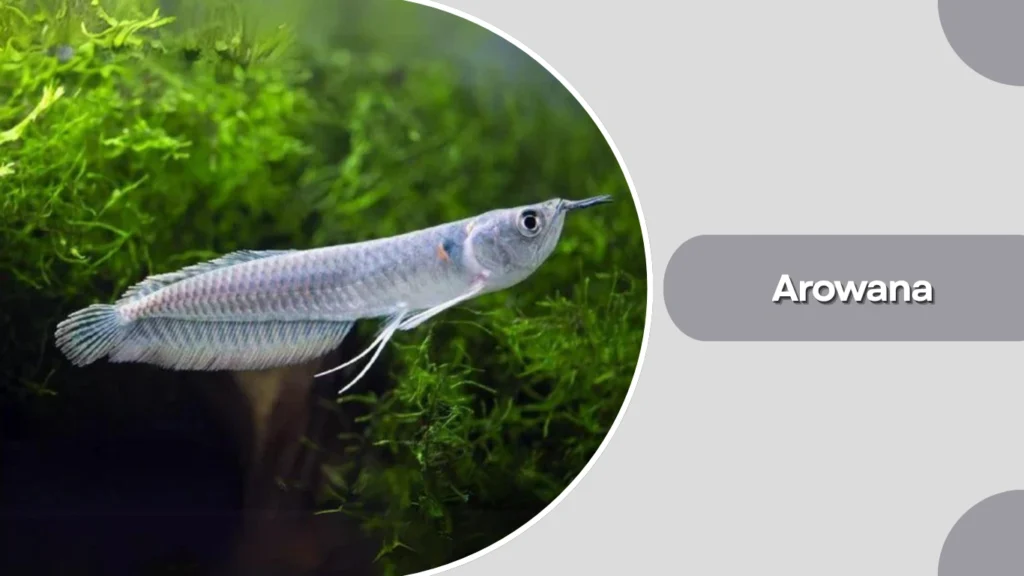
Arowanas are large, majestic freshwater fish known for their dragon-like appearance and powerful swimming style. Native to South America, Asia, and Africa, they are often considered symbols of luck and prosperity. Due to their size and care requirements, they are best suited for experienced aquarists with large aquariums.
Identification
- Long, slender body
- Metallic scales that shimmer in light
- Upturned mouth with barbels (whisker-like appendages)
- Can grow over 24 inches depending on species
Habitat and Tank Requirements
Arowanas require very large tanks, typically 100 gallons or more, due to their size and active nature. They prefer warm water between 24–30°C (75–86°F) and slightly acidic to neutral pH. A tightly covered tank is essential, as they are powerful jumpers. Minimal decorations with plenty of open swimming space is ideal.
Diet and Feeding
Arowanas are carnivorous and require a protein-rich diet. They can be fed pellets designed for large carnivorous fish, along with live or frozen foods such as shrimp, insects, and small fish. A varied diet helps maintain their health and coloration.
Behavior and Temperament
Arowanas are generally solitary and can be territorial, especially toward smaller fish. They are best kept alone or with very large, compatible tank mates. Despite their aggressive tendencies, they are intelligent and can recognize their owners over time.
20. Flowerhorn Cichlid
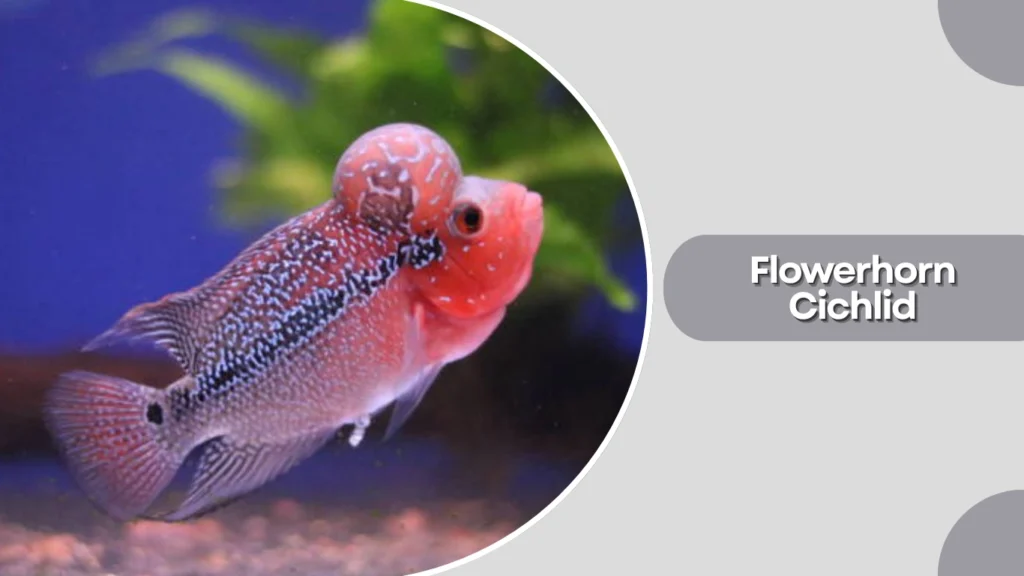
Flowerhorn Cichlids are unique and highly recognizable freshwater fish, famous for their prominent head hump and vibrant coloration. They are man-made hybrids, bred for their appearance and personality. Popular in many parts of Asia, they are often associated with luck and prosperity. Due to their aggressive nature, they require dedicated care and space.
Identification
- Large, bulky body
- Prominent head hump (kok)
- Bright colors with pearly or metallic patterns
- Can grow up to 10–12 inches in length
Habitat and Tank Requirements
Flowerhorns require a spacious tank, with at least 55 gallons recommended for a single fish. They prefer water temperatures between 26–30°C (79–86°F) and neutral to slightly alkaline pH. Strong filtration is essential due to their high waste production. Decorations should be minimal and sturdy, as they tend to dig and rearrange their environment.
Diet and Feeding
Flowerhorns are omnivores but thrive on a protein-rich diet. High-quality cichlid pellets should form the base of their diet. They can also be fed live or frozen foods such as shrimp, bloodworms, and small fish. Occasional vegetables can be included for balance.
Behavior and Temperament
Flowerhorn Cichlids are highly aggressive and territorial. They are best kept alone in a tank, as they may attack other fish. Despite their aggression, they are intelligent and interactive, often recognizing and responding to their owners.
21. Bala Shark
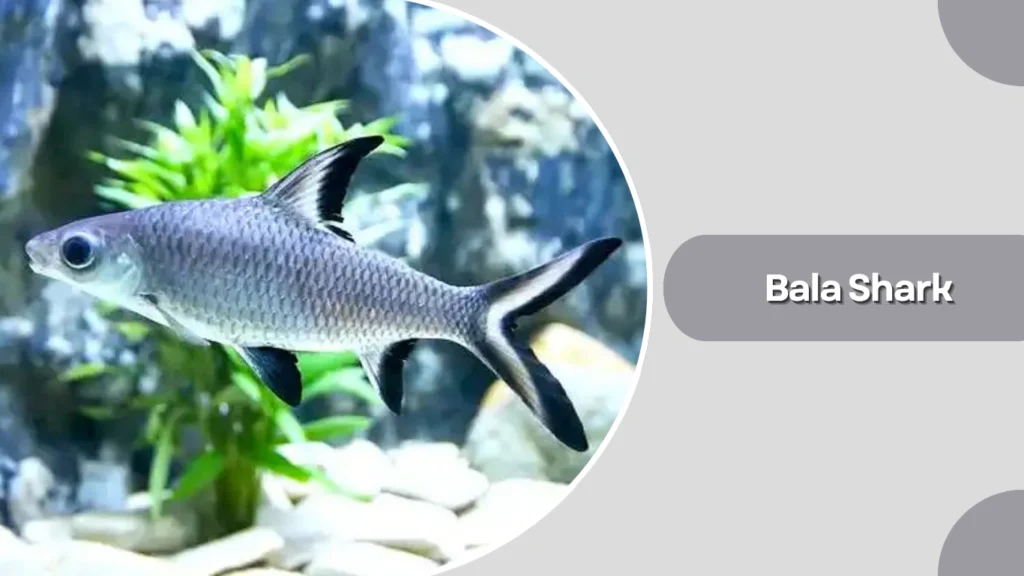
Bala Sharks are large, active freshwater fish known for their sleek, shark-like appearance. Despite their name, they are peaceful and well-suited for community aquariums when kept with appropriate tank mates. Native to Southeast Asia, they are popular for their striking look and energetic swimming behavior.
Identification
- Streamlined, torpedo-shaped body
- Silver body with black-edged fins
- Large eyes and forked tail
- Can grow up to 12–14 inches in length
Habitat and Tank Requirements
Bala Sharks require a large aquarium due to their size and constant activity. A minimum of 75 gallons is recommended, especially since they should be kept in groups. They prefer water temperatures between 22–28°C (72–82°F) and neutral pH. Plenty of open swimming space is essential, along with a secure lid as they can jump.
Diet and Feeding
Bala Sharks are omnivores and accept a wide range of foods. They can be fed high-quality flakes or pellets as a staple diet. Supplementing with live or frozen foods like brine shrimp, bloodworms, and vegetables helps maintain their health.
Behavior and Temperament
Bala Sharks are peaceful and social fish that should be kept in groups of at least three or more. They are active swimmers and can become stressed if kept alone. They do well with similarly sized, non-aggressive fish but should not be kept with very small species.
22. Clown Loach
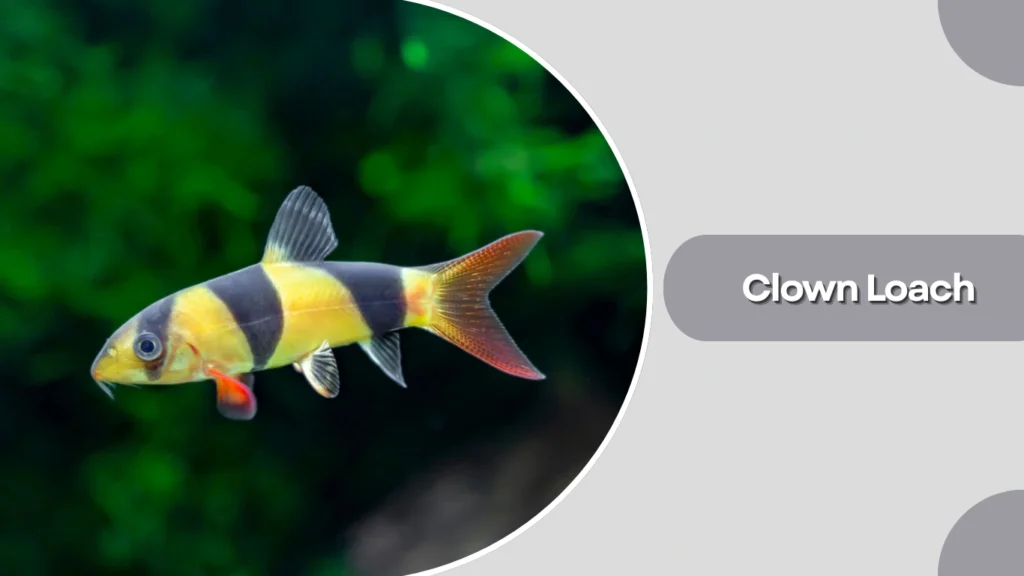
Clown Loaches are popular freshwater fish known for their bright colors and playful behavior. Native to Indonesia, they are highly social and entertaining to watch, often displaying unique group interactions. Their distinctive appearance and lively nature make them a favorite among aquarium enthusiasts.
Identification
- Elongated body with a slightly curved shape
- Bright orange body with bold black vertical bands
- Red or orange fins
- Can grow up to 8–12 inches in length
Habitat and Tank Requirements
Clown Loaches require a spacious aquarium due to their size and social nature. A minimum of 50–75 gallons is recommended for a group. They prefer water temperatures between 24–30°C (75–86°F) and slightly acidic to neutral pH. A soft substrate, hiding spots, and driftwood help create a comfortable environment.
Diet and Feeding
Clown Loaches are omnivores and enjoy a varied diet. They can be fed sinking pellets or wafers as a staple. They also enjoy live or frozen foods such as bloodworms, brine shrimp, and small invertebrates. They are known to eat snails, which can help control snail populations in the tank.
Behavior and Temperament
Clown Loaches are peaceful and highly social fish that should be kept in groups of at least five or more. They are active and playful, often seen exploring the tank together. They get along well with other non-aggressive fish and are ideal for large community aquariums.
23. Kuhli Loach
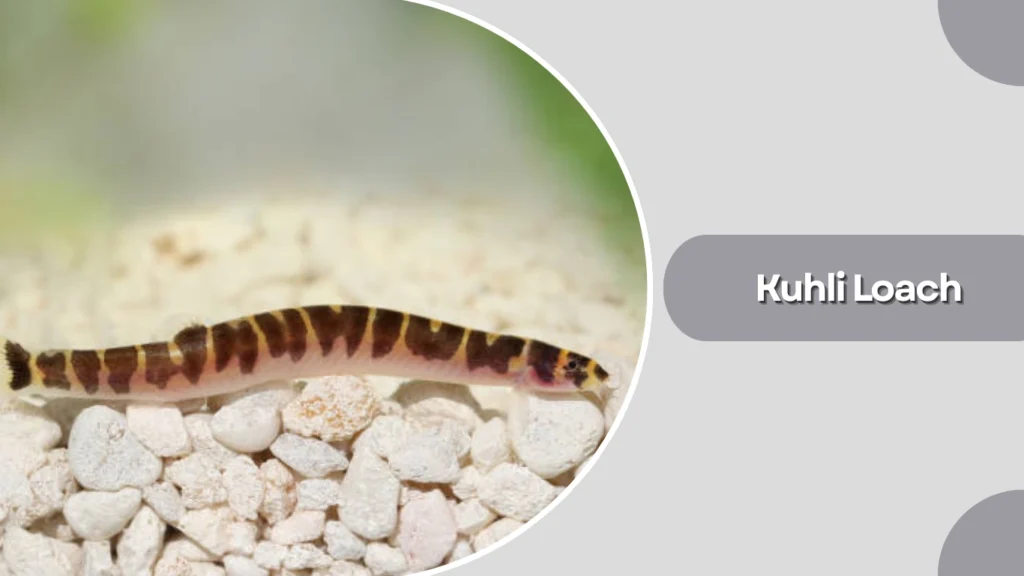
Kuhli Loaches are small, eel-like freshwater fish known for their slender bodies and shy nature. Native to Southeast Asia, they are popular among aquarists for their unique appearance and peaceful behavior. They are bottom dwellers and are most active during the night, making them an interesting addition to community tanks.
Identification
- Long, slender, eel-like body
- Alternating dark brown and yellow/orange bands
- Small fins and pointed head
- Typically grow up to 3–4 inches in length
Habitat and Tank Requirements
Kuhli Loaches prefer a soft, sandy substrate where they can burrow and hide. A tank of at least 15–20 gallons is recommended for a group. They thrive in temperatures between 24–28°C (75–82°F) and slightly acidic to neutral water. Providing plenty of hiding spots like caves, driftwood, and plants is essential for their comfort.
Diet and Feeding
Kuhli Loaches are omnivores and feed primarily at the bottom. They should be given sinking pellets or wafers as their main diet. They also enjoy live or frozen foods such as bloodworms and brine shrimp. Feeding them in the evening ensures they get enough food.
Behavior and Temperament
Kuhli Loaches are peaceful and shy fish that do best in groups of at least five or more. They spend much of their time hiding or burrowing during the day and become more active at night. They are excellent community fish and get along well with other non-aggressive species.
24. White Cloud Mountain Minnow
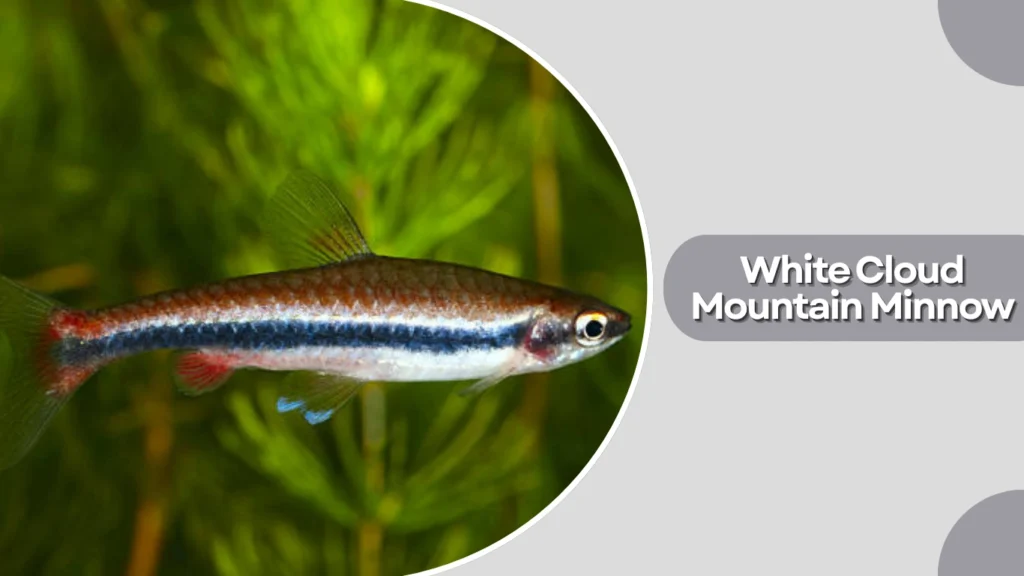
White Cloud Mountain Minnows are small, hardy freshwater fish known for their subtle beauty and ease of care. Native to China, they are often recommended for beginners due to their ability to tolerate a wide range of conditions. Their shimmering appearance and active schooling behavior make them a charming addition to aquariums.
Identification
- Small, slender body
- Silver body with a horizontal golden or white stripe
- Red coloration on fins
- Typically grow up to about 1.5 inches
Habitat and Tank Requirements
White Cloud Mountain Minnows prefer cooler water compared to many tropical fish. A tank of at least 10 gallons is suitable for a group. They thrive in temperatures between 16–22°C (60–72°F) and do well in neutral pH. A well-planted tank with gentle filtration and open swimming space suits them best.
Diet and Feeding
These fish are omnivores and accept a wide range of foods. They can be fed high-quality flakes or micro pellets as a staple. Supplementing with live or frozen foods such as brine shrimp and daphnia helps maintain their health and coloration.
Behavior and Temperament
White Cloud Mountain Minnows are peaceful, schooling fish that should be kept in groups of at least six or more. They are active swimmers and coexist well with other calm species. Their gentle nature makes them ideal for community tanks, especially in cooler water setups.
25. Rasbora
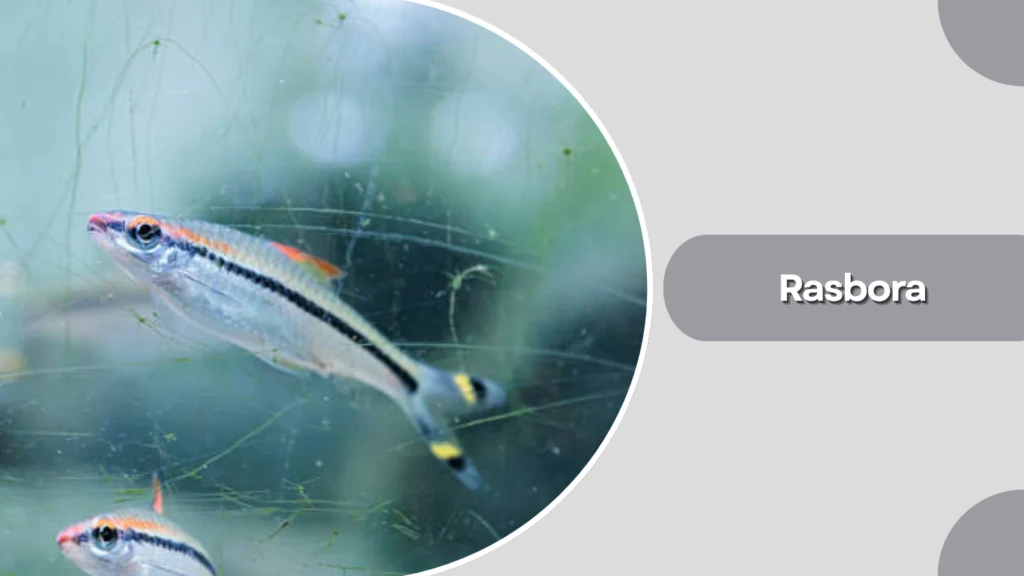
Rasboras are small, peaceful freshwater fish known for their graceful movement and subtle yet attractive coloration. Native to Southeast Asia, they are commonly found in community aquariums due to their calm temperament and easy care. Their schooling behavior adds a natural and lively feel to any tank.
Identification
- Small, slender body
- Often feature a distinctive black marking or stripe (e.g., Harlequin Rasbora)
- Colors range from silver to orange with contrasting patterns
- Typically grow up to 1.5–2 inches
Habitat and Tank Requirements
Rasboras thrive in a well-planted aquarium that mimics their natural habitat. A minimum tank size of 10 gallons is suitable for a small group. They prefer water temperatures between 22–28°C (72–82°F) and slightly acidic to neutral conditions. Soft lighting and plants help them feel secure.
Diet and Feeding
Rasboras are omnivores and accept a variety of foods. They can be fed high-quality micro flakes or small pellets as their staple diet. Supplementing with live or frozen foods like brine shrimp and daphnia helps improve their health and coloration.
Behavior and Temperament
Rasboras are peaceful, schooling fish that should be kept in groups of at least six or more. They are calm swimmers and do well with other small, non-aggressive fish. Their gentle nature makes them perfect for community aquariums.
26. German Blue Ram
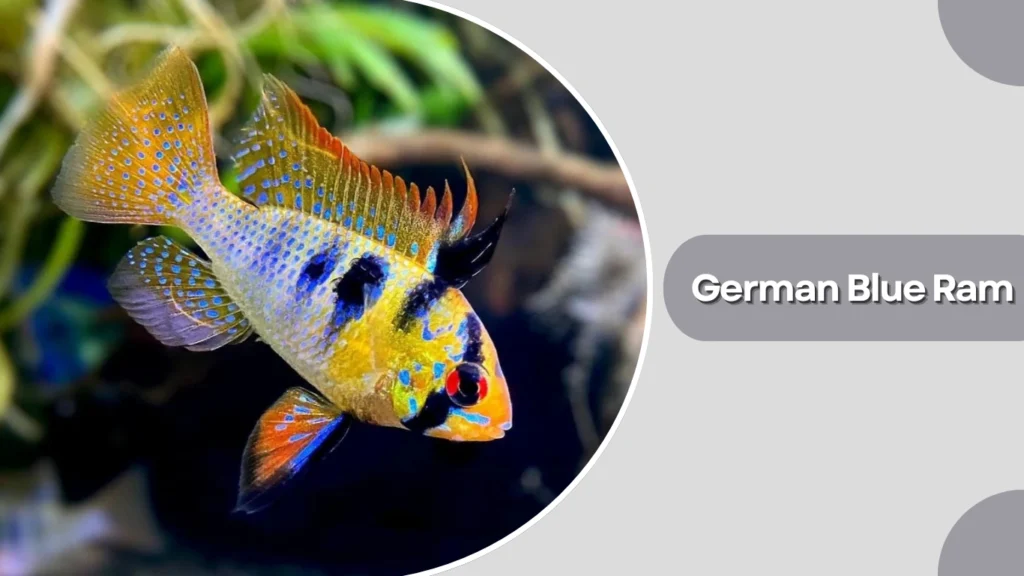
German Blue Rams are small, colorful cichlids admired for their vibrant hues and peaceful nature compared to other cichlids. Native to South America, they are popular in planted aquariums due to their beauty and relatively manageable size. They require stable water conditions, making them better suited for aquarists with some experience.
Identification
- Small, oval-shaped body
- Bright blue, yellow, and black coloration with iridescent spots
- Distinct black stripe through the eye
- Typically grow up to 2–3 inches
Habitat and Tank Requirements
German Blue Rams prefer a well-maintained, planted aquarium with stable conditions. A tank of at least 10–20 gallons is suitable for a pair. They thrive in warm water between 26–30°C (79–86°F) and slightly acidic conditions. Clean water and gentle filtration are essential for their health.
Diet and Feeding
German Blue Rams are omnivores and require a high-quality, varied diet. They can be fed fine pellets or flakes as a staple, along with live or frozen foods such as bloodworms, brine shrimp, and daphnia. Regular feeding in small portions helps maintain their health.
Behavior and Temperament
German Blue Rams are generally peaceful but can become territorial during breeding. They do well in community tanks with small, calm fish. Providing hiding spots and space helps reduce stress and encourages natural behavior.
FAQs
What is the best aquarium fish for beginners?
Guppies, platies, mollies, and zebra danios are excellent choices for beginners. They are hardy, easy to care for, and can adapt to different water conditions. These fish also have peaceful temperaments, making them ideal for community tanks.
How many fish should I keep in one aquarium?
The number of fish depends on tank size and species. A common rule is 1 inch of fish per gallon of water, but this varies. Always consider the adult size, behavior, and swimming space needs of each fish.
Can different aquarium fish live together?
Yes, many fish can live together in a community tank, but compatibility is important. Peaceful species should be grouped together, while aggressive or territorial fish should be kept separately or with caution.
How often should I feed aquarium fish?
Most aquarium fish should be fed once or twice daily in small amounts. Overfeeding can cause health issues and pollute the water, so it’s important to give only what they can eat in a few minutes.
How often should I clean my aquarium?
Regular maintenance is essential. Partial water changes (20–30%) should be done weekly or biweekly, depending on tank size and stocking. Cleaning the filter and removing debris helps maintain a healthy environment for fish.