
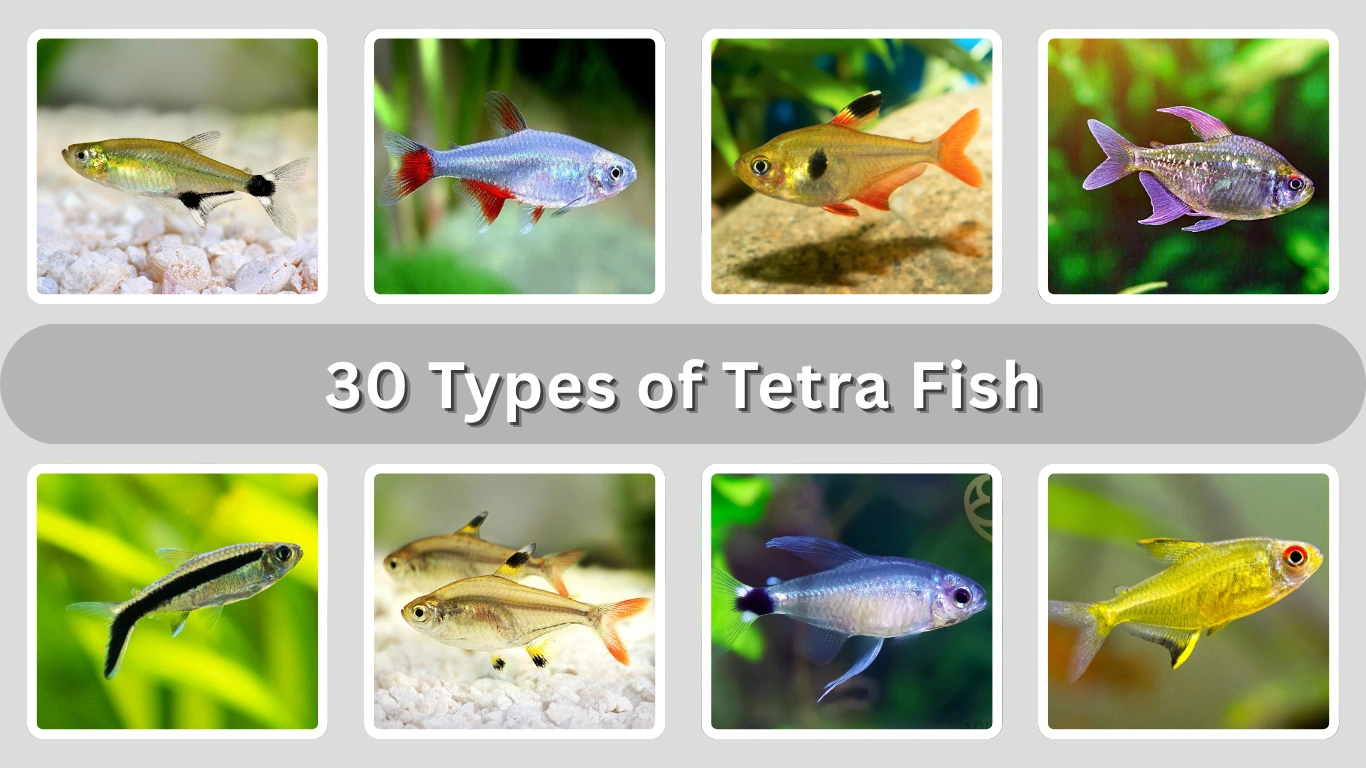
Tetra fish are among the most popular freshwater aquarium species, loved for their vibrant colors, peaceful nature, and active schooling behavior. Originating mainly from South America and Africa, these small fish are perfect for community tanks and beginner aquarists. With dozens of varieties available, each offering unique colors and traits, tetras can bring life and movement to any aquarium. In this guide, you’ll discover 30 different types of tetra fish along with their key features and care information.
1. Neon Tetra
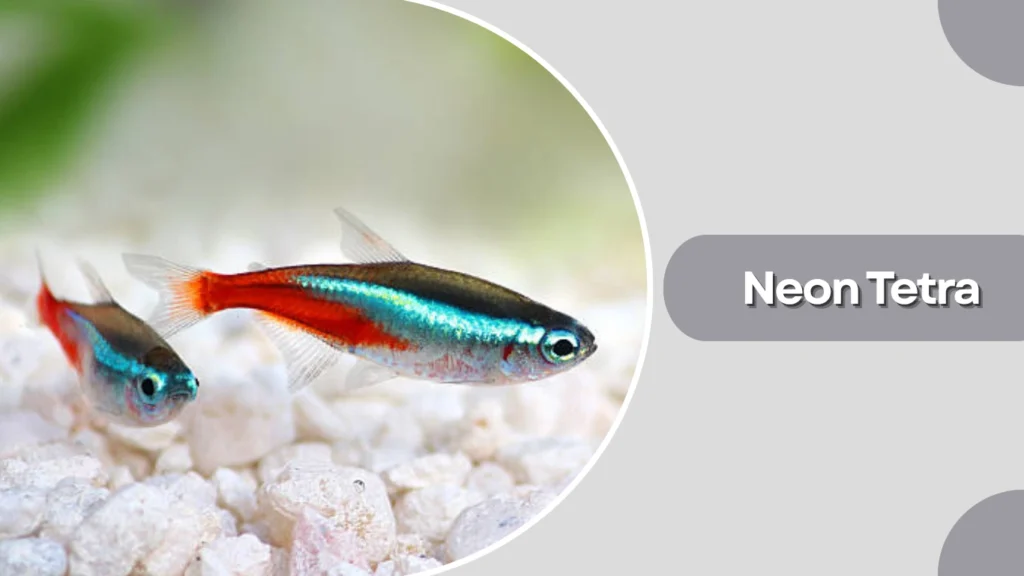
Neon Tetra is one of the most popular freshwater aquarium fish, admired for its vibrant blue and red coloration. It is a small, peaceful species that thrives in community aquariums. Due to its hardy nature and striking appearance, it is often recommended for beginners. These fish prefer to live in groups, which enhances both their behavior and color display. With proper care and stable water conditions, Neon Tetras can live several years and remain active. Their calm temperament makes them compatible with many other non-aggressive fish species.
Identification
- Scientific Name: Paracheirodon innesi
- Size: Up to 1.5 inches (4 cm)
- Color: Iridescent blue stripe with a bright red lower body
- Lifespan: 5–10 years
- Temperament: Peaceful, schooling fish
Habitat
Neon Tetras are native to the Amazon Basin, particularly in blackwater streams and slow-moving rivers. These environments are typically shaded by dense forest canopies, resulting in low light conditions. The water is soft and slightly acidic, often stained with tannins from decaying plant matter. In aquariums, replicating this natural habitat with dim lighting, driftwood, and live plants helps them feel secure. Maintaining stable water parameters is essential for their health, as they are sensitive to sudden changes in temperature or chemistry.
Diet
Neon Tetras are omnivorous and accept a wide range of foods. In captivity, they thrive on high-quality flake food or micro pellets designed for small fish. To enhance their coloration and overall health, their diet should be supplemented with live or frozen foods such as brine shrimp, daphnia, and bloodworms. They may also consume plant-based foods like spirulina. Feeding them small portions twice daily is ideal. Overfeeding should be avoided, as it can lead to poor water quality and health issues.
Care
Proper care involves keeping Neon Tetras in a well-maintained aquarium with stable conditions. A tank size of at least 10 gallons is recommended for a small school. They should always be kept in groups of six or more to reduce stress and encourage natural behavior. The water should be kept clean with regular changes, and filtration should be gentle to mimic their natural environment. Adding plants and hiding spots improves their comfort. Avoid housing them with aggressive fish that may intimidate or harm them.
Behavior
Neon Tetras are peaceful and social fish that exhibit schooling behavior. They swim together in synchronized groups, which not only looks attractive but also provides them with a sense of security. These fish are active during the day and prefer the middle levels of the aquarium. They rarely show aggression and are ideal companions for other small, calm species. When stressed or kept alone, their colors may fade, and they may become less active. A proper group environment helps them remain vibrant and lively.
2. Cardinal Tetra
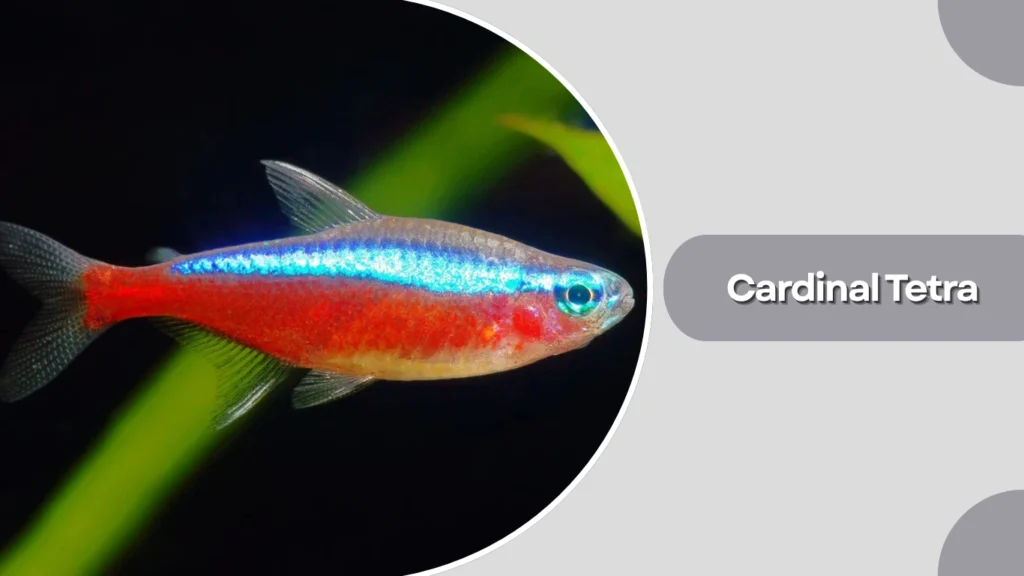
Cardinal Tetra is a striking freshwater fish closely related to the Neon Tetra but with more intense coloration. It is highly valued for its vivid blue stripe and full-length red underside. This species is peaceful and ideal for community aquariums, especially when kept in schools. Although slightly more sensitive than Neon Tetras, they thrive well in stable, well-maintained tanks. Their bright colors stand out beautifully in planted aquariums, making them a popular choice among aquarists who want a visually appealing setup.
Identification
- Scientific Name: Paracheirodon axelrodi
- Size: Up to 2 inches (5 cm)
- Color: Bright blue stripe with a full-length red body
- Lifespan: 4–8 years
- Temperament: Peaceful and schooling
Habitat
Cardinal Tetras originate from the Amazon River basin, particularly in slow-moving blackwater streams. These waters are soft, acidic, and rich in organic matter, creating a dark, tea-colored appearance. They prefer warm temperatures and low light conditions due to dense vegetation overhead. In aquariums, replicating this environment with dim lighting, driftwood, and live plants helps them thrive. Stable water conditions are essential, as they are sensitive to sudden fluctuations.
Diet
Cardinal Tetras are omnivores and eat a variety of foods in captivity. High-quality flakes and micro pellets form the base of their diet. To maintain their vibrant coloration and overall health, they benefit from live or frozen foods such as brine shrimp, daphnia, and bloodworms. Occasionally, they may consume plant-based foods as well. Feeding small amounts once or twice daily is ideal, ensuring all food is consumed quickly to maintain water quality.
Care
Caring for Cardinal Tetras requires attention to water quality and stability. A minimum tank size of 15–20 gallons is recommended for a school. They should be kept in groups of at least six to reduce stress and encourage natural schooling behavior. Soft, slightly acidic water with a consistent temperature is ideal. Gentle filtration and regular water changes are important. Adding plants and shaded areas enhances their comfort and helps bring out their best coloration.
Behavior
Cardinal Tetras are peaceful and social fish that display strong schooling behavior. They swim gracefully in groups, often occupying the middle levels of the aquarium. Their calm nature makes them suitable tank mates for other non-aggressive species. When kept in proper groups, they are active and show vibrant colors. Stress or poor conditions can cause them to lose color and become less active. A well-maintained, calm environment ensures they remain healthy and lively.
3. Black Neon Tetra
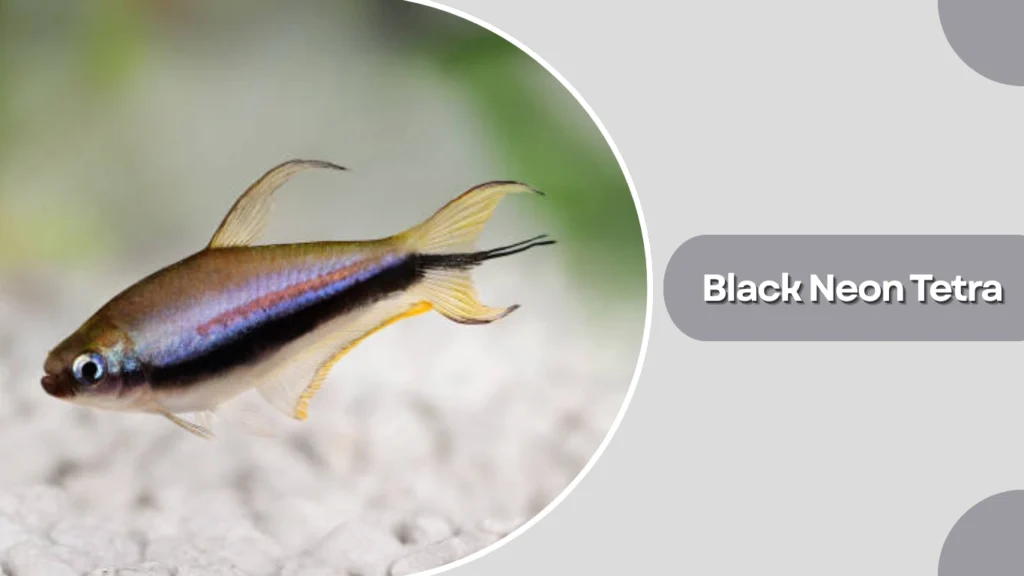
Black Neon Tetra is a hardy and attractive freshwater fish known for its contrasting black and white coloration. Unlike the bright colors of other tetras, this species stands out with a sleek, understated appearance. It is easy to care for and adapts well to various water conditions, making it an excellent choice for beginners. These fish are peaceful and thrive in community tanks, especially when kept in schools. Their active swimming and subtle shine add elegance to any aquarium setup.
Identification
- Scientific Name: Hyphessobrycon herbertaxelrodi
- Size: Up to 1.5 inches (4 cm)
- Color: Black horizontal stripe with a white or silver stripe above it
- Lifespan: 5–8 years
- Temperament: Peaceful and schooling
Habitat
Black Neon Tetras are native to the Paraguay River basin in South America. They inhabit slow-moving waters with dense vegetation and soft, slightly acidic conditions. These environments often have subdued lighting due to overhanging plants and organic matter. In aquariums, they do well in planted tanks with gentle filtration and moderate lighting. They are more adaptable than many other tetras and can tolerate a wider range of water conditions, though stability is still important.
Diet
Black Neon Tetras are omnivores and accept a variety of foods. A balanced diet includes high-quality flake food or micro pellets as a staple. To enhance their health and coloration, they should also be given live or frozen foods such as brine shrimp, daphnia, and bloodworms. They may also nibble on plant-based foods. Feeding them small portions once or twice daily is recommended, ensuring no excess food remains in the tank.
Care
These fish are relatively easy to care for and are suitable for beginners. A tank of at least 10 gallons is recommended for a small group. They should be kept in schools of six or more to reduce stress and promote natural behavior. Regular water changes and good filtration help maintain a healthy environment. Adding plants and hiding spaces increases their comfort. They are less sensitive than some other tetras but still require stable conditions.
Behavior
Black Neon Tetras are active, peaceful fish that enjoy swimming in groups. They typically occupy the middle levels of the aquarium and are constantly on the move. Their schooling behavior provides security and enhances their visual appeal. They get along well with other small, non-aggressive fish. When kept alone or in poor conditions, they may become stressed and less active. A proper group setting ensures they remain lively and display their best colors.
4. Glowlight Tetra
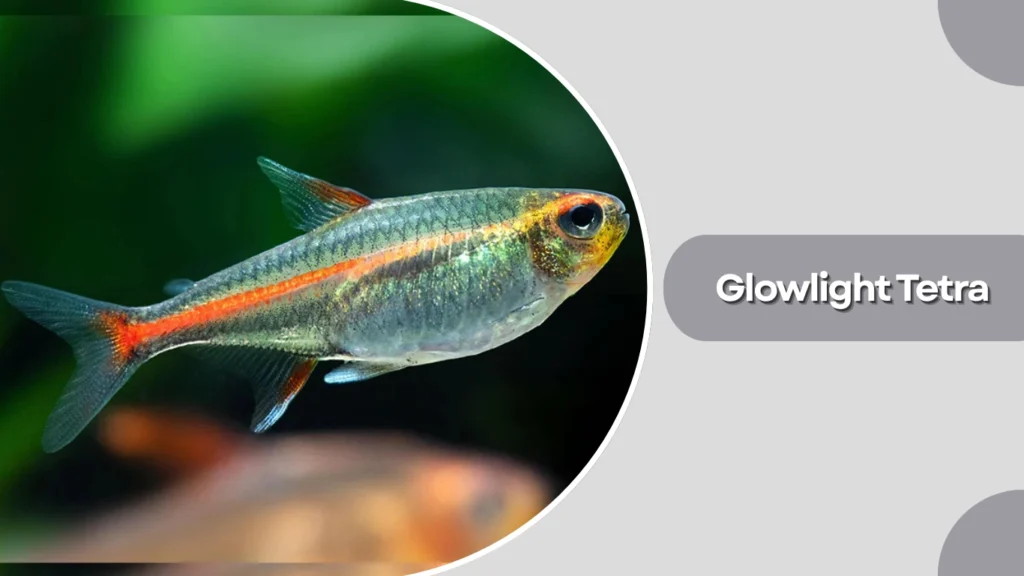
Glowlight Tetra is a small and elegant freshwater fish recognized for its glowing orange stripe that runs along its body. This subtle yet beautiful coloration makes it a favorite for planted aquariums. It is a peaceful species that thrives in community tanks and is suitable for beginners. Glowlight Tetras are hardy and adapt well to stable environments. When kept in groups, they display more confidence and enhanced coloration, adding a warm, gentle glow to the aquarium.
Identification
- Scientific Name: Hemigrammus erythrozonus
- Size: Up to 1.5 inches (4 cm)
- Color: Translucent body with a bright orange or copper stripe
- Lifespan: 2–4 years
- Temperament: Peaceful and schooling
Habitat
Glowlight Tetras originate from rivers in Guyana, where they live in slow-moving, plant-rich waters. These habitats are typically shaded, with soft, slightly acidic water and plenty of organic material. In aquariums, they prefer similar conditions with dim lighting, live plants, and gentle water flow. A natural setup with driftwood and leaf litter can help replicate their environment. Stable water parameters are important to keep them healthy and stress-free.
Diet
Glowlight Tetras are omnivores and accept a wide range of foods. Their diet should include high-quality flake food or small pellets as a staple. To improve their health and coloration, they benefit from live or frozen foods such as brine shrimp, daphnia, and bloodworms. They may also eat small amounts of plant-based food. Feeding them once or twice daily in small portions is ideal to prevent overfeeding and maintain water quality.
Care
Glowlight Tetras are easy to care for and suitable for beginner aquarists. A minimum tank size of 10 gallons is recommended for a small school. They should be kept in groups of at least six to encourage natural behavior and reduce stress. Regular water changes and a gentle filtration system are essential. Adding plants and shaded areas helps them feel secure. Avoid sudden changes in water conditions, as consistency is key to their well-being.
Behavior
Glowlight Tetras are calm, social fish that exhibit schooling behavior. They swim together in groups, usually in the middle level of the aquarium. Their peaceful nature makes them excellent companions for other small, non-aggressive fish. They are active but not overly energetic, creating a relaxing atmosphere in the tank. When kept in proper groups and conditions, they display brighter coloration and more natural behavior.
5. Ember Tetra
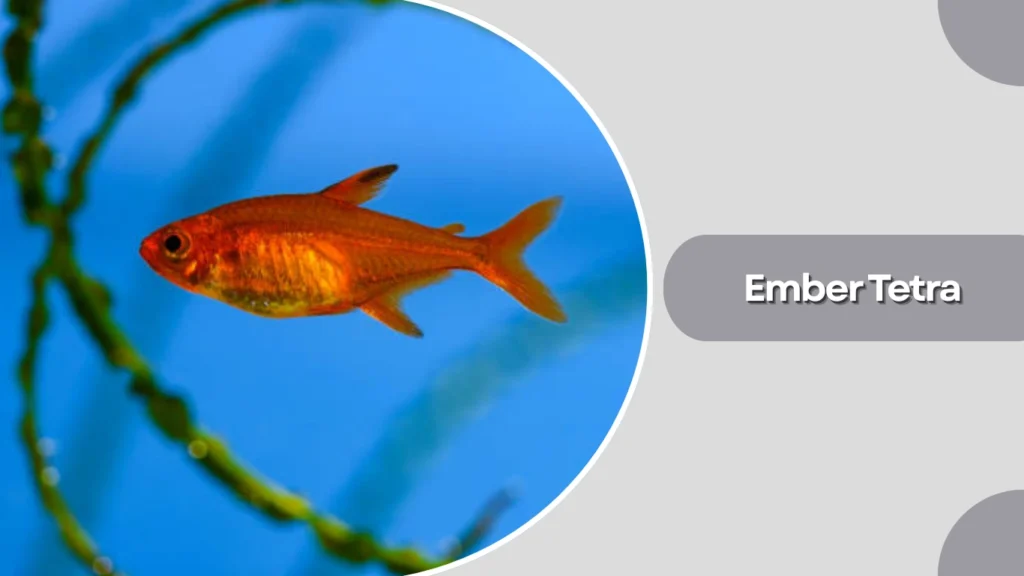
Ember Tetra is a tiny and vibrant freshwater fish known for its bright orange coloration. Despite its small size, it adds a strong visual impact to aquariums, especially when kept in large groups. It is a peaceful and hardy species, making it ideal for beginners and nano tanks. Ember Tetras thrive in planted environments and display their best colors under proper care. Their gentle nature and active schooling behavior make them a favorite among aquarists.
Identification
- Scientific Name: Hyphessobrycon amandae
- Size: Up to 0.8 inches (2 cm)
- Color: Bright orange to reddish-orange body
- Lifespan: 2–4 years
- Temperament: Peaceful and schooling
Habitat
Ember Tetras are native to the Araguaia River basin in Brazil. They inhabit slow-moving, shallow waters with dense vegetation and soft, slightly acidic conditions. These environments often have dim lighting due to plant cover. In aquariums, they thrive in planted tanks with subdued lighting, driftwood, and leaf litter. Replicating their natural habitat helps reduce stress and enhances their coloration. Stable water parameters are essential for their health.
Diet
Ember Tetras are omnivores and require a varied diet. Due to their small size, they need finely crushed flakes or micro pellets as a staple. They also benefit from live or frozen foods such as baby brine shrimp, daphnia, and microworms. Occasional plant-based food can be included. Feeding small amounts once or twice daily is ideal. Overfeeding should be avoided to maintain clean water conditions.
Care
These fish are easy to care for and perfect for small aquariums. A tank of at least 5–10 gallons is suitable for a group. They should be kept in schools of six or more, though larger groups are preferred for better behavior and appearance. Gentle filtration and regular water changes are important. Adding plants and hiding spots increases their comfort. They are sensitive to poor water quality, so consistency is key.
Behavior
Ember Tetras are peaceful and highly social fish that thrive in groups. They are active swimmers and usually occupy the middle and lower levels of the tank. In larger schools, they display more confidence and brighter colors. They get along well with other small, non-aggressive species. Their calm and gentle movements create a soothing and attractive aquarium environment.
6. Lemon Tetra
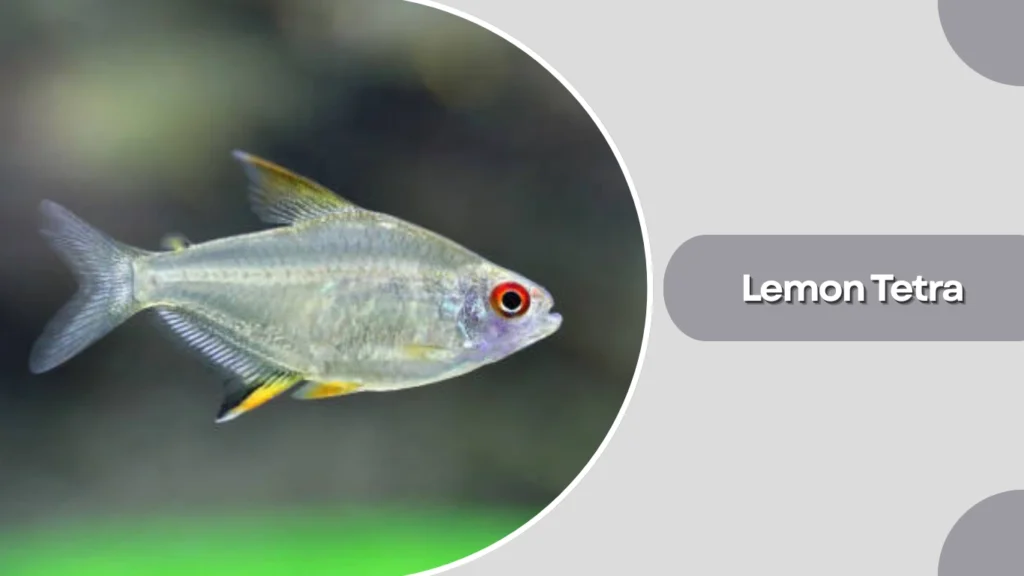
Lemon Tetra is a unique and attractive freshwater fish known for its translucent yellow body and distinctive eye coloration. Its subtle beauty and peaceful nature make it a great addition to community aquariums. While not as brightly colored as some other tetras, its charm lies in its soft tones and graceful movement. It is relatively hardy and suitable for beginners, provided the water conditions are stable. When kept in groups, Lemon Tetras display better color and more natural behavior.
Identification
- Scientific Name: Hyphessobrycon pulchripinnis
- Size: Up to 2 inches (5 cm)
- Color: Pale yellow body with red eyes and black markings on fins
- Lifespan: 4–6 years
- Temperament: Peaceful and schooling
Habitat
Lemon Tetras originate from the Amazon Basin, particularly in slow-moving tributaries with dense vegetation. These waters are typically soft and slightly acidic, with low to moderate lighting. In aquariums, they thrive in planted setups with gentle filtration and stable conditions. Adding driftwood and shaded areas helps mimic their natural habitat. Clean, well-maintained water is essential for their health and coloration.
Diet
Lemon Tetras are omnivores and accept a variety of foods. A staple diet of high-quality flakes or micro pellets works well. To enhance their health and coloration, they should also be given live or frozen foods such as brine shrimp, daphnia, and bloodworms. They may also consume small amounts of plant-based food. Feeding them once or twice daily in small portions is recommended to avoid overfeeding.
Care
These fish are relatively easy to care for and suitable for community tanks. A minimum tank size of 10–15 gallons is recommended for a group. They should be kept in schools of at least six to reduce stress and encourage natural behavior. Regular water changes and proper filtration are important. Providing plants and open swimming space creates a balanced environment. Stable water parameters are key to their well-being.
Behavior
Lemon Tetras are peaceful and social fish that enjoy swimming in groups. They are active and usually occupy the middle levels of the aquarium. Males may occasionally display mild territorial behavior during breeding, but they are generally non-aggressive. Their schooling behavior enhances their appearance and provides a sense of security. They coexist well with other small, calm fish species.
7. Serpae Tetra
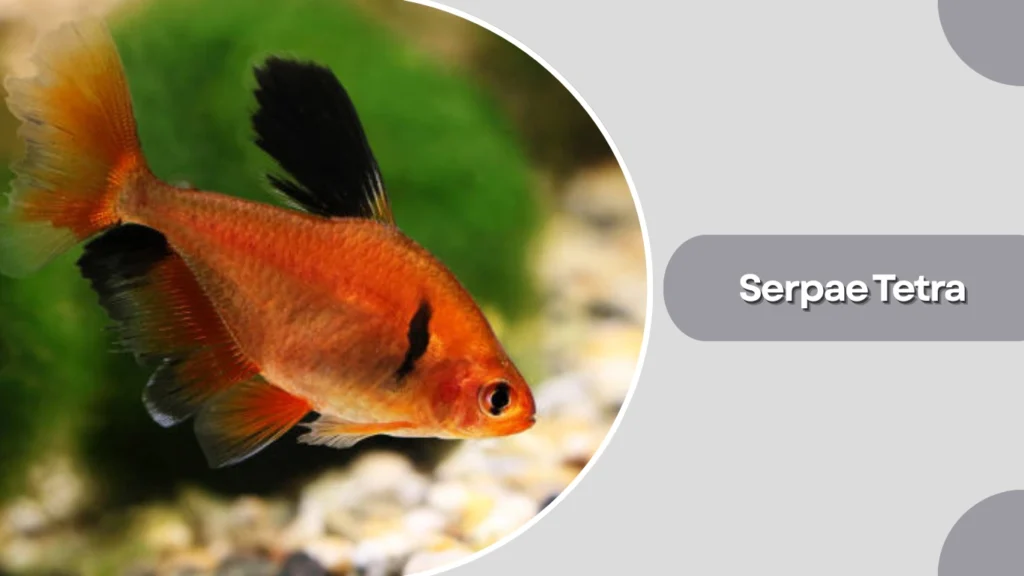
Serpae Tetra is a colorful freshwater fish known for its bright red body and active personality. It is a popular choice among aquarists due to its bold appearance and lively behavior. However, unlike many other tetras, it can show semi-aggressive tendencies, especially if kept in small groups. When properly managed, it adds vibrant energy to community tanks. Its striking color and constant movement make it a standout species in any aquarium.
Identification
- Scientific Name: Hyphessobrycon eques
- Size: Up to 1.75 inches (4.5 cm)
- Color: Bright red body with a black shoulder spot
- Lifespan: 5–7 years
- Temperament: Semi-aggressive, schooling
Habitat
Serpae Tetras are native to the Amazon Basin, where they inhabit slow-moving rivers and floodplains with dense vegetation. These environments typically have soft, slightly acidic water and moderate lighting. In aquariums, they do well in planted tanks with open swimming space. Adding driftwood and hiding spots helps reduce aggression. Stable water conditions are important to maintain their health and natural coloration.
Diet
Serpae Tetras are omnivores and accept a wide range of foods. A balanced diet includes high-quality flakes or pellets as a staple. They also benefit from live or frozen foods such as bloodworms, brine shrimp, and daphnia. These protein-rich foods help enhance their color and vitality. Feeding them once or twice daily in small portions is ideal. Avoid overfeeding to keep water quality stable.
Care
Caring for Serpae Tetras requires attention to their social behavior. A tank of at least 15–20 gallons is recommended. They should be kept in groups of six or more to reduce aggression toward other fish. Regular water changes and proper filtration are essential. Providing plants and hiding spaces helps create a balanced environment. Choosing compatible tank mates is important to prevent fin-nipping issues.
Behavior
Serpae Tetras are active and social but can be slightly aggressive compared to other tetras. They may nip the fins of slower or long-finned fish, especially when kept in small groups. In larger schools, their aggression is reduced as they focus on interacting with each other. They are energetic swimmers and usually stay in the middle of the tank. Proper group size and tank setup help maintain peaceful behavior.
8. Black Skirt Tetra
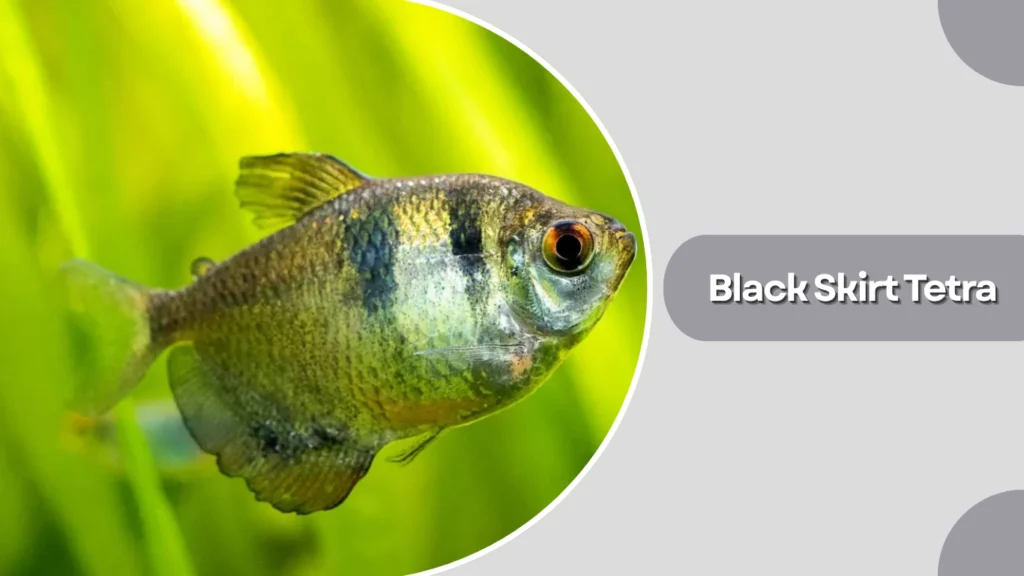
Black Skirt Tetra is a popular freshwater fish known for its distinctive dark coloration and flowing fins. It is hardy, adaptable, and easy to care for, making it an excellent choice for beginners. This species is commonly seen in community aquariums and is also available in different color variations through selective breeding. Its calm nature and unique appearance make it a visually appealing addition to planted tanks.
Identification
- Scientific Name: Gymnocorymbus ternetzi
- Size: Up to 2–2.5 inches (5–6 cm)
- Color: Dark gray to black body with vertical stripes
- Lifespan: 3–5 years
- Temperament: Peaceful, occasionally fin-nipping
Habitat
Black Skirt Tetras are native to the Paraguay and Guaporé river basins in South America. They inhabit slow-moving waters with plenty of vegetation and soft substrates. These environments often have moderate lighting and slightly acidic to neutral water. In aquariums, they thrive in well-planted tanks with open swimming areas. Providing stable water conditions and gentle filtration helps mimic their natural habitat and keeps them healthy.
Diet
Black Skirt Tetras are omnivores and are not picky eaters. They readily accept high-quality flakes and pellets as their main diet. To ensure proper nutrition, they should also be given live or frozen foods such as brine shrimp, bloodworms, and daphnia. Occasionally, they may consume plant-based foods. Feeding them once or twice daily in small portions helps maintain good health and water quality.
Care
These fish are easy to care for and adapt well to various conditions. A tank size of at least 15 gallons is recommended for a small group. They should be kept in schools of six or more to reduce stress and minimize fin-nipping behavior. Regular water changes and efficient filtration are important. Adding plants and decorations provides hiding spots and improves their comfort. Stable conditions are key to their long-term health.
Behavior
Black Skirt Tetras are generally peaceful but may show mild fin-nipping behavior, especially in small groups. Keeping them in larger schools helps reduce this tendency. They are active swimmers and usually occupy the middle levels of the aquarium. Their social nature makes them suitable for community tanks with similarly sized, non-aggressive fish. Proper group size and tank setup ensure they remain calm and active.
9. White Skirt Tetra
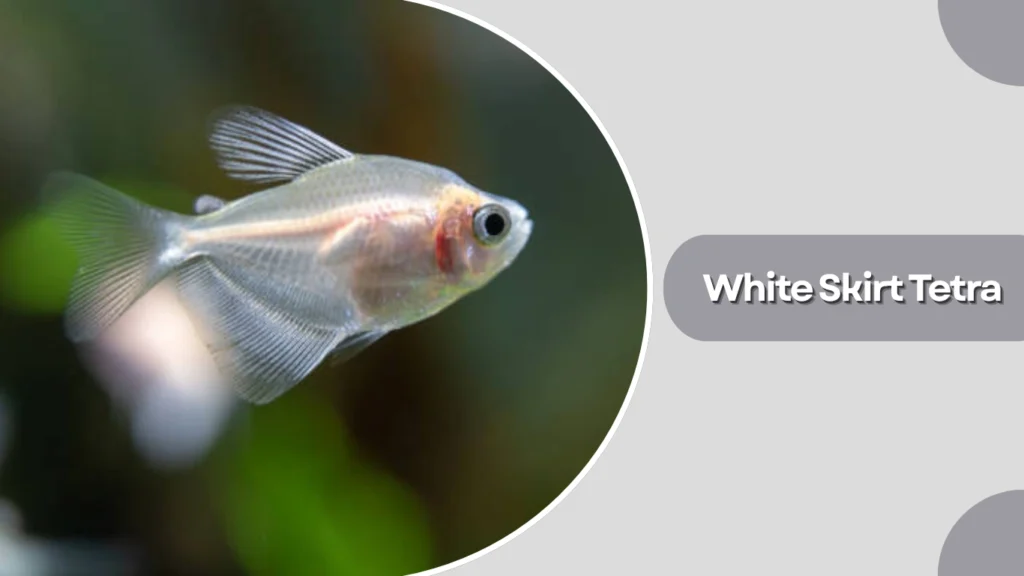
White Skirt Tetra is a color variation of the Black Skirt Tetra, known for its pale, almost translucent body. It shares the same hardy nature and ease of care, making it a great option for beginner aquarists. This fish is often seen in community tanks and is also available in artificially colored forms. Its soft appearance and active swimming behavior make it a pleasant addition to planted aquariums.
Identification
- Scientific Name: Gymnocorymbus ternetzi
- Size: Up to 2–2.5 inches (5–6 cm)
- Color: Pale white or silvery translucent body
- Lifespan: 3–5 years
- Temperament: Peaceful, occasionally fin-nipping
Habitat
White Skirt Tetras originate from the same regions as Black Skirt Tetras, including the Paraguay River basin. They naturally inhabit slow-moving waters with vegetation and soft substrates. In aquariums, they prefer similar conditions with moderate lighting, plants, and open swimming space. Stable water parameters and gentle filtration help them thrive. A natural-looking setup improves their comfort and reduces stress.
Diet
White Skirt Tetras are omnivores and accept a wide range of foods. A staple diet of high-quality flakes or pellets works well. They also benefit from live or frozen foods such as brine shrimp, bloodworms, and daphnia. These foods help maintain their health and activity levels. Feeding them once or twice daily in small portions is ideal to avoid overfeeding and water quality issues.
Care
These fish are easy to care for and adapt well to most community tanks. A minimum tank size of 15 gallons is recommended for a group. They should be kept in schools of at least six to reduce stress and prevent fin-nipping. Regular water changes and proper filtration are important. Adding plants and hiding spots helps create a balanced and comfortable environment.
Behavior
White Skirt Tetras are active and social fish that enjoy being in groups. They usually swim in the middle levels of the tank and are constantly moving. While generally peaceful, they may nip fins if kept in small groups. Keeping them in larger schools reduces this behavior. They are compatible with many other non-aggressive fish and contribute to a lively aquarium environment.
10. Congo Tetra
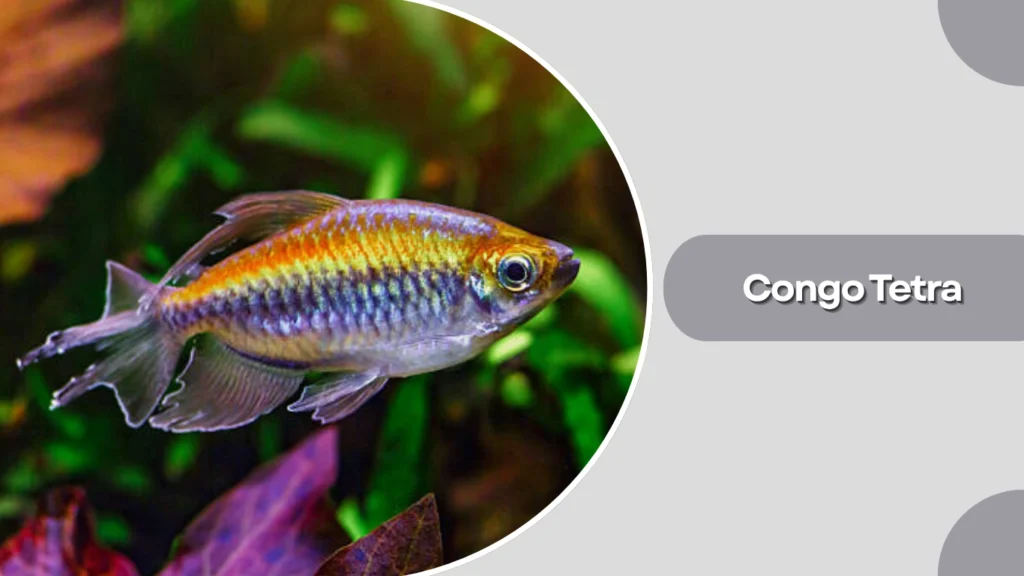
Congo Tetra is one of the most beautiful and larger tetra species, known for its shimmering rainbow-like colors and long flowing fins. Native to Africa, it stands out from other tetras due to its size and elegance. It is peaceful but requires a bit more space and care compared to smaller tetras. Its graceful swimming and vibrant appearance make it a centerpiece fish in community aquariums.
Identification
- Scientific Name: Phenacogrammus interruptus
- Size: Up to 3–3.5 inches (8–9 cm)
- Color: Iridescent body with shades of blue, gold, and violet
- Lifespan: 3–5 years
- Temperament: Peaceful and schooling
Habitat
Congo Tetras originate from the Congo River Basin in Central Africa. They inhabit slow-moving waters with dense vegetation, soft substrates, and slightly acidic to neutral conditions. These waters are often dimly lit due to plant cover. In aquariums, they thrive in larger tanks with plenty of plants, open swimming areas, and gentle filtration. Maintaining stable water conditions is important for their health and coloration.
Diet
Congo Tetras are omnivores and require a varied diet to stay healthy. High-quality flakes or pellets can be used as a staple. They also benefit from live or frozen foods such as brine shrimp, bloodworms, and daphnia. Including occasional plant-based food helps balance their diet. Feeding them once or twice daily in small portions ensures proper nutrition and prevents water quality issues.
Care
Congo Tetras need a larger tank, ideally 20 gallons or more, due to their size and active nature. They should be kept in groups of at least six to encourage natural schooling behavior. Soft, clean water and stable conditions are essential. Gentle filtration and regular water changes help maintain their environment. Providing plants and open space creates a balanced setup where they can thrive.
Behavior
Congo Tetras are peaceful, active swimmers that prefer to stay in groups. They usually occupy the middle to upper levels of the aquarium. Males may display their long fins and bright colors during social interactions, especially in well-maintained tanks. They get along well with other peaceful fish but should not be kept with aggressive species. Their graceful movement adds beauty and calmness to the aquarium.
11. Bloodfin Tetra
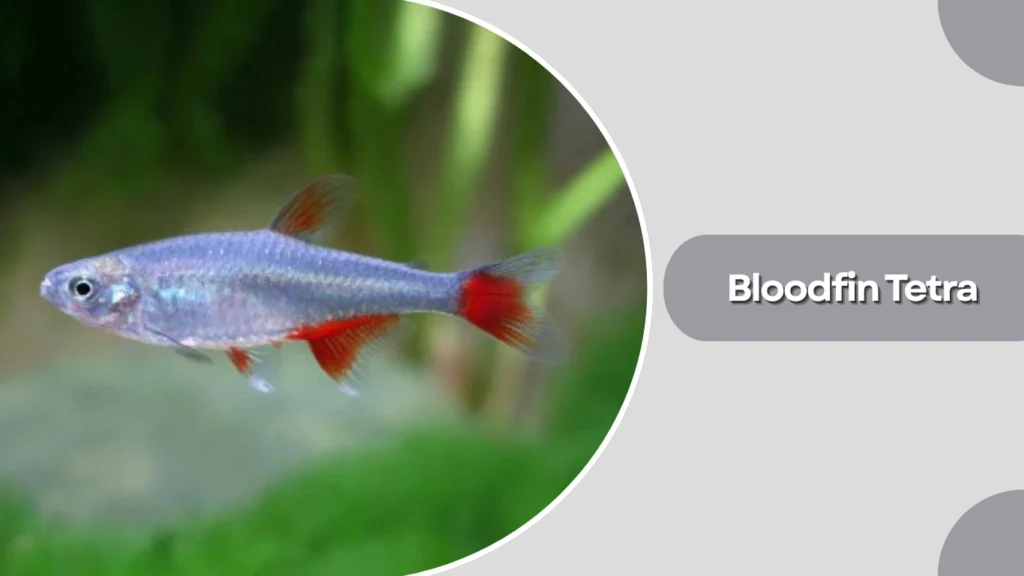
Bloodfin Tetra is a hardy and active freshwater fish recognized for its silvery body and bright red fins. It is easy to care for and adapts well to a wide range of water conditions, making it ideal for beginners. This species is energetic and thrives in community tanks, especially when kept in groups. Its contrasting colors and lively swimming pattern add movement and brightness to any aquarium setup.
Identification
- Scientific Name: Aphyocharax anisitsi
- Size: Up to 2 inches (5 cm)
- Color: Silver body with bright red fins
- Lifespan: 5–7 years
- Temperament: Peaceful, active schooling fish
Habitat
Bloodfin Tetras are native to South America, particularly in the Paraná River basin. They inhabit clear, slow to moderately flowing waters with minimal vegetation. These environments can vary in water conditions, which explains their adaptability. In aquariums, they do well in both planted and open tanks with good swimming space. Stable water parameters and moderate lighting help them stay healthy and active.
Diet
Bloodfin Tetras are omnivores and accept a variety of foods. A staple diet of high-quality flakes or pellets works well. They also benefit from live or frozen foods such as brine shrimp, bloodworms, and daphnia. Occasionally, they may consume plant-based foods. Feeding them once or twice daily in small portions is ideal to maintain health and water quality.
Care
These fish are very easy to care for and are suitable for beginner aquarists. A tank of at least 15 gallons is recommended for a group. They should be kept in schools of six or more to reduce stress and encourage natural behavior. Regular water changes and proper filtration are important. They are tolerant of a wider range of conditions but still require consistency for long-term health.
Behavior
Bloodfin Tetras are active and energetic fish that enjoy swimming in groups. They are fast swimmers and usually occupy the middle levels of the tank. Their social nature makes them suitable for community aquariums with other peaceful species. They are rarely aggressive but may become slightly nippy if kept in small groups. A proper school helps maintain calm and natural behavior.
12. Rummy Nose Tetra
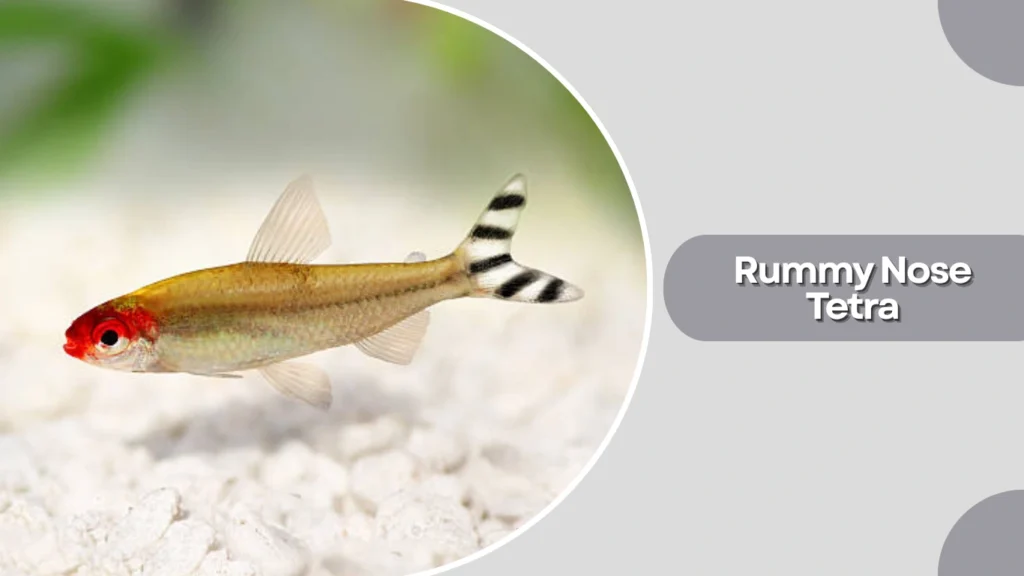
Rummy Nose Tetra is a distinctive freshwater fish known for its bright red face and striped tail. It is highly valued for its tight schooling behavior and synchronized swimming patterns. This species is slightly more sensitive to water conditions, making it better suited for aquarists who can maintain stable environments. When healthy, their vivid red nose indicates good water quality, making them a natural indicator fish in aquariums.
Identification
- Scientific Name: Hemigrammus rhodostomus
- Size: Up to 2–2.5 inches (5–6 cm)
- Color: Silver body with a red head and black-and-white striped tail
- Lifespan: 5–6 years
- Temperament: Peaceful and schooling
Habitat
Rummy Nose Tetras are native to the Amazon Basin, where they inhabit slow-moving rivers and blackwater streams. These environments feature soft, acidic water, dense vegetation, and subdued lighting. In aquariums, they thrive in similar conditions with clean, well-maintained water and gentle filtration. They are sensitive to poor water quality, so stable parameters and regular maintenance are essential for their well-being.
Diet
Rummy Nose Tetras are omnivores and accept a variety of foods. A high-quality flake or micro pellet diet works well as a staple. They also benefit from live or frozen foods such as brine shrimp, daphnia, and bloodworms, which help enhance their color and health. Feeding them once or twice daily in small portions is recommended. Avoid overfeeding to maintain water quality.
Care
These fish require more attention compared to hardier tetras. A tank of at least 20 gallons is recommended for a school. They should be kept in groups of six or more to reduce stress and promote natural behavior. Clean, stable water conditions are crucial, as they are sensitive to fluctuations. Regular water changes and efficient filtration are necessary. A planted tank with hiding spots helps them feel secure.
Behavior
Rummy Nose Tetras are known for their strong schooling behavior, often swimming in tightly coordinated groups. They usually occupy the middle levels of the aquarium and are constantly active. Their peaceful nature makes them ideal for community tanks with other calm species. When stressed or in poor conditions, their red nose may fade. Proper care ensures they remain vibrant and active.
13. Penguin Tetra
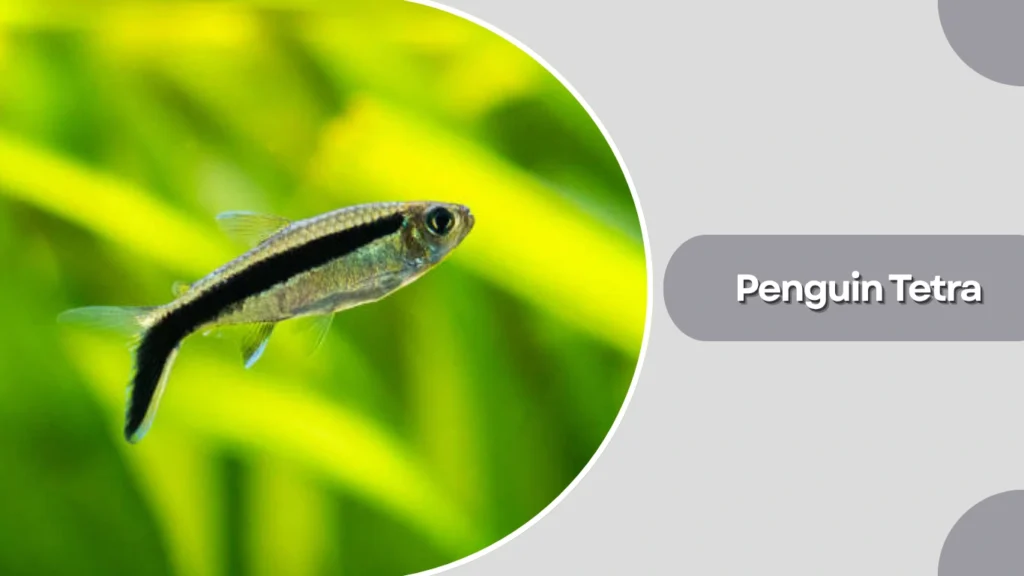
Penguin Tetra is a distinctive freshwater fish known for its unique black stripe that resembles the shape of a penguin. It is a peaceful and active species that adds personality to community aquariums. This fish is relatively hardy and adapts well to different water conditions, making it suitable for beginners. Its unusual swimming style and attractive pattern make it a standout choice for aquarists looking for something different.
Identification
- Scientific Name: Thayeria boehlkei
- Size: Up to 2–2.5 inches (5–6 cm)
- Color: Silver body with a bold black stripe running from mid-body to tail
- Lifespan: 5 years
- Temperament: Peaceful and schooling
Habitat
Penguin Tetras are native to the Amazon Basin, where they live in slow-moving rivers and streams with plenty of vegetation. These waters are typically soft and slightly acidic, with moderate to low lighting. In aquariums, they thrive in planted tanks with open swimming space and gentle water flow. Adding driftwood and plants helps mimic their natural environment. Stable water conditions are important for their health.
Diet
Penguin Tetras are omnivores and accept a wide range of foods. Their diet should include high-quality flakes or pellets as a staple. They also benefit from live or frozen foods such as brine shrimp, bloodworms, and daphnia. These foods help enhance their health and coloration. Feeding them once or twice daily in small portions is ideal to maintain good water quality.
Care
These fish are easy to care for and suitable for community aquariums. A tank size of at least 15–20 gallons is recommended for a group. They should be kept in schools of six or more to reduce stress and encourage natural behavior. Regular water changes and proper filtration are essential. Providing plants and open swimming areas creates a balanced and comfortable environment.
Behavior
Penguin Tetras are active and social fish that enjoy swimming in groups. They are known for their slightly angled swimming posture, which adds to their charm. They usually occupy the middle to upper levels of the tank. Their peaceful nature makes them compatible with other non-aggressive species. Keeping them in proper groups ensures they remain lively and display natural schooling behavior.
14. Diamond Tetra
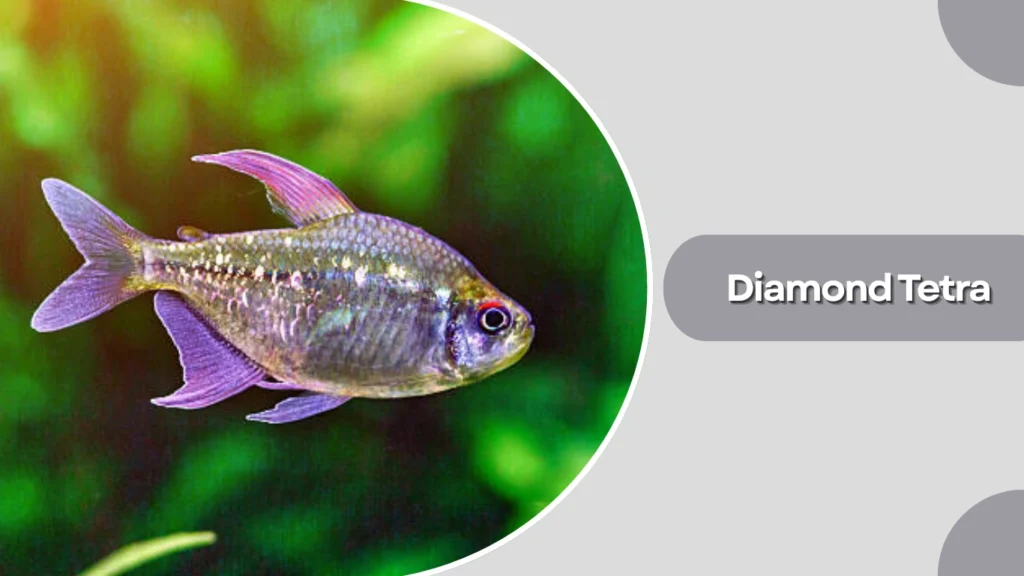
Diamond Tetra is a beautiful freshwater fish admired for its sparkling, iridescent scales that resemble tiny diamonds. As it matures, its coloration becomes more pronounced, making it a stunning addition to aquariums. It is a peaceful species that does well in community tanks and is suitable for aquarists with some experience. Its elegant appearance and calm nature make it a popular choice for planted aquariums.
Identification
- Scientific Name: Moenkhausia pittieri
- Size: Up to 2–2.5 inches (5–6 cm)
- Color: Silvery body with shimmering, diamond-like scales
- Lifespan: 3–6 years
- Temperament: Peaceful and schooling
Habitat
Diamond Tetras are native to Lake Valencia in Venezuela. They inhabit slow-moving waters with plenty of vegetation and soft, slightly acidic conditions. These environments often have moderate lighting and natural cover. In aquariums, they thrive in planted tanks with open swimming areas and stable water parameters. Adding driftwood and plants helps recreate their natural habitat and enhances their comfort.
Diet
Diamond Tetras are omnivores and accept a variety of foods. A staple diet of high-quality flakes or pellets works well. They also benefit from live or frozen foods such as brine shrimp, bloodworms, and daphnia, which help enhance their coloration and overall health. Occasional plant-based food can be included. Feeding them once or twice daily in small portions is ideal.
Care
These fish are moderately easy to care for and require a stable environment. A tank size of at least 15–20 gallons is recommended for a group. They should be kept in schools of six or more to reduce stress and encourage natural behavior. Regular water changes and proper filtration are important. Providing plants and hiding spots helps them feel secure and display their best colors.
Behavior
Diamond Tetras are peaceful and social fish that prefer to live in groups. They are active swimmers and usually stay in the middle levels of the aquarium. Males may display brighter colors and mild territorial behavior during breeding. They are generally non-aggressive and get along well with other peaceful species. Proper care and group size help maintain their calm and attractive behavior.
15. Head and Tail Light Tetra
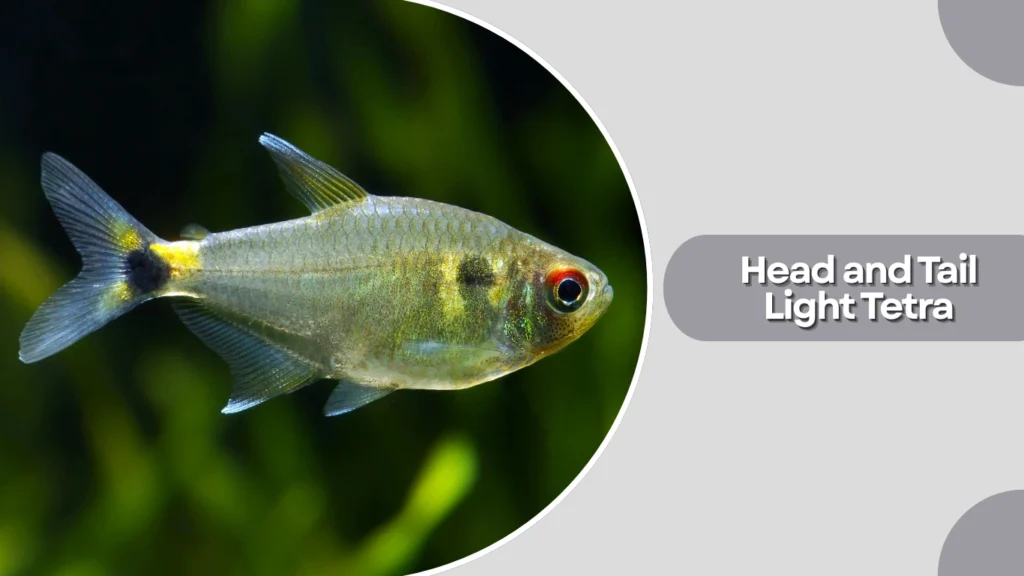
Head and Tail Light Tetra is a graceful freshwater fish named for the glowing spots near its head and tail. These reflective markings resemble tiny lights, giving the fish a unique and attractive appearance. It is a peaceful and hardy species, making it suitable for beginners and community aquariums. Its subtle beauty and calm nature make it a great addition to planted tanks where its markings can shine under proper lighting.
Identification
- Scientific Name: Hemigrammus ocellifer
- Size: Up to 2 inches (5 cm)
- Color: Silver body with glowing spots near head and tail
- Lifespan: 3–5 years
- Temperament: Peaceful and schooling
Habitat
Head and Tail Light Tetras are native to South America, particularly in the Amazon and Orinoco river basins. They inhabit slow-moving waters with dense vegetation and soft, slightly acidic conditions. These environments often have subdued lighting and organic matter. In aquariums, they thrive in planted setups with gentle filtration and stable water conditions. Adding driftwood and shaded areas helps replicate their natural habitat.
Diet
These fish are omnivores and accept a wide variety of foods. A staple diet of high-quality flakes or micro pellets works well. They also benefit from live or frozen foods such as brine shrimp, daphnia, and bloodworms. Occasional plant-based food can be included. Feeding them once or twice daily in small portions helps maintain their health and water quality.
Care
Head and Tail Light Tetras are easy to care for and adapt well to community tanks. A minimum tank size of 10–15 gallons is recommended for a group. They should be kept in schools of at least six to reduce stress and encourage natural behavior. Regular water changes and proper filtration are important. Providing plants and hiding spots improves their comfort and well-being.
Behavior
These tetras are peaceful and social, displaying natural schooling behavior. They are active swimmers and usually occupy the middle levels of the aquarium. Their calm temperament makes them compatible with other small, non-aggressive fish. When kept in proper groups, they are lively and display their characteristic glowing spots more clearly.
16. Silver Tip Tetra
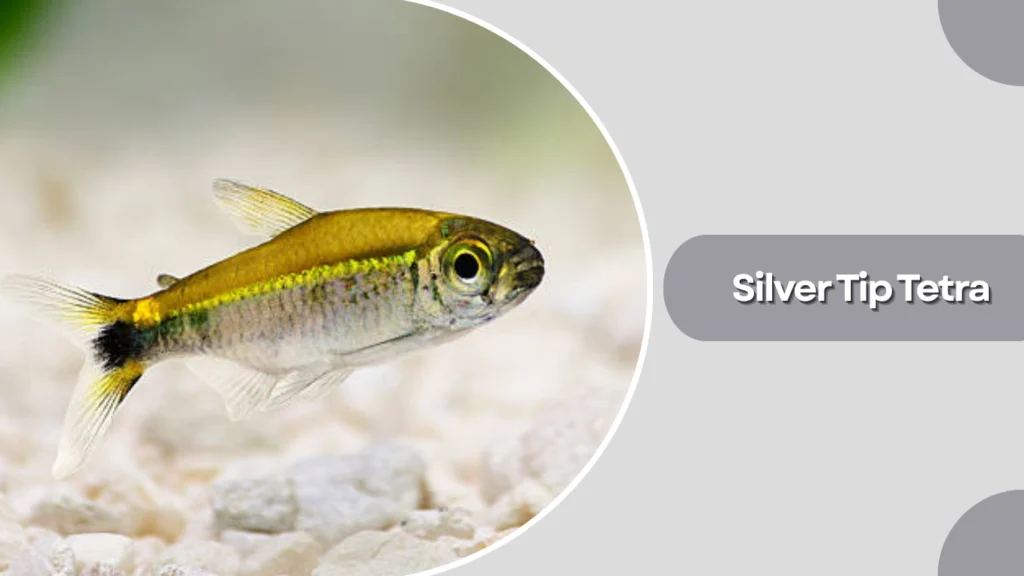
Silver Tip Tetra is a lively and attractive freshwater fish known for its shimmering body and distinctive white-tipped fins. It is active, hardy, and well-suited for community aquariums. This species adds movement and brightness to a tank, especially when kept in groups. While generally peaceful, it can display mild fin-nipping behavior if not kept in proper numbers. Its energetic nature makes it a favorite among aquarists who enjoy active fish.
Identification
- Scientific Name: Hasemania nana
- Size: Up to 1.5–2 inches (4–5 cm)
- Color: Golden or copper body with silver-tipped fins
- Lifespan: 5–6 years
- Temperament: Semi-active, may nip fins
Habitat
Silver Tip Tetras are native to Brazil, where they inhabit small streams and tributaries with moderate flow. These waters are typically clear, slightly acidic, and contain vegetation. In aquariums, they thrive in planted tanks with open swimming space and gentle to moderate filtration. Providing stable water conditions and some current helps mimic their natural habitat and keeps them active.
Diet
Silver Tip Tetras are omnivores and accept a wide range of foods. A staple diet of high-quality flakes or pellets works well. They also benefit from live or frozen foods such as brine shrimp, bloodworms, and daphnia, which help enhance their health and coloration. Feeding them once or twice daily in small portions is ideal to maintain water quality.
Care
These fish are easy to care for and suitable for beginner aquarists. A tank of at least 10–15 gallons is recommended for a group. They should be kept in schools of six or more to reduce aggression and fin-nipping behavior. Regular water changes and proper filtration are important. Adding plants and open swimming areas creates a balanced environment for them.
Behavior
Silver Tip Tetras are active and energetic fish that enjoy swimming in groups. They usually occupy the middle levels of the aquarium and are constantly moving. While generally peaceful, they may nip fins if kept in small groups or with slow-moving fish. Keeping them in larger schools helps reduce this behavior. They are best kept with similarly active and non-aggressive tank mates.
17. Rosy Tetra
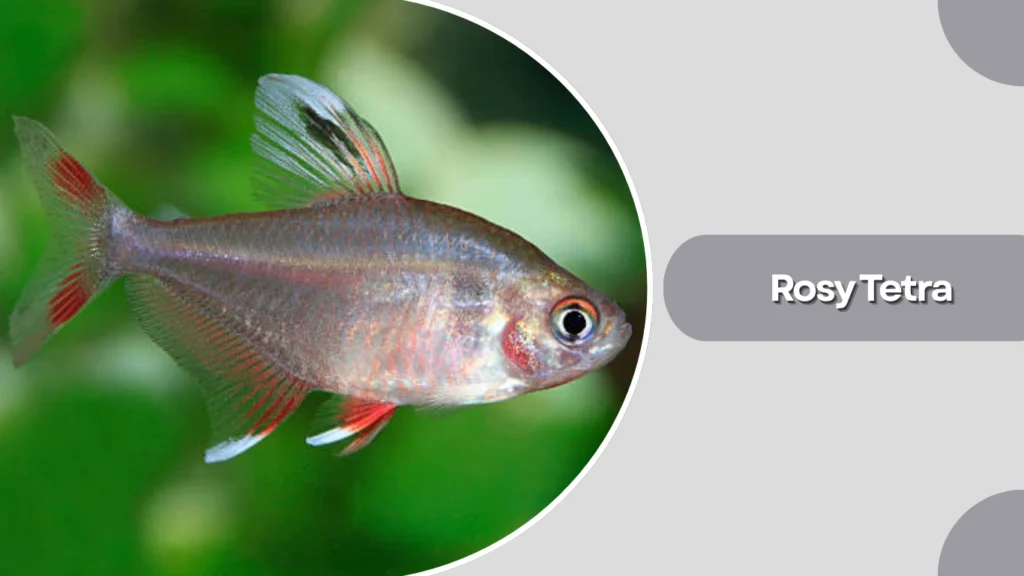
Rosy Tetra is a vibrant freshwater fish known for its soft pink to reddish coloration and active nature. It is a hardy species that adapts well to different aquarium conditions, making it suitable for beginners. Its bright color becomes more intense when kept in proper groups and conditions. This fish adds warmth and liveliness to community tanks and is especially attractive in planted aquariums.
Identification
- Scientific Name: Hyphessobrycon rosaceus
- Size: Up to 1.5–2 inches (4–5 cm)
- Color: Pinkish or rosy body with darker fins
- Lifespan: 3–5 years
- Temperament: Peaceful and schooling
Habitat
Rosy Tetras are native to South America, particularly in slow-moving rivers and streams with dense vegetation. These waters are usually soft and slightly acidic, with low to moderate lighting. In aquariums, they thrive in planted tanks with stable water conditions and gentle filtration. Adding driftwood and shaded areas helps replicate their natural habitat and reduces stress.
Diet
Rosy Tetras are omnivores and accept a variety of foods. A staple diet of high-quality flakes or pellets works well. They also benefit from live or frozen foods such as brine shrimp, daphnia, and bloodworms, which help enhance their color and health. Feeding them once or twice daily in small portions is recommended to maintain water quality.
Care
These fish are easy to care for and suitable for community aquariums. A tank size of at least 10–15 gallons is recommended for a group. They should be kept in schools of six or more to encourage natural behavior and reduce stress. Regular water changes and proper filtration are essential. Providing plants and hiding spots improves their comfort.
Behavior
Rosy Tetras are peaceful and social fish that enjoy swimming in groups. They are active and usually occupy the middle levels of the aquarium. Males may display brighter colors and mild competition during breeding. They are generally non-aggressive and compatible with other small, calm fish. Keeping them in proper groups ensures they remain lively and colorful.
18. Buenos Aires Tetra
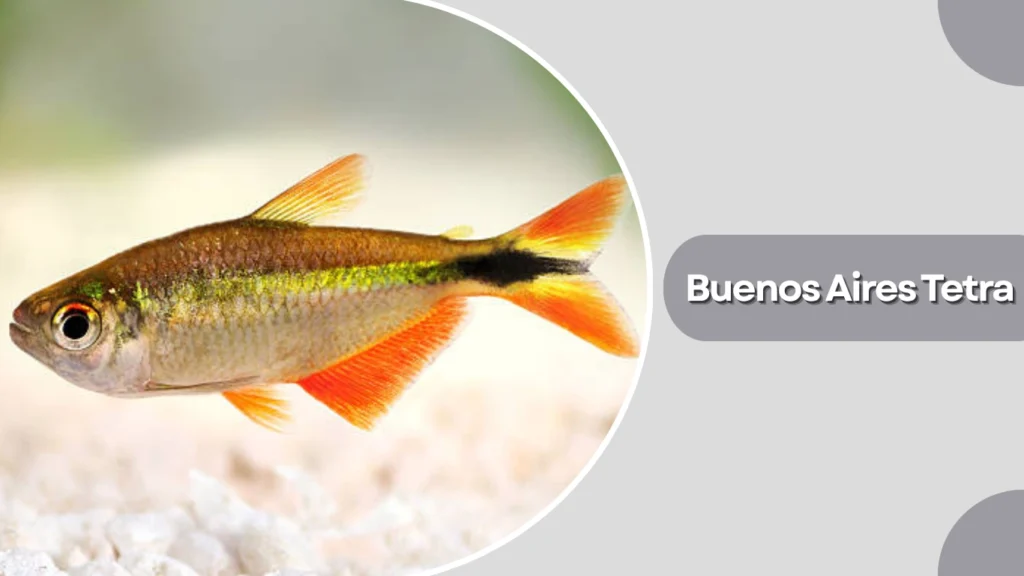
Buenos Aires Tetra is a robust and active freshwater fish known for its silver body and red accents. It is one of the hardiest tetra species, making it ideal for beginners. This fish is energetic and can adapt to a wide range of water conditions. However, it is also known for nibbling on plants, so it may not be suitable for heavily planted tanks. Its lively nature adds movement and activity to community aquariums.
Identification
- Scientific Name: Hyphessobrycon anisitsi
- Size: Up to 2.5–3 inches (6–7 cm)
- Color: Silver body with red fins and a black spot near the tail
- Lifespan: 5–7 years
- Temperament: Active, semi-aggressive
Habitat
Buenos Aires Tetras are native to South America, particularly in Argentina’s rivers and streams. They inhabit a variety of environments, from slow-moving waters to moderately flowing rivers. These habitats often have varying water conditions, which explains their adaptability. In aquariums, they do well in tanks with open swimming space and moderate lighting. They are less dependent on plants compared to other tetras.
Diet
These fish are omnivores with a strong appetite. They readily accept flakes and pellets as a staple diet. They also enjoy live or frozen foods such as bloodworms, brine shrimp, and daphnia. Additionally, they may eat plant matter and algae, which is why they sometimes damage aquarium plants. Feeding them once or twice daily in controlled portions helps maintain balance and water quality.
Care
Buenos Aires Tetras are easy to care for due to their hardy nature. A tank of at least 20 gallons is recommended because of their size and activity level. They should be kept in groups of six or more to reduce aggression. Regular water changes and good filtration are important. Due to their tendency to nip plants, hardy or artificial plants may be a better choice.
Behavior
Buenos Aires Tetras are active and fast swimmers that prefer to stay in groups. They are more energetic than many other tetra species and may show mild aggression or fin-nipping behavior. They usually occupy the middle levels of the tank. Keeping them in larger schools helps reduce aggression and keeps their behavior more balanced.
19. Green Neon Tetra
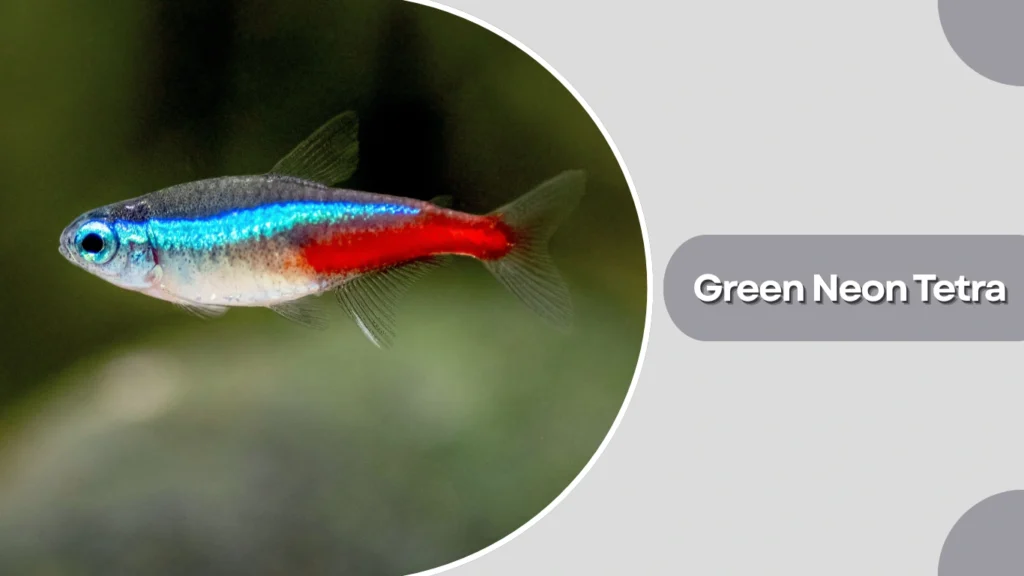
Green Neon Tetra is a small and colorful freshwater fish often compared to the Neon Tetra, but with a more greenish-blue iridescent stripe. It is slightly smaller and more delicate, making it best suited for well-maintained aquariums. Its subtle yet striking coloration becomes more noticeable under proper lighting. This species is peaceful and thrives in community tanks when kept in groups.
Identification
- Scientific Name: Paracheirodon simulans
- Size: Up to 1 inch (2.5 cm)
- Color: Greenish-blue iridescent stripe with a faint red hue
- Lifespan: 3–5 years
- Temperament: Peaceful and schooling
Habitat
Green Neon Tetras are native to the Amazon Basin, where they inhabit blackwater streams with soft, acidic conditions. These waters are shaded by dense vegetation, resulting in low light levels. In aquariums, they thrive in planted tanks with dim lighting, driftwood, and leaf litter. Maintaining stable water conditions is essential, as they are sensitive to changes.
Diet
Green Neon Tetras are omnivores and require small-sized food due to their tiny mouths. They do well on finely crushed flakes or micro pellets. Supplementing their diet with live or frozen foods such as baby brine shrimp and daphnia helps improve their health and coloration. Feeding them once or twice daily in small portions is recommended.
Care
These fish require careful maintenance and stable conditions. A tank size of at least 10 gallons is recommended for a small group. They should be kept in schools of six or more to reduce stress. Clean water, gentle filtration, and regular water changes are important. Adding plants and hiding spots improves their comfort and well-being.
Behavior
Green Neon Tetras are peaceful and social fish that prefer to swim in groups. They are active but slightly more timid than regular Neon Tetras. They usually occupy the middle levels of the aquarium. When kept in proper groups and conditions, they display natural schooling behavior and subtle shimmering colors.
20. X-Ray Tetra
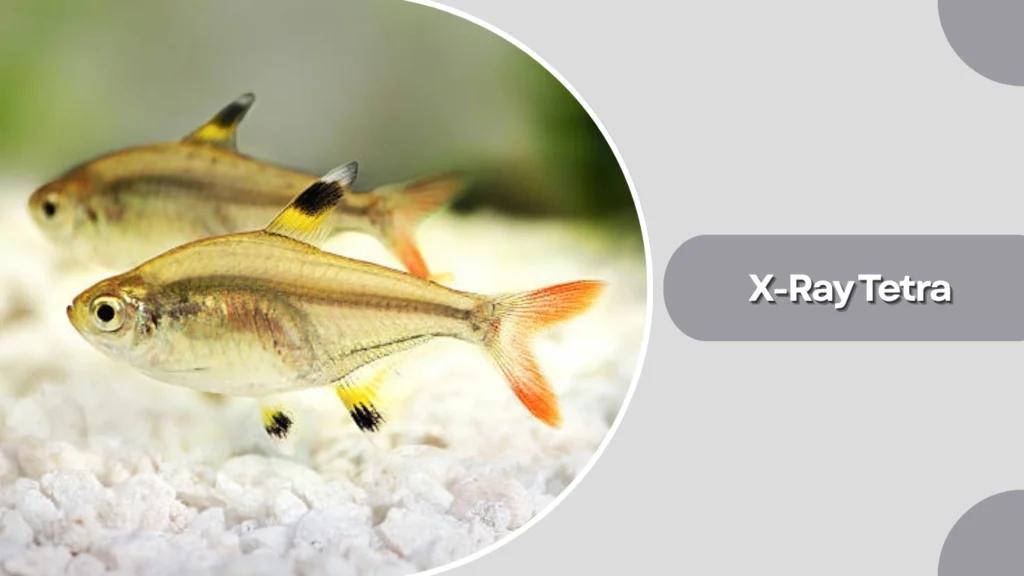
X-Ray Tetra is a fascinating freshwater fish known for its semi-transparent body, allowing you to see parts of its internal structure. This unique feature makes it stand out among other tetras. It is a hardy and peaceful species, making it ideal for beginners and community aquariums. Its subtle beauty and active nature add interest and movement to any tank.
Identification
- Scientific Name: Pristella maxillaris
- Size: Up to 1.5–2 inches (4–5 cm)
- Color: Transparent body with yellow, black, and white fin markings
- Lifespan: 4–5 years
- Temperament: Peaceful and schooling
Habitat
X-Ray Tetras are native to South America, particularly in coastal river systems. They inhabit both clear and slightly brackish waters, showing great adaptability. These environments often have moderate vegetation and gentle water flow. In aquariums, they thrive in planted tanks with stable water conditions and moderate lighting. Their adaptability makes them suitable for a variety of setups.
Diet
X-Ray Tetras are omnivores and accept a wide range of foods. A staple diet of high-quality flakes or small pellets works well. They also benefit from live or frozen foods such as brine shrimp, bloodworms, and daphnia. Occasional plant-based food can be included. Feeding them once or twice daily in small portions is ideal to maintain health and water quality.
Care
These fish are easy to care for and highly adaptable. A tank size of at least 10–15 gallons is recommended for a group. They should be kept in schools of six or more to reduce stress and promote natural behavior. Regular water changes and proper filtration are important. They can tolerate a wider range of conditions but still require stability for long-term health.
Behavior
X-Ray Tetras are peaceful and social fish that enjoy swimming in groups. They are active and usually occupy the middle levels of the aquarium. Their calm temperament makes them compatible with a wide range of community fish. When kept in proper groups, they are lively and display natural schooling behavior.
21. Flame Tetra
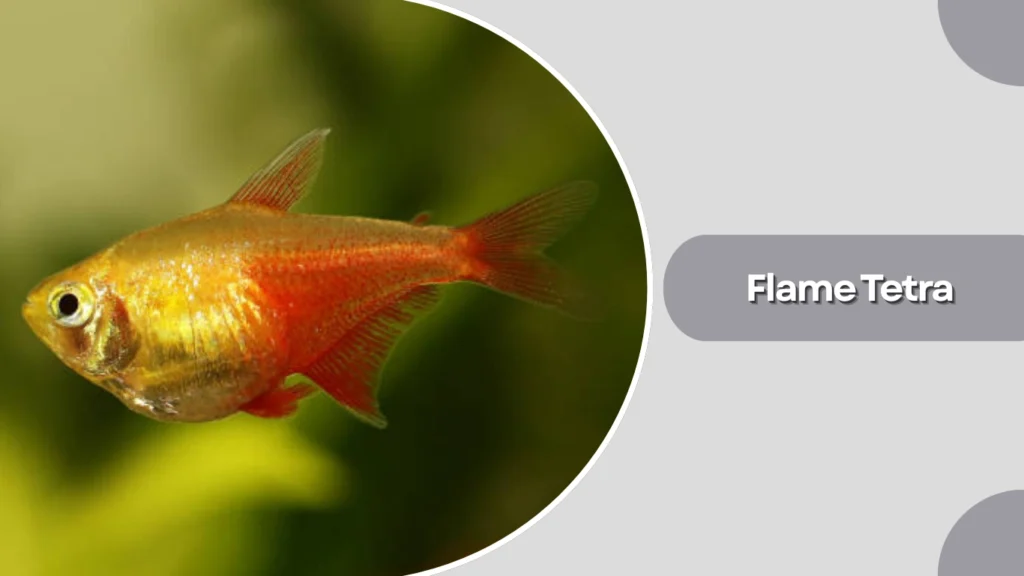
Flame Tetra is a bright and attractive freshwater fish known for its deep red coloration, especially in males. Its vibrant appearance and small size make it a popular choice for community aquariums. This species is relatively hardy and suitable for beginners. When kept in proper conditions, its color becomes more intense, adding a striking visual effect to planted tanks.
Identification
- Scientific Name: Hyphessobrycon flammeus
- Size: Up to 1.5 inches (4 cm)
- Color: Bright red body, often more intense in males
- Lifespan: 3–5 years
- Temperament: Peaceful and schooling
Habitat
Flame Tetras are native to coastal rivers in Brazil. They inhabit slow-moving waters with vegetation and soft, slightly acidic conditions. These environments often have moderate lighting and natural cover. In aquariums, they thrive in planted tanks with stable water parameters, gentle filtration, and some shaded areas. Maintaining a calm and natural environment helps enhance their coloration.
Diet
Flame Tetras are omnivores and accept a variety of foods. A staple diet of high-quality flakes or micro pellets works well. They also benefit from live or frozen foods such as brine shrimp, bloodworms, and daphnia, which help improve their color and health. Feeding them once or twice daily in small portions is recommended.
Care
These fish are easy to care for and suitable for beginner aquarists. A tank size of at least 10 gallons is recommended for a small group. They should be kept in schools of six or more to reduce stress and encourage natural behavior. Regular water changes and proper filtration are important. Providing plants and hiding spots improves their comfort.
Behavior
Flame Tetras are peaceful and social fish that enjoy swimming in groups. They are active and usually occupy the middle levels of the aquarium. Males may display brighter colors and mild competition during breeding. They are generally non-aggressive and compatible with other small, calm fish.
22. Pristella Tetra
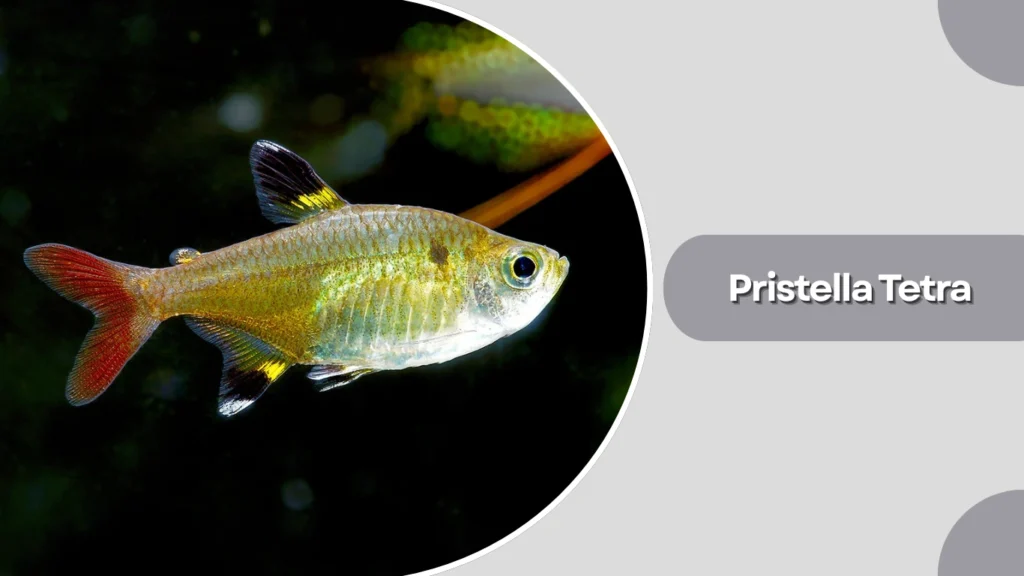
Pristella Tetra, also known as the X-Ray Tetra, is a hardy and adaptable freshwater fish recognized for its transparent body and colorful fins. It is a peaceful species that does well in community aquariums and is ideal for beginners. Its unique appearance and ability to tolerate a range of water conditions make it a popular choice among aquarists. When kept in groups, it becomes more active and visually appealing.
Identification
- Scientific Name: Pristella maxillaris
- Size: Up to 1.5–2 inches (4–5 cm)
- Color: Transparent body with yellow, black, and white fin markings
- Lifespan: 4–5 years
- Temperament: Peaceful and schooling
Habitat
Pristella Tetras are native to South America, where they inhabit coastal rivers and streams. They are found in both freshwater and slightly brackish environments, showing high adaptability. These habitats usually have moderate vegetation and gentle water flow. In aquariums, they thrive in planted tanks with stable conditions and moderate lighting. Their adaptability allows them to live comfortably in various setups.
Diet
Pristella Tetras are omnivores and accept a wide range of foods. A staple diet of high-quality flakes or small pellets works well. They also benefit from live or frozen foods such as brine shrimp, bloodworms, and daphnia. Occasional plant-based food can be included. Feeding them once or twice daily in small portions helps maintain good health and water quality.
Care
These fish are easy to care for and suitable for beginners. A tank size of at least 10–15 gallons is recommended for a group. They should be kept in schools of six or more to reduce stress and promote natural behavior. Regular water changes and proper filtration are important. Their adaptability makes them forgiving of minor variations, but stable conditions are still preferred.
Behavior
Pristella Tetras are peaceful and social fish that thrive in groups. They are active swimmers and usually occupy the middle levels of the aquarium. Their calm nature makes them compatible with a wide range of community fish. When kept in proper groups, they display natural schooling behavior and remain lively.
23. Reed Tetra
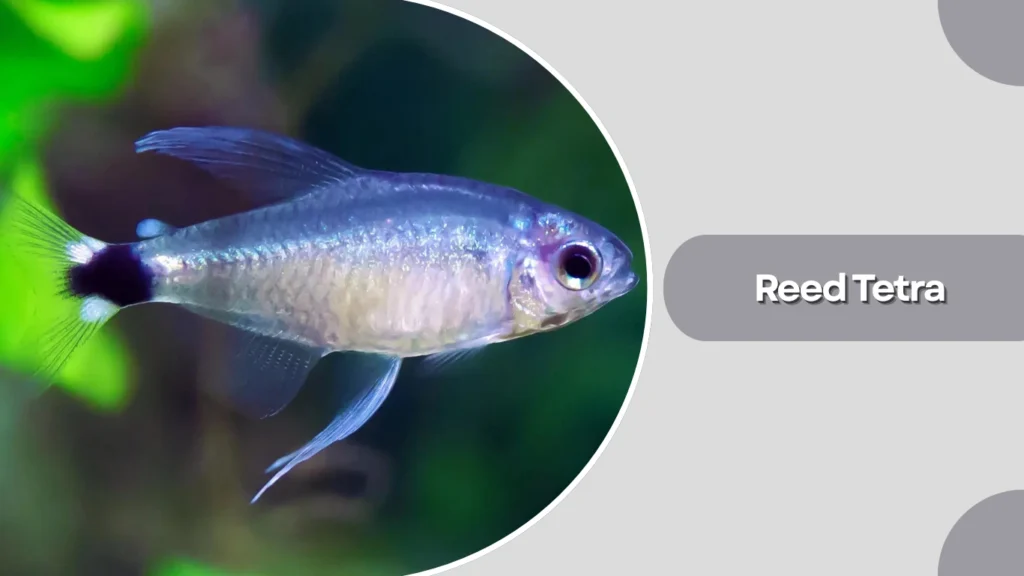
Reed Tetra is a less common but interesting freshwater fish known for its slender body and subtle coloration. It is a peaceful species that does well in calm, planted aquariums. Due to its delicate nature, it is better suited for aquarists who can maintain stable water conditions. Its understated appearance and gentle behavior make it a unique addition to community tanks.
Identification
- Scientific Name: Hyphessobrycon elachys
- Size: Up to 1.2 inches (3 cm)
- Color: Pale silver body with faint markings
- Lifespan: 3–5 years
- Temperament: Peaceful and schooling
Habitat
Reed Tetras are native to South America, where they inhabit slow-moving waters with dense vegetation. These environments typically have soft, slightly acidic water and low lighting. In aquariums, they thrive in planted tanks with gentle filtration and stable conditions. Adding plants and shaded areas helps replicate their natural habitat and provides a sense of security.
Diet
Reed Tetras are omnivores and require small-sized food due to their tiny mouths. They do well on finely crushed flakes or micro pellets. They also benefit from live or frozen foods such as baby brine shrimp and daphnia. Feeding them once or twice daily in small portions is ideal to maintain their health and water quality.
Care
These fish require a calm and stable environment. A tank size of at least 10 gallons is recommended for a group. They should be kept in schools of six or more to reduce stress. Regular water changes and gentle filtration are important. Due to their delicate nature, they should not be kept with aggressive or large fish.
Behavior
Reed Tetras are shy and peaceful fish that prefer to stay in groups. They are less active than many other tetras and often remain in the middle or lower levels of the aquarium. When kept in proper conditions, they display calm and natural schooling behavior.
24. Red Eye Tetra
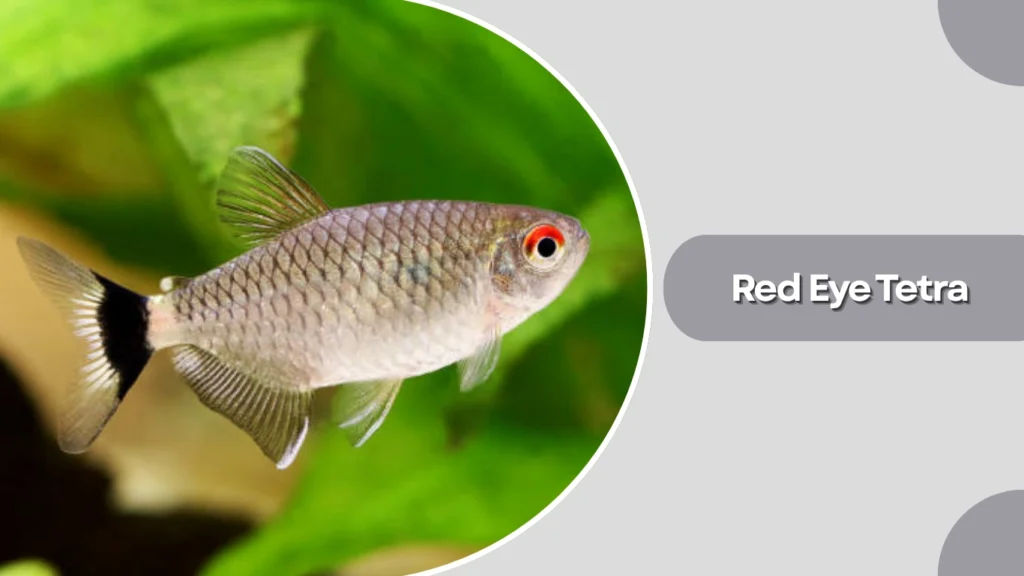
Red Eye Tetra is a hardy and energetic freshwater fish known for its bright red eyes and silvery body. It is a popular choice for community aquariums due to its adaptability and active swimming behavior. Although generally peaceful, it can show mild fin-nipping tendencies if not kept in proper groups. Its striking eye color and constant movement make it an eye-catching addition to any tank.
Identification
- Scientific Name: Moenkhausia sanctaefilomenae
- Size: Up to 2.5–3 inches (6–7 cm)
- Color: Silver body with a distinctive red eye
- Lifespan: 3–5 years
- Temperament: Active, slightly nippy
Habitat
Red Eye Tetras are native to South America, particularly in river systems with moderate flow and open spaces. They are found in waters with varying conditions, which makes them quite adaptable. In aquariums, they do well in tanks with open swimming areas and some plants for cover. Stable water conditions and moderate lighting help them stay healthy and active.
Diet
Red Eye Tetras are omnivores and accept a wide range of foods. A staple diet of high-quality flakes or pellets works well. They also benefit from live or frozen foods such as bloodworms, brine shrimp, and daphnia. Feeding them once or twice daily in small portions helps maintain good health and prevents water quality issues.
Care
These fish are easy to care for and suitable for beginners. A tank size of at least 20 gallons is recommended due to their size and activity level. They should be kept in schools of six or more to reduce aggression and fin-nipping behavior. Regular water changes and proper filtration are important. Providing both open space and some cover creates a balanced environment.
Behavior
Red Eye Tetras are active and social fish that enjoy swimming in groups. They usually occupy the middle levels of the aquarium and are constantly moving. While generally peaceful, they may nip fins if kept in small groups or with slow-moving fish. Keeping them in larger schools helps maintain more balanced behavior.
25. Blue Tetra
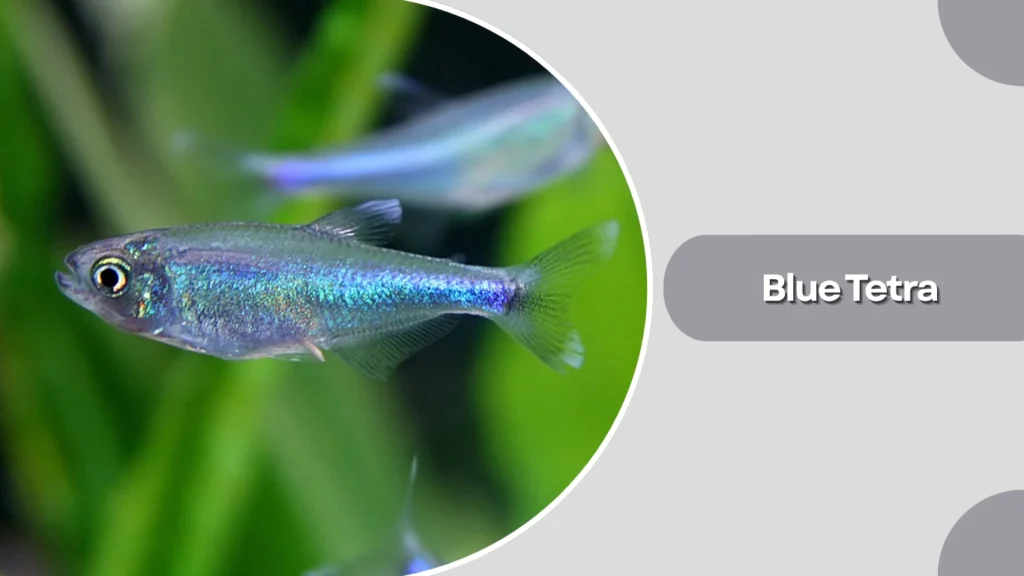
Blue Tetra is a colorful freshwater fish known for its shimmering blue body and lively personality. It is an attractive species that adds brightness to aquariums, but it can be slightly aggressive compared to other tetras. Due to its active nature, it is best suited for aquarists who can manage its behavior properly. When kept in the right conditions and groups, it becomes a striking and energetic addition to community tanks.
Identification
- Scientific Name: Boehlkea fredcochui
- Size: Up to 2 inches (5 cm)
- Color: Bright blue body with a metallic shine
- Lifespan: 3–5 years
- Temperament: Semi-aggressive, active
Habitat
Blue Tetras are native to the Amazon Basin, where they inhabit slow-moving rivers and streams with vegetation. These waters are typically soft and slightly acidic, with moderate lighting. In aquariums, they thrive in planted tanks with open swimming space and stable water conditions. Providing some hiding spots and maintaining good water quality helps reduce stress and aggression.
Diet
Blue Tetras are omnivores and accept a wide variety of foods. A staple diet of high-quality flakes or pellets works well. They also benefit from live or frozen foods such as bloodworms, brine shrimp, and daphnia, which enhance their color and health. Feeding them once or twice daily in small portions is recommended to maintain water quality.
Care
These fish require a bit more attention due to their semi-aggressive nature. A tank size of at least 15–20 gallons is recommended. They should be kept in groups of six or more to reduce aggression toward other fish. Regular water changes and proper filtration are essential. Choosing suitable tank mates is important to avoid conflicts.
Behavior
Blue Tetras are active and energetic swimmers that usually occupy the middle levels of the aquarium. They may show fin-nipping behavior, especially if kept in small groups or with slow-moving fish. Keeping them in larger schools helps distribute aggression and maintain balance. They are best kept with similarly active and robust tank mates.
26. Yellow Tetra
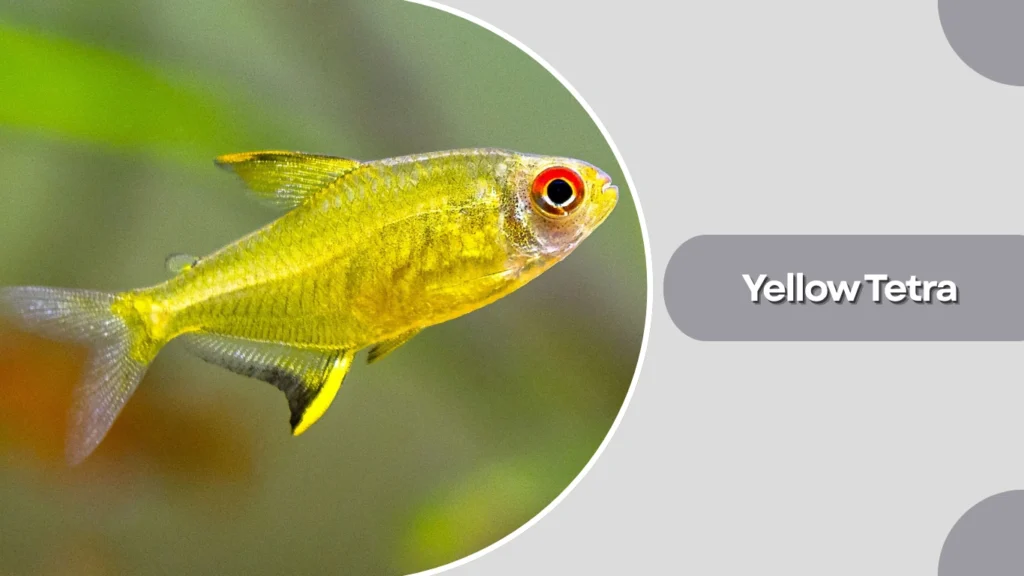
Yellow Tetra is a bright and cheerful freshwater fish known for its golden-yellow coloration. It is a peaceful and relatively hardy species that does well in community aquariums. Its warm color adds a lively touch to planted tanks, especially when kept in groups. This fish is suitable for beginners and adapts well to stable aquarium conditions.
Identification
- Scientific Name: Hyphessobrycon bifasciatus
- Size: Up to 2 inches (5 cm)
- Color: Yellow to golden body with subtle markings
- Lifespan: 3–5 years
- Temperament: Peaceful and schooling
Habitat
Yellow Tetras are native to South America, particularly in slow-moving rivers and streams with vegetation. These waters are usually soft and slightly acidic, with moderate lighting. In aquariums, they thrive in planted tanks with stable water conditions and gentle filtration. Adding plants and natural decor helps replicate their natural environment and keeps them comfortable.
Diet
Yellow Tetras are omnivores and accept a wide range of foods. A staple diet of high-quality flakes or pellets works well. They also benefit from live or frozen foods such as brine shrimp, daphnia, and bloodworms. Occasional plant-based food can be included. Feeding them once or twice daily in small portions helps maintain good health.
Care
These fish are easy to care for and suitable for beginner aquarists. A tank size of at least 10–15 gallons is recommended for a group. They should be kept in schools of six or more to reduce stress and encourage natural behavior. Regular water changes and proper filtration are important. Stable conditions are key to their long-term health.
Behavior
Yellow Tetras are peaceful and social fish that enjoy swimming in groups. They are active and usually occupy the middle levels of the aquarium. Their calm nature makes them compatible with other small, non-aggressive fish. When kept in proper groups, they display natural schooling behavior and remain lively.
27. Glass Bloodfin Tetra
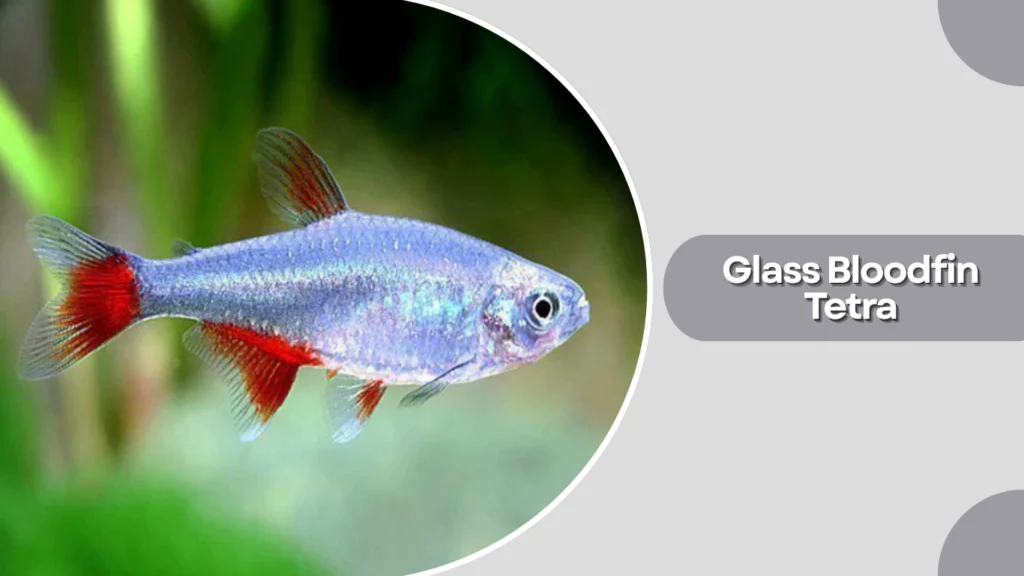
Glass Bloodfin Tetra is a unique freshwater fish known for its semi-transparent body combined with bright red fins. This striking contrast makes it visually appealing in aquariums. It is a hardy and active species, suitable for beginners and community tanks. Its adaptability and energetic nature make it a popular choice for aquarists who want a low-maintenance yet attractive fish.
Identification
- Scientific Name: Prionobrama filigera
- Size: Up to 2 inches (5 cm)
- Color: Transparent body with bright red fins
- Lifespan: 3–5 years
- Temperament: Peaceful and schooling
Habitat
Glass Bloodfin Tetras are native to South America, where they inhabit rivers and streams with moderate water flow. These environments often have clear water and some vegetation. In aquariums, they thrive in tanks with open swimming space and gentle to moderate filtration. Stable water conditions and moderate lighting help maintain their health and activity.
Diet
Glass Bloodfin Tetras are omnivores and accept a variety of foods. A staple diet of high-quality flakes or pellets works well. They also benefit from live or frozen foods such as brine shrimp, bloodworms, and daphnia. Feeding them once or twice daily in small portions ensures proper nutrition and helps maintain water quality.
Care
These fish are easy to care for and adapt well to different conditions. A tank size of at least 15 gallons is recommended for a group. They should be kept in schools of six or more to reduce stress and encourage natural behavior. Regular water changes and proper filtration are important. Providing open swimming space is essential for their active nature.
Behavior
Glass Bloodfin Tetras are active and social fish that enjoy swimming in groups. They are fast swimmers and usually occupy the middle levels of the aquarium. Their peaceful temperament makes them suitable for community tanks with other non-aggressive species. Keeping them in proper groups helps maintain calm and natural behavior.
28. Red Phantom Tetra
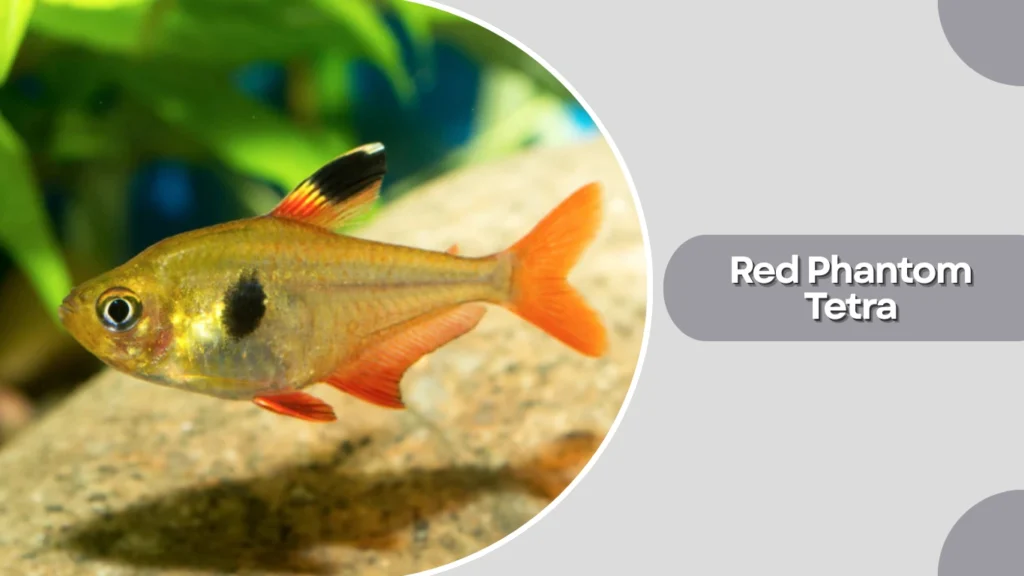
Red Phantom Tetra is a beautiful freshwater fish known for its reddish body and elegant fin shape. It has a calm and graceful appearance, making it a favorite for planted aquariums. This species is peaceful and thrives in community tanks when kept in groups. Its soft coloration and gentle behavior add a relaxing and natural feel to the aquarium environment.
Identification
- Scientific Name: Hyphessobrycon sweglesi
- Size: Up to 1.5–2 inches (4–5 cm)
- Color: Reddish body with a dark shoulder spot
- Lifespan: 3–5 years
- Temperament: Peaceful and schooling
Habitat
Red Phantom Tetras are native to the Amazon Basin, where they inhabit slow-moving waters with dense vegetation. These environments typically have soft, slightly acidic water and subdued lighting. In aquariums, they thrive in planted tanks with gentle filtration and stable conditions. Adding driftwood and shaded areas helps replicate their natural habitat and enhances their comfort.
Diet
Red Phantom Tetras are omnivores and accept a variety of foods. A staple diet of high-quality flakes or pellets works well. They also benefit from live or frozen foods such as brine shrimp, daphnia, and bloodworms, which help improve their color and health. Feeding them once or twice daily in small portions is recommended.
Care
These fish are relatively easy to care for and suitable for community aquariums. A tank size of at least 10–15 gallons is recommended for a group. They should be kept in schools of six or more to reduce stress and encourage natural behavior. Regular water changes and proper filtration are important. Providing plants and hiding spots helps them feel secure.
Behavior
Red Phantom Tetras are peaceful and social fish that prefer to live in groups. They are active swimmers and usually stay in the middle levels of the aquarium. Males may display brighter colors and mild territorial behavior during breeding. They are generally non-aggressive and compatible with other small, calm fish.
29. Black Phantom Tetra
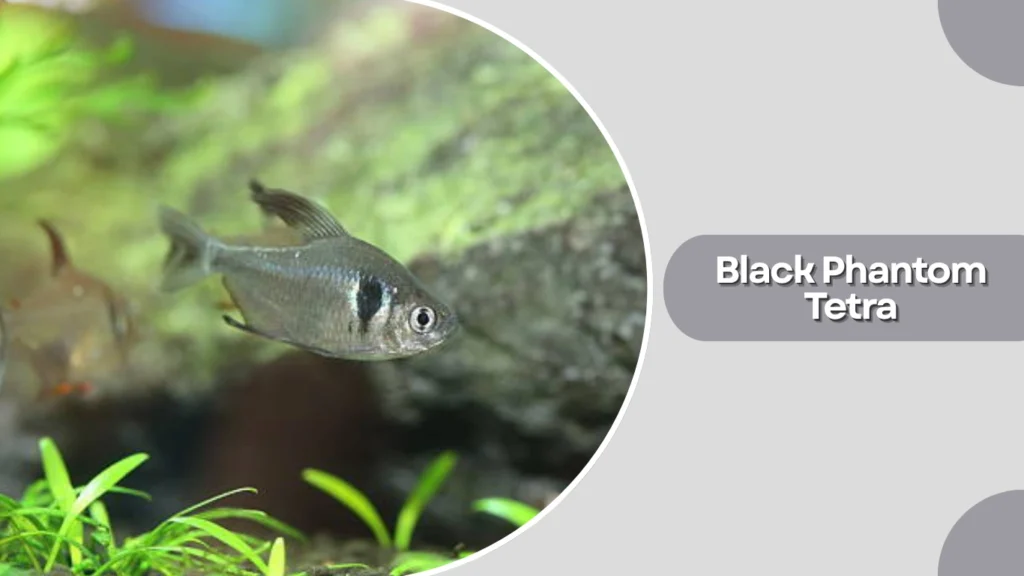
Black Phantom Tetra is an elegant freshwater fish known for its smoky gray coloration and distinctive black shoulder spot. It has a calm and graceful presence, making it a popular choice for community aquariums. This species is peaceful and does well in planted tanks, where its subtle colors stand out against greenery. It is relatively easy to care for and suitable for both beginners and experienced aquarists.
Identification
- Scientific Name: Hyphessobrycon megalopterus
- Size: Up to 1.5–2 inches (4–5 cm)
- Color: Gray to black body with a prominent dark shoulder patch
- Lifespan: 3–5 years
- Temperament: Peaceful and schooling
Habitat
Black Phantom Tetras are native to the Amazon Basin, where they live in slow-moving waters with dense vegetation. These environments typically have soft, slightly acidic water and dim lighting. In aquariums, they thrive in planted setups with stable conditions, gentle filtration, and shaded areas. Adding driftwood and plants helps recreate their natural habitat and improves their comfort.
Diet
Black Phantom Tetras are omnivores and accept a wide range of foods. A staple diet of high-quality flakes or pellets works well. They also benefit from live or frozen foods such as brine shrimp, daphnia, and bloodworms, which enhance their health and coloration. Feeding them once or twice daily in small portions is ideal to maintain water quality.
Care
These fish are easy to care for and suitable for community aquariums. A tank size of at least 10–15 gallons is recommended for a group. They should be kept in schools of six or more to reduce stress and encourage natural behavior. Regular water changes and proper filtration are essential. Providing plants and hiding spots helps them feel secure.
Behavior
Black Phantom Tetras are peaceful and social fish that enjoy swimming in groups. They usually occupy the middle levels of the aquarium and are moderately active. Males may show mild territorial displays toward each other, especially during breeding, but they are generally non-aggressive. Keeping them in proper groups ensures calm and natural behavior.
30. Dawn Tetra
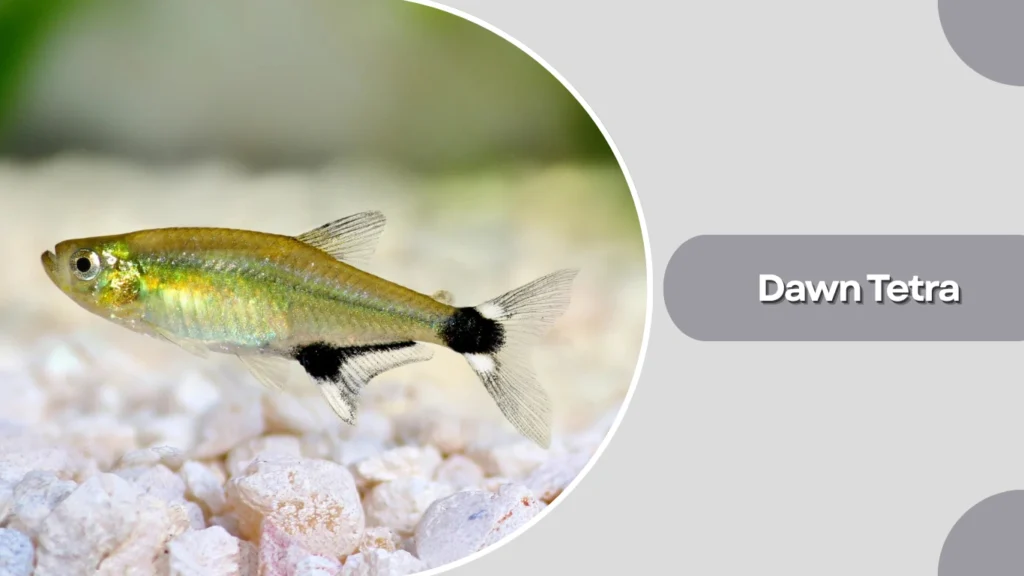
Dawn Tetra is a lesser-known freshwater fish appreciated for its subtle coloration and peaceful nature. It features soft hues that resemble early morning light, giving it a calm and gentle appearance. This species is ideal for aquarists who prefer understated beauty in their tanks. It thrives in community aquariums and displays its best behavior when kept in groups under stable conditions.
Identification
- Scientific Name: Aphyocharax paraguayensis
- Size: Up to 1.5–2 inches (4–5 cm)
- Color: Light pinkish or silvery body with soft tones
- Lifespan: 3–5 years
- Temperament: Peaceful and schooling
Habitat
Dawn Tetras are native to South America, particularly in slow-moving streams and rivers with moderate vegetation. These waters typically have soft to slightly acidic conditions and gentle flow. In aquariums, they prefer planted tanks with stable water parameters and moderate lighting. Adding natural elements like driftwood and plants helps recreate their habitat and keeps them comfortable.
Diet
Dawn Tetras are omnivores and accept a variety of foods. A staple diet of high-quality flakes or small pellets works well. They also benefit from live or frozen foods such as brine shrimp, daphnia, and bloodworms. Feeding them once or twice daily in small portions helps maintain their health and water quality.
Care
These fish are relatively easy to care for and suitable for community tanks. A tank size of at least 10–15 gallons is recommended for a group. They should be kept in schools of six or more to reduce stress and encourage natural behavior. Regular water changes and proper filtration are important for maintaining stable conditions.
Behavior
Dawn Tetras are peaceful and social fish that enjoy swimming in groups. They are moderately active and usually occupy the middle levels of the aquarium. Their calm temperament makes them compatible with other small, non-aggressive fish. When kept in proper groups, they display natural schooling behavior and remain active and healthy.
FAQs
What is the ideal group size for tetra fish?
Tetra fish are schooling species and should be kept in groups of at least six. Larger groups, such as 8–12, are even better as they reduce stress and encourage natural behavior. Keeping them in small numbers can make them shy, less active, and more prone to illness.
Are tetra fish suitable for beginners?
Yes, many tetra species like Neon, Black Skirt, and Glowlight Tetras are beginner-friendly. They are generally hardy, easy to feed, and adapt well to stable aquarium conditions. However, some species like Rummy Nose Tetras require more care and stable water parameters.
What do tetra fish eat?
Tetra fish are omnivores and eat a variety of foods. Their diet typically includes flakes, micro pellets, and live or frozen foods like brine shrimp and bloodworms. A balanced diet helps maintain their color, health, and activity levels.
Can different types of tetras live together?
Yes, most tetra species can live together peacefully as long as they have similar size and temperament. Avoid mixing aggressive or fin-nipping species with delicate or slow-moving fish to prevent stress or injury.
How long do tetra fish live?
The lifespan of tetra fish varies by species but generally ranges from 3 to 10 years. Proper care, clean water, a balanced diet, and a stress-free environment can significantly increase their lifespan.