
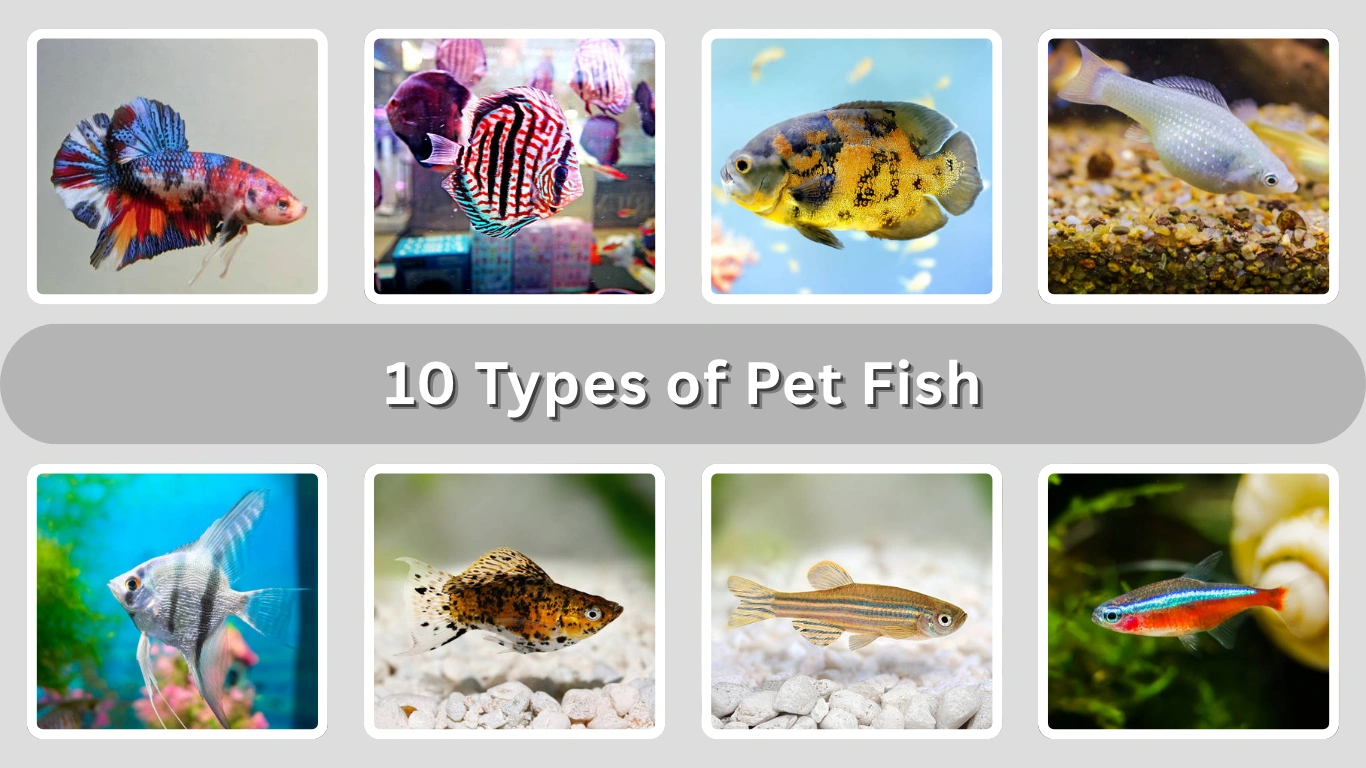
Pet fish are a great way to bring life, color, and relaxation into your home. Whether you are a beginner or an experienced aquarist, choosing the right fish is essential for creating a healthy and enjoyable aquarium. From easy-to-care species like goldfish and guppies to more unique options like discus and oscar fish, each type offers something different. In this guide, you will discover 10 popular pet fish along with helpful details to understand their care, behavior, and ideal living conditions.
1. Goldfish
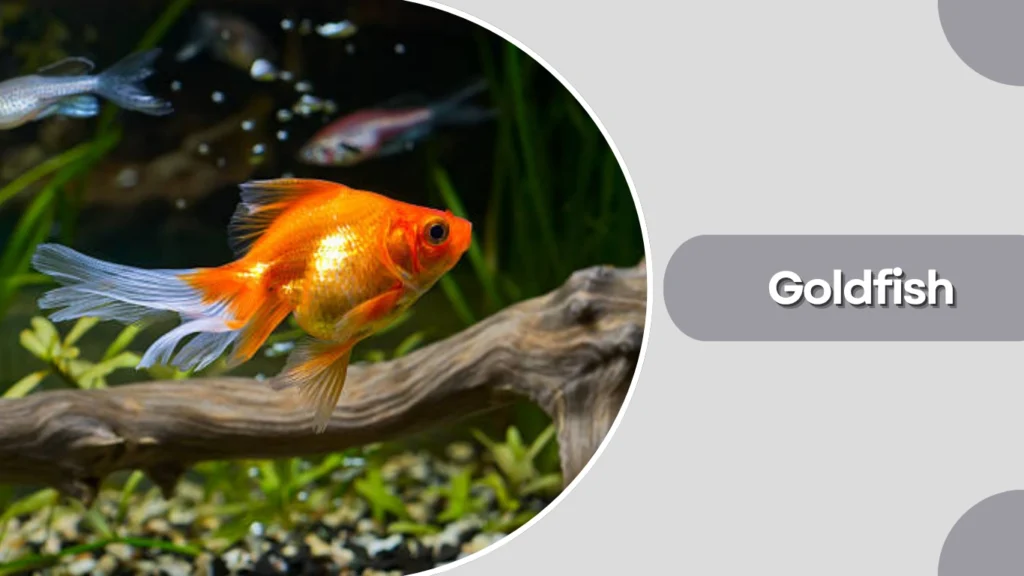
Goldfish are one of the most popular and widely kept pet fish in the world. Known for their bright colors and calm nature, they are ideal for beginners and experienced aquarists alike. With proper care, goldfish can grow quite large and live for many years, making them a long-term companion in home aquariums.
Identification
- Bright orange color (common), but can also be white, black, or mixed
- Rounded or elongated body depending on the variety
- Flowing fins, especially in fancy types
- Large, noticeable eyes
- Grows from 2 inches to over 10 inches depending on type
- Smooth scales with a shiny appearance
Habitat
Goldfish are freshwater fish originally from East Asia and are commonly found in slow-moving waters such as ponds, lakes, and streams. In aquariums, they require a spacious tank with good filtration because they produce a lot of waste. They prefer cooler water compared to tropical fish and do not need a heater in most cases. A well-maintained tank with clean water, adequate oxygen, and simple decorations helps replicate their natural environment and supports their growth.
Behavior
Goldfish are peaceful and social fish that do well in groups. They are active swimmers and enjoy exploring their surroundings. They are also known for recognizing their owners and may respond during feeding time. Goldfish are not aggressive and can be kept with other calm fish of similar size. However, they may eat smaller fish if given the chance, so proper tank mate selection is important.
Diet and Lifespan
Goldfish are omnivores and eat a variety of foods in both the wild and captivity. Their diet includes flakes, pellets, vegetables, and occasional protein sources like worms. Feeding them a balanced diet helps maintain their health and vibrant color. It is important not to overfeed, as they are prone to digestive issues. With proper care, goldfish can live 10 to 15 years, and in some cases, even longer.
2. Betta Fish
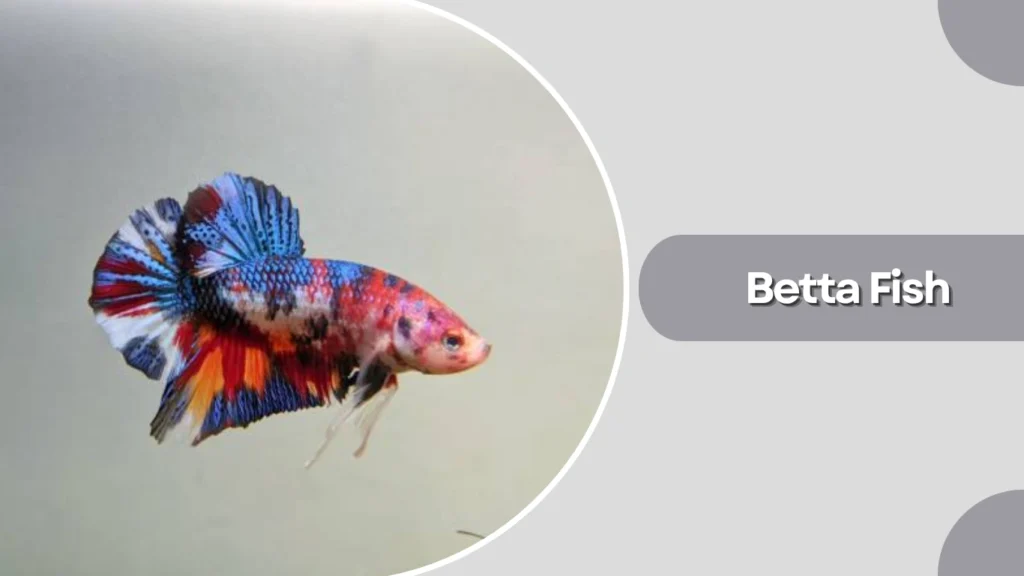
Betta Fish, also known as Siamese fighting fish, are famous for their vibrant colors and flowing fins. They are a popular choice for home aquariums due to their beauty and relatively simple care requirements. Bettas are ideal for beginners, but they also appeal to experienced fish keepers because of their unique personality.
Identification
- Bright, vivid colors such as red, blue, purple, and white
- Long, flowing fins (especially in males)
- Small, slender body shape
- Grows up to 2.5–3 inches in length
- Upturned mouth for surface feeding
- Males are more colorful and have larger fins than females
Habitat
Betta Fish are native to Southeast Asia, particularly Thailand, where they live in shallow waters like rice paddies, ponds, and slow-moving streams. These environments are warm and low in oxygen, which is why bettas can breathe air using a special organ called the labyrinth organ. In aquariums, they require warm water, gentle flow, and a tank with plants or hiding spots. A heater is usually necessary to maintain stable temperature, and a calm environment helps reduce stress.
Behavior
Betta Fish are known for their territorial and aggressive behavior, especially males. They should not be kept with other male bettas, as fights can be severe. However, they can live with certain peaceful tank mates if given enough space. Bettas are also intelligent and interactive, often recognizing their owners and reacting during feeding. Their slow, graceful swimming and occasional flaring displays make them fascinating to watch.
Diet and Lifespan
Betta Fish are carnivores and primarily feed on insects and larvae in the wild. In aquariums, they thrive on high-quality betta pellets, frozen foods like bloodworms, and brine shrimp. A protein-rich diet supports their health and vibrant coloration. Overfeeding should be avoided, as it can lead to health issues. With proper care and a clean environment, betta fish typically live around 3 to 5 years.
3. Guppy
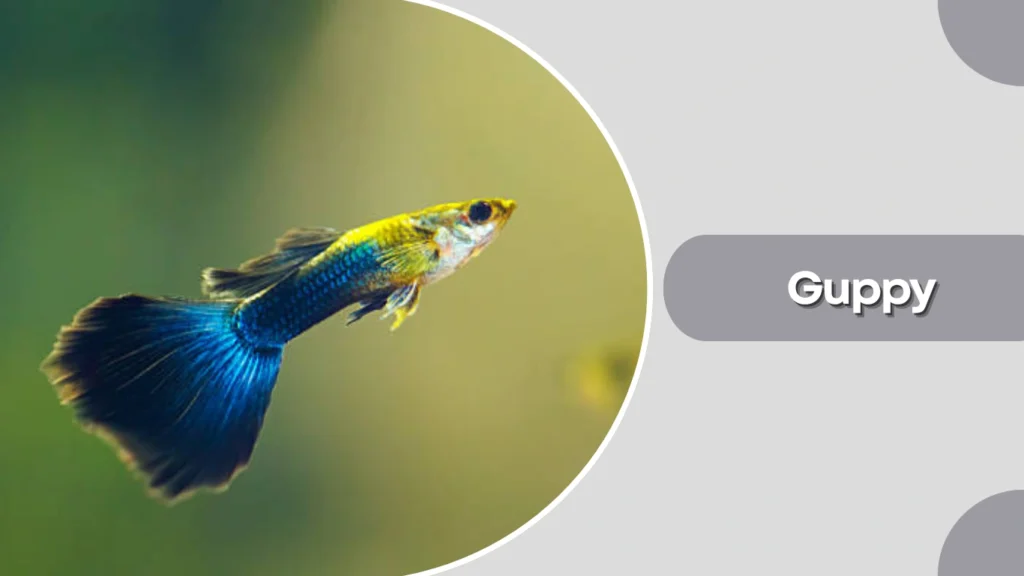
Guppies are small, colorful, and lively freshwater fish that are extremely popular among aquarium hobbyists. They are easy to care for, breed readily, and come in a wide variety of colors and patterns. Their adaptability and peaceful nature make them one of the best choices for beginners.
Identification
- Small, slender body shape
- Bright colors with various patterns (spotted, striped, or solid)
- Males are more colorful and have larger, flowing tails
- Females are larger but less colorful
- Grows up to 1.5–2.5 inches in length
- Fan-shaped tail in many varieties
Habitat
Guppies are native to South America and are commonly found in freshwater streams, rivers, and ponds. They prefer warm water with gentle flow and plenty of vegetation. In aquariums, they thrive in well-maintained tanks with stable temperature and clean water. Adding plants helps mimic their natural environment and provides hiding spots, especially for fry (baby fish). They are highly adaptable and can tolerate a range of water conditions, making them easy to keep.
Behavior
Guppies are peaceful, social fish that do best when kept in groups. They are active swimmers and spend most of their time exploring the tank. Males often display their colorful fins to attract females. They are non-aggressive and get along well with other small, peaceful species. Guppies are also known for their rapid breeding, so population can increase quickly if males and females are kept together.
Diet and Lifespan
Guppies are omnivores and eat a variety of foods in the wild, including algae, small insects, and organic matter. In aquariums, they accept flakes, pellets, and occasional live or frozen foods like brine shrimp. A balanced diet helps maintain their bright colors and overall health. With proper care and a clean environment, guppies typically live around 2 to 3 years.
4. Neon Tetra
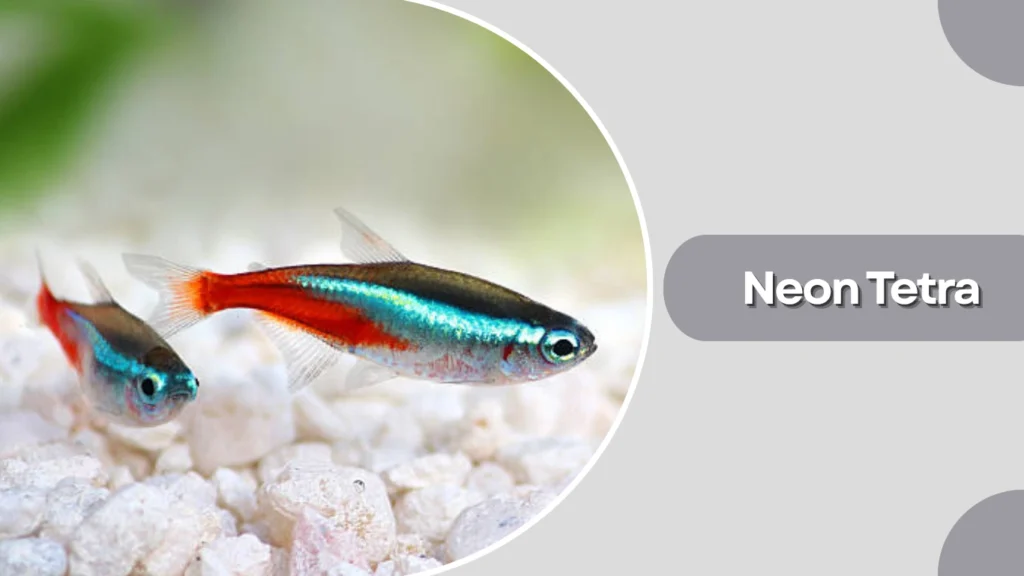
Neon Tetra is a small and vibrant freshwater fish, widely loved for its glowing blue and red coloration. It is a peaceful species that thrives in groups, making it a perfect choice for community aquariums. Its calm nature and striking appearance make it popular among both beginners and experienced fish keepers.
Identification
- Bright blue horizontal stripe along the body
- Red stripe running from the middle to the tail
- Small, slender body shape
- Grows up to 1–1.5 inches in length
- Transparent fins
- Slightly rounded belly
Habitat
Neon Tetras are native to the Amazon Basin in South America, where they live in slow-moving blackwater streams and rivers. These waters are often shaded by dense vegetation and contain soft, slightly acidic conditions. In aquariums, they prefer a well-planted tank with dim lighting and stable water parameters. Adding driftwood and plants helps recreate their natural environment and provides a sense of security. They do best in schools of at least 6 or more individuals.
Behavior
Neon Tetras are peaceful and highly social fish that thrive in groups. They display schooling behavior, swimming together in a coordinated manner, which enhances their visual appeal. They are non-aggressive and compatible with many other small, calm fish. When kept alone or in small numbers, they may become stressed or shy. Their gentle nature and group behavior make them ideal for community tanks.
Diet and Lifespan
Neon Tetras are omnivores and feed on small organisms in the wild, such as plankton and tiny insects. In aquariums, they accept flakes, micro-pellets, and frozen foods like brine shrimp. A varied diet supports their health and vibrant coloration. Feeding small amounts regularly is important due to their size. With proper care and a stable environment, Neon Tetras can live around 3 to 5 years.
5. Angelfish
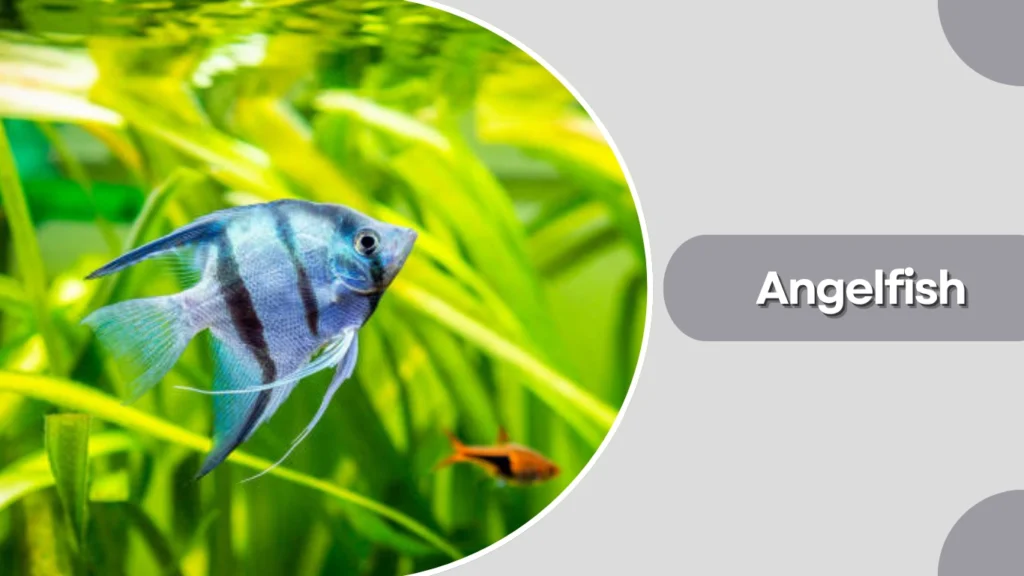
Angelfish are elegant and graceful freshwater fish, known for their tall, triangular shape and flowing fins. They are a popular choice in aquariums due to their striking appearance and relatively easy care. Although peaceful in many cases, they can show mild aggression, especially as they mature.
Identification
- Tall, triangular body shape
- Long, flowing dorsal and anal fins
- Colors vary (silver, black, gold, or striped patterns)
- Grows up to 6 inches in length and taller in height
- Thin, elongated ventral fins
- Distinct vertical stripes in many varieties
Habitat
Angelfish are native to the Amazon River basin in South America, where they live in slow-moving waters filled with plants and submerged roots. These environments provide both shelter and breeding areas. In aquariums, they require a tall tank with warm, clean water and plenty of vertical space. Adding plants and driftwood helps mimic their natural habitat. Stable water conditions and gentle filtration are important for their overall health.
Behavior
Angelfish are generally peaceful but can become territorial, especially during breeding. They may show aggression toward smaller fish or other angelfish in confined spaces. They are active swimmers but prefer calm environments. Angelfish often form pairs and display interesting social behaviors. Their graceful movement and occasional interaction with tank mates make them a centerpiece fish in many aquariums.
Diet and Lifespan
Angelfish are omnivores and feed on a variety of foods in the wild, including small insects, larvae, and plant matter. In aquariums, they accept flakes, pellets, and frozen foods like bloodworms and brine shrimp. A balanced diet supports their growth and coloration. Feeding them in moderation helps prevent health issues. With proper care, angelfish can live around 8 to 10 years in captivity.
6. Discus Fish
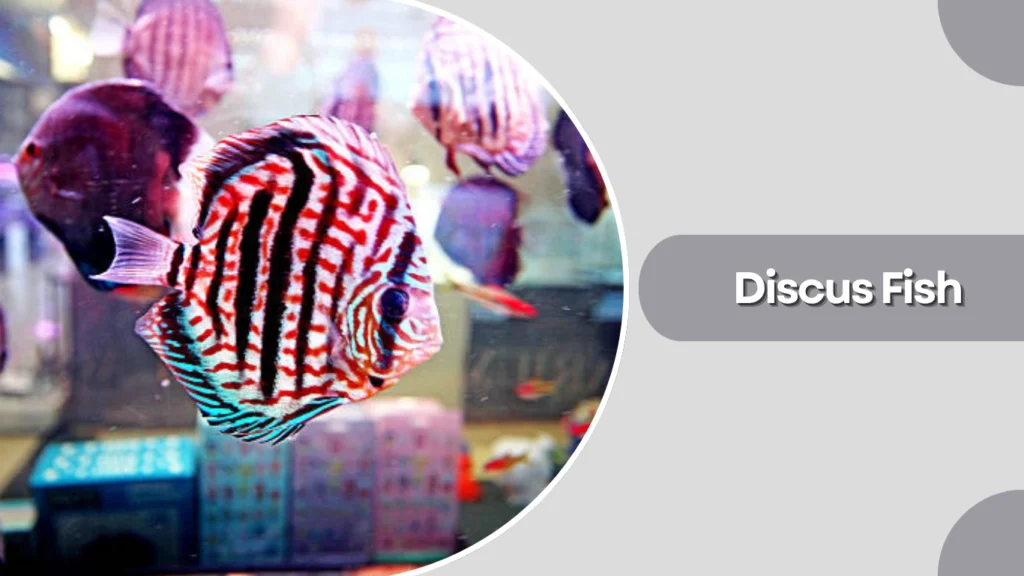
Discus Fish are highly prized freshwater fish, known for their round shape and vibrant, patterned colors. Often referred to as the “king of the aquarium,” they are admired for their beauty and graceful swimming. However, they require careful maintenance, making them more suitable for experienced aquarists.
Identification
- Round, disk-shaped body
- Bright colors such as blue, red, orange, and yellow
- Intricate patterns including stripes and spots
- Grows up to 6–8 inches in diameter
- Large fins that extend smoothly around the body
- Prominent red or dark eyes
Habitat
Discus Fish are native to the Amazon River basin, where they inhabit slow-moving, warm waters with dense vegetation and submerged roots. These environments are soft, slightly acidic, and rich in organic matter. In aquariums, they require warm water, excellent filtration, and stable conditions. A well-planted tank with gentle water flow helps recreate their natural habitat. Clean water is especially important, as discus are sensitive to poor conditions.
Behavior
Discus Fish are generally peaceful but can be shy, especially when first introduced to a tank. They prefer to be kept in small groups, where they establish a social hierarchy. They are slow swimmers and do best with calm tank mates. Sudden changes in environment can stress them, so stability is key. Their graceful movement and group behavior make them a stunning focal point in aquariums.
Diet and Lifespan
Discus Fish are omnivores and require a high-quality, varied diet to stay healthy. In the wild, they feed on small organisms and plant matter. In aquariums, they should be given specialized discus food, along with frozen options like bloodworms and brine shrimp. Regular feeding and proper nutrition are essential for their health and color. With excellent care, discus fish can live around 10 years or more.
7. Molly
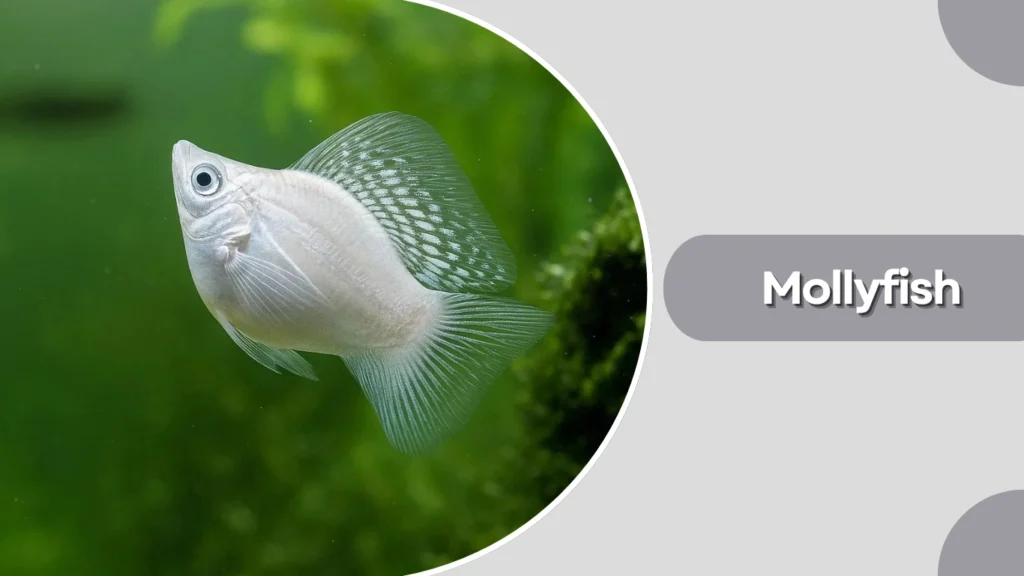
Mollies are hardy and adaptable freshwater fish, popular for their variety of colors and easy care. They are ideal for beginners and can thrive in different water conditions, including slightly brackish environments. Their peaceful nature and active swimming make them a great addition to community aquariums.
Identification
- Small to medium-sized body with a slightly rounded shape
- Colors vary (black, white, orange, silver, or mixed)
- Short fins with some varieties having larger, flowing tails
- Grows up to 3–5 inches in length
- Slightly upturned mouth
- Smooth scales with a glossy appearance
Habitat
Mollies are native to freshwater and brackish waters in Central and South America. They are commonly found in rivers, streams, and coastal areas with vegetation. In aquariums, they prefer warm water with moderate hardness and plenty of plants. Adding some salt (for certain species) can improve their health, but it is not always required. A well-maintained tank with good filtration and space for swimming helps replicate their natural habitat.
Behavior
Mollies are peaceful and social fish that do well in groups. They are active swimmers and often explore all levels of the tank. Males may occasionally chase females, especially during breeding, so keeping a balanced ratio is important. They are compatible with many other community fish and rarely show aggression. Their lively behavior adds energy and movement to the aquarium.
Diet and Lifespan
Mollies are omnivores and feed on algae, plant matter, and small organisms in the wild. In aquariums, they accept flakes, pellets, and vegetable-based foods, along with occasional protein sources like brine shrimp. Providing a balanced diet helps maintain their health and color. With proper care and good water conditions, mollies can live around 3 to 5 years in captivity.
8. Platy
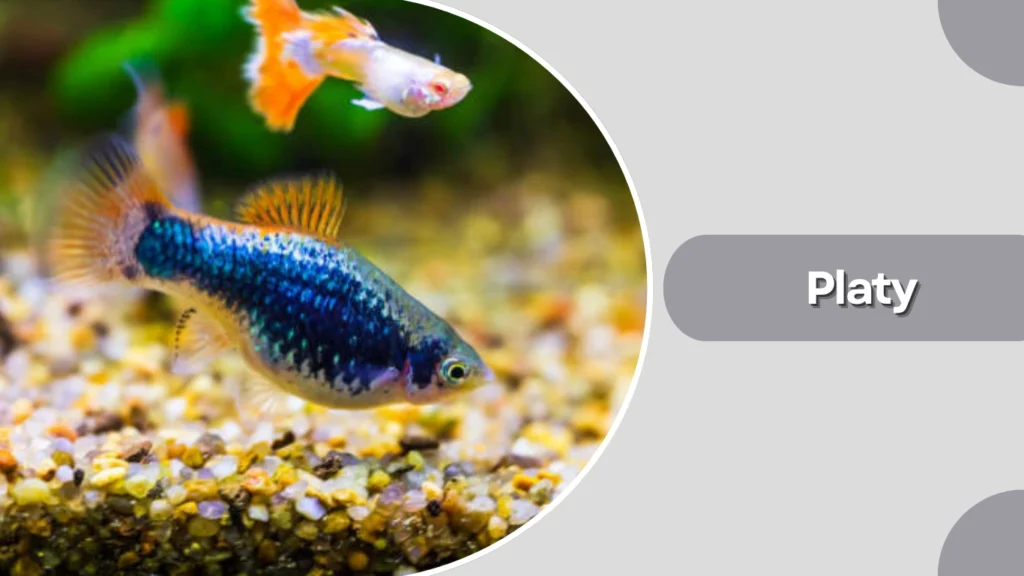
Platy is a small, colorful, and easy-to-care-for freshwater fish, making it a favorite among beginners. Known for its peaceful nature and wide range of colors, platies are highly adaptable and do well in community aquariums. Their active behavior and low maintenance needs make them an excellent choice for new fish keepers.
Identification
- Small, compact body shape
- Bright colors such as red, orange, yellow, blue, or mixed patterns
- Short fins with a slightly rounded tail
- Grows up to 2–3 inches in length
- Smooth scales with a shiny appearance
- Slightly upturned mouth
Habitat
Platies are native to Central America, where they inhabit slow-moving freshwater bodies like rivers, canals, and ponds. These environments often contain vegetation and moderate water flow. In aquariums, they prefer warm water with stable conditions and plenty of plants for hiding and comfort. They are very adaptable and can tolerate a range of water parameters. A well-maintained tank with good filtration and open swimming space helps recreate their natural habitat.
Behavior
Platies are peaceful and social fish that do best in groups. They are active swimmers and enjoy exploring the tank. Males may show mild chasing behavior, especially during breeding, but they are generally non-aggressive. They get along well with other community fish and rarely cause conflicts. Their friendly and lively nature makes them a great addition to any aquarium.
Diet and Lifespan
Platies are omnivores and feed on plant matter, algae, and small organisms in the wild. In aquariums, they accept a variety of foods including flakes, pellets, and occasional live or frozen foods. Including vegetable-based food in their diet is beneficial. Feeding them a balanced diet ensures good health and vibrant colors. With proper care, platies typically live around 3 to 5 years in captivity.
9. Zebra Danio
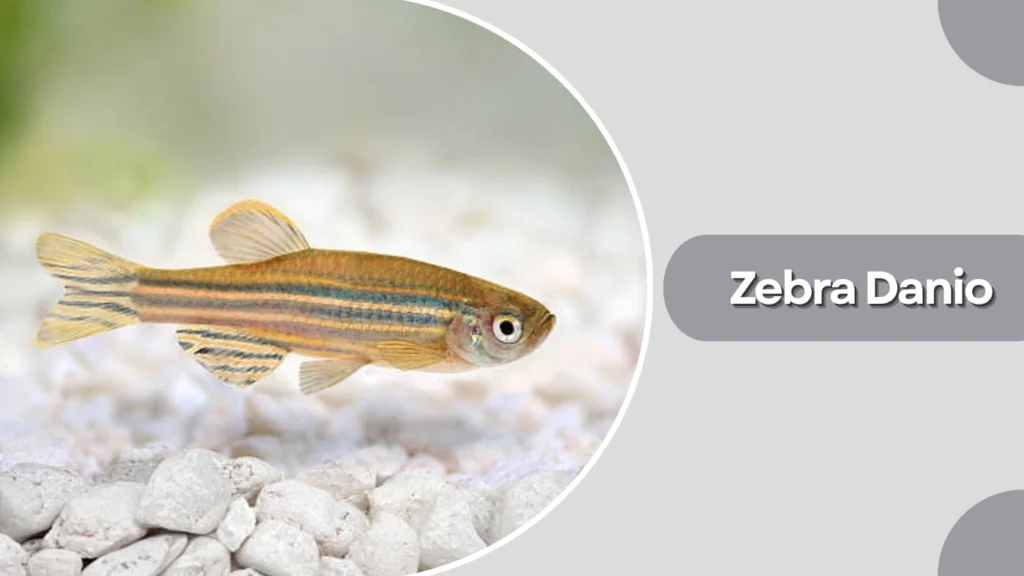
Zebra Danio is a small, energetic freshwater fish known for its striped pattern and active swimming behavior. It is extremely hardy and adaptable, making it one of the best choices for beginners. Its constant movement and schooling nature bring life and energy to any aquarium.
Identification
- Distinct horizontal blue and silver stripes
- Slender, streamlined body shape
- Transparent fins
- Grows up to 2–2.5 inches in length
- Slightly pointed head
- Fast and agile swimmer
Habitat
Zebra Danios are native to South Asia, particularly in rivers, streams, and ponds with moderate water flow. They are often found in clear, shallow waters with vegetation. In aquariums, they thrive in a well-oxygenated tank with open swimming space. They prefer slightly cooler water compared to many tropical fish. Adding plants and maintaining clean water conditions helps recreate their natural habitat and supports their active lifestyle.
Behavior
Zebra Danios are very active and social fish that should be kept in groups of at least 5 or more. They are known for their fast swimming and playful chasing behavior. Despite their energy, they are peaceful and get along well with most community fish. They occupy the upper levels of the tank and are constantly in motion, making them highly entertaining to watch.
Diet and Lifespan
Zebra Danios are omnivores and feed on small insects, larvae, and plant matter in the wild. In aquariums, they accept a wide range of foods including flakes, pellets, and frozen options like brine shrimp. They are not picky eaters and adapt easily to different diets. With proper care and a clean environment, Zebra Danios can live around 3 to 5 years in captivity.
10. Oscar Fish
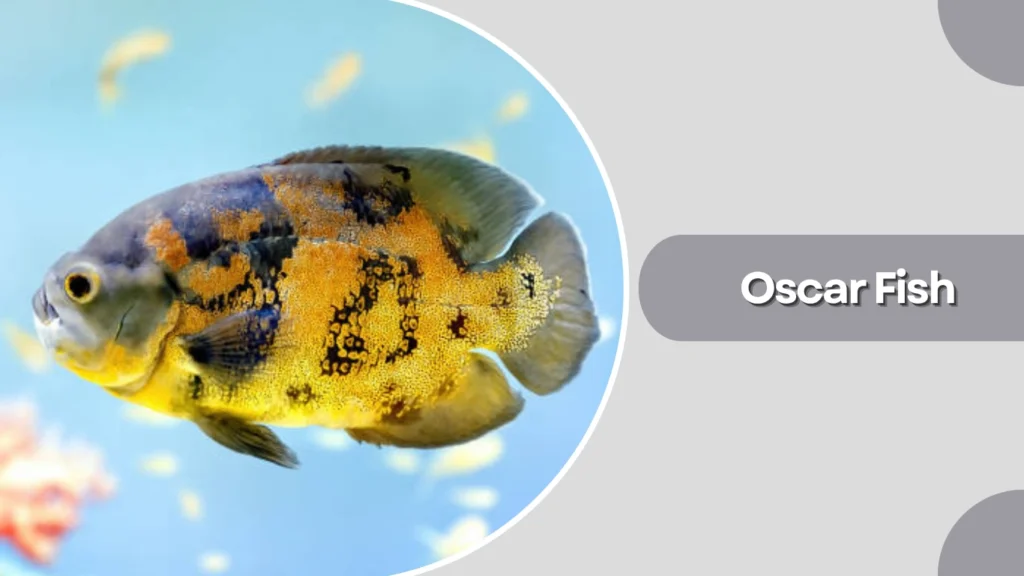
Oscar Fish are large, intelligent freshwater fish known for their bold personality and strong interaction with owners. They are popular among experienced aquarists due to their unique behavior and striking appearance. However, they require a spacious tank and proper care to thrive.
Identification
- Large, oval-shaped body
- Colors vary (black, orange, red, and tiger patterns)
- Thick lips with a strong jaw
- Grows up to 10–12 inches in length
- Prominent eyes with expressive look
- Smooth scales with bold markings
Habitat
Oscar Fish are native to the Amazon River basin in South America, where they inhabit slow-moving rivers, floodplains, and areas with submerged wood. These environments provide hiding spots and hunting grounds. In aquariums, they require large tanks with strong filtration due to their size and waste production. Decorations like driftwood and rocks help mimic their natural habitat. Maintaining warm, clean, and stable water conditions is essential for their health.
Behavior
Oscar Fish are known for their intelligence and interactive nature. They often recognize their owners and may respond during feeding time. However, they can be aggressive and territorial, especially toward smaller fish. They may rearrange tank decorations and dig in the substrate. Due to their size and behavior, they are best kept with similarly sized or robust tank mates. Their bold personality makes them highly engaging to observe.
Diet and Lifespan
Oscar Fish are carnivores and feed on insects, small fish, and crustaceans in the wild. In aquariums, they require a protein-rich diet including pellets, frozen foods, and occasional live food. Overfeeding should be avoided to maintain water quality. A balanced diet supports their growth and coloration. With proper care and a suitable environment, Oscar Fish can live around 10 to 15 years in captivity.
FAQs
What is the easiest pet fish for beginners?
Goldfish, Guppies, and Platies are among the easiest pet fish for beginners. They are hardy, adaptable, and require simple care. These fish can tolerate minor changes in water conditions, making them ideal for those who are new to aquarium keeping.
How often should I clean a fish tank?
A fish tank should be partially cleaned every 1 to 2 weeks. This includes changing about 20–30% of the water and removing waste. Regular cleaning helps maintain water quality, prevents harmful toxins, and keeps fish healthy and stress-free.
Can different types of pet fish live together?
Yes, many pet fish can live together if they are peaceful and have similar water requirements. It is important to research compatibility before mixing species. Avoid combining aggressive fish with calm ones, as this can lead to stress or injury.
What do pet fish need to survive?
Pet fish need clean water, proper temperature, good filtration, and a balanced diet to survive. A suitable tank size and safe environment are also important. Maintaining stable conditions helps reduce stress and keeps fish healthy over time.
How long do pet fish usually live?
The lifespan of pet fish varies by species. Small fish like guppies may live 2–3 years, while larger fish like goldfish or oscars can live 10 years or more. Proper care, diet, and water quality play a major role in how long they live.