
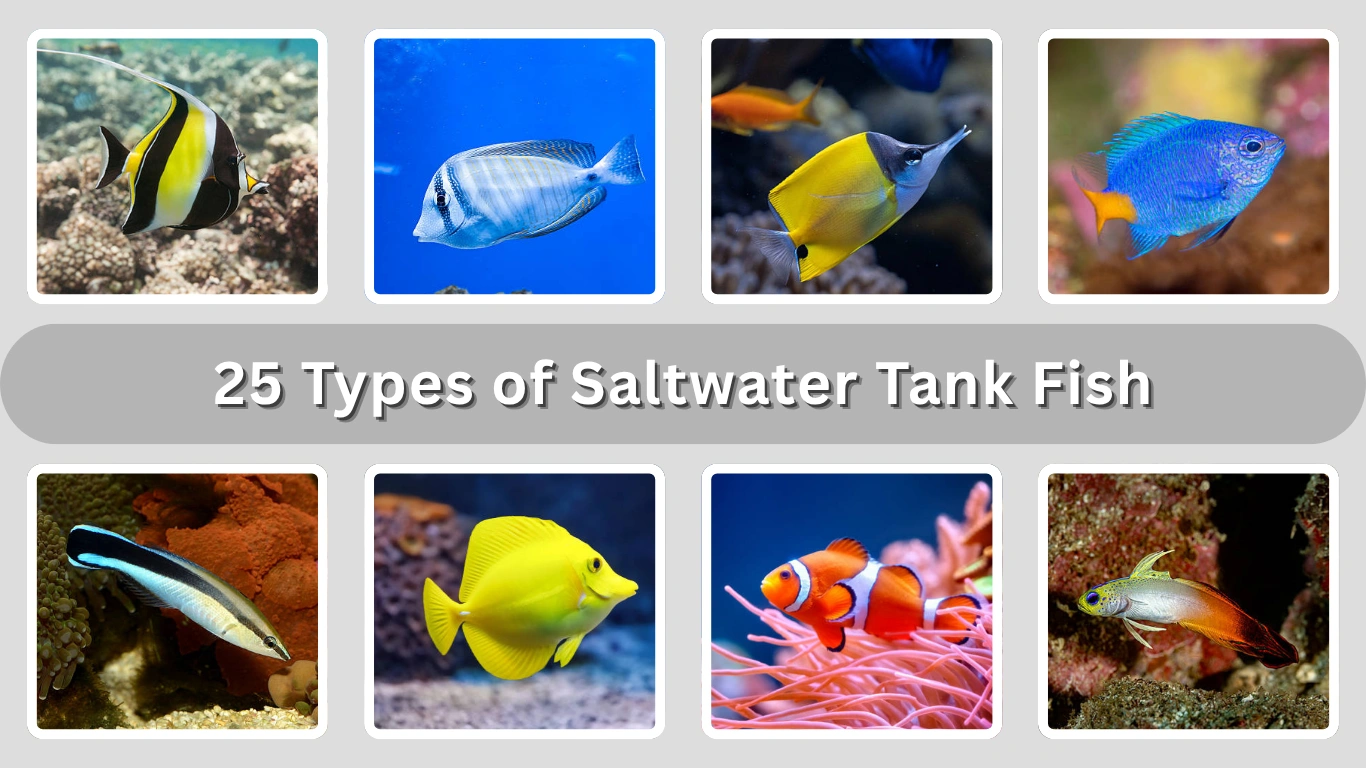
Saltwater aquariums offer a vibrant and fascinating underwater world filled with colorful and unique fish species. From beginner-friendly options like clownfish to more advanced choices like Moorish Idol, each fish brings its own beauty and behavior. Choosing the right combination is essential for a healthy and balanced tank. In this guide, you will explore 25 popular saltwater tank fish, along with key details to help you understand their care, habitat, and compatibility.
1. Clownfish
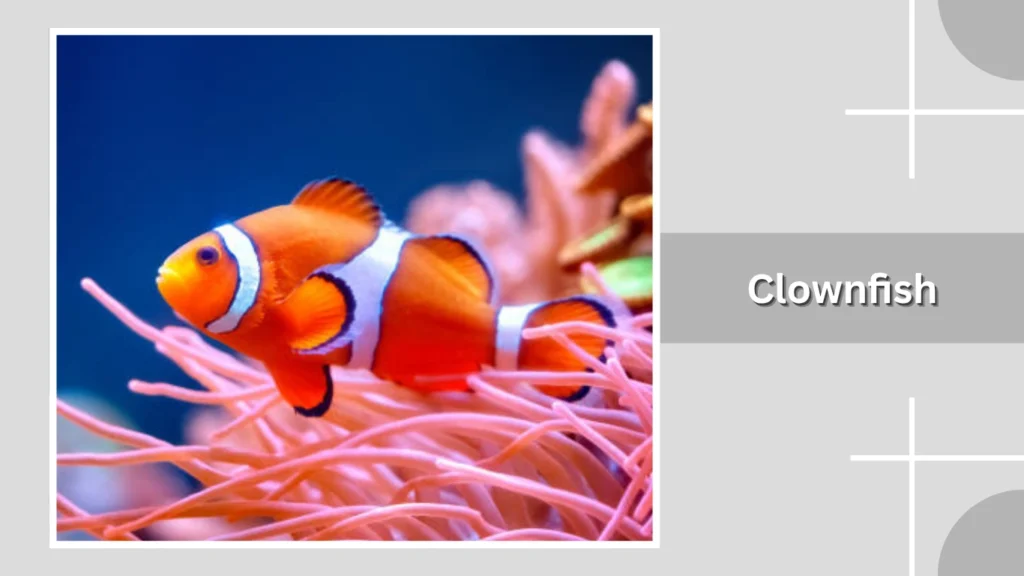
Clownfish are among the most recognizable saltwater aquarium fish, admired for their vibrant coloration and hardy nature. They are an excellent choice for beginners due to their adaptability and relatively simple care requirements. Famous from popular media, clownfish have become a staple in marine tanks around the world. Their unique relationship with sea anemones also makes them fascinating to observe in both natural and artificial environments.
Identification
- Bright orange body with three white vertical bands (most common variety)
- Thin black edges outlining the white stripes
- Rounded fins and oval-shaped body structure
- Small size, typically reaching 3–4 inches in length
- Prominent eyes and a slightly protruding face
- Slow, wobbly swimming pattern that makes them easy to recognize
Habitat
In the wild, clownfish inhabit warm, shallow waters of the Pacific and Indian Oceans, particularly around coral reefs. They are most commonly associated with sea anemones, where they find shelter and protection from predators. The stinging tentacles of anemones do not harm clownfish due to a special mucus layer on their skin. In aquariums, they thrive in stable reef environments with proper temperature, salinity, and hiding spots. While anemones are not required in captivity, adding one can replicate their natural habitat and encourage natural behaviors.
Behavior
Clownfish are generally peaceful but can display territorial behavior, especially when they establish a specific area in the tank. They are often seen hovering near their chosen spot and may defend it from other fish. When kept in pairs, they form a strong bond and may even breed in captivity. Clownfish also exhibit interesting social hierarchies, where the dominant individual becomes female. Their interaction with anemones, if present, is one of their most unique and captivating behaviors.
Diet and Lifespan
Clownfish are omnivorous and have a flexible diet, making them easy to feed in home aquariums. They consume a mix of commercial flakes, pellets, frozen foods like brine shrimp, and occasionally algae. A balanced diet helps maintain their vibrant coloration and overall health. In the wild, they feed on small crustaceans and plankton. With proper care, stable water conditions, and a nutritious diet, clownfish can live between 6 to 10 years, and in some cases, even longer in a well-maintained aquarium environment.
2. Blue Tang
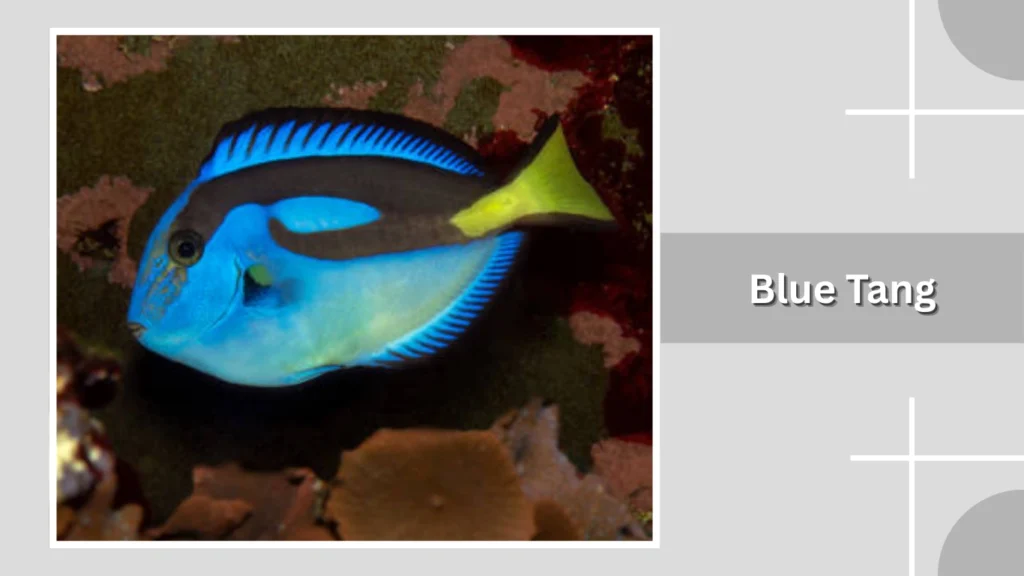
Blue Tang is a striking and active saltwater fish, widely appreciated for its vivid blue coloration and energetic swimming behavior. It is a popular choice among intermediate aquarists due to its beauty and constant movement, which adds life to any marine aquarium. Although attractive, it requires proper care and sufficient tank space to thrive.
Identification
- Bright royal blue body with a black “palette” pattern
- Yellow tail fin that contrasts sharply with the body
- Flat, oval-shaped body designed for fast swimming
- Grows up to 10–12 inches in length
- Small mouth with pointed snout
- Smooth, continuous swimming style
Habitat
In the wild, Blue Tangs are found in coral reefs across the Indo-Pacific region. They prefer areas with plenty of live rock and open swimming space. These fish often inhabit reef slopes and lagoons where algae is abundant. In aquariums, they require large tanks with stable water conditions and plenty of swimming room. Live rock is essential as it provides both grazing surfaces and hiding spots. A well-established reef tank helps mimic their natural environment and supports their health.
Behavior
Blue Tangs are active and constantly on the move, making them a lively addition to marine tanks. They are generally peaceful but may show aggression toward other tangs or similarly shaped fish. They prefer to swim in open areas rather than hiding frequently. When stressed or threatened, they may wedge themselves into rocks. Blue Tangs also possess a sharp spine near their tail used for defense, so care should be taken when handling them.
Diet and Lifespan
Blue Tangs are primarily herbivores, feeding mostly on algae in the wild. In aquariums, they should be provided with a diet rich in marine algae, seaweed sheets, and high-quality herbivore pellets. Occasional protein-based foods like brine shrimp can also be included. A balanced diet helps maintain their vibrant color and immune system. With proper care, Blue Tangs can live up to 8–15 years in a healthy aquarium environment.
3. Yellow Tang
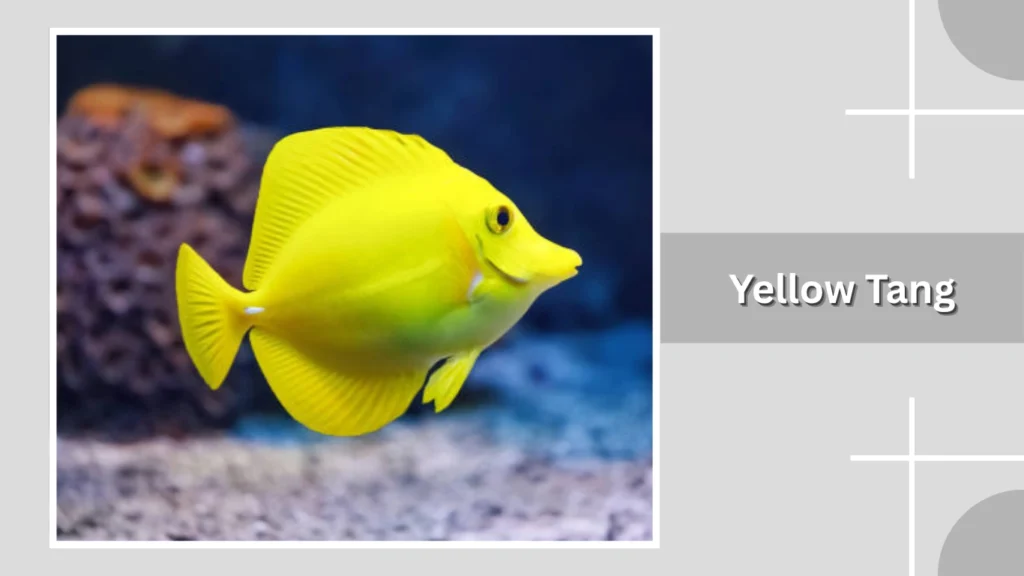
Yellow Tang is a bright and eye-catching saltwater fish, known for its solid yellow color and graceful swimming. It is a favorite among aquarists because of its beauty and algae-eating habits. While relatively hardy, it requires adequate space and proper care, making it more suitable for intermediate hobbyists.
Identification
- Solid bright yellow body from head to tail
- Disk-shaped, laterally compressed body
- Long, continuous dorsal and anal fins
- Grows up to 7–8 inches in length
- Small mouth adapted for grazing algae
- Sharp white spine near the tail (used for defense)
Habitat
Yellow Tangs are native to the Pacific Ocean, especially around Hawaii. They are commonly found in coral reefs, lagoons, and rocky coastal areas where algae is plentiful. These fish prefer environments with plenty of live rock for grazing and hiding. In aquariums, they need a spacious tank with stable water parameters and strong water movement. Providing a reef-like setup with ample swimming space and natural grazing surfaces helps replicate their natural habitat.
Behavior
Yellow Tangs are active swimmers and spend most of their time grazing on algae. They are generally peaceful but can become territorial, especially toward other tangs or fish with similar shapes. They prefer open swimming areas but will retreat to hiding spots when threatened. Their constant movement adds energy to the tank, making them a visually appealing addition. Proper tank size and stocking help reduce aggression.
Diet and Lifespan
Yellow Tangs are herbivores and primarily feed on algae in the wild. In aquariums, they should be given a diet rich in marine algae, seaweed, and plant-based foods. Supplementing with high-quality pellets and occasional protein foods ensures balanced nutrition. Regular feeding helps maintain their bright color and health. With proper care, Yellow Tangs can live between 5 to 10 years or longer in a well-maintained marine aquarium.
4. Royal Gramma
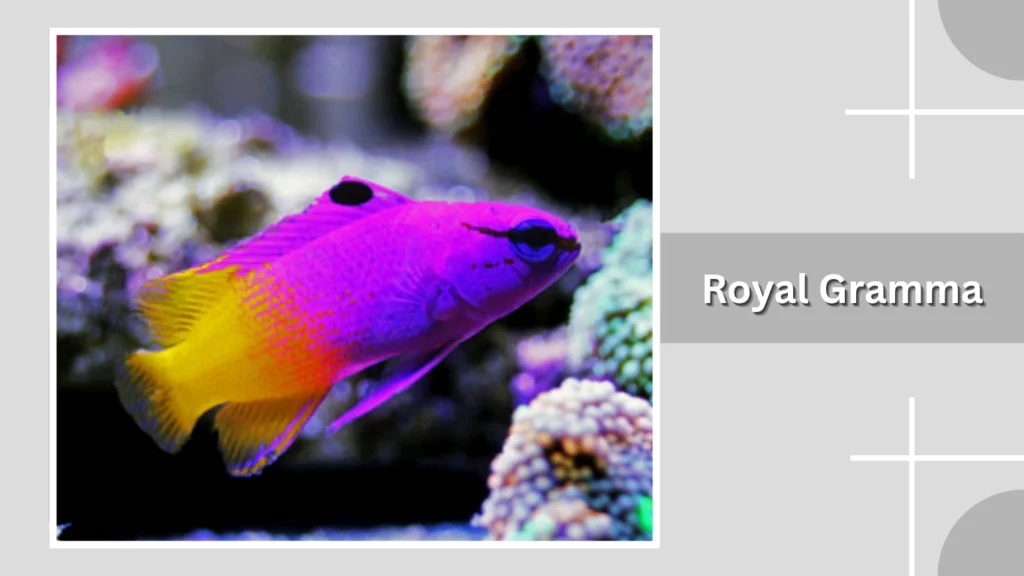
Royal Gramma is a small, colorful saltwater fish known for its striking purple and yellow body. It is a peaceful and hardy species, making it an excellent choice for beginners and community reef tanks. Its vibrant coloration and calm nature make it a standout addition to smaller marine aquariums.
Identification
- Front half of the body is bright purple, rear half is yellow
- Clear dividing line between the two colors
- Small, elongated body shape
- Grows up to 3 inches in length
- Rounded fins with a slightly forked tail
- Black spot often present on the dorsal fin
Habitat
Royal Grammas are native to the Caribbean Sea, where they inhabit coral reefs and rocky crevices. They prefer areas with plenty of hiding spaces, such as caves and overhangs. In aquariums, they thrive in reef setups with live rock that provides shelter and security. A stable environment with moderate lighting and gentle water flow helps mimic their natural habitat. They tend to stay close to their chosen hiding spot, making structure important in tank design.
Behavior
Royal Grammas are generally peaceful and suitable for community tanks. However, they can be territorial around their chosen cave or hiding spot. They may display defensive behavior if other fish come too close but rarely cause serious harm. They are often seen hovering upside down near rocks or darting quickly into crevices when startled. Their calm temperament makes them compatible with many other non-aggressive species.
Diet and Lifespan
Royal Grammas are carnivores that feed on small plankton and crustaceans in the wild. In aquariums, they accept a variety of foods including frozen brine shrimp, mysis shrimp, and high-quality pellets. Feeding them a varied diet ensures good health and vibrant coloration. With proper care and stable water conditions, Royal Grammas can live up to 5–7 years in a home aquarium.
5. Firefish Goby
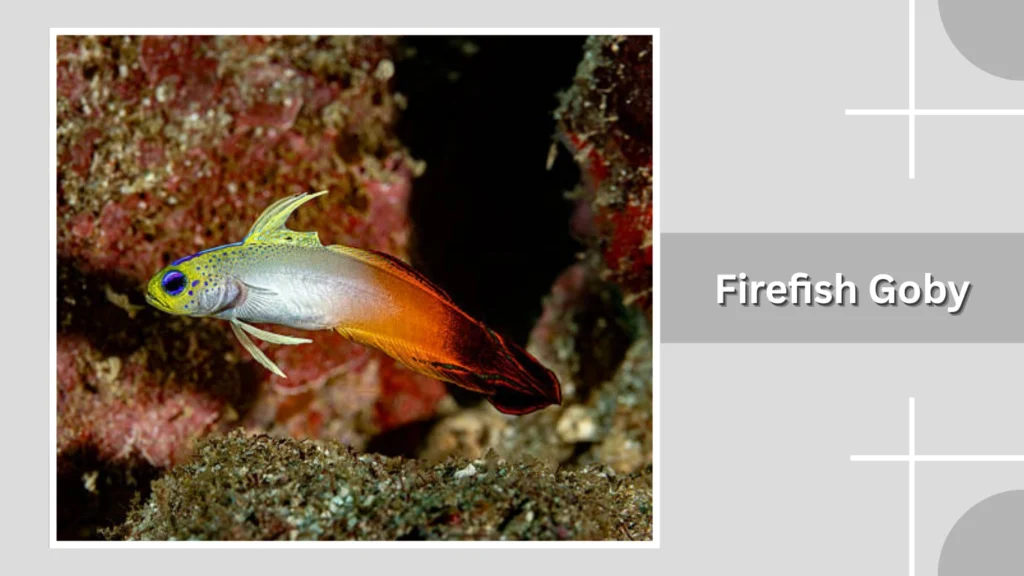
Firefish Goby is a slender and elegant saltwater fish, admired for its vibrant colors and peaceful nature. It is a great choice for beginners due to its hardy behavior and compatibility with other non-aggressive species. Its graceful movement and shy personality make it a unique addition to reef aquariums.
Identification
- White front body that fades into orange-red toward the tail
- Long, pointed dorsal fin that stands upright
- Slender, elongated body shape
- Grows up to 3 inches in length
- Forked tail with bright coloration
- Large eyes relative to body size
Habitat
Firefish Gobies are found in the Indo-Pacific region, typically living in reef slopes and sandy areas near coral structures. They prefer environments with burrows or crevices where they can quickly retreat when threatened. In aquariums, they require a peaceful tank with plenty of hiding spots such as rocks and caves. A secure lid is important, as they are known jumpers. Stable water conditions and a calm environment help them feel safe and thrive.
Behavior
Firefish Gobies are peaceful but very shy fish. They spend much of their time hovering near a chosen hiding spot and will quickly dart into it when startled. They are best kept alone or in bonded pairs, as they may become territorial with their own kind. They rarely show aggression toward other species, making them ideal for community tanks. Their cautious nature adds a gentle and calm presence to the aquarium.
Diet and Lifespan
Firefish Gobies are carnivores that feed on small plankton in the wild. In aquariums, they readily accept foods such as brine shrimp, mysis shrimp, and finely chopped frozen foods. They can also adapt to high-quality pellets over time. Feeding small amounts multiple times a day helps maintain their health. With proper care and a stress-free environment, Firefish Gobies can live around 3 to 5 years in captivity.
6. Banggai Cardinalfish
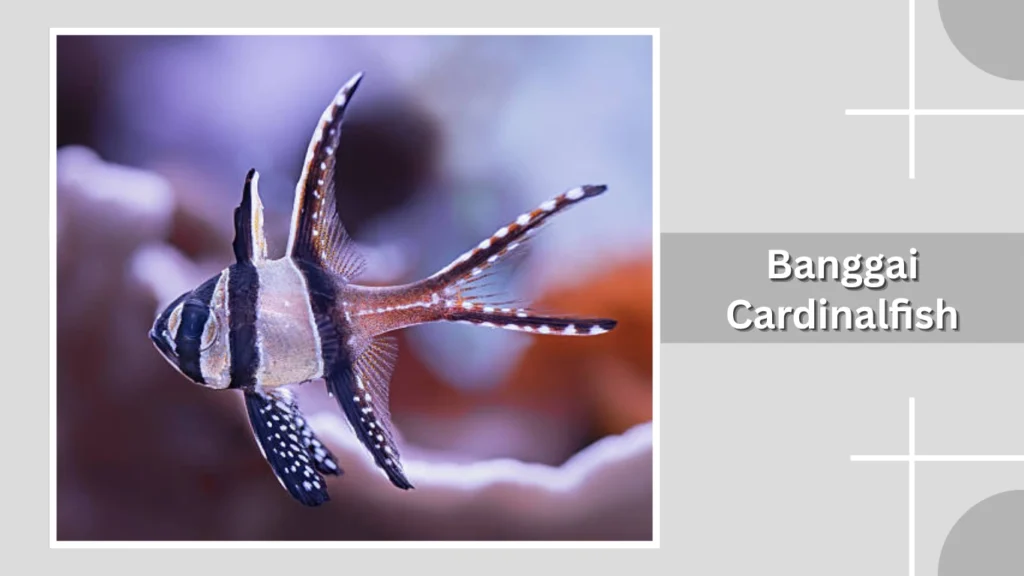
Banggai Cardinalfish is a unique and visually striking saltwater fish, known for its bold black and white pattern and long, elegant fins. It is a peaceful species and relatively easy to care for, making it suitable for beginners and community reef tanks. Its slow, graceful movement adds a calm presence to any aquarium.
Identification
- Silver body with distinct black vertical stripes
- White spots scattered across the body and fins
- Long, pointed dorsal and anal fins
- Deep, laterally compressed body shape
- Grows up to 3 inches in length
- Prominent, large eyes
Habitat
Banggai Cardinalfish are native to a small region in Indonesia, particularly around the Banggai Islands. They are commonly found in shallow waters among sea urchins, coral branches, and seagrass beds. These environments provide protection and shelter from predators. In aquariums, they prefer tanks with plenty of hiding spots such as rocks and artificial structures. Calm water flow and stable conditions help replicate their natural habitat and keep them stress-free.
Behavior
Banggai Cardinalfish are peaceful and slow-moving, making them ideal for community tanks. They often hover in place rather than swim actively around the tank. They can be kept alone, in pairs, or in small groups if introduced properly. Males are known for mouthbrooding behavior, where they carry eggs in their mouth until they hatch. They rarely show aggression, but space and proper tank mates are important to avoid stress.
Diet and Lifespan
Banggai Cardinalfish are carnivores and feed on small crustaceans and plankton in the wild. In aquariums, they accept a variety of foods including frozen mysis shrimp, brine shrimp, and high-quality pellets. Feeding them a balanced diet ensures good health and coloration. With proper care and a stable environment, Banggai Cardinalfish can live around 4 to 6 years in captivity.
7. Pajama Cardinalfish
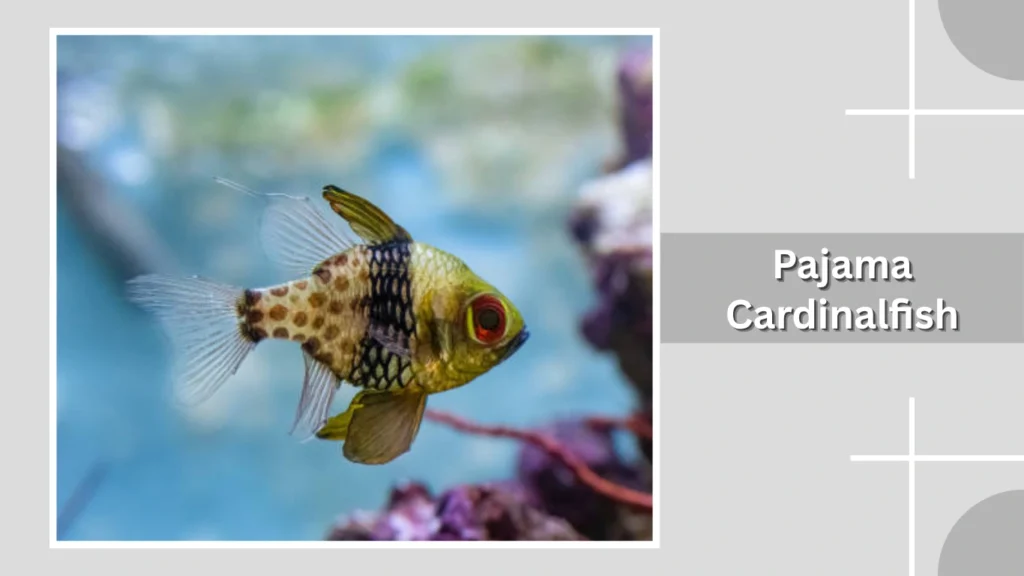
Pajama Cardinalfish is a colorful and peaceful saltwater species, easily recognized by its unusual patterns and relaxed nature. It is a beginner-friendly fish that adapts well to aquarium life. Its calm swimming style and unique appearance make it a popular choice for reef tanks.
Identification
- Greenish-yellow front body with black vertical band near the head
- Rear half covered in red or orange spots
- Large, rounded eyes
- Short, slightly elongated body shape
- Grows up to 3–4 inches in length
- Transparent fins with subtle markings
Habitat
Pajama Cardinalfish are native to the Indo-Pacific region, where they inhabit calm reef environments, lagoons, and sheltered coastal waters. They are often found in areas with branching corals or seagrass, which provide protection and resting spots. In aquariums, they prefer tanks with plenty of hiding places such as live rock and coral structures. They thrive in stable water conditions with low to moderate water flow, closely resembling their natural habitat.
Behavior
Pajama Cardinalfish are very peaceful and slow-moving, making them ideal for community aquariums. They tend to hover in place rather than swim actively and are often more visible during nighttime or low-light conditions. They can be kept individually or in small groups, but care should be taken to avoid overcrowding. They rarely show aggression, which makes them compatible with a wide variety of tank mates.
Diet and Lifespan
Pajama Cardinalfish are carnivores that feed on small plankton and marine organisms in the wild. In captivity, they accept a variety of foods such as frozen brine shrimp, mysis shrimp, and quality pellets. Regular feeding with a balanced diet supports their health and coloration. With proper care and a stress-free environment, they can live between 3 to 5 years in a home aquarium.
8. Mandarin Dragonet
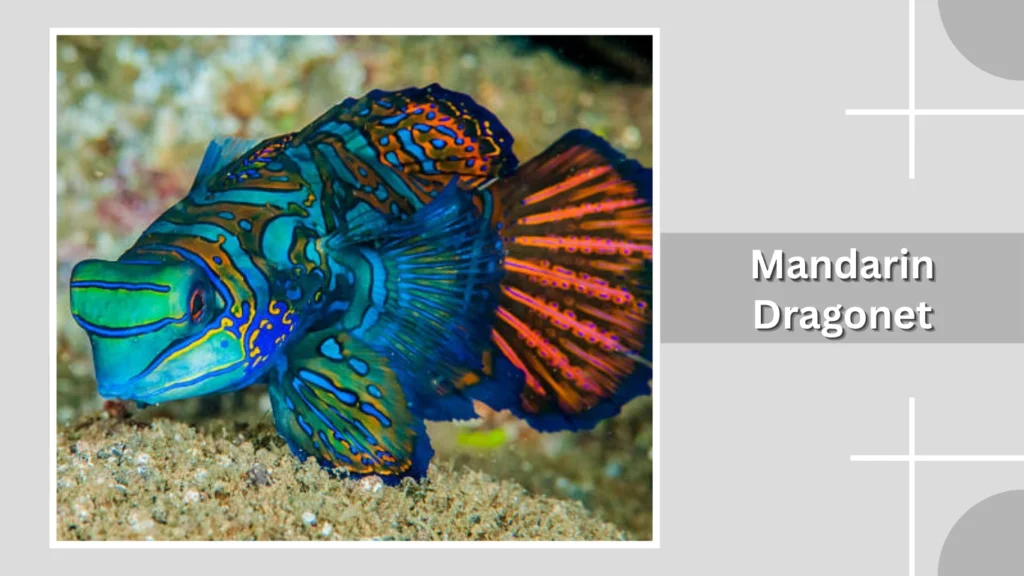
Mandarin Dragonet is one of the most beautiful and exotic saltwater aquarium fish, known for its psychedelic patterns and vibrant colors. Despite its stunning appearance, it is more suitable for experienced aquarists due to its specific dietary needs and care requirements.
Identification
- Bright mix of blue, green, orange, and yellow patterns
- Wavy, psychedelic stripe and swirl designs
- Small, elongated body with a broad head
- Large, fan-like pectoral fins used for “walking” on surfaces
- Grows up to 3–4 inches in length
- Lacks visible scales, giving a smooth skin appearance
Habitat
Mandarin Dragonets are native to the Pacific Ocean, commonly found in coral reefs and lagoons. They prefer sandy bottoms with plenty of live rock, where small organisms thrive. These fish spend most of their time near the substrate, searching for food among rocks and sand. In aquariums, they require a well-established reef tank rich in copepods and microfauna. A mature tank environment is essential to replicate their natural feeding conditions and ensure long-term survival.
Behavior
Mandarin Dragonets are peaceful and slow-moving fish. They spend most of their time gliding along the bottom or resting on rocks while searching for food. They are not aggressive and usually ignore other fish, making them suitable for calm community tanks. However, they may compete with similar species for food. Their unique movement, almost like hovering or crawling, makes them fascinating to watch in a marine aquarium.
Diet and Lifespan
Mandarin Dragonets are specialized carnivores that primarily feed on live copepods and tiny crustaceans. This makes them challenging to keep, as they often refuse prepared foods. Some may adapt to frozen foods, but a constant natural food source is ideal. Without proper nutrition, they can starve even in a full tank. With the right setup and care, they can live up to 5 years in a healthy aquarium environment.
9. Six Line Wrasse
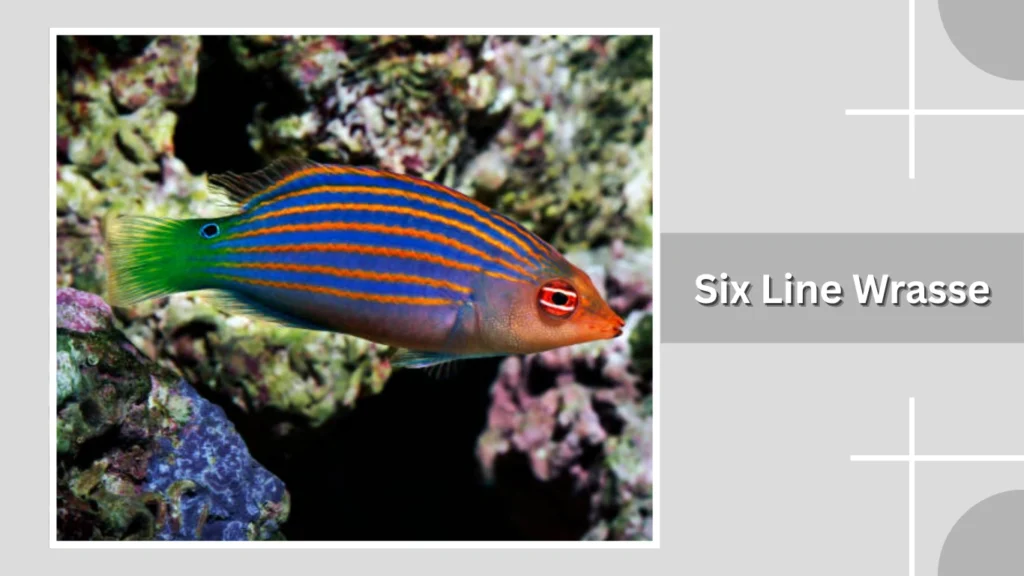
Six Line Wrasse is a small, active, and colorful saltwater fish known for its vibrant stripes and energetic behavior. It is popular among aquarists for its pest-controlling abilities and lively presence. Although generally hardy, it is best suited for hobbyists with some experience due to its semi-aggressive nature.
Identification
- Slender body with six horizontal blue lines
- Purple to bluish body coloration
- Bright orange or reddish eyes
- Small, streamlined shape for quick movement
- Grows up to 3 inches in length
- Continuous dorsal fin running along the back
Habitat
Six Line Wrasse are found in the Indo-Pacific region, typically inhabiting coral reefs and rocky areas. They prefer environments with plenty of hiding spots such as crevices and live rock formations. In aquariums, they thrive in reef tanks with ample rockwork, which provides both shelter and hunting grounds. A well-covered tank is important, as they are known to jump. Stable water conditions and moderate flow help recreate their natural habitat.
Behavior
Six Line Wrasse are very active and constantly swim throughout the tank, exploring rocks and searching for small prey. They are known for helping control pests like flatworms and bristle worms. While generally peaceful with other species, they can become aggressive toward smaller or more timid fish. They may also show territorial behavior, especially in smaller tanks. Their bold personality and constant movement make them an engaging addition to marine aquariums.
Diet and Lifespan
Six Line Wrasse are carnivores that feed on small invertebrates in the wild. In aquariums, they accept a variety of foods including frozen mysis shrimp, brine shrimp, and high-quality pellets. They also naturally hunt pests within the tank, contributing to tank health. Providing a varied diet ensures proper nutrition. With good care and a stable environment, Six Line Wrasse can live around 5 to 7 years in captivity.
10. Cleaner Wrasse
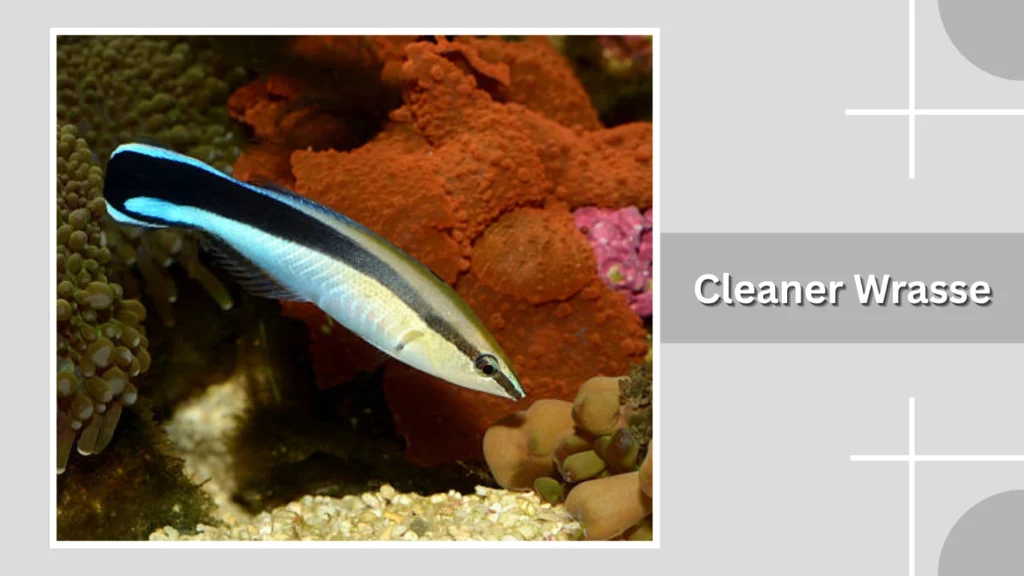
Cleaner Wrasse is a fascinating saltwater fish known for its unique role in marine ecosystems. It is famous for cleaning parasites from other fish, making it both interesting and functional in a reef tank. However, it can be challenging to keep, so it is better suited for experienced aquarists.
Identification
- Slender, elongated body shape
- Distinct black stripe running from head to tail
- Bright blue or turquoise upper body
- White or pale underside
- Grows up to 4–5 inches in length
- Small mouth adapted for picking parasites
Habitat
Cleaner Wrasse are commonly found in coral reefs across the Indo-Pacific region. They establish “cleaning stations” where other fish visit to have parasites removed. These areas are usually located in busy reef zones with high fish activity. In aquariums, replicating this natural behavior is difficult, as they rely heavily on interactions with other fish. They require a stable reef environment with plenty of tank mates, but even then, their natural feeding habits are hard to sustain.
Behavior
Cleaner Wrasse are very active and constantly interact with other fish. They perform cleaning behavior by picking parasites, dead tissue, and mucus from the bodies of larger fish. This relationship is usually peaceful and beneficial. However, in captivity, they may become stressed if they cannot perform their natural role. They are not typically aggressive but may become overly persistent when attempting to clean tank mates.
Diet and Lifespan
In the wild, Cleaner Wrasse feed mainly on parasites and dead tissue from other fish. This specialized diet makes them difficult to maintain in aquariums. Some individuals may accept frozen foods like mysis shrimp or brine shrimp, but many struggle to adapt. Without proper nutrition, their lifespan can be short in captivity. In ideal conditions, they may live 3 to 5 years, but survival rates are often lower in home aquariums.
11. Dottyback
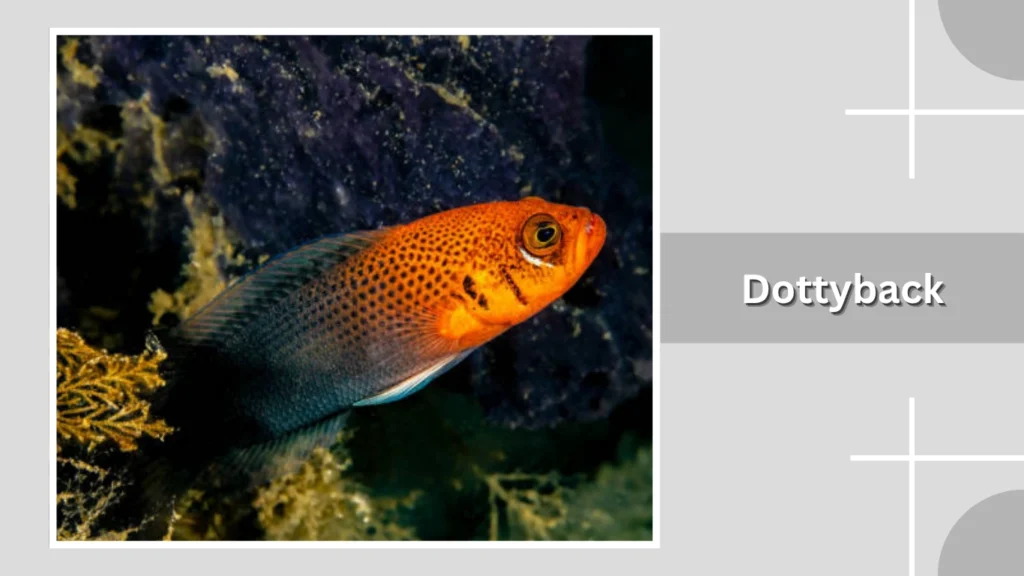
Dottyback is a small but bold saltwater fish known for its bright coloration and strong personality. It is a hardy species that adapts well to aquarium life, making it suitable for both beginners and intermediate aquarists. Despite its size, it can be quite territorial.
Identification
- Bright purple, blue, or yellow coloration depending on species
- Slender, elongated body shape
- Pointed head with a slightly large mouth
- Grows up to 3 inches in length
- Smooth body with minimal markings
- Quick and darting swimming style
Habitat
Dottybacks are found in coral reefs across the Indo-Pacific region. They typically inhabit rocky crevices, caves, and coral structures where they can hide and establish territory. In aquariums, they require plenty of live rock to create hiding spaces and boundaries. A reef-style setup with stable water conditions works best. Providing enough structure helps reduce stress and allows them to display natural behaviors.
Behavior
Dottybacks are known for their semi-aggressive nature. They can be territorial, especially toward smaller or similarly shaped fish. Despite this, they usually coexist well with larger or more assertive tank mates. They are active swimmers and often dart in and out of hiding spots. Their bold personality makes them interesting to watch, but careful tank mate selection is important to avoid conflicts.
Diet and Lifespan
Dottybacks are carnivores and feed on small invertebrates in the wild. In aquariums, they readily accept a variety of foods such as frozen shrimp, brine shrimp, and high-quality pellets. They are not picky eaters and adapt easily to prepared diets. With proper feeding and care, Dottybacks can live around 5 to 7 years in a well-maintained marine aquarium.
12. Damselfish
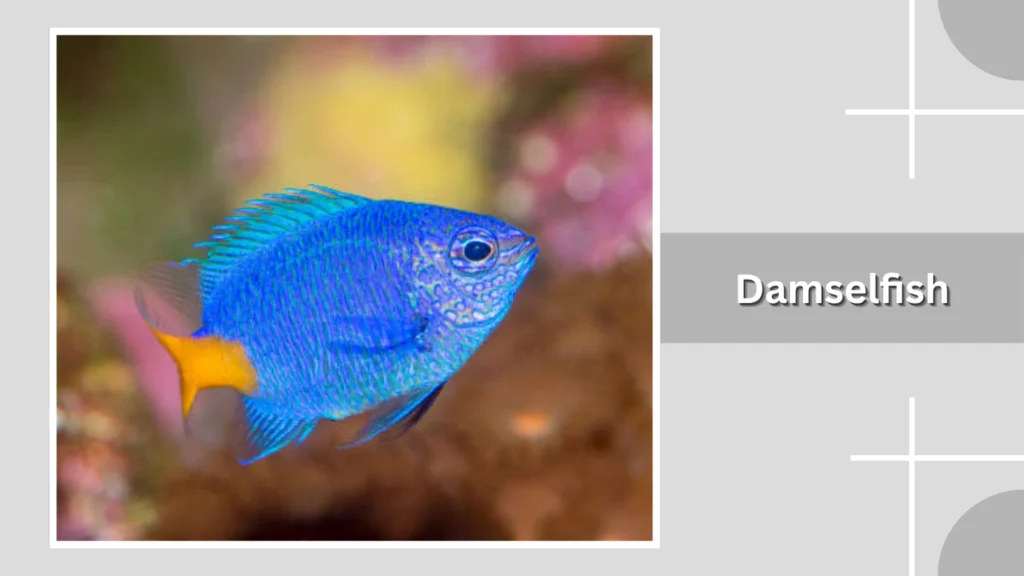
Damselfish are hardy and colorful saltwater fish, often recommended for beginners due to their ability to adapt to a wide range of aquarium conditions. They are active swimmers and come in various bright colors, making them a lively addition to marine tanks. However, their aggressive nature should be considered when choosing tank mates.
Identification
- Small, compact body shape
- Bright colors such as blue, yellow, or black depending on species
- Oval-shaped body with rounded fins
- Grows up to 2–4 inches in length
- Smooth scales with a glossy appearance
- Fast and agile swimming style
Habitat
Damselfish are widely distributed across tropical coral reefs in the Atlantic, Indian, and Pacific Oceans. They are commonly found in shallow reef areas, lagoons, and rocky coastal zones where they can easily find shelter. In aquariums, they thrive in reef tanks with plenty of live rock for hiding and territory. They are highly adaptable and can tolerate a range of water conditions, but stable parameters still ensure better health and longevity.
Behavior
Damselfish are known for their aggressive and territorial behavior, especially as they mature. They often claim a specific area in the tank and defend it against other fish. While they are active and entertaining to watch, they may bully more peaceful species. It is best to keep them with similarly aggressive or robust tank mates. Despite their attitude, they are very resilient and rarely fall ill, making them a common starter fish.
Diet and Lifespan
Damselfish are omnivores and have a varied diet in the wild, feeding on algae, plankton, and small invertebrates. In aquariums, they accept flakes, pellets, and frozen foods without difficulty. Their adaptability to different foods makes feeding easy. With proper care and a suitable environment, Damselfish can live around 5 to 8 years in a home aquarium.
13. Angelfish (Dwarf)
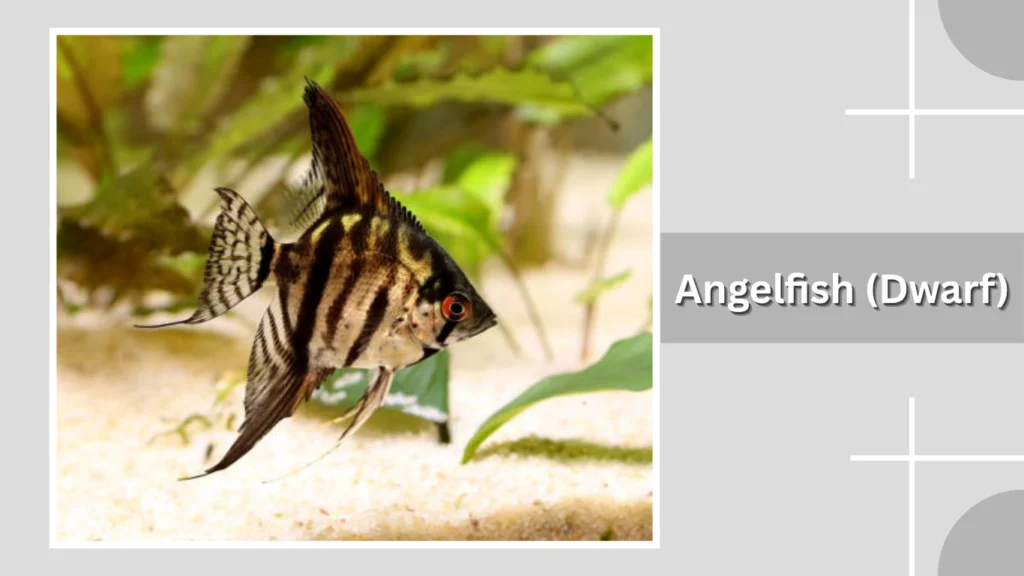
Dwarf Angelfish are vibrant and attractive saltwater fish, prized for their bold colors and active behavior. They are smaller than their larger angelfish relatives, making them more suitable for home aquariums. While generally hardy, they require proper care and attention to thrive in reef environments.
Identification
- Bright, bold colors such as orange, blue, yellow, and black
- Oval-shaped, laterally compressed body
- Distinctive patterns like stripes or spots depending on species
- Grows up to 3–5 inches in length
- Continuous dorsal and anal fins
- Slightly pointed snout
Habitat
Dwarf Angelfish are commonly found in coral reefs throughout the Indo-Pacific region. They prefer areas rich in live rock, coral structures, and hiding spaces. These environments provide both food sources and protection. In aquariums, they require a well-established reef tank with plenty of rockwork for grazing and shelter. Stable water conditions, proper lighting, and a balanced ecosystem help replicate their natural habitat and support their health.
Behavior
Dwarf Angelfish are semi-aggressive and can be territorial, especially toward other angelfish or similar species. They are active swimmers and spend much of their time exploring rocks and surfaces. Some individuals may nip at corals or invertebrates, making them less reef-safe in certain cases. Despite this, they are generally manageable with proper tank mates and sufficient space. Their bold personality and constant activity make them a dynamic addition to aquariums.
Diet and Lifespan
Dwarf Angelfish are omnivores and require a varied diet to stay healthy. In the wild, they feed on algae, small invertebrates, and sponge material. In aquariums, they should be provided with high-quality pellets, frozen foods, and marine algae. Including sponge-based foods is beneficial for their nutrition. With proper care and a balanced diet, Dwarf Angelfish can live between 5 to 10 years in a well-maintained marine tank.
14. Butterflyfish
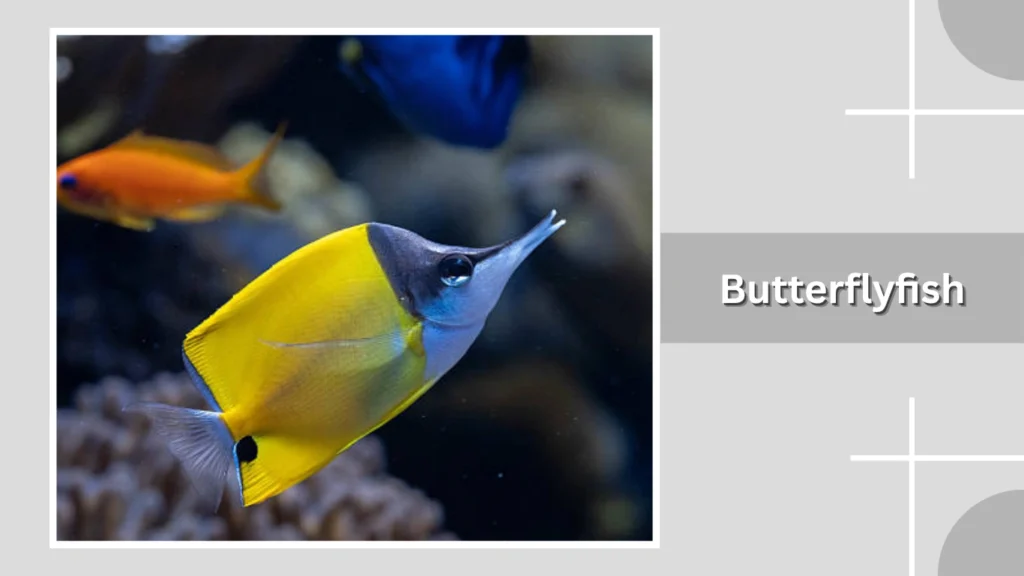
Butterflyfish are elegant and colorful saltwater fish, admired for their striking patterns and graceful swimming. They are often seen in coral reefs and are popular for their beauty, though some species can be challenging to care for. They are best suited for aquarists with some experience.
Identification
- Thin, disk-shaped body
- Bright colors such as yellow, white, black, and orange
- Distinct eye stripe or “mask” across the face
- Small mouth with a pointed snout
- Grows up to 6–9 inches depending on species
- Long dorsal fin running along the back
Habitat
Butterflyfish are found in tropical coral reefs across the Atlantic, Indian, and Pacific Oceans. They prefer shallow reef environments with abundant coral growth, where they can find food and shelter. In aquariums, they require a well-maintained tank with plenty of live rock and stable water conditions. Some species depend heavily on coral for food, making them difficult to keep in captivity. A spacious tank that mimics reef conditions is essential for their well-being.
Behavior
Butterflyfish are generally peaceful and are often seen swimming in pairs in the wild. In aquariums, they can be shy at first but become more active once acclimated. They may show mild territorial behavior, especially toward similar species. Some butterflyfish may nip at corals or small invertebrates, which can be a concern in reef tanks. Their calm and graceful swimming adds a sense of elegance to the aquarium.
Diet and Lifespan
Butterflyfish have varied diets depending on the species, including coral polyps, small invertebrates, and plankton. In captivity, they may accept frozen foods, brine shrimp, and specialized diets, but some species are picky eaters. Providing a suitable diet is key to their survival. With proper care and feeding, Butterflyfish can live around 5 to 7 years in a marine aquarium, though some species may be more challenging to maintain long-term.
15. Hawkfish
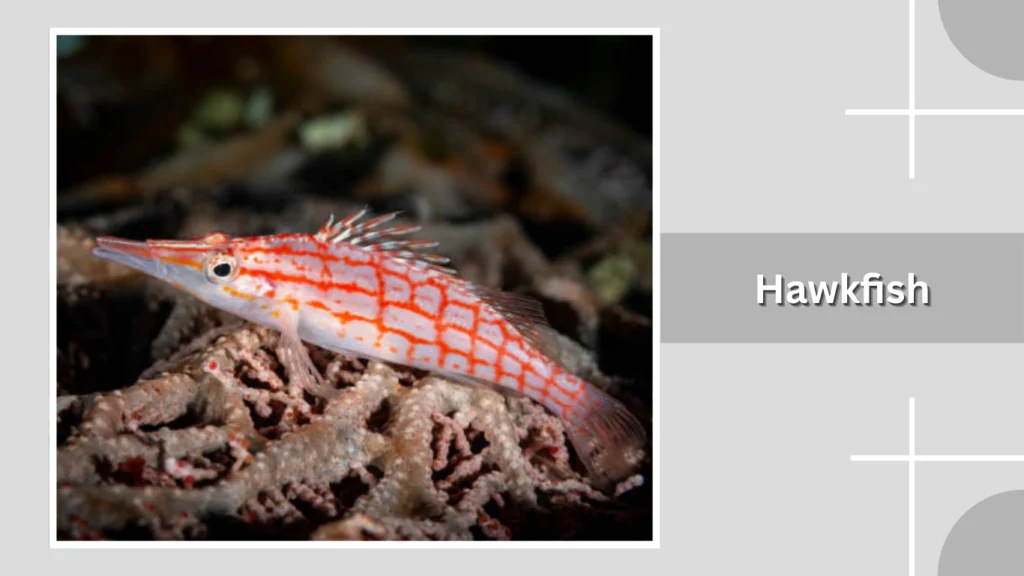
Hawkfish are unique and hardy saltwater fish, known for their perching behavior and bold personality. They are easy to care for and adapt well to aquarium life, making them suitable for beginners and intermediate aquarists. Their watchful nature and interesting movements make them a favorite in marine tanks.
Identification
- Stout body with a slightly elongated shape
- Large head with prominent eyes
- Pectoral fins adapted for perching on rocks and corals
- Color varies (red, spotted, or striped depending on species)
- Grows up to 4–5 inches in length
- Rough-looking scales giving a textured appearance
Habitat
Hawkfish are found in coral reefs across the Indo-Pacific and Atlantic Oceans. They typically inhabit rocky outcrops and coral heads, where they can perch and observe their surroundings. In aquariums, they prefer environments with plenty of live rock and elevated surfaces for resting. A reef-style tank with stable water conditions works best. While they do not require large swimming space, having multiple perching spots helps replicate their natural habitat.
Behavior
Hawkfish are known for their “perching” behavior, where they sit on rocks or corals and watch their surroundings. They are generally peaceful but can be semi-aggressive toward smaller fish or shrimp. They are not constant swimmers and prefer short bursts of movement. Their curious and bold personality makes them interactive and fun to observe in an aquarium setting.
Diet and Lifespan
Hawkfish are carnivores and feed on small crustaceans and invertebrates in the wild. In aquariums, they accept a variety of foods including frozen shrimp, mysis shrimp, and high-quality pellets. They are good eaters and adapt easily to prepared diets. With proper care and a suitable environment, Hawkfish can live around 5 to 7 years in captivity.
16. Foxface Rabbitfish
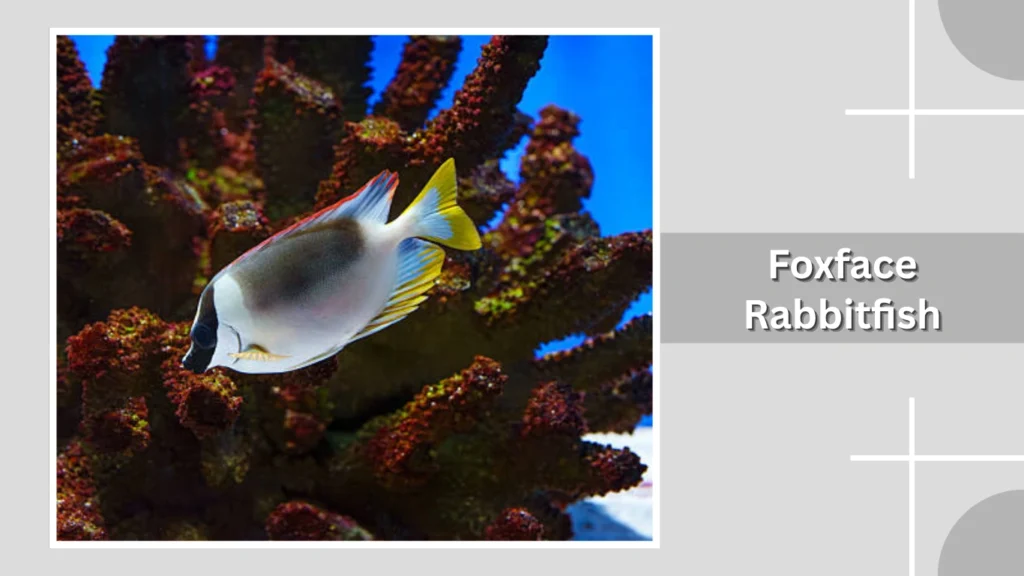
Foxface Rabbitfish is a striking and useful saltwater fish, known for its bright coloration and algae-eating habits. It is a hardy species that helps maintain tank cleanliness, making it a popular choice for reef aquariums. Due to its size and specific needs, it is best suited for intermediate aquarists.
Identification
- Bright yellow body with a black and white face pattern
- Distinct “fox-like” facial appearance
- Elongated body with a slightly pointed snout
- Grows up to 8–9 inches in length
- Dorsal fins contain venomous spines
- Smooth swimming with a calm posture
Habitat
Foxface Rabbitfish are found in the Indo-Pacific region, commonly inhabiting coral reefs, lagoons, and coastal areas. They prefer environments rich in algae and vegetation, which serve as their primary food source. In aquariums, they require a spacious tank with plenty of live rock for grazing and hiding. Stable water conditions and moderate flow help replicate their natural habitat. Providing enough space is essential due to their larger size.
Behavior
Foxface Rabbitfish are generally peaceful and can coexist well with many other species. They are active grazers, often seen picking algae from rocks throughout the day. When threatened, they may display defensive behavior by raising their venomous spines. Despite this, they are not aggressive and usually avoid conflict. Their calm nature and usefulness in controlling algae make them valuable in reef tanks.
Diet and Lifespan
Foxface Rabbitfish are herbivores and primarily feed on algae in the wild. In aquariums, they should be provided with a diet rich in marine algae, seaweed sheets, and plant-based foods. Occasional protein-based foods can be offered for balanced nutrition. Regular feeding supports their health and vibrant coloration. With proper care and a well-maintained environment, they can live around 5 to 7 years in captivity.
17. Goby
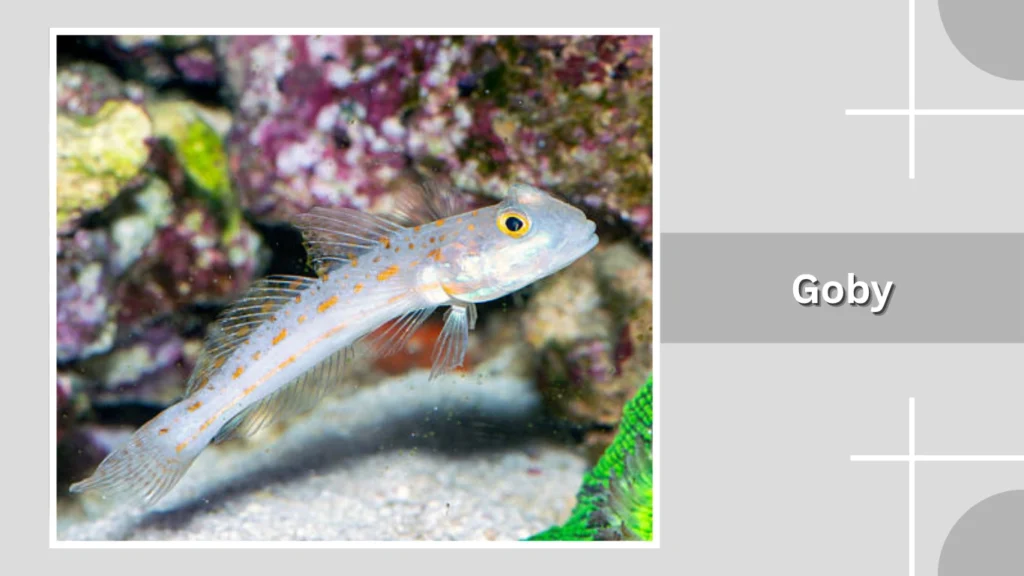
Goby is a diverse and fascinating group of small saltwater fish, known for their peaceful nature and unique behaviors. They are popular in reef aquariums due to their small size, compatibility, and interesting interactions with their environment. Many species are beginner-friendly and easy to care for.
Identification
- Small, slender body shape
- Often rests on the substrate or rocks
- Fused pelvic fins forming a suction-like disc
- Colors and patterns vary widely by species
- Grows up to 2–4 inches in length (most species)
- Large eyes positioned high on the head
Habitat
Gobies are found in marine environments worldwide, especially in coral reefs, sandy bottoms, and coastal regions. Many species live close to the substrate, often forming burrows or hiding among rocks. Some gobies have symbiotic relationships with shrimp, sharing burrows for protection. In aquariums, they require sandy substrate, live rock, and plenty of hiding spots. A stable reef environment helps mimic their natural habitat and supports their well-being.
Behavior
Gobies are generally peaceful and spend much of their time near the bottom of the tank. They may perch on rocks or sift through sand in search of food. Some species exhibit fascinating behaviors, such as forming partnerships with pistol shrimp. They are not aggressive and usually get along well with other calm fish. Their quiet and unique behavior adds diversity and interest to marine aquariums.
Diet and Lifespan
Gobies are typically carnivores or omnivores, feeding on small invertebrates, plankton, and organic matter in the wild. In aquariums, they accept a variety of foods including frozen shrimp, brine shrimp, and small pellets. Some species also help clean the substrate by sifting sand. Providing a balanced diet ensures good health. With proper care, most gobies can live around 3 to 5 years in captivity.
18. Blenny
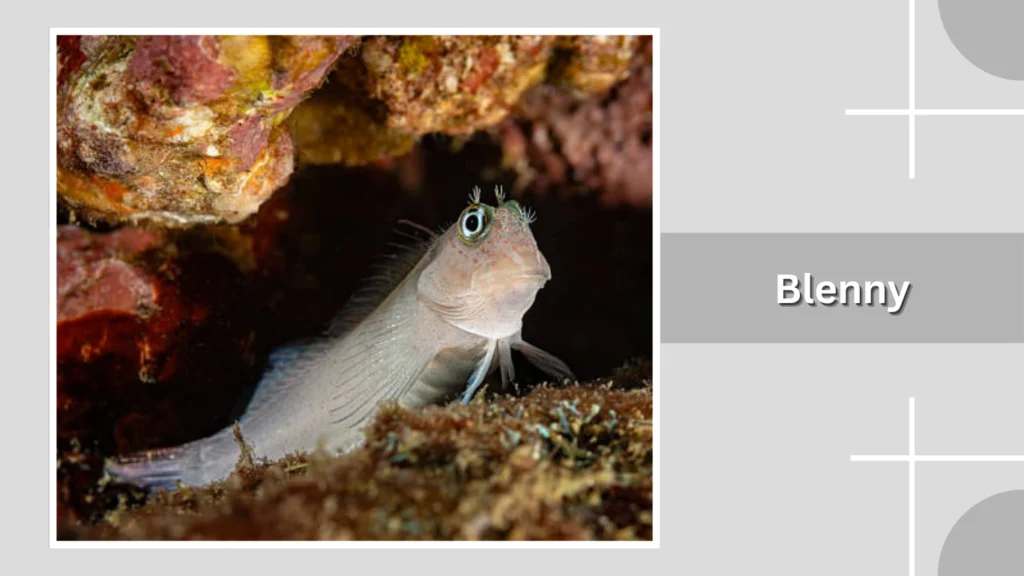
Blenny is a small and entertaining saltwater fish, loved for its quirky personality and algae-eating habits. It is a great addition to reef aquariums, especially for beginners, due to its hardy nature and usefulness in controlling algae growth. Its playful behavior makes it highly enjoyable to observe.
Identification
- Small, elongated body with a slightly flattened head
- Large eyes and expressive face
- Often has small “antenna-like” appendages (cirri) above the eyes
- Color varies (brown, green, striped, or spotted depending on species)
- Grows up to 3–5 inches in length
- Rests on rocks using its fins
Habitat
Blennies are commonly found in shallow coral reefs and rocky coastal areas across tropical oceans. They prefer environments with plenty of crevices, holes, and algae-covered surfaces. In aquariums, they thrive in reef tanks with live rock, which provides both shelter and food sources. They often choose a specific spot to rest and observe their surroundings. Stable water conditions and a well-established tank help recreate their natural habitat.
Behavior
Blennies are peaceful but can be slightly territorial toward similar species. They spend much of their time perched on rocks, watching their environment and occasionally darting around the tank. Their curious and bold personality makes them very interactive. They are not aggressive toward most other fish, making them suitable for community tanks. Their amusing behavior and expressions make them a favorite among aquarists.
Diet and Lifespan
Blennies are primarily herbivores, feeding on algae in the wild. In aquariums, they help control algae growth by grazing on rocks and surfaces. They should also be provided with algae-based foods, seaweed, and occasional protein-rich foods for balance. A proper diet ensures good health and coloration. With proper care, Blennies can live around 3 to 6 years in a marine aquarium.
19. Triggerfish
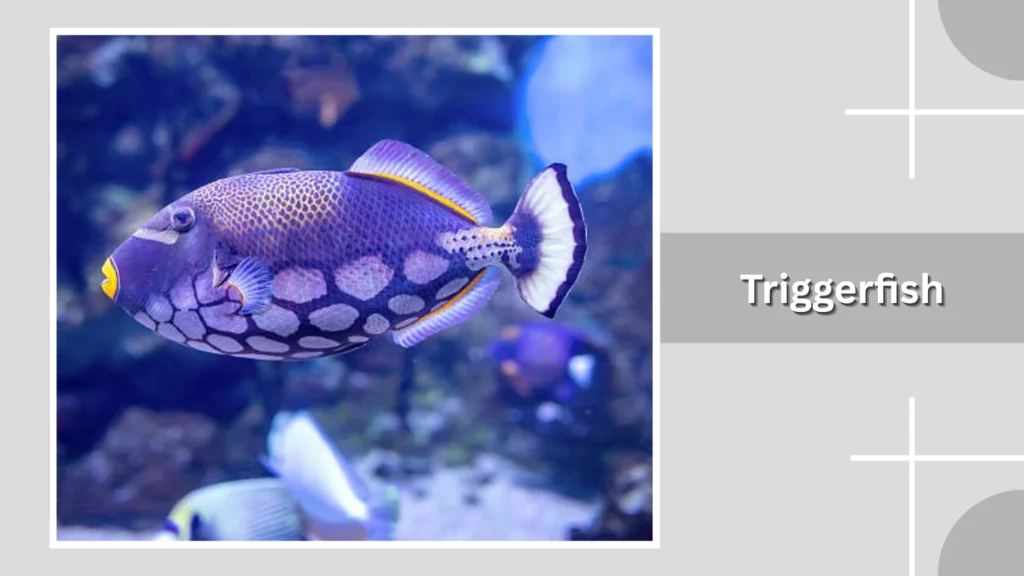
Triggerfish are bold and powerful saltwater fish, known for their vibrant colors and strong personalities. They are highly intelligent and interactive but can be aggressive, making them more suitable for experienced aquarists. Their unique body shape and behavior make them a standout in marine aquariums.
Identification
- Strong, oval-shaped and laterally compressed body
- Bright colors and patterns (varies by species)
- Small mouth with strong teeth
- Distinct dorsal “trigger” spine on top of the head
- Grows up to 8–12 inches or more depending on species
- Tough, leathery skin texture
Habitat
Triggerfish are found in tropical and subtropical oceans worldwide, often inhabiting coral reefs, lagoons, and rocky coastal areas. They prefer areas with plenty of hiding spots such as caves and crevices. In aquariums, they require large tanks with strong filtration and stable water conditions. Providing rock structures for shelter is important, but they also need open space for swimming. Due to their size and activity level, a spacious environment is essential.
Behavior
Triggerfish are known for their bold and sometimes aggressive behavior. They can be territorial and may not tolerate smaller or more passive fish. They are highly intelligent and often recognize their owners, showing interactive behavior. Some species may rearrange tank decorations or bite equipment. Despite their aggression, they are fascinating to watch due to their curious and active nature.
Diet and Lifespan
Triggerfish are carnivores and feed on hard-shelled prey like crustaceans and mollusks in the wild. In aquariums, they should be given a varied diet including shrimp, squid, and high-quality pellets. Their strong teeth require foods that help wear them down naturally. With proper care and a suitable environment, Triggerfish can live between 8 to 12 years or longer in captivity.
20. Lionfish
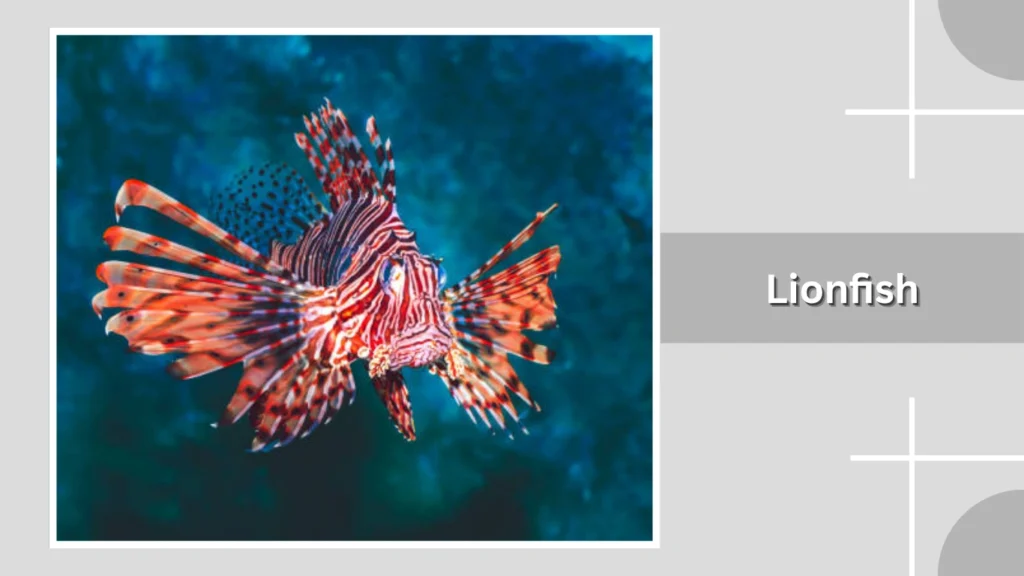
Lionfish are striking and exotic saltwater fish, known for their long flowing fins and bold striped patterns. They are popular in marine aquariums for their dramatic appearance, but they require careful handling due to their venomous spines. They are best suited for experienced aquarists.
Identification
- Distinct red, white, and brown vertical stripes
- Long, flowing pectoral and dorsal fins
- Fan-like fin display giving a “lion-like” appearance
- Venomous spines along the dorsal fins
- Grows up to 10–15 inches depending on species
- Slow, graceful swimming style
Habitat
Lionfish are native to the Indo-Pacific region and are commonly found in coral reefs, lagoons, and rocky crevices. They prefer environments with plenty of hiding spots where they can rest during the day. In aquariums, they require a large tank with rock structures and stable water conditions. They are not very active swimmers, so they do not need excessive open space, but a well-structured environment helps them feel secure and behave naturally.
Behavior
Lionfish are generally calm but are predatory by nature. They move slowly and often hover in the water, using their large fins to corner prey. They are not aggressive toward similarly sized fish but will eat smaller tank mates. Their venomous spines are used for defense, not aggression. Caution is required when maintaining the tank, as a sting can be painful. Their graceful movement makes them a captivating presence in any aquarium.
Diet and Lifespan
Lionfish are carnivores that feed on small fish and crustaceans in the wild. In aquariums, they can be trained to eat frozen foods such as shrimp and fish pieces. Feeding them a varied diet ensures proper nutrition. Overfeeding should be avoided to maintain health. With proper care and a suitable environment, Lionfish can live between 10 to 15 years in captivity.
21. Anthias
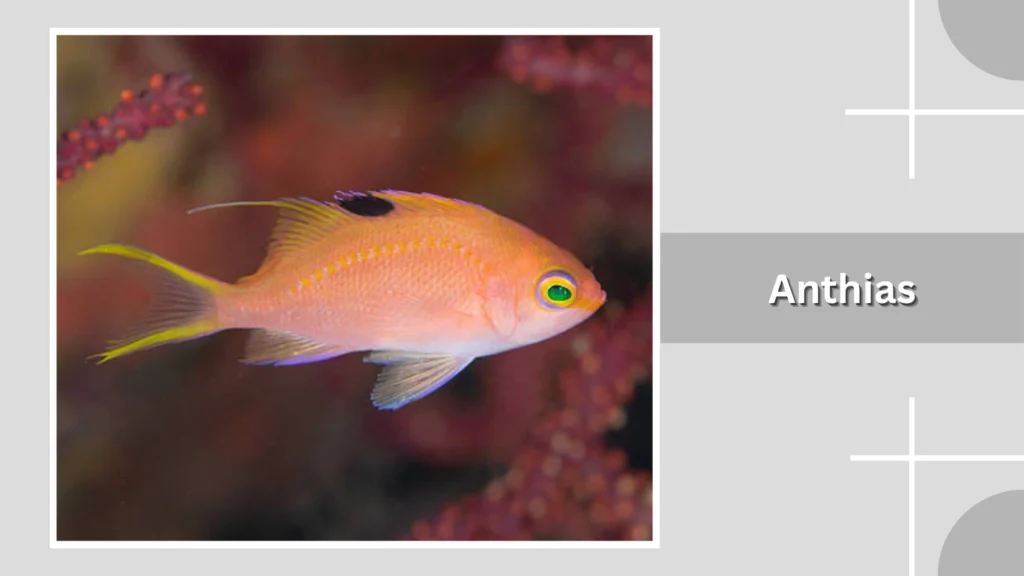
Anthias are colorful and active saltwater fish, often seen in groups adding vibrant movement to reef aquariums. They are popular for their bright hues and schooling behavior, but they require proper care and frequent feeding, making them better suited for intermediate aquarists.
Identification
- Bright colors such as pink, orange, purple, or red
- Slender, streamlined body shape
- Forked tail with graceful fin extensions
- Small mouth adapted for plankton feeding
- Grows up to 3–5 inches depending on species
- Males are usually more colorful than females
Habitat
Anthias are found in coral reefs throughout the Indo-Pacific region. They typically inhabit deeper reef areas and are often seen in large groups above coral formations. These environments provide safety and constant access to plankton carried by currents. In aquariums, they require a well-established reef tank with plenty of swimming space and moderate to strong water flow. Providing rock structures for shelter and maintaining stable water conditions helps recreate their natural habitat.
Behavior
Anthias are peaceful and social fish that prefer to live in groups. They spend most of their time swimming in the open water column rather than hiding. A social hierarchy often forms within groups, with one dominant male. If no male is present, a female may change sex and take the role. They are generally non-aggressive but may become stressed if kept alone or in unsuitable conditions. Their constant movement brings life and energy to the aquarium.
Diet and Lifespan
Anthias are planktivores and require frequent feeding to stay healthy. In the wild, they feed continuously on zooplankton. In aquariums, they should be fed small portions multiple times a day, including foods like brine shrimp, mysis shrimp, and high-quality pellets. A consistent feeding schedule is important for their survival. With proper care and nutrition, Anthias can live around 4 to 6 years in captivity.
22. Chromis
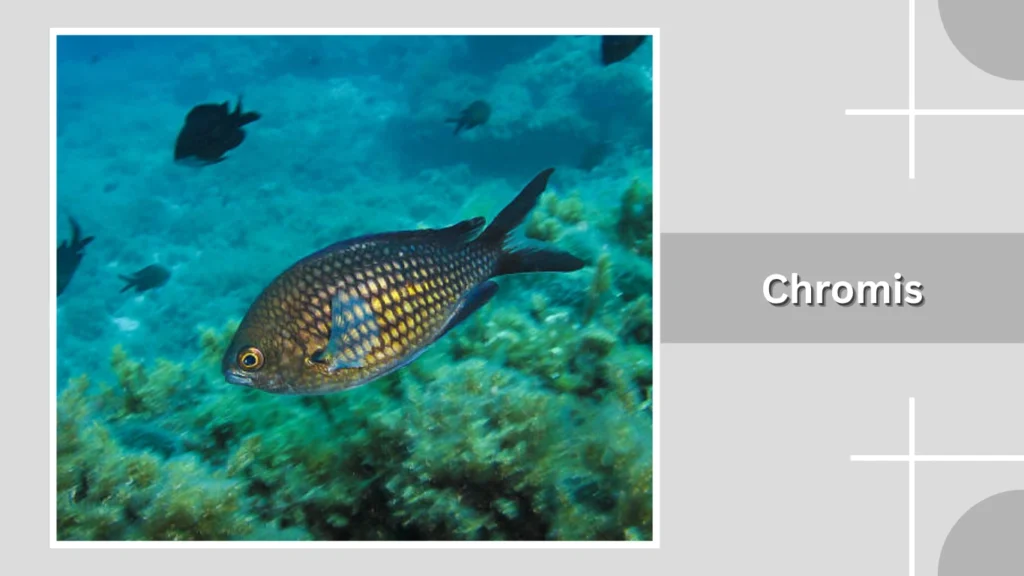
Chromis are peaceful and active saltwater fish, often kept in groups for their schooling behavior and calming presence. They are hardy and easy to care for, making them a great choice for beginners. Their constant movement and shimmering colors add life to any marine aquarium.
Identification
- Small, streamlined body shape
- Commonly bright blue or green coloration
- Forked tail for agile swimming
- Grows up to 3–4 inches in length
- Smooth scales with a slightly shiny appearance
- Simple, clean body pattern without complex markings
Habitat
Chromis are widely found in tropical coral reefs across the Indo-Pacific region. They usually inhabit shallow reef areas where they form large schools above coral structures. These environments provide safety and easy access to plankton. In aquariums, they prefer open swimming space along with some live rock for shelter. A reef tank with stable water conditions and moderate flow helps replicate their natural habitat and keeps them comfortable.
Behavior
Chromis are peaceful and social fish that do best when kept in small groups. They spend most of their time swimming in the open water column, often moving together as a group. They rarely show aggression, though minor hierarchy behavior may occur within groups. Their active and synchronized swimming creates a dynamic and visually appealing display in aquariums.
Diet and Lifespan
Chromis are omnivores and feed mainly on plankton in the wild. In aquariums, they accept a wide range of foods including flakes, pellets, and frozen items like brine shrimp. Feeding them a balanced diet helps maintain their energy and coloration. They are not demanding feeders, making them easy to maintain. With proper care, Chromis can live around 5 to 8 years in a marine aquarium.
23. Wrasse
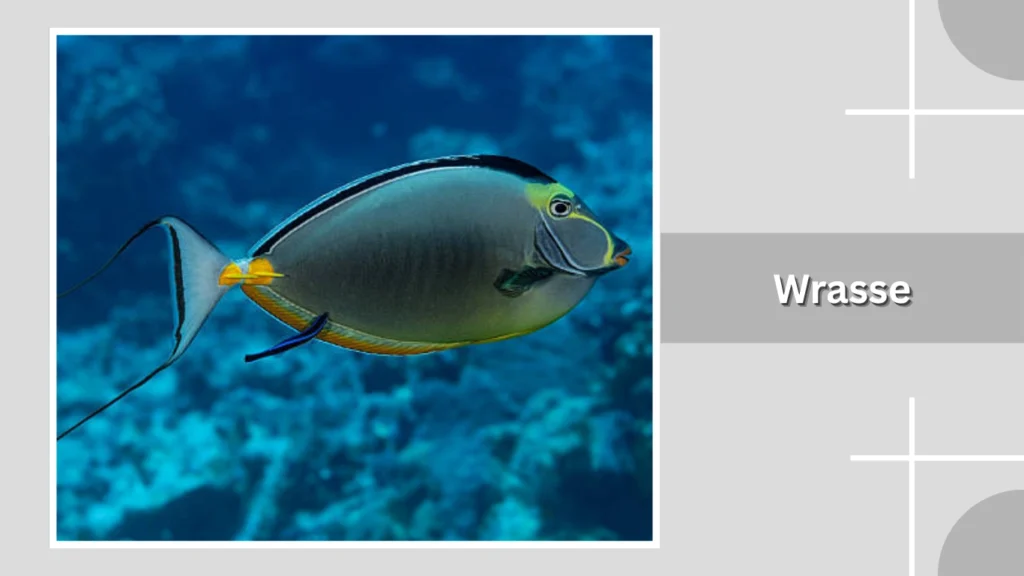
Wrasse are a diverse group of colorful and active saltwater fish, known for their energetic swimming and useful role in controlling pests in aquariums. With many species available, they are popular among hobbyists, though care requirements can vary depending on the type.
Identification
- Slender, elongated body shape
- Bright and varied colors (blue, green, red, yellow)
- Smooth scales with a glossy appearance
- Small mouth adapted for picking small prey
- Grows between 3–8 inches depending on species
- Continuous dorsal fin along the back
Habitat
Wrasse are commonly found in coral reefs across tropical oceans worldwide. They inhabit areas with plenty of rockwork, sand, and coral structures. Some species prefer sandy bottoms where they can bury themselves, while others stay among rocks. In aquariums, they require a well-structured reef tank with hiding spots and, for some species, a sandy substrate. A covered tank is important, as many wrasse are known jumpers.
Behavior
Wrasse are highly active and spend much of their time swimming and exploring the tank. Many species help control pests by feeding on small invertebrates like flatworms. They are generally peaceful but can be semi-aggressive depending on the species. Some wrasse bury themselves in the sand at night for protection. Their constant movement and bright colors make them a lively addition to marine aquariums.
Diet and Lifespan
Wrasse are carnivores and feed on small invertebrates in the wild. In aquariums, they accept a variety of foods including frozen shrimp, brine shrimp, and quality pellets. Some species also hunt naturally occurring pests in the tank. Providing a varied diet ensures proper nutrition. With proper care and a suitable environment, wrasse can live around 5 to 8 years in captivity.
24. Surgeonfish
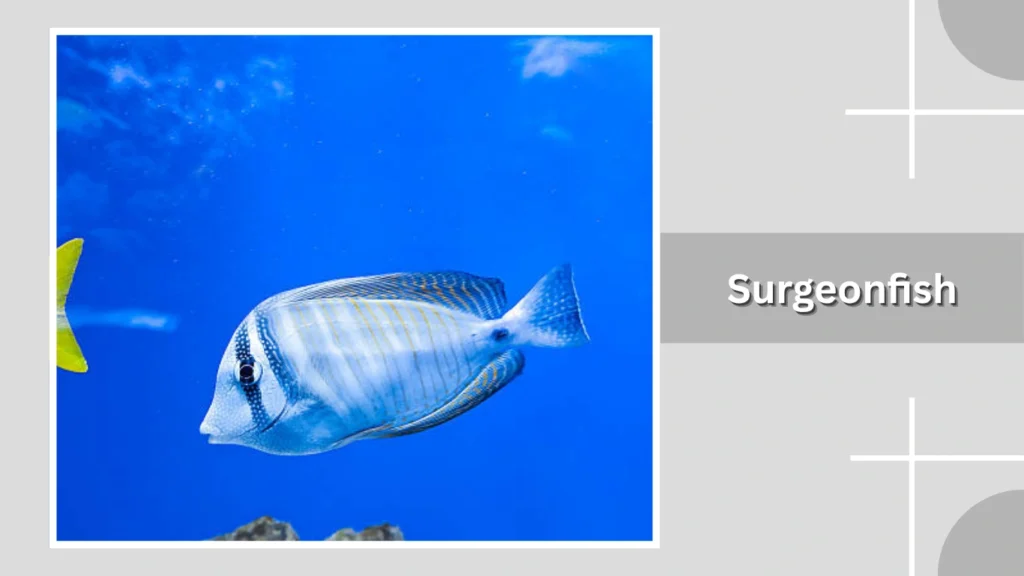
Surgeonfish are active and colorful saltwater fish, closely related to tangs and known for their sharp tail spines. They are popular in marine aquariums for their algae-eating habits and constant movement. Due to their size and activity level, they are best suited for larger tanks and experienced aquarists.
Identification
- Flattened, oval-shaped body
- Bright colors such as blue, yellow, or brown depending on species
- Sharp, scalpel-like spine near the tail
- Small mouth designed for grazing algae
- Grows up to 8–12 inches in length
- Smooth swimming with steady movement
Habitat
Surgeonfish are found in tropical coral reefs across the Atlantic, Indian, and Pacific Oceans. They prefer shallow reef areas with abundant algae growth and open swimming space. These environments provide both food and freedom of movement. In aquariums, they require large tanks with plenty of live rock for grazing and hiding. Strong water flow and stable conditions help mimic their natural habitat and keep them healthy.
Behavior
Surgeonfish are active swimmers that spend most of their time grazing on algae and moving around the tank. They are generally peaceful but can become territorial, especially toward other surgeonfish or similar species. Their sharp tail spine is used for defense when threatened. They thrive in spacious environments where they can swim freely and establish their territory.
Diet and Lifespan
Surgeonfish are primarily herbivores and feed on algae in the wild. In aquariums, they should be provided with a diet rich in marine algae, seaweed sheets, and plant-based foods. Occasional protein-rich foods can be added for balance. Proper nutrition helps maintain their health and coloration. With good care and a suitable environment, Surgeonfish can live around 8 to 12 years in captivity.
25. Moorish Idol
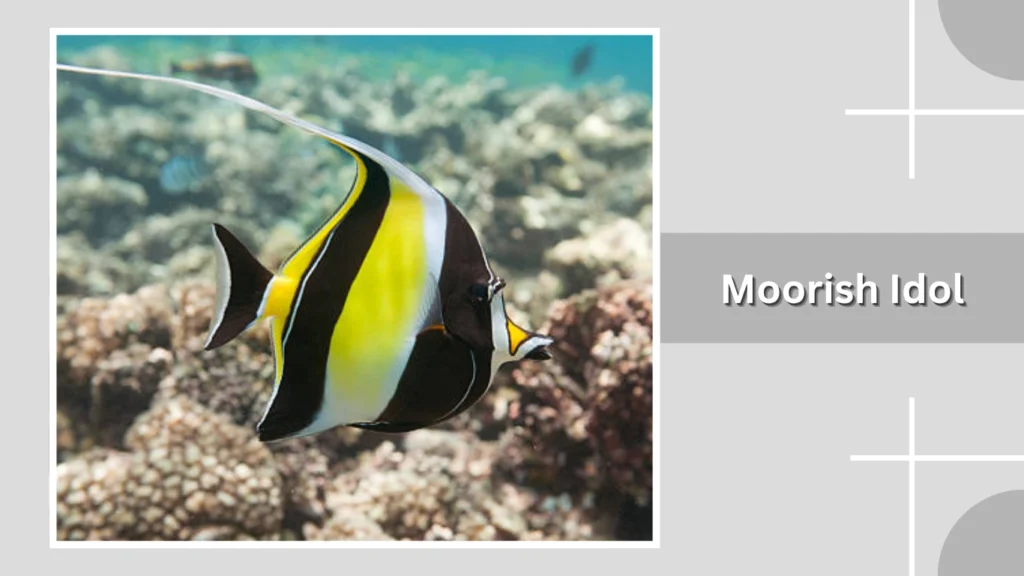
Moorish Idol is a stunning and iconic saltwater fish, admired for its bold black, white, and yellow pattern and long trailing dorsal fin. While highly attractive, it is known to be difficult to keep in captivity, making it more suitable for experienced aquarists.
Identification
- Distinct black, white, and yellow vertical bands
- Long, trailing dorsal fin filament
- Flat, disk-shaped body
- Small mouth with a pointed snout
- Grows up to 7–9 inches in length
- Graceful and smooth swimming style
Habitat
Moorish Idols are found in tropical and subtropical reefs across the Indo-Pacific region. They typically inhabit shallow coastal reefs, lagoons, and rocky areas with abundant coral growth. These environments provide access to their natural diet and shelter. In aquariums, they require large, well-established tanks with excellent water quality and plenty of live rock. Replicating their natural habitat is challenging, which contributes to their difficulty in captivity.
Behavior
Moorish Idols are generally peaceful and often seen swimming alone or in pairs. They are active swimmers and require plenty of space to move freely. In aquariums, they can be shy and may struggle to adapt, especially in the presence of aggressive tank mates. Their calm and graceful movement makes them visually appealing, but their sensitivity requires careful management.
Diet and Lifespan
Moorish Idols have a specialized diet in the wild, feeding on sponges, algae, and small invertebrates. In captivity, they are often difficult to feed and may refuse prepared foods. Offering a varied diet, including sponge-based foods, is essential but not always successful. Due to these challenges, their lifespan in aquariums is often shorter. With expert care, they may live several years, but they are considered a delicate species to maintain.
FAQs
What is the best saltwater fish for beginners?
Clownfish, Damselfish, and Chromis are among the best choices for beginners. They are hardy, easy to care for, and adapt well to aquarium conditions. These species require less maintenance compared to more delicate fish, making them ideal for those starting their saltwater aquarium journey.
How many saltwater fish can I keep in one tank?
The number of fish depends on tank size, filtration, and species compatibility. A general rule is to avoid overcrowding and allow enough space for each fish to swim comfortably. Larger or more active species require more space, so proper planning is essential.
Do saltwater fish need a reef tank?
Not all saltwater fish require a reef tank, but many thrive in one. Reef tanks provide a natural environment with live rock and coral, which can improve fish health. However, some species do well in fish-only tanks with proper water conditions and care.
What do saltwater fish eat in aquariums?
Most saltwater fish eat a mix of flakes, pellets, frozen foods like brine shrimp, and marine algae. Diet varies by species—herbivores need more plant-based food, while carnivores require protein-rich diets. Providing a balanced diet is key to maintaining their health and coloration.
How often should I feed saltwater fish?
Most saltwater fish should be fed once or twice daily, depending on their species and size. Some fish, like Anthias, require more frequent feeding. It is important not to overfeed, as leftover food can affect water quality and harm the aquarium environment.