Starting a planted aquarium can feel overwhelming, but choosing the right plants makes everything much easier. Beginner-friendly aquarium plants are typically hardy, low-maintenance, and able to grow in a wide range of water conditions without requiring advanced equipment like CO₂ systems. These plants not only enhance the beauty of your tank but also help improve water quality and create a healthy environment for fish.
In this guide, you’ll find 26 of the best freshwater aquarium plants that are perfect for beginners. Whether you want lush greenery, floating plants, or colorful varieties, this list will help you build a beautiful and easy-to-maintain aquarium setup.
1. Anubias Barteri
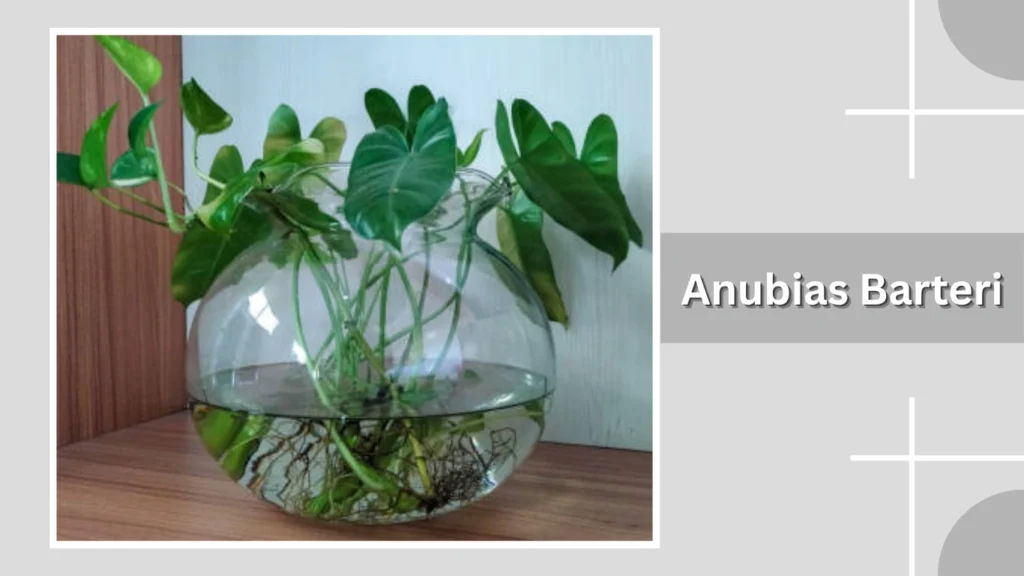
Anubias Barteri is a hardy, slow-growing freshwater aquarium plant that is perfect for beginners. It adapts easily to different water conditions and requires minimal care, making it one of the most reliable plants for low-tech aquariums. Its thick leaves and resilience allow it to survive even in tanks with fish that may nibble on plants. This plant is commonly used in aquascaping due to its attractive, deep green foliage and ability to attach to decorations like rocks and driftwood.
Identification
- Broad, dark green, leathery leaves
- Thick horizontal rhizome (do not bury)
- Leaves grow upward from the rhizome
- Slow-growing and compact structure
Care Requirements
Anubias Barteri thrives in low to moderate lighting and does not need CO₂ supplementation. It absorbs nutrients mainly from the water column, so occasional liquid fertilizer helps maintain healthy growth. Avoid planting the rhizome in substrate, as it can rot; instead, tie or glue it to hard surfaces. It tolerates a wide range of temperatures and water parameters, making it beginner-friendly.
Growth and Placement
This plant grows slowly, which reduces maintenance but requires patience. It is best placed in the foreground or midground, depending on tank size. Because it does not need substrate planting, it can be creatively positioned on driftwood or rocks, adding a natural look to the aquarium.
Benefits in Aquarium
Anubias Barteri helps maintain water quality by absorbing excess nutrients and reducing algae growth. Its sturdy leaves provide hiding spots for fish, shrimp, and fry. Due to its durability and low care needs, it is an excellent starter plant for new aquarists.
2. Java Fern
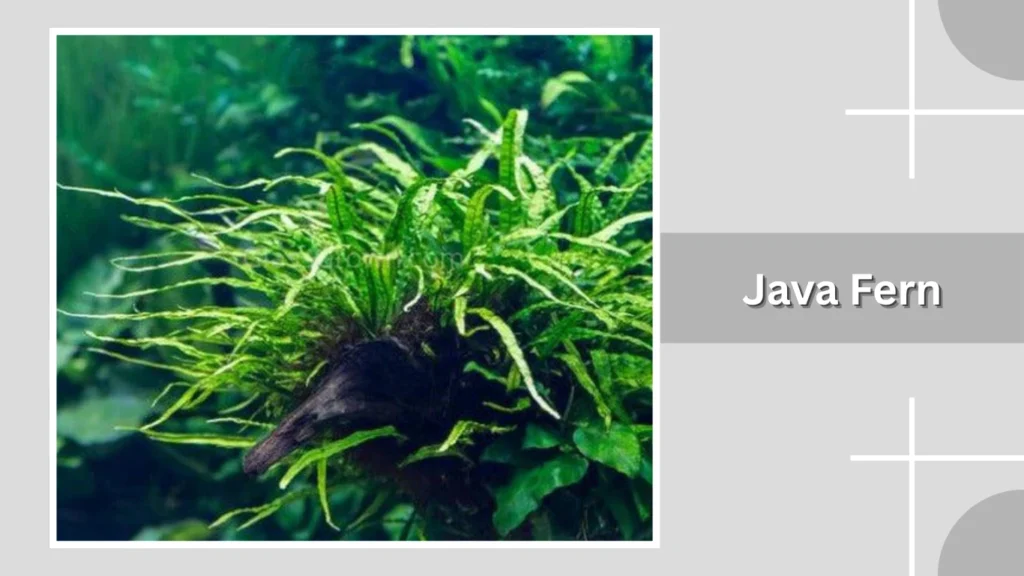
Java Fern is another excellent beginner-friendly freshwater plant known for its durability and adaptability. It can thrive in a variety of water conditions and does not require substrate planting, making it ideal for low-maintenance aquariums. Its unique leaf shapes and steady growth make it a favorite among aquarists who want a natural look without complicated care. Java Fern is also highly resistant to most fish, including those that tend to damage softer plants.
Identification
- Long, narrow, bright to dark green leaves
- Leaves grow from a horizontal rhizome
- Tough, leathery leaf texture
- May develop small plantlets on leaf edges
Care Requirements
Java Fern prefers low to moderate lighting and does not need CO₂ injection. It feeds primarily from the water column, so liquid fertilizers can support better growth. The rhizome must not be buried in substrate; instead, attach it to rocks or driftwood. It tolerates a wide range of temperatures and water conditions, making it very easy to care for.
Growth and Placement
This plant grows slowly to moderately and is best suited for the midground or background of the aquarium. It can be attached to decorations, allowing for creative aquascaping. Over time, it produces small plantlets that can be separated and replanted.
Benefits in Aquarium
Java Fern improves water quality by absorbing excess nutrients and provides shelter for fish and shrimp. Its hardy nature and low maintenance requirements make it one of the best plants for beginners and low-tech tanks.
3. Amazon Sword
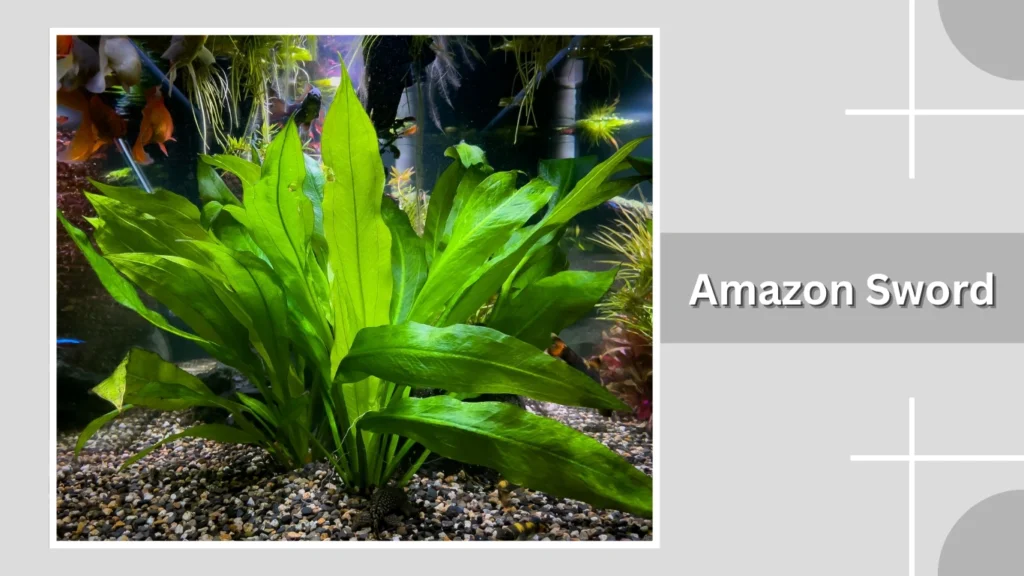
Amazon Sword is a popular and attractive freshwater aquarium plant known for its large, lush green leaves. It is a great choice for beginners who want a centerpiece plant in their tank. Although it is easy to grow, it requires a bit more space compared to smaller plants. Its vibrant appearance adds a natural, jungle-like feel to any aquarium and makes it a favorite for larger tanks.
Identification
- Large, broad, bright green leaves
- Rosette growth (leaves grow from a central base)
- Long stems that can reach the water surface
- Can grow quite tall and wide
Care Requirements
Amazon Sword prefers moderate lighting and benefits from nutrient-rich substrate since it is a heavy root feeder. Root tabs or fertilizers are recommended for healthy growth. CO₂ is not required but can enhance development. It thrives in stable water conditions and moderate temperatures, making it manageable for beginners with basic care.
Growth and Placement
This plant grows moderately fast and can become quite large, so it is best placed in the background of the aquarium. It needs enough space to spread its leaves without overcrowding other plants. Regular trimming of older leaves helps maintain its shape.
Benefits in Aquarium
Amazon Sword helps improve water quality by absorbing excess nutrients. It provides excellent shelter for fish and creates a natural environment. Its bold size and appearance make it a beautiful focal point in freshwater aquariums.
4. Marimo Moss Ball
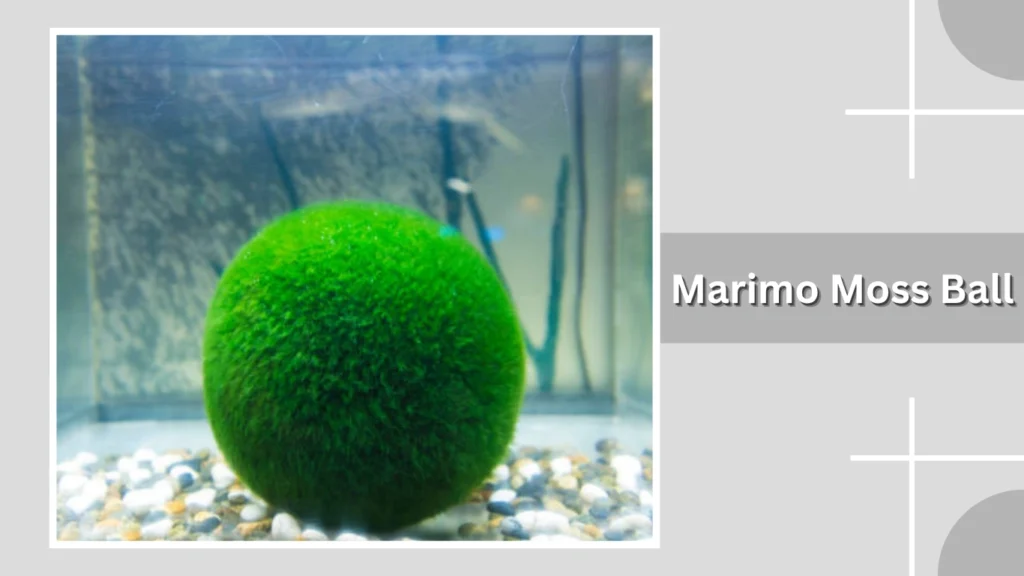
Marimo Moss Ball is a unique and beginner-friendly freshwater plant that actually grows in a spherical shape. It is extremely easy to care for and requires almost no maintenance, making it perfect for new aquarium hobbyists. Unlike most plants, it grows very slowly and can live for many years with proper care. Its soft, velvety texture and unusual appearance add a fun and natural touch to any aquarium setup.
Identification
- Round, ball-shaped green form
- Soft, velvety texture
- Bright to deep green color
- Maintains compact shape with gentle rolling
Care Requirements
Marimo Moss Ball thrives in low to moderate lighting and does not need CO₂ supplementation. It prefers clean, cool water and occasional gentle squeezing during water changes to remove debris. Turning it regularly helps maintain its round shape. No substrate or planting is required.
Growth and Placement
This plant grows very slowly and is best placed in the foreground or freely on the substrate. It can also be used as a decorative element in nano tanks. Its small size makes it easy to move and reposition.
Benefits in Aquarium
Marimo Moss Ball helps absorb nitrates and improve water quality. It also provides a soft surface for beneficial bacteria and a playful environment for shrimp and small fish.
5. Hornwort
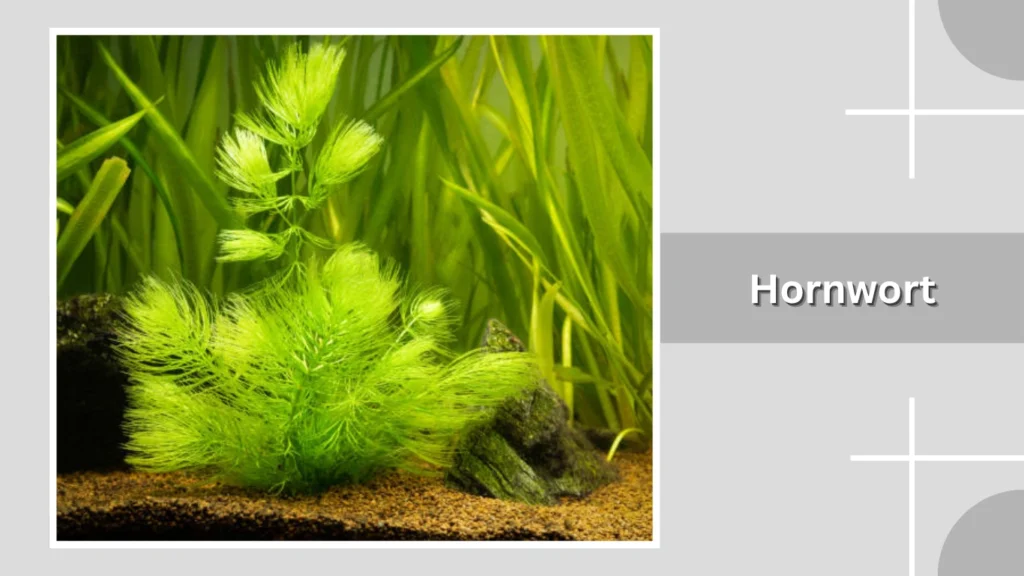
Hornwort is a fast-growing and highly adaptable freshwater aquarium plant that is perfect for beginners. It can grow floating or anchored in the substrate, making it very versatile for different tank setups. Its feathery, soft leaves create a natural and slightly wild appearance in the aquarium. Because of its rapid growth, it is excellent for maintaining water quality and controlling excess nutrients.
Identification
- Thin, needle-like green leaves
- Feathery, bushy appearance
- Long, flexible stems
- Can grow floating or planted
Care Requirements
Hornwort thrives in low to high lighting and does not require CO₂ supplementation. It absorbs nutrients directly from the water column, so additional fertilizers are usually not necessary. It grows best in clean, well-circulated water and can tolerate a wide range of temperatures and conditions, making it very beginner-friendly.
Growth and Placement
This plant grows quickly and is usually placed in the background or left floating. If planted, it does not develop strong roots and may need support. Regular trimming is needed to control its fast growth and maintain a neat appearance.
Benefits in Aquarium
Hornwort helps reduce algae by absorbing excess nutrients and provides excellent hiding spots for fish fry and shrimp. Its fast growth makes it ideal for improving overall water quality in new aquariums.
6. Water Wisteria
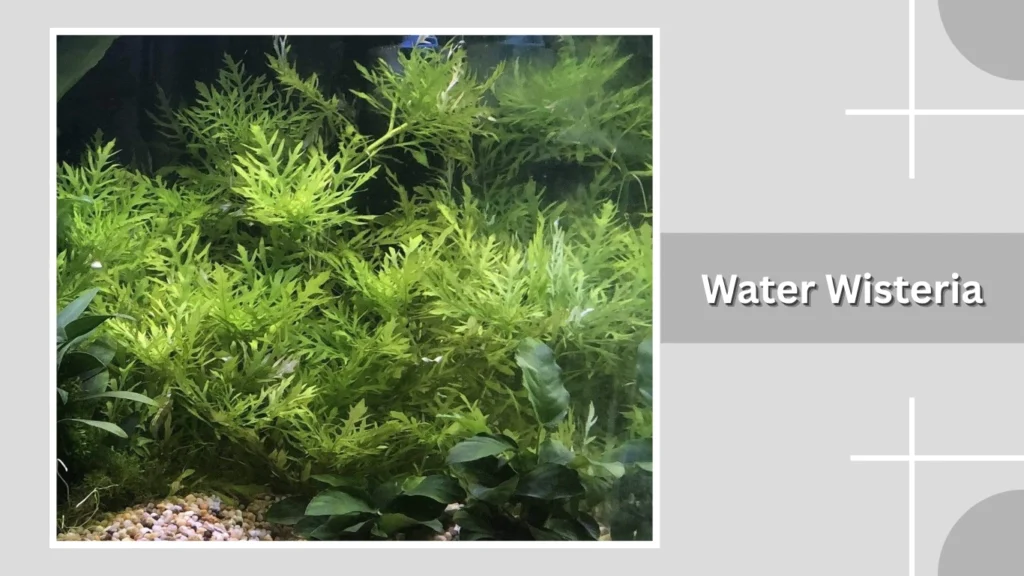
Water Wisteria is a fast-growing and versatile freshwater aquarium plant that is ideal for beginners. It is known for its beautiful, lace-like leaves that can change shape depending on water conditions. This plant is easy to grow and adapts well to different environments, making it a great choice for both small and large aquariums. Its rapid growth also helps keep the tank clean and balanced.
Identification
- Bright green, finely divided leaves
- Leaves may appear broad or feathery
- Upright stems with bushy growth
- Can grow tall and spread quickly
Care Requirements
Water Wisteria thrives in low to moderate lighting and does not require CO₂ supplementation, though it can grow faster with it. It absorbs nutrients from both the substrate and water column, so occasional fertilization is beneficial. It prefers stable water conditions but can tolerate a wide range, making it beginner-friendly.
Growth and Placement
This plant grows quickly and is best placed in the background or midground. It can also be used as a floating plant for a different look. Regular trimming helps control its growth and encourages bushier development.
Benefits in Aquarium
Water Wisteria helps reduce algae by consuming excess nutrients and provides excellent shelter for fish and fry. Its fast growth and easy care make it a valuable addition to beginner aquariums.
7. Vallisneria
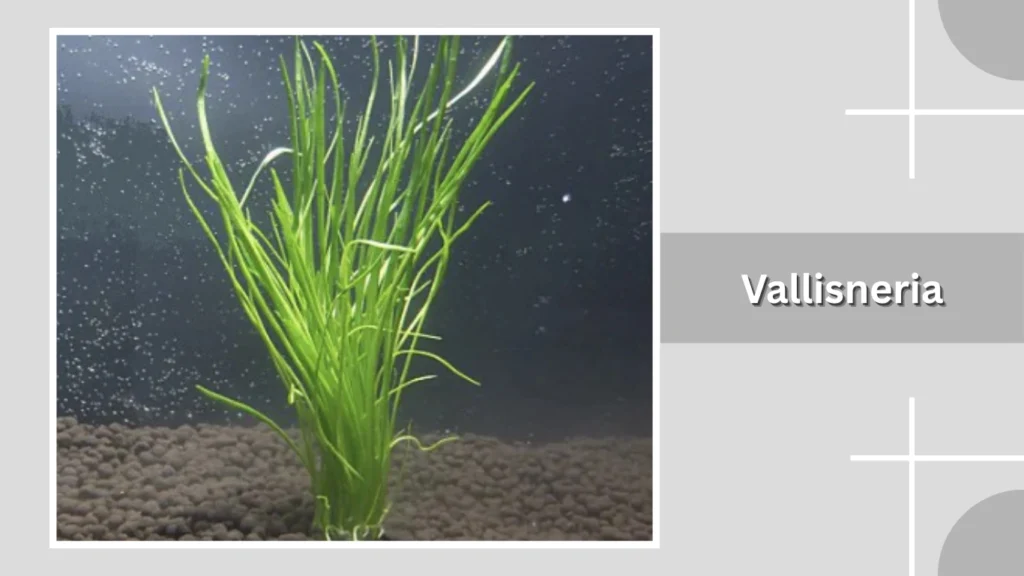
Vallisneria is a popular beginner-friendly freshwater plant known for its long, ribbon-like leaves that create a natural, flowing look in aquariums. It is very hardy and grows easily in a wide range of conditions, making it ideal for low-maintenance tanks. This plant spreads quickly through runners, helping to fill empty spaces and create a lush background effect.
Identification
- Long, thin, ribbon-like green leaves
- Leaves grow straight upward from the base
- Forms dense clusters over time
- Spreads through runners (side shoots)
Care Requirements
Vallisneria thrives in low to moderate lighting and does not require CO₂ injection. It benefits from nutrient-rich substrate, as it feeds mainly through its roots. Root tabs can help support healthy growth. It prefers stable water conditions and moderate temperatures but can tolerate slight variations.
Growth and Placement
This plant grows moderately to quickly and is best suited for the background of the aquarium. Its tall leaves can reach the water surface, creating a curtain-like effect. It spreads naturally, so occasional thinning may be needed to prevent overcrowding.
Benefits in Aquarium
Vallisneria helps improve water quality by absorbing excess nutrients and oxygenating the tank. It also provides excellent hiding spots for fish and creates a natural environment that reduces stress in aquatic life.
8. Cryptocoryne Wendtii
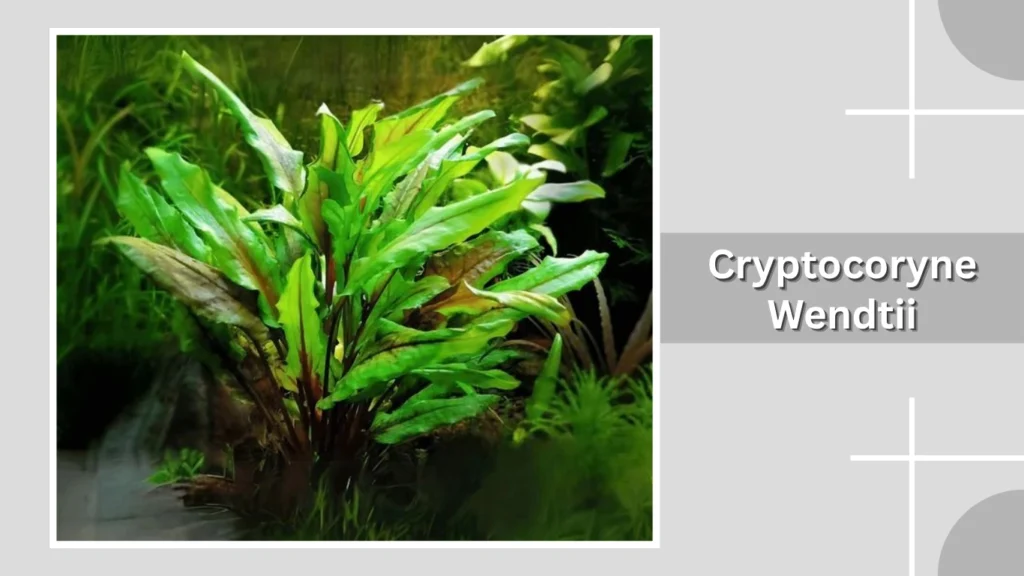
Cryptocoryne Wendtii is a hardy and beginner-friendly freshwater plant known for its attractive, wavy leaves and adaptability. It comes in different color variations, including green, brown, and reddish tones, making it a versatile choice for aquascaping. Although it may initially melt (lose leaves) when introduced to a new tank, it quickly recovers and grows steadily once established.
Identification
- Wavy, textured leaves
- Colors range from green to brown or reddish
- Grows in a rosette pattern
- Medium-sized, bushy appearance
Care Requirements
Cryptocoryne Wendtii prefers low to moderate lighting and does not require CO₂ injection. It feeds mainly through its roots, so a nutrient-rich substrate or root tabs are beneficial. It prefers stable water conditions and should not be moved frequently, as this can cause melting. Once settled, it becomes very easy to maintain.
Growth and Placement
This plant grows slowly to moderately and is ideal for the midground of the aquarium. It forms dense clusters over time, making it great for filling spaces. Minimal trimming is needed, as it naturally maintains a compact shape.
Benefits in Aquarium
Cryptocoryne Wendtii helps absorb excess nutrients and contributes to a balanced aquarium environment. Its dense growth provides shelter for fish and shrimp, making it a great addition to beginner tanks.
9. Java Moss
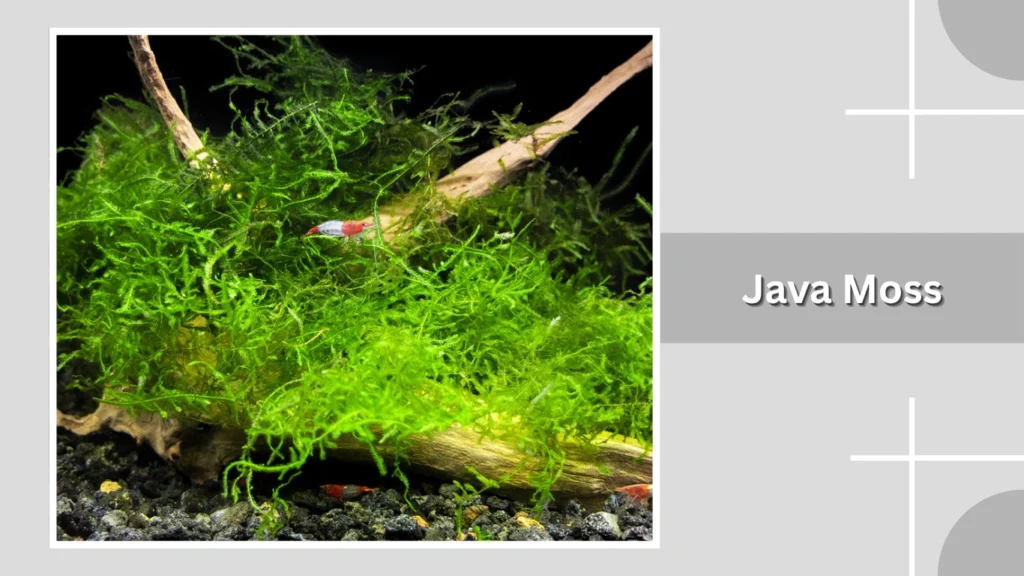
Java Moss is one of the easiest and most popular freshwater aquarium plants for beginners. It is highly adaptable and can grow in a wide range of water conditions. This plant does not require planting in substrate and can attach itself to rocks, driftwood, or decorations. Its soft, dense growth makes it ideal for creating a natural, forest-like look in the aquarium.
Identification
- Soft, fine, bright green moss
- Irregular, tangled growth pattern
- Forms dense, carpet-like mats
- Attaches easily to surfaces
Care Requirements
Java Moss thrives in low to moderate lighting and does not require CO₂ supplementation. It absorbs nutrients directly from the water column, so liquid fertilizers can support better growth. It is very tolerant of different water parameters, making it perfect for beginners. Occasional trimming helps keep it neat and prevents overgrowth.
Growth and Placement
This plant grows moderately fast and can be used in the foreground, midground, or attached to decorations. It can also be shaped into carpets, walls, or trees for creative aquascaping. Regular trimming helps maintain its desired form.
Benefits in Aquarium
Java Moss provides excellent hiding spots for fish fry and shrimp. It also supports beneficial bacteria and helps improve water quality by absorbing excess nutrients.
10. Dwarf Sagittaria
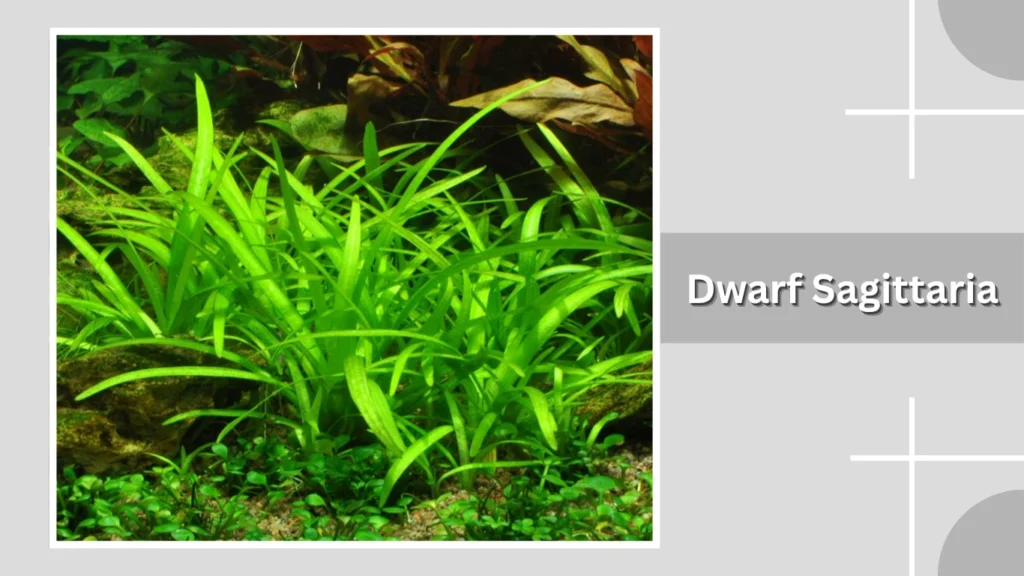
Dwarf Sagittaria is a compact and easy-to-grow freshwater aquarium plant that is perfect for beginners. It is often used to create a grassy, carpet-like effect in aquariums without requiring advanced care. This plant is hardy and adapts well to different conditions, making it a great choice for low-tech setups. Its bright green leaves add a fresh and natural look to the tank.
Identification
- Short, narrow, grass-like green leaves
- Leaves grow upward from a central base
- Forms small rosettes
- Spreads through runners
Care Requirements
Dwarf Sagittaria thrives in low to moderate lighting and does not require CO₂ injection, though it can grow faster with it. It prefers a nutrient-rich substrate and benefits from root tabs. It tolerates a wide range of water conditions, making it ideal for beginners.
Growth and Placement
This plant grows moderately and spreads through runners, gradually forming a carpet. It is best placed in the foreground or midground. Regular trimming may be needed to keep it short and neat.
Benefits in Aquarium
Dwarf Sagittaria helps improve water quality by absorbing excess nutrients. It also provides shelter for small fish and shrimp while creating a beautiful, grassy landscape in the aquarium.
11. Bacopa Caroliniana
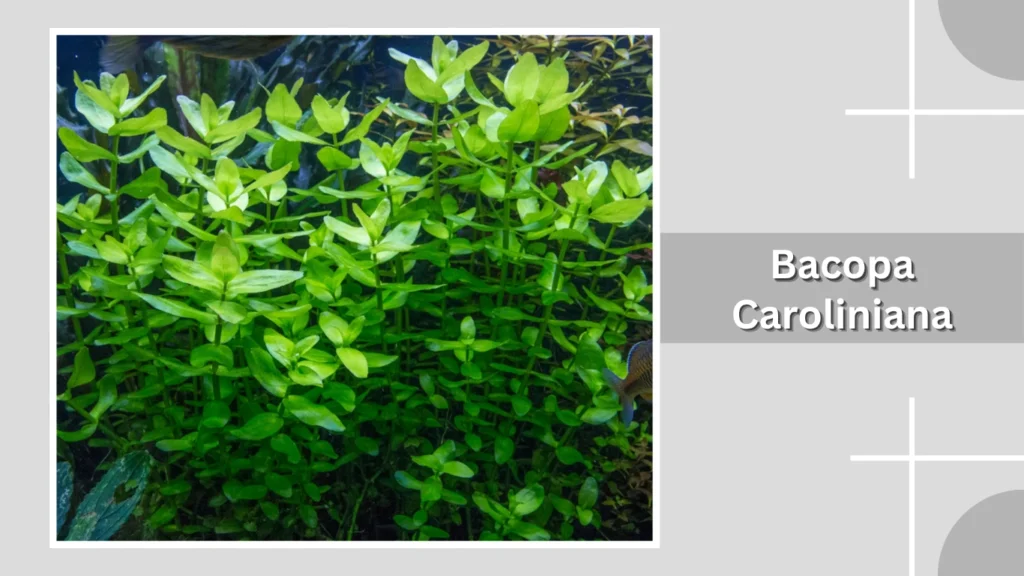
Bacopa Caroliniana is a sturdy and beginner-friendly freshwater plant known for its thick stems and rounded leaves. It grows upright and adds a clean, structured look to aquariums. This plant is easy to care for and can tolerate a variety of water conditions, making it suitable for new aquarists. Under good lighting, its leaves may develop a slight bronze or reddish tint, enhancing its visual appeal.
Identification
- Thick stems with opposite leaf arrangement
- Rounded, succulent-like green leaves
- Leaves may turn light reddish under strong light
- Upright, vertical growth pattern
Care Requirements
Bacopa Caroliniana prefers low to moderate lighting and does not require CO₂, though it benefits from it. It absorbs nutrients from both the substrate and water column, so occasional fertilization is helpful. It grows best in stable water conditions and moderate temperatures, making it easy to maintain.
Growth and Placement
This plant grows at a moderate rate and is best suited for the background or midground. It can be trimmed and replanted to encourage bushier growth. Regular pruning helps maintain its shape and prevents it from becoming too tall.
Benefits in Aquarium
Bacopa Caroliniana helps absorb excess nutrients and supports water quality. Its dense stems provide shelter for fish and contribute to a balanced and natural-looking aquarium.
12. Anacharis (Elodea)
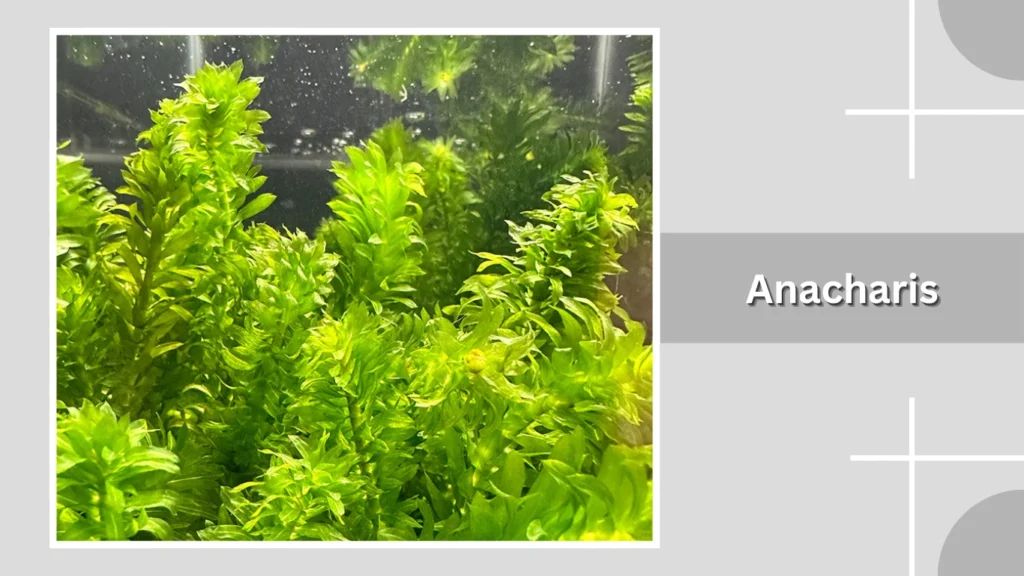
Anacharis, also known as Elodea, is a fast-growing and beginner-friendly freshwater plant that is widely used in aquariums. It is very easy to care for and can thrive in a variety of water conditions. This plant can be grown either floating or planted in the substrate, making it highly versatile. Its bright green color and dense growth help create a lively and natural environment in the tank.
Identification
- Long, slender green stems
- Small, narrow leaves growing in whorls around the stem
- Bright green coloration
- Can grow floating or rooted
Care Requirements
Anacharis thrives in low to moderate lighting and does not require CO₂ supplementation. It absorbs nutrients directly from the water column, making it effective in reducing excess nutrients. It prefers cooler water but can adapt to a range of temperatures. Minimal care is needed, making it ideal for beginners.
Growth and Placement
This plant grows quickly and is best placed in the background or left floating. It can grow tall and dense, so regular trimming is needed to prevent overcrowding. It can also be replanted easily from cuttings.
Benefits in Aquarium
Anacharis helps improve water quality by absorbing nitrates and reducing algae growth. It also provides excellent hiding places for fish fry and shrimp, making it a valuable addition to any aquarium.
13. Rotala Rotundifolia
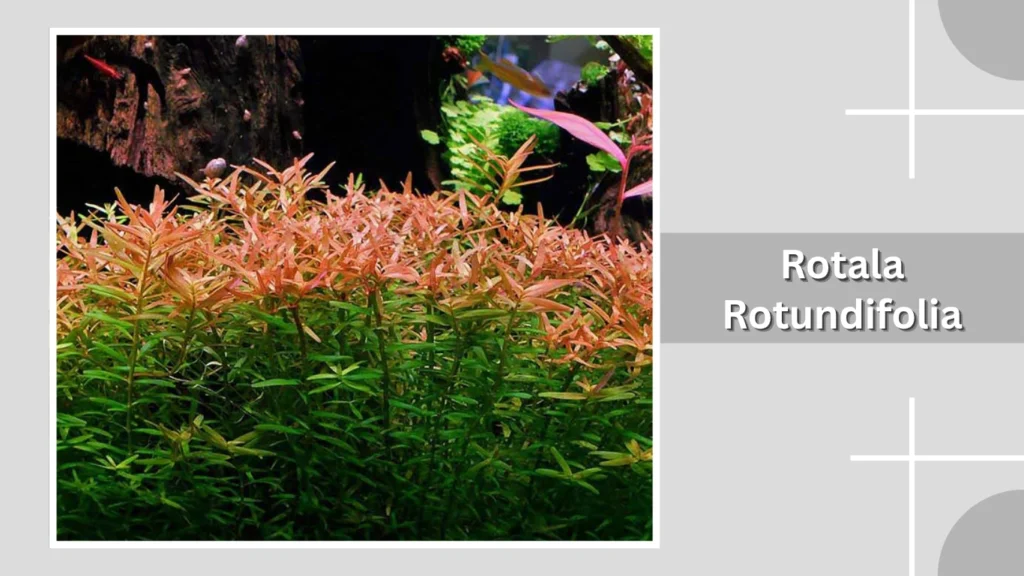
Rotala Rotundifolia is a popular and beginner-friendly stem plant known for its delicate leaves and potential to develop pinkish or reddish hues under proper lighting. It adds a soft, colorful touch to aquariums and is commonly used in aquascaping. This plant is relatively easy to grow and adapts well to different tank conditions, making it suitable for beginners who want a slightly more decorative plant.
Identification
- Thin stems with small, rounded leaves
- Leaves are green but may turn pink or red under strong light
- Grows in dense, bushy clusters
- Upright and flexible growth pattern
Care Requirements
Rotala Rotundifolia prefers moderate lighting to bring out its best colors, though it can survive in low light. CO₂ is not required but helps enhance growth and coloration. It absorbs nutrients from both the substrate and water column, so regular fertilization supports healthy development. Stable water conditions are important for consistent growth.
Growth and Placement
This plant grows quickly and is best placed in the background. Frequent trimming encourages bushier growth and prevents it from becoming too tall or sparse. Cuttings can be replanted easily to create a fuller look.
Benefits in Aquarium
Rotala Rotundifolia helps absorb excess nutrients and reduce algae growth. Its dense foliage provides shelter for fish and enhances the overall beauty of the aquarium with its vibrant colors.
14. Ludwigia Repens
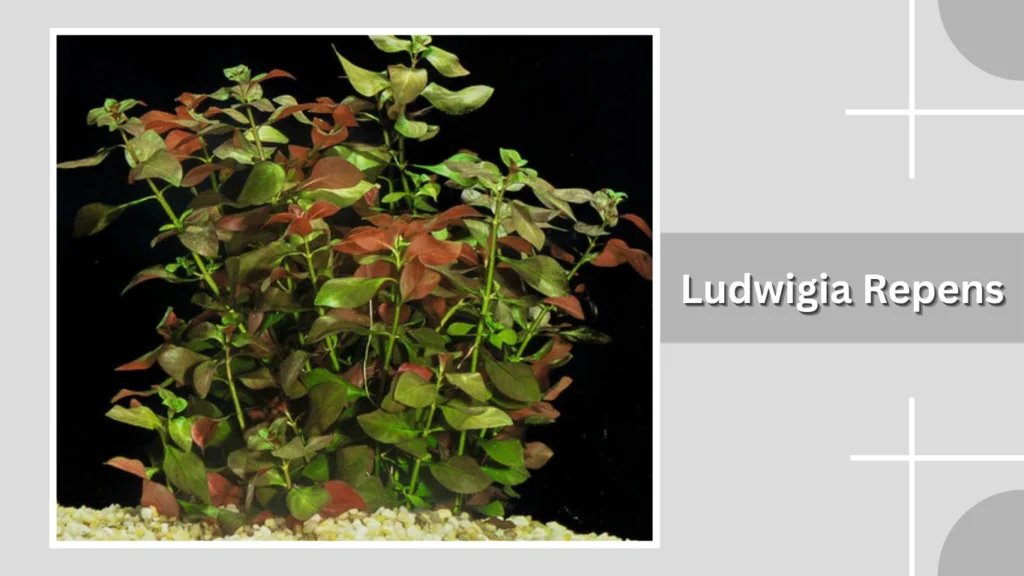
Ludwigia Repens is a beautiful and beginner-friendly freshwater plant known for its striking red and green coloration. It adds vibrant contrast to aquariums and is often used to create a colorful aquascape. This plant is relatively easy to grow and can adapt to a range of conditions, making it suitable for beginners who want to add some color to their tank.
Identification
- Oval-shaped leaves with smooth edges
- Green on top, reddish underneath
- Stems are sturdy and upright
- Can develop deeper red tones under strong light
Care Requirements
Ludwigia Repens prefers moderate lighting to enhance its red coloration, though it can survive in low light. CO₂ is not necessary but improves growth and color intensity. It absorbs nutrients from both the substrate and water column, so regular fertilization is beneficial. Stable water parameters help maintain healthy growth.
Growth and Placement
This plant grows at a moderate rate and is best placed in the midground or background. Regular trimming encourages bushier growth and prevents it from becoming leggy. Cuttings can be replanted to expand coverage.
Benefits in Aquarium
Ludwigia Repens helps improve water quality by absorbing excess nutrients. Its colorful appearance enhances the visual appeal of the aquarium, while its dense growth provides shelter for fish and small aquatic creatures.
15. Hygrophila Polysperma
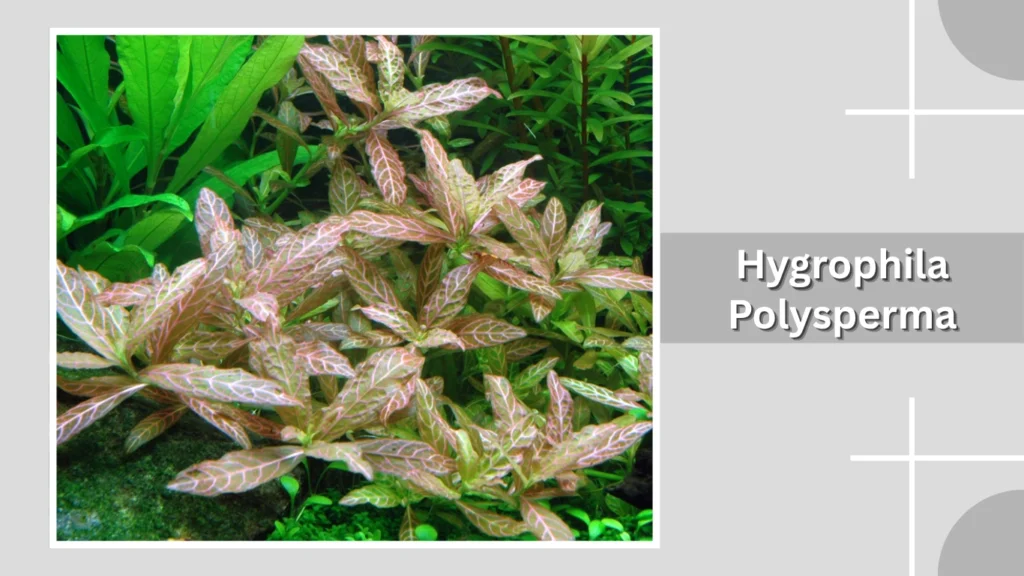
Hygrophila Polysperma is a fast-growing and extremely hardy freshwater aquarium plant, making it one of the best choices for beginners. It adapts quickly to different water conditions and grows rapidly, helping to stabilize new aquariums. Its simple yet attractive appearance makes it suitable for both basic and decorative tank setups.
Identification
- Small, narrow oval-shaped leaves
- Bright green color (can turn slightly reddish under strong light)
- Thin, upright stems
- Dense, bushy growth when trimmed
Care Requirements
Hygrophila Polysperma thrives in low to high lighting and does not require CO₂ supplementation. It absorbs nutrients from both the substrate and water column, so occasional fertilization supports better growth. It tolerates a wide range of water conditions, making it very beginner-friendly.
Growth and Placement
This plant grows very quickly and is best placed in the background. Frequent trimming is necessary to prevent overgrowth and to encourage a bushier appearance. Cuttings can be easily replanted to expand the plant.
Benefits in Aquarium
Hygrophila Polysperma is excellent for improving water quality by absorbing excess nutrients and reducing algae growth. Its fast growth also provides shelter for fish and helps create a balanced aquarium environment.
16. Water Sprite
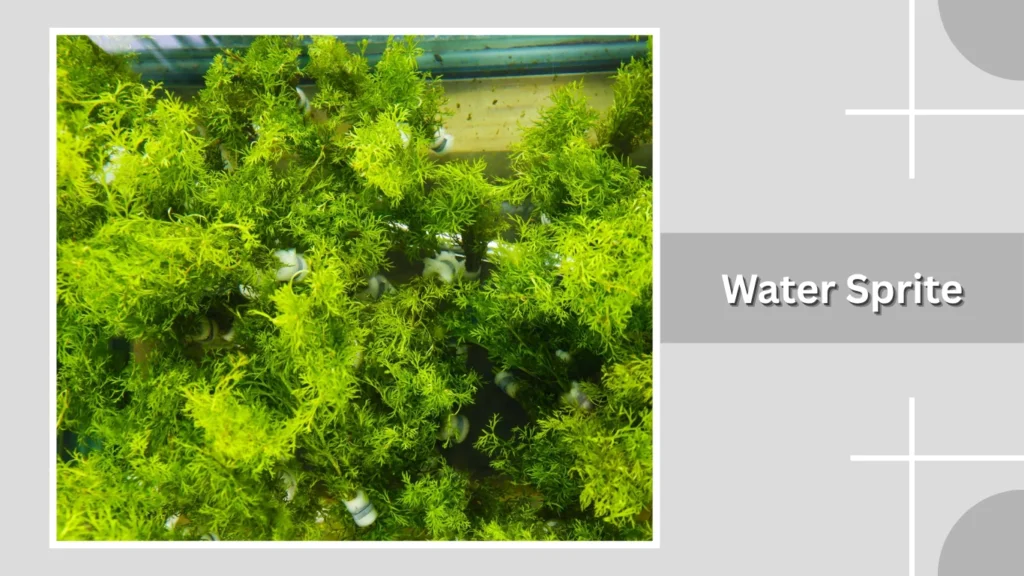
Water Sprite is a fast-growing and versatile freshwater aquarium plant that is perfect for beginners. It can be grown either rooted in the substrate or floating on the water surface, making it highly flexible for different tank setups. Its light green, feathery leaves create a soft and natural look, adding beauty and movement to the aquarium.
Identification
- Light green, finely divided leaves
- Fern-like, delicate appearance
- Thin stems with bushy growth
- Can grow floating or planted
Care Requirements
Water Sprite thrives in low to moderate lighting and does not require CO₂ supplementation. It absorbs nutrients from both the water column and substrate, so occasional fertilization can support faster growth. It prefers stable water conditions but can tolerate a wide range, making it easy for beginners to manage.
Growth and Placement
This plant grows quickly and can be placed in the background when rooted or used as a floating plant for shade. Regular trimming is needed to control its growth and maintain shape. Floating forms grow even faster due to direct access to light.
Benefits in Aquarium
Water Sprite helps reduce algae by absorbing excess nutrients and provides excellent cover for fish fry and shrimp. Its fast growth makes it very useful for maintaining a healthy and balanced aquarium.
17. Dwarf Hairgrass
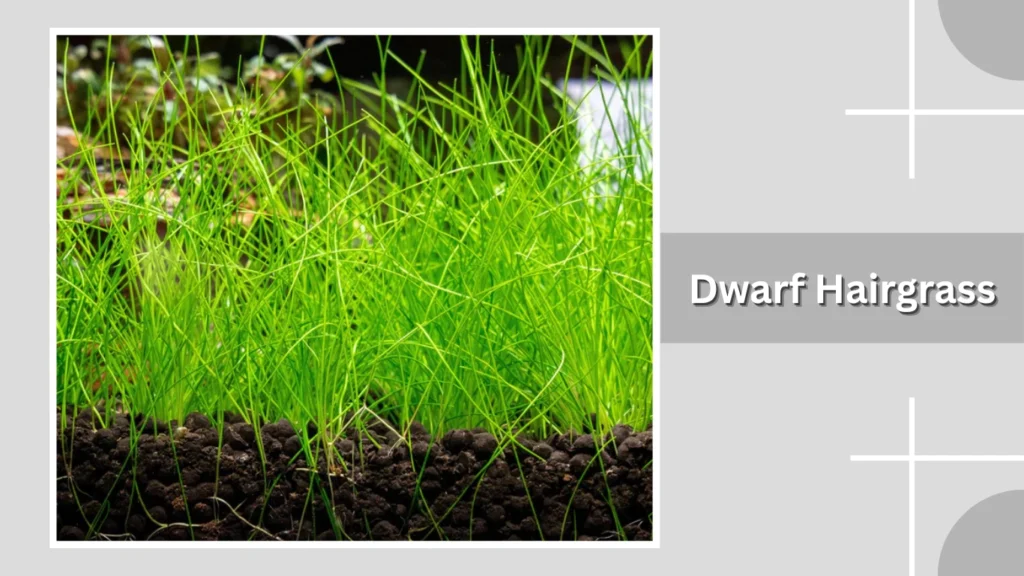
Dwarf Hairgrass is a popular foreground plant that creates a beautiful, grassy carpet in freshwater aquariums. It is beginner-friendly with proper care and adds a natural, lawn-like appearance to the tank. This plant is widely used in aquascaping to create a clean and professional look, especially in planted layouts.
Identification
- Very thin, hair-like green blades
- Grows in small clumps from the base
- Bright green coloration
- Spreads through runners to form a carpet
Care Requirements
Dwarf Hairgrass prefers moderate lighting for healthy growth and carpeting. CO₂ is not required but greatly improves growth speed and density. It benefits from nutrient-rich substrate and root fertilizers. Stable water conditions help it establish more easily, especially for beginners.
Growth and Placement
This plant grows at a moderate rate and is best placed in the foreground. It spreads through runners and gradually forms a dense carpet. Occasional trimming is needed to maintain a neat and short appearance.
Benefits in Aquarium
Dwarf Hairgrass helps improve water quality by absorbing nutrients and oxygenating the substrate. It provides a natural habitat for small fish and shrimp while enhancing the overall aesthetics of the aquarium.
18. Red Root Floater
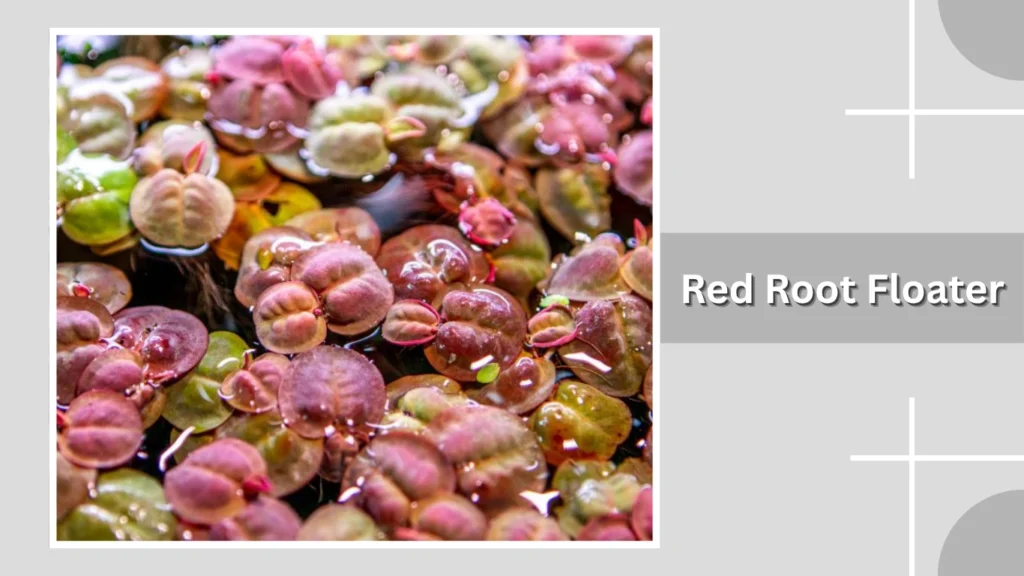
Red Root Floater is a beautiful floating freshwater plant that is perfect for beginners looking to add color to their aquarium. It is known for its striking red roots and leaves that can turn reddish under strong lighting. This plant floats on the surface and creates a natural, shaded environment below, which many fish enjoy.
Identification
- Small, round floating leaves
- Leaves range from green to reddish tones
- Distinctive long, red roots hanging below
- Forms clusters on the water surface
Care Requirements
Red Root Floater thrives in moderate to high lighting, which enhances its red coloration. It does not require CO₂ but benefits from nutrient-rich water. Gentle water flow is preferred, as strong currents can damage or disperse the plant. Regular nutrient dosing helps maintain healthy growth.
Growth and Placement
This plant grows moderately fast and stays on the water surface. It spreads across the top, so occasional removal is needed to prevent blocking too much light from reaching other plants below.
Benefits in Aquarium
Red Root Floater helps reduce excess nutrients and limits algae growth by shading the tank. Its long roots provide shelter for fish fry and shrimp, creating a more natural and comfortable environment.
19. Frogbit
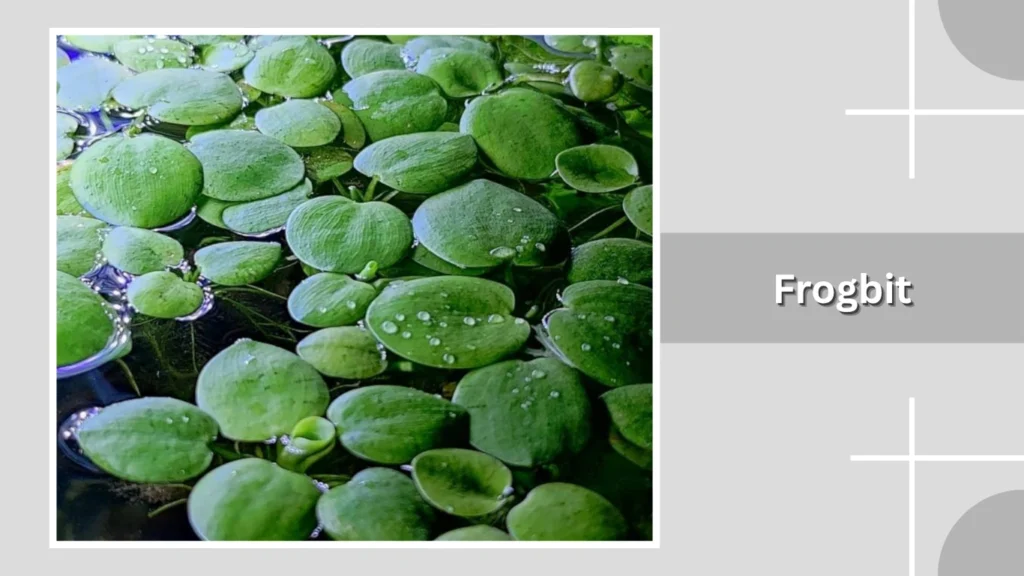
Frogbit is a popular floating freshwater plant that is ideal for beginners due to its easy care and fast growth. It has attractive round leaves that float on the water surface and long, trailing roots that create a natural look. This plant is excellent for adding shade and reducing light intensity in the aquarium, which can benefit fish and other plants.
Identification
- Round, flat green leaves floating on the surface
- Smooth, slightly waxy leaf texture
- Long, dangling white roots
- Forms clusters across the water surface
Care Requirements
Frogbit thrives in low to moderate lighting and does not require CO₂ supplementation. It prefers calm water, as strong currents can damage its leaves. It absorbs nutrients directly from the water column, so occasional liquid fertilization supports healthy growth. It adapts well to most water conditions.
Growth and Placement
This plant grows quickly and spreads across the water surface. It should be thinned regularly to prevent blocking too much light from reaching plants below. It is ideal for open-top aquariums with gentle water movement.
Benefits in Aquarium
Frogbit helps control algae by absorbing excess nutrients and providing shade. Its long roots offer excellent hiding places for fish fry and shrimp, creating a more natural and stress-free environment.
20. Salvinia
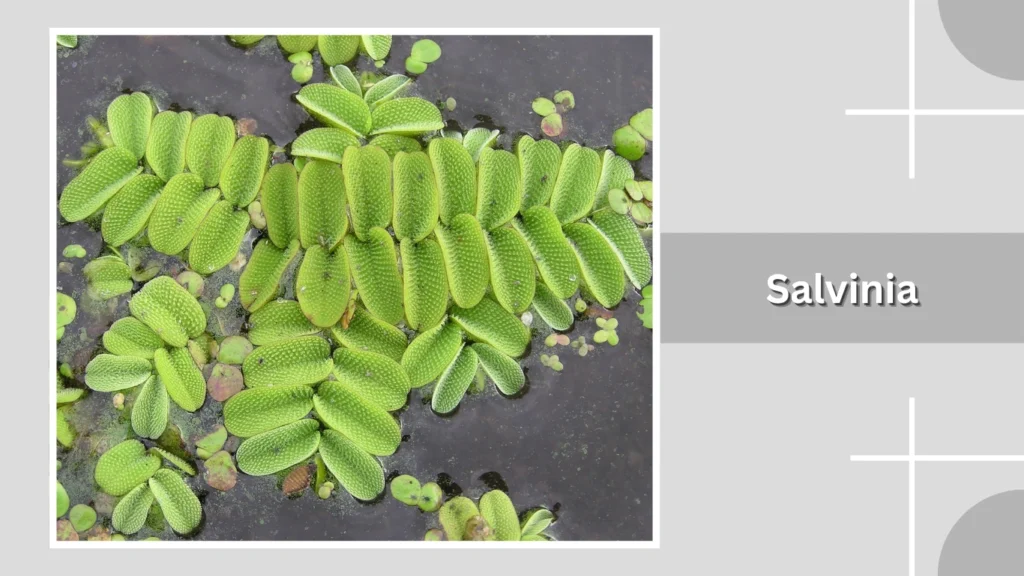
Salvinia is a fast-growing floating freshwater plant that is perfect for beginners. It is known for its small, textured leaves that float on the water surface and form dense mats. This plant is very easy to care for and quickly adapts to different aquarium conditions. Its ability to spread rapidly makes it useful for controlling light and maintaining balance in the tank.
Identification
- Small, oval floating leaves
- Leaves have a slightly fuzzy or textured surface
- Grows in clusters across the surface
- Short, fine root-like structures hanging below
Care Requirements
Salvinia thrives in low to moderate lighting and does not require CO₂ supplementation. It absorbs nutrients directly from the water, so additional fertilization can support faster growth. It prefers calm water, as strong currents can break apart its clusters. It is very tolerant and beginner-friendly.
Growth and Placement
This plant grows quickly and spreads across the water surface. Regular removal is necessary to prevent it from covering the entire surface and blocking light for other plants. It is best used in open areas of the aquarium.
Benefits in Aquarium
Salvinia helps reduce algae by absorbing excess nutrients and limiting light penetration. It also provides shade and shelter for fish and shrimp, contributing to a healthier aquarium environment.
21. Cabomba
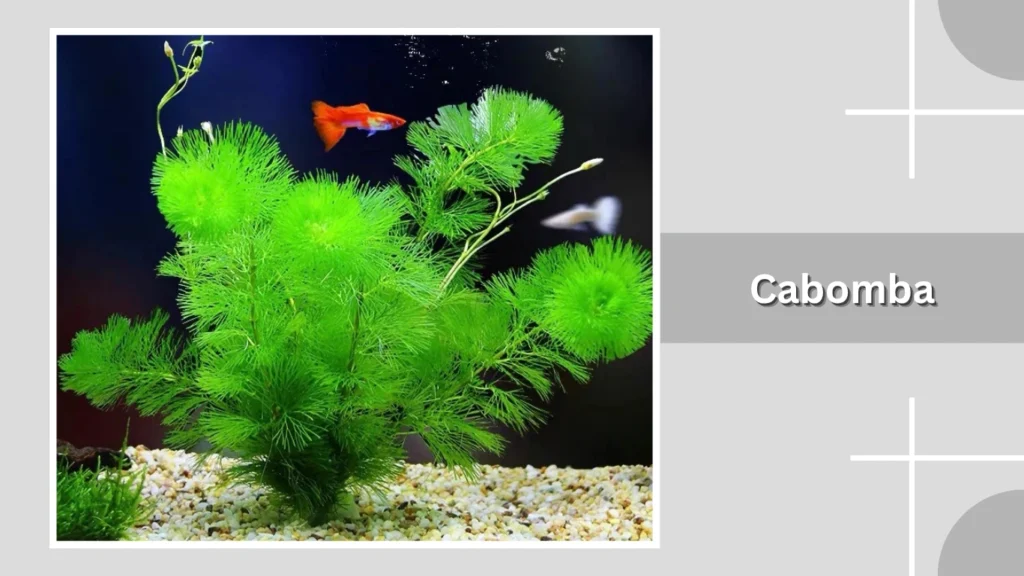
Cabomba is a delicate and attractive freshwater aquarium plant known for its fan-shaped, feathery leaves. It adds a soft, bushy appearance to the aquarium and creates a lush, underwater forest effect. While slightly more demanding than some beginner plants, it can still be grown successfully with basic care, making it a good option for beginners looking to enhance their aquascape.
Identification
- Fine, fan-shaped green leaves
- Leaves arranged in whorls around the stem
- Soft, feathery texture
- Bright green coloration (some varieties may have red tones)
Care Requirements
Cabomba prefers moderate lighting to maintain its dense growth and shape. CO₂ is not required but helps improve growth. It absorbs nutrients from the water column, so liquid fertilizers are beneficial. It prefers clean water and stable conditions, which support healthy development.
Growth and Placement
This plant grows moderately fast and is best placed in the background. It can form dense clusters when trimmed regularly. Frequent pruning helps maintain its bushy appearance and prevents it from becoming sparse.
Benefits in Aquarium
Cabomba helps improve water quality by absorbing excess nutrients. Its dense foliage provides excellent hiding spots for fish fry and shrimp, while also enhancing the overall beauty of the aquarium.
22. Tiger Lotus
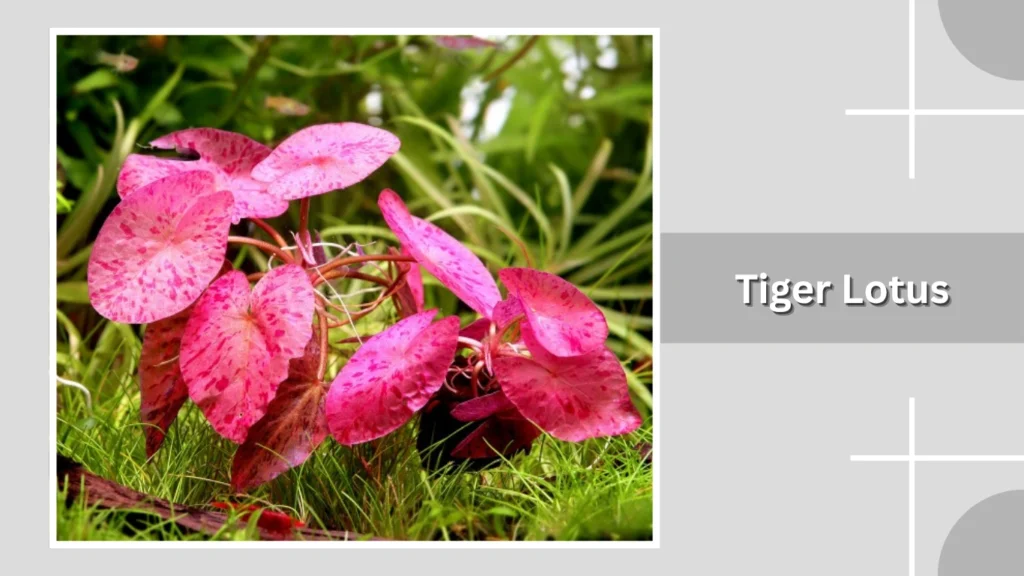
Tiger Lotus is a striking freshwater aquarium plant known for its large, patterned leaves and vibrant colors. It can display shades of green, red, or purple, often with unique spotted patterns. This plant adds a bold and decorative touch to aquariums, making it a great centerpiece. Despite its exotic appearance, it is relatively easy to care for, making it suitable for beginners.
Identification
- Large, round or heart-shaped leaves
- Leaves may have red, green, or purple tones
- Distinct dark spots or patterns on leaves
- Grows from a bulb at the base
Care Requirements
Tiger Lotus prefers moderate lighting to maintain its color and growth. CO₂ is not required but enhances development. It benefits from nutrient-rich substrate, as it is a root feeder. Regular fertilization supports healthy growth. Stable water conditions help prevent sudden leaf loss.
Growth and Placement
This plant grows moderately fast and is best placed in the midground or background. It can produce floating leaves if allowed to grow tall, so trimming may be needed to keep it compact and submerged.
Benefits in Aquarium
Tiger Lotus helps absorb excess nutrients and improve water quality. Its large leaves provide shade and shelter for fish, while its bold appearance enhances the visual appeal of the aquarium.
23. Pennywort (Hydrocotyle)
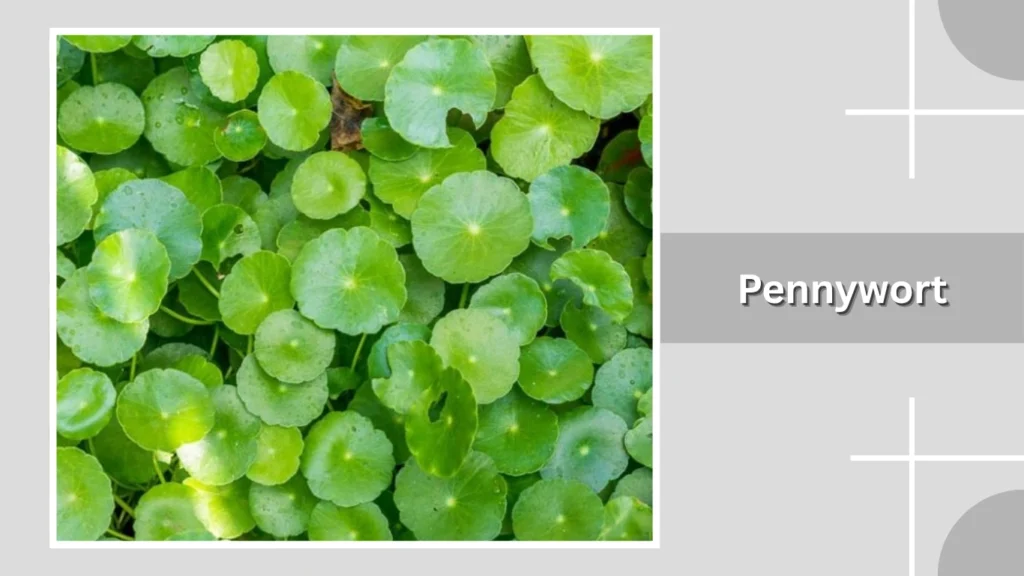
Pennywort, also known as Hydrocotyle, is a fast-growing and versatile freshwater aquarium plant that is great for beginners. It is known for its unique round leaves and creeping growth pattern, which can create a natural and slightly wild look in the tank. This plant can grow both submerged and partially above water, adding flexibility to aquascaping.
Identification
- Round, coin-shaped green leaves
- Thin stems that creep horizontally or grow upward
- Bright green coloration
- Can grow as a trailing or upright plant
Care Requirements
Pennywort thrives in low to moderate lighting and does not require CO₂ supplementation, though it benefits from it. It absorbs nutrients from both the substrate and water column, so occasional fertilization helps maintain healthy growth. It adapts well to various water conditions, making it beginner-friendly.
Growth and Placement
This plant grows quickly and can be placed in the foreground, midground, or even allowed to float. It spreads easily and may need regular trimming to control its growth and shape.
Benefits in Aquarium
Pennywort helps reduce excess nutrients and supports water quality. Its dense and spreading growth provides shelter for fish and shrimp, while adding a natural and decorative touch to the aquarium.
24. Cryptocoryne Parva
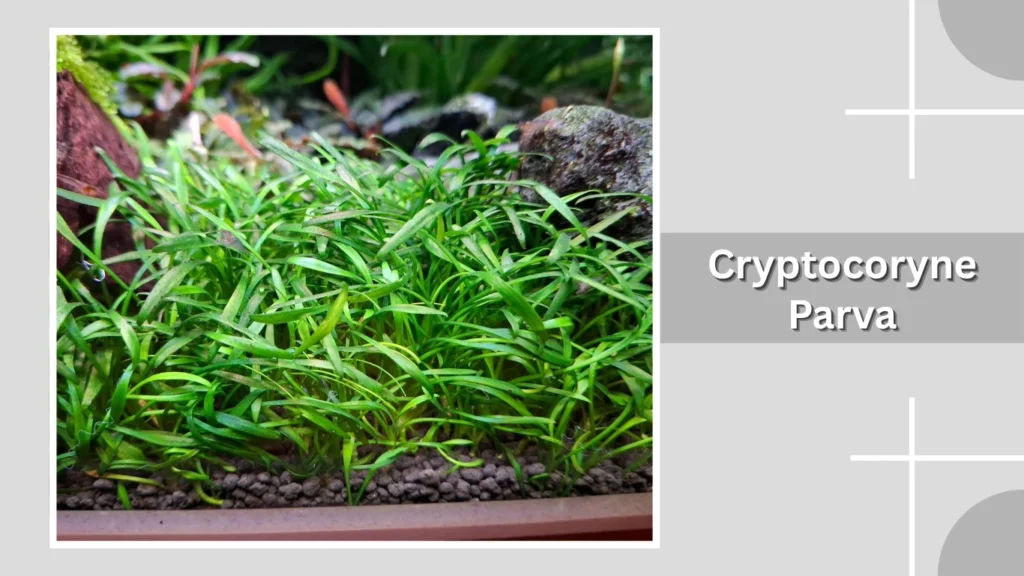
Cryptocoryne Parva is one of the smallest species of Cryptocoryne and is well-suited for beginner aquariums. It is known for its compact size and slow growth, making it a great choice for foreground planting. Unlike other Crypts, it does not grow very tall, which helps maintain a neat and tidy appearance in the tank. It is hardy and adapts well once established.
Identification
- Small, narrow green leaves
- Leaves grow in a rosette pattern
- Short height compared to other Cryptocoryne species
- Compact and tidy growth form
Care Requirements
Cryptocoryne Parva prefers low to moderate lighting and does not require CO₂ injection. It feeds mainly through its roots, so a nutrient-rich substrate or root tabs are beneficial. It requires stable water conditions and may take time to establish, but once settled, it is easy to maintain.
Growth and Placement
This plant grows slowly and is ideal for the foreground. It spreads gradually and forms small clusters rather than a dense carpet. Minimal trimming is needed due to its slow growth rate.
Benefits in Aquarium
Cryptocoryne Parva helps absorb nutrients and contributes to a balanced aquarium environment. Its compact size makes it perfect for small tanks and provides subtle shelter for small fish and shrimp.
25. Bucephalandra
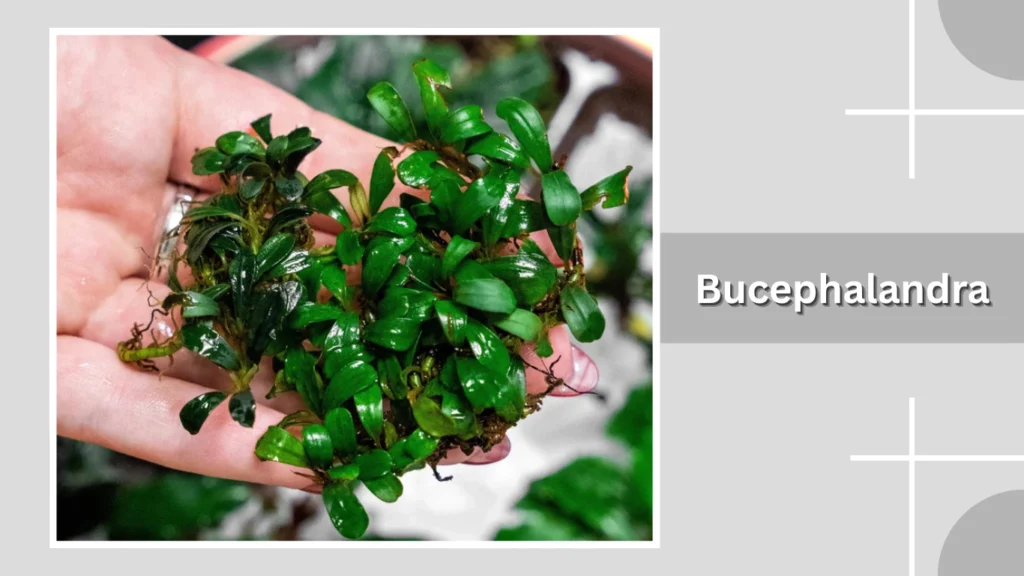
Bucephalandra is a beautiful and beginner-friendly freshwater plant known for its unique leaf shapes and subtle colors, ranging from green to bluish or even reddish tones. It is similar to Anubias in care and growth style, making it easy to maintain. This plant is highly valued in aquascaping for its decorative appearance and ability to grow on hard surfaces.
Identification
- Small, narrow to oval-shaped leaves
- Colors vary from green to blue, purple, or reddish
- Grows from a horizontal rhizome
- Leaves often have a slight shimmer or texture
Care Requirements
Bucephalandra thrives in low to moderate lighting and does not require CO₂ supplementation. It absorbs nutrients from the water column, so liquid fertilizers can support growth. The rhizome should not be buried in substrate; instead, attach it to rocks or driftwood. It prefers stable water conditions.
Growth and Placement
This plant grows slowly and is best placed in the foreground or midground. It can be attached to decorations, allowing for creative placement. Due to its slow growth, it requires minimal trimming and maintenance.
Benefits in Aquarium
Bucephalandra helps improve water quality by absorbing nutrients. Its sturdy leaves provide shelter for small fish and shrimp, while its unique appearance enhances the overall beauty of the aquarium.
26. Pogostemon Stellatus
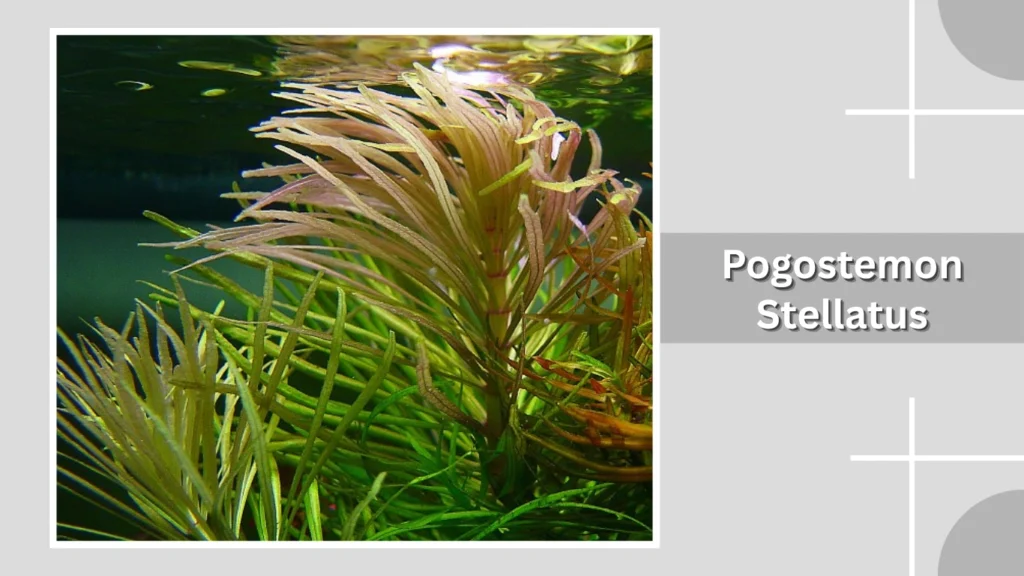
Pogostemon Stellatus is an eye-catching freshwater aquarium plant known for its star-shaped leaves and vibrant colors. It can display shades of green, pink, or purple under the right conditions, making it a striking addition to planted tanks. While slightly more demanding than basic beginner plants, it can still be grown successfully with proper care and attention.
Identification
- Thin, needle-like leaves arranged in a star shape
- Bright green to pink or purple coloration
- Upright stems with dense leaf clusters
- Delicate and bushy appearance
Care Requirements
Pogostemon Stellatus prefers moderate to high lighting to maintain its color and structure. CO₂ is not required but highly beneficial for optimal growth. It absorbs nutrients from both the substrate and water column, so regular fertilization is recommended. Stable water conditions are important to prevent leaf drop.
Growth and Placement
This plant grows moderately fast and is best placed in the background. Regular trimming helps maintain a bushy shape and encourages new growth. Cuttings can be replanted to create a fuller appearance.
Benefits in Aquarium
Pogostemon Stellatus helps absorb excess nutrients and improves water quality. Its colorful and unique structure enhances the visual appeal of the aquarium while providing shelter for fish and shrimp.
FAQs
What is the easiest aquarium plant for beginners?
The easiest aquarium plants for beginners include Anubias, Java Fern, Marimo Moss Ball, and Hornwort. These plants require minimal care, can grow in low light, and do not need CO₂ injection. They are also very hardy and can tolerate a wide range of water conditions. For someone just starting out, these plants are ideal because they reduce the chances of failure and help build confidence in aquarium keeping.
Do aquarium plants need CO₂ to grow?
Not all aquarium plants require CO₂. Many beginner-friendly plants like Java Moss, Anubias, and Vallisneria grow well without it. However, adding CO₂ can improve growth speed, color, and overall health for some plants. For low-tech tanks, CO₂ is optional, but for more advanced aquascaping, it becomes beneficial.
How much light do aquarium plants need?
Most beginner plants thrive in low to moderate lighting. Too much light can cause algae growth, while too little can slow plant development. A standard aquarium light running for about 6–8 hours per day is usually enough for beginner setups.
Can I grow aquarium plants without substrate?
Yes, many plants like Anubias, Java Fern, and Bucephalandra do not need substrate. They can be attached to rocks or driftwood. Floating plants like Frogbit and Salvinia also grow without substrate, making them perfect for simple aquarium setups.
How do aquarium plants help fish?
Aquarium plants improve water quality by absorbing harmful substances like nitrates. They also produce oxygen and provide hiding places for fish, shrimp, and fry. This creates a more natural, stress-free environment and supports the overall health of aquatic life.