
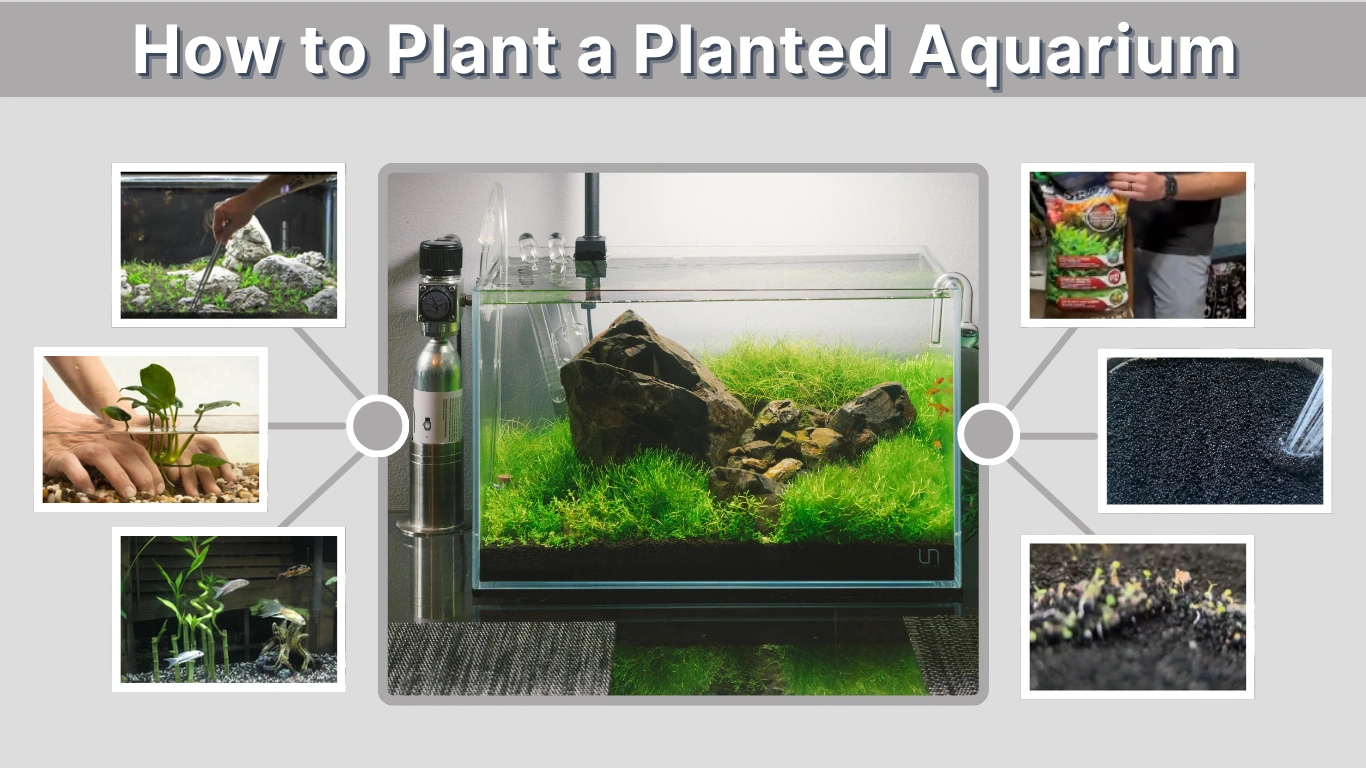
A planted aquarium is more than just a fish tank—it’s a living ecosystem that combines aquatic plants, fish, and natural elements into a balanced environment. Whether you’re a beginner or looking to refine your aquascaping skills, learning how to plant a planted aquarium correctly is essential for long-term success.
In this guide, you’ll learn the complete setup process, proper planting techniques, and how to handle different types of aquarium plants like grass, moss, bulbs, and tissue culture plants.
What You Need Before Planting an Aquarium
Before you start planting, it’s important to prepare the right foundation. A well-prepared setup ensures healthy plant growth and reduces future maintenance issues.
Here are the essentials:
- Aquarium tank: A 10–20 gallon tank is ideal for beginners
- Substrate: Use nutrient-rich aquasoil or add root tabs to gravel
- Lighting: LED lights designed for plant growth (6–8 hours daily)
- Filtration system: Keeps water clean and stable
- Fertilizers: Liquid or root-based nutrients for plant growth
Choosing the right combination of these elements will determine how well your plants thrive.
How to Set Up a Planted Aquarium (Step-by-Step)
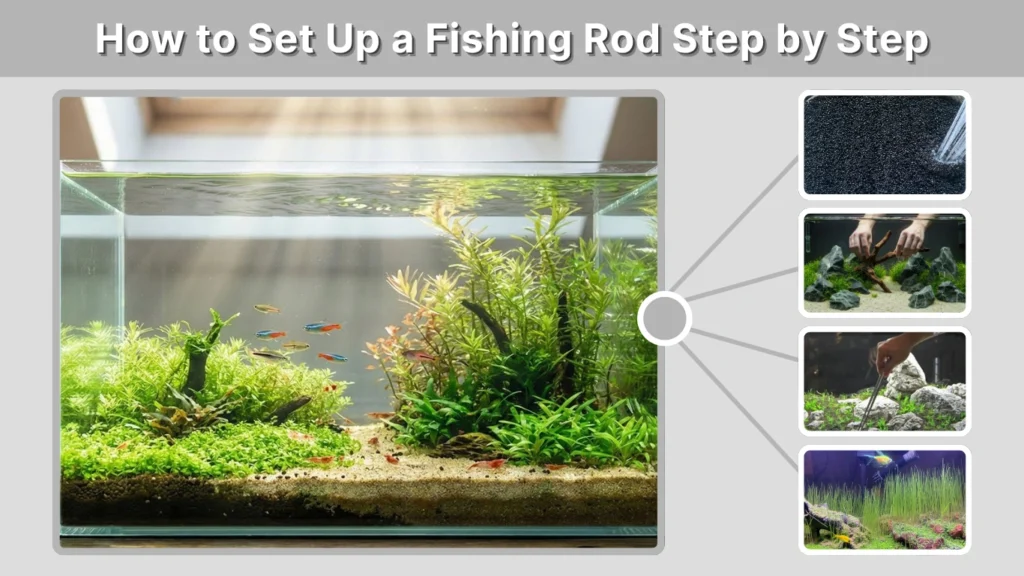
Setting up your aquarium properly before planting is key to avoiding common mistakes.
Step 1: Add Substrate
Start by adding a base layer of nutrient-rich substrate. If you’re using gravel or sand, consider adding root tabs underneath for extra nutrients.
Step 2: Position Hardscape
Place rocks, driftwood, or decorative elements before planting. This helps create a natural layout and prevents disturbing plants later.
Step 3: Fill Water Partially
Fill the tank about halfway with water. This makes planting easier and keeps plants moist during the process.
Step 4: Begin Planting
Start placing plants according to their type—background, midground, or foreground.
Step 5: Fill the Tank Completely
Slowly add the remaining water to avoid disturbing the substrate or plants.
Step 6: Turn On Equipment
Switch on the filter and lighting system. Keep lighting moderate in the beginning to reduce algae growth.
How to Plant Aquarium Plants Properly
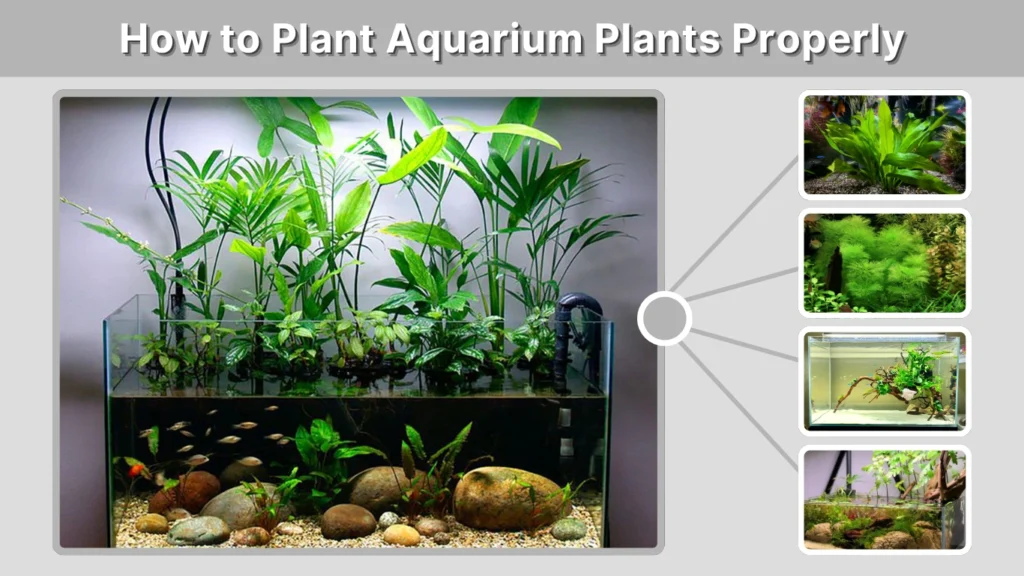
Different plants require different planting methods. Understanding these basics will help you avoid damaging your plants.
Root Plants
- Insert roots into the substrate
- Do not bury the crown (where roots meet leaves)
- Example: Amazon sword
Stem Plants
- Plant stems individually into the substrate
- Leave space between stems for growth
- Trim regularly to encourage bushier growth
Rhizome Plants
- Do NOT bury the rhizome
- Attach to rocks or driftwood using thread or glue
- Examples: Anubias, Java fern
Floating Plants
- Simply place them on the water surface
- No planting required
- Great for reducing algae and providing shade
How to Plant Aquarium Grass Seeds
Aquarium grass creates a beautiful carpet effect, but using seeds can be tricky.
Important Warning
Most aquarium “grass seeds” sold online are not true aquatic plants. They often sprout quickly but die after submersion, causing water quality issues.
Best Alternative
Instead of seeds, use carpeting plants like:
- Dwarf hairgrass
- Monte Carlo
- Glossostigma
Planting Method
- Divide plants into small portions
- Plant evenly across the foreground
- Provide strong lighting for proper growth
This method ensures a long-lasting and healthy carpet.
How to Plant Aquarium Seeds (Truth & Best Practice)
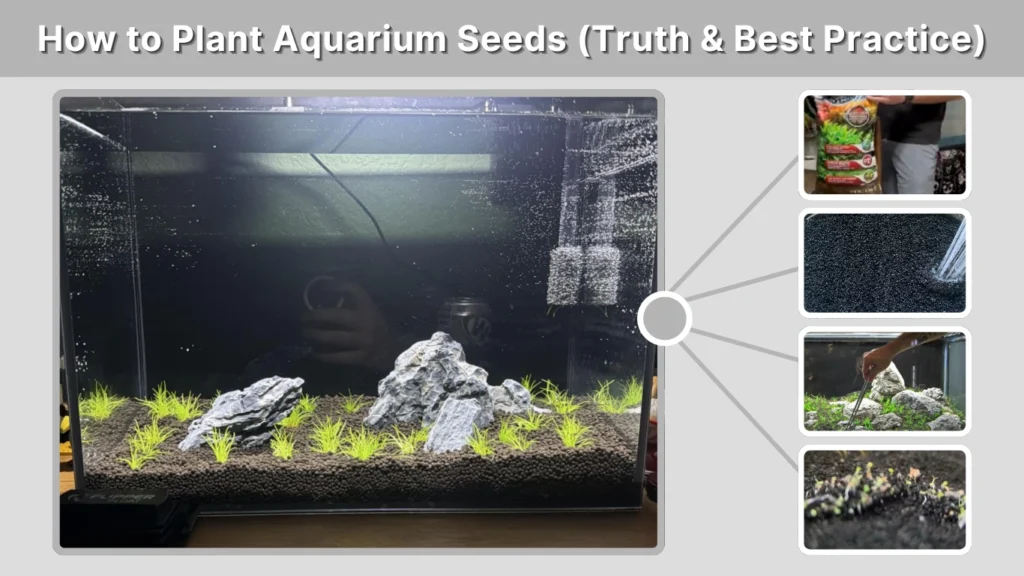
While it may sound convenient, planting aquarium seeds is generally not recommended.
Why Seeds Are Problematic
- Most are not fully aquatic
- Plants may rot after submersion
- Can lead to ammonia spikes and algae blooms
Recommended Approach
Use tissue culture plants instead. They are:
- Grown in sterile conditions
- Free from pests and algae
- More reliable for long-term growth
Switching to proper aquatic plants will save time, money, and frustration.
How to Plant Aquarium Moss
Aquarium moss is versatile and easy to grow, making it ideal for beginners.
Steps to Plant Moss
- Attach moss to rocks or driftwood
- Use thread, fishing line, or aquarium-safe glue
- Spread a thin layer for even growth
Tips for Success
- Keep lighting moderate
- Trim regularly to maintain shape
- Avoid thick clumps to prevent decay
Moss works well for creating natural-looking aquascapes and hiding equipment.
How to Plant Aquarium Bulbs
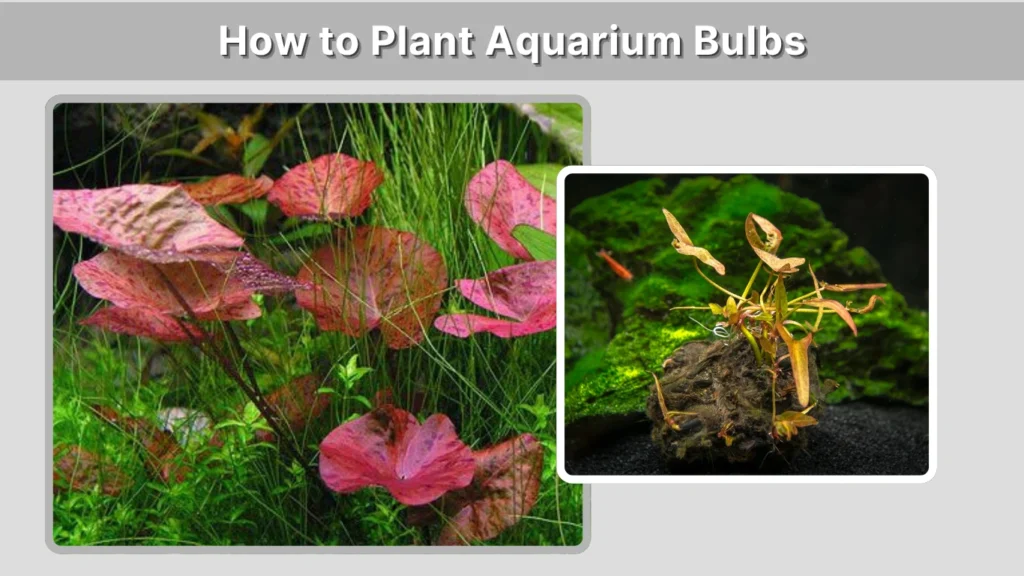
Bulb plants are unique and can grow into large, beautiful specimens.
Common Examples
- Aponogeton
- Aquarium lily
Planting Method
- Place the bulb on top of the substrate
- Gently press it down slightly
- Do NOT bury it completely
Care Tips
- Bulbs may take time to sprout
- Provide consistent lighting
- Avoid moving them once planted
Proper placement prevents rotting and encourages healthy growth.
How to Plant Tissue Culture Aquarium Plants
Tissue culture plants are one of the best choices for beginners and experienced aquarists alike. They are grown in sterile labs, making them free from pests, algae, and harmful bacteria.
Steps to Plant Tissue Culture Plants
- Remove the plant from its container
- Rinse off the gel completely using clean water
- Divide the plant into small portions
- Plant each portion into the substrate with space between them
Benefits
- Cleaner and safer for your tank
- Faster adaptation to aquarium conditions
- Ideal for carpeting and delicate plants
Using tissue culture plants gives you a healthy start and reduces the risk of contamination.
How to Plant Anubias in Aquarium
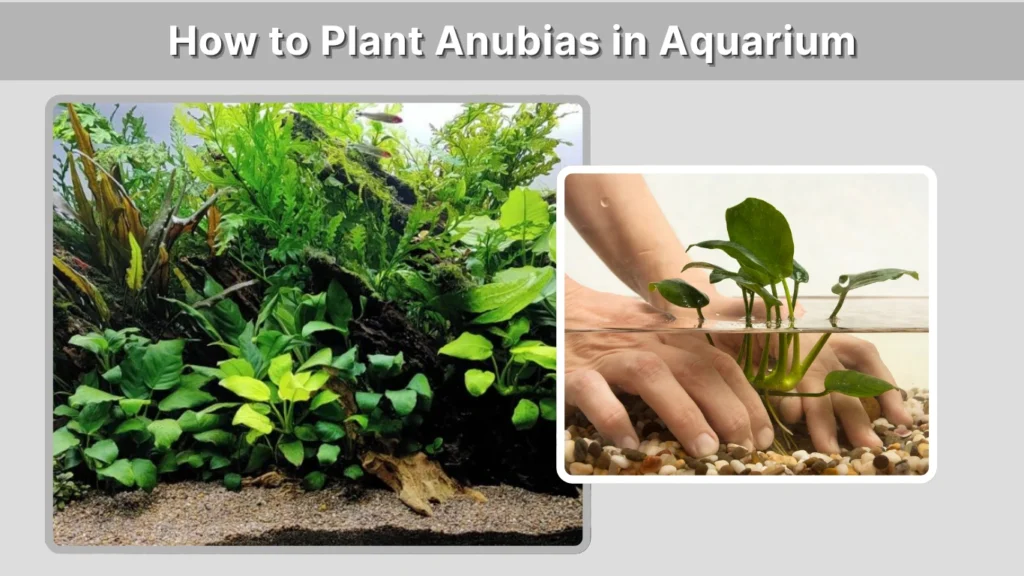
Anubias is one of the easiest aquarium plants to grow, making it perfect for beginners.
Key Rule
Never bury the rhizome (thick horizontal stem), as this will cause the plant to rot.
Planting Method
- Attach Anubias to rocks or driftwood
- Use thread or aquarium-safe glue
- Place it in shaded or low-light areas
Care Tips
- Slow-growing plant, so be patient
- Requires minimal maintenance
- Resistant to most water conditions
How to Plant Java Fern
Java fern is another hardy plant that thrives in a wide range of conditions.
Planting Method
- Do not bury the rhizome
- Attach to rocks or driftwood like Anubias
- Allow roots to anchor naturally over time
Growth Tips
- Grows well in low light
- Produces baby plants on its leaves
- Minimal fertilization required
This plant is ideal for low-tech aquariums and beginners.
How to Plant Bamboo in Aquarium
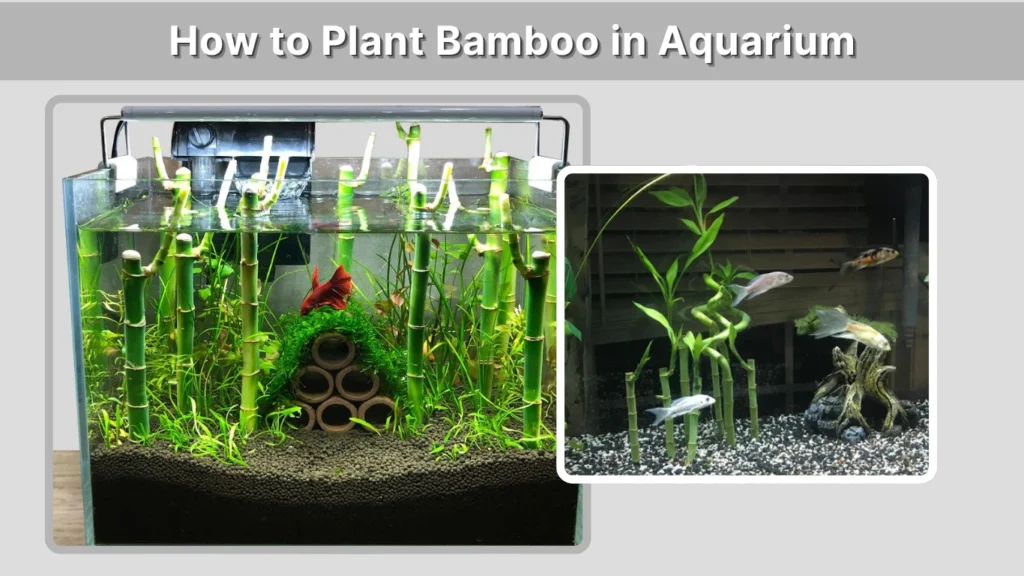
Aquarium bamboo (often called lucky bamboo) is commonly misunderstood.
Important Note
Lucky bamboo is not a fully aquatic plant.
Proper Placement
- Keep roots submerged in water
- Ensure leaves remain above the water surface
Care Tips
- Provide indirect light
- Avoid full submersion to prevent rotting
- Works well in open-top aquariums
How to Plant Aquarium Lily
Aquarium lilies add color and movement to your tank with their broad leaves.
Planting Method
- Place the bulb gently on the substrate
- Slightly press it into place
- Do not bury it fully
Maintenance Tips
- Trim floating leaves to encourage submerged growth
- Provide moderate to strong lighting
- Add root tabs for better nutrition
Common Mistakes to Avoid
Avoiding these mistakes will save you time and keep your aquarium healthy.
- Burying rhizome plants like Anubias or Java fern
- Using fake or non-aquatic seeds
- Overcrowding plants too closely
- Providing too much or too little light
- Ignoring nutrient balance
Small mistakes can lead to algae growth, plant decay, or poor water quality.
Maintenance Tips for a Healthy Planted Aquarium
Once your plants are established, proper maintenance keeps everything thriving.
Key Practices
- Perform weekly water changes (20–30%)
- Trim plants regularly to control growth
- Dose fertilizers as needed
- Monitor lighting duration (6–8 hours daily)
- Remove dead or decaying leaves
Consistency is the key to maintaining a beautiful planted aquarium.
FAQs
Is it hard to maintain a planted aquarium?
A planted aquarium is relatively easy to maintain once properly set up. Choosing hardy plants like Anubias or Java fern and maintaining a consistent routine for lighting, water changes, and nutrients makes the process simple, even for beginners.
Can I plant aquarium plants in gravel?
Yes, you can plant aquarium plants in gravel, but you’ll need to supplement nutrients using root tabs or liquid fertilizers. Gravel alone doesn’t provide enough nutrients for most plants, so additional feeding is necessary for healthy growth.
Do I need CO₂ for planted aquariums?
CO₂ is not required for all planted aquariums. Many low-maintenance plants grow well without it. However, adding CO₂ significantly improves growth, especially for demanding plants and carpeting species in high-light setups.
How long does it take for aquarium plants to grow?
Growth time depends on the plant type and tank conditions. Fast-growing plants can show noticeable growth within a week, while slower plants like Anubias may take several weeks to develop new leaves and establish themselves.