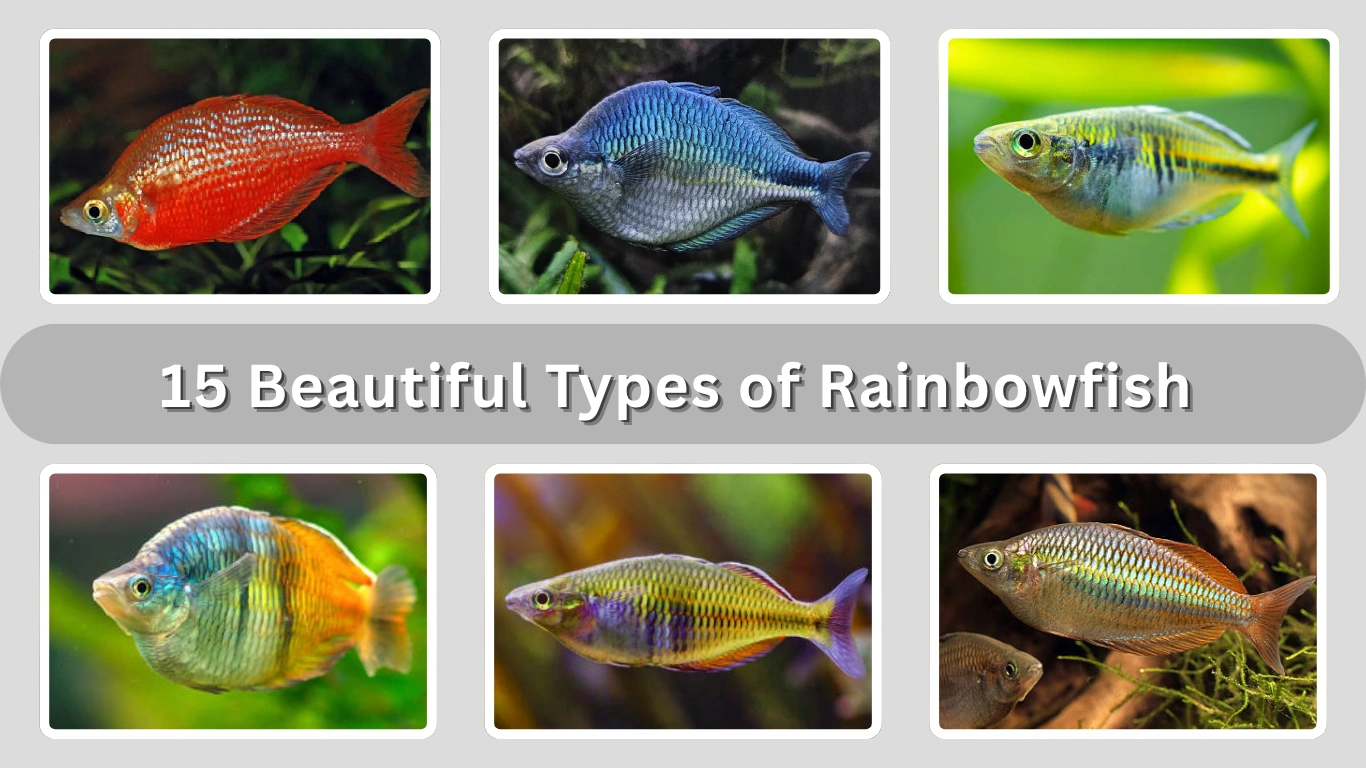
Rainbowfish are colorful freshwater fish admired for their shimmering scales, peaceful temperament, and energetic swimming behavior. These active schooling fish are popular among aquarium hobbyists because they add movement and bright colors to community tanks. Rainbowfish come in many sizes and color patterns, ranging from vibrant blues and reds to glowing yellow and orange shades. Most species thrive in groups and prefer spacious aquariums with clean water and plants. From the elegant Threadfin Rainbowfish to the striking Boesemani Rainbowfish, each type has unique features, care requirements, and behaviors that make them fascinating additions to freshwater aquariums.
1. Boesemani Rainbowfish
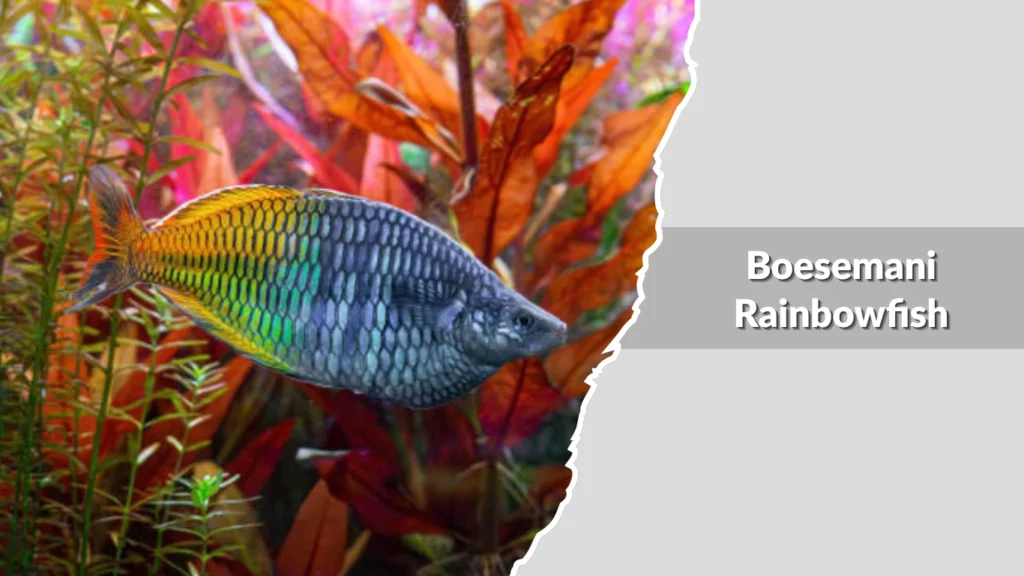
The Boesemani Rainbowfish is one of the most colorful freshwater fish admired for its vibrant blue and orange body coloration. Native to Indonesia, this peaceful species is popular among aquarium hobbyists because of its active swimming behavior and striking appearance. Boesemani Rainbowfish thrive in groups and prefer spacious aquariums with clean water, plants, and stable environmental conditions.
Identification
- Half-blue and half-orange body coloration
- Oval-shaped body with slightly arched back
- Large reflective scales with shimmering appearance
- Transparent fins with orange or yellow highlights
- Usually grows between 4 and 5 inches long
Natural Habitat
Boesemani Rainbowfish naturally inhabit lakes, marshes, and slow-moving freshwater environments in Indonesia. They prefer warm waters with dense vegetation, submerged roots, and calm conditions. In the wild, these fish swim in schools near plants while feeding on insects, algae, small crustaceans, and organic matter found throughout their habitat.
Behavior
This species is peaceful, active, and highly social in aquarium environments. Boesemani Rainbowfish should be kept in groups because they naturally display schooling behavior and feel more secure together. Males often display brighter colors while competing gently for attention. Their energetic swimming adds constant movement and activity to community aquariums.
Diet
Boesemani Rainbowfish are omnivores that consume both plant and protein-based foods. In aquariums, they enjoy flakes, pellets, bloodworms, brine shrimp, insect larvae, and vegetable matter. A balanced diet supports healthy growth, vibrant coloration, stronger immunity, and active behavior throughout their lifespan in captivity.
Tank Requirements
A minimum tank size of 40 gallons is recommended because Boesemani Rainbowfish are active swimmers and prefer group living conditions. The aquarium should include plants, open swimming areas, efficient filtration, and stable water conditions. Warm temperatures and regular maintenance are essential for maintaining excellent health and reducing long-term stress.
Lifespan
With proper care and suitable aquarium conditions, Boesemani Rainbowfish commonly live between 5 and 8 years in captivity. Clean water, balanced nutrition, and peaceful surroundings greatly improve their overall health and longevity. Consistent aquarium maintenance helps these colorful fish remain active, healthy, and visually striking throughout their entire lifespan.
2. Turquoise Rainbowfish
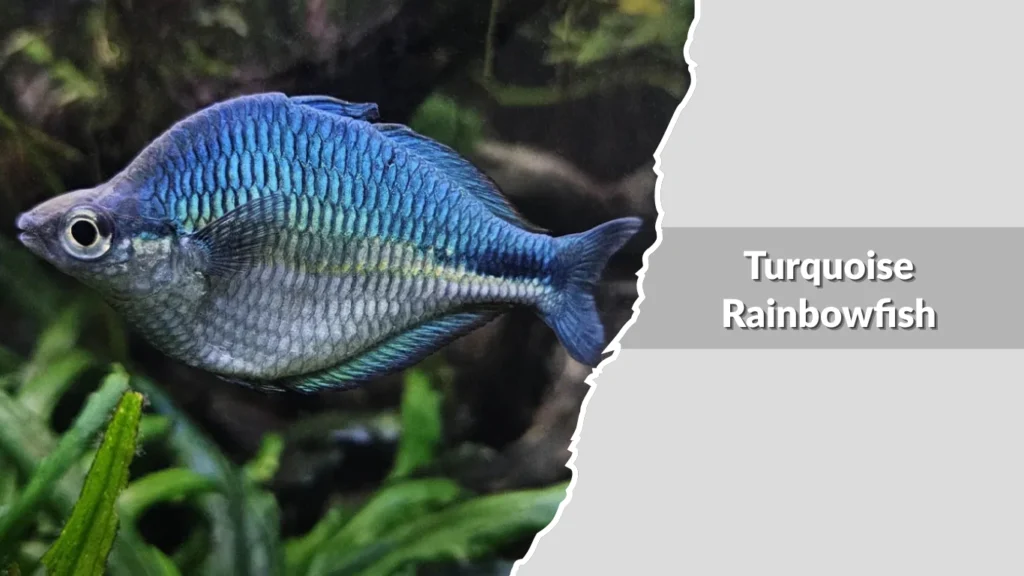
The Turquoise Rainbowfish is a beautiful freshwater fish admired for its shimmering blue-green body and peaceful temperament. Native to New Guinea, this active species is popular among aquarium hobbyists because of its vibrant coloration and schooling behavior. Turquoise Rainbowfish thrive in groups and prefer spacious aquariums with clean water, plants, open swimming areas, and stable environmental conditions.
Identification
- Bright turquoise or blue-green body coloration
- Oval-shaped body with reflective shimmering scales
- Yellow, orange, or clear fins with soft highlights
- Slightly arched back with streamlined appearance
- Usually grows between 4 and 5 inches long
Natural Habitat
Turquoise Rainbowfish naturally inhabit rivers, streams, and freshwater lakes throughout New Guinea. They prefer warm waters with aquatic plants, submerged roots, and moderate water movement. In the wild, these fish swim in schools near vegetation while feeding on insects, algae, small crustaceans, and organic matter found within their environment.
Behavior
This species is peaceful, active, and highly social in aquarium environments. Turquoise Rainbowfish should be kept in groups because they naturally display schooling behavior and feel more secure together. Males often show brighter colors during social interactions. Their energetic swimming and constant movement make them lively additions to community aquariums.
Diet
Turquoise Rainbowfish are omnivores that consume both plant and protein-based foods. In aquariums, they enjoy flakes, pellets, bloodworms, brine shrimp, insect larvae, and vegetable matter. A balanced diet supports healthy growth, stronger immunity, vibrant body coloration, and active behavior throughout their lifespan in captivity.
Tank Requirements
A minimum tank size of 40 gallons is recommended because Turquoise Rainbowfish are active swimmers and prefer group living conditions. The aquarium should contain plants, open swimming space, efficient filtration, and stable water conditions. Warm temperatures and regular maintenance are important for maintaining excellent health and reducing stress levels.
Lifespan
With proper care and stable aquarium conditions, Turquoise Rainbowfish commonly live between 5 and 8 years in captivity. Clean water, balanced nutrition, and peaceful surroundings greatly improve their overall health and longevity. Consistent aquarium maintenance helps these colorful fish remain active, healthy, and visually attractive throughout their entire lifespan.
3. Red Rainbowfish
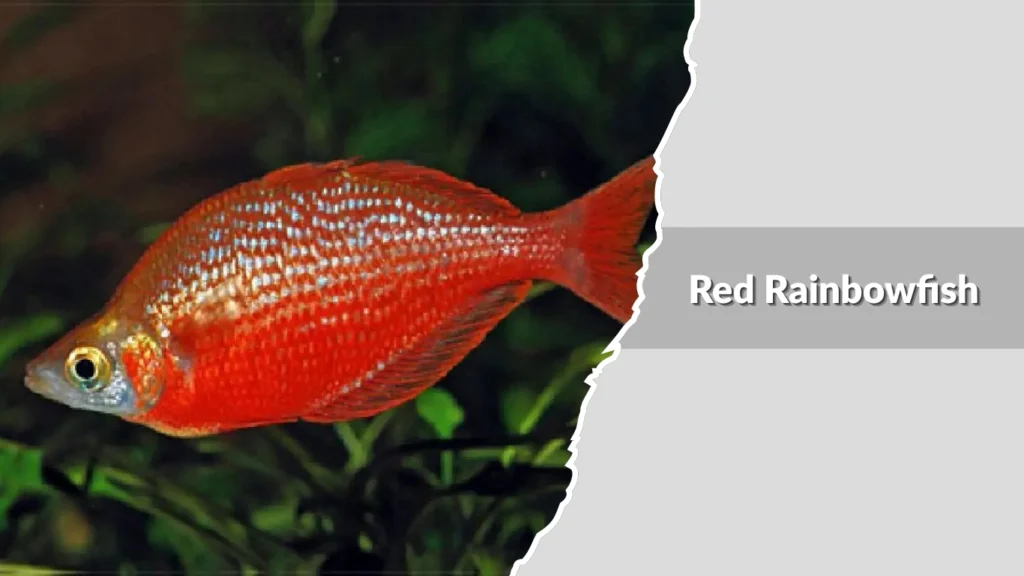
The Red Rainbowfish is a vibrant freshwater species admired for its intense red coloration and energetic swimming behavior. Native to New Guinea, this peaceful fish is popular among aquarium hobbyists because of its brilliant colors and active schooling nature. Red Rainbowfish thrive in groups and prefer spacious aquariums with clean water, plants, and stable environmental conditions for healthy development.
Identification
- Bright red or reddish-orange body coloration
- Oval-shaped body with reflective shimmering scales
- Transparent or reddish fins with soft highlights
- Slightly arched back with streamlined appearance
- Usually grows between 5 and 6 inches long
Natural Habitat
Red Rainbowfish naturally inhabit rivers, lakes, and freshwater streams throughout New Guinea. They prefer warm waters with dense vegetation, submerged roots, and moderate water movement. In the wild, these fish swim in schools near aquatic plants while feeding on insects, algae, small crustaceans, and organic matter found within their environment.
Behavior
This species is peaceful, active, and highly social in aquarium environments. Red Rainbowfish should be kept in groups because they naturally display schooling behavior and feel safer together. Males often display brighter colors during social interactions and breeding displays. Their energetic swimming adds movement and activity to community aquariums throughout the day.
Diet
Red Rainbowfish are omnivores that consume both plant and protein-based foods. In aquariums, they enjoy flakes, pellets, bloodworms, brine shrimp, insect larvae, and vegetable matter. A balanced diet supports healthy growth, stronger immunity, vibrant red coloration, and active behavior throughout their lifespan in captivity.
Tank Requirements
A minimum tank size of 50 gallons is recommended because Red Rainbowfish are active swimmers and prefer group living conditions. The aquarium should include plants, open swimming areas, efficient filtration, and stable water conditions. Warm temperatures and regular maintenance are essential for maintaining excellent health and reducing long-term stress levels.
Lifespan
With proper care and stable aquarium conditions, Red Rainbowfish commonly live between 5 and 8 years in captivity. Clean water, balanced nutrition, and peaceful surroundings greatly improve their overall health and longevity. Consistent aquarium maintenance helps these colorful fish remain active, healthy, and visually striking throughout their entire lifespan.
4. Threadfin Rainbowfish
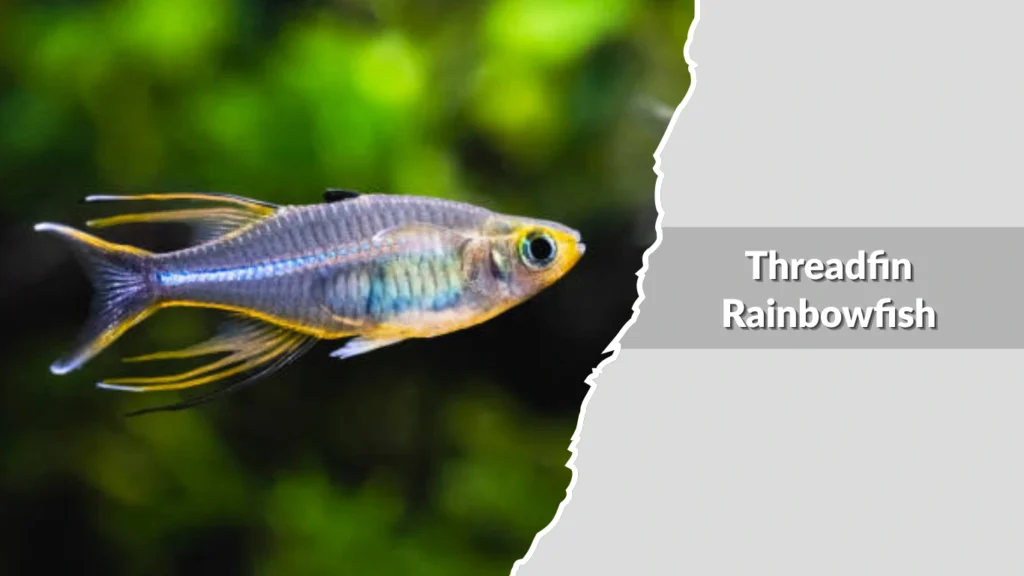
The Threadfin Rainbowfish is a delicate and elegant freshwater fish admired for its long flowing fins and peaceful nature. Native to New Guinea and northern Australia, this small species is popular among aquarium hobbyists because of its graceful swimming behavior and attractive appearance. Threadfin Rainbowfish thrive in groups and prefer planted aquariums with calm water, gentle filtration, and stable conditions.
Identification
- Slender silver or yellowish body coloration
- Long flowing dorsal and tail fins
- Thin thread-like fin extensions in males
- Blue eyes with shimmering reflective scales
- Usually grows between 2 and 3 inches long
Natural Habitat
Threadfin Rainbowfish naturally inhabit slow-moving streams, swamps, and freshwater lagoons throughout New Guinea and northern Australia. They prefer warm waters with dense vegetation, submerged roots, and gentle currents. In the wild, these fish swim near plants while feeding on tiny insects, plankton, algae, and small organic materials within their habitat.
Behavior
This species is peaceful, social, and highly active in aquarium environments. Threadfin Rainbowfish should be kept in groups because they naturally display schooling behavior and feel more secure together. Males often display their long fins during courtship displays. Their calm temperament makes them excellent additions to peaceful community aquariums with similarly gentle fish.
Diet
Threadfin Rainbowfish are omnivores that consume both plant and protein-based foods. In aquariums, they enjoy micro pellets, flakes, baby brine shrimp, daphnia, insect larvae, and finely crushed foods. A balanced diet supports healthy growth, stronger immunity, vibrant coloration, and proper fin development throughout their lifespan in captivity.
Tank Requirements
A minimum tank size of 20 gallons is recommended because Threadfin Rainbowfish prefer swimming space and group living conditions. The aquarium should contain plants, open swimming areas, gentle filtration, and stable water conditions. Warm temperatures, soft lighting, and regular maintenance are essential for maintaining excellent health and reducing stress levels.
Lifespan
With proper care and suitable aquarium conditions, Threadfin Rainbowfish commonly live between 3 and 5 years in captivity. Clean water, balanced nutrition, and peaceful surroundings greatly improve their overall health and longevity. Consistent aquarium maintenance helps these graceful fish remain active, healthy, and visually attractive throughout their entire lifespan.
5. Celebes Rainbowfish
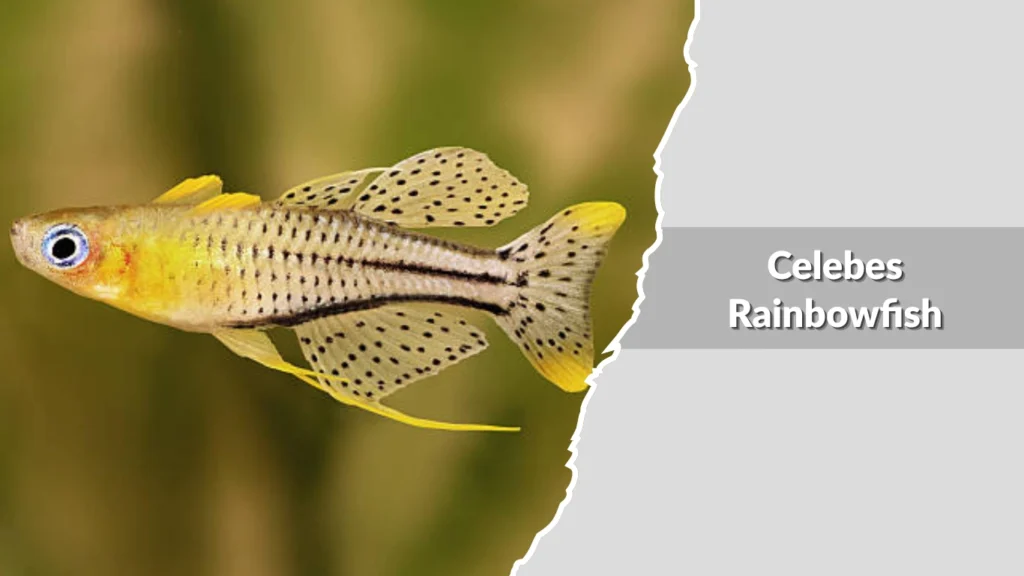
The Celebes Rainbowfish is a slender and elegant freshwater fish admired for its shimmering silver body and extended fin rays. Native to Indonesia, this peaceful species is popular among aquarium hobbyists because of its graceful swimming behavior and unique appearance. Celebes Rainbowfish thrive in groups and prefer planted aquariums with clean water, open swimming areas, and stable environmental conditions.
Identification
- Silver or pale golden body with blue highlights
- Long slender body with streamlined appearance
- Extended dorsal and tail fin rays
- Bright blue eyes with reflective scales
- Usually grows between 3 and 4 inches long
Natural Habitat
Celebes Rainbowfish naturally inhabit lakes, streams, and freshwater marshes in Sulawesi, Indonesia. They prefer warm waters with aquatic plants, submerged roots, and gentle water movement. In the wild, these fish swim in schools near vegetation while feeding on insects, small crustaceans, algae, and organic materials found throughout their habitat.
Behavior
This species is peaceful, social, and highly active in aquarium environments. Celebes Rainbowfish should be kept in groups because they naturally display schooling behavior and feel safer together. Males often display brighter colors and extended fins during social interactions. Their graceful swimming adds constant movement and beauty to community aquariums.
Diet
Celebes Rainbowfish are omnivores that consume both plant and protein-based foods. In aquariums, they enjoy flakes, micro pellets, bloodworms, brine shrimp, insect larvae, and vegetable matter. A balanced diet supports healthy growth, stronger immunity, vibrant coloration, and proper fin development throughout their lifespan in captivity.
Tank Requirements
A minimum tank size of 30 gallons is recommended because Celebes Rainbowfish are active swimmers and prefer group living conditions. The aquarium should include plants, open swimming areas, gentle filtration, and stable water conditions. Warm temperatures and regular maintenance are essential for maintaining excellent health and reducing long-term stress levels.
Lifespan
With proper care and stable aquarium conditions, Celebes Rainbowfish commonly live between 4 and 6 years in captivity. Clean water, balanced nutrition, and peaceful surroundings greatly improve their overall health and longevity. Consistent aquarium maintenance helps these elegant fish remain active, healthy, and visually attractive throughout their entire lifespan.
6. Dwarf Neon Rainbowfish
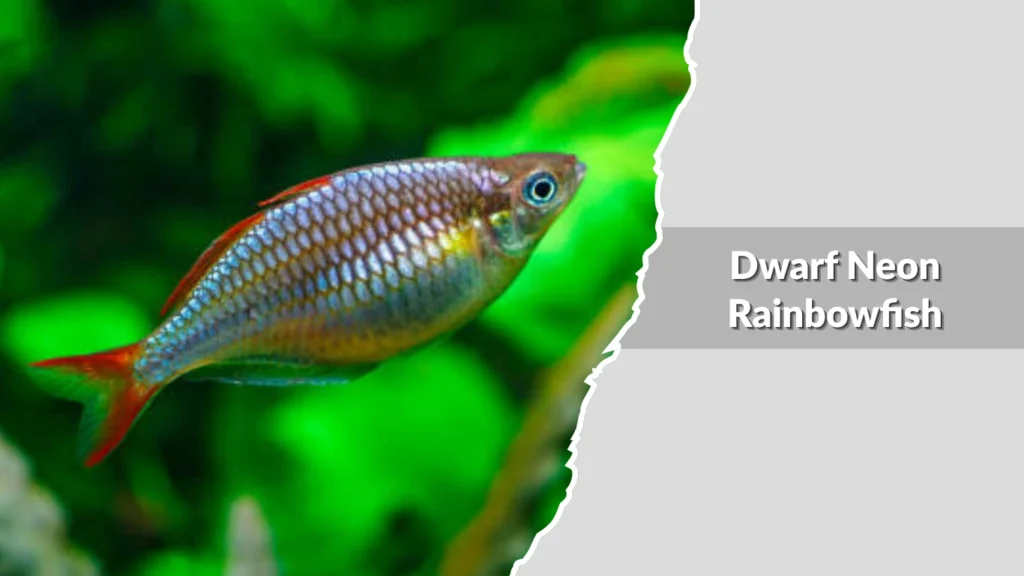
The Dwarf Neon Rainbowfish is a small and colorful freshwater fish admired for its bright blue body and peaceful personality. Native to New Guinea, this active species is popular among aquarium hobbyists because of its vibrant appearance and schooling behavior. Dwarf Neon Rainbowfish thrive in groups and prefer planted aquariums with clean water, open swimming areas, and stable environmental conditions.
Identification
- Bright blue or neon-colored body
- Yellow, orange, or reddish fins with soft highlights
- Small oval-shaped body with shimmering scales
- Slightly arched back with streamlined appearance
- Usually grows between 2 and 3 inches long
Natural Habitat
Dwarf Neon Rainbowfish naturally inhabit rivers, streams, and freshwater swamps throughout New Guinea. They prefer warm waters with dense vegetation, submerged roots, and gentle to moderate water movement. In the wild, these fish swim in schools near plants while feeding on insects, algae, plankton, and small organic materials found within their environment.
Behavior
This species is peaceful, social, and highly active in aquarium environments. Dwarf Neon Rainbowfish should be kept in groups because they naturally display schooling behavior and feel more secure together. Males often display brighter colors during social interactions. Their energetic swimming and calm temperament make them excellent additions to community aquariums.
Diet
Dwarf Neon Rainbowfish are omnivores that consume both plant and protein-based foods. In aquariums, they enjoy flakes, micro pellets, bloodworms, brine shrimp, insect larvae, and vegetable matter. A balanced diet supports healthy growth, vibrant coloration, stronger immunity, and active behavior throughout their lifespan in captivity.
Tank Requirements
A minimum tank size of 20 gallons is recommended because Dwarf Neon Rainbowfish prefer group living and active swimming space. The aquarium should include plants, open swimming areas, gentle filtration, and stable water conditions. Warm temperatures and regular maintenance are essential for maintaining excellent health and reducing stress levels.
Lifespan
With proper care and suitable aquarium conditions, Dwarf Neon Rainbowfish commonly live between 4 and 5 years in captivity. Clean water, balanced nutrition, and peaceful surroundings greatly improve their overall health and longevity. Consistent aquarium maintenance helps these colorful fish remain active, healthy, and visually attractive throughout their entire lifespan.
7. Madagascar Rainbowfish
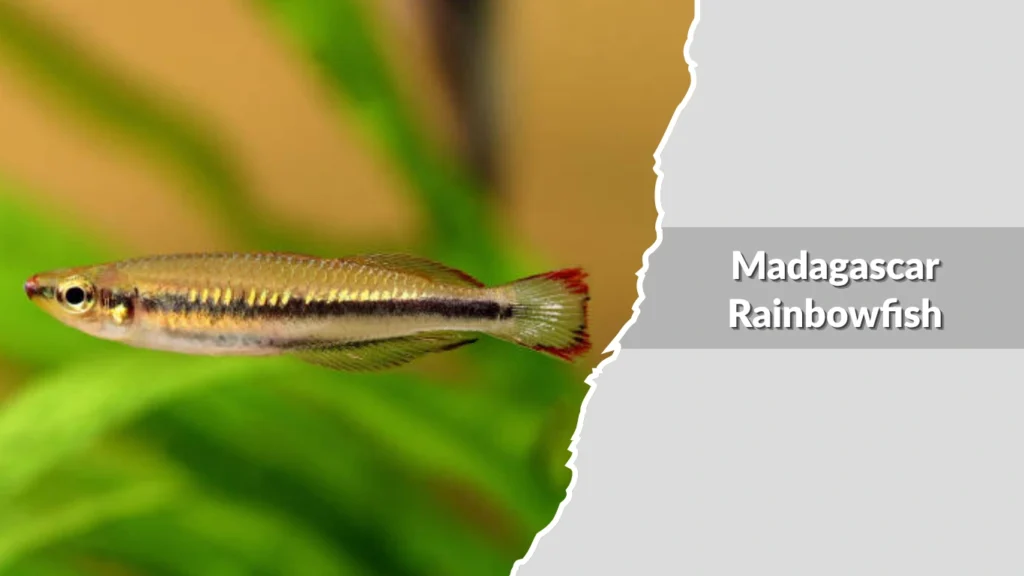
The Madagascar Rainbowfish is a peaceful freshwater species admired for its shimmering silver body and colorful fin highlights. Native to Madagascar, this active fish is popular among aquarium hobbyists because of its schooling behavior and elegant appearance. Madagascar Rainbowfish thrive in groups and prefer spacious aquariums with clean water, plants, open swimming areas, and stable environmental conditions for long-term health.
Identification
- Silver body with blue or green iridescent shine
- Yellow, red, or orange highlights on fins
- Slender oval-shaped body with reflective scales
- Forked tail with streamlined appearance
- Usually grows between 4 and 6 inches long
Natural Habitat
Madagascar Rainbowfish naturally inhabit rivers, streams, and freshwater lakes throughout Madagascar. They prefer warm waters with aquatic plants, submerged roots, and moderate water movement. In the wild, these fish swim in schools near vegetation while feeding on insects, algae, small crustaceans, and organic matter found throughout their natural environment.
Behavior
This species is peaceful, social, and highly active in aquarium environments. Madagascar Rainbowfish should be kept in groups because they naturally display schooling behavior and feel safer together. Males often display brighter coloration during social interactions. Their energetic swimming and calm temperament make them excellent additions to peaceful community aquariums.
Diet
Madagascar Rainbowfish are omnivores that consume both plant and protein-based foods. In aquariums, they enjoy flakes, pellets, bloodworms, brine shrimp, insect larvae, and vegetable matter. A balanced diet supports healthy growth, stronger immunity, vibrant coloration, and active behavior throughout their lifespan in captivity.
Tank Requirements
A minimum tank size of 40 gallons is recommended because Madagascar Rainbowfish are active swimmers and prefer group living conditions. The aquarium should include plants, open swimming areas, efficient filtration, and stable water conditions. Warm temperatures and regular maintenance are essential for maintaining excellent health and reducing long-term stress levels.
Lifespan
With proper care and stable aquarium conditions, Madagascar Rainbowfish commonly live between 5 and 7 years in captivity. Clean water, balanced nutrition, and peaceful surroundings greatly improve their overall health and longevity. Consistent aquarium maintenance helps these elegant fish remain active, healthy, and visually attractive throughout their entire lifespan.
8. Lake Kutubu Rainbowfish
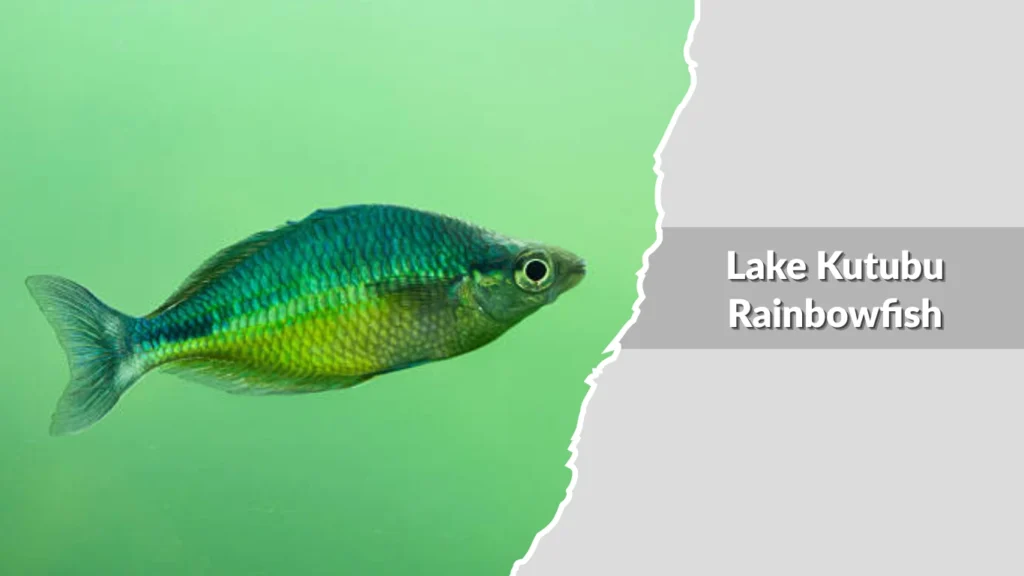
The Lake Kutubu Rainbowfish is a stunning freshwater species admired for its shimmering blue body and bright yellow fins. Native to Papua New Guinea, this peaceful fish is popular among aquarium hobbyists because of its vibrant coloration and active schooling behavior. Lake Kutubu Rainbowfish thrive in groups and prefer spacious aquariums with clean water, plants, and stable environmental conditions.
Identification
- Bright blue or turquoise body coloration
- Yellow or golden fins with dark edging
- Oval-shaped body with reflective shimmering scales
- Slightly arched back with streamlined appearance
- Usually grows between 5 and 6 inches long
Natural Habitat
Lake Kutubu Rainbowfish naturally inhabit Lake Kutubu and nearby freshwater systems in Papua New Guinea. They prefer warm, clear waters with dense vegetation, submerged roots, and gentle water movement. In the wild, these fish swim in schools near aquatic plants while feeding on insects, algae, small crustaceans, and organic matter.
Behavior
This species is peaceful, social, and highly active in aquarium environments. Lake Kutubu Rainbowfish should be kept in groups because they naturally display schooling behavior and feel safer together. Males often display brighter colors during social interactions and courtship displays. Their energetic swimming adds movement and beauty to community aquariums throughout the day.
Diet
Lake Kutubu Rainbowfish are omnivores that consume both plant and protein-based foods. In aquariums, they enjoy flakes, pellets, bloodworms, brine shrimp, insect larvae, and vegetable matter. A balanced diet supports healthy growth, vibrant coloration, stronger immunity, and active behavior throughout their lifespan in captivity.
Tank Requirements
A minimum tank size of 50 gallons is recommended because Lake Kutobu Rainbowfish are active swimmers and prefer group living conditions. The aquarium should include plants, open swimming areas, efficient filtration, and stable water conditions. Warm temperatures and regular maintenance are essential for maintaining excellent health and reducing long-term stress levels.
Lifespan
With proper care and stable aquarium conditions, Lake Kutubu Rainbowfish commonly live between 5 and 8 years in captivity. Clean water, balanced nutrition, and peaceful surroundings greatly improve their overall health and longevity. Consistent aquarium maintenance helps these colorful fish remain active, healthy, and visually striking throughout their entire lifespan.
9. Parkinson’s Rainbowfish
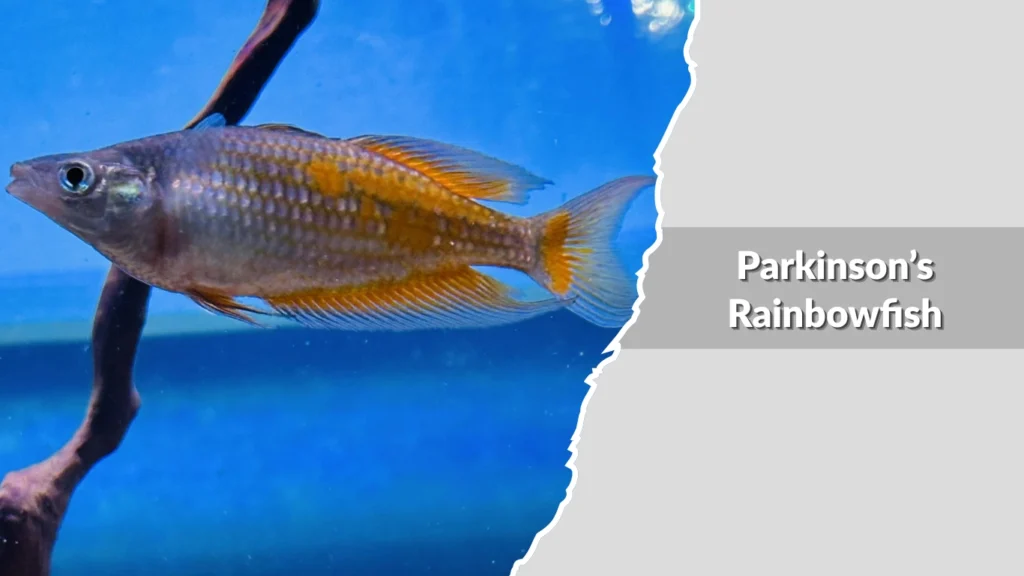
The Parkinson’s Rainbowfish is a colorful freshwater species admired for its bright orange fins and shimmering silver-blue body. Native to Papua New Guinea, this peaceful fish is popular among aquarium hobbyists because of its energetic swimming behavior and striking appearance. Parkinson’s Rainbowfish thrive in groups and prefer spacious aquariums with clean water, plants, and stable environmental conditions for healthy development.
Identification
- Silver-blue body with reflective shimmering scales
- Bright orange or reddish fins with dark edging
- Oval-shaped body with streamlined appearance
- Slightly arched back and forked tail
- Usually grows between 4 and 6 inches long
Natural Habitat
Parkinson’s Rainbowfish naturally inhabit rivers, streams, and freshwater lakes throughout Papua New Guinea. They prefer warm waters with dense vegetation, submerged roots, and moderate water movement. In the wild, these fish swim in schools near plants while feeding on insects, algae, small crustaceans, and organic matter found throughout their habitat.
Behavior
This species is peaceful, active, and highly social in aquarium environments. Parkinson’s Rainbowfish should be kept in groups because they naturally display schooling behavior and feel more secure together. Males often display brighter colors during social interactions and courtship displays. Their energetic swimming adds movement and activity to community aquariums throughout the day.
Diet
Parkinson’s Rainbowfish are omnivores that consume both plant and protein-based foods. In aquariums, they enjoy flakes, pellets, bloodworms, brine shrimp, insect larvae, and vegetable matter. A balanced diet supports healthy growth, stronger immunity, vibrant coloration, and active behavior throughout their lifespan in captivity.
Tank Requirements
A minimum tank size of 50 gallons is recommended because Parkinson’s Rainbowfish are active swimmers and prefer group living conditions. The aquarium should include plants, open swimming areas, efficient filtration, and stable water conditions. Warm temperatures and regular maintenance are essential for maintaining excellent health and reducing long-term stress levels.
Lifespan
With proper care and suitable aquarium conditions, Parkinson’s Rainbowfish commonly live between 5 and 8 years in captivity. Clean water, balanced nutrition, and peaceful surroundings greatly improve their overall health and longevity. Consistent aquarium maintenance helps these colorful fish remain active, healthy, and visually attractive throughout their entire lifespan.
10. Millennium Rainbowfish
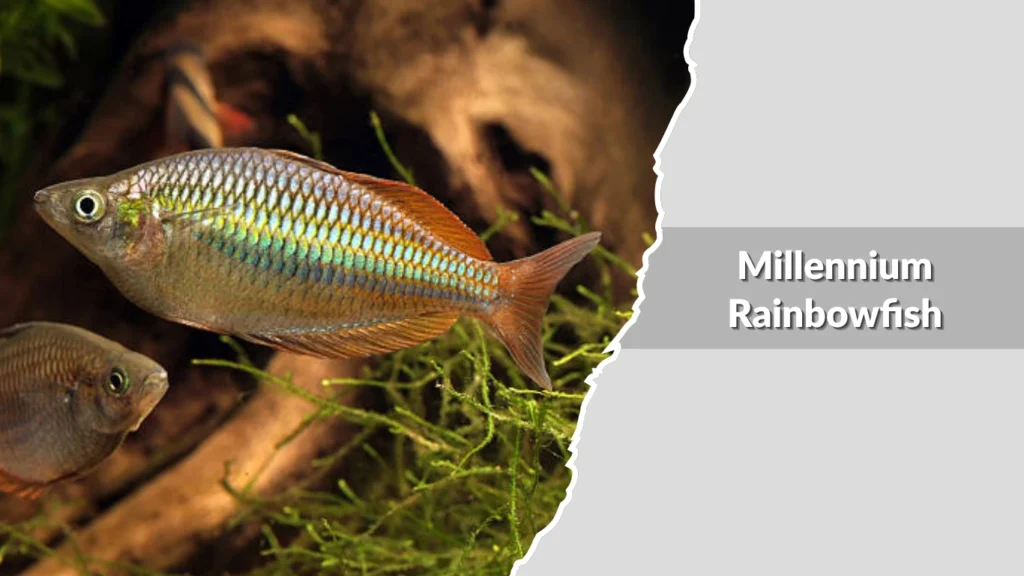
The Millennium Rainbowfish is a brilliantly colored freshwater species admired for its deep red body and energetic schooling behavior. Native to Papua New Guinea, this peaceful fish is highly popular among aquarium hobbyists because of its vivid appearance and active personality. Millennium Rainbowfish thrive in groups and prefer spacious aquariums with clean water, plants, and stable environmental conditions for long-term health.
Identification
- Deep red or crimson body coloration
- Reflective scales with shimmering appearance
- Transparent or reddish fins with soft highlights
- Oval-shaped body with streamlined structure
- Usually grows between 4 and 5 inches long
Natural Habitat
Millennium Rainbowfish naturally inhabit rivers, streams, and freshwater lakes in Papua New Guinea. They prefer warm waters with aquatic vegetation, submerged roots, and moderate water movement. In the wild, these fish swim in schools near plants while feeding on insects, algae, small crustaceans, and organic matter throughout their environment.
Behavior
This species is peaceful, active, and highly social in aquarium environments. Millennium Rainbowfish should be kept in groups because they naturally display schooling behavior and feel safer together. Males often display brighter colors during social interactions and breeding displays. Their energetic swimming adds constant movement and activity to community aquariums throughout the day.
Diet
Millennium Rainbowfish are omnivores that consume both plant and protein-based foods. In aquariums, they enjoy flakes, pellets, bloodworms, brine shrimp, insect larvae, and vegetable matter. A balanced diet supports healthy growth, vibrant coloration, stronger immunity, and active behavior throughout their lifespan in captivity.
Tank Requirements
A minimum tank size of 40 gallons is recommended because Millennium Rainbowfish are active swimmers and prefer group living conditions. The aquarium should include plants, open swimming areas, efficient filtration, and stable water conditions. Warm temperatures and regular maintenance are essential for maintaining excellent health and reducing long-term stress levels.
Lifespan
With proper care and stable aquarium conditions, Millennium Rainbowfish commonly live between 5 and 8 years in captivity. Clean water, balanced nutrition, and peaceful surroundings greatly improve their overall health and longevity. Consistent aquarium maintenance helps these colorful fish remain active, healthy, and visually striking throughout their entire lifespan.
11. Forktail Rainbowfish
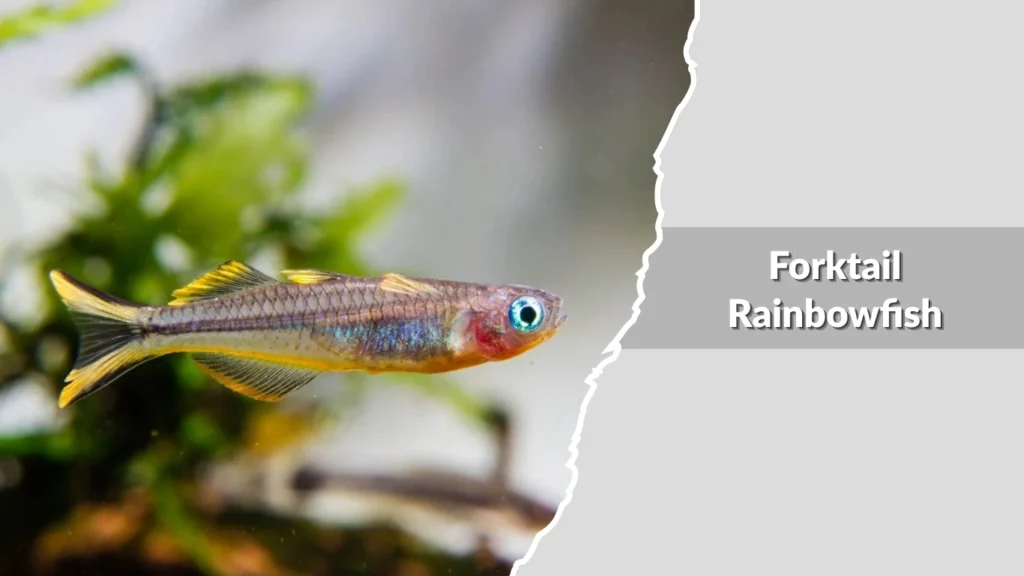
The Forktail Rainbowfish is a small and elegant freshwater fish admired for its forked tail fins and peaceful temperament. Native to Papua New Guinea, this active species is popular among aquarium hobbyists because of its graceful swimming behavior and attractive coloration. Forktail Rainbowfish thrive in groups and prefer planted aquariums with clean water, gentle filtration, and stable environmental conditions.
Identification
- Slender silver or bluish body coloration
- Distinct forked tail with yellow highlights
- Large eyes with reflective shimmering scales
- Transparent fins with black and yellow markings
- Usually grows between 2 and 3 inches long
Natural Habitat
Forktail Rainbowfish naturally inhabit slow-moving rivers, streams, and freshwater lagoons throughout Papua New Guinea. They prefer warm waters with dense vegetation, submerged roots, and gentle water movement. In the wild, these fish swim in schools near plants while feeding on insects, plankton, algae, and small organic materials found in their habitat.
Behavior
This species is peaceful, social, and highly active in aquarium environments. Forktail Rainbowfish should be kept in groups because they naturally display schooling behavior and feel more secure together. Males often display their colorful fins during courtship displays. Their calm temperament makes them excellent additions to peaceful community aquariums with similarly gentle fish.
Diet
Forktail Rainbowfish are omnivores that consume both plant and protein-based foods. In aquariums, they enjoy flakes, micro pellets, baby brine shrimp, insect larvae, and finely crushed foods. A balanced diet supports healthy growth, stronger immunity, vibrant coloration, and active behavior throughout their lifespan in captivity.
Tank Requirements
A minimum tank size of 20 gallons is recommended because Forktail Rainbowfish prefer group living and active swimming space. The aquarium should include plants, open swimming areas, gentle filtration, and stable water conditions. Warm temperatures and regular maintenance are important for maintaining excellent health and reducing stress levels.
Lifespan
With proper care and suitable aquarium conditions, Forktail Rainbowfish commonly live between 3 and 5 years in captivity. Clean water, balanced nutrition, and peaceful surroundings greatly improve their overall health and longevity. Consistent aquarium maintenance helps these graceful fish remain active, healthy, and visually attractive throughout their entire lifespan.
12. Banded Rainbowfish
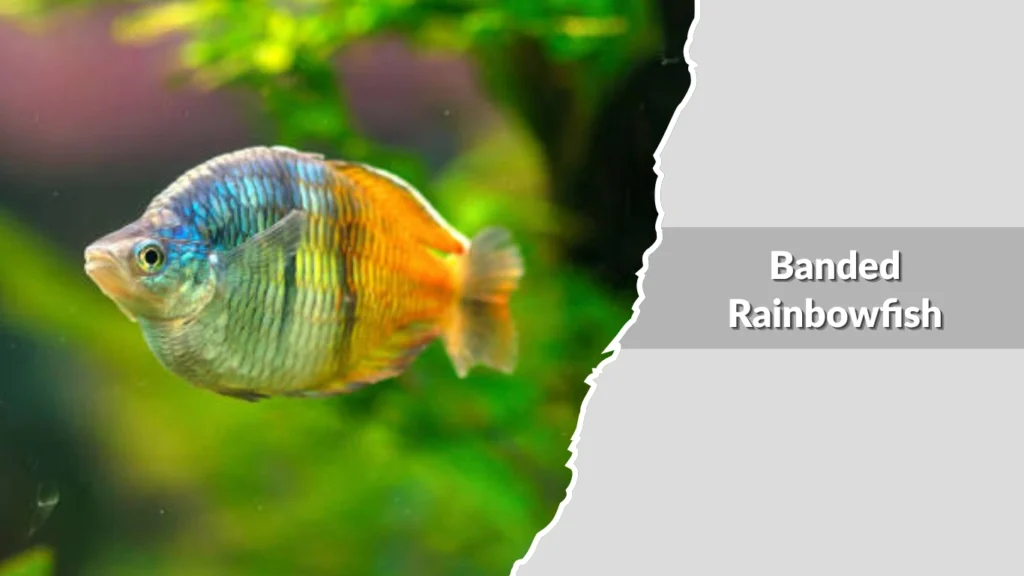
The Banded Rainbowfish is a colorful freshwater species admired for its shimmering body and distinctive dark vertical bands. Native to Australia and New Guinea, this peaceful fish is popular among aquarium hobbyists because of its active schooling behavior and vibrant appearance. Banded Rainbowfish thrive in groups and prefer spacious aquariums with clean water, plants, and stable environmental conditions.
Identification
- Silver, blue, or green body with dark vertical bands
- Oval-shaped body with reflective shimmering scales
- Yellow, orange, or reddish fins with soft highlights
- Slightly arched back with streamlined appearance
- Usually grows between 4 and 6 inches long
Natural Habitat
Banded Rainbowfish naturally inhabit rivers, streams, lakes, and freshwater wetlands throughout Australia and New Guinea. They prefer warm waters with aquatic plants, submerged roots, and moderate water movement. In the wild, these fish swim in schools near vegetation while feeding on insects, algae, small crustaceans, and organic matter found throughout their habitat.
Behavior
This species is peaceful, active, and highly social in aquarium environments. Banded Rainbowfish should be kept in groups because they naturally display schooling behavior and feel safer together. Males often display brighter colors during social interactions and breeding displays. Their energetic swimming adds movement and constant activity to community aquariums throughout the day.
Diet
Banded Rainbowfish are omnivores that consume both plant and protein-based foods. In aquariums, they enjoy flakes, pellets, bloodworms, brine shrimp, insect larvae, and vegetable matter. A balanced diet supports healthy growth, vibrant coloration, stronger immunity, and active behavior throughout their lifespan in captivity.
Tank Requirements
A minimum tank size of 40 gallons is recommended because Banded Rainbowfish are active swimmers and prefer group living conditions. The aquarium should include plants, open swimming areas, efficient filtration, and stable water conditions. Warm temperatures and regular maintenance are essential for maintaining excellent health and reducing long-term stress levels.
Lifespan
With proper care and suitable aquarium conditions, Banded Rainbowfish commonly live between 5 and 8 years in captivity. Clean water, balanced nutrition, and peaceful surroundings greatly improve their overall health and longevity. Consistent aquarium maintenance helps these colorful fish remain active, healthy, and visually attractive throughout their entire lifespan.
13. Axelrod Rainbowfish
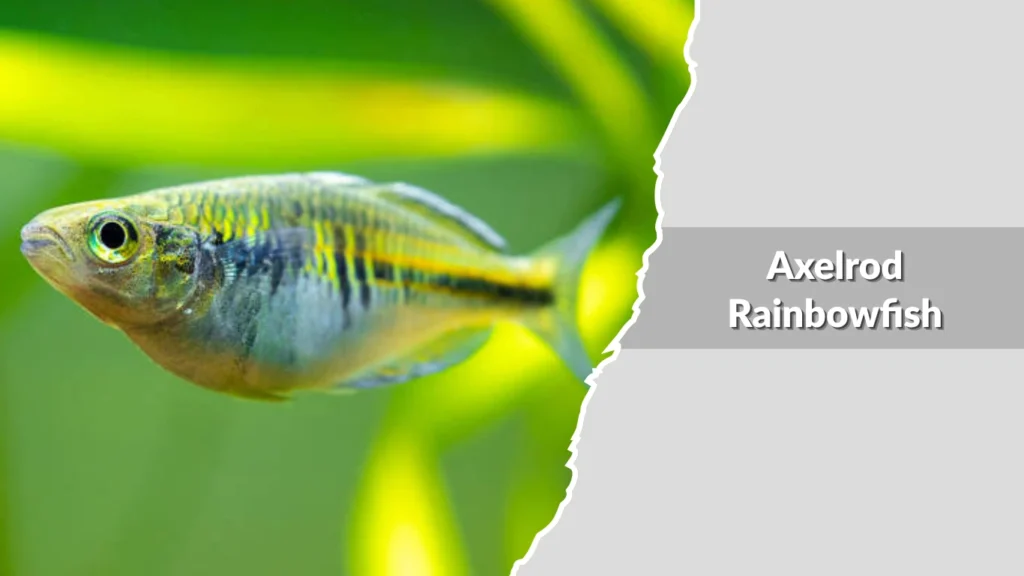
The Axelrod Rainbowfish is a brightly colored freshwater species admired for its shimmering blue body and vibrant orange-red fins. Native to Papua New Guinea, this peaceful fish is popular among aquarium hobbyists because of its active schooling behavior and striking appearance. Axelrod Rainbowfish thrive in groups and prefer spacious aquariums with clean water, plants, and stable environmental conditions for healthy development.
Identification
- Bright blue body with reflective shimmering scales
- Orange, red, or yellow fins with vivid coloration
- Oval-shaped body with streamlined appearance
- Slightly arched back and forked tail
- Usually grows between 4 and 5 inches long
Natural Habitat
Axelrod Rainbowfish naturally inhabit rivers, streams, and freshwater lakes throughout Papua New Guinea. They prefer warm waters with dense vegetation, submerged roots, and moderate water movement. In the wild, these fish swim in schools near aquatic plants while feeding on insects, algae, small crustaceans, and organic matter found throughout their environment.
Behavior
This species is peaceful, active, and highly social in aquarium environments. Axelrod Rainbowfish should be kept in groups because they naturally display schooling behavior and feel more secure together. Males often display brighter colors during social interactions and courtship displays. Their energetic swimming adds movement and beauty to community aquariums throughout the day.
Diet
Axelrod Rainbowfish are omnivores that consume both plant and protein-based foods. In aquariums, they enjoy flakes, pellets, bloodworms, brine shrimp, insect larvae, and vegetable matter. A balanced diet supports healthy growth, vibrant coloration, stronger immunity, and active behavior throughout their lifespan in captivity.
Tank Requirements
A minimum tank size of 40 gallons is recommended because Axelrod Rainbowfish are active swimmers and prefer group living conditions. The aquarium should include plants, open swimming areas, efficient filtration, and stable water conditions. Warm temperatures and regular maintenance are essential for maintaining excellent health and reducing long-term stress levels.
Lifespan
With proper care and suitable aquarium conditions, Axelrod Rainbowfish commonly live between 5 and 8 years in captivity. Clean water, balanced nutrition, and peaceful surroundings greatly improve their overall health and longevity. Consistent aquarium maintenance helps these colorful fish remain active, healthy, and visually striking throughout their entire lifespan.
14. Western Rainbowfish
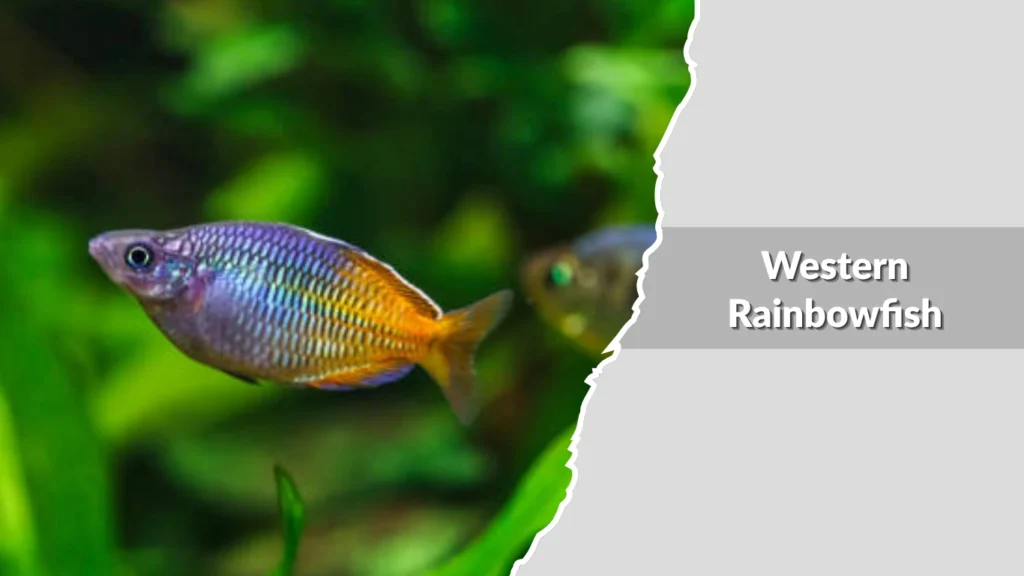
The Western Rainbowfish is a hardy freshwater species admired for its shimmering body colors and active schooling behavior. Native to Australia, this peaceful fish is popular among aquarium hobbyists because of its adaptability and vibrant appearance. Western Rainbowfish thrive in groups and prefer spacious aquariums with clean water, aquatic plants, open swimming areas, and stable environmental conditions.
Identification
- Silver, blue, or green body with iridescent shine
- Yellow, orange, or reddish fin coloration
- Oval-shaped body with streamlined appearance
- Reflective scales with subtle rainbow hues
- Usually grows between 3 and 4 inches long
Natural Habitat
Western Rainbowfish naturally inhabit rivers, streams, wetlands, and freshwater lagoons throughout western Australia. They prefer warm waters with aquatic vegetation, submerged roots, and gentle to moderate water movement. In the wild, these fish swim in schools near plants while feeding on insects, algae, small crustaceans, and organic matter found throughout their habitat.
Behavior
This species is peaceful, social, and highly active in aquarium environments. Western Rainbowfish should be kept in groups because they naturally display schooling behavior and feel safer together. Males often display brighter colors during social interactions and breeding displays. Their energetic swimming adds constant movement and activity to community aquariums throughout the day.
Diet
Western Rainbowfish are omnivores that consume both plant and protein-based foods. In aquariums, they enjoy flakes, pellets, bloodworms, brine shrimp, insect larvae, and vegetable matter. A balanced diet supports healthy growth, stronger immunity, vibrant coloration, and active behavior throughout their lifespan in captivity.
Tank Requirements
A minimum tank size of 30 gallons is recommended because Western Rainbowfish are active swimmers and prefer group living conditions. The aquarium should include plants, open swimming areas, efficient filtration, and stable water conditions. Warm temperatures and regular maintenance are essential for maintaining excellent health and reducing long-term stress levels.
Lifespan
With proper care and suitable aquarium conditions, Western Rainbowfish commonly live between 5 and 7 years in captivity. Clean water, balanced nutrition, and peaceful surroundings greatly improve their overall health and longevity. Consistent aquarium maintenance helps these colorful fish remain active, healthy, and visually attractive throughout their entire lifespan.
15. Kamaka Rainbowfish
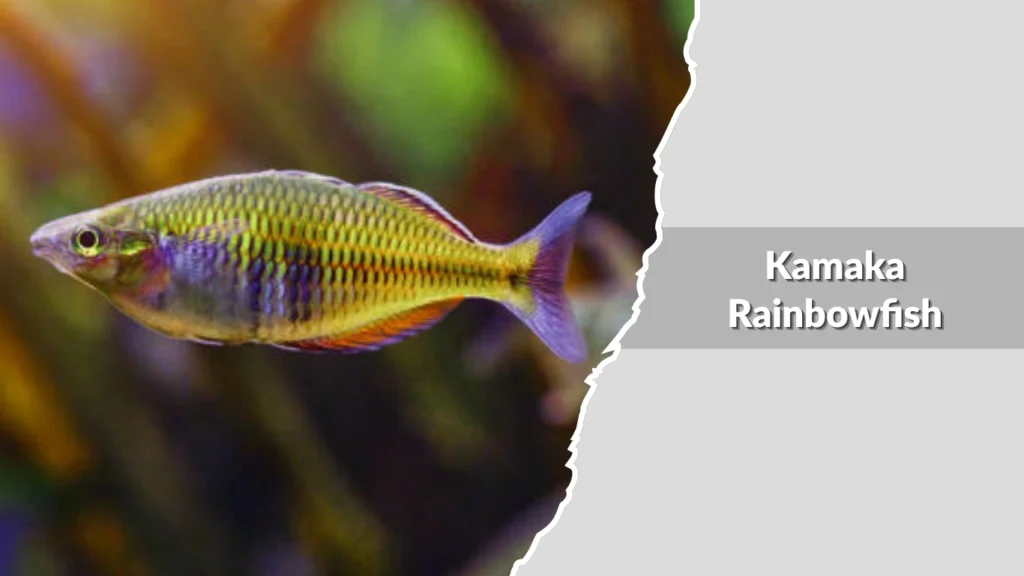
The Kamaka Rainbowfish is a rare and attractive freshwater species admired for its shimmering body colors and peaceful temperament. Native to Papua New Guinea, this active fish is popular among aquarium hobbyists because of its elegant appearance and lively schooling behavior. Kamaka Rainbowfish thrive in groups and prefer spacious aquariums with clean water, plants, open swimming areas, and stable environmental conditions.
Identification
- Silver-blue body with reflective shimmering scales
- Yellow, orange, or reddish fin highlights
- Oval-shaped body with streamlined appearance
- Slightly arched back with forked tail
- Usually grows between 4 and 5 inches long
Natural Habitat
Kamaka Rainbowfish naturally inhabit rivers, streams, and freshwater lagoons in Papua New Guinea. They prefer warm waters with dense vegetation, submerged roots, and gentle to moderate water movement. In the wild, these fish swim in schools near aquatic plants while feeding on insects, algae, small crustaceans, and organic matter throughout their habitat.
Behavior
This species is peaceful, active, and highly social in aquarium environments. Kamaka Rainbowfish should be kept in groups because they naturally display schooling behavior and feel safer together. Males often display brighter colors during social interactions and breeding displays. Their energetic swimming adds movement and beauty to peaceful community aquariums throughout the day.
Diet
Kamaka Rainbowfish are omnivores that consume both plant and protein-based foods. In aquariums, they enjoy flakes, pellets, bloodworms, brine shrimp, insect larvae, and vegetable matter. A balanced diet supports healthy growth, stronger immunity, vibrant coloration, and active behavior throughout their lifespan in captivity.
Tank Requirements
A minimum tank size of 40 gallons is recommended because Kamaka Rainbowfish are active swimmers and prefer group living conditions. The aquarium should include plants, open swimming areas, efficient filtration, and stable water conditions. Warm temperatures and regular maintenance are essential for maintaining excellent health and reducing long-term stress levels.
Lifespan
With proper care and stable aquarium conditions, Kamaka Rainbowfish commonly live between 5 and 8 years in captivity. Clean water, balanced nutrition, and peaceful surroundings greatly improve their overall health and longevity. Consistent aquarium maintenance helps these colorful fish remain active, healthy, and visually attractive throughout their entire lifespan.
FAQs
Are Rainbowfish good for community aquariums?
Yes, Rainbowfish are peaceful and social fish that work very well in community aquariums. They usually get along with other calm freshwater species and prefer living in groups. Their active swimming behavior and bright colors make them excellent additions to planted tanks with similarly sized and non-aggressive tank mates.
How many Rainbowfish should be kept together?
Rainbowfish are schooling fish and should ideally be kept in groups of at least six individuals. Keeping them in groups helps reduce stress and encourages natural social behavior. Larger groups also improve their confidence and often result in brighter colors, especially in males during social interactions and breeding displays.
What do Rainbowfish eat?
Rainbowfish are omnivores that eat both plant and protein-based foods. In aquariums, they enjoy flakes, pellets, bloodworms, brine shrimp, insect larvae, and vegetable matter. Providing a varied and balanced diet supports healthy growth, stronger immunity, vibrant coloration, and active behavior throughout their lifespan in captivity.
What tank size is best for Rainbowfish?
Most Rainbowfish species require tanks between 30 and 50 gallons because they are active swimmers and prefer group living conditions. A spacious aquarium with open swimming areas, plants, and stable water conditions helps them remain healthy and comfortable. Larger species may require even bigger aquariums for long-term care.
How long do Rainbowfish live?
Rainbowfish lifespan varies depending on the species and aquarium care. Most species commonly live between 5 and 8 years in captivity. Clean water, balanced nutrition, stable temperatures, and regular maintenance greatly improve their overall health and longevity, helping them remain active and colorful throughout their lives.