
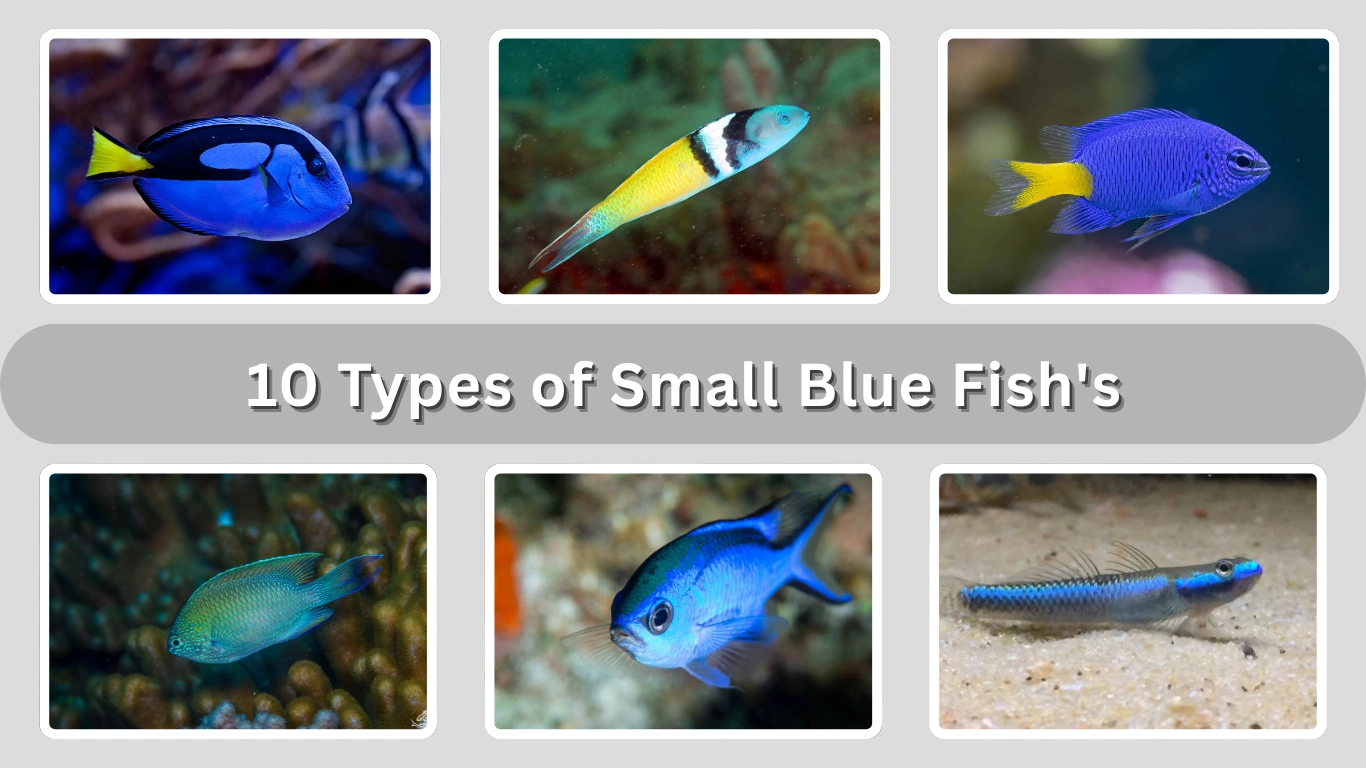
Small blue fish are admired for their vibrant colors and calming presence in both marine and freshwater environments. From coral reefs to home aquariums, these species bring beauty, movement, and ecological balance. Many of them are easy to care for, while others require specific conditions to thrive. Whether you are a beginner or an experienced aquarist, understanding different types of small blue fish can help you choose the right species. This guide highlights ten popular options, each with unique features, habitats, and behaviors worth exploring.
1. Blue Tang
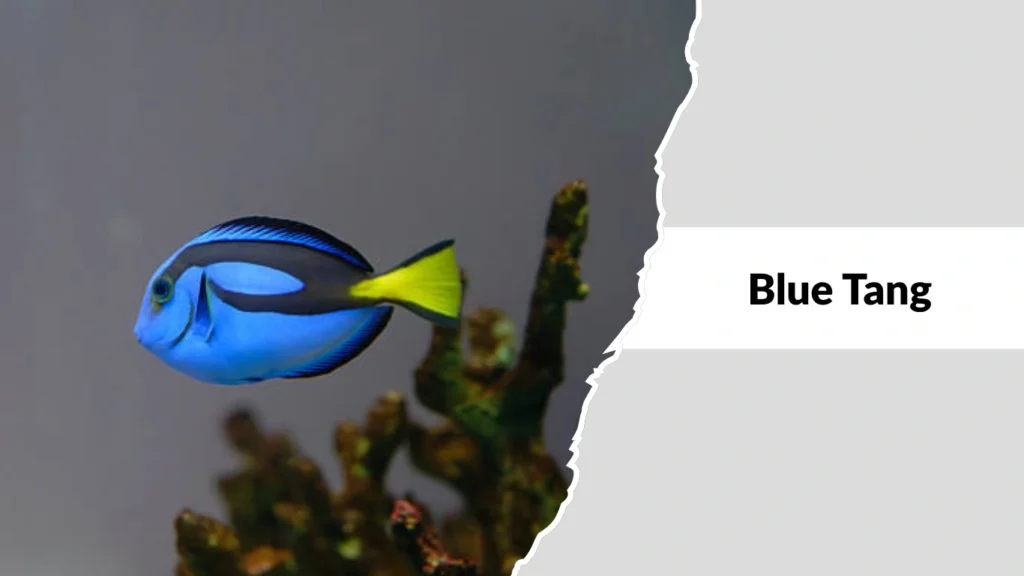
The Blue Tang is a vibrant, small-to-medium marine fish known for its striking blue coloration and active swimming behavior. Commonly found in coral reefs, it has become especially popular due to its bright appearance and presence in popular media. This species plays an important role in maintaining reef health by grazing on algae.
Identification
- Bright royal blue body with a distinct black palette-like pattern
- Yellow tail fin that contrasts sharply with the body
- Oval-shaped, laterally compressed body
- Small mouth adapted for grazing algae
Habitat and Distribution
Blue Tangs are typically found in warm tropical waters, especially in the Indo-Pacific region. They inhabit coral reefs where there is plenty of algae growth. These fish prefer shallow reef areas but can also be seen at moderate depths where sunlight still supports algae growth.
Diet and Feeding Behavior
This species mainly feeds on algae, making it a herbivore. By constantly grazing on algae, Blue Tangs help prevent overgrowth that could otherwise damage coral reefs. In aquariums, they are often fed a mix of marine algae, seaweed, and plant-based foods to mimic their natural diet.
Behavior and Care
Blue Tangs are active swimmers and require plenty of space to move around. They are generally peaceful but can show territorial behavior toward similar species. In captivity, they need stable water conditions and a well-maintained tank. Proper care ensures their vibrant color and healthy lifestyle.
2. Neon Blue Goby
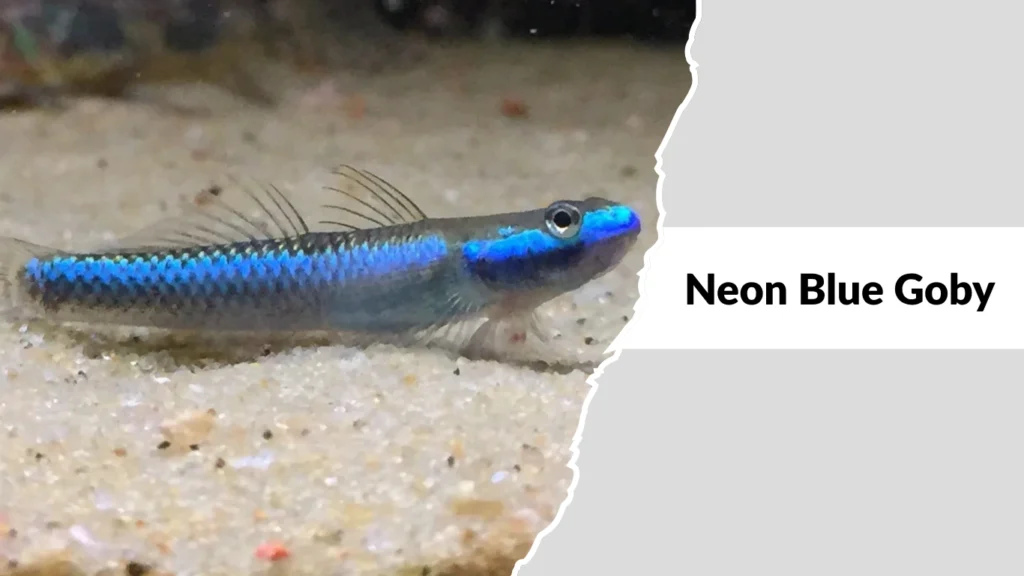
The Neon Blue Goby is a small, eye-catching reef fish known for its slender body and bright electric blue stripe. Despite its tiny size, it plays a vital role in marine ecosystems by acting as a cleaner fish, removing parasites from larger fish. Its peaceful nature makes it popular in home aquariums.
Identification
- Slender body with a vivid neon blue stripe running from head to tail
- Dark or black base body color that enhances the blue line
- Small size, typically growing up to about 5 cm
- Smooth, streamlined shape adapted for quick movements
Habitat and Distribution
Neon Blue Gobies are commonly found in the western Atlantic Ocean, especially around coral reefs in the Caribbean. They prefer shallow reef environments where they can establish cleaning stations. These fish often stay close to rocks or coral structures for safety and easy access to clients.
Diet and Feeding Behavior
This species feeds primarily on parasites, dead skin, and small organisms found on other fish. In the wild, they clean larger fish, which helps maintain reef health. In aquariums, they can be fed small meaty foods like brine shrimp, along with prepared marine diets.
Behavior and Care
Neon Blue Gobies are peaceful and social, often interacting with other fish without aggression. They are easy to care for and adapt well to aquarium life. Providing hiding spots and stable water conditions helps them thrive and display their natural cleaning behavior.
3. Blue Chromis
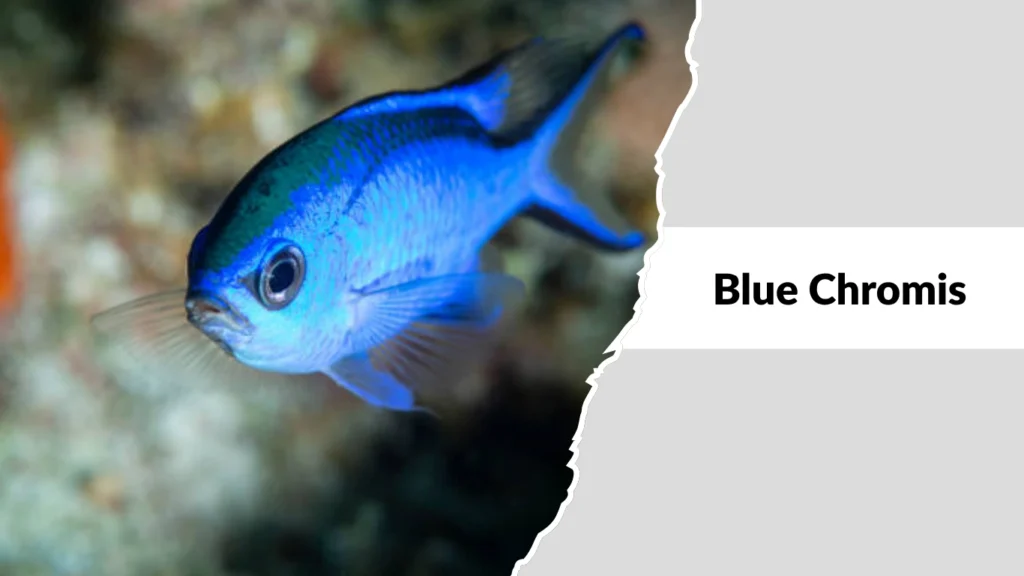
The Blue Chromis is a small, peaceful marine fish admired for its shimmering blue-green color and schooling behavior. It is commonly seen in coral reefs and is a favorite among aquarium enthusiasts due to its calm nature and ease of care. These fish add movement and color to reef environments.
Identification
- Metallic blue to blue-green body with a shimmering appearance
- Small, streamlined body shape
- Forked tail that aids in smooth swimming
- Grows up to about 8–10 cm in length
Habitat and Distribution
Blue Chromis are found in tropical Indo-Pacific waters, especially around coral reefs. They prefer areas with branching corals where they can hide from predators. Often seen in groups, they stay close to reef structures for protection and feeding opportunities.
Diet and Feeding Behavior
This species is an omnivore, feeding on plankton, small crustaceans, and algae. In the wild, they feed in the water column, catching tiny drifting food particles. In aquariums, they accept a variety of foods including flakes, pellets, and frozen items like brine shrimp.
Behavior and Care
Blue Chromis are peaceful and thrive in groups, making them ideal for community tanks. They are active swimmers and require open space along with hiding spots. Maintaining stable water quality and a balanced diet helps keep them healthy and vibrant.
4. Blue Damselfish
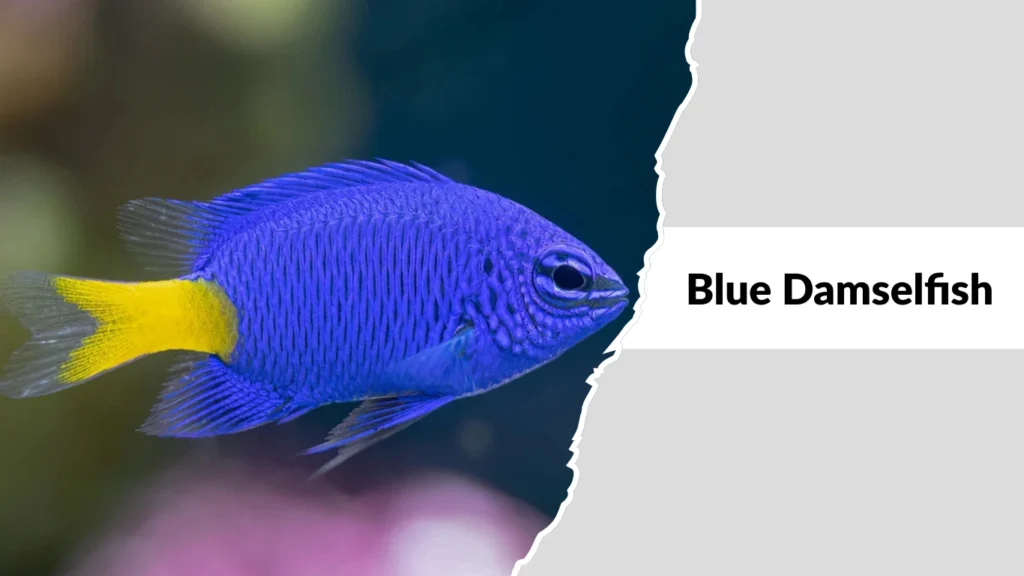
The Blue Damselfish is a small, hardy marine fish known for its intense blue color and energetic personality. It is commonly found in coral reefs and is popular in aquariums due to its resilience. Despite its beauty, it can be quite territorial, especially in confined spaces.
Identification
- Bright electric blue body with a solid, uniform color
- Compact and oval-shaped body
- Small fins with quick, darting movements
- Typically grows up to about 6–8 cm
Habitat and Distribution
Blue Damselfish are widely distributed across the Indo-Pacific region. They inhabit shallow coral reefs where they stay close to rocky or coral structures. These fish prefer areas with plenty of hiding spots to quickly escape predators.
Diet and Feeding Behavior
This species is omnivorous, feeding on algae, plankton, and small invertebrates. In the wild, they graze on surfaces and also pick food from the water. In aquariums, they accept a wide range of foods including flakes, pellets, and frozen options.
Behavior and Care
Blue Damselfish are active and can be aggressive, especially toward other small fish. They are best kept with species that can tolerate their territorial nature. Their hardiness makes them suitable for beginners, but proper tank space and structure are important to manage aggression.
5. Sapphire Damsel
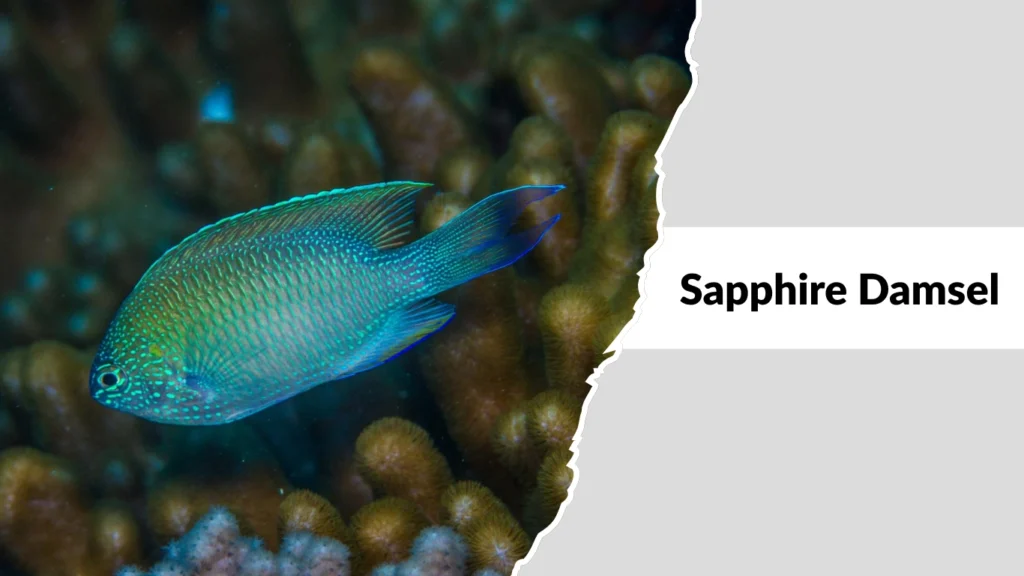
The Sapphire Damsel is a small, brilliantly colored reef fish known for its deep blue, jewel-like appearance. It is often admired for its striking color and active nature. This fish is commonly found in coral-rich environments and adds a vivid splash of color to both natural reefs and aquariums.
Identification
- Deep sapphire blue body with an intense, glossy sheen
- Compact, oval-shaped body structure
- Small size, usually reaching around 6 cm
- Smooth fins with subtle transparency at the edges
Habitat and Distribution
Sapphire Damsels are typically found in the Indo-Pacific region, especially around coral reefs. They prefer shallow waters where coral formations provide shelter and protection. These fish often stay close to reef structures and rarely venture far into open water.
Diet and Feeding Behavior
This species is omnivorous, feeding on algae, plankton, and tiny marine organisms. In the wild, they graze on surfaces and capture small food particles drifting in the water. In aquariums, they thrive on a balanced diet of flakes, pellets, and occasional frozen foods.
Behavior and Care
Sapphire Damsels are active and can be somewhat territorial, particularly in smaller tanks. They adapt well to aquarium life but require hiding spots to reduce stress. Providing stable water conditions and enough space helps maintain their health and vibrant coloration.
6. Bluebanded Goby
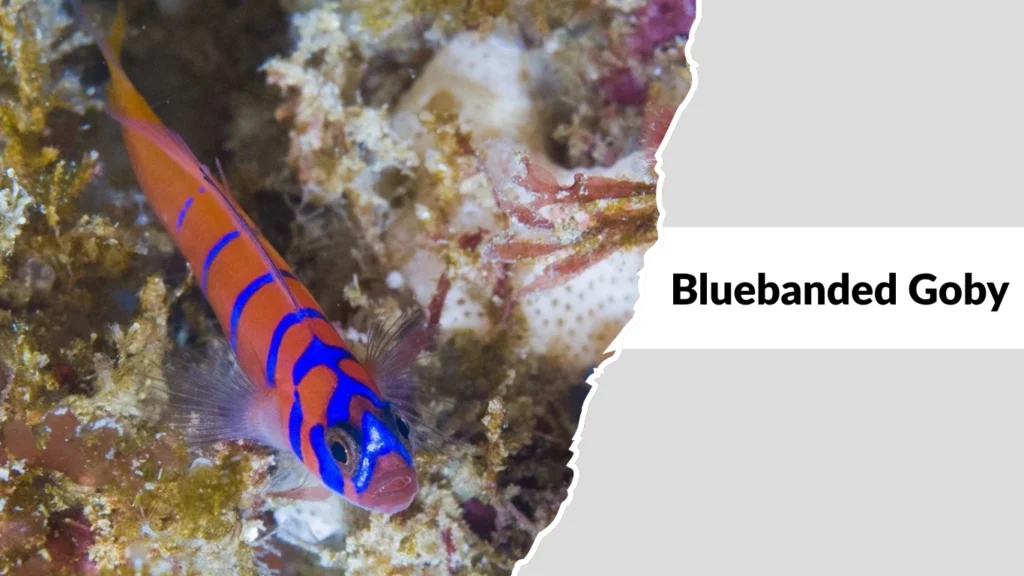
The Bluebanded Goby is a small, delicate reef fish recognized for its striking bands of blue across a lighter body. It is often seen hovering close to sandy bottoms or reef crevices. Due to its unique appearance and calm nature, it is appreciated by marine hobbyists.
Identification
- Pale or whitish body with bright blue horizontal bands
- Slender, elongated body shape
- Small size, typically around 4–5 cm
- Large eyes relative to body size
Habitat and Distribution
Bluebanded Gobies are found in the Indo-Pacific region, especially around coral reefs and sandy lagoons. They prefer areas with fine sand and rubble where they can hide and rest. These fish often stay near the substrate and rarely swim far from shelter.
Diet and Feeding Behavior
This species feeds on tiny invertebrates, plankton, and microorganisms found in sand and water. In the wild, they pick food from the substrate or catch small drifting particles. In aquariums, they require small, frequent feedings of fine foods like brine shrimp and micro-pellets.
Behavior and Care
Bluebanded Gobies are peaceful and shy, often hiding when threatened. They do best in calm environments with minimal aggression from tank mates. Providing soft substrate, hiding spots, and stable water conditions is essential for their well-being.
7. Blue Devil Damselfish
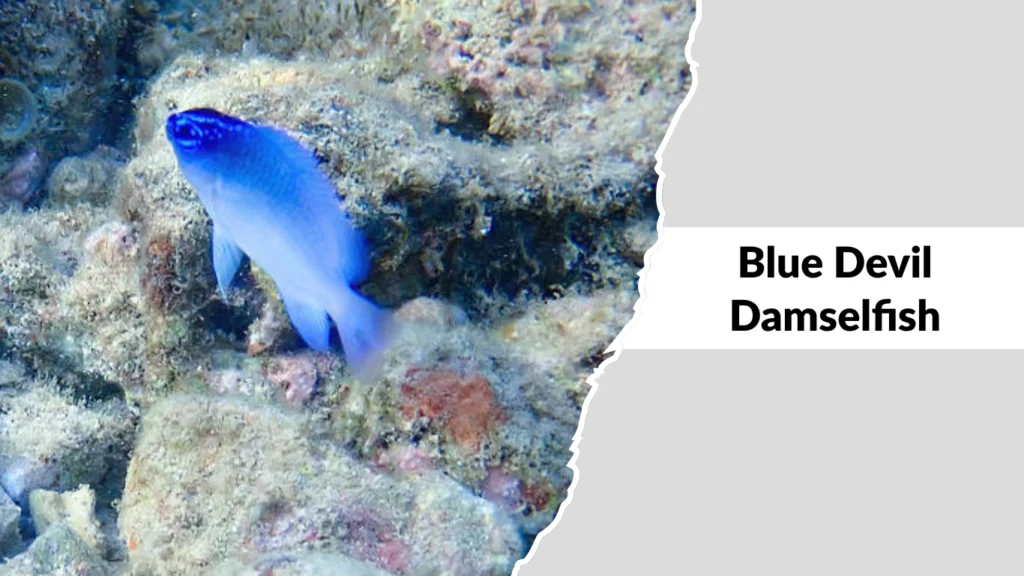
The Blue Devil Damselfish is a small yet bold reef fish known for its vivid blue coloration and highly active nature. It is popular in marine aquariums due to its hardiness, but it is also well-known for its aggressive and territorial behavior.
Identification
- Bright, electric blue body with an intense glow
- Compact, oval-shaped body structure
- Small size, usually around 6 cm
- Sharp, quick fin movements
Habitat and Distribution
Blue Devil Damselfish are commonly found in the Indo-Pacific region. They inhabit coral reefs, especially shallow waters with plenty of hiding places. These fish stay close to rocks and coral formations, using them as shelter and territory.
Diet and Feeding Behavior
This species is omnivorous, feeding on algae, plankton, and small invertebrates. In the wild, they graze on surfaces and also capture tiny food particles in the water. In aquariums, they accept a wide range of foods including flakes, pellets, and frozen items.
Behavior and Care
Blue Devil Damselfish are highly territorial and can be aggressive toward other fish, especially in small tanks. They are best kept with robust species that can handle their temperament. Despite their aggression, they are very hardy and adapt easily to aquarium conditions.
8. Bluehead Wrasse (Juvenile)
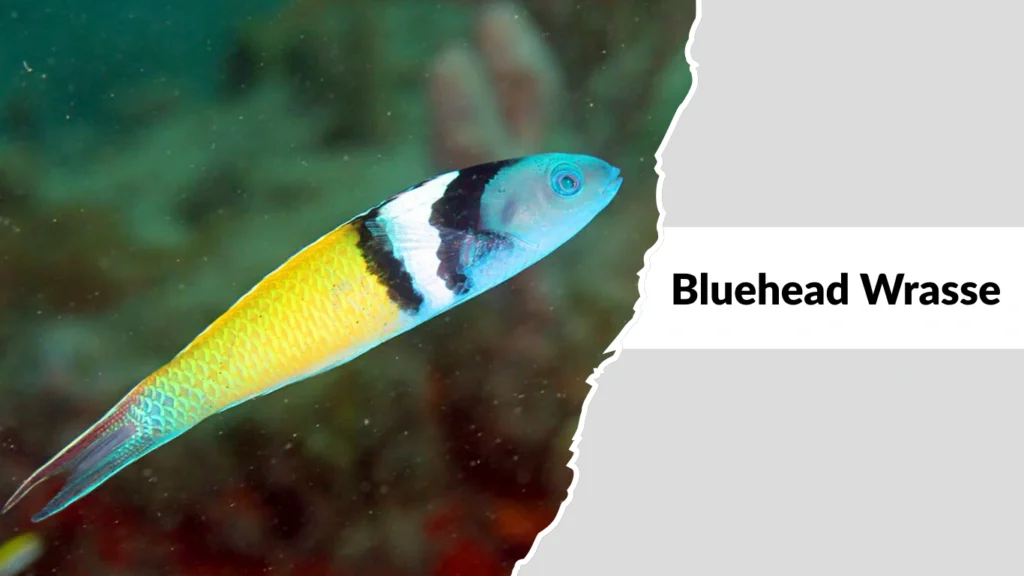
The juvenile Bluehead Wrasse is a small, colorful reef fish known for its bright blue head and contrasting body tones. As it matures, its coloration changes significantly, making the juvenile stage especially unique and attractive in reef environments.
Identification
- Bright blue head contrasting with a yellow or greenish body
- Slender, elongated body shape
- Small size in juvenile stage, around 5–7 cm
- Smooth scales with vibrant color transitions
Habitat and Distribution
Juvenile Bluehead Wrasses are found in the western Atlantic Ocean, particularly in coral reefs of the Caribbean. They prefer shallow reef areas with sandy patches and coral cover. These fish are often seen swimming near the bottom or around reef structures.
Diet and Feeding Behavior
This species feeds on small invertebrates, plankton, and parasites. Juveniles may also act as cleaner fish, removing parasites from larger fish. In aquariums, they can be fed small meaty foods like brine shrimp and finely chopped seafood.
Behavior and Care
Juvenile Bluehead Wrasses are active and generally peaceful, though they may become more assertive as they grow. They require space to swim and a secure environment with hiding spots. Stable water conditions help support their growth and color development.
9. Blue-striped Pipefish
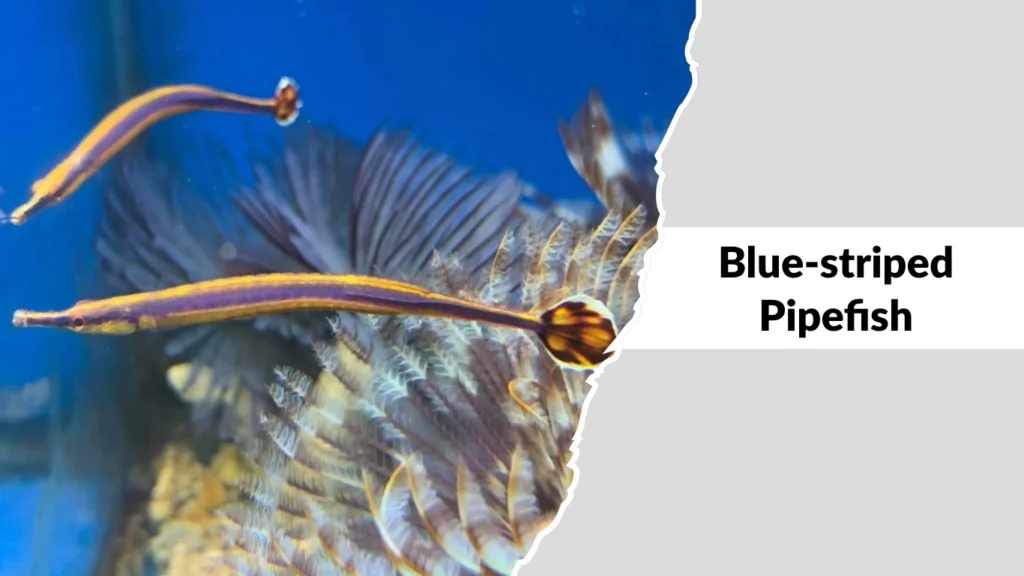
The Blue-striped Pipefish is a slender, small marine fish known for its elongated body and delicate appearance. It is closely related to seahorses and is admired for its unique shape and graceful movement through the water.
Identification
- Long, thin body with distinct blue horizontal stripes
- Tube-like snout used for feeding
- Small fins, often hard to notice due to body shape
- Typically grows up to about 6–8 cm
Habitat and Distribution
Blue-striped Pipefish are found in tropical Indo-Pacific waters. They inhabit coral reefs, seagrass beds, and lagoons where they can blend in with their surroundings. These fish prefer calm waters with plenty of hiding spaces.
Diet and Feeding Behavior
This species feeds on tiny crustaceans and plankton. It uses its tube-like snout to suck in small prey from the water. In aquariums, they require live or frozen foods such as brine shrimp and copepods to meet their dietary needs.
Behavior and Care
Blue-striped Pipefish are peaceful but delicate, making them suitable only for well-maintained aquariums. They do best in calm environments without aggressive tank mates. Providing stable water conditions and a gentle flow helps them thrive.
10. Blue Rasbora
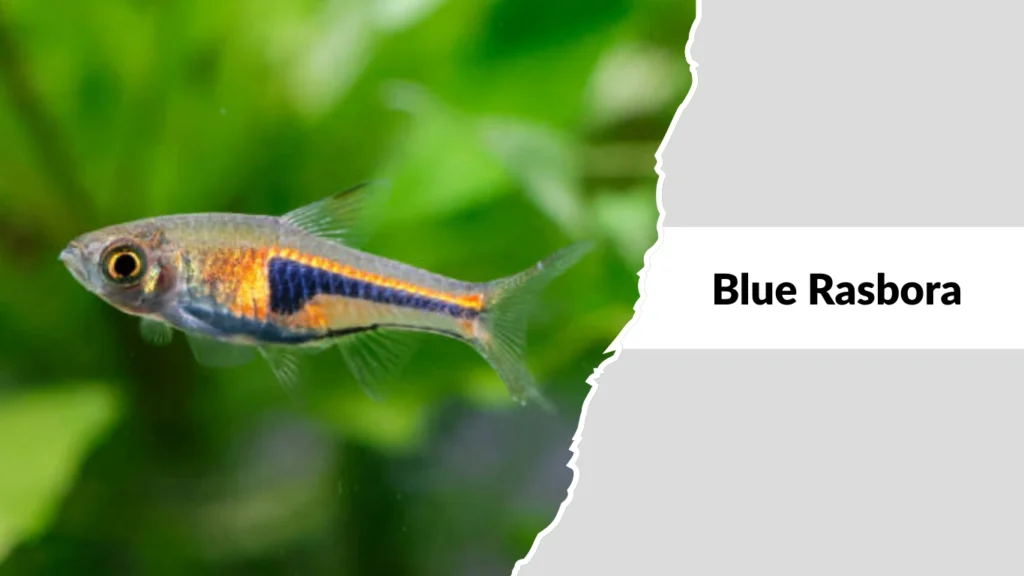
The Blue Rasbora is a small freshwater fish known for its subtle blue shimmer and peaceful schooling behavior. It is popular in planted aquariums due to its calm nature and ability to thrive in groups, adding gentle movement and color to the tank.
Identification
- Slender, small body with a faint blue iridescent sheen
- Transparent to slightly silvery fins
- Grows up to about 3–4 cm in length
- Streamlined shape suited for schooling
Habitat and Distribution
Blue Rasboras are typically found in Southeast Asia, especially in slow-moving streams, ponds, and flooded forest areas. They prefer soft, slightly acidic water with dense vegetation, which provides both shelter and breeding grounds.
Diet and Feeding Behavior
This species is omnivorous, feeding on tiny insects, larvae, and plant matter. In the wild, they pick small food particles from the water. In aquariums, they accept fine flakes, micro-pellets, and live or frozen foods like daphnia.
Behavior and Care
Blue Rasboras are peaceful and thrive in groups of at least six or more. They do well in community tanks with other non-aggressive species. Providing plants, stable water conditions, and a gentle environment helps maintain their health and natural behavior.
FAQs
What size tank is suitable for Blue Rasbora?
A minimum tank size of around 40 liters is suitable for a small group. Since they are schooling fish, keeping them in groups of at least six helps reduce stress and encourages natural behavior. A larger tank with plants provides a more stable and comfortable environment.
Are Blue Rasboras good for beginners?
Yes, Blue Rasboras are beginner-friendly due to their peaceful nature and relatively simple care requirements. They adapt well to stable water conditions and accept a variety of foods, making them an excellent choice for new aquarium hobbyists.
Can Blue Rasboras live with other fish?
They are peaceful and do well in community tanks with other small, non-aggressive species. Suitable tank mates include tetras, small gouramis, and other rasboras. Avoid pairing them with large or aggressive fish that may stress or harm them.
What do Blue Rasboras eat?
Blue Rasboras are omnivores and eat a mix of plant matter and small live foods. In aquariums, they thrive on high-quality flakes, micro-pellets, and occasional live or frozen foods like daphnia or brine shrimp to maintain good health.
How long do Blue Rasboras live?
With proper care, Blue Rasboras typically live around 3 to 5 years. Maintaining clean water, providing a balanced diet, and keeping them in groups significantly improves their lifespan and overall well-being.