

Aquarium cleaning fish are a great addition to any tank, helping maintain a cleaner and healthier environment. While they won’t replace regular maintenance, these fish play an important role in controlling algae, leftover food, and debris. From small community-friendly species to larger algae eaters, each type offers unique benefits. Choosing the right cleaning fish depends on your tank size, setup, and fish compatibility. In this guide, you’ll discover the best tank cleaning fish and how they help keep your aquarium balanced and visually appealing.
1. Plecostomus (Pleco)
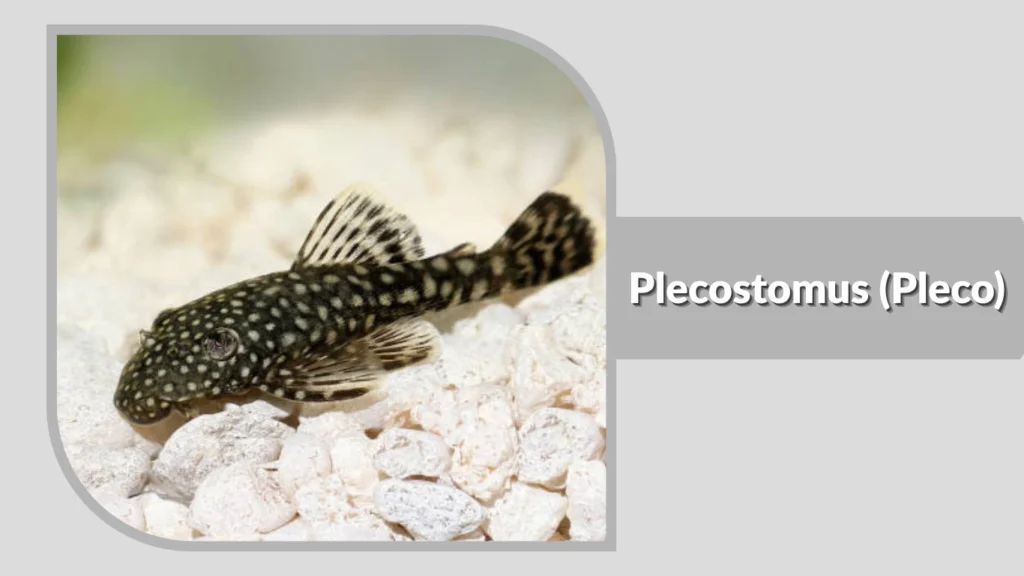
Plecostomus, commonly known as Pleco, is one of the most popular tank-cleaning fish in aquariums. It is widely recognized for its algae-eating ability and unique appearance. Plecos are hardy fish that adapt well to different tank conditions, making them a favorite choice for beginners and experienced aquarists alike.
Identification
- Flattened body with a wide head
- Sucker-like mouth used to cling to surfaces
- Dark coloration with spotted or patterned markings
- Large dorsal fin resembling a sail
- Can grow quite large depending on species
Diet and Cleaning Role
Plecos are primarily algae eaters, which makes them useful for keeping tank surfaces clean. They graze on algae growing on glass, rocks, and decorations. However, they also require additional food such as algae wafers and vegetables because natural algae alone is not enough to sustain them.
Tank Requirements
Plecos need a spacious aquarium, especially larger species that can grow over a foot long. They prefer tanks with hiding spots like caves or driftwood. Clean, well-oxygenated water and stable conditions are important for their health.
Behavior and Compatibility
Plecos are generally peaceful and can live with a wide range of fish. They are mostly active at night and tend to stay hidden during the day. While they are calm, some larger plecos may become territorial as they grow, especially with other bottom-dwelling fish.
Care Tips
Plecos require regular tank maintenance despite being labeled as “cleaner fish.” They produce a significant amount of waste, so proper filtration is essential. Providing a balanced diet and suitable hiding places will help keep them healthy and active.
2. Bristlenose Pleco
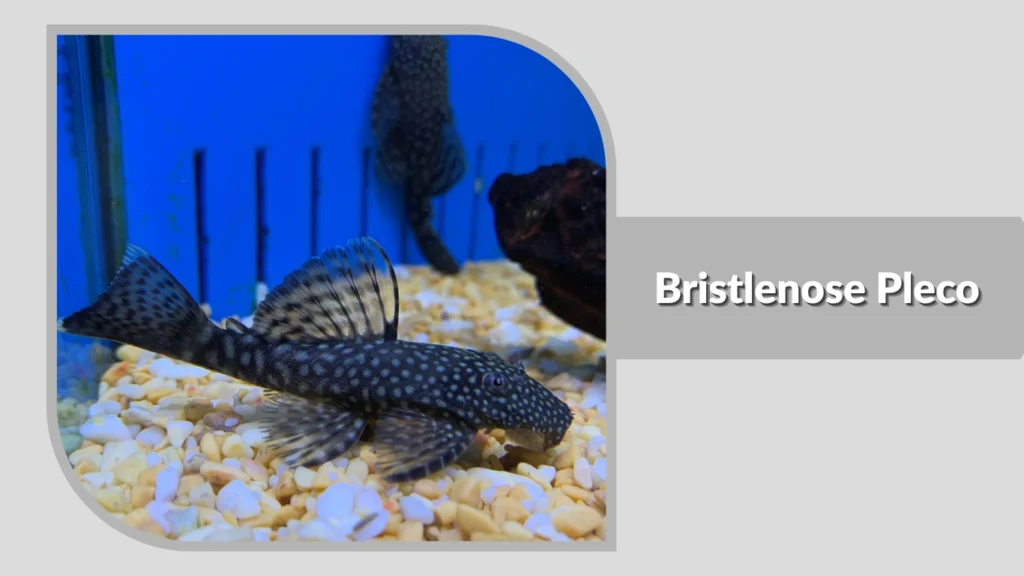
Bristlenose Pleco is a smaller and more manageable alternative to the common Pleco, making it ideal for home aquariums. It is well-known for its excellent algae-cleaning ability and unique facial bristles, especially in males. This species is hardy, easy to care for, and suitable for beginners.
Identification
- Smaller size compared to common Pleco
- Short, flattened body
- Distinct bristle-like growths on the face (more prominent in males)
- Dark brown or gray color with light spots
- Rounded fins and compact shape
Diet and Cleaning Role
Bristlenose Plecos are efficient algae eaters and help keep glass and decorations clean. They feed on soft algae but also need a balanced diet, including algae wafers, vegetables like zucchini, and occasional protein-based foods.
Tank Requirements
They thrive in tanks of at least 20–30 gallons with plenty of hiding spots such as caves and driftwood. Stable water conditions and good filtration are important, and they prefer slightly warm, well-oxygenated water.
Behavior and Compatibility
These fish are peaceful and get along well with most community fish. They are mostly nocturnal and spend much of their time near the bottom or attached to surfaces. Males may show mild territorial behavior toward each other.
Care Tips
Regular water changes and proper filtration are necessary, as they still produce waste. Provide driftwood for digestion and hiding, and ensure they receive enough food beyond natural algae to stay healthy.
3. Otocinclus
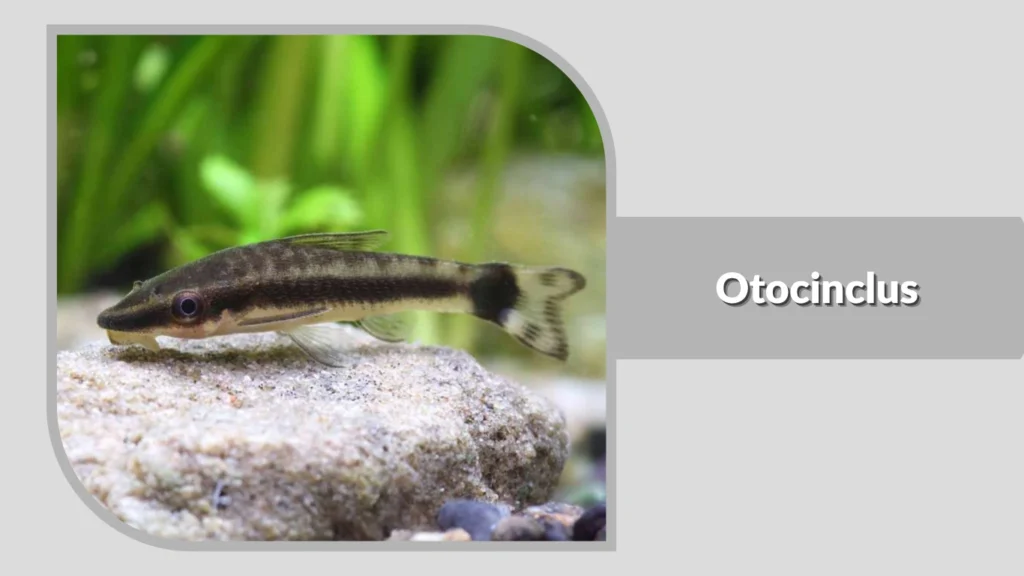
Otocinclus, often called “Oto cats,” are small and highly effective algae-eating fish. They are popular for nano and community aquariums because of their gentle nature and ability to clean delicate surfaces like plant leaves without causing damage.
Identification
- Very small, slender body
- Light brown or gray color with a dark horizontal stripe
- Sucker-type mouth
- Transparent or lightly colored fins
- Usually grows only 1–2 inches long
Diet and Cleaning Role
Otocinclus are excellent at eating soft algae, especially green algae on glass and plant leaves. They continuously graze throughout the day. However, they also need supplemental feeding such as algae wafers and blanched vegetables because algae alone may not be sufficient.
Tank Requirements
They do best in well-established aquariums with stable water conditions and plenty of natural algae growth. A minimum of 10–20 gallons is recommended, and they prefer tanks with plants, smooth surfaces, and gentle filtration.
Behavior and Compatibility
Otocinclus are very peaceful and thrive in groups, so they should be kept in schools of at least 4–6. They get along well with most community fish and are non-aggressive, making them ideal for planted tanks.
Care Tips
Because they are sensitive to water changes, they require clean and stable conditions. Avoid placing them in newly set up tanks without algae. Keeping them in groups and providing consistent food sources will help ensure their health and longevity.
4. Siamese Algae Eater
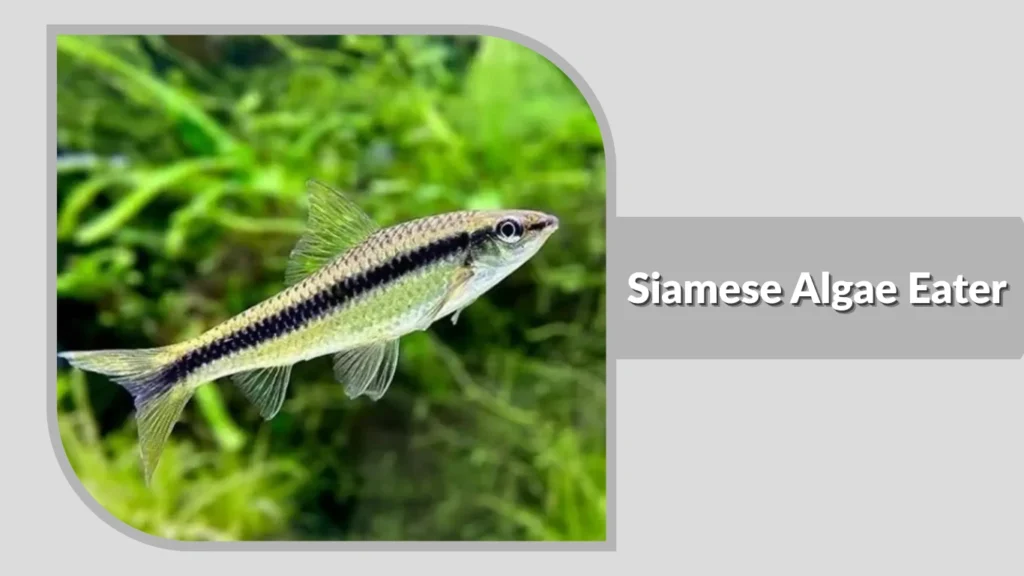
The Siamese Algae Eater is a highly valued aquarium fish known for its strong ability to control algae growth, especially stubborn types like black beard algae. It is active, hardy, and suitable for community tanks. This fish constantly grazes on surfaces, helping maintain a cleaner aquarium environment while also adding lively movement to the tank.
Identification
- Slim, elongated body
- Silver-gray color with a bold black horizontal stripe
- Transparent fins
- Slightly upturned mouth
- Grows up to about 5–6 inches
Diet and Cleaning Role
The Siamese Algae Eater is one of the few fish that eats tough algae like black beard algae. It actively grazes on tank surfaces, including plants and decorations. In addition to algae, it requires a balanced diet such as flakes, pellets, and occasional vegetables.
Tank Requirements
This fish needs a medium-sized tank of at least 20–30 gallons with good water flow and oxygenation. It prefers a well-maintained environment with plants and open swimming space. Stable water parameters are important for its health.
Behavior and Compatibility
Siamese Algae Eaters are generally peaceful but can become slightly territorial as they mature. They are active swimmers and do best with similarly sized, non-aggressive fish. Keeping them singly or in small groups helps reduce territorial disputes.
Care Tips
Provide a varied diet and maintain clean water conditions. Avoid confusing them with similar species like the Chinese Algae Eater, which behaves differently. Regular monitoring and proper feeding ensure they remain effective algae cleaners.
5. Chinese Algae Eater
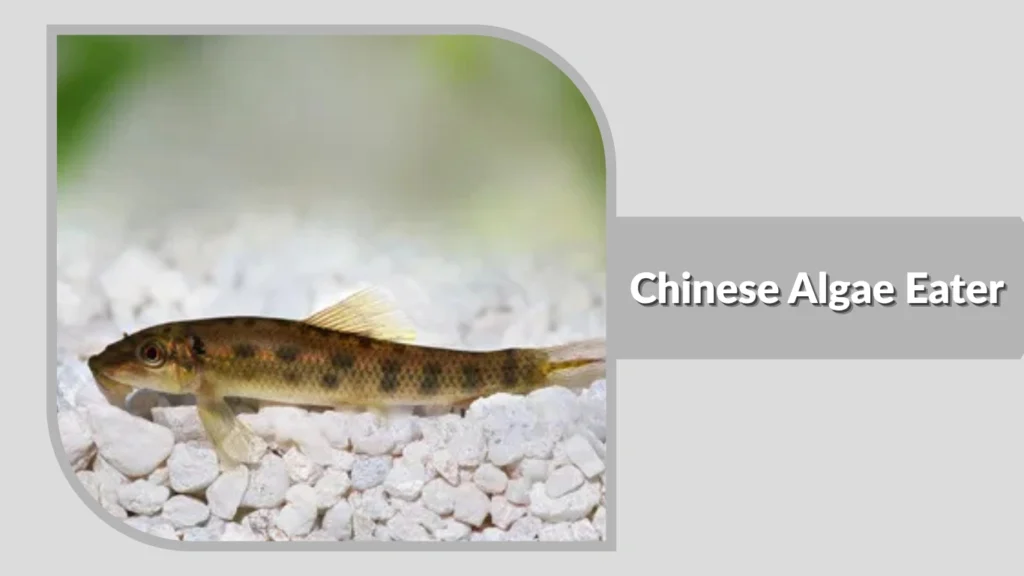
The Chinese Algae Eater is a commonly available fish often chosen for its algae-eating abilities, especially when young. It is hardy and adaptable, making it suitable for beginners. However, as it grows, its behavior can change, and it may become less focused on algae and more territorial, requiring careful tank planning.
Identification
- Long, slender body
- Yellowish-brown or golden coloration
- Sucker-type mouth
- Faint stripe along the body (in some varieties)
- Can grow up to 8–10 inches
Diet and Cleaning Role
Young Chinese Algae Eaters consume algae from tank surfaces, helping keep the aquarium clean. As they mature, they rely less on algae and require a varied diet including pellets, flakes, and protein-based foods.
Tank Requirements
They need a larger tank of at least 30 gallons due to their size and activity level. Provide hiding spots, rocks, and open swimming areas. Good filtration and stable water conditions are essential.
Behavior and Compatibility
This species can become territorial and sometimes aggressive as it grows, especially toward slow-moving fish. It is best kept with fast, active tank mates and not with delicate species.
Care Tips
Monitor behavior as the fish matures and ensure proper diet beyond algae. Provide enough space and hiding areas to reduce aggression and maintain a balanced aquarium environment.
6. Corydoras Catfish
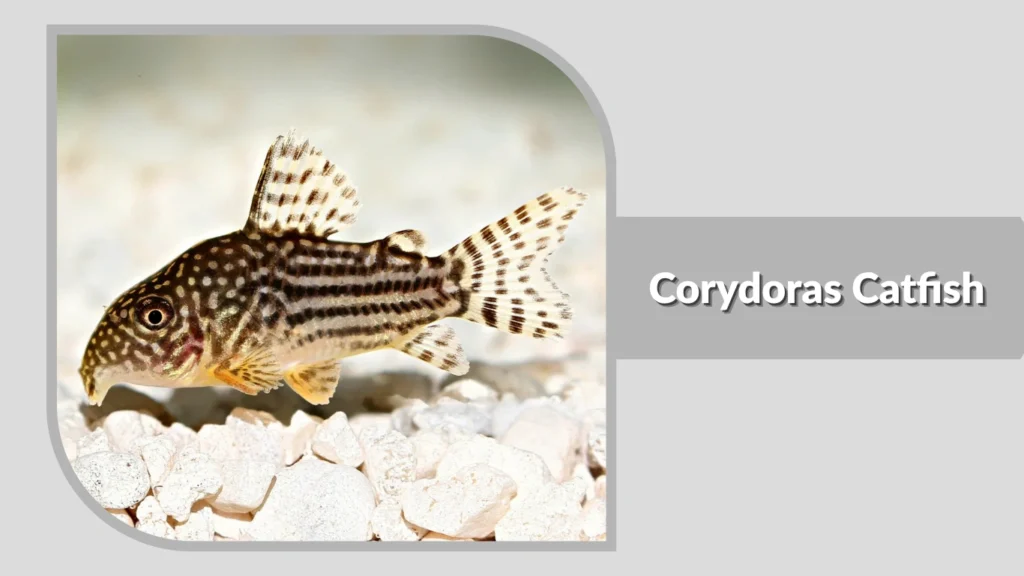
Corydoras Catfish are small, peaceful bottom-dwelling fish that help keep the aquarium clean by scavenging leftover food. While they are not algae eaters, they play an important role in maintaining tank hygiene. Their friendly nature and group behavior make them a favorite for community aquariums.
Identification
- Small, rounded body
- Downward-facing mouth with barbels (“whiskers”)
- Armored plates instead of scales
- Light color with spots or patterns (varies by species)
- Usually grows 1–3 inches
Diet and Cleaning Role
Corydoras feed on leftover food that sinks to the bottom, helping prevent waste buildup. They do not eat algae but contribute to overall cleanliness by keeping the substrate free of debris. They require sinking pellets, wafers, and occasional protein foods.
Tank Requirements
They thrive in tanks of at least 15–20 gallons with soft substrate like sand to protect their barbels. Clean water, gentle filtration, and hiding spots such as plants or caves are ideal for their well-being.
Behavior and Compatibility
Corydoras are extremely peaceful and should be kept in groups of at least 5–6. They are active and social, often seen swimming together. They get along well with most community fish and are perfect for beginner tanks.
Care Tips
Avoid sharp gravel that can damage their barbels. Maintain clean water conditions and provide a balanced diet. Keeping them in groups and offering a calm environment will help them stay healthy and active.
7. Twig Catfish
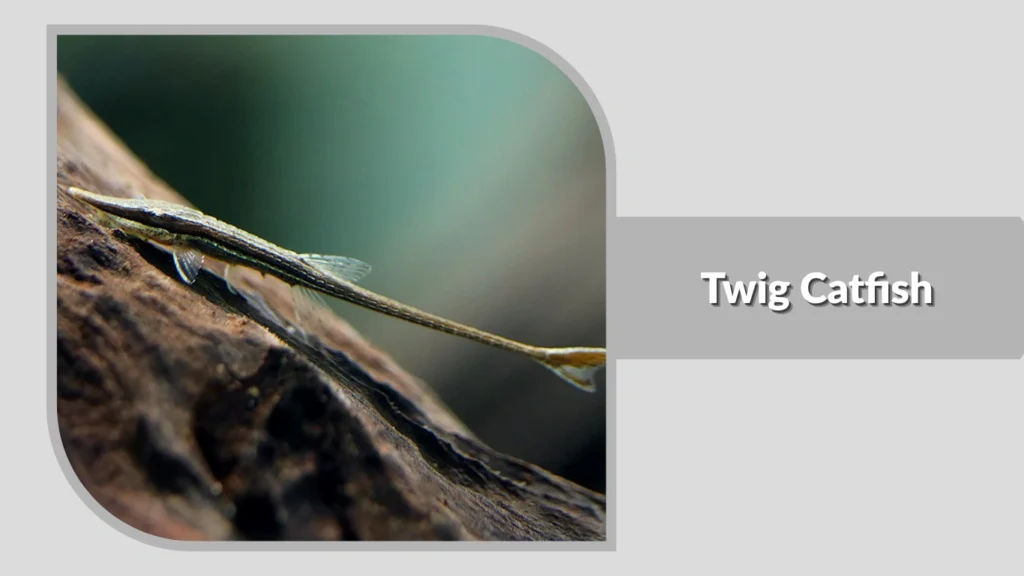
Twig Catfish are unique, slender fish known for their stick-like appearance and calm behavior. They are excellent for planted aquariums, where they blend in with branches and plants. Although not heavy algae eaters, they help clean surfaces by grazing on soft algae and biofilm.
Identification
- Very thin, elongated body resembling a twig
- Brown or tan coloration for camouflage
- Long pointed snout
- Small fins close to the body
- Typically grows around 4–6 inches
Diet and Cleaning Role
Twig Catfish feed on soft algae, biofilm, and microorganisms on surfaces. They are gentle cleaners and prefer natural food sources but also need supplemental feeding like algae wafers and vegetable matter to stay healthy.
Tank Requirements
They require a well-established tank of at least 20 gallons with plenty of plants, driftwood, and hiding areas. Stable water conditions and gentle filtration are important, as they are sensitive to poor water quality.
Behavior and Compatibility
Twig Catfish are peaceful and shy, often remaining motionless for long periods. They do best with calm, non-aggressive tank mates and prefer a quiet environment with minimal disturbance.
Care Tips
Provide a mature tank with natural algae growth and avoid sudden water changes. Ensure they receive enough food, as they may not compete well with faster fish. A planted setup with hiding spots will help them thrive.
8. Rubber Lip Pleco
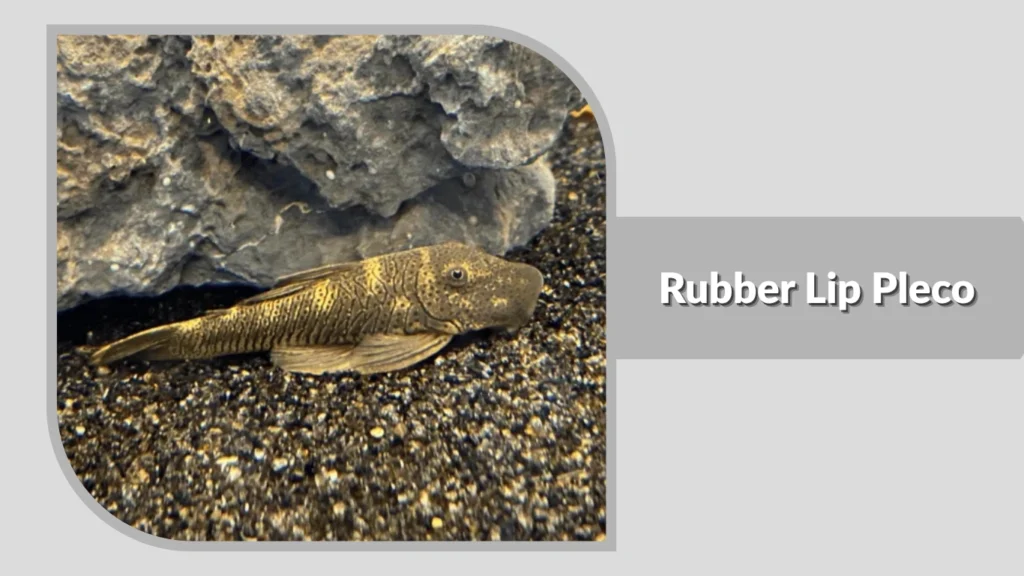
Rubber Lip Pleco is a smaller and more manageable algae-eating fish compared to larger Pleco species. It is known for its peaceful nature and steady cleaning ability. This fish is a great choice for community aquariums, especially for those who want an effective algae cleaner without needing a very large tank.
Identification
- Short, rounded body shape
- Dark brown or gray coloration
- Thick lips with a “rubber-like” appearance
- Subtle striping or pattern on body
- Grows around 4–7 inches
Diet and Cleaning Role
Rubber Lip Plecos are excellent algae grazers, feeding on soft algae found on glass, rocks, and decorations. They also need supplemental food such as algae wafers, vegetables, and occasional protein sources to maintain proper nutrition.
Tank Requirements
They do well in tanks of at least 20–30 gallons with plenty of hiding spots like caves and driftwood. They prefer moderate water flow, good filtration, and stable water conditions.
Behavior and Compatibility
These fish are peaceful and get along well with most community species. They are mostly active at night and tend to stay near the bottom. They are less aggressive than many other Pleco species.
Care Tips
Provide driftwood for both shelter and digestion support. Maintain clean water and ensure a balanced diet. Avoid overcrowding the tank and monitor their feeding to keep them healthy and effective as cleaners.
9. Hillstream Loach
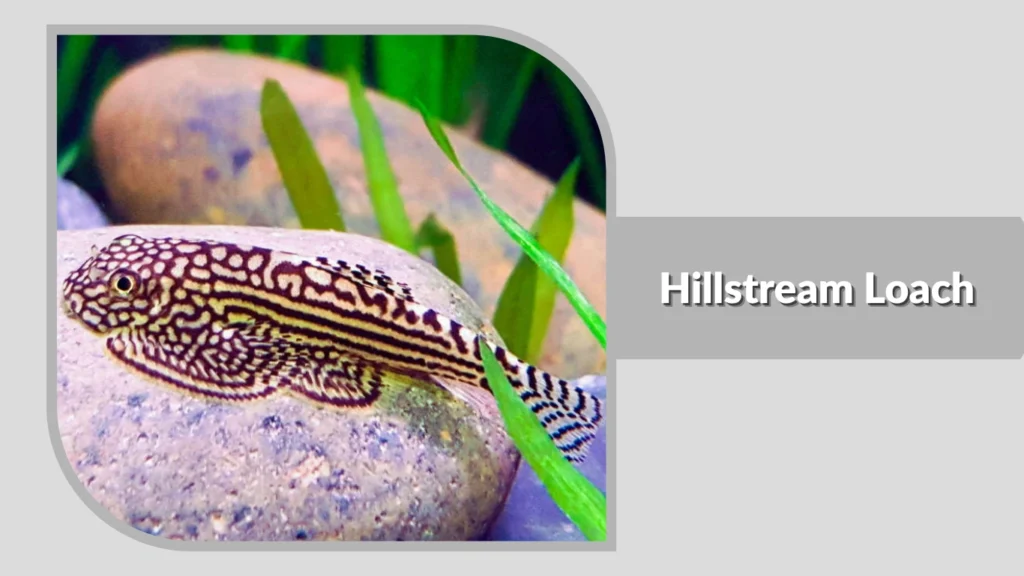
Hillstream Loach is a unique algae-eating fish known for its flat body and strong suction ability. It is often compared to a “freshwater stingray” due to its shape. This fish is excellent for controlling algae in tanks with strong water flow and adds a distinctive look to the aquarium.
Identification
- Flat, wide body shape
- Large pectoral fins for gripping surfaces
- Patterned body with spots or stripes
- Sucker-like mouth underneath
- Usually grows 2–3 inches
Diet and Cleaning Role
Hillstream Loaches graze on algae and biofilm found on rocks, glass, and decorations. They are constant feeders and help maintain clean surfaces. However, they also require supplemental food such as algae wafers and sinking pellets.
Tank Requirements
They need a well-oxygenated tank with strong water flow, similar to a river environment. A tank of at least 20 gallons with smooth rocks and plenty of surfaces for grazing is ideal. Clean, cool water conditions are important for their survival.
Behavior and Compatibility
These fish are peaceful and can be kept with other non-aggressive species. They prefer to stay on surfaces and may compete slightly with their own kind if space is limited, so adequate room is necessary.
Care Tips
Maintain high oxygen levels and strong filtration. Provide smooth surfaces for grazing and avoid warm, stagnant water. Regular feeding and a stable environment will help them thrive.
10. Clown Pleco
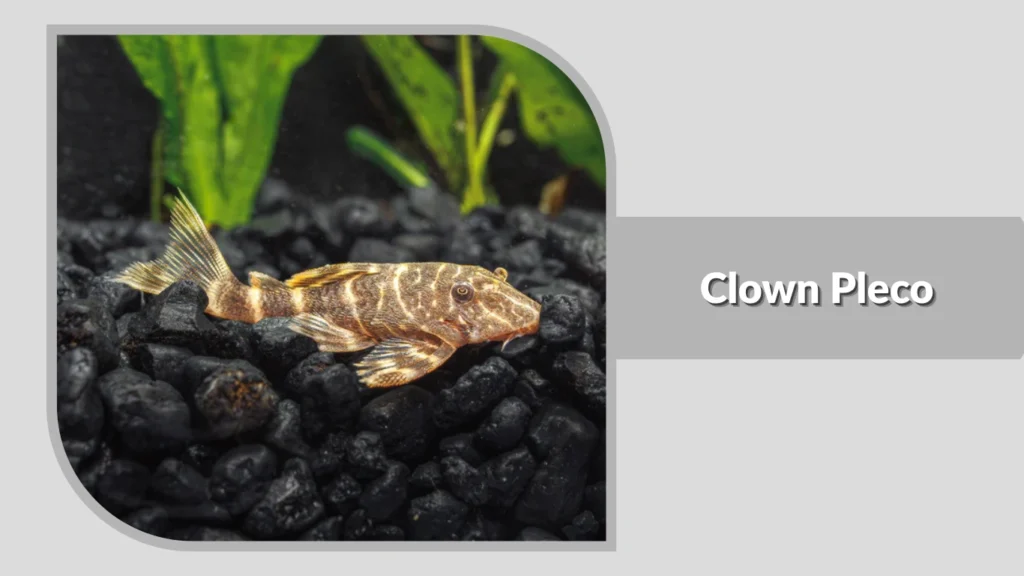
Clown Pleco is a small and attractive algae-eating fish known for its striped pattern and manageable size. It is a great choice for smaller aquariums and community tanks. Unlike larger plecos, it stays relatively small and is easier to care for, making it popular among beginners.
Identification
- Small, compact body
- Dark brown or black base color with bright orange or yellow stripes
- Sucker-like mouth
- Rounded fins
- Typically grows 3–4 inches
Diet and Cleaning Role
Clown Plecos help control algae but are not heavy algae eaters compared to other plecos. They also feed on driftwood, biofilm, and require supplemental foods such as algae wafers and vegetables to stay healthy.
Tank Requirements
They thrive in tanks of at least 15–20 gallons with plenty of driftwood and hiding spots. Driftwood is especially important for their digestion. Clean water and stable conditions are essential.
Behavior and Compatibility
Clown Plecos are peaceful and shy, making them ideal for community aquariums. They are mostly nocturnal and prefer to hide during the day. They get along well with most non-aggressive fish.
Care Tips
Provide plenty of driftwood and hiding places. Ensure a balanced diet and maintain clean water conditions. Because they are shy, avoid keeping them with aggressive tank mates to reduce stress.
FAQs
What is the best fish for cleaning algae in a tank?
The best algae-cleaning fish include Plecos, Siamese Algae Eaters, and Otocinclus. Each works differently, but Otocinclus are great for small tanks, while Plecos and Siamese Algae Eaters handle larger algae growth more effectively.
Do cleaning fish keep the tank completely clean?
No, cleaning fish help reduce algae and leftover food, but they cannot replace regular maintenance. You still need to perform water changes, clean filters, and monitor water quality to keep your aquarium healthy.
Can I keep multiple cleaning fish together?
Yes, you can keep multiple cleaning fish, but compatibility and tank size are important. Some species may become territorial, so choose peaceful combinations and avoid overcrowding.
Do cleaning fish need special food?
Yes, most cleaning fish require additional food besides algae. Algae wafers, vegetables like zucchini, and sinking pellets are commonly used to ensure they get proper nutrition.
Are cleaning fish suitable for small aquariums?
Some cleaning fish like Otocinclus and Corydoras are suitable for small tanks. However, larger species like Plecos need bigger aquariums, so always choose based on tank size.