
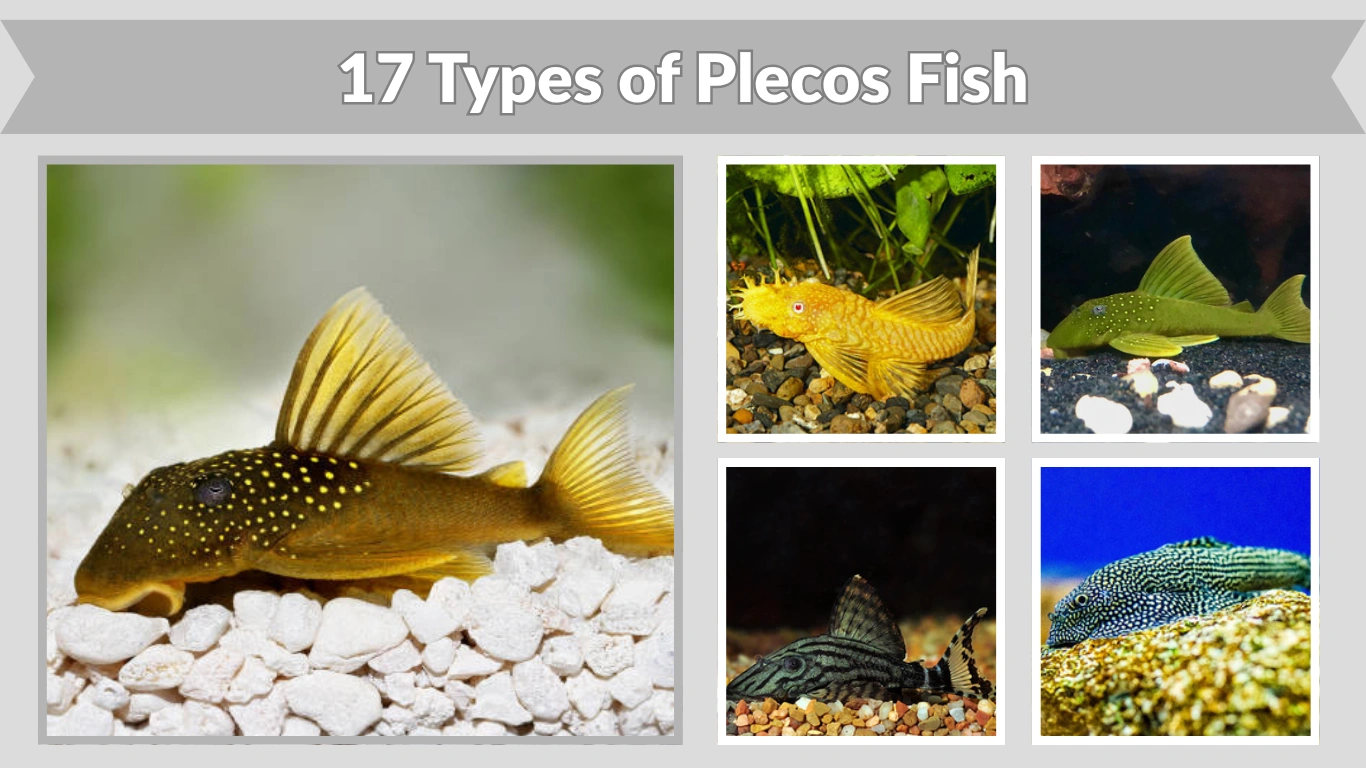
Plecos are popular freshwater catfish known for their unique appearance, algae-eating habits, and peaceful nature. These bottom-dwelling fish come in many sizes, colors, and patterns, making them a favorite choice for aquarium enthusiasts around the world. Some plecos remain small and fit well in community tanks, while others grow very large and require spacious aquariums. From the striking Zebra Pleco to the hardy Common Pleco, each species has different care needs and behaviors. Understanding the various types of plecos helps aquarium owners choose the best fish for their tank setup and experience level.
1. Common Pleco
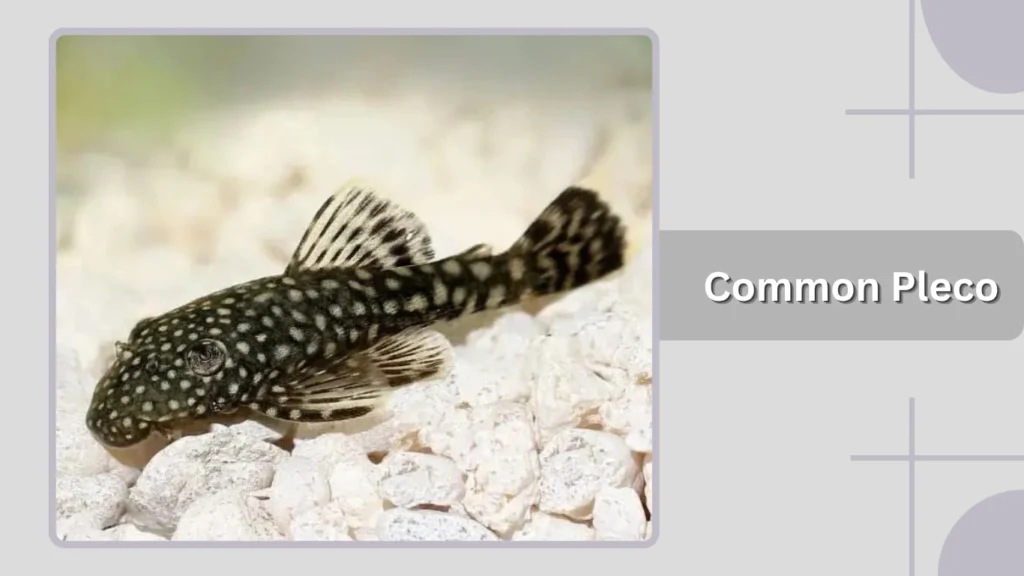
The Common Pleco is a large freshwater catfish popular among aquarium owners for its algae-eating habits and hardy nature. Native to South America, this fish adapts well to different water conditions and often helps keep tanks clean. However, it grows very large over time and requires a spacious aquarium with strong filtration and hiding areas.
Identification
- Dark brown or black body with spotted markings
- Wide sucker mouth beneath the head
- Flattened body covered with armored plates
- Tall dorsal fin with sail-like appearance
- Grows between 15 and 24 inches long
Natural Habitat
Common Plecos naturally live in slow-moving rivers, streams, and flooded areas throughout South America. They prefer warm freshwater with driftwood, rocks, and shaded hiding places. In the wild, they spend most of their time near the river bottom feeding on algae, plant material, and organic debris found on submerged surfaces.
Behavior
This species is peaceful when young but may become territorial as it grows larger. Common Plecos are mostly nocturnal and active during nighttime hours. They often attach themselves to glass, wood, or rocks using their strong sucker mouths while searching for food and resting throughout the aquarium environment.
Diet
Common Plecos mainly eat algae and plant-based foods but also consume small amounts of protein. In aquariums, they enjoy algae wafers, sinking pellets, zucchini, cucumber, spinach, and driftwood fiber. A balanced diet helps maintain healthy digestion, proper growth, and stronger coloration throughout the fish’s lifespan in captivity.
Tank Requirements
A large aquarium with powerful filtration is necessary because Common Plecos produce significant waste and grow quickly. They need stable water conditions, hiding places, driftwood, and open swimming areas. Warm temperatures and regular maintenance are important for preventing stress, supporting healthy growth, and maintaining long-term aquarium cleanliness and stability.
Lifespan
With proper care and suitable tank conditions, Common Plecos commonly live between 10 and 15 years in captivity. Some individuals may survive even longer in spacious aquariums with high-quality water and balanced nutrition. Consistent care, reduced stress, and proper feeding all contribute to a healthier and longer lifespan.
2. Bristlenose Pleco
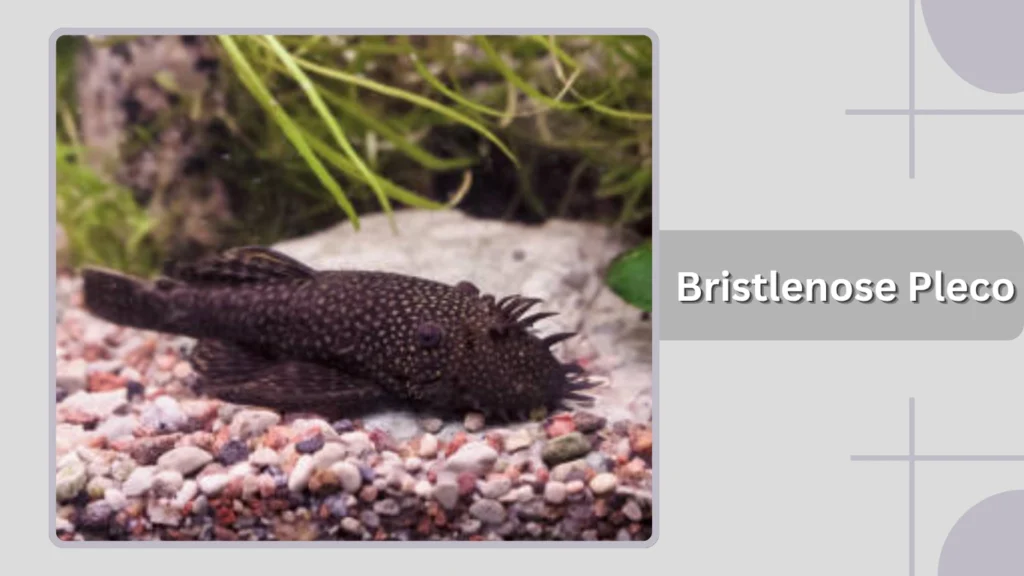
The Bristlenose Pleco is a smaller and more manageable pleco species commonly kept in freshwater aquariums. Known for the tentacle-like bristles on its face, this fish is an excellent algae eater and adapts well to community tanks. Its peaceful behavior, hardy nature, and compact size make it one of the best plecos for beginner fish keepers.
Identification
- Short, flattened body with armored plating
- Tentacle-like bristles around the nose and face
- Brown, gray, or black coloration with light spots
- Rounded fins with a broad head shape
- Usually grows between 4 and 6 inches long
Natural Habitat
Bristlenose Plecos originate from freshwater rivers and streams in South America. They prefer areas with gentle currents, submerged wood, rocks, and shaded hiding spaces. In their natural environment, these fish remain close to the bottom while feeding on algae, plant matter, and small organic materials attached to surfaces.
Behavior
This species is peaceful, calm, and suitable for most community aquariums. Bristlenose Plecos are mainly nocturnal and spend much of their time hiding during daylight hours. They actively graze on algae from glass, decorations, and driftwood while occasionally defending their favorite resting spots from other bottom-dwelling fish species.
Diet
Bristlenose Plecos mainly consume algae and plant-based foods in both wild and aquarium environments. They enjoy algae wafers, sinking pellets, cucumbers, zucchini, spinach, and driftwood fiber. Providing a varied diet with vegetables and occasional protein-rich foods supports healthy growth, strong immune function, and improved coloration in captivity.
Tank Requirements
A tank of at least 20 to 30 gallons is suitable for a single Bristlenose Pleco. They require clean water, stable temperatures, moderate filtration, driftwood, and hiding caves. Soft lighting and regular maintenance help reduce stress while supporting algae growth and creating a comfortable environment for long-term health.
Lifespan
Bristlenose Plecos usually live between 5 and 12 years when properly cared for in stable aquarium conditions. A healthy diet, clean water, and adequate tank space greatly improve their lifespan. Consistent maintenance and low-stress surroundings help these fish remain active, healthy, and colorful throughout their years in captivity.
3. Clown Pleco
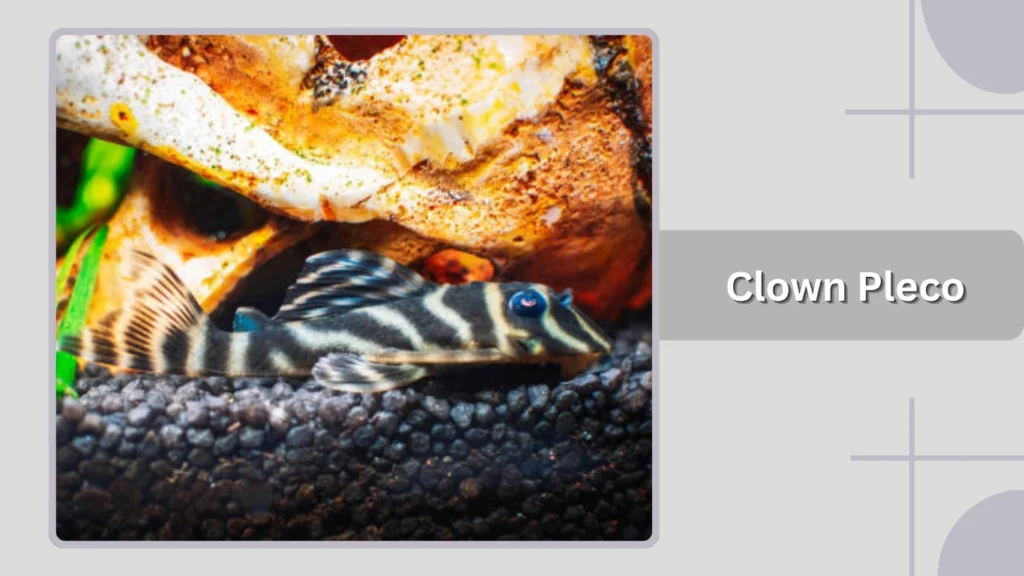
The Clown Pleco is a small and attractive freshwater catfish admired for its striped body pattern and peaceful temperament. This species is popular among aquarium hobbyists because it remains compact and fits well in smaller tanks. Known for feeding on driftwood and algae, the Clown Pleco is easy to care for and suitable for community aquariums.
Identification
- Dark brown or black body with bright white or yellow stripes
- Slim body with a flattened underside
- Sucker-shaped mouth positioned under the head
- Small fins with armored body plates
- Usually grows between 3 and 4 inches long
Natural Habitat
Clown Plecos are native to rivers and tributaries in South America, especially in Venezuela and Colombia. They prefer slow-moving freshwater habitats filled with driftwood, roots, and shaded hiding places. In the wild, they spend most of their time resting near submerged wood while feeding on algae and decaying plant material.
Behavior
This species is peaceful, shy, and mostly active during nighttime hours. Clown Plecos enjoy hiding inside caves, driftwood, and small crevices throughout the day. They are non-aggressive toward most tank mates and prefer calm aquarium environments where they can safely graze on surfaces without constant disturbance from larger or active fish.
Diet
Clown Plecos mainly consume driftwood, algae, and plant-based foods in captivity and natural habitats. They enjoy algae wafers, sinking pellets, zucchini, cucumber, and other vegetables. Driftwood is especially important because it supports healthy digestion and mimics their natural feeding habits in river ecosystems throughout South America.
Tank Requirements
A tank of at least 20 gallons is recommended for a Clown Pleco due to its active grazing behavior and need for hiding spaces. The aquarium should include driftwood, caves, gentle filtration, and stable water conditions. Warm temperatures and regular maintenance help create a healthy and stress-free environment for long-term care.
Lifespan
With proper aquarium care, Clown Plecos commonly live between 10 and 12 years in captivity. Clean water, a balanced diet, and adequate hiding places contribute greatly to their health and longevity. Stable conditions and reduced stress allow these small plecos to remain active, healthy, and colorful throughout their lifespan.
4. Zebra Pleco
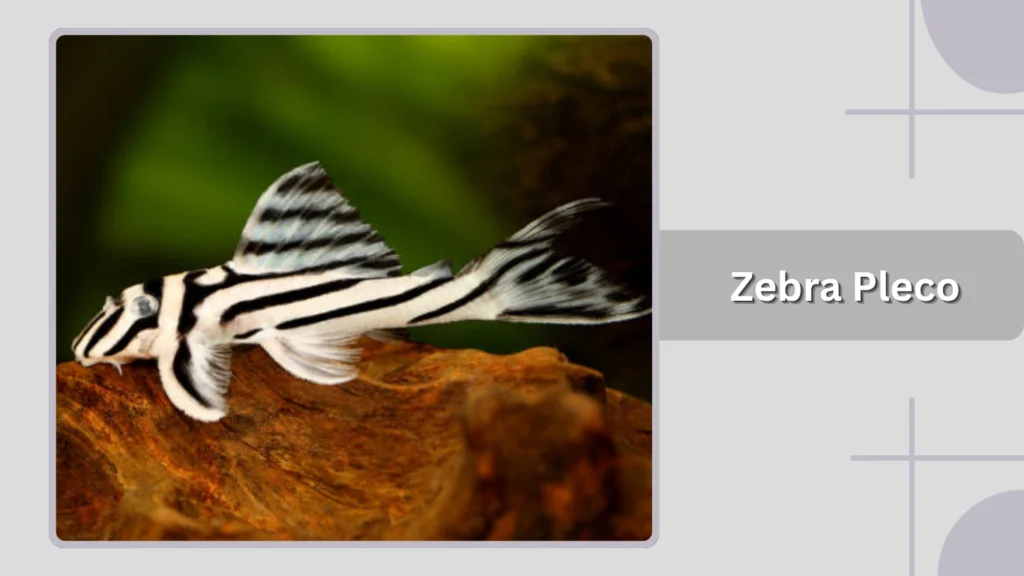
The Zebra Pleco is a rare and highly prized freshwater catfish famous for its bold black-and-white striped pattern. Native to Brazil, this species is popular among experienced aquarium hobbyists because of its unique appearance and peaceful nature. Unlike many plecos, Zebra Plecos prefer protein-rich foods over algae and require warm, well-oxygenated water to thrive in captivity.
Identification
- Distinct black-and-white zebra-like stripes across the body
- Small, compact body with armored plating
- Large pectoral fins and rounded head
- Sucker mouth located underneath the body
- Usually grows between 3 and 4 inches long
Natural Habitat
Zebra Plecos naturally inhabit the fast-flowing rivers of Brazil, especially the Xingu River basin. They prefer warm, oxygen-rich water with rocky surfaces and strong currents. In the wild, these fish hide between stones and crevices during the day while searching for small insects and organic matter at night.
Behavior
This species is peaceful and shy but may become territorial toward other Zebra Plecos in confined spaces. They are mainly nocturnal and spend much of the daytime hiding among rocks and caves. Zebra Plecos prefer calm tank mates and thrive best in quiet aquariums with stable water conditions and minimal stress.
Diet
Unlike many pleco species, Zebra Plecos are primarily carnivorous and need protein-rich foods for proper health. They enjoy bloodworms, brine shrimp, sinking carnivore pellets, and insect larvae. Although they may occasionally graze on algae, they do not rely on algae as their main food source in aquariums.
Tank Requirements
A minimum tank size of 30 gallons is recommended for Zebra Plecos because they require stable, warm, and highly oxygenated water. The aquarium should contain rocks, caves, strong filtration, and moderate water flow. Maintaining excellent water quality is essential for preventing stress and supporting healthy long-term survival in captivity.
Lifespan
With proper care and excellent water conditions, Zebra Plecos can live between 10 and 15 years in captivity. A nutritious diet, stable temperatures, and low-stress surroundings contribute greatly to their overall health and longevity. Consistent maintenance helps these rare fish remain active, healthy, and visually striking throughout their lifespan.
5. Snowball Pleco
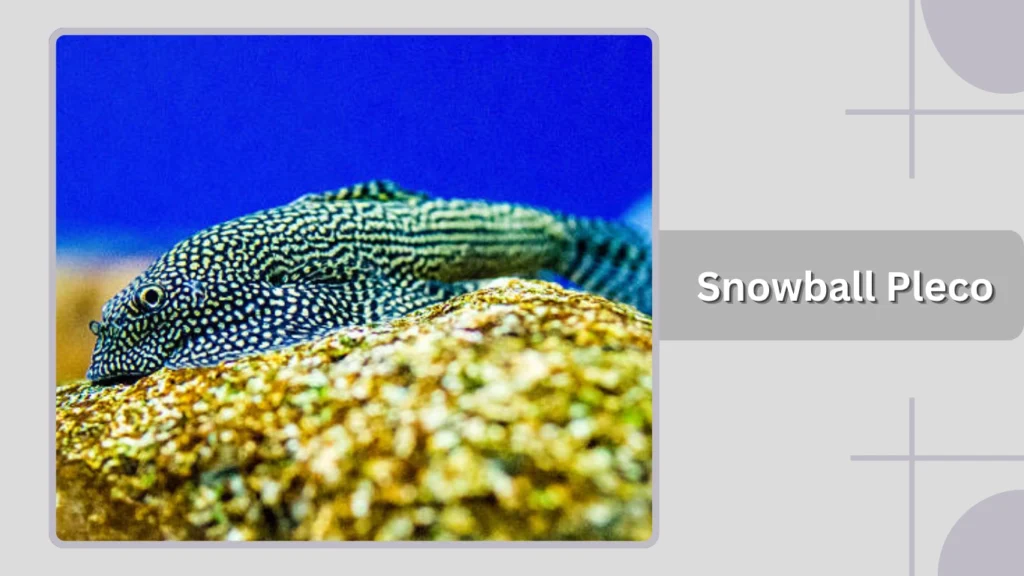
The Snowball Pleco is a beautiful freshwater catfish recognized for its dark body covered with bright white spots that resemble falling snow. This peaceful species is popular in home aquariums because of its striking appearance and manageable size. Native to South America, the Snowball Pleco thrives in clean, warm water with hiding places, driftwood, and stable aquarium conditions.
Identification
- Dark black or brown body with bright white spots
- Flattened body with armored plates
- Wide sucker-shaped mouth underneath the head
- Rounded fins with compact body structure
- Usually grows between 5 and 6 inches long
Natural Habitat
Snowball Plecos originate from rivers and tributaries in South America, especially within the Rio Negro basin. They prefer slow-moving freshwater environments with submerged wood, rocks, and shaded hiding places. In nature, these fish remain near the bottom while feeding on algae, organic matter, and small food particles found on surfaces.
Behavior
This species is peaceful, shy, and mostly active during nighttime hours. Snowball Plecos spend much of the day hiding inside caves or beneath driftwood to avoid bright light and disturbances. They generally coexist well with community fish but may show mild territorial behavior toward other bottom-dwelling plecos in limited spaces.
Diet
Snowball Plecos are omnivores that enjoy a balanced mix of plant and protein-based foods. They commonly eat algae wafers, sinking pellets, vegetables, bloodworms, and small crustaceans. Driftwood is also beneficial because it supports digestion and provides a natural grazing surface similar to their wild river habitats.
Tank Requirements
A tank of at least 30 gallons is recommended for Snowball Plecos due to their active bottom-dwelling behavior and territorial tendencies. The aquarium should include driftwood, caves, stable water conditions, and efficient filtration. Warm temperatures and regular maintenance help maintain water quality and create a comfortable long-term environment.
Lifespan
With proper care and a healthy aquarium setup, Snowball Plecos commonly live between 8 and 10 years in captivity. Clean water, balanced nutrition, and reduced stress are essential for maintaining strong health and vibrant coloration. Consistent aquarium maintenance greatly improves their chances of living a longer and healthier life.
6. Rubber Lip Pleco
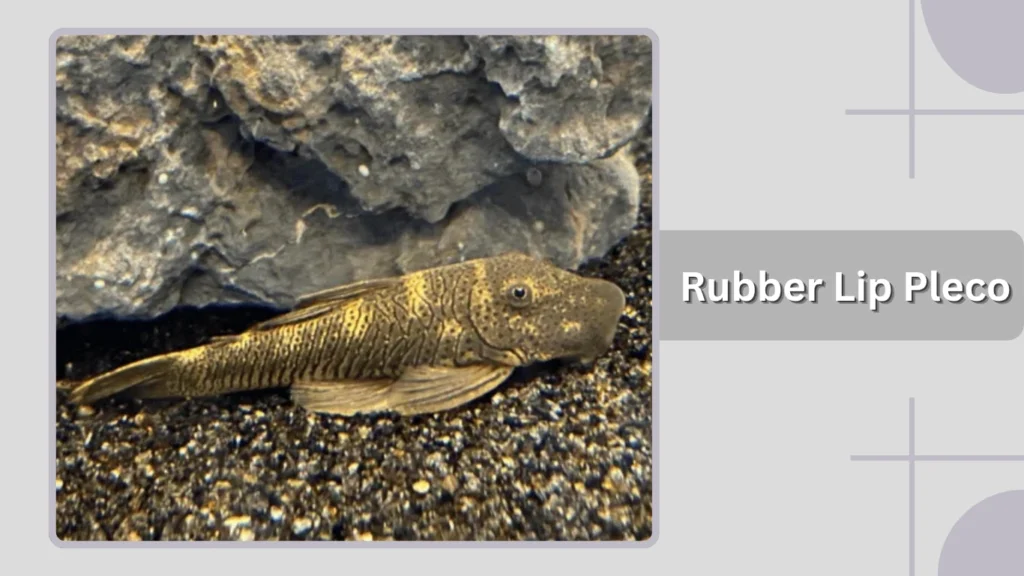
The Rubber Lip Pleco is a small and peaceful freshwater catfish valued for its algae-eating abilities and manageable size. Unlike larger pleco species, it stays compact and works well in community aquariums. This hardy fish is easy to maintain, making it a popular choice for beginner aquarists who want a useful bottom-dwelling cleaner for their tank.
Identification
- Light brown, gray, or olive-colored body
- Thick lips with a rounded sucker mouth
- Smooth appearance with subtle body markings
- Flattened underside with armored plates
- Usually grows between 4 and 7 inches long
Natural Habitat
Rubber Lip Plecos naturally inhabit freshwater rivers and streams in South America. They prefer areas with moderate water flow, rocky bottoms, and submerged wood for shelter. In the wild, these fish stay near the bottom while feeding on algae, biofilm, and small organic matter attached to rocks and other surfaces.
Behavior
This species is peaceful, calm, and suitable for most community aquariums. Rubber Lip Plecos spend much of their time grazing on algae and resting on rocks or driftwood. They are mainly active during evening hours and rarely show aggression, although they may defend their preferred hiding spots from similar bottom-dwelling fish.
Diet
Rubber Lip Plecos mainly consume algae and plant-based foods in captivity and natural habitats. They enjoy algae wafers, sinking pellets, zucchini, cucumber, and spinach. Occasional protein-rich foods can also support balanced nutrition. Providing driftwood and vegetable matter helps maintain healthy digestion and supports their natural feeding behavior in aquariums.
Tank Requirements
A minimum tank size of 25 gallons is suitable for Rubber Lip Plecos because they remain relatively small and peaceful. The aquarium should contain driftwood, rocks, hiding caves, and efficient filtration. Stable water temperatures, moderate current, and regular maintenance are important for maintaining good health and long-term comfort in captivity.
Lifespan
With proper care and clean water conditions, Rubber Lip Plecos commonly live between 10 and 12 years in aquariums. A balanced diet, low-stress environment, and regular maintenance contribute greatly to their longevity. Consistent care helps these plecos remain healthy, active, and effective algae eaters throughout their entire lifespan.
7. Gold Nugget Pleco
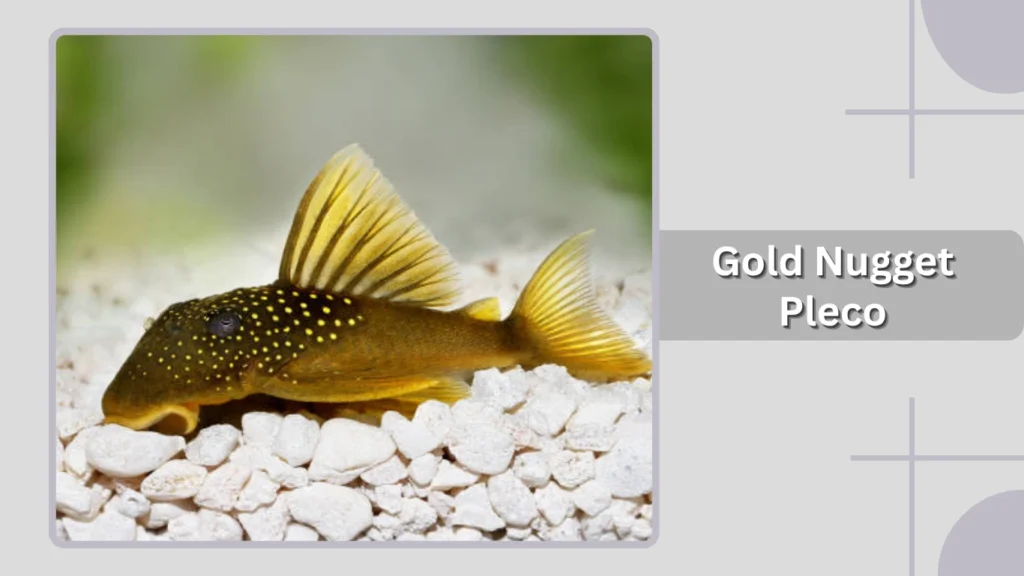
The Gold Nugget Pleco is a striking freshwater catfish admired for its black body covered with bright yellow spots and golden-edged fins. This species is highly popular among aquarium enthusiasts because of its bold appearance and peaceful nature. Native to South America, the Gold Nugget Pleco requires clean, warm water and plenty of hiding places to remain healthy.
Identification
- Black body covered with bright yellow spots
- Yellow or golden edging on dorsal and tail fins
- Flattened body with armored plating
- Large sucker-shaped mouth beneath the head
- Usually grows between 7 and 10 inches long
Natural Habitat
Gold Nugget Plecos naturally live in the rivers and tributaries of Brazil within the Amazon basin. They prefer warm, oxygen-rich freshwater environments with rocky surfaces, submerged wood, and moderate currents. In the wild, these fish stay near the river bottom while feeding on algae, biofilm, and organic debris attached to surfaces.
Behavior
This species is generally peaceful but can become territorial toward other plecos when space is limited. Gold Nugget Plecos are mostly nocturnal and spend daytime hours hiding inside caves or beneath driftwood. They prefer calm tank mates and thrive best in stable aquariums with minimal disturbances and secure hiding areas.
Diet
Gold Nugget Plecos are omnivores that mainly consume algae, plant matter, and small protein-rich foods. In captivity, they enjoy algae wafers, sinking pellets, vegetables, bloodworms, and shrimp-based foods. Driftwood is also important because it supports digestion and provides natural grazing surfaces similar to their native river habitats.
Tank Requirements
A minimum tank size of 50 gallons is recommended because Gold Nugget Plecos require space, strong filtration, and stable water conditions. The aquarium should include caves, driftwood, rocks, and moderate water flow. Warm temperatures and excellent water quality are essential for reducing stress and supporting long-term health in captivity.
Lifespan
With proper care and stable aquarium conditions, Gold Nugget Plecos commonly live between 10 and 15 years. Clean water, balanced nutrition, and low-stress surroundings contribute greatly to their overall health and longevity. Consistent maintenance helps these colorful plecos remain active, healthy, and visually impressive throughout their entire lifespan.
8. Sailfin Pleco
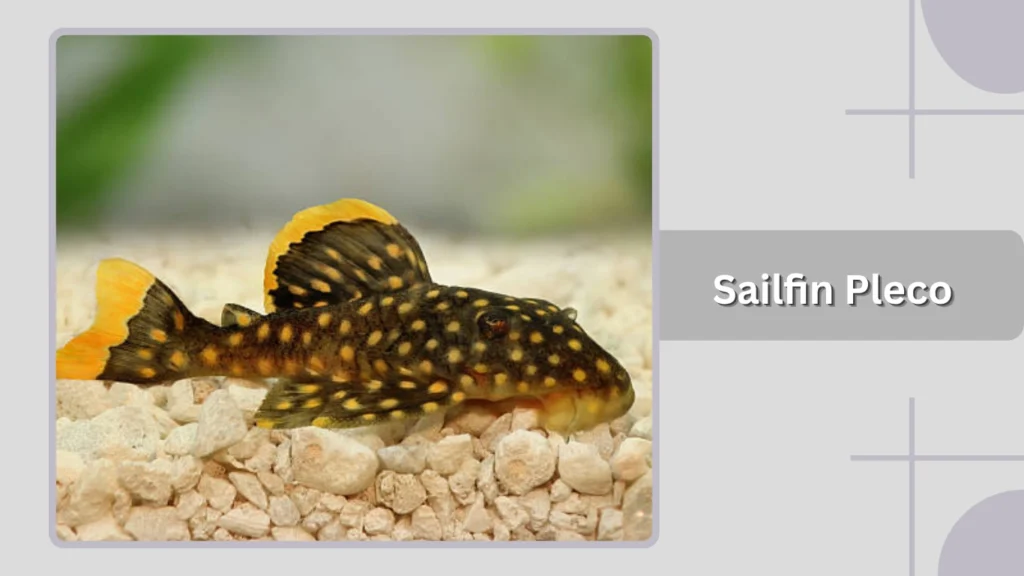
The Sailfin Pleco is a large freshwater catfish known for its impressive dorsal fin that resembles a sail when fully extended. This species is popular among aquarium hobbyists because of its striking appearance, hardy nature, and strong algae-eating abilities. Native to South America, the Sailfin Pleco requires a spacious aquarium and stable water conditions for healthy growth.
Identification
- Large dorsal fin with sail-like appearance
- Brown or black body with spotted or net-like patterns
- Wide sucker-shaped mouth beneath the head
- Flattened body covered with armored plates
- Usually grows between 15 and 20 inches long
Natural Habitat
Sailfin Plecos naturally inhabit rivers, streams, and flooded regions throughout South America. They prefer warm freshwater environments with submerged wood, rocks, and slow-moving currents. In the wild, these fish remain near the bottom while feeding on algae, plant matter, and organic debris attached to underwater surfaces and structures.
Behavior
This species is generally peaceful but may become territorial as it matures and increases in size. Sailfin Plecos are mostly nocturnal and spend much of the daytime resting in caves or beneath driftwood. They actively graze on algae at night and usually coexist well with larger community fish species.
Diet
Sailfin Plecos mainly consume algae and plant-based foods but also require occasional protein sources for balanced nutrition. In aquariums, they enjoy algae wafers, sinking pellets, zucchini, cucumber, spinach, and driftwood fiber. A varied diet supports healthy digestion, steady growth, and stronger immune function throughout their lifespan in captivity.
Tank Requirements
A minimum tank size of 100 gallons is recommended because Sailfin Plecos grow very large and produce considerable waste. The aquarium should include strong filtration, driftwood, hiding spaces, and stable water conditions. Warm temperatures and regular maintenance are important for supporting healthy growth and reducing stress-related health problems.
Lifespan
With proper care and spacious living conditions, Sailfin Plecos commonly live between 10 and 15 years in captivity. Excellent water quality, balanced nutrition, and low-stress surroundings contribute greatly to their health and longevity. Consistent maintenance helps these large plecos remain active, healthy, and visually impressive throughout their lifetime.
9. Royal Pleco
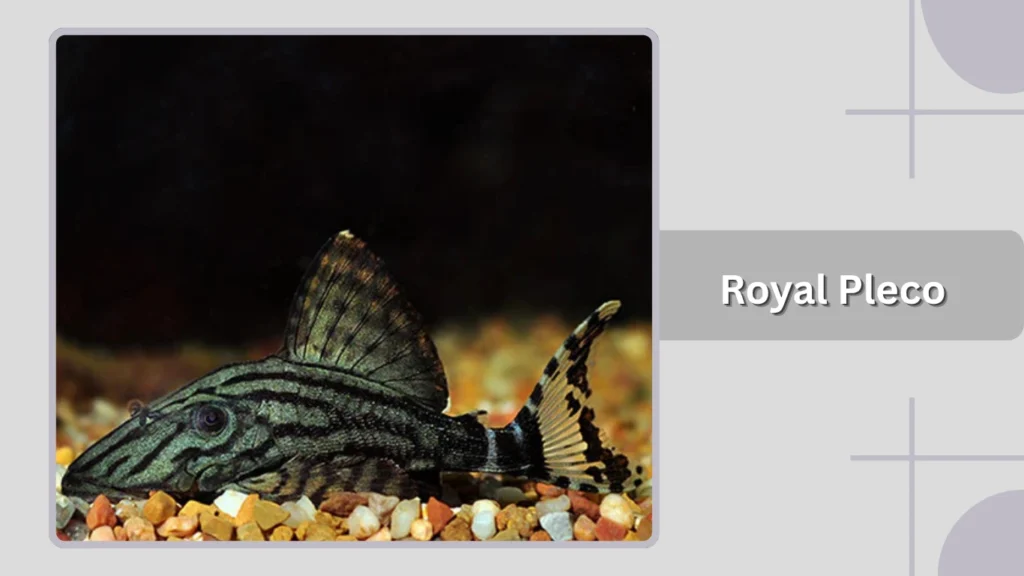
The Royal Pleco is a large and powerful freshwater catfish admired for its bold striped patterns and wood-eating behavior. This species is popular among experienced aquarium hobbyists because of its unique appearance and strong personality. Native to South America, the Royal Pleco requires a spacious aquarium with driftwood, strong filtration, and stable water conditions for long-term health.
Identification
- Dark body with light horizontal or wavy stripes
- Large head with a strong sucker-shaped mouth
- Thick armored body with broad fins
- Rough textured appearance with heavy body structure
- Usually grows between 12 and 17 inches long
Natural Habitat
Royal Plecos naturally inhabit fast-moving rivers and tributaries throughout South America, especially within the Amazon and Orinoco basins. They prefer warm freshwater with rocky bottoms, submerged logs, and strong currents. In the wild, these fish spend most of their time near driftwood while feeding on algae, wood fiber, and organic matter.
Behavior
This species is generally peaceful toward larger fish but may become territorial with other plecos and bottom dwellers. Royal Plecos are mostly nocturnal and spend daylight hours hiding among wood and rocks. They are active nighttime grazers and often use their strong mouths to scrape wood and surfaces throughout the aquarium.
Diet
Royal Plecos are omnivores with a strong preference for driftwood and plant-based foods. In captivity, they enjoy algae wafers, sinking pellets, zucchini, cucumber, spinach, and occasional protein-rich foods. Driftwood is essential because it supports healthy digestion and closely matches their natural feeding behavior in South American river systems.
Tank Requirements
A minimum tank size of 100 gallons is recommended because Royal Plecos grow large and produce significant waste. The aquarium should contain driftwood, caves, strong filtration, and stable water conditions. Moderate water flow and regular maintenance are important for supporting healthy growth and maintaining excellent long-term aquarium quality.
Lifespan
With proper care and spacious tank conditions, Royal Plecos commonly live between 10 and 15 years in captivity. Clean water, balanced nutrition, and reduced stress greatly improve their health and longevity. Consistent maintenance and a suitable environment help these impressive fish remain active, healthy, and visually attractive throughout their lifespan.
10. Vampire Pleco
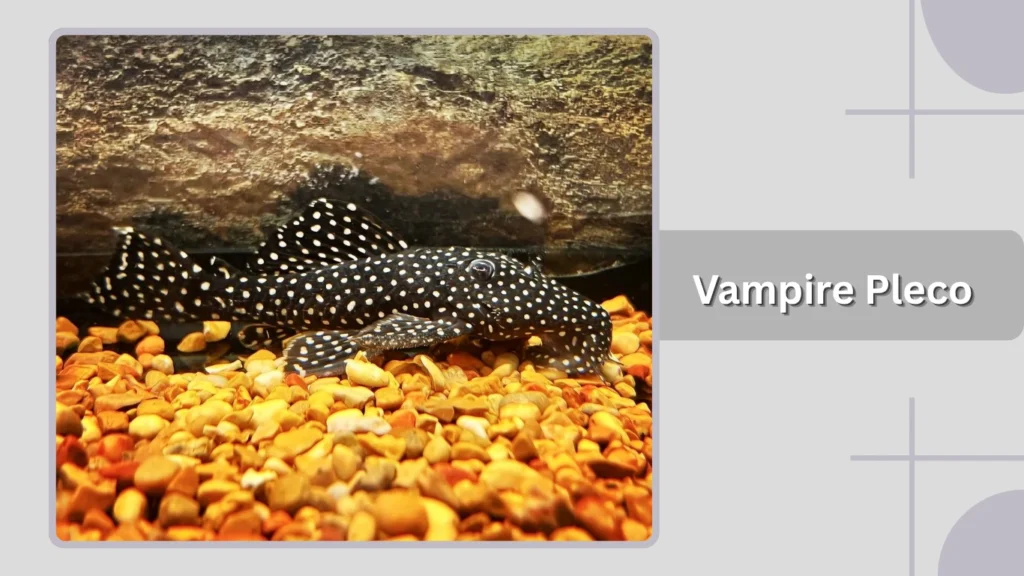
The Vampire Pleco is a rare and unusual freshwater catfish recognized for its elongated body, large fins, and striking appearance. Despite its intimidating name, this species is generally peaceful and highly valued by experienced aquarium keepers. Native to fast-flowing South American rivers, the Vampire Pleco requires excellent water quality, strong currents, and a spacious aquarium for healthy development.
Identification
- Long dark-colored body with streamlined shape
- Large flowing fins with sharp fin rays
- Wide sucker mouth positioned underneath the head
- Armored body plates with rough texture
- Usually grows between 10 and 12 inches long
Natural Habitat
Vampire Plecos naturally inhabit fast-moving rivers and rocky waterways in South America. They prefer oxygen-rich freshwater environments with strong currents, submerged rocks, and driftwood. In the wild, these fish remain close to the river bottom while feeding on algae, small organisms, and organic material attached to underwater surfaces.
Behavior
This species is peaceful but can become territorial toward similar bottom-dwelling fish in limited spaces. Vampire Plecos are mostly nocturnal and spend daytime hours hiding among rocks, caves, and driftwood. They become more active at night while exploring the aquarium and grazing on available food sources throughout their environment.
Diet
Vampire Plecos are omnivores that consume algae, plant matter, and protein-rich foods. In captivity, they enjoy algae wafers, sinking pellets, bloodworms, shrimp, zucchini, and cucumber. Providing a balanced diet with both vegetable and protein sources helps maintain healthy growth, strong coloration, and improved overall health in aquariums.
Tank Requirements
A minimum tank size of 75 gallons is recommended because Vampire Plecos require swimming space, strong filtration, and highly oxygenated water. The aquarium should include rocks, driftwood, caves, and moderate to strong water flow. Stable temperatures and regular maintenance are essential for preventing stress and maintaining long-term health.
Lifespan
With proper care and stable aquarium conditions, Vampire Plecos commonly live between 10 and 12 years in captivity. Excellent water quality, balanced nutrition, and low-stress surroundings greatly improve their health and longevity. Consistent aquarium maintenance helps these unique plecos remain active, healthy, and visually impressive throughout their lifespan.
11. Leopard Frog Pleco
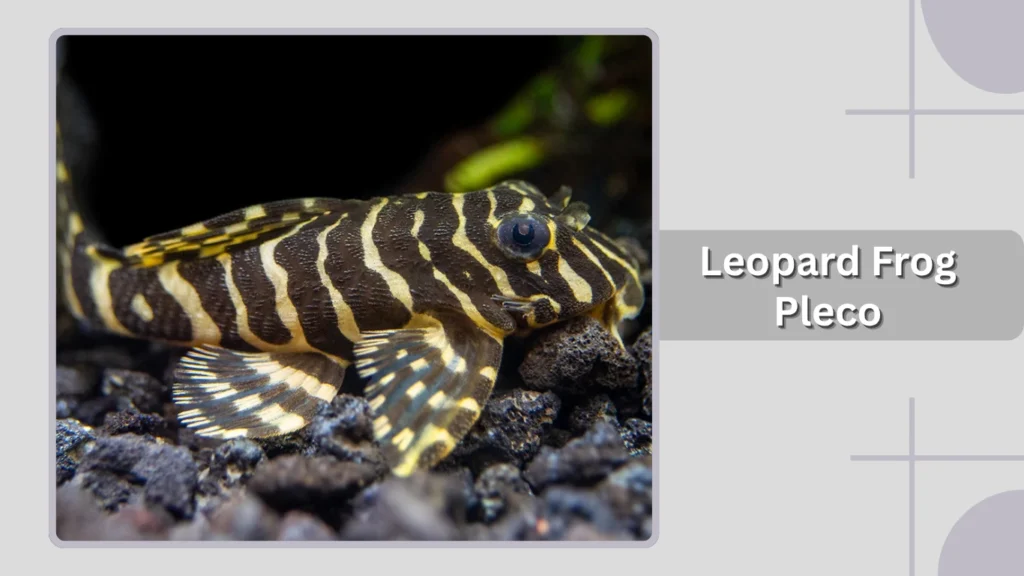
The Leopard Frog Pleco is a colorful freshwater catfish admired for its spotted body pattern that resembles a leopard frog. This peaceful species is popular among aquarium hobbyists because of its unique markings, manageable size, and calm temperament. Native to South America, the Leopard Frog Pleco thrives in clean, warm aquariums with driftwood, hiding places, and stable water conditions.
Identification
- Light-colored body with dark irregular spotted patterns
- Flattened underside with armored body plates
- Wide sucker-shaped mouth beneath the head
- Broad fins with compact body structure
- Usually grows between 4 and 5 inches long
Natural Habitat
Leopard Frog Plecos naturally inhabit rivers and tributaries in South America, especially within the Amazon basin. They prefer slow-moving freshwater environments with submerged wood, rocks, and shaded hiding places. In the wild, these fish stay near the bottom while feeding on algae, plant material, and organic debris attached to surfaces.
Behavior
This species is peaceful, shy, and mostly active during nighttime hours. Leopard Frog Plecos spend much of the daytime hiding inside caves or beneath driftwood to avoid bright lighting and disturbances. They generally coexist well with community fish and rarely display aggression unless competing with other bottom-dwelling plecos for territory.
Diet
Leopard Frog Plecos are omnivores that mainly consume algae, plant matter, and small protein-rich foods. In captivity, they enjoy algae wafers, sinking pellets, zucchini, cucumber, spinach, and occasional bloodworms. Driftwood is also beneficial because it supports healthy digestion and provides natural grazing surfaces similar to their native habitats.
Tank Requirements
A minimum tank size of 30 gallons is recommended for Leopard Frog Plecos because they need stable water conditions and adequate hiding spaces. The aquarium should contain driftwood, caves, rocks, and efficient filtration. Warm temperatures and regular maintenance help reduce stress while supporting healthy growth and long-term aquarium stability.
Lifespan
With proper care and excellent aquarium conditions, Leopard Frog Plecos commonly live between 8 and 12 years in captivity. Clean water, balanced nutrition, and a low-stress environment greatly improve their overall health and longevity. Consistent care allows these attractive plecos to remain active, healthy, and colorful throughout their lifespan.
12. Candy Stripe Pleco
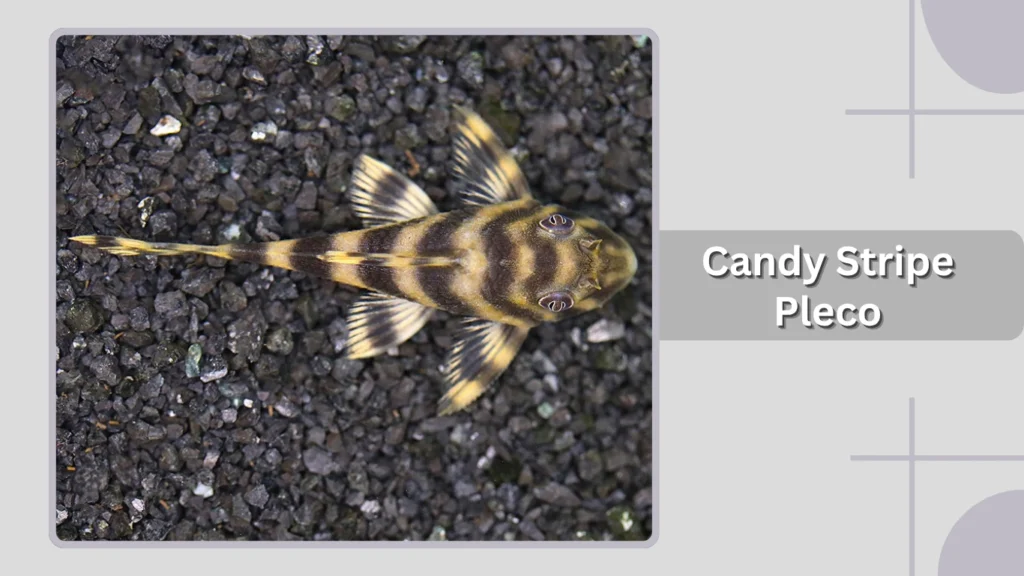
The Candy Stripe Pleco is a small and attractive freshwater catfish known for its thin striped body pattern and peaceful temperament. This species is popular among aquarium enthusiasts because of its compact size and suitability for community tanks. Native to South America, the Candy Stripe Pleco thrives in warm, clean water with driftwood, hiding spots, and stable aquarium conditions.
Identification
- Dark body with thin white or cream-colored stripes
- Slim, compact body with armored plates
- Sucker-shaped mouth positioned underneath the head
- Rounded fins with smooth body structure
- Usually grows between 3 and 4 inches long
Natural Habitat
Candy Stripe Plecos naturally inhabit freshwater rivers and streams in South America. They prefer slow-moving environments with submerged driftwood, rocks, and shaded hiding areas. In their natural habitat, these fish remain near the bottom while feeding on algae, plant matter, and small organic materials attached to underwater surfaces and structures.
Behavior
This species is peaceful, shy, and mainly active during nighttime hours. Candy Stripe Plecos spend most daylight hours hiding inside caves, driftwood, or rocky crevices. They generally coexist well with other peaceful community fish and rarely show aggressive behavior unless competing for limited hiding places or territory within smaller aquariums.
Diet
Candy Stripe Plecos are omnivores that mainly consume algae, vegetables, and small protein-rich foods. In aquariums, they enjoy algae wafers, sinking pellets, zucchini, spinach, cucumber, and occasional bloodworms. Driftwood is also beneficial because it aids digestion and provides a natural feeding surface similar to their wild environment.
Tank Requirements
A minimum tank size of 20 gallons is suitable for Candy Stripe Plecos because they remain relatively small and peaceful. The aquarium should include driftwood, caves, gentle filtration, and stable water conditions. Warm temperatures and regular maintenance are important for supporting healthy growth and reducing stress in captivity.
Lifespan
With proper aquarium care and stable water conditions, Candy Stripe Plecos commonly live between 8 and 10 years in captivity. Balanced nutrition, clean water, and low-stress surroundings contribute greatly to their overall health and longevity. Consistent maintenance helps these colorful plecos remain active, healthy, and visually appealing throughout their lifespan.
13. Green Phantom Pleco
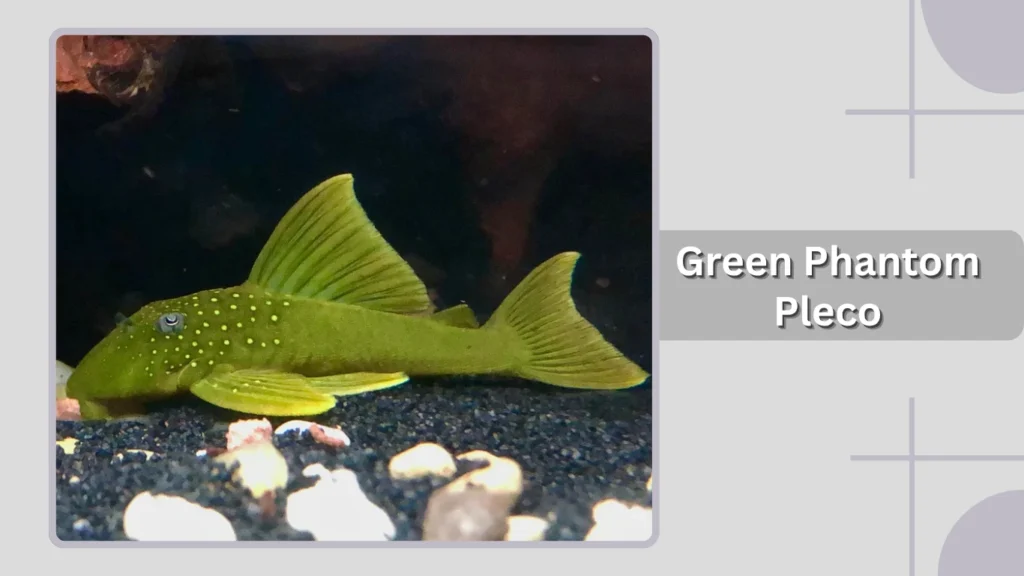
The Green Phantom Pleco is a beautiful freshwater catfish admired for its greenish body coloration and long flowing fins. This peaceful species is highly valued by aquarium hobbyists because of its unique appearance and calm behavior. Native to South America, the Green Phantom Pleco thrives in warm, oxygen-rich water with strong filtration, driftwood, rocks, and stable aquarium conditions.
Identification
- Greenish-gray body with light spotted markings
- Long dorsal fin with elegant flowing appearance
- Flattened body covered with armored plates
- Large sucker-shaped mouth beneath the head
- Usually grows between 7 and 8 inches long
Natural Habitat
Green Phantom Plecos naturally inhabit fast-flowing rivers and streams in South America, especially within Colombia and Venezuela. They prefer warm, oxygen-rich freshwater with rocky surfaces, submerged wood, and moderate currents. In the wild, these fish remain near the river bottom while feeding on algae, biofilm, and organic matter attached to surfaces.
Behavior
This species is peaceful and generally suitable for community aquariums with calm tank mates. Green Phantom Plecos are mostly nocturnal and spend daytime hours hiding among caves, rocks, and driftwood. They may become mildly territorial toward similar bottom-dwelling species but usually avoid aggression when provided with enough space and hiding areas.
Diet
Green Phantom Plecos are omnivores that mainly consume algae, plant matter, and small protein-rich foods. In captivity, they enjoy algae wafers, sinking pellets, zucchini, cucumber, spinach, and occasional bloodworms or shrimp-based foods. A balanced diet helps support healthy growth, stronger immunity, and vibrant coloration throughout their lifespan.
Tank Requirements
A minimum tank size of 50 gallons is recommended because Green Phantom Plecos require stable water conditions and adequate swimming space. The aquarium should include driftwood, rocks, caves, strong filtration, and moderate water flow. Warm temperatures and regular maintenance are essential for maintaining excellent health and reducing long-term stress.
Lifespan
With proper care and stable aquarium conditions, Green Phantom Plecos commonly live between 10 and 12 years in captivity. Clean water, balanced nutrition, and a stress-free environment greatly improve their health and longevity. Consistent aquarium maintenance helps these attractive plecos remain active, healthy, and visually impressive throughout their entire lifespan.
14. Blue Phantom Pleco
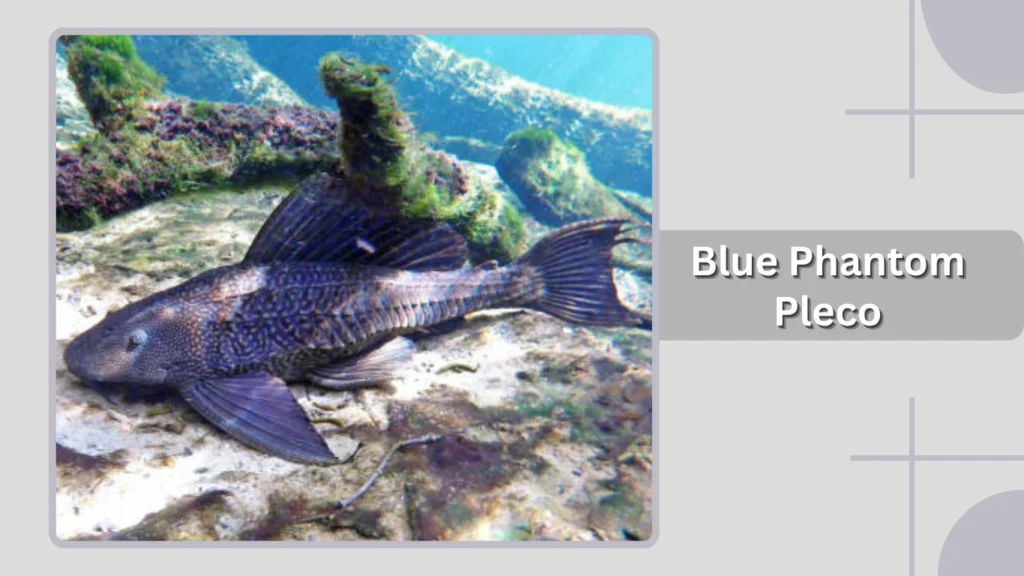
The Blue Phantom Pleco is a stunning freshwater catfish known for its bluish body coloration and elegant fin structure. This peaceful species is highly popular among aquarium enthusiasts because of its rare appearance and calm temperament. Native to South America, the Blue Phantom Pleco requires warm, oxygen-rich water, stable conditions, and plenty of hiding places for healthy long-term survival.
Identification
- Bluish-gray body with pale spotted markings
- Long dorsal fin with graceful appearance
- Flattened body covered with armored plates
- Wide sucker-shaped mouth beneath the head
- Usually grows between 7 and 8 inches long
Natural Habitat
Blue Phantom Plecos naturally inhabit fast-flowing rivers and tributaries in South America, especially within Venezuela and Colombia. They prefer warm freshwater environments with strong currents, rocky surfaces, and submerged driftwood. In the wild, these fish remain near the bottom while feeding on algae, biofilm, and organic material attached to underwater surfaces.
Behavior
This species is peaceful and suitable for community aquariums with calm fish species. Blue Phantom Plecos are mostly nocturnal and spend daytime hours hiding inside caves, rocks, or beneath driftwood. They may become mildly territorial toward similar plecos but generally remain calm when provided with enough space and secure hiding areas.
Diet
Blue Phantom Plecos are omnivores that mainly consume algae, vegetables, and small protein-rich foods. In captivity, they enjoy algae wafers, sinking pellets, zucchini, cucumber, spinach, and occasional bloodworms. A varied diet supports healthy growth, stronger immunity, proper digestion, and improved body coloration throughout their lifespan in aquariums.
Tank Requirements
A minimum tank size of 50 gallons is recommended because Blue Phantom Plecos require stable water conditions and sufficient swimming space. The aquarium should contain driftwood, caves, rocks, efficient filtration, and moderate water flow. Warm temperatures and regular maintenance are important for reducing stress and maintaining excellent long-term health.
Lifespan
With proper care and stable aquarium conditions, Blue Phantom Plecos commonly live between 10 and 12 years in captivity. Clean water, balanced nutrition, and low-stress surroundings greatly improve their health and longevity. Consistent maintenance helps these attractive plecos remain active, healthy, and visually striking throughout their entire lifespan.
15. Queen Arabesque Pleco
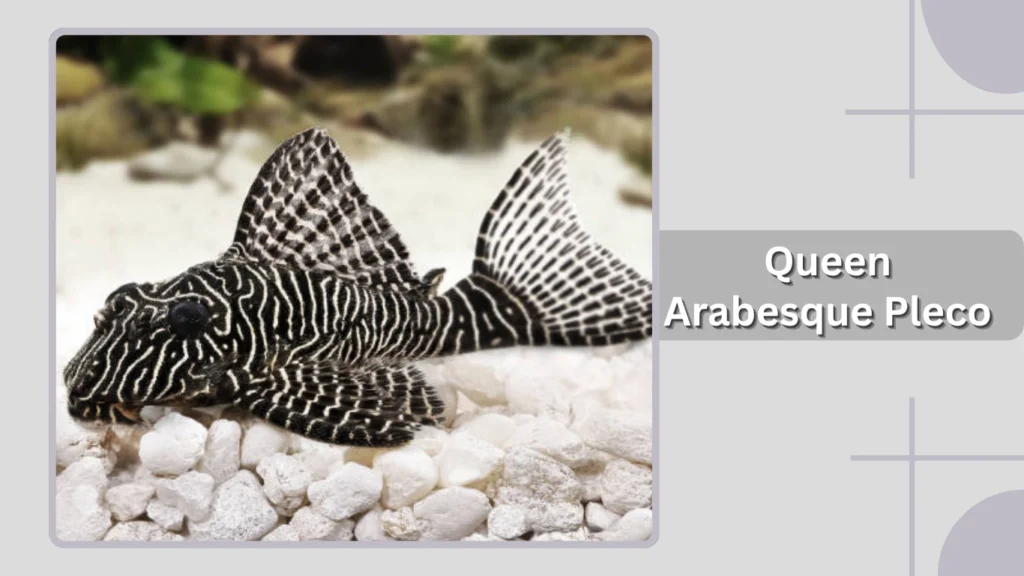
The Queen Arabesque Pleco is a small and highly attractive freshwater catfish famous for its intricate maze-like body patterns. This peaceful species is popular among aquarium hobbyists because of its compact size, unique appearance, and calm nature. Native to Brazil, the Queen Arabesque Pleco thrives in warm, clean water with driftwood, caves, and stable aquarium conditions for healthy growth.
Identification
- Dark body with white or cream maze-like patterns
- Slim body with armored plating
- Wide sucker-shaped mouth beneath the head
- Rounded fins with elegant body shape
- Usually grows between 3 and 5 inches long
Natural Habitat
Queen Arabesque Plecos naturally inhabit rivers and tributaries within Brazil’s Amazon basin. They prefer warm freshwater environments with submerged driftwood, rocks, and moderate water flow. In the wild, these fish remain close to the river bottom while feeding on algae, biofilm, and small organic particles attached to underwater surfaces and structures.
Behavior
This species is peaceful, shy, and mostly active during nighttime hours. Queen Arabesque Plecos spend much of the daytime hiding inside caves, beneath driftwood, or among rocks. They generally coexist well with peaceful community fish but may show mild territorial behavior toward other plecos when hiding spaces are limited in smaller aquariums.
Diet
Queen Arabesque Plecos are omnivores that mainly consume algae, plant matter, and small protein-rich foods. In captivity, they enjoy algae wafers, sinking pellets, zucchini, cucumber, spinach, and occasional bloodworms. Providing driftwood and a balanced diet helps maintain healthy digestion, strong immunity, and vibrant body coloration throughout their lifespan.
Tank Requirements
A minimum tank size of 20 to 30 gallons is recommended for Queen Arabesque Plecos because they require stable water conditions and multiple hiding spaces. The aquarium should contain driftwood, caves, efficient filtration, and moderate water flow. Warm temperatures and regular maintenance are important for supporting long-term health and reducing stress.
Lifespan
With proper care and stable aquarium conditions, Queen Arabesque Plecos commonly live between 8 and 10 years in captivity. Excellent water quality, balanced nutrition, and low-stress surroundings greatly improve their overall health and longevity. Consistent maintenance helps these beautifully patterned plecos remain active, healthy, and visually appealing throughout their lifespan.
16. Sunshine Pleco
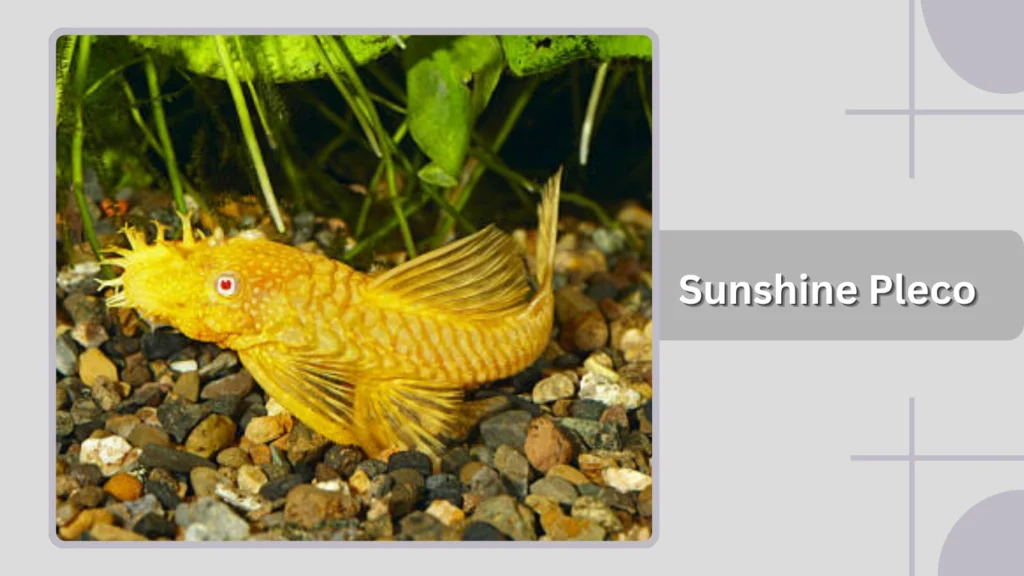
The Sunshine Pleco is a brightly colored freshwater catfish admired for its golden-yellow body and peaceful temperament. This species is popular among aquarium hobbyists because of its vibrant appearance and manageable behavior. Native to South America, the Sunshine Pleco thrives in warm, clean water with driftwood, caves, and stable aquarium conditions that support healthy growth and long-term survival.
Identification
- Bright yellow or golden body coloration
- Dark edging on fins and body markings
- Flattened body with armored plates
- Wide sucker-shaped mouth beneath the head
- Usually grows between 10 and 12 inches long
Natural Habitat
Sunshine Plecos naturally inhabit rivers and tributaries in South America, especially within the Amazon basin. They prefer warm freshwater environments with submerged driftwood, rocky surfaces, and moderate water flow. In the wild, these fish stay near the river bottom while feeding on algae, biofilm, and organic material attached to underwater surfaces.
Behavior
This species is generally peaceful but may become territorial toward other bottom-dwelling plecos in confined spaces. Sunshine Plecos are mostly nocturnal and spend daytime hours hiding inside caves, beneath driftwood, or among rocks. They usually coexist well with larger peaceful fish and become more active during nighttime feeding periods.
Diet
Sunshine Plecos are omnivores that mainly consume algae, plant matter, and small protein-rich foods. In captivity, they enjoy algae wafers, sinking pellets, zucchini, cucumber, spinach, and occasional bloodworms or shrimp-based foods. A varied diet supports healthy growth, proper digestion, stronger immunity, and vibrant coloration throughout their lifespan in aquariums.
Tank Requirements
A minimum tank size of 75 gallons is recommended because Sunshine Plecos require spacious environments and stable water conditions. The aquarium should include driftwood, caves, rocks, strong filtration, and moderate water flow. Warm temperatures and regular maintenance are essential for reducing stress and maintaining excellent long-term aquarium health and stability.
Lifespan
With proper care and excellent aquarium conditions, Sunshine Plecos commonly live between 10 and 15 years in captivity. Clean water, balanced nutrition, and low-stress surroundings greatly improve their health and longevity. Consistent maintenance helps these colorful plecos remain active, healthy, and visually impressive throughout their entire lifespan.
17. Bulldog Pleco
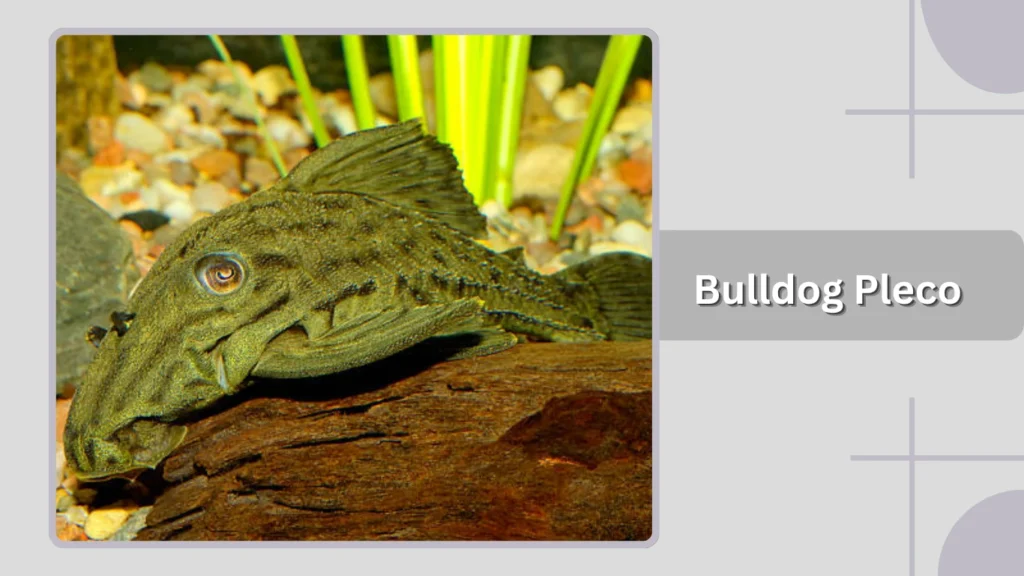
The Bulldog Pleco is a small freshwater catfish recognized for its broad head, flattened body, and strong algae-eating abilities. This peaceful species is popular among aquarium keepers because of its hardy nature and manageable size. Native to South America, the Bulldog Pleco thrives in clean, oxygen-rich water with rocks, driftwood, and stable aquarium conditions for long-term health.
Identification
- Broad flattened head with sturdy body shape
- Brown, gray, or olive-colored body
- Wide sucker-shaped mouth beneath the head
- Armored body plates with smooth appearance
- Usually grows between 4 and 5 inches long
Natural Habitat
Bulldog Plecos naturally inhabit rivers and streams throughout South America. They prefer cool, oxygen-rich freshwater environments with rocky bottoms, driftwood, and moderate water currents. In the wild, these fish stay near the river bottom while feeding on algae, biofilm, and small organic particles attached to underwater surfaces and structures.
Behavior
This species is peaceful, calm, and suitable for community aquariums with non-aggressive fish. Bulldog Plecos are mostly active during evening and nighttime hours while spending daytime periods resting beneath rocks or driftwood. They rarely display aggression but may defend favorite hiding places from other bottom-dwelling fish in smaller aquariums.
Diet
Bulldog Plecos mainly consume algae and plant-based foods but also benefit from occasional protein-rich meals. In aquariums, they enjoy algae wafers, sinking pellets, zucchini, cucumber, spinach, and driftwood fiber. A balanced diet supports healthy digestion, proper growth, stronger immunity, and consistent energy levels throughout their lifespan in captivity.
Tank Requirements
A minimum tank size of 20 to 30 gallons is suitable for Bulldog Plecos because they remain relatively small and peaceful. The aquarium should include rocks, driftwood, hiding caves, efficient filtration, and stable water conditions. Moderate water flow and regular maintenance help reduce stress and maintain excellent long-term aquarium health.
Lifespan
With proper care and stable aquarium conditions, Bulldog Plecos commonly live between 8 and 12 years in captivity. Clean water, balanced nutrition, and low-stress surroundings greatly improve their health and longevity. Consistent maintenance helps these hardy plecos remain active, healthy, and effective algae eaters throughout their entire lifespan.
FAQs
Are plecos good for community aquariums?
Most pleco species are peaceful and suitable for community aquariums with non-aggressive fish. Smaller plecos, such as Bristlenose and Clown Plecos, adapt especially well to shared tanks. However, larger species may become territorial as they mature, so providing enough space and hiding spots helps maintain peaceful behavior among tank mates.
How large do plecos grow in captivity?
Pleco size varies greatly depending on the species. Smaller varieties may only reach 3 to 6 inches, while larger species like the Common Pleco and Sailfin Pleco can exceed 20 inches. Researching adult size before purchase is important because many plecos eventually require large aquariums with powerful filtration systems.
What do plecos eat in aquariums?
Plecos mainly consume algae, plant matter, and sinking foods. Many species enjoy algae wafers, zucchini, cucumber, spinach, and driftwood fiber. Some varieties also require protein-rich foods such as bloodworms or shrimp. Providing a balanced diet helps support healthy digestion, strong immunity, and proper long-term growth in captivity.
Do plecos need driftwood in their tank?
Many pleco species benefit from driftwood because it provides shelter, grazing surfaces, and important dietary fiber. Wood-eating plecos especially rely on driftwood to support healthy digestion. Driftwood also creates a more natural environment, reduces stress, and offers hiding spaces that help plecos feel secure inside the aquarium.
How long can plecos live?
Plecos can live for many years when kept in proper aquarium conditions. Smaller species often live between 8 and 12 years, while larger varieties may survive 15 years or longer. Clean water, stable temperatures, balanced nutrition, and regular aquarium maintenance are essential for supporting long and healthy lifespans in captivity.