
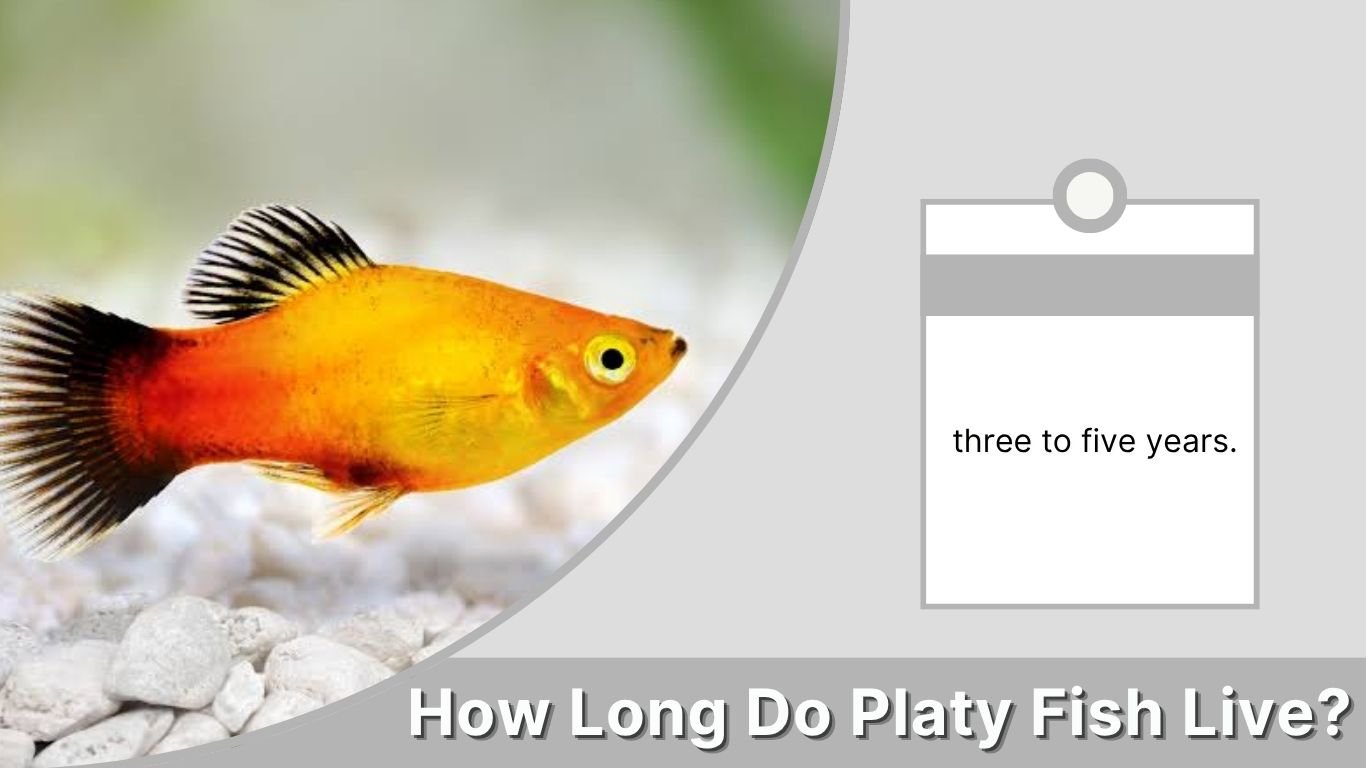
Platy fish typically live for three to five years in a well-maintained aquarium. Their exact lifespan depends on genetics, water quality, diet, temperature, tank size, and stress levels. Some platies may live beyond five years when given excellent care, while fish kept in poor conditions may survive for only one or two years. Providing stable tropical water, nutritious food, suitable companions, and regular tank maintenance gives platies the best chance of enjoying a long, healthy life.
How Long Do Platy Fish Live in an Aquarium?
Most platy fish have an average lifespan of three to five years. However, their age when purchased is often unknown. Many pet-store platies are already several months old, so they may not remain with their new owner for the entire expected lifespan.
Average Platy Fish Lifespan
A healthy platy may live:
- Average lifespan: Three to five years
- Under poor conditions: One to two years
- With excellent care: Five years or occasionally longer
- In the wild: Usually shorter because of predators, diseases, and food shortages
Female platies may sometimes have shorter lives if they experience repeated pregnancies. Preventing overcrowding and maintaining an appropriate male-to-female ratio can reduce stress on females.
What Affects Their Lifespan?
Genetics play an important role, especially in heavily bred color varieties. Water quality is equally important. Ammonia and nitrite should remain at zero, while nitrate should be kept low through partial water changes.
Stress caused by aggressive tank mates, sudden temperature changes, overcrowding, or an uncycled aquarium can weaken the immune system. Poor nutrition may also make platies more vulnerable to infections and other health problems.
How to Help Platy Fish Live Longer
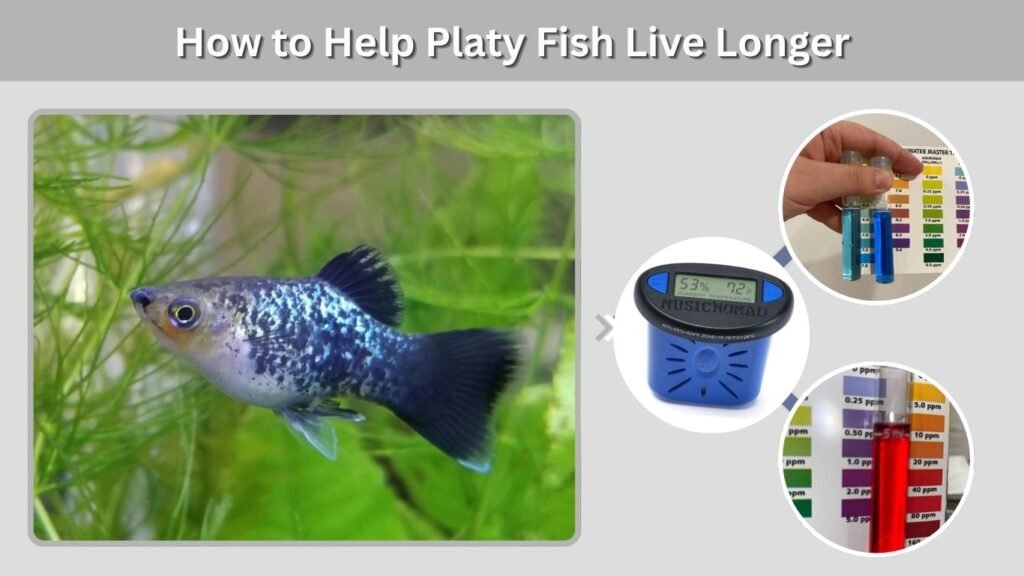
Platies are considered beginner-friendly, but they still need a properly established aquarium. A filtered, heated tank with stable water conditions is much safer than a small bowl or unfiltered container.
Provide Suitable Water Conditions
The following conditions generally support healthy platies:
- Temperature: Approximately 70–78°F (21–26°C)
- pH: Around 7.0–8.2
- Water hardness: Moderate to hard water
- Ammonia: 0 ppm
- Nitrite: 0 ppm
- Nitrate: Preferably below 20–40 ppm
Avoid changing the temperature or water chemistry suddenly. When performing a water change, use dechlorinated water with a temperature similar to the aquarium water.
Use an Appropriate Tank
A group of platies should generally be kept in a tank of at least 15–20 gallons. A larger aquarium provides more swimming room and maintains stable water conditions more easily.
Add live plants, open swimming areas, and hiding places. Plants are especially helpful when keeping newborn fry because they provide cover from adult fish. Avoid sharp decorations that could damage the platies’ fins or bodies.
Feed a Balanced Diet
Platies are omnivores and benefit from a varied diet. A quality tropical flake or small pellet can be the main food, supplemented with vegetable matter and occasional protein-rich foods.
Suitable choices include spirulina flakes, blanched zucchini, daphnia, brine shrimp, and bloodworms. Feed small portions once or twice daily. Overfeeding pollutes the water and can lead to obesity, digestive problems, and a shorter lifespan.
Maintain the Aquarium Regularly
Replace approximately 20–30% of the aquarium water every week, depending on the tank’s stocking level and nitrate concentration. Clean debris from the substrate and check the filter regularly.
Do not wash biological filter media under untreated tap water because chlorine can kill beneficial bacteria. Rinse it gently in removed aquarium water when necessary.
Can Platy Fish Live Alone?
A platy can technically survive alone, but it is normally more active and comfortable around other planets. They are social fish that often swim and feed together, although they do not form tight schools.
Recommended Group Size
Keep at least three to six platies when the aquarium has enough space. If keeping males and females together, use approximately one male for every two or three females. Male platies may continually pursue females, so having more females spreads the attention and reduces stress.
An all-male or all-female group can prevent unwanted fry. However, females purchased from a mixed aquarium may already be pregnant and can store sperm for future broods.
Can Platy Fish Live in a Bowl?
A fishbowl is unsuitable for platies. Bowls usually have limited swimming space, unstable temperatures, insufficient filtration, and poor oxygen exchange. Waste can quickly produce dangerous ammonia levels.
A rectangular, filtered aquarium provides a larger surface area and much more stable conditions. This can significantly improve the fish’s health and lifespan.
Can Platy Fish Live in Cold Water?
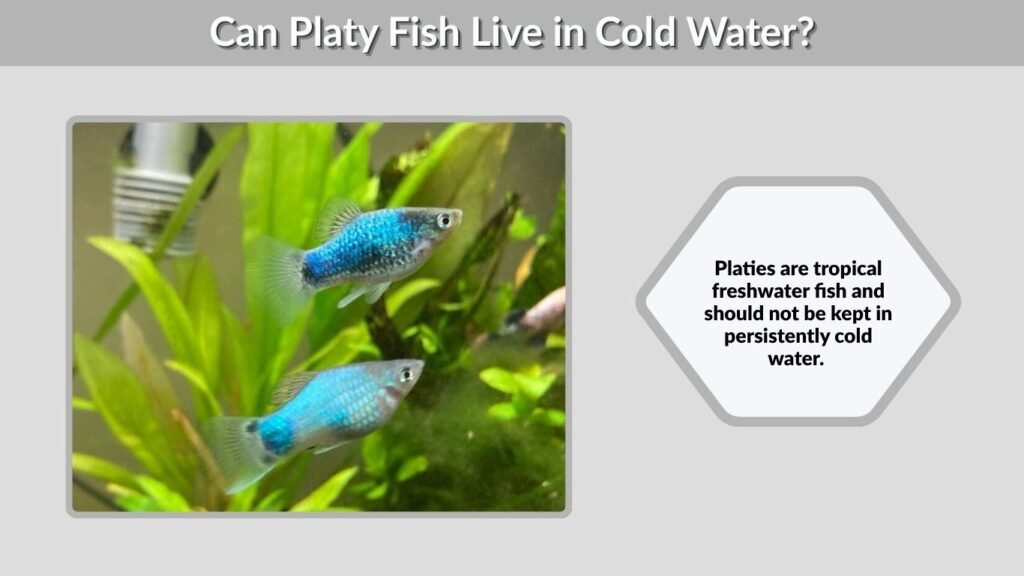
Platies are tropical freshwater fish and should not be kept in persistently cold water. Although they can tolerate mild temperature variations, extended exposure to low temperatures can slow their metabolism and weaken their immune system.
Do Platies Need a Heater?
A heater is recommended when the room temperature falls below or frequently fluctuates outside their preferred range. Stable temperature is more important than keeping the water at one exact number.
Platies may live in an outdoor pond during warm weather if the temperature remains suitable, predators are controlled, and the water is properly filtered. They should be moved indoors before cold seasonal temperatures arrive.
Can Platies Live Without an Oxygen Pump?
Platies do not always require a separate air pump. If the filter creates sufficient surface movement, it may provide adequate gas exchange. Live plants can also contribute oxygen during daylight, although they consume some oxygen at night.
An air stone can be useful in warm water, crowded tanks, medicated aquariums, or whenever fish show signs of oxygen shortage. Gasping near the surface may indicate low oxygen, poor water quality, or illness.
Can Platies Live Without a Filter?
Platies should not normally live without a filter. A filter removes debris, circulates the water, and houses beneficial bacteria that process toxic waste. Keeping platies in an unfiltered tank requires frequent testing and water changes, and mistakes can quickly become dangerous.
What Fish Can Live With Platies?
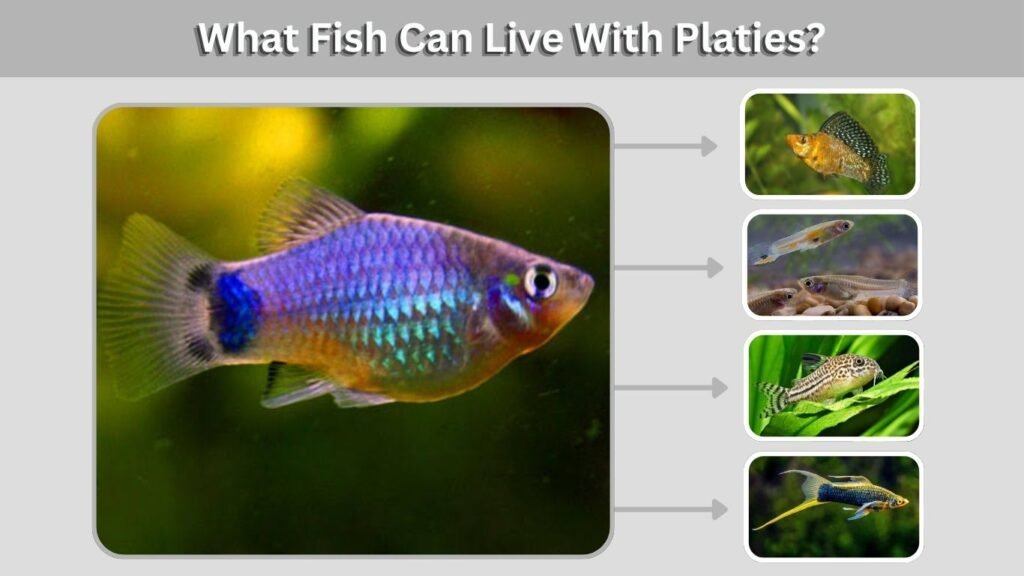
Platies are peaceful community fish that usually do well with species sharing similar water requirements. Tank size, temperament, and the number of fish must always be considered before introducing new companions.
Suitable Platy Tank Mates
Compatible choices may include:
- Guppies
- Mollies
- Swordtails
- Endler’s livebearers
- Corydoras catfish
- Bristlenose plecos
- Peaceful rasboras
- Some peaceful tetras
- Zebra danios
- Peaceful snails and shrimp
Guppies and platies commonly live together successfully. Both prefer warm water and peaceful community conditions. However, their population can grow rapidly if males and females are present.
Can Platies Live With Bettas?
A betta may live with platies, but compatibility depends on the individual betta’s temperament and the size of the aquarium. Some bettas ignore platies, while others chase or attack them.
Use a spacious, planted tank and watch carefully for aggression or fin damage. A backup aquarium or divider should be available if the combination does not work.
Can Platies Live With Goldfish?
Goldfish are not recommended as platy tank mates. Goldfish generally prefer cooler water, grow much larger, produce considerable waste, and may swallow small fish. Their dietary needs and aquarium requirements also differ from those of tropical platies.
Do Platy Fish Give Live Birth?
Plates are livebearing fish, meaning females deliver free-swimming young instead of laying eggs. Pregnancy usually lasts around four weeks, although temperature and other conditions can affect the timing.
Platy Fry and Pregnancy
A female may produce approximately 20–80 fry in one brood, with large adults occasionally producing more. Adult plants often eat newborn fry, so dense plants or a separate nursery tank can improve survival.
If every fry survives, the aquarium can quickly become overcrowded. Owners should plan how to house or rehome the young before breeding plants.
FAQs
How long do platy fish live without a filter?
There is no reliable survival period. Toxic ammonia can accumulate quickly in an unfiltered aquarium. A cycled filter is strongly recommended for long-term care.
Can molly fish and platy fish live together?
Yes. Mollies and platies can usually live together in a spacious aquarium with warm, moderately hard water. Mollies may require more room because they grow larger.
Can angelfish live with platies?
They can sometimes coexist, but the combination carries risks. Adult angelfish may eat platy fry or harass smaller platies. A large, planted aquarium and careful monitoring are necessary.
What temperature can platy fish live in?
Platies generally do best at approximately 70–78°F (21–26°C). Stable water temperature helps prevent stress and disease.
Are platies livebearing fish?
Yes. Female plants give birth to live, free-swimming fry and can produce a new brood approximately every four to six weeks under suitable conditions.