
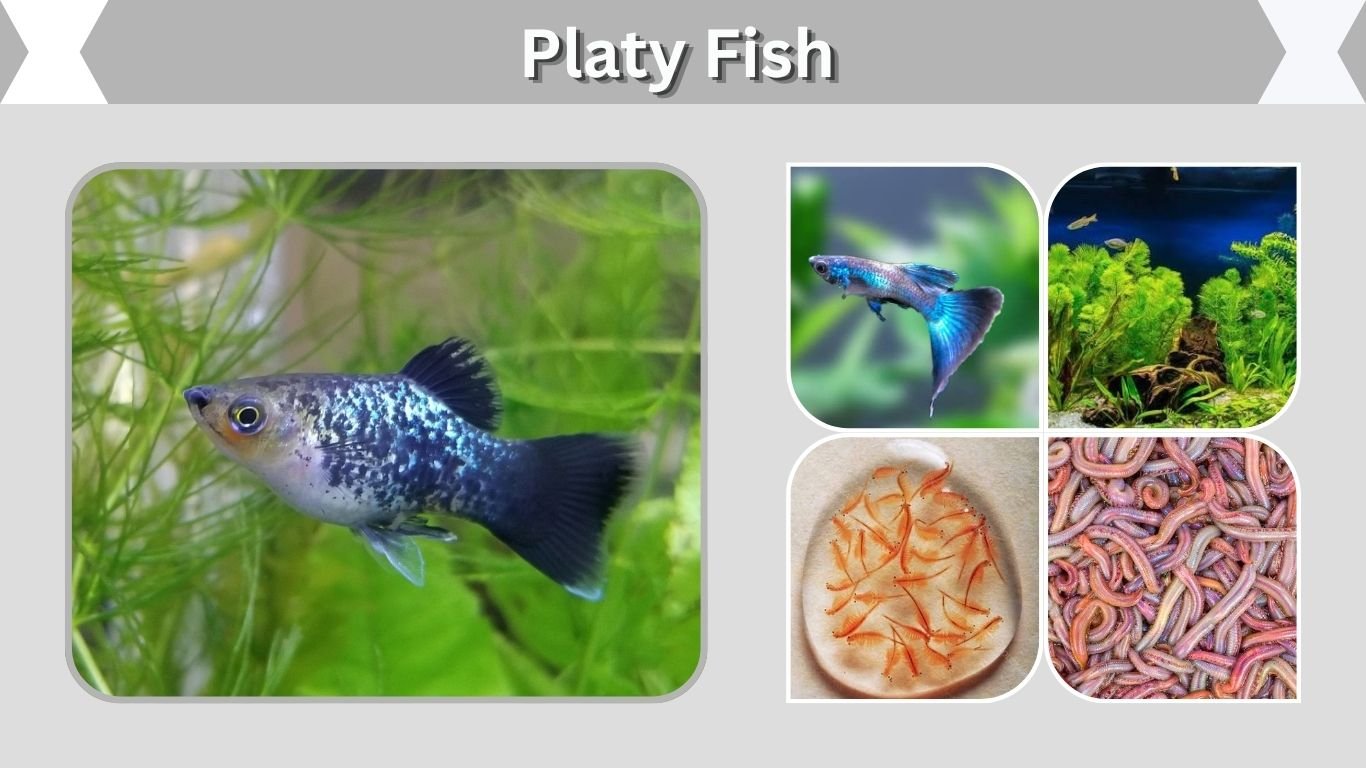
The platy fish is one of the most popular freshwater aquarium fish because of its bright colors, peaceful personality, and relatively easy care requirements. Platies come in many varieties, including Mickey Mouse, sunburst, blue, red wag, bumblebee, panda, and rainbow forms—several of the most commonly searched varieties. They are also livebearers, meaning females give birth to free-swimming fry instead of laying eggs. This guide covers plastic fish care, temperature, lifespan, size, food, tank mates, pregnancy, breeding, and male-versus-female identification.
What Is a Platy Fish?
Platies are small freshwater livebearers belonging primarily to the genus Xiphophorus. They originate from parts of Central America and have been selectively bred into an impressive range of aquarium colors and patterns. Their manageable size, social behavior, and adaptability make them suitable for many community aquariums and beginner fishkeepers.
Platy Fish Appearance and Size
Adult plants generally grow around 2 to 3 inches long, although females are often larger and fuller-bodied than males.
Their bodies are short and somewhat deep, with rounded bellies and fan-shaped tails. Selective breeding has created numerous colors, including:
- Red
- Orange
- Yellow
- Blue
- Black
- White
- Gold
- Greenish shades
- Multicolored patterns
Some varieties also have enlarged fins, distinctive tail markings, or contrasting black areas.
Popular Types of Platy Fish
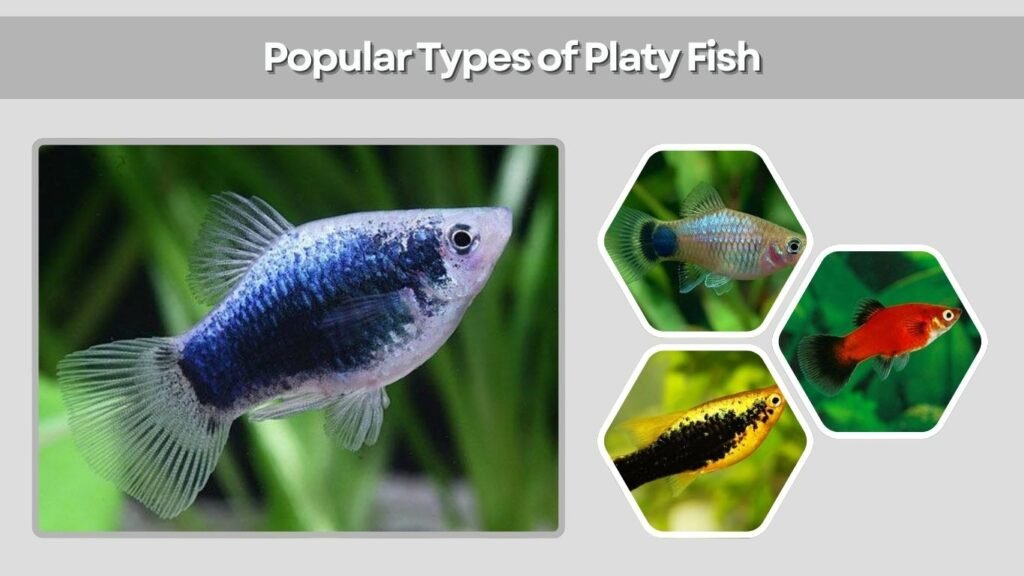
Platy fish varieties are primarily distinguished by their colors, patterns, and fin characteristics. Searches for platy types and varieties are especially common, alongside individual forms such as blue, red, sunburst, bumblebee, and Mickey Mouse platies.
Common Platy Varieties
Popular aquarium varieties include:
- Mickey Mouse Platy
- Sunburst Platy
- Red Wag Platy
- Blue Platy
- Bumblebee Platy
- Green Lantern Platy
- Rainbow Platy
- Panda Platy
- Dalmatian Platy
- Calico Platy
- Tuxedo Platy
- Koi Platy
- Gold Platy
- Hi-Fin Platy
The Mickey Mouse Platy gets its name from the dark markings near the base of its tail that resemble the famous three-circle silhouette.
Sunburst platies usually display warm yellow, orange, and reddish coloration, while wag varieties typically combine a colorful body with contrasting dark fins.
Platy Fish Care
Platies are considered relatively easy freshwater fish, but they still require clean, stable water and an appropriately sized aquarium. They are active social fish that generally do better with other plants or compatible peaceful species rather than being kept completely alone.
Basic Platy Care Requirements
Provide:
- A properly cycled freshwater aquarium
- Consistent filtration
- Regular partial water changes
- Stable water parameters
- Plants and swimming space
- A varied diet
- Peaceful tank mates
- Several platies rather than one isolated fish
A tank of approximately 10 gallons can house a small group, although a larger aquarium provides more stable water conditions and additional swimming space.
Because platies reproduce easily, consider future fry when deciding tank size.
Platy Fish Temperature and Water Conditions
Water temperature is one of the most important parts of successful platy care and is also a major topic associated with keeping these fish. Platies prefer warm, stable freshwater conditions rather than sudden changes in temperature or chemistry.
Best Water Temperature
A practical temperature range is approximately 70°F to 78°F (21°C to 26°C).
Platies generally prefer moderately hard, neutral-to-alkaline water. They can tolerate some variation when changes happen gradually.
Good aquarium maintenance includes checking:
- Temperature
- Ammonia
- Nitrite
- Nitrate
- pH
Ammonia and nitrite should remain at zero in a properly established aquarium.
What Do Platy Fish Eat?
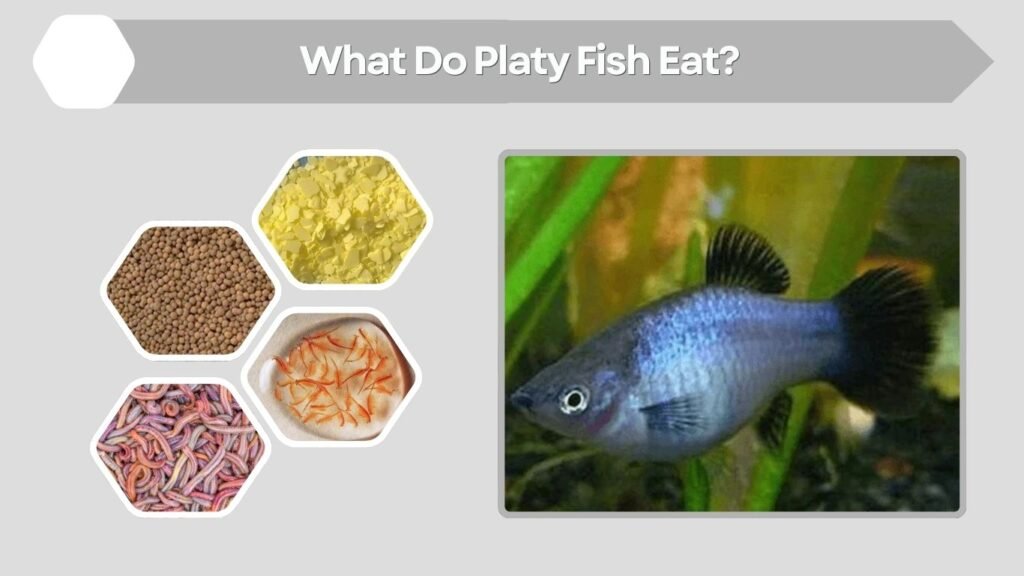
Platies are omnivores, meaning they eat both plant and animal-based foods. In the aquarium, a high-quality tropical flake or small pellet food can form the foundation of their diet.
Best Foods for Platy Fish
Good options include:
- Quality flakes
- Small pellets
- Brine shrimp
- Daphnia
- Bloodworms occasionally
- Spirulina-based food
- Soft vegetable matter
- Algae-based foods
Feeding a varied diet generally provides better nutritional balance than using only one food.
Offer small portions that the fish can consume quickly. Excess food falls into the substrate, decomposes, and can reduce water quality.
How Long Do Platy Fish Live?
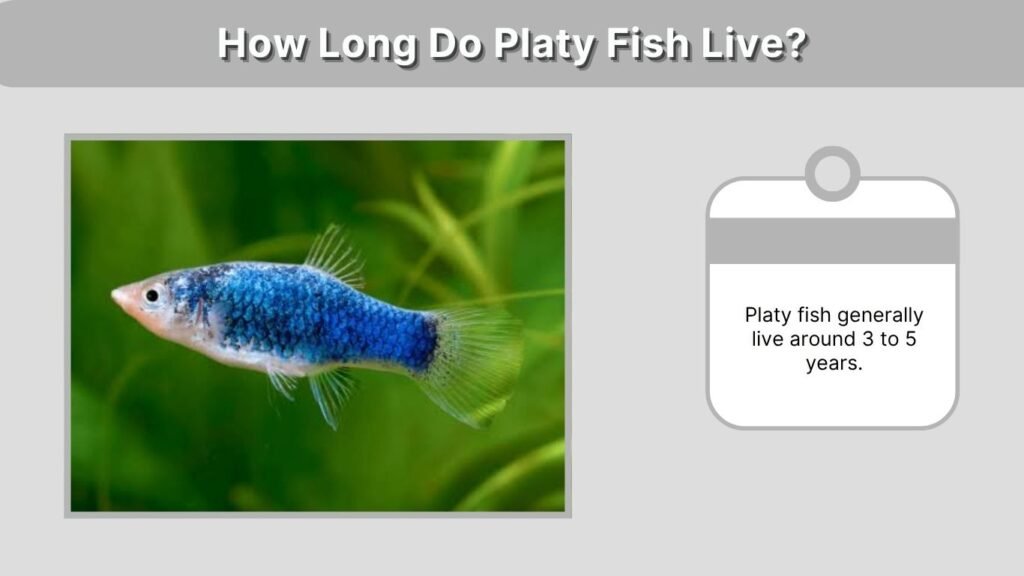
Platy fish generally live around 3 to 5 years when maintained under good aquarium conditions.
Lifespan is one of the most frequently searched questions surrounding platies. Genetics, water quality, diet, disease, stress, and breeding demands can all influence how long an individual survives.
Helping Platies Live Longer
Maintaining stable water quality is one of the most important factors.
Avoid sudden temperature changes and overcrowding. Feed a nutritionally varied diet rather than excessive amounts of food.
New fish should ideally be observed carefully before being introduced to an established aquarium because diseases and parasites can spread between tank inhabitants.
Male vs Female Platy Fish
Determining whether a platy is male or female becomes fairly easy once the fish matures. The most reliable difference is the shape of the anal fin rather than body color. Male-versus-female identification is another prominent platy topic.
How to Tell Male and Female Platies Apart
Male platy:
- Usually smaller
- Often slimmer
- Has a narrow, pointed gonopodium
- Frequently pursues females
Female platy:
- Usually larger
- Fuller abdomen
- Has a broad, fan-shaped anal fin
- May develop a noticeably enlarged belly during pregnancy
Color does not reliably indicate sex because both males and females can display bright patterns.
Pregnant Platy Fish
Platies are livebearers, so pregnant females carry developing young internally before giving birth to free-swimming fry. Pregnancy and identifying pregnant platies are among the largest topics associated with these fish.
Signs a Platy Fish Is Pregnant
Common signs include:
- Enlarged abdomen
- Increasingly squared-off belly near delivery
- Darker gravid area near the rear abdomen
- Increased hiding
- Changes in activity
- Seeking quiet areas before giving birth
Pregnancy generally lasts approximately four weeks, though temperature, individual fish, and other environmental factors can influence timing.
Female livebearers can also store sperm, allowing them to produce additional broods after mating.
Platy Fish Giving Birth and Fry Care
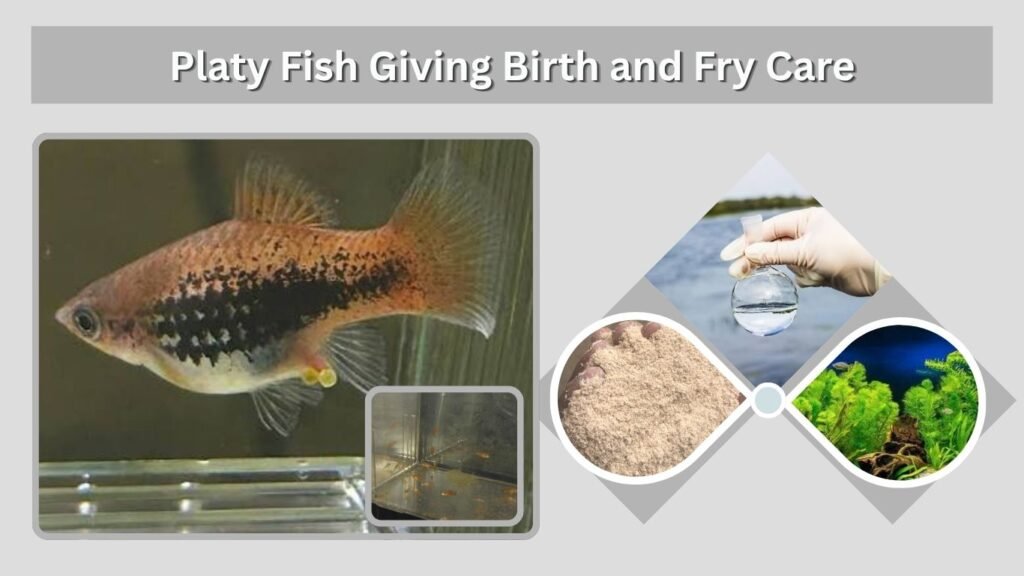
Platies do not lay traditional eggs in the aquarium. Instead, females release developed, free-swimming fry.
A single female may produce dozens of fry depending on her age, size, and condition.
Caring for Platy Fry
To increase survival:
- Provide dense live or artificial plants
- Use gentle filtration
- Protect filter intakes
- Feed finely crushed food
- Offer baby brine shrimp when appropriate
- Maintain excellent water quality
- Avoid overcrowding
Adult platies may eat their own young, so dense vegetation provides important hiding spaces.
Breeding boxes are sometimes used, but leaving a female confined in a small box for long periods can cause unnecessary stress.
How Do Platy Fish Breed?
Platies reproduce through internal fertilization.
The male uses his specialized gonopodium to transfer sperm to the female. After fertilization, embryos develop inside her body until she gives birth.
Managing Platy Breeding
If males and females are kept together, breeding is very likely.
A useful group arrangement is generally more females than males because persistent male courtship can stress females.
Providing approximately two or three females per male can distribute this attention.
If you do not want large numbers of fry, consider keeping a single-sex group.
Best Tank Mates for Platy Fish
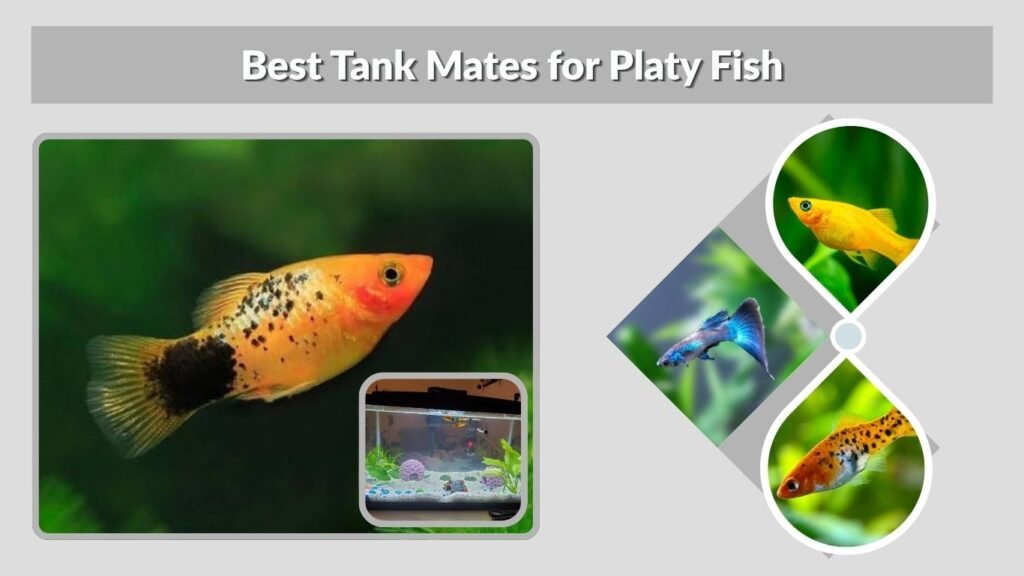
Platies have peaceful personalities and can live with many similarly sized community fish.
Suitable tank mates share compatible water requirements and should not be aggressive or large enough to eat them.
Good Platy Tank Mates
Potential companions include:
- Mollies
- Guppies
- Swordtails
- Corydoras
- Peaceful tetras
- Rasboras
- Small peaceful catfish
- Some peaceful snails
Platies are particularly compatible with other livebearers, although mixing males and females can quickly increase the aquarium population.
Avoid aggressive or highly territorial fish that may chase, bite, or injure them.
Platy Fish Tank Setup
A well-planned tank should combine open swimming areas with plants and shelter.
Live plants are especially useful in breeding tanks because fry can hide among fine leaves.
Ideal Tank Features
Consider including:
- Live aquarium plants
- Gentle-to-moderate filtration
- Open swimming areas
- Rocks or driftwood
- A secure lid
- Appropriate lighting
- Heater when needed
- Thermometer
Avoid overcrowding. Even though platies are small, a rapidly breeding population can eventually overwhelm the filtration system.
FAQs
Are platy fish easy to care for?
Yes. Platies are generally considered beginner-friendly because they are adaptable, peaceful, and accept many common aquarium foods.
How big do platy fish get?
Most adult platies grow approximately 2 to 3 inches long, with females usually becoming somewhat larger than males.
Do platy fish lay eggs?
No. Platies are livebearers. Females retain developing embryos internally and give birth to free-swimming fry.
Can mollies and platies live together?
Yes. Mollies and platies can often share an aquarium when sufficient space is available and the water conditions suit both species.
How many platies should be kept together?
Platies are social and generally do well in small groups. When keeping both sexes, maintaining more females than males helps reduce persistent courtship pressure on individual females.