
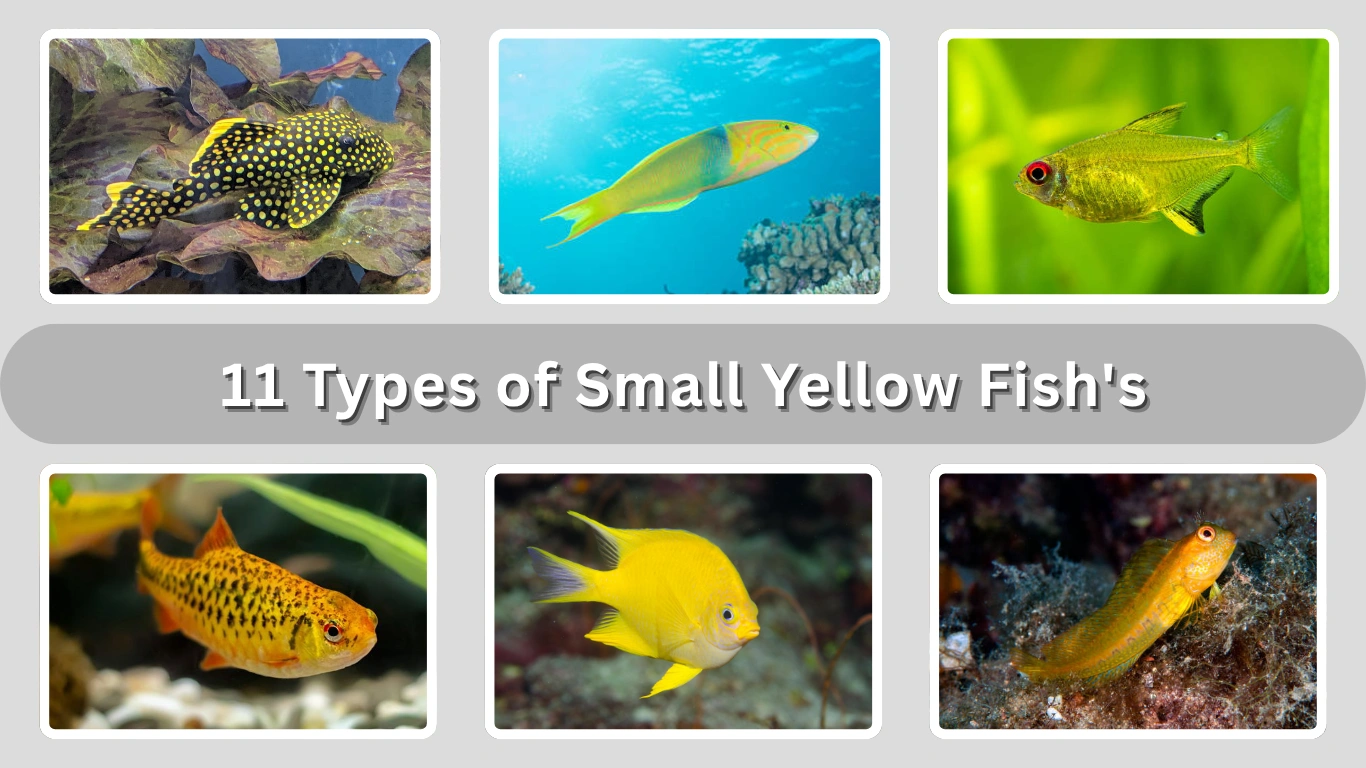
Small yellow fish are popular for their bright, cheerful colors and lively presence in both freshwater and marine aquariums. They add warmth and energy to any tank while often being easy to care for. From peaceful schooling fish to more active and bold species, each type offers something unique. Choosing the right fish depends on tank size, compatibility, and care requirements. This guide explores eleven small yellow fish, helping you understand their features, habitats, and behaviors so you can create a vibrant and balanced aquarium environment.
1. Yellow Tang
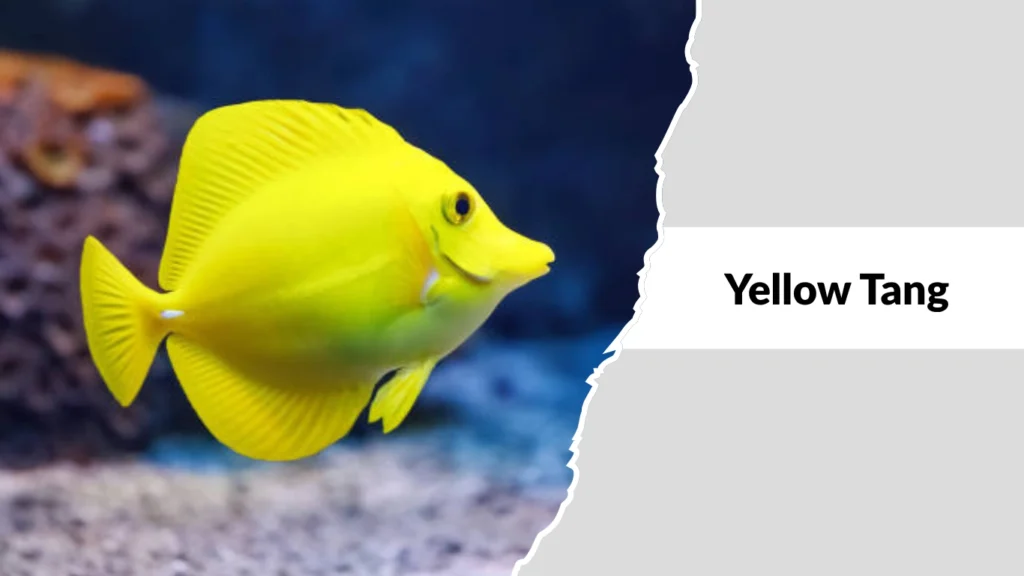
The Yellow Tang is a bright and eye-catching marine fish known for its solid yellow color and graceful swimming style. Commonly found in coral reefs, it is one of the most popular saltwater aquarium fish. Beyond its beauty, it plays an important role in keeping reef environments clean by feeding on algae.
Identification
- Solid, vibrant yellow body with no visible patterns
- Oval-shaped, laterally compressed body
- Sharp spine near the tail used for defense
- Grows up to about 15–20 cm in length
Habitat and Distribution
Yellow Tangs are mainly found in the Pacific Ocean, especially around Hawaii and nearby islands. They inhabit coral reefs and prefer shallow waters where sunlight supports algae growth. These fish often stay close to reef structures, using them for shelter and grazing areas.
Diet and Feeding Behavior
This species is primarily herbivorous, feeding on algae found on rocks and coral surfaces. In the wild, they spend much of their time grazing, which helps prevent algae overgrowth in reef ecosystems. In aquariums, they require a diet rich in marine algae, seaweed, and plant-based foods to stay healthy.
Behavior and Care
Yellow Tangs are active swimmers that need plenty of space to move freely. They are generally peaceful but can become territorial toward other tangs. Proper care includes maintaining clean water, providing a large tank, and ensuring a balanced diet. With the right conditions, they remain vibrant and healthy for many years.
2. Yellow Clown Goby
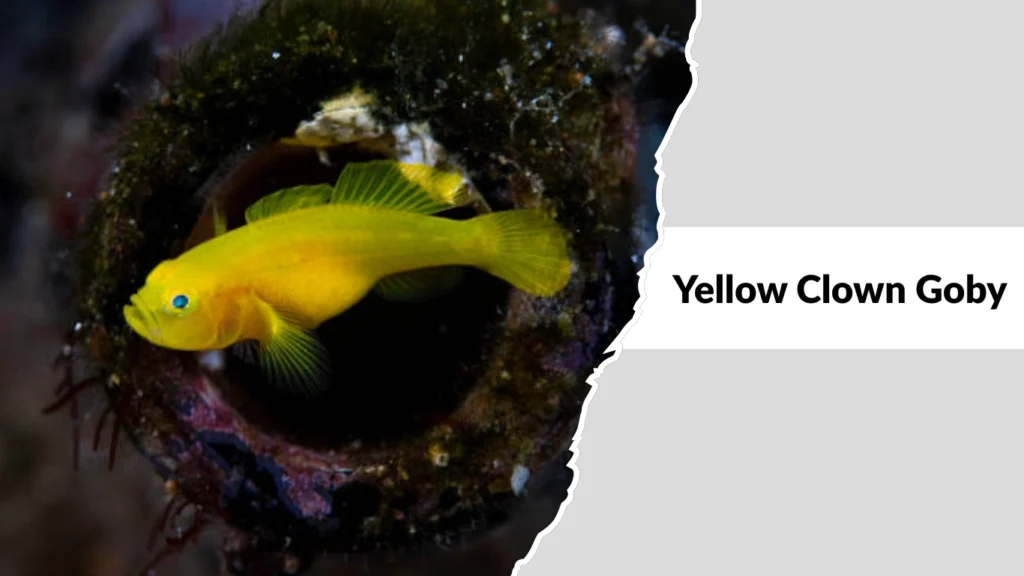
The Yellow Clown Goby is a small, charming reef fish known for its bright yellow color and unique perching behavior. It is commonly seen resting on coral branches, making it a favorite among aquarium enthusiasts. Despite its tiny size, it adds personality and color to reef environments.
Identification
- Bright yellow body with a smooth, matte appearance
- Small, rounded body shape with a slightly large head
- Short fins adapted for perching rather than long swimming
- Typically grows up to about 3–4 cm
Habitat and Distribution
Yellow Clown Gobies are found in the Indo-Pacific region, especially in coral reefs. They prefer shallow waters where branching corals are abundant. These fish spend most of their time perched on coral, using it as both shelter and a resting spot.
Diet and Feeding Behavior
This species feeds on small invertebrates, zooplankton, and tiny organisms found around coral. In the wild, they pick food from coral surfaces or capture small drifting prey. In aquariums, they can be fed finely sized foods like brine shrimp, micro-pellets, and frozen options.
Behavior and Care
Yellow Clown Gobies are peaceful and slow-moving, making them suitable for calm community tanks. They prefer environments with plenty of coral or similar structures for perching. Stable water conditions and gentle tank mates help them thrive and display their natural behavior.
3. Canary Blenny
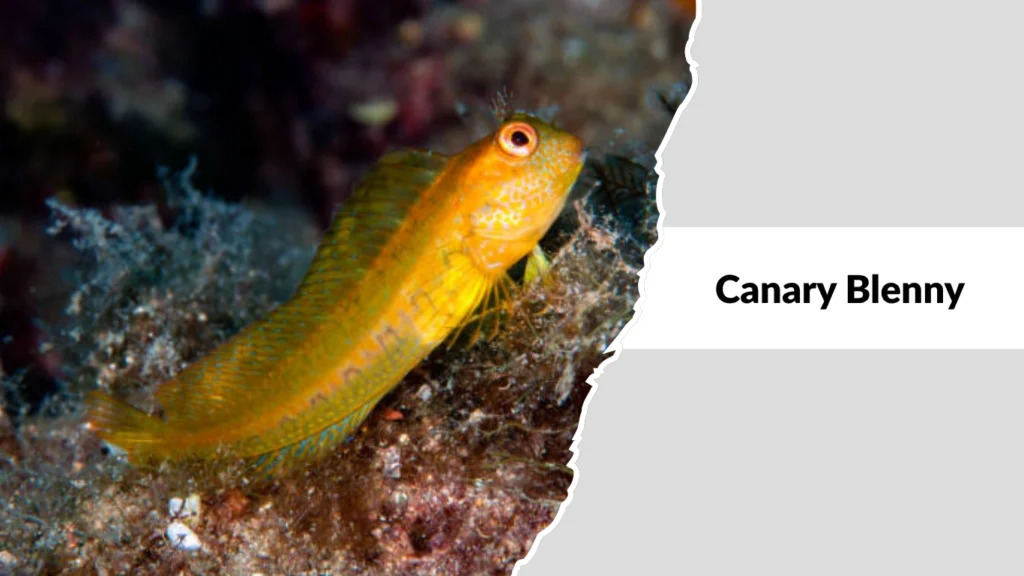
The Canary Blenny is a small, bright yellow marine fish known for its bold personality and striking appearance. It is often seen peeking out from rock crevices, adding both color and character to reef environments. Its hardy nature makes it a popular choice among aquarium hobbyists.
Identification
- Bright yellow body with a smooth, elongated shape
- Large eyes and expressive face
- Long dorsal fin running along the back
- Grows up to about 10–12 cm in length
Habitat and Distribution
Canary Blennies are commonly found in the Indo-Pacific region, especially around coral reefs and rocky areas. They prefer environments with plenty of holes and crevices where they can hide and observe their surroundings. These fish typically stay close to the substrate rather than swimming in open water.
Diet and Feeding Behavior
This species is carnivorous, feeding mainly on small invertebrates such as crustaceans and worms. In the wild, they hunt by darting out from hiding spots to catch prey. In aquariums, they do well on a diet of frozen foods like brine shrimp, mysis shrimp, and high-quality pellets.
Behavior and Care
Canary Blennies are generally peaceful but can be territorial toward similar species. They are known for their curious behavior and often interact with their surroundings. Providing plenty of hiding spaces and stable water conditions helps them feel secure and thrive in captivity.
4. Yellow Damselfish
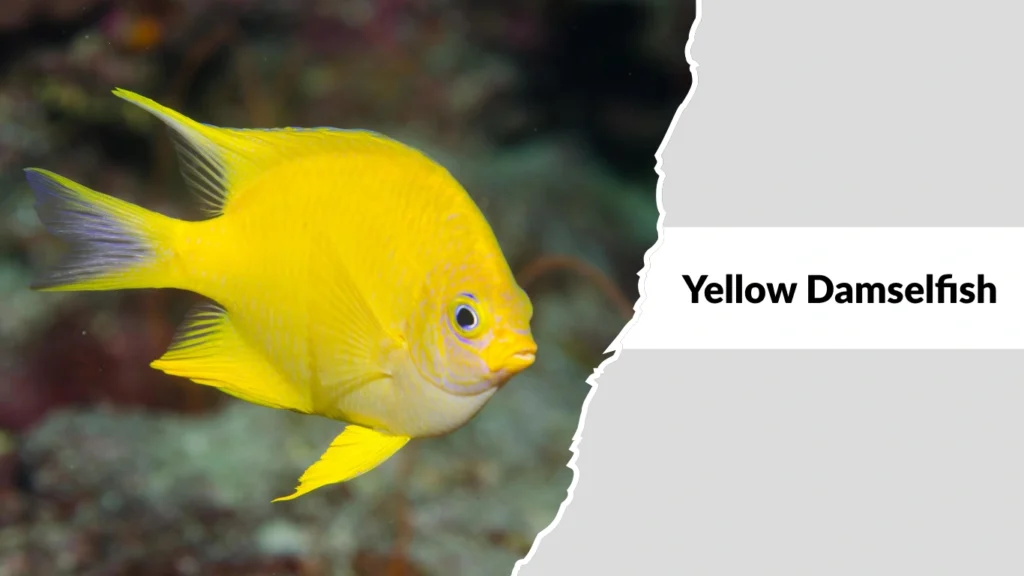
The Yellow Damselfish is a small, vibrant marine fish known for its bright yellow coloration and active nature. It is commonly found in coral reefs and is popular in aquariums due to its hardiness. Despite its size, it can display a bold and sometimes territorial personality.
Identification
- Bright yellow body with a uniform color
- Compact, oval-shaped body structure
- Small fins with quick, darting movements
- Typically grows up to about 6–8 cm
Habitat and Distribution
Yellow Damselfish are found in tropical Indo-Pacific waters. They inhabit shallow coral reefs where they stay close to rocks and coral formations. These environments provide both food sources and protection from predators.
Diet and Feeding Behavior
This species is omnivorous, feeding on algae, plankton, and small invertebrates. In the wild, they graze on surfaces and also capture tiny food particles in the water. In aquariums, they accept a wide variety of foods including flakes, pellets, and frozen options.
Behavior and Care
Yellow Damselfish are active and can be aggressive, especially in smaller tanks. They are best kept with fish that can tolerate their territorial nature. Their hardy nature makes them suitable for beginners, but proper tank setup and space are important to manage their behavior.
5. Lemon Tetra
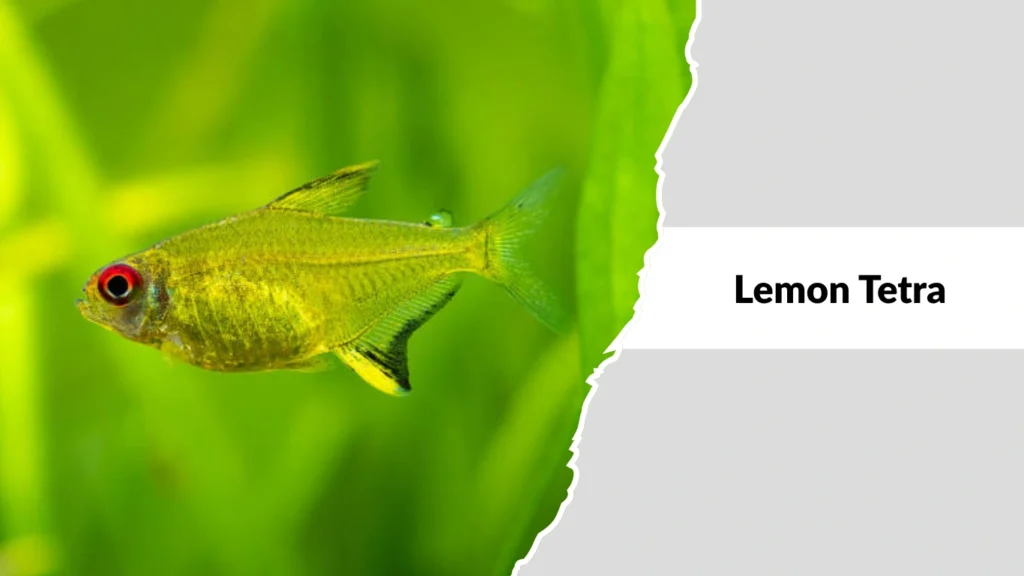
The Lemon Tetra is a small freshwater fish admired for its soft yellow hue and peaceful schooling behavior. It is a popular choice for community aquariums due to its calm nature and subtle beauty. When kept in groups, it creates a lively yet soothing display.
Identification
- Pale yellow to lemon-colored body with a slight transparent look
- Distinct black edging on the dorsal fin
- Small, streamlined body shape
- Grows up to about 4–5 cm in length
Habitat and Distribution
Lemon Tetras are native to South America, especially in slow-moving rivers and tributaries of the Amazon basin. They prefer warm, slightly acidic waters with dense vegetation. Natural habitats often include shaded areas with plenty of plant cover.
Diet and Feeding Behavior
This species is omnivorous, feeding on small insects, larvae, and plant matter. In the wild, they pick food from the water column. In aquariums, they thrive on a varied diet including flakes, micro-pellets, and occasional live or frozen foods.
Behavior and Care
Lemon Tetras are peaceful and should be kept in groups of at least six to feel secure. They do well in community tanks with other non-aggressive fish. Providing plants, stable water conditions, and open swimming space helps maintain their health and natural behavior.
6. Golden Barb
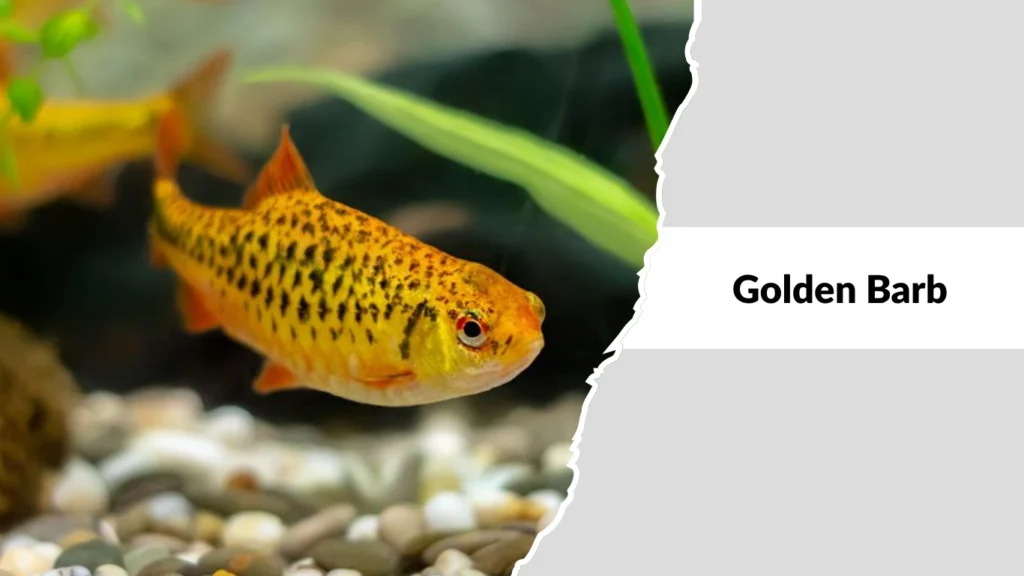
The Golden Barb is a small, lively freshwater fish known for its bright golden-yellow coloration and active schooling behavior. It is a popular choice for aquariums due to its hardiness and ability to adapt to various conditions. This fish adds energy and color to any tank.
Identification
- Bright golden-yellow body with a shiny appearance
- Slightly elongated body shape
- Faint vertical markings may be visible on the sides
- Grows up to about 5–7 cm in length
Habitat and Distribution
Golden Barbs are native to Southeast Asia, commonly found in rivers, streams, and ponds. They prefer clear, slow-moving waters with vegetation. These environments provide both food sources and hiding places from predators.
Diet and Feeding Behavior
This species is omnivorous, feeding on plant matter, small insects, and aquatic organisms. In the wild, they forage throughout the water column. In aquariums, they accept a wide range of foods including flakes, pellets, and occasional live or frozen foods.
Behavior and Care
Golden Barbs are active and social fish that do best in groups of six or more. They are generally peaceful but may show mild fin-nipping if kept in small numbers. Providing enough space, plants, and a balanced diet helps keep them healthy and reduces aggressive tendencies.
7. Yellow Lab Cichlid
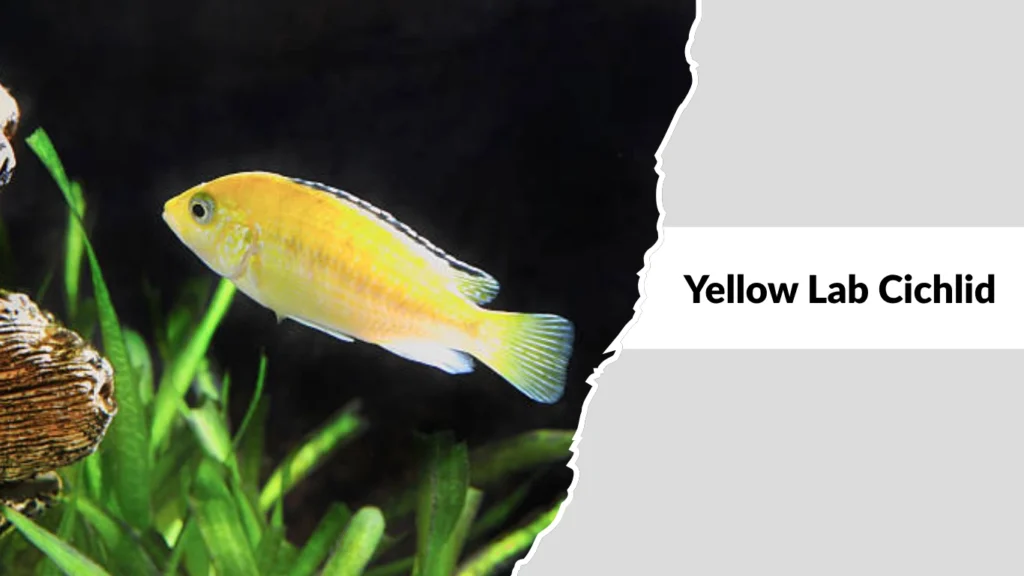
The Yellow Lab Cichlid is a small, vibrant freshwater fish known for its bright yellow color and relatively peaceful nature compared to other cichlids. Native to African lakes, it is a favorite among aquarists for its bold appearance and manageable behavior.
Identification
- Bright yellow body with a smooth, solid coloration
- Slightly elongated body typical of cichlids
- Black edging on dorsal and anal fins
- Grows up to about 8–10 cm in length
Habitat and Distribution
Yellow Lab Cichlids are native to Lake Malawi in East Africa. They inhabit rocky areas where they can find shelter and breeding spots. These environments are rich in minerals, making the water hard and alkaline, which is important for their survival.
Diet and Feeding Behavior
This species is omnivorous, feeding on small invertebrates, algae, and organic matter. In the wild, they pick food from rocks and crevices. In aquariums, they do well on a balanced diet of cichlid pellets, vegetables, and occasional protein-rich foods.
Behavior and Care
Yellow Lab Cichlids are more peaceful than many other cichlids but can still show territorial behavior. They do best in groups with proper space and rock structures for hiding. Maintaining stable water conditions and a suitable diet helps keep them healthy and active.
8. Yellowtail Damselfish
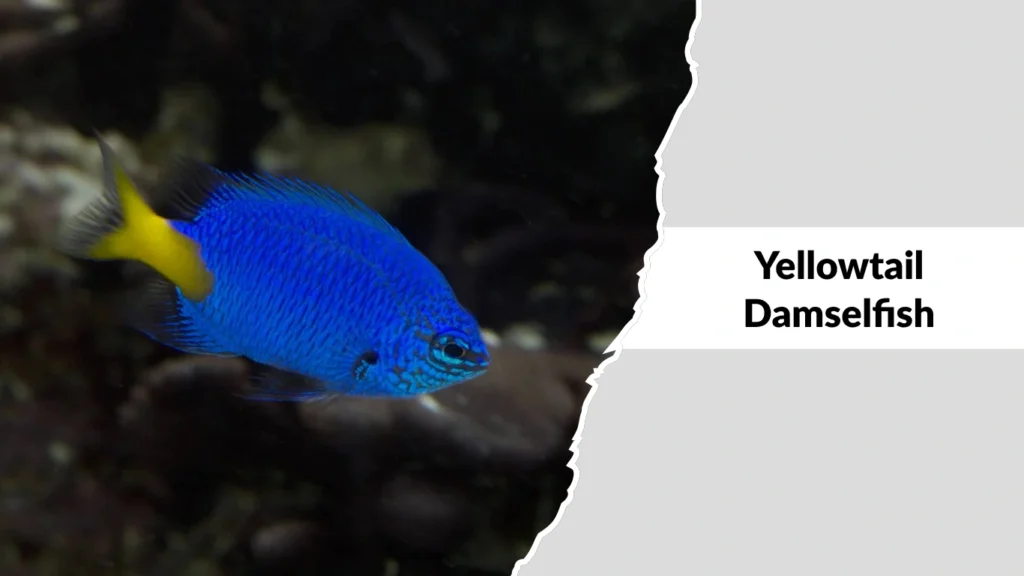
The Yellowtail Damselfish is a small, striking marine fish known for its deep blue body and bright yellow tail. It is popular in aquariums due to its attractive contrast in colors and relatively hardy nature compared to other reef fish.
Identification
- Deep blue body paired with a vivid yellow tail
- Small, oval-shaped and compact body
- Smooth fins with quick, agile movement
- Typically grows up to about 5–7 cm
Habitat and Distribution
Yellowtail Damselfish are found in the Indo-Pacific region, especially around coral reefs. They prefer shallow waters with plenty of rock and coral structures. These areas provide shelter and help them establish small territories.
Diet and Feeding Behavior
This species is omnivorous, feeding on algae, plankton, and small invertebrates. In the wild, they graze on surfaces and also capture tiny food particles from the water. In aquariums, they accept a wide variety of foods including flakes, pellets, and frozen items.
Behavior and Care
Yellowtail Damselfish are semi-aggressive but generally less aggressive than other damselfish. They are active swimmers and adapt well to aquarium life. Providing hiding spots, stable water conditions, and compatible tank mates helps maintain a balanced environment.
9. Banana Wrasse
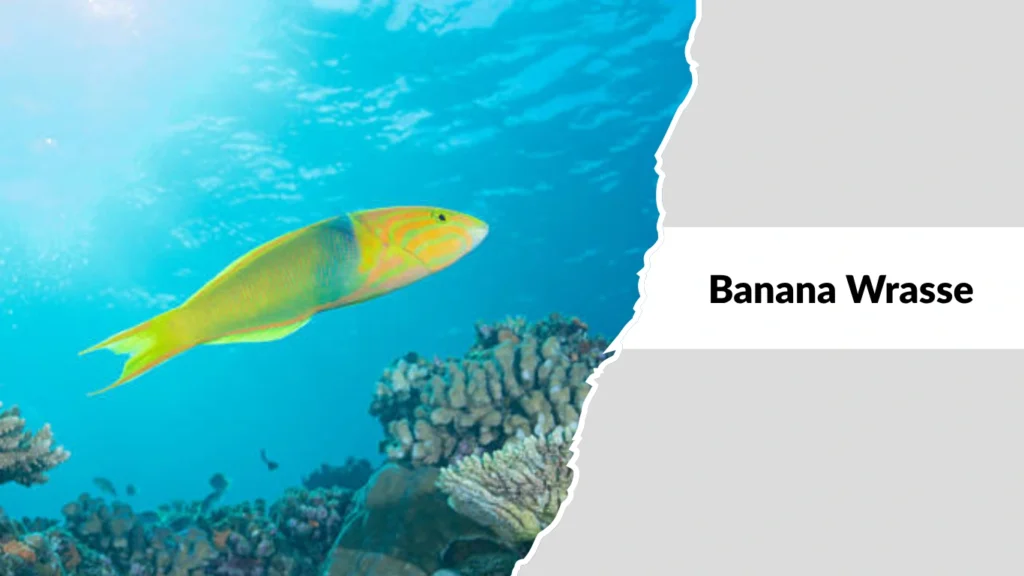
The Banana Wrasse is a small to medium-sized marine fish known for its bright yellow body and energetic swimming behavior. It is often seen darting around coral reefs, adding vivid color and movement. Its bold personality makes it both fascinating and challenging in aquariums.
Identification
- Bright yellow, banana-like body coloration
- Slender, elongated body shape
- Pointed snout with strong jaws
- Grows up to about 20–25 cm in length
Habitat and Distribution
Banana Wrasses are found in the Indo-Pacific region, especially around coral reefs and sandy lagoons. They prefer shallow waters where they can easily hunt and explore. These fish are often seen near the reef bottom or moving between coral structures.
Diet and Feeding Behavior
This species is carnivorous, feeding on small fish, crustaceans, and invertebrates. In the wild, it actively hunts prey among rocks and sand. In aquariums, it requires a protein-rich diet including shrimp, fish pieces, and other meaty foods.
Behavior and Care
Banana Wrasses are active and can be aggressive, especially toward smaller tank mates. They require a large tank with plenty of swimming space and hiding spots. Due to their size and behavior, they are better suited for experienced aquarists.
10. Yellow Rasbora
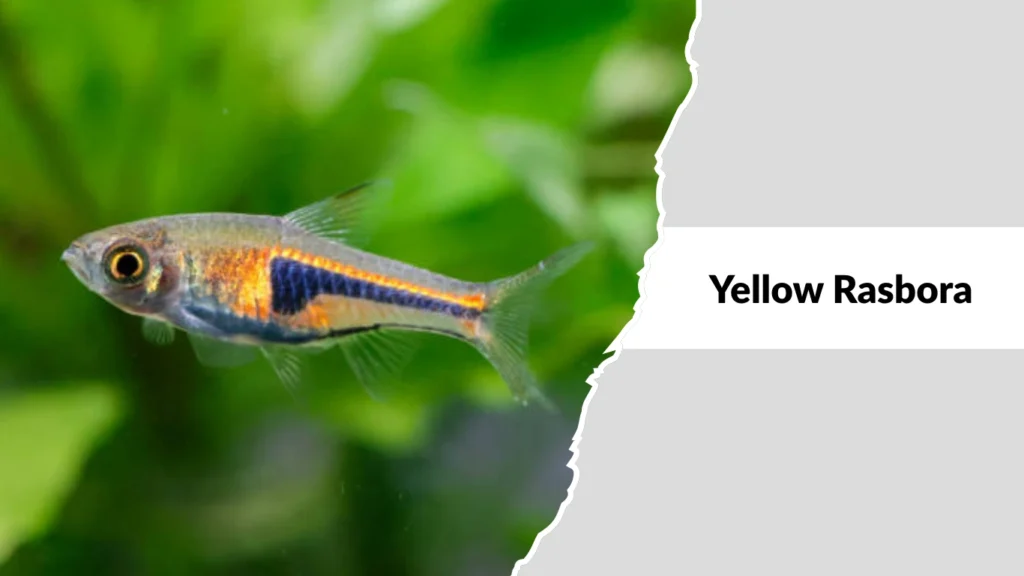
The Yellow Rasbora is a small, peaceful freshwater fish admired for its soft yellow tones and gentle schooling behavior. It is a great addition to planted aquariums, where its subtle color and calm movement create a relaxing visual effect.
Identification
- Light yellow to golden body with a slight translucent quality
- Small, slender body shape
- Clear to slightly tinted fins
- Grows up to about 3–4 cm in length
Habitat and Distribution
Yellow Rasboras are found in Southeast Asia, particularly in slow-moving streams and forest waters. They prefer soft, slightly acidic water with dense vegetation. Natural habitats often include shaded areas with leaf litter and submerged plants.
Diet and Feeding Behavior
This species is omnivorous, feeding on tiny insects, larvae, and plant matter. In the wild, they feed in the water column, picking up small food particles. In aquariums, they do well on fine flakes, micro-pellets, and occasional live or frozen foods.
Behavior and Care
Yellow Rasboras are peaceful and thrive in groups of six or more. They are ideal for community tanks with other small, non-aggressive fish. Providing plants, stable water conditions, and gentle filtration helps them stay healthy and display natural schooling behavior.
11. Gold Nugget Pleco
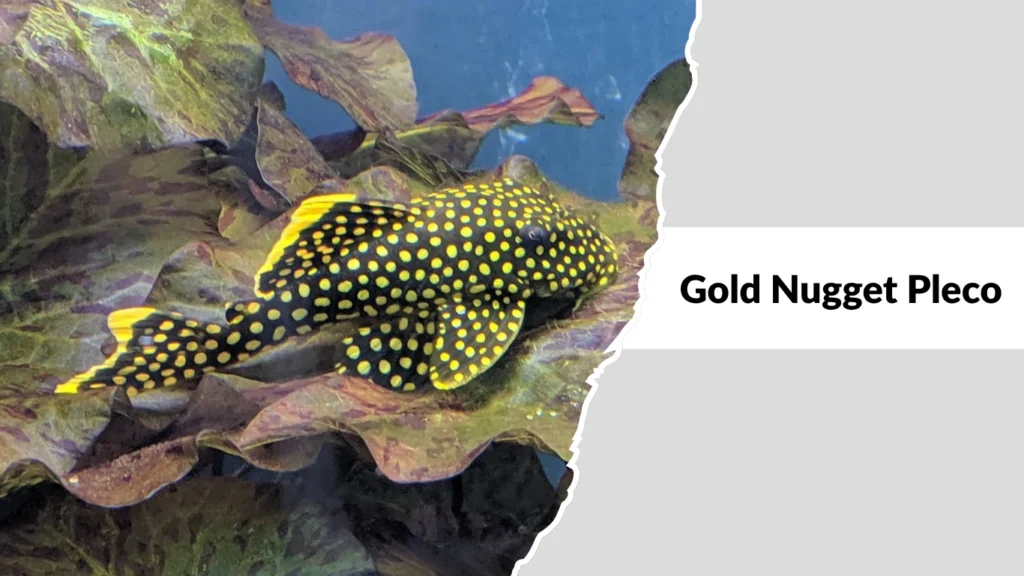
The Gold Nugget Pleco is a small to medium freshwater fish known for its dark body covered with bright yellow spots. It is popular in aquariums for its striking contrast and unique appearance. This bottom-dwelling fish also helps keep tanks clean by feeding on algae.
Identification
- Dark black or brown body with vivid yellow spots
- Yellow edging on fins, especially the tail
- Flattened body with a sucker mouth
- Typically grows up to about 15–20 cm
Habitat and Distribution
Gold Nugget Plecos are native to the Amazon River basin in South America. They inhabit slow-moving rivers and streams with plenty of driftwood and hiding spaces. These environments provide both shelter and surfaces for algae growth.
Diet and Feeding Behavior
This species is mainly herbivorous, feeding on algae and plant matter. It also consumes biofilm and small organic debris. In aquariums, it should be fed algae wafers, vegetables, and occasional protein-based foods to maintain a balanced diet.
Behavior and Care
Gold Nugget Plecos are generally peaceful but can be territorial toward other bottom dwellers. They prefer dim lighting and plenty of hiding spots like caves and driftwood. Maintaining clean water and proper tank conditions is essential for their health and longevity.
FAQs
Are yellow fish good for beginners?
Many small yellow fish, especially species like tetras, rasboras, and some damselfish, are beginner-friendly. They are generally hardy and adapt well to stable aquarium conditions. However, some species may require specific care, so it’s important to research each type before choosing.
Can yellow fish live together in one tank?
Yes, many yellow fish can live together if they have similar water requirements and temperaments. Peaceful species do well in community tanks, but aggressive fish like some damselfish should be carefully paired to avoid conflict.
What do small yellow fish eat?
Most small yellow fish are omnivores, feeding on a mix of plant matter and small organisms. In aquariums, they typically eat flakes, pellets, and live or frozen foods such as brine shrimp or daphnia for balanced nutrition.
How long do small yellow fish live?
The lifespan varies by species, but most small yellow fish live between 3 to 8 years with proper care. Clean water, a balanced diet, and a stress-free environment are key factors in extending their lifespan.
Do yellow fish need special tank conditions?
While many yellow fish are adaptable, they still need stable water parameters, proper filtration, and suitable tank size. Some species prefer planted tanks, while others need rocky or coral-like environments depending on whether they are freshwater or marine fish.