
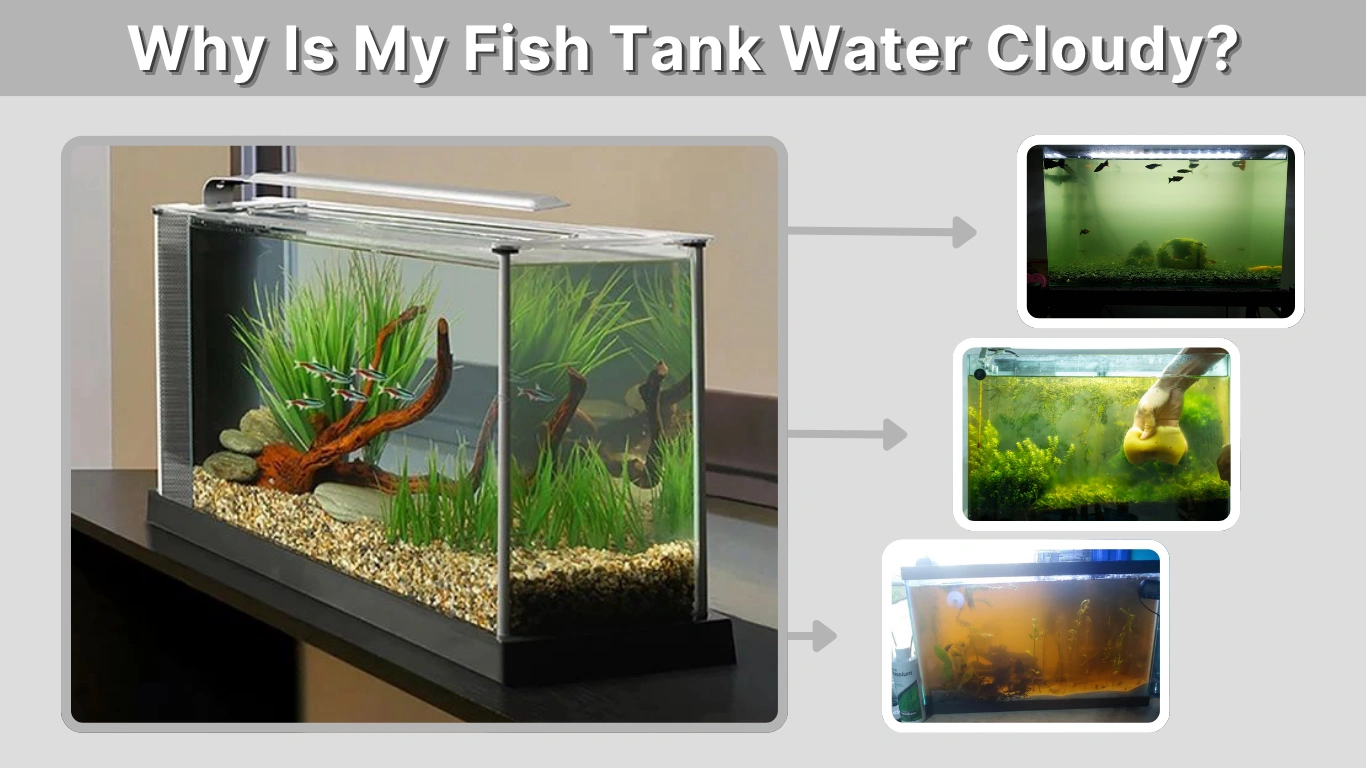
Cloudy fish tank water is one of the most common problems aquarium owners face, especially in new setups or after cleaning. While it may look alarming, cloudy water usually signals an imbalance rather than a serious emergency. The key is identifying the type of cloudiness and its cause. Whether it appears white, green, or slightly hazy, each situation has a different explanation. Understanding these causes helps you fix the issue quickly and keep your fish healthy.
What Does Cloudy Fish Tank Water Mean?
Cloudy water typically indicates that something in your tank is out of balance. It could be a bacterial bloom, excess waste, algae growth, or disturbed debris. The cloudiness itself is not always harmful, but the underlying cause can affect fish health. Identifying the type and timing of cloudiness helps determine whether it is normal or requires action.
Types of Cloudy Water in Fish Tanks
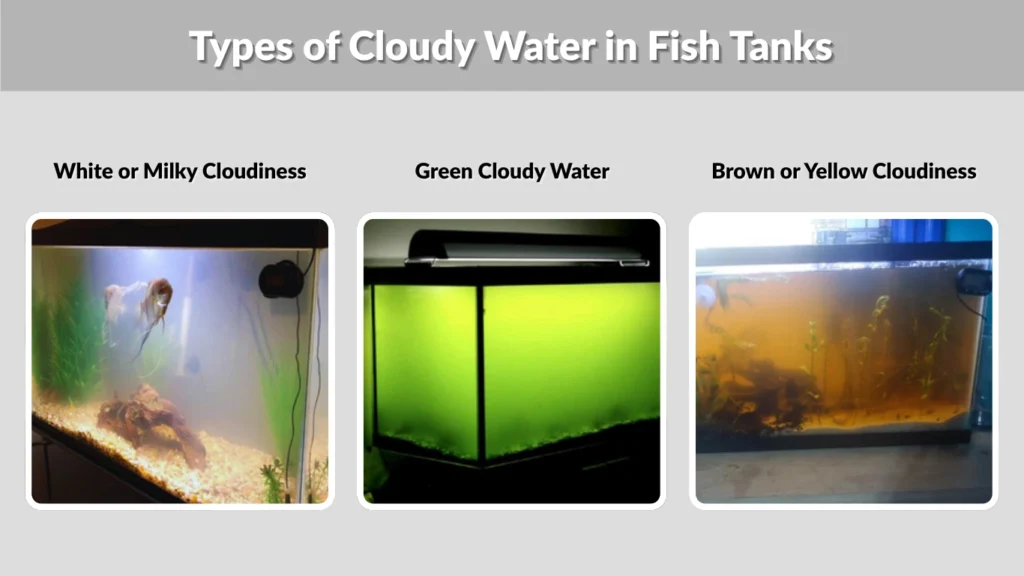
This section helps you identify the exact type of cloudiness. Observing the color and smell of the water gives important clues about the root cause and the right solution.
White or Milky Cloudiness
- Caused by bacterial bloom, especially in new tanks
- Common after water changes or cleaning
- Often temporary and clears on its own
Green Cloudy Water
- Caused by algae bloom
- Triggered by too much light exposure
- Linked to excess nutrients in the water
Brown or Yellow Cloudiness
- Comes from driftwood releasing tannins
- May result from dirty substrate
- Usually harmless but affects appearance
Why Is My Fish Tank Cloudy?
Cloudy water can happen for several reasons depending on your tank setup and maintenance routine. Understanding the specific situation helps you avoid unnecessary fixes and focus on the real issue affecting your aquarium.
New Tank Cloudiness
New aquariums often become cloudy within the first 1–3 days. This happens because beneficial bacteria are rapidly growing to establish the nitrogen cycle. This process is completely normal and usually resolves on its own within a few days. Avoid over-cleaning during this stage, as it can delay the cycle.
Cloudy After Water Change or Cleaning
If your tank becomes cloudy after cleaning or a water change, it’s usually due to disturbed debris or disrupted bacteria. Cleaning too thoroughly can remove beneficial bacteria, while stirring the substrate can release trapped waste into the water. This type of cloudiness often clears once the filter runs for some time.
Common Causes of Cloudy Fish Tank Water
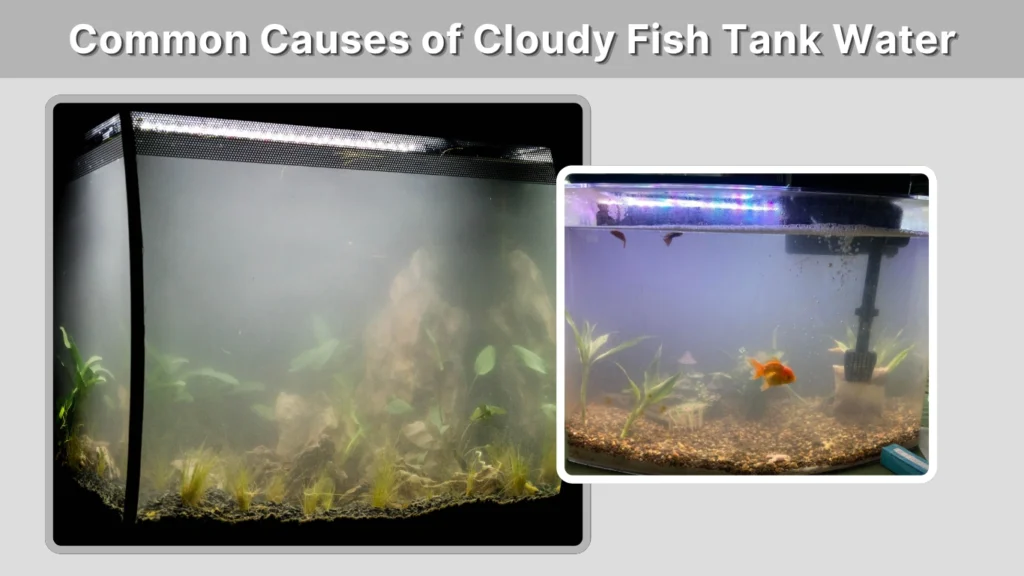
This section explains the most frequent reasons behind cloudy water. These causes apply to both new and established tanks and are often related to maintenance habits or equipment.
Overfeeding and Waste Buildup
- Excess food decays and pollutes the water
- Fish waste increases ammonia levels
- Leads to bacterial blooms
Poor or Inefficient Filtration
- Weak filters fail to remove debris
- Clogged filter media reduces effectiveness
- Lack of biological filtration causes imbalance
Overstocking the Tank
- Too many fish produce excess waste
- Oxygen levels drop quickly
- Water quality declines faster
Why Cloudy Water Happens in Different Situations
Cloudiness doesn’t always happen for the same reason. The timing and condition of your tank play a major role in identifying the cause. For example, cloudiness after one day is usually harmless, while sudden cloudiness in an established tank may signal a problem.
Cloudy After One Day
This is most common in new tanks and is usually a bacterial bloom. It is part of the natural cycling process and should clear without intervention if the tank is left undisturbed.
Cloudy After One Week
If cloudiness persists after a week, it may indicate overfeeding, poor filtration, or incomplete cycling. At this stage, checking water quality becomes important.
Suddenly Cloudy Tank
A sudden change in water clarity often points to overfeeding, a dead fish, or filter malfunction. Immediate inspection of the tank is necessary to find the cause and prevent harm to fish.
How to Fix Cloudy Fish Tank Water
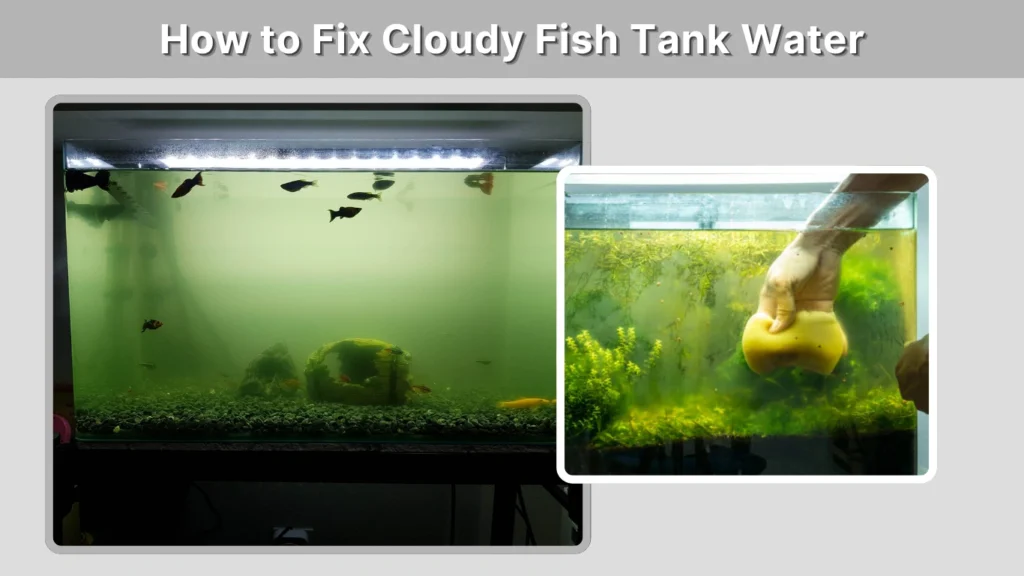
Fixing cloudy water starts with identifying the cause and applying the right solution. In many cases, simple adjustments to feeding, cleaning, or filtration can restore water clarity without drastic measures. Patience is also important, as some types of cloudiness resolve naturally over time.
How to Prevent Cloudy Fish Tank Water
Preventing cloudy water is much easier than fixing it later. A stable aquarium depends on consistent care, proper feeding, and maintaining a healthy balance of bacteria. Small mistakes in routine can quickly lead to cloudy conditions, especially in smaller tanks.
Maintain Regular Cleaning Habits
- Perform weekly water changes (20–30%)
- Vacuum the substrate to remove waste
- Avoid deep cleaning everything at once
Feed Fish Properly
- Give small portions your fish can finish quickly
- Remove uneaten food after a few minutes
- Avoid overfeeding, which causes waste buildup
Support Good Filtration
- Use a filter suitable for your tank size
- Clean filter media with tank water, not tap water
- Replace filter parts only when necessary
Special Situations That Cause Cloudy Tanks
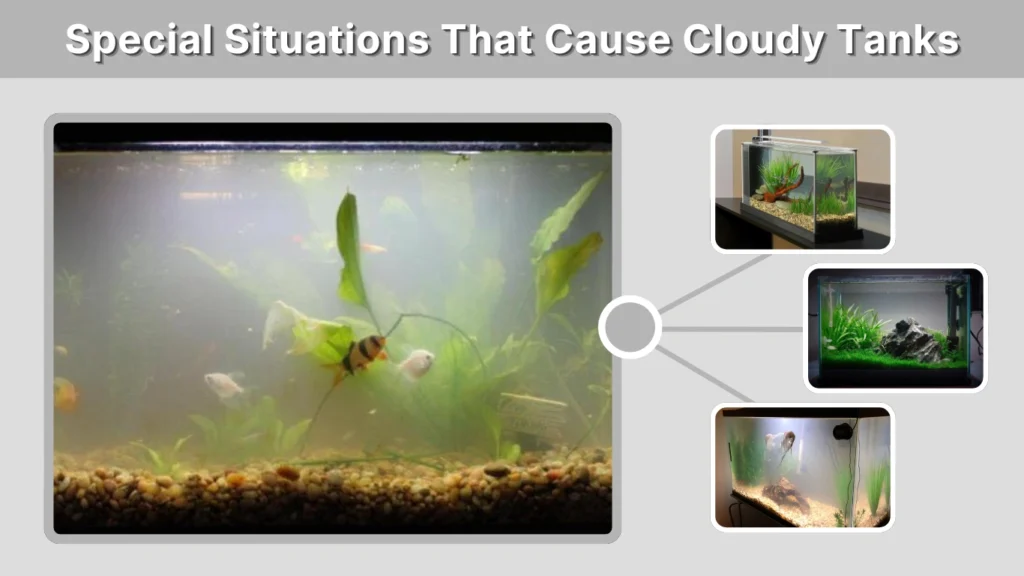
Some situations require extra attention because they make tanks more prone to cloudiness. Understanding these cases helps you prevent recurring problems and maintain a clear aquarium over time.
Betta Fish Tanks
Betta tanks are often small, which makes water quality harder to maintain. Waste builds up faster, and even slight overfeeding can cause cloudiness. Gentle filtration and frequent water changes are essential to keep the water clear and safe.
Small Tanks (5–20 Gallons)
Smaller tanks become cloudy more quickly because they hold less water to dilute waste. Changes in water chemistry happen faster, making regular maintenance critical. Even a minor imbalance can lead to visible cloudiness.
Cloudy Tank Without Fish
If your tank is cloudy without fish, it is usually due to dust from unwashed substrate or a bacterial bloom during the cycling process. This is normal in new setups and should clear as the tank stabilizes.
When Cloudy Water Becomes Dangerous
Not all cloudy water is harmless. In some cases, it can indicate serious issues that may harm or even kill fish. Recognizing warning signs early allows you to take quick action and protect your aquarium.
Signs of a Problem
- Fish gasping at the surface
- Strong, unpleasant smell from the water
- Sudden fish deaths or unusual behavior
What You Should Do
If you notice these signs, perform an immediate partial water change and check water parameters like ammonia and nitrite. Remove any dead fish or debris, and ensure your filter is working properly. Acting quickly can prevent further damage and restore a healthy environment.
FAQs
Why is my fish tank cloudy after 1 day?
Cloudiness after one day is usually a bacterial bloom in a new tank. This happens as beneficial bacteria begin establishing the nitrogen cycle. It’s a normal process and typically clears within a few days if you avoid overfeeding and unnecessary cleaning.
Why is my fish tank cloudy after a water change?
This often happens because debris gets stirred up or beneficial bacteria are disturbed. It can also occur if the new water isn’t properly treated. Let the filter run continuously, and the water should clear as particles settle or get filtered out.
Why is my fish tank cloudy even with a filter?
A filter may not be strong enough, could be clogged, or may lack proper biological media. Cloudiness can still occur due to overfeeding, waste buildup, or an uncycled tank. Regular maintenance and proper filter setup are essential for clear water.
Why is my fish tank green and cloudy?
Green cloudy water is caused by an algae bloom. This usually happens due to excessive light exposure or high nutrient levels in the water. Reducing light duration and controlling feeding can help eliminate the problem over time.
Why is my fish tank cloudy and smelly?
Cloudy and smelly water usually indicates decaying organic matter such as leftover food, fish waste, or a dead fish. Immediate cleaning, partial water changes, and checking the tank for hidden debris are necessary to restore a healthy environment.