

Swordtail fish are popular freshwater species known for their striking appearance and active behavior. Their signature sword-like tail extension, seen in males, makes them stand out in any aquarium. These fish come in a variety of colors and patterns, offering plenty of options for aquarists. They are hardy, easy to care for, and suitable for both beginners and experienced hobbyists. In this guide, you will explore 10 different types of swordtail fish, each with unique characteristics, helping you choose the perfect variety for your aquarium setup.
1. Red Swordtail
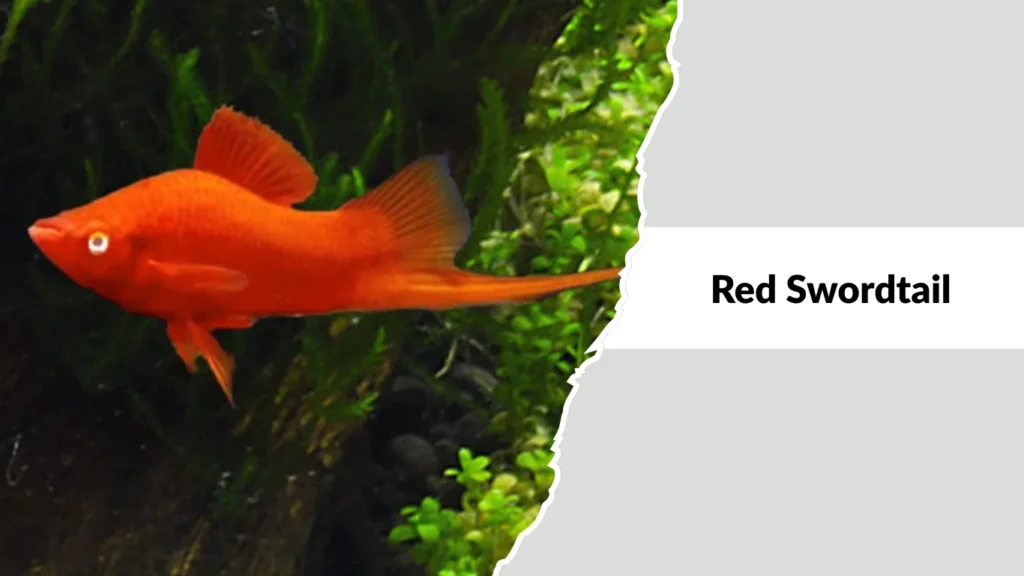
The Red Swordtail is one of the most popular freshwater fish, known for its bright red coloration and the long, sword-like extension on the male’s tail. It is hardy, active, and ideal for both beginners and experienced aquarists looking to add vibrant color to their aquarium.
Characteristics
- Bright red or orange-red body coloration
- Males have a long, sword-shaped extension on the lower tail
- Streamlined body with smooth contours
- Grows up to 4–5 inches in length
- Females are larger but lack the sword tail
Habitat
Red Swordtails thrive in freshwater aquariums with stable conditions. They prefer temperatures between 22–28°C and slightly alkaline water. A well-planted tank with open swimming areas and gentle filtration provides the best environment for their growth and activity.
Behavior
These fish are active, social, and generally peaceful. However, males can show mild aggression toward each other, especially in smaller tanks. Keeping a proper male-to-female ratio helps reduce stress and ensures a more balanced environment.
Diet
Red Swordtails are omnivores and require a varied diet. They readily accept flakes and pellets as staple foods. Supplementing with live or frozen foods like brine shrimp or bloodworms improves their health and enhances coloration.
Care
They are easy to care for and suitable for beginners. Regular water changes, proper filtration, and stable tank conditions are essential. Providing enough space and monitoring aggression among males will help keep them healthy and active.
2. Green Swordtail
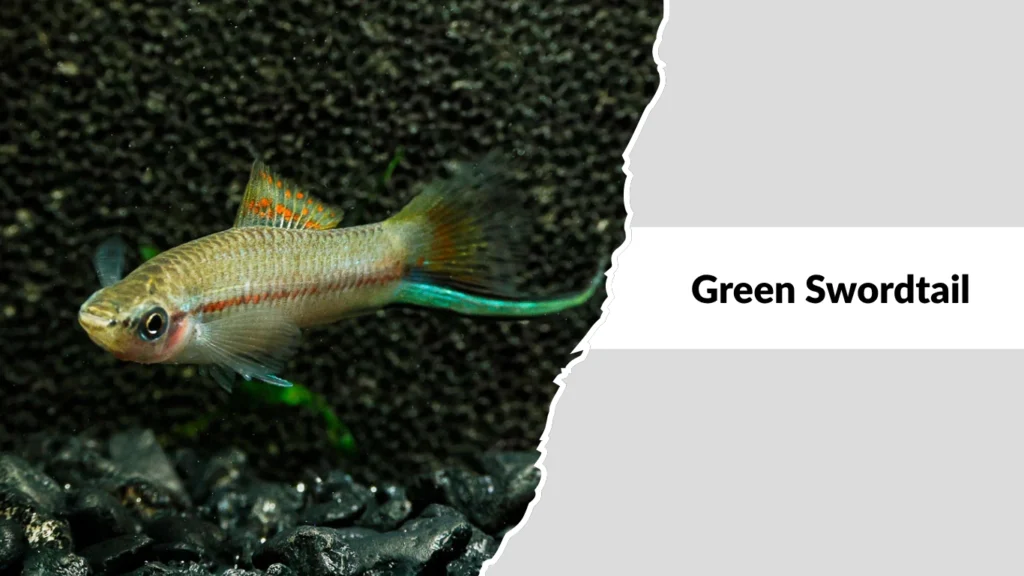
The Green Swordtail is one of the original wild varieties and is known for its natural greenish body with subtle iridescent tones. It is hardy, adaptable, and often used in breeding to create many modern color variations seen in aquariums today.
Characteristics
- Olive-green body with a slight metallic or iridescent sheen
- Males have a long, sword-like extension on the tail
- Slender, elongated body shape
- Can grow up to 4–5 inches in length
- Females are larger and lack the sword extension
Habitat
Green Swordtails thrive in freshwater aquariums with stable conditions. They prefer temperatures between 22–28°C and slightly alkaline water. A spacious tank with plants and open swimming areas is ideal. Good filtration and clean water are important for maintaining their health.
Behavior
These fish are active, social, and generally peaceful. Males may display territorial behavior toward each other, especially in smaller spaces. Keeping them in groups with more females than males helps reduce aggression and promotes natural behavior.
Diet
Green Swordtails are omnivores and accept a wide range of foods. Flakes and pellets should be the main part of their diet. Supplementing with live or frozen foods such as brine shrimp improves nutrition, while plant-based foods support overall health.
Care
They are easy to care for and suitable for beginners. Regular water changes, stable temperature, and proper filtration are essential. Providing enough swimming space and managing male aggression will help keep them healthy and active.
3. Pineapple Swordtail
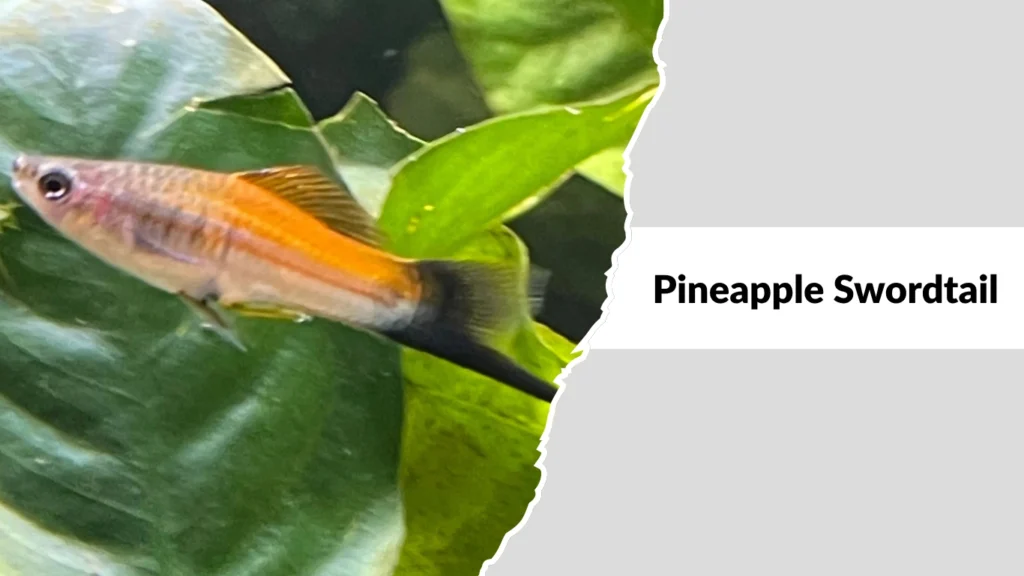
The Pineapple Swordtail is a vibrant and attractive variety known for its warm blend of yellow and orange colors, often resembling the tones of a ripe pineapple. Its bright appearance and active nature make it a favorite among aquarium hobbyists.
Characteristics
- Yellow to orange body with a soft gradient effect
- Males have a long, sword-like extension on the tail
- Smooth, elongated body shape
- Typically grows up to 4–5 inches
- Females are larger and lack the sword tail
Habitat
Pineapple Swordtails thrive in freshwater aquariums with stable water conditions. They prefer temperatures between 22–28°C and slightly alkaline water. A well-planted tank with open swimming space and gentle filtration provides an ideal environment.
Behavior
These fish are active, social, and generally peaceful. They do well in groups but males may show mild aggression toward each other. Maintaining a proper ratio of females to males helps reduce stress and ensures harmony in the tank.
Diet
Pineapple Swordtails are omnivores and require a balanced diet. They accept flakes and pellets as staple foods. Supplementing with live or frozen foods like brine shrimp enhances their nutrition, while plant-based foods support overall health.
Care
They are easy to care for and suitable for beginners. Regular water changes, proper filtration, and stable conditions are essential. Providing enough swimming space and monitoring behavior will help keep them healthy and vibrant.
4. Wag Swordtail
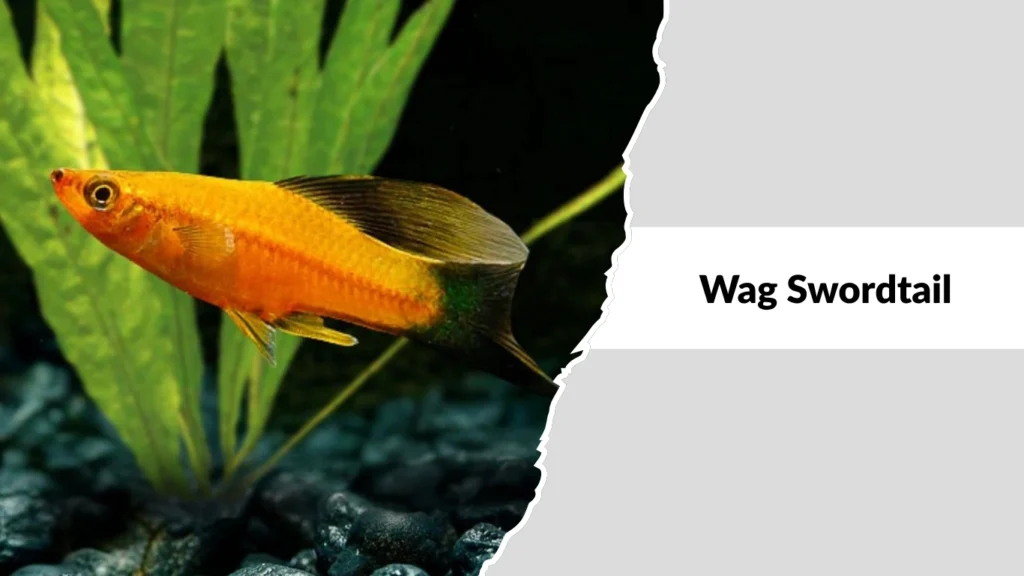
The Wag Swordtail is a striking variety known for its contrasting coloration, where the body is bright while the fins are distinctly darker, often black. This bold contrast makes it a visually appealing addition to any freshwater aquarium.
Characteristics
- Bright body color (red, orange, or yellow) with black fins
- Distinct “wag” pattern where fins contrast with the body
- Males have a long, sword-like tail extension
- Streamlined, elongated body shape
- Grows up to 4–5 inches, with females larger than males
Habitat
Wag Swordtails thrive in freshwater aquariums with stable conditions. They prefer temperatures between 22–28°C and slightly alkaline water. A well-planted tank with open swimming areas and gentle filtration provides an ideal environment for their activity.
Behavior
These fish are active, social, and generally peaceful. However, males may show mild aggression toward one another, especially in smaller tanks. Keeping more females than males helps maintain a balanced and stress-free environment.
Diet
Wag Swordtails are omnivores and accept a wide range of foods. Flakes and pellets should form the base of their diet. Supplementing with live or frozen foods such as brine shrimp improves nutrition, while plant-based foods support overall health.
Care
They are easy to care for and suitable for beginners. Regular water changes, stable water parameters, and proper filtration are essential. Providing enough swimming space and monitoring male interactions will help keep them healthy and active.
5. Koi Swordtail
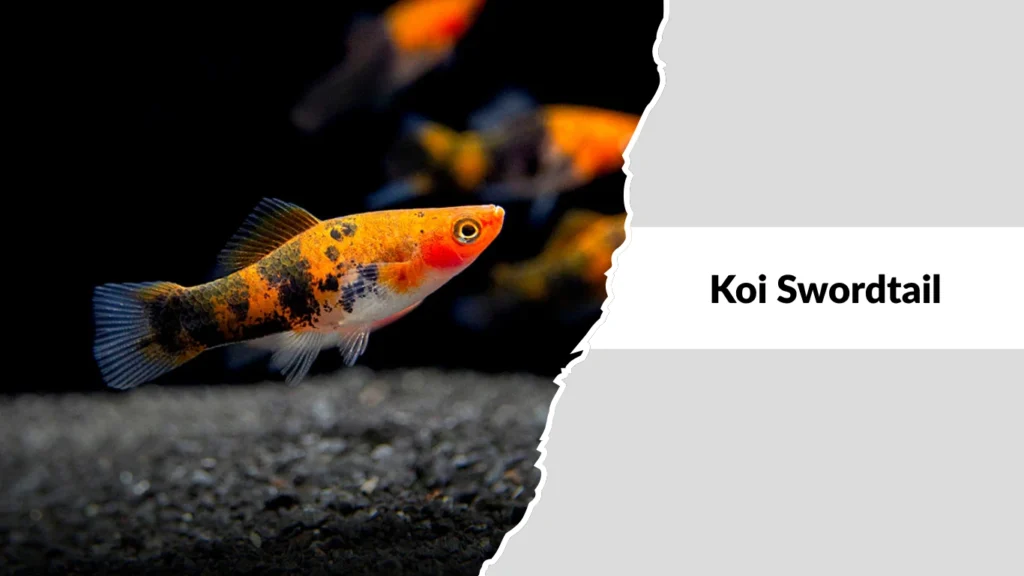
The Koi Swordtail is a beautiful variety inspired by the coloration of koi fish, featuring a mix of white, orange, and black patterns. Its striking appearance and active nature make it a standout choice for aquarists who want a visually unique fish.
Characteristics
- Combination of white, orange, and black patches
- Pattern resembles traditional koi fish markings
- Males have a long, sword-like tail extension
- Smooth, elongated body shape
- Grows up to 4–5 inches, with females larger than males
Habitat
Koi Swordtails thrive in freshwater aquariums with stable conditions. They prefer temperatures between 22–28°C and slightly alkaline water. A spacious tank with plants and open swimming areas is ideal. Gentle filtration and clean water help maintain their vibrant patterns.
Behavior
These fish are active, social, and generally peaceful. They do well in groups, though males may occasionally compete with each other. Keeping a proper ratio of females to males helps reduce aggression and promotes a calm environment.
Diet
Koi Swordtails are omnivores and require a balanced diet. They accept flakes and pellets as staple foods. Supplementing with live or frozen foods like brine shrimp enhances their nutrition. Including plant-based foods supports overall health.
Care
They are easy to care for and suitable for beginners. Regular water changes, proper filtration, and stable tank conditions are essential. Providing enough swimming space and monitoring behavior ensures they remain healthy, active, and colorful.
6. Lyretail Swordtail
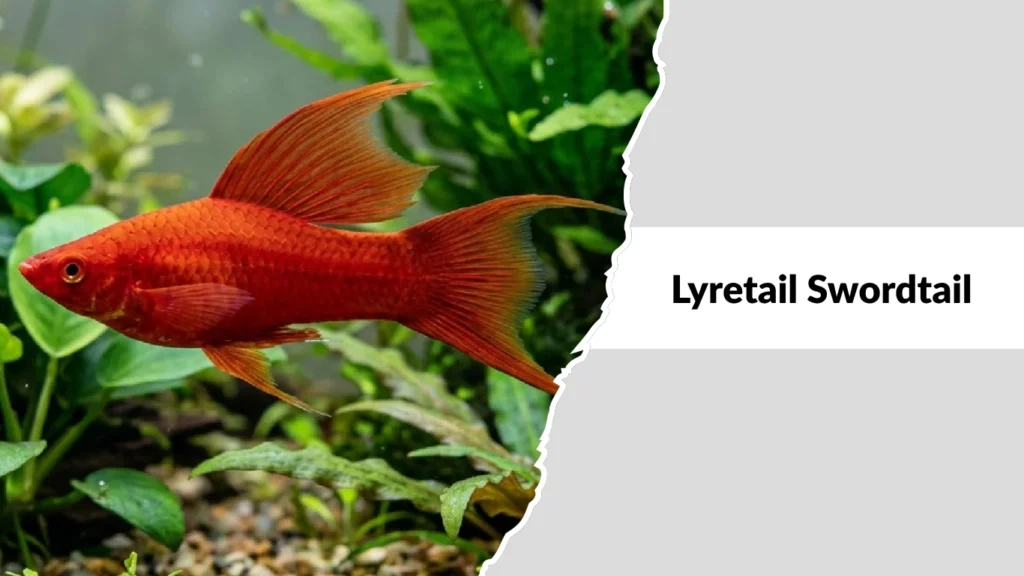
The Lyretail Swordtail is a graceful and ornamental variety known for its extended, curved fins that form a lyre-like shape. Its elegant appearance makes it highly desirable for aquarists who want a more decorative and unique fish in their aquarium.
Characteristics
- Extended upper and lower tail fins forming a lyre shape
- Males still display a sword-like extension within the tail
- Available in various colors such as red, orange, and mixed shades
- Slender, elongated body structure
- Grows up to 4–5 inches, with females larger than males
Habitat
Lyretail Swordtails thrive in freshwater aquariums with stable water conditions. They prefer temperatures between 22–28°C and slightly alkaline water. A spacious tank with plants and open swimming areas is ideal, allowing their long fins to move freely without damage.
Behavior
These fish are active, social, and generally peaceful. They do well in groups but males may show mild aggression toward each other. Due to their long fins, they should be kept with non-aggressive tank mates to avoid fin nipping.
Diet
Lyretail Swordtails are omnivores and accept a wide range of foods. Flakes and pellets should be their main diet. Supplementing with live or frozen foods like brine shrimp improves their health. Plant-based foods also help maintain balanced nutrition.
Care
They require slightly more care due to their delicate fins. Clean water, gentle filtration, and stable conditions are essential. Avoid sharp decorations that may damage their fins. With proper care, they remain healthy, active, and visually stunning.
7. Neon Swordtail
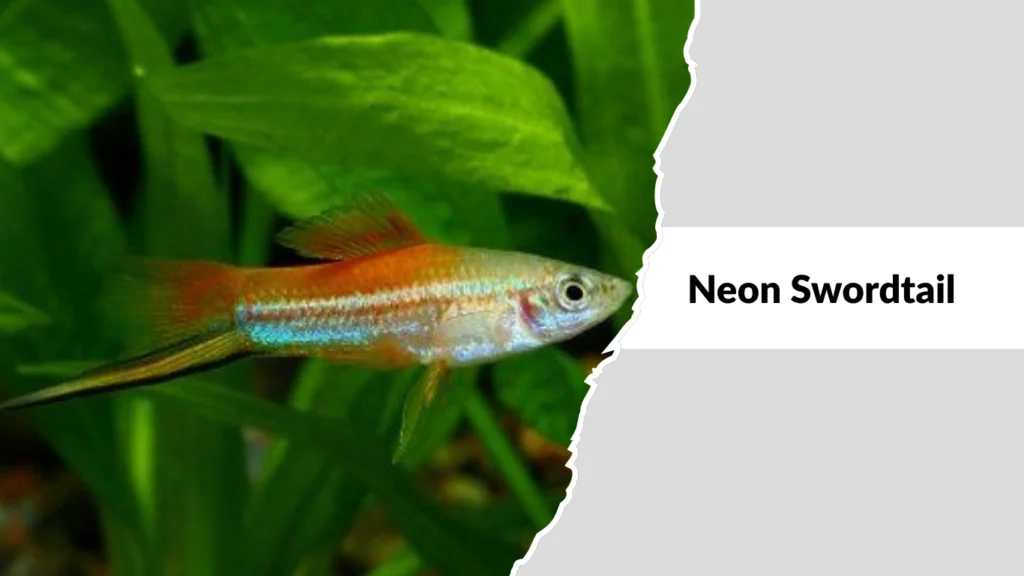
The Neon Swordtail is a vibrant and eye-catching variety known for its glowing, metallic-like coloration. Its bright and reflective body makes it stand out under aquarium lighting, adding a lively and dynamic look to any freshwater setup.
Characteristics
- Bright, glowing body with a metallic or neon-like sheen
- Colors often include shades of blue, green, or orange
- Males have a long, sword-like tail extension
- Slender, elongated body shape
- Grows up to 4–5 inches, with females larger than males
Habitat
Neon Swordtails thrive in freshwater aquariums with stable conditions. They prefer temperatures between 22–28°C and slightly alkaline water. A well-planted tank with open swimming areas and moderate lighting helps enhance their shimmering appearance.
Behavior
These fish are active, social, and generally peaceful. They do well in groups, though males may occasionally compete with each other. Keeping more females than males helps reduce aggression and maintains a balanced environment.
Diet
Neon Swordtails are omnivores and require a varied diet. They accept flakes and pellets as staple foods. Supplementing with live or frozen foods like brine shrimp enhances their nutrition. Including plant-based foods helps maintain overall health.
Care
They are easy to care for and suitable for beginners. Regular water changes, proper filtration, and stable conditions are essential. Providing enough space and maintaining good water quality will keep them healthy, active, and brightly colored.
8. Marigold Swordtail
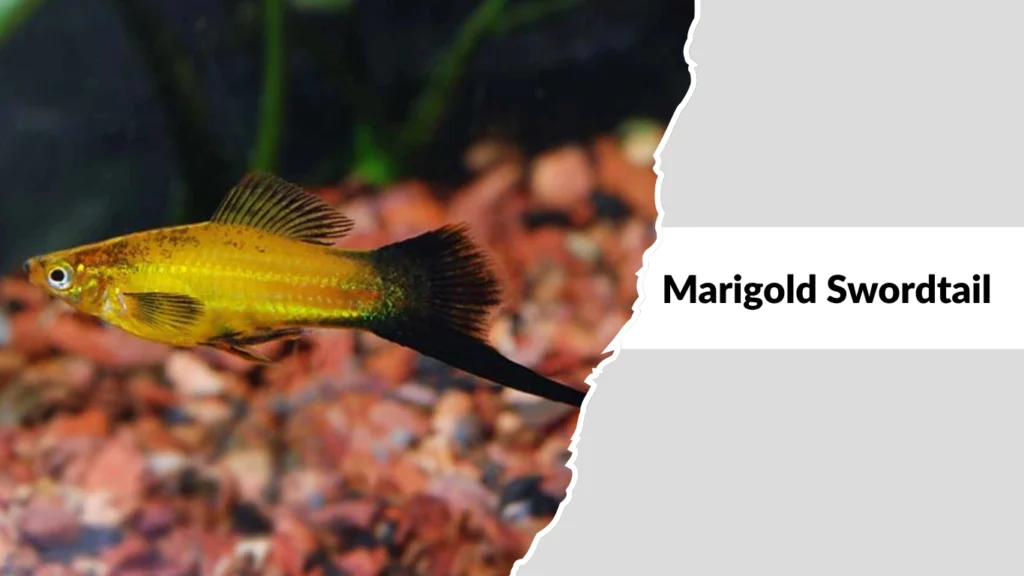
The Marigold Swordtail is a bright and cheerful fish known for its rich golden-orange coloration, similar to marigold flowers. Its vibrant look and active nature make it a popular choice for aquarists who want a lively and colorful aquarium.
Characteristics
- Golden to deep orange body coloration
- Males have a long, sword-like tail extension
- Smooth, elongated body shape
- Bright, uniform color with slight shading variations
- Grows up to 4–5 inches, with females larger than males
Habitat
Marigold Swordtails thrive in freshwater aquariums with stable conditions. They prefer temperatures between 22–28°C and slightly alkaline water. A well-planted tank with open swimming areas and gentle filtration provides an ideal environment for their growth and activity.
Behavior
These fish are active, social, and generally peaceful. They do well in groups, though males may occasionally show mild aggression toward one another. Keeping a proper ratio of females to males helps maintain harmony in the tank.
Diet
Marigold Swordtails are omnivores and accept a wide range of foods. Flakes and pellets should be their primary diet. Supplementing with live or frozen foods like brine shrimp improves nutrition, while plant-based foods support overall health.
Care
They are easy to care for and suitable for beginners. Regular water changes, stable tank conditions, and proper filtration are essential. Providing enough swimming space and monitoring behavior will help keep them healthy, active, and vibrant.
9. Black Swordtail
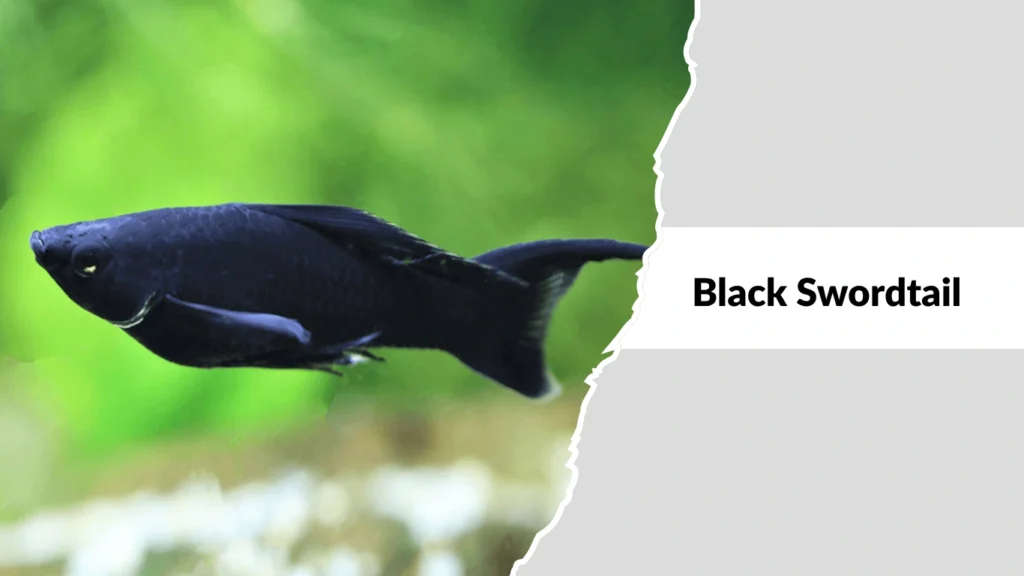
The Black Swordtail is a bold and elegant variety known for its deep, solid black coloration. Its sleek appearance and active behavior make it a striking addition to freshwater aquariums, especially when contrasted with lighter-colored fish.
Characteristics
- Solid black body with a smooth, glossy appearance
- Males have a long, sword-like tail extension
- Slender, elongated body shape
- Fins are typically black or slightly translucent
- Grows up to 4–5 inches, with females larger than males
Habitat
Black Swordtails thrive in freshwater aquariums with stable conditions. They prefer temperatures between 22–28°C and slightly alkaline water. A tank with plants and open swimming areas provides an ideal environment. Clean water and gentle filtration are important for maintaining their health.
Behavior
These fish are active, social, and generally peaceful. They do well in groups, though males may display mild aggression toward each other. Keeping more females than males helps reduce stress and promotes a balanced tank environment.
Diet
Black Swordtails are omnivores and require a varied diet. They accept flakes and pellets as staple foods. Supplementing with live or frozen foods like brine shrimp enhances their nutrition. Including plant-based foods helps maintain overall health.
Care
They are easy to care for and suitable for beginners. Regular water changes, proper filtration, and stable tank conditions are essential. Providing enough space and monitoring interactions will help keep them healthy, active, and visually striking.
10. Albino Swordtail
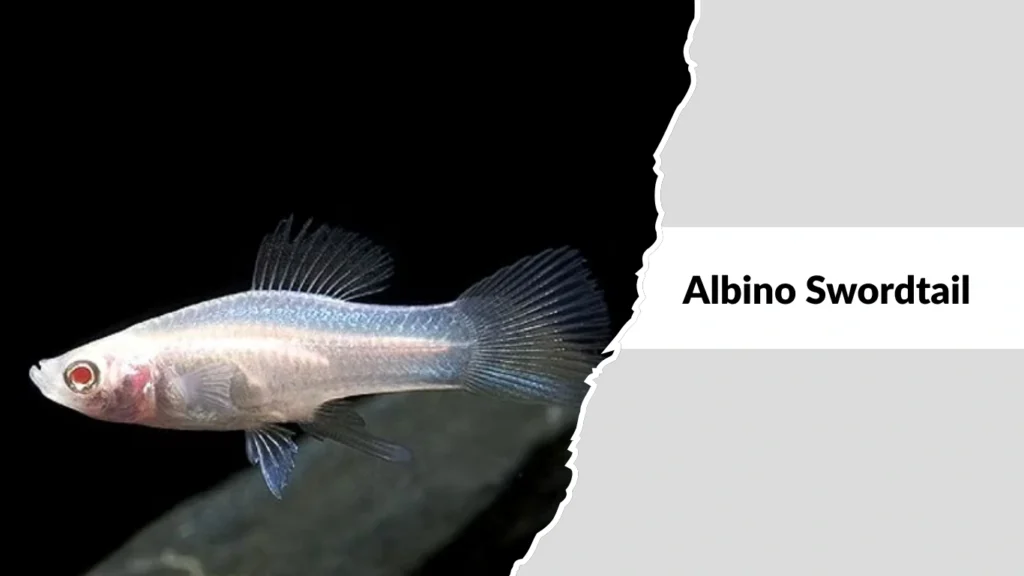
The Albino Swordtail is a unique and eye-catching variety known for its pale body and red or pink eyes. Its soft coloration gives it a delicate appearance, while its hardy nature makes it just as easy to care for as other swordtails.
Characteristics
- Pale white or cream-colored body
- Distinct red or pink eyes due to albinism
- Males have a long, sword-like tail extension
- Smooth, elongated body shape
- Grows up to 4–5 inches, with females larger than males
Habitat
Albino Swordtails thrive in freshwater aquariums with stable conditions. They prefer temperatures between 22–28°C and slightly alkaline water. A well-planted tank with moderate lighting is ideal, as overly bright light can sometimes stress them.
Behavior
These fish are active, social, and generally peaceful. They do well in groups and interact easily with other calm species. Males may occasionally show mild aggression toward each other, especially in smaller tanks.
Diet
Albino Swordtails are omnivores and accept a wide variety of foods. Flakes and pellets should be their main diet. Supplementing with live or frozen foods like brine shrimp improves nutrition, while plant-based foods help maintain balance.
Care
They are easy to care for and suitable for beginners. Regular water changes, stable conditions, and proper filtration are essential. Providing enough swimming space and maintaining good water quality will keep them healthy and active.
FAQs
What size tank is best for swordtails?
A minimum of 15–20 gallons is recommended for swordtails due to their active nature and larger size compared to platies. A bigger tank provides enough swimming space and helps maintain stable water conditions, which is essential for their health and behavior.
Are swordtails easy to care for?
Yes, swordtails are considered beginner-friendly fish. They are hardy, adaptable, and tolerate a range of water conditions. With proper feeding, regular water changes, and stable parameters, they remain healthy and active in most home aquariums.
Can swordtails live with other fish?
Swordtails are peaceful and do well in community tanks with other non-aggressive species like tetras, mollies, and guppies. However, avoid aggressive or fin-nipping fish, as they may stress or injure swordtails, especially males with long tails.
How often should swordtails be fed?
Swordtails should be fed once or twice daily in small portions. Overfeeding should be avoided to prevent water quality issues. A varied diet including flakes, pellets, and occasional live or frozen foods ensures proper nutrition.
Do swordtails breed easily?
Yes, swordtails are livebearers and breed easily in aquariums. Females can give birth to many fry at once. If you want to control population growth, consider separating males and females or providing fewer hiding spots for fry survival.