
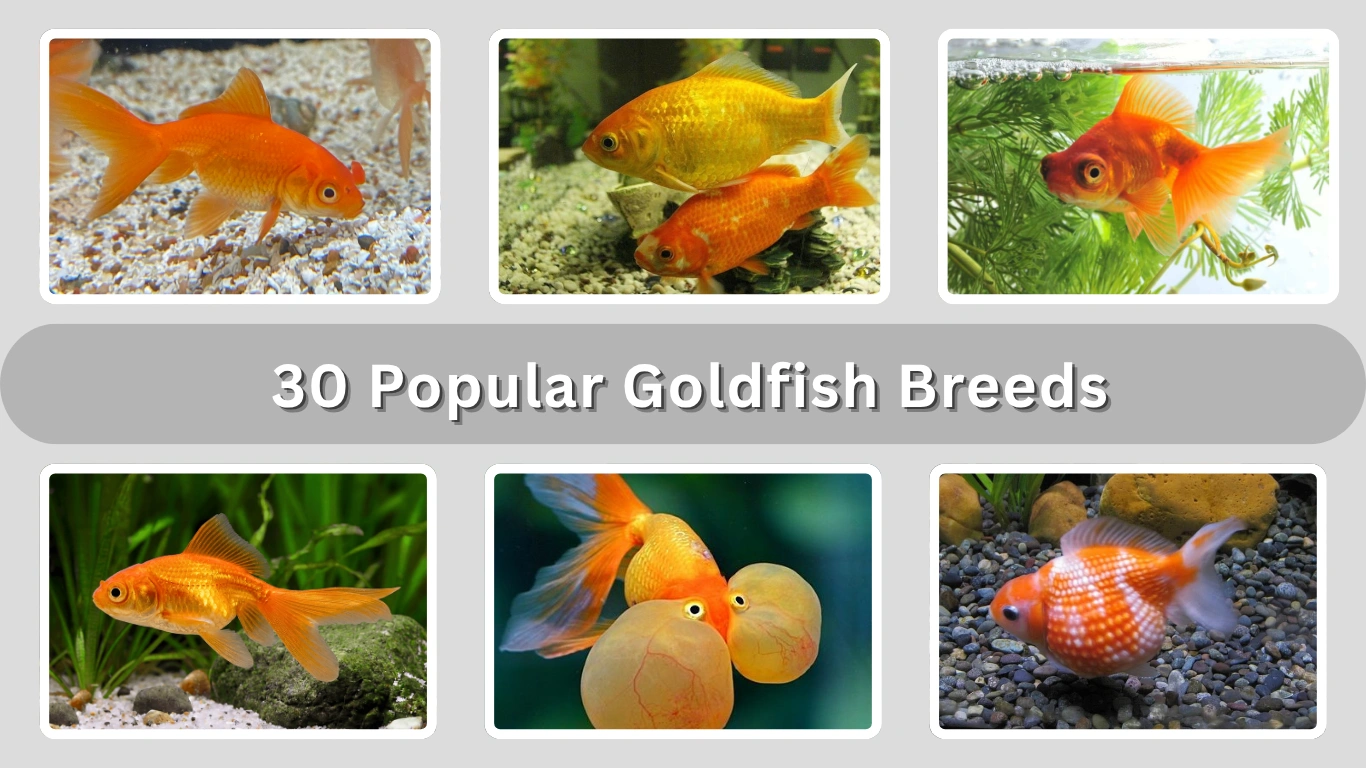
Goldfish are one of the most popular and diverse aquarium fish in the world, loved for their vibrant colors, unique shapes, and graceful movements. From simple single-tailed varieties to highly ornamental fancy breeds, goldfish come in a wide range of forms that suit both beginners and experienced hobbyists.
In this guide, you will explore 30 different types of goldfish breeds, each with its own distinct characteristics. Whether you are planning to start a fish tank or simply want to learn more, this list will help you understand the variety and beauty of these fascinating fish.
1. Common Goldfish
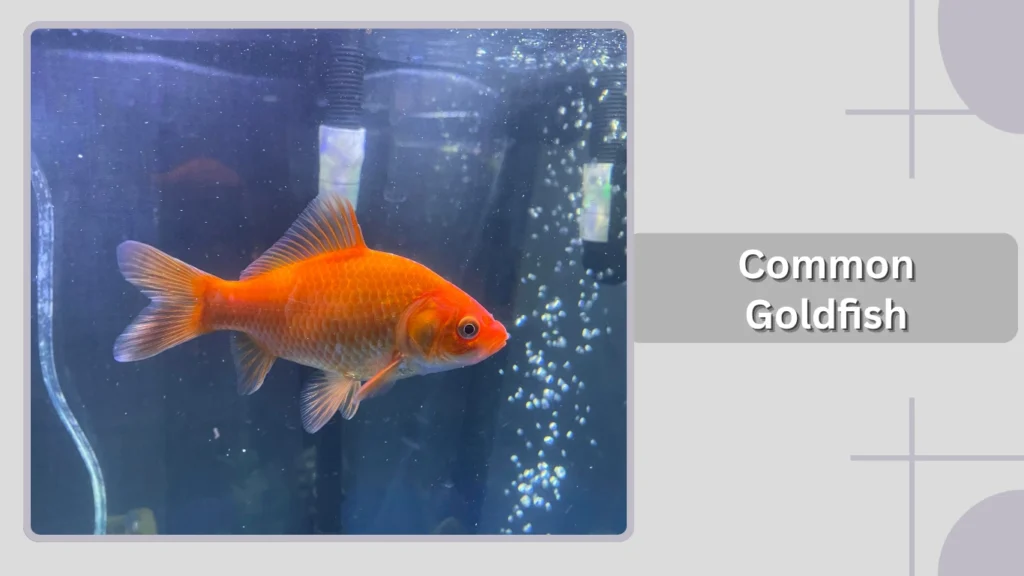
The Common Goldfish is the most recognized and widely kept goldfish breed. Known for its simplicity and resilience, it is often recommended for beginners. This variety is highly adaptable and can thrive in both aquariums and outdoor ponds. Its fast swimming ability and strong health make it different from many fancy goldfish types. Because of its hardy nature, it can tolerate a wider range of water conditions compared to more delicate breeds. With proper care, it can live for many years and grow quite large, making it more suitable for spacious environments.
Identification
- Slender, elongated body shape
- Single, forked tail fin
- Smooth, metallic scales
- Commonly bright orange but also found in white, yellow, or mixed colors
- Typically grows up to 10–12 inches in length
Origin
The Common Goldfish traces its roots back to ancient China, where it was first domesticated from wild carp over a thousand years ago. Early breeders selectively enhanced its color, eventually creating the bright orange appearance seen today. It later spread to Japan and Europe, becoming one of the earliest ornamental fish introduced worldwide.
Behavior
This breed is very active and constantly on the move, often exploring every part of its environment. It is social and does best when kept with other fast-moving goldfish. Due to its speed, it may outcompete slower fancy varieties for food, so tank mates should be chosen carefully.
Care
Common Goldfish require large tanks or ponds due to their rapid growth and active nature. Clean, well-filtered water is essential, along with regular maintenance. They prefer cooler water temperatures and benefit from a balanced diet that includes pellets, vegetables, and occasional protein sources.
2. Comet Goldfish
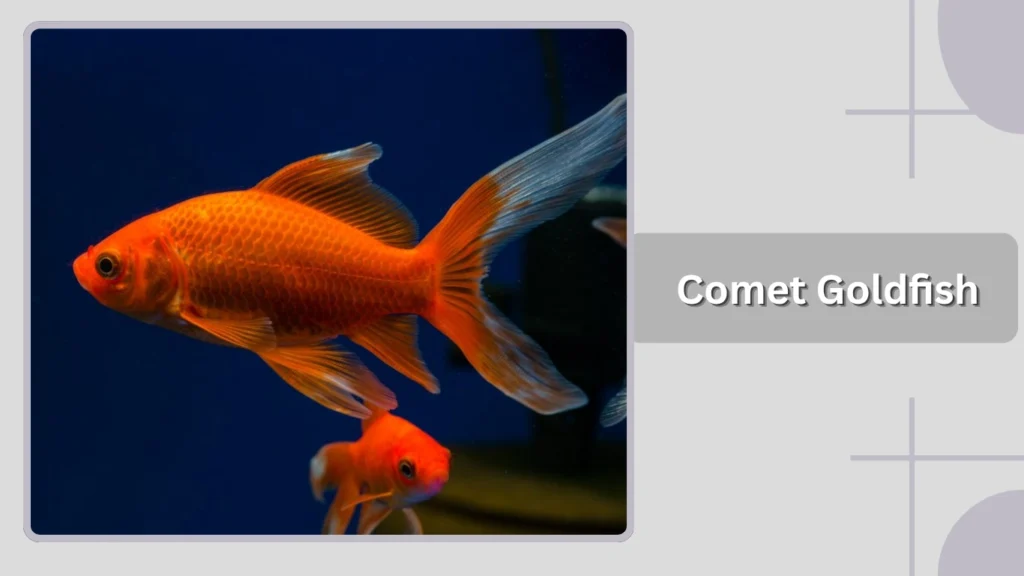
The Comet Goldfish is a popular single-tailed variety known for its long, flowing tail and energetic nature. It is often mistaken for the Common Goldfish but can be distinguished by its more slender body and deeply forked tail. This breed is extremely hardy and thrives in outdoor ponds as well as large aquariums. Its graceful movement and vibrant coloration make it a favorite among hobbyists. Comets are fast swimmers and require plenty of space to stay healthy and active, making them better suited for larger environments.
Identification
- Slim, elongated body shape
- Long, deeply forked tail fin
- Single tail with flowing appearance
- Usually bright orange, but also comes in white, red, yellow, or bi-color
- Can grow up to 12–14 inches in proper conditions
Origin
The Comet Goldfish was developed in the United States in the late 19th century. It originated from selective breeding of Common Goldfish to enhance tail length and body slenderness. Over time, it became a distinct and widely recognized variety, especially popular in outdoor ponds.
Behavior
Comet Goldfish are highly active and energetic swimmers. They enjoy open spaces and are constantly moving, which makes them entertaining to watch. They are social fish and do well in groups, especially with other single-tailed goldfish. Their speed can make them dominant during feeding time.
Care
This breed requires a spacious tank or pond with strong filtration due to its activity level and waste production. Clean water and regular maintenance are essential. They thrive in cooler temperatures and benefit from a varied diet that includes high-quality pellets, vegetables, and occasional protein-rich foods.
3. Shubunkin Goldfish
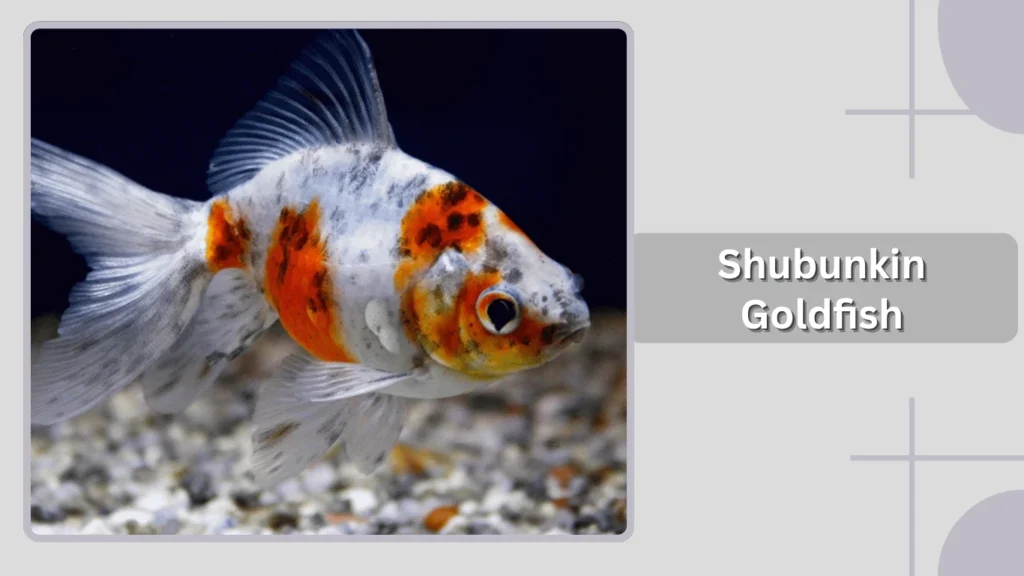
The Shubunkin Goldfish is a beautiful and hardy variety known for its striking calico pattern and transparent scales. It closely resembles the Common Goldfish in body shape but stands out due to its unique coloration and slightly longer fins. This breed is highly valued for ponds because of its durability and ability to tolerate varying conditions. Its lively swimming style and colorful appearance make it a favorite among goldfish enthusiasts. Shubunkins are easy to care for, making them suitable for both beginners and experienced keepers.
Identification
- Slender, streamlined body
- Single, moderately long tail fin
- Calico coloration with a mix of blue, red, black, white, and yellow
- Transparent or nacreous scales
- Typically grows up to 10–12 inches
Origin
The Shubunkin Goldfish originated in Japan in the early 20th century. It was developed through selective breeding of calico-colored goldfish to achieve its signature multi-colored pattern and hardy traits. Over time, different regional variations emerged, enhancing its popularity worldwide.
Behavior
Shubunkins are active, fast swimmers that enjoy open spaces. They are social fish and do well in groups, especially with other single-tailed varieties. Their energetic nature makes them ideal for outdoor ponds, where they can swim freely and display natural behaviors.
Care
This breed thrives in large aquariums or ponds with good filtration and plenty of swimming space. They prefer cooler water and are quite tolerant of changing conditions. A balanced diet of pellets, vegetables, and occasional protein helps maintain their vibrant coloration and overall health.
4. Fantail Goldfish
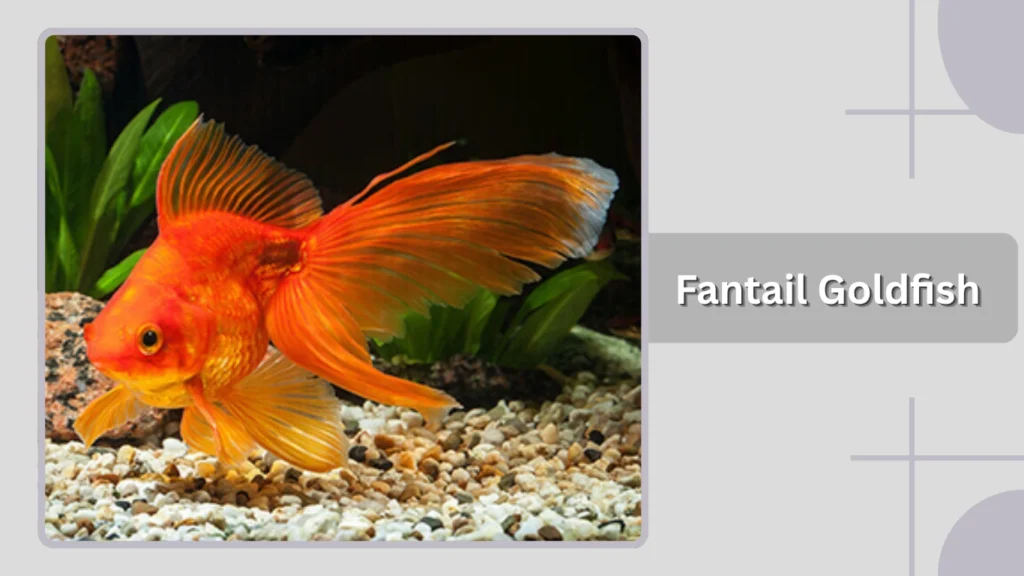
The Fantail Goldfish is one of the most common fancy goldfish varieties, known for its rounded body and elegant double tail. It is a hardy and beginner-friendly fancy breed, making it a popular choice for aquariums. Compared to single-tailed goldfish, Fantails swim more slowly and require calmer environments. Their graceful movement and balanced body shape make them visually appealing. With proper care, they can live long lives and develop fuller fins and brighter colors over time.
Identification
- Egg-shaped, rounded body
- Double tail fin with a fan-like appearance
- Upright dorsal fin
- Metallic or calico coloration
- Usually grows up to 6–8 inches
Origin
The Fantail Goldfish originated in China and was later refined in Japan through selective breeding. It is considered one of the earliest fancy goldfish varieties and serves as the foundation for many other double-tailed breeds seen today.
Behavior
Fantail Goldfish are calm and slower swimmers compared to single-tailed varieties. They are social and do well in groups of similar fancy goldfish. Because of their slower speed, they may struggle to compete with faster fish for food, so they should be kept with compatible tank mates.
Care
Fantails require a well-maintained aquarium with good filtration and stable water conditions. They prefer moderate temperatures and benefit from a varied diet including pellets, vegetables, and occasional protein. Avoid overcrowding and provide enough space for comfortable movement.
5. Veiltail Goldfish
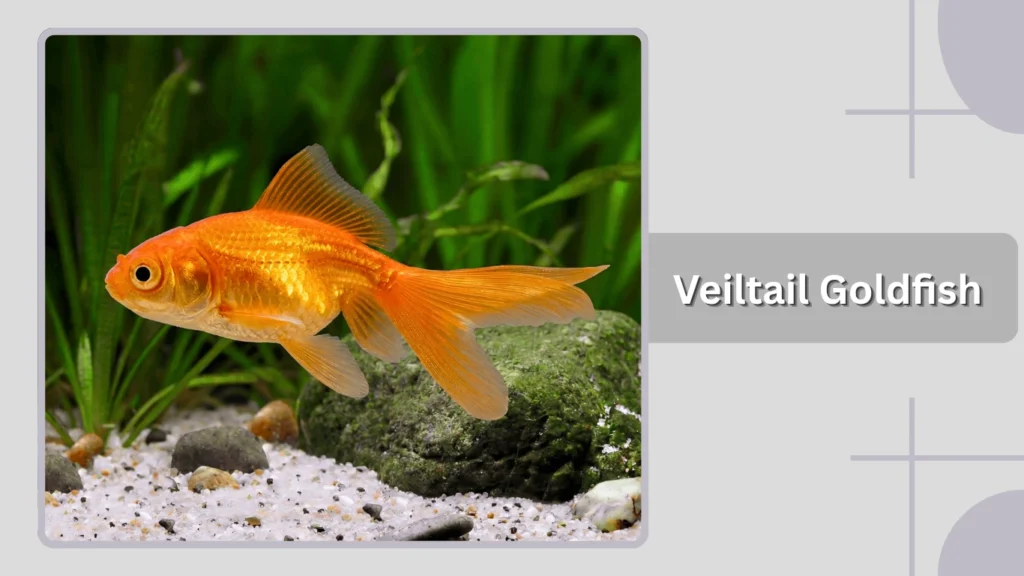
The Veiltail Goldfish is a stunning fancy variety admired for its long, flowing fins and elegant appearance. It is considered one of the most delicate goldfish breeds due to its exaggerated finnage and slow swimming ability. This breed is best suited for experienced keepers who can provide stable conditions and gentle tank environments. Its graceful movements and soft, trailing fins make it a centerpiece fish in aquariums, but it requires careful handling and proper care to thrive.
Identification
- Deep, rounded body shape
- Extremely long, flowing double tail
- High dorsal fin
- Fins drape like a veil
- Commonly seen in metallic orange, red, or white
- Typically grows up to 6–8 inches
Origin
The Veiltail Goldfish was developed in the United States in the late 19th century, inspired by earlier Japanese and Chinese fancy goldfish. It was selectively bred to emphasize long, delicate fins and a symmetrical body, creating one of the most ornamental goldfish varieties.
Behavior
Veiltail Goldfish are slow and gentle swimmers. They prefer calm environments without strong currents. Due to their long fins, they are vulnerable to fin damage and should not be kept with aggressive or fast-moving fish. They are peaceful and do well with other similar fancy varieties.
Care
This breed requires a clean, stable aquarium with low water flow to protect its delicate fins. High-quality filtration and regular maintenance are essential. A soft diet that includes sinking pellets, vegetables, and occasional protein helps maintain their health and prevents buoyancy issues.
6. Ryukin Goldfish
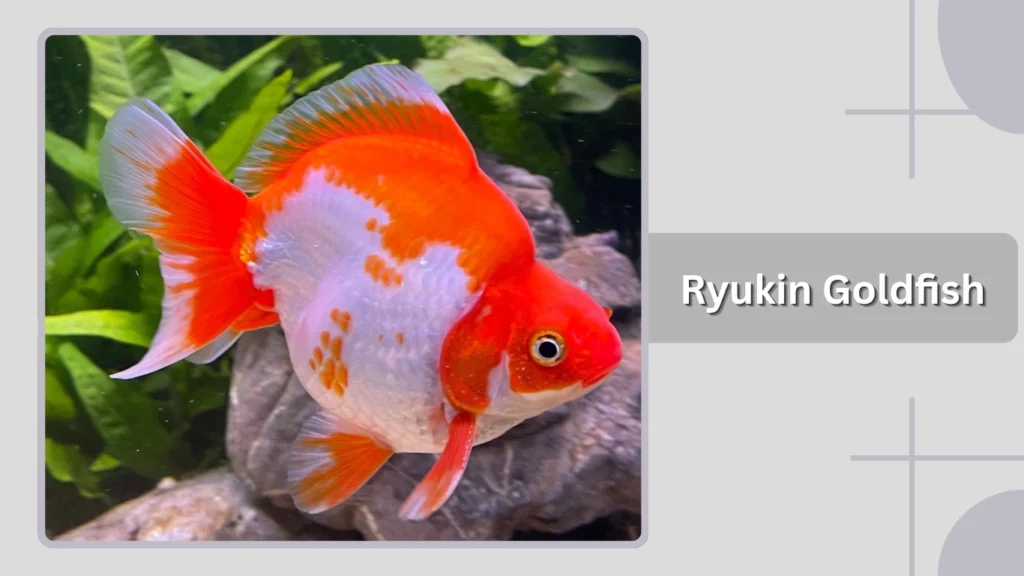
The Ryukin Goldfish is a popular fancy variety recognized for its pronounced hump behind the head and deep, rounded body. It has a bold and distinctive appearance that sets it apart from other goldfish breeds. Ryukins are relatively hardy compared to other fancy types, making them a good choice for intermediate hobbyists. Their flowing fins and strong body structure give them a striking presence in aquariums. They are available in a wide range of colors and patterns, adding to their visual appeal.
Identification
- Deep, egg-shaped body
- Prominent hump behind the head
- Double tail fin (short or long varieties)
- High dorsal fin
- Found in red, white, calico, and mixed colors
- Typically grows up to 6–8 inches
Origin
The Ryukin Goldfish originated in Japan, where it was developed through selective breeding of earlier Chinese goldfish varieties. It is believed to have been introduced to Japan via the Ryukyu Islands, which is how it got its name.
Behavior
Ryukin Goldfish are moderately active and can be slightly more assertive during feeding compared to other fancy breeds. They are social and do well in groups, but should be kept with similarly sized and paced goldfish to avoid competition issues.
Care
This breed requires a spacious aquarium with good filtration and stable water conditions. They prefer moderate water flow and benefit from a balanced diet of sinking pellets, vegetables, and occasional protein. Regular tank maintenance is essential to support their health and growth.
7. Oranda Goldfish
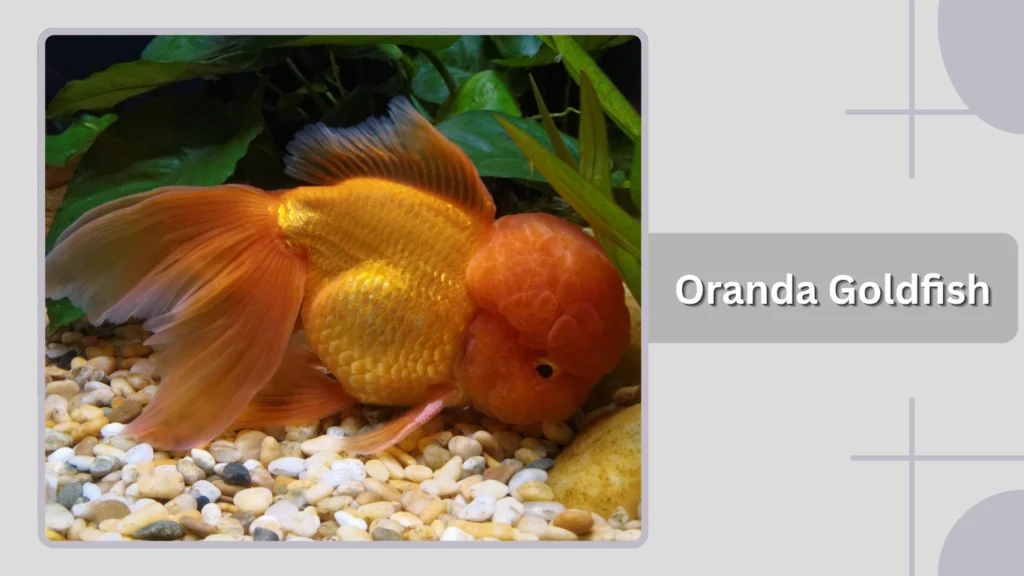
The Oranda Goldfish is a highly popular fancy variety known for its distinctive head growth, called a wen. This fleshy cap develops as the fish matures, giving it a unique and recognizable appearance. Orandas are admired for their graceful swimming and wide range of colors. They are slightly more delicate than some other fancy breeds but are still manageable with proper care. Their combination of beauty and personality makes them a favorite among goldfish enthusiasts.
Identification
- Rounded, egg-shaped body
- Prominent head growth (wen)
- Double tail fin
- Upright dorsal fin
- Comes in red, white, black, blue, and calico varieties
- Typically grows up to 6–8 inches
Origin
The Oranda Goldfish originated in China and was later refined in Japan through selective breeding. Over time, breeders enhanced the head growth and body shape, resulting in the modern Oranda seen today. It has since become one of the most widely recognized fancy goldfish varieties.
Behavior
Orandas are calm and social fish that do well in groups with other fancy goldfish. They are moderate swimmers and enjoy a peaceful environment. Due to their head growth, their vision can sometimes be limited, so they may move more slowly when searching for food.
Care
This breed requires clean, well-filtered water and stable tank conditions. Special attention should be given to the web, as it can be prone to infections if water quality is poor. A balanced diet of sinking pellets, vegetables, and occasional protein supports healthy growth and overall well-being.
8. Lionhead Goldfish
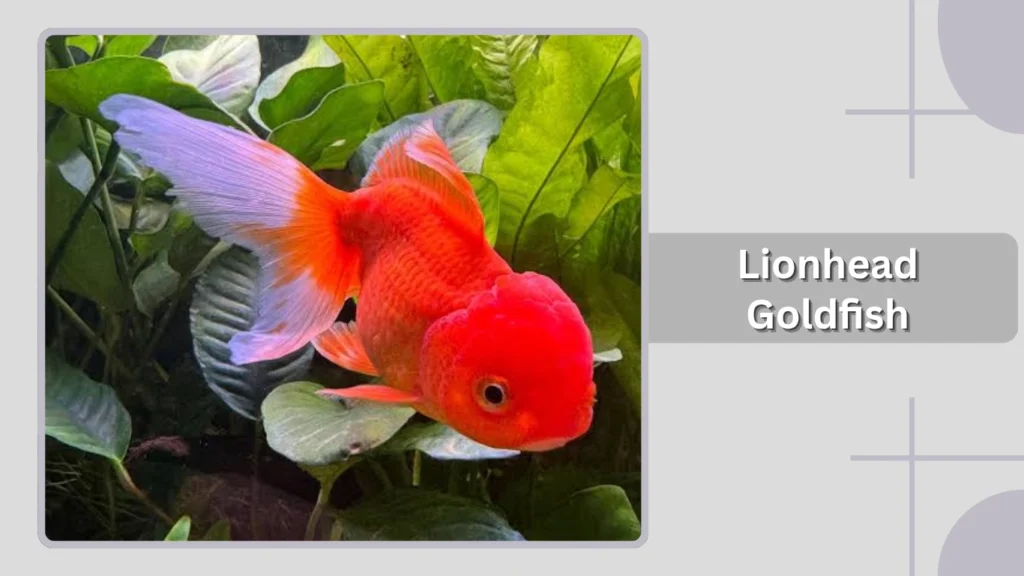
The Lionhead Goldfish is a distinctive fancy variety known for its lack of a dorsal fin and its prominent head growth. Its rounded body and smooth back give it a unique silhouette. The wen (head growth) is more developed than in many other breeds, often covering the entire head. This goldfish is admired for its appearance but requires attentive care due to its delicate features and slower movement.
Identification
- Rounded, egg-shaped body
- No dorsal fin (smooth back)
- Large, well-developed head growth (wen)
- Double tail fin
- Commonly seen in red, orange, white, or combinations
- Typically grows up to 6–8 inches
Origin
The Lionhead Goldfish originated in China, where it was selectively bred to enhance its head growth and eliminate the dorsal fin. It is considered one of the foundational breeds that later influenced the development of other varieties like the Ranchu.
Behavior
Lionhead Goldfish are slow and gentle swimmers. They prefer calm environments and should be kept with other slow-moving fancy goldfish. Due to their body shape and head growth, they are less agile and may struggle in competitive feeding situations.
Care
This breed requires a clean, stable aquarium with low water flow. Good filtration is essential to prevent infections, especially around the head growth. A soft, balanced diet of sinking pellets, vegetables, and occasional protein helps maintain their health and prevents digestive issues.
9. Ranchu Goldfish
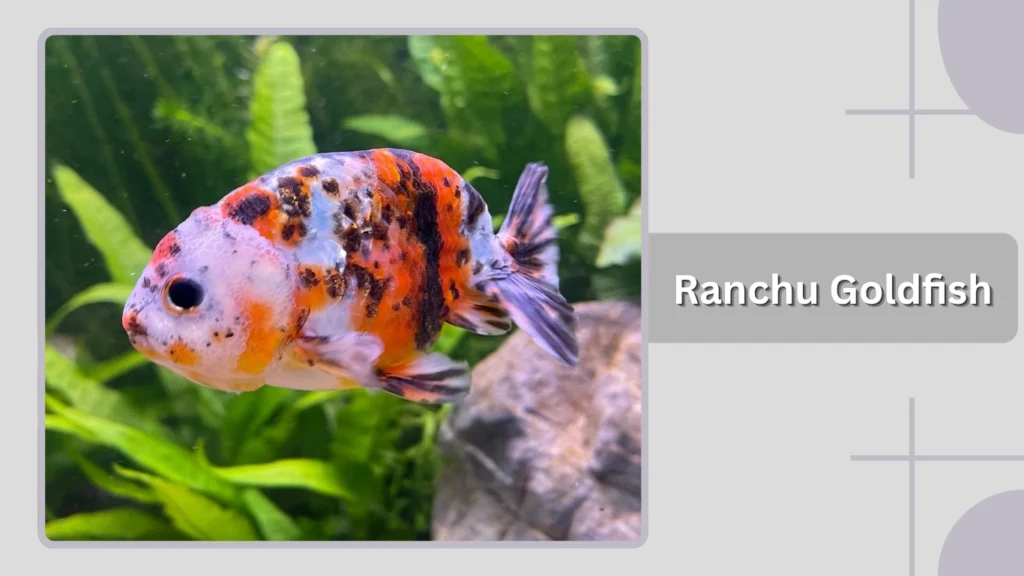
The Ranchu Goldfish is a highly prized fancy variety, especially in Japan, where it is often called the “king of goldfish.” It is known for its rounded body, lack of a dorsal fin, and well-developed head growth. Unlike the Lionhead, the Ranchu has a more arched back and a tail that is set at a downward angle, giving it a distinctive posture. This breed is valued for its appearance when viewed from above and is commonly kept in shallow ponds or tanks.
Identification
- Rounded, compact body
- No dorsal fin
- Prominent head growth (wen)
- Short, downward-pointing double tail
- Smooth, curved back
- Comes in red, white, black, and mixed colors
- Typically grows up to 5–7 inches
Origin
The Ranchu Goldfish was developed in Japan through selective breeding of Lionhead-type goldfish. Breeders refined its body shape, tail angle, and head growth to create a more balanced and aesthetically pleasing form. It has since become one of the most respected goldfish breeds.
Behavior
Ranchu Goldfish are slow, calm swimmers that prefer peaceful environments. They are social and do best with other slow-moving fancy goldfish. Their limited mobility means they should not be kept with fast or aggressive tank mates.
Care
This breed requires high water quality and a stable environment. A tank with gentle water flow is ideal to avoid stress. They benefit from a nutritious diet of sinking pellets, vegetables, and occasional protein. Regular maintenance is essential to support their health and delicate features.
10. Telescope Goldfish
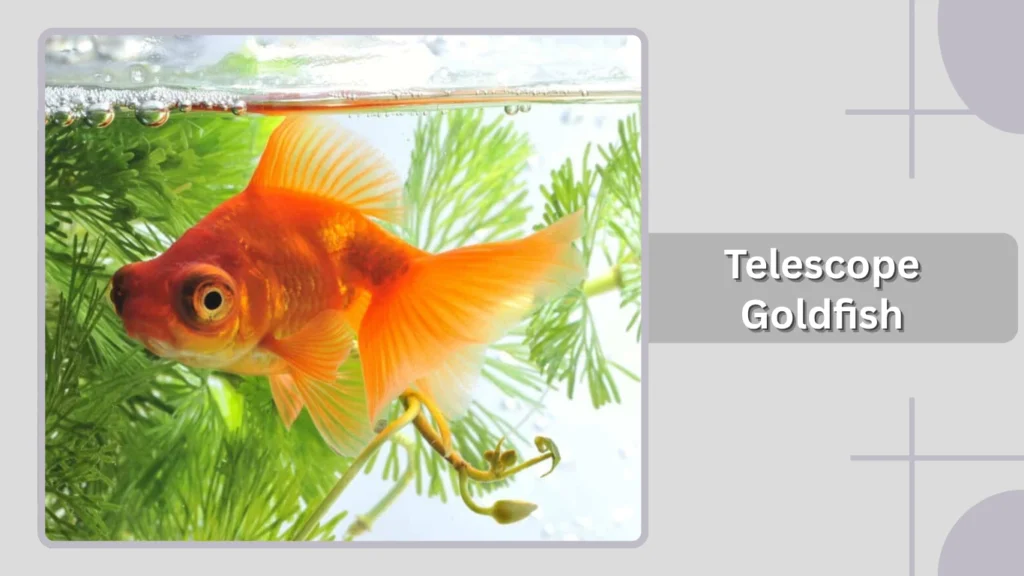
The Telescope Goldfish is a unique fancy variety known for its protruding eyes that extend outward from the sides of its head. This distinctive feature gives it a wide field of vision but also makes it more vulnerable to injury. It has a rounded body and flowing fins, making it both eye-catching and delicate. Due to its special characteristics, this breed requires careful handling and a well-maintained environment.
Identification
- Rounded, egg-shaped body
- Large, protruding telescope eyes
- Double tail fin
- Upright dorsal fin
- Found in black, red, white, calico, and other colors
- Typically grows up to 6–8 inches
Origin
The Telescope Goldfish originated in China and was later refined in Japan. It was selectively bred to enhance the size and shape of its eyes, creating the distinctive look seen today. Over time, different color variations and subtypes were developed.
Behavior
Telescope Goldfish are slow swimmers due to their body shape and limited vision. They are peaceful and social, doing best with other slow-moving fancy goldfish. Because of their eyesight, they may take longer to find food and should be monitored during feeding.
Care
This breed requires a clean aquarium with smooth decorations to prevent eye injuries. Gentle water flow is important to avoid stress. A balanced diet of sinking pellets, vegetables, and occasional protein helps maintain their health. Regular tank maintenance is essential for their well-being.
11. Black Moor Goldfish
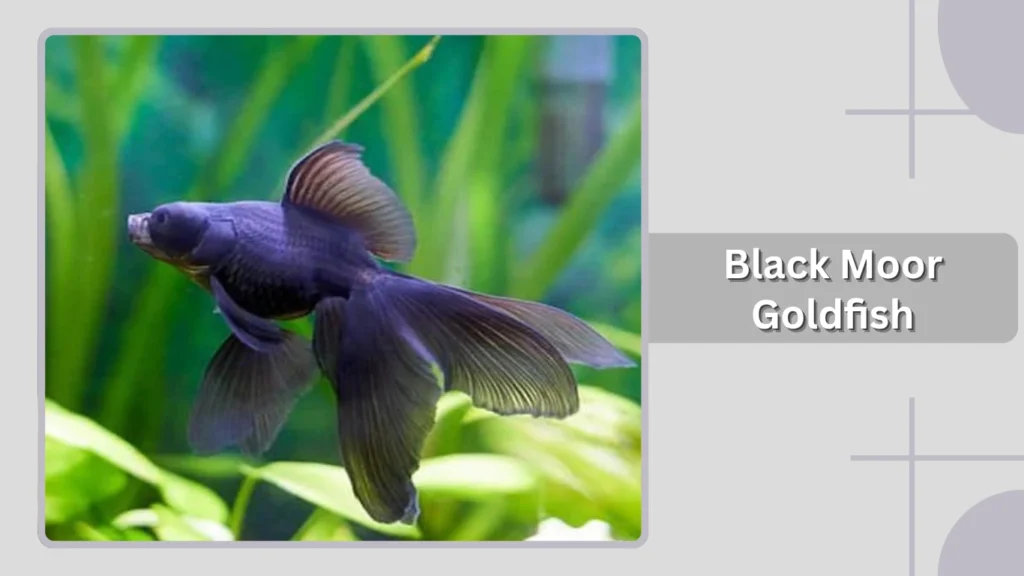
The Black Moor Goldfish is a popular subtype of the Telescope Goldfish, easily recognized by its deep black color and protruding eyes. Its velvety appearance and flowing fins make it one of the most attractive fancy goldfish varieties. Despite its beauty, it is somewhat delicate due to its poor vision and eye structure. This breed is widely kept in aquariums and is a favorite among hobbyists who enjoy unique ornamental fish.
Identification
- Rounded, egg-shaped body
- Prominent telescope eyes
- Deep black, velvety coloration
- Double tail fin
- Long, flowing fins
- Typically grows up to 6–8 inches
Origin
The Black Moor Goldfish originated in China as a selectively bred variation of the Telescope Goldfish. Over time, breeders enhanced its rich black coloration and eye shape, making it a distinct and widely recognized variety across the world.
Behavior
Black Moor Goldfish are slow and gentle swimmers. Their limited eyesight makes them less competitive during feeding, so they should be kept with other slow-moving fish. They are peaceful and social, preferring calm environments with minimal stress.
Care
This breed requires a clean, well-maintained aquarium with soft decorations to prevent injury to its eyes. Stable water conditions and gentle filtration are important. A diet of sinking pellets, vegetables, and occasional protein helps maintain their health and color. Regular monitoring ensures they remain in good condition.
12. Celestial Eye Goldfish
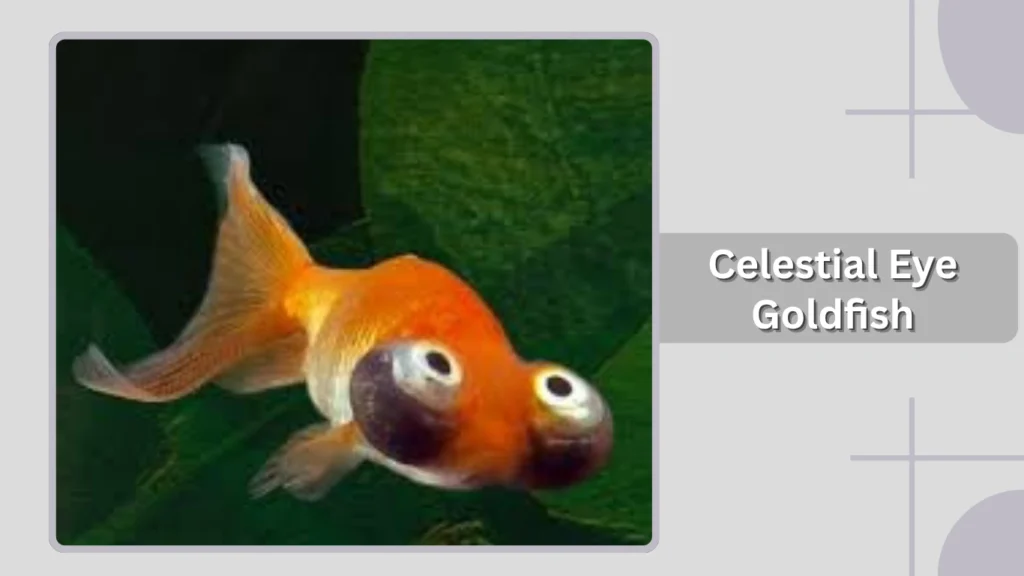
The Celestial Eye Goldfish is a rare and unusual fancy variety known for its upward-facing eyes. Its eyes develop gradually as it matures, eventually pointing straight upward, giving it a unique appearance. This breed lacks a dorsal fin and has a smooth, rounded body. Due to its limited vision and delicate structure, it requires special care and a calm environment to thrive.
Identification
- Rounded, egg-shaped body
- No dorsal fin
- Upward-pointing eyes
- Double tail fin
- Smooth back
- Commonly found in orange, red, white, or mixed colors
- Typically grows up to 5–6 inches
Origin
The Celestial Eye Goldfish originated in China, where it was selectively bred for its distinctive upward-looking eyes. It later gained popularity in Japan and among collectors worldwide due to its unique and rare features.
Behavior
Celestial Eye Goldfish are very slow swimmers and have limited forward vision. They prefer calm, quiet environments and should be kept only with similar slow-moving fancy goldfish. Their unusual eye position makes feeding slightly challenging, so they may need extra attention during feeding times.
Care
This breed requires a carefully maintained aquarium with no sharp objects to prevent injury. Gentle water flow is essential, as strong currents can stress them. A soft, sinking diet with pellets, vegetables, and occasional protein helps support their health. Clean water is critical to avoid infections and maintain overall well-being.
13. Bubble Eye Goldfish
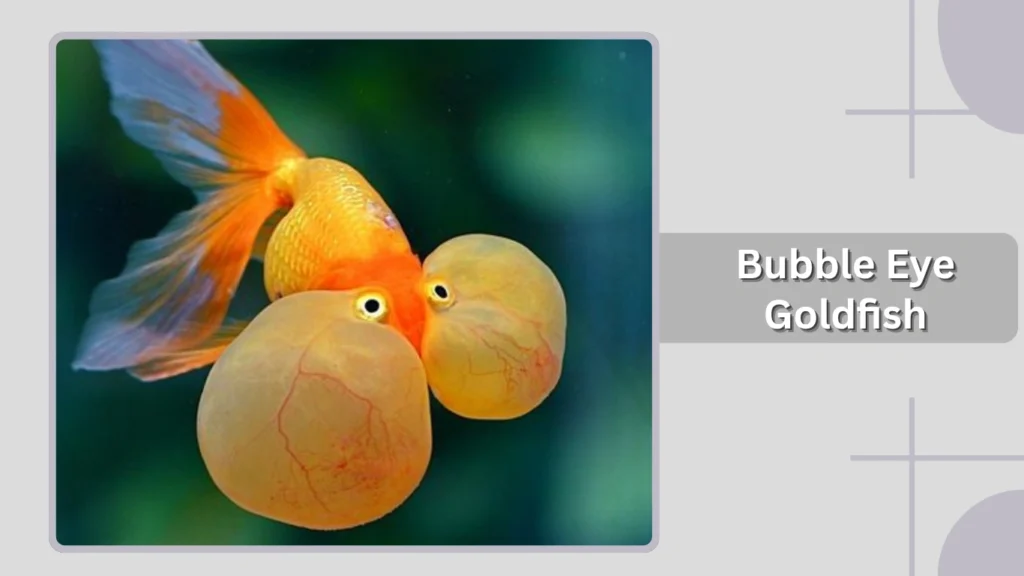
The Bubble Eye Goldfish is one of the most unusual and delicate fancy goldfish varieties, known for the fluid-filled sacs beneath its eyes. These bubbles are soft and can easily be damaged, making this breed highly sensitive. It has no dorsal fin and a rounded body, giving it a smooth and distinctive appearance. Due to its fragility and limited vision, it is best suited for experienced keepers who can provide a safe and controlled environment.
Identification
- Rounded, egg-shaped body
- No dorsal fin
- Large fluid-filled sacs under the eyes
- Double tail fin
- Smooth, curved back
- Commonly seen in orange, red, white, or mixed colors
- Typically grows up to 5–6 inches
Origin
The Bubble Eye Goldfish originated in China through selective breeding focused on enhancing the eye sacs. Over time, breeders refined its body shape and bubble size, resulting in the distinctive form seen today.
Behavior
Bubble Eye Goldfish are extremely slow swimmers and have very limited vision. They are peaceful and should only be kept with other gentle, slow-moving fish. Their delicate eye sacs make them vulnerable, so they require a stress-free environment without competition.
Care
This breed needs a tank free of sharp objects to prevent damage to the eye sacs. Gentle filtration and minimal water flow are essential. They require careful feeding with soft, sinking foods like pellets and vegetables. Maintaining excellent water quality is critical to avoid infections and ensure long-term health.
14. Pearlscale Goldfish
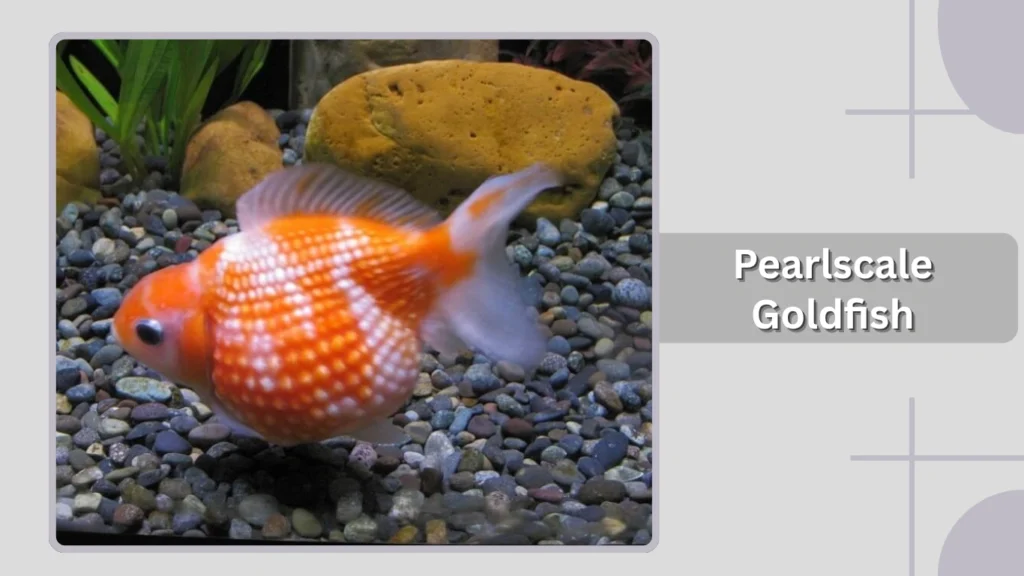
The Pearlscale Goldfish is a distinctive fancy variety known for its round body and unique, bead-like scales that resemble pearls. Its compact shape and textured appearance make it stand out among other goldfish breeds. This variety is more delicate than many others and requires stable conditions to stay healthy. Its unusual body shape can also make it prone to buoyancy issues, so proper care and feeding are essential.
Identification
- Very round, golf ball–shaped body
- Raised, pearl-like scales
- Double tail fin
- Upright dorsal fin
- Comes in red, white, chocolate, and calico colors
- Typically grows up to 5–6 inches
Origin
The Pearlscale Goldfish originated in China and was later developed further in Japan. It was selectively bred to enhance its rounded body and distinctive scale texture, making it one of the most visually unique goldfish varieties.
Behavior
Pearlscale Goldfish are slow swimmers due to their body shape. They are peaceful and social, doing best with other slow-moving fancy goldfish. Their limited mobility means they may struggle to compete for food with faster fish.
Care
This breed requires a stable aquarium with excellent water quality and gentle filtration. Overfeeding should be avoided to prevent buoyancy problems. A balanced diet of sinking pellets, vegetables, and occasional protein helps maintain their health and supports proper digestion.
15. Pompon Goldfish
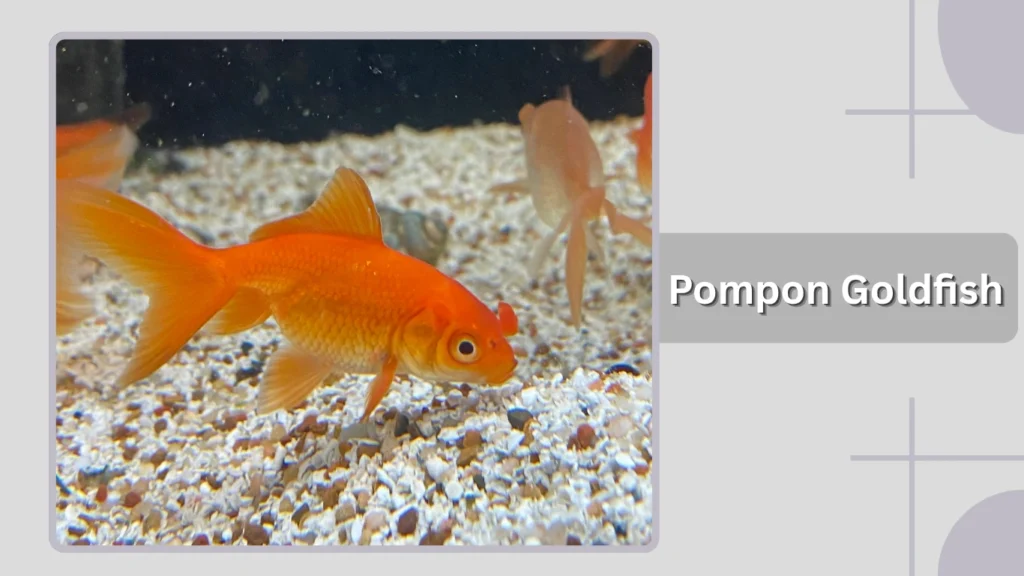
The Pompon Goldfish is a rare and charming fancy variety known for the fleshy, pompom-like growths on its nose. These soft nasal outgrowths give it a unique and decorative appearance. It has a rounded body and lacks a dorsal fin, similar to some other fancy breeds. Due to its delicate features, especially the nasal growths, it requires careful handling and a calm, well-maintained environment.
Identification
- Rounded, egg-shaped body
- No dorsal fin
- Fleshy pompom growths on the nose
- Double tail fin
- Smooth back
- Commonly seen in red, white, blue, or mixed colors
- Typically grows up to 5–6 inches
Origin
The Pompon Goldfish originated in China and was later refined in Japan. It was selectively bred to enhance the nasal outgrowths, which became its defining feature. Over time, it gained popularity among collectors due to its unusual and attractive look.
Behavior
Pompon Goldfish are slow and gentle swimmers. They are peaceful and do best with other slow-moving fancy goldfish. Their delicate nasal growths can be sensitive, so they should be kept in a stress-free environment without aggressive tank mates.
Care
This breed requires a clean aquarium with soft decorations to prevent injury to its nasal growths. Gentle water flow and stable conditions are essential. A balanced diet of sinking pellets, vegetables, and occasional protein helps maintain their health and supports proper growth.
16. Butterfly Tail Goldfish
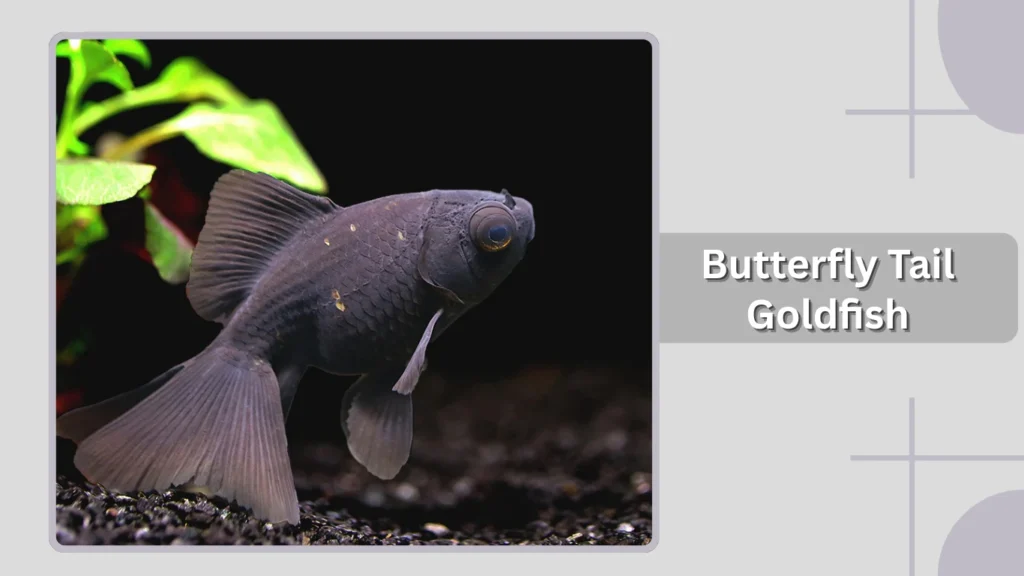
The Butterfly Tail Goldfish is a visually striking fancy variety best known for its tail, which spreads out like butterfly wings when viewed from above. This breed is especially popular in top-view aquariums and ponds due to its symmetrical and elegant tail shape. It often shares features with telescope-type goldfish, including protruding eyes in some variations. Its graceful appearance makes it a favorite among collectors.
Identification
- Rounded or slightly deep body
- Double tail that spreads horizontally like butterfly wings
- Often has telescope eyes (in some types)
- Upright dorsal fin
- Found in black, red, white, calico, and panda patterns
- Typically grows up to 6–8 inches
Origin
The Butterfly Tail Goldfish was developed in China and later refined in Japan and other parts of Asia. Breeders focused on enhancing the tail symmetry and spread, especially for appreciation from a top view, which is a traditional viewing style.
Behavior
Butterfly Tail Goldfish are moderate to slow swimmers depending on their body type. They are peaceful and social, doing well with other fancy goldfish. If they have telescope eyes, their vision may be limited, affecting feeding behavior.
Care
This breed requires a spacious tank with gentle water flow to maintain the shape of its delicate fins. Clean water and stable conditions are essential. A diet of sinking pellets, vegetables, and occasional protein helps support their health and vibrant appearance.
17. Tosakin Goldfish
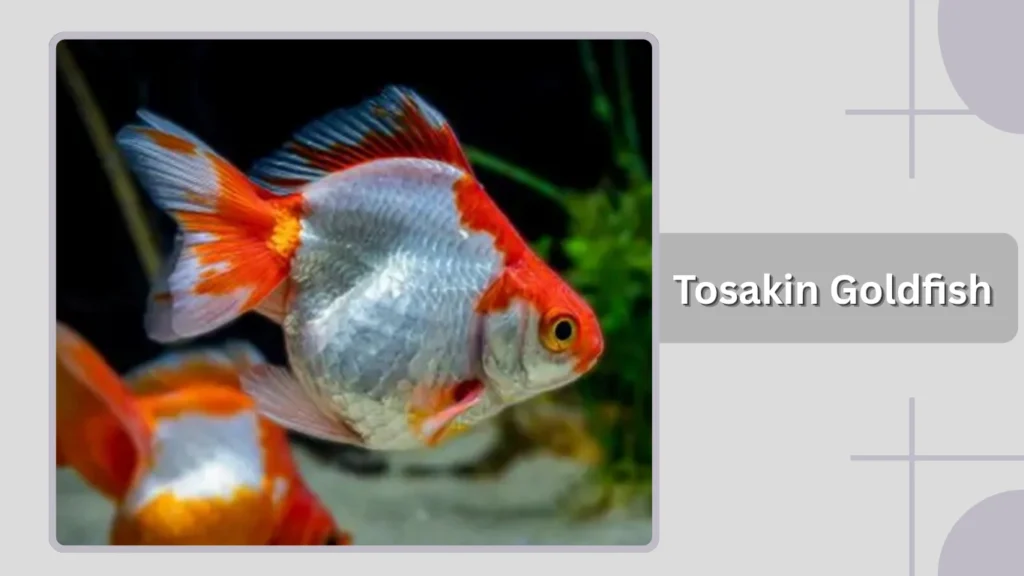
The Tosakin Goldfish is a rare and highly prized variety known for its unique tail that spreads out in a circular, fan-like shape. Unlike most goldfish, its tail curves outward and folds in a way that creates a beautiful, flowing display when viewed from above. This breed is delicate and requires specialized care, making it more suitable for experienced keepers. Its elegant appearance and rarity make it a collector’s favorite.
Identification
- Short, rounded body
- Large, flowing tail that spreads horizontally and curls
- Double tail with a distinctive circular shape
- Upright dorsal fin
- Usually seen in red, white, or red-and-white patterns
- Typically grows up to 6–8 inches
Origin
The Tosakin Goldfish originated in Japan, specifically in the Kochi region. It was developed through selective breeding to achieve its unique tail structure. Historically, it was kept in shallow bowls to enhance top-view appreciation, which remains the preferred way to observe this breed.
Behavior
Tosakin Goldfish are slow and delicate swimmers due to their unusual tail structure. They prefer calm, shallow environments and should be kept with other gentle fancy goldfish. Strong currents can easily damage their fins, so a peaceful setup is essential.
Care
This breed requires a specialized tank with minimal water flow to protect its fragile tail. Shallow tanks are often recommended for proper viewing and comfort. Clean water and careful feeding with soft, sinking foods help maintain their health and prevent stress or injury.
18. Jikin Goldfish
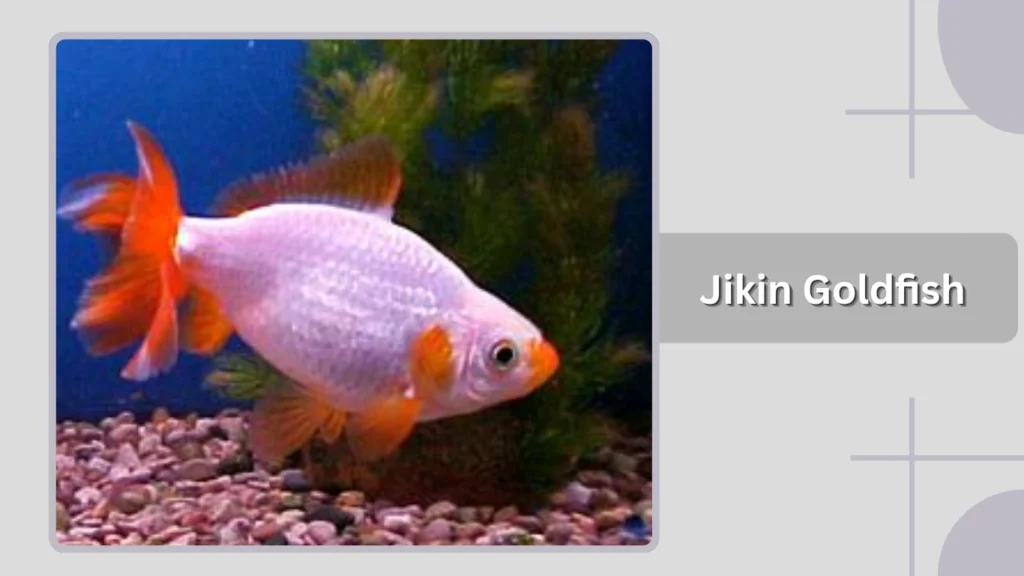
The Jikin Goldfish is a rare and elegant variety known for its distinctive tail shape and unique coloration pattern. It is often referred to as the “peacock tail” goldfish because its tail spreads beautifully when viewed from above. This breed is especially valued in Japan for its refined appearance and strict color standards. Jikins are considered delicate and are usually kept by experienced hobbyists who can maintain ideal conditions.
Identification
- Slender, elongated body
- Split tail with a peacock-like spread
- Single dorsal fin
- Distinct red and white coloration pattern (often called “Twelve Points of Red”)
- Symmetrical tail when viewed from above
- Typically grows up to 6–8 inches
Origin
The Jikin Goldfish originated in Japan and has been carefully bred for centuries. It was developed from Wakin-type goldfish, with selective breeding focused on achieving its signature tail shape and precise red-and-white color distribution.
Behavior
Jikin Goldfish are active swimmers, similar to other single-tailed varieties. They are social and do well in groups, especially with similar-bodied goldfish. Their graceful swimming style makes them enjoyable to observe, particularly from a top view.
Care
This breed requires clean, well-filtered water and a spacious tank or pond. Stable water conditions are important to maintain their health and coloration. A balanced diet of quality pellets, vegetables, and occasional protein supports their growth and overall well-being.
19. Wakin Goldfish
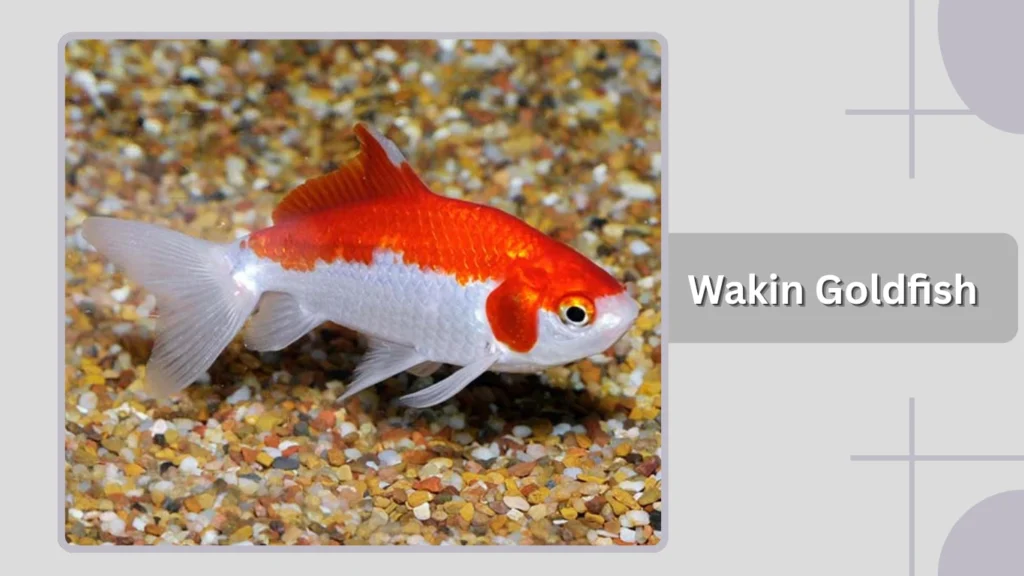
The Wakin Goldfish is a traditional Japanese variety that closely resembles the Common Goldfish but with a double tail. It is known for its strong body, active swimming style, and suitability for outdoor ponds. Wakins are hardy and adaptable, making them a great choice for both beginners and experienced keepers. Their balanced shape and flowing tail give them a graceful yet powerful appearance in the water.
Identification
- Long, streamlined body
- Double tail fin (short and split)
- Single dorsal fin
- Commonly red and white, but also found in other color combinations
- Strong, symmetrical body shape
- Typically grows up to 8–10 inches
Origin
The Wakin Goldfish originated in Japan and is considered one of the earliest goldfish varieties developed there. It was bred from Chinese goldfish and became the foundation for many other Japanese fancy breeds.
Behavior
Wakin Goldfish are active and fast swimmers. They are social and thrive in groups, especially in ponds where they have plenty of space. Their energetic nature makes them more competitive during feeding compared to slower fancy varieties.
Care
This breed does well in large aquariums or outdoor ponds with good filtration. They prefer cooler water and stable conditions. A balanced diet including pellets, vegetables, and occasional protein helps maintain their health and vibrant coloration.
20. Watonai Goldfish
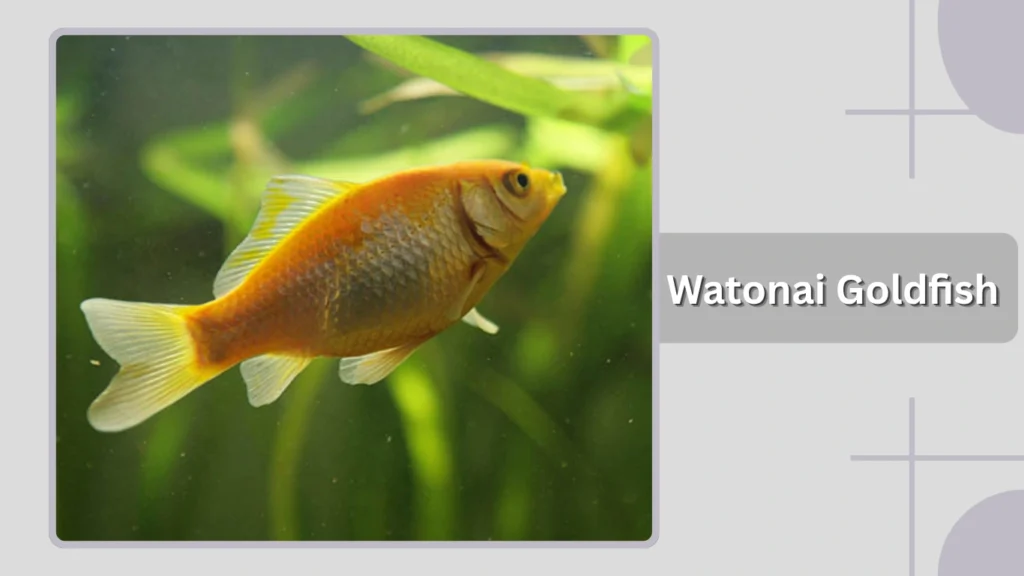
The Watonai Goldfish is a hybrid variety known for combining the body shape of the Wakin with the long, flowing tail of a Ryukin or Fantail. This gives it a graceful and elegant appearance while still maintaining a relatively strong and active body. It is less common than many other goldfish types and is often appreciated for its balanced mix of beauty and hardiness.
Identification
- Elongated, streamlined body
- Long, flowing double tail
- Single dorsal fin
- Graceful fin movement
- Commonly seen in red, white, yellow, and calico patterns
- Typically grows up to 8–10 inches
Origin
The Watonai Goldfish was developed in Japan through selective breeding of Wakin and fancy goldfish varieties. The goal was to create a fish with both the strength of single-tailed types and the elegance of long, flowing fins.
Behavior
Watonai Goldfish are active swimmers compared to most fancy varieties. They enjoy open spaces and do well in groups, especially in ponds. Their movement is smoother and more graceful due to their long fins, making them visually appealing.
Care
This breed thrives in large aquariums or outdoor ponds with clean, well-filtered water. They prefer moderate water flow and stable conditions. A balanced diet of pellets, vegetables, and occasional protein helps support their growth and maintain their flowing fins.
21. Bristol Shubunkin
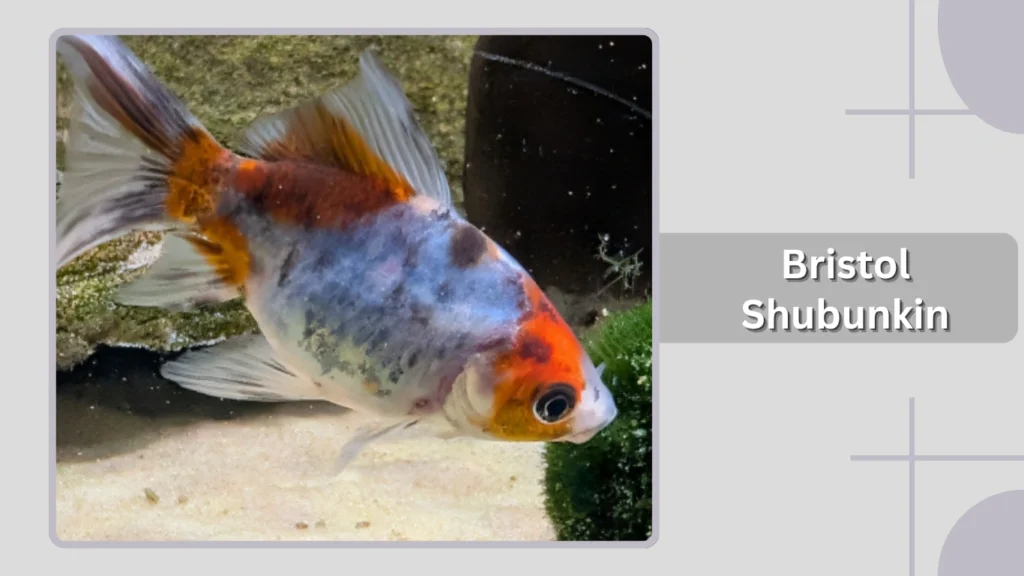
The Bristol Shubunkin is a distinctive type of Shubunkin goldfish, best known for its large, rounded tail that resembles a fan or heart shape. It combines the hardy nature of single-tailed goldfish with unique visual appeal. This variety is especially popular in ponds due to its strong swimming ability and vibrant calico coloration. Its elegant tail and active behavior make it a standout among goldfish enthusiasts.
Identification
- Slender, streamlined body
- Large, rounded tail with a fan or heart shape
- Single tail fin
- Calico coloration with blue, red, black, and white
- Transparent (nacreous) scales
- Typically grows up to 10–12 inches
Origin
The Bristol Shubunkin was developed in the United Kingdom, specifically in the Bristol area, during the early 20th century. Breeders focused on enhancing the tail shape and maintaining the vibrant calico pattern, resulting in this unique variety.
Behavior
Bristol Shubunkins are active and fast swimmers. They are social and thrive in groups, especially in spacious ponds. Their energetic nature makes them enjoyable to watch, and they tend to explore their environment constantly.
Care
This breed requires a large tank or pond with good filtration and plenty of swimming space. They prefer cooler water and are quite hardy. A balanced diet of pellets, vegetables, and occasional protein helps maintain their coloration and overall health.
22. London Shubunkin
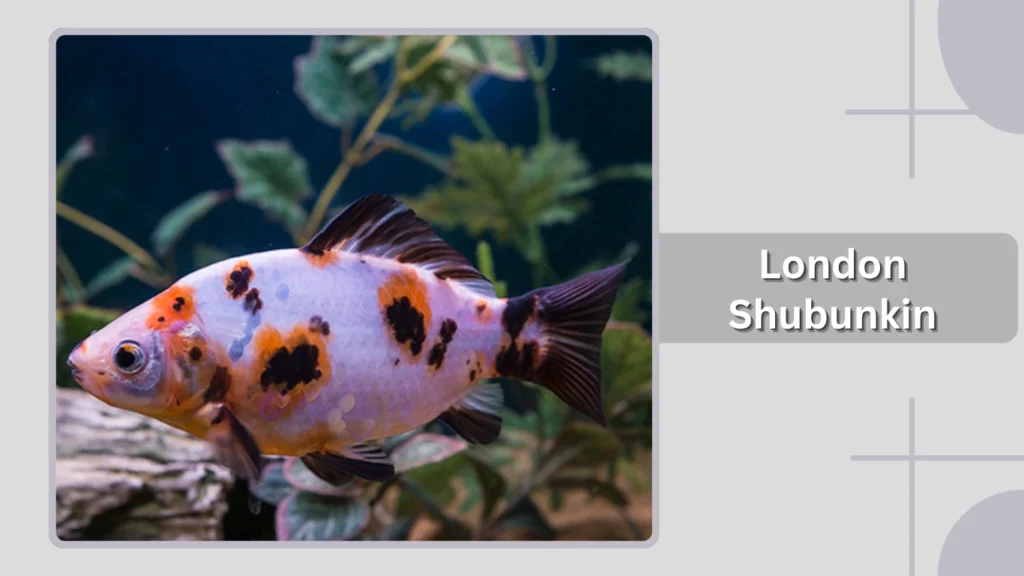
The London Shubunkin is a simpler and more streamlined type of Shubunkin goldfish, closely resembling the Common Goldfish in body shape but with beautiful calico coloration. It is valued for its hardiness and ease of care, making it a great choice for beginners. Unlike other Shubunkin types, it has shorter fins, giving it a more practical and less ornamental look while still maintaining vibrant colors.
Identification
- Slender, streamlined body similar to Common Goldfish
- Short, single tail fin
- Calico coloration with blue, red, black, and white
- Transparent (nacreous) scales
- Less flowing fins compared to other Shubunkins
- Typically grows up to 10–12 inches
Origin
The London Shubunkin was developed in the United Kingdom as one of the earliest Shubunkin varieties. It was bred to maintain the hardy traits of Common Goldfish while introducing the attractive calico color pattern.
Behavior
London Shubunkins are active and fast swimmers. They are social fish that do well in groups, especially in ponds or large tanks. Their energetic behavior makes them well-suited for environments with plenty of open swimming space.
Care
This breed is hardy and adaptable, thriving in both aquariums and outdoor ponds. It requires clean, well-filtered water and benefits from regular maintenance. A balanced diet of pellets, vegetables, and occasional protein helps support healthy growth and vibrant coloration.
23. American Shubunkin
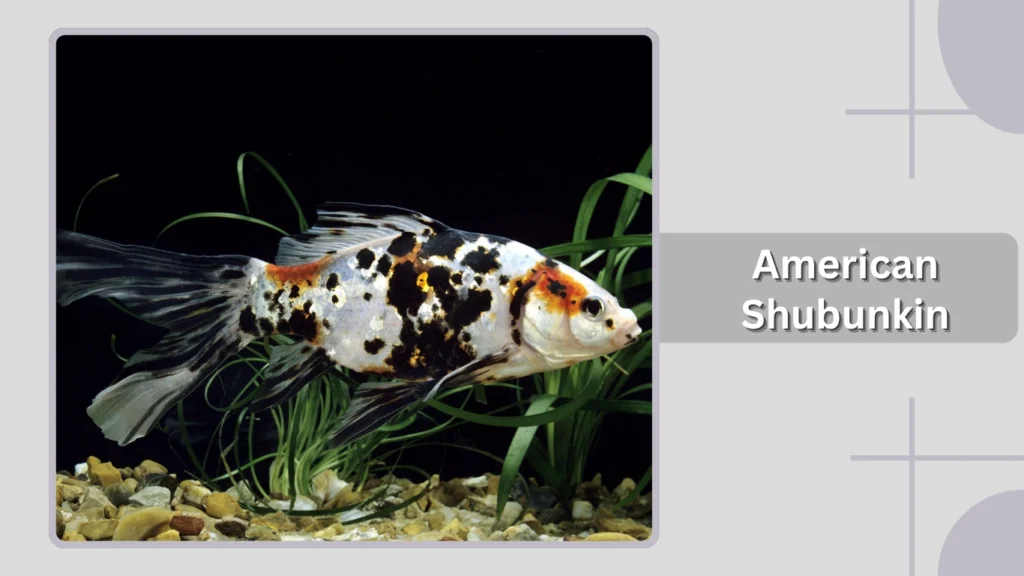
The American Shubunkin is a popular variation of the Shubunkin goldfish, known for its slightly longer fins and vibrant calico coloration. It falls between the London and Bristol types in terms of fin length and body shape. This variety is appreciated for its balance of beauty and hardiness, making it suitable for both ponds and large aquariums. Its colorful patterns and active nature make it a favorite among hobbyists.
Identification
- Slender, streamlined body
- Moderately long, single tail fin
- Calico coloration with blue, red, black, yellow, and white
- Transparent (nacreous) scales
- Fins longer than London type but shorter than Bristol
- Typically grows up to 10–12 inches
Origin
The American Shubunkin was developed in the United States through selective breeding of Shubunkin goldfish. Breeders aimed to create a balanced variety with attractive coloration and moderate fin length.
Behavior
American Shubunkins are active, fast swimmers that enjoy open spaces. They are social and do well in groups, especially with other single-tailed goldfish. Their lively behavior makes them ideal for outdoor ponds.
Care
This breed thrives in large tanks or ponds with clean, well-filtered water. They prefer cooler temperatures and are quite hardy. A balanced diet of pellets, vegetables, and occasional protein helps maintain their health and bright coloration.
24. Izumo Nankin Goldfish
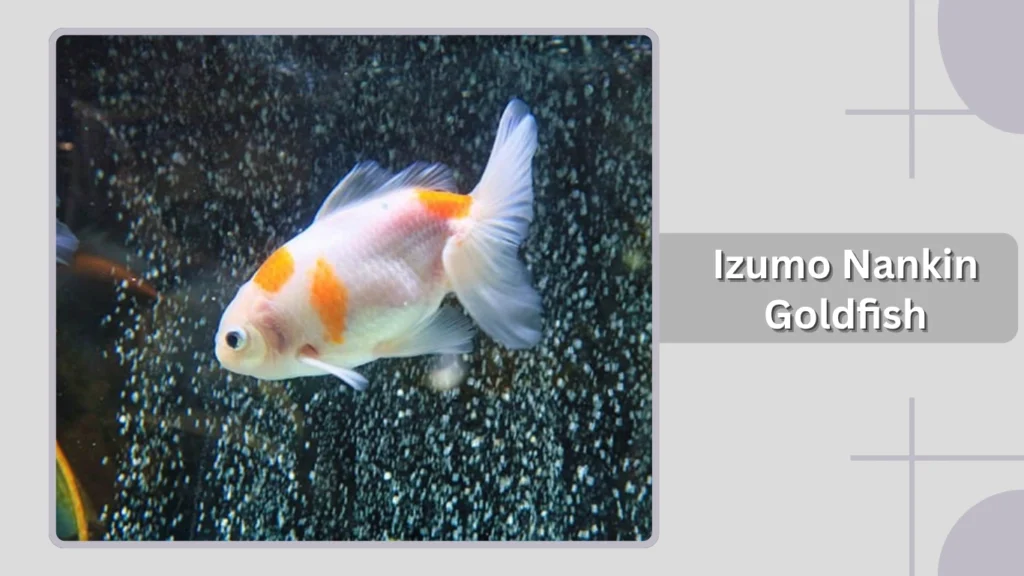
The Izumo Nankin Goldfish is a rare and elegant Japanese variety known for its smooth back and rounded body. It lacks a dorsal fin and has a distinctive appearance when viewed from above, which is the preferred way to appreciate this breed. Its simple yet refined look, combined with traditional red-and-white coloration, makes it highly valued among collectors. Due to its rarity, it is not commonly found outside Japan.
Identification
- Rounded, compact body
- No dorsal fin
- Smooth, arched back
- Short double tail fin
- Classic red and white coloration
- Typically grows up to 5–7 inches
Origin
The Izumo Nankin Goldfish originated in Japan, specifically in the Izumo region. It has been carefully preserved through selective breeding for centuries, maintaining its traditional features and cultural significance.
Behavior
Izumo Nankin Goldfish are calm and slow swimmers. They prefer peaceful environments and are best kept with other gentle fancy goldfish. Their movement is graceful, especially when observed from above in shallow water.
Care
This breed requires clean, stable water conditions and a calm tank setup with minimal water flow. Due to its delicate nature, careful maintenance is essential. A balanced diet of sinking pellets, vegetables, and occasional protein helps support their health and coloration.
25. Tamasaba Goldfish
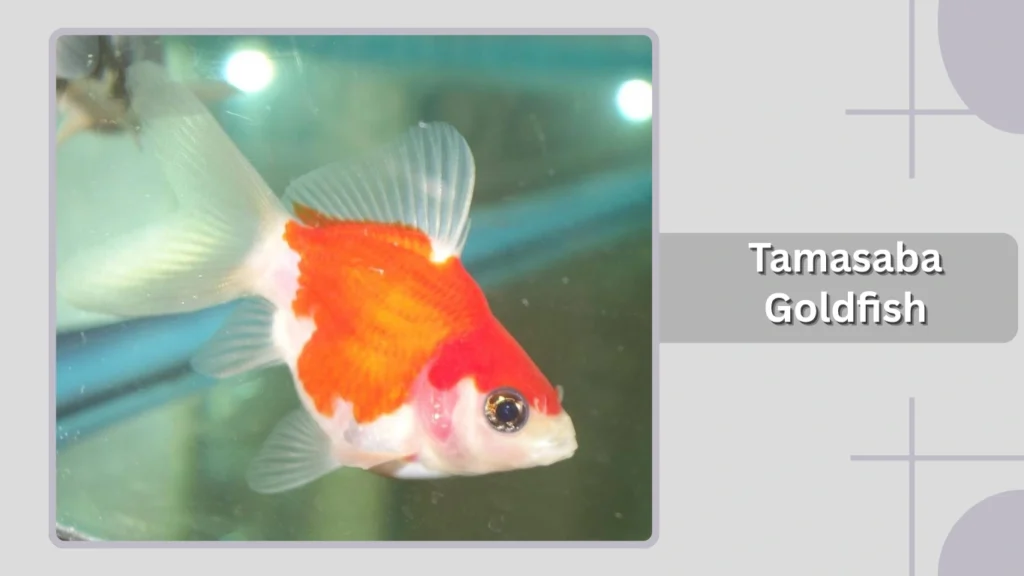
The Tamasaba Goldfish is a unique Japanese variety often described as a single-tailed version of the Ryukin. It has a deep body with a noticeable hump and a strong, flowing tail. This breed is hardy and well-suited for outdoor ponds, especially in cooler climates. Its combination of strength and elegance makes it a favorite among goldfish keepers who want both durability and visual appeal.
Identification
- Deep, rounded body with a slight hump
- Single, long flowing tail
- Upright dorsal fin
- Strong, muscular build
- Commonly red, white, or red-and-white patterns
- Typically grows up to 8–10 inches
Origin
The Tamasaba Goldfish originated in Japan, particularly in colder northern regions. It was selectively bred to combine the body shape of Ryukin with the hardiness of single-tailed goldfish, making it suitable for outdoor environments.
Behavior
Tamasaba Goldfish are active and strong swimmers. They enjoy open spaces and do well in ponds where they can move freely. They are social and thrive in groups, especially with other similarly active goldfish.
Care
This breed is hardy and thrives in large tanks or outdoor ponds with good filtration. It prefers cooler water temperatures and stable conditions. A balanced diet of pellets, vegetables, and occasional protein supports healthy growth and overall well-being.
26. Meteor Goldfish
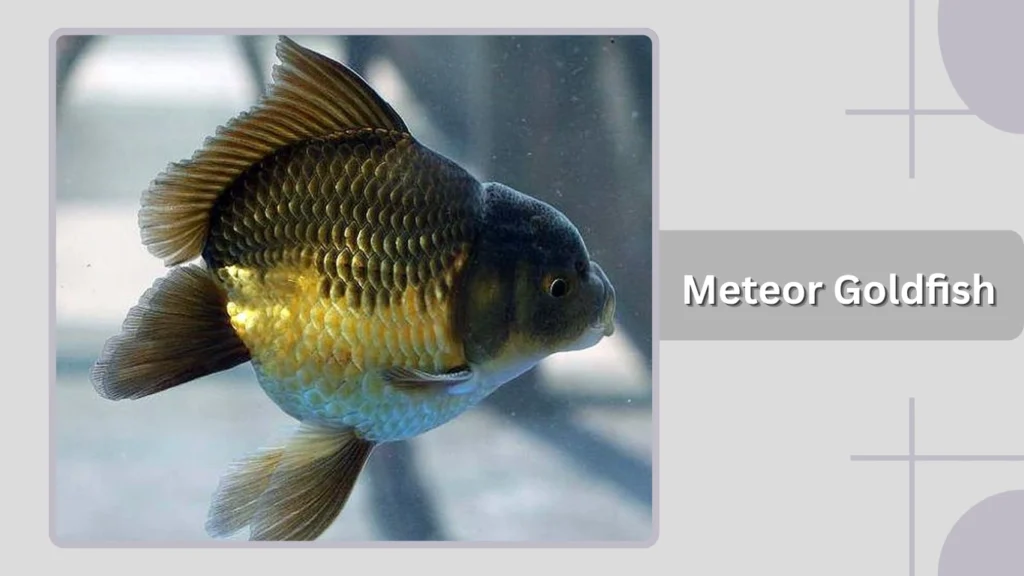
The Meteor Goldfish is a rare and unusual variety known for its lack of a traditional tail fin. Instead, it has a rounded rear with elongated anal fins that resemble a trailing shape, giving it a unique appearance. This breed is not commonly found and is mostly seen among collectors. Its distinctive body structure makes it stand out, but it also requires special care due to its limited swimming ability.
Identification
- Rounded, egg-shaped body
- No true tail fin
- Extended anal fins resembling a tail
- Upright dorsal fin
- Smooth back
- Commonly seen in orange, red, or white
- Typically grows up to 5–6 inches
Origin
The Meteor Goldfish is believed to have originated from selective breeding in China. It is considered a mutation-based variety and has remained rare due to its unusual body structure and limited breeding popularity.
Behavior
Meteor Goldfish are very slow swimmers due to the absence of a proper tail. They are peaceful and should only be kept with other slow-moving fancy goldfish. Their limited mobility makes them less competitive during feeding.
Care
This breed requires a calm aquarium with minimal water flow to support easy movement. A soft, safe environment without sharp objects is important. They need a carefully managed diet of sinking foods and regular maintenance to ensure proper health and prevent stress.
27. Eggfish Goldfish
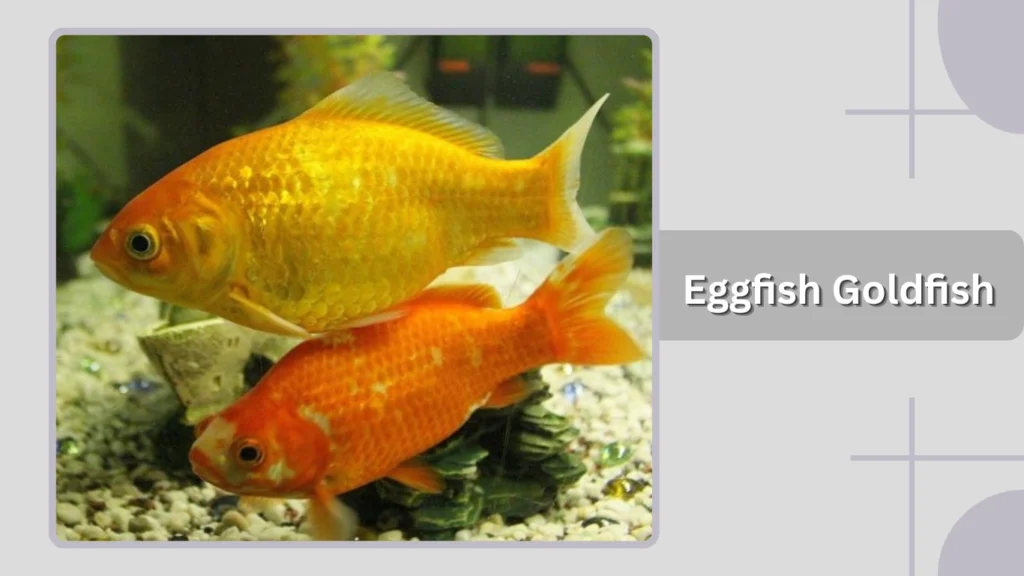
The Eggfish Goldfish is a traditional fancy variety known for its smooth, rounded body and absence of a dorsal fin. Its simple yet elegant appearance makes it one of the foundational types from which several other fancy goldfish were developed. Unlike more elaborate breeds, the Eggfish has a clean body line without head growth, giving it a balanced and refined look. It is appreciated for its historical importance and subtle beauty.
Identification
- Rounded, egg-shaped body
- No dorsal fin
- Smooth, curved back
- Double tail fin
- No head growth
- Commonly found in red, orange, or white
- Typically grows up to 5–6 inches
Origin
The Eggfish Goldfish originated in China and is considered one of the early fancy goldfish varieties. It played a significant role in the development of other breeds such as Lionhead and Ranchu through selective breeding.
Behavior
Eggfish Goldfish are slow and gentle swimmers. They prefer calm environments and should be kept with other slow-moving fancy goldfish. Their peaceful nature makes them suitable for community setups with compatible tank mates.
Care
This breed requires a stable aquarium with clean, well-filtered water and gentle flow. Due to the lack of a dorsal fin, they are less stable swimmers, so a calm environment is important. A balanced diet of sinking pellets, vegetables, and occasional protein supports their health and digestion.
28. Azuma Nishiki Goldfish
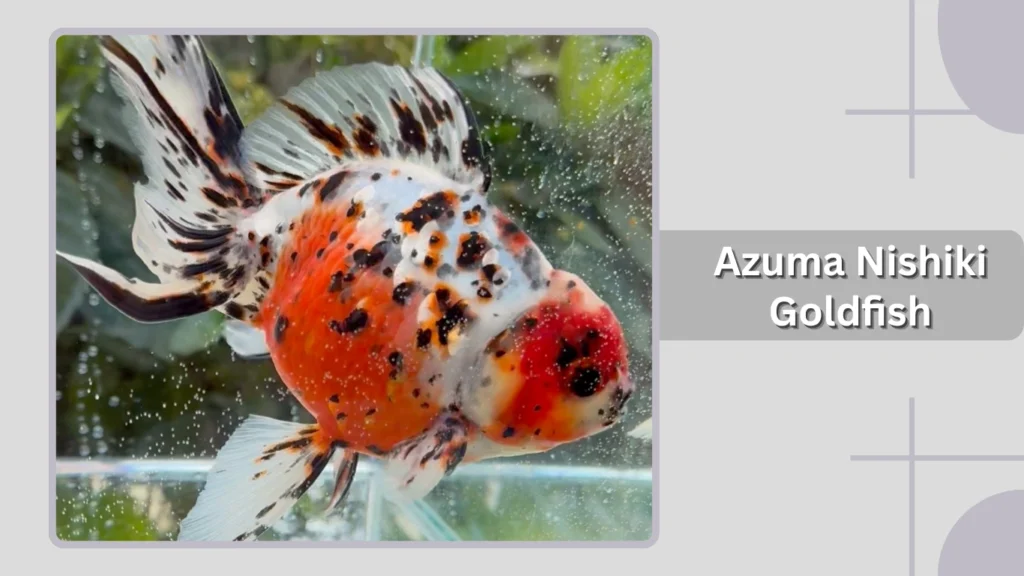
The Azuma Nishiki Goldfish is a beautiful calico variation of the Oranda, known for its colorful pattern and prominent head growth. It combines the signature wen of the Oranda with a nacreous (calico) scale pattern, giving it a unique and vibrant appearance. This variety is especially admired for its mix of colors and elegant form. While visually striking, it requires proper care to maintain its health and coloration.
Identification
- Rounded, egg-shaped body
- Prominent head growth (wen)
- Double tail fin
- Calico coloration with blue, red, black, and white
- Nacreous (semi-transparent) scales
- Typically grows up to 6–8 inches
Origin
The Azuma Nishiki Goldfish originated in Japan as a calico version of the Oranda. It was developed through selective breeding to combine the Oranda’s head growth with the attractive multi-colored calico pattern.
Behavior
Azuma Nishiki Goldfish are calm and social. They are moderate swimmers and do well with other fancy goldfish. Like other Oranda types, their head growth may slightly affect their vision, making them slower during feeding.
Care
This breed requires clean, well-filtered water and stable tank conditions. The head growth should be monitored for signs of infection. A balanced diet of sinking pellets, vegetables, and occasional protein helps maintain their health and enhances their coloration.
29. Calico Goldfish
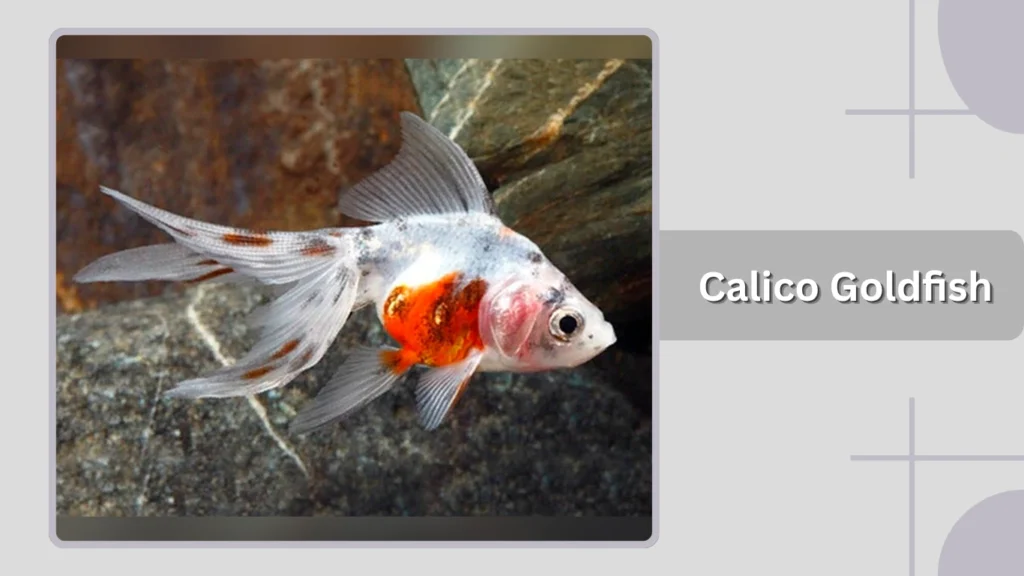
The Calico Goldfish is not a single specific breed but a color pattern found across various goldfish types. It is known for its striking mix of colors, including blue, red, black, white, and sometimes yellow. The unique blend of shades gives each fish a one-of-a-kind appearance. This pattern is especially popular in varieties like Shubunkin and Oranda, where it enhances their visual appeal.
Identification
- Mixed calico coloration (blue, red, black, white, yellow)
- Nacreous (semi-transparent) scales
- Body shape varies depending on breed type
- Can have single or double tail depending on variety
- Unique, irregular color patterns on each fish
- Size varies by breed, typically 6–12 inches
Origin
The calico pattern originated through selective breeding in China and Japan. Breeders focused on developing nacreous scales that produce the multi-colored effect. Over time, this coloration was introduced into many goldfish varieties.
Behavior
Behavior depends on the specific breed rather than the color pattern. Calico goldfish can be active or slow swimmers, social, and generally peaceful. Their temperament matches the base variety they belong to.
Care
Care requirements depend on the specific goldfish type. In general, they need clean, well-filtered water, proper space, and a balanced diet of pellets, vegetables, and occasional protein. Maintaining good water quality helps preserve their vibrant coloration.
30. Panda Moor Goldfish
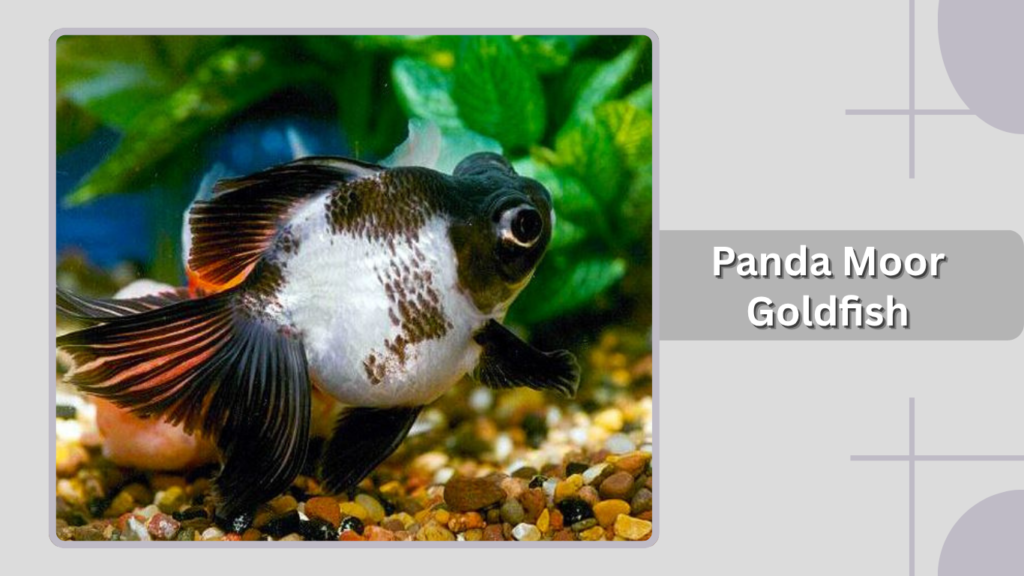
The Panda Moor Goldfish is a striking variety of Telescope Goldfish, recognized for its black-and-white coloration that resembles a panda. It features the same protruding eyes as other moor types but stands out due to its contrasting color pattern. This breed is highly attractive but can be somewhat delicate, especially because its coloration may change over time. It is a popular choice among hobbyists who appreciate unique and eye-catching goldfish.
Identification
- Rounded, egg-shaped body
- Prominent telescope eyes
- Black and white “panda” coloration
- Double tail fin
- Flowing fins
- Typically grows up to 6–8 inches
Origin
The Panda Moor Goldfish was developed through selective breeding of Black Moor goldfish to achieve the distinctive black-and-white pattern. It shares its origins with other telescope varieties, primarily from China, with further refinement by breeders worldwide.
Behavior
Panda Moor Goldfish are slow and gentle swimmers due to their body shape and eye structure. They are peaceful and social, doing best with other slow-moving fancy goldfish. Their limited vision can make feeding slower compared to other types.
Care
This breed requires a clean aquarium with smooth decorations to prevent injury to its eyes. Gentle water flow and stable conditions are important. A balanced diet of sinking pellets, vegetables, and occasional protein helps maintain their health and supports their coloration.
FAQs
What is the easiest goldfish breed for beginners?
The Common Goldfish and Comet Goldfish are considered the easiest for beginners. They are hardy, adaptable, and can tolerate a wider range of water conditions compared to fancy goldfish. Their strong immune systems and simple care needs make them ideal for those just starting out with fishkeeping.
Which goldfish grow the largest?
Single-tailed varieties like Common, Comet, and Shubunkin goldfish grow the largest. With proper care, they can reach up to 12–14 inches or more, especially in outdoor ponds. Fancy goldfish usually stay smaller due to their body shape and slower growth rate.
Can different goldfish breeds live together?
Yes, but compatibility matters. Fast-swimming single-tailed goldfish should not be kept with slow fancy varieties because they may outcompete them for food. It is best to group similar types together, such as keeping fancy goldfish with other fancy breeds.
How long do goldfish typically live?
Goldfish can live much longer than many people expect. With proper care, they can live 10–15 years, and sometimes even longer. Pond-kept goldfish often have longer lifespans due to better space and water conditions.
Do goldfish need a filter in their tank?
Yes, goldfish need a good filtration system. They produce a lot of waste, which can quickly pollute the water. A proper filter helps maintain clean water, supports beneficial bacteria, and keeps the fish healthy over time.