
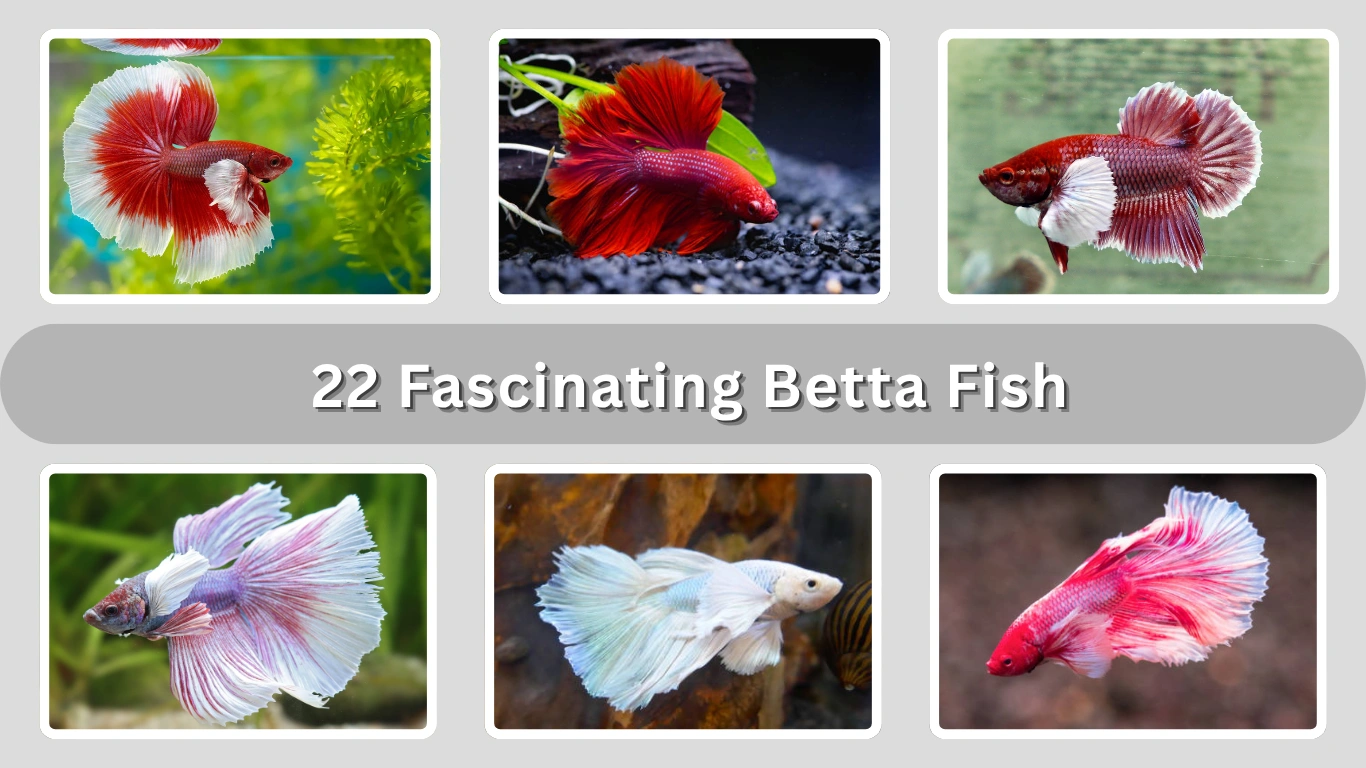
Betta fish, also known as fighting fish, are among the most colorful and popular freshwater aquarium fish in the world. They are admired for their vibrant colors, flowing fins, unique patterns, and bold personalities. Over the years, selective breeding has created many stunning betta varieties, each with different tail shapes, fin styles, and color combinations. From elegant Veiltail Bettas to rare Alien Bettas, every type has its own beauty and characteristics. Understanding these betta varieties can help aquarium enthusiasts choose the perfect fish for their tank and learn more about this fascinating species.
1. Veiltail Betta
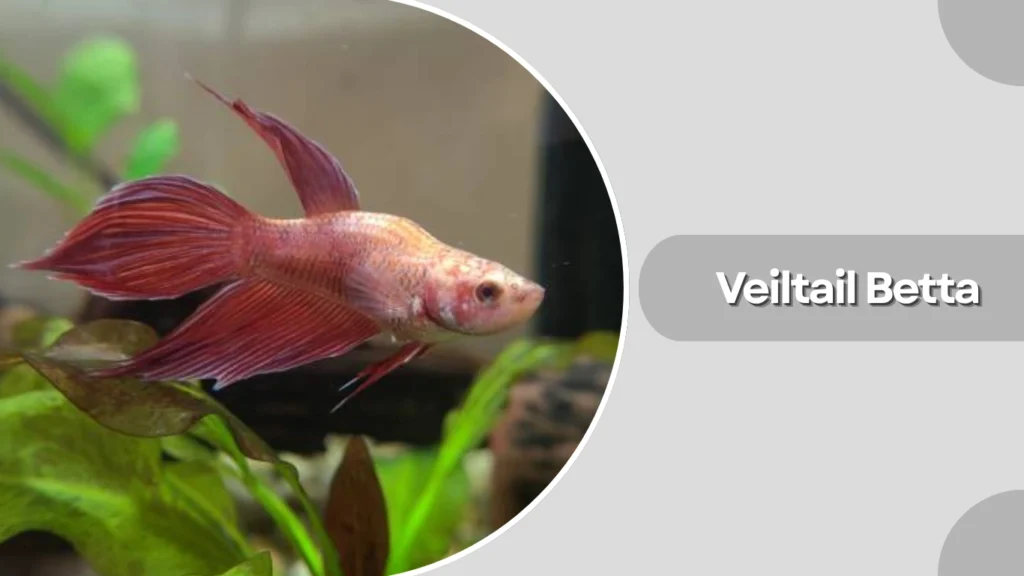
Veiltail Betta is one of the most common and recognizable types of betta fish. It is popular among aquarium owners because of its long, flowing tail and vibrant color varieties. This type is widely available and is often recommended for beginners due to its hardy nature.
Identification
- Long, downward-flowing tail shape
- Soft and elegant fin appearance
- Available in many colors and patterns
- Males usually have larger fins than females
- Tail resembles a trailing veil
Appearance
The Veiltail Betta has graceful fins that extend behind the body in a smooth, curved form. Its body is slender, while the fins can display bright shades such as red, blue, turquoise, white, and purple. The tail naturally droops downward instead of spreading outward.
Behavior
This betta type is territorial and can become aggressive toward other male bettas. However, it is generally active and curious in a home aquarium. Veiltail Bettas often interact with their surroundings and may recognize feeding routines.
Habitat Needs
Veiltail Bettas thrive in warm freshwater tanks with gentle water movement. Because of their delicate fins, they should not be placed in tanks with strong filters or sharp decorations. Live plants and hiding spots help reduce stress and improve comfort.
Lifespan
With proper care, a Veiltail Betta can live around 2 to 5 years. Clean water, quality food, and stable tank conditions are important factors that support a healthy lifespan.
2. Crowntail Betta
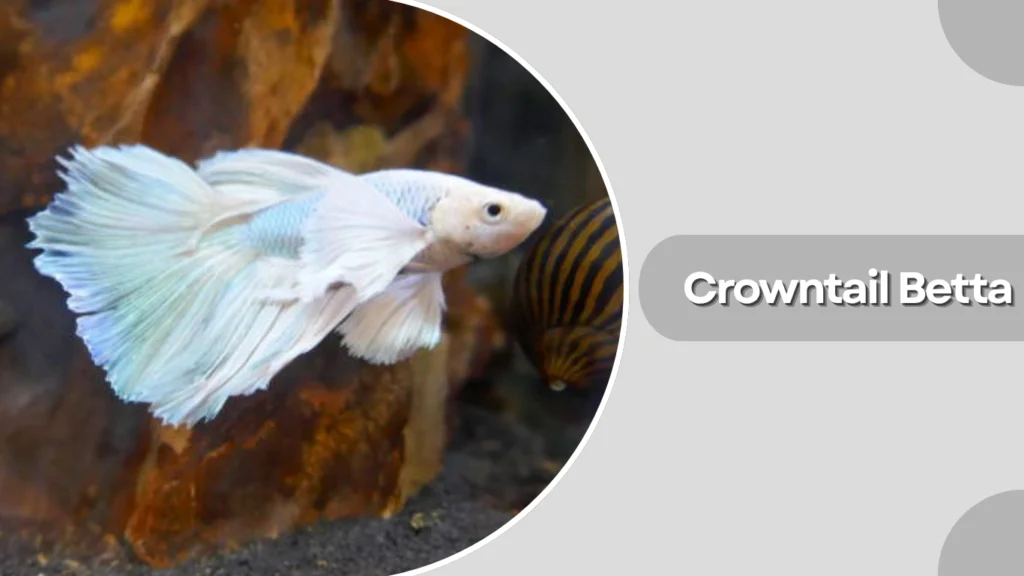
Crowntail Betta is a striking betta variety known for its spiky and dramatic fin structure. Its unique appearance makes it one of the most popular ornamental fighting fish among aquarium enthusiasts. This type was developed through selective breeding to create extended fin rays.
Identification
- Spiky fins with reduced webbing
- Crown-like tail appearance
- Long and separated fin rays
- Available in many bright colors
- Distinctive jagged fin edges
Appearance
The Crowntail Betta has fins that appear pointed because the webbing between the rays is reduced. This creates a crown effect on the tail, dorsal fin, and anal fin. Common colors include red, blue, black, turquoise, and multicolor patterns.
Behavior
Crowntail Bettas are active and territorial fish. Males can become aggressive toward other male bettas and sometimes toward fish with flowing fins. They are curious swimmers and often explore every part of the aquarium.
Habitat Needs
This betta variety prefers warm, clean freshwater with low water currents. Since the fins are delicate, decorations with sharp edges should be avoided. A planted tank with gentle filtration provides a comfortable environment for healthy growth.
Lifespan
Crowntail Bettas generally live between 2 and 5 years when cared for properly. A balanced diet, stable water temperature, and regular tank maintenance help extend their lifespan and maintain vibrant coloration.
3. Halfmoon Betta
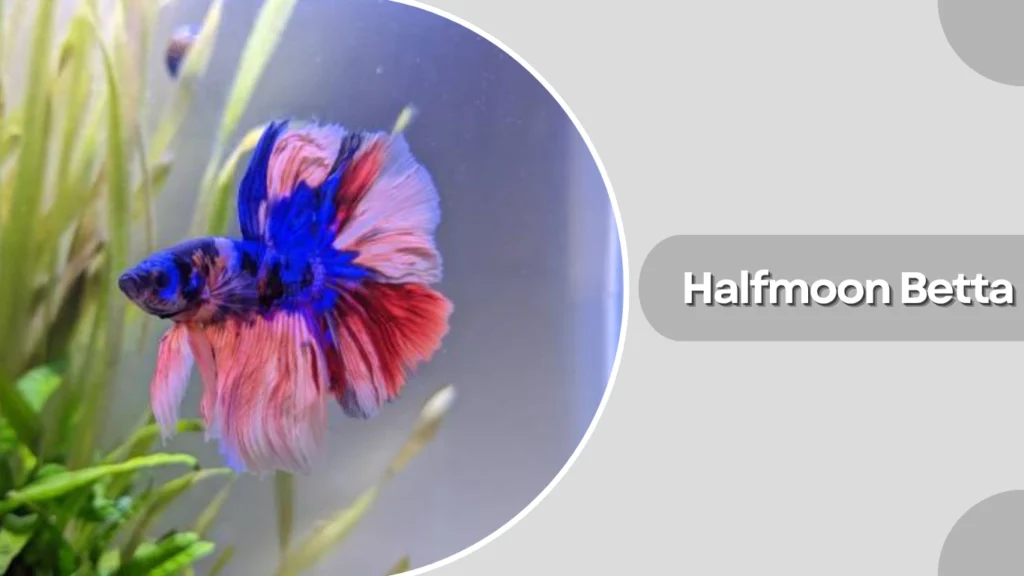
Halfmoon Betta is a highly admired betta variety famous for its wide tail that spreads into a perfect semicircle. Its elegant finnage and bright coloration make it one of the most attractive fighting fish kept in aquariums.
Identification
- Tail spreads to a 180-degree angle
- Large and symmetrical fins
- Smooth semicircle tail shape
- Available in solid and multicolor varieties
- Broad dorsal and anal fins
Appearance
The Halfmoon Betta displays a dramatic tail that forms a half-moon shape when fully flared. Its fins are large and flowing, giving the fish a graceful appearance in motion. Popular colors include blue, red, white, black, and iridescent combinations.
Behavior
Halfmoon Bettas are territorial and should not be housed with other male bettas. They are active fish that enjoy exploring their surroundings. Despite their aggressive nature toward rivals, they can become interactive with their owners during feeding time.
Habitat Needs
This betta type requires warm freshwater with stable conditions and gentle filtration. Because of the large fins, strong currents should be avoided. Soft plants and smooth decorations help protect the delicate finnage from tearing.
Lifespan
A healthy Halfmoon Betta can live around 2 to 5 years with proper care. Maintaining clean water, offering a protein-rich diet, and reducing stress are essential for supporting long-term health and vibrant coloration.
4. Double Tail Betta
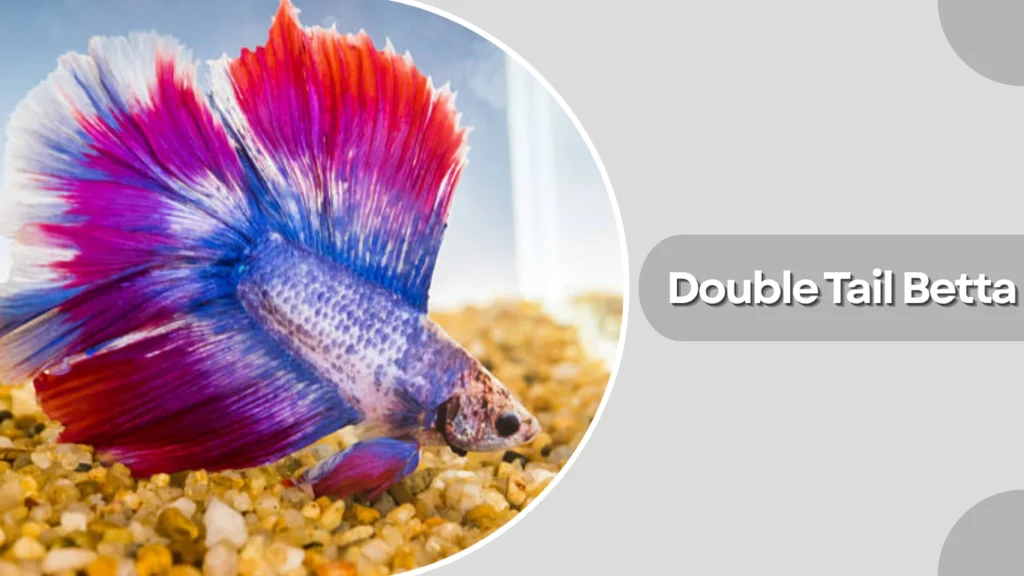
Double Tail Betta is a unique betta variety recognized for having two distinct tail lobes instead of a single tail fin. Its unusual body structure and fuller finnage give it a bold and decorative appearance in aquariums.
Identification
- Tail divided into two separate lobes
- Wider dorsal fin than most bettas
- Compact body structure
- Large and flowing fins
- Available in various bright colors
Appearance
The Double Tail Betta has a striking tail split that creates a balanced and symmetrical look. Its dorsal fin is usually larger and fuller compared to other betta types. Common colors include red, blue, white, purple, and multicolor marble patterns.
Behavior
This betta variety is territorial and may show aggression toward other male bettas. It is generally active and enjoys swimming through plants and decorations. Double Tail Bettas are also known for their curious behavior during feeding and interaction.
Habitat Needs
Double Tail Bettas prefer warm freshwater aquariums with gentle filtration and stable temperatures. Due to their large fins, tanks should contain smooth decorations to prevent fin damage. A calm environment with hiding places helps reduce stress.
Lifespan
With proper care, Double Tail Bettas typically live between 2 and 5 years. High-quality food, regular water changes, and suitable tank conditions are important for maintaining their health and vibrant appearance.
5. Plakat Betta
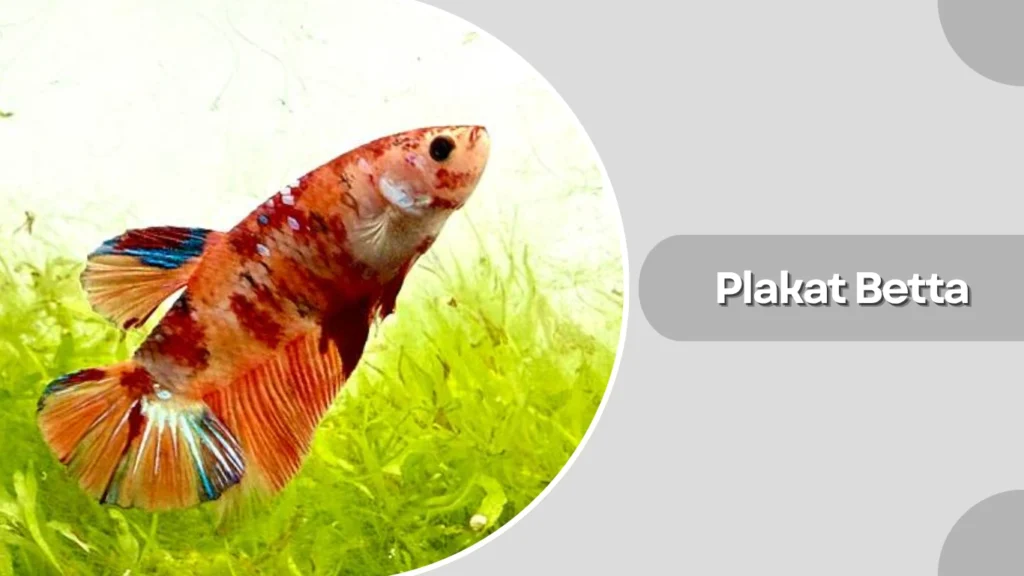
Plakat Betta is a short-finned betta variety known for its strong body structure and active swimming behavior. Unlike long-finned bettas, this type has compact fins that allow faster movement and better agility in the water. Plakat Bettas closely resemble wild bettas and are highly valued for their durability, bold colors, and energetic personality among aquarium enthusiasts and competitive betta breeders worldwide.
Identification
- Short and compact fins
- Strong and muscular body shape
- Faster swimmer than long-finned bettas
- Resembles wild betta fish
- Found in many color varieties
Appearance
The Plakat Betta has a sleek and athletic appearance with shorter fins and a thicker body. Its tail is smaller but still visually attractive, especially during flaring displays. Common colors include red, blue, yellow, black, white, and metallic shades.
Behavior
Plakat Bettas are energetic and highly territorial fish. They are active swimmers and often display confident behavior inside the aquarium. Male Plakats may become aggressive toward other male bettas, especially in confined spaces.
Habitat Needs
This betta variety thrives in warm freshwater aquariums with stable temperatures and gentle filtration. Because of their active nature, Plakat Bettas benefit from slightly larger tanks with swimming space, plants, and hiding spots for comfort and stimulation.
Lifespan
Plakat Bettas generally live between 3 and 5 years with proper care. Clean water, nutritious food, and a stress-free environment help maintain their health, coloration, and active lifestyle throughout their lifespan.
6. Rosetail Betta
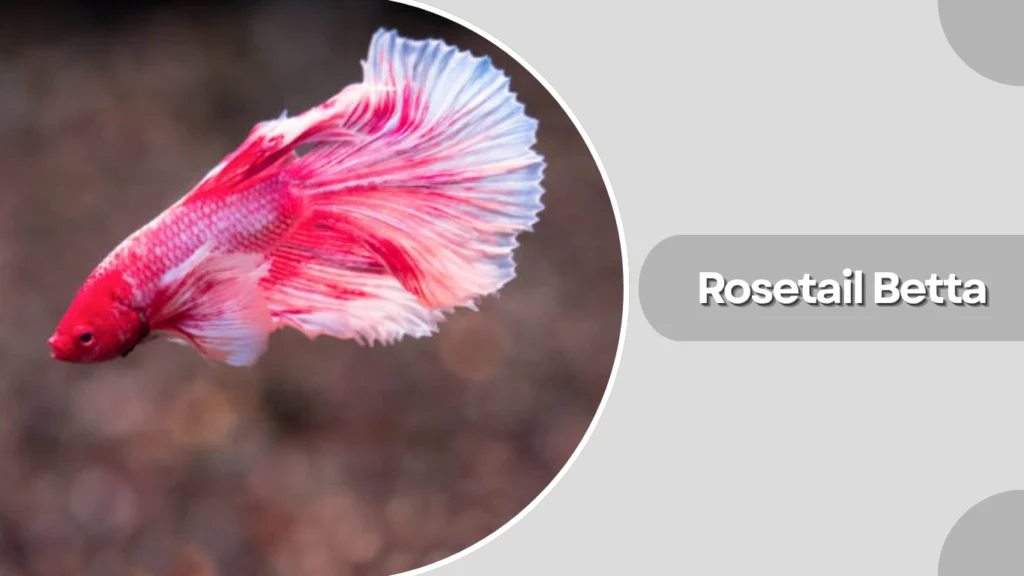
Rosetail Betta is a beautiful betta variety developed from the Halfmoon Betta through selective breeding. It is admired for its heavily layered fins that resemble the petals of a rose. The excessive branching in the fins creates a luxurious and dramatic appearance, making this type highly popular among ornamental fish collectors and aquarium hobbyists who prefer elegant and visually striking betta fish varieties.
Identification
- Excessively ruffled tail fins
- Rose-like layered fin appearance
- Heavy fin branching structure
- Broad and flowing finnage
- Often confused with Feathertail Bettas
Appearance
The Rosetail Betta has large, overlapping fins that spread outward in a flower-like pattern. Its tail appears fuller than a standard Halfmoon Betta because of the extra fin rays and branching. Popular colors include red, blue, white, purple, and multicolor combinations.
Behavior
Rosetail Bettas are territorial and may become aggressive toward other male bettas. Due to their heavy fins, they usually swim more slowly than short-finned varieties. They are calm but still display curiosity and interactive behavior during feeding times.
Habitat Needs
This betta type requires warm, clean freshwater with minimal water current. Since the fins are delicate and heavy, smooth decorations and soft plants are recommended to prevent tearing. A peaceful tank setup helps reduce stress and supports healthy movement.
Lifespan
Rosetail Bettas generally live around 2 to 4 years with proper care. High-quality nutrition, clean water conditions, and careful monitoring of fin health are important for maintaining their overall well-being and appearance.
7. Feathertail Betta
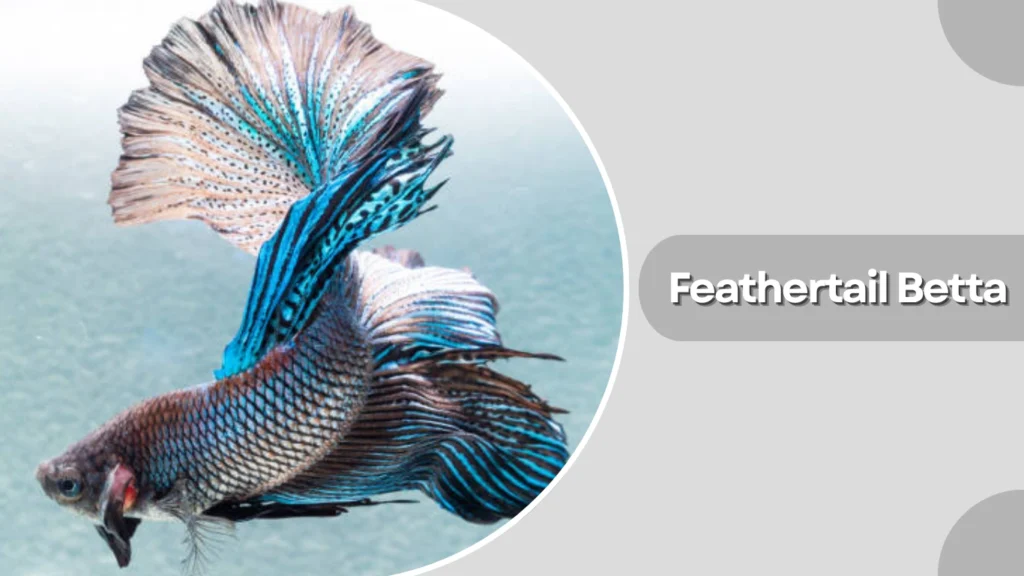
Feathertail Betta is an extraordinary betta variety known for its highly ruffled and feather-like fins. It is considered a more extreme form of the Rosetail Betta because of the excessive fin branching and textured edges. The unique fin structure creates a delicate and decorative appearance that attracts experienced betta enthusiasts and collectors looking for rare and visually impressive aquarium fish species.
Identification
- Extremely ruffled fin edges
- Feather-like tail appearance
- Heavy fin branching structure
- Large and flowing fins
- Rare and highly decorative variety
Appearance
The Feathertail Betta has dramatic fins with deeply frilled edges that resemble soft feathers. Its tail spreads widely and appears highly textured during movement. This variety comes in many vibrant colors, including blue, red, white, black, and multicolor marble patterns.
Behavior
Feathertail Bettas are territorial fish and can show aggression toward other male bettas. Because of their oversized fins, they swim more slowly and may tire easily. They are generally calm but remain curious and responsive during feeding and interaction.
Habitat Needs
This betta type requires warm freshwater with stable conditions and very gentle water flow. Sharp decorations should be avoided because the delicate fins tear easily. Soft plants, clean water, and a peaceful environment are important for maintaining healthy finnage.
Lifespan
Feathertail Bettas usually live around 2 to 4 years with proper care. A nutritious diet, low-stress habitat, and careful attention to fin condition help support their health and preserve their striking appearance over time.
8. Delta Tail Betta
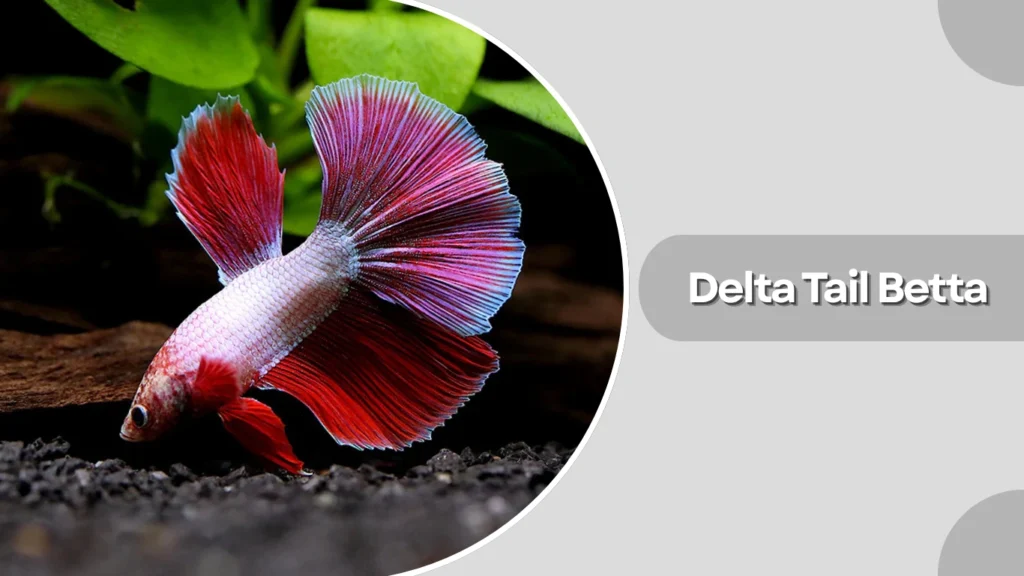
Delta Tail Betta is a graceful betta variety recognized for its broad tail that spreads outward in a triangular shape. The tail opening is wider than many standard bettas but does not reach the full 180-degree spread of a Halfmoon Betta. This type is admired for its balanced finnage, smooth body shape, and vibrant colors, making it a popular choice among beginner and experienced aquarium keepers alike.
Identification
- Tail forms a triangular delta shape
- Broad tail spread with smooth edges
- Symmetrical fin structure
- Wider tail than Veiltail Bettas
- Available in many color patterns
Appearance
The Delta Tail Betta has elegant fins that spread evenly from the body, creating a neat triangular appearance. Its fins are flowing but less exaggerated than Halfmoon varieties. Common colors include blue, red, white, yellow, black, and metallic shades with solid or marble patterns.
Behavior
Delta Tail Bettas are territorial and may become aggressive toward other male bettas. They are active swimmers and often explore plants, decorations, and tank corners. This variety is also known for being interactive during feeding and routine aquarium activity.
Habitat Needs
This betta variety prefers warm freshwater aquariums with stable temperatures and gentle filtration. Soft decorations and live plants help protect the fins from damage. A calm environment with enough swimming space supports healthy behavior and reduces stress.
Lifespan
Delta Tail Bettas typically live between 2 and 5 years when properly cared for. Clean water, balanced nutrition, and regular tank maintenance are important for preserving their health, coloration, and fine quality throughout their life.
9. Super Delta Betta
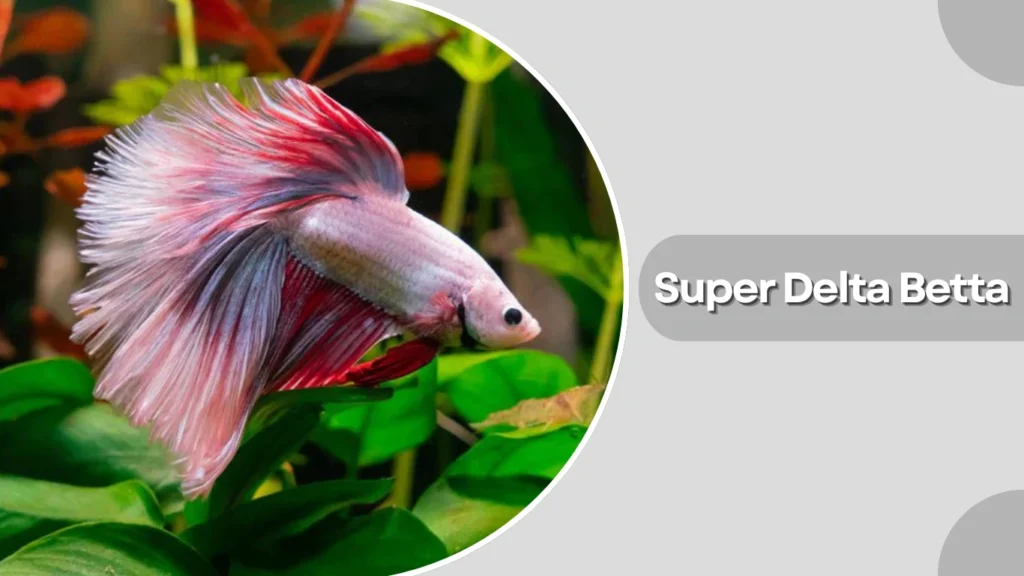
Super Delta Betta is a stunning betta variety admired for its large tail spread that falls between the Delta Tail and Halfmoon Betta. Its tail can spread close to 180 degrees but does not fully form a perfect half-circle. This type is popular among aquarium enthusiasts because of its elegant finnage, balanced body shape, and vibrant colors that create a graceful and eye-catching display in freshwater tanks.
Identification
- Tail spread wider than Delta Tail
- Tail opens close to 180 degrees
- Smooth and symmetrical fin shape
- Large flowing fins
- Bright and diverse color varieties
Appearance
The Super Delta Betta has broad fins that create a dramatic appearance during swimming and flaring. Its tail spreads widely with smooth edges, giving it a fuller look than standard Delta Tail Bettas. Popular colors include blue, red, white, black, yellow, and multicolor marble combinations.
Behavior
Super Delta Bettas are territorial and may become aggressive toward other male bettas. They are active fish that enjoy exploring their environment and interacting during feeding time. Despite their elegant appearance, they remain curious and energetic swimmers.
Habitat Needs
This betta variety thrives in warm freshwater aquariums with stable water conditions and gentle filtration. Strong currents should be avoided because the large fins can create swimming difficulty. Soft plants and smooth decorations help prevent fin damage and reduce stress.
Lifespan
Super Delta Bettas generally live between 2 and 5 years with proper care. Maintaining clean water, offering high-quality food, and providing a peaceful environment are essential for supporting their health and preserving their vibrant finnage.
10. Combtail Betta
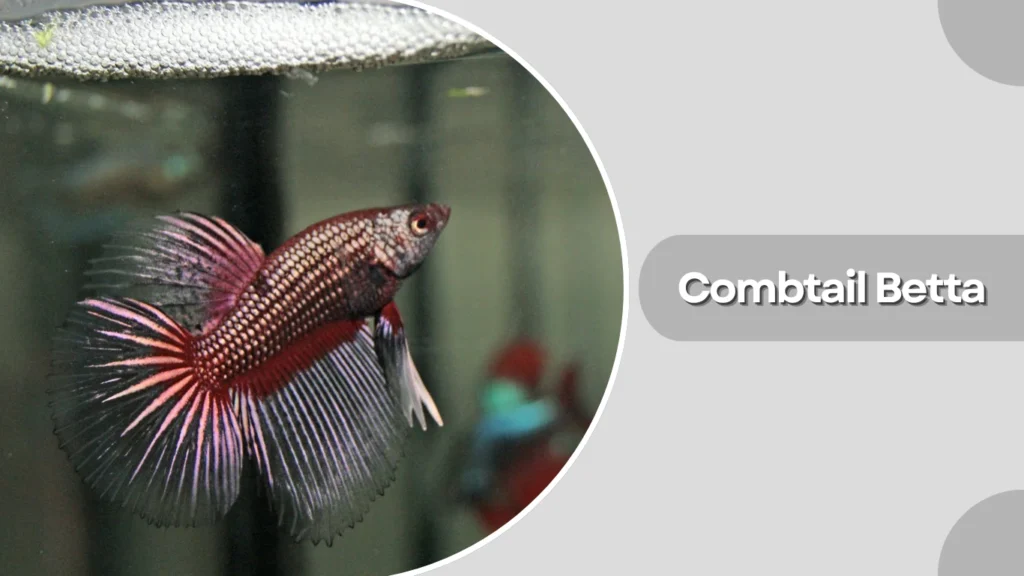
Combtail Betta is a distinctive betta variety that combines features of both Crowntail and traditional fin types. It has slight extensions in the fin rays that create a comb-like appearance without the dramatic spikes seen in Crowntail Bettas. This unique fin structure gives the fish an elegant and textured look. Combtail Bettas are appreciated for their balanced beauty, active behavior, and wide range of vibrant color combinations.
Identification
- Slightly extended fin rays
- Comb-like fin edges
- Less spiky than Crowntail Bettas
- Balanced and flowing fins
- Available in many color varieties
Appearance
The Combtail Betta has fins with visible ray extensions that create a soft serrated appearance. Its tail is fuller than a Crowntail but more textured than smooth-finned bettas. Common colors include red, blue, black, white, turquoise, and marble patterns.
Behavior
Combtail Bettas are territorial and can become aggressive toward other male bettas. They are active swimmers that enjoy exploring plants and decorations within the aquarium. This variety is also known for its curious and responsive feeding behavior.
Habitat Needs
This betta type thrives in warm freshwater tanks with stable temperatures and gentle water movement. Smooth decorations and soft plants are recommended to protect the fins from tearing. A calm and clean environment supports healthy activity and coloration.
Lifespan
Combtail Bettas usually live around 2 to 5 years when provided with proper care. High-quality food, regular water changes, and stress-free tank conditions help maintain their health and attractive fin structure over time.
11. Dumbo Ear Betta
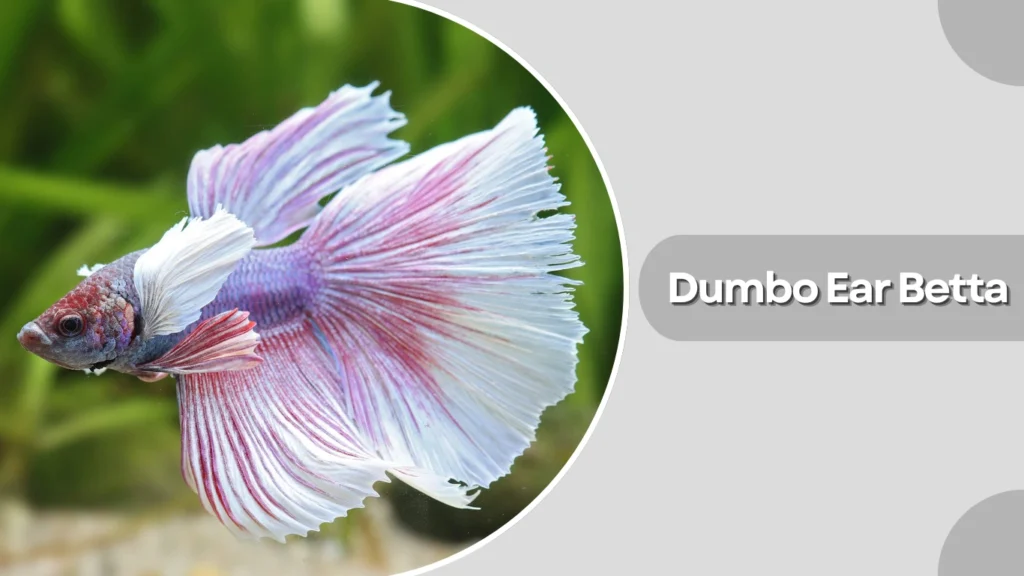
Dumbo Ear Betta is a fascinating betta variety famous for its oversized pectoral fins that resemble elephant ears. These large fins move gracefully while swimming, creating an elegant and unique appearance in the aquarium. This betta type is highly popular among fish keepers because of its unusual fin structure, bright coloration, and peaceful beauty. Dumbo Ear Bettas are available in both short-finned and long-finned varieties worldwide.
Identification
- Large pectoral fins resembling ears
- Graceful swimming movement
- Available in long and short fins
- Distinctive side fin appearance
- Found in many vibrant colors
Appearance
The Dumbo Ear Betta has oversized pectoral fins that stand out from the rest of the body. These fins are often lighter in color, creating a striking contrast. Common body colors include blue, red, white, black, purple, and multicolor marble patterns.
Behavior
Dumbo Ear Bettas are territorial like other betta varieties and may become aggressive toward male rivals. They are active swimmers and often display elegant movements because of their large pectoral fins. They also respond well to feeding routines and environmental interaction.
Habitat Needs
This betta variety prefers warm freshwater aquariums with gentle filtration and stable water conditions. Since the large fins are delicate, sharp decorations should be avoided. A clean tank with plants and hiding spots helps reduce stress and supports healthy movement.
Lifespan
Dumbo Ear Bettas typically live between 2 and 5 years with proper care. Nutritious food, regular water maintenance, and a calm aquarium environment are important for maintaining their health, fin quality, and vibrant coloration.
12. Elephant Ear Betta
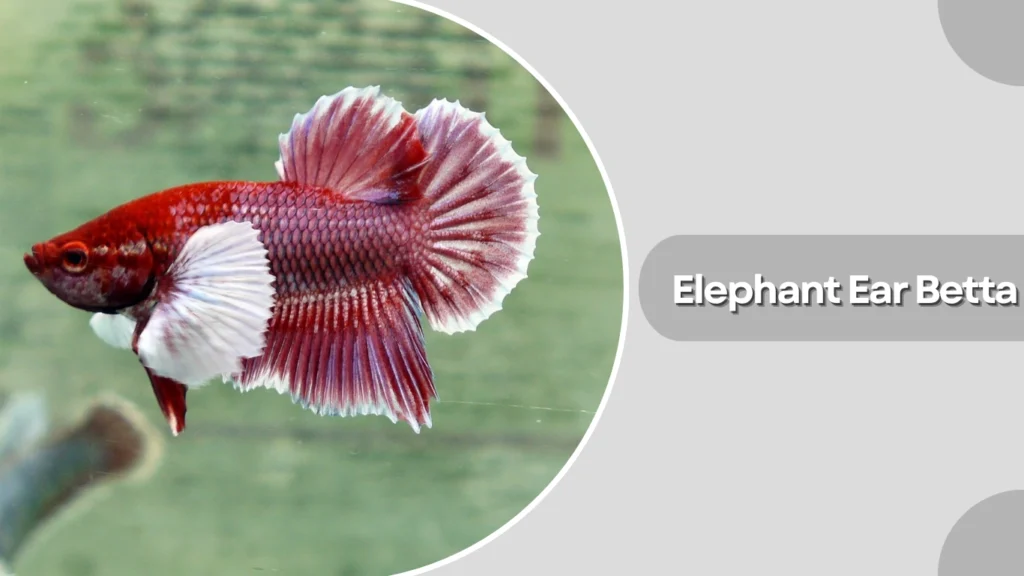
Elephant Ear Betta is a beautiful betta variety recognized for its oversized pectoral fins that resemble the ears of an elephant. These large flowing fins create graceful swimming movements and make the fish highly attractive in freshwater aquariums. Although often confused with the Dumbo Ear Betta, this type is especially valued for its dramatic fin display, vibrant colors, and elegant appearance that stands out among ornamental betta fish varieties worldwide.
Identification
- Oversized pectoral fins
- Ear-like side fin appearance
- Graceful and smooth swimming motion
- Available in many color combinations
- Distinctive ornamental fin structure
Appearance
The Elephant Ear Betta has broad pectoral fins that extend outward prominently from the body. These fins often appear lighter in color than the rest of the fish, creating a striking visual contrast. Popular colors include blue, red, white, yellow, black, and marble patterns.
Behavior
Elephant Ear Bettas are territorial and may become aggressive toward other male bettas. They are active swimmers and display elegant fin movements while exploring the aquarium. This variety is also interactive and often responds to feeding routines and nearby activity.
Habitat Needs
This betta variety thrives in warm freshwater aquariums with stable water conditions and gentle filtration. Sharp tank decorations should be avoided because the delicate fins can tear easily. Live plants and hiding areas help create a comfortable and low-stress environment.
Lifespan
Elephant Ear Bettas generally live between 2 and 5 years with proper care. A balanced diet, clean water, and regular tank maintenance are essential for maintaining their health, vibrant coloration, and unique fin structure.
13. Giant Betta
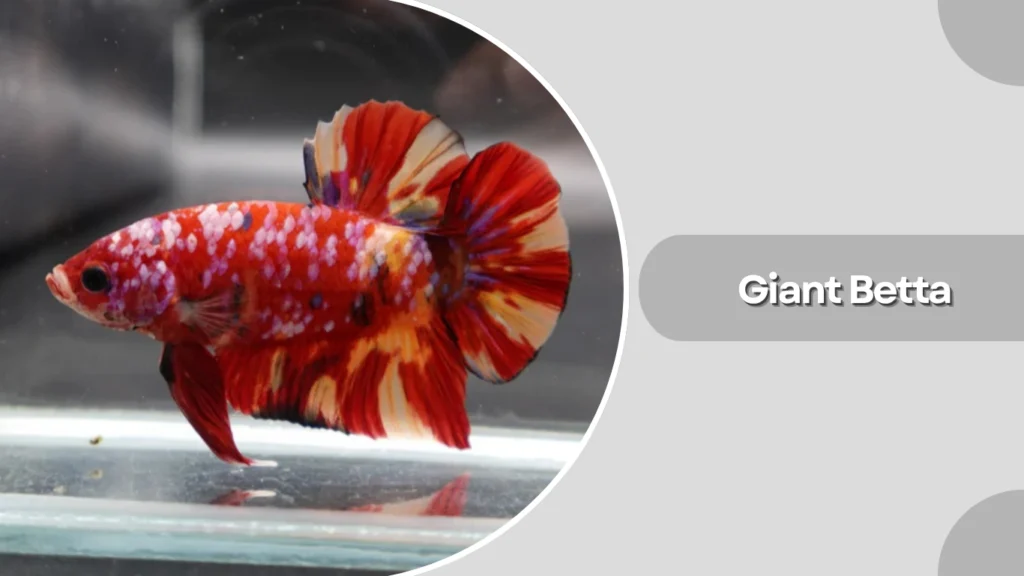
Giant Betta is a larger-sized betta variety selectively bred to grow much bigger than standard betta fish. It is admired for its strong body structure, impressive size, and bold appearance in freshwater aquariums. Despite its larger build, this betta still displays the colorful beauty and territorial nature commonly associated with other betta varieties. Giant Bettas are especially popular among hobbyists who prefer unique and eye-catching ornamental fish species.
Identification
- Much larger than standard bettas
- Strong and muscular body shape
- Available in short and long fins
- Bold swimming behavior
- Found in many vibrant colors
Appearance
The Giant Betta has a thick body and can grow significantly larger than regular bettas. Its fins may be short or flowing depending on the breeding type. Common colors include blue, red, white, black, metallic shades, and multicolor marble patterns.
Behavior
Giant Bettas are territorial and may become aggressive toward other male bettas. They are active swimmers and often display confident behavior in the aquarium. Despite their size, they can become interactive and responsive during feeding and tank maintenance.
Habitat Needs
This betta variety requires a larger aquarium with warm, stable freshwater conditions and gentle filtration. Extra swimming space is important because of its larger body size. Plants, hiding spots, and smooth decorations help create a comfortable and stress-free habitat.
Lifespan
Giant Bettas usually live between 3 and 5 years when properly cared for. High-quality nutrition, clean water, and regular tank maintenance are important for supporting their health, growth, and vibrant appearance throughout their lifespan.
14. Samurai Betta
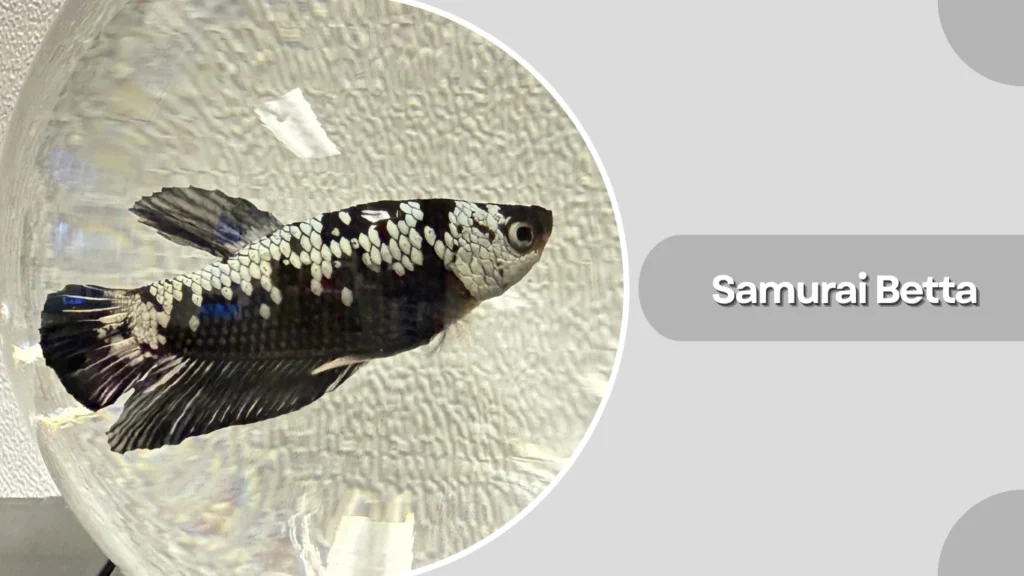
Samurai Betta is a rare and visually striking betta variety known for its metallic scaling and dark body coloration. This type is especially popular among collectors because of its armor-like appearance created by thick dragon-scale patterns. Samurai Bettas often display a combination of black bodies with silver, blue, or white metallic scales, giving them a bold and powerful look that stands out beautifully in freshwater aquariums and ornamental fish collections.
Identification
- Metallic dragon-scale body pattern
- Dark body with contrasting scales
- Armor-like appearance
- Thick and shiny scaling
- Rare and highly decorative variety
Appearance
The Samurai Betta has a dark-colored body covered with reflective metallic scales that create a striking contrast. The scales often appear silver, white, blue, or turquoise against a black background. Its fins may be short or flowing depending on the breeding line.
Behavior
Samurai Bettas are territorial fish and may show aggression toward other male bettas. They are active swimmers and often explore their environment confidently. This variety also responds well to feeding routines and interaction within the aquarium.
Habitat Needs
This betta type thrives in warm freshwater aquariums with stable temperatures and gentle filtration. Smooth decorations and live plants are recommended to prevent fin damage and reduce stress. Clean water conditions are important for maintaining healthy scales and vibrant coloration.
Lifespan
Samurai Bettas generally live between 2 and 5 years with proper care. A nutritious diet, regular water changes, and a calm aquarium environment help support their overall health, coloration, and long-term well-being.
15. Dragon Scale Betta
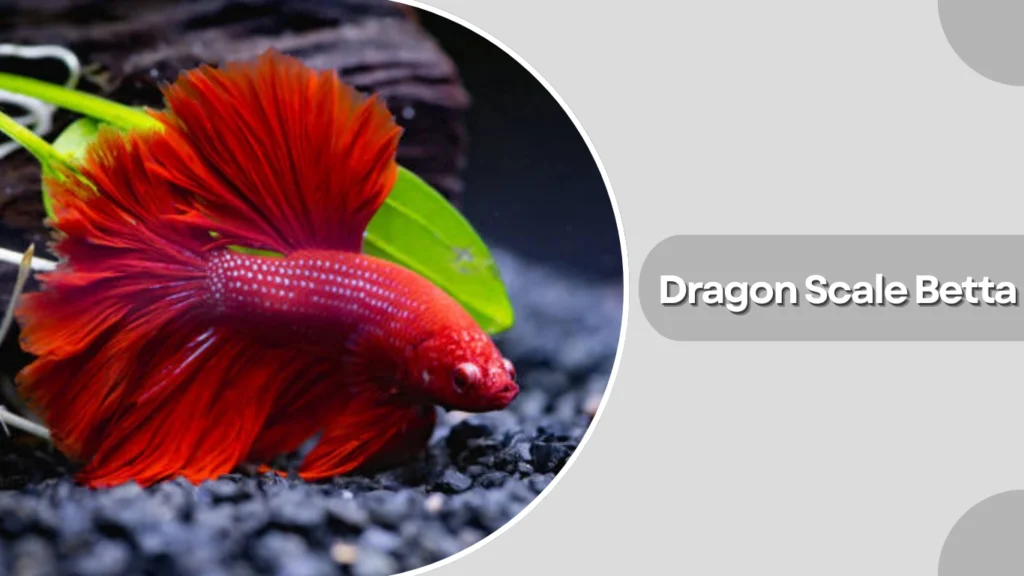
Dragon Scale Betta is a highly popular betta variety famous for its thick, metallic scales that resemble dragon armor. The heavy scaling creates a bold and textured appearance that makes this fish stand out in freshwater aquariums. This variety is available in many vibrant colors and fin types, making it a favorite among betta enthusiasts and collectors who appreciate ornamental fish with unique patterns and striking visual contrast.
Identification
- Thick metallic body scales
- Armor-like scale appearance
- Bright contrasting body colors
- Shiny and reflective texture
- Available in multiple fin varieties
Appearance
The Dragon Scale Betta has large, thick scales that partially cover the body with a metallic sheen. These scales often appear white, silver, blue, red, or turquoise over darker body colors. Its fins may be short or flowing depending on the specific breeding line.
Behavior
Dragon Scale Bettas are territorial and may become aggressive toward other male bettas. They are active swimmers that enjoy exploring the aquarium environment. This variety is also known for being interactive during feeding and responsive to movement outside the tank.
Habitat Needs
This betta variety thrives in warm freshwater aquariums with stable water conditions and gentle filtration. Smooth decorations and live plants help protect the fins and reduce stress. Clean water is especially important for maintaining healthy scales and vibrant coloration.
Lifespan
Dragon Scale Bettas generally live between 2 and 5 years with proper care. Nutritious food, regular water changes, and a stress-free habitat help support their health, scale condition, and overall appearance throughout their lifespan.
16. Marble Betta
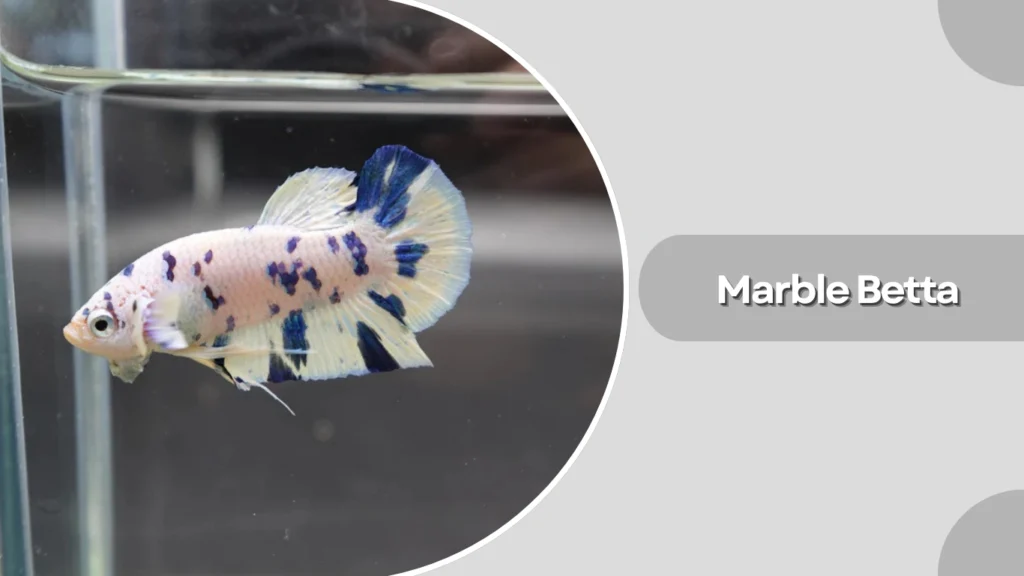
Marble Betta is a unique betta variety admired for its constantly changing color patterns and unpredictable markings. This type gets its name from the marble-like appearance created by mixed patches of different colors across the body and fins. Marble Bettas are especially popular among aquarium enthusiasts because no two fish look exactly alike. Their changing coloration over time makes them fascinating ornamental fish for freshwater aquariums and betta collections.
Identification
- Irregular marble-like color patterns
- Colors may change over time
- Mixed patches across body and fins
- Unique appearance in every fish
- Available in many fin varieties
Appearance
The Marble Betta displays a combination of contrasting colors such as white, black, blue, red, yellow, and orange. The patterns can shift or intensify as the fish ages, making each individual visually unique. Its fins may be short or long depending on the breeding type.
Behavior
Marble Bettas are territorial and may become aggressive toward other male bettas. They are active swimmers that enjoy exploring their environment and interacting during feeding. This variety is also known for its curious and responsive behavior inside the aquarium.
Habitat Needs
This betta variety thrives in warm freshwater tanks with stable temperatures and gentle water movement. Live plants, smooth decorations, and hiding spots help reduce stress and protect the fins. Regular water maintenance supports healthy coloration and overall well-being.
Lifespan
Marble Bettas typically live between 2 and 5 years with proper care. A balanced diet, clean water, and a peaceful environment are essential for maintaining their health, vibrant patterns, and active lifestyle throughout their lifespan.
17. Koi Betta
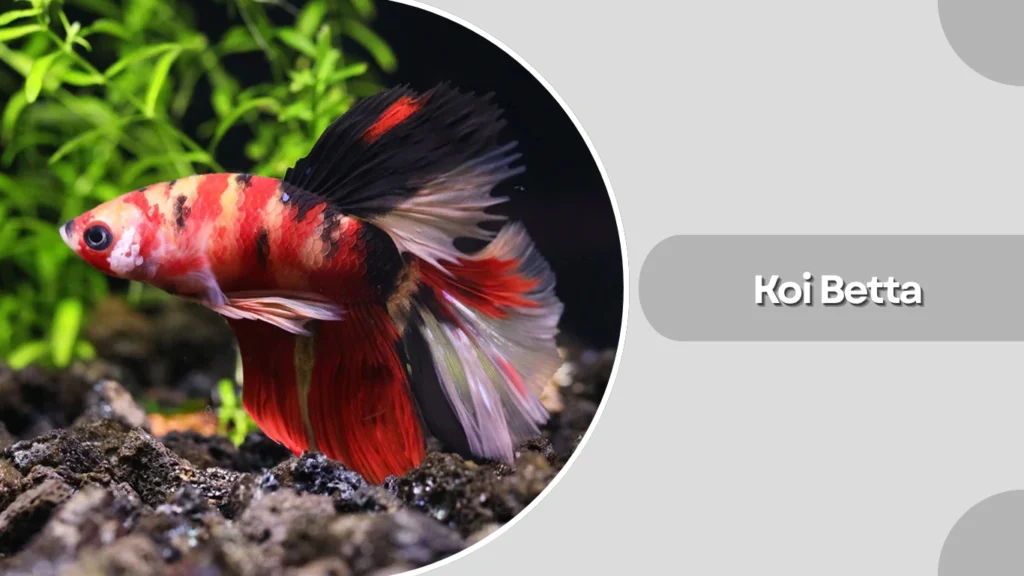
Koi Betta is a colorful betta variety inspired by the appearance of traditional koi fish. It features attractive patches of orange, red, white, black, and yellow across the body and fins. This type is highly valued for its artistic color combinations and unique patterns, as no two Koi Bettas look exactly alike. Its vibrant appearance and active personality make it one of the most popular ornamental betta fish in modern aquariums.
Identification
- Multicolor koi-like patterns
- Mixed patches of bright colors
- Unique markings on each fish
- Often features marble genetics
- Available in short and long fins
Appearance
The Koi Betta displays a combination of vibrant colors such as orange, white, red, yellow, black, and blue. The patterns are irregular and resemble the markings seen on koi carp. Its fins can be flowing or compact depending on the breeding type.
Behavior
Koi Bettas are territorial fish and may become aggressive toward other male bettas. They are active swimmers that enjoy exploring plants and decorations within the aquarium. This variety is also interactive and often responds quickly during feeding time.
Habitat Needs
This betta variety thrives in warm freshwater aquariums with stable water conditions and gentle filtration. Live plants, hiding spaces, and smooth decorations help reduce stress and protect the fins. Clean water is important for maintaining healthy coloration and activity.
Lifespan
Koi Bettas generally live between 2 and 5 years with proper care. A high-quality diet, regular water changes, and a peaceful environment help support their health, vibrant patterns, and long-term well-being.
18. Mustard Gas Betta
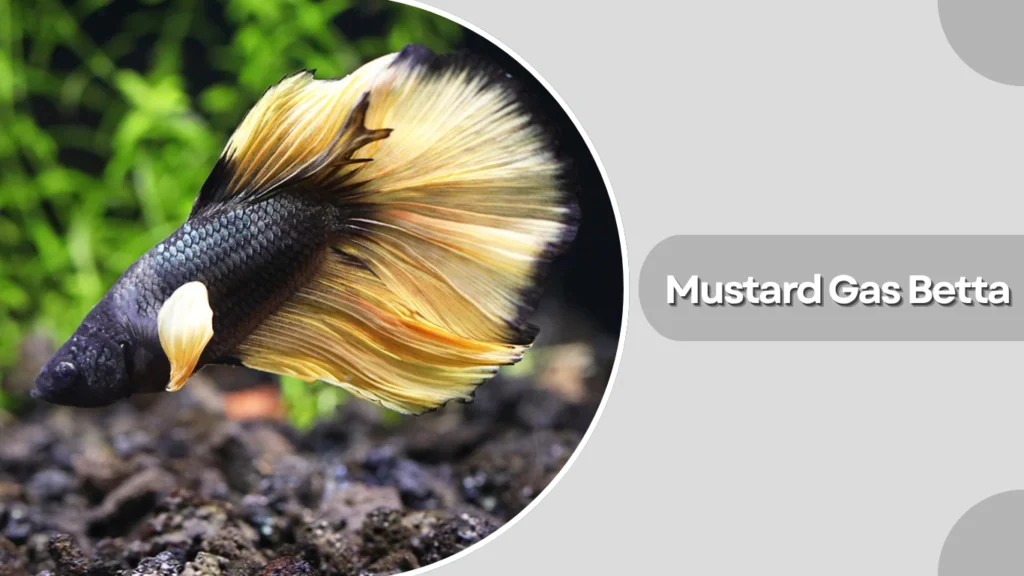
Mustard Gas Betta is a stunning betta variety known for its striking color contrast between the body and fins. It typically features a dark blue or green body combined with bright yellow or orange fins. This dramatic coloration gives the fish a bold and elegant appearance in freshwater aquariums. Mustard Gas Bettas are highly popular among betta enthusiasts because of their vibrant beauty, unique color patterns, and graceful swimming movements.
Identification
- Dark-colored body with bright fins
- Yellow or orange tail coloration
- Strong color contrast appearance
- Often blue or green body shades
- Popular ornamental betta variety
Appearance
The Mustard Gas Betta usually has a metallic blue, turquoise, or green body paired with yellow, orange, or golden fins. The contrasting colors create a vivid and eye-catching display. Its fins may be short or flowing depending on the specific breeding line.
Behavior
Mustard Gas Bettas are territorial and may become aggressive toward other male bettas. They are active swimmers that enjoy exploring their environment and interacting during feeding. This variety is also known for displaying confident and curious behavior inside the aquarium.
Habitat Needs
This betta variety thrives in warm freshwater aquariums with stable temperatures and gentle filtration. Live plants, smooth decorations, and hiding places help reduce stress and protect the fins from damage. Clean water conditions are important for maintaining vibrant coloration.
Lifespan
Mustard Gas Bettas generally live between 2 and 5 years with proper care. Nutritious food, regular tank maintenance, and a calm environment help support their health, activity, and beautiful color patterns throughout their lifespan.
19. Butterfly Betta
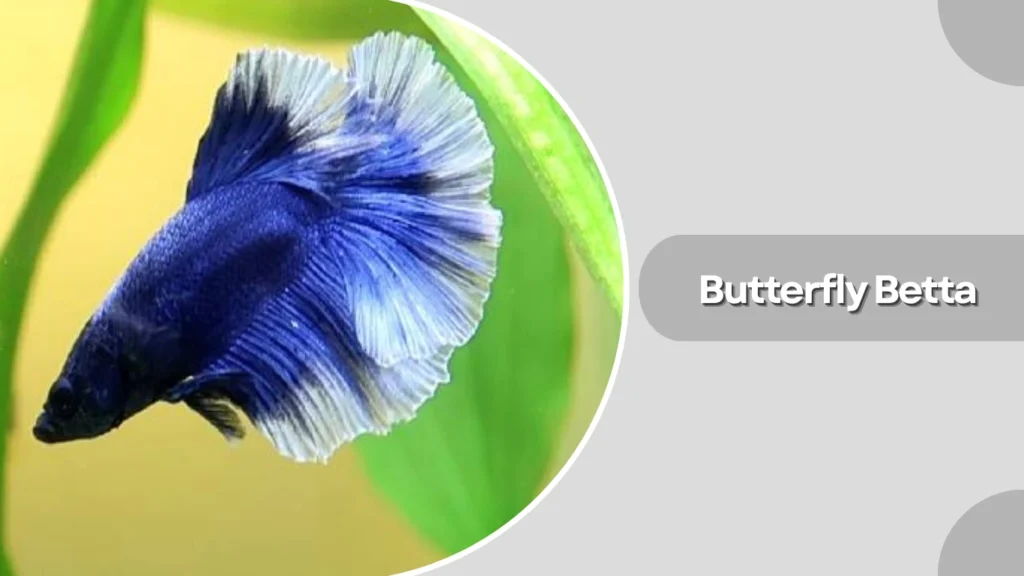
Butterfly Betta is a beautiful betta variety recognized for its distinct two-tone fin coloration. The fins usually display a solid inner color with a lighter outer band, creating a pattern that resembles butterfly wings. This elegant contrast gives the fish a refined and decorative appearance in freshwater aquariums. Butterfly Bettas are highly valued by aquarium enthusiasts because of their symmetrical patterns, graceful fins, and vibrant color combinations that stand out beautifully in display tanks.
Identification
- Two-tone fin coloration
- Distinct light-colored fin edges
- Symmetrical butterfly-like pattern
- Available in many color combinations
- Found in multiple fin varieties
Appearance
The Butterfly Betta has fins with contrasting color bands that create a layered visual effect. Common combinations include blue and white, red and white, black and yellow, or turquoise and silver. Its fins may be short, flowing, or broad depending on the breeding type.
Behavior
Butterfly Bettas are territorial and can become aggressive toward other male bettas. They are active swimmers that enjoy exploring plants and decorations in the aquarium. This variety is also interactive and often responds to feeding routines and nearby movement.
Habitat Needs
This betta variety thrives in warm freshwater aquariums with stable water conditions and gentle water flow. Soft plants and smooth decorations help prevent fin damage and reduce stress. Clean water and a peaceful environment are important for maintaining healthy coloration and finnage.
Lifespan
Butterfly Bettas generally live between 2 and 5 years with proper care. A balanced diet, regular water changes, and suitable tank conditions help support their health, vibrant patterns, and overall well-being throughout their lifespan.
20. Alien Betta
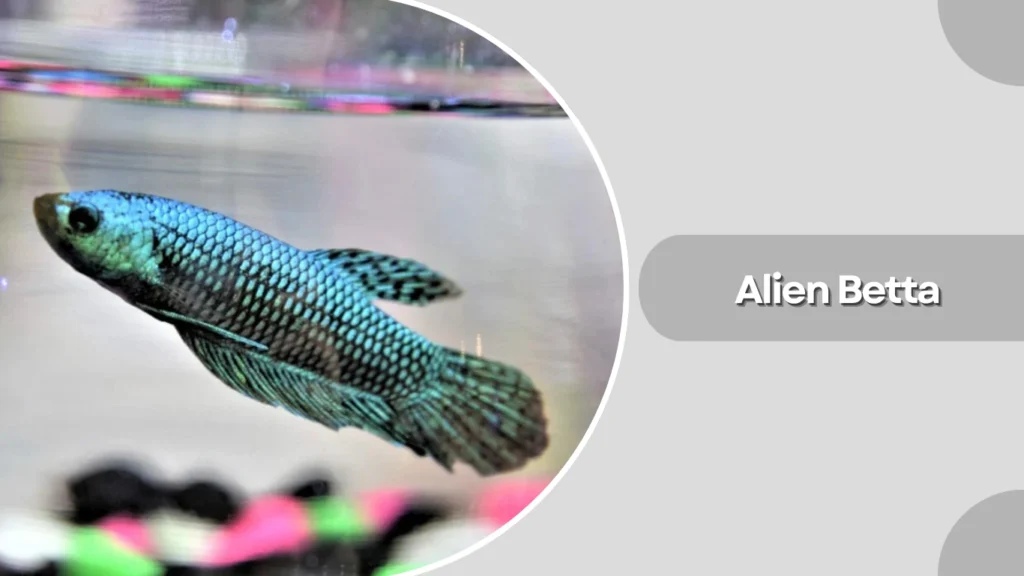
Alien Betta is a rare and exotic betta variety created by crossing wild betta species with ornamental bettas. It is admired for its metallic colors, unique patterns, and wild-looking appearance. This type often displays iridescent scales with dark body tones that create a futuristic and unusual look in freshwater aquariums. Alien Bettas are highly valued by collectors and experienced betta enthusiasts because of their rarity, energetic behavior, and striking visual beauty.
Identification
- Metallic and iridescent body colors
- Wild betta-like appearance
- Distinctive scale patterns
- Strong and streamlined body shape
- Rare and highly sought-after variety
Appearance
The Alien Betta commonly features metallic green, blue, turquoise, or copper shades over a dark body. Its scales often create glowing patterns that stand out under aquarium lighting. The fins are usually shorter and more streamlined compared to heavily finned ornamental bettas.
Behavior
Alien Bettas are territorial and may become aggressive toward other male bettas. They are energetic swimmers and often display active, alert behavior inside the aquarium. This variety is also curious and responsive during feeding and interaction.
Habitat Needs
This betta variety thrives in warm freshwater aquariums with stable temperatures and gentle water movement. Plants, hiding spots, and natural decorations help recreate a comfortable environment similar to wild habitats. Clean water conditions are essential for maintaining healthy scales and vibrant coloration.
Lifespan
Alien Bettas generally live between 3 and 5 years with proper care. High-quality nutrition, regular tank maintenance, and a stress-free habitat help support their health, activity, and distinctive appearance throughout their lifespan.
21. Spade Tail Betta
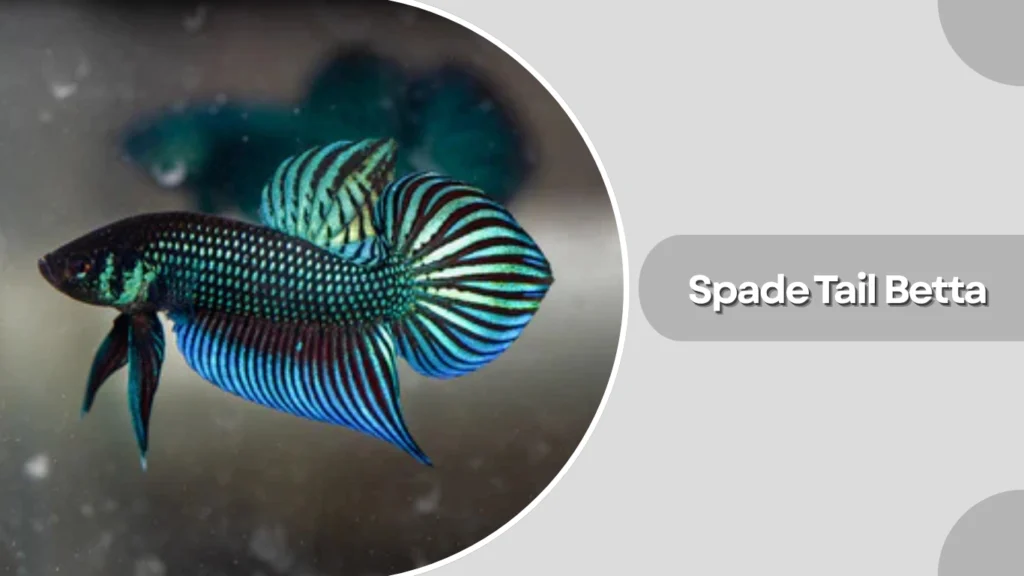
Spade Tail Betta is a distinctive betta variety named after the shape of its tail, which resembles a playing card spade. The tail narrows smoothly toward the tip, creating a clean and elegant appearance. This type is less common than many modern ornamental bettas but is appreciated for its balanced finnage, graceful movement, and natural beauty. Spade Tail Bettas are attractive freshwater fish popular among dedicated betta enthusiasts and collectors.
Identification
- Tail shaped like a spade
- Tail narrows toward the tip
- Balanced and symmetrical fins
- Sleek body structure
- Available in various colors
Appearance
The Spade Tail Betta has a tail fin that widens near the base and tapers into a pointed end. Its fins are smooth and less exaggerated compared to heavily bred varieties. Common colors include red, blue, black, white, turquoise, and multicolor combinations.
Behavior
Spade Tail Bettas are territorial and may become aggressive toward other male bettas. They are active swimmers that enjoy exploring their surroundings and interacting during feeding. This variety is also known for displaying alert and curious behavior inside the aquarium.
Habitat Needs
This betta variety thrives in warm freshwater aquariums with stable temperatures and gentle filtration. Soft plants, hiding spots, and smooth decorations help create a stress-free environment while protecting the fins from damage. Clean water is essential for maintaining health and coloration.
Lifespan
Spade Tail Bettas generally live between 2 and 5 years with proper care. Nutritious food, regular water maintenance, and a peaceful habitat help support their health, active lifestyle, and attractive appearance throughout their lifespan.
22. Round Tail Betta
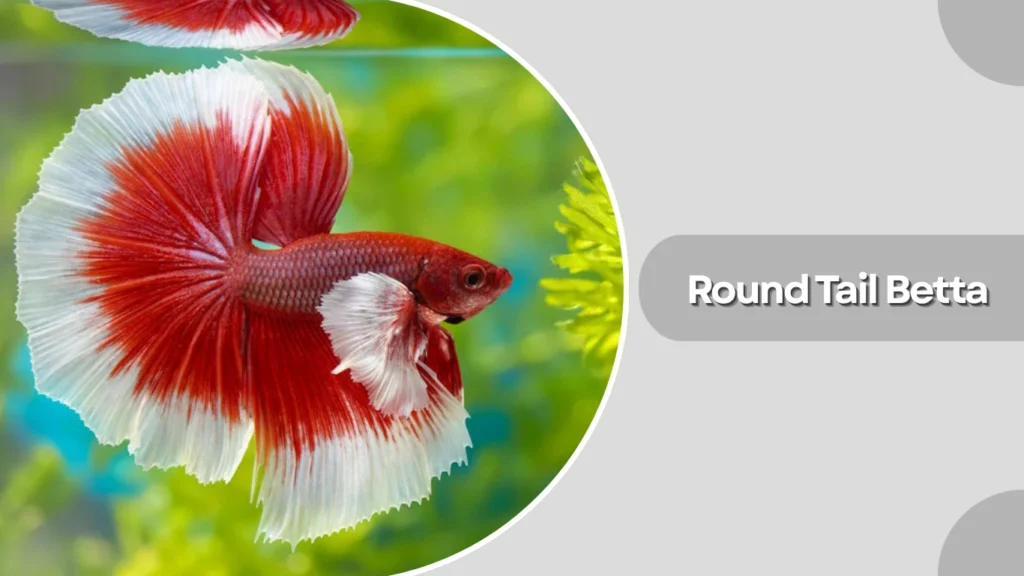
Round Tail Betta is a simple yet elegant betta variety known for its smoothly curved tail fin. Unlike other bettas with dramatic or heavily extended finnage, this type has a rounded tail shape that creates a balanced and natural appearance. It is considered one of the closer forms to wild betta fish and is appreciated for its graceful swimming style, durability, and understated beauty in freshwater aquariums and ornamental fish collections.
Identification
- Smooth rounded tail shape
- Balanced and natural finnage
- Compact and streamlined appearance
- Less exaggerated fins than fancy varieties
- Available in many solid and mixed colors
Appearance
The Round Tail Betta has a tail fin with a smooth circular edge that creates a soft and symmetrical look. Its fins are generally moderate in size, allowing easier movement through the water. Common colors include blue, red, white, black, yellow, and metallic shades.
Behavior
Round Tail Bettas are territorial and may become aggressive toward other male bettas. They are active swimmers that enjoy exploring plants and decorations within the aquarium. This variety is also curious and often responds quickly during feeding and interaction.
Habitat Needs
This betta variety thrives in warm freshwater aquariums with stable temperatures and gentle water flow. Live plants, smooth decorations, and hiding spots help create a comfortable and stress-free environment. Clean water conditions are important for maintaining healthy fins and coloration.
Lifespan
Round Tail Bettas generally live between 2 and 5 years with proper care. A nutritious diet, regular water changes, and suitable tank conditions help support their health, activity, and overall well-being throughout their lifespan.
FAQs
What is the rarest type of betta fish?
Some of the rarest betta varieties include Alien Betta, Samurai Betta, and Feathertail Betta. These fish are less common because of selective breeding requirements and limited availability. Their unique colors, scales, and fin structures make them highly valued among collectors and experienced aquarium hobbyists worldwide.
Which betta fish is best for beginners?
Veiltail Betta and Plakat Betta are often considered the best choices for beginners. They are hardy, easy to care for, and widely available in pet stores. Plakat Bettas are especially active and less prone to fin damage because of their shorter fins and strong swimming ability.
Can different betta types live together?
Male bettas should generally not live together because they are highly territorial and aggressive. Female bettas can sometimes live in groups called sororities, but this requires careful tank setup and monitoring. Different betta varieties still share similar territorial instincts regardless of fin type or color.
How long do betta fish usually live?
Most betta fish live between 2 and 5 years when provided with proper care. Clean water, a balanced diet, warm temperatures, and a stress-free environment are important for supporting a healthy lifespan. Some well-cared-for bettas may live even longer in ideal aquarium conditions.
What size tank is best for betta fish?
A tank of at least 5 gallons is recommended for a betta fish. Larger tanks provide more stable water conditions and enough space for swimming and exploration. Warm water, gentle filtration, live plants, and hiding spots help create a healthy and comfortable habitat for bettas.