
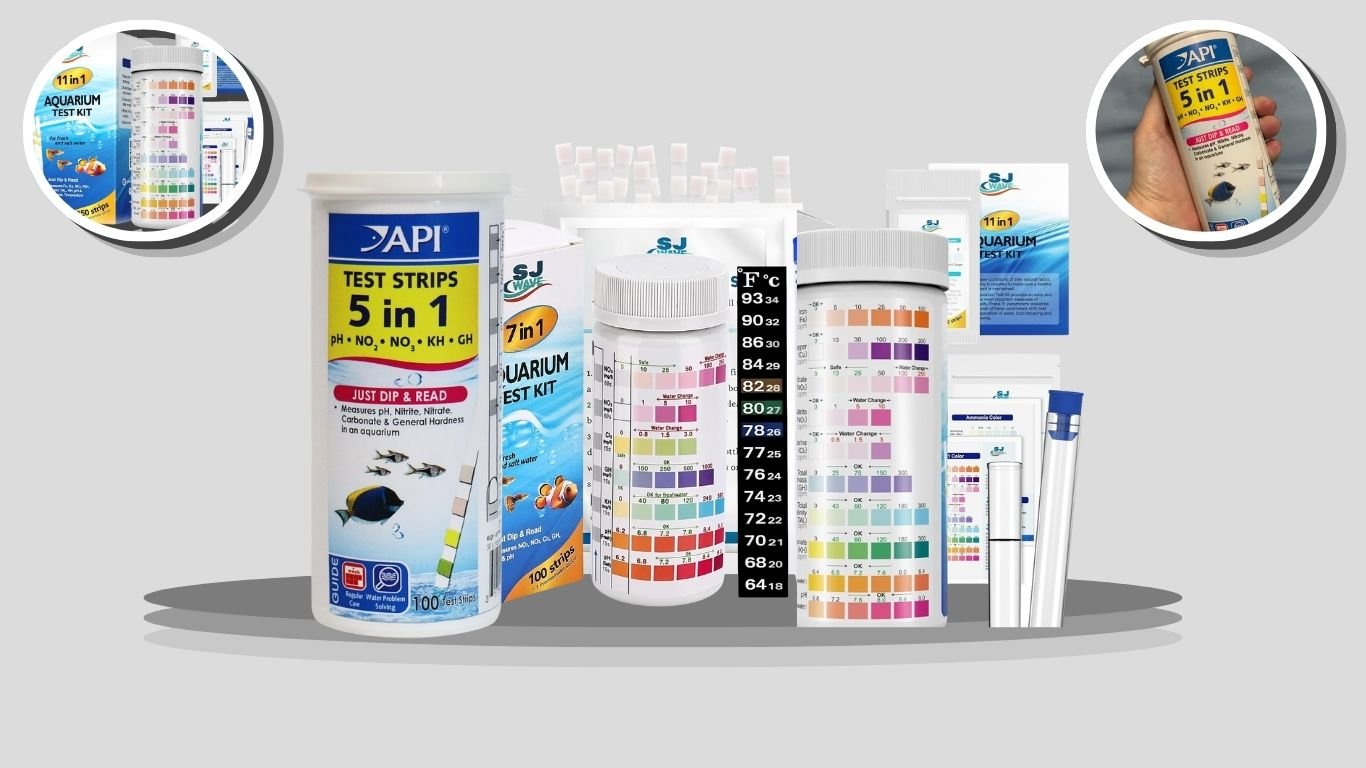
Maintaining the right water conditions is essential for keeping aquarium fish healthy and reducing the risk of stress, disease, or sudden water-quality problems. A reliable aquarium water test kit helps you monitor important parameters such as pH, ammonia, nitrite, nitrate, hardness, alkalinity, and chlorine. Whether you maintain a freshwater, saltwater, planted, or community tank, regular testing makes it easier to identify problems before they become serious. Below, we review 5 of the best aquarium water test kits for simple, accurate, and convenient water monitoring.
1. 11-in-1 Aquarium Test Strips Kit with Thermometer
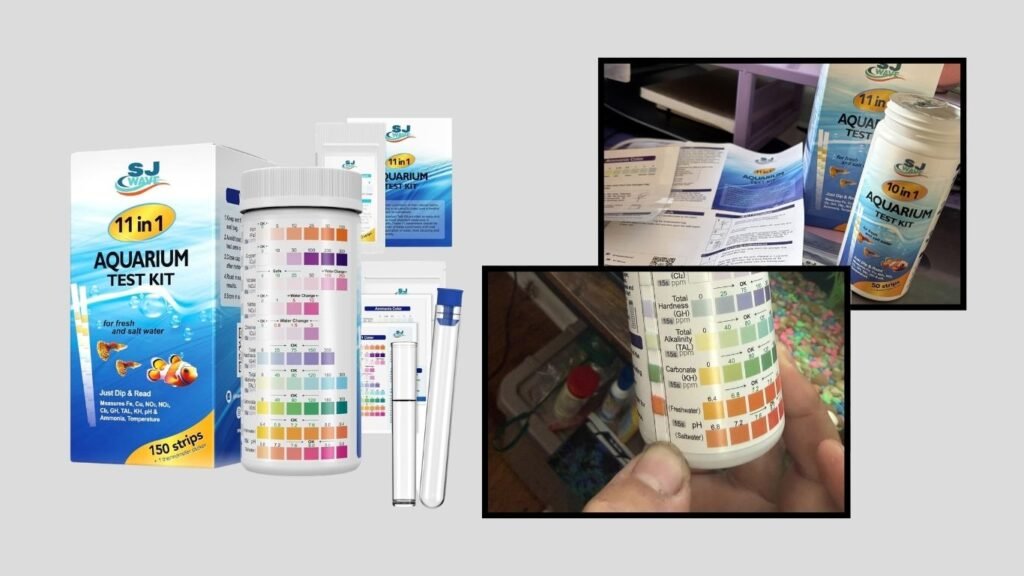
The 11-in-1 Aquarium Test Strips Kit with Thermometer is designed for aquarists who want a convenient way to monitor multiple water conditions without using separate testing products. The multi-parameter strips provide quick readings for routine aquarium maintenance, while the included thermometer adds another useful way to monitor the tank environment. It is especially practical for beginners, community-tank owners, and anyone who wants fast water checks between more detailed tests.
Key Features
- 11-in-1 multi-parameter aquarium testing design
- Helps monitor several important water-quality conditions
- Quick test-strip format for convenient routine checks
- Includes an aquarium thermometer
- Suitable for regular tank maintenance
- Simple color-chart comparison method
- Useful for identifying sudden water-condition changes
- Convenient for both new and established aquariums
Why It’s Best for Quick Multi-Parameter Testing
The main advantage of this test kit is convenience. Instead of using several separate tests every time you want to check aquarium conditions, one strip can provide information about multiple water parameters. This makes it particularly useful for routine monitoring between water changes.
For beginners, the strip-based testing process is also less intimidating than liquid reagent kits. Dip the strip according to the instructions, allow the colors to develop, and compare them with the provided reference chart. This streamlined process encourages more frequent testing, which can help aquarists notice water-quality changes earlier.
Testing Performance and Everyday Convenience
The kit is well suited for regular screening rather than complicated laboratory-style testing. It can help you track general water stability and determine when further testing or a water change may be necessary.
The included thermometer is another practical addition because temperature is just as important as chemical water conditions for maintaining a stable aquarium. Having both testing strips and temperature monitoring available in one package reduces the number of separate accessories needed for everyday tank care.
Overall Verdict: Practical for Routine Aquarium Monitoring
This 11-in-1 Aquarium Test Kit is a convenient choice for aquarists who value speed, simplicity, and broad water monitoring. Its multi-parameter strips make frequent testing easier, while the included thermometer adds extra everyday value. For routine checks and early detection of changing aquarium conditions, it provides a straightforward way to stay more informed about the health of your tank.
2. EASYTEST 8-Way Aquarium Test Strips with Ammonia Test
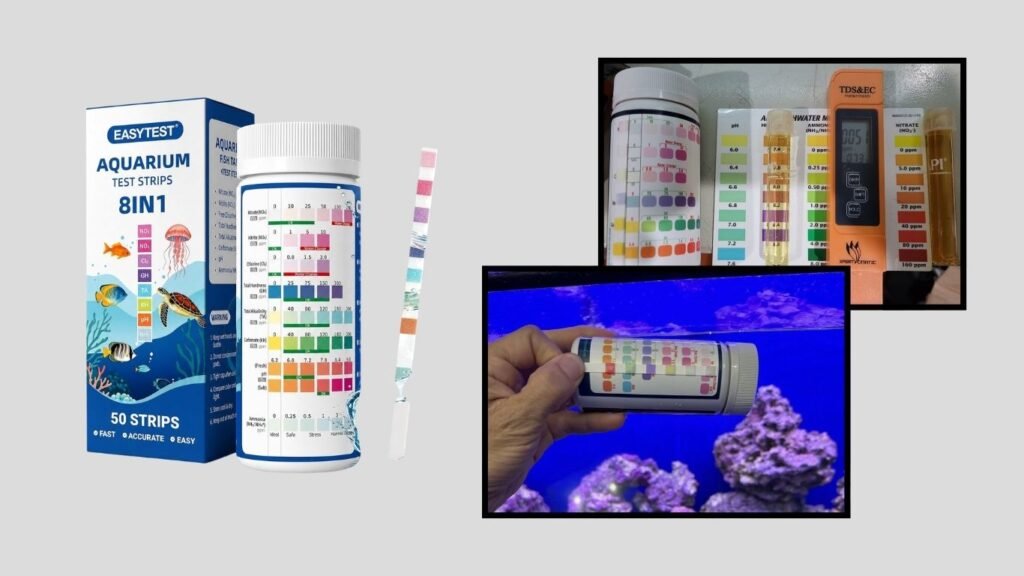
EASYTEST 8-Way Aquarium Test Strips are designed for aquarium owners who want quick, convenient monitoring of several important water parameters. The inclusion of ammonia testing makes this kit particularly useful because ammonia can become dangerous to fish even at relatively low concentrations. Its strip-based format makes routine testing simple for beginners while providing useful information for established freshwater aquarium owners.
Key Features
- 8-way aquarium water testing
- Includes ammonia monitoring
- Quick test-strip format
- Easy color-chart comparison
- Suitable for routine aquarium checks
- Helps monitor changing water conditions
- Convenient for new and established tanks
- Simple enough for beginner aquarists
Why It’s Best for Monitoring Ammonia
Ammonia is one of the most important parameters to watch in an aquarium, particularly in newly established tanks or systems experiencing filtration problems. Having ammonia testing included in an easy strip format allows aquarists to check conditions without reaching for a separate test every time.
This can be particularly useful after adding fish, performing major maintenance, or noticing unusual fish behavior.
Testing Performance and Everyday Convenience
The strip format allows multiple parameters to be checked quickly, making this kit suitable for regular maintenance schedules. Results can be compared with the supplied color chart, helping users identify whether conditions remain within an appropriate range.
While more detailed liquid tests may be useful when precise readings are required, these strips work well for frequent screening and identifying potential problems that deserve closer attention.
Overall Verdict: Convenient for Essential Water Checks
EASYTEST 8-Way Aquarium Test Strips provide a practical balance between convenience and useful parameter coverage. The inclusion of ammonia testing makes them especially appealing for aquarists who want an easy way to watch for one of the most important aquarium water-quality concerns.
3. API Aquarium Test Strips – Freshwater & Saltwater
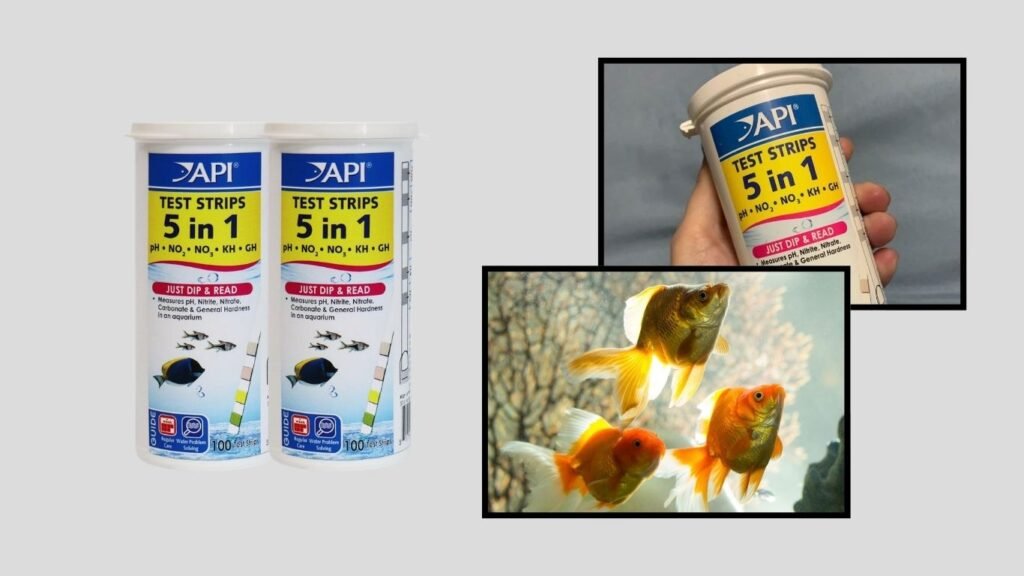
API Aquarium Test Strips provide a familiar and straightforward method for monitoring aquarium water without complicated equipment. The 100-count package is particularly useful for aquarists who test regularly or maintain multiple tanks. Designed for convenient routine monitoring, these strips can help aquarium owners detect changes in water chemistry before those changes develop into larger problems.
Key Features
- 100 test strips per container
- Designed for routine water-quality monitoring
- Suitable for freshwater and saltwater aquariums
- Fast strip-based testing process
- Easy-to-read color comparison chart
- Convenient for frequent testing
- Useful for multiple aquarium setups
- Compact storage container
Why It’s Best for Frequent Testing
One of the strongest advantages of this API kit is the large strip count. Aquarium owners who test weekly can go through smaller packages relatively quickly, especially when maintaining more than one tank.
Having 100 strips available makes regular testing easier to maintain over an extended period. Frequent monitoring can also help establish a baseline for normal tank conditions, making unusual changes easier to spot.
Testing Performance and Everyday Convenience
API test strips are designed to provide quick water-condition checks without preparing multiple test tubes or chemical reagents. This makes them useful when you want a general snapshot of tank conditions before feeding, performing maintenance, or adding new livestock.
The strips are also convenient for aquarists who maintain freshwater and marine systems and prefer keeping a simple testing option readily available.
Overall Verdict: Excellent for Regular Water Monitoring
API Aquarium Test Strips are particularly practical for fish keepers who test often. The generous 100-count package, simple testing process, and broad aquarium compatibility make them a dependable addition to a regular maintenance routine.
4. AAwipes Aquarium Test Strips
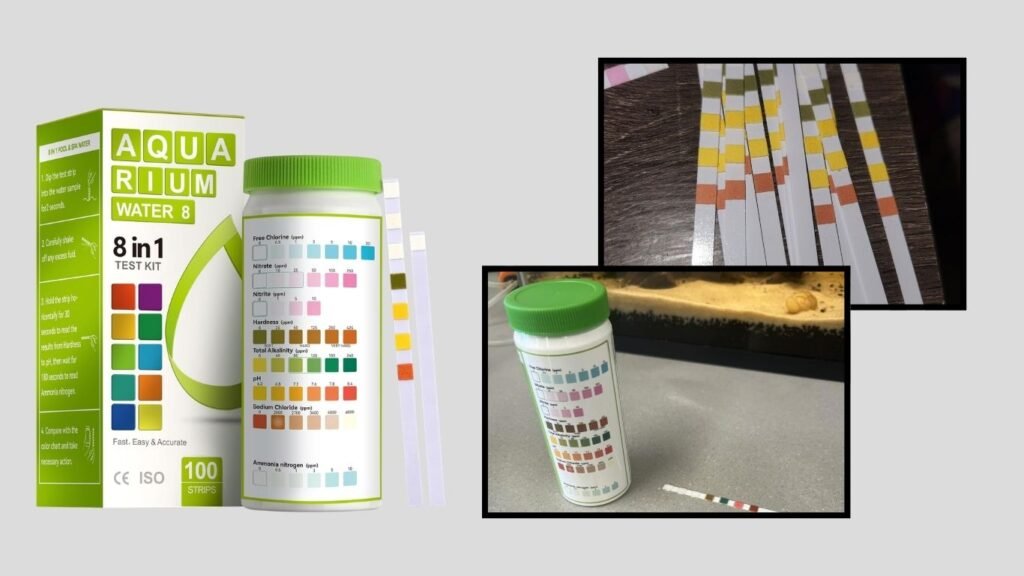
AAwipes Aquarium Test Strips are designed to provide convenient multi-parameter water monitoring for freshwater and saltwater aquarium owners. They can help track important aspects of aquarium chemistry, including parameters related to hardness, carbonate balance, and alkalinity. The straightforward strip-testing method makes them particularly useful for routine checks between water changes or more detailed aquarium tests.
Key Features
- Multi-parameter aquarium water testing
- Designed for freshwater and saltwater systems
- Helps monitor carbonate and alkalinity levels
- Convenient dip-strip testing method
- Fast color-chart comparison
- Useful for routine maintenance
- Beginner-friendly testing process
- Suitable for frequent water checks
Why It’s Best for Tracking Water Balance
Stable water chemistry involves more than simply checking ammonia or nitrate. Hardness, carbonate levels, and alkalinity can influence pH stability and overall aquarium conditions.
AAwipes test strips provide a convenient way to observe these parameters regularly, helping aquarists identify trends before they cause noticeable changes in the tank. This can be particularly valuable for fish species that prefer specific hardness or pH ranges.
Testing Performance and Everyday Convenience
Testing involves dipping a strip into aquarium water and comparing the developed colors against the reference chart. The process is quick enough to incorporate into weekly tank maintenance without creating additional complexity.
For aquarists who prefer frequent general checks rather than setting up individual liquid tests every time, the strip format offers useful everyday convenience.
Overall Verdict: Useful for Routine Water-Balance Checks
AAwipes Aquarium Test Strips are a practical option for aquarists who want broader insight into their aquarium’s general water chemistry. Their easy testing process and freshwater/saltwater compatibility make them suitable for regular monitoring in a variety of aquarium setups.
5. Aquarium Water Test Kit for Freshwater Aquariums
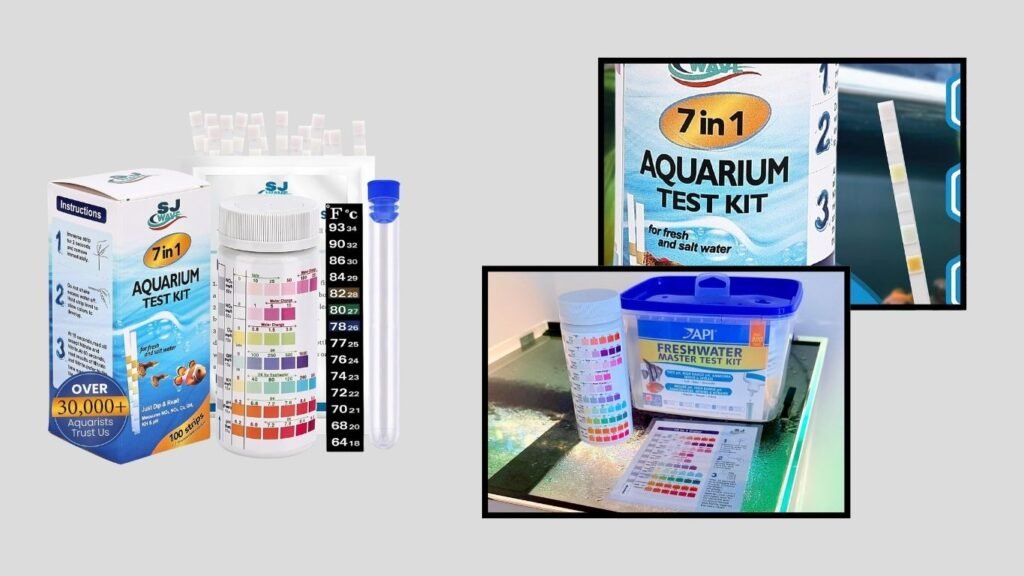
This Aquarium Water Test Kit for Freshwater Aquariums is designed for fish keepers who want a dedicated solution for monitoring the conditions of freshwater tanks. It provides a convenient way to evaluate important water-quality parameters and can be especially helpful during aquarium cycling, routine maintenance, or when fish behavior suggests that water conditions may have changed.
Key Features
- Designed specifically for freshwater aquariums
- Helps monitor important water parameters
- Suitable for routine water-quality testing
- Useful during aquarium cycling
- Helps identify changes before they become serious
- Convenient for community and planted tanks
- Suitable for regular maintenance schedules
- Beginner-friendly testing approach
Why It’s Best for Freshwater Aquarium Owners
Aquarium owners who maintain only freshwater tanks may prefer a test kit focused specifically on those environments. This simplifies the testing process and keeps attention on parameters most relevant to common freshwater fish and planted aquariums.
Regular testing can be particularly valuable after introducing new fish, changing filtration, adding medications, or performing larger-than-normal water changes.
Testing Performance and Everyday Convenience
The kit is intended to make routine monitoring more approachable, allowing users to check tank conditions without relying solely on how clear the water looks. Clear aquarium water can still contain undesirable concentrations of substances such as ammonia or nitrate, making regular testing an important part of responsible aquarium care.
Consistent testing also allows aquarists to recognize their tank’s normal range and respond more quickly when readings begin to change.
Overall Verdict: Practical for Dedicated Freshwater Tanks
This freshwater aquarium test kit provides a straightforward option for regular water monitoring. It is especially useful for beginners and community-tank owners who want an uncomplicated way to keep track of water conditions and make better-informed maintenance decisions.
FAQs
1. How often should I test aquarium water?
For an established aquarium, weekly testing is often useful for monitoring general water stability. New aquariums may require more frequent testing while the nitrogen cycle develops. Testing is also recommended after major water changes, adding new fish, treating illness, or whenever fish show unusual behavior.
2. What should I test for in aquarium water?
Important parameters commonly include ammonia, nitrite, nitrate, pH, hardness, and alkalinity. Chlorine may also be worth checking when using tap water. The exact parameters you should monitor depend on the aquarium type and the fish or other aquatic animals you keep.
3. Are aquarium test strips accurate?
Test strips are useful for fast routine screening and identifying general changes in aquarium conditions. However, liquid reagent kits can sometimes provide more precise measurements for specific parameters. Test strips are particularly convenient when frequent testing and quick results are priorities.
4. Why is ammonia testing important in an aquarium?
Ammonia is produced from fish waste, uneaten food, and decomposing organic material. Elevated ammonia can be harmful to fish, especially in newly established or poorly cycled aquariums. Regular ammonia testing helps identify problems before exposure becomes severe.
5. Can I use the same water test kit for freshwater and saltwater aquariums?
Some test kits are designed for both freshwater and saltwater systems, while others are formulated specifically for one type. Always check the manufacturer’s instructions before use because acceptable parameter ranges and testing methods can vary between freshwater and marine aquariums.