
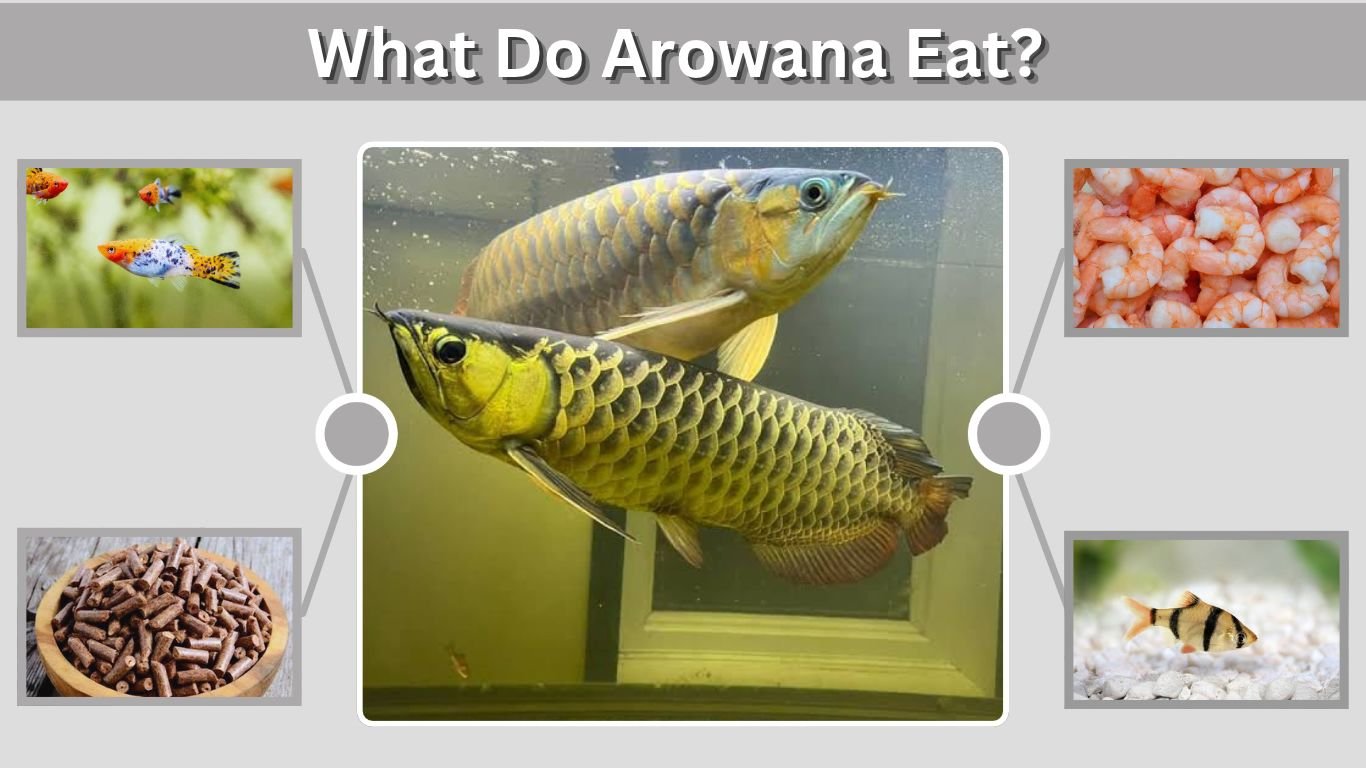
Arowanas primarily eat fish, insects, shrimp, worms, and other small animals. These fascinating freshwater predators are known for their powerful jaws, upward-facing mouths, and ability to jump out of the water to catch prey. In the wild, arowanas hunt near the water’s surface, occasionally capturing birds, frogs, and small mammals. However, their diet in captivity should focus on balanced nutrition rather than unusual live prey. Different species, including Silver Arowanas and Asian Arowanas, have similar feeding habits but may show different preferences. Understanding what arowana eat, how often to feed them, and why they sometimes refuse food is essential for keeping these impressive fish healthy.
What Do Arowana Eat?
Arowanas are primarily carnivorous fish that require a protein-rich diet. They naturally feed on insects, smaller fish, crustaceans, and other animals available near the water’s surface.
Their upward-facing mouths allow them to attack prey from below. Some species can also jump above the water to capture insects resting on branches.
In captivity, arowanas can eat specially formulated floating pellets, shrimp, worms, and appropriately prepared seafood.
A balanced feeding routine should include different food sources to provide essential nutrients.
| Food | Can Arowanas Eat It? | Recommendation |
| Arowana pellets | Yes | Excellent staple food |
| Shrimp and prawns | Yes | Good supplemental food |
| Crickets | Yes | Feed commercially raised insects |
| Earthworms | Yes | Nutritious occasional food |
| Small fish | Yes | Avoid routine live feeder fish |
| Cockroaches | Yes | Only safe, commercially raised feeders |
| Frogs | Sometimes | Not recommended as routine food |
| Goldfish | Yes | Avoid feeding live goldfish |
| Mice and rats | Physically possible | Not recommended |
| Vegetables | Occasionally ingested | Not a primary food |
What Do Arowana Eat in the Wild?
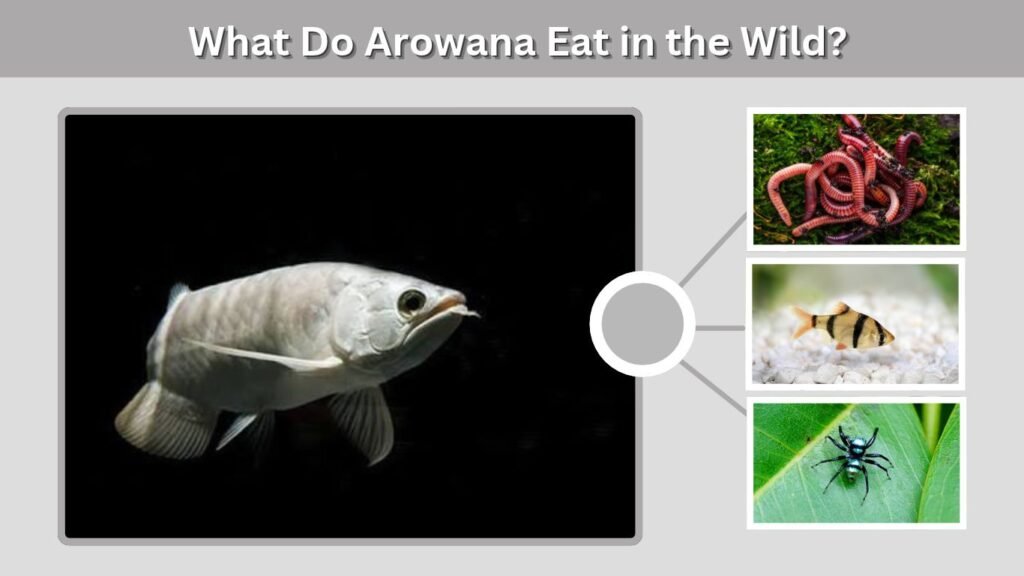
Wild arowanas are opportunistic predators, meaning they consume different foods depending on availability, habitat, and season.
Their natural diet includes both aquatic animals and prey found above the water’s surface.
1. Small Fish
Small fish are an important food source for many adult arowanas.
They use their upward-facing mouths and quick movements to capture fish swimming near the surface.
Asian Arowanas commonly consume fish as adults, while Silver Arowanas also include fish in their varied natural diet.
Their ability to swallow prey depends on mouth size and the size of the animal being captured.
2. Insects and Spiders
Insects form a significant part of the natural arowana diet.
They commonly eat beetles, grasshoppers, crickets, and insects that fall into the water.
Silver Arowanas are particularly famous for jumping from the water to capture insects resting on low branches.
Spiders and other terrestrial arthropods are also consumed when available.
3. Crustaceans and Other Aquatic Animals
Arowanas can consume small crabs, shrimp, and other freshwater invertebrates.
These animals provide protein and other nutrients.
Their availability often changes with seasonal flooding and water levels.
Some arowanas also capture small frogs, reptiles, and other vertebrates.
However, larger terrestrial animals are not a regular part of their diet.
What Do Silver Arowanas Eat?
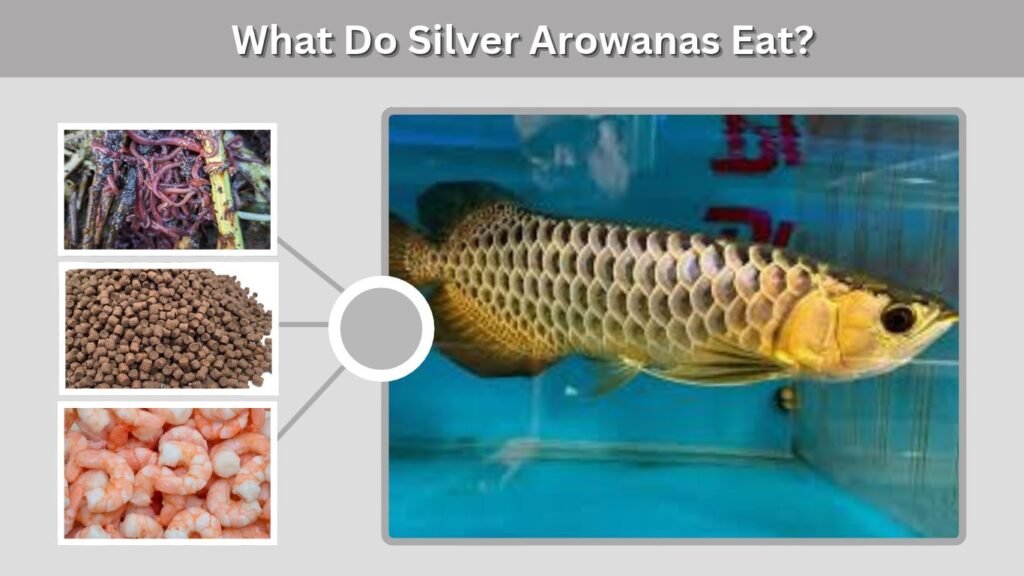
Silver Arowanas (Osteoglossum bicirrhosum) originate from South America, particularly the Amazon River basin.
They are surface-oriented predators that feed on insects, fish, crustaceans, and occasionally other small animals.
Unlike a strictly fish-eating predator, the Silver Arowana has a flexible diet that changes according to available food.
In captivity, suitable foods include:
- Floating carnivorous fish pellets
- Frozen or thawed shrimp
- Earthworms
- Commercially raised crickets
- Appropriately sized fish-based foods
- Other nutritionally suitable aquatic invertebrates
Silver Arowanas may naturally ingest small amounts of plant material, but vegetables should not replace a balanced protein-rich diet.
What Do Asian Arowanas Eat?
Asian Arowanas (Scleropages formosus) naturally eat insects, fish, and other small animals.
Juveniles frequently feed on insects near the water’s surface, while larger individuals can capture fish and other vertebrate prey.
Red, Golden, and Green Asian Arowanas have broadly similar dietary requirements.
In aquariums, high-quality floating pellets designed for carnivorous fish can provide a nutritional foundation.
Shrimp, worms, and suitable feeder insects may be offered for variety.
Avoid feeding excessive amounts of any single food because an unbalanced diet can contribute to nutritional deficiencies.
Can Arowanas Eat Birds, Mice, Rats, and Other Animals?
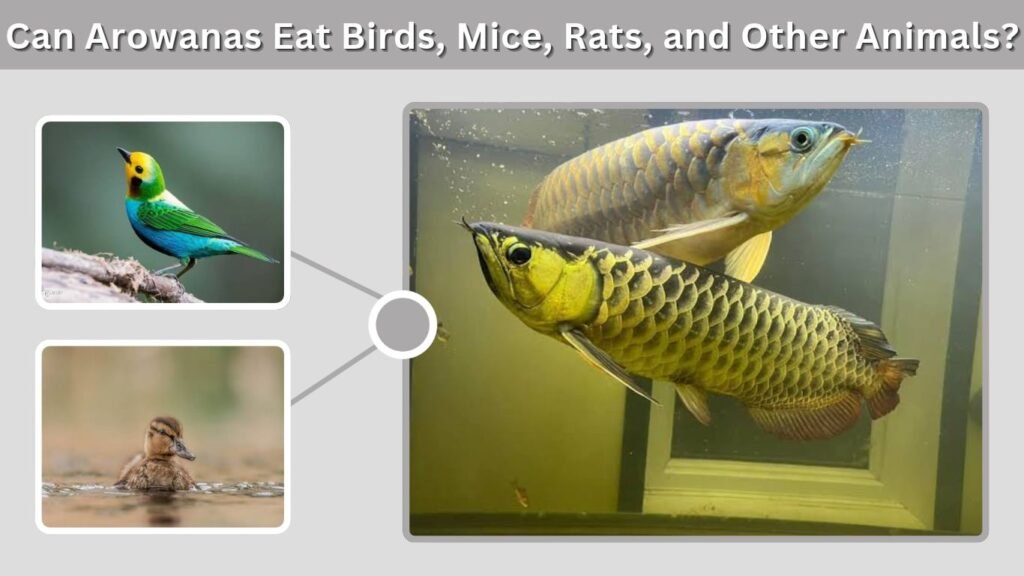
Arowanas are powerful predators capable of swallowing prey that fits inside their mouths.
Their unusual hunting behavior has attracted considerable attention, particularly through videos showing them catching animals outside the water.
However, the ability to consume an animal does not mean that it is suitable aquarium food.
Can Arowanas Eat Birds or Ducklings?
Large Silver Arowanas can occasionally capture small birds near the water’s surface.
Their jumping ability allows them to reach prey resting on low vegetation.
However, birds are not a normal or necessary part of an aquarium arowana’s diet.
Feeding live birds or ducklings is inappropriate and creates unnecessary welfare and injury risks.
Can Arowanas Eat Mice or Rats?
Yes, wild Silver Arowanas have occasionally been documented consuming small rodents.
However, mice and rats are unusual prey rather than essential dietary items.
Feeding rodents in captivity is not recommended because they are unnecessary for balanced nutrition and may introduce health and welfare concerns.
Prepared fish foods and suitable aquatic prey are better choices.
Can Arowanas Eat Monkeys or Rabbits?
There is no sound basis for treating monkeys or rabbits as normal arowana prey.
Although arowanas can consume relatively large food items, their mouth size and physical limitations restrict what they can swallow.
Claims involving monkeys or rabbits should not be confused with scientifically documented feeding behavior.
These animals should never be offered as aquarium food.
Will Arowanas Eat Other Fish?
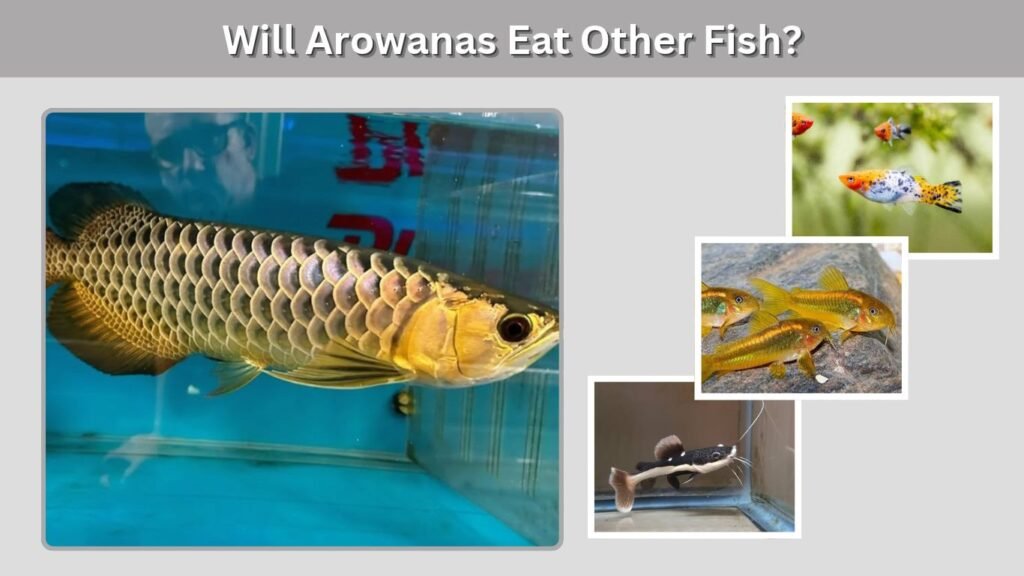
Yes. Arowanas are predatory fish and may eat smaller aquarium fish.
Goldfish, small tropical fish, and other animals that fit inside an arowana’s mouth can become prey.
This behavior creates challenges when selecting tank mates.
Large predatory catfish can also threaten arowanas. Species such as Red Tail Catfish and Gulper Catfish should not automatically be considered safe companions, particularly when size differences make swallowing or injury possible.
Avoid keeping arowanas with small fish that could be mistaken for food.
Live feeder goldfish are also poor routine food choices because they can introduce parasites and diseases and do not provide an ideal balanced diet.
How Often Should You Feed an Arowana?
Feeding frequency depends on the fish’s age, size, health, and activity level.
Young arowanas generally require more frequent meals because they are growing rapidly.
Adults usually need fewer feeding sessions.
| Arowana Age | General Feeding Frequency |
| Juvenile | 2–3 small meals daily |
| Subadult | 1–2 meals daily, depending on growth |
| Adult | Approximately once daily |
| Sick or Recovering | Follow an aquatic veterinarian’s advice |
Offer appropriately sized portions and observe how quickly the fish consumes them.
Remove uneaten food because decomposing food can increase ammonia levels and reduce water quality.
Overfeeding can also contribute to digestive problems and unnecessary waste.
Why Is My Arowana Not Eating?
An arowana may stop eating because of stress, unsuitable water conditions, illness, or changes in its feeding routine.
A newly purchased fish may initially refuse food while adjusting to an unfamiliar aquarium.
However, persistent appetite loss should not be ignored.
Common Reasons Arowanas Stop Eating
Poor Water Quality: Elevated ammonia, nitrite, or unsuitable water chemistry can affect appetite.
Stress: Sudden lighting changes, aggressive tank mates, excessive noise, and overcrowding may discourage feeding.
Food Preferences: Arowanas accustomed to live food sometimes reject pellets or unfamiliar foods.
Illness: Parasites, infections, injuries, and digestive problems can reduce appetite.
Temperature Changes: Water that becomes unusually cold or fluctuates rapidly can affect normal feeding behavior.
What to Do if Your Arowana Is Not Eating
Start by testing the aquarium water for ammonia, nitrite, nitrate, pH, and temperature.
Inspect the fish for unusual swimming, rapid breathing, swelling, damaged fins, or changes in coloration.
Reduce unnecessary disturbances and maintain stable aquarium conditions.
Offer a small portion of familiar, appropriate food without repeatedly adding uneaten items.
If the fish continues refusing food, particularly if it shows other symptoms, consult an aquatic veterinarian promptly.
An arowana that has not eaten for weeks or months needs urgent professional assessment. Do not assume that extended fasting is harmless.
How to Train an Arowana to Eat Pellets
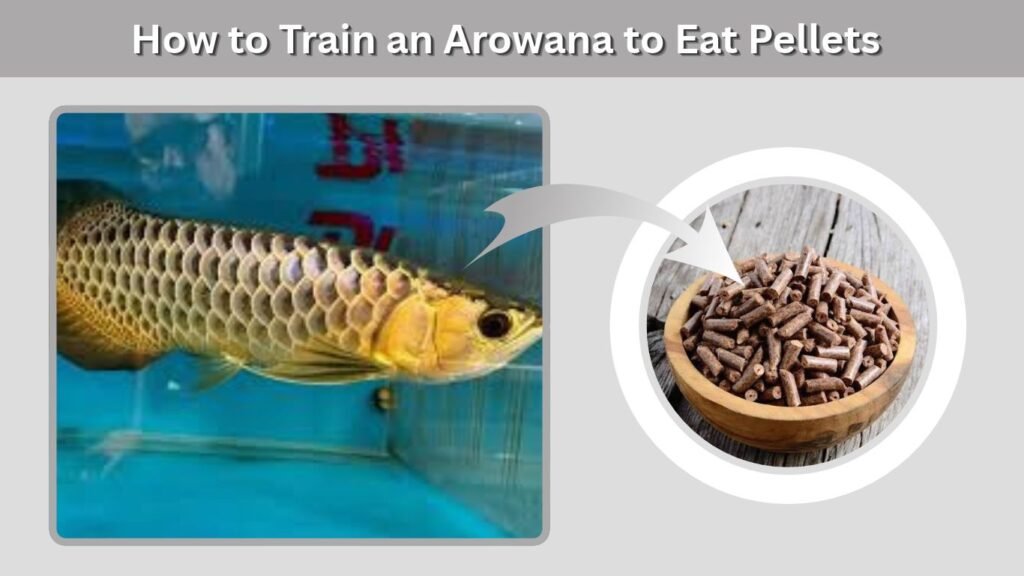
Some arowanas refuse pellets because they are accustomed to live insects or fish.
Training requires consistency and patience.
Start by selecting high-quality floating pellets appropriate for the fish’s mouth size.
Introduce small amounts during the fish’s normal feeding time.
You can initially offer pellets alongside familiar foods, gradually increasing the proportion of pellets as the fish accepts them.
Remove rejected food before it decomposes.
Avoid deliberately starving an arowana for prolonged periods to force pellet acceptance.
A healthy fish can sometimes be selective, but continued refusal of food should prompt an examination of its health and aquarium conditions.
Can Humans Eat Arowana Fish?
Some arowana species have historically been consumed as food in their native regions.
For example, Silver Arowanas are used as food fish in parts of South America.
However, Asian Arowanas are endangered and subject to strict international trade controls under CITES.
Their conservation status and applicable national laws must be considered.
Arowanas sold as ornamental aquarium fish should not automatically be treated as suitable for human consumption.
FAQs
1. Can Arowanas Eat Cockroaches?
Yes. Arowanas can eat suitable cockroach species because insects are part of their natural diet. However, only commercially raised feeder insects from reliable sources should be offered. Household cockroaches may have contacted pesticides, cleaning chemicals, or other harmful substances.
2. Can Arowanas Eat Frogs?
Arowanas can occasionally capture small frogs in natural environments. However, feeding wild frogs in captivity is discouraged because they may carry parasites, harmful substances, or disease. Balanced commercial food and suitable invertebrates are safer choices.
3. Can Arowanas Survive Without Eating for a Month?
An adult arowana may survive an extended period without food under some circumstances, but this does not mean that such fasting is healthy. A month without eating can indicate serious husbandry or medical problems. Seek veterinary assistance well before appetite loss reaches that duration.
4. What Is the Best Food for Arowana Fish?
High-quality floating pellets formulated for carnivorous surface-feeding fish are an excellent staple. Suitable shrimp, worms, and commercially raised insects can provide dietary variety. The best feeding plan depends on the arowana’s species, size, age, and overall health.
5. Do Arowanas Prefer Live Food or Pellets?
Many arowanas instinctively respond to moving prey because they are natural predators. However, they can learn to accept floating pellets and other prepared foods. A balanced pellet-based diet with suitable supplemental foods is generally preferable to relying exclusively on live prey.
