
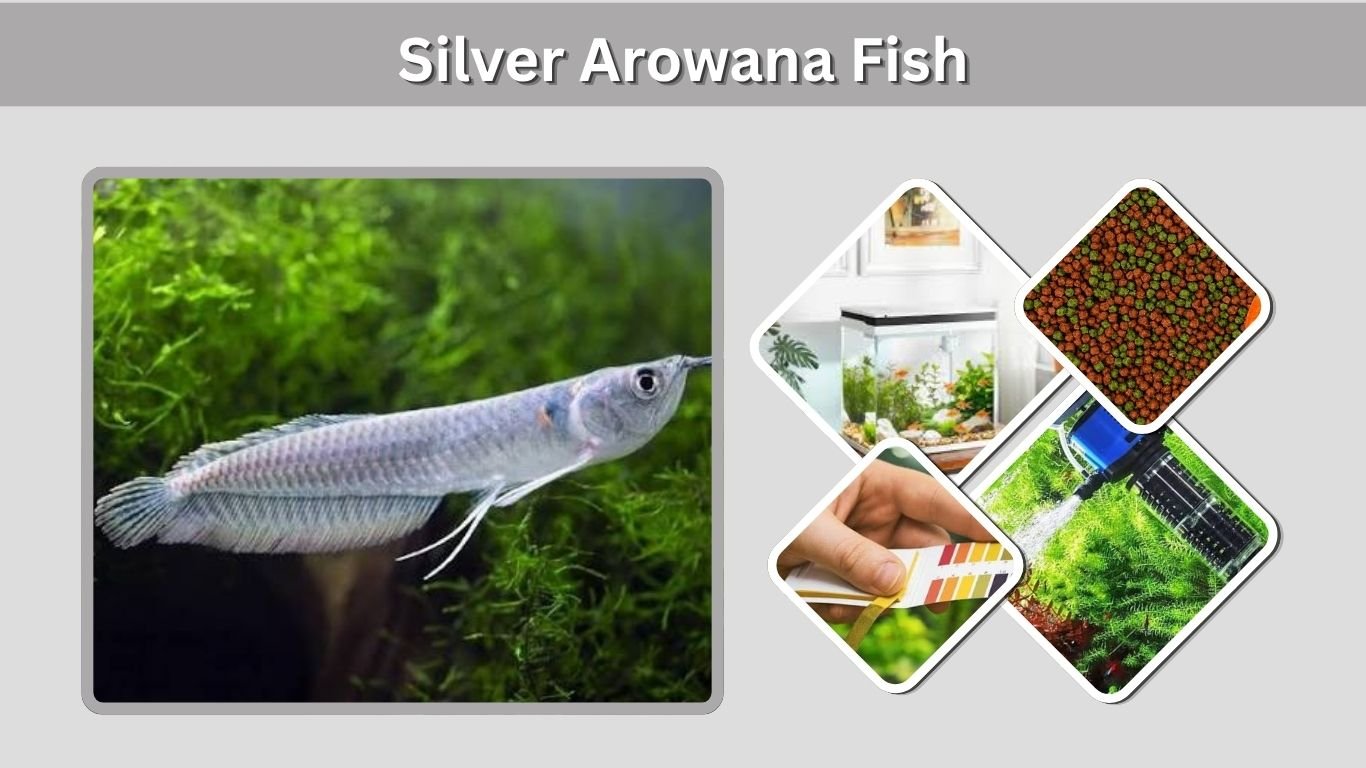
The silver arowana is a striking freshwater fish known for its elongated body, metallic scales, and graceful surface swimming. Scientifically called Osteoglossum bicirrhosum, it is native to South America and is sometimes called the silver dragon fish. Juveniles are common in aquarium stores, but adults become surprisingly large and need much more space than most home tanks provide. Albino and platinum forms also attract collectors because of their unusual coloration. This guide explains silver arowana size, lifespan, price, diet, aquarium care, behavior, and where to find the fish in the game Coral Island.
What Is a Silver Arowana?
The silver arowana belongs to the bonytongue family Osteoglossidae. Its upward-facing mouth, two barbels, reflective scales, and long fins create a distinctive appearance. It inhabits the Amazon basin and Guianas, using slow-moving rivers, backwaters, and flooded forests. Swimming close to the surface, it sometimes jumps to capture prey. Unlike the protected Asian arowana, this is a separate South American species with different legal requirements.
Silver Arowana Colors and Varieties
Most have metallic silver scales that reflect subtle colors. Juveniles may show a dark stripe that fades with age. Unusually pale specimens carry different trade names, but these do not necessarily indicate distinct varieties.
Albino Silver Arowana
Albino silver arowanas have reduced pigmentation, pale cream or yellow-white bodies, and often reddish eyes. They grow as large as ordinary silver arowanas and require equally spacious tanks.
Platinum and Leucistic Silver Arowana
Platinum describes unusually white or reflective specimens. Some are leucistic, with reduced body pigment but darker eyes. Because sellers sometimes confuse platinum and albino, examine current photos and eye color. Rare specimens can cost considerably more.
Blueberry and Chocolate Silver Arowana
Blueberry and chocolate are descriptive sales names, not standardized scientific varieties. Lighting and editing may change perceived color. Request natural-light photos and the scientific name before paying extra.
How Big Do Silver Arowanas Get?

Adult silver arowanas commonly reach roughly 24–36 inches (61–91 cm), sometimes more. Despite their flexible bodies, they need generous turning space. A 4–6-inch juvenile can eventually outgrow an ordinary household aquarium.
Growth Rate and Full-Grown Size
Juveniles can grow rapidly. Genetics, diet, temperature, and water quality affect their growth, so fixed monthly estimates are unreliable. A small tank does not safely restrict size. Prepare permanent housing before purchasing.
Silver Arowana Price: How Much Does One Cost?
Silver arowanas generally cost less than premium Asian varieties. Price depends on size, color, location, and shipping. Albino fish often command premiums. These US retail examples illustrate the range.
| Example listing | Advertised price (USD) |
| Standard silver arowana, juvenile | Around 25–100 |
| Standard silver arowana, 14–15 inches | $200 |
| Albino silver arowana, 5 inches | $125 |
| Albino silver arowana, 6–7 inches | Around 120–145 |
| Large albino specimen, around 18 inches | Can exceed $700 |
These 2026 listings are examples, not fixed rates. Aquarium equipment and maintenance generally cost far more than a juvenile fish.
What to Check Before Buying
Whether purchasing in person or online, examine the individual fish carefully. A low price is not worthwhile if the fish is injured or cannot be housed properly.
- Look for clear eyes, intact scales, and undamaged fins.
- Ask for a feeding demonstration and recent photographs.
- Confirm shipping conditions, species identification, and local regulations.
- Ensure the permanent aquarium is ready before the fish arrives.
Silver Arowana Tank Size and Aquarium Setup

Providing adequate space is the biggest challenge. Silver arowanas swim near the surface, produce significant waste, and jump when startled. They need mature, secure aquariums with powerful filtration. Most standard household tanks are unsuitable for adults.
What Tank Size Does a Silver Arowana Need?
A 250–300-gallon aquarium may accommodate some growing fish, but adults often need bigger custom enclosures. Aim for around 8 feet of length and 3 feet or more of width. Tanks of 55–100 gallons are unsuitable permanently. Footprint matters as much as volume.
Water Temperature and Conditions
Maintain stable freshwater conditions in a fully cycled tank.
- Temperature: Approximately 75–82°F (24–28°C) is a practical target.
- pH: Usually mildly acidic to neutral; roughly 5.0–7.5 is within the species’ reported range.
- Filtration: Strong biological filtration and good oxygenation are important.
- Water changes: Perform regular partial changes and maintain zero detectable ammonia and nitrite.
Decorations and Tank Cover
Leave open swimming space. Smooth driftwood can provide cover without sharp edges. Use a heavy, closely fitting lid, and secure equipment against impacts.
What Do Silver Arowanas Eat?
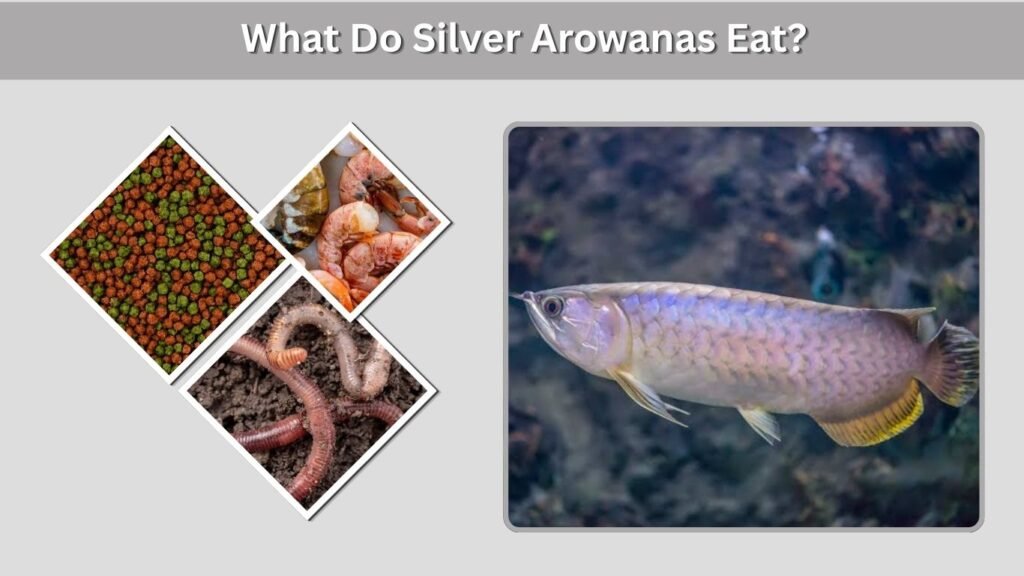
Silver arowanas eat insects, smaller fish, and aquatic invertebrates, sometimes catching prey above water. Captive diets should include varied, suitable foods. A single-food diet risks nutritional imbalance, while overfeeding damages water quality.
Suitable foods include:
- High-quality floating carnivore pellets, where accepted.
- Appropriately sized prawns, shrimp, and fish flesh.
- Earthworms and responsibly sourced feeder insects.
- Smaller soft foods for young fish, such as bloodworms.
Avoid unhealthy feeder fish, which may introduce parasites, and remove leftovers.
Are Silver Arowanas Aggressive?
Silver arowanas are predatory but not invariably aggressive toward large fish. Temperament and space matter. They may eat small tankmates or dispute territory with other surface swimmers. Keeping one alone is often easiest.
Silver Arowana Tankmates
Robust bottom-dwelling fish sometimes coexist in enormous aquariums, but compatibility varies. Avoid fin-nippers and small community fish. Prepare a backup tank and consider every species’ adult size.
Silver Arowana Lifespan, Breeding, and Health

Silver arowanas may live 10–20 years or longer with excellent care. Jumping and collisions can injure fish, especially in tight enclosures. Stable water, varied diets, and large tanks are essential. Home breeding is uncommon.
How Do Silver Arowanas Breed?
Silver arowanas are paternal mouthbrooders: males protect developing eggs and fry inside their mouths. Commercial breeding usually requires large facilities. Identifying sex visually is difficult, especially in juveniles.
Common Signs of Illness
Watch for warning signs such as:
- Refusing food or unusual weight loss.
- Cloudy eyes, frayed fins, or damaged scales.
- Rapid breathing and abnormal swimming.
- Repeated jumping, collisions, or surface injuries.
Check water quality promptly and consult an aquatic veterinarian for persistent symptoms.
Where to Find Silver Arowana in Coral Island
In the game Coral Island, silver arowana is a catchable fish used for the Catch Altar’s Fresh Water Fish offering. Current guides list mine fishing locations during winter daytime. This is unrelated to capturing real wild fish.
| Game requirement | Silver arowana details |
| Season | Winter |
| Location | Earth Mine, Water Mine, or Wind Mine |
| Time | Morning or afternoon |
| Weather | Any |
| Offering | Fresh Water Fish, Catch Altar |
Game updates can change availability, so consult the in-game journal if needed.
Are Silver Arowanas Legal in the United States?
Silver arowanas are legal in many US locations and lack the federal endangered-species restrictions applied to Asian arowanas. State and import rules may differ, so verify local requirements. Never release unwanted fish into natural waterways; arrange responsible rehoming instead.
FAQs
1. Can a silver arowana live in a 100-gallon tank?
A juvenile may temporarily fit, but 100 gallons is not sufficient for a full-grown silver arowana. Adults need a very long, wide aquarium to swim and turn comfortably. Arrange an appropriate permanent tank before purchasing one.
2. How long does it take for a silver arowana to reach full size?
Growth can be fast during the juvenile stage, but maturity and final size depend on genetics, feeding, and conditions. Expect several years of development rather than a guaranteed monthly growth rate. Regular measurements help you plan necessary upgrades.
3. Is an albino silver arowana different from a regular silver arowana?
Both are the same species, Osteoglossum bicirrhosum. Albino individuals have reduced pigmentation and often reddish eyes. Their long-term care, adult size, diet, and tank requirements are essentially the same, although albino specimens may cost more.
4. Can silver arowanas recognize their owners?
Many learn feeding routines and react to familiar people near the aquarium. They may approach the surface when a regular caretaker appears. This behavior suggests learned associations, though it should not be interpreted as the same social bond seen in domestic mammals.
5. Are silver arowanas suitable for beginners?
Usually not. Although juveniles are relatively affordable, adults need costly, unusually large aquariums, secure covers, reliable filtration, and long-term care. Their size and jumping behavior make them more appropriate for experienced fishkeepers with suitable facilities.