
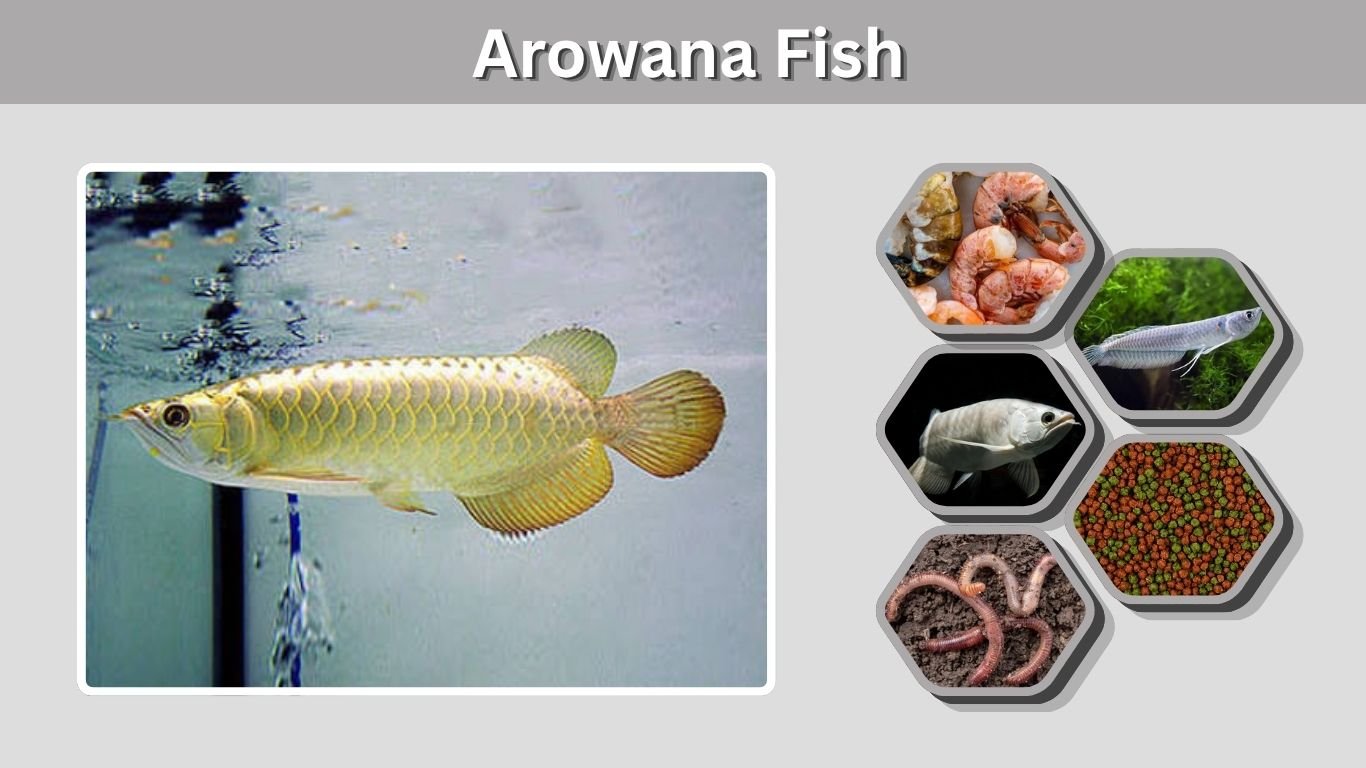
Arowana fish are famous for their long bodies, shimmering scales, and graceful swimming movements. Often called dragon fish, they are popular among aquarium enthusiasts who admire large, unusual freshwater species. Silver arowanas are relatively common, while red, golden, and platinum varieties can be rare and expensive. However, keeping one requires much more than an attractive aquarium. These powerful fish grow large, jump surprisingly high, and need excellent water conditions. This guide covers arowana types, prices, adult sizes, aquarium requirements, feeding, behavior, and important considerations before buying one.
What Is an Arowana Fish?
An arowana is a large freshwater fish from an ancient group of bony-tongued fishes. Its recognizable features include a flattened body, reflective scales, an upward-facing mouth, and barbels near the lower jaw. Most swim close to the surface, watching for food. The nickname dragon fish reflects their resemblance to traditional Asian dragons. Different species inhabit South America, Southeast Asia, Australia, and Africa. The arapaima is a distant relative, not an arowana.
Popular Types of Arowana Fish

Arowanas include several natural species and selectively bred color varieties. Their colors range from silver and dark blue to red, gold, and white. Understanding these differences matters because size, price, legal status, and temperament vary.
Silver Arowana Fish
The silver arowana (Osteoglossum bicirrhosum) comes from South American waterways. It has a slim metallic body and long fins. Juveniles are widely sold, but adults can reach 3 feet or more, challenging most home aquariums.
Asian Red and Golden Arowana
The Asian arowana (Scleropages formosus) is prized for its dragon-like scales. Varieties include super red, crossback golden, and green. Colors may intensify with maturity. International protection makes legal ownership and trade dependent on local rules and documentation.
Platinum and Albino Arowana
Platinum describes a rare metallic-white appearance, not a separate species. Albino arowanas have reduced pigmentation and often reddish eyes. Both appearances can occur in silver arowanas. Advertisements sometimes use these labels imprecisely.
Black, Jardini, and African Arowana
Black arowanas (Osteoglossum ferreirai) are South American fish with dark-colored juveniles. Jardini arowanas (Scleropages jardinii) originate around northern Australia and New Guinea and have patterned scales. African arowanas (Heterotis niloticus) feed heavily on small aquatic organisms and have different dietary needs.
How Big Do Arowana Fish Get?
Arowana size matters when choosing an aquarium. Small pet-store fish eventually become muscular adults. Growth varies with species, nutrition, and husbandry; cramped tanks do not safely restrict growth. Always plan for adult size.
| Arowana type | Approximate adult length |
| Silver arowana | 24–36 inches; occasionally larger |
| Asian arowana | 24–35 inches |
| Black arowana | 24–30 inches |
| Jardini arowana | 20–24 inches |
| African arowana | 30 inches or more |
These are estimates, not maximum guarantees. Arowanas need ample turning room and swimming length.
Arowana Fish Price: How Much Does One Cost?

Prices vary by species, size, color, breeding background, and country. Common silver arowanas can be inexpensive, while exceptional Asian varieties can cost thousands. Local wildlife laws also affect availability. These are broad examples, not guaranteed prices.
| Arowana variety | Indicative price in USD |
| Juvenile silver arowana | 25–150 |
| Albino silver arowana | 100–300+ |
| Jardini arowana | 100–250+ |
| Black arowana | 125–300+ |
| Legal, documented Asian red or golden | Often hundreds to many thousands, depending on market |
| Rare platinum specimen | Highly variable; individually priced |
Price does not guarantee health. Check feeding, condition, seller reputation, and permits. Budget for filtration, food, electricity, and maintenance too.
Arowana Fish Tank Size and Aquarium Setup
Arowanas need exceptionally spacious, secure aquariums and dependable filtration. They swim near the surface and can leap when startled, making strong covers essential. Their waste production and sensitivity to unstable water conditions also require a fully cycled aquarium.
What Size Tank Does an Arowana Need?
A 250–300-gallon tank may accommodate some growing silver arowanas, but gallons alone are insufficient. Many adults need custom enclosures at least 8 feet long, with generous width. Four-foot tanks are unsuitable permanently. Large Asian arowanas may also need specialist facilities.
Water Temperature and Conditions
Confirm the requirements of your particular species and prioritize stability.
- Temperature: Around 75–82°F (24–28°C) suits many commonly kept arowanas.
- pH: Slightly acidic to near-neutral water is common, but acceptable ranges differ by species.
- Filtration: Use powerful biological filtration with adequate water movement and oxygenation.
- Water changes: Test ammonia and nitrite regularly; both should remain at zero in a mature aquarium. Change water as needed to control nitrate and waste.
Decorations, Lighting, and Tank Covers
Provide open swimming space, smooth decorations, and moderate lighting. Secure a gap-free cover against jumps. Protect heaters from impact and avoid startling the fish with sudden movements.
What Do Arowana Fish Eat?

Most aquarium arowanas prey on insects, crustaceans, and fish. Offer varied foods without excessive fat. Juveniles need smaller portions; adults generally eat less frequently. African arowanas have different feeding habits and need species-specific diets.
Common foods for silver and Asian arowanas include:
- Quality floating carnivore pellets, if accepted by the individual fish.
- Appropriately sized shrimp, prawns, and earthworms.
- Insects bred or purchased for feeding, without pesticide exposure.
- Occasional suitable fish-based foods from reliable sources.
Unhealthy feeder fish may introduce disease. Remove leftovers and adjust portions to the fish’s age and condition.
Are Arowana Fish Aggressive?
Arowana aggression varies by species and individual. Jardini arowanas can be particularly territorial. Even calmer silver arowanas eat fish small enough to swallow. Two arowanas may fight, especially in confined spaces, so keeping one alone is often simplest.
Compatible Tankmates
In very large aquariums, robust fish of similar size sometimes coexist with arowanas. Avoid tiny fish, fin-nippers, and aggressive tankmates. Watch introductions closely and be ready to separate them.
Arowana Lifespan, Breeding, and Health

Arowanas are a long-term commitment. Many live roughly 10–20 years with good care, sometimes longer. Lifespan depends on genetics, nutrition, and water quality. Breeding is difficult because adults need considerable space and suitable conditions.
How Do Arowana Fish Breed?
Several arowana species are mouthbrooders. The male protects eggs and developing young inside his mouth. Captive breeding usually requires mature pairs and specialized facilities.
Common Warning Signs of Illness
Watch for changes in appearance and behavior, including:
- Refusing food for an unusually long period or losing weight.
- Frayed fins, cloudy eyes, ulcers, or visible parasites.
- Rapid breathing, gasping, or unusual swimming movements.
- Repeated collisions, jumping, or hiding associated with stress.
Test water first. For persistent illness, consult an aquatic veterinarian.
Are Arowana Fish Illegal in the United States?
Laws depend on species. Asian arowana is federally listed as endangered in the US, restricting ordinary commercial trade without legal authorization. CITES Appendix I also tightly regulates international trade. Silver arowanas lack the same federal endangered-species status, but state rules can differ. Verify the scientific name and current laws before purchasing.
FAQs
1. Is an arowana fish good for beginners?
Generally, no. Arowanas grow large, require expensive equipment, and can injure themselves jumping. They need careful feeding and consistently good water quality. Experienced fishkeepers with spacious, secure tanks are better prepared for their needs.
2. Why is an arowana called a dragon fish?
Their long bodies, shiny scales, barbels, and flowing movement resemble traditional dragons. Some Asian cultures associate arowanas with prosperity and good fortune. These are cultural beliefs rather than scientifically established benefits of keeping the fish.
3. What is the rarest color of arowana fish?
Platinum or nearly white specimens may be exceptionally rare. Rarity depends on species and authentic coloration. Some sellers use platinum, white, and albino interchangeably, although these are not necessarily the same genetic or physical traits.
4. Can an arowana live in a 100-gallon tank?
A small juvenile may temporarily fit, but 100 gallons is inadequate permanently for most arowanas. Adults require substantially more swimming length and turning space. Prepare the adult enclosure before buying a young fish.
5. Do arowana fish recognize their owners?
Many arowanas learn feeding routines and react to familiar people near the aquarium. This suggests learned recognition or association, although their behavior differs from that of social pet mammals.
