
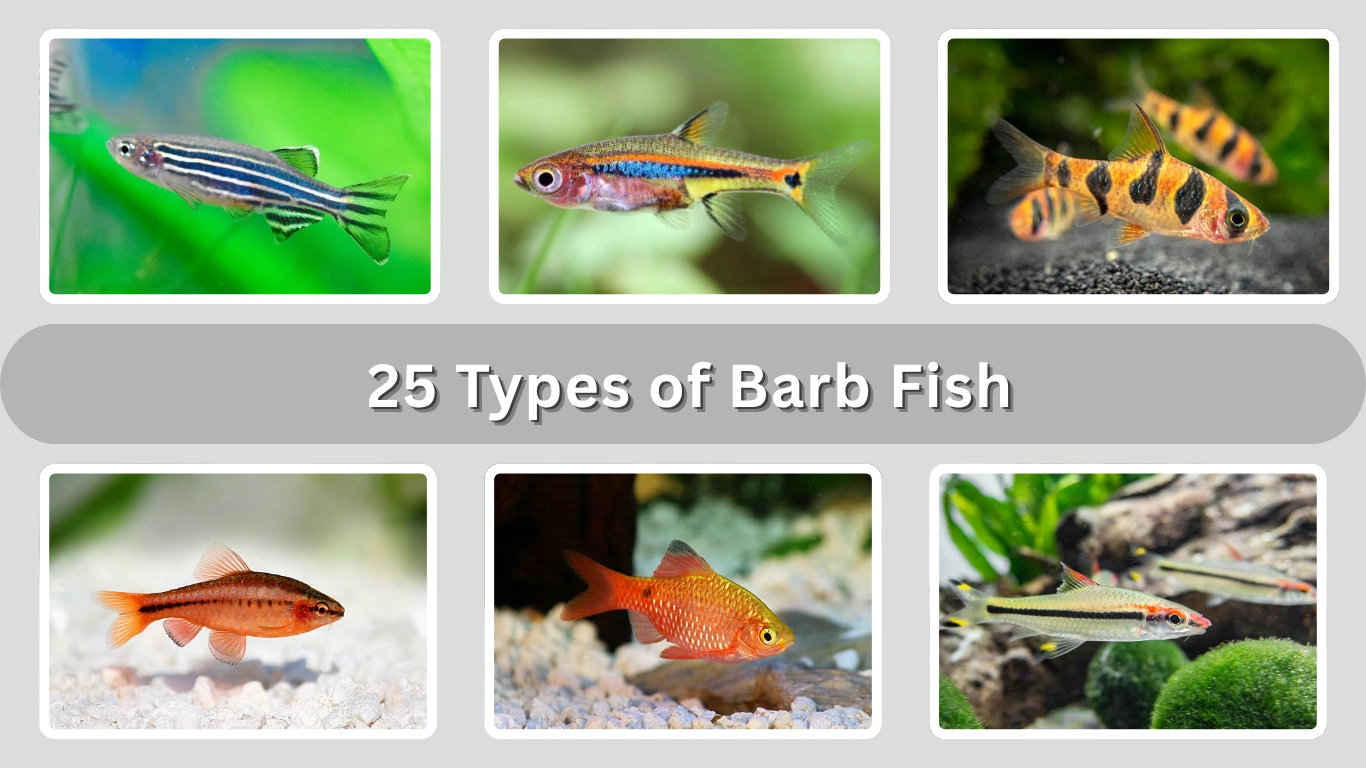
Barb fish are among the most active, colorful, and popular freshwater aquarium fish kept by hobbyists around the world. They come in many sizes, colors, and patterns, ranging from the bold Tiger Barb to the peaceful Cherry Barb and the large Tinfoil Barb. Most barb species are social fish that thrive in groups and add constant movement to community aquariums. Their hardy nature and attractive appearance make them suitable for both beginners and experienced aquarists. Learning about different barb fish types can help aquarium keepers choose the best species for their tank setup and care preferences.
1. Tiger Barb
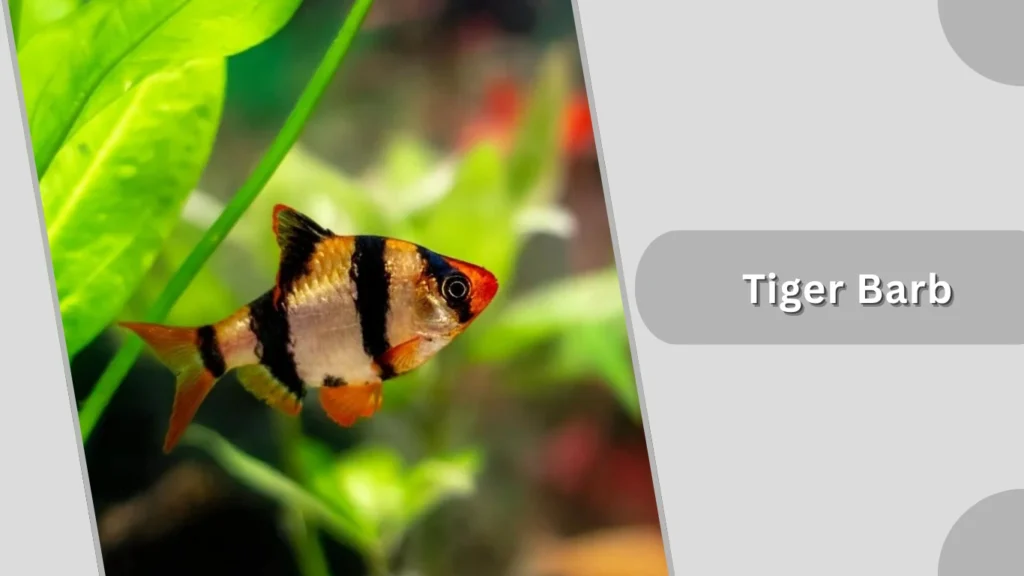
Tiger Barb is one of the most popular and energetic barb fish found in freshwater aquariums. It is admired for its bold black stripes, active swimming behavior, and playful personality. This species is highly social and is best kept in groups to reduce aggression. Tiger Barbs are hardy fish that adapt well to community tanks, making them a favorite choice for both beginner and experienced aquarium enthusiasts around the world.
Identification
- Orange-gold body coloration
- Bold black vertical stripes
- Bright red or orange fins
- Small and active body shape
- Distinctive tiger-like appearance
Appearance
The Tiger Barb has a shiny golden or orange body marked with dark vertical bands that resemble tiger stripes. Its fins often display bright reddish-orange colors, especially during breeding or healthy conditions. The fish has a compact body shape designed for fast and active swimming.
Behavior
Tiger Barbs are energetic and playful fish that enjoy swimming in groups. They can become aggressive or fin-nipping if kept alone or in small numbers. When maintained in schools, they usually display more natural and social behavior within the aquarium.
Habitat Needs
This barb species thrives in warm freshwater aquariums with good filtration and open swimming space. Plants, driftwood, and hiding spots help create a comfortable environment. Tiger Barbs prefer stable water conditions and should be kept in groups of at least six fish.
Lifespan
Tiger Barbs generally live between 5 and 7 years with proper care. A balanced diet, clean water, and suitable tank conditions help maintain their health, vibrant colors, and active lifestyle throughout their lifespan.
2. Cherry Barb
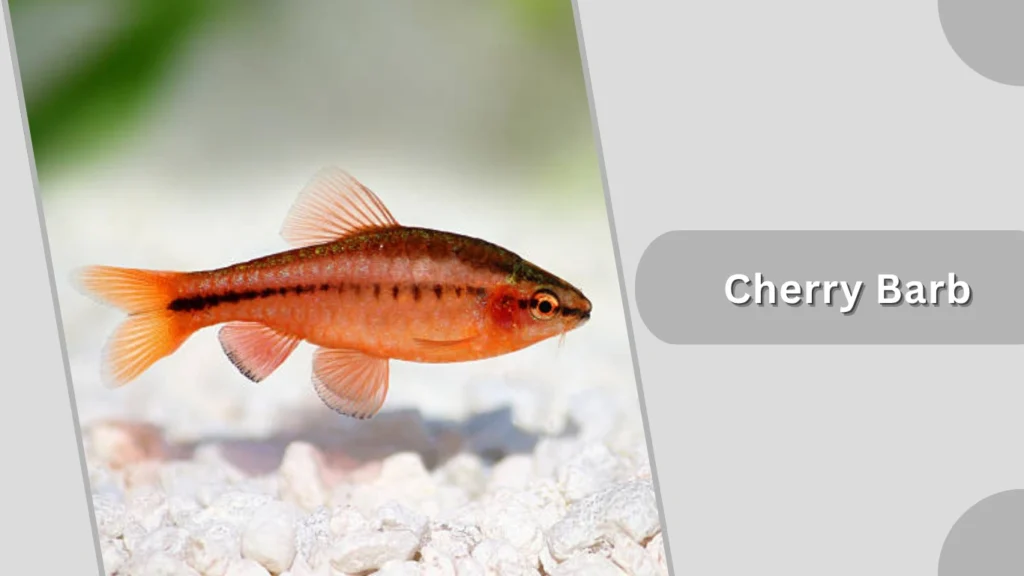
Cherry Barb is a peaceful and colorful barb species popular in freshwater aquariums. It is especially admired for its bright red coloration, calm temperament, and compatibility with community fish. Native to Sri Lanka, this small barb is easy to care for and adapts well to planted tanks. Cherry Barbs are social fish that thrive in groups, making them an excellent choice for beginner and experienced aquarium keepers who prefer active yet peaceful fish species.
Identification
- Bright red body coloration
- Slender and streamlined shape
- Dark horizontal stripe along the body
- Males display deeper red colors
- Small and peaceful barb species
Appearance
The Cherry Barb has a sleek body with vibrant red shades, especially in males during breeding conditions. Females are usually lighter with more subdued coloration. A dark horizontal stripe runs from the head to the tail, adding contrast to the bright body color.
Behavior
Cherry Barbs are peaceful and social fish that do well in community aquariums. They enjoy swimming in small groups and rarely show aggressive behavior. This species is active but calm, making it suitable for tanks with other non-aggressive freshwater fish.
Habitat Needs
This barb species thrives in warm freshwater aquariums with plants, gentle filtration, and stable water conditions. Dense vegetation and shaded areas help them feel secure and display natural behavior. Cherry Barbs prefer to live in schools for comfort and reduced stress.
Lifespan
Cherry Barbs generally live between 4 and 7 years with proper care. Clean water, a balanced diet, and a peaceful environment are important for maintaining their health, vibrant coloration, and active behavior throughout their lifespan.
3. Rosy Barb
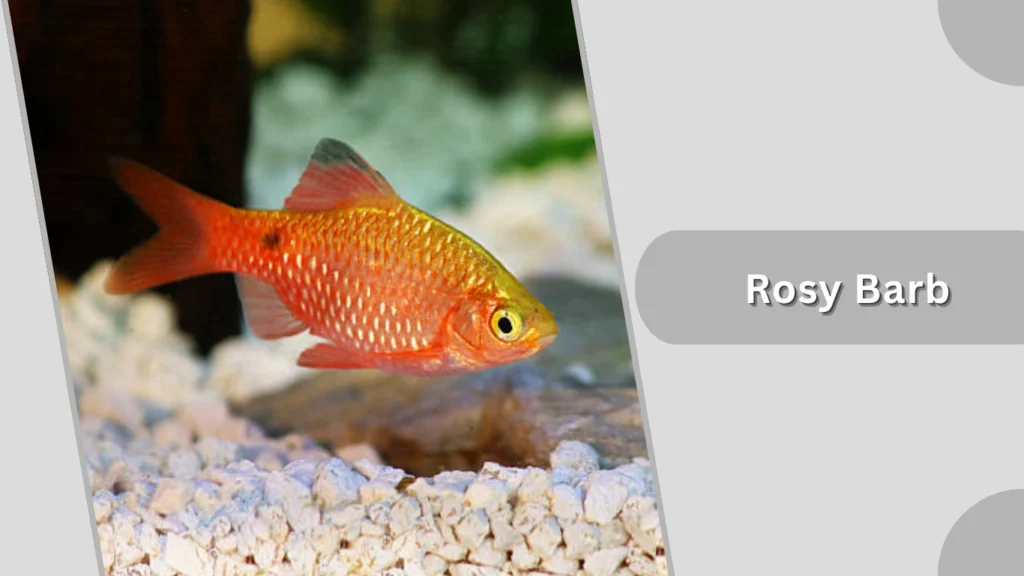
Rosy Barb is a lively and attractive barb species known for its shimmering pinkish-red coloration and active swimming behavior. It is one of the larger and hardier barb fish commonly kept in freshwater aquariums. Native to South Asia, this species adapts well to different water conditions and is suitable for community tanks. Rosy Barbs are social fish that enjoy swimming in groups and are appreciated for their energetic nature and beautiful metallic appearance.
Identification
- Pinkish-red body coloration
- Metallic golden body shine
- Forked tail fin structure
- Males display brighter breeding colors
- Larger size than many barb species
Appearance
The Rosy Barb has a sleek body with metallic pink, gold, or reddish tones that become more vibrant in males during breeding season. Its fins may display reddish shades, while the body often reflects light with a shiny appearance. The fish has a streamlined shape suited for active swimming.
Behavior
Rosy Barbs are active and social fish that prefer living in groups. They are generally peaceful but may occasionally nip fins if kept in small numbers. This species enjoys open swimming areas and interacts actively with other fish in the aquarium.
Habitat Needs
This barb species thrives in spacious freshwater aquariums with good filtration and moderate water movement. Plants, rocks, and driftwood help create a natural environment while still allowing enough swimming space. Rosy Barbs prefer stable water conditions and group living for comfort.
Lifespan
Rosy Barbs typically live between 5 and 7 years with proper care. A balanced diet, regular water maintenance, and a stress-free environment help maintain their health, bright coloration, and energetic behavior throughout their lifespan.
4. Gold Barb
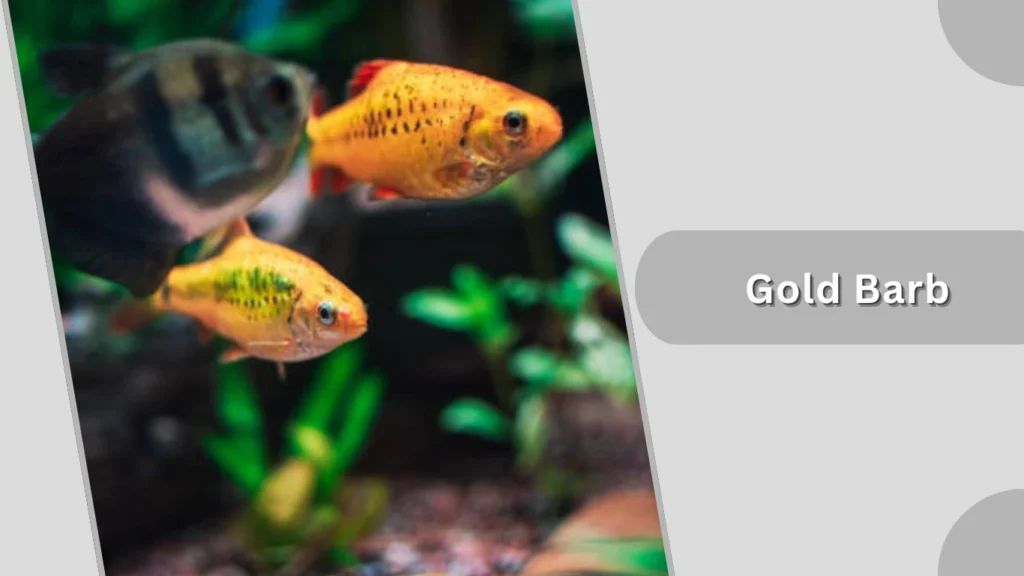
Gold Barb is a peaceful and colorful freshwater fish admired for its bright golden body and active swimming behavior. It is a popular aquarium species because of its hardy nature, social personality, and compatibility with many community fish. Originally developed from the Chinese Barb, this species is easy to care for and adapts well to planted aquariums. Gold Barbs are ideal for beginners and experienced fish keepers who want lively and attractive schooling fish.
Identification
- Bright golden-yellow body coloration
- Small and streamlined body shape
- Transparent or lightly colored fins
- Dark markings near the tail area
- Peaceful schooling barb species
Appearance
The Gold Barb has a shiny golden body that reflects light beautifully in the aquarium. Some individuals may display greenish or bronze tones depending on lighting and breeding conditions. Its fins are usually clear or lightly tinted, giving the fish a clean and elegant appearance.
Behavior
Gold Barbs are peaceful, social, and active fish that enjoy swimming in groups. They rarely show aggression and are considered excellent community fish. This species spends much of its time exploring open swimming areas and interacting with tank mates.
Habitat Needs
This barb species thrives in freshwater aquariums with plants, open swimming space, and gentle water movement. Stable water conditions and clean filtration help maintain their health and coloration. Gold Barbs feel more secure and display natural behavior when kept in schools.
Lifespan
Gold Barbs generally live between 4 and 6 years with proper care. A nutritious diet, regular water changes, and a low-stress environment help support their health, vibrant coloration, and active lifestyle throughout their lifespan.
5. Odessa Barb
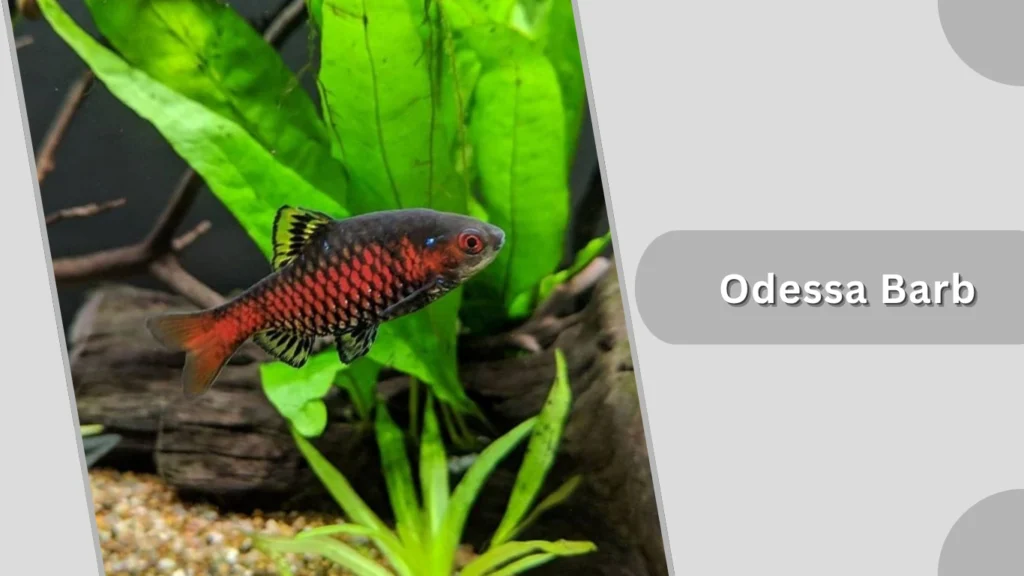
Odessa Barb is a striking freshwater barb species known for its vivid red stripe and shimmering silver body. This energetic fish became popular in the aquarium hobby because of its beautiful coloration and active schooling behavior. Males display especially bright colors during breeding and healthy conditions, making them highly attractive in community tanks. Odessa Barbs are hardy, social fish that adapt well to aquarium life and are suitable for both beginner and experienced fish keepers.
Identification
- Bright red stripe along the body
- Metallic silver body coloration
- Black markings near the fins
- Streamlined and active body shape
- Males show more intense colors
Appearance
The Odessa Barb has a shiny silver body highlighted by a bold red stripe running from head to tail. Males develop stronger red coloration and darker fin markings, especially during breeding periods. Its sleek body and reflective scales create a vibrant appearance under aquarium lighting.
Behavior
Odessa Barbs are active and social fish that prefer swimming in groups. They are generally peaceful but can become slightly fin-nippy if kept in very small schools. This species enjoys exploring open swimming areas and interacting with other active community fish.
Habitat Needs
This barb species thrives in freshwater aquariums with stable water conditions, moderate filtration, and plenty of swimming space. Plants, driftwood, and smooth decorations help create a natural environment while still allowing room for active movement. Keeping them in groups reduces stress and aggression.
Lifespan
Odessa Barbs generally live between 4 and 6 years with proper care. A balanced diet, clean water, and suitable tank conditions help maintain their health, vibrant coloration, and energetic behavior throughout their lifespan.
6. Black Ruby Barb
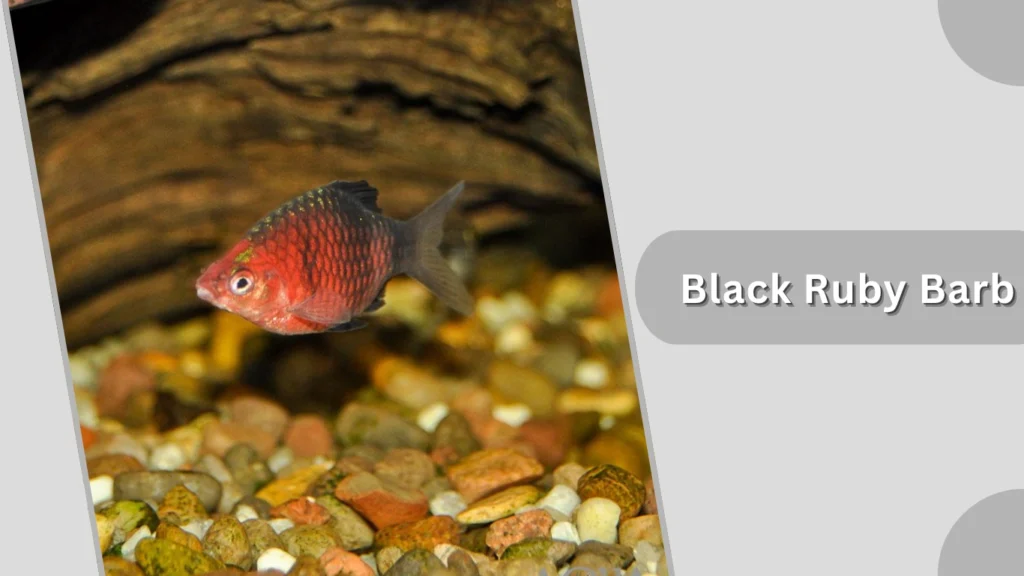
Black Ruby Barb is a beautiful freshwater barb species admired for its deep red and black coloration. Native to Sri Lanka, this fish becomes especially vibrant during breeding, when males develop rich ruby-red tones across the body. It is a peaceful and active schooling fish that does well in planted community aquariums. Black Ruby Barbs are popular among aquarium enthusiasts because of their elegant appearance, hardy nature, and compatibility with many other freshwater fish species.
Identification
- Dark black and ruby-red body coloration
- Males develop brighter breeding colors
- Rounded and compact body shape
- Black markings on the body and fins
- Peaceful schooling barb species
Appearance
The Black Ruby Barb has a rounded body with dark black shading and rich ruby-red coloration, especially in mature males. Females are usually lighter with less intense colors. Its scales often reflect light beautifully, giving the fish a metallic and elegant appearance in aquariums.
Behavior
Black Ruby Barbs are peaceful and social fish that prefer living in groups. They are active swimmers but generally calm around other community fish. Keeping them in schools helps reduce stress and encourages more natural and confident behavior inside the aquarium.
Habitat Needs
This barb species thrives in planted freshwater aquariums with gentle water movement and stable conditions. Dense plants, driftwood, and shaded areas help recreate their natural habitat and improve comfort. Clean water and group living are important for maintaining healthy behavior and coloration.
Lifespan
Black Ruby Barbs generally live between 5 and 7 years with proper care. A balanced diet, regular water maintenance, and a peaceful aquarium environment help support their health, activity, and vibrant ruby coloration throughout their lifespan.
7. Denison Barb
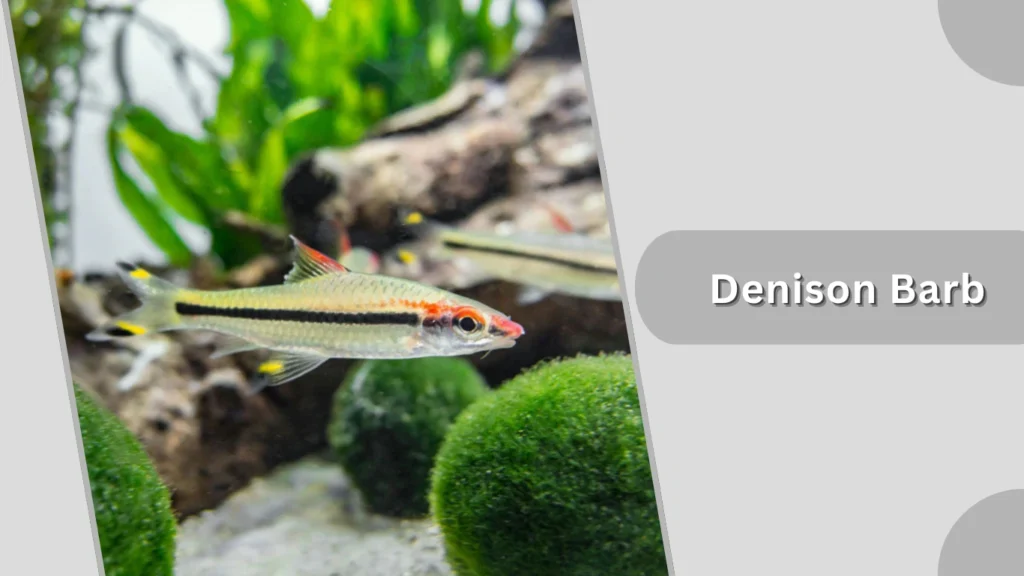
Denison Barb, also known as the Roseline Shark, is a fast-swimming and highly attractive freshwater fish recognized for its bright red stripe and streamlined silver body. Native to India, this barb species is popular in large community aquariums because of its peaceful nature and energetic schooling behavior. Its striking colors and torpedo-shaped body make it one of the most eye-catching barb fish among aquarium enthusiasts and freshwater fish collectors around the world.
Identification
- Bright red stripe from head to body
- Silver torpedo-shaped body
- Black horizontal body stripe
- Yellow and black tail markings
- Fast and active swimming behavior
Appearance
The Denison Barb has a sleek silver body with a bold black stripe running horizontally along the side. A bright red stripe extends from the nose toward the middle of the body, creating strong visual contrast. Its tail features yellow and black markings that add to its striking appearance.
Behavior
Denison Barbs are active and peaceful fish that prefer swimming in groups. They are energetic swimmers and require plenty of open space inside the aquarium. This species is social and usually coexists well with other non-aggressive freshwater fish in community tanks.
Habitat Needs
This barb species thrives in spacious freshwater aquariums with strong filtration, clean water, and moderate water movement. Plants, rocks, and driftwood help create a natural environment while still leaving enough room for active swimming. Keeping them in schools helps reduce stress and improve behavior.
Lifespan
Denison Barbs generally live between 5 and 8 years with proper care. A high-quality diet, stable water conditions, and regular tank maintenance help support their health, vibrant coloration, and active lifestyle throughout their lifespan.
8. Tinfoil Barb
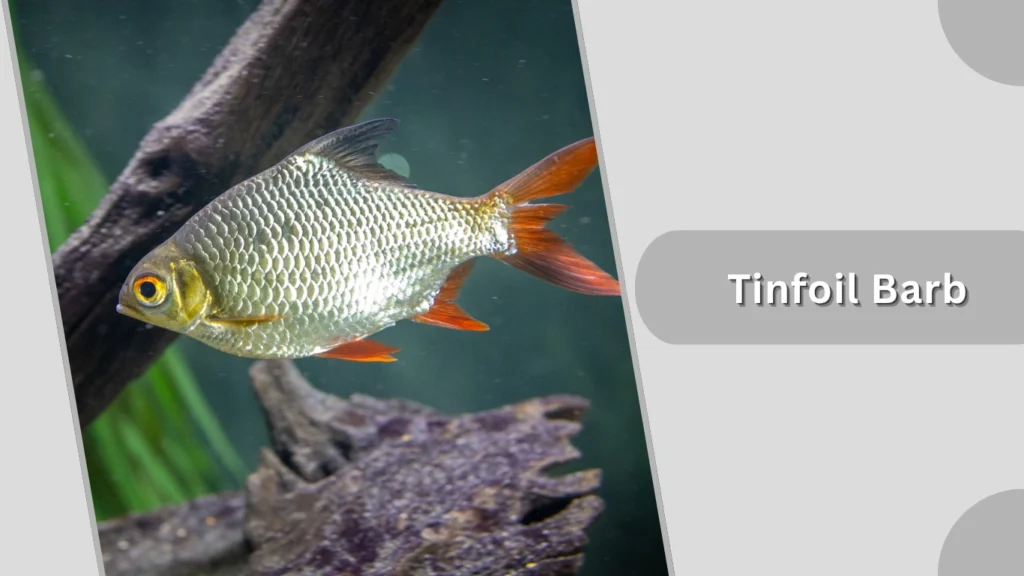
Tinfoil Barb is a large and energetic freshwater fish known for its shiny silver body and fast swimming behavior. It gets its name from the metallic appearance of its reflective scales, which resemble tinfoil under aquarium lighting. This species is popular in large aquariums because of its active personality and peaceful nature. Tinfoil Barbs are schooling fish that thrive in groups and are best suited for spacious tanks with plenty of swimming room.
Identification
- Large silver metallic body
- Reflective tinfoil-like scales
- Red or orange fin coloration
- Deep forked tail fin
- Fast and active swimming behavior
Appearance
The Tinfoil Barb has a sleek silver body covered with highly reflective scales that shimmer under light. Its fins often display red, orange, or black edging, especially on the dorsal and tail fins. The fish has a streamlined shape designed for constant active swimming.
Behavior
Tinfoil Barbs are peaceful and social fish that prefer living in schools. They are extremely active swimmers and need plenty of open space inside the aquarium. This species generally coexists well with other large, non-aggressive freshwater fish in community tanks.
Habitat Needs
This barb species thrives in large freshwater aquariums with strong filtration, stable water conditions, and open swimming areas. Plants and decorations should not overcrowd the tank because these fish require space for movement. Keeping them in groups helps reduce stress and encourages natural behavior.
Lifespan
Tinfoil Barbs generally live between 8 and 10 years with proper care. A nutritious diet, clean water, and spacious tank conditions help maintain their health, metallic coloration, and active lifestyle throughout their lifespan.
9. Clown Barb
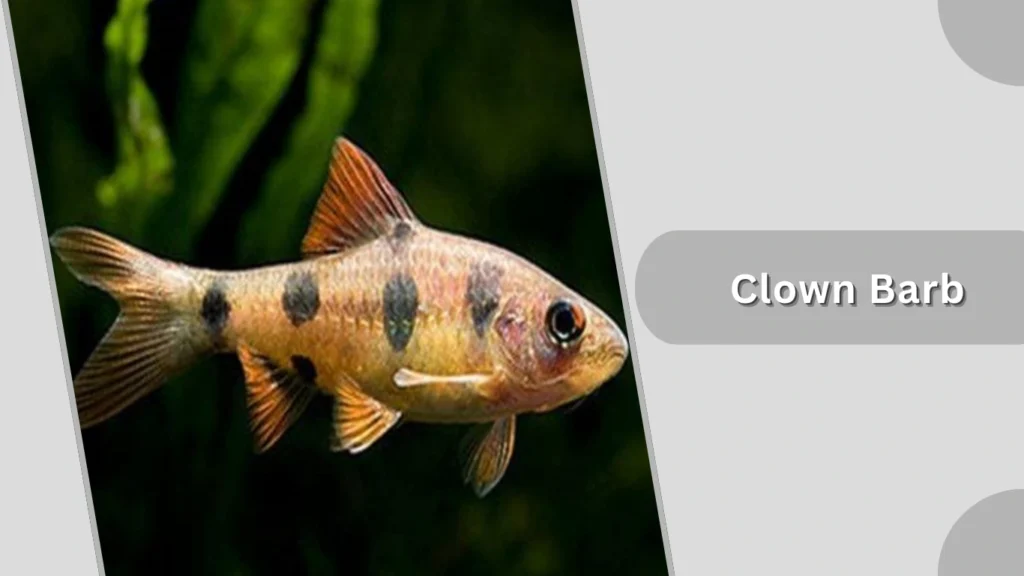
Clown Barb is a colorful and active freshwater barb species admired for its playful behavior and attractive body markings. Native to Southeast Asia, this fish is larger than many common barb species and is best suited for spacious aquariums. Clown Barbs are social fish that enjoy living in groups and are known for their energetic swimming patterns. Their unique coloration and lively personality make them a popular choice for experienced aquarium hobbyists and community tank setups.
Identification
- Golden body with dark blotches
- Red or orange fin coloration
- Large and active barb species
- Rounded body shape
- Distinctive clown-like markings
Appearance
The Clown Barb has a golden or bronze body decorated with dark irregular patches along the sides. Its fins often display reddish or orange shades, adding contrast to the body coloration. The fish has a sturdy and rounded shape that supports its energetic swimming style.
Behavior
Clown Barbs are active and social fish that prefer swimming in groups. They are generally peaceful but can become boisterous in smaller tanks. This species enjoys exploring open areas and interacting with other active freshwater fish in community aquariums.
Habitat Needs
This barb species thrives in large freshwater aquariums with good filtration, stable water conditions, and plenty of swimming space. Plants, rocks, and driftwood help create a natural environment while still leaving open areas for movement. Group living helps reduce stress and improves natural behavior.
Lifespan
Clown Barbs generally live between 5 and 8 years with proper care. A balanced diet, regular tank maintenance, and spacious aquarium conditions help support their health, coloration, and energetic lifestyle throughout their lifespan.
10. Checker Barb
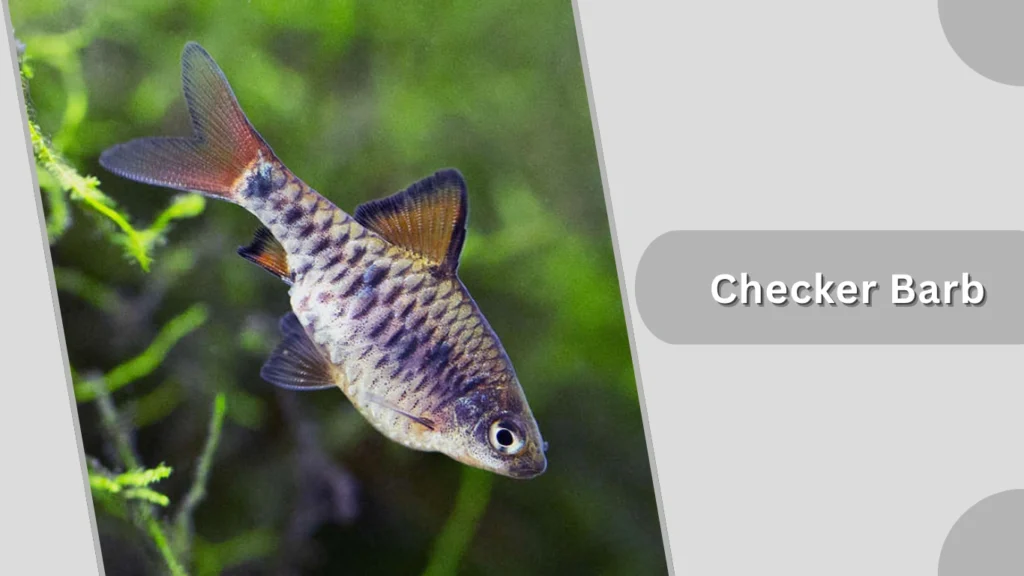
Checker Barb is a peaceful and attractive freshwater barb species known for its unique checkerboard-like body pattern. This small and active fish is popular among aquarium hobbyists because of its calm temperament and compatibility with community tanks. Native to Southeast Asia, the Checker Barb thrives in planted aquariums and enjoys swimming in groups. Its subtle coloration, graceful movement, and social behavior make it a favorite choice for aquarists who prefer peaceful schooling fish.
Identification
- Checkerboard-like body markings
- Small and slender body shape
- Transparent or lightly colored fins
- Peaceful schooling behavior
- Subtle silver and brown coloration
Appearance
The Checker Barb has a slim silver or light brown body decorated with dark patterned markings that resemble a checker design. Its fins are usually transparent with slight yellow or orange tones. The fish displays a soft metallic shine under aquarium lighting.
Behavior
Checker Barbs are peaceful and social fish that prefer living in groups. They are active swimmers but remain calm around other community species. This barb spends much of its time exploring plants and open swimming areas inside the aquarium.
Habitat Needs
This barb species thrives in planted freshwater aquariums with gentle filtration and stable water conditions. Dense vegetation, driftwood, and shaded spaces help recreate a natural habitat and reduce stress. Keeping them in schools encourages healthy and confident behavior.
Lifespan
Checker Barbs generally live between 4 and 6 years with proper care. Clean water, a balanced diet, and a peaceful aquarium environment help support their health, natural coloration, and active lifestyle throughout their lifespan.
11. Snakeskin Barb
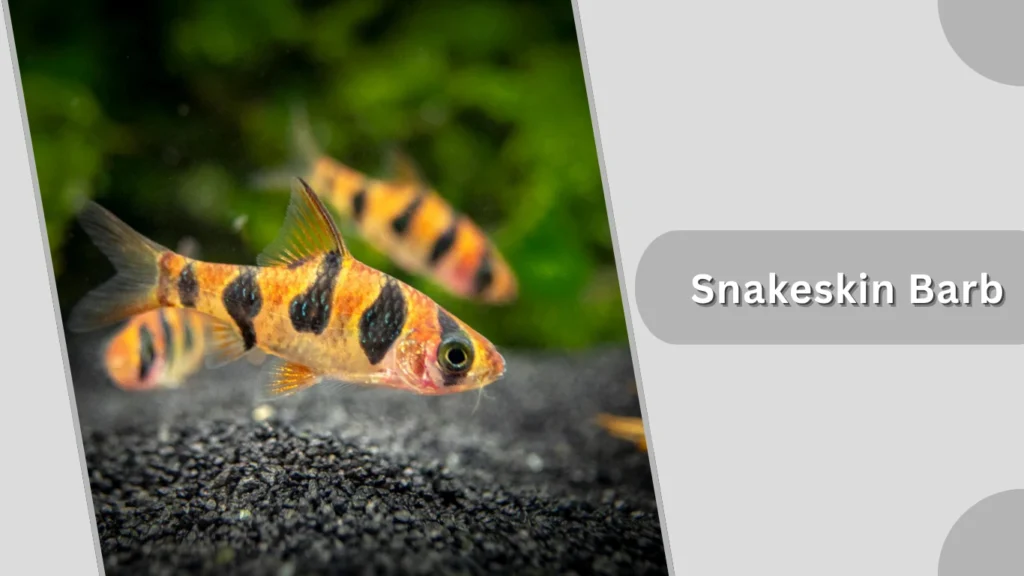
Snakeskin Barb is a distinctive freshwater barb species admired for the intricate scale pattern that resembles snake skin. This attractive fish is popular among aquarium enthusiasts because of its unique markings, active behavior, and peaceful schooling nature. Native to Southeast Asia, Snakeskin Barbs thrive in community aquariums with plenty of swimming space and plants. Their unusual body pattern and energetic personality make them an eye-catching addition to freshwater aquarium setups.
Identification
- Snake-like scale pattern on the body
- Silver or golden body coloration
- Dark irregular body markings
- Active and social swimming behavior
- Streamlined barb body shape
Appearance
The Snakeskin Barb has a shiny silver or golden body covered with dark patterned scales that create a snakeskin-like appearance. Its fins are usually transparent or lightly tinted with yellow or orange shades. The reflective scales give the fish an attractive appearance under aquarium lighting.
Behavior
Snakeskin Barbs are peaceful and active fish that enjoy swimming in groups. They are social by nature and display more confident behavior when kept in schools. This species spends much of its time exploring open areas and interacting with tank mates.
Habitat Needs
This barb species thrives in freshwater aquariums with stable water conditions, gentle filtration, and open swimming space. Live plants, driftwood, and hiding spots help recreate a comfortable natural environment. Group living helps reduce stress and supports healthy social behavior.
Lifespan
Snakeskin Barbs generally live between 4 and 6 years with proper care. A balanced diet, regular water maintenance, and a peaceful aquarium setup help maintain their health, activity, and attractive body patterns throughout their lifespan.
12. Pentazona Barb
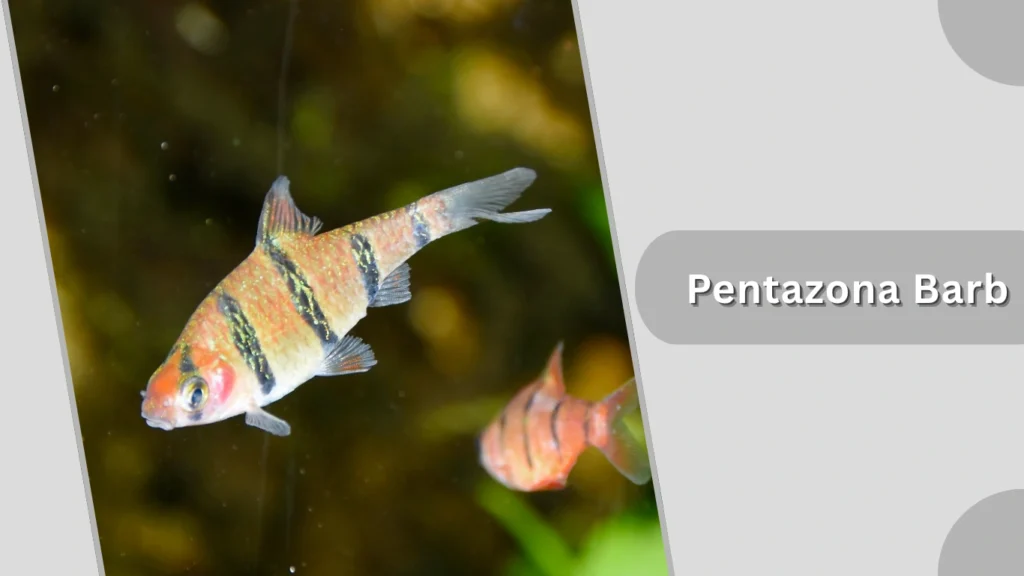
Pentazona Barb is a peaceful and visually attractive freshwater barb species often confused with the Tiger Barb because of its striped body pattern. However, this species is generally calmer and more suitable for community aquariums. Native to Southeast Asia, Pentazona Barbs are admired for their bold black bands, golden body coloration, and schooling behavior. Their peaceful nature and elegant appearance make them a popular choice for planted aquariums and mixed freshwater community tanks.
Identification
- Five bold black vertical bands
- Golden-orange body coloration
- Rounded and compact body shape
- Peaceful schooling barb species
- Similar appearance to Tiger Barb
Appearance
The Pentazona Barb has a golden or copper-colored body marked with five dark vertical stripes. Its fins are usually transparent with subtle reddish or orange tones. The strong contrast between the body color and dark bands creates a striking appearance in aquariums.
Behavior
Pentazona Barbs are peaceful and social fish that prefer swimming in groups. Unlike Tiger Barbs, they are less aggressive and rarely nip fins. This species enjoys calm interaction with other community fish and actively explores plants and open swimming areas.
Habitat Needs
This barb species thrives in planted freshwater aquariums with stable water conditions and gentle filtration. Dense vegetation, driftwood, and shaded areas help recreate their natural habitat and reduce stress. Keeping them in schools improves their confidence and social behavior.
Lifespan
Pentazona Barbs generally live between 4 and 6 years with proper care. A balanced diet, clean water, and a peaceful aquarium environment help support their health, coloration, and active lifestyle throughout their lifespan.
13. Melon Barb
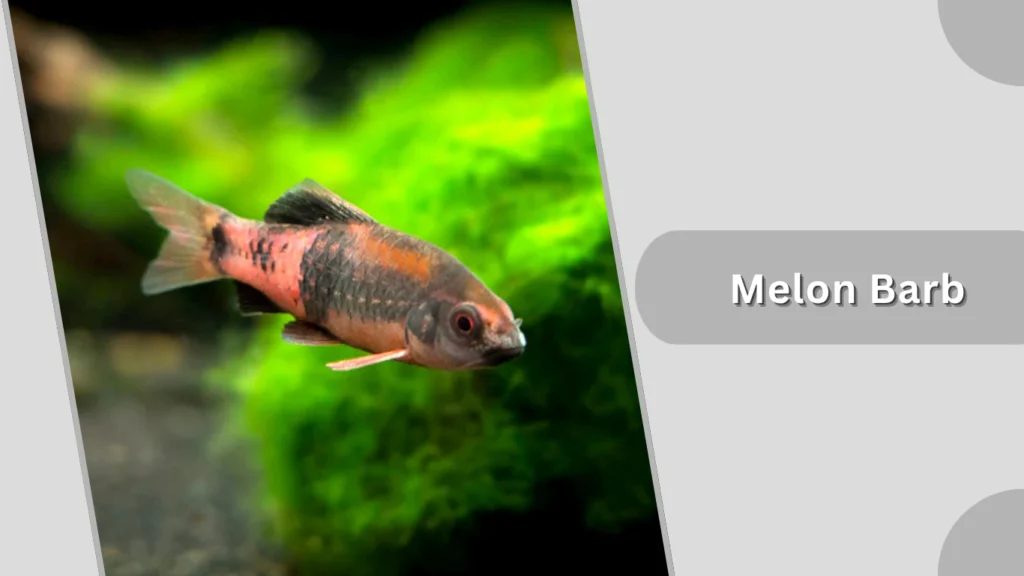
Melon Barb is a colorful and peaceful freshwater barb species known for its warm orange and reddish body tones. This attractive fish is popular among aquarium enthusiasts because of its calm temperament, active schooling behavior, and compatibility with community tanks. Native to Southeast Asia, the Melon Barb adapts well to planted aquariums and thrives in groups. Its vibrant coloration and graceful swimming style make it a beautiful addition to freshwater aquarium setups.
Identification
- Orange or reddish body coloration
- Small and streamlined body shape
- Transparent or lightly tinted fins
- Peaceful schooling behavior
- Metallic body shine under lighting
Appearance
The Melon Barb has a slim body with soft orange, peach, or reddish coloration that becomes brighter in healthy conditions. Its fins are generally transparent with subtle yellow or orange shades. The body often displays a reflective metallic sheen under aquarium lighting.
Behavior
Melon Barbs are peaceful and social fish that prefer living in schools. They are active swimmers that enjoy exploring open areas and swimming through plants. This species is calm around other community fish and rarely displays aggressive behavior.
Habitat Needs
This barb species thrives in planted freshwater aquariums with gentle filtration and stable water conditions. Dense vegetation, driftwood, and open swimming space help recreate a comfortable natural habitat. Keeping them in groups reduces stress and encourages natural social behavior.
Lifespan
Melon Barbs generally live between 4 and 6 years with proper care. A nutritious diet, clean water, and a peaceful aquarium environment help support their health, vibrant coloration, and active lifestyle throughout their lifespan.
14. Filament Barb
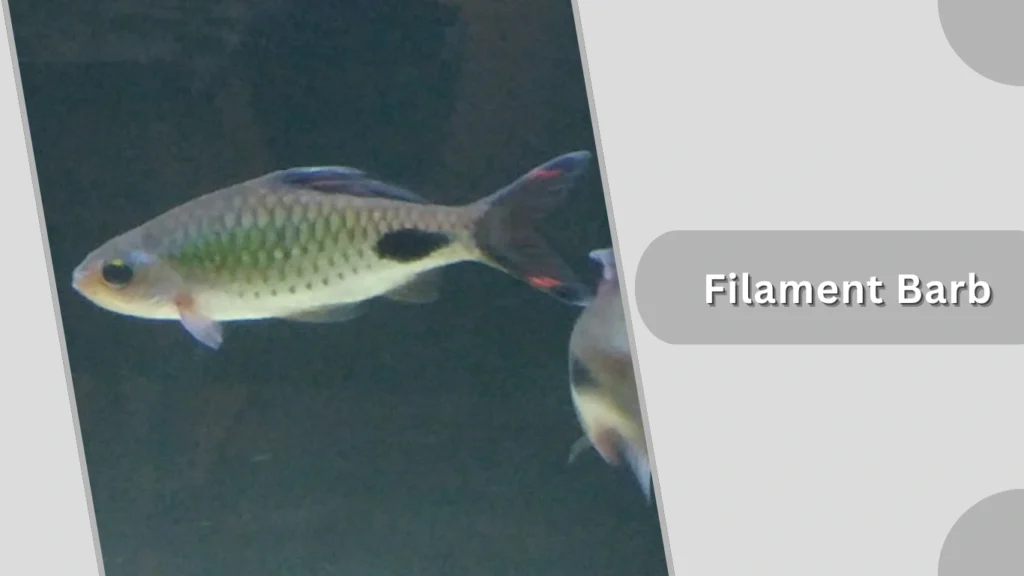
Filament Barb is a graceful freshwater barb species recognized for the long filament-like extensions on its dorsal fin, especially in mature males. This elegant fish is popular among aquarium hobbyists because of its peaceful nature, active swimming behavior, and shiny metallic coloration. Native to India and Sri Lanka, Filament Barbs thrive in spacious community aquariums with groups of their own kind. Their unique fin structure and energetic personality make them attractive additions to freshwater aquarium collections.
Identification
- Long filament-like dorsal fin extensions
- Metallic silver or golden body coloration
- Larger size compared to small barbs
- Active schooling behavior
- Males display more pronounced fin filaments
Appearance
The Filament Barb has a shiny silver or golden body with reflective scales that create a metallic appearance under aquarium lighting. Mature males develop elongated dorsal fin filaments that give the species its name. Its fins may also display reddish or yellowish shades.
Behavior
Filament Barbs are peaceful and social fish that prefer living in groups. They are active swimmers and enjoy exploring open areas within the aquarium. This species generally coexists well with other non-aggressive community fish and displays energetic but calm behavior.
Habitat Needs
This barb species thrives in spacious freshwater aquariums with good filtration, stable water conditions, and open swimming space. Plants, rocks, and driftwood help create a natural environment while still allowing enough room for movement. Group living supports healthy social interaction and reduces stress.
Lifespan
Filament Barbs generally live between 5 and 7 years with proper care. A balanced diet, regular water maintenance, and suitable tank conditions help maintain their health, coloration, and elegant fin structure throughout their lifespan.
15. Jae Barb
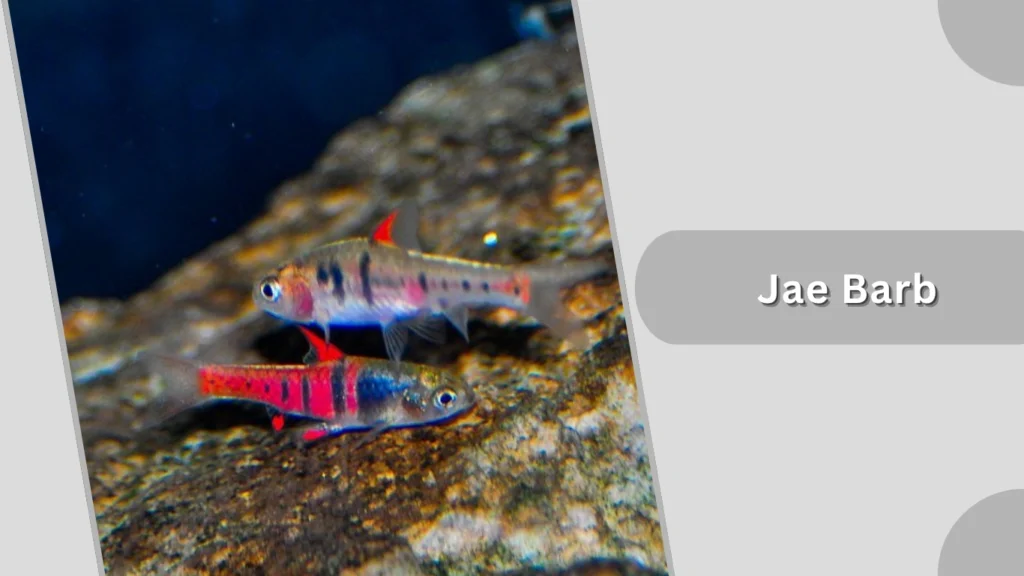
Jae Barb is a small and colorful freshwater barb species admired for its peaceful temperament and vibrant body coloration. Native to Africa, this species is popular in nano and planted aquariums because of its calm behavior and attractive appearance. Male Jae Barbs often display brighter colors during breeding conditions, making them especially eye-catching in community tanks. Their small size, active schooling behavior, and compatibility with other peaceful fish make them a favorite among aquarium enthusiasts.
Identification
- Small and slender body shape
- Bright red, orange, or yellow coloration
- Dark horizontal body stripe
- Transparent or lightly colored fins
- Peaceful schooling barb species
Appearance
The Jae Barb has a slim body with vibrant shades of red, orange, gold, or yellow depending on mood and breeding condition. A dark horizontal stripe often runs along the body, creating contrast with the bright coloration. Its reflective scales add a metallic shine under aquarium lighting.
Behavior
Jae Barbs are peaceful and social fish that prefer living in groups. They are active swimmers but remain calm around other community fish. This species enjoys exploring planted areas and open swimming spaces while displaying natural schooling behavior.
Habitat Needs
This barb species thrives in planted freshwater aquariums with gentle filtration and stable water conditions. Dense vegetation, driftwood, and shaded areas help recreate a comfortable natural habitat. Keeping them in schools reduces stress and encourages more confident behavior.
Lifespan
Jae Barbs generally live between 3 and 5 years with proper care. A balanced diet, clean water, and a peaceful aquarium environment help support their health, vibrant coloration, and active lifestyle throughout their lifespan.
16. Green Stripe Barb
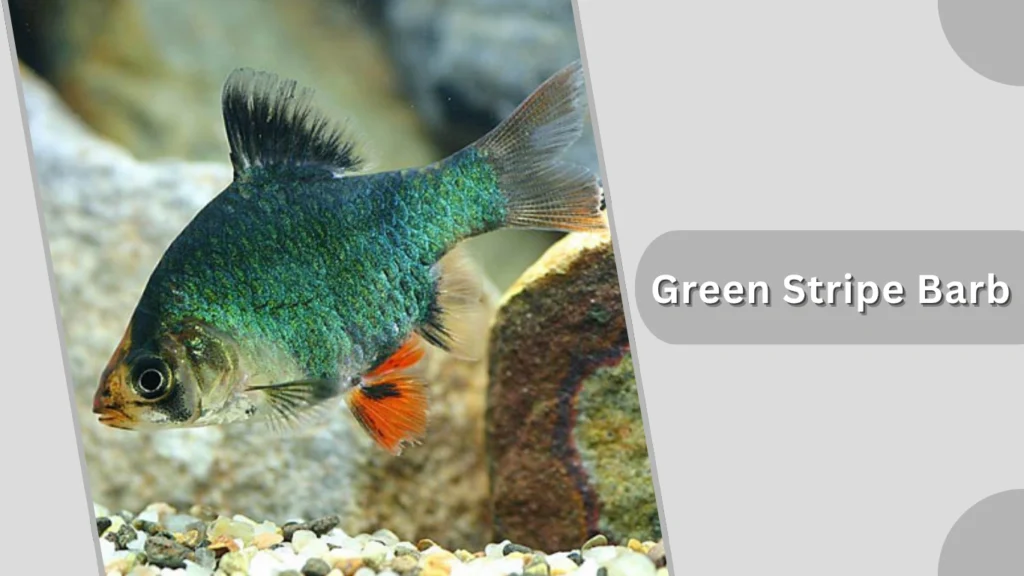
Green Stripe Barb is an attractive freshwater barb species known for the shimmering green stripe that runs along its body. This peaceful and active fish is popular among aquarium enthusiasts because of its metallic coloration, schooling behavior, and compatibility with community tanks. Native to Southeast Asia, Green Stripe Barbs thrive in planted aquariums with stable water conditions. Their reflective body colors and energetic swimming style make them a beautiful addition to freshwater aquarium environments.
Identification
- Bright green horizontal body stripe
- Metallic silver or golden body coloration
- Small and streamlined body shape
- Active schooling behavior
- Transparent or lightly colored fins
Appearance
The Green Stripe Barb has a slim silver or golden body highlighted by a glowing green stripe along the sides. Its reflective scales create a metallic shimmer under aquarium lighting. The fins are usually transparent with subtle yellow or orange shades depending on the individual fish.
Behavior
Green Stripe Barbs are peaceful and social fish that prefer swimming in groups. They are active swimmers that enjoy exploring plants and open areas inside the aquarium. This species generally coexists well with other calm freshwater fish in community tank setups.
Habitat Needs
This barb species thrives in planted freshwater aquariums with stable temperatures, gentle filtration, and clean water conditions. Dense vegetation, driftwood, and swimming space help create a natural and stress-free environment. Keeping them in schools encourages healthy social interaction and confidence.
Lifespan
Green Stripe Barbs generally live between 4 and 6 years with proper care. A balanced diet, regular water changes, and a peaceful aquarium environment help maintain their health, vibrant coloration, and active behavior throughout their lifespan.
17. Mascara Barb
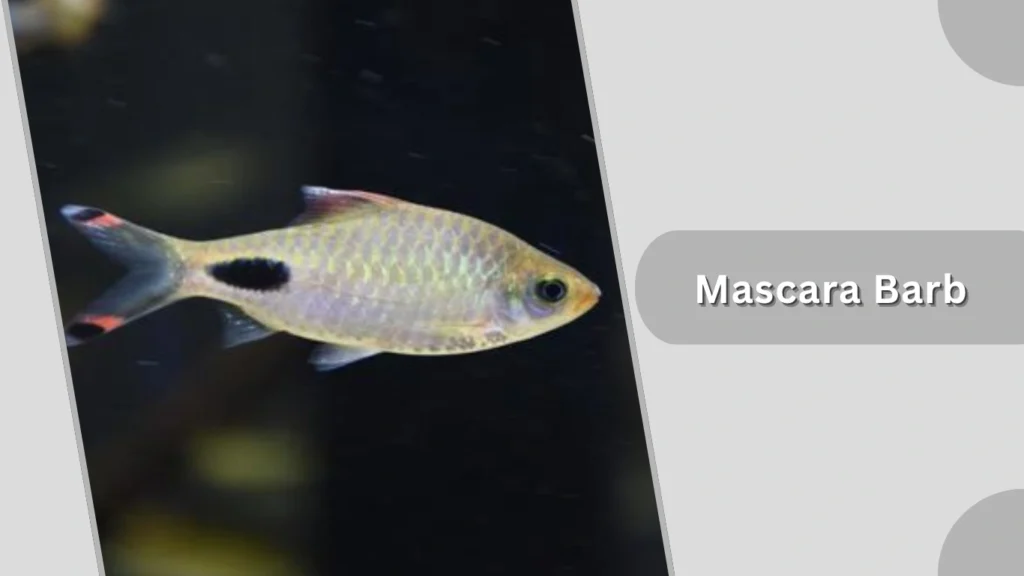
Mascara Barb is a rare and visually appealing freshwater barb species admired for its dark facial markings and active swimming behavior. This fish is popular among dedicated aquarium hobbyists because of its unique appearance, peaceful nature, and compatibility with community tanks. Native to Southeast Asia, Mascara Barbs thrive in planted aquariums with groups of their own kind. Their elegant coloration and social personality make them attractive additions to freshwater aquarium collections and peaceful aquatic environments.
Identification
- Dark mask-like facial markings
- Silver or golden body coloration
- Streamlined and active body shape
- Transparent or lightly tinted fins
- Peaceful schooling barb species
Appearance
The Mascara Barb has a shiny silver or golden body with distinctive dark markings around the eyes and face, creating a mask-like appearance. Its scales reflect light softly under aquarium lighting, while the fins remain mostly transparent with subtle color accents.
Behavior
Mascara Barbs are peaceful and social fish that prefer swimming in groups. They are active swimmers and enjoy exploring planted areas and open spaces inside the aquarium. This species generally coexists well with other calm community fish without showing aggressive behavior.
Habitat Needs
This barb species thrives in planted freshwater aquariums with stable water conditions and gentle filtration. Dense plants, driftwood, and shaded areas help recreate a natural habitat and reduce stress. Keeping them in schools encourages natural social behavior and improves confidence.
Lifespan
Mascara Barbs generally live between 4 and 6 years with proper care. A balanced diet, clean water, and a peaceful aquarium environment help support their health, activity, and attractive coloration throughout their lifespan.
18. Arulius Barb
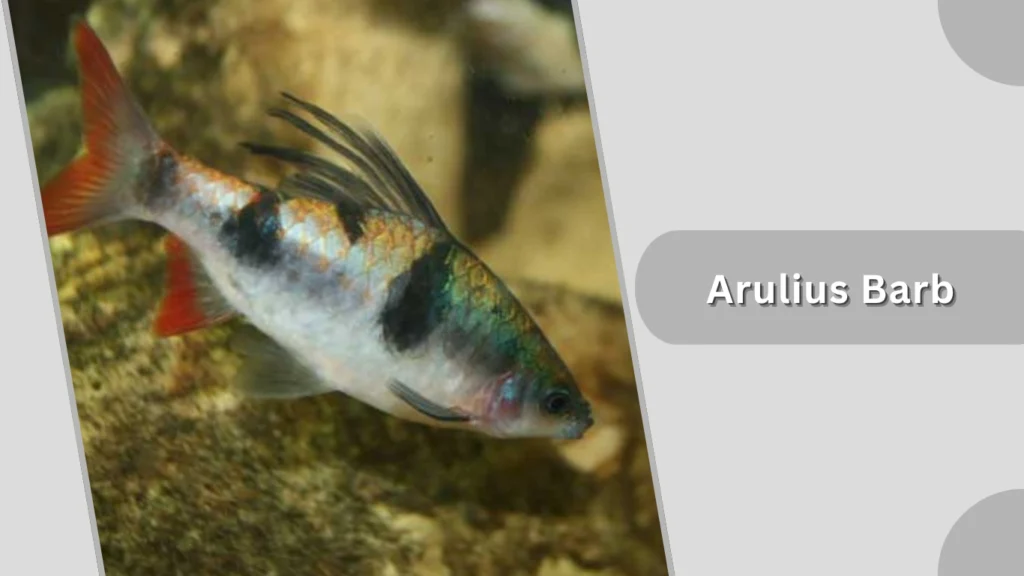
Arulius Barb is a beautiful and energetic freshwater barb species admired for its shimmering body colors and elegant fin structure. Native to India, this fish is popular in large community aquariums because of its active schooling behavior and peaceful temperament. Mature males develop brighter coloration and extended dorsal fins, making them especially attractive during breeding periods. Arulius Barbs are hardy fish that thrive in groups and add movement and color to freshwater aquarium setups.
Identification
- Metallic silver and golden body coloration
- Black vertical body bands
- Extended dorsal fin in mature males
- Active and fast swimming behavior
- Peaceful schooling barb species
Appearance
The Arulius Barb has a shiny silver body with golden or bluish reflections under aquarium lighting. Dark vertical bands run along the body, creating strong contrast. Mature males often display elongated dorsal fins and more intense coloration, especially during breeding conditions.
Behavior
Arulius Barbs are active and social fish that prefer living in groups. They are peaceful in community aquariums and enjoy swimming in open areas. This species is energetic by nature and interacts actively with other non-aggressive freshwater fish.
Habitat Needs
This barb species thrives in spacious freshwater aquariums with stable water conditions, good filtration, and plenty of swimming space. Plants, rocks, and driftwood help create a natural environment while allowing room for movement. Group living helps reduce stress and supports healthy social behavior.
Lifespan
Arulius Barbs generally live between 5 and 7 years with proper care. A balanced diet, regular water maintenance, and a peaceful aquarium setup help maintain their health, coloration, and active lifestyle throughout their lifespan.
19. Golden Dwarf Barb
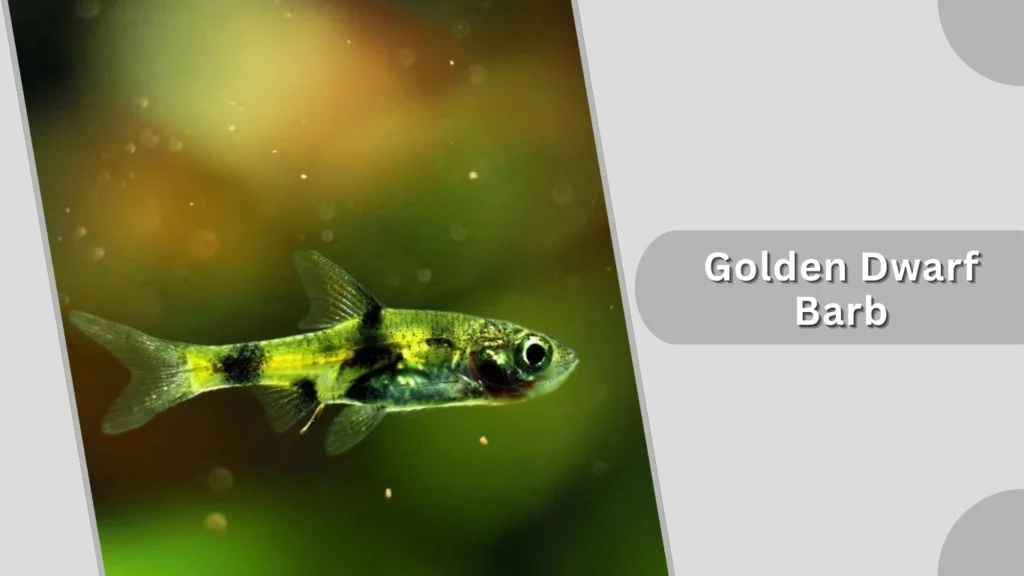
Golden Dwarf Barb is a small and peaceful freshwater barb species known for its bright golden coloration and active schooling behavior. This attractive fish is popular in nano and planted aquariums because of its calm temperament and compatibility with other community fish. Its compact size and shimmering body make it an excellent choice for aquarists who prefer colorful yet easy-to-care-for freshwater species. Golden Dwarf Barbs thrive in groups and display more confident behavior when kept in schools.
Identification
- Bright golden-yellow body coloration
- Small and compact body shape
- Transparent or lightly tinted fins
- Peaceful schooling behavior
- Metallic shine under aquarium lighting
Appearance
The Golden Dwarf Barb has a slim golden body with reflective scales that shimmer under light. Its fins are usually clear or lightly colored with subtle yellow or orange tones. The fish displays a soft metallic glow that enhances its beauty in planted aquariums.
Behavior
Golden Dwarf Barbs are peaceful and social fish that enjoy swimming in groups. They are active swimmers but remain calm around other community species. This fish spends much of its time exploring plants and open swimming areas inside the aquarium.
Habitat Needs
This barb species thrives in planted freshwater aquariums with stable water conditions and gentle filtration. Dense vegetation, driftwood, and shaded spaces help create a natural and comfortable environment. Keeping them in schools helps reduce stress and encourages healthy social interaction.
Lifespan
Golden Dwarf Barbs generally live between 3 and 5 years with proper care. A balanced diet, clean water, and a peaceful aquarium setup help support their health, vibrant coloration, and active lifestyle throughout their lifespan.
20. Longfin Tiger Barb
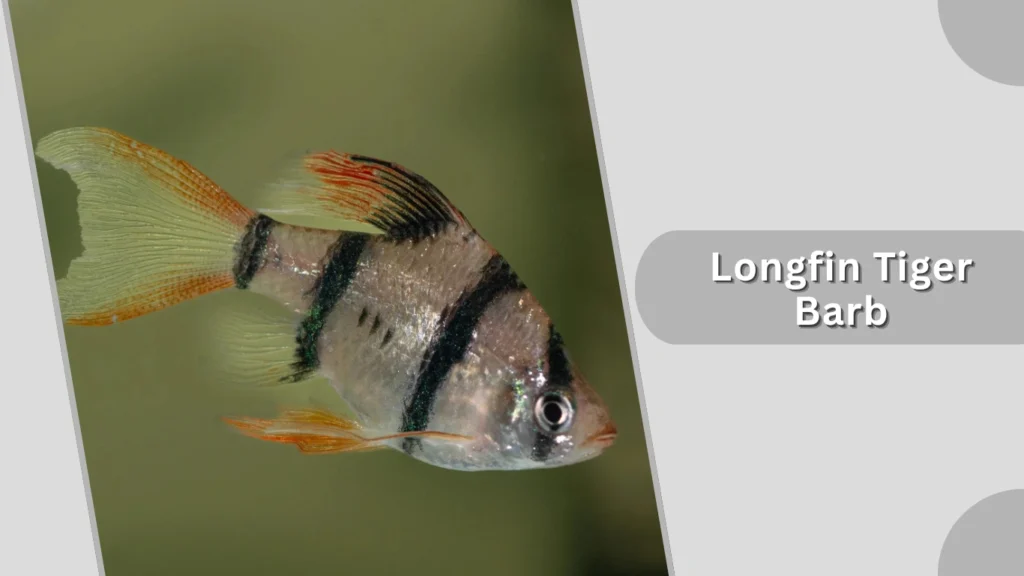
Longfin Tiger Barb is a striking variation of the standard Tiger Barb, recognized for its extended flowing fins and energetic personality. This freshwater fish combines the bold striped appearance of the Tiger Barb with elegant finnage that creates a graceful swimming display in aquariums. Longfin Tiger Barbs are social fish that thrive in groups and are popular among aquarium enthusiasts who want active, colorful, and visually attractive fish for community tank setups.
Identification
- Long flowing fins and tail
- Bold black vertical body stripes
- Orange-gold body coloration
- Red or orange fin highlights
- Active schooling barb species
Appearance
The Longfin Tiger Barb has a golden-orange body marked with dark tiger-like stripes along the sides. Its extended fins and tail create a more elegant appearance than the standard Tiger Barb. The flowing fins often display bright reddish or orange shades under aquarium lighting.
Behavior
Longfin Tiger Barbs are active and social fish that enjoy swimming in groups. They can become fin-nippers if kept in small numbers, so larger schools help reduce aggression. This species is energetic and spends much of its time exploring open swimming areas.
Habitat Needs
This barb species thrives in freshwater aquariums with stable water conditions, open swimming space, and gentle to moderate filtration. Plants, driftwood, and hiding spots help create a comfortable environment while still allowing room for active movement. Group living improves social behavior and reduces stress.
Lifespan
Longfin Tiger Barbs generally live between 5 and 7 years with proper care. A nutritious diet, regular water changes, and suitable aquarium conditions help maintain their health, flowing fins, and vibrant coloration throughout their lifespan.
21. Spanner Barb
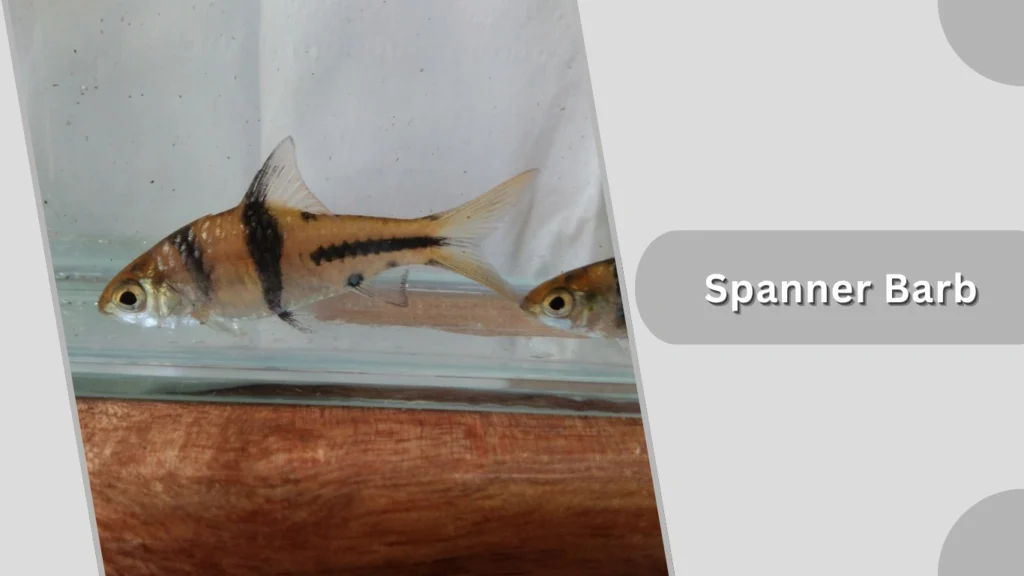
Spanner Barb is a unique freshwater barb species known for its elongated body shape and active swimming behavior. This fish is popular among aquarium enthusiasts because of its peaceful temperament, schooling nature, and ability to adapt to community tanks. Native to Southeast Asia, Spanner Barbs thrive in spacious aquariums with plenty of swimming room. Their streamlined appearance and energetic movement make them an attractive choice for aquarists who enjoy lively freshwater fish species.
Identification
- Long and slender body shape
- Silver or golden body coloration
- Transparent or lightly colored fins
- Active schooling behavior
- Streamlined appearance for fast swimming
Appearance
The Spanner Barb has a sleek silver or golden body with reflective scales that shimmer under aquarium lighting. Its fins are generally transparent with subtle yellow or orange tones. The elongated body structure gives the fish a graceful and fast-moving appearance in the aquarium.
Behavior
Spanner Barbs are peaceful and social fish that prefer living in groups. They are energetic swimmers that enjoy exploring open areas within the aquarium. This species usually coexists well with other calm freshwater fish in community tank setups.
Habitat Needs
This barb species thrives in spacious freshwater aquariums with stable water conditions, gentle to moderate filtration, and open swimming space. Plants, driftwood, and hiding spots help create a natural environment while still allowing enough room for movement. Group living helps reduce stress and supports healthy social behavior.
Lifespan
Spanner Barbs generally live between 4 and 6 years with proper care. A balanced diet, clean water, and regular tank maintenance help support their health, activity, and attractive appearance throughout their lifespan.
22. Swamp Barb
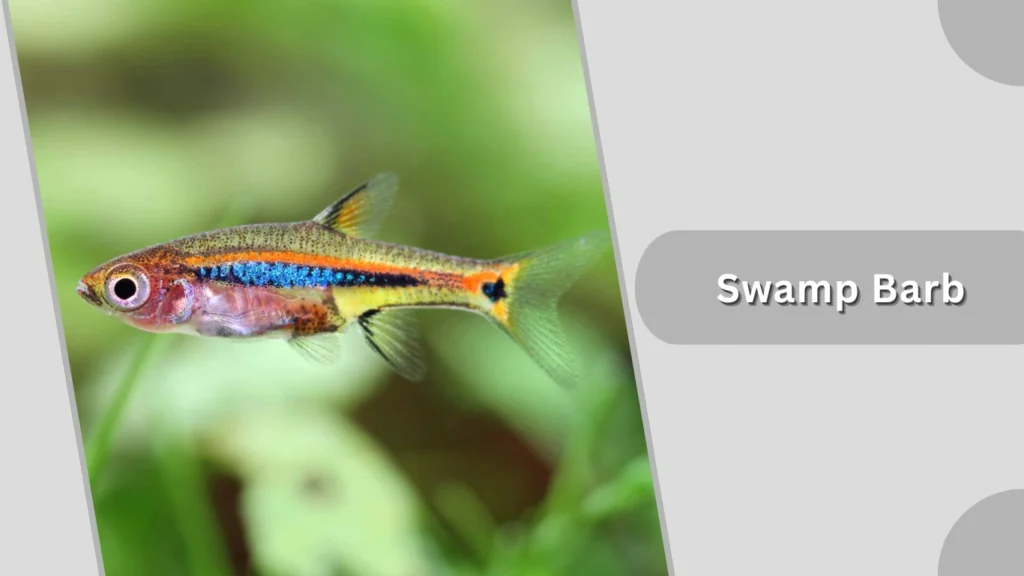
Swamp Barb is a peaceful freshwater barb species commonly found in slow-moving swamp waters and heavily planted habitats. This fish is appreciated for its calm behavior, natural coloration, and compatibility with community aquariums. Swamp Barbs thrive in groups and display active schooling behavior when kept in suitable conditions. Their adaptability and peaceful nature make them a good choice for aquarists who enjoy maintaining natural-style freshwater aquarium setups with plants and gentle water movement.
Identification
- Small and streamlined body shape
- Brownish, golden, or silver body coloration
- Transparent or lightly tinted fins
- Peaceful schooling behavior
- Adapted to swamp-like freshwater habitats
Appearance
The Swamp Barb has a slim body with soft brown, golden, or silver shades that help it blend into natural environments. Its scales may display a slight metallic shine under aquarium lighting. The fins are generally clear or lightly colored with subtle natural tones.
Behavior
Swamp Barbs are peaceful and social fish that prefer living in schools. They are active swimmers but remain calm around other community fish. This species spends much of its time exploring plants and open swimming spaces inside the aquarium.
Habitat Needs
This barb species thrives in planted freshwater aquariums with gentle filtration, stable water conditions, and shaded areas. Dense vegetation, driftwood, and soft lighting help recreate their natural swamp habitat. Keeping them in groups reduces stress and encourages natural social behavior.
Lifespan
Swamp Barbs generally live between 4 and 6 years with proper care. A balanced diet, clean water, and a peaceful aquarium environment help maintain their health, activity, and natural coloration throughout their lifespan.
23. Ticto Barb
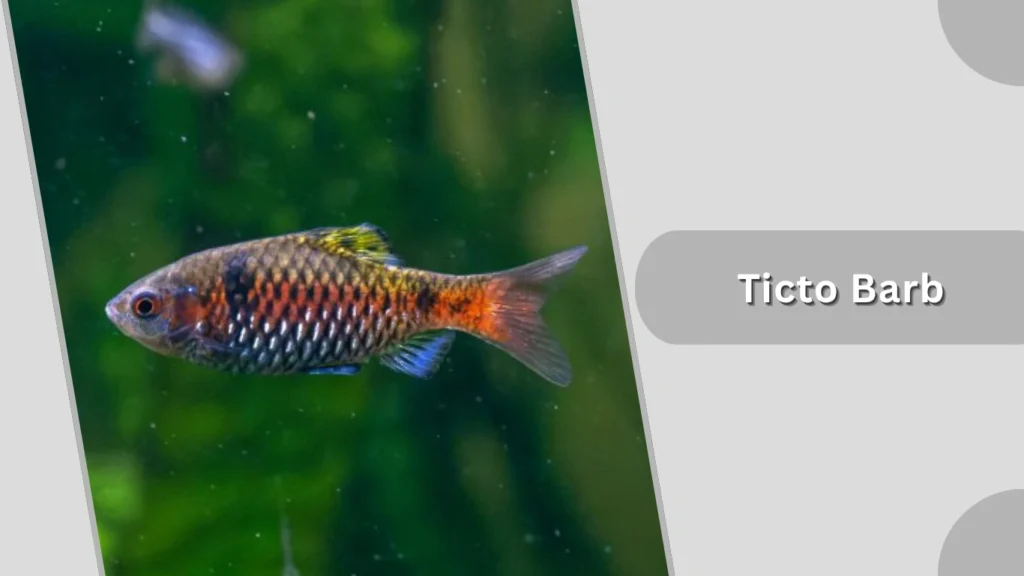
Ticto Barb is a small and colorful freshwater barb species known for the distinctive dark spots on its body. It is a hardy and active fish that adapts well to community aquariums, making it popular among beginner and experienced fish keepers. Native to South Asia, Ticto Barbs are social fish that thrive in groups and display lively swimming behavior. Their attractive markings and energetic personality make them a charming addition to freshwater aquarium setups.
Identification
- Two dark spots on the body
- Silver or golden body coloration
- Red or orange fin highlights
- Small and active body shape
- Peaceful schooling barb species
Appearance
The Ticto Barb has a shiny silver or golden body with two noticeable dark spots, one near the gills and another near the tail. Its fins often display red or orange shades, especially in healthy males. The reflective scales create an attractive metallic appearance under aquarium lighting.
Behavior
Ticto Barbs are active and social fish that prefer living in groups. They are generally peaceful but may become slightly fin-nippy if kept in very small schools. This species enjoys swimming through plants and open spaces while interacting with other community fish.
Habitat Needs
This barb species thrives in freshwater aquariums with stable water conditions, gentle filtration, and open swimming space. Plants, driftwood, and hiding spots help create a natural and comfortable environment. Keeping them in schools helps reduce stress and encourages healthy social behavior.
Lifespan
Ticto Barbs generally live between 4 and 6 years with proper care. A balanced diet, regular water changes, and suitable aquarium conditions help maintain their health, vibrant coloration, and active lifestyle throughout their lifespan.
24. Two Spot Barb
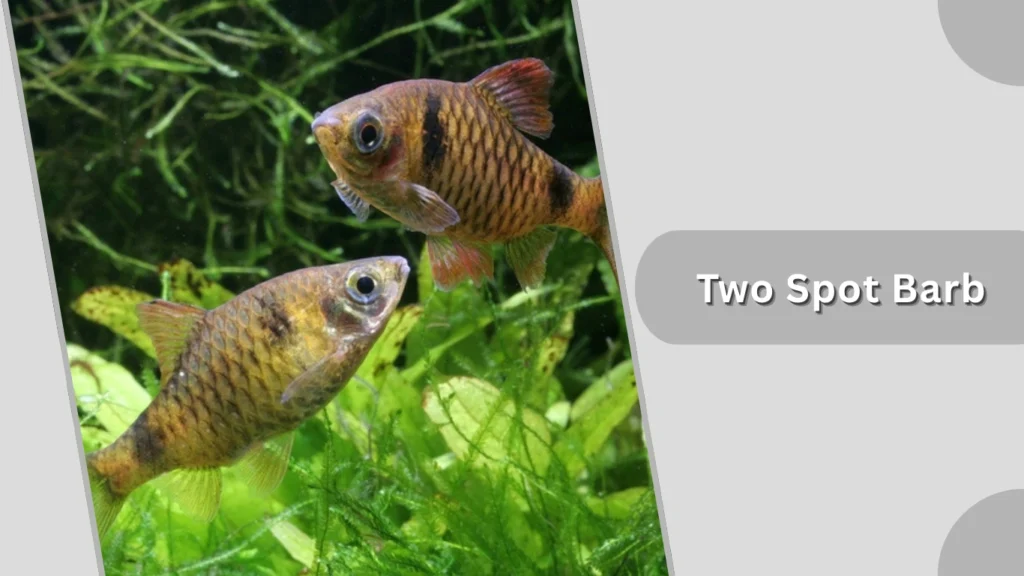
Two Spot Barb is a peaceful and attractive freshwater barb species named after the two dark markings found on its body. This fish is popular among aquarium enthusiasts because of its active schooling behavior, hardy nature, and compatibility with community tanks. Native to South Asia, the Two Spot Barb adapts well to planted aquariums and stable water conditions. Its simple yet elegant appearance and social personality make it a great choice for freshwater aquarium hobbyists.
Identification
- Two dark spots on the body
- Silver or golden body coloration
- Small and streamlined body shape
- Transparent or lightly tinted fins
- Peaceful schooling barb species
Appearance
The Two Spot Barb has a shiny silver or golden body with two noticeable black spots positioned near the middle and tail area. Its fins are generally transparent with slight yellow or orange shades. The reflective scales create a subtle metallic appearance under aquarium lighting.
Behavior
Two Spot Barbs are peaceful and social fish that prefer swimming in groups. They are active swimmers that enjoy exploring plants and open swimming areas. This species usually coexists well with other calm freshwater fish in community aquarium setups.
Habitat Needs
This barb species thrives in planted freshwater aquariums with gentle filtration and stable water conditions. Dense vegetation, driftwood, and open swimming space help create a natural and comfortable environment. Keeping them in schools reduces stress and supports healthy social behavior.
Lifespan
Two Spot Barbs generally live between 4 and 6 years with proper care. A balanced diet, clean water, and a peaceful aquarium environment help support their health, activity, and natural coloration throughout their lifespan.
25. Zebra Barb
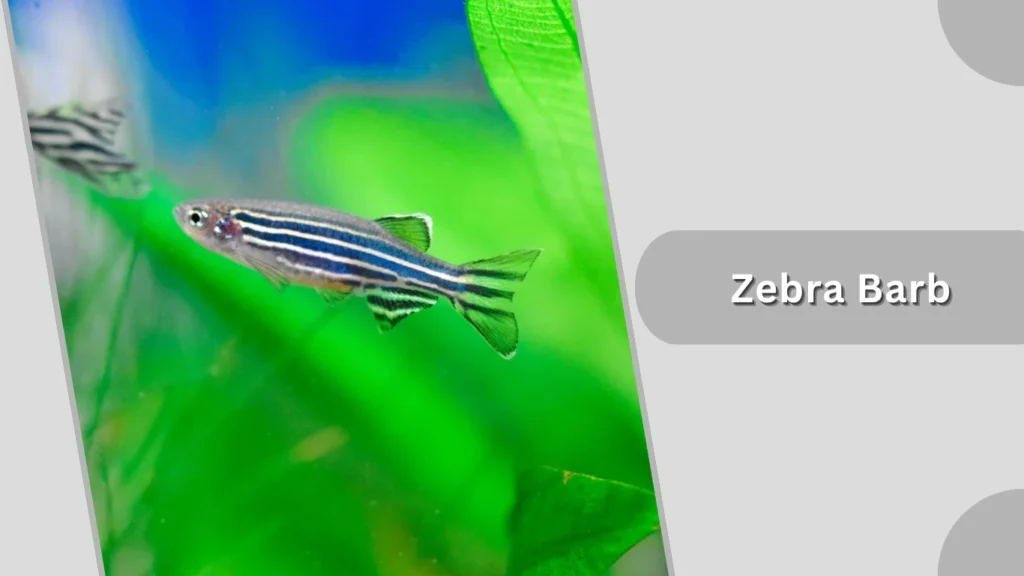
Zebra Barb is a lively and attractive freshwater barb species recognized for its striped body pattern that resembles zebra markings. This active schooling fish is popular among aquarium enthusiasts because of its energetic behavior, peaceful temperament, and compatibility with community tanks. Native to Southeast Asia, Zebra Barbs thrive in planted aquariums with groups of their own kind. Their bold stripes and constant movement make them eye-catching additions to freshwater aquarium environments.
Identification
- Dark horizontal or vertical zebra-like stripes
- Silver or golden body coloration
- Small and streamlined body shape
- Active schooling behavior
- Transparent or lightly tinted fins
Appearance
The Zebra Barb has a shiny silver or golden body decorated with bold dark stripes that create a zebra-like pattern. Its fins are generally transparent with slight yellow or orange shades. The reflective scales give the fish a bright appearance under aquarium lighting.
Behavior
Zebra Barbs are active and social fish that prefer living in groups. They are peaceful in community aquariums and enjoy exploring open swimming areas and plants. This species displays energetic movement and interacts actively with other non-aggressive freshwater fish.
Habitat Needs
This barb species thrives in planted freshwater aquariums with stable water conditions, gentle filtration, and enough swimming space. Plants, driftwood, and hiding spots help create a comfortable natural environment. Keeping them in schools reduces stress and encourages healthy social behavior.
Lifespan
Zebra Barbs generally live between 4 and 6 years with proper care. A balanced diet, regular water changes, and suitable aquarium conditions help support their health, striped coloration, and active lifestyle throughout their lifespan.
FAQs
Are barb fish good for beginners?
Yes, many barb fish species are suitable for beginners because they are hardy, active, and easy to care for. Species like Cherry Barb, Gold Barb, and Rosy Barb adapt well to aquarium life and can thrive in properly maintained community tanks with stable water conditions.
Can different barb species live together?
Many barb species can live together if they have similar tank requirements and temperaments. Peaceful barbs usually do well in community aquariums, but more active or fin-nipping species like Tiger Barbs should be kept carefully with suitable tank mates and in larger groups.
How many barb fish should be kept together?
Barb fish are schooling species and should usually be kept in groups of at least six individuals. Keeping them in schools helps reduce stress, improves natural behavior, and lowers aggression among tank mates. Larger groups often create a more active and balanced aquarium environment.
What do barb fish eat?
Barb fish are generally omnivorous and eat a wide variety of foods. Their diet can include high-quality flakes, pellets, frozen foods, live foods, and plant-based options. A balanced diet helps maintain healthy growth, vibrant coloration, and active behavior in aquarium conditions.
What size tank is best for barb fish?
The ideal tank size depends on the barb species and group size. Smaller species may do well in tanks around 20 gallons, while larger and more active species like Tinfoil Barbs require much larger aquariums. Open swimming space and stable water conditions are important for all barb fish.