

Rasboras are peaceful freshwater fish that are popular among aquarium hobbyists because of their bright colors, active schooling behavior, and easy care requirements. These small fish are ideal for planted and community aquariums, making them suitable for both beginners and experienced fishkeepers. Found mainly in Southeast Asia, Rasboras thrive in calm waters with dense vegetation and stable conditions. From the colorful Chili Rasbora to the energetic Scissortail Rasbora, each species has unique characteristics that add beauty and movement to an aquarium. Learning about different Rasbora types helps aquarists choose the best species for their tanks.
1. Harlequin Rasbora
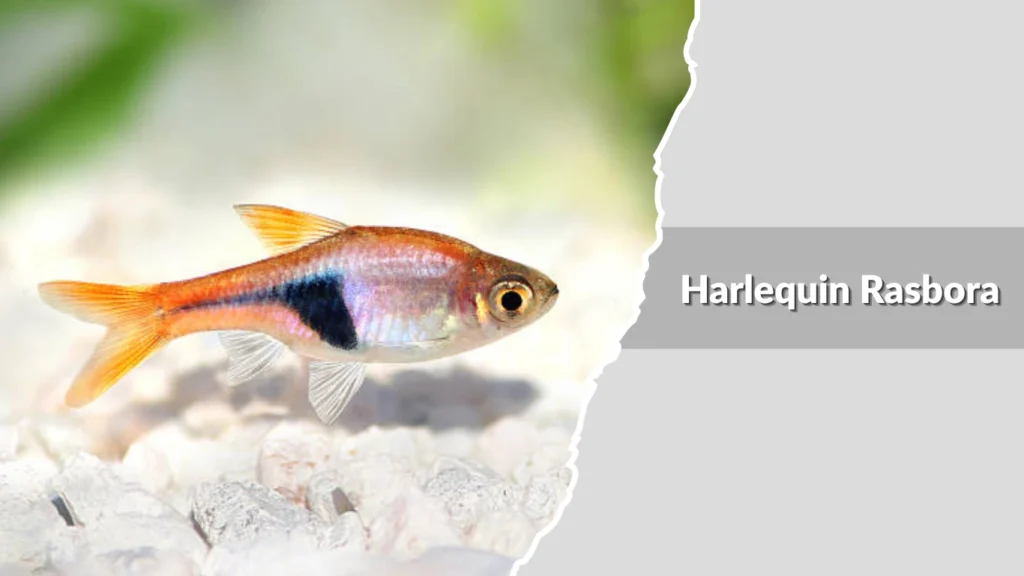
Harlequin Rasbora is a peaceful freshwater schooling fish known for its attractive colors and active nature. It is widely kept in community aquariums because of its calm temperament, easy care requirements, and compatibility with many other small fish species.
Identification
- Orange, pink, or copper-colored body
- Large black triangular marking near the tail
- Slender and laterally compressed body shape
- Transparent fins with soft orange shades
- Average size of about 2 inches
Natural Habitat
Harlequin Rasboras are native to Southeast Asia, especially Thailand, Malaysia, and Singapore. They inhabit slow-moving forest streams, blackwater swamps, and heavily planted waters. These environments usually contain soft, acidic water with low light caused by dense vegetation and fallen leaves. In nature, they swim in groups for protection and comfort. Aquariums that mimic these conditions with plants, driftwood, and subdued lighting help them feel secure and display their best coloration.
Behavior
Harlequin Rasboras are peaceful, social fish that prefer living in schools. They become more active and confident when kept in groups of six or more. These fish spend most of their time swimming in the middle level of the aquarium and rarely show aggression toward tank mates. Their calm personality makes them excellent community fish. When comfortable, they display synchronized schooling behavior and vibrant colors, creating an attractive and lively aquarium display.
Diet
Harlequin Rasboras are omnivorous and easily adapt to different foods in captivity. They readily accept high-quality flakes, micro pellets, and frozen foods. Small live foods such as brine shrimp, daphnia, and bloodworms help improve their coloration and overall health. A varied diet supports strong immune function and active behavior. Feeding small portions two or three times daily is ideal, as overfeeding can reduce water quality and negatively affect their health.
2. Chili Rasbora
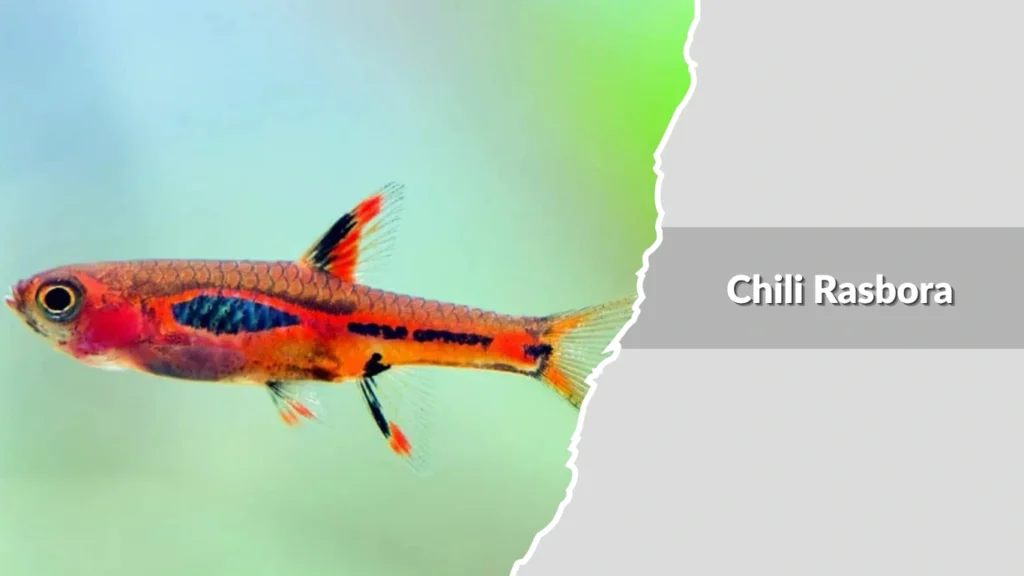
Chili Rasbora is a tiny freshwater fish admired for its bright red coloration and peaceful nature. Despite its small size, it is highly popular among aquascaping enthusiasts because it adds vibrant color and active schooling behavior to planted aquariums.
Identification
- Bright red or deep orange body coloration
- Thin dark horizontal stripe along the body
- Extremely small and slender body shape
- Transparent fins with reddish highlights
- Grows to around 0.8 inches in length
Natural Habitat
Chili Rasboras originate from Indonesia, particularly from blackwater streams and swamp forests in Borneo. Their natural environment contains soft, acidic water with abundant leaf litter and dense aquatic plants. These waters are usually calm, shallow, and stained dark from decaying organic matter. The fish prefer shaded areas with gentle water movement. Replicating these natural conditions in an aquarium with floating plants, driftwood, and subdued lighting helps them remain healthy and comfortable.
Behavior
Chili Rasboras are peaceful schooling fish that thrive in groups. Although tiny, they are active swimmers and show impressive schooling patterns when kept in larger numbers. They are shy when housed alone or in small groups but become more confident in a densely planted aquarium. These fish are non-aggressive and suitable for nano community tanks with other small, peaceful species. Their calm behavior and vivid color make them a favorite choice for aquascaped aquariums.
Diet
Chili Rasboras are micro-predators that require very small food items. They eat finely crushed flakes, micro pellets, baby brine shrimp, daphnia, and other tiny live or frozen foods. A varied diet enhances their red coloration and supports healthy growth. Because of their tiny mouths, food size is important for successful feeding. Offering small meals once or twice daily helps maintain good health and stable water quality in the aquarium.
3. Scissortail Rasbora
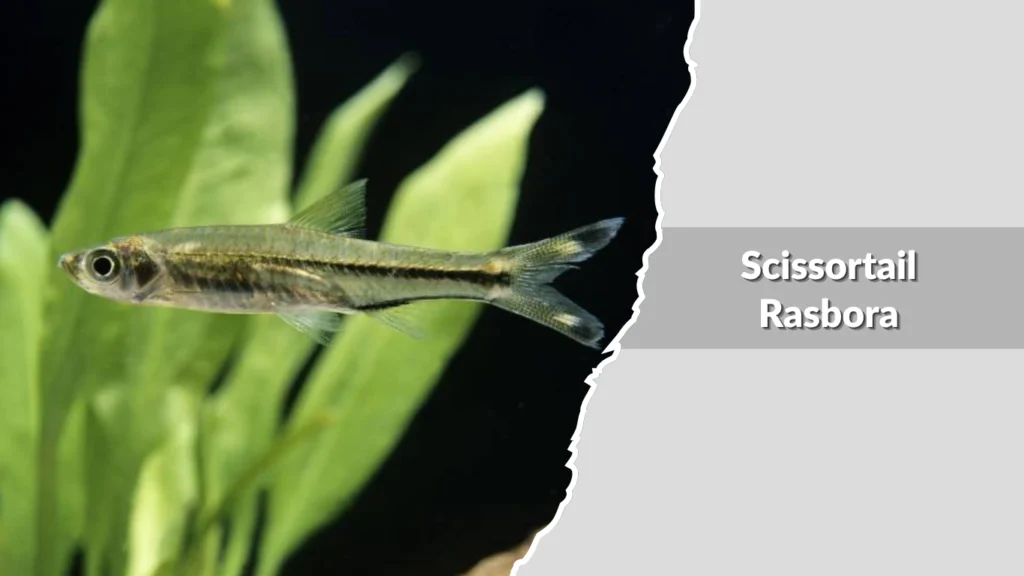
Scissortail Rasbora is a fast-swimming freshwater fish recognized for its forked tail and energetic schooling behavior. It is a hardy species that adapts well to community aquariums and is appreciated for its active movement and peaceful temperament.
Identification
- Silver, elongated body with a streamlined shape
- Distinct forked tail resembling open scissors
- Black and yellow markings on the tail fins
- Transparent body fins with subtle coloration
- Can grow up to about 6 inches in length
Natural Habitat
Scissortail Rasboras are native to rivers and streams across Thailand, Cambodia, Laos, and nearby Southeast Asian regions. They inhabit open waters with moderate currents and plenty of swimming space. Their natural habitats often include submerged vegetation, sandy bottoms, and slightly acidic to neutral water conditions. These fish are commonly found in large schools in the wild, where they move continuously through flowing waters. Aquariums designed with open swimming areas and gentle water movement help recreate their natural environment.
Behavior
Scissortail Rasboras are active and peaceful schooling fish that prefer being kept in groups. They spend much of their time swimming in the middle and upper levels of the aquarium. Their synchronized swimming creates an attractive display in larger tanks. These fish are social and rarely aggressive, making them suitable for community setups with similarly peaceful species. Because of their energetic nature and larger size compared to other rasboras, they require spacious aquariums for comfortable movement.
Diet
Scissortail Rasboras are omnivores that readily accept many aquarium foods. Their diet can include flakes, pellets, frozen foods, and live foods such as bloodworms and brine shrimp. A balanced and varied diet supports healthy growth, strong coloration, and active behavior. They are enthusiastic feeders and usually adapt quickly to prepared foods. Feeding moderate portions once or twice daily helps maintain their health while preventing excess waste buildup in the aquarium.
4. Lambchop Rasbora
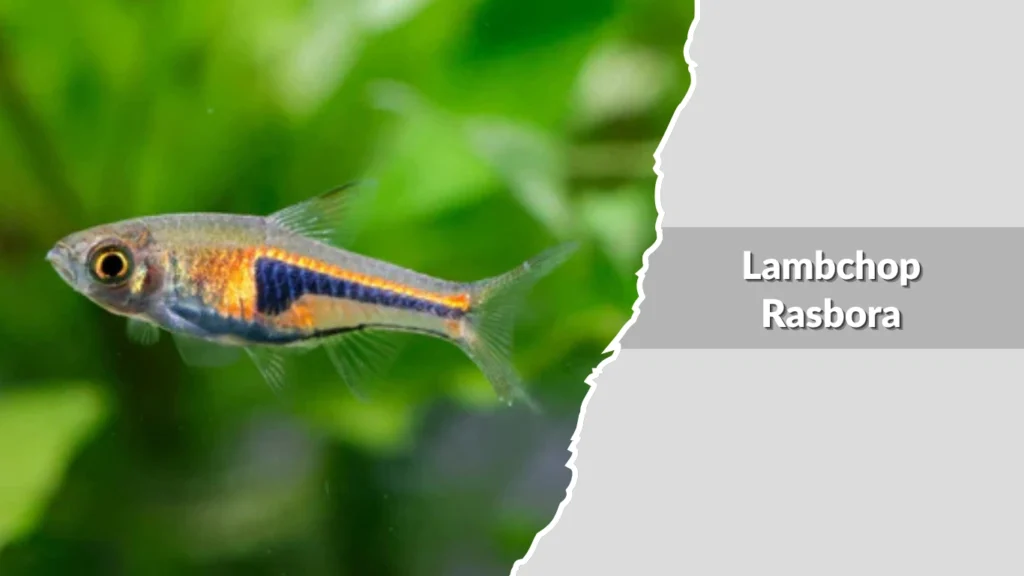
Lambchop Rasbora is a small and colorful freshwater fish known for its distinctive body marking and peaceful nature. It is a popular choice for planted community aquariums because of its attractive appearance, active schooling behavior, and easy maintenance.
Identification
- Light orange to pinkish body coloration
- Dark triangular marking shaped like a lamb chop
- Small and slender body structure
- Transparent fins with orange shades
- Usually grows to about 1.5 inches in length
Natural Habitat
Lambchop Rasboras are native to slow-moving waters in Southeast Asia, particularly in Malaysia, Thailand, and Indonesia. They are commonly found in forest streams, peat swamps, and heavily planted waterways with soft and slightly acidic water. These habitats contain dense vegetation, submerged roots, and leaf litter that provide shelter and protection. The water is often calm and shaded by surrounding trees. In aquariums, they thrive in planted setups with gentle filtration and stable water conditions that resemble their natural environment.
Behavior
Lambchop Rasboras are peaceful schooling fish that feel most secure in groups. They are active swimmers and usually remain in the middle section of the aquarium. Their calm temperament makes them ideal for community tanks with other small, non-aggressive fish. When kept in larger schools, they display stronger colors and more natural social behavior. These fish rarely show aggression and contribute to a lively yet peaceful aquarium atmosphere.
Diet
Lambchop Rasboras are omnivorous and accept a wide variety of aquarium foods. Their diet may include flakes, micro pellets, frozen foods, and live foods such as daphnia and baby brine shrimp. Feeding a varied diet helps maintain vibrant coloration and healthy activity levels. They prefer small food particles that are easy to consume. Providing balanced meals once or twice daily supports proper growth and overall health while maintaining good water quality.
5. Galaxy Rasbora
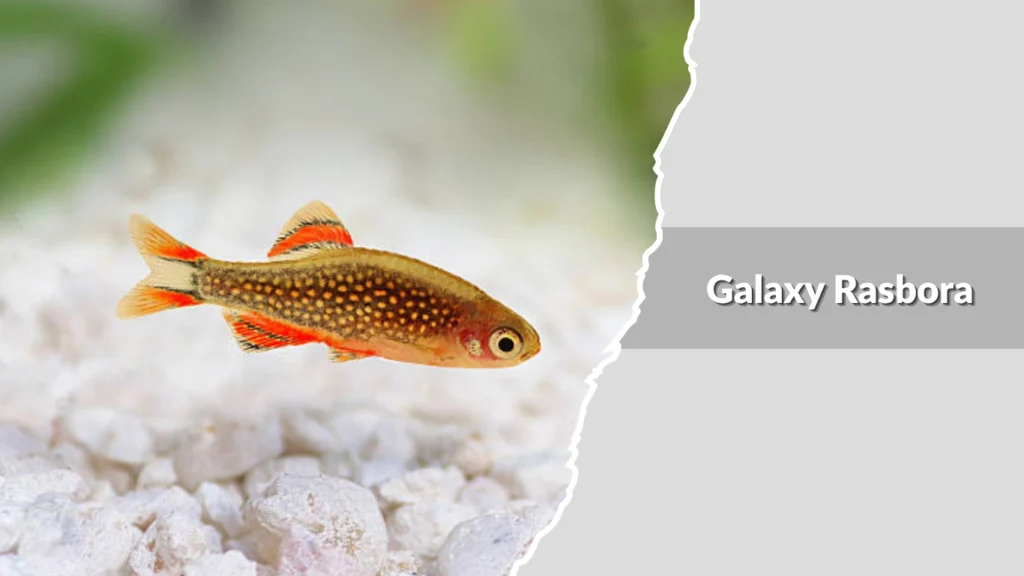
Galaxy Rasbora, also known as Celestial Pearl Danio, is a small freshwater fish admired for its stunning spotted pattern and vibrant coloration. Its unique appearance and peaceful personality have made it highly popular among aquascaping and nano aquarium enthusiasts.
Identification
- Dark blue body covered with pearl-like white spots
- Bright orange or red fins with black striping
- Compact and slightly rounded body shape
- Males display stronger colors than females
- Grows to around 1 inch in length
Natural Habitat
Galaxy Rasboras are native to small ponds and slow-moving waters in Myanmar. Their natural habitat contains shallow, clear water with dense aquatic vegetation and muddy substrates. These environments are rich in plant life, which provides shelter and breeding areas. The water is usually cool, clean, and calm. In aquariums, they prefer planted tanks with hiding spaces, soft lighting, and stable water conditions. Replicating their natural habitat helps reduce stress and encourages natural behavior.
Behavior
Galaxy Rasboras are peaceful but somewhat shy fish that thrive in groups. They are active swimmers yet prefer densely planted aquariums where they can hide when startled. Males may display mild territorial behavior during breeding, especially toward each other, but serious aggression is uncommon. These fish are suitable for peaceful community tanks with similarly small species. When kept in larger schools, they become more confident and display more natural schooling behavior.
Diet
Galaxy Rasboras are omnivorous and require small-sized foods because of their tiny mouths. They eat micro pellets, crushed flakes, frozen foods, and live foods such as baby brine shrimp and microworms. Protein-rich foods help improve coloration and support breeding conditions. A varied diet is important for maintaining health and activity. Feeding small portions once or twice daily prevents overfeeding and helps maintain clean and stable aquarium water conditions.
6. Emerald Eye Rasbora
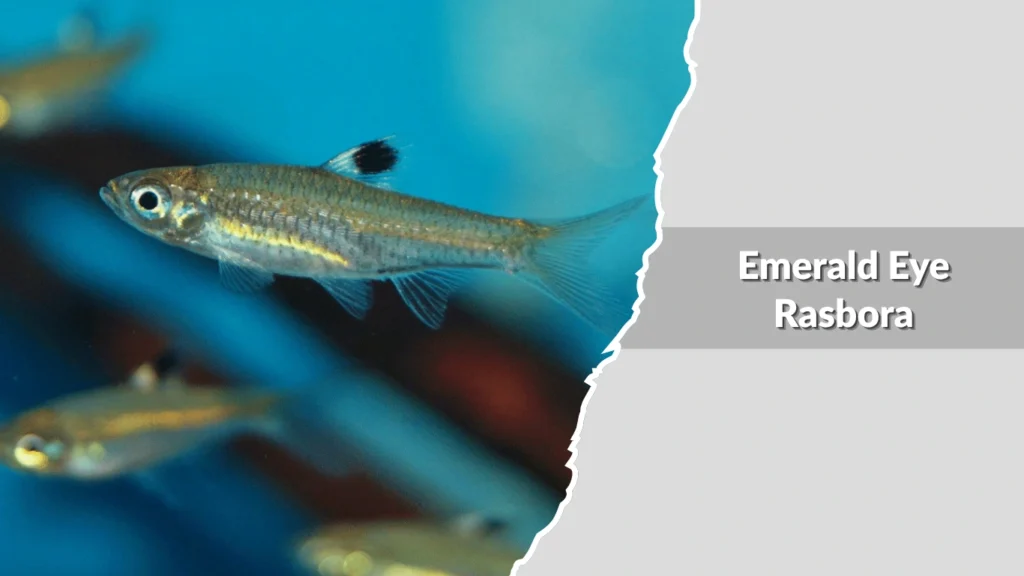
Emerald Eye Rasbora is a peaceful freshwater schooling fish known for its reflective green eyes and elegant swimming behavior. It is popular among aquarium hobbyists who prefer active yet calm fish for planted community tanks.
Identification
- Silver to transparent body coloration
- Bright metallic green or emerald-colored eyes
- Slender and elongated body shape
- Transparent fins with subtle yellow tones
- Can grow up to about 2 inches in length
Natural Habitat
Emerald Eye Rasboras are native to rivers, streams, and flooded forest areas in Southeast Asia. They are commonly found in calm or slow-moving waters with dense vegetation and soft substrates. Their natural habitats often contain leaf litter, submerged roots, and slightly acidic water conditions. These environments provide protection from predators and abundant food sources. In aquariums, they thrive in planted setups with open swimming space, gentle filtration, and stable water quality that closely resembles their native waters.
Behavior
Emerald Eye Rasboras are social and peaceful fish that prefer living in schools. They are active swimmers and spend most of their time in the middle and upper levels of the aquarium. When kept in groups, they display more confidence and natural schooling behavior. These fish are non-aggressive and mix well with other peaceful community species. Their energetic swimming and shimmering eyes create an attractive display, especially in well-lit planted aquariums.
Diet
Emerald Eye Rasboras are omnivores and adapt easily to different foods. They readily consume flakes, micro pellets, frozen foods, and small live foods such as daphnia and brine shrimp. A balanced diet helps maintain healthy growth and vibrant appearance. They prefer small food particles that can be eaten easily. Feeding them small portions once or twice daily supports proper digestion and helps maintain clean aquarium conditions.
7. Clown Rasbora
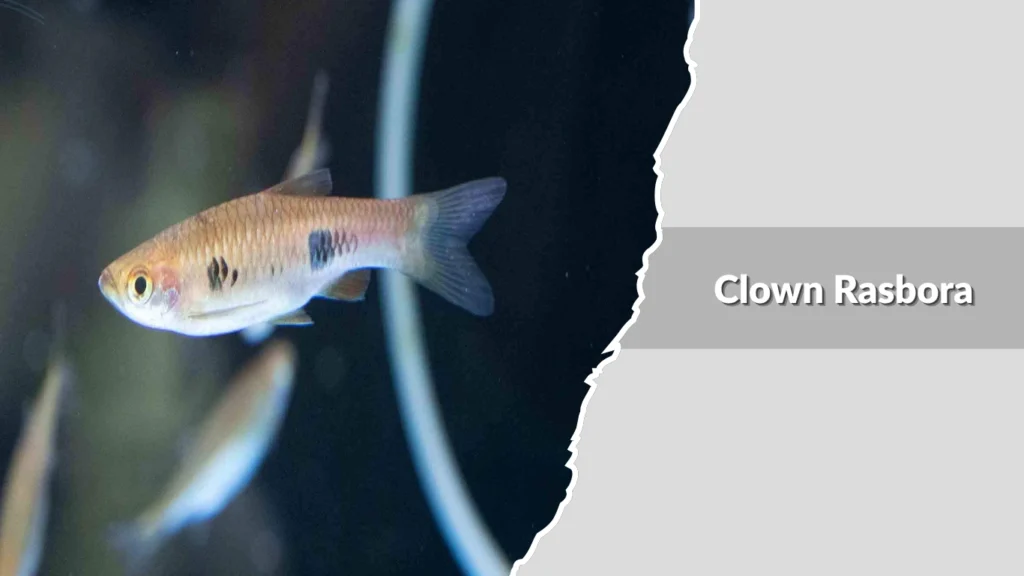
Clown Rasbora is a lively freshwater fish recognized for its bold markings and energetic schooling behavior. It is larger than many other rasbora species and is best suited for spacious community aquariums with active tank mates.
Identification
- Golden to bronze-colored body
- Distinct black patches along the body
- Forked tail with black and orange markings
- Long and streamlined body shape
- Can grow up to about 5 inches in length
Natural Habitat
Clown Rasboras are native to rivers and streams in Indonesia, Malaysia, and Borneo. They are commonly found in tropical freshwater environments with moderate water movement and dense surrounding vegetation. Their natural habitats include clear streams, forest waterways, and floodplain areas with soft, slightly acidic water. These fish prefer areas with open swimming space and submerged plants. In aquariums, they thrive in larger tanks that provide both swimming room and natural decorations such as driftwood and plants.
Behavior
Clown Rasboras are active schooling fish that prefer to live in groups. They are constantly moving and display synchronized swimming patterns when kept with their own kind. Although peaceful, their energetic nature may intimidate very small or shy fish. They are best housed with similarly active community species. Keeping them in schools helps reduce stress and encourages natural behavior. Their playful movement and striking patterns make them a noticeable addition to large community aquariums.
Diet
Clown Rasboras are omnivorous and accept a variety of foods in captivity. Their diet can include flakes, pellets, frozen foods, and live foods such as bloodworms, brine shrimp, and insect larvae. A balanced diet helps maintain strong coloration and healthy activity levels. They are eager feeders and usually adapt quickly to prepared foods. Feeding moderate amounts once or twice daily supports proper growth while helping maintain stable water quality in the aquarium.
8. Phoenix Rasbora
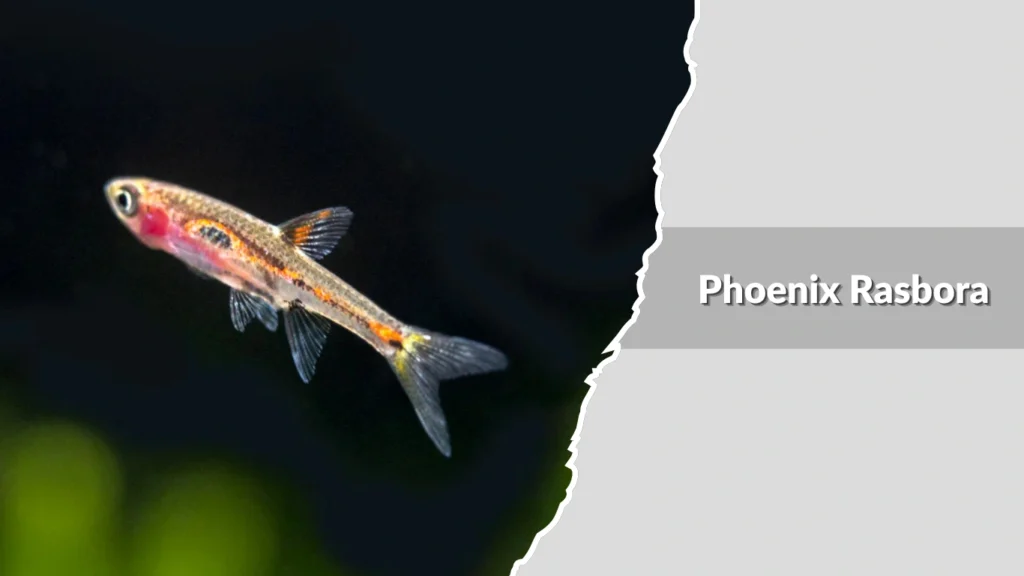
Phoenix Rasbora is a tiny and colorful freshwater fish appreciated for its bright red tones and peaceful personality. It is commonly kept in planted nano aquariums where its vibrant appearance and active schooling behavior stand out beautifully.
Identification
- Bright reddish-orange body coloration
- Thin dark stripe running along the body
- Small and slender body structure
- Transparent fins with red highlights
- Usually grows to about 1 inch in length
Natural Habitat
Phoenix Rasboras are native to blackwater streams and swamp forests in Southeast Asia, especially in regions of Indonesia. Their natural environment consists of soft, acidic water rich in tannins from decaying leaves and organic matter. These waters are calm, shallow, and heavily shaded by dense vegetation. Aquatic plants, roots, and leaf litter provide shelter and feeding areas. In aquariums, they do best in planted tanks with dim lighting, gentle filtration, and stable water conditions that replicate their native habitat.
Behavior
Phoenix Rasboras are peaceful schooling fish that feel safest in groups. They are active swimmers but remain calm and non-aggressive toward tank mates. Their small size makes them suitable for nano community aquariums with other peaceful species. When housed in larger schools, they become more confident and display stronger coloration. Dense plants and hiding spaces help reduce stress and encourage natural swimming behavior. Their coordinated movement adds a lively and attractive touch to planted aquariums.
Diet
Phoenix Rasboras are omnivores that require very small food items due to their tiny mouths. They readily consume crushed flakes, micro pellets, frozen foods, and live foods such as baby brine shrimp and microworms. A varied diet helps improve coloration, energy levels, and overall health. Because of their small size, feeding small portions once or twice daily is recommended. Proper feeding habits also help maintain clean water and stable aquarium conditions.
9. Brilliant Rasbora
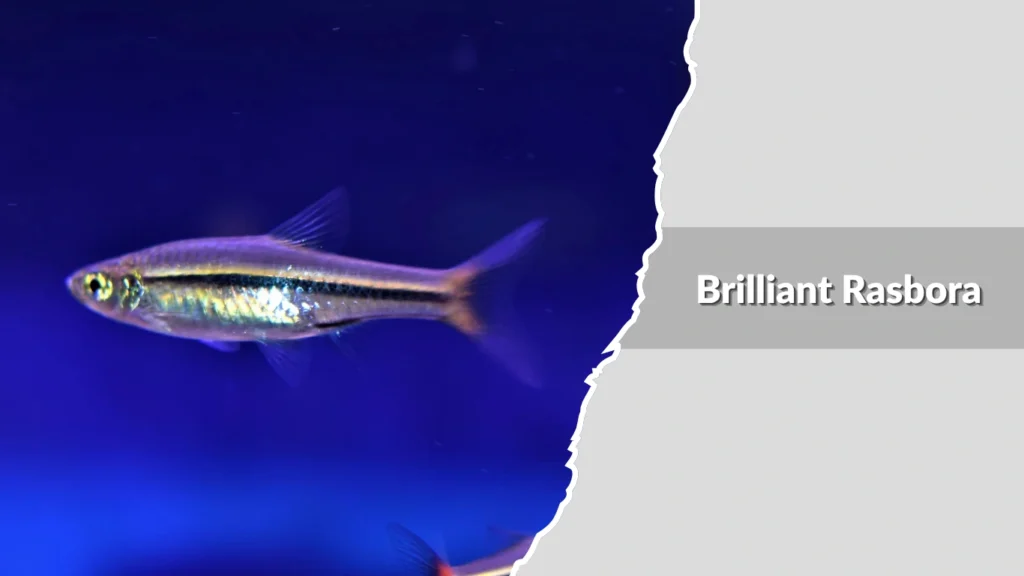
Brilliant Rasbora is a peaceful freshwater fish admired for its shiny silver body and graceful swimming style. It is a hardy species that adapts well to community aquariums and is valued for its calm behavior and attractive appearance.
Identification
- Bright silver body with reflective scales
- Slight yellow or golden shine along the body
- Slender and elongated body shape
- Transparent fins with subtle coloration
- Can grow up to about 3 inches in length
Natural Habitat
Brilliant Rasboras are native to rivers, streams, and floodplain waters in Southeast Asia. They usually inhabit calm or moderately flowing waters with dense vegetation and soft substrates. Their natural environment often contains submerged roots, aquatic plants, and leaf litter that provide shelter and feeding areas. The water is generally soft and slightly acidic. In aquariums, they thrive in planted tanks with open swimming space, stable water conditions, and gentle water movement that resembles their native habitat.
Behavior
Brilliant Rasboras are social schooling fish that prefer living in groups. They are peaceful and rarely show aggression toward other fish, making them suitable for community aquariums. These fish are active swimmers and usually occupy the middle level of the tank. Keeping them in schools helps reduce stress and encourages natural schooling behavior. Their calm temperament and synchronized movement create a relaxing and attractive aquarium display, especially in larger planted setups.
Diet
Brilliant Rasboras are omnivorous and accept a wide variety of foods. Their diet can include flakes, pellets, frozen foods, and live foods such as brine shrimp and daphnia. A varied diet supports healthy growth, strong immune function, and better coloration. They are generally easy to feed and quickly adapt to prepared aquarium foods. Feeding moderate amounts once or twice daily helps maintain their health while preventing excess waste and poor water quality.
10. Dwarf Rasbora
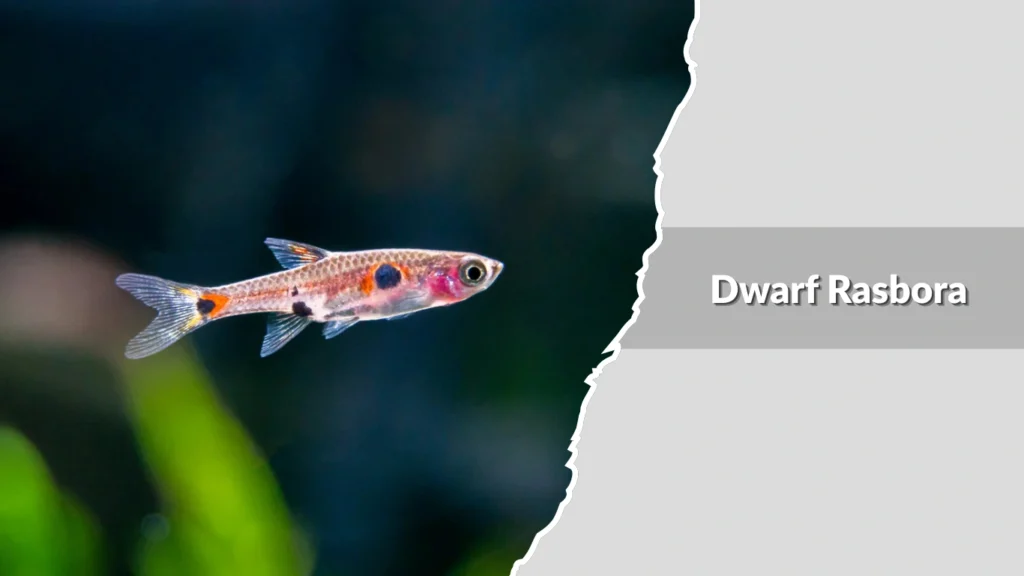
Dwarf Rasbora is a tiny freshwater fish known for its peaceful nature and subtle beauty. Its small size and calm temperament make it an excellent choice for nano aquariums and planted community tanks with other gentle species.
Identification
- Light reddish-brown or copper-colored body
- Thin dark horizontal stripe along the sides
- Small and slender body structure
- Transparent fins with faint red coloration
- Grows to around 1 inch in length
Natural Habitat
Dwarf Rasboras are native to slow-moving blackwater streams and swamp forests in Southeast Asia. They are commonly found in shallow waters rich in leaf litter, aquatic plants, and submerged roots. These habitats usually contain soft, acidic water with low light conditions created by dense forest cover. The water is calm and rich in organic matter, providing both food and shelter. In aquariums, they thrive in heavily planted tanks with gentle filtration, dim lighting, and stable water parameters that closely resemble their natural surroundings.
Behavior
Dwarf Rasboras are peaceful schooling fish that prefer to stay in groups. They are shy by nature but become more active and confident when kept in schools of six or more. These fish spend most of their time swimming calmly through planted areas and open spaces in the aquarium. They are non-aggressive and suitable for nano community tanks with similarly peaceful species. Their gentle movement and schooling behavior create a calm and natural aquarium environment.
Diet
Dwarf Rasboras are omnivores that feed on tiny food sources in nature. In captivity, they accept crushed flakes, micro pellets, frozen foods, and small live foods such as baby brine shrimp and microworms. A varied diet helps maintain healthy growth and natural coloration. Due to their small mouths, they require finely sized foods that are easy to consume. Feeding small amounts once or twice daily supports proper nutrition and helps maintain clean aquarium water.
11. Axelrod Rasbora
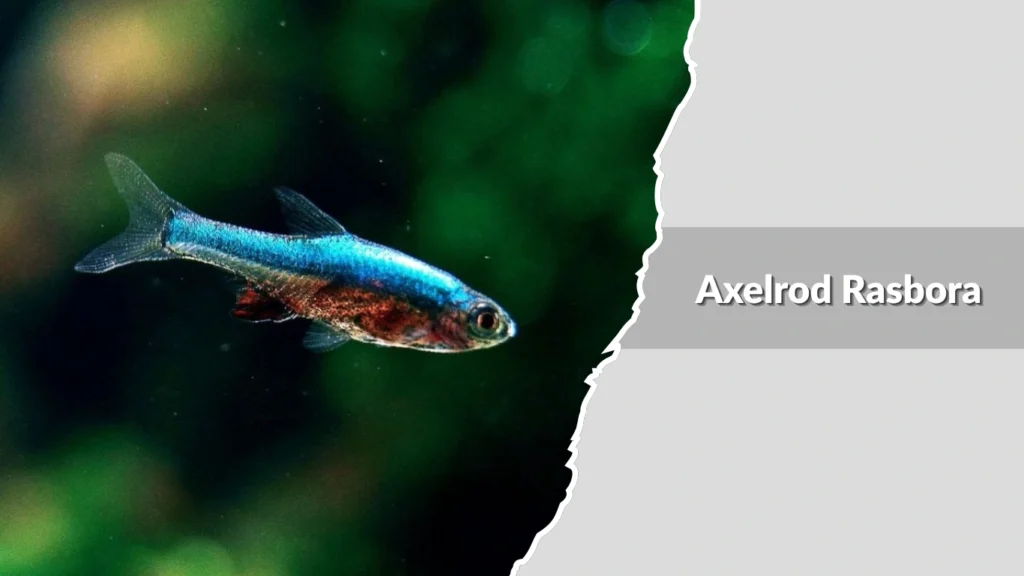
Axelrod Rasbora is a small and colorful freshwater fish popular in planted aquariums because of its peaceful temperament and attractive appearance. Its vibrant body coloration and active schooling behavior make it a favorite among nano aquarium enthusiasts.
Identification
- Bright reddish-orange body coloration
- Dark horizontal stripe running from head to tail
- Slender and delicate body shape
- Transparent fins with light red shades
- Usually grows to about 1.5 inches in length
Natural Habitat
Axelrod Rasboras are native to blackwater streams and swamp forests in Southeast Asia, particularly in Indonesia and nearby regions. Their natural habitat contains soft, acidic water rich in tannins released from decaying leaves and wood. These waters are generally calm, shallow, and heavily shaded by surrounding forest vegetation. Dense aquatic plants and leaf litter provide protection and feeding opportunities. In aquariums, they thrive in planted environments with subdued lighting, gentle water movement, and stable water conditions that mimic their native habitat.
Behavior
Axelrod Rasboras are peaceful schooling fish that feel most secure when kept in groups. They are active swimmers but maintain a calm and non-aggressive nature around tank mates. These fish spend most of their time in the middle areas of the aquarium and display attractive schooling patterns in larger groups. They are ideal for nano and community aquariums with other peaceful fish species. Their shy behavior decreases when plenty of plants and hiding spaces are available.
Diet
Axelrod Rasboras are omnivores that feed on tiny organisms in the wild. In captivity, they accept crushed flakes, micro pellets, frozen foods, and live foods such as baby brine shrimp and daphnia. A varied diet supports healthy coloration, growth, and overall activity. Because of their small size, food should be finely sized for easy consumption. Feeding small portions once or twice daily helps maintain good health and stable aquarium water quality.
12. Glowlight Rasbora
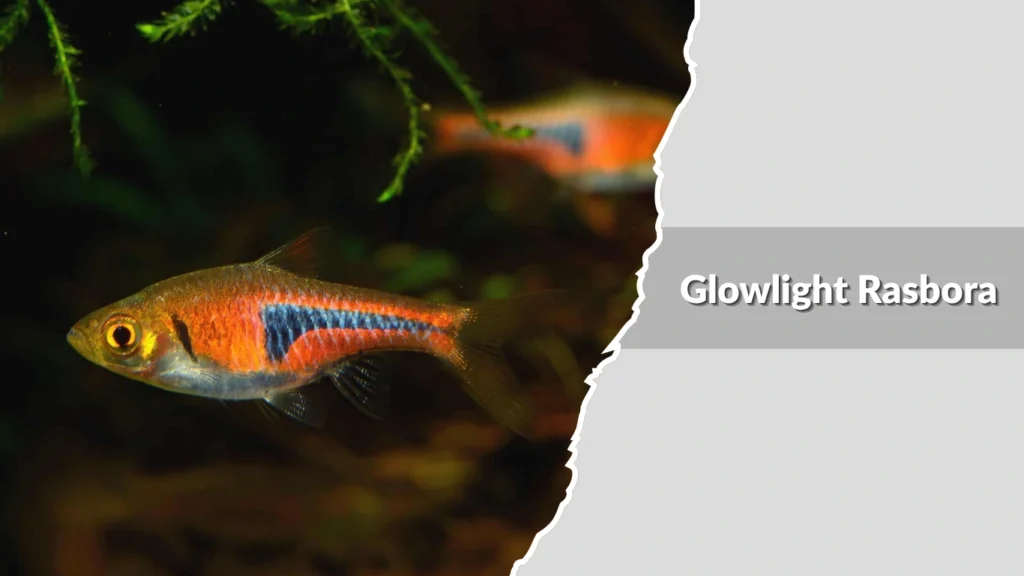
Glowlight Rasbora is a peaceful freshwater fish valued for its shimmering body and elegant swimming behavior. It is a popular species for planted community aquariums because of its calm nature, attractive coloration, and compatibility with other small fish.
Identification
- Silver body with a glowing orange horizontal stripe
- Slender and streamlined body shape
- Transparent fins with faint orange coloration
- Reflective scales that shimmer under aquarium lighting
- Can grow up to about 2 inches in length
Natural Habitat
Glowlight Rasboras are native to streams, rivers, and floodplain waters in Southeast Asia. They are commonly found in calm waters surrounded by dense vegetation and submerged roots. Their natural habitat usually contains soft, slightly acidic water with leaf litter and shaded conditions created by forest cover. These environments provide safety, food sources, and breeding areas. In aquariums, they thrive in planted setups with gentle filtration, stable water conditions, and open swimming space that closely resembles their natural surroundings.
Behavior
Glowlight Rasboras are peaceful schooling fish that prefer to live in groups. They are active swimmers and usually occupy the middle section of the aquarium. Keeping them in schools helps reduce stress and encourages natural social behavior. These fish are non-aggressive and suitable for community tanks with other calm species. Their synchronized swimming and glowing body stripe create a beautiful visual effect, especially in well-planted aquariums with subdued lighting.
Diet
Glowlight Rasboras are omnivorous and accept many types of aquarium foods. Their diet may include flakes, micro pellets, frozen foods, and small live foods such as daphnia and brine shrimp. A balanced diet supports healthy growth, strong immune function, and brighter coloration. They are easy to feed and adapt quickly to prepared foods. Feeding small portions once or twice daily helps maintain their health while keeping aquarium water clean and stable.
13. Strawberry Rasbora
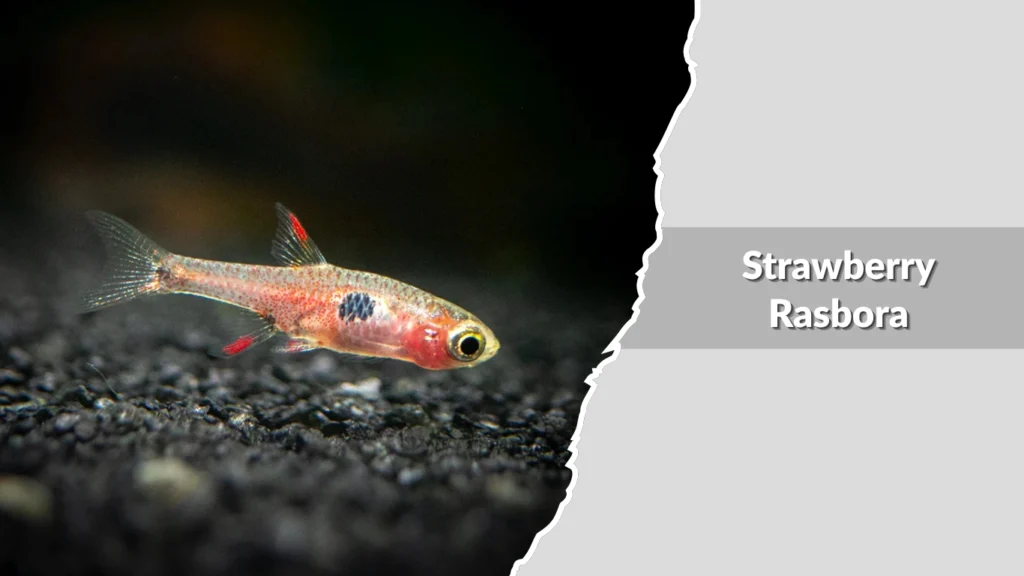
Strawberry Rasbora is a small freshwater fish admired for its rich red coloration and peaceful nature. It is especially popular in nano and planted aquariums where its vibrant appearance adds beauty and movement to the tank.
Identification
- Deep red or strawberry-colored body
- Dark horizontal stripe along the sides
- Small and slender body structure
- Transparent fins with reddish tones
- Usually grows to about 1 inch in length
Natural Habitat
Strawberry Rasboras are native to blackwater streams and swamp forests in Southeast Asia. They inhabit slow-moving waters filled with leaf litter, submerged roots, and dense aquatic vegetation. These habitats are typically soft, acidic, and stained dark by tannins released from decaying plant matter. The water is calm and shaded by surrounding forest cover, creating a secure environment for small schooling fish. In aquariums, they thrive in planted tanks with dim lighting, gentle filtration, and stable water conditions that mimic their natural habitat.
Behavior
Strawberry Rasboras are peaceful schooling fish that prefer living in groups. They are shy when kept alone but become active and confident in larger schools. These fish spend most of their time swimming calmly through the middle areas of the aquarium. They are non-aggressive and suitable for community tanks with other small, peaceful species. Their synchronized swimming behavior and bright red coloration make them highly attractive in heavily planted aquariums.
Diet
Strawberry Rasboras are omnivores that feed on tiny food sources in nature. In captivity, they readily accept crushed flakes, micro pellets, frozen foods, and small live foods such as baby brine shrimp and microworms. A varied diet helps maintain vibrant coloration and healthy activity levels. Because of their small mouths, food should be finely sized for easy feeding. Providing small meals once or twice daily supports proper nutrition and good water quality.
14. Redline Rasbora
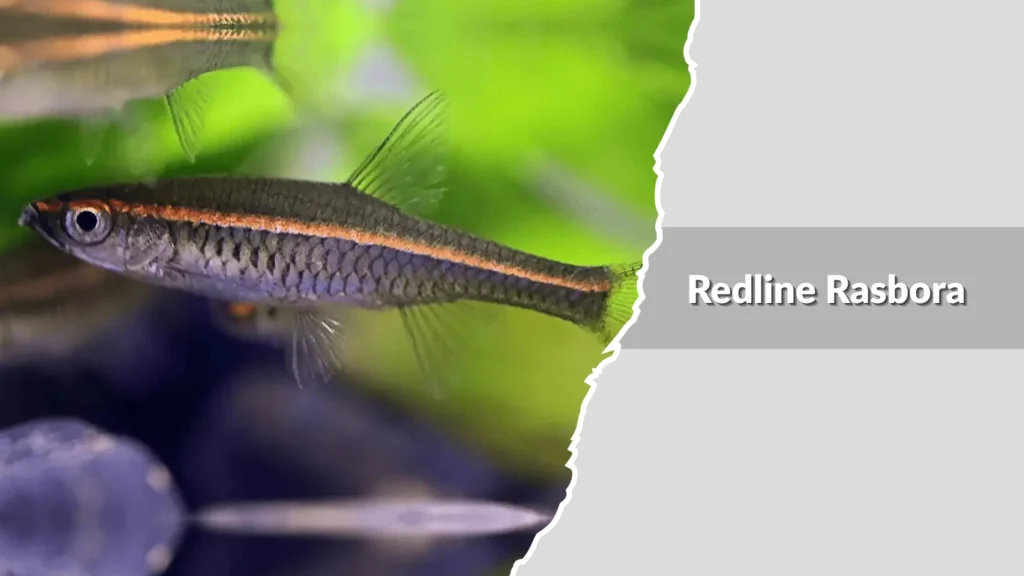
Redline Rasbora is an active freshwater schooling fish known for the striking red stripe that runs across its body. It is a hardy and peaceful species that works well in larger community aquariums with open swimming space.
Identification
- Silver body with a bold red horizontal stripe
- Black line running beneath the red marking
- Streamlined and elongated body shape
- Forked tail with subtle dark markings
- Can grow up to about 6 inches in length
Natural Habitat
Redline Rasboras are native to rivers and streams in Southeast Asia, especially in Thailand, Malaysia, and Indonesia. They inhabit clear or slightly tannin-stained waters with moderate currents and dense surrounding vegetation. Their natural environment often contains submerged plants, driftwood, and sandy or muddy substrates. These fish are usually found swimming in large schools through open water areas. In aquariums, they thrive in spacious tanks with stable water conditions, gentle to moderate flow, and plenty of swimming room.
Behavior
Redline Rasboras are peaceful and highly active schooling fish that prefer living in groups. They constantly swim through the middle and upper areas of the aquarium and display coordinated schooling behavior when kept in larger numbers. Although non-aggressive, their energetic nature may overwhelm very small or timid tank mates. They are best suited for community tanks with similarly active species. Their fast movement and bright body stripe create a lively and eye-catching aquarium display.
Diet
Redline Rasboras are omnivores and readily accept a wide variety of foods. Their diet may include flakes, pellets, frozen foods, and live foods such as bloodworms, brine shrimp, and daphnia. A varied and balanced diet helps maintain healthy growth, strong coloration, and active behavior. They are eager feeders and usually adapt quickly to prepared aquarium foods. Feeding moderate portions once or twice daily supports proper nutrition while maintaining good water quality.
15. Blue Line Rasbora
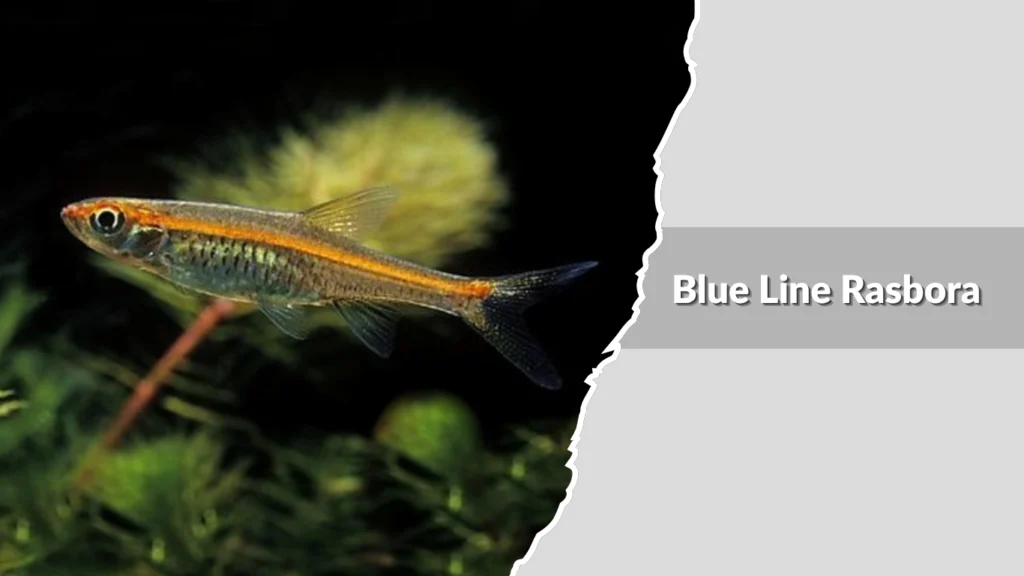
Blue Line Rasbora is a graceful freshwater fish recognized for the shimmering blue stripe running along its body. It is a peaceful schooling species that is well suited for community aquariums with plenty of swimming space and natural decorations.
Identification
- Silver body with an iridescent blue horizontal stripe
- Slender and elongated body shape
- Transparent fins with light yellow tones
- Streamlined appearance for fast swimming
- Can grow up to about 4 inches in length
Natural Habitat
Blue Line Rasboras are native to rivers and streams in Southeast Asia, where they inhabit clear and slow-moving freshwater environments. Their natural habitats often contain dense vegetation, submerged branches, and soft substrates such as sand or mud. The water is usually slightly acidic to neutral and rich in natural plant matter. These fish are commonly found swimming in schools through open water areas. In aquariums, they thrive in planted tanks with stable water conditions, moderate swimming space, and gentle water flow that reflects their natural environment.
Behavior
Blue Line Rasboras are peaceful and social fish that prefer to live in groups. They are active swimmers and usually occupy the middle and upper levels of the aquarium. Keeping them in schools helps reduce stress and encourages natural schooling behavior. These fish are non-aggressive and compatible with many peaceful community species. Their calm temperament and synchronized swimming patterns make them an attractive addition to larger planted aquariums.
Diet
Blue Line Rasboras are omnivorous and accept a wide range of foods in captivity. Their diet may include flakes, pellets, frozen foods, and live foods such as brine shrimp and insect larvae. A varied diet supports healthy growth, strong immune function, and vibrant coloration. They are active feeders and adapt easily to prepared aquarium foods. Feeding small to moderate portions once or twice daily helps maintain good health and stable aquarium water quality.
FAQs
What size tank is best for Rasboras?
Most Rasboras thrive in aquariums of at least 10 to 20 gallons, depending on the species. Larger varieties such as Redline Rasboras require bigger tanks with more swimming space, while smaller species like Chili Rasboras are suitable for nano aquariums.
Are Rasboras good community fish?
Yes, Rasboras are generally peaceful and work very well in community aquariums. They are compatible with other calm freshwater fish such as tetras, corydoras, small gouramis, and peaceful shrimp species.
How many Rasboras should be kept together?
Rasboras are schooling fish and should be kept in groups of at least six individuals. Larger schools help reduce stress, improve confidence, and encourage natural schooling behavior and stronger coloration.
What do Rasboras eat?
Rasboras are omnivores and eat flakes, pellets, frozen foods, and small live foods. A varied diet containing protein-rich foods such as brine shrimp and daphnia helps maintain healthy growth and vibrant colors.
Do Rasboras need planted aquariums?
Planted aquariums are highly recommended for Rasboras because plants provide shelter, reduce stress, and create a more natural environment. Dense vegetation also encourages natural behavior and helps them feel secure.