
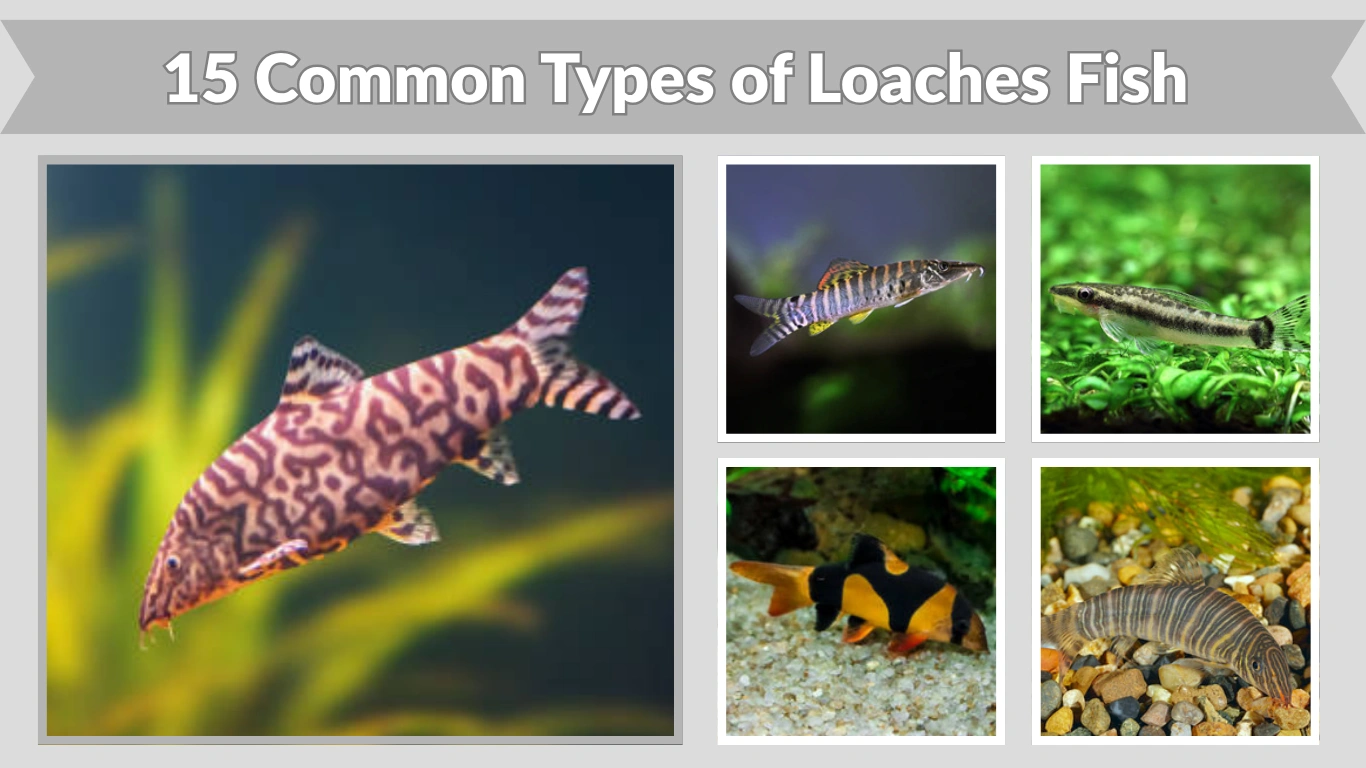
Loaches are fascinating freshwater fish known for their active behavior, unique body shapes, and peaceful personalities. These bottom-dwelling fish come in many colors, patterns, and sizes, making them popular choices for community aquariums around the world. Some loaches are excellent snail eaters, while others are admired for their playful social interactions and unusual appearances. From the energetic Clown Loach to the slender Kuhli Loach, each species has different care needs and behaviors. Learning about the most common types of loaches helps aquarium owners choose suitable fish for their tank size, setup, and experience level.
1. Clown Loach
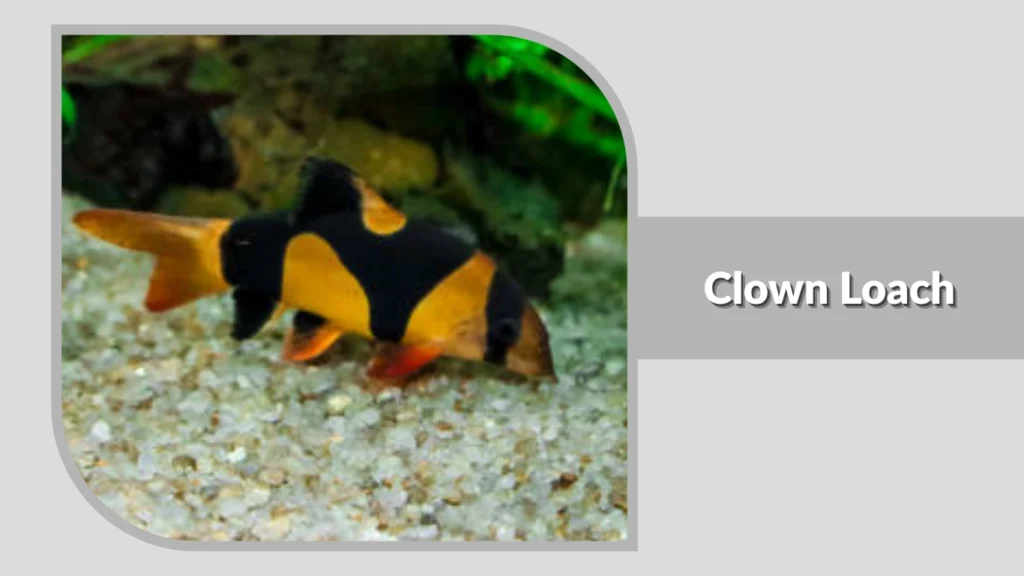
The Clown Loach is one of the most popular freshwater loach species known for its bright colors, playful behavior, and peaceful temperament. Native to Southeast Asia, this social fish thrives in groups and becomes highly active in community aquariums. Its unique striped pattern and energetic personality make the Clown Loach a favorite choice among aquarium enthusiasts around the world.
Identification
- Bright orange or yellow body coloration
- Three bold black vertical bands across the body
- Long, slender body with curved shape
- Small barbels around the mouth area
- Usually grows between 8 and 12 inches long
Natural Habitat
Clown Loaches naturally inhabit rivers, streams, and flooded forest areas throughout Indonesia and nearby Southeast Asian regions. They prefer warm freshwater environments with soft substrates, submerged roots, and moderate water flow. In the wild, these fish often gather in groups near the bottom while searching for insects, worms, and organic matter.
Behavior
This species is peaceful, social, and highly active in community aquariums. Clown Loaches should be kept in groups because they naturally form social hierarchies and display playful interactions with one another. They are mostly active during the evening and enjoy exploring caves, driftwood, and hiding spaces throughout the aquarium environment.
Diet
Clown Loaches are omnivores that consume a wide variety of foods in captivity and natural habitats. They enjoy sinking pellets, worms, insect larvae, shrimp, vegetables, and algae-based foods. A balanced diet supports healthy growth, strong immune function, vibrant coloration, and active behavior throughout their lifespan in aquarium conditions.
Tank Requirements
A minimum tank size of 75 gallons is recommended because Clown Loaches grow large and prefer living in groups. The aquarium should contain soft substrate, driftwood, caves, plants, and efficient filtration. Warm temperatures, stable water conditions, and regular maintenance are essential for maintaining excellent health and reducing long-term stress.
Lifespan
With proper care and suitable aquarium conditions, Clown Loaches commonly live between 10 and 20 years in captivity. Clean water, balanced nutrition, and a low-stress environment greatly improve their overall health and longevity. Consistent care helps these colorful fish remain active, healthy, and socially interactive throughout their entire lifespan.
2. Kuhli Loach
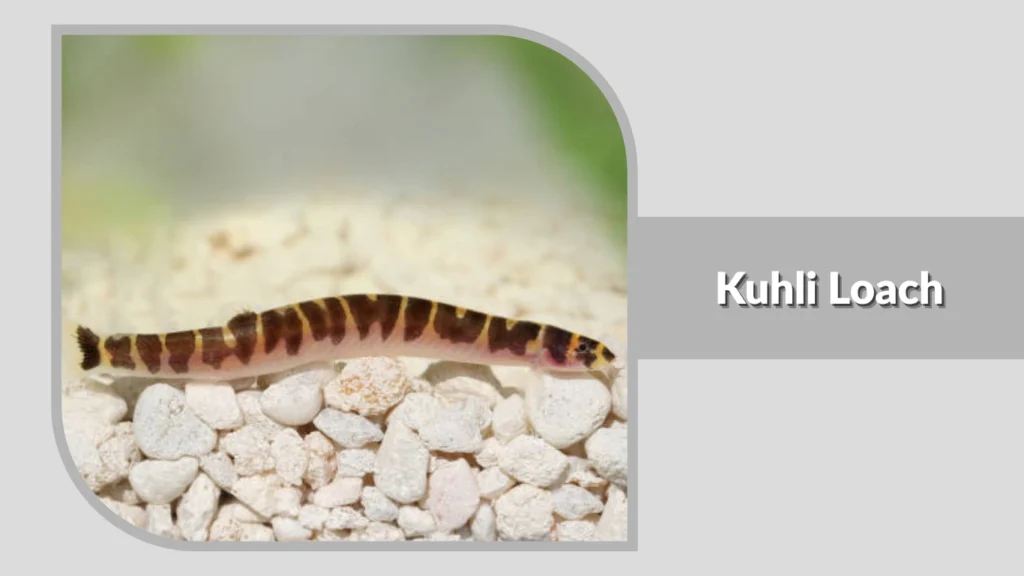
The Kuhli Loach is a small eel-like freshwater fish admired for its peaceful nature and unique appearance. Native to Southeast Asia, this shy bottom-dweller is popular in community aquariums because of its calm temperament and ability to help clean leftover food. Its slender body, playful nighttime activity, and fascinating behavior make the Kuhli Loach a favorite among aquarium hobbyists.
Identification
- Long, eel-shaped body with smooth appearance
- Yellow, orange, or pink body with dark bands
- Small barbels located around the mouth
- Tiny fins with snake-like movement
- Usually grows between 3 and 5 inches long
Natural Habitat
Kuhli Loaches naturally inhabit slow-moving rivers, streams, and shallow waters across Southeast Asia. They prefer soft sandy substrates, leaf litter, submerged roots, and dense vegetation. In the wild, these fish spend most of their time hiding beneath debris and searching for small insects, worms, and organic matter along the bottom.
Behavior
This species is peaceful, shy, and mostly active during nighttime hours. Kuhli Loaches enjoy living in groups and often hide together beneath driftwood, plants, or caves throughout the day. They are excellent community fish and rarely show aggression, making them suitable companions for other calm freshwater aquarium species.
Diet
Kuhli Loaches are omnivores that feed on small sinking foods and organic matter. In aquariums, they enjoy sinking pellets, bloodworms, brine shrimp, insect larvae, and leftover fish food. A balanced diet with protein-rich foods helps maintain healthy growth, strong immunity, and active behavior throughout their lifespan in captivity.
Tank Requirements
A minimum tank size of 20 gallons is suitable for Kuhli Loaches because they prefer living in small groups with plenty of hiding spaces. The aquarium should include soft substrate, driftwood, caves, plants, and gentle filtration. Stable water conditions and regular maintenance are important for reducing stress and supporting long-term health.
Lifespan
With proper care and stable aquarium conditions, Kuhli Loaches commonly live between 8 and 10 years in captivity. Clean water, balanced nutrition, and a peaceful environment greatly improve their overall health and longevity. Consistent maintenance helps these fascinating bottom-dwellers remain active, healthy, and comfortable throughout their entire lifespan.
3. Yoyo Loach
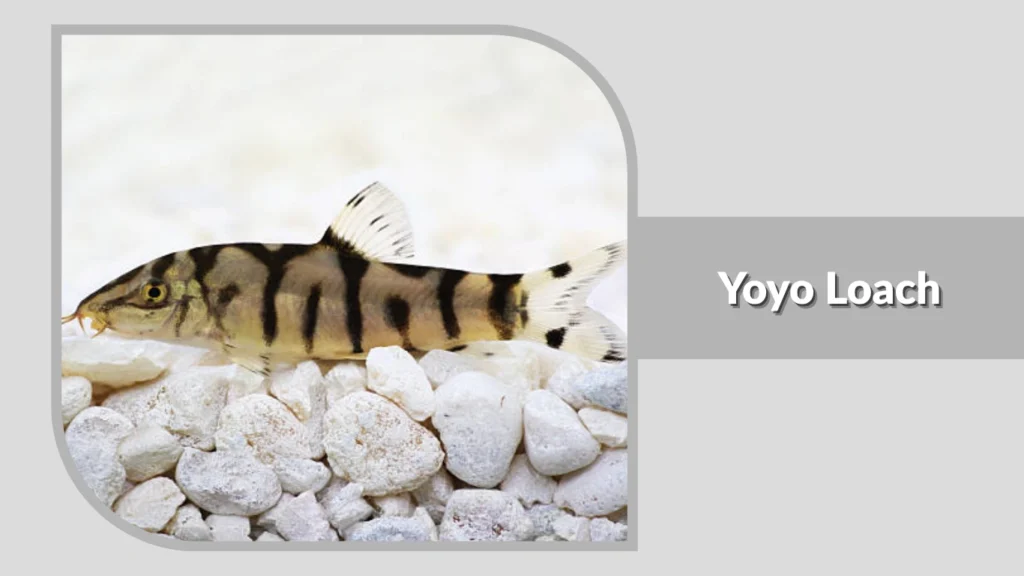
The Yoyo Loach is a lively freshwater fish known for its energetic behavior and unique body markings that resemble the letters “YOYO.” Native to South Asia, this species is popular among aquarium hobbyists because of its playful personality and ability to control pest snails. The Yoyo Loach thrives in community aquariums with stable water conditions, hiding places, and social companions.
Identification
- Silver or golden body with dark chain-like markings
- Distinct patterns resembling the word “YOYO”
- Long slender body with small barbels around the mouth
- Transparent fins with dark spots or stripes
- Usually grows between 3 and 6 inches long
Natural Habitat
Yoyo Loaches naturally inhabit rivers, streams, and slow-moving freshwater areas throughout India and Pakistan. They prefer environments with sandy bottoms, submerged roots, rocks, and moderate water flow. In the wild, these fish search along the river bottom for insects, worms, snails, and small organic materials during feeding periods.
Behavior
This species is active, social, and highly curious in aquarium environments. Yoyo Loaches should be kept in groups because they naturally interact and establish social hierarchies. They enjoy exploring caves, driftwood, and decorations while remaining mostly active during evening hours. Their playful nature makes them entertaining additions to community aquariums.
Diet
Yoyo Loaches are omnivores that consume a wide variety of foods in captivity and natural habitats. They enjoy sinking pellets, bloodworms, brine shrimp, insect larvae, vegetables, and small snails. A balanced diet supports healthy growth, vibrant coloration, stronger immunity, and active behavior throughout their lifespan in aquarium conditions.
Tank Requirements
A minimum tank size of 40 gallons is recommended because Yoyo Loaches are active swimmers and prefer group living. The aquarium should contain soft substrate, caves, driftwood, plants, and efficient filtration. Stable water temperatures, moderate flow, and regular maintenance are important for maintaining excellent health and reducing stress levels.
Lifespan
With proper care and suitable aquarium conditions, Yoyo Loaches commonly live between 5 and 8 years in captivity. Clean water, balanced nutrition, and low-stress surroundings greatly improve their overall health and longevity. Consistent maintenance helps these energetic fish remain active, healthy, and socially interactive throughout their entire lifespan.
4. Zebra Loach
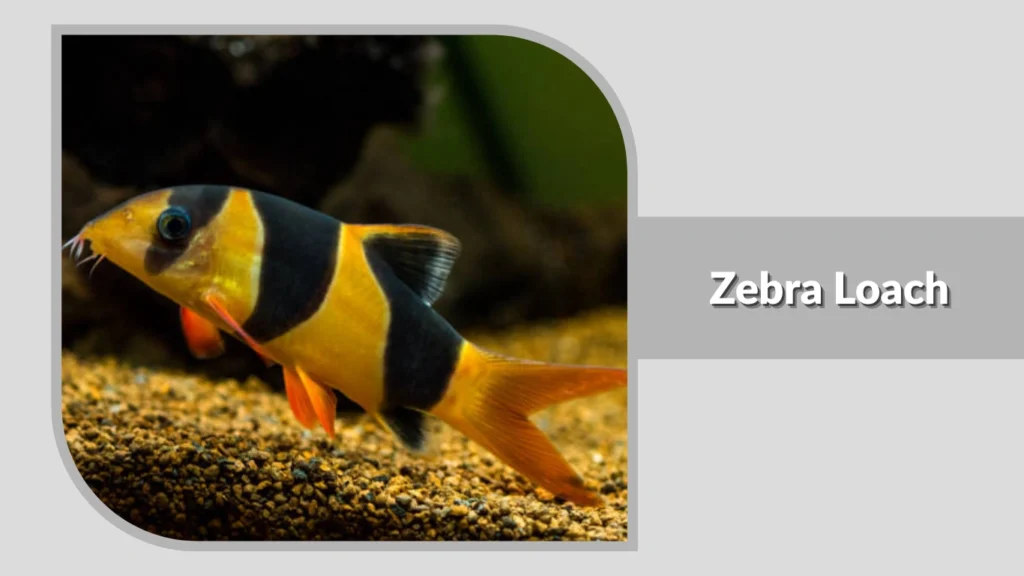
The Zebra Loach is a small and attractive freshwater fish recognized for its bold striped pattern and active personality. Native to India, this peaceful species is popular in community aquariums because of its manageable size and social behavior. Zebra Loaches thrive in groups and help control pest snails while adding constant movement and energy to freshwater aquarium environments.
Identification
- Golden or brown body with dark vertical stripes
- Slender body with streamlined appearance
- Small barbels around the mouth area
- Transparent fins with striped body pattern
- Usually grows between 3 and 4 inches long
Natural Habitat
Zebra Loaches naturally inhabit rivers and streams across India and nearby regions. They prefer warm freshwater environments with sandy substrates, rocks, driftwood, and moderate currents. In the wild, these fish remain near the bottom while searching for insects, worms, snails, and small organic materials hidden among underwater surfaces and debris.
Behavior
This species is peaceful, social, and highly active in aquarium environments. Zebra Loaches should be kept in groups because they naturally interact and establish social hierarchies. They enjoy exploring caves, driftwood, and plants while remaining mostly active throughout the day. Their playful behavior makes them entertaining additions to community aquariums.
Diet
Zebra Loaches are omnivores that consume both plant and protein-based foods. In aquariums, they enjoy sinking pellets, bloodworms, brine shrimp, insect larvae, algae wafers, and small snails. A varied diet supports healthy growth, vibrant coloration, stronger immunity, and consistent energy levels throughout their lifespan in captivity.
Tank Requirements
A minimum tank size of 30 gallons is recommended because Zebra Loaches are active swimmers and prefer living in groups. The aquarium should contain soft substrate, caves, driftwood, plants, and efficient filtration. Stable water conditions, moderate water flow, and regular maintenance are important for maintaining excellent long-term health and comfort.
Lifespan
With proper care and suitable aquarium conditions, Zebra Loaches commonly live between 8 and 10 years in captivity. Clean water, balanced nutrition, and a peaceful environment greatly improve their overall health and longevity. Consistent aquarium maintenance helps these striped fish remain active, healthy, and socially interactive throughout their entire lifespan.
5. Weather Loach
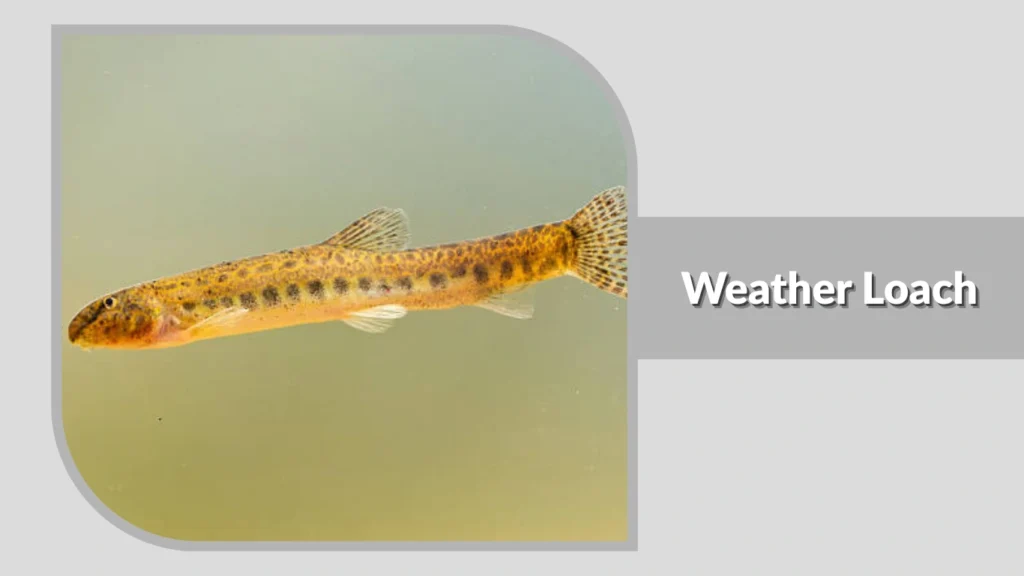
The Weather Loach is a hardy freshwater fish known for its playful behavior and sensitivity to atmospheric pressure changes. Often called the Dojo Loach, this species becomes more active before storms or weather changes, which inspired its common name. Native to East Asia, the Weather Loach is peaceful, social, and highly adaptable, making it a popular choice for larger community aquariums.
Identification
- Long cylindrical body with smooth appearance
- Yellow, brown, or olive body coloration
- Small barbels around the mouth area
- Rounded fins with eel-like movement
- Usually grows between 8 and 12 inches long
Natural Habitat
Weather Loaches naturally inhabit rivers, ponds, rice fields, and slow-moving waterways across East Asia. They prefer muddy or sandy bottoms with plants, rocks, and submerged roots for shelter. In the wild, these fish spend much of their time searching along the bottom for insects, worms, and organic matter in calm freshwater environments.
Behavior
This species is peaceful, social, and highly active in aquarium settings. Weather Loaches enjoy interacting with tank mates and often display playful swimming behavior throughout the aquarium. They are known for becoming unusually active before weather changes and prefer living in groups where they feel secure and comfortable in their surroundings.
Diet
Weather Loaches are omnivores that consume a wide variety of foods in captivity and natural habitats. They enjoy sinking pellets, bloodworms, insect larvae, brine shrimp, vegetables, and leftover fish food. A balanced diet supports healthy growth, strong immune function, active behavior, and improved overall health throughout their lifespan in captivity.
Tank Requirements
A minimum tank size of 55 gallons is recommended because Weather Loaches grow relatively large and remain active swimmers. The aquarium should include soft substrate, plants, caves, driftwood, and efficient filtration. Cool to moderate water temperatures, stable conditions, and regular maintenance are essential for reducing stress and maintaining long-term health.
Lifespan
With proper care and stable aquarium conditions, Weather Loaches commonly live between 10 and 15 years in captivity. Clean water, balanced nutrition, and a peaceful environment greatly improve their overall health and longevity. Consistent aquarium maintenance helps these fascinating fish remain active, healthy, and socially interactive throughout their entire lifespan.
6. Hillstream Loach
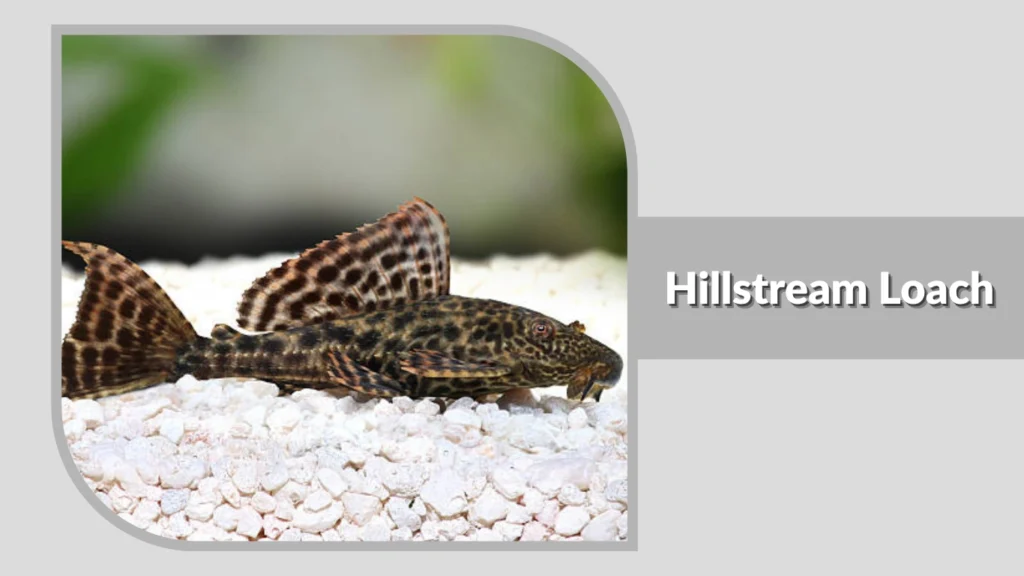
The Hillstream Loach is a unique freshwater fish admired for its flat body shape and strong ability to cling to rocks in fast-moving water. Native to Asia, this peaceful species is popular among aquarium hobbyists because of its unusual appearance and algae-eating behavior. Hillstream Loaches require cool, oxygen-rich water and thrive best in well-maintained aquariums with strong water flow.
Identification
- Flattened body designed for clinging to surfaces
- Broad pectoral and pelvic fins with wing-like shape
- Brown or olive body with spotted or striped markings
- Sucker-like underside adapted for strong currents
- Usually grows between 2 and 3 inches long
Natural Habitat
Hillstream Loaches naturally inhabit fast-flowing streams and rivers throughout Asia. They prefer cool, oxygen-rich freshwater with rocky bottoms and strong currents. In the wild, these fish attach themselves to rocks and submerged surfaces while feeding on algae, biofilm, and small organic particles carried through the moving water.
Behavior
This species is peaceful, active, and suitable for calm community aquariums with similar water requirements. Hillstream Loaches spend much of their time attached to rocks, glass, and decorations while grazing on algae. They are highly active during the day and enjoy exploring areas with strong water movement and hiding spaces.
Diet
Hillstream Loaches are omnivores that mainly consume algae, biofilm, and small protein-rich foods. In aquariums, they enjoy algae wafers, sinking pellets, blanched vegetables, bloodworms, and insect larvae. Providing a balanced diet supports healthy growth, proper digestion, stronger immunity, and active behavior throughout their lifespan in captivity.
Tank Requirements
A minimum tank size of 30 gallons is recommended because Hillstream Loaches require strong filtration and highly oxygenated water. The aquarium should include rocks, smooth surfaces, moderate to strong current, and stable water conditions. Cooler temperatures and regular maintenance are essential for maintaining excellent health and reducing long-term stress.
Lifespan
With proper care and stable aquarium conditions, Hillstream Loaches commonly live between 8 and 10 years in captivity. Clean water, balanced nutrition, and oxygen-rich environments greatly improve their overall health and longevity. Consistent maintenance helps these unusual fish remain active, healthy, and visually interesting throughout their entire lifespan.
7. Skunk Loach

The Skunk Loach is a small freshwater fish known for the dark stripe running from its head to tail, resembling a skunk’s marking. This active species is popular among aquarium hobbyists because of its energetic personality and ability to control pest snails. Native to Southeast Asia, the Skunk Loach thrives in clean aquariums with hiding spaces, stable water conditions, and peaceful tank mates.
Identification
- Light-colored body with a bold dark stripe
- Slender body with streamlined appearance
- Small barbels around the mouth area
- Transparent fins with compact body structure
- Usually grows between 3 and 5 inches long
Natural Habitat
Skunk Loaches naturally inhabit rivers, streams, and flooded freshwater areas throughout Southeast Asia. They prefer warm environments with sandy bottoms, submerged roots, rocks, and moderate water movement. In the wild, these fish search near the bottom for insects, worms, snails, and small organic materials hidden among underwater surfaces and debris.
Behavior
This species is active, social, and occasionally territorial in aquarium environments. Skunk Loaches enjoy exploring caves, driftwood, and plants while remaining highly energetic throughout the day. They should be kept with similarly active fish and provided with enough space because they may become aggressive toward slow-moving or timid tank mates.
Diet
Skunk Loaches are omnivores that consume both plant and protein-based foods. In captivity, they enjoy sinking pellets, bloodworms, insect larvae, algae wafers, vegetables, and small snails. A balanced diet supports healthy growth, stronger immunity, vibrant coloration, and active behavior throughout their lifespan in aquarium conditions.
Tank Requirements
A minimum tank size of 30 gallons is recommended because Skunk Loaches are active swimmers and require sufficient territory. The aquarium should include soft substrate, caves, driftwood, plants, and efficient filtration. Stable water conditions, moderate flow, and regular maintenance are essential for reducing stress and maintaining long-term health.
Lifespan
With proper care and suitable aquarium conditions, Skunk Loaches commonly live between 8 and 10 years in captivity. Clean water, balanced nutrition, and a stress-free environment greatly improve their overall health and longevity. Consistent maintenance helps these energetic fish remain active, healthy, and visually attractive throughout their entire lifespan.
8. Dwarf Chain Loach
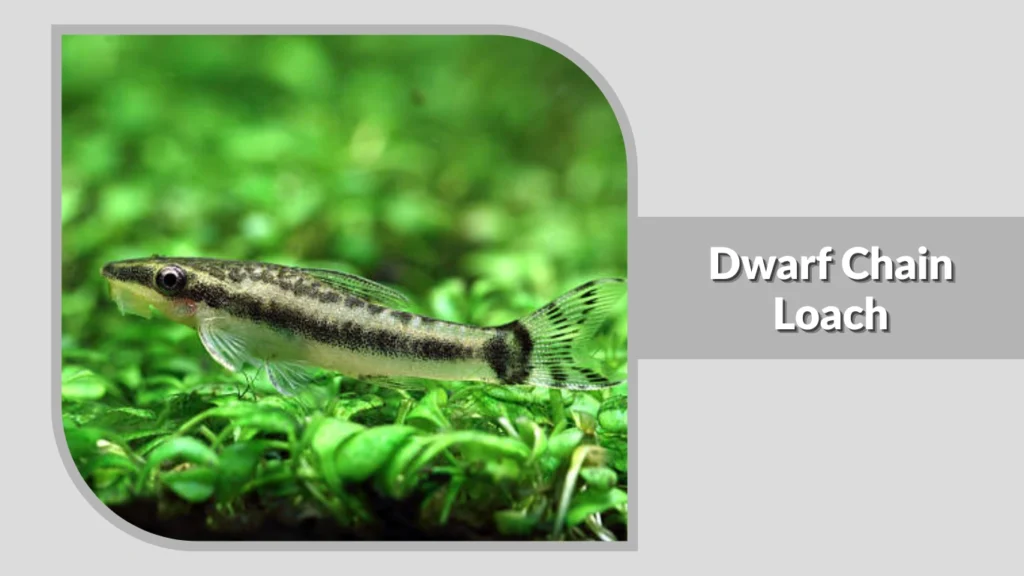
The Dwarf Chain Loach is a small and lively freshwater fish admired for its chain-like body pattern and peaceful personality. This species is popular among aquarium hobbyists because of its manageable size, playful behavior, and effectiveness at controlling pest snails. Native to South Asia, the Dwarf Chain Loach thrives in groups and prefers clean aquariums with stable water conditions.
Identification
- Golden or silver body with chain-like dark markings
- Small slender body with streamlined appearance
- Tiny barbels around the mouth area
- Transparent fins with spotted patterns
- Usually grows between 2 and 3 inches long
Natural Habitat
Dwarf Chain Loaches naturally inhabit rivers, streams, and slow-moving freshwater environments in India and Bangladesh. They prefer warm waters with sandy substrates, submerged roots, plants, and moderate currents. In the wild, these fish remain near the bottom while searching for insects, worms, snails, and small organic materials among underwater debris.
Behavior
This species is peaceful, social, and highly active in community aquariums. Dwarf Chain Loaches should be kept in groups because they naturally interact and form social hierarchies. They enjoy exploring caves, driftwood, and plants while remaining active throughout the day. Their energetic and playful behavior makes them entertaining additions to freshwater tanks.
Diet
Dwarf Chain Loaches are omnivores that consume both plant and protein-based foods. In aquariums, they enjoy sinking pellets, bloodworms, insect larvae, algae wafers, vegetables, and small snails. A balanced diet supports healthy growth, vibrant coloration, stronger immunity, and active behavior throughout their lifespan in captivity.
Tank Requirements
A minimum tank size of 20 gallons is recommended because Dwarf Chain Loaches prefer group living and active swimming space. The aquarium should contain soft substrate, caves, driftwood, plants, and efficient filtration. Stable water temperatures, moderate flow, and regular maintenance are important for maintaining excellent health and reducing stress levels.
Lifespan
With proper care and suitable aquarium conditions, Dwarf Chain Loaches commonly live between 6 and 8 years in captivity. Clean water, balanced nutrition, and peaceful surroundings greatly improve their overall health and longevity. Consistent aquarium maintenance helps these small fish remain active, healthy, and socially interactive throughout their entire lifespan.
9. Horseface Loach
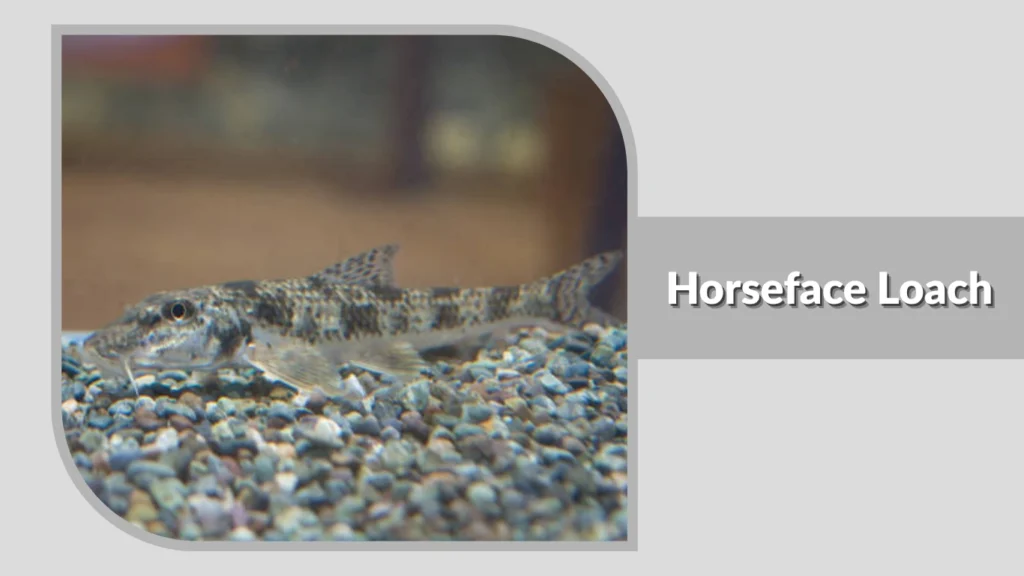
The Horseface Loach is a unique freshwater fish recognized for its long pointed snout that resembles a horse’s face. This shy bottom-dwelling species is popular among experienced aquarium hobbyists because of its unusual appearance and peaceful behavior. Native to Southeast Asia, the Horseface Loach thrives in sandy aquariums with hiding spaces, gentle currents, and stable water conditions.
Identification
- Long pointed snout with horse-like appearance
- Slender elongated body with smooth texture
- Brown or tan body with darker markings
- Small barbels around the mouth area
- Usually grows between 6 and 8 inches long
Natural Habitat
Horseface Loaches naturally inhabit rivers and streams throughout Southeast Asia. They prefer sandy or muddy bottoms with leaf litter, submerged roots, and slow-moving water. In the wild, these fish often bury themselves beneath the substrate while searching for insects, worms, crustaceans, and organic matter hidden within the sand.
Behavior
This species is peaceful, shy, and mostly active during nighttime hours. Horseface Loaches spend much of the day partially buried beneath soft substrate to avoid bright light and disturbances. They rarely display aggression and generally coexist well with calm community fish that do not compete aggressively for food or territory.
Diet
Horseface Loaches are omnivores that feed on small organisms and organic matter found along the bottom. In aquariums, they enjoy sinking pellets, bloodworms, insect larvae, brine shrimp, and other protein-rich foods. A balanced diet supports healthy growth, stronger immunity, active behavior, and improved long-term health in captivity.
Tank Requirements
A minimum tank size of 40 gallons is recommended because Horseface Loaches require soft sandy substrate and adequate bottom space. The aquarium should include caves, driftwood, plants, and gentle filtration. Stable water conditions, warm temperatures, and regular maintenance are essential for reducing stress and maintaining excellent long-term health.
Lifespan
With proper care and stable aquarium conditions, Horseface Loaches commonly live between 10 and 12 years in captivity. Clean water, balanced nutrition, and a peaceful environment greatly improve their overall health and longevity. Consistent maintenance helps these unusual bottom-dwellers remain active, healthy, and comfortable throughout their entire lifespan.
10. Rosy Loach
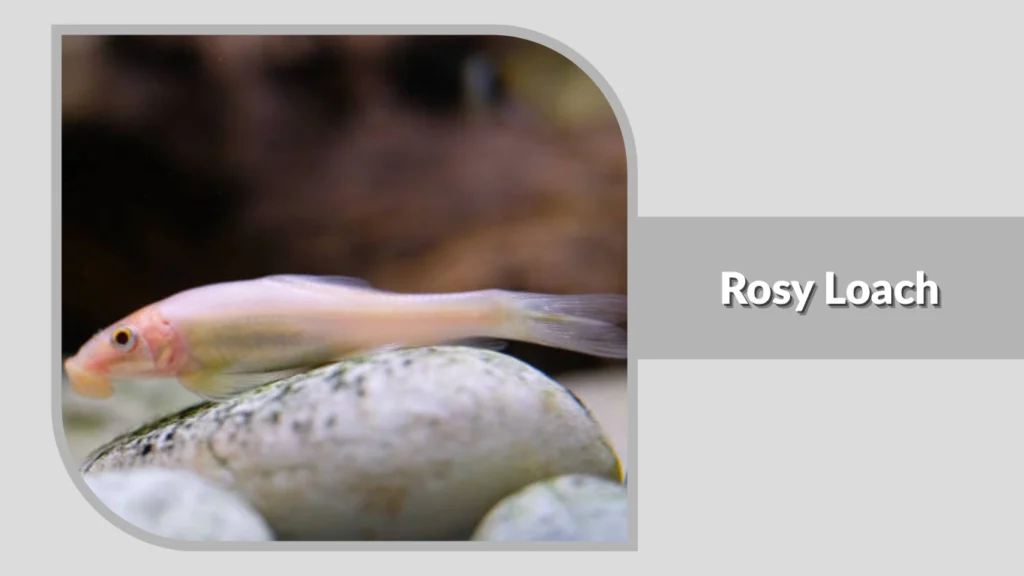
The Rosy Loach is a small and colorful freshwater fish admired for its peaceful temperament and attractive pinkish tones. This species is popular among aquarium hobbyists because of its compact size, social nature, and suitability for community tanks. Native to Southeast Asia, the Rosy Loach thrives in clean aquariums with plants, hiding places, and stable water conditions for healthy development.
Identification
- Pink, golden, or rosy body coloration
- Slender body with smooth appearance
- Small barbels around the mouth area
- Transparent fins with delicate markings
- Usually grows between 1 and 2 inches long
Natural Habitat
Rosy Loaches naturally inhabit streams, rivers, and shallow freshwater areas throughout Southeast Asia. They prefer environments with sandy bottoms, aquatic plants, submerged roots, and gentle water flow. In the wild, these fish remain near the bottom while feeding on insects, small crustaceans, algae, and organic matter among underwater debris.
Behavior
This species is peaceful, social, and highly active in aquarium environments. Rosy Loaches enjoy living in groups and often display playful interactions with one another throughout the day. They are excellent community fish and rarely show aggression, making them suitable companions for other small and calm freshwater aquarium species.
Diet
Rosy Loaches are omnivores that consume both plant and protein-based foods. In aquariums, they enjoy sinking pellets, bloodworms, brine shrimp, insect larvae, algae wafers, and finely chopped vegetables. A balanced diet supports healthy growth, vibrant coloration, stronger immunity, and active behavior throughout their lifespan in captivity.
Tank Requirements
A minimum tank size of 15 to 20 gallons is recommended because Rosy Loaches prefer group living and active swimming space. The aquarium should contain plants, driftwood, caves, soft substrate, and efficient filtration. Stable water conditions and regular maintenance are important for maintaining excellent health and reducing long-term stress levels.
Lifespan
With proper care and stable aquarium conditions, Rosy Loaches commonly live between 5 and 8 years in captivity. Clean water, balanced nutrition, and peaceful surroundings greatly improve their overall health and longevity. Consistent maintenance helps these colorful fish remain active, healthy, and socially interactive throughout their entire lifespan.
11. Golden Zebra Loach
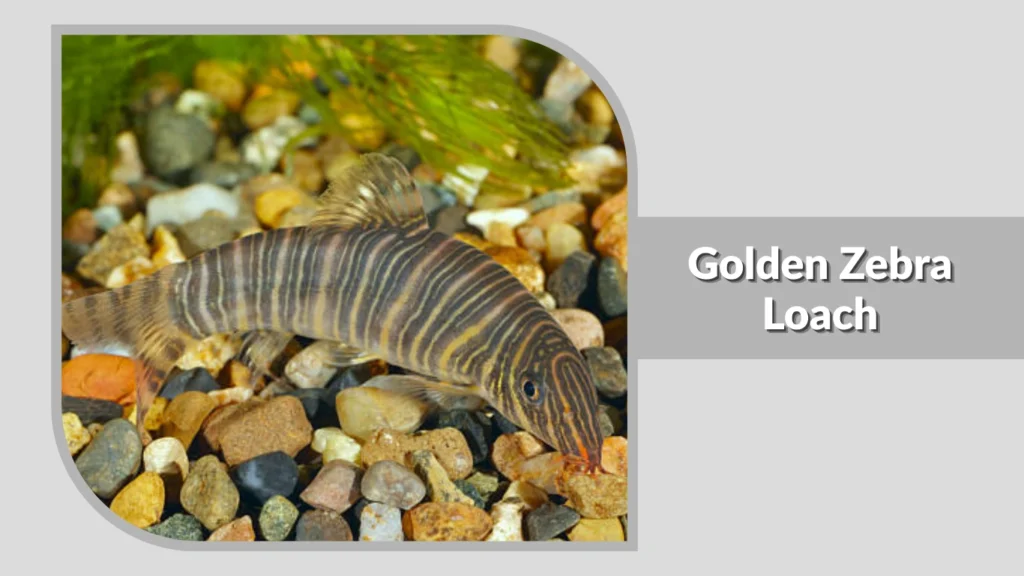
The Golden Zebra Loach is a striking freshwater fish admired for its golden body color and bold dark stripes. This peaceful and active species is popular among aquarium hobbyists because of its attractive appearance and playful behavior. Native to Asia, the Golden Zebra Loach thrives in groups and prefers clean aquariums with stable water conditions, hiding spaces, and gentle water flow.
Identification
- Golden or yellow body with dark vertical stripes
- Slender body with streamlined appearance
- Small barbels around the mouth area
- Transparent fins with subtle markings
- Usually grows between 3 and 4 inches long
Natural Habitat
Golden Zebra Loaches naturally inhabit rivers, streams, and freshwater channels throughout parts of Asia. They prefer warm waters with sandy bottoms, rocks, submerged roots, and moderate water movement. In the wild, these fish stay near the bottom while feeding on insects, worms, snails, algae, and small organic materials hidden among debris.
Behavior
This species is peaceful, social, and highly active in community aquariums. Golden Zebra Loaches enjoy living in groups and display playful interactions with one another throughout the day. They frequently explore caves, driftwood, and plants while remaining curious and energetic in well-maintained aquarium environments with calm tank mates.
Diet
Golden Zebra Loaches are omnivores that consume both plant and protein-based foods. In aquariums, they enjoy sinking pellets, bloodworms, insect larvae, algae wafers, vegetables, and small snails. A balanced diet supports healthy growth, stronger immunity, vibrant coloration, and active behavior throughout their lifespan in captivity.
Tank Requirements
A minimum tank size of 30 gallons is recommended because Golden Zebra Loaches prefer active swimming space and group living conditions. The aquarium should include soft substrate, caves, driftwood, plants, and efficient filtration. Stable water conditions and regular maintenance are essential for maintaining excellent health and reducing stress levels.
Lifespan
With proper care and suitable aquarium conditions, Golden Zebra Loaches commonly live between 6 and 10 years in captivity. Clean water, balanced nutrition, and peaceful surroundings greatly improve their overall health and longevity. Consistent aquarium maintenance helps these striped fish remain active, healthy, and socially interactive throughout their entire lifespan.
12. Polka Dot Loach
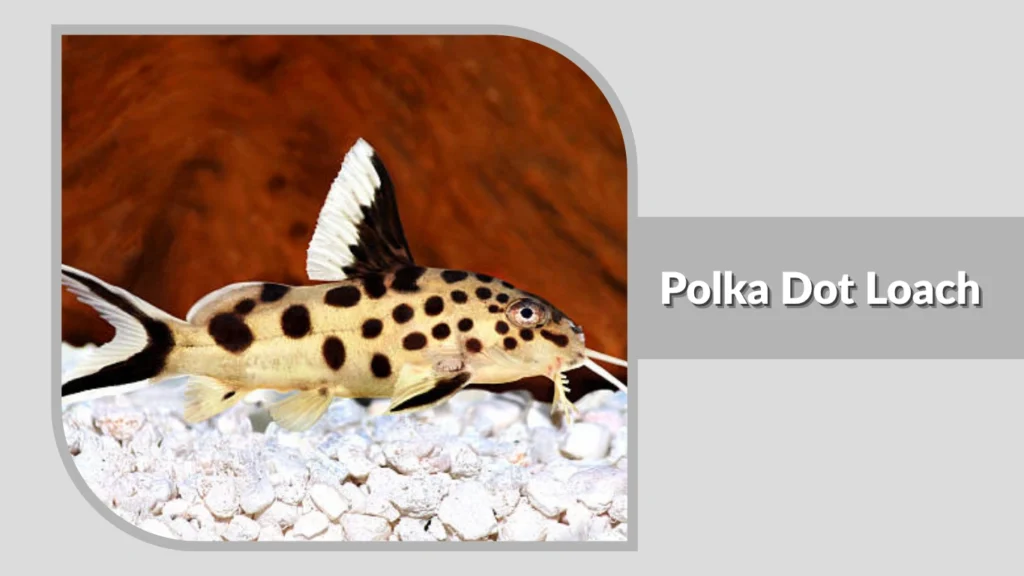
The Polka Dot Loach is a beautiful freshwater fish recognized for its spotted body pattern and energetic personality. This peaceful species is popular among aquarium hobbyists because of its unusual appearance and active behavior. Native to Southeast Asia, the Polka Dot Loach thrives in clean aquariums with stable water conditions, soft substrate, and plenty of hiding places for comfort and security.
Identification
- Light-colored body covered with dark round spots
- Slender elongated body with smooth appearance
- Small barbels around the mouth area
- Transparent fins with spotted patterns
- Usually grows between 3 and 5 inches long
Natural Habitat
Polka Dot Loaches naturally inhabit rivers, streams, and slow-moving freshwater habitats across Southeast Asia. They prefer sandy bottoms, submerged roots, aquatic plants, and moderate water flow. In the wild, these fish remain near the bottom while feeding on insects, worms, algae, and small organic materials hidden among underwater debris and rocks.
Behavior
This species is peaceful, active, and social in aquarium environments. Polka Dot Loaches enjoy living in groups and often display playful interactions with one another during feeding and exploration. They frequently search around caves, driftwood, and plants while remaining mostly active throughout the day in comfortable aquarium surroundings.
Diet
Polka Dot Loaches are omnivores that consume a wide variety of foods in captivity and natural habitats. They enjoy sinking pellets, bloodworms, insect larvae, algae wafers, vegetables, and small crustaceans. A balanced diet supports healthy growth, vibrant body coloration, stronger immunity, and active behavior throughout their lifespan in aquariums.
Tank Requirements
A minimum tank size of 30 gallons is recommended because Polka Dot Loaches require swimming space and group living conditions. The aquarium should contain soft substrate, caves, driftwood, plants, and efficient filtration. Stable water conditions, gentle current, and regular maintenance are important for maintaining excellent long-term health and reducing stress.
Lifespan
With proper care and stable aquarium conditions, Polka Dot Loaches commonly live between 6 and 10 years in captivity. Clean water, balanced nutrition, and peaceful surroundings greatly improve their overall health and longevity. Consistent aquarium maintenance helps these spotted fish remain active, healthy, and visually attractive throughout their entire lifespan.
13. Tiger Loach
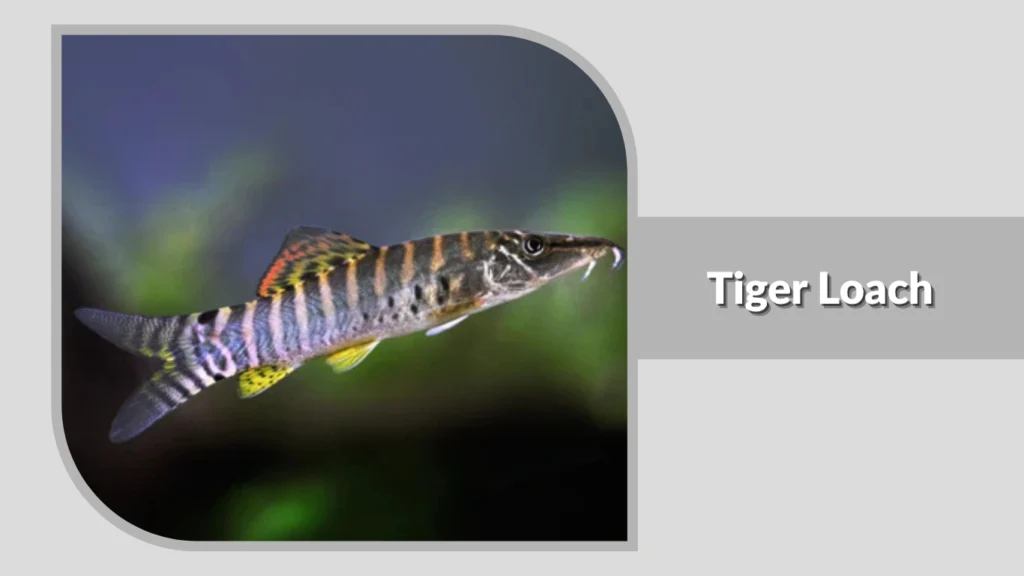
The Tiger Loach is a colorful freshwater fish admired for its bold striped pattern and energetic personality. This active species is popular among aquarium hobbyists because of its striking appearance and lively behavior. Native to Asia, the Tiger Loach thrives in clean aquariums with stable water conditions, hiding spaces, and suitable tank mates that can handle its active nature.
Identification
- Yellow or golden body with dark tiger-like stripes
- Slender body with streamlined appearance
- Small barbels around the mouth area
- Transparent fins with dark markings
- Usually grows between 4 and 6 inches long
Natural Habitat
Tiger Loaches naturally inhabit rivers, streams, and flooded freshwater areas throughout parts of Asia. They prefer sandy or rocky bottoms with submerged roots, driftwood, and moderate water flow. In the wild, these fish search along the bottom for insects, worms, snails, algae, and small organic materials hidden within debris and plants.
Behavior
This species is active, social, and sometimes territorial in aquarium environments. Tiger Loaches enjoy exploring caves, driftwood, and decorations while remaining highly energetic throughout the day. They should be kept with similarly active fish because they may bother slow-moving tank mates or compete aggressively for territory and food in smaller aquariums.
Diet
Tiger Loaches are omnivores that consume both plant and protein-based foods. In aquariums, they enjoy sinking pellets, bloodworms, insect larvae, algae wafers, vegetables, and small snails. A balanced diet supports healthy growth, stronger immunity, vibrant coloration, and active behavior throughout their lifespan in captivity.
Tank Requirements
A minimum tank size of 40 gallons is recommended because Tiger Loaches are active swimmers and require enough territory. The aquarium should contain soft substrate, caves, driftwood, plants, and efficient filtration. Stable water conditions, moderate water flow, and regular maintenance are essential for maintaining excellent health and reducing stress.
Lifespan
With proper care and stable aquarium conditions, Tiger Loaches commonly live between 8 and 12 years in captivity. Clean water, balanced nutrition, and peaceful surroundings greatly improve their overall health and longevity. Consistent aquarium maintenance helps these striped fish remain active, healthy, and visually impressive throughout their entire lifespan.
14. Burmese Border Loach
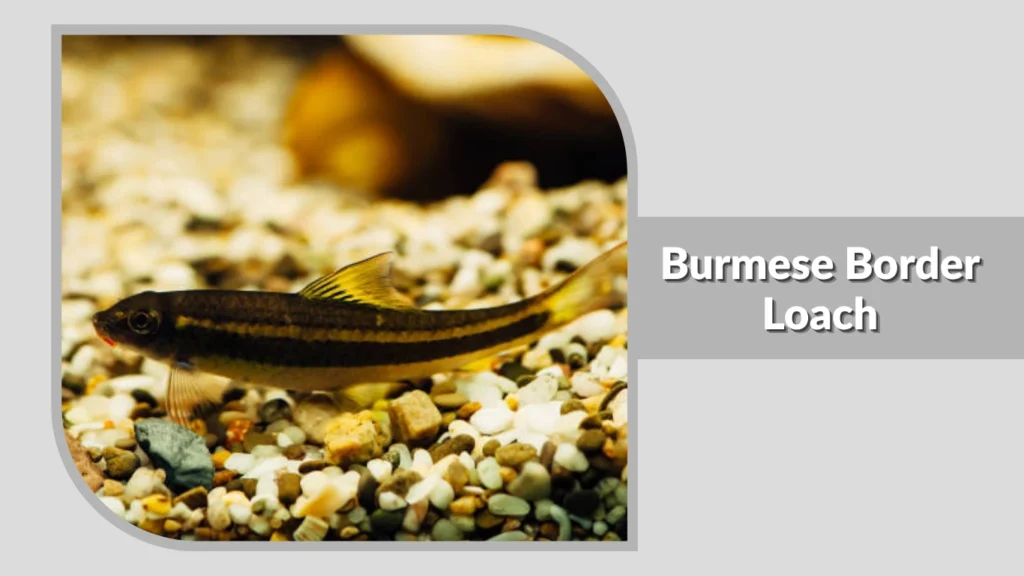
The Burmese Border Loach is a colorful freshwater fish known for its attractive striped body and active swimming behavior. This peaceful species is popular among aquarium hobbyists because of its social nature and interesting personality. Native to Myanmar and nearby regions, the Burmese Border Loach thrives in clean aquariums with stable water conditions, hiding spaces, and moderate water movement.
Identification
- Golden or silver body with dark horizontal stripes
- Slender body with streamlined appearance
- Small barbels around the mouth area
- Transparent fins with subtle markings
- Usually grows between 3 and 5 inches long
Natural Habitat
Burmese Border Loaches naturally inhabit rivers and streams in Myanmar and surrounding Southeast Asian regions. They prefer warm freshwater environments with sandy substrates, rocks, submerged roots, and moderate currents. In the wild, these fish remain near the bottom while searching for insects, worms, algae, and small organic materials hidden among debris.
Behavior
This species is peaceful, active, and highly social in aquarium environments. Burmese Border Loaches enjoy living in groups and often interact playfully with one another throughout the day. They frequently explore caves, driftwood, and plants while remaining energetic and curious in well-maintained community aquariums with calm tank mates.
Diet
Burmese Border Loaches are omnivores that consume both plant and protein-based foods. In aquariums, they enjoy sinking pellets, bloodworms, insect larvae, algae wafers, vegetables, and small snails. A balanced diet supports healthy growth, vibrant coloration, stronger immunity, and active behavior throughout their lifespan in captivity.
Tank Requirements
A minimum tank size of 30 gallons is recommended because Burmese Border Loaches prefer active swimming space and group living conditions. The aquarium should include soft substrate, caves, driftwood, plants, and efficient filtration. Stable water conditions and regular maintenance are essential for maintaining excellent health and reducing long-term stress levels.
Lifespan
With proper care and stable aquarium conditions, Burmese Border Loaches commonly live between 6 and 10 years in captivity. Clean water, balanced nutrition, and peaceful surroundings greatly improve their overall health and longevity. Consistent aquarium maintenance helps these active fish remain healthy, energetic, and socially interactive throughout their entire lifespan.
15. Pakistani Loach
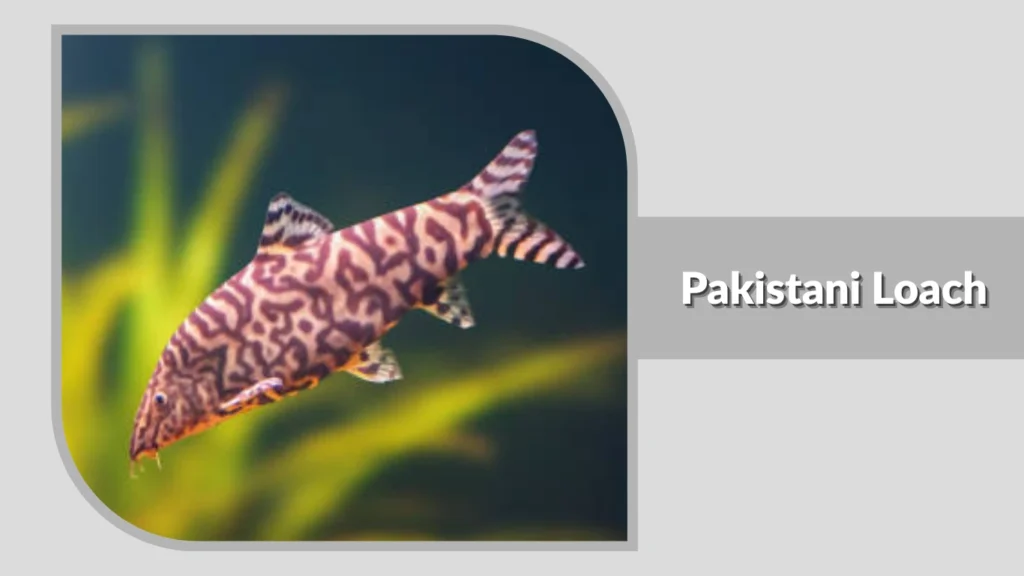
The Pakistani Loach, also known as the Yoyo Loach in many aquariums, is a lively freshwater fish admired for its energetic personality and striking body patterns. This active species is popular among aquarium hobbyists because of its playful behavior and ability to control pest snails. Native to South Asia, the Pakistani Loach thrives in clean aquariums with stable water conditions and social companions.
Identification
- Silver or golden body with dark chain-like markings
- Slender elongated body with streamlined shape
- Small barbels around the mouth area
- Transparent fins with dark spots or stripes
- Usually grows between 4 and 6 inches long
Natural Habitat
Pakistani Loaches naturally inhabit rivers, streams, and freshwater channels throughout Pakistan, India, and nearby regions. They prefer sandy or rocky bottoms with submerged roots, plants, and moderate water flow. In the wild, these fish remain near the bottom while feeding on insects, worms, snails, and small organic materials hidden among debris.
Behavior
This species is social, active, and highly curious in aquarium environments. Pakistani Loaches enjoy living in groups and frequently interact with one another through playful chasing and exploration. They remain active throughout the day and enjoy exploring caves, driftwood, and plants while searching for food and suitable hiding spaces.
Diet
Pakistani Loaches are omnivores that consume both plant and protein-based foods in captivity and natural habitats. They enjoy sinking pellets, bloodworms, insect larvae, algae wafers, vegetables, and small snails. A balanced diet supports healthy growth, stronger immunity, vibrant coloration, and active behavior throughout their lifespan in aquariums.
Tank Requirements
A minimum tank size of 40 gallons is recommended because Pakistani Loaches are active swimmers and prefer group living conditions. The aquarium should include soft substrate, caves, driftwood, plants, and efficient filtration. Stable water conditions, moderate flow, and regular maintenance are essential for maintaining excellent health and reducing stress levels.
Lifespan
With proper care and suitable aquarium conditions, Pakistani Loaches commonly live between 5 and 8 years in captivity. Clean water, balanced nutrition, and peaceful surroundings greatly improve their overall health and longevity. Consistent aquarium maintenance helps these energetic fish remain active, healthy, and socially interactive throughout their entire lifespan.
FAQs
Are loaches good for community aquariums?
Most loach species are peaceful and suitable for community aquariums with non-aggressive fish. Species such as Kuhli Loaches, Clown Loaches, and Zebra Loaches adapt well to shared tanks. However, some loaches can become territorial or highly active, so choosing compatible tank mates and providing enough space is important for harmony.
Do loaches need to live in groups?
Yes, many loach species are social fish that thrive when kept in groups of their own kind. Living in groups helps reduce stress and encourages natural behaviors such as playful interaction and active exploration. Keeping too few loaches may cause shyness, stress, or aggressive behavior in some species.
What do loaches eat in aquariums?
Loaches are omnivores that eat a mixture of plant and protein-based foods. They commonly enjoy sinking pellets, bloodworms, insect larvae, algae wafers, vegetables, and small crustaceans. Some species also help control pest snail populations. Providing a balanced diet supports healthy growth, stronger immunity, and active behavior in captivity.
What type of substrate is best for loaches?
Soft sand or fine gravel is the best substrate choice for most loach species because many enjoy digging and searching for food along the bottom. Sharp gravel can injure their sensitive barbels and bodies. A soft substrate also helps create a more natural and comfortable environment for long-term health.
How long do loaches live?
Loach lifespan varies depending on the species and aquarium care. Smaller species may live around 5 to 8 years, while larger varieties like Clown Loaches can live for 15 years or longer. Clean water, balanced nutrition, stable temperatures, and regular aquarium maintenance greatly improve their overall longevity and health.