
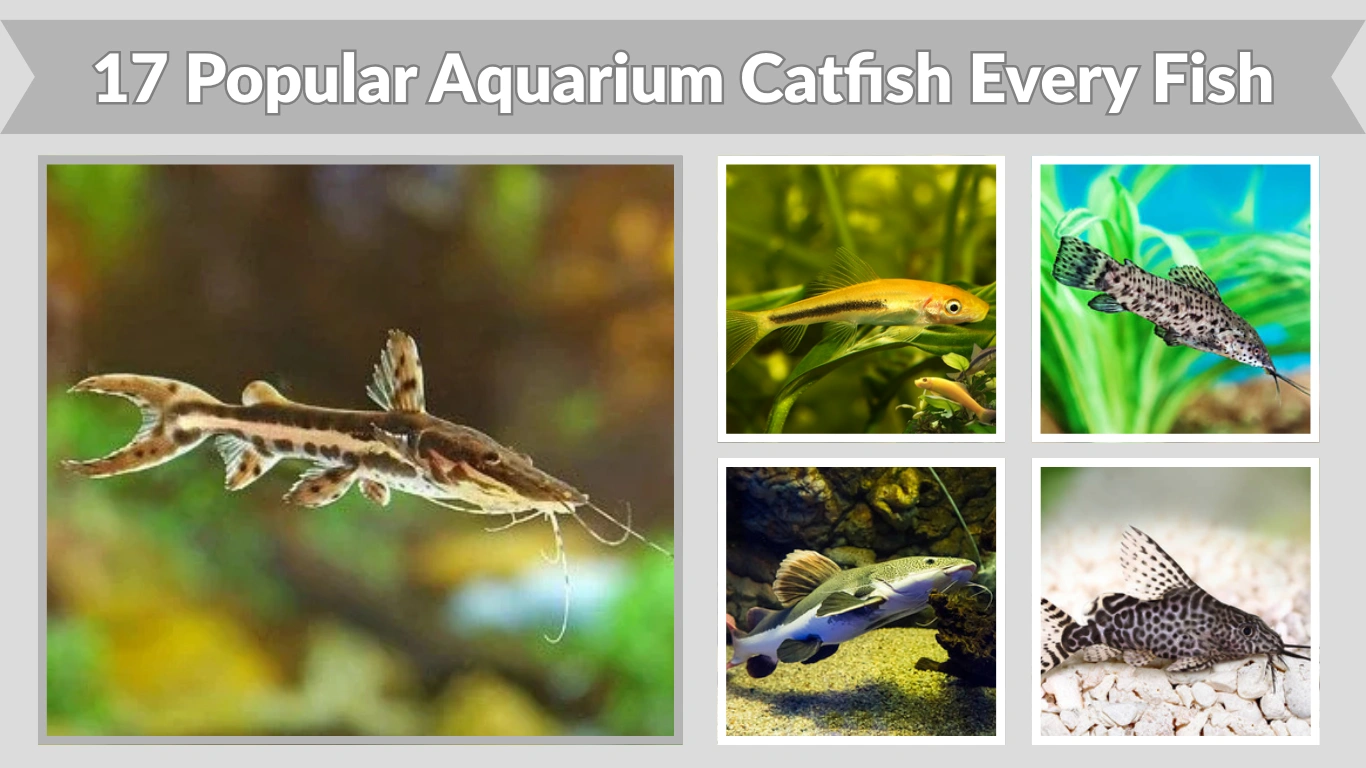
Catfish are among the most interesting and useful freshwater aquarium fish because of their unique appearance, peaceful nature, and bottom-cleaning behavior. These fish come in many sizes, colors, and personalities, making them suitable for a wide range of aquarium setups. Some catfish are excellent algae eaters, while others are admired for their unusual body shapes and active nighttime behavior. From the small Corydoras Catfish to the massive Tiger Shovelnose Catfish, each species offers something special. Understanding their habitat, care requirements, and temperament helps aquarium hobbyists create healthy and attractive freshwater tanks.
1. Corydoras Catfish
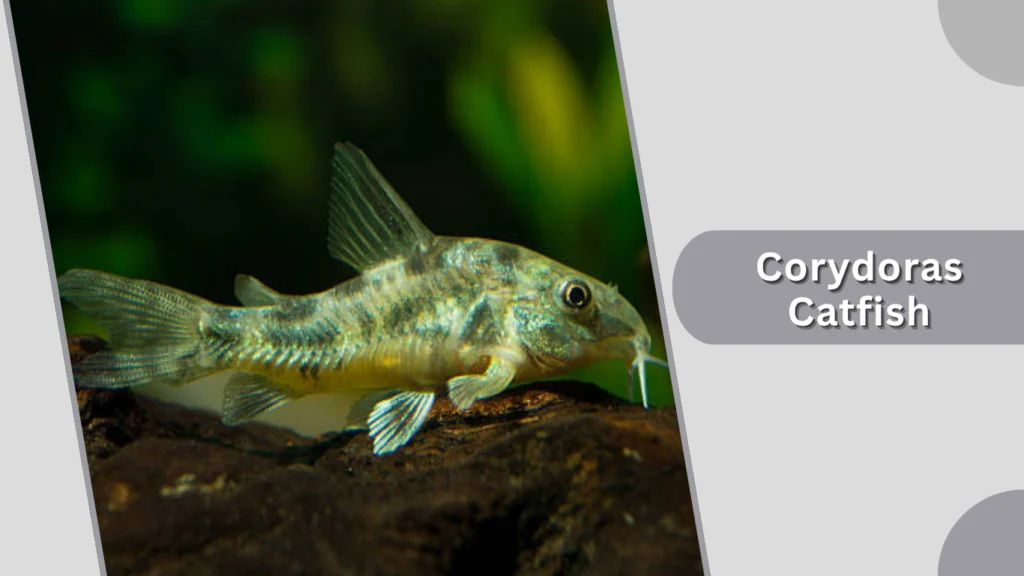
Corydoras Catfish are small and peaceful freshwater fish widely loved for their friendly behavior and bottom-cleaning habits. Native to South America, these catfish are excellent additions to community aquariums because they are social, hardy, and easy to care for. They prefer living in groups and spend most of their time searching the substrate for food. Their calm personality, compact size, and interesting behavior make them highly popular among beginner and experienced aquarium hobbyists alike.
Identification
- Small armored body with protective plates
- Short whisker-like barbels near the mouth
- Rounded body with small fins
- Available in many color and pattern varieties
- Can grow up to 2–4 inches in length
Natural Habitat
Corydoras Catfish naturally inhabit slow-moving rivers, streams, and flooded forest areas in South America. They prefer soft sandy bottoms, shallow waters, and densely planted environments where they can safely search for food and hide from predators.
Aquarium Care
These fish thrive in peaceful community aquariums with clean water, soft substrate, and gentle filtration. Sand or smooth gravel is recommended to protect their sensitive barbels. They enjoy a varied diet consisting of sinking pellets, wafers, frozen foods, and small live foods.
Behavior and Temperament
Corydoras Catfish are peaceful and highly social fish that prefer living in groups of at least five or six individuals. They are active bottom dwellers that rarely show aggression and coexist well with many small and calm freshwater aquarium species.
2. Bristlenose Pleco
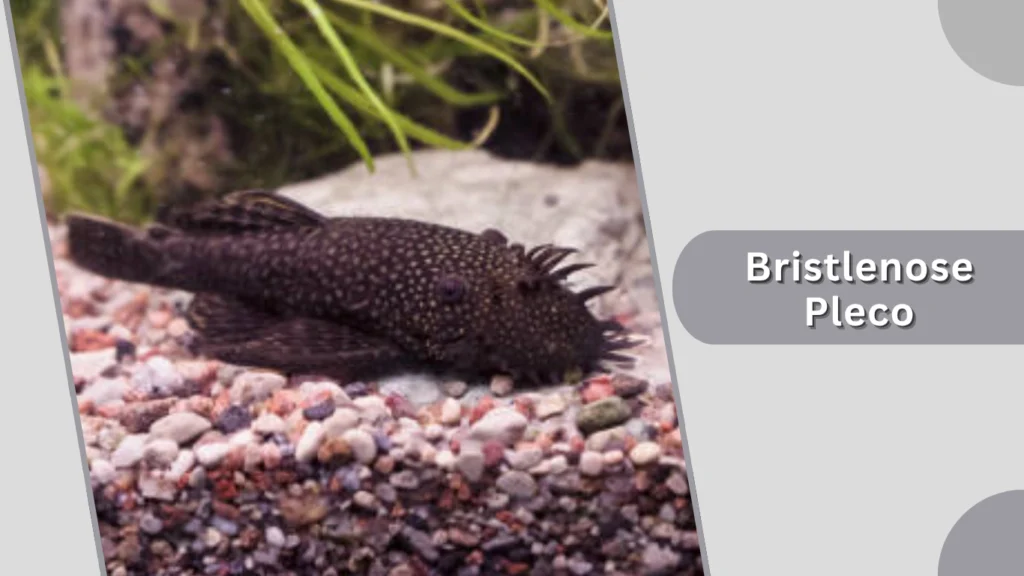
Bristlenose Plecos are popular freshwater catfish known for their algae-eating ability and unique facial bristles. Native to South America, these fish are widely kept in home aquariums because they are hardy, peaceful, and relatively easy to care for. Unlike larger pleco species, they remain smaller and fit well in medium-sized tanks. Their interesting appearance, calm nature, and usefulness in controlling algae growth make them favorite aquarium fish worldwide.
Identification
- Flattened body with armored plates
- Distinct bristle-like growths on the face
- Wide sucker mouth for attaching to surfaces
- Brown, black, or spotted coloration
- Can grow up to 4–6 inches in length
Natural Habitat
Bristlenose Plecos naturally inhabit rivers and streams throughout South America. They prefer warm freshwater environments with driftwood, rocks, and submerged vegetation that provide shelter, grazing surfaces, and protection from strong currents in their natural habitat.
Aquarium Care
These fish require clean water, stable temperatures, and good filtration to remain healthy. Driftwood is important because they graze on its surface and use it for shelter. They thrive on algae wafers, vegetables, sinking pellets, and occasional protein-rich foods.
Behavior and Temperament
Bristlenose Plecos are peaceful bottom-dwelling fish that generally coexist well with community aquarium species. They are mostly active during the evening and spend much of their time grazing on algae and surfaces. Males may become territorial toward other plecos in smaller aquariums.
3. Pictus Catfish
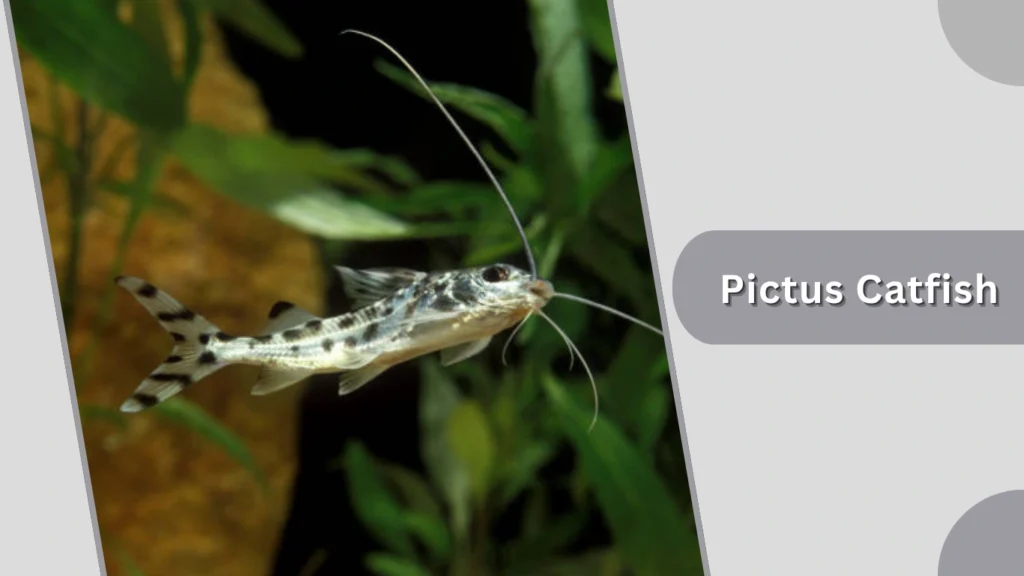
Pictus Catfish are active freshwater fish admired for their long whiskers and spotted silver body. Native to South America, these catfish are popular among aquarium hobbyists because of their energetic swimming behavior and attractive appearance. They require spacious aquariums with clean water and peaceful tank mates to thrive properly. Their fast movement, playful nature, and unique spotted patterns make them exciting additions to freshwater community aquariums.
Identification
- Silver body covered with black spots
- Long flowing barbels extending from the mouth
- Streamlined body with forked tail
- Sharp dorsal and pectoral fin spines
- Can grow up to 5 inches in length
Natural Habitat
Pictus Catfish naturally inhabit rivers and freshwater streams in South America. They prefer warm waters with sandy bottoms, submerged wood, rocks, and moderate water flow that provide shelter and feeding opportunities within their natural environment.
Aquarium Care
These fish require a spacious aquarium with strong filtration and stable water conditions. Soft substrate, driftwood, and caves help create hiding spaces and reduce stress. They thrive on a varied diet including sinking pellets, frozen foods, insects, and protein-rich live foods.
Behavior and Temperament
Pictus Catfish are active and social fish that prefer living in small groups. They are generally peaceful with similarly sized tank mates but may eat very small fish that fit in their mouths. Their energetic swimming behavior makes them entertaining aquarium inhabitants.
4. Glass Catfish
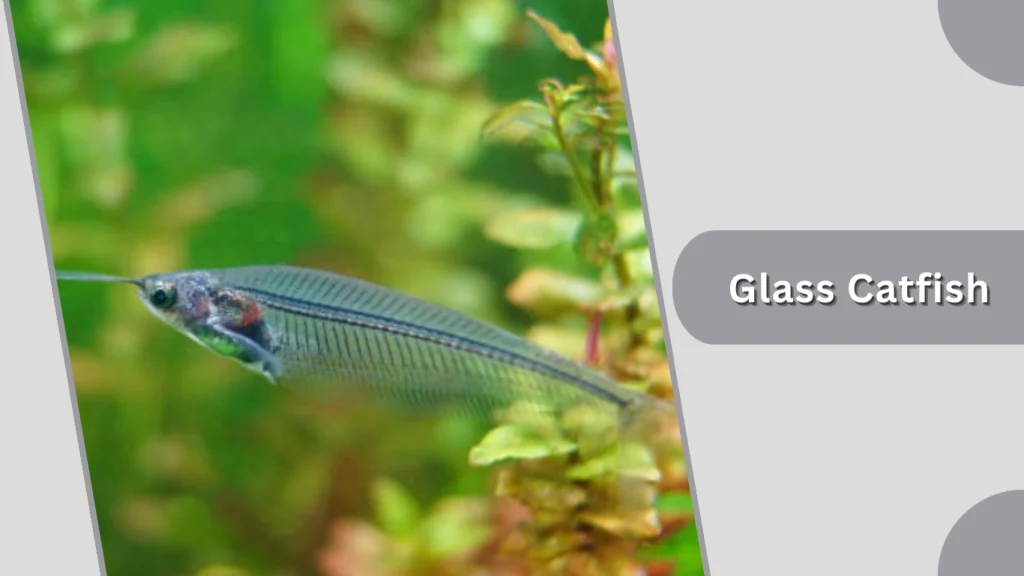
Glass Catfish are unique freshwater fish famous for their transparent bodies and peaceful nature. Native to Southeast Asia, these fascinating fish are popular in community aquariums because their internal bones and organs are partially visible through their clear bodies. They require stable water conditions and calm tank environments to remain healthy. Their unusual appearance, gentle temperament, and graceful schooling behavior make them highly attractive aquarium fish for dedicated hobbyists.
Identification
- Transparent body with visible internal structure
- Long slender body shape
- Small barbels near the mouth
- Forked tail with delicate fins
- Can grow up to 4–5 inches in length
Natural Habitat
Glass Catfish naturally inhabit slow-moving rivers and streams in Southeast Asia. They prefer warm waters with dense vegetation, submerged roots, and shaded areas that provide protection and calm swimming environments in the wild.
Aquarium Care
These fish thrive in peaceful aquariums with stable warm water and gentle filtration. Plants, driftwood, and dim lighting help them feel secure and reduce stress. They prefer a varied diet consisting of small pellets, frozen foods, and live foods suitable for small freshwater fish.
Behavior and Temperament
Glass Catfish are peaceful schooling fish that should be kept in groups for comfort and natural behavior. They are shy and sensitive to sudden changes in water quality or aggressive tank mates. Their calm movement and schooling behavior make them beautiful community aquarium fish.
5. Otocinclus Catfish
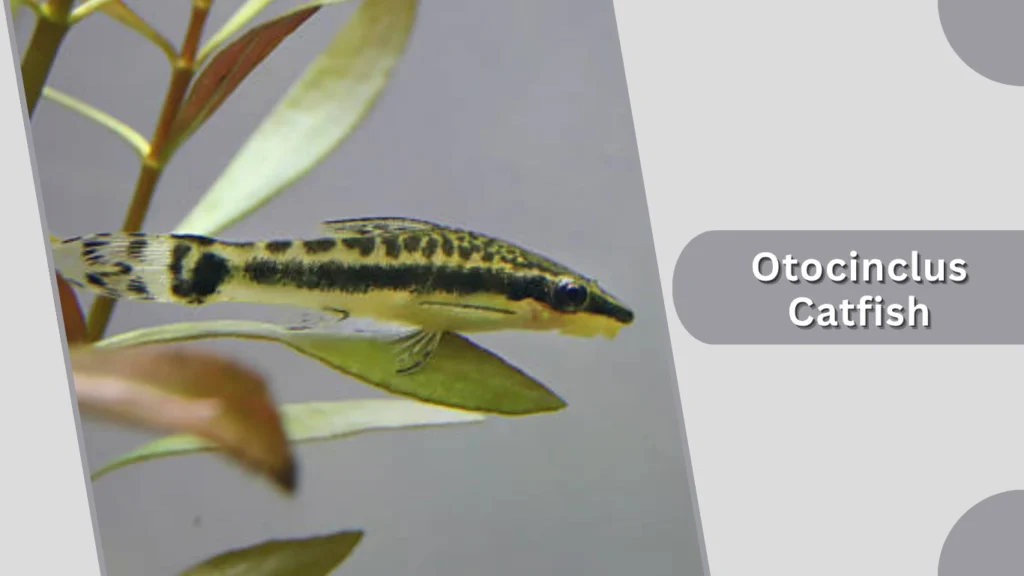
Otocinclus Catfish are small freshwater fish highly valued for their excellent algae-cleaning abilities and peaceful personality. Native to South America, these tiny catfish are popular in planted aquariums because they help control algae growth without disturbing other fish. They prefer living in groups and require stable water conditions to stay healthy. Their gentle nature, hardworking behavior, and compact size make them ideal aquarium fish for community tanks.
Identification
- Small slender body with dark horizontal stripe
- Sucker-shaped mouth for grazing algae
- Light brown or gray body coloration
- Rounded fins with compact appearance
- Can grow up to 1–2 inches in length
Natural Habitat
Otocinclus Catfish naturally inhabit rivers, streams, and densely planted freshwater environments in South America. They prefer warm waters with abundant vegetation, driftwood, and algae-covered surfaces that provide food and shelter within their natural habitat.
Aquarium Care
These fish require clean, oxygen-rich water and a mature aquarium with natural algae growth. Live plants, driftwood, and gentle filtration help create a comfortable environment. They thrive on algae wafers, vegetables, biofilm, and soft plant-based foods for proper nutrition.
Behavior and Temperament
Otocinclus Catfish are peaceful and social fish that prefer living in groups of several individuals. They rarely show aggression and coexist well with calm community species. Their constant algae-grazing activity and gentle behavior make them beneficial additions to planted aquariums.
6. Upside-Down Catfish
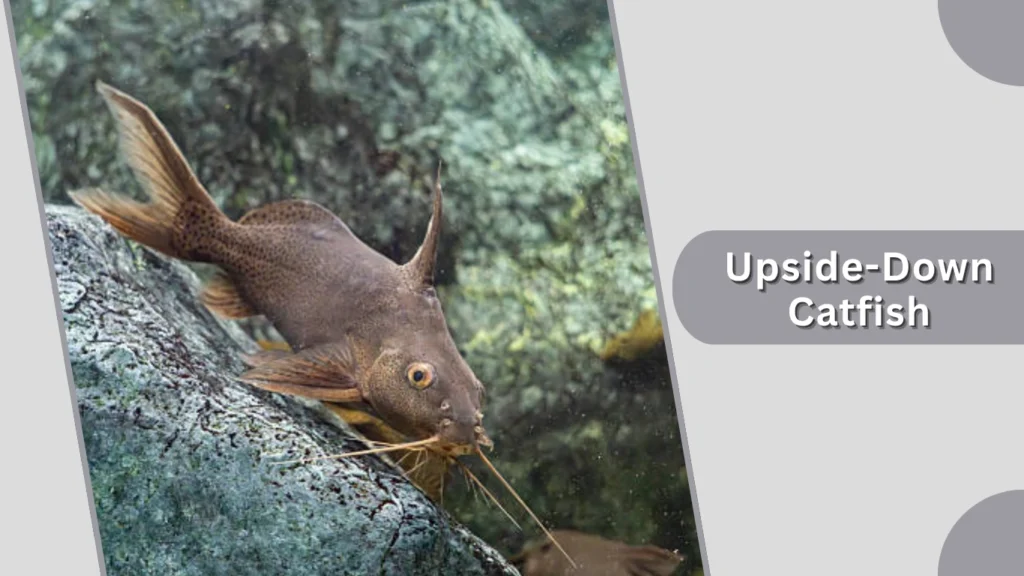
Upside-Down Catfish are unusual freshwater fish best known for their unique habit of swimming upside down. Native to Africa, these catfish are popular in home aquariums because of their interesting behavior, peaceful temperament, and attractive markings. They are active during the evening and enjoy aquariums with hiding places and gentle lighting. Their distinctive swimming style and social nature make them fascinating aquarium fish for community tank setups.
Identification
- Light brown or gray body with dark spots
- Flattened underside and curved back
- Long barbels near the mouth
- Often swims upside down beneath surfaces
- Can grow up to 4 inches in length
Natural Habitat
Upside-Down Catfish naturally inhabit slow-moving rivers and heavily vegetated freshwater regions in Africa. They prefer warm waters with submerged roots, driftwood, caves, and shaded environments that provide shelter and feeding opportunities in the wild.
Aquarium Care
These fish thrive in aquariums with stable warm water conditions, soft lighting, and plenty of hiding spaces. Driftwood, caves, and plants help them feel secure. They enjoy a varied diet that includes sinking pellets, frozen foods, insects, and plant-based foods.
Behavior and Temperament
Upside-Down Catfish are peaceful and social fish that usually coexist well with other calm community species. They are most active during the evening and often swim upside down while feeding from surfaces. Their unusual movement and calm personality make them entertaining aquarium inhabitants.
7. Bumblebee Catfish
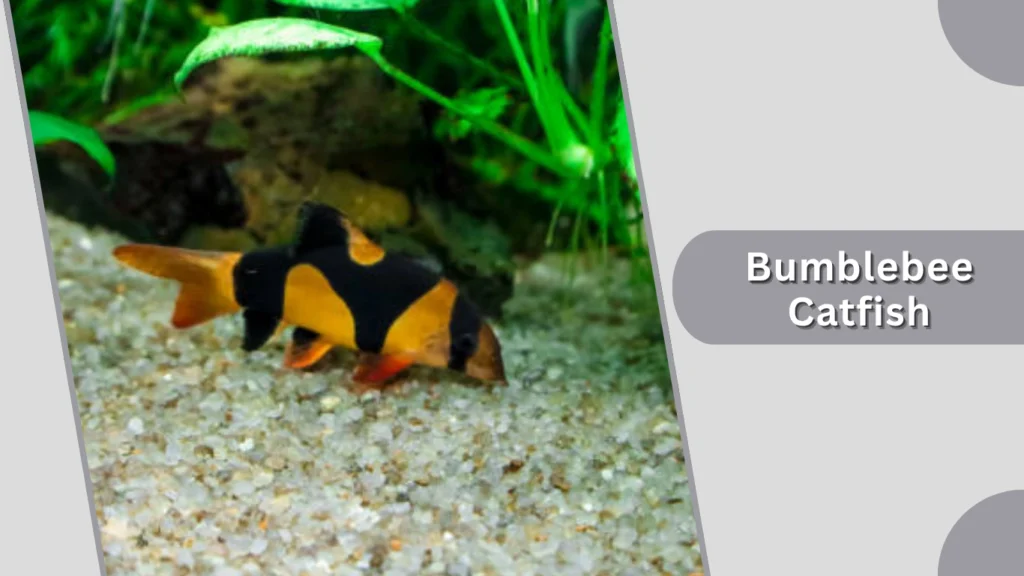
Bumblebee Catfish are small freshwater fish admired for their bold black and yellow striped patterns. Native to South America, these nocturnal catfish are popular among aquarium hobbyists because of their unique appearance and peaceful behavior. They spend much of their time hiding during the day and become more active at night. Their striking coloration, interesting habits, and manageable size make them attractive additions to freshwater aquariums.
Identification
- Black body with bright yellow or cream bands
- Small elongated body shape
- Long whisker-like barbels near the mouth
- Broad head with smooth skin
- Can grow up to 3–5 inches in length
Natural Habitat
Bumblebee Catfish naturally inhabit slow-moving rivers and freshwater streams in South America. They prefer warm waters with driftwood, caves, rocky shelters, and soft riverbeds that provide protection and feeding opportunities within their environment.
Aquarium Care
These fish require a peaceful aquarium with clean warm water and gentle filtration. Driftwood, caves, and hiding spaces are important because they are shy and nocturnal. They thrive on sinking pellets, frozen foods, insects, and protein-rich live foods for balanced nutrition.
Behavior and Temperament
Bumblebee Catfish are generally peaceful but may eat very small fish that fit into their mouths. They are shy during daylight hours and become active at night while searching for food. Their calm nature makes them suitable for carefully planned community aquariums.
8. Raphael Catfish
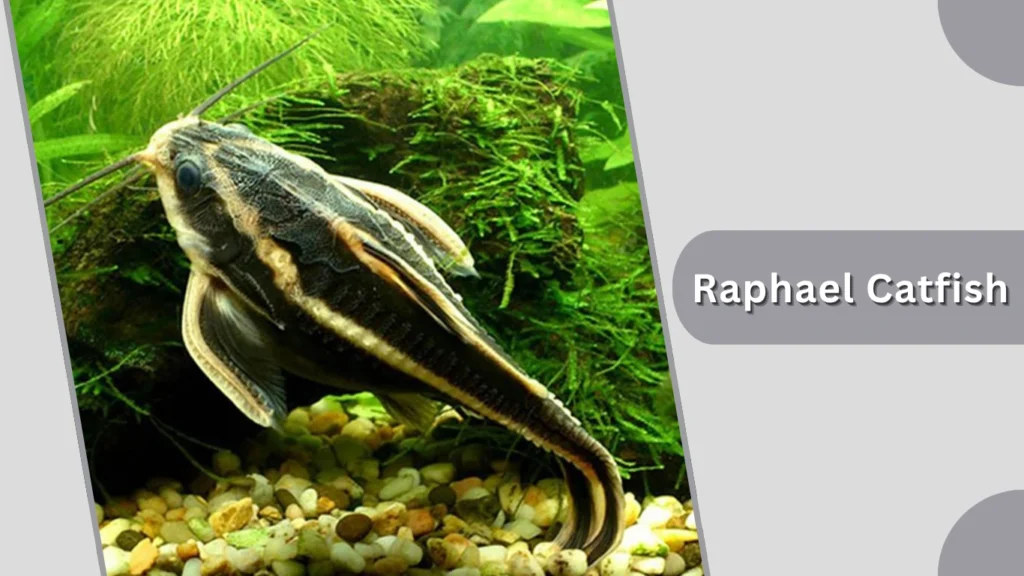
Raphael Catfish are hardy freshwater fish recognized for their armored bodies and spotted or striped patterns. Native to South America, these nocturnal catfish are popular among aquarium hobbyists because of their peaceful nature and unique appearance. They are excellent bottom dwellers that enjoy hiding in caves and driftwood during the day. Their tough body structure, calm temperament, and interesting nighttime activity make them fascinating aquarium fish.
Identification
- Dark body with white or yellow stripes and spots
- Strong armored plates covering the body
- Long barbels around the mouth
- Broad head with sturdy fin spines
- Can grow up to 6–8 inches in length
Natural Habitat
Raphael Catfish naturally inhabit rivers, streams, and flooded forest regions in South America. They prefer warm freshwater environments with submerged roots, driftwood, caves, and soft bottoms that provide shelter and feeding opportunities in the wild.
Aquarium Care
These fish require a spacious aquarium with stable warm water conditions and efficient filtration. Driftwood, caves, and shaded hiding places help reduce stress and support natural behavior. They thrive on sinking pellets, frozen foods, insects, and protein-rich live foods.
Behavior and Temperament
Raphael Catfish are peaceful and mostly nocturnal fish that spend daylight hours hiding in sheltered areas. They generally coexist well with similarly sized community fish but may eat very small tank mates. Their calm behavior and nighttime activity make them interesting aquarium inhabitants.
9. Redtail Catfish
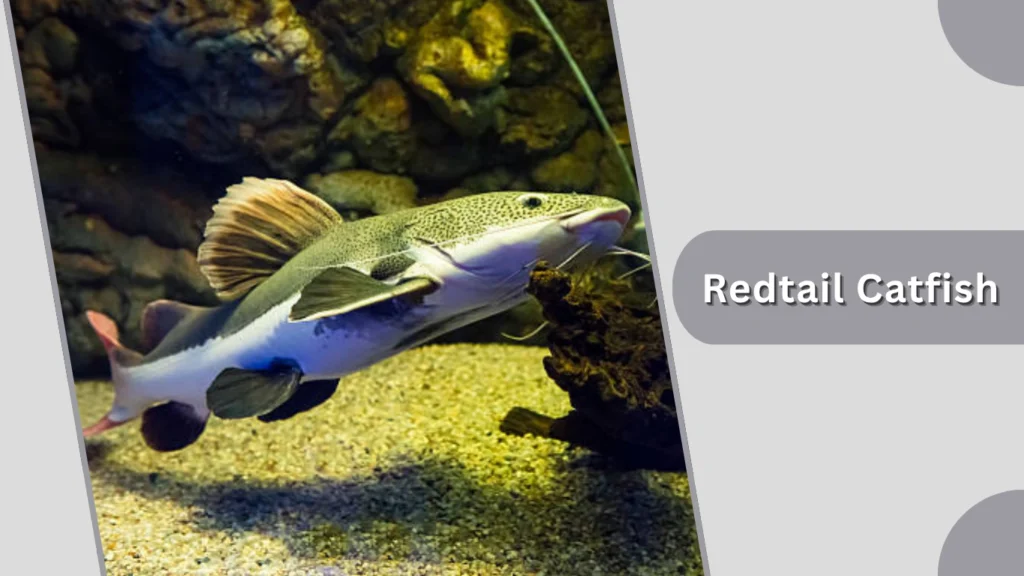
Redtail Catfish are massive freshwater fish famous for their large size, broad heads, and bright red tail fins. Native to South America, these powerful catfish are popular among experienced aquarium keepers who maintain extremely large tanks or ponds. They grow rapidly and require significant space and filtration to remain healthy. Their impressive appearance, active feeding behavior, and enormous size make them extraordinary aquarium fish for advanced hobbyists.
Identification
- Dark gray or brown body coloration
- Bright orange or red tail fin
- Large flat head with wide mouth
- Long white barbels extending from the mouth
- Can grow over 3 feet in length
Natural Habitat
Redtail Catfish naturally inhabit large rivers, flooded forests, and freshwater basins throughout South America, especially within the Amazon River system. They prefer warm waters with muddy bottoms, submerged wood, and deep areas suitable for hunting and shelter.
Aquarium Care
These fish require extremely large aquariums or indoor ponds with strong filtration systems because they produce heavy waste and grow rapidly. A protein-rich diet including pellets, fish, shrimp, and other meaty foods supports healthy development and energy needs.
Behavior and Temperament
Redtail Catfish are generally calm toward larger fish but will eat smaller tank mates that fit into their mouths. They are active predators with strong appetites and require careful planning due to their massive adult size and long lifespan in captivity.
10. Banjo Catfish
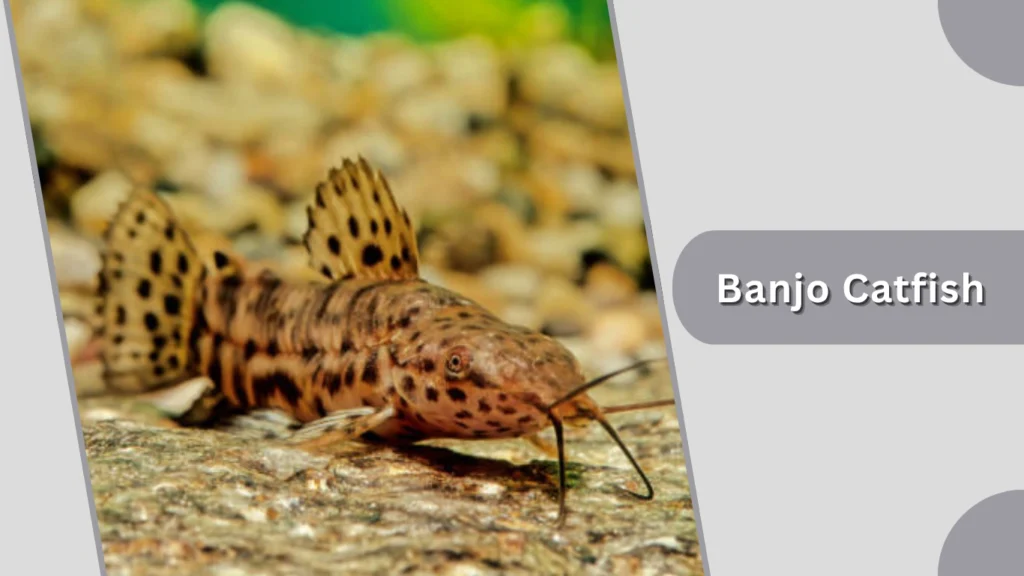
Banjo Catfish are unusual freshwater fish known for their flattened body shape and excellent camouflage abilities. Native to South America, these peaceful catfish are popular among aquarium hobbyists because of their unique appearance and calm behavior. They often bury themselves in the substrate to hide from predators and rest during the day. Their odd body structure, secretive habits, and peaceful temperament make them fascinating aquarium fish for community tanks.
Identification
- Extremely flattened body resembling a banjo shape
- Brown or mottled coloration for camouflage
- Wide head with small eyes
- Long whisker-like barbels around the mouth
- Can grow up to 5–6 inches in length
Natural Habitat
Banjo Catfish naturally inhabit slow-moving rivers, streams, and muddy freshwater environments in South America. They prefer sandy or soft-bottom habitats with leaf litter, submerged roots, and calm waters that provide excellent hiding opportunities in the wild.
Aquarium Care
These fish require a peaceful aquarium with soft sandy substrate and gentle filtration. Driftwood, leaf litter, and hiding spaces help recreate their natural environment. They thrive on sinking pellets, frozen foods, worms, and other protein-rich foods offered during evening hours.
Behavior and Temperament
Banjo Catfish are peaceful and shy bottom dwellers that spend much of their time hidden beneath the substrate. They are mostly nocturnal and become active at night while searching for food. Their calm nature makes them suitable for quiet community aquariums.
11. Featherfin Squeaker Catfish
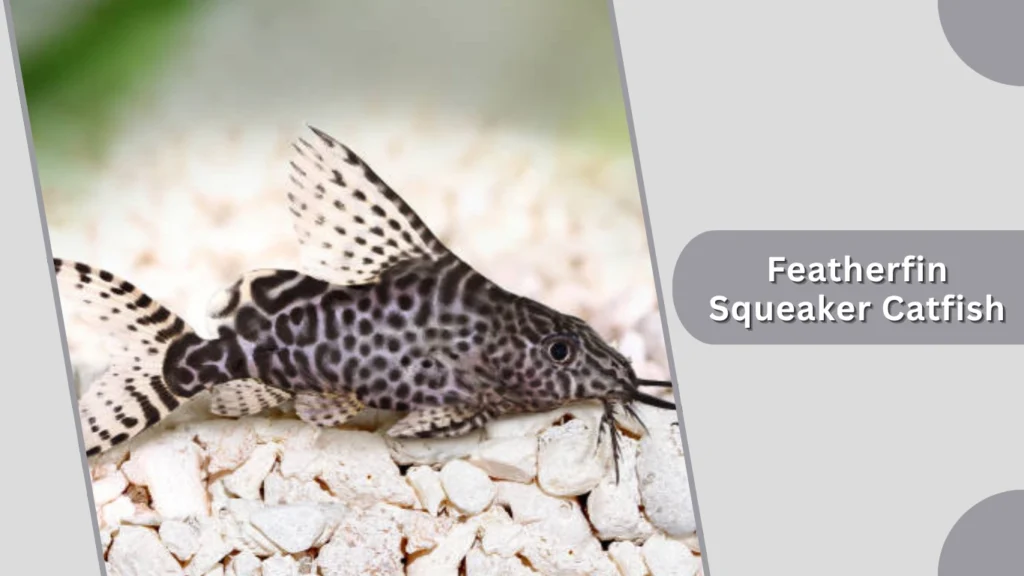
Featherfin Squeaker Catfish are attractive freshwater fish known for their tall dorsal fins and unique squeaking sounds. Native to Africa, these catfish are popular among aquarium hobbyists because of their hardy nature and active nighttime behavior. They adapt well to large community aquariums with suitable tank mates and hiding places. Their elegant fin structure, spotted body patterns, and interesting vocal sounds make them fascinating aquarium fish.
Identification
- Tall feather-like dorsal fin
- Brown or gray body with spotted patterns
- Long barbels around the mouth
- Strong body with armored appearance
- Can grow up to 8–10 inches in length
Natural Habitat
Featherfin Squeaker Catfish naturally inhabit rivers and freshwater lakes throughout Africa. They prefer warm waters with rocky shelters, submerged wood, caves, and sandy bottoms that provide protection, feeding opportunities, and comfortable resting areas.
Aquarium Care
These fish require a spacious aquarium with clean warm water and efficient filtration. Rocks, caves, and driftwood help create hiding places and reduce stress. They thrive on sinking pellets, frozen foods, insects, algae wafers, and protein-rich foods for balanced nutrition.
Behavior and Temperament
Featherfin Squeaker Catfish are generally peaceful but may become territorial toward similar bottom-dwelling fish. They are most active during the evening and nighttime hours. Their social behavior, active movement, and distinctive squeaking sounds make them entertaining aquarium inhabitants.
12. Clown Pleco
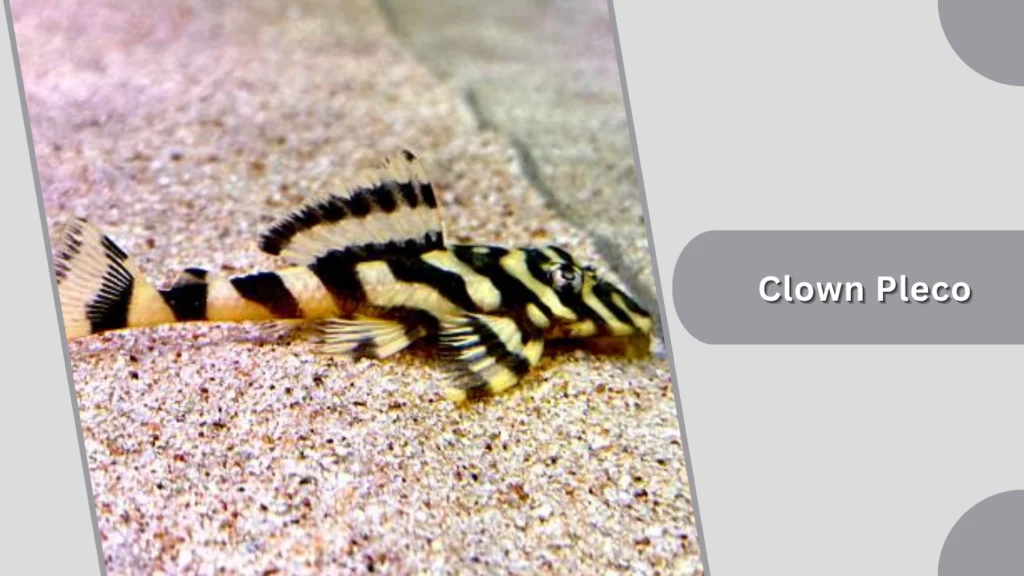
Clown Plecos are small freshwater catfish admired for their striped patterns and algae-eating behavior. Native to South America, these peaceful fish are highly popular in home aquariums because they stay relatively small compared to many other pleco species. They enjoy aquariums with driftwood and hiding places where they can rest during the day. Their attractive markings, calm personality, and manageable size make them excellent community aquarium fish.
Identification
- Dark body with bright orange or cream stripes
- Flattened body with armored plates
- Sucker-shaped mouth for grazing surfaces
- Broad head with rounded fins
- Can grow up to 3–4 inches in length
Natural Habitat
Clown Plecos naturally inhabit rivers and freshwater streams within the Amazon Basin in South America. They prefer warm waters with submerged wood, rocky shelters, and gentle currents that provide food sources and protection in their natural habitat.
Aquarium Care
These fish require clean water, stable temperatures, and plenty of driftwood in the aquarium. Driftwood is important because they graze on its surface and use it for shelter. They thrive on algae wafers, vegetables, sinking pellets, and occasional protein-rich foods.
Behavior and Temperament
Clown Plecos are peaceful bottom-dwelling fish that usually coexist well with community aquarium species. They are mostly active during the evening and spend much of their time hiding or grazing on surfaces. Their calm behavior makes them suitable for planted and peaceful aquariums.
13. Twig Catfish
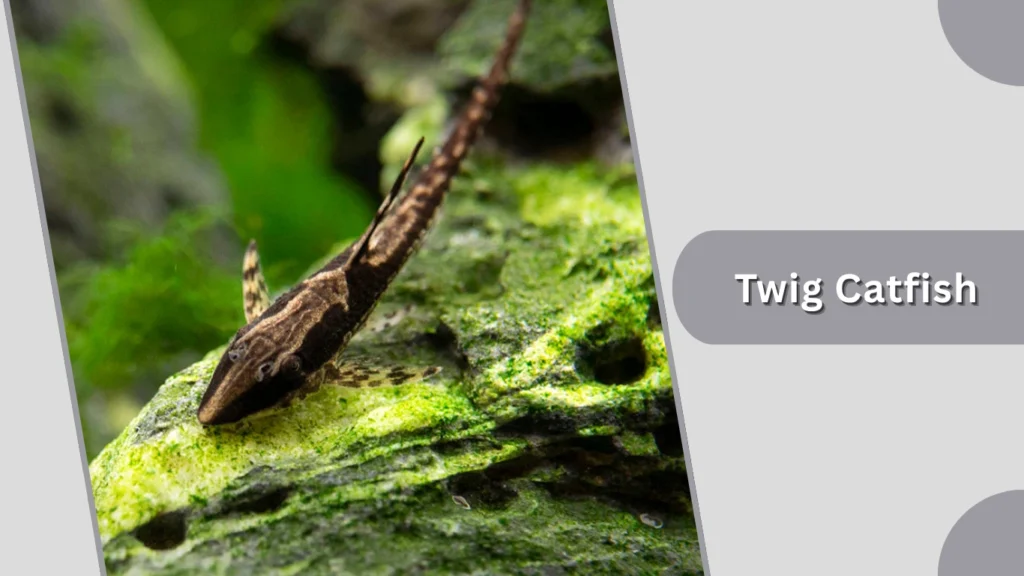
Twig Catfish are slender freshwater fish famous for their stick-like appearance and exceptional camouflage abilities. Native to South America, these peaceful catfish are popular among aquarium hobbyists who enjoy unusual and natural-looking fish species. They blend easily with plants and driftwood in planted aquariums and prefer calm water conditions. Their unique body shape, gentle temperament, and interesting hiding behavior make them fascinating additions to freshwater community aquariums.
Identification
- Extremely long and thin stick-like body
- Brown or gray camouflage coloration
- Long pointed snout with small mouth
- Flattened underside with delicate fins
- Can grow up to 4–6 inches in length
Natural Habitat
Twig Catfish naturally inhabit slow-moving rivers and heavily planted freshwater environments in South America. They prefer calm waters filled with branches, submerged plants, driftwood, and leaf litter that provide excellent camouflage and protection from predators.
Aquarium Care
These fish require a peaceful planted aquarium with clean water and gentle filtration. Driftwood, live plants, and calm surroundings help reduce stress and encourage natural behavior. They thrive on algae, vegetables, sinking foods, and small protein-rich foods offered regularly.
Behavior and Temperament
Twig Catfish are peaceful and shy fish that spend much of their time resting on plants or driftwood. They rarely show aggression and coexist well with calm community species. Their slow movement and excellent camouflage make them unique aquarium inhabitants.
14. Synodontis Catfish
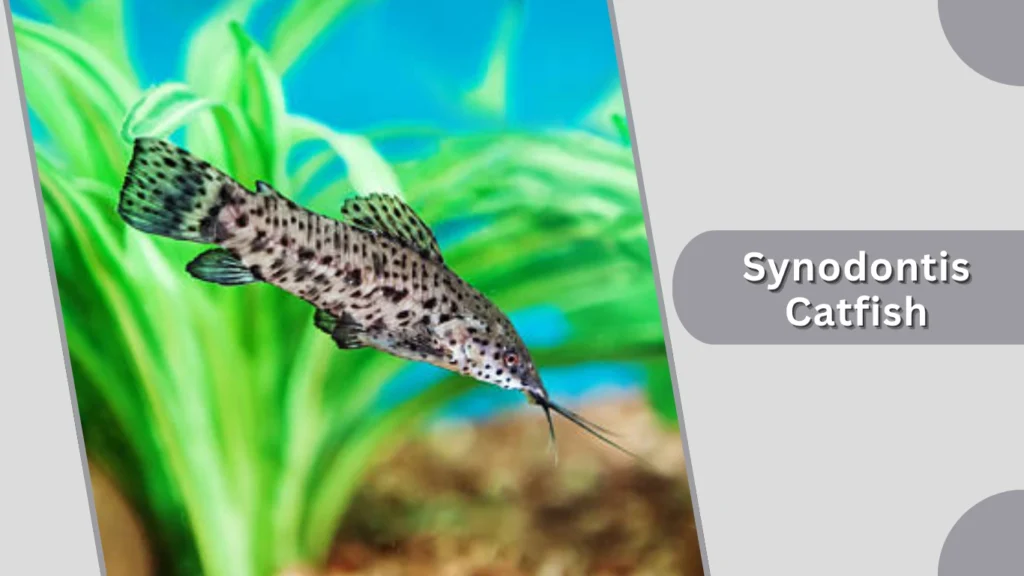
Synodontis Catfish are hardy freshwater fish admired for their unique patterns, active behavior, and adaptability. Native to Africa, these catfish are popular in home aquariums because they come in many attractive species and thrive in community setups with proper care. They are mostly nocturnal and enjoy aquariums with caves and hiding spaces. Their interesting swimming habits, social behavior, and distinctive appearance make them fascinating aquarium fish for hobbyists.
Identification
- Streamlined body with spotted or striped patterns
- Long whisker-like barbels around the mouth
- Strong dorsal and pectoral fin spines
- Flattened underside with broad head
- Can grow up to 6–10 inches in length depending on species
Natural Habitat
Synodontis Catfish naturally inhabit rivers, lakes, and freshwater systems throughout Africa. They prefer warm waters with rocky shelters, driftwood, caves, and sandy bottoms that provide protection, feeding areas, and comfortable resting spaces in their environment.
Aquarium Care
These fish require a spacious aquarium with stable warm water conditions and efficient filtration. Rocks, caves, and driftwood help create hiding places and reduce stress. They thrive on sinking pellets, frozen foods, algae wafers, insects, and protein-rich foods for balanced nutrition.
Behavior and Temperament
Synodontis Catfish are generally peaceful but may become mildly territorial toward similar bottom-dwelling species. They are active mostly during evening hours and often explore the aquarium while searching for food. Their hardy nature and interesting activity make them enjoyable aquarium inhabitants.
15. Chinese Algae Eater
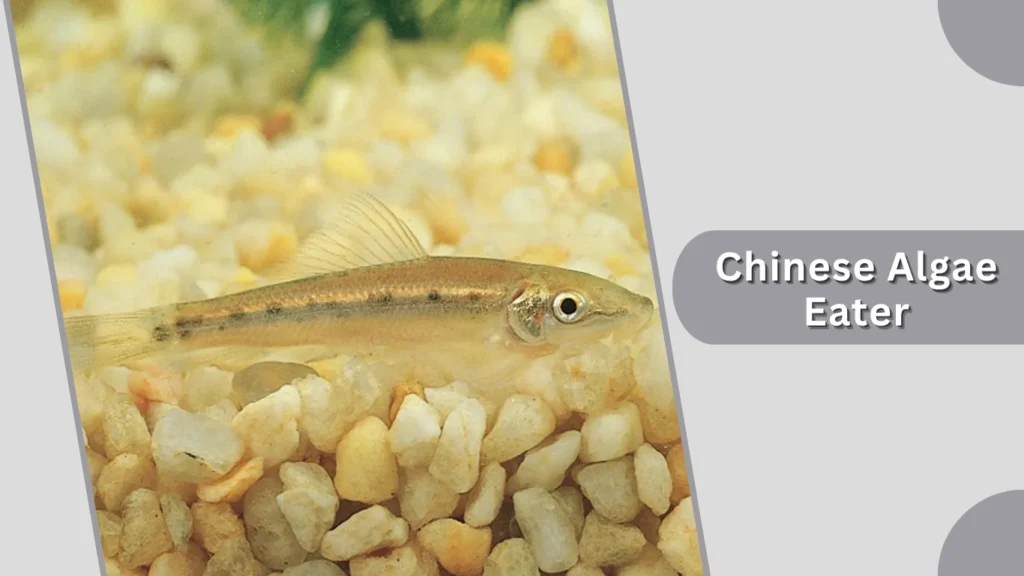
Chinese Algae Eaters are freshwater fish commonly kept in aquariums for their algae-cleaning abilities and active behavior. Native to Southeast Asia, these fish are popular among aquarium hobbyists because they help control algae growth during their younger stages. They require spacious aquariums and stable water conditions to remain healthy. Their elongated body shape, strong sucker mouth, and energetic swimming behavior make them interesting aquarium fish for larger setups.
Identification
- Long slender body with light brown or golden coloration
- Dark horizontal stripe along the body
- Sucker-shaped mouth for attaching to surfaces
- Small fins with streamlined appearance
- Can grow up to 10–11 inches in length
Natural Habitat
Chinese Algae Eaters naturally inhabit rivers and fast-flowing freshwater streams in Southeast Asia. They prefer warm waters with rocky surfaces, submerged wood, and moderate currents that provide algae growth and natural feeding opportunities in their environment.
Aquarium Care
These fish require a spacious aquarium with strong filtration and stable water conditions. Rocks, driftwood, and open swimming areas help recreate their natural habitat. They thrive on algae wafers, vegetables, sinking pellets, and occasional protein-rich foods for balanced nutrition.
Behavior and Temperament
Young Chinese Algae Eaters are generally peaceful, but adults may become territorial and aggressive toward slower fish. They are active swimmers that spend much of their time grazing on surfaces. Careful tank mate selection is important as they mature in community aquariums.
16. Sailfin Pleco
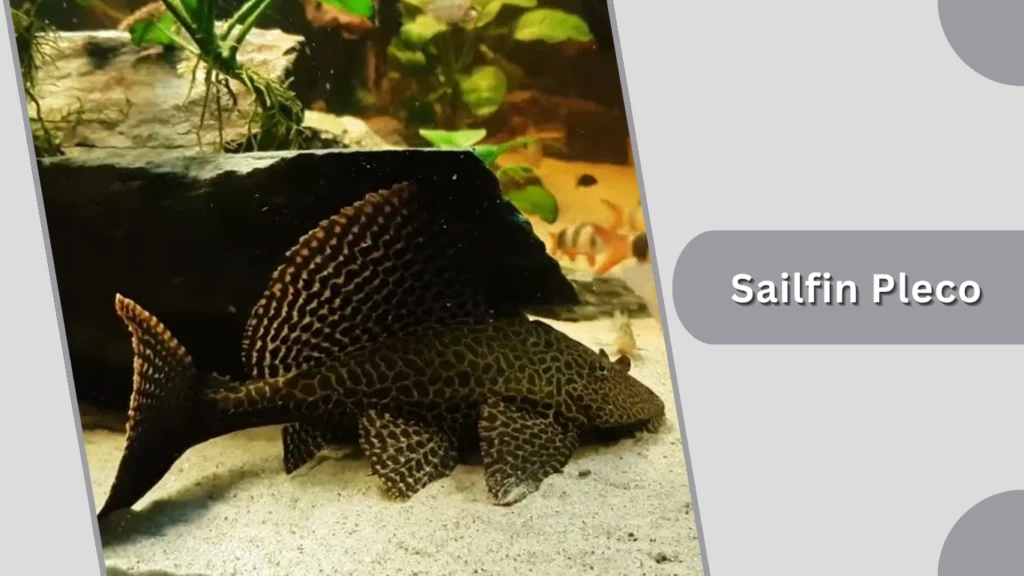
Sailfin Plecos are large freshwater catfish admired for their impressive dorsal fins and excellent algae-eating abilities. Native to South America, these fish are popular among aquarium hobbyists because of their striking appearance and hardworking nature. They require spacious aquariums with strong filtration and plenty of surfaces for grazing. Their large size, patterned body, and tall sail-like fin make them standout fish in freshwater aquarium setups.
Identification
- Large sail-shaped dorsal fin
- Dark body with spotted or net-like patterns
- Wide sucker mouth for attaching to surfaces
- Armored body with broad head
- Can grow up to 15–18 inches in length
Natural Habitat
Sailfin Plecos naturally inhabit rivers, floodplains, and freshwater streams in South America. They prefer warm waters with submerged wood, rocks, and muddy bottoms that provide shelter, algae growth, and feeding opportunities within their environment.
Aquarium Care
These fish require very large aquariums with excellent filtration because they produce significant waste. Driftwood, rocks, and hiding spaces help recreate their natural habitat. They thrive on algae wafers, vegetables, sinking pellets, and occasional protein-rich foods for balanced nutrition.
Behavior and Temperament
Sailfin Plecos are generally peaceful bottom-dwelling fish that coexist well with many larger community species. They spend much of their time grazing on algae and resting on surfaces. Adult males may become territorial toward other plecos in smaller aquariums.
17. Tiger Shovelnose Catfish
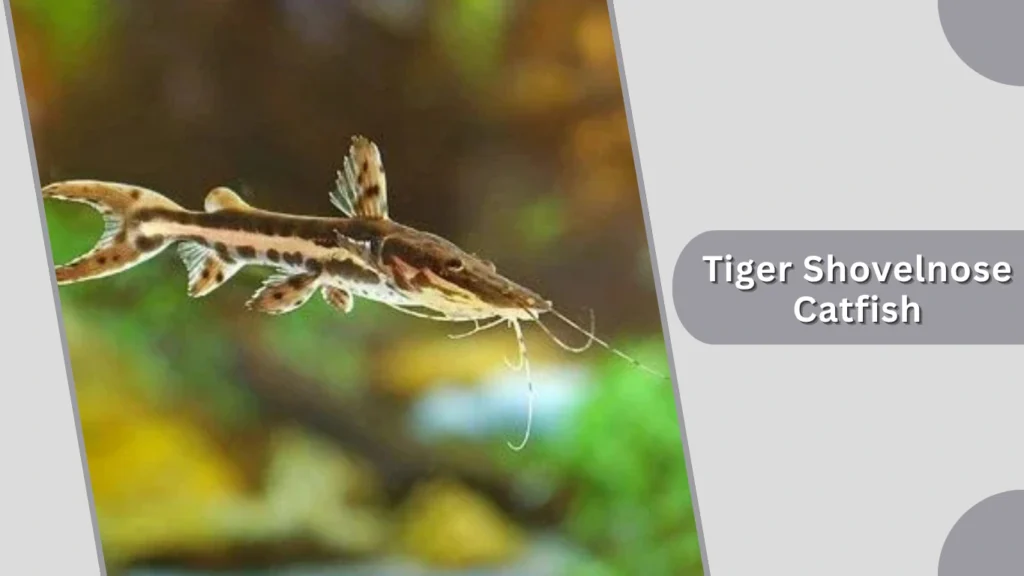
Tiger Shovelnose Catfish are large freshwater predators known for their striking striped patterns and powerful swimming ability. Native to South America, these catfish are popular among advanced aquarium hobbyists who maintain very large aquariums or indoor ponds. They grow rapidly and require significant space, strong filtration, and a protein-rich diet. Their impressive body shape, active behavior, and bold markings make them extraordinary showcase fish for experienced fish keepers.
Identification
- Long silver body with dark tiger-like stripes
- Broad flattened head with shovel-shaped snout
- Long whisker-like barbels near the mouth
- Forked tail with streamlined body shape
- Can grow over 3 feet in length
Natural Habitat
Tiger Shovelnose Catfish naturally inhabit large rivers and freshwater basins throughout South America, especially within the Amazon and Orinoco river systems. They prefer warm waters with muddy bottoms, submerged wood, and deep open areas suitable for hunting and movement.
Aquarium Care
These fish require extremely large aquariums or indoor ponds with powerful filtration systems because of their rapid growth and heavy waste production. A protein-rich diet including pellets, fish, shrimp, and other meaty foods helps support healthy development and energy needs.
Behavior and Temperament
Tiger Shovelnose Catfish are active predatory fish that may eat smaller tank mates that fit into their mouths. They are generally calm toward larger fish but require careful planning because of their massive adult size, strong appetite, and long-term care requirements.
FAQs
How large do Tiger Shovelnose Catfish grow?
Tiger Shovelnose Catfish can grow over 3 feet in length when kept in proper conditions. Because of their massive adult size, they require extremely large aquariums or indoor ponds to live comfortably and remain healthy throughout their lifespan.
What do Tiger Shovelnose Catfish eat?
These catfish eat protein-rich foods such as sinking carnivore pellets, shrimp, fish, worms, and other meaty foods. Young fish require frequent feeding, while adults need a balanced diet that supports healthy growth and energy levels.
Are Tiger Shovelnose Catfish aggressive?
Tiger Shovelnose Catfish are generally calm toward large fish but are predatory by nature. Smaller fish that fit into their mouths may be eaten, so careful tank mate selection is important for maintaining a safe aquarium environment.
What size aquarium is needed for Tiger Shovelnose Catfish?
A very large aquarium or indoor pond is necessary because these fish grow rapidly and produce significant waste. Powerful filtration, open swimming space, and stable warm water conditions are essential for their long-term care and health.
How long do Tiger Shovelnose Catfish live?
With proper care, clean water, and a suitable diet, Tiger Shovelnose Catfish can live for approximately 15 to 20 years in captivity. Consistent aquarium maintenance and spacious living conditions greatly support their lifespan and overall wellbeing.