
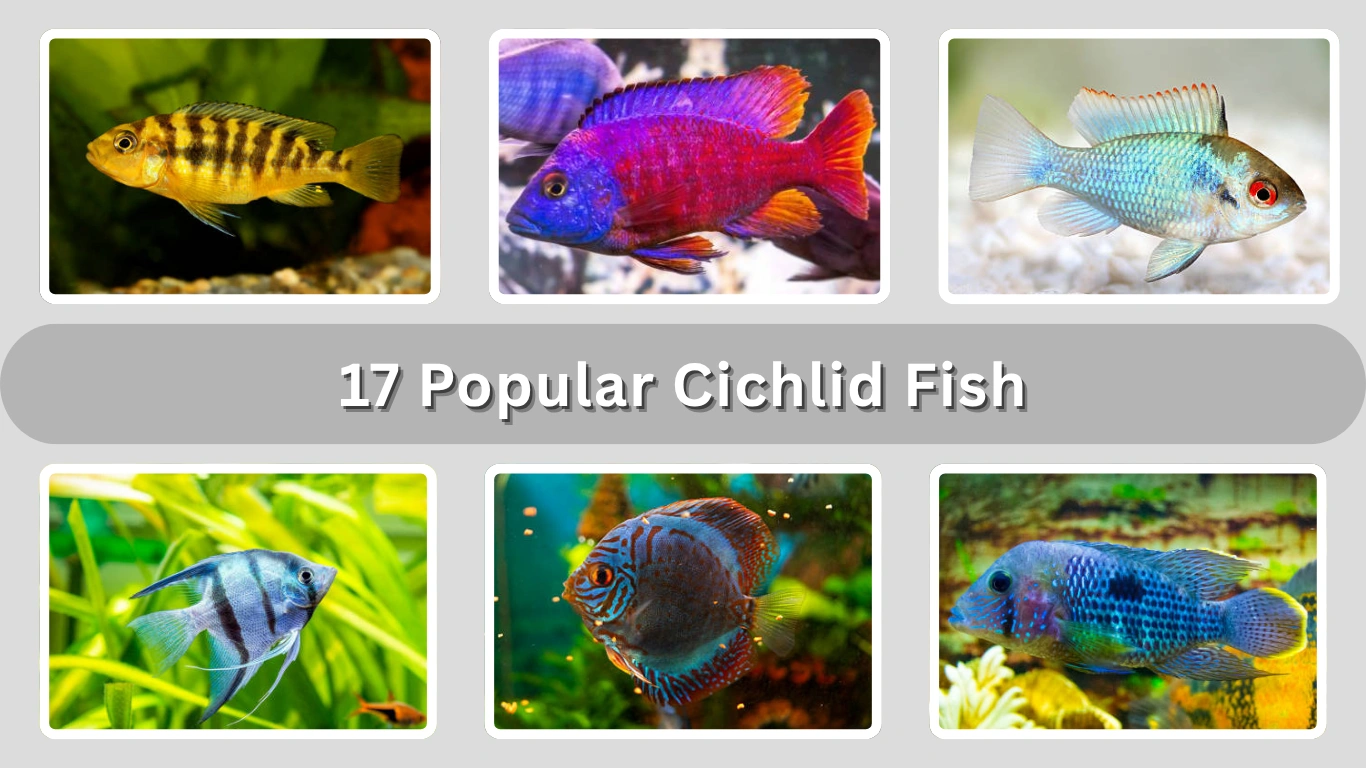
Cichlids are among the most colorful and fascinating freshwater fish kept in home aquariums. Known for their vibrant patterns, intelligence, and unique personalities, these fish are available in many shapes and sizes suitable for different aquarium setups. Some cichlids are peaceful community fish, while others are territorial and require experienced care. From the elegant Angelfish to the striking Flowerhorn, each species offers something unique for aquarium enthusiasts. Understanding their appearance, habitat, care requirements, and behavior helps fish keepers choose the best cichlid species for a healthy and attractive aquarium environment.
1. Oscar Cichlid
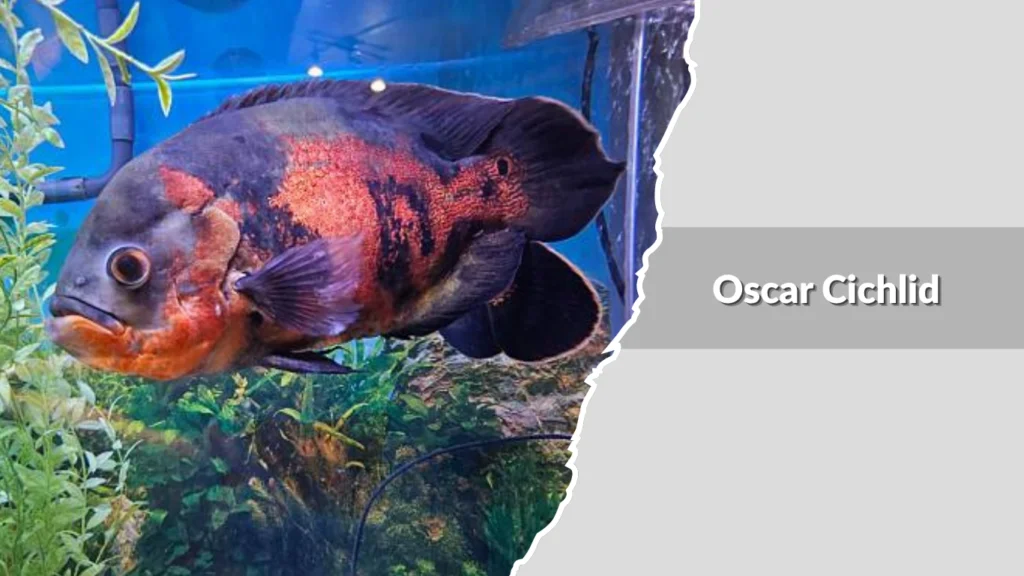
Oscar Cichlids are among the most admired freshwater aquarium fish because of their intelligence, striking colors, and active personality. Native to South America, these large cichlids quickly become the centerpiece of home aquariums. They interact with owners, display unique behaviors, and require spacious tanks with proper filtration. Their bold temperament and impressive size make them popular among experienced aquarium hobbyists worldwide.
Identification
- Large oval-shaped body
- Bright orange, red, and black patterns
- Thick lips with large eyes
- Grows up to 12–14 inches
- Rounded tail and strong fins
Natural Habitat
Oscar Cichlids naturally inhabit slow-moving rivers, floodplains, and calm freshwater regions within the Amazon Basin. These environments contain submerged roots, vegetation, and muddy bottoms that provide hiding places and feeding opportunities for the fish in the wild.
Aquarium Care
A large aquarium with powerful filtration is essential for Oscar Cichlids because they create a considerable amount of waste. Warm water temperatures, stable water conditions, and a high-quality protein-rich diet help maintain their health, growth, and coloration.
Behavior and Temperament
Oscar Cichlids are intelligent fish known for recognizing their owners and reacting during feeding time. They may become territorial or aggressive toward smaller fish, especially in crowded aquariums, so choosing compatible tank mates is very important for peaceful aquarium conditions.
2. Angelfish
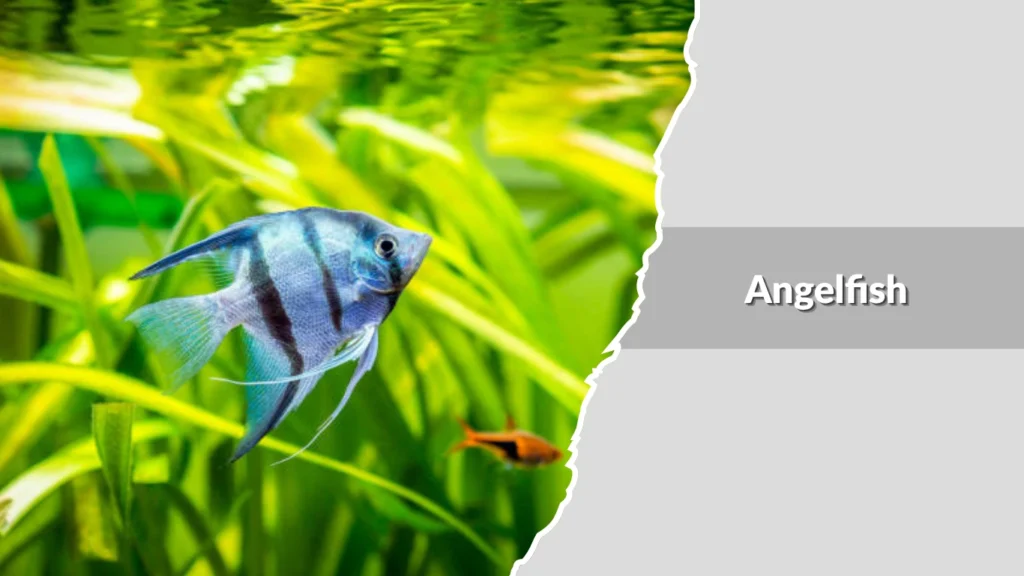
Angelfish are elegant freshwater cichlids known for their graceful swimming style and tall triangular bodies. Originally from the Amazon River Basin, they are highly popular in community aquariums because of their peaceful nature and attractive patterns. These fish come in many color varieties and adapt well to planted tanks. Their calm behavior and unique appearance make them a favorite among aquarium enthusiasts worldwide.
Identification
- Tall, triangular-shaped body
- Long flowing dorsal and anal fins
- Thin body with graceful appearance
- Available in silver, black, gold, and marble patterns
- Can grow up to 6 inches long and 8 inches tall
Natural Habitat
Angelfish naturally live in slow-moving rivers, flooded forests, and densely planted waters of South America. They prefer warm freshwater with plenty of vegetation and submerged roots that provide shelter, protection, and breeding spaces in their natural environment.
Aquarium Care
A tall aquarium with stable warm water conditions is ideal for Angelfish. They thrive in clean water with gentle filtration and benefit from a balanced diet containing flakes, pellets, and frozen foods. Live plants also help create a comfortable and natural habitat.
Behavior and Temperament
Angelfish are generally peaceful but may become territorial during breeding periods. They usually coexist well with similarly sized community fish, although they can eat very small tank mates. Their calm movement and social behavior make them attractive additions to freshwater aquariums.
3. Discus
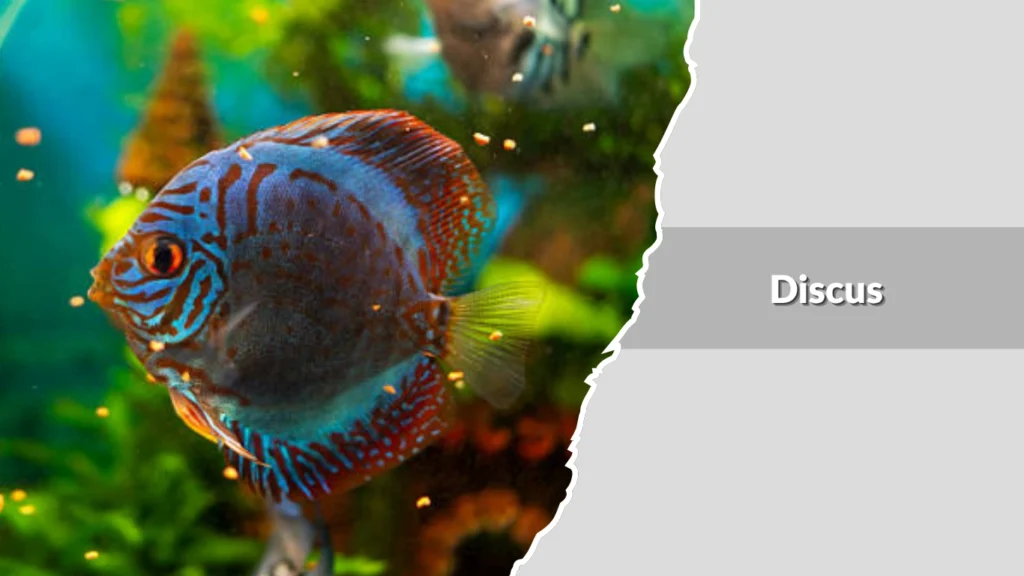
Discus fish are considered some of the most beautiful freshwater cichlids because of their round shape, vibrant colors, and peaceful personality. Native to the Amazon River Basin, they are often called the “King of the Aquarium.” These fish require stable water conditions and attentive care to remain healthy. Their elegant appearance and calm swimming style make them highly valued by dedicated aquarium hobbyists worldwide.
Identification
- Round, disc-shaped body
- Bright blue, red, green, and brown color patterns
- Large eyes with small mouth
- Flat body with long fins
- Can grow up to 8–10 inches
Natural Habitat
Discus fish naturally inhabit calm and slow-moving waters within the Amazon River system. They are commonly found near submerged tree roots, branches, and dense vegetation where warm, soft, and slightly acidic water conditions support their survival and breeding behavior.
Aquarium Care
Discus require clean, warm water with stable parameters to stay healthy. A spacious aquarium, high-quality filtration, and regular water changes are essential for their care. They thrive on a nutritious diet that includes pellets, frozen foods, and protein-rich supplements.
Behavior and Temperament
Discus are peaceful and social fish that prefer living in groups. They are generally shy and can become stressed in noisy or overcrowded aquariums. Compatible tank mates and calm surroundings help them display natural behavior and vibrant coloration more comfortably.
4. Firemouth Cichlid
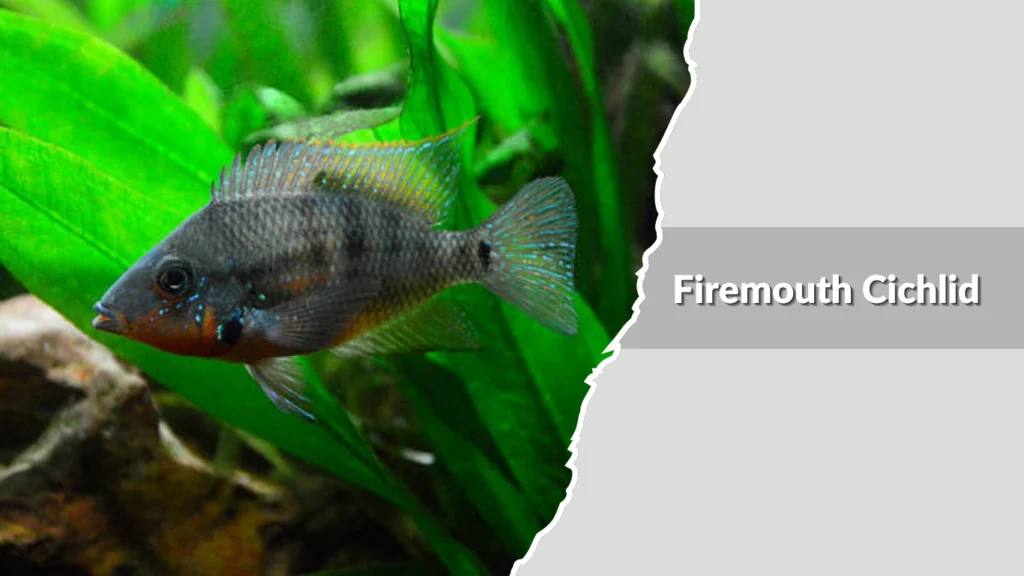
Firemouth Cichlids are attractive freshwater fish recognized for their bright red throat coloration and active personality. Native to Central America, these medium-sized cichlids are popular among aquarium keepers because they are hardy and relatively easy to care for. They adapt well to community aquariums with proper tank mates. Their vivid colors, territorial displays, and energetic swimming behavior make them visually appealing aquarium fish.
Identification
- Silver-gray body with red or orange throat
- Dark vertical markings along the body
- Pointed fins with blue highlights
- Medium-sized cichlid species
- Grows up to 6 inches in length
Natural Habitat
Firemouth Cichlids naturally inhabit slow-moving rivers, lagoons, and muddy freshwater regions in Central America. They prefer warm waters with sandy or soft bottoms, aquatic plants, and hiding places formed by rocks and submerged wood structures.
Aquarium Care
These fish require a medium-sized aquarium with clean, warm water and good filtration. Sand or fine gravel substrate is recommended because they enjoy digging. A varied diet of pellets, flakes, frozen foods, and live foods supports healthy growth and coloration.
Behavior and Temperament
Firemouth Cichlids are semi-aggressive fish that may defend territories during breeding periods. They usually coexist with similarly sized tank mates but can become aggressive toward smaller or highly territorial fish. Their interesting displays and active nature make them entertaining aquarium inhabitants.
5. Jack Dempsey Cichlid
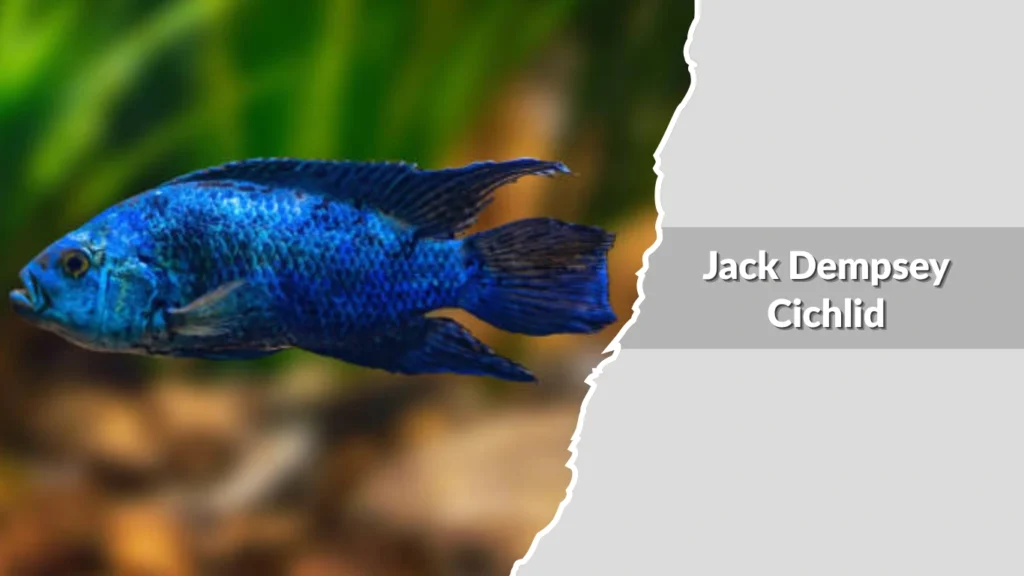
Jack Dempsey Cichlids are powerful freshwater fish admired for their dark coloration and shimmering blue spots. Named after the famous boxer because of their aggressive behavior, these cichlids are native to Central America and are popular among experienced aquarium keepers. They require spacious tanks and proper care to thrive. Their bold personality, striking appearance, and active behavior make them standout aquarium fish worldwide.
Identification
- Dark gray or black body coloration
- Iridescent blue and green spots across the body
- Strong, muscular body shape
- Large mouth with pointed fins
- Can grow up to 10 inches in length
Natural Habitat
Jack Dempsey Cichlids naturally inhabit slow-moving rivers, canals, and swampy freshwater areas in Central America. They prefer warm waters with muddy bottoms, submerged branches, rocks, and vegetation that provide shelter and protection in their environment.
Aquarium Care
A large aquarium with strong filtration and stable warm water conditions is important for Jack Dempsey Cichlids. They benefit from hiding spaces made with rocks and driftwood. A protein-rich diet including pellets, frozen foods, and live foods supports healthy growth and coloration.
Behavior and Temperament
Jack Dempsey Cichlids are known for their territorial and aggressive behavior, especially during breeding periods. They may attack smaller or weaker fish, so compatible tank mates should be carefully selected. Despite their aggression, they are intelligent and highly interactive aquarium fish.
6. Green Terror Cichlid

Green Terror Cichlids are colorful freshwater fish famous for their metallic green and blue scales combined with their bold personality. Native to South America, these cichlids are popular among aquarium enthusiasts who enjoy large and active fish species. They require spacious aquariums and stable water conditions for healthy growth. Their vibrant appearance, territorial nature, and impressive fin patterns make them striking aquarium centerpieces.
Identification
- Metallic green and blue body coloration
- Orange or white edging on fins
- Strong oval-shaped body
- Large head with thick lips
- Can grow up to 12 inches in length
Natural Habitat
Green Terror Cichlids naturally inhabit rivers and freshwater streams in South America, particularly in Ecuador and Peru. They prefer warm waters with rocky areas, submerged wood, and sandy bottoms that provide shelter and suitable breeding territories.
Aquarium Care
These fish require a spacious aquarium with excellent filtration and stable warm water conditions. Rocks, caves, and driftwood help create natural hiding places. A varied diet consisting of pellets, frozen foods, insects, and protein-rich meals supports healthy development and coloration.
Behavior and Temperament
Green Terror Cichlids are semi-aggressive and highly territorial, especially during breeding periods. They may become dominant toward smaller or weaker fish, making careful tank mate selection important. Their active swimming behavior and strong personality make them engaging aquarium inhabitants.
7. Convict Cichlid
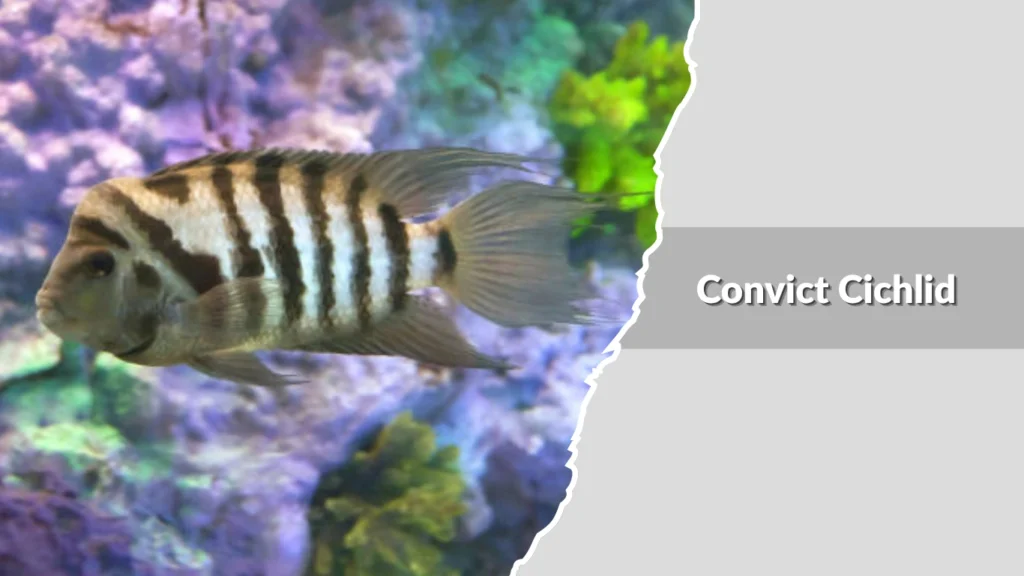
Convict Cichlids are hardy freshwater fish well known for their black vertical stripes and energetic personality. Native to Central America, these small cichlids are highly popular because they are easy to care for and adapt well to aquarium life. They breed readily and display strong parental instincts. Their bold patterns, active swimming behavior, and territorial nature make them fascinating aquarium fish for hobbyists.
Identification
- Gray or silver body with black vertical stripes
- Compact oval-shaped body
- Pointed dorsal and anal fins
- Females often show orange coloration on the belly
- Grows up to 4–6 inches in length
Natural Habitat
Convict Cichlids naturally inhabit rivers, streams, and rocky freshwater environments throughout Central America. They prefer warm waters with caves, submerged roots, and rocky shelters that provide protection, feeding opportunities, and safe breeding areas in the wild.
Aquarium Care
These fish thrive in medium-sized aquariums with stable warm water conditions and effective filtration. Rocks, caves, and driftwood create suitable territories and hiding places. They accept a wide variety of foods, including pellets, flakes, frozen foods, and live foods.
Behavior and Temperament
Convict Cichlids are highly territorial and can become aggressive, especially during breeding periods. They are active fish with strong parental care instincts and often defend their eggs and fry aggressively. Their bold behavior makes them entertaining but challenging community tank inhabitants.
8. Electric Yellow Cichlid

Electric Yellow Cichlids are vibrant freshwater fish admired for their bright yellow coloration and peaceful temperament. Native to Lake Malawi in Africa, these cichlids are extremely popular in home aquariums because of their striking appearance and relatively easy care requirements. They thrive in rocky aquarium setups with stable water conditions. Their vivid color, active swimming style, and social nature make them attractive aquarium fish worldwide.
Identification
- Bright yellow body coloration
- Black edging on dorsal and anal fins
- Slender and elongated body shape
- Small mouth with clear eyes
- Can grow up to 5 inches in length
Natural Habitat
Electric Yellow Cichlids naturally inhabit the rocky shorelines of Lake Malawi in East Africa. They prefer clear, warm waters with numerous rocks and caves that provide shelter, breeding territories, and protection from predators in their natural environment.
Aquarium Care
These fish require clean, alkaline water and a well-filtered aquarium with rocky decorations and hiding spaces. Stable water conditions are essential for their health. They thrive on a balanced diet containing cichlid pellets, flakes, and occasional protein-rich foods.
Behavior and Temperament
Electric Yellow Cichlids are considered one of the more peaceful African cichlid species. They are active, social fish that usually coexist well with similarly sized tank mates. Mild territorial behavior may appear during breeding or when establishing dominance in the aquarium.
9. Blue Acara
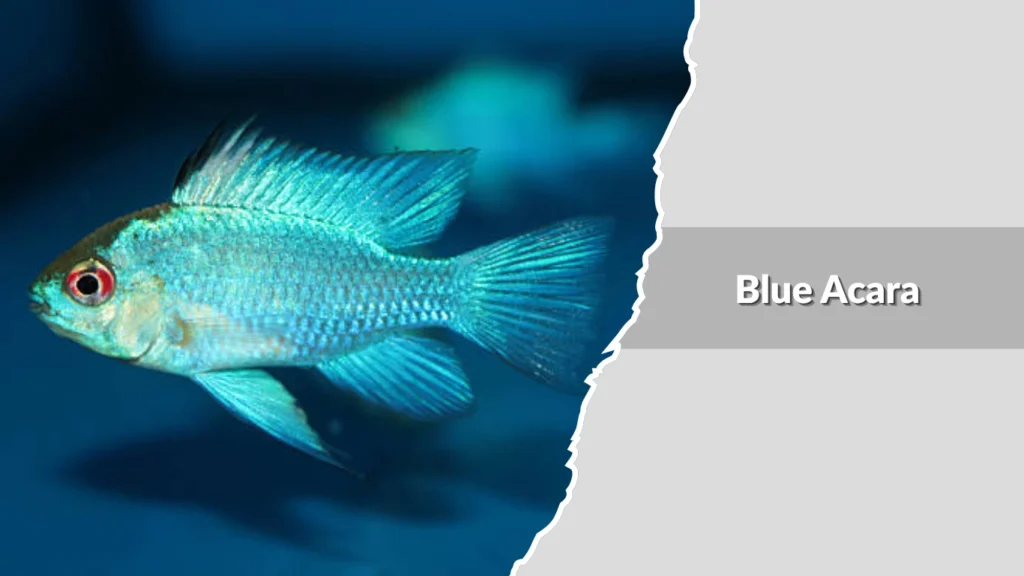
Blue Acara cichlids are peaceful freshwater fish appreciated for their shimmering blue coloration and calm temperament. Native to South America, they are popular among aquarium hobbyists because they adapt well to community tanks and are easier to care for than many aggressive cichlid species. Their metallic scales, graceful swimming behavior, and friendly personality make them attractive additions to freshwater aquariums for both beginners and experienced fish keepers.
Identification
- Blue-green iridescent body coloration
- Oval-shaped body with pointed fins
- Dark markings along the sides
- Bright blue scales that shimmer under light
- Can grow up to 6–7 inches in length
Natural Habitat
Blue Acara cichlids naturally inhabit slow-moving rivers, ponds, and flooded freshwater areas in South America. They prefer warm waters with sandy bottoms, aquatic vegetation, submerged roots, and driftwood that provide shelter and comfortable breeding locations.
Aquarium Care
A medium to large aquarium with clean, warm water and efficient filtration is ideal for Blue Acara cichlids. They benefit from soft substrate, plants, and hiding spaces. A balanced diet including pellets, flakes, frozen foods, and occasional live foods supports healthy growth.
Behavior and Temperament
Blue Acara cichlids are generally peaceful and suitable for community aquariums with similarly sized fish. They may become mildly territorial during breeding periods but are far less aggressive than many other cichlid species. Their calm nature and active swimming behavior make them enjoyable aquarium fish.
10. German Blue Ram
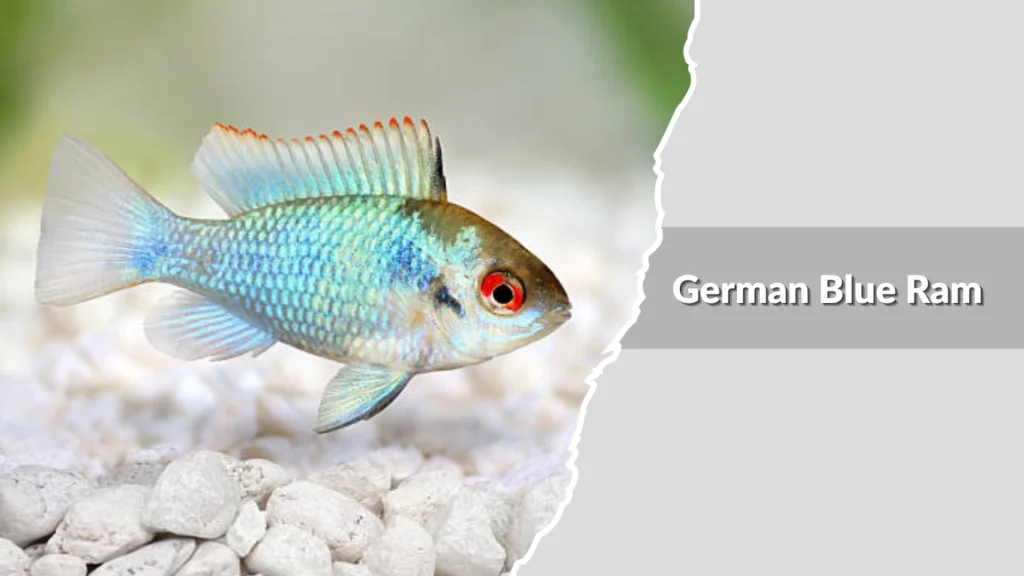
German Blue Ram cichlids are small and colorful freshwater fish admired for their peaceful nature and brilliant blue markings. Native to South America, they are popular among aquarium enthusiasts because of their compact size and attractive appearance. These fish require stable water conditions and careful maintenance to remain healthy. Their vibrant colors, calm behavior, and graceful swimming style make them excellent additions to planted community aquariums.
Identification
- Bright blue iridescent spots across the body
- Yellow, gold, and black color patterns
- Compact oval-shaped body
- Red eyes with long pointed fins
- Can grow up to 2–3 inches in length
Natural Habitat
German Blue Ram cichlids naturally inhabit slow-moving streams, ponds, and warm freshwater regions in South America. They prefer soft, sandy bottoms with dense vegetation, submerged roots, and calm waters that provide protection and comfortable breeding conditions.
Aquarium Care
These fish require warm, clean water with stable parameters and gentle filtration. A planted aquarium with hiding spaces and soft substrate helps them feel secure. They thrive on a varied diet containing quality pellets, frozen foods, and small live foods for proper nutrition.
Behavior and Temperament
German Blue Ram cichlids are peaceful and social fish that usually coexist well with other calm community species. They may display mild territorial behavior during breeding periods, but their gentle personality and colorful appearance make them highly desirable aquarium inhabitants.
11. Peacock Cichlid
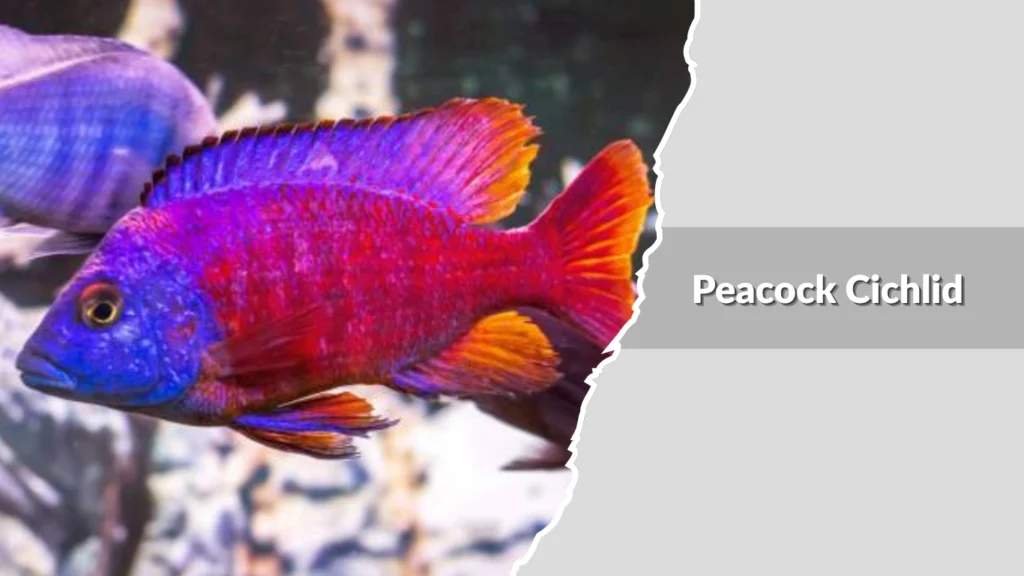
Peacock Cichlids are colorful freshwater fish famous for their bright metallic shades and active swimming behavior. Native to Lake Malawi in Africa, these cichlids are highly valued in the aquarium hobby because of their stunning blue, red, yellow, and orange coloration. They thrive in spacious aquariums with rocky decorations and stable water conditions. Their vivid appearance and energetic personality make them eye-catching aquarium centerpiece fish.
Identification
- Bright blue, red, yellow, or orange coloration
- Metallic shimmering scales
- Streamlined body with pointed fins
- Males display stronger colors than females
- Can grow up to 4–6 inches in length
Natural Habitat
Peacock Cichlids naturally inhabit sandy and rocky regions of Lake Malawi in East Africa. They prefer clear, warm waters with rock formations and open swimming spaces that provide feeding grounds, shelter, and breeding territories in their natural environment.
Aquarium Care
These fish require a spacious aquarium with strong filtration and stable alkaline water conditions. Rocks and caves help create hiding places and territories. A balanced diet containing high-quality cichlid pellets, flakes, and occasional protein-rich foods supports their health and coloration.
Behavior and Temperament
Peacock Cichlids are moderately peaceful compared to many African cichlids, although males may become territorial during breeding. They are active swimmers that do best with similarly sized tank mates. Their social behavior and brilliant colors make them popular among aquarium hobbyists.
12. Frontosa Cichlid
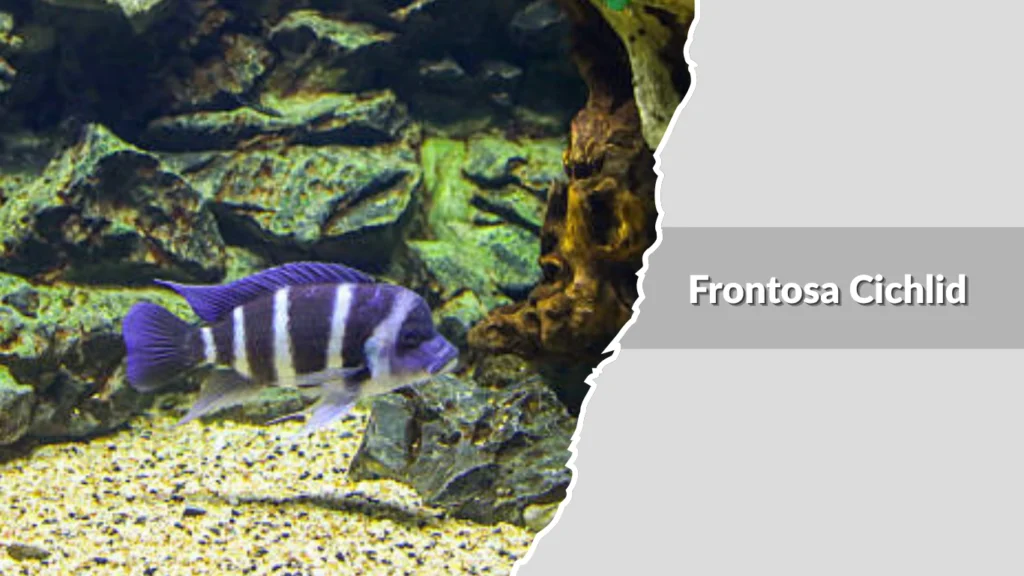
Frontosa Cichlids are large and majestic freshwater fish admired for their distinctive forehead hump and calm personality. Native to Lake Tanganyika in Africa, these cichlids are highly popular among experienced aquarium hobbyists because of their unique appearance and graceful swimming style. They require spacious aquariums and stable water conditions to thrive. Their striking black-and-white patterns and slow-moving behavior make them impressive display fish.
Identification
- Large body with a noticeable forehead hump
- Black vertical bands across a white or blue body
- Thick lips with large fins
- Deep-bodied and elongated shape
- Can grow up to 12–14 inches in length
Natural Habitat
Frontosa Cichlids naturally inhabit deep rocky regions of Lake Tanganyika in East Africa. They prefer clear, warm waters with caves and rocky formations that provide shelter, resting places, and safe breeding territories within their natural environment.
Aquarium Care
These fish require a very large aquarium with excellent filtration and stable alkaline water conditions. Rocks and caves help recreate their natural habitat and provide hiding spaces. A nutritious diet including pellets, frozen foods, and protein-rich meals supports healthy growth and coloration.
Behavior and Temperament
Frontosa Cichlids are generally calm and slow-moving compared to many other cichlid species. They are social fish that can live in groups but may eat very small tank mates. Their peaceful nature and impressive appearance make them highly valued aquarium fish.
13. Jewel Cichlid
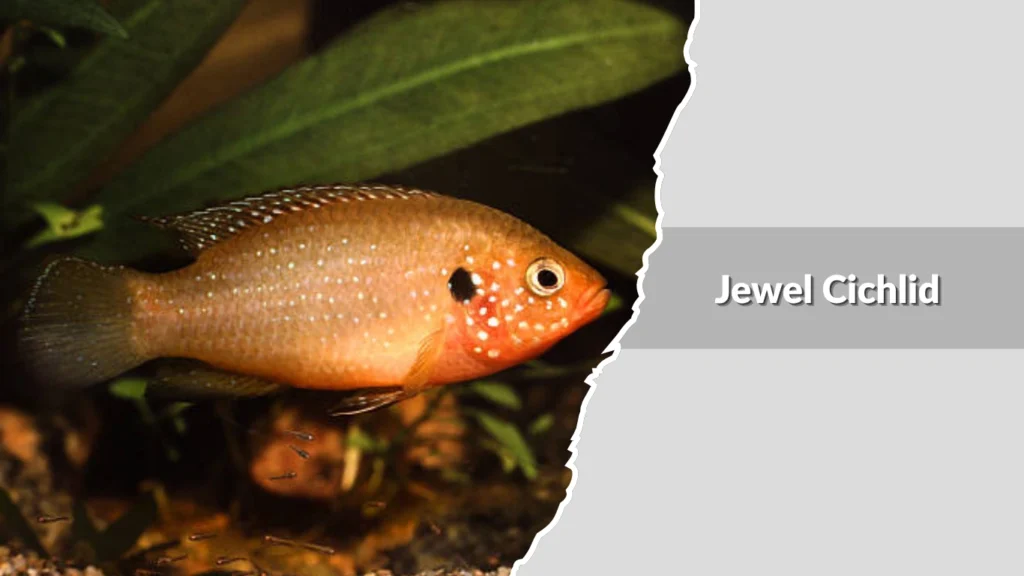
Jewel Cichlids are vibrant freshwater fish known for their brilliant red coloration and sparkling blue spots. Native to Africa, these cichlids are popular among aquarium hobbyists because of their intense colors and active behavior. They are hardy fish that adapt well to aquarium life when provided with proper care. Their striking appearance, territorial nature, and energetic personality make them attractive yet challenging aquarium inhabitants.
Identification
- Bright red or reddish-orange body coloration
- Iridescent blue spots across the body and fins
- Oval-shaped body with pointed fins
- Dark markings near the center of the body
- Can grow up to 5–6 inches in length
Natural Habitat
Jewel Cichlids naturally inhabit rivers, streams, and freshwater lakes throughout parts of Africa. They prefer warm waters with rocky areas, submerged plants, driftwood, and sandy bottoms that provide shelter, feeding spaces, and breeding territories.
Aquarium Care
These fish require a medium-sized aquarium with clean, warm water and reliable filtration. Rocks, caves, and hiding spaces help reduce stress and territorial disputes. They thrive on a varied diet containing pellets, flakes, frozen foods, and occasional live foods.
Behavior and Temperament
Jewel Cichlids are highly territorial and can become aggressive, especially during breeding periods. They actively defend their territory and offspring from intruders. Despite their aggression, their vibrant colors and energetic swimming behavior make them popular among experienced aquarium enthusiasts.
14. Flowerhorn Cichlid
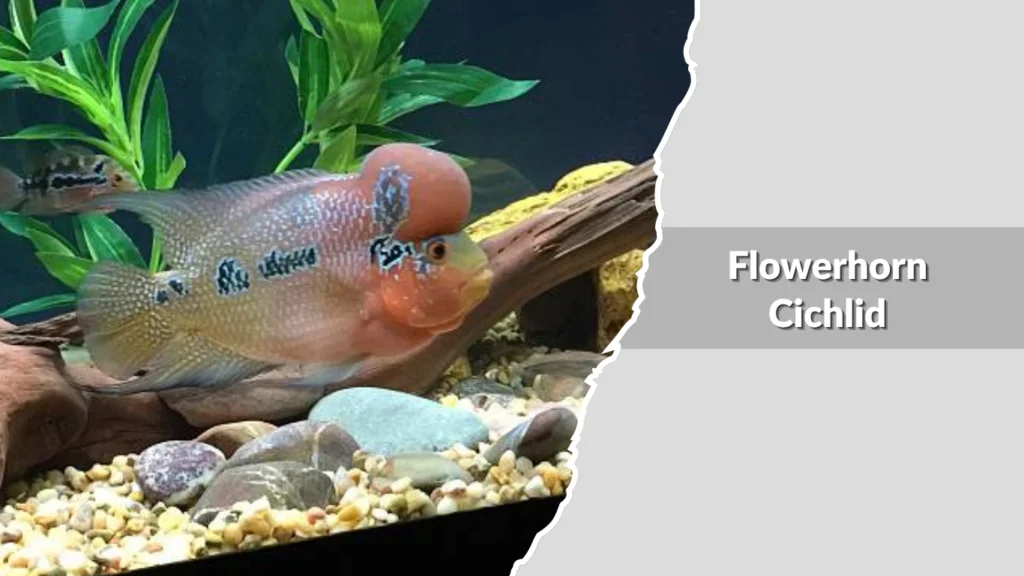
Flowerhorn Cichlids are unique hybrid freshwater fish famous for their large forehead hump, bright colors, and interactive personality. These fish are highly valued in the aquarium hobby because of their unusual appearance and strong bond with owners. They require spacious aquariums and careful maintenance for healthy growth. Their bold behavior, vibrant patterns, and impressive size make them standout centerpiece fish in home aquariums.
Identification
- Large forehead hump known as a nuchal hump
- Bright red, pink, blue, or metallic coloration
- Thick body with long fins
- Distinct black markings or patterns along the sides
- Can grow up to 12–16 inches in length
Natural Habitat
Flowerhorn Cichlids are man-made hybrid fish and do not exist naturally in the wild. Their aquarium environment should include warm water, open swimming areas, and decorative rocks or driftwood that provide comfort and territory boundaries.
Aquarium Care
These fish require a large aquarium with powerful filtration because they produce significant waste. Stable warm water conditions and regular water changes are essential for their health. They thrive on high-quality pellets, frozen foods, and protein-rich diets that support coloration and growth.
Behavior and Temperament
Flowerhorn Cichlids are highly territorial and aggressive, especially toward other fish. They are intelligent and often recognize their owners, reacting during feeding or interaction. Because of their dominant personality, they are usually kept alone in aquariums to prevent conflicts.
15. Blood Parrot Cichlid
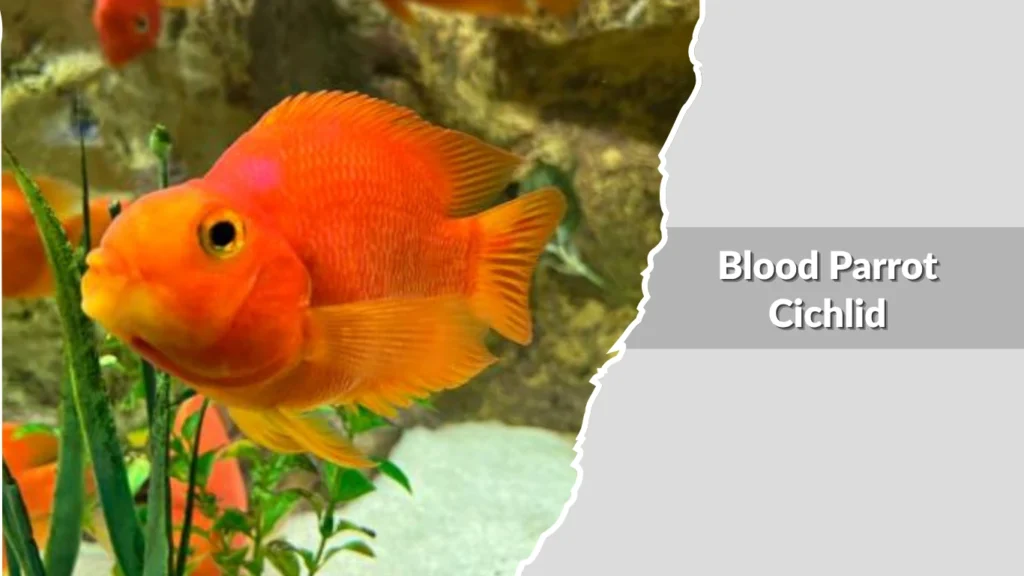
Blood Parrot Cichlids are popular hybrid freshwater fish recognized for their round body shape and bright orange or red coloration. These fish are widely kept in home aquariums because of their peaceful personality and unique appearance. They adapt well to aquarium life when provided with proper care and stable water conditions. Their playful behavior, vivid colors, and unusual body structure make them attractive aquarium centerpiece fish.
Identification
- Rounded, balloon-like body shape
- Bright orange, red, or yellow coloration
- Small beak-shaped mouth
- Large eyes with flowing fins
- Can grow up to 8 inches in length
Natural Habitat
Blood Parrot Cichlids are hybrid fish created through selective breeding and do not occur naturally in the wild. In aquariums, they prefer warm freshwater conditions with open swimming spaces, smooth decorations, caves, and hiding areas for comfort and security.
Aquarium Care
These fish require a medium to large aquarium with strong filtration and stable warm water conditions. Smooth substrate and decorations help prevent injuries because of their body shape. They thrive on quality pellets, flakes, frozen foods, and occasional protein-rich treats for balanced nutrition.
Behavior and Temperament
Blood Parrot Cichlids are generally peaceful and social fish that can live with similarly sized community tank mates. They may display mild territorial behavior during feeding or breeding periods. Their curious personality and active swimming behavior make them enjoyable aquarium companions.
16. Kribensis Cichlid
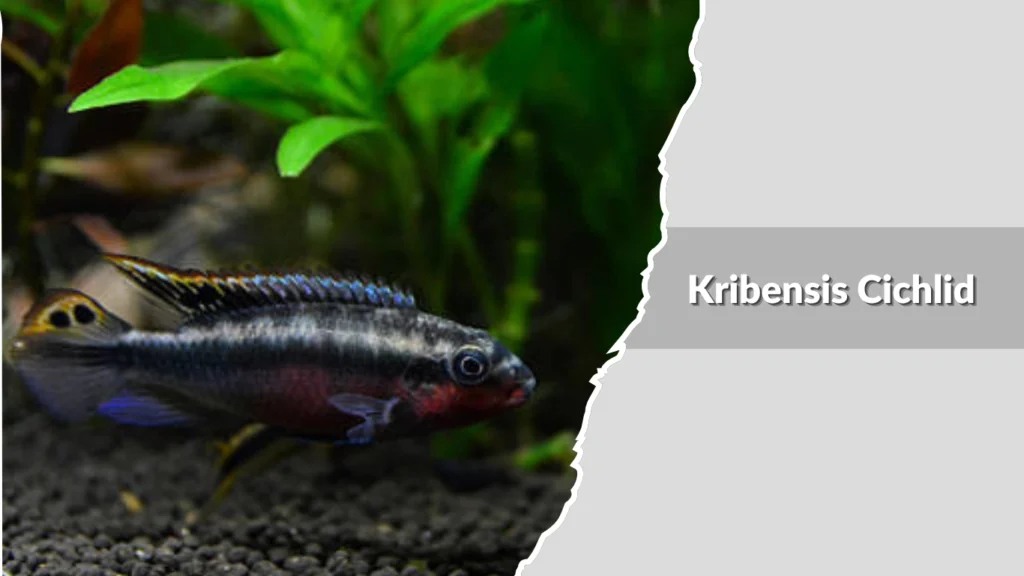
Kribensis Cichlids are small and colorful freshwater fish admired for their peaceful temperament and beautiful breeding colors. Native to West Africa, these cichlids are highly popular among aquarium hobbyists because they are hardy, easy to care for, and suitable for community aquariums. Their compact size, attractive fin patterns, and active behavior make them excellent aquarium fish for both beginners and experienced fish keepers.
Identification
- Cream, yellow, and purple body coloration
- Females display bright red or purple bellies
- Long flowing fins with colorful edges
- Small elongated body shape
- Can grow up to 3–4 inches in length
Natural Habitat
Kribensis Cichlids naturally inhabit slow-moving rivers and freshwater streams in West Africa. They prefer warm waters with dense vegetation, caves, submerged roots, and soft riverbeds that provide shelter, feeding spaces, and safe breeding territories.
Aquarium Care
These fish thrive in planted aquariums with clean, warm water and gentle filtration. Caves and hiding places are important because they enjoy breeding in sheltered areas. A balanced diet including pellets, flakes, frozen foods, and live foods supports healthy growth and coloration.
Behavior and Temperament
Kribensis Cichlids are generally peaceful and suitable for community aquariums with calm tank mates. They become territorial during breeding periods but are less aggressive than many other cichlid species. Their social behavior and vibrant colors make them enjoyable aquarium inhabitants.
17. Bumblebee Cichlid
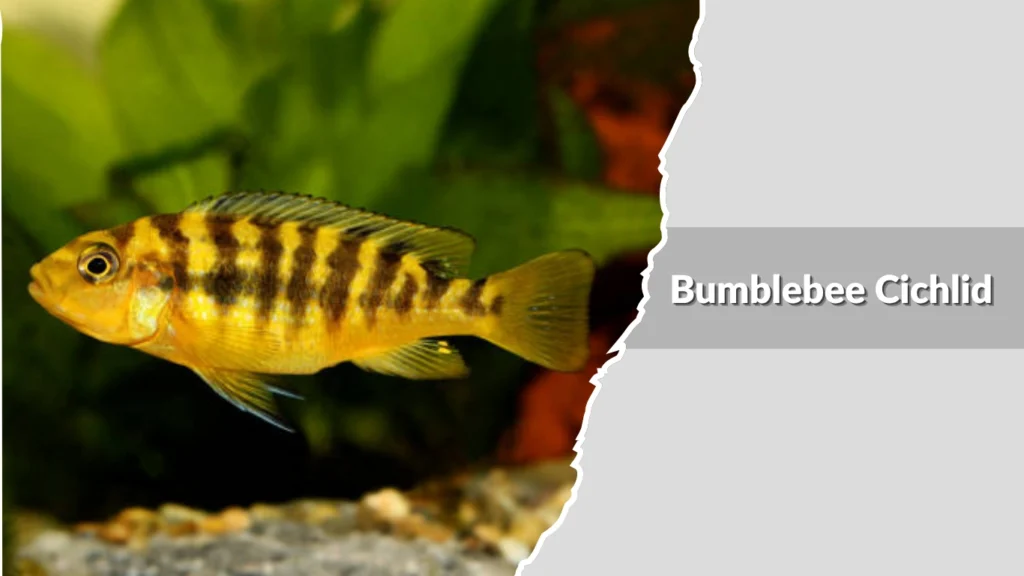
Bumblebee Cichlids are striking freshwater fish known for their bold yellow and black striped patterns. Native to Lake Malawi in Africa, these cichlids are popular among aquarium hobbyists because of their energetic behavior and vibrant appearance. They require proper tank conditions and compatible tank mates to thrive successfully. Their aggressive personality, active swimming style, and contrasting coloration make them standout fish in African cichlid aquariums.
Identification
- Bright yellow body with black vertical bands
- Streamlined and elongated body shape
- Pointed dorsal and anal fins
- Strong jaw with large eyes
- Can grow up to 6 inches in length
Natural Habitat
Bumblebee Cichlids naturally inhabit rocky shorelines and caves within Lake Malawi in East Africa. They prefer warm, clear waters with rocky structures that provide hiding places, feeding areas, and breeding territories in their natural environment.
Aquarium Care
These fish require a spacious aquarium with strong filtration and stable alkaline water conditions. Rocks and caves help create territories and reduce stress among tank mates. They thrive on a balanced diet consisting of cichlid pellets, flakes, and occasional protein-rich foods.
Behavior and Temperament
Bumblebee Cichlids are aggressive and highly territorial fish, especially toward other cichlids with similar appearance or size. They are active swimmers that require careful tank mate selection. Their energetic personality and bold coloration make them popular among experienced aquarium hobbyists.
FAQs
What size tank does a Bumblebee Cichlid need?
A Bumblebee Cichlid requires at least a 55-gallon aquarium because it is an active and territorial fish. Larger tanks provide more swimming space and help reduce aggression between tank mates, especially in African cichlid community setups.
Are Bumblebee Cichlids aggressive?
Yes, Bumblebee Cichlids are considered aggressive and territorial fish. They may chase or attack smaller or weaker tank mates, particularly during breeding periods or while defending their territory inside the aquarium.
What do Bumblebee Cichlids eat?
Bumblebee Cichlids eat high-quality cichlid pellets, flakes, and protein-rich foods. They also enjoy occasional frozen or live foods. A balanced diet helps maintain their coloration, energy levels, and overall health in captivity.
Can Bumblebee Cichlids live with other fish?
They can live with other similarly sized African cichlids that can tolerate their aggressive behavior. Peaceful or very small fish are not recommended because they may become stressed or injured in the aquarium.
How long do Bumblebee Cichlids live?
With proper care and stable water conditions, Bumblebee Cichlids can live for approximately 8 to 10 years in home aquariums. Good filtration, regular maintenance, and a healthy diet contribute greatly to their lifespan.