
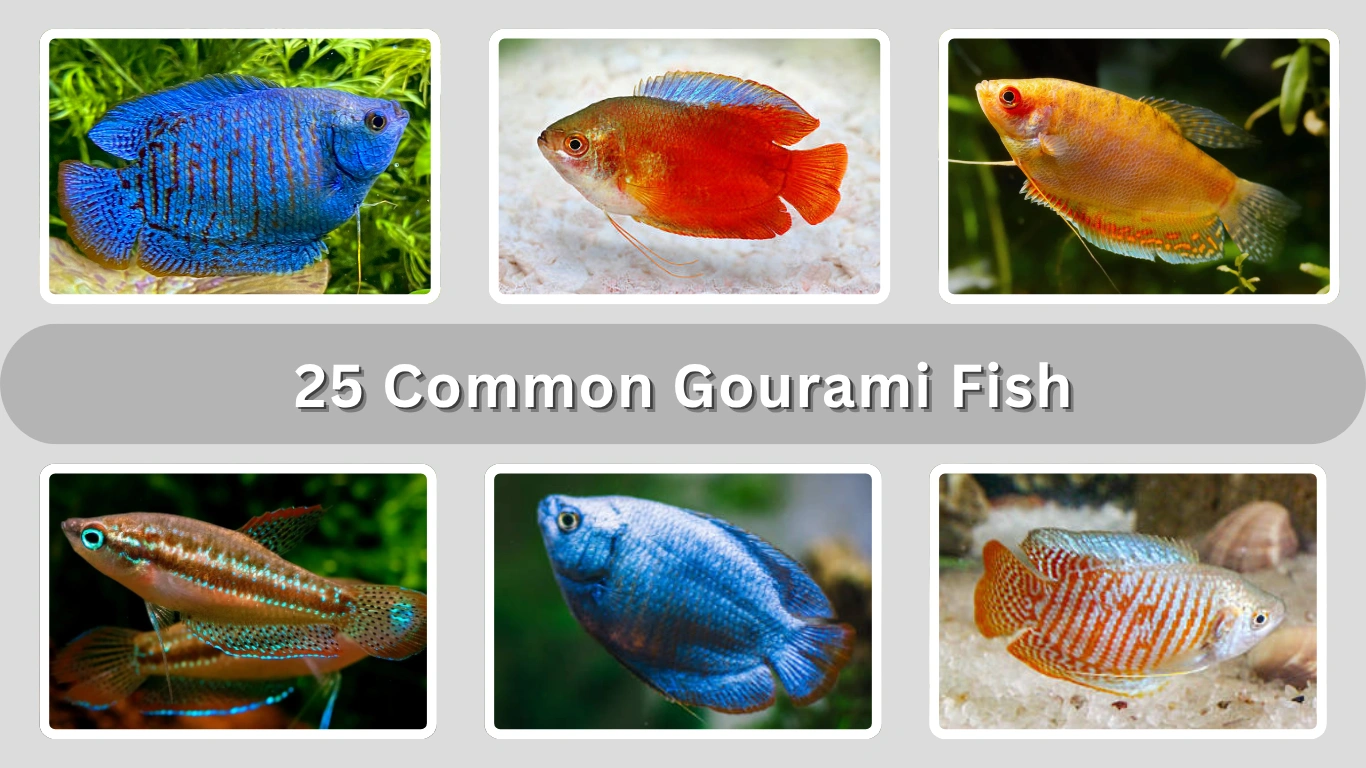
Gourami fish are among the most popular freshwater aquarium species because of their colorful appearance, peaceful temperament, and wide variety of shapes and sizes. Found mainly in Asia, these fish are loved by beginners and experienced aquarists alike for their adaptability and unique personalities. Some Gouramis are small and perfect for nano tanks, while others grow large and require spacious aquariums. From the shimmering Pearl Gourami to the vibrant Flame Dwarf Gourami, each species offers distinct beauty and behavior that make freshwater aquariums more lively, attractive, and enjoyable for fishkeeping enthusiasts around the world.
1. Pearl Gourami
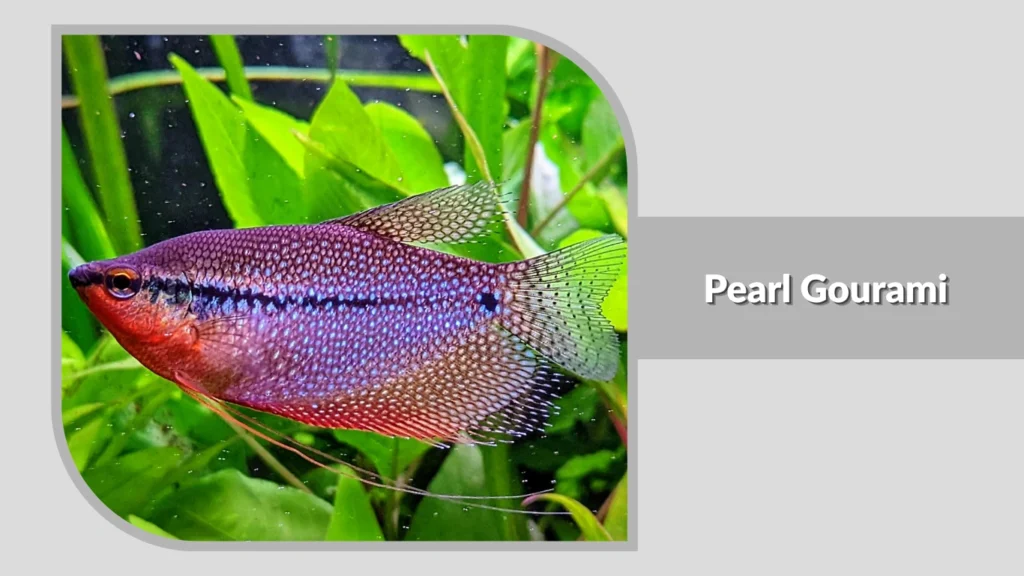
Pearl Gourami is a peaceful and attractive freshwater fish admired for its shimmering pearl-like spots and calm personality. Native to Southeast Asia, this species is highly popular in community aquariums because it adapts well to different tank conditions. Its graceful swimming style, hardy nature, and compatibility with other peaceful fish make it an excellent choice for both beginner and experienced aquarium keepers.
Identification
- Silver-brown body with pearl-like white spots
- Black horizontal stripe from mouth to tail
- Long thread-like pelvic fins
- Males have a more pointed dorsal fin
- Average size ranges from 4 to 5 inches
Natural Habitat
Pearl Gouramis are naturally found in slow-moving rivers, marshes, ponds, and swampy areas across Thailand, Malaysia, and Indonesia. They prefer calm waters filled with dense aquatic plants and shaded environments. These natural habitats usually contain soft, warm, and slightly acidic water conditions that help the species thrive comfortably.
Temperament and Behavior
This fish is known for its peaceful and gentle behavior, making it suitable for community tanks with non-aggressive species. Pearl Gouramis usually swim in the middle level of the aquarium and enjoy planted environments where they can hide and explore. During breeding, males may become slightly territorial but remain manageable in most setups.
Aquarium Care
Pearl Gouramis require a well-maintained aquarium with warm water temperatures and gentle filtration. A planted tank with open swimming space helps them stay healthy and stress-free. They accept flakes, pellets, frozen foods, and live foods as part of a balanced diet. Regular water changes and stable conditions are important for long-term health and vibrant coloration.
2. Dwarf Gourami
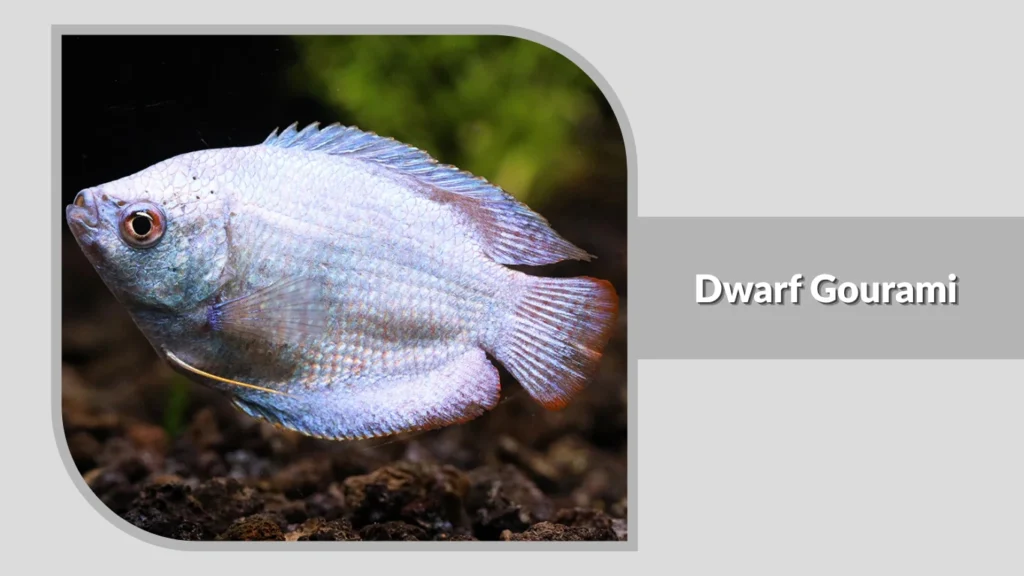
Dwarf Gourami is a small and colorful freshwater fish widely loved for its bright patterns and peaceful nature. This species is ideal for smaller aquariums and community tanks because of its manageable size and calm temperament. Native to South Asia, Dwarf Gouramis are hardy fish that display beautiful shades of blue, red, and orange, making them a striking centerpiece in home aquariums.
Identification
- Small body with vibrant blue and red stripes
- Rounded body shape with compressed sides
- Long pelvic fins that resemble thin feelers
- Males are more colorful than females
- Typically grows up to 3 to 3.5 inches
Natural Habitat
Dwarf Gouramis are native to slow-moving waters in India, Bangladesh, and Pakistan. They commonly inhabit ponds, rice fields, streams, and heavily planted waterways with warm temperatures. These habitats usually contain thick vegetation and calm water conditions that provide shelter, breeding areas, and protection from predators.
Temperament and Behavior
This species is peaceful and suitable for community aquariums with other calm fish. Dwarf Gouramis are generally shy at first but become active once comfortable in their environment. Males may occasionally display territorial behavior toward other males, especially in smaller tanks, but they are usually non-aggressive toward other compatible species.
Aquarium Care
Dwarf Gouramis thrive in warm, clean aquariums with gentle water movement and plenty of plants. A tank size of at least 15 to 20 gallons is recommended for stable conditions. They enjoy a varied diet including flakes, pellets, frozen foods, and live foods. Maintaining good water quality and avoiding aggressive tank mates helps keep them healthy and stress-free.
3. Blue Gourami
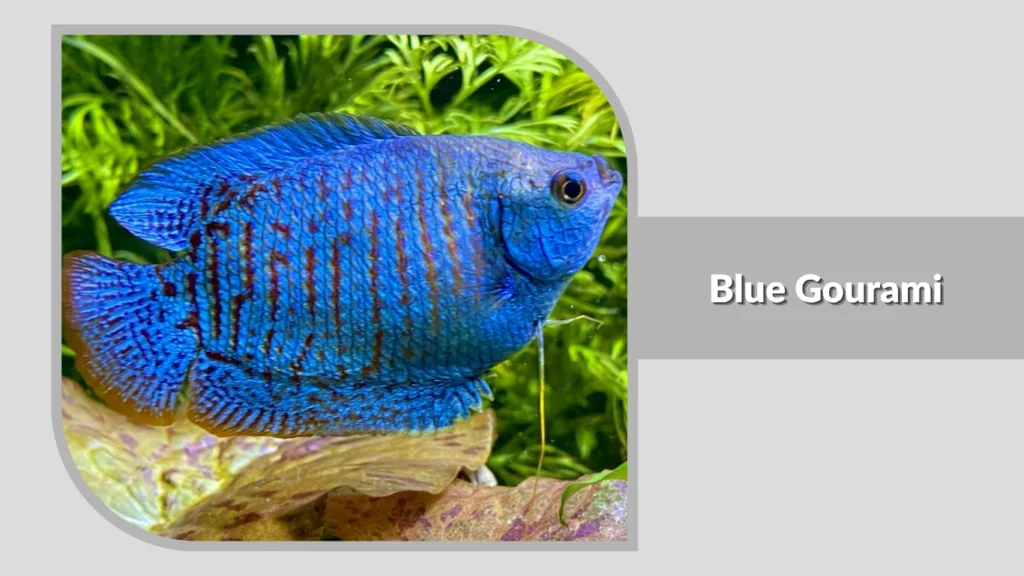
Blue Gourami is a hardy and adaptable freshwater fish recognized for its beautiful bluish coloration and active personality. It is a popular aquarium species because it can tolerate a wide range of water conditions and interacts well with many tank mates. Native to Southeast Asia, this fish is suitable for beginners and experienced aquarists who want an attractive and easy-to-care-for centerpiece fish.
Identification
- Light blue body with darker blue marbling
- Two dark spots visible on the body
- Oval-shaped body with compressed sides
- Long thread-like pelvic fins
- Usually grows up to 5 to 6 inches
Natural Habitat
Blue Gouramis are naturally found in rivers, canals, marshes, and flooded fields across Southeast Asia. They prefer slow-moving or still waters with dense vegetation and warm temperatures. These environments provide hiding places and breeding areas while also supporting the calm conditions that this species enjoys in the wild.
Temperament and Behavior
This species is generally semi-peaceful and can live with many community fish when provided enough space. Blue Gouramis are active swimmers and often explore different levels of the aquarium. Males may become territorial toward each other, especially during breeding periods, but they usually coexist peacefully with non-aggressive tank mates.
Aquarium Care
Blue Gouramis require a spacious aquarium with plants, hiding spots, and gentle filtration. A minimum tank size of 30 gallons is recommended for adults due to their larger size and activity level. They eat flakes, pellets, frozen foods, and live foods without difficulty. Stable water conditions and regular maintenance help maintain their health and vibrant coloration.
4. Three Spot Gourami
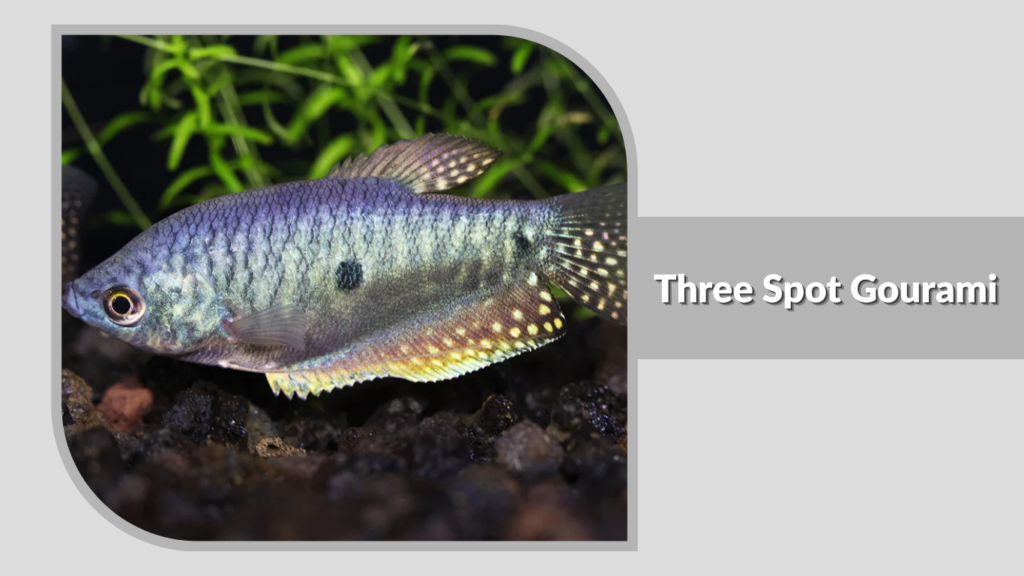
Three Spot Gourami is a popular freshwater fish known for its attractive markings, hardy nature, and active behavior. It gets its name from the two dark body spots and the eye, which appears as the third spot. This species adapts easily to different aquarium conditions and is widely kept by hobbyists who want a colorful and energetic fish for community tanks.
Identification
- Pale blue, silver, or golden body coloration
- Two dark spots located on the sides of the body
- Eye appears as the third spot
- Long thread-like pelvic fins
- Grows up to 5 to 6 inches in length
Natural Habitat
Three Spot Gouramis originate from Southeast Asia and are commonly found in swamps, rivers, ponds, and flooded fields. They prefer calm or slow-moving waters with dense aquatic vegetation and warm temperatures. These habitats provide shelter, breeding areas, and access to insects and plant matter that form part of their natural diet.
Temperament and Behavior
This species is considered semi-aggressive, especially males that may defend territory against each other. Despite this behavior, Three Spot Gouramis can live peacefully with similarly sized community fish when given enough space. They are active swimmers that often explore the aquarium and interact with their surroundings throughout the day.
Aquarium Care
Three Spot Gouramis need a spacious aquarium with plants, hiding spaces, and stable water conditions. A tank of at least 30 gallons is recommended to reduce territorial disputes and allow comfortable swimming space. They accept a wide variety of foods including flakes, pellets, frozen foods, and live foods. Regular maintenance and balanced feeding help keep them healthy and active.
5. Gold Gourami
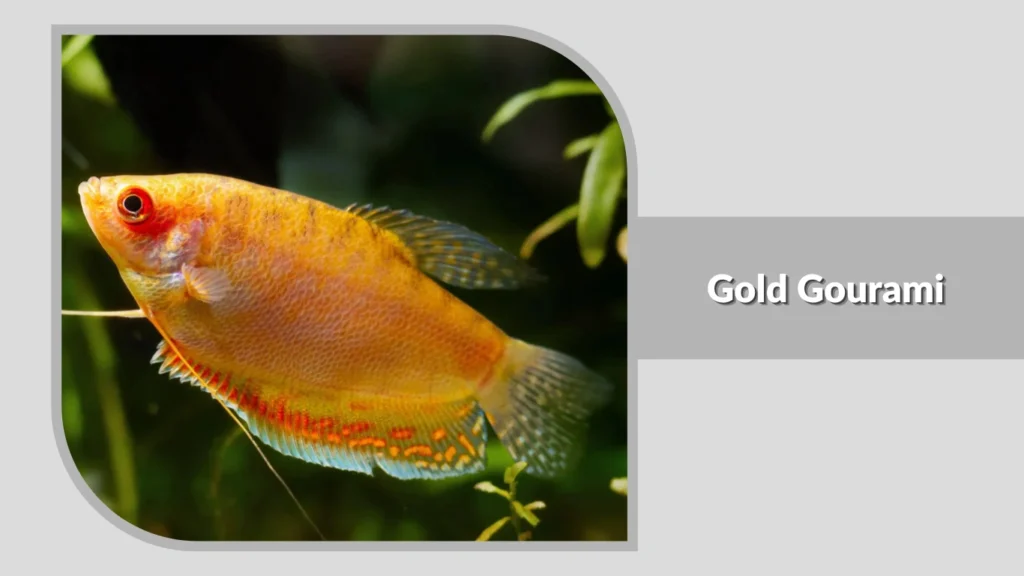
Gold Gourami is a bright and attractive freshwater fish admired for its golden-yellow coloration and hardy personality. It is a color variation of the Three Spot Gourami and is popular among aquarium hobbyists because of its striking appearance and adaptability. This species can tolerate different water conditions and becomes an eye-catching centerpiece in medium to large community aquariums.
Identification
- Golden-yellow body with lighter marbled patterns
- Two faded dark spots visible on the body
- Long thread-like pelvic fins
- Oval-shaped body with compressed sides
- Usually grows up to 5 to 6 inches
Natural Habitat
Gold Gouramis do not occur naturally in the wild because they are selectively bred from Three Spot Gouramis. However, their parent species originates from Southeast Asian swamps, ponds, canals, and slow-moving rivers. These environments contain warm water, thick vegetation, and calm conditions that provide shelter and feeding opportunities.
Temperament and Behavior
This species is semi-aggressive and may become territorial, especially males living in smaller aquariums. Gold Gouramis are active swimmers that often patrol different parts of the tank and interact with tank mates. They generally coexist well with medium-sized peaceful fish when provided enough space and proper hiding areas.
Aquarium Care
Gold Gouramis require a well-maintained aquarium with plants, decorations, and gentle water flow. A tank size of at least 30 gallons is ideal to reduce stress and territorial behavior. They readily eat flakes, pellets, frozen foods, and live foods. Regular water changes, balanced nutrition, and stable temperatures help maintain their health and vibrant golden coloration.
6. Opaline Gourami
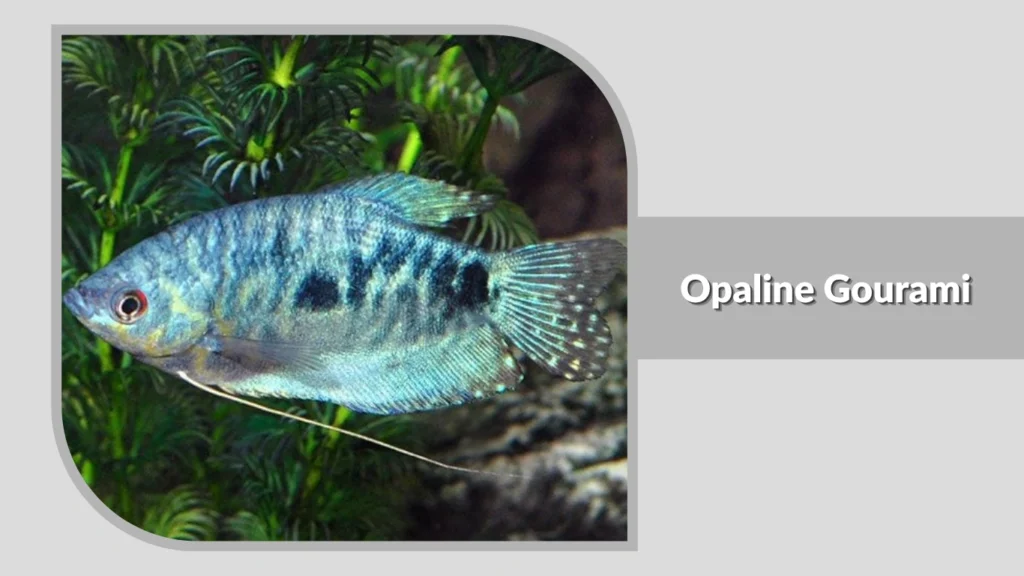
Opaline Gourami is a beautiful freshwater fish valued for its marbled blue coloration and peaceful yet active nature. It is a selectively bred variety of the Three Spot Gourami and is commonly kept in community aquariums. This species is hardy, adaptable, and easy to care for, making it a favorite choice for aquarium hobbyists looking for a colorful and lively fish.
Identification
- Light blue body with dark marbled patterns
- Smooth pearly or opal-like appearance
- Long thread-like pelvic fins
- Oval-shaped body with compressed sides
- Commonly grows up to 5 to 6 inches
Natural Habitat
Opaline Gouramis are aquarium-bred fish and are not naturally found in the wild. Their parent species originates from Southeast Asia, where it inhabits slow-moving rivers, swamps, ponds, and flooded fields. These waters are typically warm, calm, and heavily planted, providing shelter and ideal breeding conditions.
Temperament and Behavior
This species is generally semi-peaceful but may become territorial, especially males in crowded aquariums. Opaline Gouramis are curious and active swimmers that enjoy exploring their surroundings. They usually coexist well with medium-sized community fish when enough swimming space and hiding spots are available inside the aquarium.
Aquarium Care
Opaline Gouramis thrive in aquariums with warm water, gentle filtration, and plenty of plants or decorations. A minimum tank size of 30 gallons is recommended to provide enough territory and swimming space. They eat flakes, pellets, frozen foods, and live foods without difficulty. Maintaining clean water and stable tank conditions helps keep them healthy and vibrant.
7. Moonlight Gourami

Moonlight Gourami is an elegant freshwater fish known for its shimmering silver body and calm personality. Its smooth coloration and graceful swimming style make it a peaceful centerpiece for planted community aquariums. Native to Southeast Asia, this species is hardy and adaptable when kept in stable conditions. Moonlight Gouramis are especially appreciated by aquarists who prefer gentle fish with a refined and attractive appearance.
Identification
- Silvery body with a glowing moonlight appearance
- Red or orange-colored pelvic fins
- Flattened body with smooth scales
- Long thread-like pelvic fins
- Typically grows up to 5 to 6 inches
Natural Habitat
Moonlight Gouramis naturally inhabit swamps, ponds, canals, and slow-moving rivers in Cambodia, Thailand, and Vietnam. These environments contain warm water, dense vegetation, and low water movement. Floating plants and shaded areas provide protection and breeding spaces while supporting the calm conditions preferred by this species.
Temperament and Behavior
This species is peaceful, shy, and well-suited for community aquariums with calm tank mates. Moonlight Gouramis are slow swimmers that prefer quiet environments with plenty of hiding spots. They may become stressed in tanks with aggressive or highly active fish, so a peaceful setup helps them display natural behavior and confidence.
Aquarium Care
Moonlight Gouramis require a planted aquarium with gentle filtration and stable warm water conditions. A minimum tank size of 30 gallons is recommended to provide enough swimming space and reduce stress. They accept flakes, pellets, frozen foods, and live foods as part of a balanced diet. Regular water maintenance and calm surroundings help maintain their health and beautiful coloration.
8. Kissing Gourami
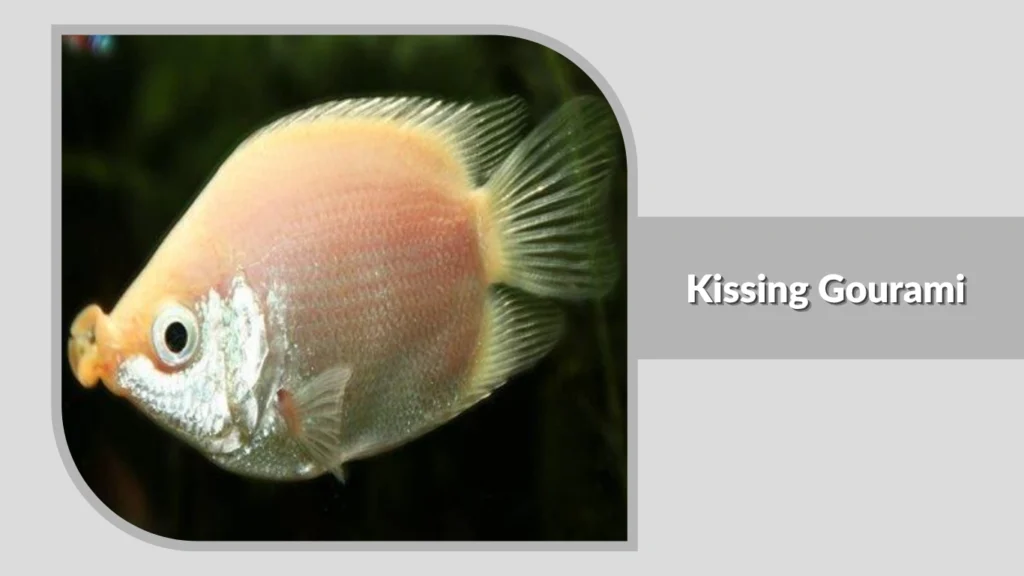
Kissing Gourami is a unique freshwater fish famous for its unusual lip-locking behavior that resembles kissing. This species is popular in large aquariums because of its distinctive appearance, active swimming habits, and social interactions. Native to Southeast Asia, Kissing Gouramis are hardy fish that adapt well to different water conditions. Their large size and energetic nature make them more suitable for spacious aquariums.
Identification
- Pale pink, silver, or green body coloration
- Thick protruding lips with a “kissing” appearance
- Deep and laterally compressed body shape
- Long dorsal and anal fins
- Commonly grows up to 10 to 12 inches
Natural Habitat
Kissing Gouramis naturally live in rivers, ponds, lakes, and floodplains throughout Thailand, Indonesia, and nearby regions. They prefer warm, slow-moving waters rich in vegetation and organic matter. These habitats provide abundant algae and plant material that form a significant part of their natural diet in the wild.
Temperament and Behavior
This species is generally peaceful when young but may become territorial or aggressive as it matures. The famous “kissing” behavior is usually a form of dominance testing rather than affection. Kissing Gouramis are active swimmers that enjoy exploring the tank and may compete with slower fish for food and territory.
Aquarium Care
Kissing Gouramis require a large aquarium with open swimming space and strong filtration due to their adult size and activity level. A tank size of at least 55 gallons is recommended for long-term care. They eat algae, flakes, pellets, vegetables, frozen foods, and live foods. Regular maintenance and good water quality are essential for keeping them healthy and active.
9. Honey Gourami
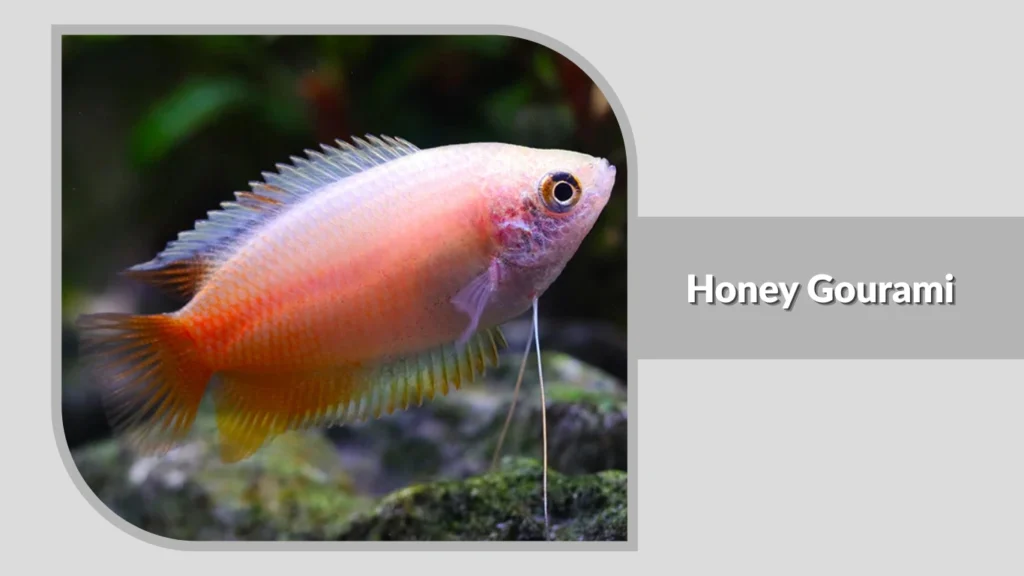
Honey Gourami is a small and peaceful freshwater fish admired for its warm honey-colored body and gentle nature. It is an excellent choice for planted community aquariums because of its calm temperament and manageable size. Native to South Asia, this species is hardy and easy to care for, making it highly suitable for beginners as well as experienced aquarium enthusiasts.
Identification
- Golden yellow to honey-orange body coloration
- Slender and slightly compressed body shape
- Males develop darker throat coloration during breeding
- Long thread-like pelvic fins
- Usually grows up to 2 to 3 inches
Natural Habitat
Honey Gouramis naturally inhabit slow-moving rivers, ponds, flooded fields, and heavily planted wetlands in India and Bangladesh. These environments contain warm, shallow water with dense vegetation and minimal water flow. The thick plant cover provides shelter, breeding spaces, and protection from predators in their natural habitat.
Temperament and Behavior
This species is extremely peaceful and shy, making it ideal for calm community tanks with non-aggressive fish. Honey Gouramis enjoy swimming among plants and exploring quiet areas of the aquarium. Males may display mild territorial behavior during breeding, but overall they remain gentle and easy to manage in most setups.
Aquarium Care
Honey Gouramis thrive in planted aquariums with warm water, gentle filtration, and stable conditions. A tank size of at least 10 to 15 gallons is suitable for a pair or small group. They accept flakes, micro pellets, frozen foods, and live foods as part of a balanced diet. Clean water and a stress-free environment help maintain their bright coloration and overall health.
10. Chocolate Gourami
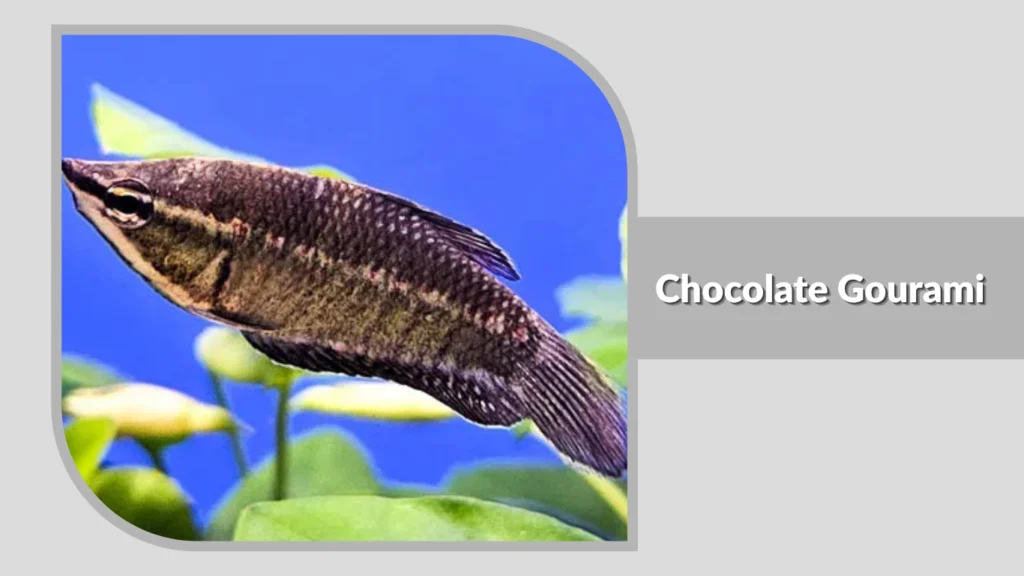
Chocolate Gourami is a delicate and attractive freshwater fish known for its rich brown coloration and peaceful personality. This species is highly valued by experienced aquarists because of its unique appearance and calm behavior. Native to Southeast Asia, Chocolate Gouramis require stable water conditions and careful maintenance, making them better suited for dedicated hobbyists who enjoy keeping specialized and sensitive fish species.
Identification
- Dark brown body with lighter vertical bands
- Rounded fins with soft edges
- Small and slender body shape
- Long thread-like pelvic fins
- Usually grows up to 2 to 2.5 inches
Natural Habitat
Chocolate Gouramis naturally inhabit peat swamps, blackwater streams, and slow-moving forest waters in Malaysia, Indonesia, and Borneo. These habitats contain soft, acidic water with dense vegetation and low light conditions. Fallen leaves and organic material create dark-colored water that closely matches the species’ preferred environmental conditions.
Temperament and Behavior
This species is peaceful, shy, and sensitive to stress, making it best suited for quiet community aquariums with gentle tank mates. Chocolate Gouramis prefer calm surroundings with plenty of hiding places among plants and decorations. They are slow swimmers and may become timid when housed with aggressive or highly active fish species.
Aquarium Care
Chocolate Gouramis require soft, acidic water and stable aquarium conditions to remain healthy. A heavily planted tank with gentle filtration and low water movement is ideal for their care. They prefer small live or frozen foods, although some individuals accept high-quality prepared foods. Consistent water quality and a stress-free environment are essential for long-term success with this species.
11. Sparkling Gourami
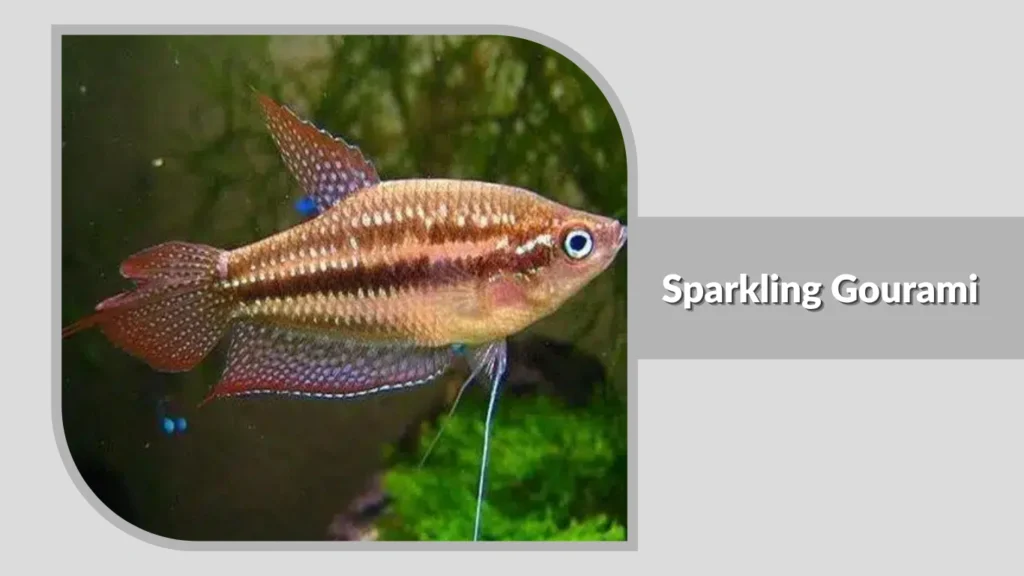
Sparkling Gourami is a tiny and beautiful freshwater fish admired for its shimmering scales and peaceful nature. Despite its small size, this species is very active and displays fascinating behavior in planted aquariums. Native to Southeast Asia, Sparkling Gouramis are ideal for nano tanks and quiet community setups. Their glowing appearance and soft croaking sounds make them a unique and enjoyable species for aquarium hobbyists.
Identification
- Small body covered with iridescent sparkling spots
- Brownish body with blue-green reflective scales
- Rounded fins with light markings
- Long thread-like pelvic fins
- Usually grows up to 1.5 inches
Natural Habitat
Sparkling Gouramis naturally inhabit slow-moving streams, ponds, rice paddies, and swampy wetlands in Thailand, Cambodia, and Vietnam. These habitats contain warm water, dense vegetation, and low water flow. Thick plant growth and floating vegetation provide shelter, breeding areas, and protection from predators in the wild.
Temperament and Behavior
This species is peaceful, shy, and suitable for calm community aquariums with very small tank mates. Sparkling Gouramis often explore plants and decorations while remaining active throughout the day. They are also known for producing soft croaking or clicking sounds during communication and courtship, which makes them especially interesting to observe.
Aquarium Care
Sparkling Gouramis thrive in heavily planted aquariums with gentle filtration and stable warm water conditions. A small tank of around 10 gallons can comfortably house a pair or group. They enjoy tiny live foods, frozen foods, and quality micro pellets. Clean water, low stress, and plenty of hiding places help maintain their health and vibrant sparkling coloration.
12. Croaking Gourami
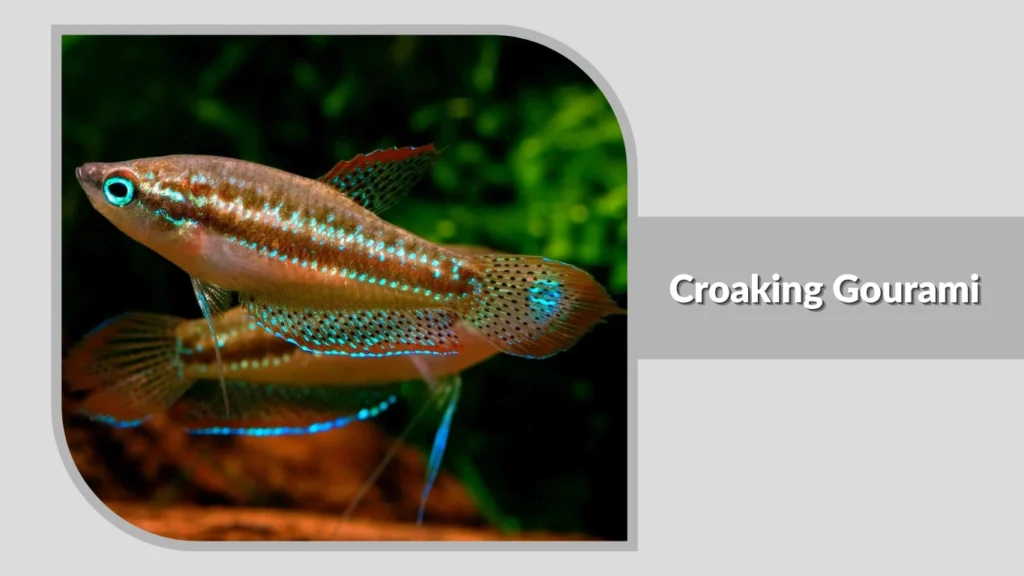
Croaking Gourami is an interesting freshwater fish known for the croaking sounds it produces during communication and social interactions. This species is popular among aquarium hobbyists because of its peaceful nature, unique behavior, and attractive striped appearance. Native to Southeast Asia, Croaking Gouramis adapt well to planted aquariums and enjoy calm environments where they can explore comfortably and interact with other peaceful fish species.
Identification
- Light brown or golden body with dark horizontal stripes
- Slender and slightly compressed body shape
- Transparent or lightly colored fins
- Long thread-like pelvic fins
- Usually grows up to 3 to 4 inches
Natural Habitat
Croaking Gouramis naturally live in ponds, marshes, rice paddies, and slow-moving streams across Thailand, Vietnam, and surrounding regions. These habitats contain warm water, dense vegetation, and muddy bottoms with low water movement. Floating plants and submerged roots provide hiding spaces and breeding areas in their natural environment.
Temperament and Behavior
This species is peaceful and social, making it suitable for calm community aquariums. Croaking Gouramis are best known for the croaking or grunting sounds they produce, especially during territorial displays or courtship. They are active but gentle fish that enjoy exploring planted tanks and interacting quietly with members of their own species.
Aquarium Care
Croaking Gouramis thrive in aquariums with warm water, gentle filtration, and plenty of plants or hiding spaces. A tank size of at least 20 gallons is recommended for small groups. They accept flakes, pellets, frozen foods, and live foods as part of a balanced diet. Stable water quality and a peaceful environment are important for keeping them healthy and stress-free.
13. Giant Gourami
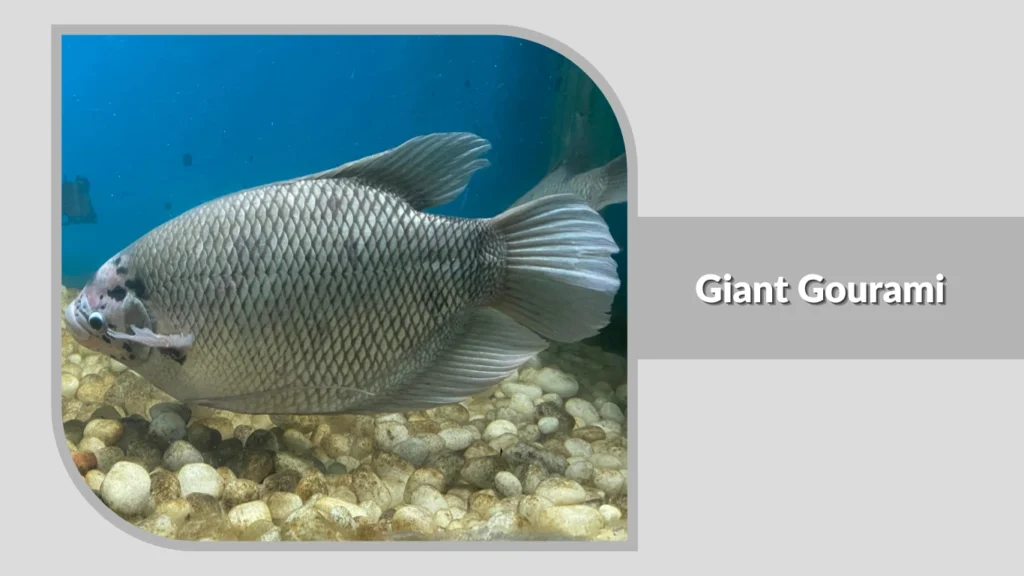
Giant Gourami is one of the largest freshwater gourami species and is admired for its impressive size, intelligence, and hardy nature. Native to Southeast Asia, this fish is commonly kept in very large aquariums and ponds. Giant Gouramis can recognize their owners and display interactive behavior, making them highly interesting for experienced fish keepers who have enough space to accommodate their massive growth.
Identification
- Large oval-shaped body with thick scales
- Gray, silver, white, or golden coloration
- Broad head with thick lips
- Long dorsal and anal fins
- Can grow up to 24 inches or larger
Natural Habitat
Giant Gouramis naturally inhabit rivers, lakes, swamps, and flooded forests throughout Southeast Asia. They prefer warm, slow-moving waters with abundant vegetation and muddy bottoms. These habitats provide shelter and access to aquatic plants, insects, and smaller organisms that contribute to their varied natural diet.
Temperament and Behavior
This species is generally calm but can become territorial as it matures, especially in smaller spaces. Giant Gouramis are intelligent fish that often recognize feeding routines and interact with their surroundings. They usually coexist with other large peaceful fish but may dominate smaller or weaker tank mates because of their size.
Aquarium Care
Giant Gouramis require extremely large aquariums or ponds with strong filtration and regular maintenance. A tank size of at least 200 gallons is recommended for adult specimens due to their massive growth and heavy waste production. They eat pellets, vegetables, fruits, live foods, and frozen foods. Clean water, spacious conditions, and balanced nutrition are essential for maintaining their health and long lifespan.
14. Samurai Gourami
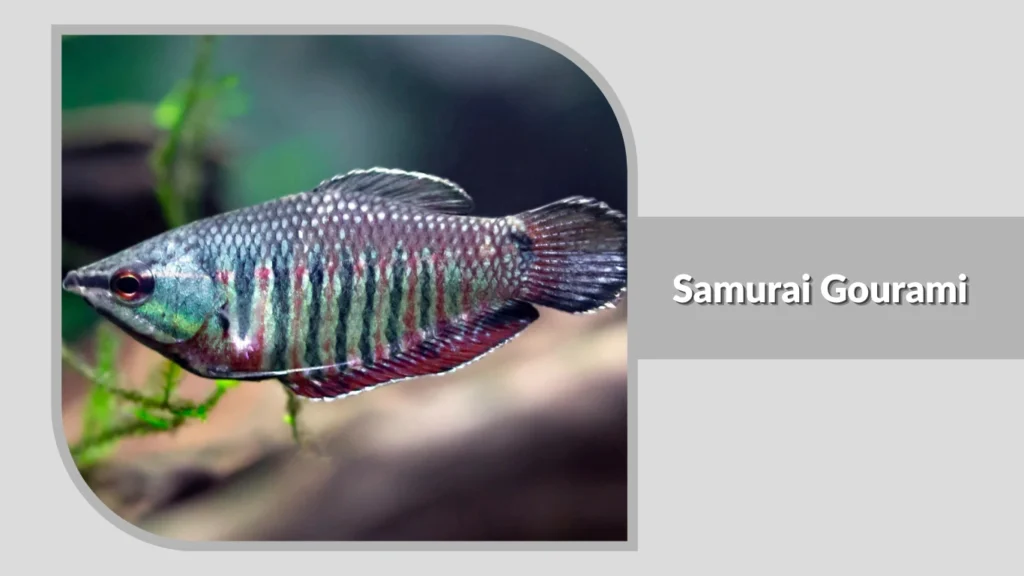
Samurai Gourami is a rare and highly prized freshwater fish known for its striking patterns and calm behavior. This species is popular among advanced aquarium hobbyists because of its unique appearance and specialized care requirements. Native to Southeast Asia, Samurai Gouramis thrive in soft, acidic water conditions and are best suited for peaceful planted aquariums with stable environmental conditions and minimal stress.
Identification
- Dark body with vertical red or orange bands
- Females display brighter coloration than males
- Small and laterally compressed body shape
- Long thread-like pelvic fins
- Usually grows up to 2 inches
Natural Habitat
Samurai Gouramis naturally inhabit peat swamps and blackwater streams in Borneo and Indonesia. These waters are warm, soft, acidic, and heavily stained by tannins from decaying leaves and organic material. Dense vegetation and submerged roots provide shelter, breeding sites, and protection from predators in their natural environment.
Temperament and Behavior
This species is peaceful, shy, and sensitive to environmental changes. Samurai Gouramis prefer quiet surroundings and may become stressed when housed with aggressive or highly active fish. They spend much of their time exploring plants and hiding among decorations, making them best suited for calm species-only or carefully selected community aquariums.
Aquarium Care
Samurai Gouramis require soft, acidic water with stable temperatures and low water movement. A heavily planted aquarium with leaf litter, driftwood, and dim lighting helps recreate their natural habitat. They prefer small live or frozen foods and may be reluctant to accept dry foods initially. Excellent water quality and a stress-free environment are essential for their long-term health and successful care.
15. Snakeskin Gourami
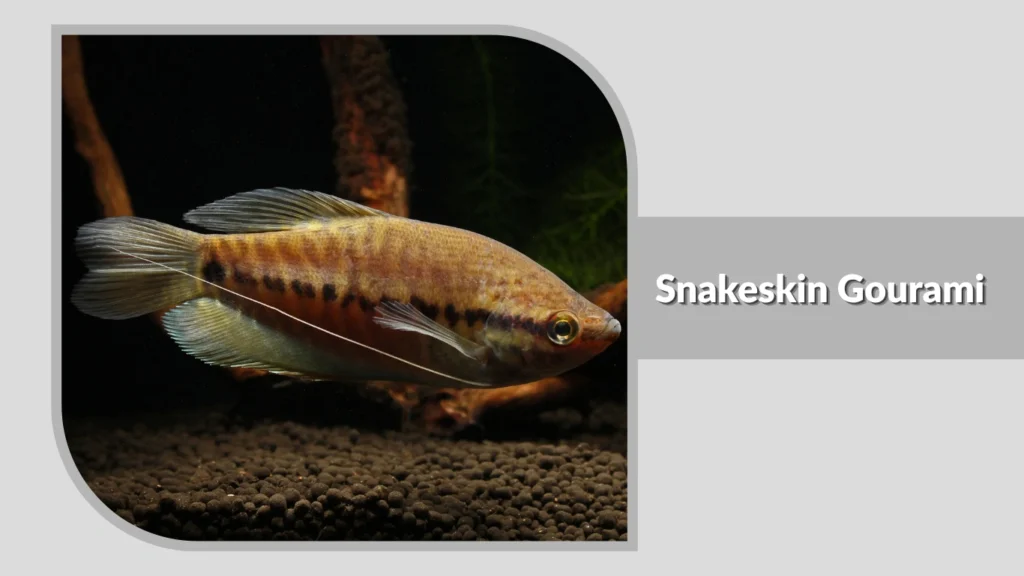
Snakeskin Gourami is a large and peaceful freshwater fish recognized for its distinctive scale pattern that resembles snake skin. This hardy species is popular in large community aquariums because of its calm behavior and adaptability. Native to Southeast Asia, Snakeskin Gouramis are active swimmers that thrive in spacious tanks with stable water conditions and plenty of swimming space for comfortable movement.
Identification
- Body covered with snake-like scale patterns
- Light brown or olive coloration with darker markings
- Long and slender body shape
- Orange or reddish fins in mature specimens
- Commonly grows up to 8 to 10 inches
Natural Habitat
Snakeskin Gouramis naturally inhabit rivers, canals, swamps, and flooded fields across Thailand, Vietnam, Cambodia, and nearby regions. They prefer slow-moving or still waters with warm temperatures and dense vegetation. These environments provide food sources, breeding areas, and shelter from predators in the wild.
Temperament and Behavior
This species is generally peaceful and suitable for large community aquariums with similarly sized fish. Snakeskin Gouramis are active swimmers that enjoy exploring open spaces and planted areas within the tank. They rarely show aggression but may become territorial during breeding periods, especially males protecting nesting areas.
Aquarium Care
Snakeskin Gouramis require a spacious aquarium with good filtration, warm water, and stable conditions. A tank size of at least 55 gallons is recommended due to their larger adult size and active swimming behavior. They accept flakes, pellets, vegetables, frozen foods, and live foods. Regular maintenance and a balanced diet help maintain their health, coloration, and long-term well-being.
16. Paradise Gourami
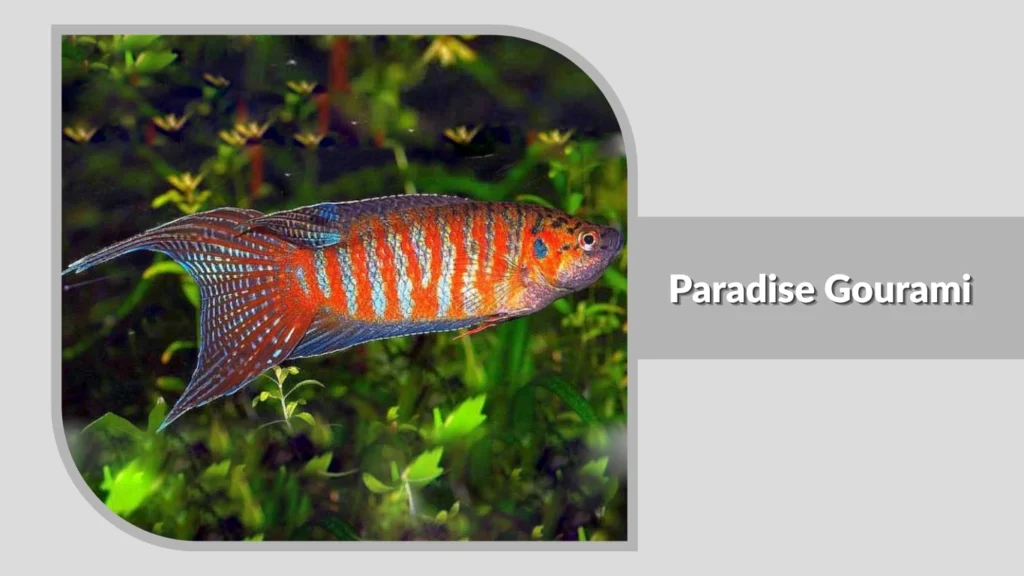
Paradise Gourami is a colorful and hardy freshwater fish admired for its vibrant stripes and active personality. Often associated with paradise fish varieties, this species is popular among aquarium hobbyists because of its ability to adapt to different water conditions. Native to East Asia, Paradise Gouramis are known for their territorial nature, beautiful finnage, and strong survival abilities in a variety of aquarium environments.
Identification
- Bright blue and red vertical stripes across the body
- Long flowing fins with pointed edges
- Oval-shaped body with compressed sides
- Tail fin may appear forked or rounded
- Usually grows up to 3 to 4 inches
Natural Habitat
Paradise Gouramis naturally inhabit ponds, rice paddies, slow-moving streams, and marshes in parts of China, Korea, and Vietnam. These habitats often contain warm shallow water with dense vegetation and low oxygen levels. The species can survive in challenging conditions because of its labyrinth organ, which allows it to breathe atmospheric air.
Temperament and Behavior
This species is active and can be aggressive or territorial, especially males kept together in small aquariums. Paradise Gouramis are bold fish that often patrol their territory and display dominance behaviors. They are best housed with similarly sized tank mates that can tolerate their energetic and sometimes confrontational personality.
Aquarium Care
Paradise Gouramis require a well-maintained aquarium with plants, decorations, and open swimming areas. A tank size of at least 20 gallons is recommended to reduce territorial conflicts and provide adequate space. They eat flakes, pellets, frozen foods, and live foods without difficulty. Stable water conditions and careful selection of tank mates are important for successful long-term care.
17. Thick-Lipped Gourami
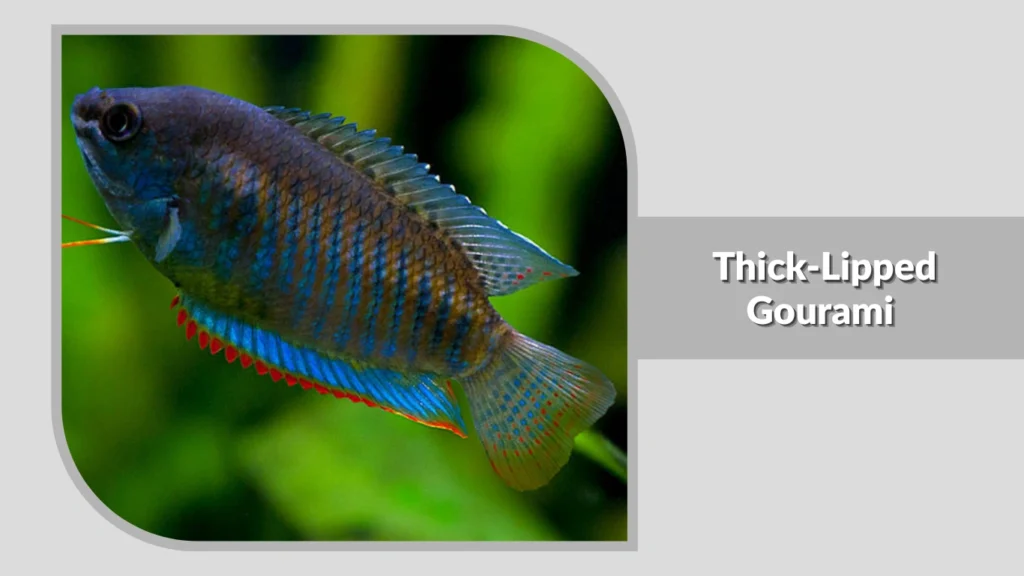
Thick-Lipped Gourami is a peaceful and attractive freshwater fish known for its colorful body and noticeably thick lips. This species is often compared to Honey Gouramis because of its similar appearance and calm temperament. Native to South Asia, Thick-Lipped Gouramis are hardy fish that adapt well to community aquariums and are appreciated for their gentle behavior and bright breeding coloration.
Identification
- Thick and slightly protruding lips
- Brown, orange, or reddish body coloration
- Males develop brighter colors during breeding
- Long thread-like pelvic fins
- Usually grows up to 3 to 4 inches
Natural Habitat
Thick-Lipped Gouramis naturally inhabit rivers, ponds, canals, and flooded fields in India, Nepal, and Bangladesh. They prefer warm, slow-moving waters with dense aquatic vegetation and muddy bottoms. These habitats provide shelter, breeding sites, and abundant food sources such as insects and small aquatic organisms.
Temperament and Behavior
This species is peaceful and suitable for calm community aquariums with non-aggressive fish. Thick-Lipped Gouramis are generally shy at first but become more active once settled into their environment. Males may display mild territorial behavior during breeding periods, though they remain less aggressive than many other gourami species.
Aquarium Care
Thick-Lipped Gouramis thrive in planted aquariums with gentle water flow and stable warm temperatures. A tank size of at least 20 gallons is recommended for a pair or small group. They accept flakes, pellets, frozen foods, and live foods as part of a balanced diet. Regular water maintenance and peaceful surroundings help maintain their health and vibrant coloration.
18. Licorice Gourami
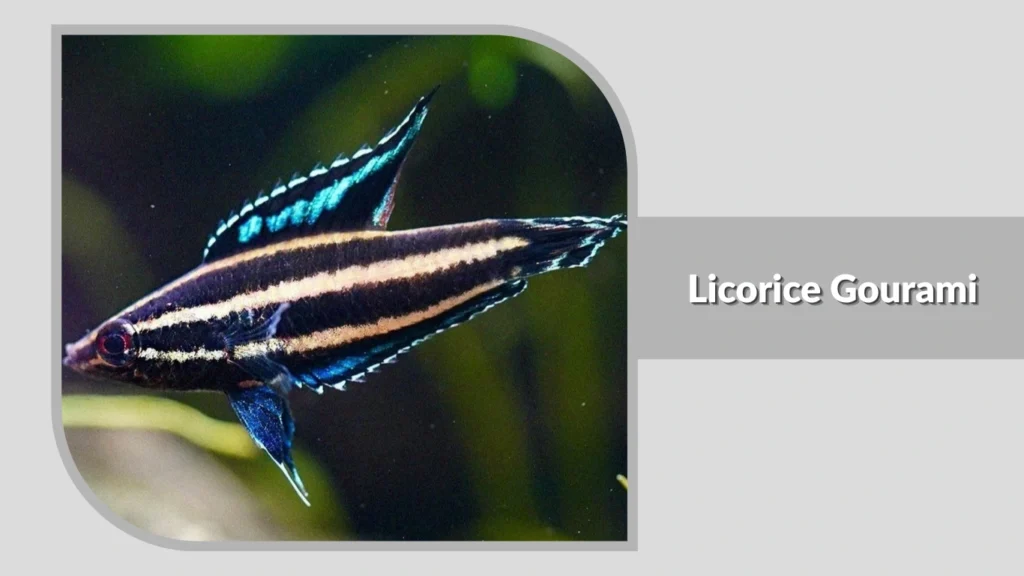
Licorice Gourami is a small and delicate freshwater fish admired for its beautiful coloration and peaceful personality. This species is highly valued by experienced aquarists because of its unique appearance and specialized care needs. Native to Southeast Asia, Licorice Gouramis thrive in soft, acidic blackwater environments and are best suited for quiet planted aquariums with stable water conditions and gentle tank mates.
Identification
- Slender body with dark brown or black coloration
- Bright red, blue, or orange markings on fins and body
- Males display more vivid colors than females
- Long thread-like pelvic fins
- Usually grows up to 1.5 to 2 inches
Natural Habitat
Licorice Gouramis naturally inhabit peat swamps, blackwater streams, and forest wetlands in Indonesia and Malaysia. These waters are warm, soft, acidic, and rich in tannins from decaying plant material. Dense vegetation, leaf litter, and submerged roots provide shelter and create the calm environment preferred by this species.
Temperament and Behavior
This species is peaceful, shy, and sensitive to stress, making it best suited for species-only or carefully selected community aquariums. Licorice Gouramis prefer calm surroundings with plenty of hiding places among plants and driftwood. Males may show mild territorial behavior during breeding but are generally gentle and non-aggressive.
Aquarium Care
Licorice Gouramis require soft, acidic water with stable temperatures and minimal water movement. A heavily planted aquarium with dim lighting and natural decorations helps recreate their natural habitat. They prefer small live or frozen foods and may take time to accept prepared foods. Excellent water quality and low-stress conditions are essential for maintaining their health and coloration.
19. Banded Gourami
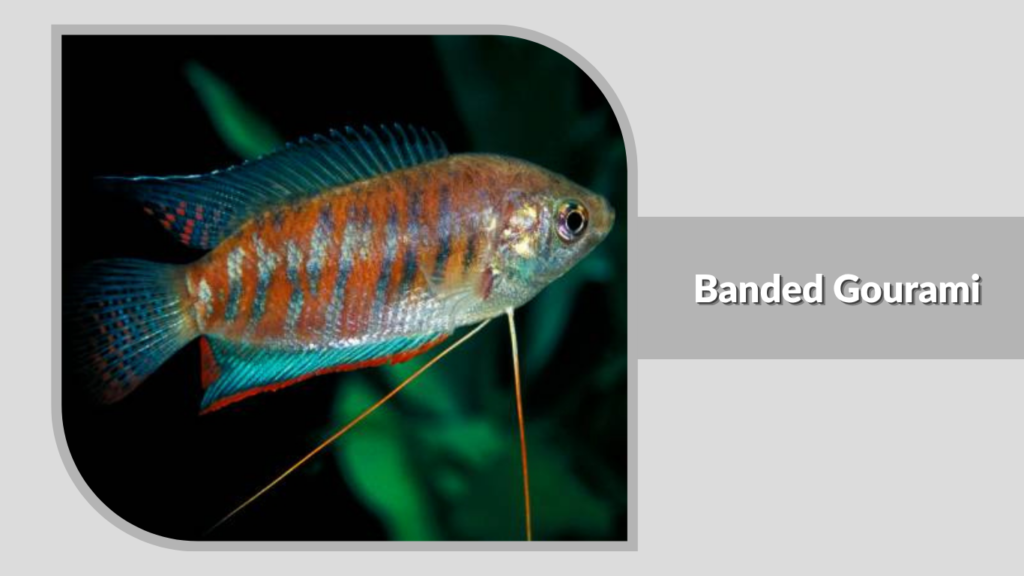
Banded Gourami is a peaceful freshwater fish recognized for the dark vertical bands that decorate its body. This species is popular among aquarium hobbyists because of its calm nature, manageable size, and adaptability to planted community tanks. Native to South Asia, Banded Gouramis are hardy fish that thrive in quiet environments and display gentle behavior when kept with compatible tank mates.
Identification
- Light brown or golden body with dark vertical bands
- Oval-shaped and laterally compressed body
- Transparent to lightly colored fins
- Long thread-like pelvic fins
- Usually grows up to 3 to 4 inches
Natural Habitat
Banded Gouramis naturally inhabit ponds, marshes, rice paddies, and slow-moving streams in India, Bangladesh, and Pakistan. These habitats contain warm shallow water with dense vegetation and low water movement. Aquatic plants and submerged roots provide shelter, breeding sites, and protection from predators in the wild.
Temperament and Behavior
This species is peaceful and shy, making it suitable for calm community aquariums with non-aggressive fish. Banded Gouramis spend much of their time exploring planted areas and hiding among decorations. Males may become slightly territorial during breeding, but overall they remain gentle and easy to manage in most aquarium setups.
Aquarium Care
Banded Gouramis thrive in planted aquariums with gentle filtration and stable warm water conditions. A tank size of at least 20 gallons is recommended for a pair or small group. They readily accept flakes, pellets, frozen foods, and live foods as part of a balanced diet. Clean water and a stress-free environment are important for maintaining their health and natural coloration.
20. Spike-Tailed Paradise Fish
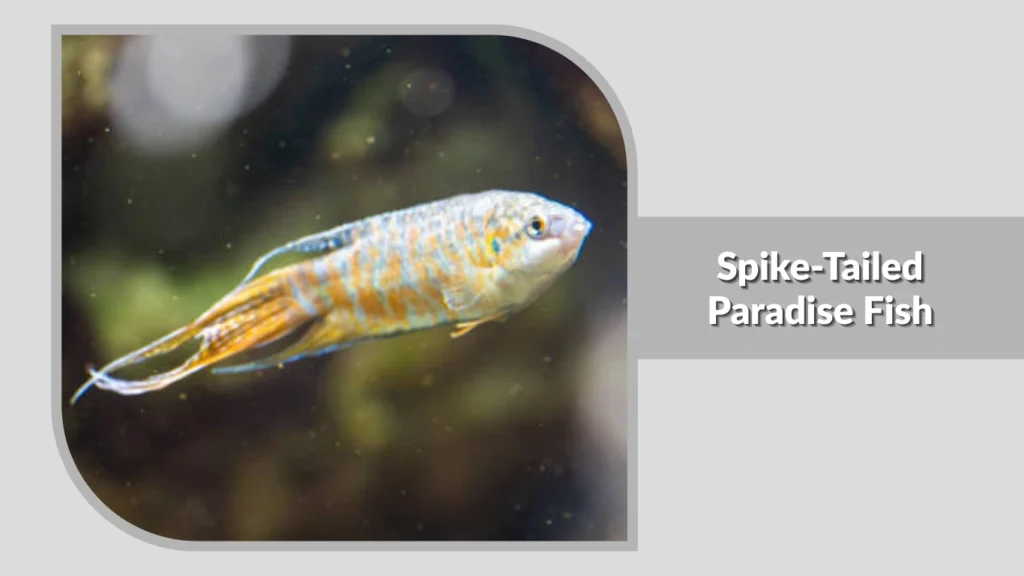
Spike-Tailed Paradise Fish is a colorful and energetic freshwater species admired for its pointed tail fins and striking body patterns. This fish is popular among aquarium hobbyists because of its hardy nature and active personality. Native to Southeast Asia, it adapts well to different aquarium conditions and displays vibrant colors that become even more intense during breeding and territorial displays.
Identification
- Bright body coloration with blue and red patterns
- Distinct pointed or spike-shaped tail fin
- Long flowing dorsal and anal fins
- Slender and laterally compressed body
- Usually grows up to 3 to 4 inches
Natural Habitat
Spike-Tailed Paradise Fish naturally inhabit slow-moving streams, ponds, marshes, and rice paddies in Southeast Asia. These environments contain warm shallow water, dense vegetation, and low oxygen levels. The species uses its labyrinth organ to breathe atmospheric air, allowing it to survive in habitats with limited oxygen availability.
Temperament and Behavior
This species is active, bold, and sometimes territorial, especially males kept in confined spaces. Spike-Tailed Paradise Fish often display dominance behaviors and may chase weaker tank mates during territorial disputes. Despite this, they can live successfully with similarly sized fish that tolerate their energetic and occasionally aggressive nature.
Aquarium Care
Spike-Tailed Paradise Fish require an aquarium with plants, hiding spots, and open swimming areas. A tank size of at least 20 gallons helps reduce aggression and provides enough territory for active movement. They accept flakes, pellets, frozen foods, and live foods as part of a varied diet. Stable water conditions and careful tank mate selection are important for long-term health and compatibility.
21. Cobalt Blue Gourami
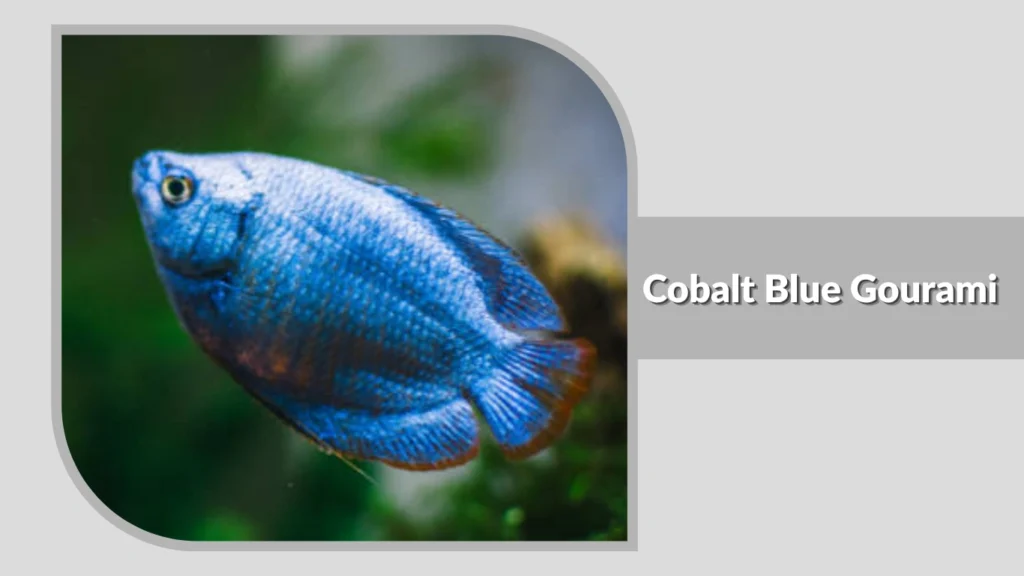
Cobalt Blue Gourami is a striking freshwater fish prized for its deep metallic blue coloration and active personality. It is a color variety of the Dwarf Gourami and is highly popular in community aquariums because of its vibrant appearance and manageable size. This species is suitable for aquarists who want a colorful centerpiece fish that adapts well to planted aquarium environments.
Identification
- Solid metallic cobalt-blue body coloration
- Compact and laterally compressed body shape
- Rounded fins with soft edges
- Long thread-like pelvic fins
- Usually grows up to 3 to 3.5 inches
Natural Habitat
Cobalt Blue Gouramis are selectively bred aquarium fish and are not naturally found in the wild. Their parent species originates from slow-moving rivers, ponds, and flooded fields in South Asia. These natural habitats contain warm water, dense vegetation, and calm conditions that support comfortable living and breeding behavior.
Temperament and Behavior
This species is generally peaceful and suitable for calm community aquariums with non-aggressive fish. Cobalt Blue Gouramis are curious swimmers that enjoy exploring planted areas and interacting with their environment. Males may occasionally show territorial behavior toward one another, especially in smaller tanks or during breeding periods.
Aquarium Care
Cobalt Blue Gouramis thrive in planted aquariums with warm water, gentle filtration, and stable conditions. A tank size of at least 15 to 20 gallons is recommended for comfortable movement and reduced stress. They accept flakes, pellets, frozen foods, and live foods as part of a balanced diet. Clean water and peaceful surroundings help maintain their vibrant blue coloration and overall health.
22. Red Robin Gourami
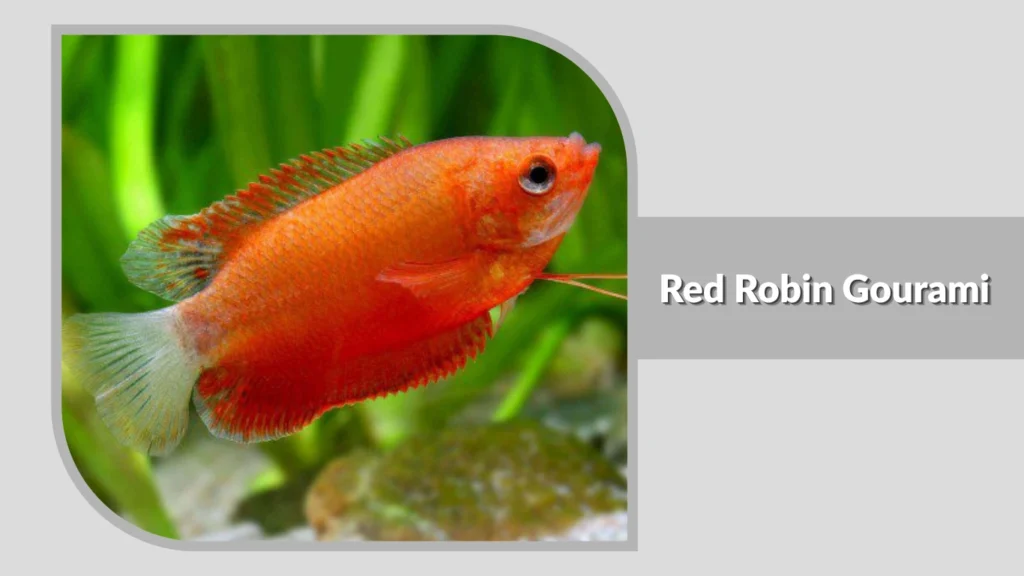
Red Robin Gourami is a colorful freshwater fish admired for its bright red-orange body and peaceful nature. It is a selectively bred variety of the Honey Gourami and is popular in planted community aquariums because of its vibrant appearance and calm temperament. This species is easy to care for and suitable for aquarists who want a small but eye-catching fish for peaceful tank setups.
Identification
- Bright red to orange body coloration
- Slender and slightly compressed body shape
- Males display more intense colors than females
- Long thread-like pelvic fins
- Usually grows up to 2 to 2.5 inches
Natural Habitat
Red Robin Gouramis are aquarium-bred fish and do not naturally occur in the wild. Their parent species originates from slow-moving rivers, ponds, marshes, and flooded fields in South Asia. These environments contain warm shallow water, dense vegetation, and calm conditions that support breeding and shelter in natural habitats.
Temperament and Behavior
This species is peaceful, shy, and ideal for calm community aquariums with non-aggressive tank mates. Red Robin Gouramis enjoy planted environments where they can explore and hide comfortably. They are gentle swimmers that rarely display aggression, although males may become mildly territorial during breeding periods.
Aquarium Care
Red Robin Gouramis thrive in planted aquariums with warm water, gentle filtration, and stable water quality. A tank size of at least 10 to 15 gallons is suitable for a pair or small group. They accept flakes, micro pellets, frozen foods, and live foods as part of a balanced diet. Regular maintenance and low-stress conditions help preserve their bright coloration and good health.
23. Powder Blue Gourami
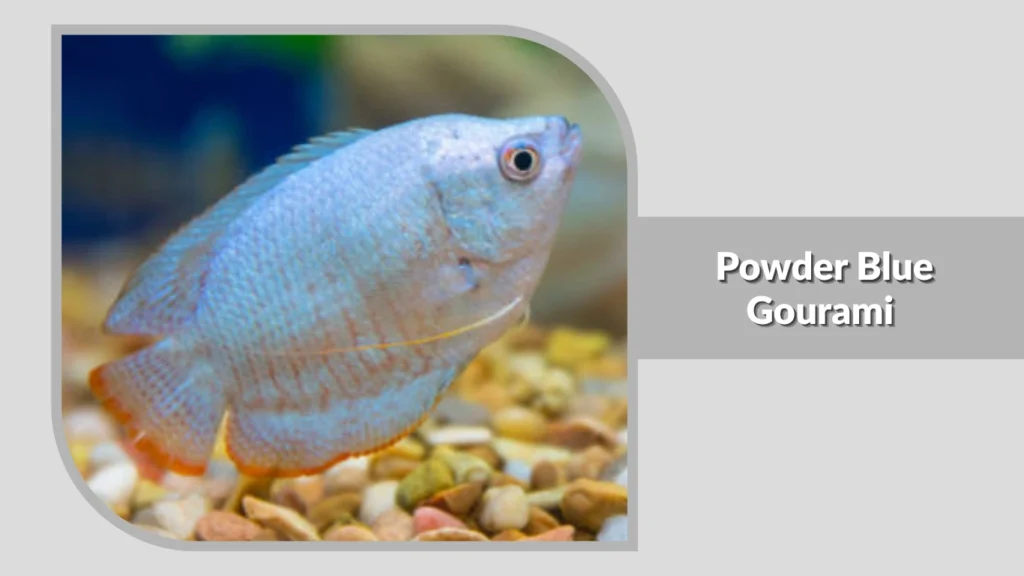
Powder Blue Gourami is a beautiful freshwater fish known for its soft powder-blue coloration and peaceful temperament. It is a popular color variation of the Dwarf Gourami and is widely kept in planted community aquariums. This species is admired for its calm behavior, manageable size, and vibrant appearance, making it an excellent choice for both beginner and experienced aquarium hobbyists.
Identification
- Light powder-blue body with subtle darker markings
- Compact and laterally compressed body shape
- Rounded fins with smooth edges
- Long thread-like pelvic fins
- Usually grows up to 3 to 3.5 inches
Natural Habitat
Powder Blue Gouramis are selectively bred aquarium fish and are not naturally found in the wild. Their parent species originates from slow-moving rivers, ponds, and flooded fields in India, Bangladesh, and Pakistan. These habitats typically contain warm shallow water, dense vegetation, and calm conditions suitable for breeding and shelter.
Temperament and Behavior
This species is peaceful and suitable for calm community aquariums with non-aggressive tank mates. Powder Blue Gouramis are generally shy at first but become active and curious once comfortable in their surroundings. Males may occasionally display territorial behavior toward one another, especially in smaller aquariums or during breeding periods.
Aquarium Care
Powder Blue Gouramis thrive in planted aquariums with warm temperatures, gentle filtration, and stable water conditions. A tank size of at least 15 to 20 gallons is recommended for proper comfort and swimming space. They accept flakes, pellets, frozen foods, and live foods as part of a varied diet. Clean water and peaceful conditions help maintain their soft blue coloration and overall health.
24. Flame Dwarf Gourami

Flame Dwarf Gourami is a vibrant freshwater fish admired for its fiery red-orange coloration and peaceful personality. It is one of the most popular Dwarf Gourami varieties because of its striking appearance and suitability for community aquariums. This species is easy to care for, adapts well to planted tanks, and serves as an attractive centerpiece for both beginner and experienced aquarium hobbyists.
Identification
- Bright red to orange body coloration
- Compact and laterally compressed body shape
- Fins may display blue edging or markings
- Long thread-like pelvic fins
- Usually grows up to 3 to 3.5 inches
Natural Habitat
Flame Dwarf Gouramis are selectively bred aquarium fish and are not naturally found in the wild. Their parent species originates from calm rivers, ponds, and flooded fields in South Asia. These natural habitats contain warm water, dense vegetation, and low water movement that provide shelter and breeding conditions.
Temperament and Behavior
This species is peaceful and suitable for community aquariums with calm tank mates. Flame Dwarf Gouramis are curious and active swimmers that enjoy exploring planted areas and decorations. Males may occasionally become territorial toward other males, especially during breeding periods, but they generally remain manageable in properly sized aquariums.
Aquarium Care
Flame Dwarf Gouramis thrive in planted aquariums with warm water, gentle filtration, and stable conditions. A tank size of at least 15 to 20 gallons is recommended for long-term comfort and reduced stress. They eat flakes, pellets, frozen foods, and live foods as part of a balanced diet. Regular maintenance and peaceful surroundings help preserve their vibrant coloration and overall health.
25. Sunset Gourami
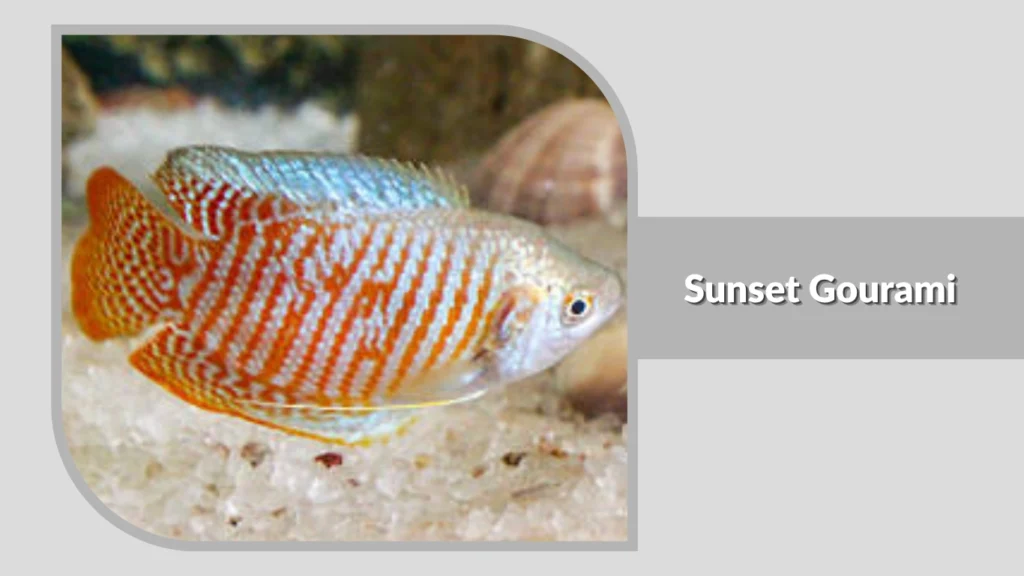
Sunset Gourami is a colorful freshwater fish appreciated for its warm orange and golden shades combined with a peaceful temperament. It is a popular aquarium species because of its attractive appearance and compatibility with community tanks. Native to Southeast Asia through its parent lineage, Sunset Gouramis are hardy fish that adapt well to planted aquariums and provide a bright, lively presence in home fishkeeping setups.
Identification
- Golden-orange body with sunset-like coloration
- Smooth and slightly compressed body shape
- Transparent to lightly colored fins
- Long thread-like pelvic fins
- Usually grows up to 4 to 5 inches
Natural Habitat
Sunset Gouramis are selectively bred aquarium fish and are not naturally found in the wild. Their parent species originates from slow-moving rivers, ponds, swamps, and flooded areas in Southeast Asia. These habitats contain warm water, dense vegetation, and calm conditions that support breeding, feeding, and shelter in natural environments.
Temperament and Behavior
This species is generally peaceful and suitable for community aquariums with similarly calm fish. Sunset Gouramis are active swimmers that enjoy exploring planted areas and open spaces within the tank. Males may occasionally display territorial behavior toward each other, particularly during breeding periods or in smaller aquariums with limited space.
Aquarium Care
Sunset Gouramis thrive in aquariums with warm water, gentle filtration, and plenty of aquatic plants. A tank size of at least 20 to 30 gallons is recommended to provide comfortable swimming space and reduce stress. They accept flakes, pellets, frozen foods, and live foods as part of a balanced diet. Clean water and stable conditions help maintain their bright coloration and overall health.
FAQs
Are Gourami fish good for beginners?
Yes, many Gourami species are beginner-friendly because they are hardy and adaptable. Varieties such as Dwarf Gourami, Honey Gourami, and Pearl Gourami are especially popular among new aquarium keepers due to their peaceful nature and relatively simple care requirements in properly maintained freshwater tanks.
Can Gourami fish live with other community fish?
Most Gourami species can live peacefully with community fish when paired with non-aggressive tank mates. Calm species like tetras, rasboras, and corydoras are commonly compatible. However, some larger or territorial Gouramis may show aggression toward similar-looking fish or other Gouramis in smaller aquariums.
What do Gourami fish eat?
Gourami fish are generally omnivorous and accept a wide variety of foods. Their diet may include flakes, pellets, frozen foods, live foods, algae, and vegetables. Providing a balanced and varied diet helps maintain healthy growth, vibrant coloration, and strong immune systems in aquarium conditions.
How long do Gourami fish live?
The lifespan of Gourami fish depends on the species and care quality. Smaller species usually live around 4 to 6 years, while larger species may survive much longer in ideal conditions. Stable water parameters, proper feeding, and regular tank maintenance greatly improve their lifespan and overall health.
Do Gourami fish need planted aquariums?
Planted aquariums are highly recommended for most Gourami species because they naturally prefer environments with dense vegetation. Plants provide hiding spaces, reduce stress, improve water quality, and create a more natural habitat. Gouramis often feel more secure and display better behavior in heavily planted tanks.