
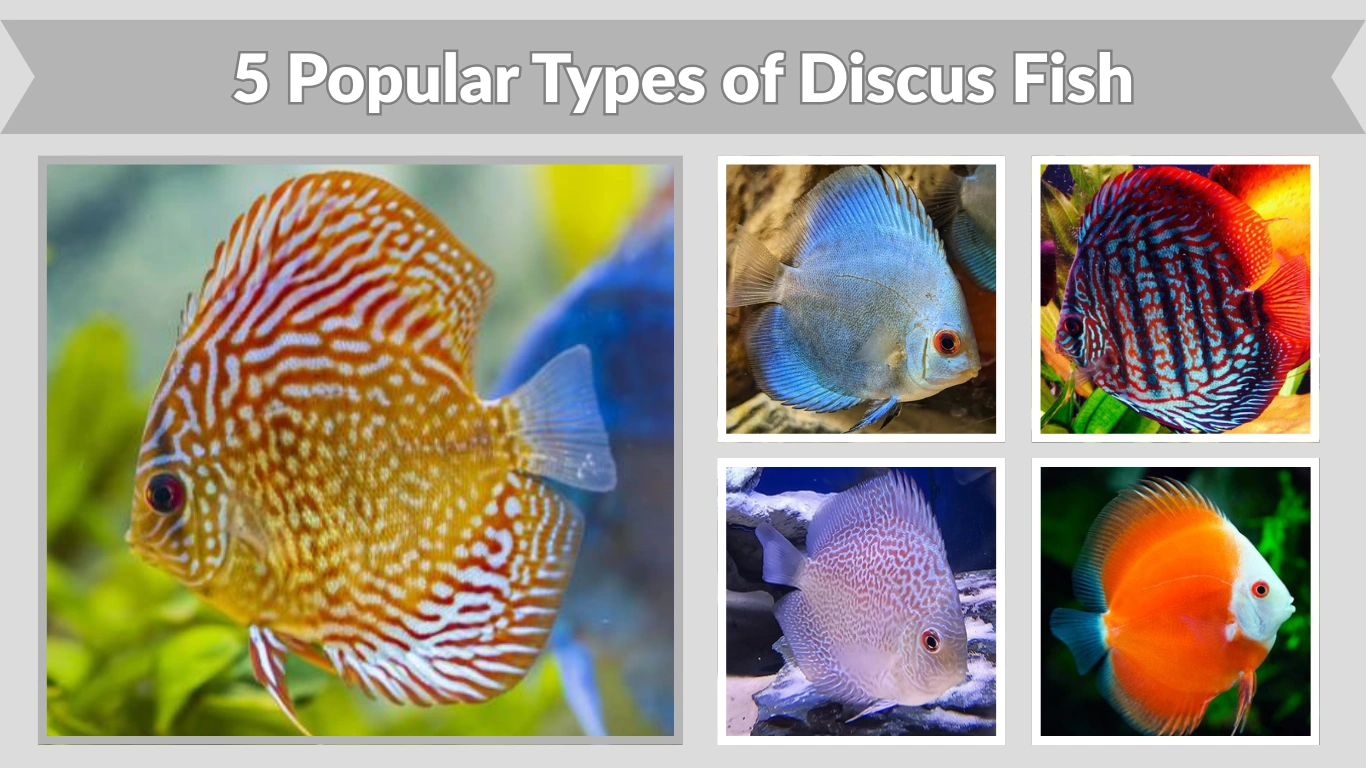
Discus fish are among the most beautiful and popular freshwater aquarium fish in the world. Known for their vibrant colors, round body shape, and peaceful nature, these fish are highly valued by aquarium enthusiasts. Different discus varieties feature unique patterns, color combinations, and visual characteristics that make each type special. From bright red shades to striking blue tones and detailed spotted patterns, discus fish add elegance and beauty to home aquariums. Understanding the different types of discus fish helps hobbyists choose the best variety for their aquarium setup and care preferences.
1. Pigeon Blood Discus
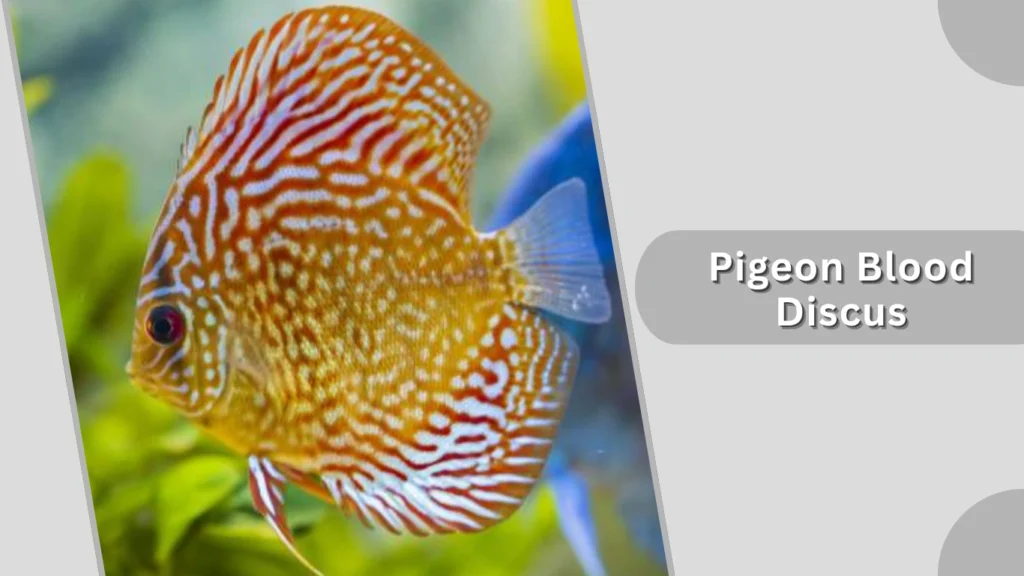
Pigeon Blood Discus is one of the most recognized discus fish varieties in the aquarium world. It is admired for its vibrant red and orange coloration, beautiful body markings, and peaceful personality. This selectively bred discus variety is popular among hobbyists because of its attractive appearance and calm behavior. With proper care, it becomes a stunning centerpiece fish in freshwater aquariums.
Identification
- Bright red, orange, or yellow body coloration
- Patterned or spotted markings across the body
- Rounded body shape with long fins
- Usually features red-colored eyes
- Commonly grows up to 6–8 inches
Origin
Pigeon Blood Discus was developed through selective breeding in Asia, especially by professional discus breeders. It is not found naturally in the wild. The variety became extremely popular because breeders successfully enhanced its color intensity, unique patterns, and adaptability for aquarium keeping.
Behavior
This discus fish has a peaceful and social temperament. It prefers living in groups and usually interacts calmly with compatible tank mates. Pigeon Blood Discus may become shy or stressed in overcrowded aquariums or when kept with aggressive fish species.
Diet
A nutritious and protein-rich diet is important for maintaining the fish’s health and vibrant coloration. Pigeon Blood Discus commonly eats high-quality discus pellets, frozen foods, bloodworms, and brine shrimp. Consistent feeding with balanced nutrition supports healthy growth and stronger immunity.
Tank Requirements
Pigeon Blood Discus requires warm, clean, and stable water conditions to thrive properly. A spacious aquarium with efficient filtration and regular water changes is essential. Maintaining a calm environment, proper temperature, and good water quality helps keep the fish healthy and stress-free.
2. Blue Diamond Discus
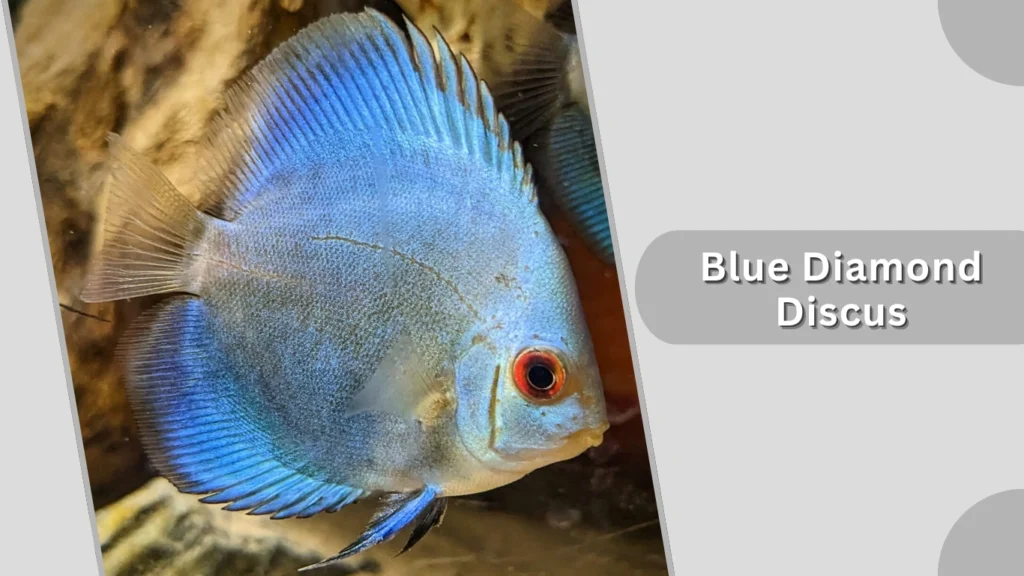
Blue Diamond Discus is a stunning discus fish variety known for its solid blue coloration and elegant appearance. Its smooth body color, graceful swimming style, and peaceful nature make it highly desirable among aquarium enthusiasts. This discus variety adds a calm and luxurious look to freshwater aquariums. With proper care and stable water conditions, Blue Diamond Discus can thrive beautifully for many years.
Identification
- Solid bright blue body coloration
- Minimal or no visible body patterns
- Rounded body with smooth appearance
- Red or orange eyes are common
- Can grow around 6–8 inches in size
Origin
Blue Diamond Discus was developed through selective breeding to create a pure and vibrant blue discus variety. It became popular because of its clean coloration and attractive appearance. This fish is bred mainly in commercial discus farms rather than found naturally in wild habitats.
Behavior
Blue Diamond Discus is peaceful, calm, and social with other discus fish. It prefers group living and does best in a quiet aquarium environment. Sudden water changes, aggressive tank mates, or overcrowding may cause stress and affect its behavior.
Diet
This discus variety requires a balanced and protein-rich diet to maintain healthy growth and strong coloration. Common foods include high-quality discus pellets, bloodworms, brine shrimp, and frozen foods. Providing nutritious meals regularly helps improve immunity and overall health.
Tank Requirements
Blue Diamond Discus needs warm, clean, and stable water conditions for proper development. A spacious aquarium with efficient filtration and frequent water changes is important. Maintaining consistent temperature, soft water, and a peaceful environment helps keep the fish healthy and active.
3. Red Turquoise Discus
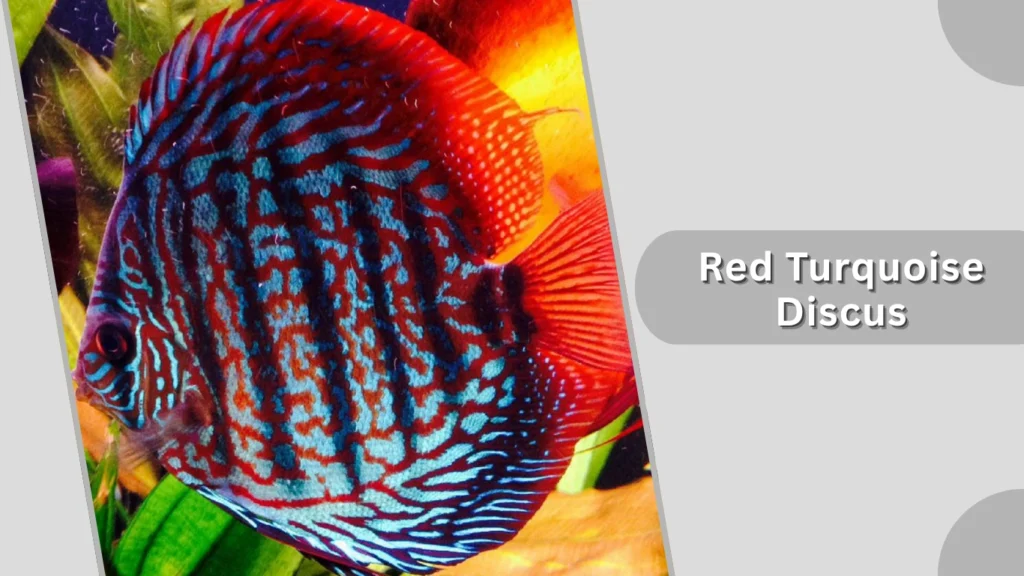
Red Turquoise Discus is a colorful and attractive discus fish variety famous for its bright red patterns mixed with turquoise-blue stripes. Its unique body design and peaceful personality make it a favorite among freshwater aquarium hobbyists. This discus variety creates a vibrant display in community tanks. With proper nutrition and stable water conditions, Red Turquoise Discus develops strong coloration and healthy growth over time.
Identification
- Red body with turquoise-blue striped patterns
- Rounded body shape with long flowing fins
- Bright and detailed body markings
- Usually has red or orange eyes
- Grows up to 6–8 inches in size
Origin
Red Turquoise Discus was developed through selective breeding to combine vibrant red shades with turquoise striping. Breeders focused on improving color intensity and pattern quality. It is a man-made discus variety commonly bred in commercial fish farms rather than found naturally in rivers.
Behavior
This discus fish is calm, peaceful, and social in nature. It prefers living with other discus fish in groups and thrives in a quiet aquarium. Stress can occur when water conditions are unstable or when aggressive fish are kept in the same tank.
Diet
Red Turquoise Discus needs a nutritious and protein-rich diet to maintain vibrant colors and healthy growth. Suitable foods include discus pellets, bloodworms, brine shrimp, and frozen foods. Regular feeding with quality nutrition supports immunity and improves overall body coloration.
Tank Requirements
This discus variety requires warm, soft, and clean water conditions for proper health. A spacious aquarium with strong filtration and regular water changes is important. Stable temperature, peaceful surroundings, and excellent water quality help reduce stress and encourage healthy development.
4. Leopard Snakeskin Discus
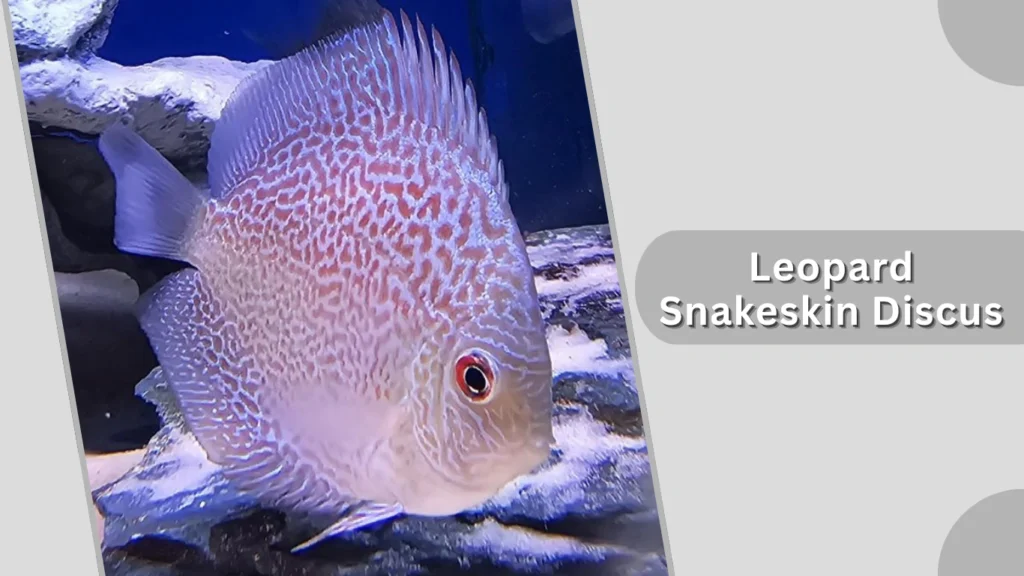
Leopard Snakeskin Discus is a highly decorative discus fish variety known for its detailed spotted patterns and snakeskin-like markings. Its vibrant appearance and graceful movement make it a popular choice among aquarium hobbyists. This discus variety stands out because of its intricate body design and bright coloration. With proper care, Leopard Snakeskin Discus becomes an impressive centerpiece fish in freshwater aquariums.
Identification
- Dense spotted or leopard-like body patterns
- Snakeskin-style lines across the body
- Rounded body with long elegant fins
- Bright red or orange eyes are common
- Usually grows around 6–8 inches
Origin
Leopard Snakeskin Discus was developed through selective breeding to enhance spotted patterns and snakeskin markings. Breeders combined different discus strains to achieve its unique appearance. This variety is mainly produced in commercial breeding farms and is not naturally found in wild habitats.
Behavior
This discus fish is peaceful, social, and calm when kept in suitable aquarium conditions. It prefers group living with other discus fish and compatible tank mates. Stress and aggressive behavior may appear if the environment becomes overcrowded or water quality declines.
Diet
Leopard Snakeskin Discus requires a healthy and protein-rich diet to maintain strong coloration and growth. Common foods include discus pellets, bloodworms, frozen foods, and brine shrimp. Feeding high-quality nutrition regularly helps improve health, energy, and pattern brightness.
Tank Requirements
This discus variety needs warm, clean, and stable water conditions to thrive successfully. A spacious aquarium with effective filtration and regular water changes is essential. Maintaining soft water, proper temperature, and a peaceful environment helps reduce stress and supports healthy development.
5. Marlboro Red Discus
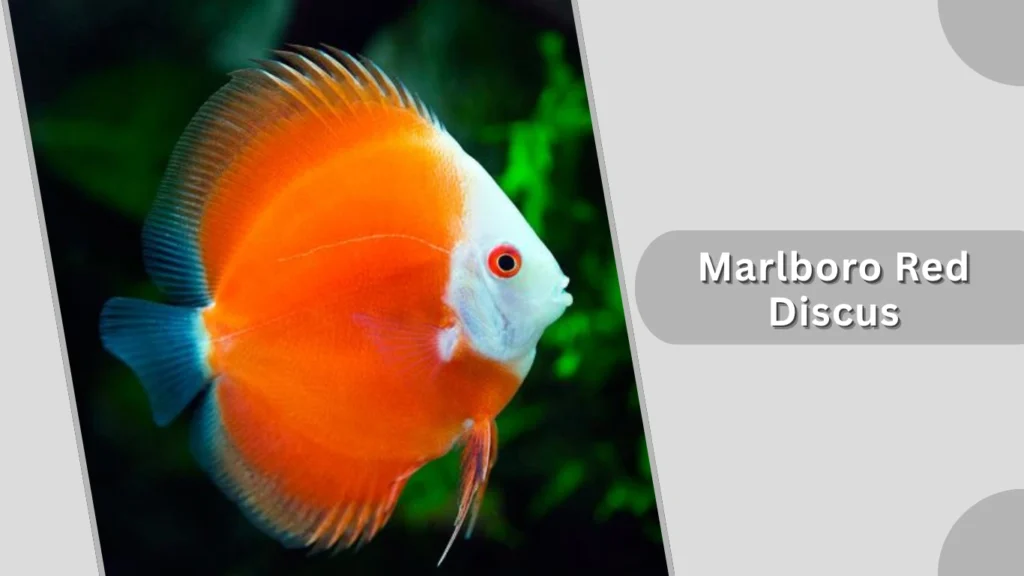
Marlboro Red Discus is a beautiful discus fish variety recognized for its intense red coloration and elegant body shape. Its bright appearance and peaceful nature make it highly popular in freshwater aquariums. This discus variety often becomes the main attraction in a tank because of its bold color and graceful swimming style. Proper care and nutrition help maintain its vibrant red beauty for many years.
Identification
- Bright solid red or reddish-orange body color
- Minimal patterns on the body surface
- Rounded body with long flowing fins
- Red or orange eyes are commonly visible
- Usually grows up to 6–8 inches in size
Origin
Marlboro Red Discus was created through selective breeding to develop a discus fish with strong red coloration. Breeders improved its body shape, color quality, and adaptability over time. This variety is commercially bred and is not naturally found in wild discus populations.
Behavior
This discus fish is peaceful, gentle, and social with other discus varieties. It prefers living in groups and thrives in calm aquarium environments. Aggressive tank mates, poor water quality, or sudden environmental changes may cause stress and affect its behavior.
Diet
Marlboro Red Discus needs a balanced and protein-rich diet to maintain healthy growth and vibrant red coloration. Common foods include high-quality discus pellets, bloodworms, brine shrimp, and frozen foods. Proper nutrition also helps strengthen immunity and overall health.
Tank Requirements
This discus variety requires warm, clean, and stable water conditions for healthy development. A spacious aquarium with strong filtration and regular water changes is essential. Maintaining consistent temperature, peaceful surroundings, and excellent water quality helps reduce stress and support long-term health.
FAQs
What is the ideal temperature for discus fish?
Discus fish prefer warm water conditions between 82°F and 86°F. Stable temperature is very important because sudden changes can cause stress and health problems. Using a reliable aquarium heater helps maintain the proper environment for healthy growth.
How long do discus fish live?
With proper care, discus fish can live around 10 to 15 years in captivity. Clean water, balanced nutrition, stable temperature, and a stress-free environment play a major role in increasing their lifespan and maintaining overall health.
Are discus fish suitable for beginners?
Discus fish can be challenging for beginners because they require stable water conditions and regular maintenance. However, dedicated beginners who learn proper care techniques and maintain good aquarium hygiene can successfully keep discus fish.
What do discus fish eat?
Discus fish eat a variety of protein-rich foods, including discus pellets, bloodworms, brine shrimp, frozen foods, and beef heart mixtures. Providing high-quality and balanced nutrition helps improve growth, coloration, and immune system strength.
Can discus fish live with other fish?
Yes, discus fish can live with peaceful and compatible tank mates. Suitable companions include tetras, corydoras, catfish, and peaceful dwarf cichlids. Aggressive or highly active fish should be avoided because they may stress the discus fish.