
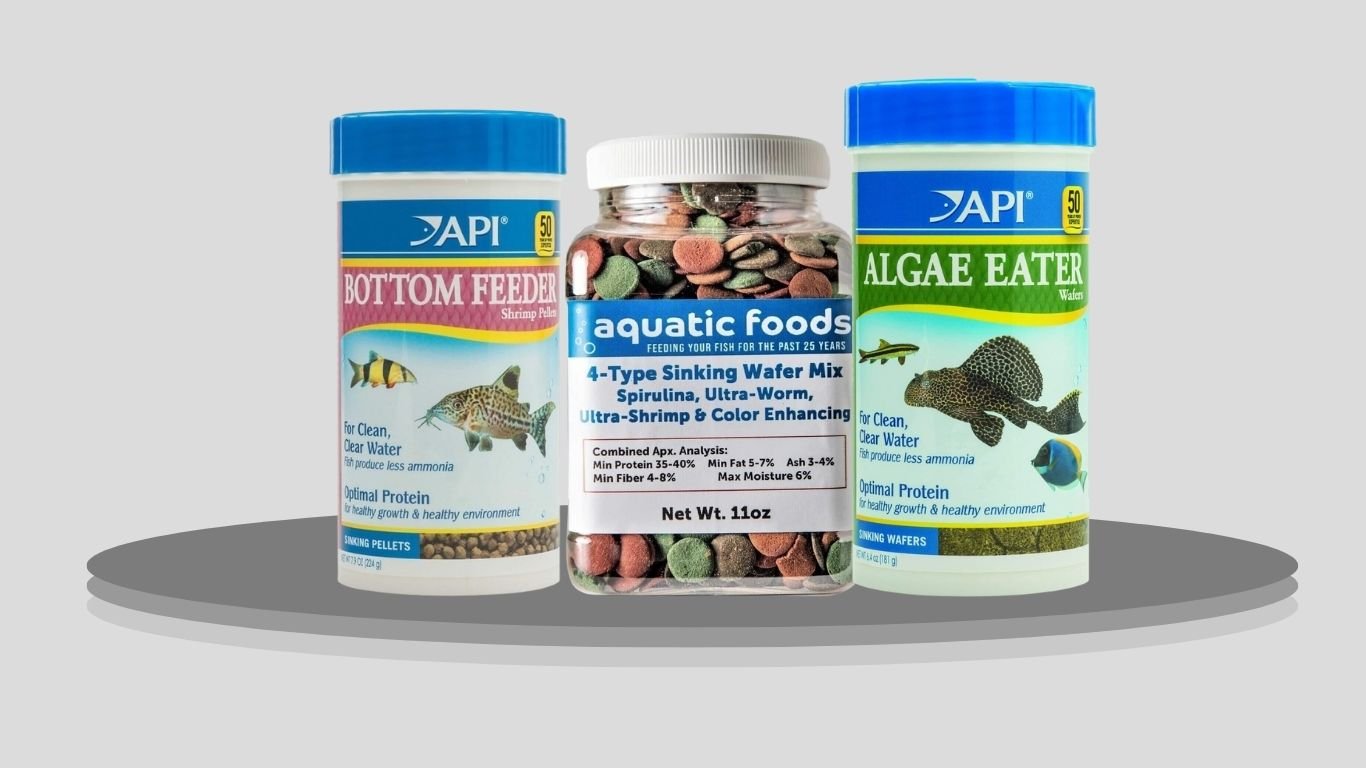
Choosing the right food for bottom-dwelling fish is important for supporting healthy growth, digestion, energy, and natural feeding behavior. Species such as corydoras, plecos, loaches, catfish, and other bottom feeders need sinking foods that reach the substrate before surface fish consume everything. The best options include sinking granules, wafers, pellets, and sticks made with balanced proteins, plant ingredients, vitamins, and minerals. In this guide, we review the 9 best bottom feeder fish foods to help you compare nutrition, sinking performance, digestibility, and everyday feeding convenience.
1. BugGraze Bottom Dweller Sinking Granules
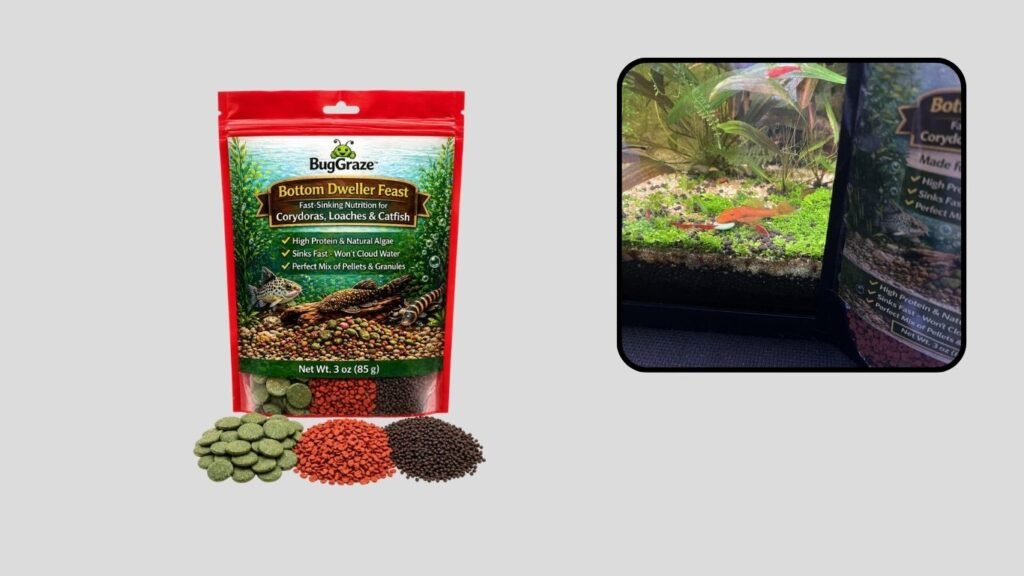
BugGraze Bottom Dweller Sinking Granules are designed specifically for fish that prefer feeding close to the substrate. The granules sink efficiently, helping corydoras, loaches, catfish, and other bottom-dwelling species access food before faster surface feeders consume it. The compact granule format also makes portion control easier while supporting a balanced daily feeding routine in community aquariums.
Key Features
- Sinking granules designed for bottom-feeding fish
- Suitable for corydoras and other bottom dwellers
- Small granule size for easier feeding
- Helps deliver food directly to the substrate
- Convenient for community aquariums
- Supports regular growth and activity
- Easy to portion during daily feeding
Why It’s Best for Bottom-Dwelling Fish
The main advantage of BugGraze Bottom Dweller Sinking Granules is how effectively the food reaches the lower part of the aquarium. Bottom feeders can sometimes struggle to get enough food when flakes and floating pellets are consumed by fish near the surface.
These sinking granules help solve that problem by moving quickly toward the substrate, giving bottom-dwelling species better access. The small pieces are also useful for fish such as corydoras that naturally search along the aquarium floor for food.
Feeding Performance and Tank Cleanliness
The granule format makes it easier to control how much food is added at one time. Owners can distribute small portions around different sections of the aquarium, helping multiple fish feed without gathering in one location.
Because the granules are intended to be eaten near the bottom, careful portioning is important. Adding only what the fish can consume within a reasonable period helps prevent leftovers from remaining in the substrate and affecting water quality.
Overall Feeding Experience
BugGraze Bottom Dweller Sinking Granules are a practical option for aquariums containing corydoras, catfish, loaches, or other substrate-feeding species. The sinking action ensures food reaches the area where these fish naturally forage, while the manageable granule size makes feeding straightforward.
For fish keepers looking for a dedicated bottom-feeder food that offers convenient portioning, accessible feeding, and everyday usability, this formula fits naturally into a balanced aquarium feeding routine.
2. Fluval Bottom Feeder Sticks
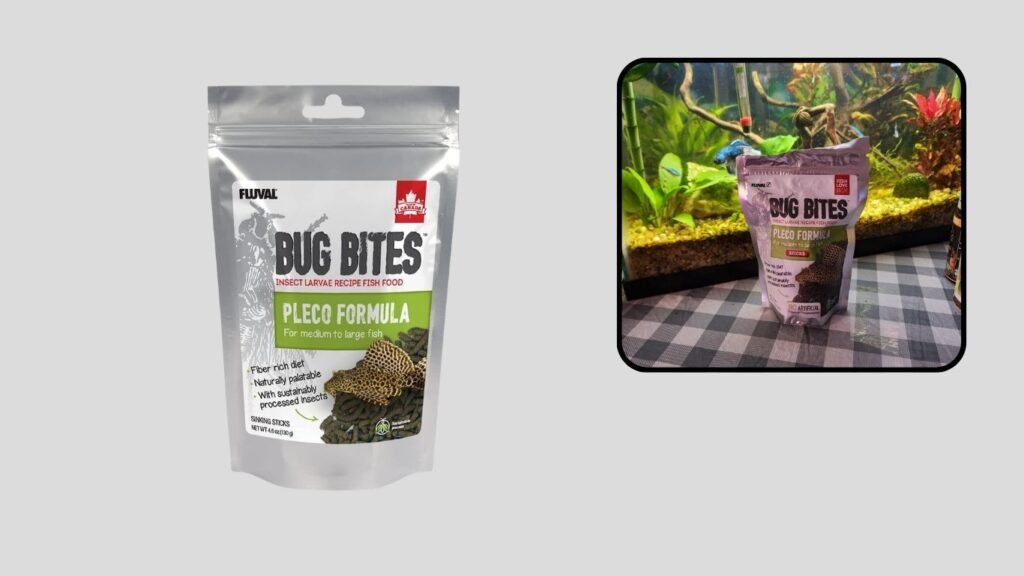
Fluval Bottom Feeder Sticks are designed to deliver food directly to fish that spend most of their time near the aquarium floor. The sinking stick format gives bottom-dwelling species a better opportunity to feed without competing heavily with surface and mid-water fish. They are particularly convenient for community aquariums containing catfish, loaches, plecos, and similar species.
Key Features
- Sinking stick format for bottom feeders
- Reaches the substrate efficiently
- Suitable for several bottom-dwelling species
- Easy to distribute around the aquarium
- Convenient for community tanks
- Supports regular feeding routines
- Helps reduce competition with surface fish
Why It’s Best for Community Aquariums
Bottom feeders often receive less food in community tanks because active surface fish can consume floating foods very quickly. Fluval Bottom Feeder Sticks help address this problem by sinking into the lower regions where bottom dwellers naturally search for food.
The stick format also allows food to be placed in different sections of the tank, which can be helpful when keeping several territorial or shy bottom feeders.
Feeding Performance and Accessibility
The sinking action makes these sticks easy for bottom-dwelling fish to locate. Their larger format can also give fish time to graze instead of requiring them to consume tiny particles immediately.
Owners should distribute only enough food for their fish to finish within a reasonable period. Proper portioning helps prevent uneaten material from collecting around decorations or underneath substrate features.
Overall Value for Bottom Feeders
Fluval Bottom Feeder Sticks provide a convenient way to target fish living near the aquarium floor. Their sinking design is particularly useful in mixed-species tanks where feeding competition can be a concern.
For aquarists wanting a dedicated food that reaches bottom feeders reliably, these sticks provide a practical combination of easy feeding, controlled placement, and everyday usability.
3. Ultra Fresh Bottom Feeder Fish Food
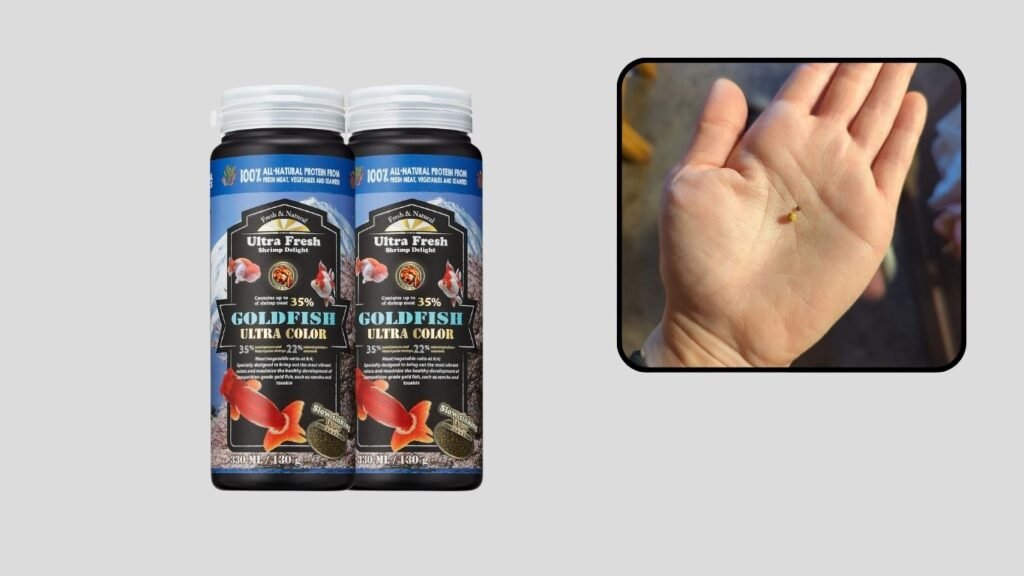
Ultra Fresh Bottom Feeder Fish Food is formulated for fish such as corydoras and other species that naturally forage along the substrate. Its sinking format allows the food to reach the bottom quickly, helping ensure these fish receive their share during feeding time. The manageable pieces also make it convenient for regular feeding in freshwater community aquariums.
Key Features
- Designed for bottom-feeding tropical fish
- Suitable for corydoras and similar species
- Sinking food presentation
- Small pieces for easier consumption
- Suitable for community aquariums
- Supports everyday nutritional needs
- Convenient for portion-controlled feeding
Why It’s Best for Corydoras
Corydoras spend much of their time exploring the aquarium floor, so food that reaches their natural feeding area is especially useful. Ultra Fresh Bottom Feeder Fish Food sinks where these fish can easily discover it while foraging.
The smaller food size can also make feeding easier for compact bottom dwellers that may struggle with oversized wafers or pellets.
Nutrition and Feeding Performance
The sinking format helps reduce competition with fish feeding higher in the water column. Owners can place portions in several areas, giving multiple bottom feeders access without forcing them into one feeding location.
Because the food remains near the substrate, careful portion control is important. Observing how quickly the fish consume each serving makes it easier to determine the appropriate amount for future meals.
Overall Feeding Experience
Ultra Fresh Bottom Feeder Fish Food is especially suitable for aquarists keeping corydoras and other smaller substrate-feeding species. Its manageable size and sinking behavior make daily feeding more targeted and predictable.
For tanks where bottom feeders need their own dedicated food rather than relying on leftovers from surface fish, this formula offers an appealing everyday option.
4. Hikari Sinking Wafers
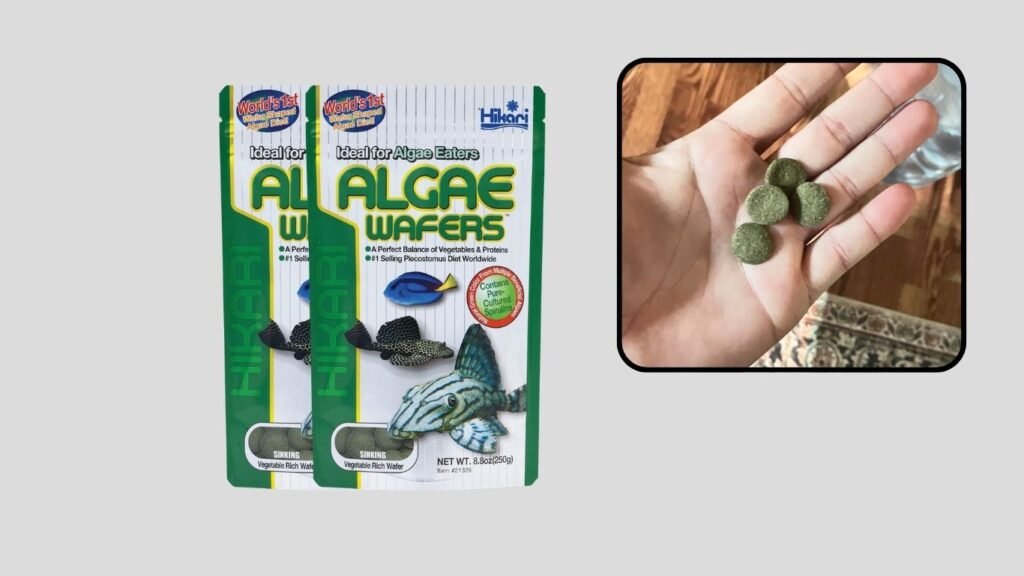
Hikari Sinking Wafers are specifically designed for bottom-feeding tropical fish that prefer collecting food from the aquarium floor. The wafer format sinks rapidly and remains accessible for species such as corydoras, loaches, and certain catfish. Its compact shape also makes it easier for aquarists to count portions and monitor how much food is being consumed.
Key Features
- Sinking wafer design
- Made for bottom-feeding tropical fish
- Suitable for corydoras, loaches, and catfish
- Easy to portion by counting wafers
- Reaches the aquarium floor quickly
- Suitable for community tank feeding
- Convenient for routine daily use
Why It’s Best for Controlled Feeding
The wafer format provides a major advantage when portion control matters. Instead of estimating a pinch of flakes or granules, owners can count individual wafers based on the number and size of their bottom feeders.
This makes it easier to establish a consistent feeding schedule and identify whether food is being consumed fully.
Sinking Performance and Feeding Behavior
Hikari Sinking Wafers travel directly toward the substrate, allowing bottom-dwelling fish to feed where they naturally spend most of their time. Fish can locate the wafers around rocks, plants, and open substrate areas.
The wafers are also useful in community aquariums because they reduce dependence on leftover food from other fish. Placing wafers in multiple locations can help timid fish gain access.
Overall Value for Aquarium Keepers
Hikari Sinking Wafers offer a straightforward solution for targeted bottom-feeder nutrition. Their convenient shape, reliable sinking behavior, and easy portioning make them particularly suitable for established community tanks.
For owners who want greater control over how much their bottom feeders receive, the wafer format makes feeding easy to monitor and adjust.
5. API Bottom Feeder Shrimp Pellets
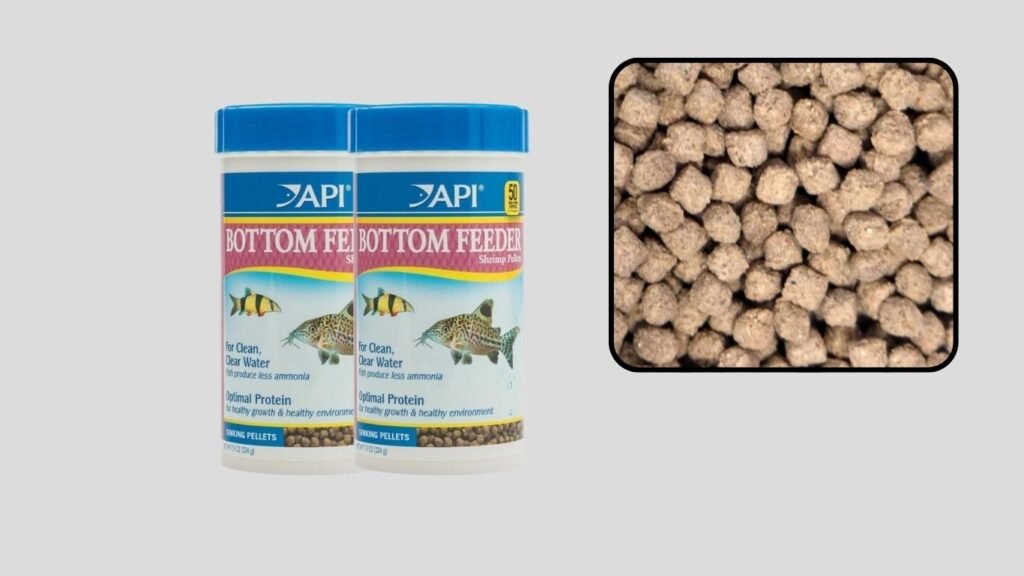
API Bottom Feeder Shrimp Pellets are designed to sink through the water column and provide food for fish that prefer feeding along the aquarium floor. The pellet format is particularly practical for catfish, loaches, and other bottom dwellers that need direct access to food rather than depending on flakes that remain near the surface.
Key Features
- Sinking shrimp pellet format
- Designed for bottom-feeding fish
- Suitable for freshwater community tanks
- Easy to distribute across the substrate
- Helps provide targeted feeding
- Convenient for regular feeding schedules
- Simple to portion according to fish population
Why It’s Best for Targeted Bottom Feeding
These pellets are useful when surface-feeding fish consume most floating foods before bottom dwellers have a chance to eat. Their sinking action carries food directly into the feeding zone used by bottom-oriented species.
Aquarists can also place pellets near preferred hiding areas, caves, or shaded sections where shy fish are more comfortable feeding.
Performance and Aquarium Management
The pellet form makes feeding relatively easy to control. Owners can start with a small amount and observe whether the food disappears before providing more.
Because pellets settle on the aquarium floor, excessive feeding should be avoided. Uneaten pellets can eventually break down around the substrate, so portion sizes should reflect the number, size, and appetite of the fish.
Overall Feeding Experience
API Bottom Feeder Shrimp Pellets are a practical option for freshwater tanks containing bottom-dwelling species. The sinking presentation helps ensure food reaches these fish directly instead of being intercepted near the surface.
For keepers looking for a simple pellet-based food that supports targeted feeding and easy portion management, this option can fit comfortably into a regular aquarium routine.
6. Big Kahuna Tropical Fish Food
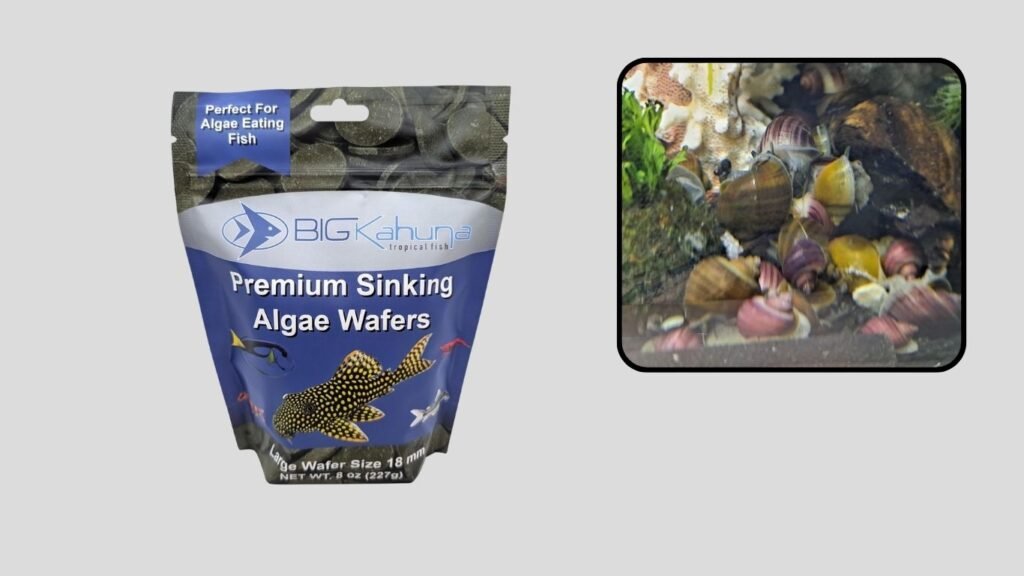
Big Kahuna Tropical Fish Food provides another option for aquarists seeking food suitable for tropical species, including fish that feed closer to the bottom. Its larger food format can be particularly useful for bigger fish or aquariums containing species capable of handling more substantial pieces. Proper placement helps ensure bottom dwellers receive consistent access during feeding.
Key Features
- Suitable for tropical aquarium fish
- Larger food format
- Useful for bigger bottom-feeding species
- Easy to place in selected feeding areas
- Suitable for community aquarium routines
- Convenient for feeding multiple fish
- Helps supplement targeted bottom feeding
Why It’s Best for Larger Bottom Feeders
Larger bottom-dwelling fish may find very small granules less convenient, especially in spacious aquariums with strong competition for food. Big Kahuna Tropical Fish Food offers a more substantial format that can remain noticeable as it reaches feeding areas.
This can be particularly useful for larger catfish and other tropical species that prefer more substantial portions.
Feeding Performance and Portion Management
Larger food pieces are easy to see during feeding, which gives aquarists an opportunity to observe whether each portion is being consumed. Food can be distributed near different territories so multiple bottom dwellers have access.
Appropriate portioning is still essential. Larger pieces left uneaten can contribute to waste, so feeding should be adjusted according to the size, number, and feeding behavior of the fish.
Overall Value for Larger Fish
Big Kahuna Tropical Fish Food can be a useful addition for tanks containing larger tropical bottom feeders. Its substantial food format makes targeted feeding easier and may be more suitable than tiny granules for fish with larger mouths.
For aquarists who want an easy-to-monitor food option for larger bottom-dwelling species, it provides a practical balance of feeding visibility, portion control, and everyday convenience.
7. 4-Type Sinking Bottom Feeder Tropical Fish Food
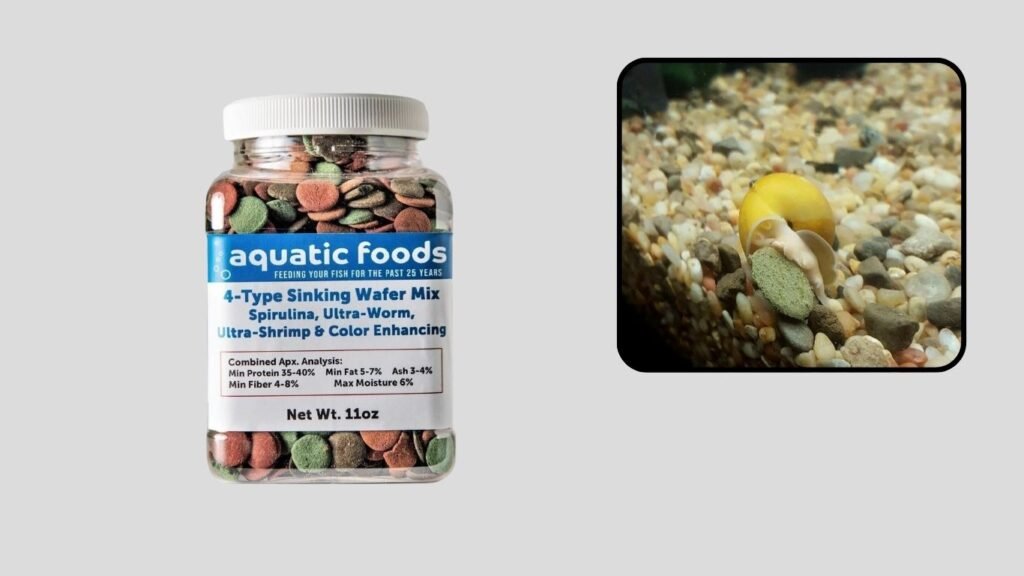
4-Type Sinking Bottom Feeder Tropical Fish Food is designed to provide variety for fish that spend most of their feeding time near the aquarium floor. The mixed sinking format can suit different bottom-dwelling species and offers a convenient way to provide several food types without keeping multiple containers. It is especially useful in community aquariums with diverse bottom feeders.
Key Features
- Four-type sinking food variety
- Designed for bottom-feeding tropical fish
- Reaches the substrate efficiently
- Suitable for mixed-species aquariums
- Provides different food textures
- Easy to distribute across feeding areas
- Useful for routine community tank feeding
Why It’s Best for Feeding Variety
One of the strongest advantages of this food is the variety it provides. Bottom-dwelling fish can differ in feeding preferences, so offering several food forms may make it easier to accommodate multiple species within the same aquarium.
The sinking design ensures the food reaches the lower part of the tank instead of remaining near surface feeders. This can be especially helpful in aquariums containing corydoras, loaches, catfish, and other substrate-oriented fish.
Feeding Performance and Portion Control
The food can be distributed around different areas of the aquarium, giving shy or less dominant fish a better opportunity to eat. Multiple feeding locations are particularly useful when several bottom dwellers share the same tank.
Owners should begin with small portions and observe how quickly the food disappears. Because sinking foods remain near the substrate, avoiding excessive servings helps reduce leftover food and unnecessary waste.
Overall Feeding Experience
This 4-Type Sinking Bottom Feeder Food is a convenient option for aquarists who want more variety without complicating their feeding routine. Its mixed format and sinking action make it especially suitable for community tanks.
For households keeping several bottom-dwelling species, the combination of variety, accessibility, and easy distribution makes it a practical everyday feeding choice.
8. API Algae Wafers
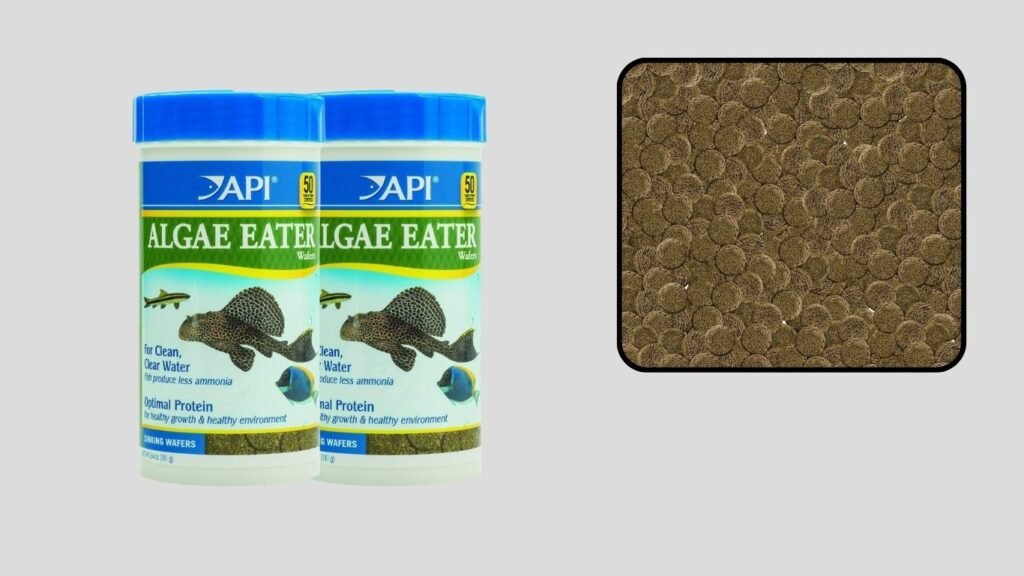
API Algae Wafers are designed for algae-eating and bottom-feeding fish that naturally graze close to the substrate. Their sinking wafer format allows food to reach plecos, catfish, and other bottom dwellers without relying on leftovers from surface feeders. The wafers are especially useful for fish that need plant-based ingredients as part of a balanced aquarium diet.
Key Features
- Sinking algae wafer format
- Suitable for plecos and algae-eating fish
- Designed for bottom-feeding species
- Easy to portion by individual wafers
- Reaches the substrate quickly
- Useful for freshwater community tanks
- Supports regular grazing behavior
Why It’s Best for Algae-Eating Bottom Feeders
Plecos and other algae-eating fish often require more than naturally occurring aquarium algae to maintain a balanced diet. API Algae Wafers provide a convenient supplemental food that reaches the bottom where these species spend much of their time.
The wafer shape encourages fish to graze gradually, which closely matches the feeding behavior of many bottom-dwelling herbivorous and omnivorous species.
Sinking Performance and Aquarium Use
The wafers sink directly to the aquarium floor and can be positioned near caves, driftwood, or other areas where bottom feeders commonly hide. This is particularly useful for nocturnal species that may avoid competing with active daytime fish.
Portions are also easy to control because individual wafers can be counted. Any uneaten food should be removed after an appropriate feeding period to prevent unnecessary waste.
Overall Value for Algae Eaters
API Algae Wafers are a practical choice for aquariums containing plecos and similar bottom feeders. Their sinking design, convenient portioning, and grazing-friendly format make them easy to integrate into a regular feeding schedule.
For keepers looking to supplement naturally occurring algae with a dependable sinking food, these wafers offer straightforward everyday feeding.
9. Triton Aquatics Deep Dwellers Micro Fish Food
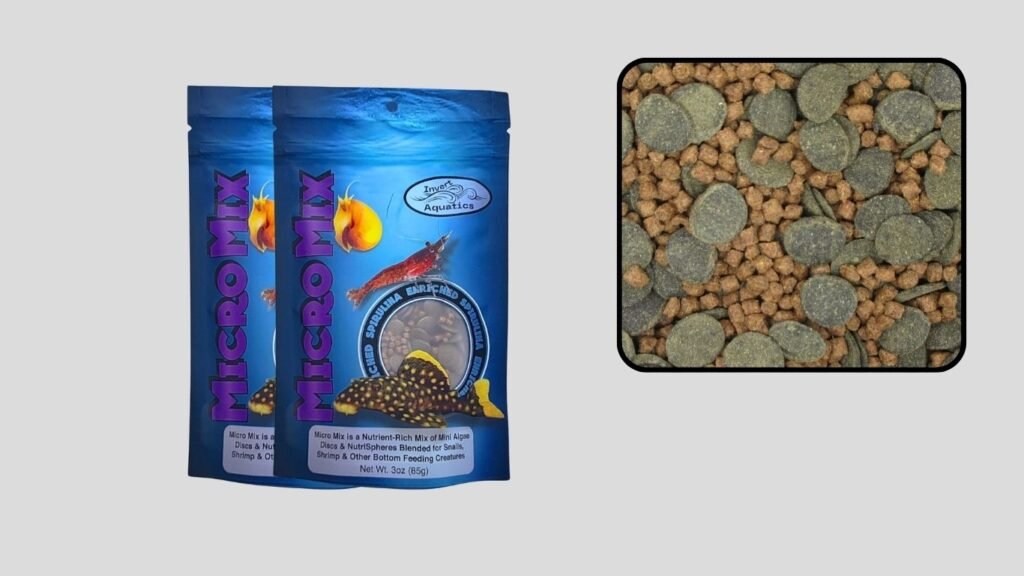
Triton Aquatics Deep Dwellers Micro Fish Food is designed for smaller bottom-feeding fish that need compact food particles capable of reaching the lower regions of the aquarium. The micro-size format is particularly useful for smaller corydoras, juvenile bottom dwellers, and other species that may struggle with large wafers or pellets.
Key Features
- Micro-sized food for smaller bottom feeders
- Sinking design reaches lower tank levels
- Suitable for small corydoras and similar fish
- Easy for smaller mouths to consume
- Convenient for targeted feeding
- Suitable for freshwater community tanks
- Helps simplify portion control
Why It’s Best for Small Bottom Feeders
Large wafers and pellets can sometimes be difficult for smaller fish to handle. Triton Aquatics Deep Dwellers Micro Food addresses this problem with smaller particles that are easier for compact species to locate and consume.
The food sinks toward the substrate, helping small bottom feeders receive food without depending entirely on crumbs left behind by larger fish.
Feeding Performance and Accessibility
The micro-size format makes it possible to spread food across several areas of the aquarium. This can help reduce competition and ensure that multiple fish have an opportunity to feed.
Because small particles can become difficult to see after reaching the substrate, aquarists should start with modest servings. Careful observation helps determine how much food the fish can finish without leaving excess material behind.
Overall Feeding Experience
Triton Aquatics Deep Dwellers Micro Fish Food is especially useful for smaller or juvenile bottom-dwelling species. Its compact particles and sinking behavior make feeding more accessible while supporting a controlled daily routine.
For aquarists who find standard wafers too large for their fish, this micro-sized option provides a practical alternative with targeted delivery and straightforward feeding.
FAQs
1. What is the best food for bottom feeder fish?
The best food depends on the species. Corydoras and loaches often do well with sinking pellets, granules, or wafers, while plecos and other algae eaters may benefit from algae wafers and foods containing plant-based ingredients. A varied diet generally works better than relying on one food alone.
2. How often should I feed bottom feeder fish?
Most bottom feeders can be fed once or twice daily, depending on the species, age, and overall aquarium feeding schedule. Give only an amount they can consume within a reasonable period to prevent food from remaining in the substrate and affecting water quality.
3. Do bottom feeders survive on leftover fish food?
Bottom feeders should not be expected to survive only on leftovers. Surface and mid-water fish may consume most food before it reaches the bottom. Dedicated sinking foods help ensure bottom-dwelling fish receive adequate and balanced nutrition.
4. Are algae wafers good for all bottom feeders?
Algae wafers are especially useful for plecos and other species that naturally consume significant amounts of plant material. However, many bottom feeders are omnivores and may also require protein-rich pellets, wafers, or granules. Choose food according to the dietary needs of the specific species.
5. Should sinking food be removed if it is not eaten?
Yes. Uneaten food should be removed when possible before it begins breaking down. Excess food can contribute to poor water quality and increased waste. Feeding smaller portions and observing how quickly fish eat can help determine the correct serving size.