
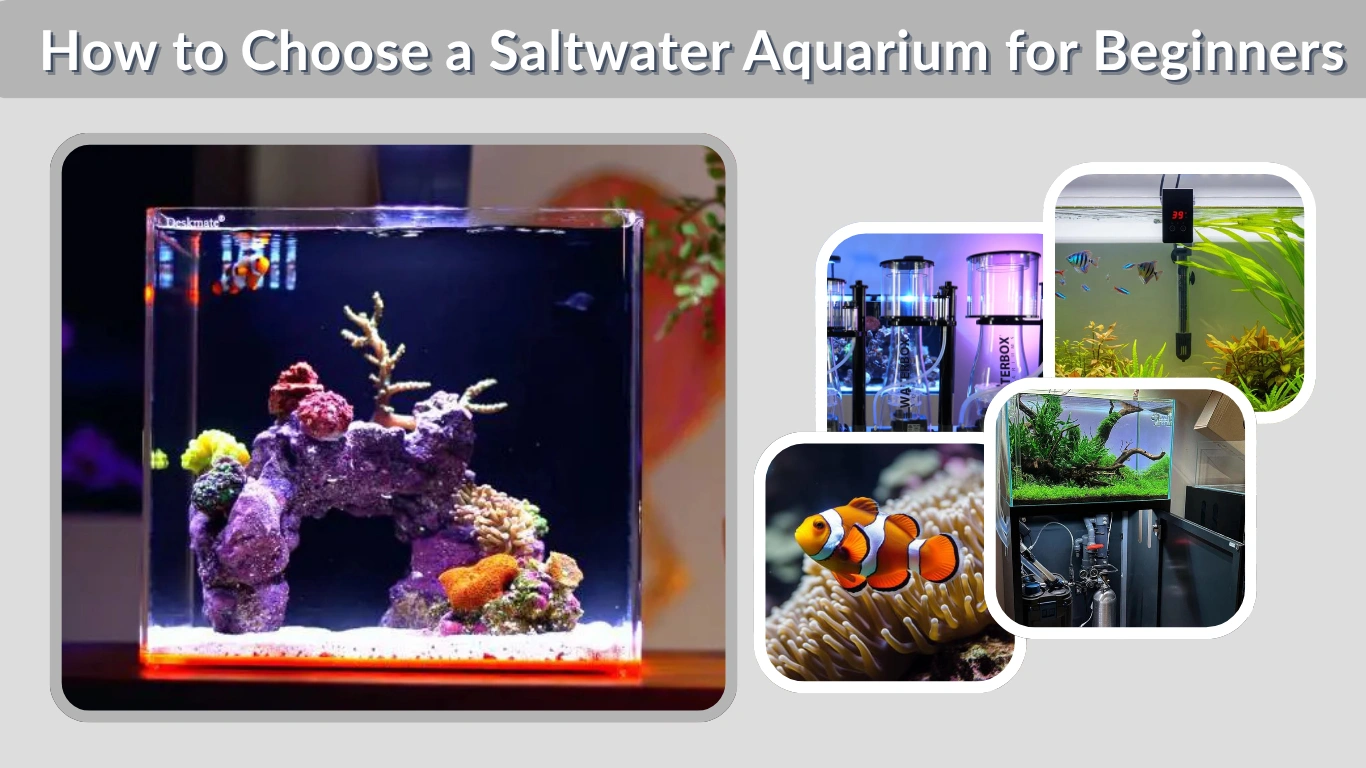
Starting a saltwater aquarium can feel both exciting and overwhelming. Unlike freshwater tanks, saltwater systems require more planning, precise equipment, and ongoing care. However, with the right approach, beginners can successfully build a thriving marine environment. This guide will help you understand the essential choices you need to make before setting up your first saltwater aquarium.
Why Choose a Saltwater Aquarium?
Saltwater aquariums are popular for their vibrant colors and diverse marine life. While they demand more effort than freshwater tanks, the visual reward and unique ecosystem make them worth considering.
Benefits of Saltwater Aquariums
Saltwater tanks offer unmatched beauty with brightly colored fish and corals. They allow hobbyists to recreate miniature ocean ecosystems at home. Additionally, the variety of species—from clownfish to corals—adds endless interest and learning opportunities.
Challenges Beginners Should Know
Despite their appeal, saltwater aquariums are more expensive and complex. Maintaining proper salinity, temperature, and water chemistry requires regular monitoring. Beginners should also be prepared for higher equipment costs and a slower setup process.
Types of Saltwater Aquariums
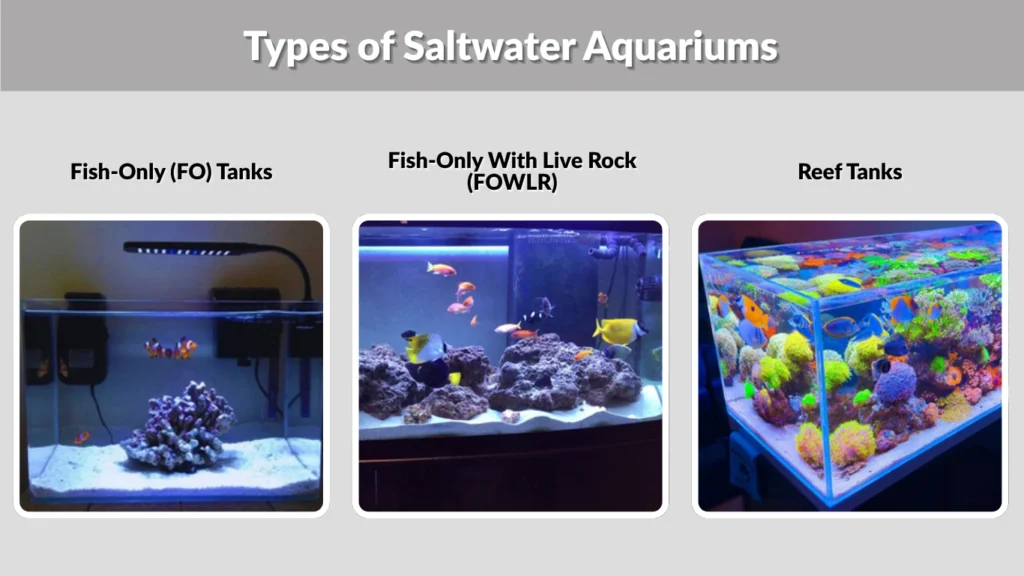
Understanding the different types of saltwater aquariums helps beginners choose a setup that matches their skill level and goals.
Fish-Only (FO) Tanks
Fish-only tanks are the simplest type and focus solely on marine fish. They require basic filtration and lighting, making them a good starting point for beginners who want a lower-maintenance system.
Fish-Only With Live Rock (FOWLR)
FOWLR tanks include live rock, which provides natural biological filtration and enhances the tank’s appearance. This setup is slightly more advanced than fish-only tanks but still beginner-friendly.
Reef Tanks
Reef tanks include corals and invertebrates along with fish. They require specialized lighting, stable water conditions, and more advanced care. While beautiful, reef tanks are usually better suited for hobbyists with some experience.
Key Factors to Consider Before Buying
Before purchasing a saltwater aquarium, beginners should evaluate a few important factors to ensure a successful setup.
- Budget (both initial setup and ongoing costs like salt, food, and electricity)
- Available space for the tank and equipment
- Time commitment for regular maintenance and monitoring
- Personal experience level and willingness to learn
Choosing the Right Tank Size
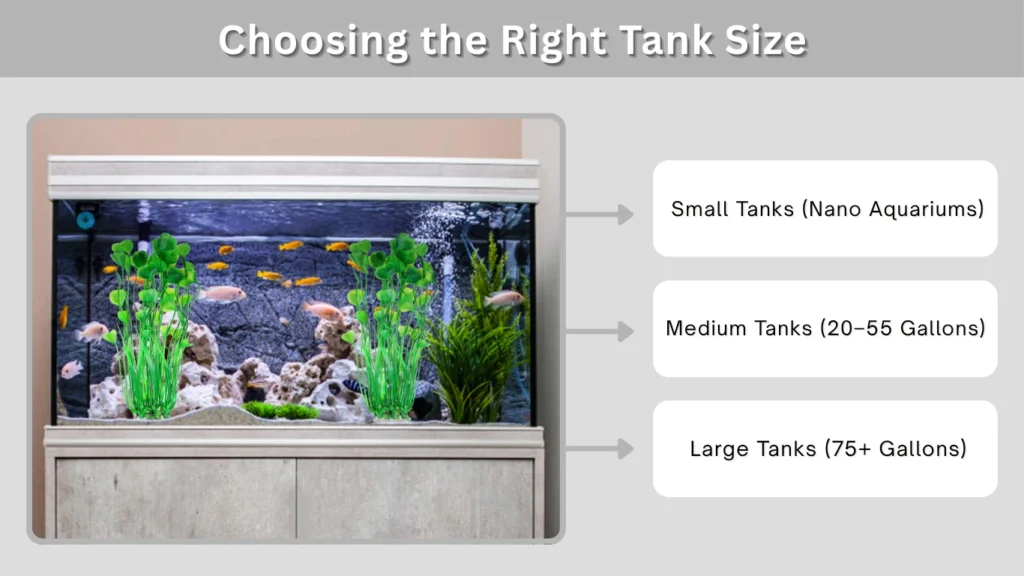
Tank size plays a crucial role in the stability and ease of maintaining a saltwater aquarium. Many beginners assume smaller tanks are easier, but this is not always true.
Small Tanks (Nano Aquariums)
Nano tanks are typically under 20 gallons. They are more affordable and take up less space, but they are harder to maintain because water conditions can change quickly. Small mistakes can have a big impact.
Medium Tanks (20–55 Gallons)
Medium-sized tanks are often the best choice for beginners. They provide a balance between stability and manageability. Water parameters are easier to control, and there is enough space for a variety of fish.
Large Tanks (75+ Gallons)
Larger tanks offer the most stability, making them ideal for long-term success. However, they require a higher upfront investment, more space, and stronger equipment.
Essential Equipment for Beginners
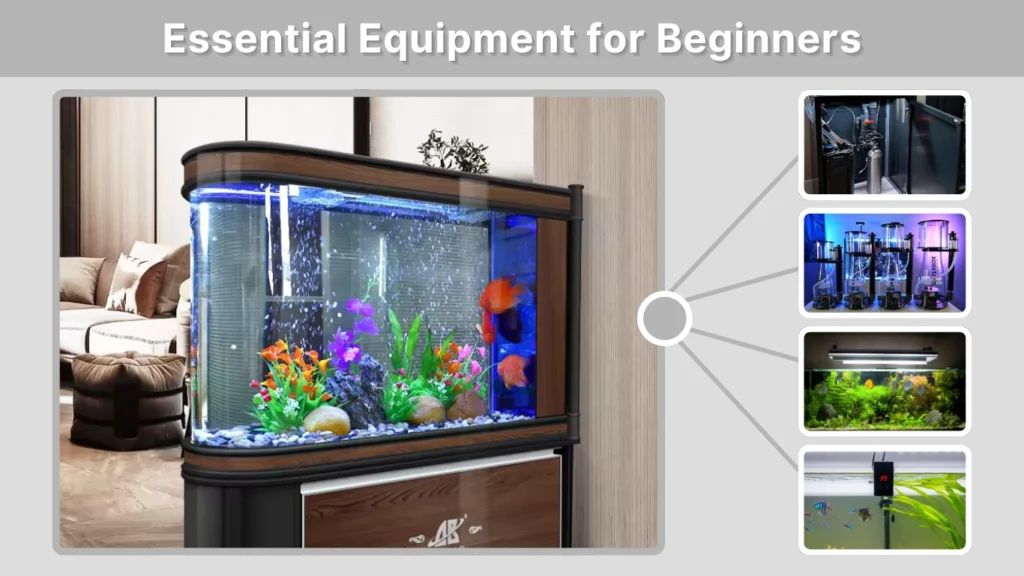
Setting up a saltwater aquarium requires specific equipment to maintain a healthy environment for marine life.
- Filtration system to keep water clean and stable
- Protein skimmer to remove organic waste
- Lighting system suitable for fish or corals
- Heater and thermometer to maintain temperature
- Powerheads or pumps for proper water circulation
Understanding Filtration Systems
Filtration is one of the most critical aspects of a saltwater aquarium. It ensures that harmful substances are removed and the water remains safe for fish and other organisms.
Biological Filtration
Biological filtration relies on beneficial bacteria that break down harmful ammonia into less toxic substances. This process, known as the nitrogen cycle, is essential for maintaining a healthy tank.
Mechanical Filtration
Mechanical filtration removes visible debris such as uneaten food and waste particles. This helps keep the water clear and reduces the buildup of harmful substances.
Chemical Filtration
Chemical filtration uses media like activated carbon to remove impurities, toxins, and odors from the water. It provides an extra layer of water purification.
Substrate and Live Rock Selection
Choosing the right substrate and live rock is important for both the appearance and health of your aquarium. These elements play a key role in maintaining water quality and supporting marine life.
Types of Substrate
Common substrate options include sand and crushed coral. Sand is more natural-looking and supports beneficial bacteria, while crushed coral allows better water flow but may trap debris.
Benefits of Live Rock
Live rock acts as a natural filter by housing beneficial bacteria. It also provides hiding places for fish and contributes to a more realistic marine environment.
Choosing Beginner-Friendly Fish
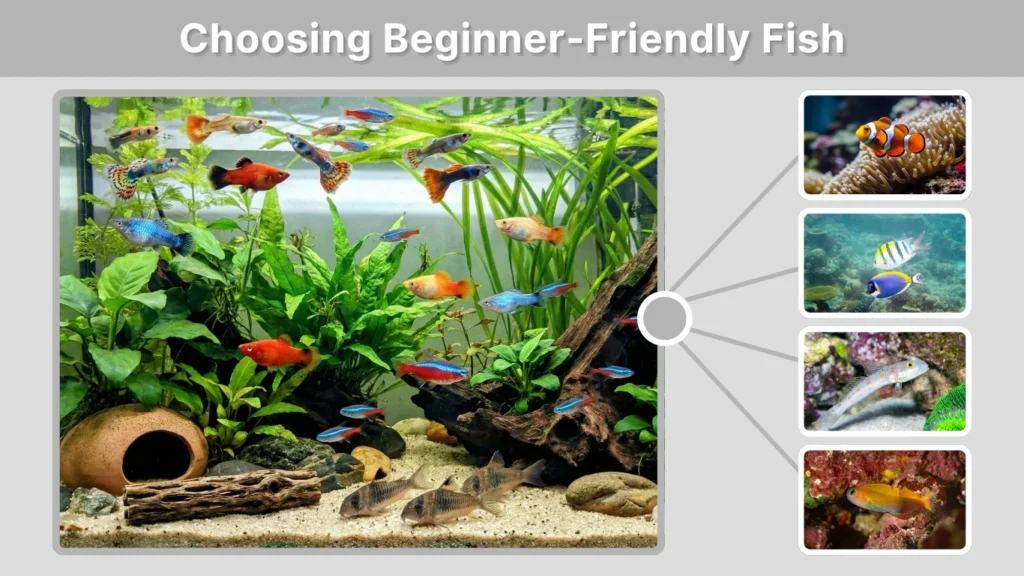
Selecting the right fish is essential for a successful start. Some marine species are more adaptable and resilient, making them ideal for beginners.
- Clownfish – Hardy, colorful, and easy to care for
- Damselfish – Very durable but can be slightly aggressive
- Gobies – Small, peaceful, and great for community tanks
- Blennies – Algae eaters that help keep the tank clean
These species can tolerate minor fluctuations in water conditions, which is helpful while you are still learning.
Common Mistakes to Avoid
Beginners often make a few common errors that can lead to frustration or even tank failure. Being aware of these mistakes can save time and money.
- Adding too many fish too quickly (overstocking)
- Skipping or rushing the nitrogen cycling process
- Mixing incompatible or aggressive species
- Ignoring regular water testing and maintenance
Avoiding these pitfalls will greatly improve your chances of long-term success.
Budget Breakdown for Beginners
Setting up a saltwater aquarium involves both initial and ongoing costs. Understanding the financial commitment helps you plan more effectively.
| Item | Estimated Cost Range |
| Aquarium Tank | $100 – $500 |
| Filtration System | $50 – $300 |
| Lighting | $50 – $400 |
| Live Rock & Substrate | $50 – $200 |
| Fish & Livestock | $50 – $300 |
| Test Kits & Supplies | $30 – $150 |
Keep in mind that prices can vary depending on quality, brand, and location. Investing in reliable equipment early often reduces long-term costs.
Maintenance and Long-Term Care
Maintaining a saltwater aquarium requires consistency and attention. Regular care ensures a stable environment and healthy marine life.
Daily Tasks
Daily care includes feeding your fish in appropriate amounts and checking that all equipment—such as heaters and pumps—is functioning properly. Observing fish behavior also helps detect early signs of stress or illness.
Weekly Tasks
Each week, you should test water parameters such as salinity, pH, ammonia, nitrite, and nitrate levels. Partial water changes are also important to remove waste and maintain water quality.
Monthly Tasks
Monthly maintenance involves deeper cleaning, such as removing algae buildup, inspecting equipment, and replacing worn-out filter media. This helps keep the system running efficiently over time.
Final Tips for First-Time Aquarium Owners
Starting a saltwater aquarium is a learning process. Following a few practical tips can make the journey smoother and more enjoyable.
- Start with a simple setup and upgrade gradually
- Research every fish or coral before adding it to your tank
- Be patient—rushing the process often leads to problems
- Choose quality equipment for better long-term results
A careful and patient approach will help you build a stable and beautiful aquarium.
FAQs
Is a saltwater aquarium harder than freshwater?
Yes, saltwater aquariums are generally more complex because they require stricter control of water parameters and more advanced equipment. However, beginners can succeed by starting with simple setups and learning gradually through proper research and consistent maintenance.
What is the best tank size for beginners?
A medium-sized tank, typically between 20 and 55 gallons, is considered ideal for beginners. It offers better stability than smaller tanks while still being manageable in terms of cost, space, and maintenance requirements.
How long does it take to set up a saltwater aquarium?
Setting up a saltwater aquarium usually takes several weeks. The nitrogen cycling process alone can take 3 to 6 weeks before it is safe to introduce fish. Patience during this stage is crucial for long-term success.
Can I start with a reef tank as a beginner?
While beginners can start with a reef tank, it is generally not recommended. Reef systems require more precise lighting, water chemistry, and care. Starting with a fish-only or FOWLR tank is a safer and easier way to gain experience.