
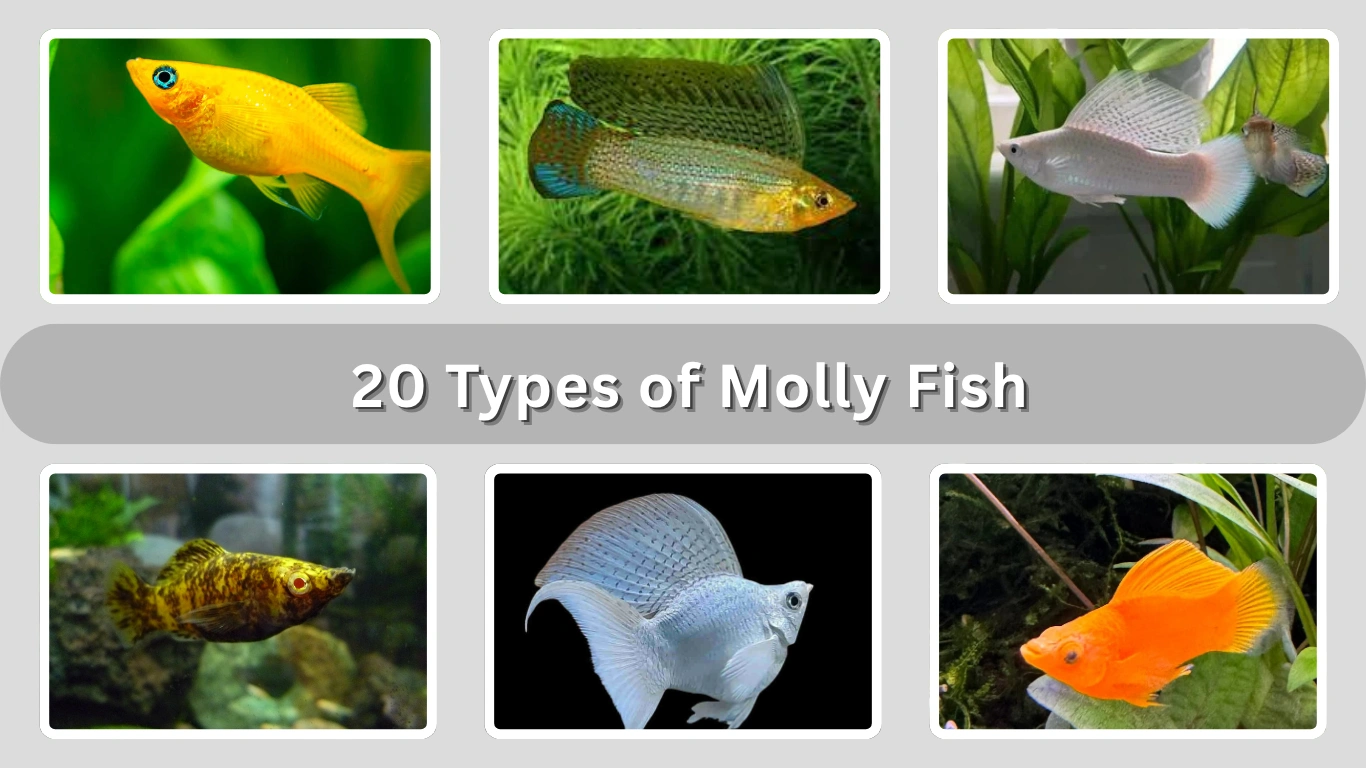
Molly fish are among the most popular freshwater aquarium species, known for their vibrant colors, unique shapes, and easy care requirements. They come in a wide range of varieties, from solid-colored types like Black and Silver Mollies to more decorative forms like Sailfin and Lyretail. Each type offers its own distinct appearance and charm, making mollies a favorite for both beginners and experienced aquarists. This guide covers 20 common types of molly fish to help you explore their differences and choose the best variety for your aquarium.
1. Black Molly
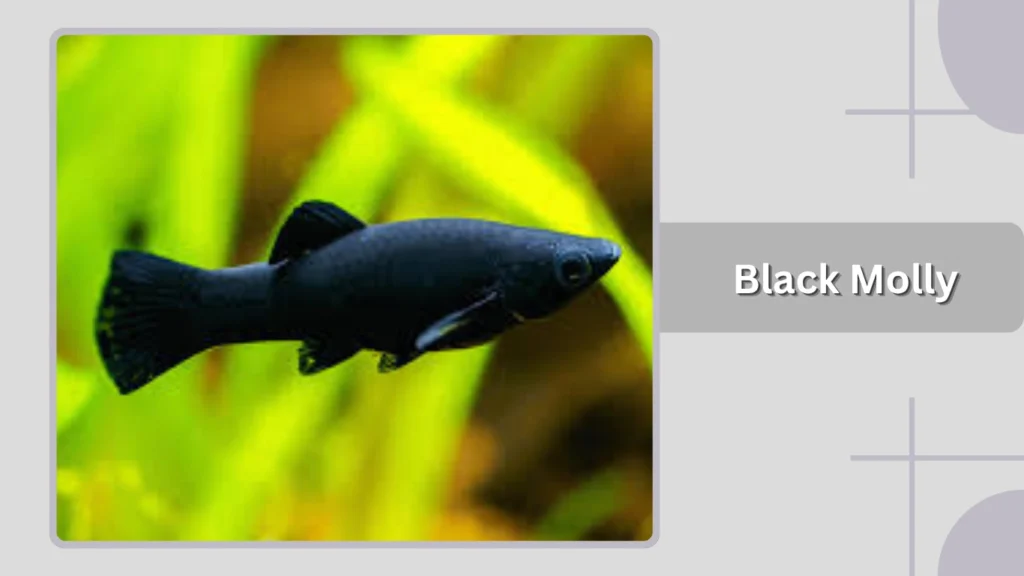
The Black Molly is one of the most well-known and widely kept molly fish varieties. It is admired for its deep, solid black coloration and smooth, velvety appearance. This hardy and adaptable fish is a favorite among beginners and experienced aquarists alike.
Identification
- Solid black body with a smooth, uniform appearance
- Slight sheen or velvety texture under proper lighting
- Fins are typically black and proportionate to the body
- Males are smaller with a pointed anal fin
- Females are larger with a rounder body shape
Habitat
Black Mollies thrive in freshwater aquariums with stable and clean conditions. They prefer temperatures between 72–82°F and slightly alkaline water with a pH of 7.5 to 8.5. They can also tolerate mild brackish conditions. A well-planted tank with open swimming space and gentle filtration provides an ideal environment for their comfort and health.
Behavior
These fish are peaceful, active, and social. They do well in community tanks and enjoy swimming in small groups. Black Mollies are constantly exploring their surroundings and are generally non-aggressive. Males may occasionally display mild territorial behavior, but it rarely leads to serious conflict.
Care
Black Mollies are easy to care for and suitable for beginners. They require a balanced diet that includes flakes, pellets, and plant-based foods like algae. Regular water changes and proper filtration are essential to maintain water quality. Providing a stable environment and avoiding overcrowding will help keep them healthy and active.
2. Sailfin Molly
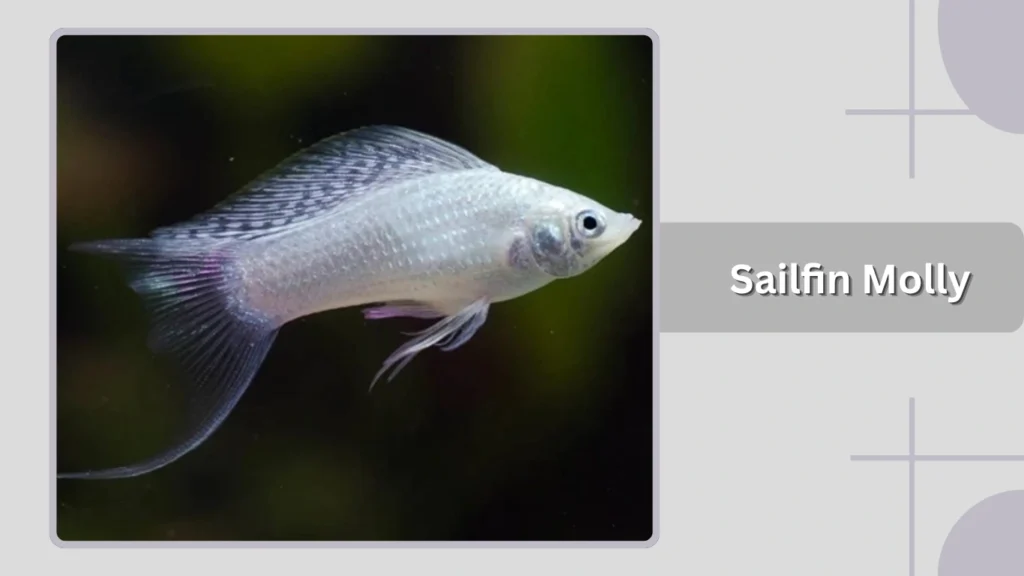
The Sailfin Molly is a striking and elegant variety known for its large, sail-like dorsal fin. This unique feature gives it a bold and graceful appearance, making it a standout in any aquarium. It is especially popular among aquarists who enjoy fish with distinctive fin shapes.
Identification
- Large, sail-like dorsal fin, especially prominent in males
- Body can be silver, gray, or lightly colored
- Fins may have subtle patterns or spots
- Males are smaller with a much larger dorsal fin
- Females are larger with a shorter, rounded dorsal fin
Habitat
Sailfin Mollies thrive in freshwater aquariums with stable and clean conditions. They prefer temperatures between 72–82°F and a slightly alkaline pH of 7.5 to 8.5. They can also tolerate mild brackish water. A spacious tank with plants and open swimming areas is ideal, as they need room to display their large fins comfortably.
Behavior
These mollies are peaceful, active, and social fish. They enjoy being in groups and are often seen swimming gracefully throughout the tank. Males may display their large dorsal fins during courtship or mild competition, but they are generally non-aggressive and suitable for community aquariums.
Care
Sailfin Mollies are moderately easy to care for but benefit from stable water conditions. Feed them a balanced diet including flakes, pellets, and plant-based foods like algae. Regular water changes and proper filtration are essential. Providing enough space and maintaining water quality will help keep their fins healthy and well-developed.
3. Dalmatian Molly
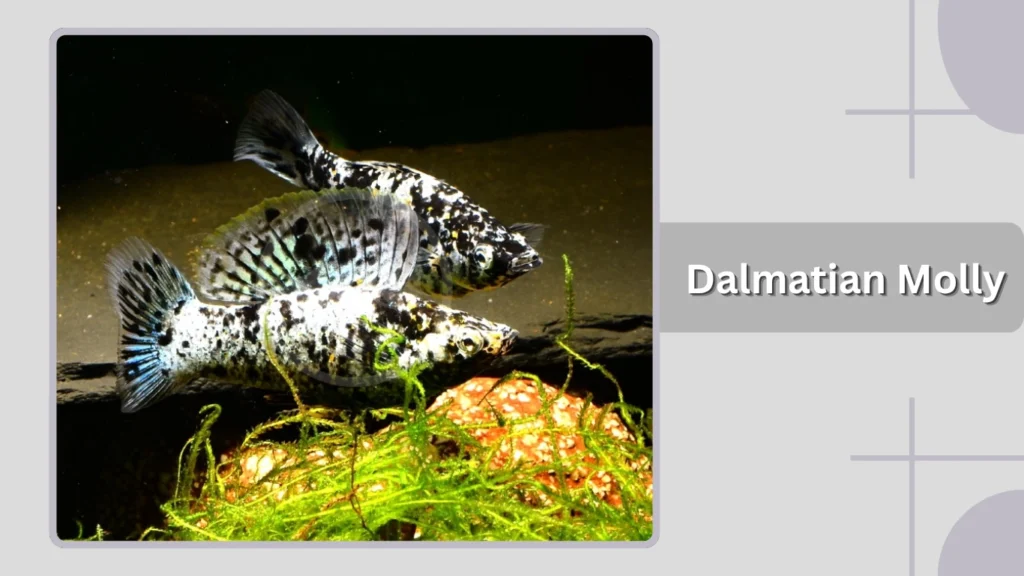
The Dalmatian Molly is a popular and visually striking variety known for its black-and-white spotted pattern, similar to a Dalmatian dog. Its unique appearance and active nature make it a favorite choice for both beginner and experienced aquarists.
Identification
- White or silver body covered with black spots
- Spot patterns vary, making each fish unique
- Fins may also display spotted markings
- Males are smaller with a pointed anal fin
- Females are larger with a rounder body
Habitat
Dalmatian Mollies thrive in freshwater aquariums with clean and stable conditions. They prefer temperatures between 72–82°F and a slightly alkaline pH of 7.5 to 8.5. They can also tolerate mild brackish water. A well-planted tank with open swimming areas and gentle filtration provides a comfortable and healthy environment.
Behavior
These mollies are peaceful, active, and social fish. They enjoy swimming in groups and are often seen exploring all areas of the tank. They are generally non-aggressive, although males may show mild dominance during breeding. They are excellent for community tanks with other calm fish.
Care
Dalmatian Mollies are easy to care for and ideal for beginners. Provide a balanced diet that includes flakes, pellets, and plant-based foods like algae. Regular water changes and proper filtration are essential to maintain water quality. Keeping stable conditions and avoiding overcrowding will help ensure their health and vibrant pattern.
4. Lyretail Molly
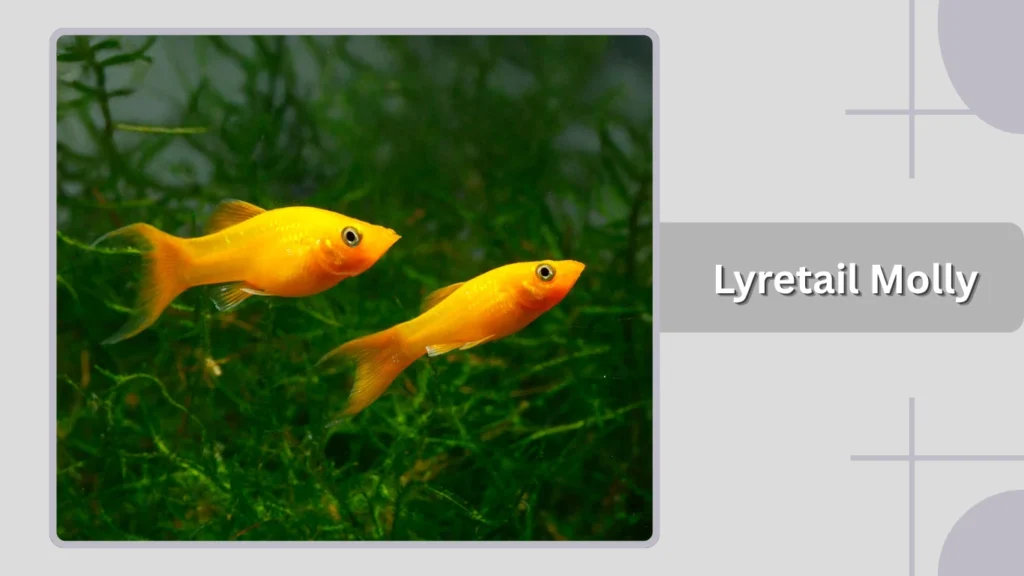
The Lyretail Molly is a graceful and distinctive variety known for its uniquely shaped tail. The tail features extended upper and lower rays, forming a lyre-like shape that gives the fish an elegant and ornamental appearance in aquariums.
Identification
- Tail has extended top and bottom rays forming a lyre shape
- Middle part of the tail is shorter, creating a split look
- Body can come in various colors and patterns
- Males show more pronounced lyretail features
- Females are larger with shorter, less defined tails
Habitat
Lyretail Mollies thrive in freshwater aquariums with stable and clean conditions. They prefer temperatures between 72–82°F and a slightly alkaline pH of 7.5 to 8.5. They can also tolerate mild brackish water. A tank with plants, open swimming space, and gentle filtration is ideal, as strong currents can stress their delicate tail structure.
Behavior
These mollies are peaceful, social, and moderately active. They enjoy being in groups and are often seen swimming gracefully around the tank. Males may display their unique tails during courtship. They are generally non-aggressive and do well with other calm fish in community aquariums.
Care
Lyretail Mollies require slightly more attention due to their delicate tail fins. Feed them a balanced diet including flakes, pellets, and plant-based foods. Regular water changes and proper filtration are essential. Avoid sharp decorations and aggressive tank mates to protect their fins and maintain their elegant appearance.
5. Balloon Molly
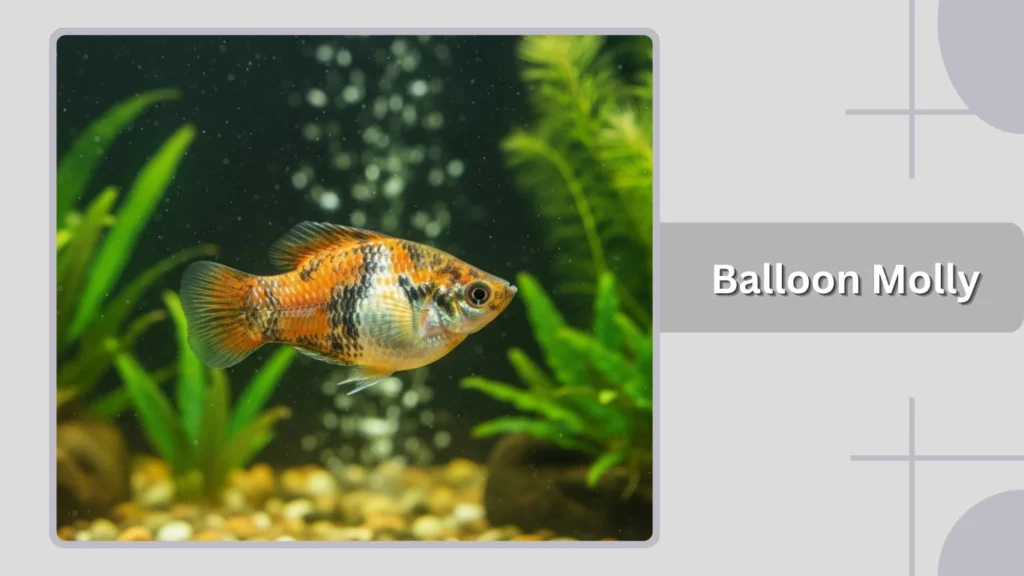
The Balloon Molly is a unique and easily recognizable variety known for its rounded, inflated body shape. This distinctive look gives it a compact and charming appearance, making it a popular choice for aquarists who enjoy unusual fish forms.
Identification
- Short, rounded “balloon-like” body shape
- Slightly curved spine giving a compact appearance
- Comes in various colors like black, gold, and dalmatian
- Fins are proportionate but appear smaller due to body shape
- Females are larger and more rounded than males
Habitat
Balloon Mollies thrive in freshwater aquariums with stable and clean water conditions. They prefer temperatures between 72–82°F and a slightly alkaline pH of 7.5 to 8.5. They can also tolerate mild brackish water. A tank with gentle filtration and plenty of open space is important, as their body shape makes swimming slightly slower.
Behavior
These mollies are peaceful, social, and slightly less active compared to standard mollies. They enjoy being in small groups and are often seen moving calmly around the tank. They are non-aggressive and do well in community aquariums with other calm fish species.
Care
Balloon Mollies require a bit of extra attention due to their body shape. Feed them a balanced diet including flakes, pellets, and plant-based foods. Maintain excellent water quality with regular changes. Avoid strong currents and overcrowding to ensure they remain healthy and stress-free.
6. Gold Dust Molly
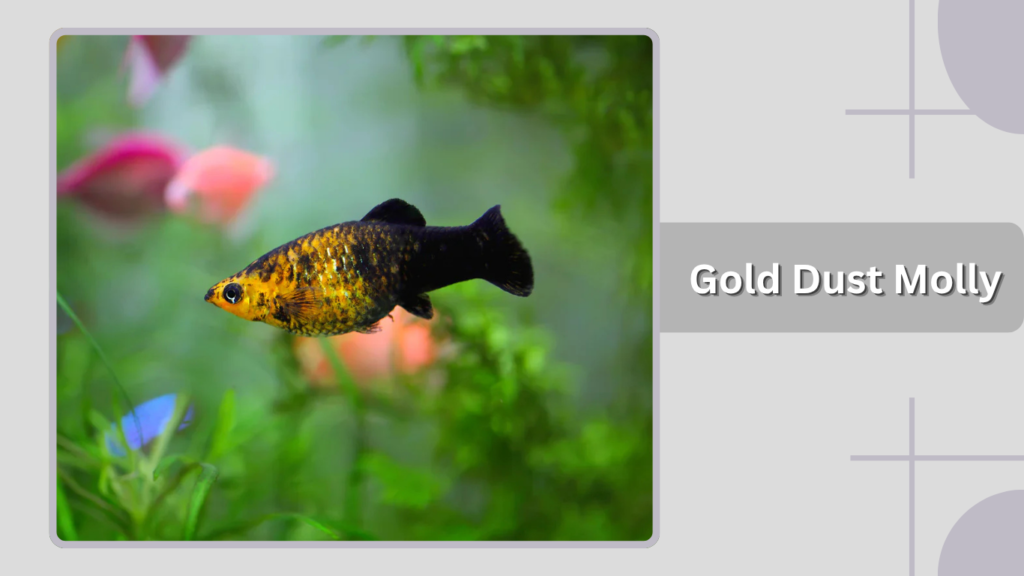
The Gold Dust Molly is a beautiful and eye-catching variety known for its shimmering mix of black and golden colors. The contrast between the dark body and bright metallic patches gives it a sparkling, dust-like appearance, making it a standout in any aquarium.
Identification
- Black body with golden or yellow metallic patches
- Shimmering or “dust-like” appearance under light
- Color distribution can vary between individuals
- Males are smaller with a pointed anal fin
- Females are larger with a fuller body
Habitat
Gold Dust Mollies thrive in freshwater aquariums with stable and clean conditions. They prefer temperatures between 72–82°F and a slightly alkaline pH of 7.5 to 8.5. They can also tolerate mild brackish water. A well-planted tank with open swimming space and gentle filtration provides an ideal environment for their health and coloration.
Behavior
These mollies are peaceful, active, and social fish. They enjoy swimming in groups and are often seen exploring all areas of the tank. They are generally non-aggressive, though males may show mild dominance during breeding. They are well-suited for community aquariums.
Care
Gold Dust Mollies are easy to care for and suitable for beginners. Provide a balanced diet of flakes, pellets, and plant-based foods like algae. Regular water changes and proper filtration are essential to maintain water quality. Stable conditions will help keep their shimmering colors bright and vibrant.
7. Creamsicle Molly
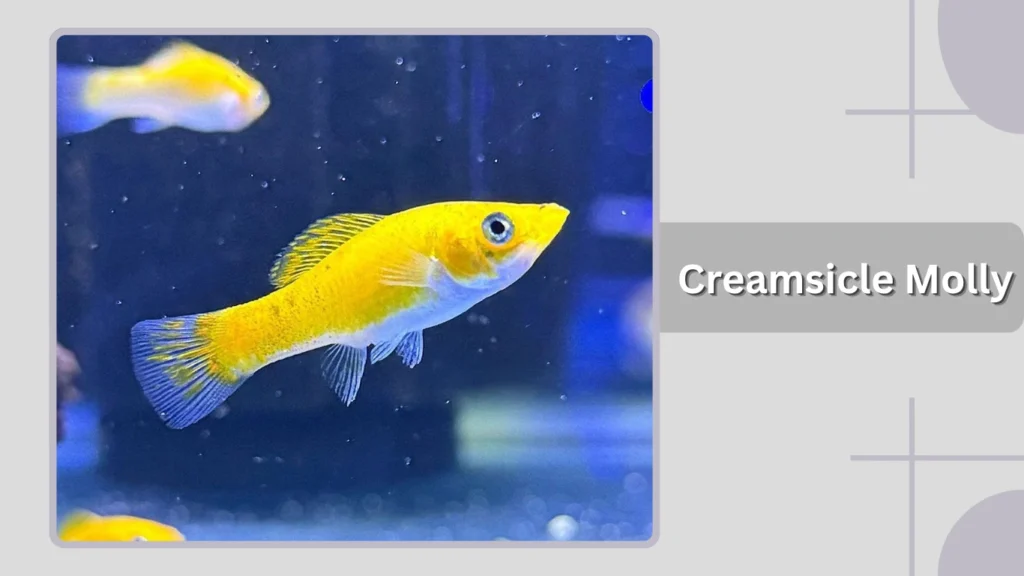
The Creamsicle Molly is a bright and attractive variety known for its warm blend of orange and white colors. Its soft, creamy appearance combined with vibrant orange patches gives it a smooth and eye-catching look, similar to a creamsicle dessert.
Identification
- Combination of orange and white body coloration
- Smooth, blended color pattern without sharp edges
- Fins often match the body colors
- Males are smaller with more vivid coloration
- Females are larger with softer color tones
Habitat
Creamsicle Mollies thrive in freshwater aquariums with clean and stable conditions. They prefer temperatures between 72–82°F and a slightly alkaline pH of 7.5 to 8.5. They can also tolerate mild brackish water. A well-planted tank with open swimming space and gentle filtration creates a comfortable and healthy environment.
Behavior
These mollies are peaceful, active, and social fish. They enjoy being in groups and are often seen swimming throughout the tank. They are generally non-aggressive, though males may show mild behavior during breeding. They are suitable for community aquariums with other calm fish.
Care
Creamsicle Mollies are easy to care for and ideal for beginners. Feed them a balanced diet including flakes, pellets, and plant-based foods like algae. Regular water changes and proper filtration are essential. Maintaining stable water conditions will help preserve their soft, vibrant coloration and overall health.
8. Marble Molly
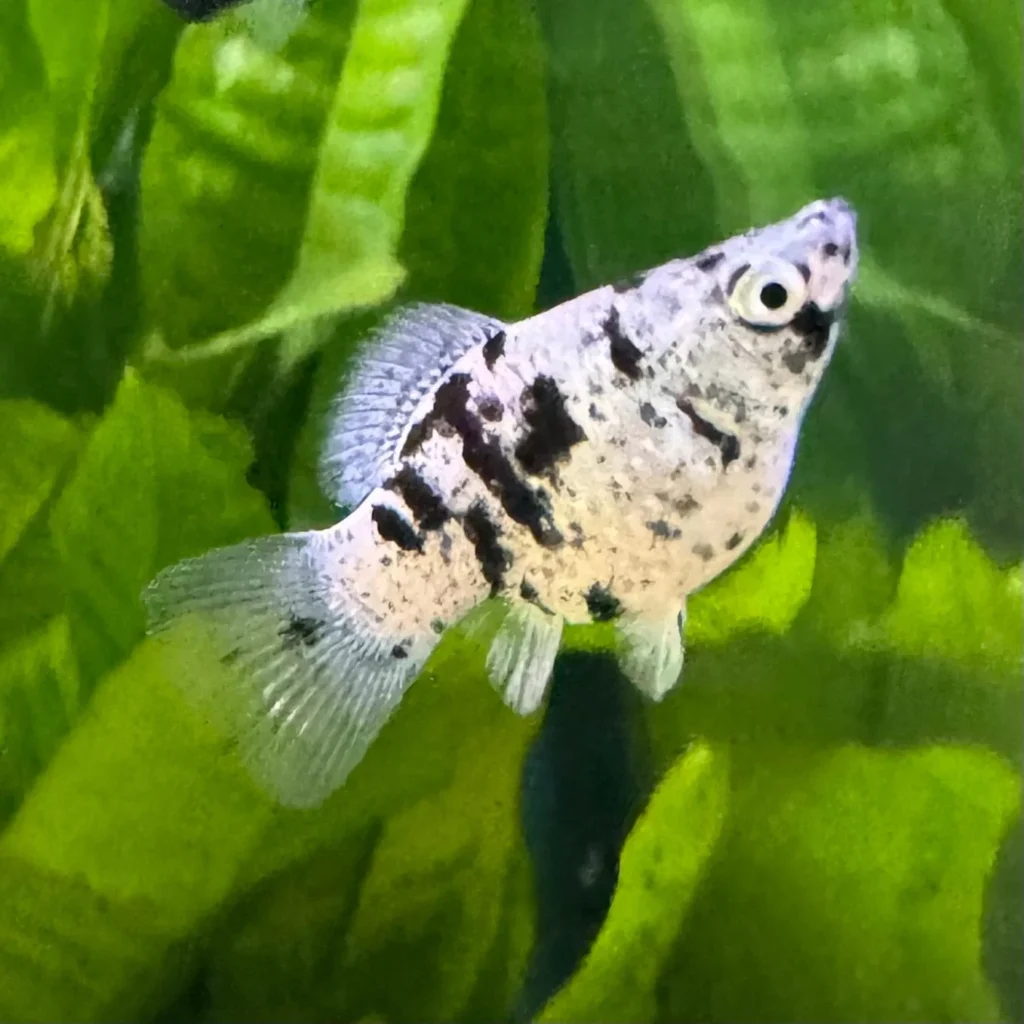
The Marble Molly is a striking variety known for its mixed and irregular color patterns that resemble marble stone. Its unique blend of colors and swirling designs makes each fish look different, adding variety and visual interest to any aquarium.
Identification
- Irregular, marble-like pattern across the body
- Mix of colors such as black, white, gold, or silver
- Patterns vary greatly between individuals
- Males are smaller with brighter coloration
- Females are larger with a fuller body
Habitat
Marble Mollies thrive in freshwater aquariums with stable and clean water conditions. They prefer temperatures between 72–82°F and a slightly alkaline pH of 7.5 to 8.5. They can also tolerate mild brackish water. A planted tank with open swimming areas and gentle filtration helps maintain a comfortable and healthy environment.
Behavior
These mollies are peaceful, active, and social fish. They enjoy being in groups and are often seen exploring the tank. They are generally non-aggressive, although males may show mild dominance during breeding. They do well in community aquariums with other calm fish species.
Care
Marble Mollies are easy to care for and suitable for beginners. Provide a balanced diet including flakes, pellets, and plant-based foods. Regular water changes and proper filtration are essential to maintain water quality. Stable conditions will help keep their patterns clear and their health strong.
9. Silver Molly
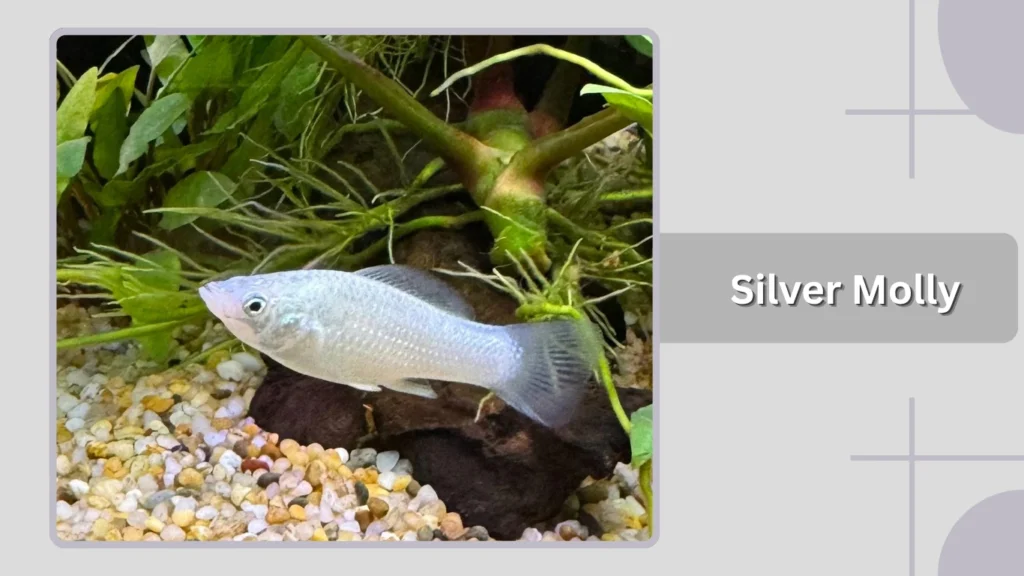
The Silver Molly is a simple yet elegant variety known for its smooth, shiny silver coloration. Its clean and reflective appearance gives it a subtle beauty, making it a great choice for aquarists who prefer a more natural and understated look.
Identification
- Solid silver or light gray body
- Smooth, reflective or slightly metallic appearance
- Minimal or no patterning
- Fins are usually translucent or lightly colored
- Males are smaller with a pointed anal fin
- Females are larger with a rounder body
Habitat
Silver Mollies thrive in freshwater aquariums with stable and clean conditions. They prefer temperatures between 72–82°F and a slightly alkaline pH of 7.5 to 8.5. They can also tolerate mild brackish water. A well-planted tank with open swimming areas and gentle filtration provides an ideal environment for their comfort and health.
Behavior
These mollies are peaceful, active, and social fish. They enjoy swimming in groups and are often seen moving around the tank. They are generally non-aggressive, though males may occasionally show mild dominance. They are suitable for community aquariums with other calm and compatible fish.
Care
Silver Mollies are easy to care for and ideal for beginners. Feed them a balanced diet including flakes, pellets, and plant-based foods like algae. Regular water changes and proper filtration are essential to maintain water quality. Stable conditions will help keep their appearance bright and their health strong.
10. Chocolate Molly
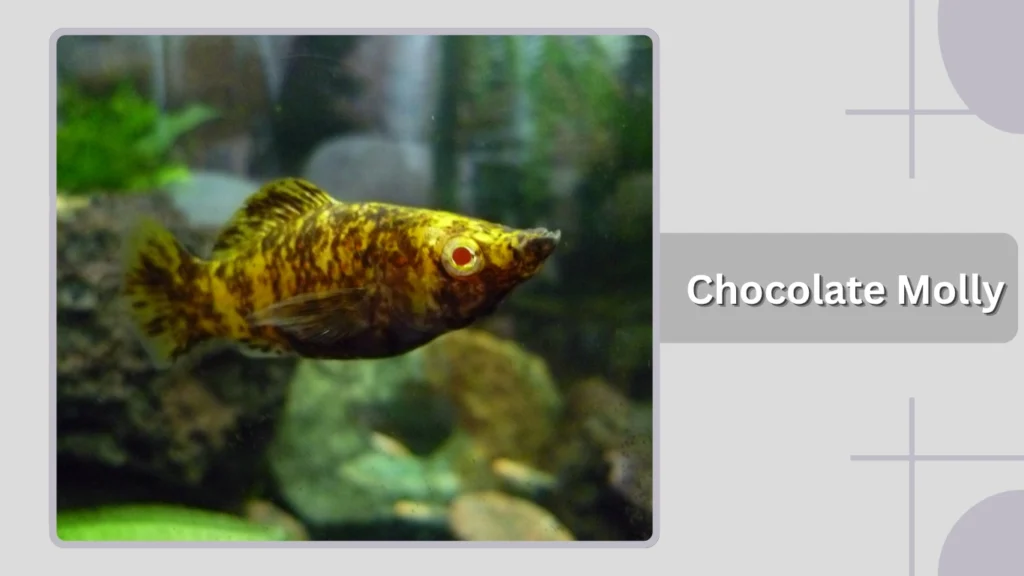
The Chocolate Molly is a rich and attractive variety known for its deep brown coloration. Its warm, earthy tones give it a unique and natural appearance, making it a great choice for aquarists looking for something different from the usual bright-colored fish.
Identification
- Solid brown or chocolate-colored body
- Color may range from light brown to deep dark chocolate
- Smooth, uniform appearance with little to no pattern
- Fins usually match the body color
- Males are smaller with a pointed anal fin
- Females are larger with a rounder body
Habitat
Chocolate Mollies thrive in freshwater aquariums with stable and clean conditions. They prefer temperatures between 72–82°F and a slightly alkaline pH of 7.5 to 8.5. They can also tolerate mild brackish water. A planted tank with open swimming areas and gentle filtration provides a comfortable and healthy environment.
Behavior
These mollies are peaceful, active, and social fish. They enjoy being in groups and are often seen swimming throughout the tank. They are generally non-aggressive, though males may show mild behavior during breeding. They are well-suited for community aquariums with other calm fish.
Care
Chocolate Mollies are easy to care for and suitable for beginners. Provide a balanced diet including flakes, pellets, and plant-based foods like algae. Regular water changes and proper filtration are essential. Maintaining stable conditions will help preserve their rich brown color and overall health.
11. Platinum Molly
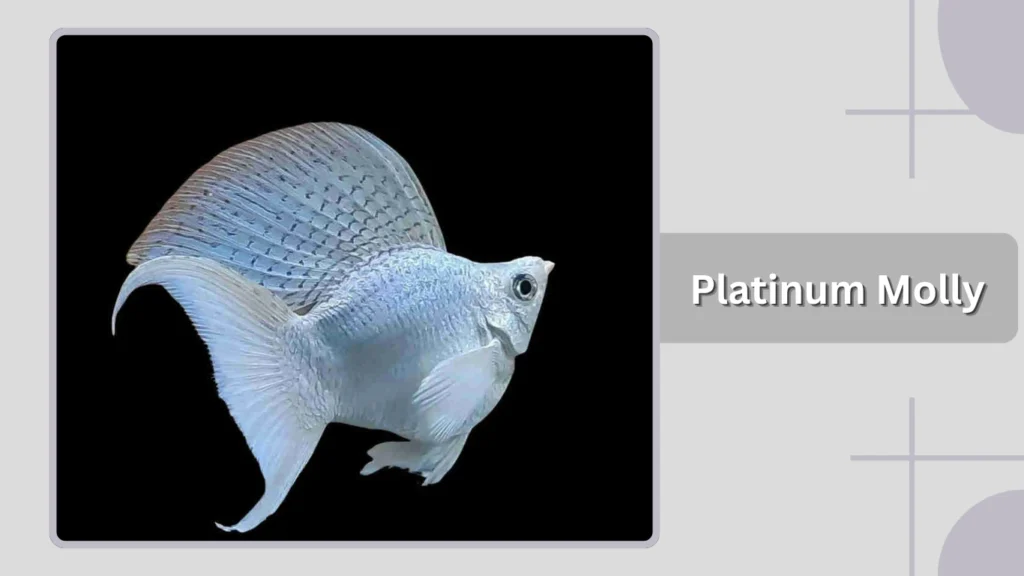
The Platinum Molly is a bright and eye-catching variety known for its shiny, metallic appearance. Its smooth, reflective body gives it a clean and elegant look, making it a popular choice for aquarists who enjoy fish with a polished and luminous finish.
Identification
- Solid metallic or shiny silver-white body
- Smooth, uniform coloration with no patterns
- Reflective sheen under proper lighting
- Fins are usually light or translucent
- Males are smaller with a pointed anal fin
- Females are larger with a fuller body
Habitat
Platinum Mollies thrive in freshwater aquariums with stable and clean conditions. They prefer temperatures between 72–82°F and a slightly alkaline pH of 7.5 to 8.5. They can also tolerate mild brackish water. A well-lit tank enhances their metallic shine, while plants and open swimming space provide comfort and balance.
Behavior
These mollies are peaceful, active, and social fish. They enjoy swimming in groups and are often seen exploring all areas of the tank. They are generally non-aggressive, though males may show mild dominance during breeding. They are suitable for community aquariums with other calm fish.
Care
Platinum Mollies are easy to care for and ideal for beginners. Feed them a balanced diet including flakes, pellets, and plant-based foods. Regular water changes and proper filtration are essential to maintain water quality. Stable conditions will help preserve their bright, metallic appearance and overall health.
12. Orange Molly
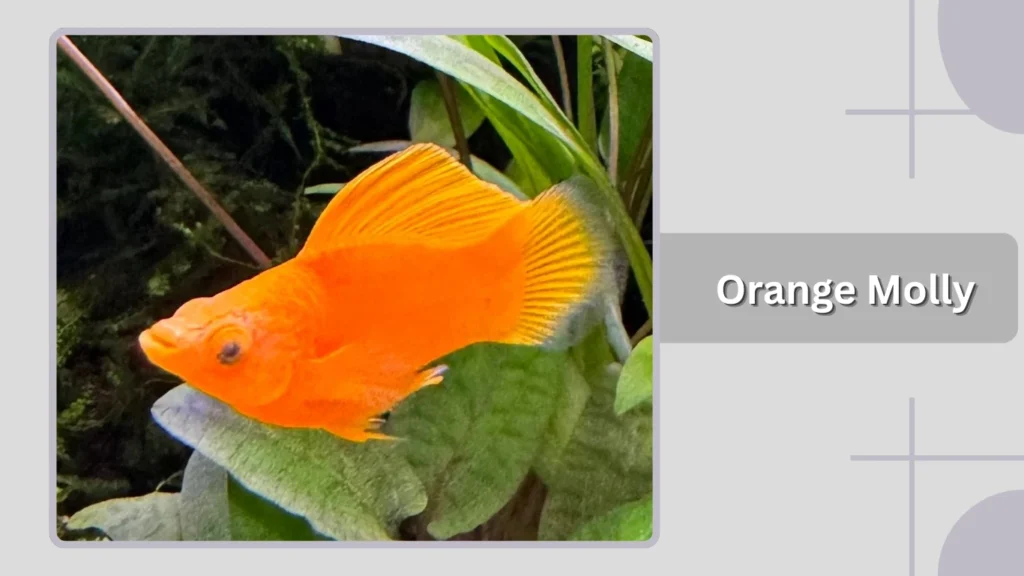
The Orange Molly is a vibrant and energetic variety known for its bright orange coloration. Its bold and warm tones make it highly noticeable in aquariums, adding a lively and colorful presence. This variety is popular among hobbyists who prefer eye-catching fish with simple yet striking beauty.
Identification
- Bright orange body ranging from light to deep shades
- Smooth, solid coloration with minimal or no patterns
- Fins often match the body color or appear slightly translucent
- Males are smaller with a pointed anal fin
- Females are larger with a fuller and rounder body
Habitat
Orange Mollies thrive in freshwater aquariums with stable, clean, and slightly alkaline water. They prefer temperatures between 72–82°F and a pH range of 7.5 to 8.5. They can also adapt to mild brackish conditions. A well-planted tank with open swimming areas is ideal, as it provides both shelter and space. Moderate lighting helps enhance their bright coloration, while gentle filtration keeps the water conditions consistent and healthy.
Behavior
These mollies are peaceful, active, and highly social fish. They enjoy swimming in groups and are constantly exploring their surroundings. Orange Mollies are generally non-aggressive, though males may occasionally show mild dominance during breeding. They are excellent for community tanks and get along well with other calm and similarly sized fish, contributing to a lively aquarium environment.
Care
Orange Mollies are easy to care for and suitable for beginners. Provide a balanced diet that includes high-quality flakes, pellets, and plant-based foods like algae or spirulina. Occasional live or frozen foods can improve their health and color. Regular water changes, proper filtration, and stable parameters are essential. Avoid overcrowding and ensure good tank maintenance to keep them healthy and vibrant.
13. Red Molly
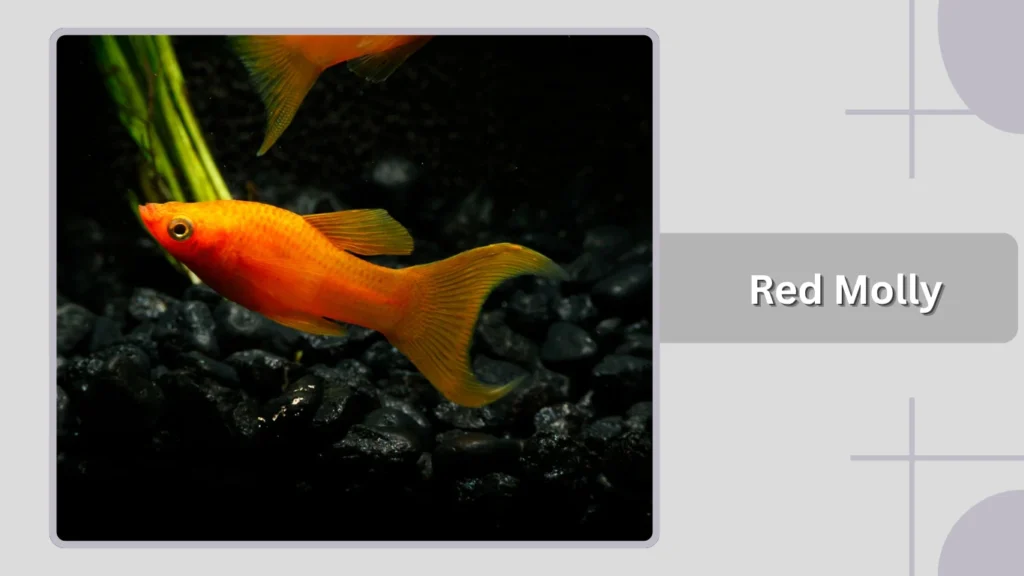
The Red Molly is a bold and vibrant variety admired for its intense red coloration. Its bright and eye-catching appearance makes it a centerpiece fish in many aquariums. This variety is especially popular among hobbyists who want strong, vivid colors that stand out clearly in both planted and simple tank setups.
Identification
- Deep red to bright crimson body coloration
- Smooth, solid color with little to no pattern
- Fins usually match the body color or appear slightly translucent
- Some strains may show a faint metallic sheen
- Males are smaller with a pointed anal fin
- Females are larger with a rounder and fuller body
Habitat
Red Mollies thrive in freshwater aquariums with stable, clean, and slightly alkaline water. They prefer temperatures between 72–82°F and a pH range of 7.5 to 8.5. They can also tolerate mild brackish conditions, which can improve their health. A spacious tank with plants and open swimming areas is ideal. Moderate lighting enhances their red tones, while gentle filtration ensures a stable and healthy environment.
Behavior
These mollies are peaceful, active, and social fish. They enjoy being kept in small groups and are constantly swimming around the tank. Red Mollies are generally non-aggressive, though males may show mild chasing behavior during breeding. They mix well with other calm fish and contribute to a lively and active community aquarium.
Care
Red Mollies are easy to care for and suitable for beginners. Feed them a varied diet including flakes, pellets, and plant-based foods like algae or spirulina. Occasional live or frozen foods can boost their color and health. Regular water changes, good filtration, and stable parameters are essential. Providing a balanced diet and clean environment will help maintain their bright red coloration and overall well-being.
14. White Molly
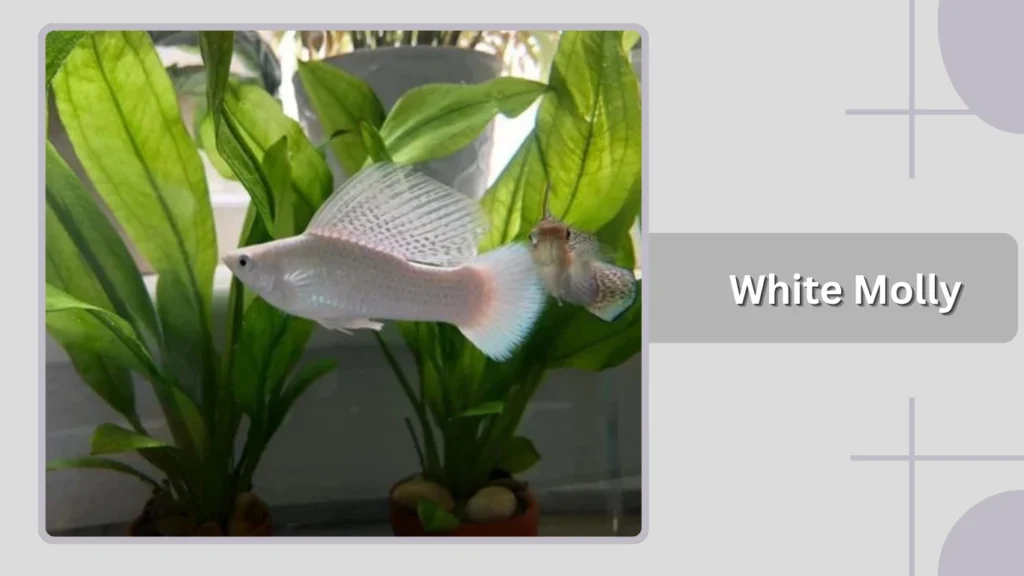
The White Molly is a clean and elegant variety known for its soft, pale coloration. Its simple yet graceful appearance makes it a great choice for aquarists who prefer a calm and minimal aesthetic. Under proper lighting, it can display a subtle pearly shine that enhances its beauty.
Identification
- Solid white or creamy body coloration
- May have a slight pearly or translucent sheen
- Smooth, uniform appearance with no visible patterns
- Fins are usually white or lightly transparent
- Males are smaller with a pointed anal fin
- Females are larger with a fuller, rounded body
Habitat
White Mollies thrive in freshwater aquariums with stable, clean, and slightly alkaline water. They prefer temperatures between 72–82°F and a pH range of 7.5 to 8.5. They can also tolerate mild brackish conditions. A well-planted tank with open swimming areas is ideal. Moderate lighting helps highlight their pale coloration, while gentle filtration maintains a healthy and stable environment.
Behavior
These mollies are peaceful, social, and active fish. They enjoy being kept in small groups and are often seen swimming calmly throughout the tank. They are generally non-aggressive, although males may occasionally show mild chasing behavior during breeding. White Mollies mix well with other calm fish and help create a balanced and peaceful community aquarium.
Care
White Mollies are easy to care for and suitable for beginners. Provide a balanced diet that includes flakes, pellets, and plant-based foods like algae or spirulina. Occasional live or frozen foods can improve their health. Regular water changes, proper filtration, and stable water parameters are essential to keep them healthy and maintain their clean, bright appearance.
15. Green Molly
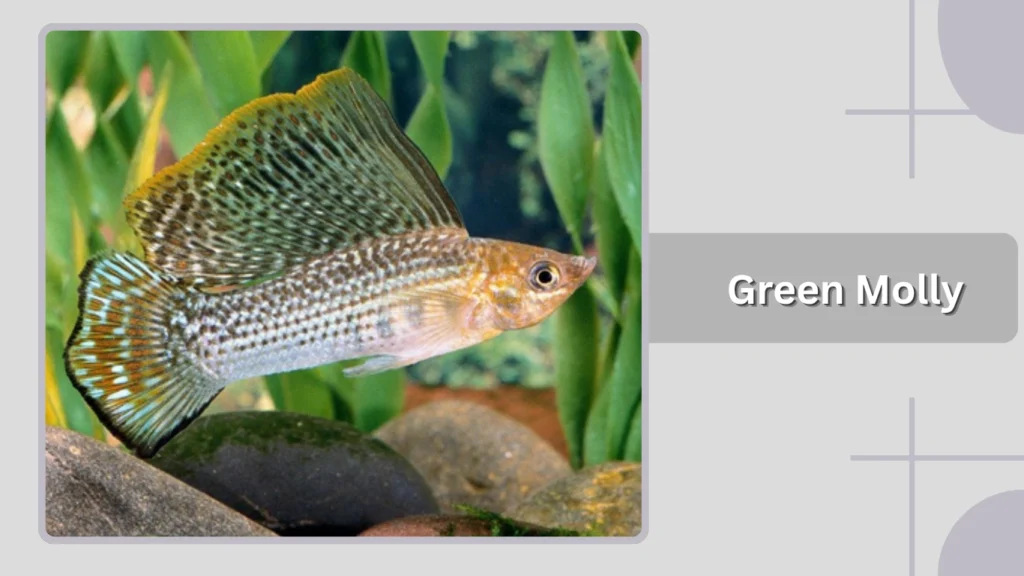
The Green Molly is a unique and less common variety known for its subtle greenish hue. Its coloration can range from light olive to deeper green tones, often with a slight metallic shine. This natural-looking fish is ideal for aquarists who prefer a more earthy and balanced aquarium aesthetic.
Identification
- Body displays shades of green, from light olive to deeper tones
- May show a faint metallic or iridescent sheen
- Color is usually smooth with minimal patterning
- Fins often match the body or appear slightly translucent
- Males are smaller with a pointed anal fin
- Females are larger with a fuller, rounded body
Habitat
Green Mollies thrive in freshwater aquariums with stable, clean, and slightly alkaline water. They prefer temperatures between 72–82°F and a pH range of 7.5 to 8.5. They can also adapt to mild brackish conditions. A heavily planted tank works especially well, as it complements their natural coloration. Gentle filtration and moderate lighting help maintain a comfortable and healthy environment.
Behavior
These mollies are peaceful, active, and social fish. They enjoy being in groups and are often seen swimming throughout the tank. Green Mollies are generally non-aggressive, though males may show mild chasing behavior during breeding. They are compatible with other calm fish and contribute to a balanced and active community aquarium.
Care
Green Mollies are easy to care for and suitable for beginners. Provide a balanced diet including flakes, pellets, and plant-based foods like algae or spirulina. Occasional live or frozen foods can improve their health and coloration. Regular water changes, proper filtration, and stable conditions are essential to keep them healthy and thriving.
16. Green Molly
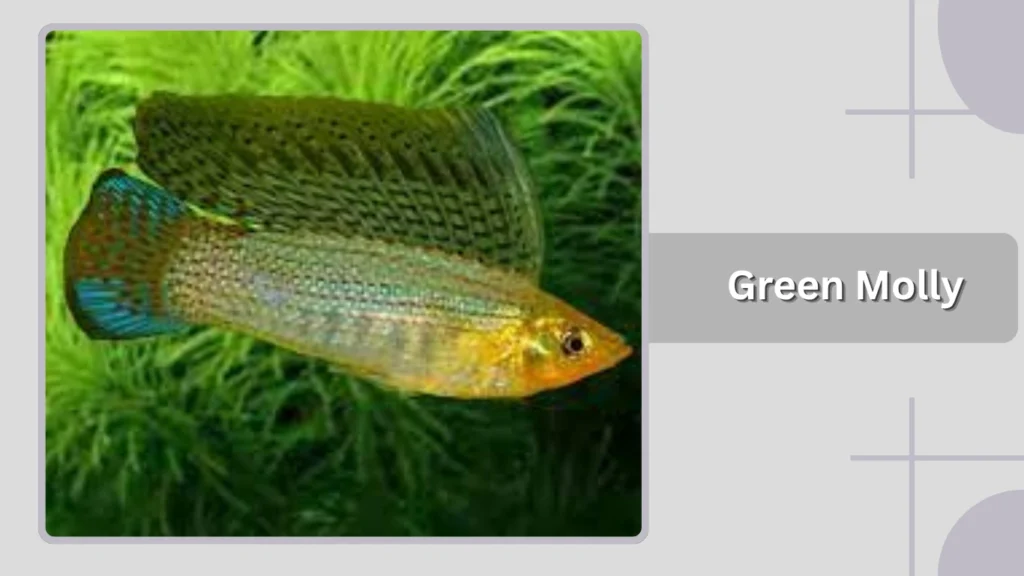
The Blue Molly is a beautiful and calming variety known for its cool-toned blue coloration. Its shades can range from light sky blue to deeper steel or navy tones, often with a subtle metallic sheen. This variety adds a peaceful and elegant look to any aquarium.
Identification
- Body displays shades of blue from light to dark
- May have a slight metallic or iridescent shine
- Smooth coloration with little to no pattern
- Fins often match the body or appear slightly translucent
- Males are smaller with a pointed anal fin
- Females are larger with a fuller, rounded body
Habitat
Blue Mollies thrive in freshwater aquariums with stable, clean, and slightly alkaline water. They prefer temperatures between 72–82°F and a pH range of 7.5 to 8.5. They can also tolerate mild brackish conditions. A well-planted tank with open swimming areas is ideal. Moderate lighting enhances their blue tones, while gentle filtration keeps the environment stable.
Behavior
These mollies are peaceful, social, and active fish. They enjoy being in groups and are often seen swimming throughout the tank. Blue Mollies are generally non-aggressive, though males may occasionally show mild chasing behavior during breeding. They get along well with other calm fish and help create a lively but balanced community aquarium.
Care
Blue Mollies are easy to care for and suitable for beginners. Provide a balanced diet including flakes, pellets, and plant-based foods like algae or spirulina. Occasional live or frozen foods can improve their health. Regular water changes, proper filtration, and stable water conditions are essential to maintain their color and overall well-being.
17. Yellow Molly
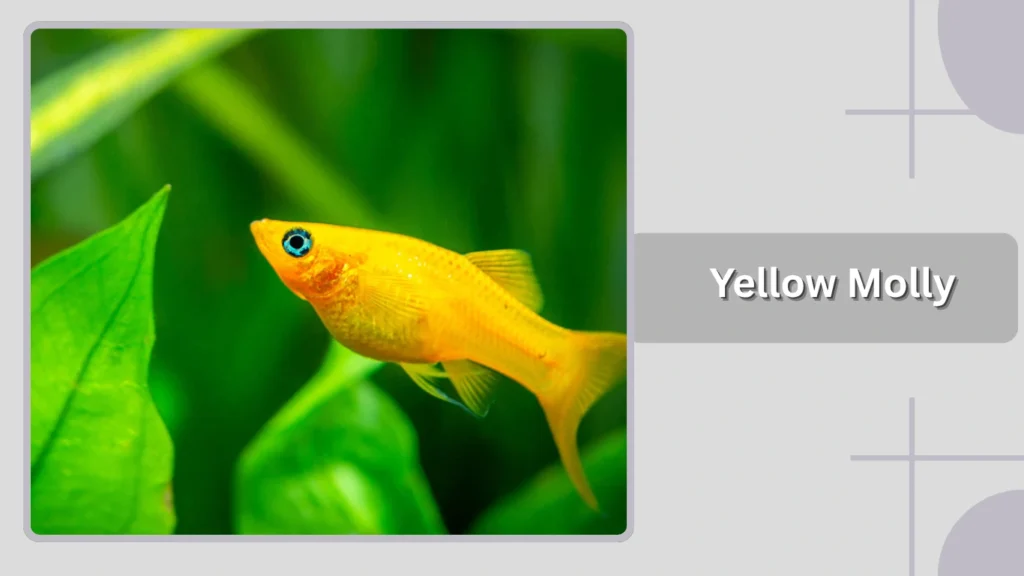
The Yellow Molly is a bright and cheerful variety known for its sunny yellow coloration. Its vibrant tone brings warmth and energy to any aquarium, making it a favorite for hobbyists who want a lively and colorful display.
Identification
- Body displays shades of yellow from pale to deep golden
- Smooth, solid coloration with minimal patterning
- May have a slight metallic or glossy sheen
- Fins often match the body color or appear lightly translucent
- Males are smaller with a pointed anal fin
- Females are larger with a fuller, rounded body
Habitat
Yellow Mollies thrive in freshwater aquariums with stable, clean, and slightly alkaline water. They prefer temperatures between 72–82°F and a pH range of 7.5 to 8.5. They can also adapt to mild brackish conditions. A well-planted tank with open swimming areas is ideal. Moderate lighting enhances their bright yellow tones, while gentle filtration ensures a stable and healthy environment.
Behavior
These mollies are peaceful, active, and social fish. They enjoy being kept in groups and are constantly swimming around the tank. Yellow Mollies are generally non-aggressive, although males may show mild chasing during breeding. They are compatible with other calm fish and contribute to a vibrant and active community aquarium.
Care
Yellow Mollies are easy to care for and suitable for beginners. Provide a balanced diet including flakes, pellets, and plant-based foods like algae or spirulina. Occasional live or frozen foods can boost their health. Regular water changes, proper filtration, and stable conditions are essential to maintain their bright color and overall well-being.
18. Black Sailfin Molly
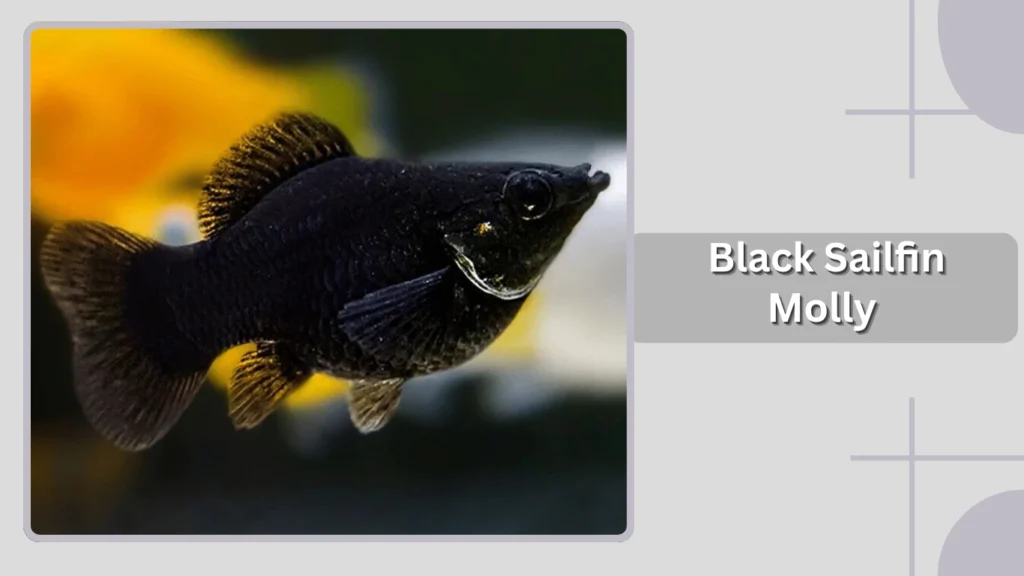
The Black Sailfin Molly is a striking combination of deep black coloration and an impressive sail-like dorsal fin. This variety stands out due to its bold appearance and graceful swimming style, making it a centerpiece fish in many aquariums.
Identification
- Solid black body with a smooth, velvety appearance
- Large sail-like dorsal fin, especially prominent in males
- Fins are usually fully black and well-developed
- Males are smaller with a larger, more extended dorsal fin
- Females are larger with a shorter, rounded dorsal fin
Habitat
Black Sailfin Mollies thrive in freshwater aquariums with stable, clean, and slightly alkaline water. They prefer temperatures between 72–82°F and a pH range of 7.5 to 8.5. They can also tolerate mild brackish conditions. A spacious tank is important to accommodate their large fins. Adding plants and maintaining gentle water flow helps create a comfortable and natural environment.
Behavior
These mollies are peaceful, active, and social fish. They enjoy being in groups and are often seen swimming gracefully across the tank. Males may display their large dorsal fins during courtship or mild competition. They are generally non-aggressive and mix well with other calm fish in community aquariums.
Care
Black Sailfin Mollies are moderately easy to care for but require consistent water quality. Feed them a balanced diet including flakes, pellets, and plant-based foods like algae or spirulina. Regular water changes and proper filtration are essential. Providing enough space and maintaining stable conditions will help keep their fins healthy and their color deep and rich.
19. Dalmatian Lyretail Molly
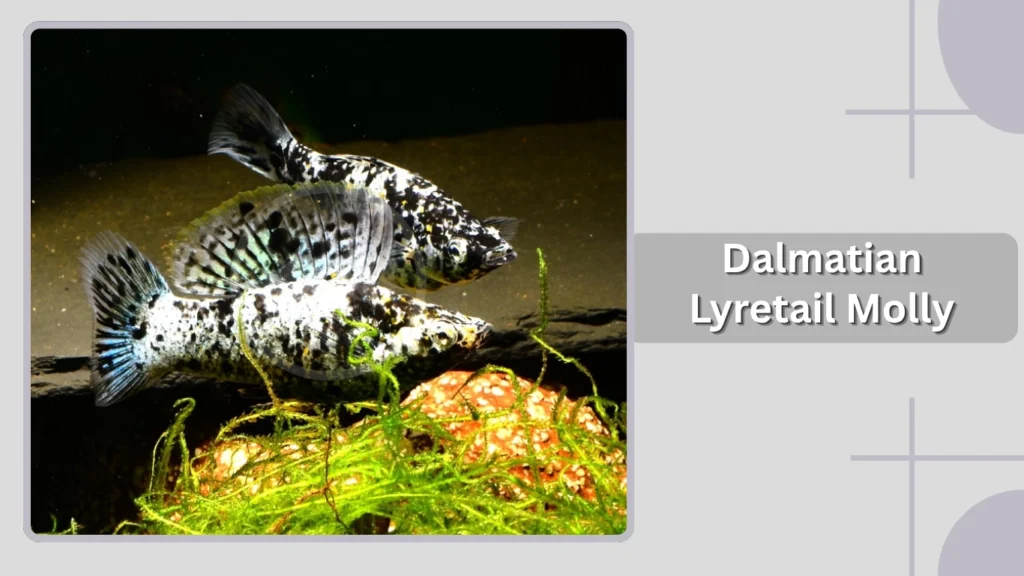
The Dalmatian Lyretail Molly is a visually striking variety that combines the spotted pattern of the Dalmatian Molly with the elegant tail shape of the Lyretail Molly. This combination creates a unique and decorative fish that stands out in any aquarium.
Identification
- White or silver body with black Dalmatian-style spots
- Tail features extended upper and lower rays forming a lyre shape
- Spotted pattern may extend into the fins
- Males have more pronounced lyretail extensions
- Females are larger with shorter and less defined tail shapes
Habitat
Dalmatian Lyretail Mollies thrive in freshwater aquariums with stable, clean, and slightly alkaline water. They prefer temperatures between 72–82°F and a pH range of 7.5 to 8.5. They can also tolerate mild brackish conditions. A tank with gentle water flow is important, as strong currents can strain their extended tail fins. Plants and open swimming areas provide comfort and balance.
Behavior
These mollies are peaceful, social, and moderately active. They enjoy being in groups and are often seen swimming gracefully around the tank. Males may display their unique tails during courtship. They are generally non-aggressive and suitable for community aquariums with other calm fish.
Care
Dalmatian Lyretail Mollies require careful maintenance due to their delicate tail fins. Provide a balanced diet including flakes, pellets, and plant-based foods like algae or spirulina. Regular water changes and proper filtration are essential. Avoid sharp decorations and aggressive tank mates to protect their fins and maintain their distinctive appearance.
20. Balloon Sailfin Molly
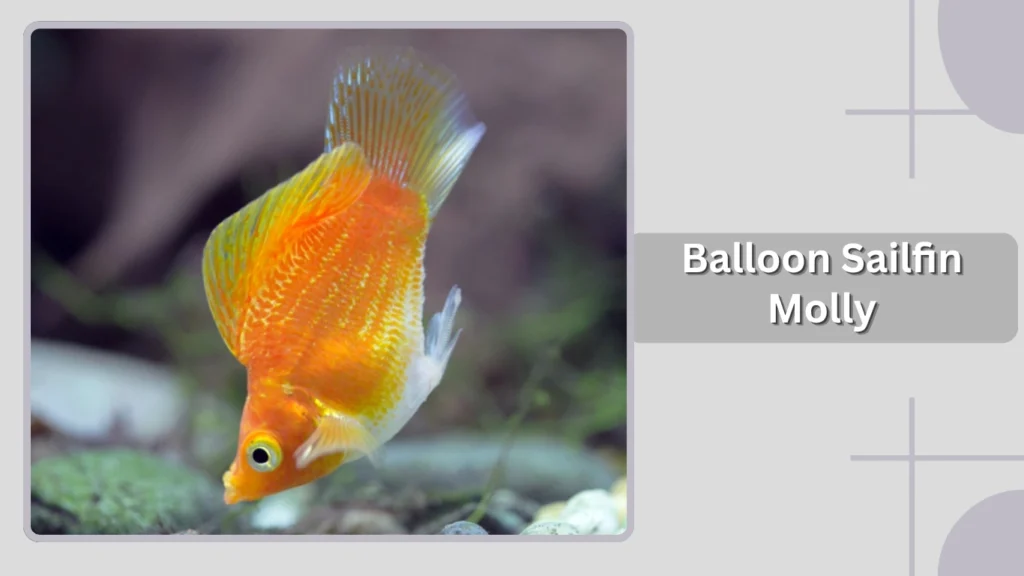
The Balloon Sailfin Molly is a unique combination of two distinctive traits: a rounded, balloon-like body and a large sail-like dorsal fin. This variety has a compact yet elegant appearance, making it a fascinating choice for aquarists who enjoy unusual and decorative fish.
Identification
- Short, rounded balloon-shaped body
- Large sail-like dorsal fin, more prominent in males
- Available in various colors and patterns
- Fins appear slightly smaller due to compact body shape
- Males are smaller with a larger dorsal fin
- Females are larger with a fuller, rounded body
Habitat
Balloon Sailfin Mollies thrive in freshwater aquariums with stable, clean, and slightly alkaline water. They prefer temperatures between 72–82°F and a pH range of 7.5 to 8.5. They can also tolerate mild brackish conditions. A tank with gentle water flow is essential, as their body shape and large fins make swimming more demanding. Open space and plants help create a balanced environment.
Behavior
These mollies are peaceful, social, and slightly slower swimmers compared to standard mollies. They enjoy being in groups and are often seen moving calmly around the tank. Males may display their dorsal fins during courtship. They are non-aggressive and do well in community aquariums with calm tank mates.
Care
Balloon Sailfin Mollies require extra attention due to their body structure and fin size. Feed them a balanced diet including flakes, pellets, and plant-based foods like algae or spirulina. Maintain excellent water quality with regular changes and proper filtration. Avoid strong currents, overcrowding, and aggressive fish to keep them healthy and stress-free.
FAQs
What is the most popular type of molly fish?
Black Molly and Sailfin Molly are among the most popular types. Black Mollies are loved for their solid dark color and hardiness, while Sailfin Mollies stand out due to their large, impressive dorsal fins. Both are widely available and easy to keep.
Which molly fish is best for beginners?
Black Molly and Silver Molly are great choices for beginners. They are hardy, adaptable, and can tolerate a range of water conditions. Their simple care requirements make them ideal for those new to aquarium fishkeeping.
Can mollies live in freshwater only?
Yes, mollies can live in freshwater, but they prefer slightly alkaline conditions and can benefit from mild brackish water. Adding a small amount of aquarium salt can improve their health, though it is not always necessary if water quality is well maintained.
How many mollies should be kept together?
Mollies are social fish and should be kept in groups of at least 3 to 5. Keeping more females than males helps reduce stress and aggression. A proper group setup encourages natural behavior and keeps them more active and comfortable.
What do molly fish eat?
Mollies are omnivores and need a balanced diet. They eat flakes, pellets, and plant-based foods like algae or spirulina. You can also offer occasional live or frozen foods such as brine shrimp or bloodworms to improve their nutrition and overall health.