
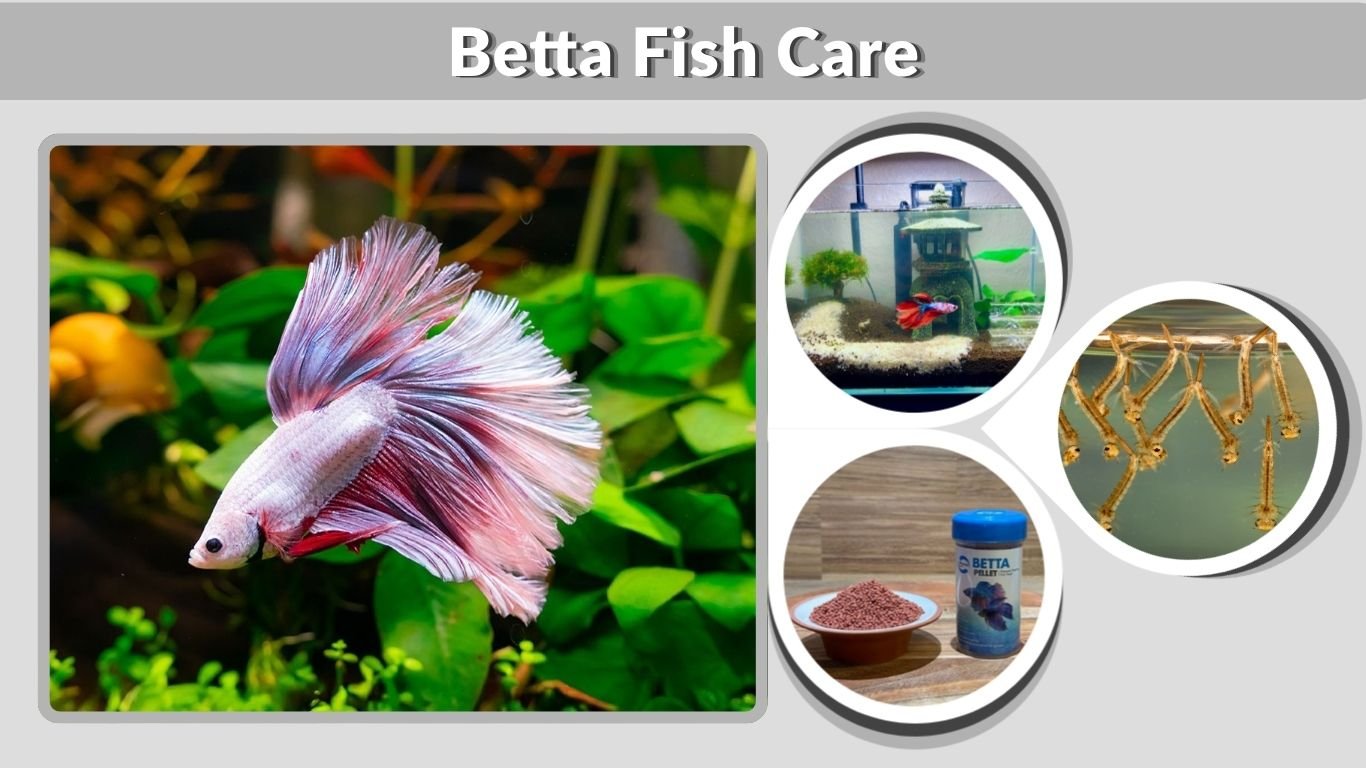
Betta fish are colorful, intelligent freshwater fish known for flowing fins, bold personalities, and easy beginner appeal. Also called Siamese fighting fish, bettas need more than a small bowl to live well. A healthy betta fish tank should include warm water, clean filtration, hiding spots, and proper food. This guide covers betta fish care, lifespan, tank setup, feeding, types, colors, diseases, and safe tank mates.
What Is a Betta Fish?
Betta fish are tropical freshwater fish from Southeast Asia. The most common pet betta is Betta splendens, often called the Siamese fighting fish. They are famous for their bright colors, long fins, and territorial behavior.
Betta Fish and Siamese Fighting Fish
Many people search for “betta fighting fish,” “Siamese fighting fish bettas,” or “fighting fish Betta splendens.” These terms usually refer to the same popular aquarium species. Male bettas are especially territorial and may fight other male bettas, which is why they are usually kept alone.
Where Do Betta Fish Come From?
Wild betta fish come from warm, slow-moving waters in Southeast Asia, including rice paddies, shallow ponds, canals, and marsh-like areas. These habitats are often full of plants and hiding places. In an aquarium, bettas feel more secure when their tank includes plants, gentle filtration, and calm swimming space.
Betta Fish Lifespan: How Long Do Betta Fish Live?
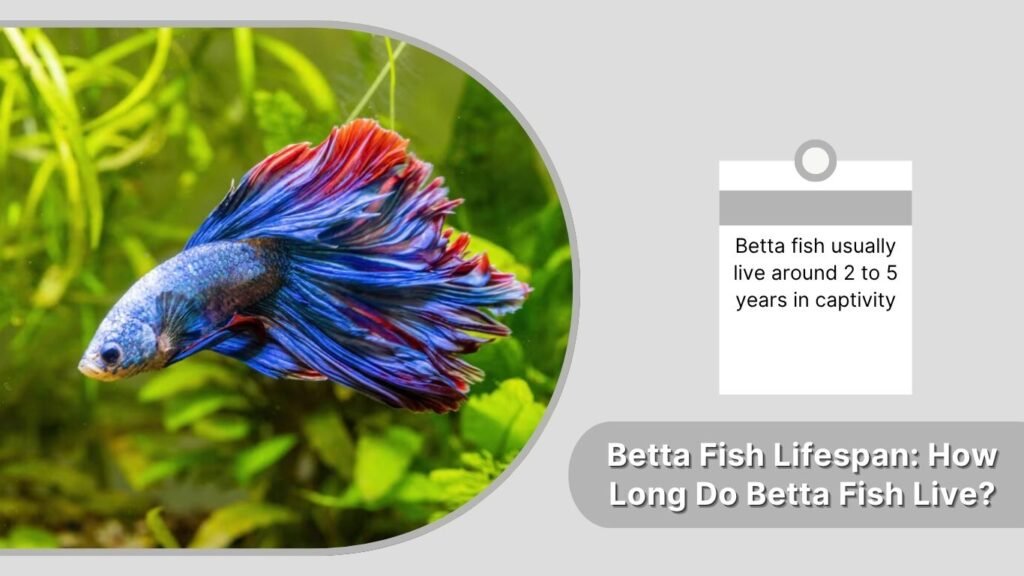
Betta fish usually live around 2 to 5 years in captivity, depending on genetics, water quality, diet, and overall care. Some bettas may live longer with excellent maintenance, stable water temperature, and a low-stress environment.
What Affects Betta Fish Life Expectancy?
Several factors influence how long a betta fish will live:
- Tank size: Larger tanks are easier to keep clean and stable.
- Water temperature: Bettas are tropical fish and need warm water.
- Food quality: A protein-rich diet supports color, energy, and immunity.
- Stress level: Aggressive tank mates, strong water flow, and poor hiding spots can shorten lifespan.
- Disease prevention: Clean water helps prevent fin rot, dropsy, and other common illnesses.
A betta kept in a tiny, unheated bowl may survive for a while, but it is less likely to thrive. A properly maintained aquarium gives the fish a much better chance at a long, active life.
Best Betta Fish Tank Setup
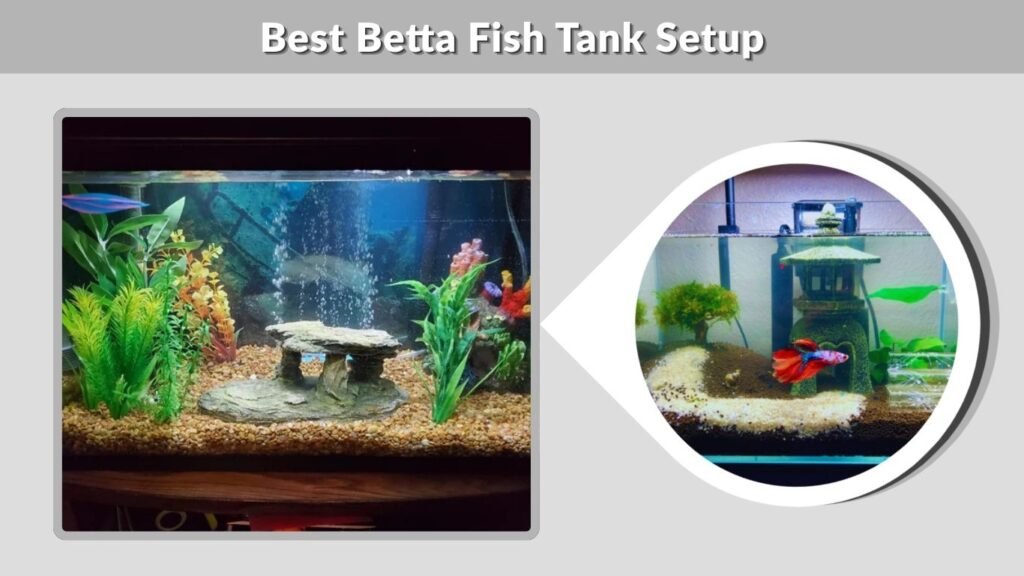
A good betta fish tank should be warm, filtered, and decorated safely. Bettas do not need a huge aquarium, but they should not be kept in tiny cups or unfiltered bowls.
Betta Fish Tank Size
A 5 gallon betta fish tank is a popular minimum recommendation for one betta. A 5 gallon tank gives your fish enough room to swim while making water quality easier to control. Bigger tanks, such as 10 gallons, are even better if you want more aquascaping options or carefully chosen tank mates.
A betta fish bowl is not ideal because bowls are usually too small, hard to heat, difficult to filter, and unstable in water quality. If you want a healthy betta fish aquarium, choose a rectangular tank with a lid, filter, heater, and thermometer.
Betta Fish Tank Heater
Many beginners ask, “Do betta fish need a heater?” In most homes, yes. Bettas are tropical fish and need steady warm water. Room temperature often changes throughout the day, and small tanks cool quickly.
Betta Fish Water Temperature
The ideal betta fish temperature is usually around 76°F to 81°F. A stable temperature is better than frequent changes. Water that is too cold can make bettas sluggish, reduce appetite, and weaken immunity. Water that is too warm can increase stress and lower oxygen levels.
Betta Fish Tank Setup Checklist
Use this simple checklist when setting up a tank:
- 5 gallon or larger aquarium
- Adjustable aquarium heater
- Gentle filter or sponge filter
- Thermometer
- Water conditioner
- Soft silk or live plants
- Smooth decorations and caves
- Aquarium lid
- Betta-safe food
- Water test kit
Avoid sharp plastic plants or rough decorations because they can tear delicate fins, especially on halfmoon betta fish and other long-finned varieties.
Betta Fish Food: What Do Betta Fish Eat?

Betta fish are carnivorous and need protein-rich food. In the wild, they eat small insects, larvae, and tiny aquatic animals. In an aquarium, the best food for betta fish is usually a high-quality betta pellet supported by occasional frozen, freeze-dried, or live treats.
Best Food for Betta Fish
Good betta foods include:
- Betta pellets
- Frozen bloodworms
- Frozen brine shrimp
- Daphnia
- Mosquito larvae
- Occasional freeze-dried treats
Pellets should be made for bettas, not generic tropical fish flakes. Betta fish food should be rich in animal protein and easy to portion.
How Often to Feed Betta Fish
Most adult bettas do well with small meals once or twice daily. Feed only what your betta can eat quickly. Overfeeding can cause bloating, dirty water, and health problems.
A simple feeding routine is:
- Morning: 2 to 4 small pellets
- Evening: 2 to 4 small pellets
- Treats: 1 to 2 times per week
- Fasting day: optional once per week if your betta tends to bloat
The exact amount depends on pellet size and the fish’s body condition. A healthy betta should look full but not swollen.
How Long Can a Betta Fish Go Without Food?
A healthy adult betta may survive several days without food, but that does not mean it should be left unfed casually. If you are away for a short trip, it is often safer to feed normally before leaving than to overfeed. For longer trips, use a trusted person or a carefully tested automatic feeder.
Betta Fish Types and Colors
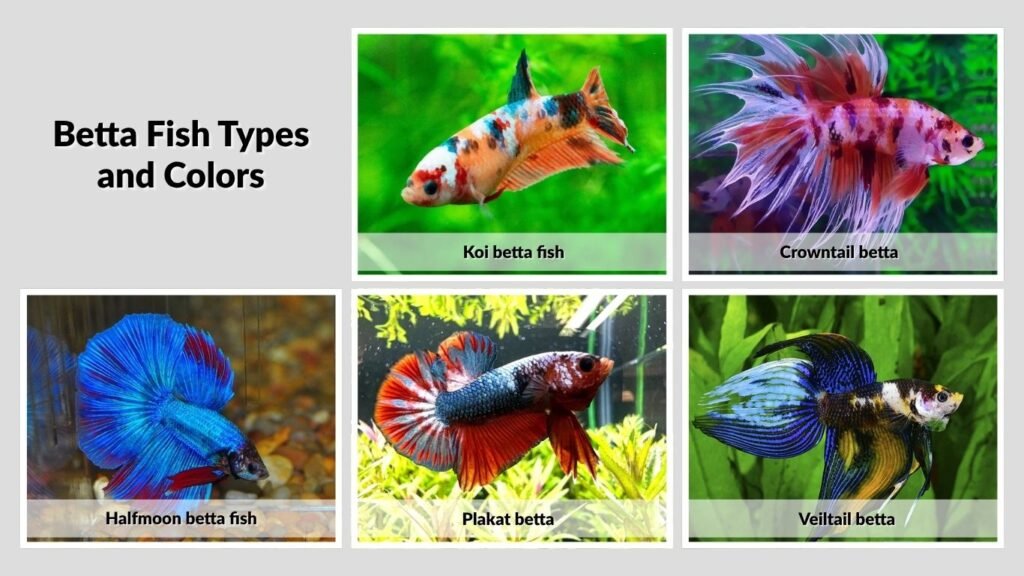
Betta fish come in many fin types, colors, and patterns. Searches like “blue betta fish,” “pink betta fish,” “black betta fish,” “white betta fish,” “purple betta fish,” “red betta fish,” “green betta fish,” “rainbow betta fish,” and “koi betta fish” all refer to popular color varieties.
Common Types of Betta Fish
Here is a quick guide to common betta varieties:
| Betta Type | Main Feature | Best For |
| Halfmoon betta fish | Wide 180-degree tail spread | Display tanks |
| Koi betta fish | Marbled koi-like pattern | Color collectors |
| Crowntail betta | Spiky-looking fin rays | Unique appearance |
| Plakat betta | Short fins, active body | Strong swimmers |
| Veiltail betta | Long downward tail | Beginner keepers |
| Dumbo betta | Large pectoral fins | Ornamental tanks |
| Female betta fish | Shorter fins, active behavior | Experienced community setups |
Male Betta Fish vs Female Betta Fish
Male betta fish usually have longer fins, brighter colors, and stronger territorial behavior. Female betta fish often have shorter fins and may be less aggressive, but they can still fight. A female betta fighting fish can be just as bold as a male, especially in a small or stressful tank.
Female bettas are sometimes kept in groups called sororities, but this setup is not recommended for beginners. It needs a larger tank, heavy planting, careful monitoring, and backup tanks in case fighting starts.
Can Betta Fish Live With Other Fish?
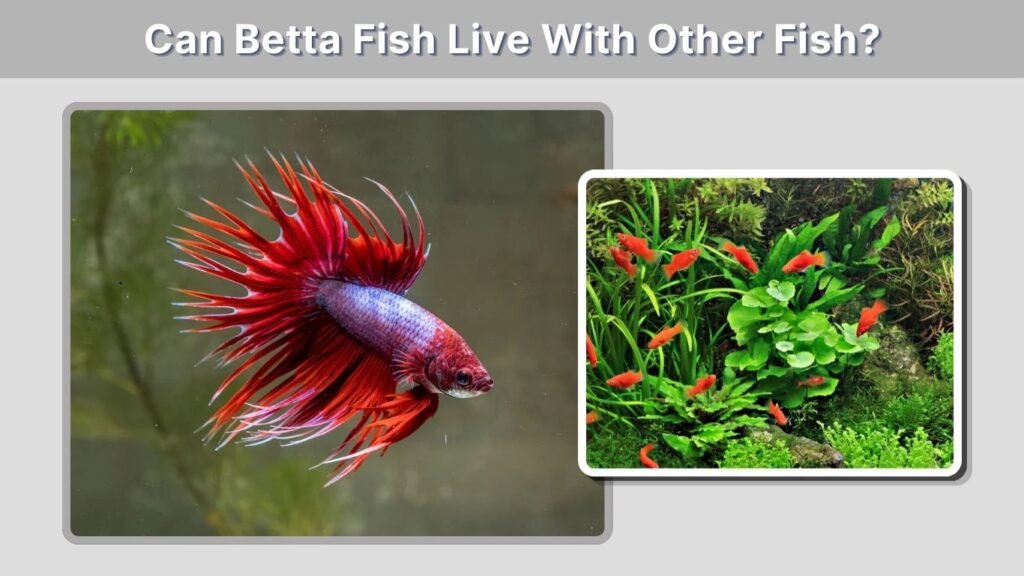
Many people ask, “Can betta fish live with other fish?” The answer is sometimes, but it depends on the betta’s personality, tank size, and tank mates. Some bettas tolerate peaceful fish, while others attack anything that moves.
Best Betta Fish Tank Mates
In a larger, well-planted tank, possible betta tank mates may include:
- Corydoras catfish
- Kuhli loaches
- Harlequin rasboras
- Ember tetras
- Nerite snails
- Mystery snails
- Amano shrimp
Choose calm species that do not nip fins and do not look like another betta. A 10 gallon tank or larger is better for most community setups.
What Fish Can Live With Bettas?
Good tank mates should be peaceful, fast enough to avoid trouble, and comfortable in similar warm water. Avoid aggressive fish, fin nippers, and fish with long colorful fins. Guppies, tiger barbs, and other flashy or nippy fish can cause problems.
Can Betta Fish Live With Other Betta?
Male bettas should not live with other male bettas. They are likely to fight, sometimes seriously. Male and female bettas should not be housed together except temporarily for controlled breeding by experienced keepers. Female bettas can sometimes live with other females in a carefully planned sorority, but this is risky and requires experience.
Betta Fish Behavior
Betta fish are active, curious, and interactive. Many learn to recognize their owners and come to the front of the tank during feeding time.
Do Betta Fish Sleep?
Yes, betta fish sleep. They may rest on leaves, decorations, the filter sponge, or the tank bottom. Some bettas sleep in odd positions, which can worry new owners. If your betta wakes up, swims normally, and eats well, resting is usually normal.
Betta Fish Bubble Nest
A betta fish bubble nest is a cluster of bubbles, usually made by a male betta at the water surface. It can be a breeding behavior, but it does not always mean the fish is ready to breed or that the tank is perfect. Healthy, comfortable males often build bubble nests, but some healthy males never do.
Betta Fish Toys and Enrichment
Bettas benefit from mental stimulation. Safe enrichment ideas include floating logs, betta hammocks, live plants, caves, and occasional mirror exercise. Do not leave a mirror in the tank for long periods because it can stress the fish.
Common Betta Fish Diseases
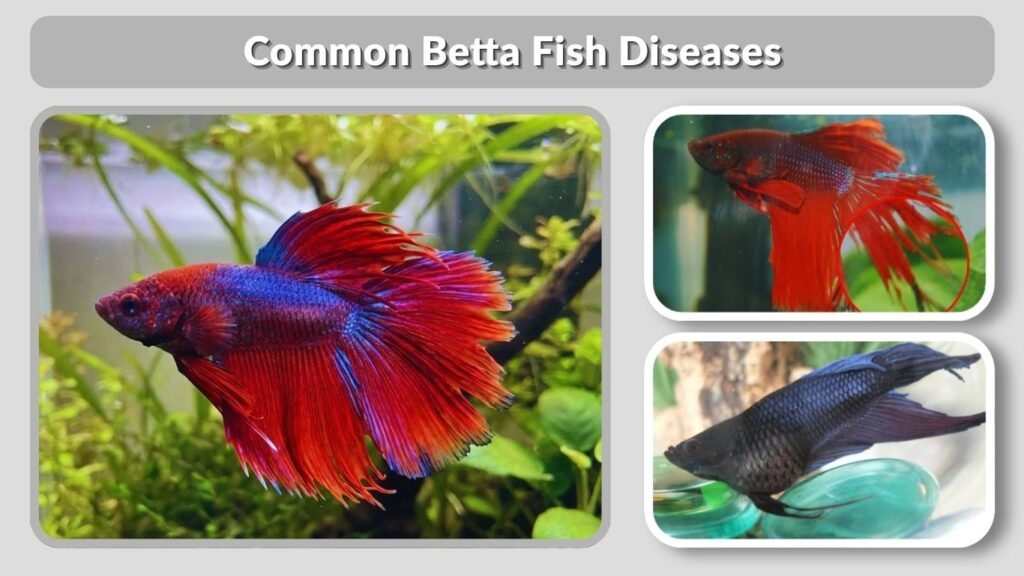
Good betta fish maintenance helps prevent disease. Poor water quality, cold water, stress, and overfeeding are common causes of health issues.
Betta Fish Fin Rot
Fin rot causes fins to look ragged, frayed, darkened, or melted. It is often linked to poor water quality or injury. Early treatment usually starts with testing water, improving tank cleanliness, and removing sharp decorations.
Betta Fish Dropsy
Dropsy is a serious symptom, not one simple disease. A betta with dropsy may look swollen, with scales sticking out like a pinecone. This can be linked to internal infection, organ failure, or severe stress. Dropsy is difficult to treat, so prevention through clean water and proper feeding is important.
Signs Your Betta Fish May Be Sick
Watch for these warning signs:
- Clamped fins
- Loss of appetite
- White spots
- Swollen belly
- Torn or shrinking fins
- Gasping at the surface
- Lethargy
- Erratic swimming
- Faded color
- Pinecone-like scales
If you notice symptoms, test the water first. Ammonia, nitrite, nitrate, pH, and temperature problems often appear before disease becomes obvious.
Breeding of Betta Fish
Breeding betta fish is not a beginner project. Bettas can injure each other during courtship, and fry need special food and careful water care. A male betta usually builds a bubble nest, wraps around the female during spawning, and places fertilized eggs in the nest.
After spawning, the female is usually removed. The male guards the eggs until they hatch. Once the fry become free-swimming, the male is also removed. Raising young bettas takes multiple grow-out tanks, live foods, and time.
Buying Betta Fish
People often search for “betta fish for sale,” “betta fish near me,” “Petco betta fish,” “Petsmart betta fish,” and “buy betta fish online.” Before buying, check the fish’s health and prepare the tank first.
How Much Does a Betta Fish Cost?
Betta fish cost varies by type, color, fin shape, and source. Common bettas may be inexpensive, while rare betta fish, koi bettas, giant bettas, or show-quality halfmoon bettas can cost much more. Remember that the fish is usually the cheapest part. The tank, heater, filter, food, plants, and water care supplies matter more for long-term success.
How to Choose a Healthy Betta
Look for a betta with:
- Clear eyes
- Smooth scales
- No white spots
- No fuzzy patches
- No severe fin damage
- Active swimming
- Good body shape
- Interest in food or movement
Avoid fish that are floating sideways, gasping constantly, pineconing, extremely thin, or sitting motionless in dirty water.
Betta Fish Maintenance
Betta fish care becomes easier with a routine. A clean, stable tank is better than frequent large changes that shock the fish.
Weekly Betta Tank Care
For a healthy tank:
- Test water regularly.
- Change part of the water weekly.
- Use water conditioner for tap water.
- Rinse filter media gently in old tank water.
- Remove uneaten food.
- Trim dying plant leaves.
- Check heater and thermometer.
- Watch your betta’s appetite and behavior.
Never wash filter media under untreated tap water because chlorine can harm beneficial bacteria.
FAQs
How big do betta fish get?
Most betta fish grow to about 2 to 3 inches long, not including extra-long fins. Males with large fins may look bigger, while female bettas and plakat bettas often appear shorter and more compact.
Can bettas live with other fish?
Some bettas can live with peaceful tank mates in a larger, planted aquarium. Good options may include corydoras, rasboras, kuhli loaches, and snails. Avoid fin nippers, aggressive fish, and other male bettas.
Do betta fish need a heater?
Yes, most betta tanks need a heater because bettas are tropical fish. Stable warm water supports digestion, activity, and immune health. A thermometer helps you confirm the tank stays in the proper range.
What is the best tank size for a betta fish?
A 5 gallon tank is a strong minimum for one betta. A 10 gallon tank is even better because it offers more swimming space, more stable water quality, and better options for plants or peaceful tank mates.
What do betta fish eat?
Betta fish eat protein-rich foods. A quality betta pellet should be the main diet, with occasional treats like frozen bloodworms, brine shrimp, daphnia, or mosquito larvae. Avoid overfeeding because leftover food can pollute the water.