
Plecostomus fish are popular freshwater catfish known for their armored bodies, sucker-shaped mouths, and algae-eating habits. Many aquarium owners wonder how long plecostomus live and what conditions help them survive for years. These fish can have surprisingly long lifespans compared with other common aquarium species. However, their longevity depends on species, water quality, nutrition, and available space. Some plecos also have specific temperature requirements and compatibility concerns. Understanding their lifespan, natural habitat, tank mates, and care requirements helps fishkeepers maintain healthier aquariums and avoid common mistakes.
How Long Do Plecostomus Live?
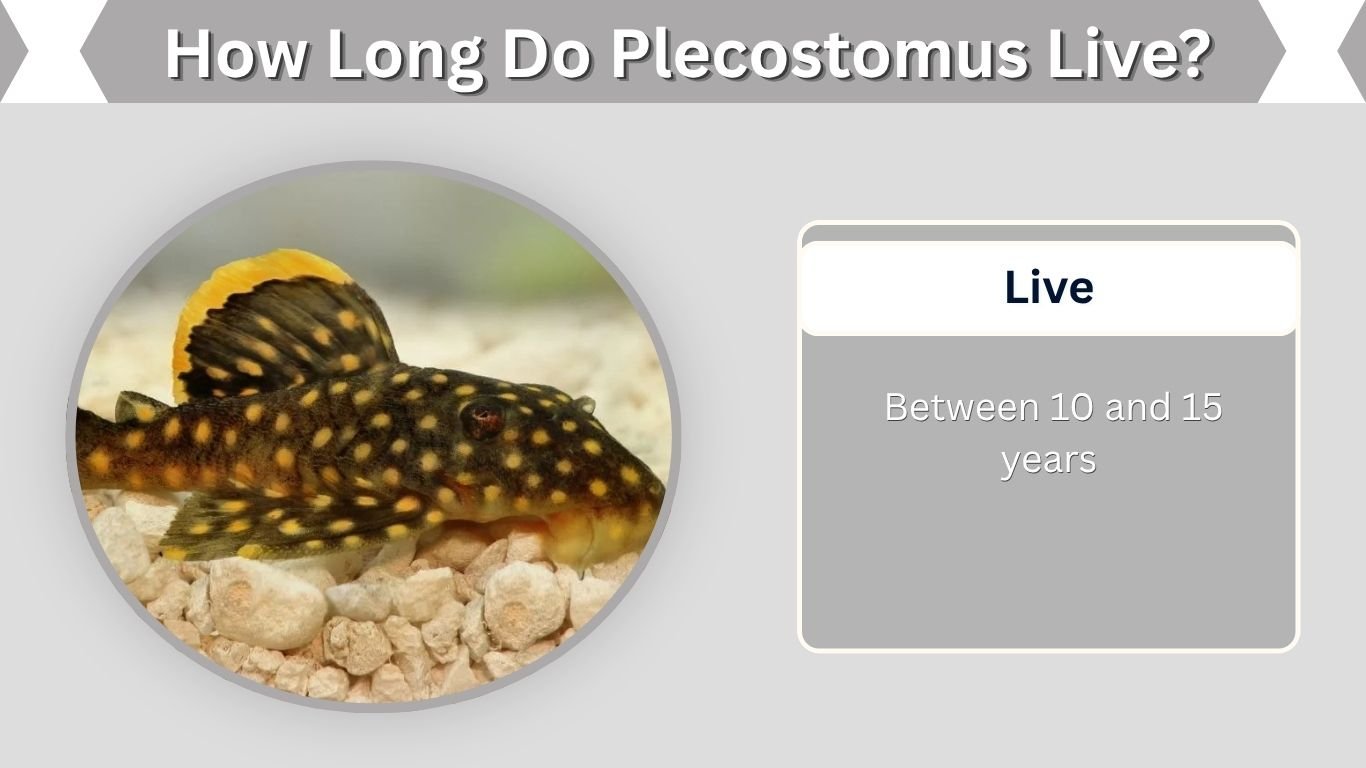
Plecostomus fish commonly live between 10 and 15 years in well-maintained aquariums, although their lifespan varies significantly between species. Some smaller varieties live approximately 5–10 years, while certain larger species can survive for 20 years or longer under excellent conditions.
Proper aquarium care, suitable food, and consistent water conditions play important roles in determining how long these fish survive.
Plecostomus Lifespan by Species
Different plecostomus species have different life expectancies:
- Common Plecostomus: Approximately 10–20 years.
- Bristlenose Plecostomus: Approximately 5–10 years, sometimes longer.
- Clown Plecostomus: Around 8–12 years.
- Rubber Lip Plecostomus: Approximately 8–12 years.
- Sailfin Plecostomus: Often 10–20 years.
These ranges are estimates rather than guarantees. Individual fish may live shorter or longer depending on genetics and aquarium conditions.
What Affects Plecostomus Lifespan?
Several environmental and biological factors influence plecostomus longevity. Although these fish are generally hardy, they can develop health problems when aquarium conditions become unsuitable. Poor water quality, inadequate nutrition, and overcrowding are particularly common causes of stress.
Understanding these factors allows fishkeepers to create a stable environment that supports long-term survival.
Important Factors That Affect Lifespan
- Water quality: Ammonia and nitrite exposure can damage fish health.
- Tank size: Insufficient space can cause chronic stress and restrict normal behavior.
- Nutrition: A species-appropriate diet supports growth and immunity.
- Temperature: Sudden fluctuations can weaken fish.
- Filtration: Effective filtration maintains cleaner, healthier water.
- Tank mates: Aggressive companions may cause injury and stress.
- Genetics: Inherited characteristics can influence overall longevity.
Does Tank Size Affect Plecostomus Lifespan?
Yes, aquarium size can significantly influence plecostomus health and longevity.
Common plecos often grow beyond 12 inches and require very large aquariums, frequently 125 gallons or more as adults. Bristlenose plecos remain smaller and can usually be maintained in appropriately equipped 20–30-gallon aquariums.
A common plecostomus should not be kept permanently in a 10-gallon tank.
Where Do Plecostomus Live in the Wild?
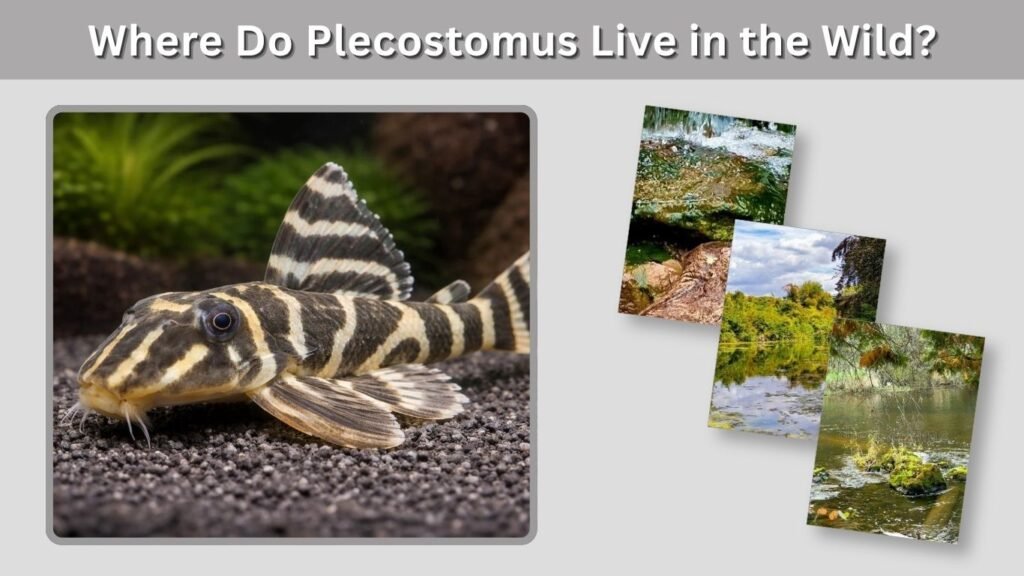
Plecostomus fish originate primarily from freshwater habitats in Central and South America, depending on the species. They inhabit rivers, streams, and other freshwater environments containing submerged wood, rocks, and vegetation.
Their natural surroundings provide surfaces for grazing, sheltered resting places, and access to organic food materials.
What Temperature Do Plecostomus Live In?
Most commonly kept tropical plecostomus species prefer temperatures around 72–82°F (22–28°C), although exact requirements vary.
Some species tolerate slightly warmer or cooler conditions. Maintaining stable temperatures within the appropriate species-specific range is more important than constantly adjusting the aquarium heater.
Can Plecostomus Live in Cold Water?
Most tropical plecostomus species cannot live permanently in cold water. Although some tolerate brief temperature reductions, prolonged exposure can reduce activity, weaken immune function, and eventually cause serious health problems.
Water around 69°F (21°C) may be tolerated by certain species but is unsuitable as a long-term temperature for many tropical plecos.
Can Plecostomus Survive Winter?
Plecostomus survival during winter depends on water temperature and species tolerance.
In an indoor heated aquarium, seasonal changes usually present little difficulty. However, outdoor fish exposed to freezing temperatures or prolonged cold conditions may die.
Tropical plecos should not be expected to survive winter in an unheated pond.
Can Plecostomus Live in an Outdoor Pond?
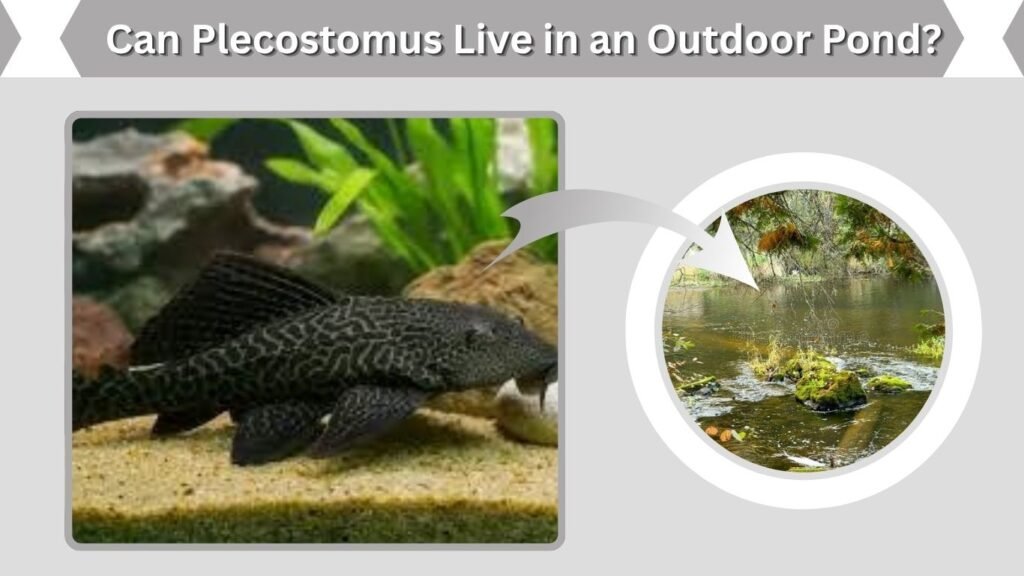
Plecostomus fish can live in suitably maintained outdoor ponds when temperatures remain within their preferred range. However, outdoor conditions introduce challenges, including sudden temperature changes, predators, and water-quality fluctuations.
Pond owners should consider adult fish size, oxygen availability, filtration, and seasonal temperature variations before introducing plecos.
Can Plecostomus Live With Koi?
Plecostomus and koi are not ideal long-term companions in many outdoor ponds.
Koi tolerate cooler temperatures than most tropical plecos. Large plecos may also occasionally attach to slow-moving fish and damage their protective slime coats.
If they are housed together, temperature compatibility, sufficient space, and close observation are essential.
Can Plecostomus Live With Other Fish?

Plecostomus fish are generally peaceful, but compatibility depends on their size, species, temperament, and environment. Smaller plecos often coexist with community fish, while large individuals may become territorial.
Tank mates should require similar water temperatures and have enough room to avoid competition.
Compatible and Incompatible Tank Mates
- Betta fish: Small, peaceful plecos may coexist with bettas in sufficiently large aquariums, depending on the betta’s temperament.
- Neon tetras: Usually compatible with appropriately sized, peaceful plecos.
- GloFish: Some GloFish varieties can coexist with plecos when water requirements match.
- Goldfish: Generally not recommended because of temperature differences and possible slime-coat injuries.
- Oscars: Sometimes housed with large plecos, but aggression and space requirements create risks.
- Turtles: Not recommended because turtles may injure or eat plecos.
Can Two Plecostomus Live Together?
Two plecostomus fish can sometimes share an aquarium, but adequate space and hiding places are essential.
Some species, particularly adult males, defend territories against other bottom-dwelling fish. Keeping multiple large plecos in a confined aquarium may result in fighting and injuries.
How to Help Plecostomus Live Longer
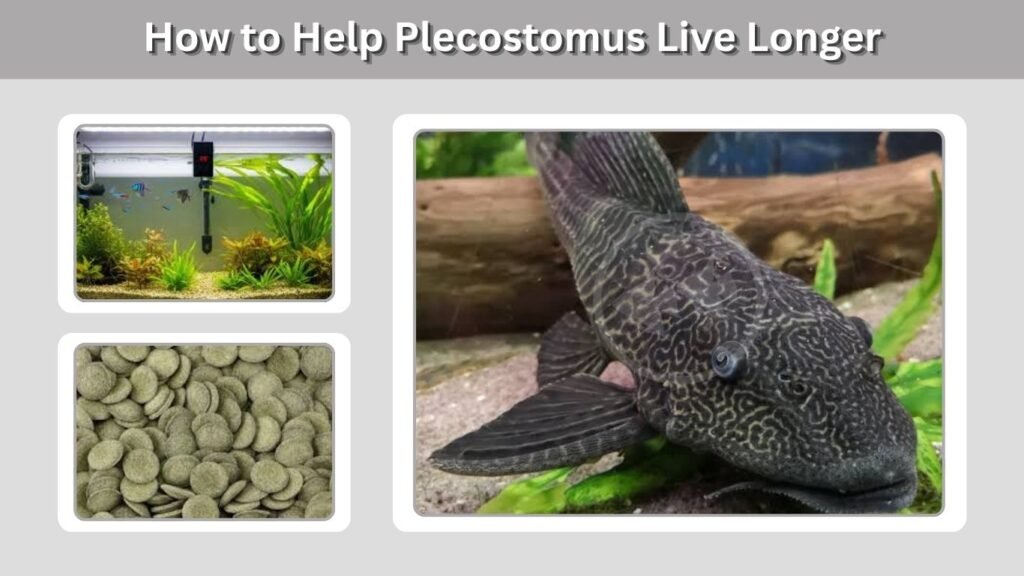
Providing proper care is the most effective way to support a long plecostomus lifespan. These fish require more than aquarium algae to remain healthy. A balanced diet, suitable water conditions, and sufficient shelter all contribute to their well-being.
Regular maintenance also helps prevent diseases associated with poor water quality.
Essential Plecostomus Care Tips
- Maintain appropriate, stable water temperatures.
- Keep ammonia and nitrite at zero.
- Provide efficient filtration and adequate oxygenation.
- Offer algae wafers, vegetables, and species-specific foods.
- Include driftwood and suitable hiding places.
- Perform regular partial water changes.
- Avoid overcrowding and aggressive tank mates.
- Monitor appetite, activity, and physical appearance.
Can Plecostomus Live Without an Air Pump?
Plecostomus fish can live without a separate air pump if their aquarium maintains adequate dissolved oxygen through filtration and surface movement.
However, an air pump may be helpful in heavily stocked or poorly circulated aquariums. Some plecos can gulp atmospheric air, but this does not eliminate their need for oxygenated water.
FAQs
1. How Long Do Plecostomus Live in a Tank?
Plecostomus fish commonly live around 10–15 years in aquariums, although lifespan varies by species. Some smaller plecos live approximately 5–10 years, while larger varieties may survive considerably longer. Proper feeding, filtration, and sufficient aquarium space support longevity.
2. Can Plecostomus Live With Betta Fish?
Some smaller, peaceful plecostomus species can coexist with betta fish in sufficiently large aquariums. However, betta temperament varies, and common plecos become too large for typical betta tanks. Adequate hiding spaces and compatible water conditions are essential.
3. Can Plecostomus Live With Goldfish?
Plecostomus and goldfish are generally not recommended as tank mates. Goldfish often prefer cooler water than tropical plecos, while some larger plecos may damage their slime coats. Maintaining both species together can create long-term compatibility and health problems.
4. Can Plecostomus Live in Saltwater?
No, commonly kept plecostomus species are freshwater fish and cannot survive in marine saltwater aquariums. Their bodies are adapted to freshwater conditions. Exposure to seawater can disrupt their internal salt balance and cause severe stress, illness, or death.
5. How Long Can Plecostomus Live Out of Water?
Some plecostomus species can tolerate brief periods outside water because they possess adaptations that allow limited atmospheric oxygen use. However, survival depends on species, temperature, and moisture. They should never be intentionally kept outside water because prolonged exposure can be fatal.