
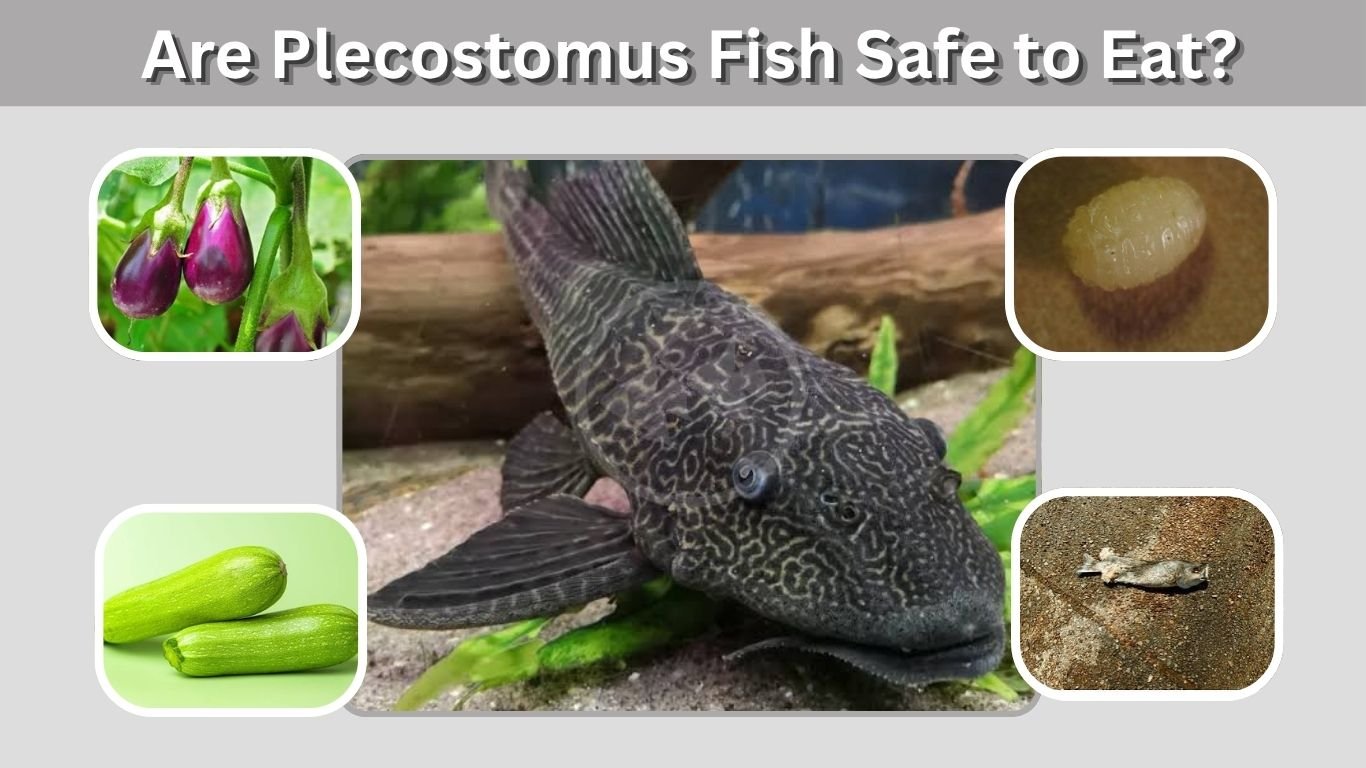
Plecostomus fish, commonly called plecos, are freshwater catfish known for their armored bodies and algae-eating habits. Although they are popular aquarium fish, many people wonder whether plecostomus fish are safe to eat. Others want to know what these fish eat, whether they consume algae or smaller fish, and how to feed them properly. The answers depend partly on the species and its environment. Understanding their natural diet, feeding behavior, and potential health risks helps aquarium owners provide proper care and avoid common feeding mistakes.
Are Plecostomus Fish Safe to Eat?
Plecostomus fish are not naturally poisonous, and some communities consume certain armored catfish species. However, whether a plecostomus is safe for human consumption depends on where it was caught and whether it contains harmful contaminants. Fish living in polluted waterways may accumulate heavy metals, pesticides, and other substances that make them unsafe to eat.
Can Humans Eat Plecostomus Fish?
Yes, some plecostomus species have edible flesh. However, only fish from verified safe food sources should be considered for consumption.
Plecos have hard armored plates that make cleaning and preparing them difficult. Proper cooking reduces risks from many pathogens but cannot eliminate accumulated heavy metals or certain chemical contaminants.
Is It Safe to Eat Aquarium Plecostomus?
Aquarium plecostomus fish should not be eaten because ornamental fish are not raised under food-safety standards.
They may have been exposed to aquarium medications, chemical treatments, or contaminated water. Their previous treatment history is often unknown, making them unsuitable for human consumption.
What Do Plecostomus Fish Eat?

Plecostomus fish are generally omnivorous, although their feeding preferences vary significantly between species. Many consume algae, biofilm, plant materials, and organic matter. Some species also eat aquatic invertebrates or other protein-rich foods. Understanding these differences is important because feeding every pleco the same diet can lead to nutritional deficiencies and poor health.
What Do Plecostomus Eat in the Wild?
Wild plecostomus fish spend considerable time grazing on submerged rocks, driftwood, and other surfaces. Their natural diet includes algae, microorganisms, detritus, and plant material.
Some species consume insect larvae, small invertebrates, and animal remains. Their sucker-shaped mouths allow them to scrape food from surfaces while remaining attached in flowing water.
What Do Plecostomus Eat in Aquariums?
Aquarium plecos require food suited to their particular species. Common options include:
- Algae wafers: Provide convenient sinking food for many grazing species.
- Zucchini: Supplies vegetable matter and can be offered lightly blanched.
- Cucumber: Offers variety but should not replace balanced food.
- Sinking pellets: Provide essential nutrients and support healthy growth.
- Shelled peas: Can be offered occasionally to plant-eating plecos.
- Bloodworms: Suitable as occasional protein supplements for appropriate species.
- Driftwood: Provides grazing surfaces and is particularly important for certain wood-feeding plecos.
Do Plecostomus Eat Algae?
Plecostomus fish are widely recognized as algae eaters because many species graze on algae-covered aquarium surfaces. They use their specialized mouths to scrape soft algae and biofilm from glass, rocks, and decorations. However, their effectiveness depends on the species, age, and available food. Not every plecostomus will consume every type of aquarium algae.
What Types of Algae Do Plecostomus Eat?
Many plecos consume soft green film algae and brown diatoms growing on aquarium surfaces. Some also graze on algae-covered driftwood and decorations.
However, stubborn algae, including black beard algae and certain hair algae, may remain untouched. Algae-eating fish cannot replace regular aquarium maintenance.
Can Plecostomus Survive on Algae Alone?
Most plecostomus fish cannot remain healthy on aquarium algae alone. Algae availability changes over time and may not provide complete nutrition.
A balanced diet containing appropriate sinking foods, vegetables, and species-specific supplements is necessary for proper growth and long-term health.
Do Plecostomus Eat Other Fish?

Plecostomus fish are generally peaceful bottom dwellers rather than active predators. Most commonly kept species do not hunt healthy fish. However, certain plecos may scavenge animal material or display unusual feeding behavior when stressed or inadequately fed. Understanding these habits helps aquarium owners avoid problems when keeping plecos with smaller or slow-moving fish.
Will Plecostomus Eat Healthy Fish?
Healthy plecostomus fish rarely attack active tank mates. However, some larger individuals may attach to slow-moving fish and graze on their protective slime coats.
This behavior can damage the affected fish’s skin. Goldfish and other slow-moving species may be particularly vulnerable, making careful tank-mate selection important.
Do Plecostomus Eat Dead Fish?
Yes, some plecostomus fish scavenge dead fish when the opportunity arises.
Finding a pleco feeding on a dead aquarium fish does not necessarily mean it caused the death. Remove dead fish promptly and investigate possible water-quality problems or disease.
Do Plecostomus Eat Snails, Shrimp, and Fish Eggs?
Plecostomus feeding behavior sometimes includes animal matter, but most common aquarium species are not specialized predators. They generally ignore healthy adult snails and active shrimp. However, vulnerable animals and exposed fish eggs may occasionally become food, particularly for opportunistic species. Their feeding habits should be considered when maintaining breeding aquariums or delicate aquatic communities.
Do Plecostomus Eat Snails and Shrimp?
Most common plecos do not actively hunt healthy adult snails. However, they may scavenge dead snails or consume exposed snail eggs.
Small shrimp can occasionally become vulnerable, especially after molting. Species compatibility and sufficient feeding help reduce these risks.
Do Plecostomus Eat Fish Eggs or Poop?
Some plecostomus species opportunistically consume exposed fish eggs, making them unsuitable companions for certain breeding setups.
Plecos do not eat fish poop as a meaningful food source. Although they may accidentally ingest waste while grazing, they still require proper nutrition.
Can Plecostomus Eat Vegetables?

Vegetables are useful dietary supplements for many herbivorous and omnivorous plecostomus species. They provide variety and complement prepared aquarium foods. However, not every vegetable is equally suitable, and portions should remain moderate. Fresh vegetables should be thoroughly washed, prepared without seasoning, and removed before they begin decomposing and affecting aquarium water quality.
Best Vegetables for Plecostomus
Suitable vegetable options include:
- Zucchini: A popular option for many algae-grazing plecos.
- Cucumber: Provides occasional dietary variety.
- Spinach: Can be offered lightly blanched in small portions.
- Acorn squash: Can be softened, deseeded, and served occasionally.
- Eggplant: Can be offered in small, unseasoned portions to suitable species.
Introduce new vegetables gradually and observe whether the fish accepts them.
How to Feed Plecostomus Fish Properly
Plecostomus fish need consistent feeding that matches their species, age, and activity level. Many are most active during the evening or nighttime, so feeding after the aquarium lights dim may be beneficial. A suitable routine should provide enough nutrition without allowing excessive leftover food to accumulate and reduce water quality.
Plecostomus Feeding Tips
- Feed appropriate sinking foods regularly.
- Offer vegetables to species that benefit from plant-based diets.
- Avoid relying entirely on aquarium algae.
- Remove uneaten vegetables before they spoil.
- Monitor the fish’s body condition and feeding behavior.
What Do Baby Plecostomus Eat?
Baby plecostomus fish generally consume biofilm, soft algae, and appropriately sized prepared foods.
Depending on the species, finely crushed sinking pellets and softened vegetables may be suitable. Young fish need consistent nutrition and clean water for healthy development.
Why Is My Plecostomus Not Eating?
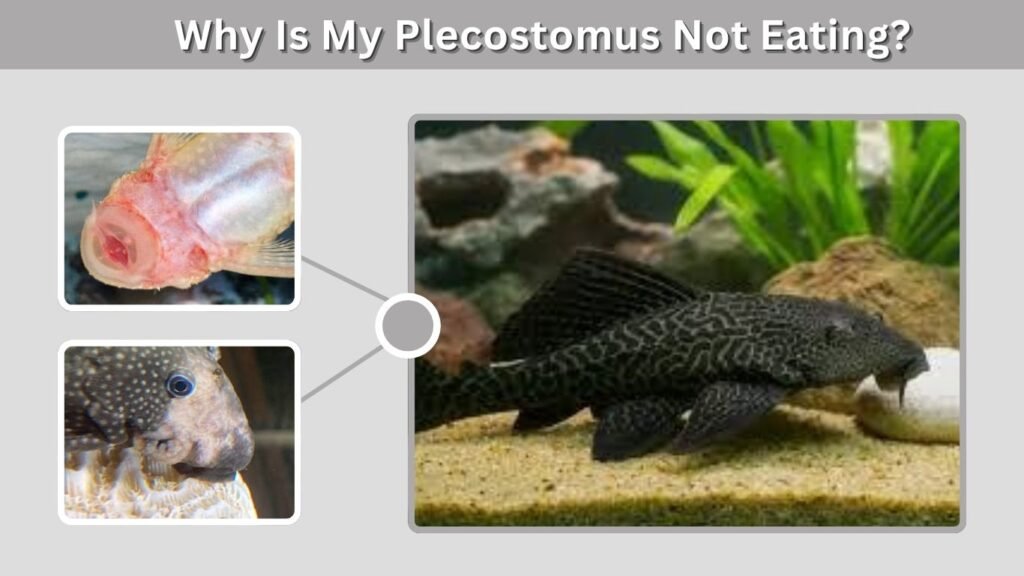
Plecostomus fish may refuse food because of stress, illness, unsuitable water conditions, or incorrect feeding practices. Some healthy plecos also feed mainly at night, making their eating habits difficult to observe. Identifying the reason for appetite changes is important, especially when food refusal continues for several days or occurs alongside unusual behavior.
Common Reasons Plecostomus Stop Eating
- Poor water quality: Ammonia or nitrite exposure can reduce appetite.
- Incorrect diet: Some species reject unsuitable foods.
- Stress: Aggressive tank mates or inadequate hiding places can disrupt feeding.
- Illness: Parasites and infections may cause appetite loss.
- Feeding competition: Faster fish may consume food before plecos reach it.
FAQs
1. Can You Eat Plecostomus Fish?
Some plecostomus species have edible flesh, but safety depends on their source and contamination levels. Fish collected from polluted waterways may contain harmful substances. Aquarium plecos should not be eaten because ornamental fish are not raised under food-safety standards.
2. Do Plecostomus Eat Brown Algae?
Yes, many plecostomus species consume soft brown diatom algae from aquarium glass, stones, and decorations. However, not every species feeds equally on algae. Proper lighting, filtration, and regular maintenance are still necessary to prevent excessive algae growth.
3. Will Plecostomus Eat Other Fish?
Most plecostomus fish do not actively hunt healthy aquarium fish. However, some individuals may scavenge dead fish or graze on slow-moving tank mates. Providing sufficient food and selecting compatible species helps prevent potentially harmful interactions.
4. Do Plecostomus Eat Fish Food?
Yes, plecostomus fish can eat suitable commercial fish foods, particularly sinking pellets and algae wafers. Different species have different nutritional requirements, so choosing appropriate food is essential. Floating flakes alone are generally not ideal for bottom-feeding plecos.
5. What Is the Best Algae-Eating Plecostomus?
The bristlenose pleco is a popular algae-eating choice for home aquariums because it remains relatively small and grazes on soft algae. However, it still needs supplemental food, suitable hiding places, and regular aquarium maintenance to remain healthy.
