
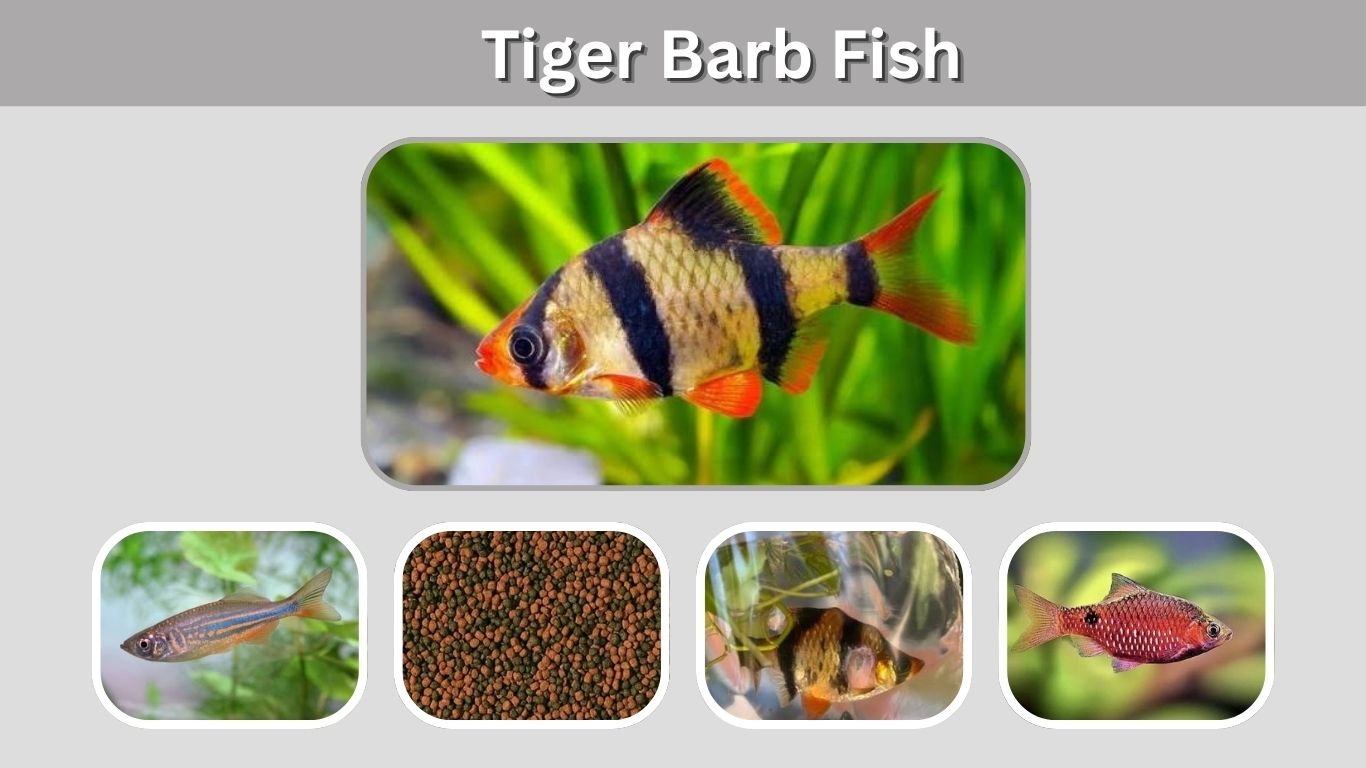
Tiger barb fish are colorful, energetic freshwater aquarium fish recognized for their distinctive black stripes and playful swimming behavior. Native to Southeast Asia, these tropical fish are popular among aquarium enthusiasts because of their striking appearance, hardy nature, and active schooling habits. Although tiger barbs are relatively easy to maintain, their occasional aggressive behavior requires careful tank mate selection and proper group management. Understanding tiger barb care, aquarium requirements, feeding habits, breeding techniques, and lifespan helps fishkeepers create a healthy environment where these attractive freshwater fish can thrive.
What Is a Tiger Barb Fish?
The tiger barb (Puntigrus tetrazona) is a freshwater fish belonging to the Cyprinidae family. It is commonly called the Sumatra barb because of its association with Indonesian freshwater habitats. Tiger barbs inhabit tropical streams and waterways, particularly in Sumatra, although historical records of their distribution also include Borneo.
These fish are recognized for their active swimming habits and distinctive vertical stripes.
Tiger Barb Fish Facts
- Scientific name: Puntigrus tetrazona
- Family: Cyprinidae
- Origin: Southeast Asia, particularly Sumatra
- Adult size: Approximately 2–3 inches
- Lifespan: Around 5–7 years
- Recommended tank size: 29–30 gallons or larger
- Water temperature: 72–79°F (22–26°C)
- Preferred pH: 6.0–7.5
- Diet: Omnivorous
- Temperament: Semi-aggressive
- Group size: At least 8–10 fish
- Care level: Beginner to intermediate
Tiger Barb Appearance, Size, and Color Varieties
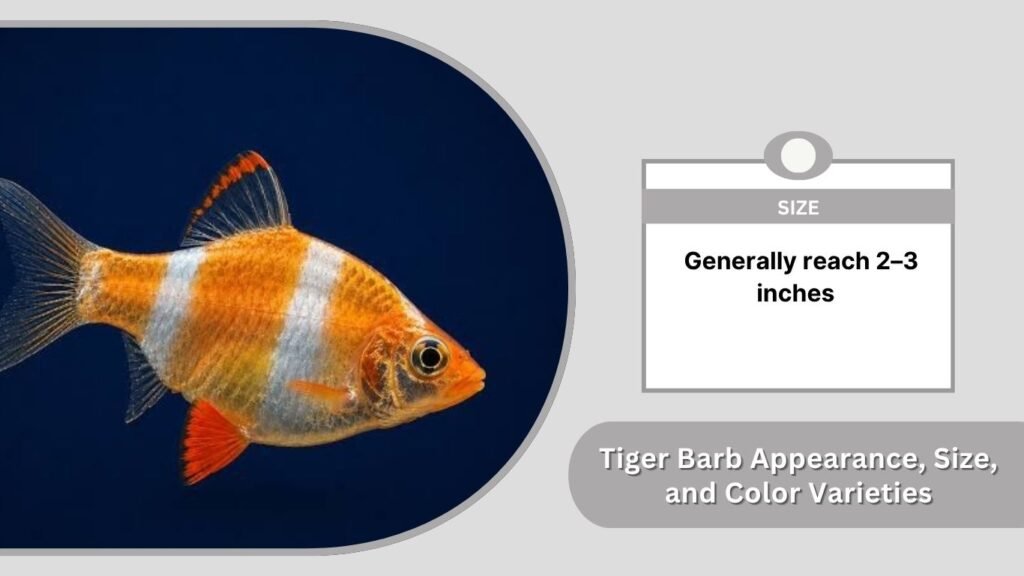
Tiger barbs have deep, laterally compressed bodies decorated with four prominent vertical black stripes. Their natural body coloration ranges from silvery-yellow to golden-orange, while their fins often display reddish or orange pigmentation.
Selective breeding has produced several attractive varieties with different colors and fin shapes.
How Big Do Tiger Barbs Get?
Adult tiger barbs generally reach 2–3 inches (5–7.5 cm) in total length. Their growth depends on genetics, diet, aquarium size, and water quality.
Young tiger barbs grow relatively quickly under suitable conditions. Providing a balanced diet and adequate swimming space helps them develop properly.
Popular Types of Tiger Barbs
Several ornamental tiger barb varieties are available in the aquarium trade.
- Standard Tiger Barb: Features a golden-orange body with four bold black vertical stripes.
- Green Tiger Barb: Also called the moss green tiger barb, it displays dark green coloration with a metallic appearance.
- Albino Tiger Barb: Has pale orange, pinkish, or cream coloration with reduced dark pigmentation.
- Platinum Tiger Barb: Features a light, silvery appearance with reduced traditional markings.
- Longfin Tiger Barb: Possesses elongated fins that create a flowing appearance.
- GloFish Tiger Barb: Displays fluorescent colors produced through inherited fluorescent proteins.
- Red Tiger Barb: A trade name sometimes used for selectively bred fish displaying stronger reddish coloration.
These varieties generally have similar care requirements and can form mixed-color groups.
Tiger Barb Tank Size and Aquarium Setup

Tiger barbs are energetic swimmers that require sufficient horizontal space. Although they are small fish, keeping them in cramped aquariums can increase stress and aggressive interactions.
A 29–30-gallon aquarium or larger is a practical choice for maintaining a group of eight to ten tiger barbs. A longer aquarium is particularly beneficial because it provides uninterrupted swimming space.
Best Aquarium Setup for Tiger Barbs
A suitable tiger barb aquarium should include:
- A spacious tank with open swimming areas
- Live plants such as Java fern, Anubias, and Vallisneria
- Driftwood and rocks for natural decoration
- Dark gravel or sand substrate
- Moderate water circulation
- Reliable filtration and appropriate heating
- Hiding spaces among dense vegetation
Plants and decorations help interrupt direct lines of sight, allowing less dominant individuals to escape unwanted attention.
Tiger Barb Water Temperature and pH
Tiger barbs adapt to a range of freshwater conditions, but stable parameters are essential for long-term health.
Maintain aquarium temperatures around 72–79°F (22–26°C), with slightly acidic to neutral water preferred. A pH of 6.0–7.5 is suitable for most captive-bred individuals.
Keep ammonia and nitrite at zero, and control nitrate through regular maintenance. Weekly water changes of approximately 20–30% help maintain water quality, depending on stocking levels.
Are Tiger Barbs Aggressive Fish?
Tiger barbs are considered semi-aggressive because they sometimes chase other fish and nip at fins. Their behavior is especially noticeable when they are maintained in small groups or overcrowded environments.
However, they are not constantly aggressive. Proper schooling numbers, sufficient aquarium space, and compatible tank mates can significantly reduce unwanted behavior.
Why Do Tiger Barbs Nip Other Fish?
Tiger barbs naturally establish social hierarchies through chasing and competitive interactions.
When too few individuals are present, their attention may shift toward other aquarium inhabitants. Slow-moving fish with long, flowing fins are particularly vulnerable.
Keeping at least eight to ten tiger barbs helps distribute social interactions throughout the group.
Are Tiger Barbs Schooling Fish?
Yes, tiger barbs are social schooling fish that should live in groups rather than individually or in pairs.
A larger group encourages natural swimming behavior and generally reduces aggression toward unrelated species.
Males may occasionally compete for dominance, but brief chasing is normal unless injuries, persistent hiding, or continuous harassment occur.
Best Tiger Barb Tank Mates
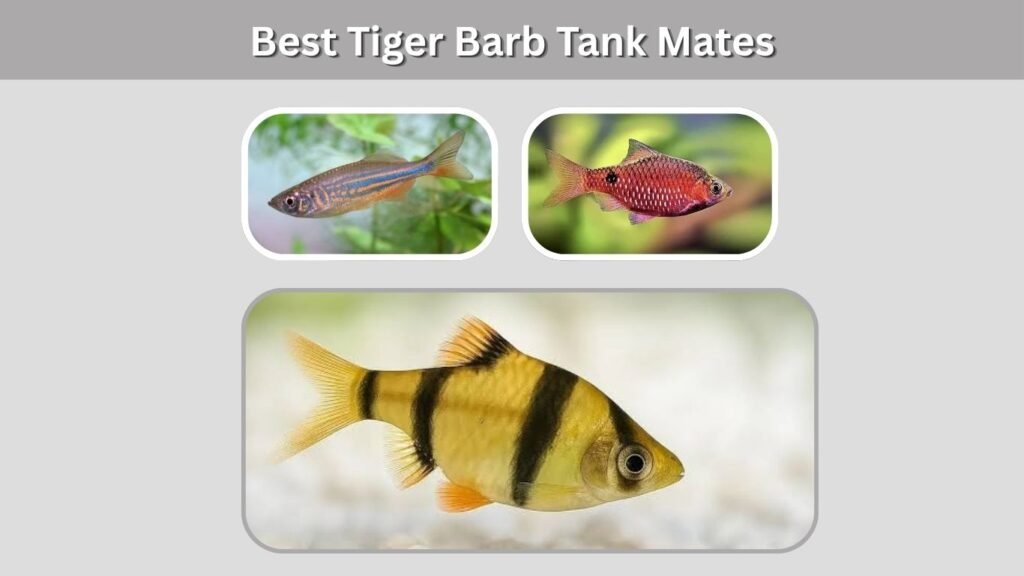
Choosing suitable tiger barb tank mates is important because these fish are energetic and sometimes troublesome toward slower aquarium inhabitants.
Ideal companions are active, similarly sized fish that tolerate comparable water conditions. Even compatible species require sufficient aquarium space to establish comfortable swimming territories.
Fish Compatible With Tiger Barbs
Potential tank mates include:
- Zebra danios
- Giant danios
- Rosy barbs
- Odessa barbs
- Certain active rainbowfish
- Silver tip tetras
- Clown loaches in appropriately large aquariums
- Selected Botia loaches
- Robust Corydoras species in suitable setups
Compatibility depends on the personalities, adult sizes, and environmental needs of individual fish.
Fish to Avoid Keeping With Tiger Barbs
Avoid combining tiger barbs with fish that have long, delicate fins or unusually timid behavior.
Betta fish, angelfish, fancy guppies, and slow-moving gouramis are generally unsuitable companions because tiger barbs may repeatedly nip their fins.
Very small fish may also experience stress or become prey. Aggressive predatory cichlids are unsuitable because they can injure or consume tiger barbs.
What Do Tiger Barbs Eat?

Tiger barbs are omnivorous fish that naturally consume aquatic invertebrates, small insects, plant material, and organic matter.
In aquariums, they readily accept commercial foods, making feeding relatively straightforward. However, a varied diet supports healthy growth, attractive coloration, and successful reproduction.
Best Food for Tiger Barb Fish
Suitable foods include:
- High-quality tropical fish flakes
- Small omnivore pellets
- Frozen or live brine shrimp
- Daphnia
- Bloodworms in moderation
- Spirulina-based foods
- Small portions of suitable blanched vegetables
Feed adult tiger barbs once or twice daily in portions they can consume quickly. Avoid overfeeding because leftover food increases aquarium waste and can contribute to water quality problems.
How to Breed Tiger Barb Fish
Tiger barb breeding is possible in home aquariums when healthy adults receive proper nutrition and suitable spawning conditions.
These fish are egg scatterers, meaning females release eggs among aquatic plants or other spawning materials. Adult tiger barbs do not protect their eggs and may consume them after spawning.
Tiger Barb Breeding Process
- Prepare a breeding aquarium: Set up a separate mature tank with gentle sponge filtration and appropriate water conditions.
- Provide spawning materials: Add Java moss, spawning mops, or protective mesh.
- Condition breeding fish: Feed mature males and females nutritious frozen or live foods.
- Introduce breeding adults: Transfer a conditioned pair or small breeding group into the prepared aquarium.
- Observe spawning behavior: Males chase females while eggs are scattered and fertilized.
- Remove the adults: Transfer adult fish after spawning to prevent them from eating the eggs.
- Raise the fry: Feed newly free-swimming fry infusoria or appropriately sized fry food before progressing to larger foods.
Tiger Barb Eggs and Hatching Time
Tiger barb eggs typically hatch within approximately 24–48 hours under suitable conditions.
The newly hatched fry initially depend on their yolk sacs before becoming free-swimming. Very small foods are necessary during their earliest feeding stages.
Female tiger barbs may develop noticeably rounded abdomens when carrying eggs. Although sometimes described as pregnant, these fish are egg layers rather than livebearers.
Tiger Barb Lifespan and Common Health Problems

Tiger barbs generally live approximately five to seven years with proper care. Their longevity depends on water quality, nutrition, genetics, stocking conditions, and disease prevention.
Healthy tiger barbs usually display bright coloration, active swimming movements, and consistent feeding behavior.
Common Tiger Barb Diseases
Tiger barbs may develop common freshwater aquarium illnesses, including ich, fin rot, bacterial infections, and fungal conditions.
Ich can cause small white spots on the body and fins, while fin rot may produce frayed or deteriorating fin edges.
Other warning signs include unusual swimming, reduced appetite, faded coloration, rapid breathing, and prolonged hiding.
Maintaining stable water quality, quarantining new fish, and obtaining an accurate diagnosis before treatment help prevent serious health complications.
FAQs
1. Are Tiger Barbs Good Fish for Beginners?
Tiger barbs are relatively hardy and can be suitable for beginners who understand their social and behavioral requirements. They need a spacious aquarium, stable water conditions, and a sufficiently large group. Their fin-nipping tendencies make careful tank mate selection particularly important.
2. How Many Tiger Barbs Can Live in a 20-Gallon Tank?
A 20-gallon-long aquarium may accommodate a small group under carefully managed conditions, but it provides limited space for their energetic behavior. A 29–30-gallon aquarium or larger is preferable for eight to ten tiger barbs, especially when keeping additional fish.
3. Can Green Tiger Barbs Live With Regular Tiger Barbs?
Yes, green tiger barbs and standard tiger barbs can live together because they are ornamental varieties of the same species. They share similar feeding habits, water requirements, and social behaviors. Mixed groups should still contain enough individuals to minimize aggression.
4. How Long Do Tiger Barb Fish Live?
Tiger barb fish usually live around five to seven years in well-maintained aquariums. Some individuals may live longer under excellent conditions. Providing a varied diet, adequate swimming space, appropriate companions, and stable water parameters supports their overall health and longevity.
5. Can Tiger Barbs Live With Angelfish?
Tiger barbs are generally poor tank mates for angelfish because they may nip their long, delicate fins. Angelfish also tend to prefer calmer aquarium environments. Even when both species are raised together, persistent chasing and fin damage can become problems.
