

Cold water fish are a great choice for aquarium enthusiasts who want low-maintenance and hardy species. Unlike tropical fish, they do not require heaters, making them more affordable and easier to care for. From colorful Goldfish to active Zebra Danios, these species offer beauty, variety, and adaptability for both beginners and experienced hobbyists.
1. Goldfish
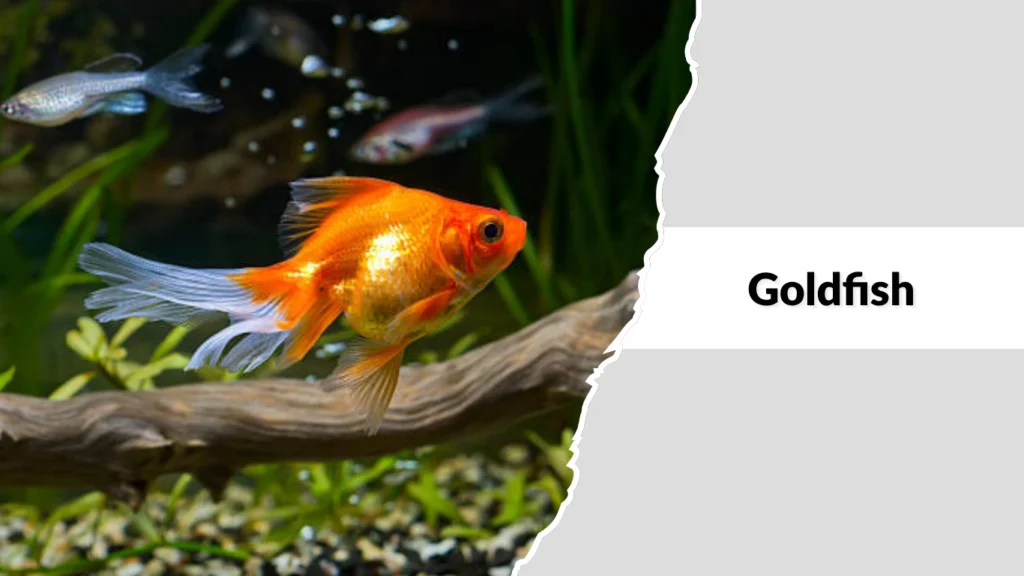
Goldfish are one of the most popular cold water aquarium fish, known for their bright colors, hardy nature, and suitability for beginners. They thrive in cooler temperatures and come in many varieties, making them a favorite choice for home aquariums.
Identification
- Bright orange, white, black, or mixed coloration
- Rounded or elongated body depending on variety
- Flowing fins in fancy types; shorter fins in common types
- Can grow quite large compared to many aquarium fish
Habitat and Tank Requirements
Goldfish prefer spacious tanks with clean, well-oxygenated water. They do best in temperatures between 18–22°C and require good filtration since they produce a lot of waste. A larger tank helps maintain stable water conditions.
Diet and Feeding
They are omnivores and eat a wide variety of foods, including pellets, flakes, vegetables, and occasional live or frozen food. Feeding should be controlled to avoid overfeeding, which can lead to water quality issues.
Behavior and Care
Goldfish are generally peaceful and social, often interacting with their environment and tank mates. Regular tank maintenance, proper filtration, and avoiding overcrowding are essential for keeping them healthy and active.
2. White Cloud Mountain Minnow
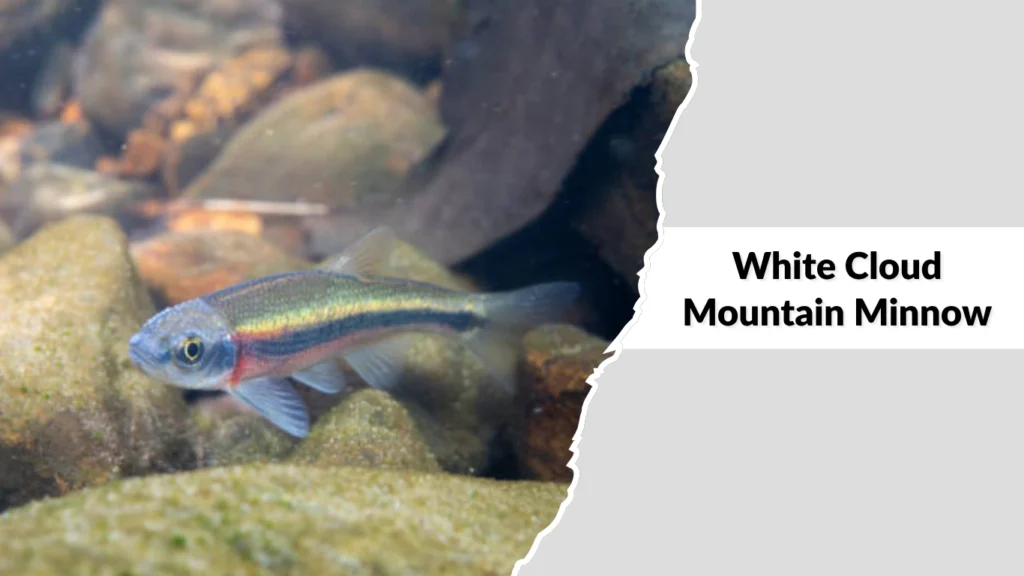
White Cloud Mountain Minnows are small, hardy cold water fish that are perfect for beginners and community aquariums. Known for their subtle beauty and active swimming behavior, they thrive in cooler temperatures and adapt well to a variety of tank conditions.
Identification
- Slender, streamlined body shape
- Silver to bronze coloration with a shimmering effect
- Distinct horizontal stripe running from head to tail
- Red or orange highlights on fins, especially in healthy specimens
Habitat and Tank Requirements
These fish prefer a well-planted aquarium with open swimming space. They are comfortable in temperatures ranging from 16–22°C, making them ideal for unheated tanks. A gentle filter and moderate water flow help mimic their natural stream-like habitat. Keeping them in groups of at least 6 enhances their activity and reduces stress.
Diet and Feeding
White Cloud Mountain Minnows are omnivorous and not picky eaters. They accept high-quality flakes, micro pellets, and small live or frozen foods like daphnia or brine shrimp. Feeding them small amounts once or twice daily ensures they remain healthy without polluting the water.
Behavior and Care
These fish are peaceful, active, and best kept in schools. They spend most of their time swimming in the middle levels of the tank and rarely show aggression. Their hardy nature makes them easy to care for, but regular water changes and stable conditions are still important to maintain their vibrant color and overall health.
3. Zebra Danio
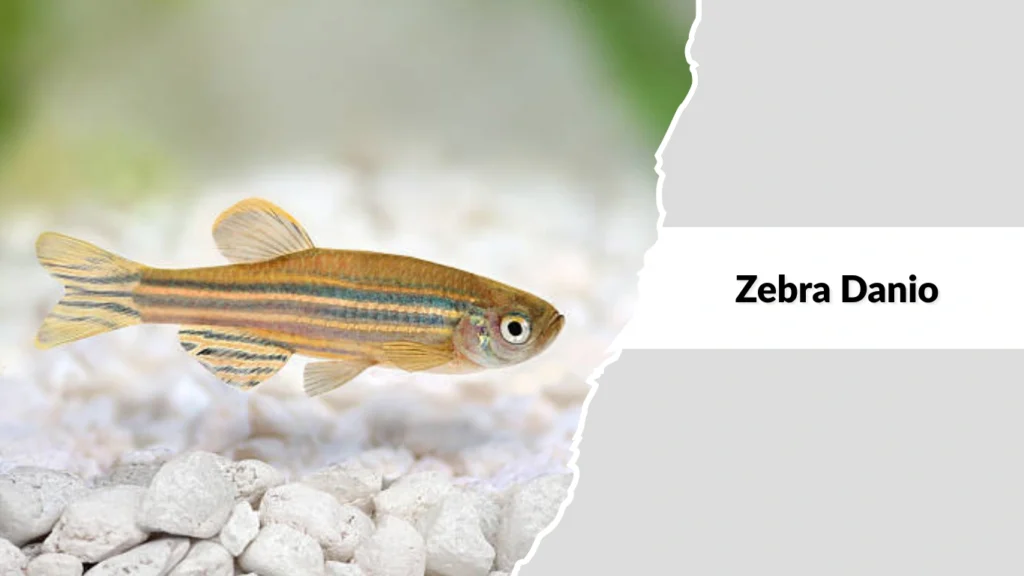
Zebra Danios are lively and energetic cold water fish, well-known for their striking striped appearance and strong adaptability. They are ideal for beginner aquarists due to their resilience and ability to thrive in a wide range of water conditions.
Identification
- Slender, torpedo-shaped body
- Distinct horizontal blue and silver stripes
- Small size, typically around 4–5 cm in length
- Transparent fins with subtle striping
Habitat and Tank Requirements
Zebra Danios prefer a tank with plenty of swimming space as they are very active fish. They do well in temperatures between 18–24°C and can tolerate slight fluctuations. A well-filtered tank with gentle to moderate water flow suits them best. Keeping them in groups of at least 6 helps reduce stress and encourages natural schooling behavior.
Diet and Feeding
These fish are omnivores and readily accept a variety of foods. High-quality flakes, micro pellets, and occasional live or frozen foods like bloodworms or brine shrimp work well. Feeding small portions once or twice daily is enough to keep them healthy and active.
Behavior and Care
Zebra Danios are peaceful but very energetic, often darting around the tank. They are best kept with other fast-moving, non-aggressive species. Due to their hardy nature, they are easy to care for, but maintaining clean water and a stable environment is still essential for their long-term health.
4. Rosy Barb
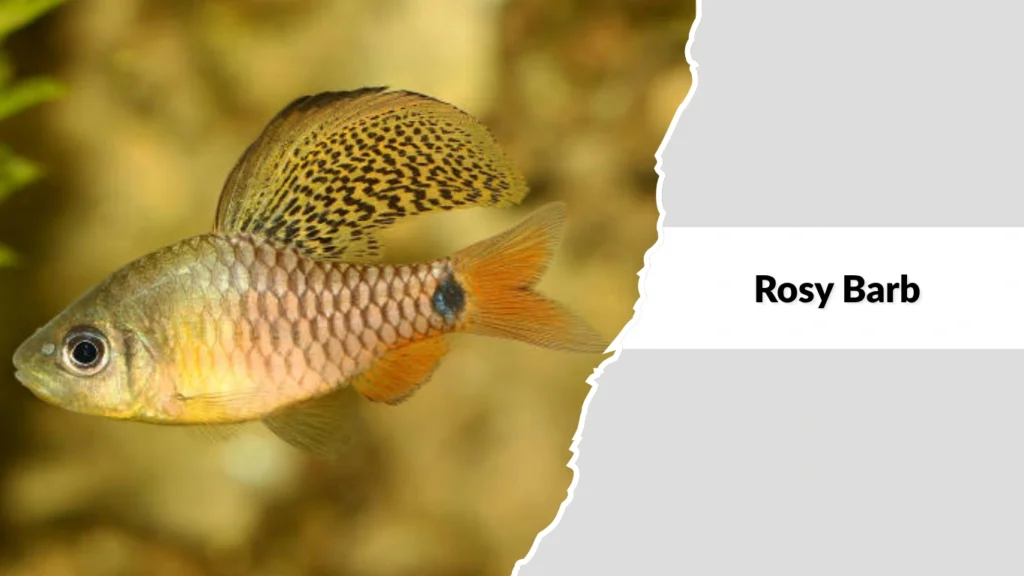
Rosy Barbs are attractive and active cold water fish known for their vibrant coloration and lively personality. They are a great choice for community aquariums and can tolerate cooler temperatures better than many tropical species.
Identification
- Oval-shaped body with a slightly compressed form
- Pink to reddish coloration, more intense in males
- Dark spot near the tail base
- Transparent to slightly tinted fins
Habitat and Tank Requirements
Rosy Barbs thrive in spacious tanks with plenty of swimming room and some planted areas for cover. They prefer temperatures between 18–22°C. A gentle to moderate water flow and good filtration help maintain a healthy environment. Keeping them in groups of at least 5–6 reduces stress and promotes natural schooling behavior.
Diet and Feeding
These fish are omnivores and have a healthy appetite. They accept flakes, pellets, and enjoy live or frozen foods like bloodworms and daphnia. Including some plant-based food helps maintain balanced nutrition. Feed them small amounts once or twice daily.
Behavior and Care
Rosy Barbs are generally peaceful but can become slightly nippy if kept in small groups. In a proper school, they display active and playful behavior. Regular water changes, a balanced diet, and enough space are key to keeping them healthy and displaying their best colors.
5. Weather Loach
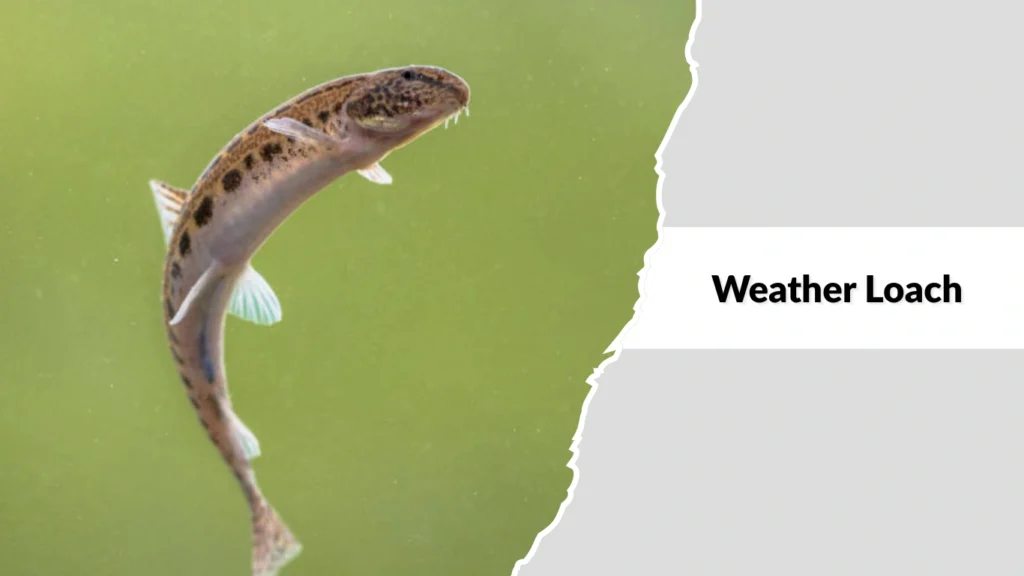
Weather Loaches, also known as Dojo Loaches, are unique cold water fish famous for their eel-like bodies and playful, curious behavior. They are hardy and can tolerate a wide range of conditions, making them a popular choice for larger aquariums.
Identification
- Long, slender, eel-like body
- Yellow, brown, or mottled coloration
- Small barbels (whisker-like structures) around the mouth
- Can grow quite large, often up to 20–30 cm
Habitat and Tank Requirements
Weather Loaches need a spacious tank with a soft substrate, as they enjoy digging and burrowing. They prefer temperatures between 16–22°C. A secure lid is important because they can be active and may jump. Provide hiding spots like caves or plants to mimic their natural environment.
Diet and Feeding
They are omnivores and will eat a variety of foods, including sinking pellets, flakes, and live or frozen foods like worms. Since they are bottom dwellers, sinking food is ideal. Feeding once or twice daily in controlled portions keeps them healthy.
Behavior and Care
Weather Loaches are peaceful, social fish that often interact with their owners and tank mates. They are known for becoming more active before changes in weather, which gives them their name. Regular tank maintenance and clean water are essential for their well-being.
6. Hillstream Loach
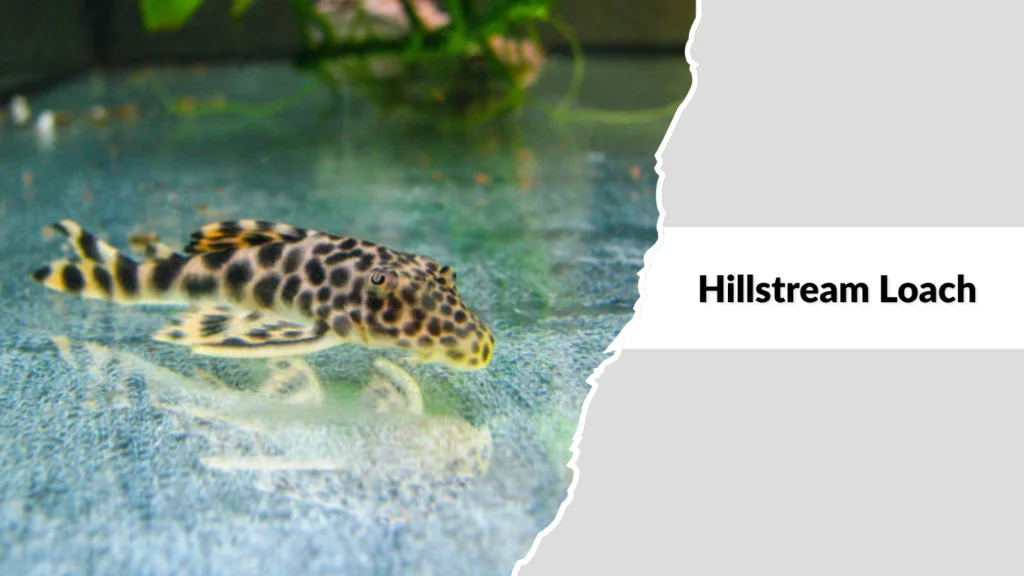
Hillstream Loaches are fascinating cold water fish known for their unique appearance and ability to cling to surfaces. They resemble small stingrays and are well-suited for aquariums that replicate fast-flowing stream environments.
Identification
- Flattened body with wide, wing-like fins
- Patterned coloration with spots or stripes
- Sucker-like mouth adapted for clinging to surfaces
- Small size, usually around 5–8 cm
Habitat and Tank Requirements
These fish require a well-oxygenated tank with strong water flow to mimic their natural habitat. Temperatures between 18–24°C are ideal. Smooth rocks, driftwood, and plenty of surfaces for grazing are important. A powerful filter or powerhead helps maintain the high oxygen levels they need.
Diet and Feeding
Hillstream Loaches primarily feed on algae and biofilm found on tank surfaces. They can also be supplemented with algae wafers, sinking pellets, and occasional live or frozen foods. Ensuring a constant food source is important, as they graze throughout the day.
Behavior and Care
They are peaceful and spend most of their time attached to surfaces, moving slowly as they feed. Hillstream Loaches are best kept in groups and with non-aggressive tank mates. Maintaining clean, oxygen-rich water and stable conditions is essential for their long-term health.
7. Dojo Loach
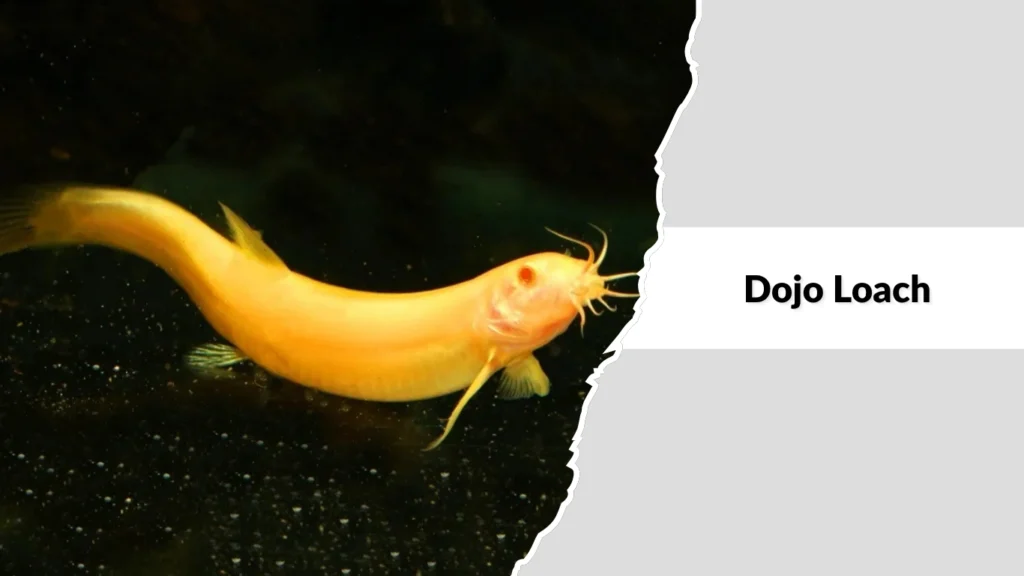
Dojo Loaches are friendly and interactive cold water fish, often confused with Weather Loaches due to their similar appearance. They are known for their playful nature and ability to recognize their owners over time.
Identification
- Long, cylindrical body shape
- Light brown, golden, or pinkish coloration
- Small barbels around the mouth
- Smooth, scaleless appearance
Habitat and Tank Requirements
Dojo Loaches need a large aquarium with soft substrate since they like to dig and hide. They thrive in temperatures between 16–22°C. Providing hiding spots such as caves, driftwood, or plants helps them feel secure. A tight-fitting lid is necessary to prevent escape.
Diet and Feeding
They are omnivorous and will eat sinking pellets, flakes, and live or frozen foods like worms and insect larvae. As bottom dwellers, they prefer food that sinks. Feeding them once or twice daily with controlled portions keeps them healthy.
Behavior and Care
Dojo Loaches are peaceful, social, and highly active, especially during feeding time. They often interact with tank mates and can even respond to their owners. Regular water changes, proper filtration, and a stable environment are essential for their overall health and activity.
FAQs
What temperature is considered cold water for aquarium fish?
Cold water fish generally thrive in temperatures between 10–24°C. Most common aquarium species, like Goldfish and White Cloud Mountain Minnows, do best around 16–22°C. Maintaining a stable temperature within this range is important to avoid stress and health issues.
Do cold water fish need a heater?
In most cases, cold water fish do not require a heater, especially in moderate climates. However, if room temperatures drop too low or fluctuate significantly, a heater may be used to maintain stability and prevent sudden temperature changes.
Can cold water fish live with tropical fish?
It is not recommended to mix cold water and tropical fish because they require different temperature ranges. Keeping them together can stress one or both species, leading to poor health and a shorter lifespan.
How often should I feed cold water fish?
Cold water fish should typically be fed once or twice a day in small amounts. Overfeeding can lead to water pollution and health problems. It’s best to give only what they can consume within a few minutes.
Are cold water fish suitable for beginners?
Yes, many cold water fish are ideal for beginners because they are hardy and easy to care for. Species like Goldfish and Zebra Danios adapt well to different conditions, making them a great starting point for new aquarium hobbyists.