
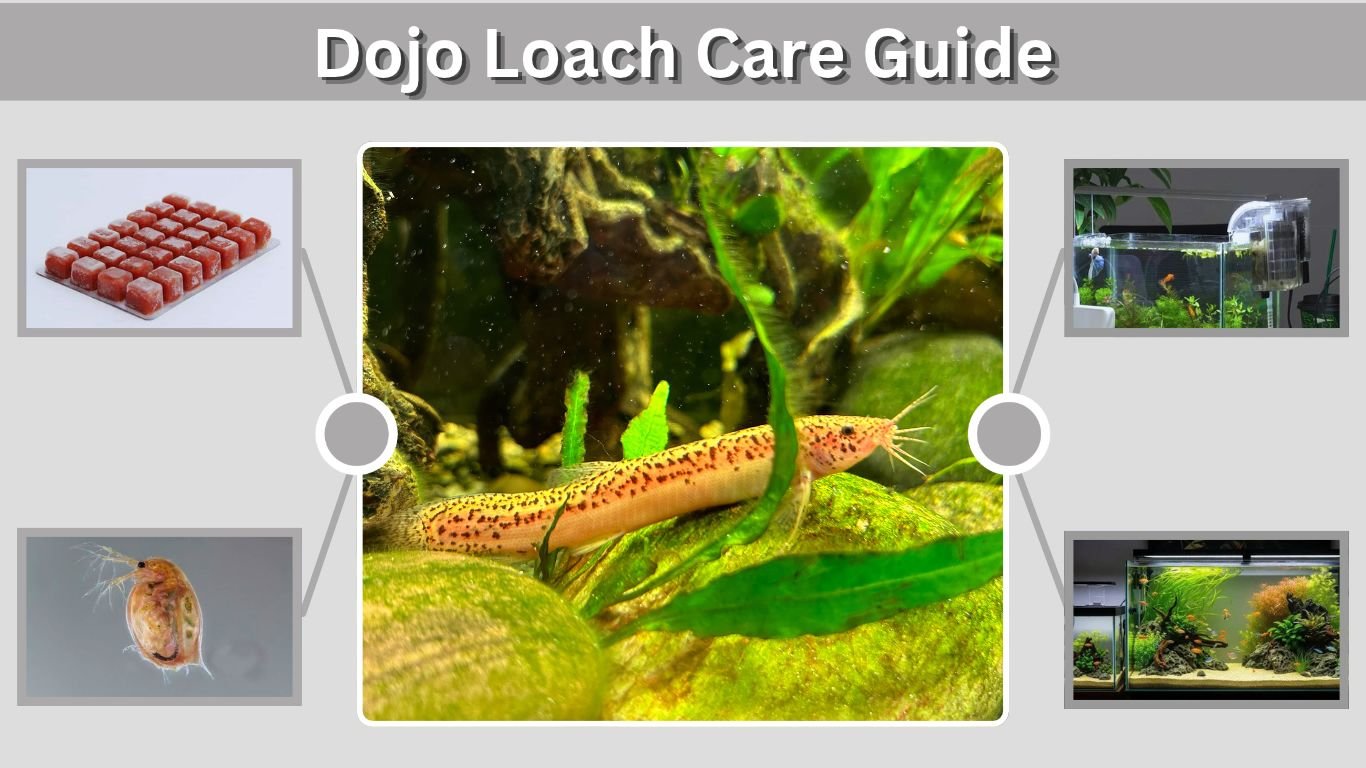
The dojo loach (Misgurnus anguillicaudatus) is a peaceful freshwater fish known for its long, eel-like body, playful personality, and unusual behavior before weather changes. Also called the dojo weather loach, this bottom-dwelling fish originates from East Asia and is popular among aquarium enthusiasts.
Unlike many tropical aquarium fish, dojo loaches prefer cooler water and need plenty of space to explore. They spend much of their time searching the substrate for food, hiding beneath decorations, or swimming around the aquarium.
Understanding dojo loach size, tank requirements, diet, lifespan, and behavior is essential for providing a healthy environment.
What Is a Dojo Loach?
The dojo loach is a freshwater fish belonging to the Cobitidae family. It naturally inhabits slow-moving rivers, ponds, wetlands, and rice fields throughout parts of East Asia.
Its nickname, weather loach, comes from its tendency to become more active when atmospheric pressure changes, particularly before storms.
These fish have several distinctive characteristics:
- Body shape: Long, cylindrical, and similar to an eel.
- Color: Usually brown, olive, or yellowish with darker markings.
- Mouth: Surrounded by sensory barbels that help locate food.
- Behavior: Peaceful, curious, and active along the aquarium bottom.
- Habitat: Prefers soft substrates and cooler freshwater.
Dojo loaches are hardy fish, but their adult size and temperature requirements make proper aquarium planning important.
Dojo Loach Size and Growth
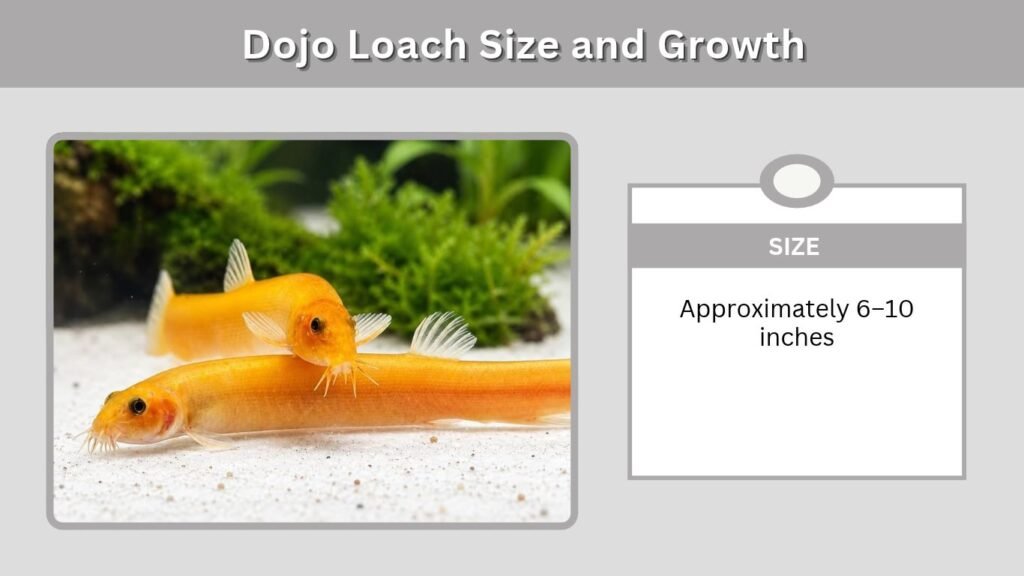
A full-grown dojo loach commonly reaches approximately 6–10 inches, although some individuals grow to 11 inches or more.
Their growth depends on genetics, nutrition, water quality, and available space.
| Growth stage | Approximate size |
| Juvenile | 2–4 inches |
| Growing individual | 4–7 inches |
| Typical adult | 6–10 inches |
| Large adult | 10–11+ inches |
These measurements are approximate rather than fixed growth stages.
Golden dojo loaches generally reach similar sizes because their coloration does not make them a separate species.
A small juvenile may look suitable for a compact aquarium, but owners should plan for its full-grown size before purchasing one.
Golden Dojo Loach and Other Color Varieties
Dojo loaches occur in several colors and patterns. Although their appearance differs, their basic care requirements remain similar.
Golden Dojo Loach
The golden dojo loach has a yellow, golden, or light orange body. Some individuals display faint markings, while others have a nearly uniform color.
Golden varieties are particularly popular in freshwater aquariums because their bright appearance makes them easy to observe.
Albino Dojo Loach
An albino dojo loach typically has pale coloration and reddish or pinkish eyes because it lacks normal pigmentation.
Not every pale or golden dojo loach is truly albino. Many golden individuals retain dark eyes.
Leopard Dojo Loach
The term leopard dojo loach is sometimes used in aquarium shops for individuals with prominent spotted or mottled patterns.
This is generally a descriptive trade name rather than a separate scientifically recognized dojo loach species.
Dojo Loach Tank Size and Setup
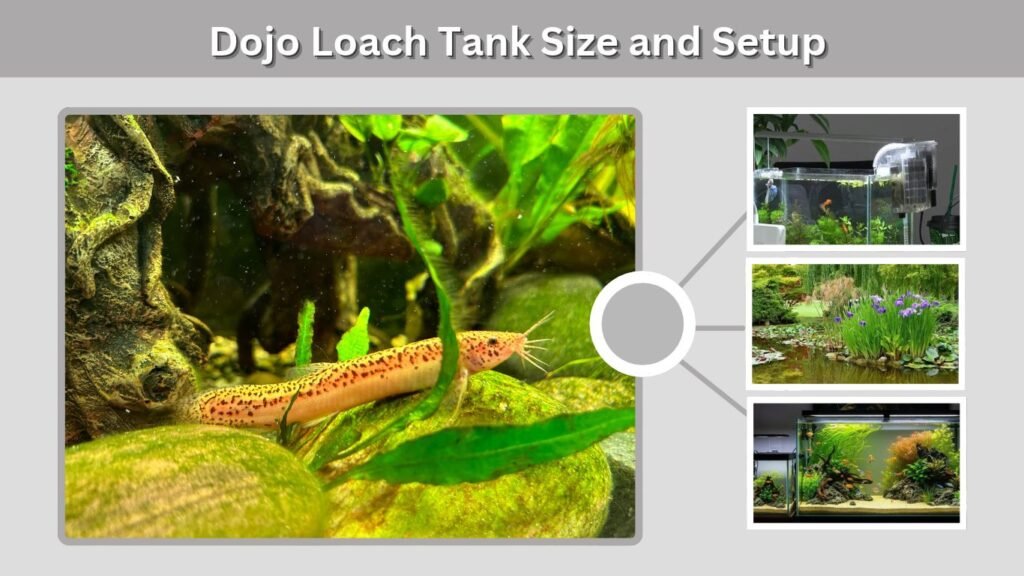
A dojo loach needs a spacious aquarium with enough bottom area for swimming, digging, and exploring.
For adult dojo loaches, a tank measuring at least 48 inches long is a useful starting point. An aquarium of approximately 65 gallons or larger, with a broad footprint, is preferable for long-term care. Groups may require additional space.
Best Aquarium Setup
- Substrate: Fine aquarium sand or smooth, fine gravel.
- Decorations: Driftwood, rounded rocks, and secure hiding places.
- Plants: Hardy plants attached to wood or rocks.
- Filtration: Reliable filtration with moderate water movement.
- Lighting: Low to moderate lighting with shaded areas.
- Tank cover: A secure lid to prevent jumping.
Dojo loaches regularly dig through the substrate while searching for food. Sharp gravel can injure their sensitive barbels and skin.
They may also uproot plants, so attached plants such as Java fern and Anubias are practical choices.
Dojo Loach Temperature and Water Parameters
Unlike tropical loaches, dojo loaches prefer relatively cool freshwater.
Maintaining suitable temperatures helps support normal activity and long-term health.
| Water parameter | Recommended range |
| Temperature | 64–74°F (18–23°C) |
| pH | 6.0–8.0 |
| Water hardness | Approximately 1–12 dGH |
| Ammonia | 0 ppm |
| Nitrite | 0 ppm |
Dojo loaches can tolerate temperatures outside their preferred range for limited periods, but prolonged exposure to warm tropical conditions is unsuitable.
Aquarium owners in hot climates may need cooling equipment to maintain appropriate temperatures.
Perform regular partial water changes and monitor ammonia, nitrite, and nitrate levels. A fully cycled aquarium is essential.
Dojo Loach Diet: What Do Dojo Loaches Eat?

Dojo loaches are omnivorous bottom feeders that primarily forage for small aquatic animals and other edible material.
In natural habitats, they consume worms, insect larvae, small crustaceans, and various aquatic organisms.
Best Foods for Dojo Loaches
A balanced aquarium diet may include:
- High-quality sinking pellets.
- Frozen bloodworms.
- Live or frozen brine shrimp.
- Daphnia.
- Tubifex worms from reliable sources.
- Other suitable prepared bottom-feeder foods.
Feed small portions once or twice daily, depending on the fish’s age, condition, and activity.
Remove uneaten food to prevent deteriorating water quality.
Do Dojo Loaches Eat Snails?
Yes, dojo loaches sometimes eat small snails, particularly individuals they can swallow or access easily.
However, they are not guaranteed to eliminate an aquarium snail population.
They may also consume tiny shrimp, fish eggs, or vulnerable fry. Therefore, they are not always suitable companions for breeding tanks.
Best Dojo Loach Tank Mates
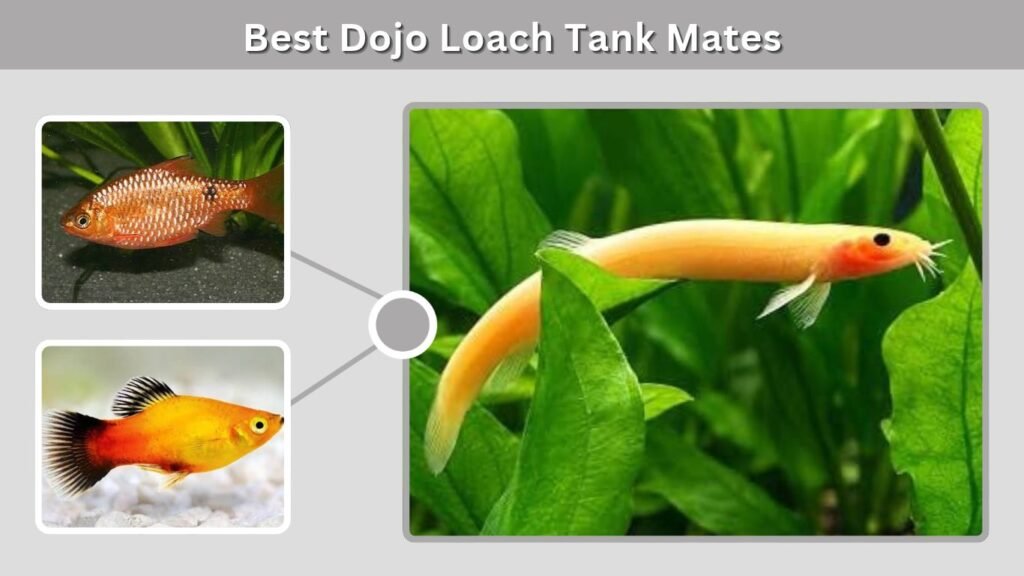
Dojo loaches are generally peaceful and can coexist with other fish that share their temperature and environmental requirements.
Suitable companions may include:
- Rosy barbs.
- Golden barbs.
- Variatus platies.
- Other dojo loaches.
- Appropriately sized, peaceful cool-water fish.
Some aquarists keep dojo loaches with single-tailed goldfish. However, both species require considerable space, and active loaches may disturb slower fancy goldfish.
Fish to Avoid
Avoid combining dojo loaches with aggressive fish or species that require consistently high tropical temperatures.
Many tropical cichlids and warm-water community fish are unsuitable because their preferred conditions differ.
Bettas are also generally poor companions because of their warmer temperature needs and different behavior.
For social interaction, keeping several dojo loaches together is preferable when aquarium space allows.
Dojo Loach Behavior and Activity
Dojo loaches are known for their energetic and sometimes unusual behavior.
They frequently explore the substrate, squeeze beneath decorations, and swim along the aquarium walls.
Are Dojo Loaches Nocturnal?
Dojo loaches often become more active during the evening and nighttime.
However, they may also swim and search for food throughout the day, especially after becoming comfortable in their surroundings.
Why Do Dojo Loaches Swim Rapidly?
Sudden bursts of swimming may occur during feeding, exploration, or environmental changes.
Their reputation for becoming restless before storms is associated with changes in atmospheric pressure.
Occasional activity changes are normal, but persistent frantic swimming may indicate stress or unsuitable water conditions.
Why Is My Dojo Loach Floating?
Dojo loaches can swallow atmospheric air and use their intestines for supplementary respiration.
Occasional trips to the surface are therefore not necessarily abnormal.
However, persistent floating, loss of balance, or remaining upside down may indicate a health problem. Check water conditions and seek advice from an aquatic veterinarian if these signs continue.
Dojo Loach Lifespan: How Long Do They Live?
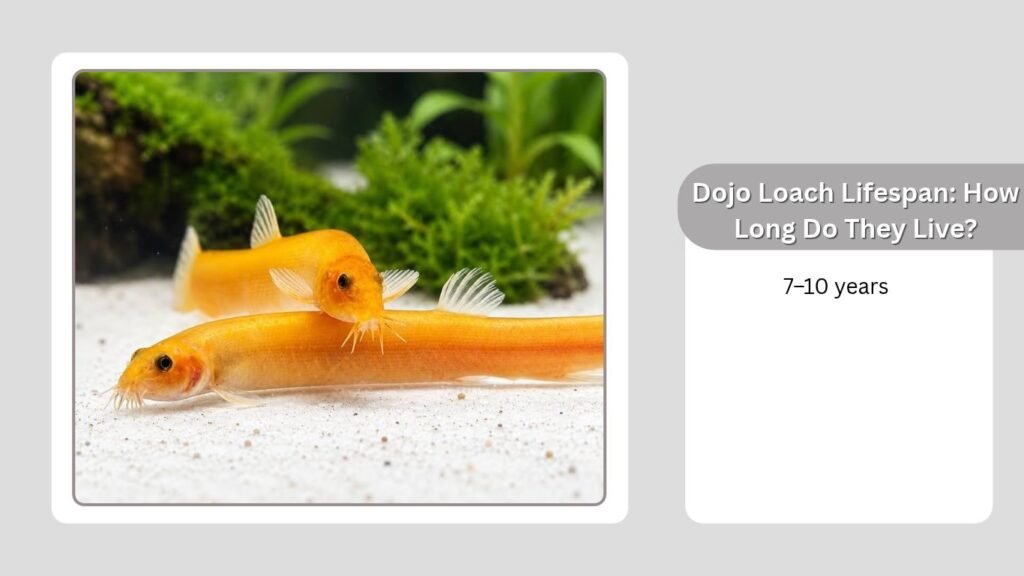
A dojo loach can live approximately 7–10 years or longer under appropriate aquarium conditions.
Actual lifespan varies with genetics, health, nutrition, water quality, and husbandry.
Several practices support long-term health:
- Maintain suitable water temperatures.
- Provide a spacious aquarium.
- Offer varied, nutritious foods.
- Keep ammonia and nitrite at zero.
- Use smooth substrate and safe hiding places.
- Avoid aggressive or incompatible tank mates.
A stable environment is more important than attempting to maximize growth through excessive feeding.
Dojo Loach Male vs. Female
Distinguishing male and female dojo loaches becomes easier as they mature.
Male dojo loaches often have larger, more developed pectoral fins, including a thickened fin ray.
Female dojo loaches generally develop fuller bodies and may become larger than males.
Body shape alone is not always reliable, particularly in juveniles.
Dojo Loach Breeding
Breeding dojo loaches in home aquariums is relatively uncommon.
In nature, reproduction is associated with seasonal environmental conditions and aquatic vegetation.
During spawning, the male wraps around the female while eggs are released and fertilized.
Successful breeding requires suitable conditions, healthy adults, and careful management of eggs and fry.
Because established home-breeding methods are limited, these fish are generally kept for their appearance and behavior rather than routine aquarium breeding.
FAQs
1. Are Dojo Loaches Aggressive?
No. Dojo loaches are generally peaceful fish. However, they may accidentally disturb smaller or slower-moving aquarium inhabitants because of their active behavior.
2. Can Dojo Loaches Live With Goldfish?
Yes, some dojo loaches can live with single-tailed goldfish when both species have sufficient space and compatible water conditions. Slow fancy goldfish may be less suitable companions.
3. Do Dojo Loaches Need to Be in Groups?
Dojo loaches benefit from companionship with their own species. Keeping a small group is generally preferable when the aquarium is large enough to accommodate them.
4. Do Dojo Loaches Eat Algae?
They may consume small amounts of algae while foraging, but they are not effective dedicated algae eaters. Their diet should consist primarily of suitable prepared foods and small aquatic invertebrates.
5. Are Dojo Loaches Illegal to Own?
Dojo loaches are restricted or prohibited in some locations because they can establish invasive populations. Check local regulations before purchasing them, and never release aquarium fish into natural waterways.