
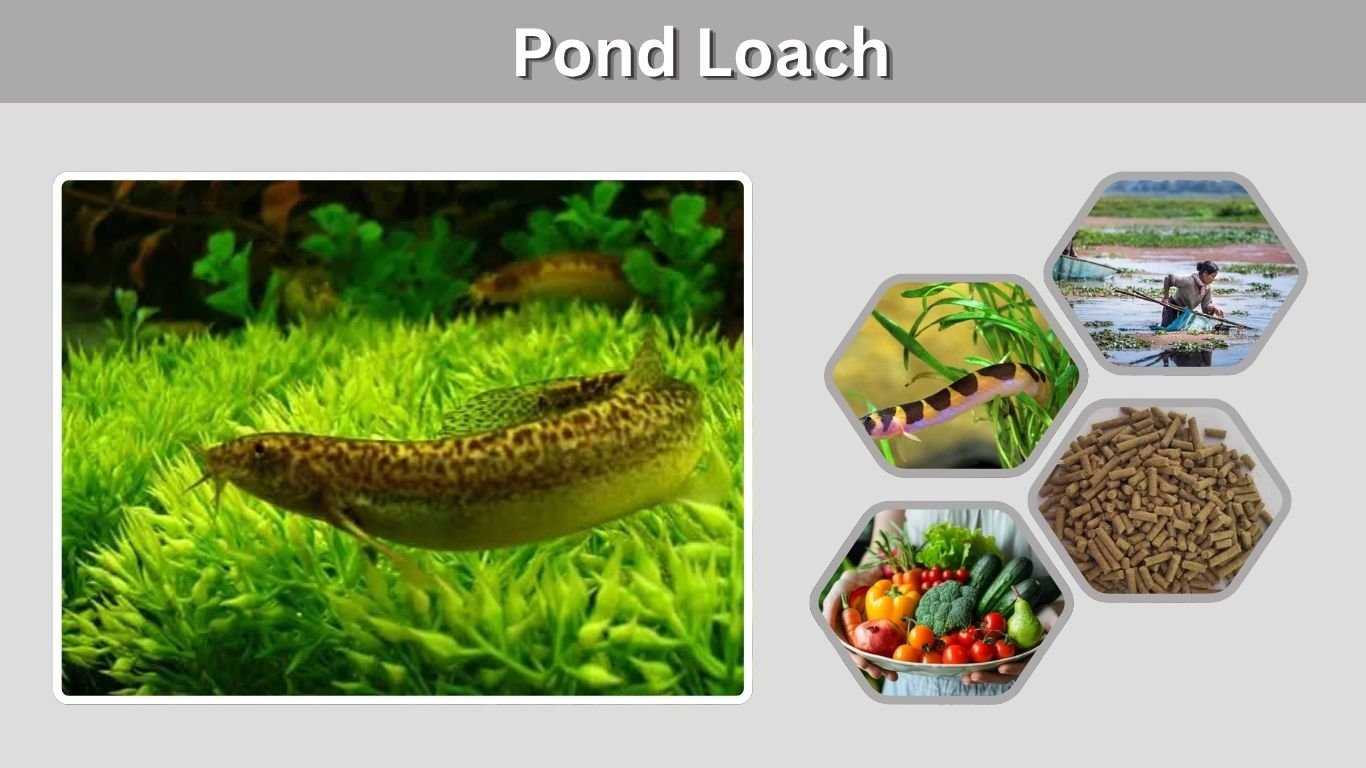
The pond loach (Misgurnus anguillicaudatus) is a slender freshwater fish also known as the dojo loach, weather loach, or Oriental weatherfish. Its curious behavior, whisker-like barbels, and burrowing ability make it popular with aquarists. Unlike tropical loaches, it prefers cooler conditions and may suit managed outdoor ponds where permitted. However, this hardy fish grows larger than beginners expect and can escape into natural waterways. This guide covers identification, habitat, size, diet, aquarium care, pond suitability, and breeding.
Pond Loach Identification
Pond loaches belong to the family Cobitidae and have long bodies suited to moving through soft sediment. They resemble eels but are true loaches. Downward-facing mouths and sensitive barbels help them find food in mud or sand. They differ from flattened hillstream loaches and tropical clown loaches.
How to Recognize a Pond Loach
Look for these characteristics:
- Body: Long, cylindrical, and flexible, with a rounded tail.
- Color: Brown, gray, or olive with darker mottling; some are golden.
- Mouth: Small and surrounded by several short, whisker-like barbels.
- Fins: Relatively small, helping the fish maneuver near the bottom.
- Behavior: Regularly burrows, explores the substrate, and occasionally rushes to the surface.
Golden and Other Pond Loach Varieties
Golden dojo loaches are pale yellow or gold-colored forms sold for aquariums. Labels such as Japanese, gray, or giant pond loach may describe other related fishes. Check the scientific name before assuming each label identifies the same species.
Where Do Pond Loaches Live?
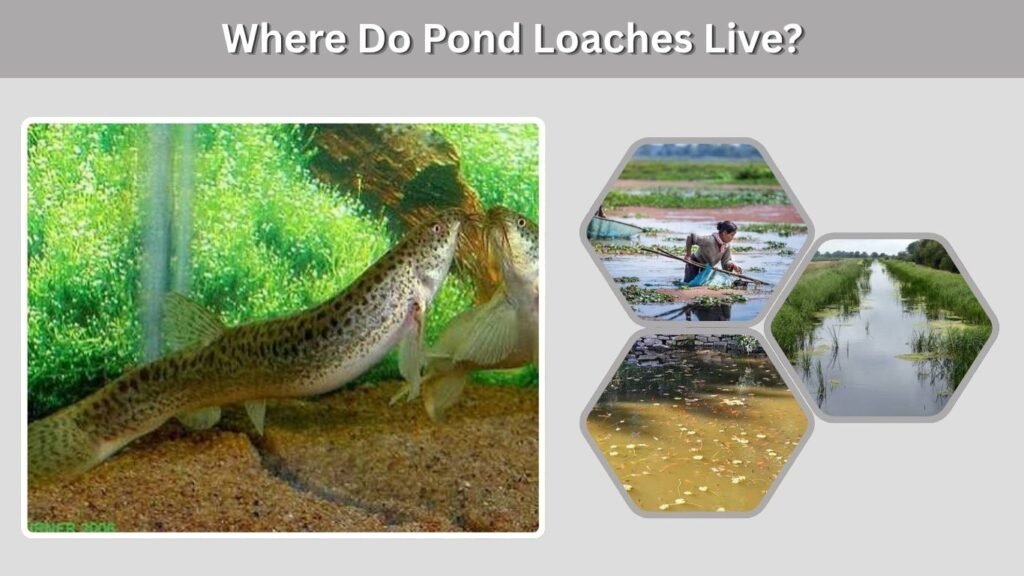
The native range covers East Asia, including China, Korea, and Japan. Pond loaches inhabit ponds, ditches, wetlands, and rice fields with slow water and muddy bottoms, unlike hillstream loaches that prefer rocky, flowing streams.
Why Pond Loaches Burrow
Soft substrate lets pond loaches hide and search for food. They may disappear beneath sand with only their heads exposed. They also gulp air and absorb oxygen through part of the intestine. This helps them survive low oxygen, but their water still needs filtration and aeration.
Pond Loach Size and Lifespan
Pond loaches commonly grow 6–10 inches (15–25 cm), sometimes larger. Females may be longer than males. Even a small juvenile needs substantial room when mature. With good care, they may live around 7–10 years according to aquarium husbandry estimates.
| Feature | Pond loach facts |
| Scientific name | Misgurnus anguillicaudatus |
| Other names | Dojo loach, weather loach, Oriental weatherfish |
| Adult size | Commonly 6–10 inches (15–25 cm) |
| Habitat | Slow water with soft, muddy or sandy bottoms |
| Feeding | Omnivorous bottom feeder |
| Temperature preference | Cool to moderately warm freshwater |
Can Pond Loaches Live in Outdoor Ponds?
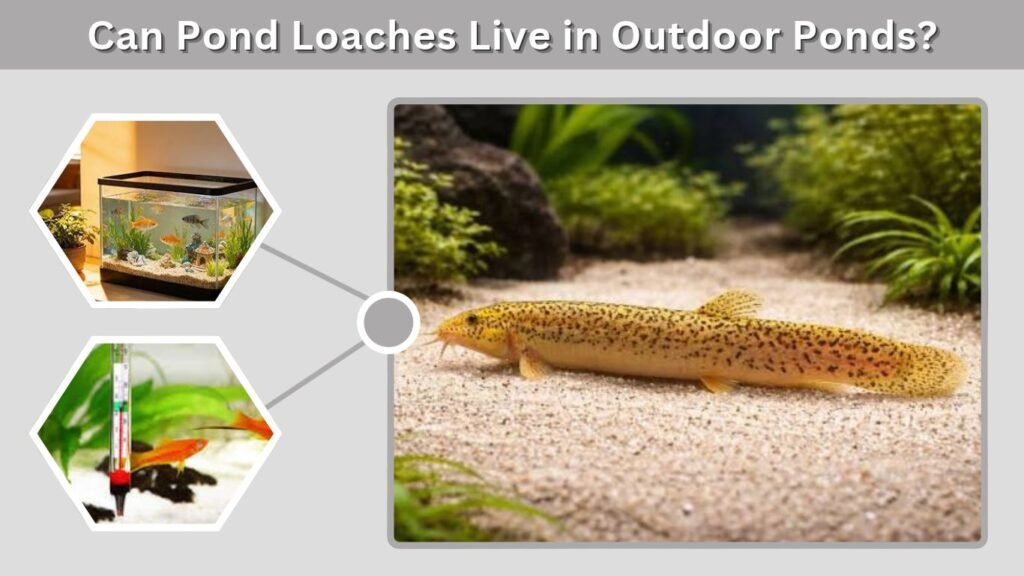
Pond loaches tolerate varied temperatures, making outdoor keeping possible in some climates. Yet not every pond is suitable. Depth, seasonal extremes, predators, and escape risk matter. The species is restricted in some places because it can establish invasive populations.
Conditions for a Suitable Pond
Before considering a pond loach, check these points:
- Local rules: Confirm that possession and outdoor keeping are allowed.
- Secure boundaries: Prevent fish from escaping through drains, floods, or overflow outlets.
- Safe bottom: Provide fine sand or other smooth areas for burrowing.
- Healthy water: Maintain filtration, aeration, and shaded areas during heat.
Can Pond Loaches Survive Winter?
Wild populations tolerate remarkable cold, but shallow ponds may freeze solid or lose oxygen. Do not assume winter survival merely because this is a coldwater fish. Assess pond depth and water conditions; move fish indoors when necessary.
Pond Loach Aquarium Care
An indoor aquarium offers better control over temperature and escape. Adults need generous floor space, secure covers, and soft substrate to protect their barbels. Choose a long, spacious aquarium rather than a small juvenile tank.
Water Conditions and Setup
A cool-to-temperate aquarium, often around 61–75°F (16–24°C), is a reasonable husbandry target. Keep ammonia and nitrite at zero, maintain stable water chemistry, and avoid prolonged tropical heat. Sand, rounded decorations, caves, and plants with protected roots provide enrichment. Because these active fish may jump or squeeze through gaps, secure the lid and equipment openings.
What Do Pond Loaches Eat?
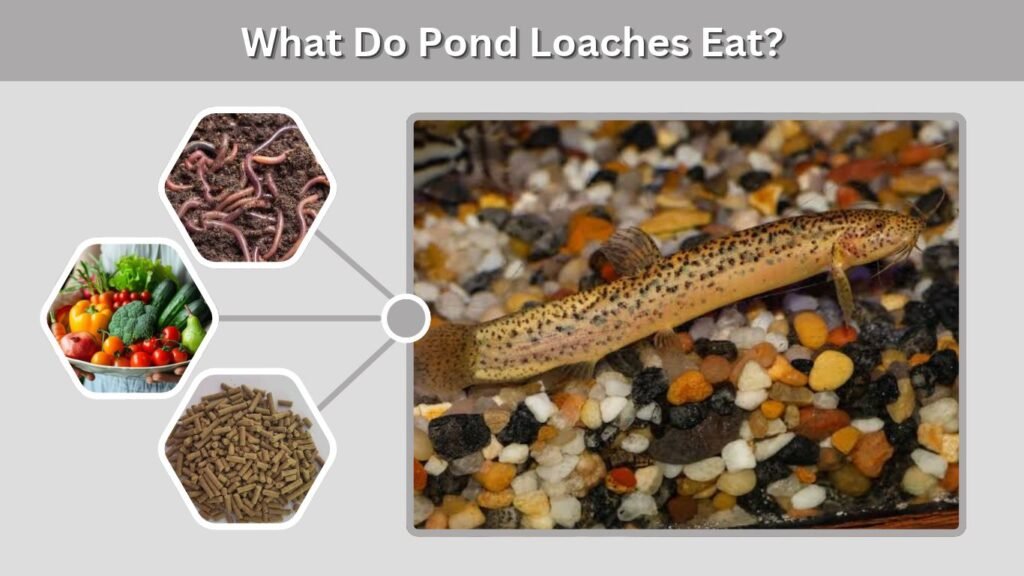
Pond loaches are omnivorous bottom feeders, not dedicated algae cleaners. They forage for insect larvae, worms, crustaceans, and other small animals, alongside organic debris. In captivity, provide nutritious food instead of relying on leftovers.
Suitable Foods for Pond Loaches
- Sinking pellets: A quality staple designed for omnivorous bottom fish.
- Worms and insect larvae: Natural, protein-rich foods from safe sources.
- Frozen foods: Bloodworms, daphnia, and brine shrimp for variety.
- Vegetable supplements: Small portions of suitable softened vegetables.
Feed moderate portions and remove leftovers. When keeping multiple fish, distribute food along the bottom so each animal can eat. Pond loaches may consume small snails, but they are not a guaranteed solution to every snail infestation.
Pond Loach Behavior and Tank Mates
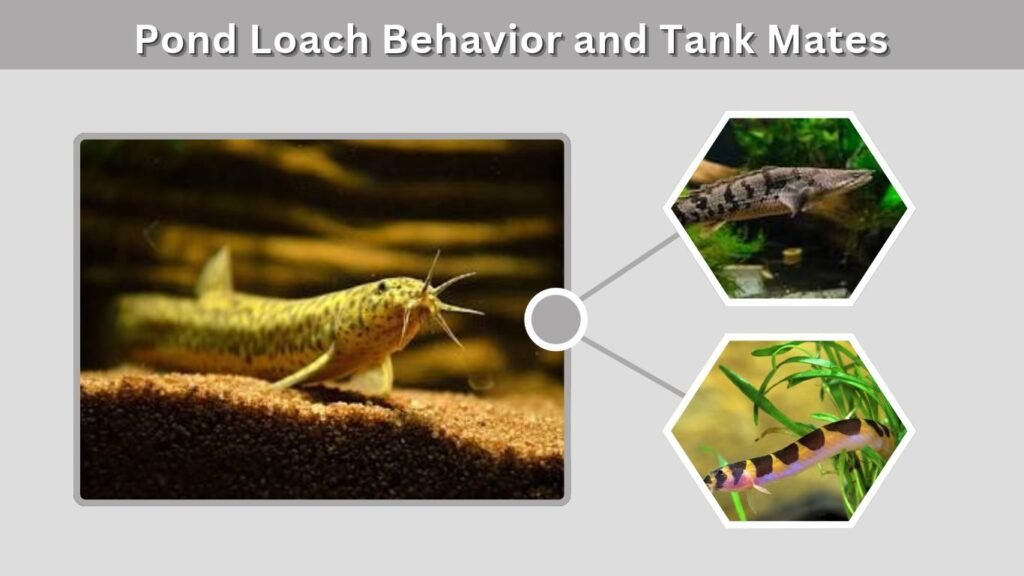
Dojo loaches are curious fish that may become active before weather changes. They generally coexist with peaceful coolwater companions. Avoid predators or tiny animals that could be swallowed.
Can Pond Loaches Live With Goldfish or Koi?
Some aquarists maintain dojo loaches with goldfish in sufficiently large systems, but feeding competition, waste production, and size differences must be managed. Koi ponds present additional risks because large fish can injure or outcompete smaller loaches. Any outdoor combination must also comply with local rules and prevent escape.
Pond Loach Breeding
Pond loaches lay eggs, but breeding is uncommon in community aquariums. Males may have more pronounced pectoral fins; females can look fuller. During spawning, the male curls around the female as eggs and sperm are released. Raising young requires appropriate food and protected nursery conditions.
FAQs
Are Pond Loaches and Dojo Loaches the Same Fish?
Yes. The names pond loach, dojo loach, and weather loach commonly refer to Misgurnus anguillicaudatus. However, shops sometimes use broad common names for related species. Checking the scientific name is the most reliable way to confirm which fish you are buying.
Can a Pond Loach Live in a Frozen Pond?
Pond loaches tolerate cold, but a decorative pond that freezes solid is unsafe. Ice cover can also reduce oxygen exchange. Their winter survival depends on depth, water conditions, and climate, so an appropriately sized indoor tank may be necessary during severe weather.
Are Pond Loaches Good Algae Eaters?
No. Pond loaches may swallow some plant material or debris while feeding, but their main diet includes small bottom-dwelling animals and prepared foods. They should not be purchased primarily for algae control. A balanced feeding plan is more important than their cleaning reputation.
Do Pond Loaches Need to Be Kept in Groups?
They can live individually, but many show more active and natural behavior with compatible companions of their own kind. A group needs enough floor space, hiding places, and food. Avoid crowding them into a small tank just because they are peaceful fish.
Can You Release a Pond Loach Into a Natural Pond?
No. Never release captive pond loaches into rivers, lakes, drainage ditches, or natural ponds. They have established populations outside their native range and can affect local wildlife. If you can no longer keep one, contact a responsible aquarium shop or local fish organization about rehoming.