
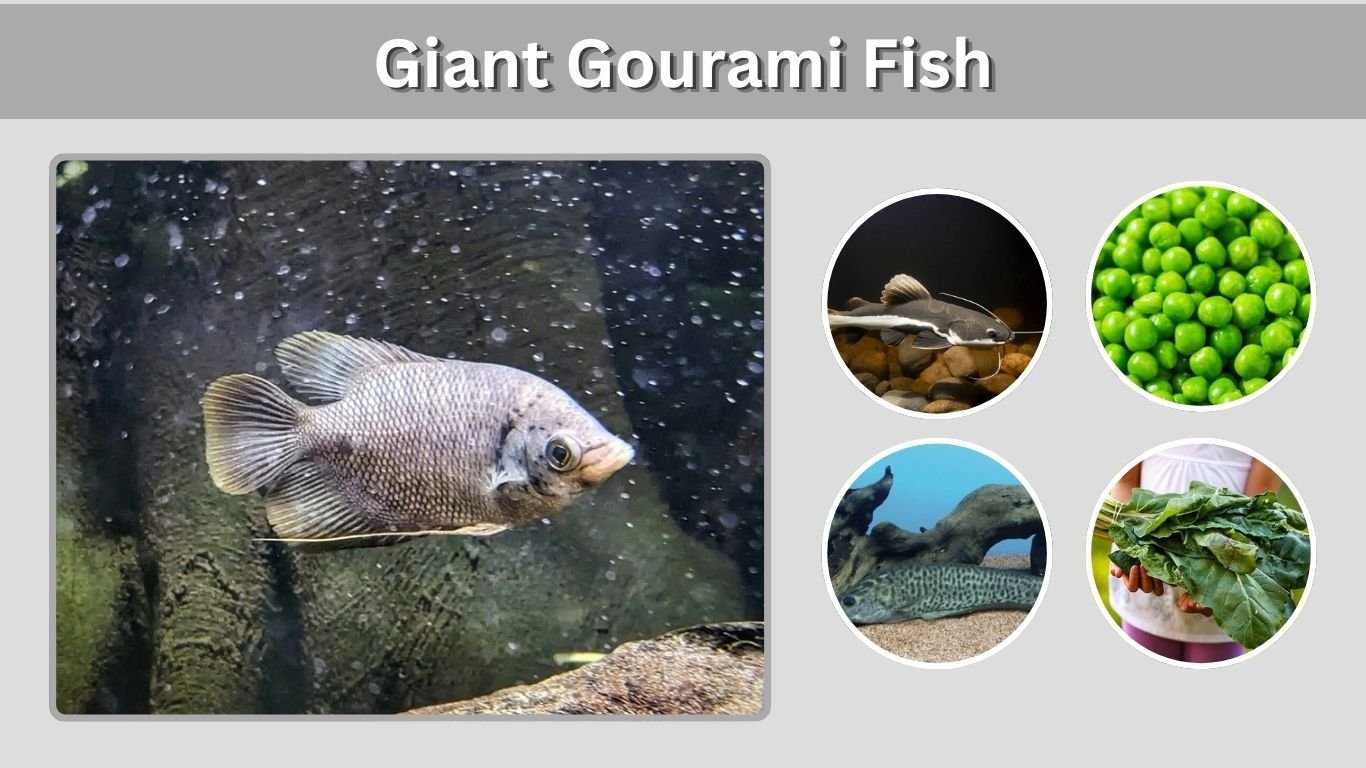
The Giant Gourami Fish (Osphronemus goramy) is one of the largest freshwater gouramis, known for its impressive size, intelligence, and distinctive appearance. Native to Southeast Asia, this tropical fish is popular among experienced aquarium keepers because of its interactive personality and long lifespan. Giant Gouramis come in several color varieties, including black, white, golden, and albino forms. However, their large adult size requires spacious aquariums and proper care. This guide covers Giant Gourami fish size, tank requirements, food, lifespan, breeding, tank mates, and other essential care information.
What Is a Giant Gourami Fish?
The Giant Gourami is a large freshwater fish belonging to the Osphronemidae family. It naturally inhabits rivers, lakes, swamps, and slow-moving waters across Southeast Asia. Unlike smaller gourami species, this fish can grow to an impressive size and develop a noticeably rounded forehead. Its ability to breathe atmospheric air allows it to survive in relatively oxygen-poor environments.
Giant Gourami Fish Identification
The Giant Gourami has several distinctive physical characteristics that make it recognizable.
- Scientific Name: Osphronemus goramy
- Family: Osphronemidae
- Adult Size: Can reach approximately 70 cm (28 inches) in standard length.
- Body Shape: Large, deep-bodied, and laterally compressed.
- Body Color: Gray, brown, black, white, golden, or pinkish.
- Fins: Long dorsal and anal fins with thread-like pelvic fin extensions.
- Head: Adults often develop thick lips and a prominent forehead.
- Breathing: Possesses a labyrinth organ for breathing atmospheric air.
Giant Gourami Fish Size and Lifespan
Giant Gouramis grow considerably larger than most aquarium gouramis. Young fish may measure only a few inches when purchased, but adults can become more than two feet long.
With excellent care, Giant Gourami fish can live for over 20 years. Their growth rate and longevity depend on nutrition, aquarium space, water quality, and overall health.
Giant Gourami Fish Colors and Varieties
Several color varieties are available in the aquarium trade. Black or dark Giant Gouramis resemble the natural form, while white, pink, and golden varieties display lighter pigmentation.
Albino Giant Gourami fish typically have pale bodies and reddish eyes. However, not every white Giant Gourami is a true albino.
The Red Tail Giant Gourami (Osphronemus laticlavius) is a separate species, recognized by its reddish fin margins.
Giant Gourami Fish Tank Size and Setup

Keeping Giant Gourami fish requires considerably more space than maintaining ordinary community aquarium species. Their large bodies, active feeding behavior, and substantial waste production make small tanks unsuitable. An appropriately sized aquarium should provide open swimming space, efficient filtration, and stable water conditions. Planning for the fish’s eventual adult size is essential before purchasing a juvenile.
Giant Gourami Fish Tank Requirements
- Tank Size: Around 180 gallons is an absolute lower limit for an adult; 250–300 gallons or more is preferable.
- Temperature: 68–86°F (20–30°C), with stable tropical temperatures preferred.
- Water pH: Approximately 6.5–8.0.
- Water Hardness: Approximately 5–25 dGH.
- Filtration: Powerful biological and mechanical filtration.
- Water Movement: Gentle to moderate circulation.
- Lighting: Moderate aquarium lighting.
- Water Changes: Regular partial changes based on water testing and waste accumulation.
How to Set Up a Giant Gourami Aquarium
Choose a long, wide aquarium with enough room for the fish to turn comfortably. Add large smooth rocks, sturdy driftwood, and open swimming areas.
Avoid sharp decorations and delicate plants that may be damaged or eaten. A secure aquarium cover is important, but the fish must retain access to air above the water surface.
Common Giant Gourami Fish Diseases
Giant Gouramis may experience bacterial infections, parasitic diseases, fin damage, and other health problems.
Warning signs include reduced appetite, unusual swimming behavior, white spots, damaged fins, or persistent rubbing against objects.
Maintaining clean water, avoiding overcrowding, and quarantining new fish help reduce disease risks.
What Do Giant Gourami Fish Eat?
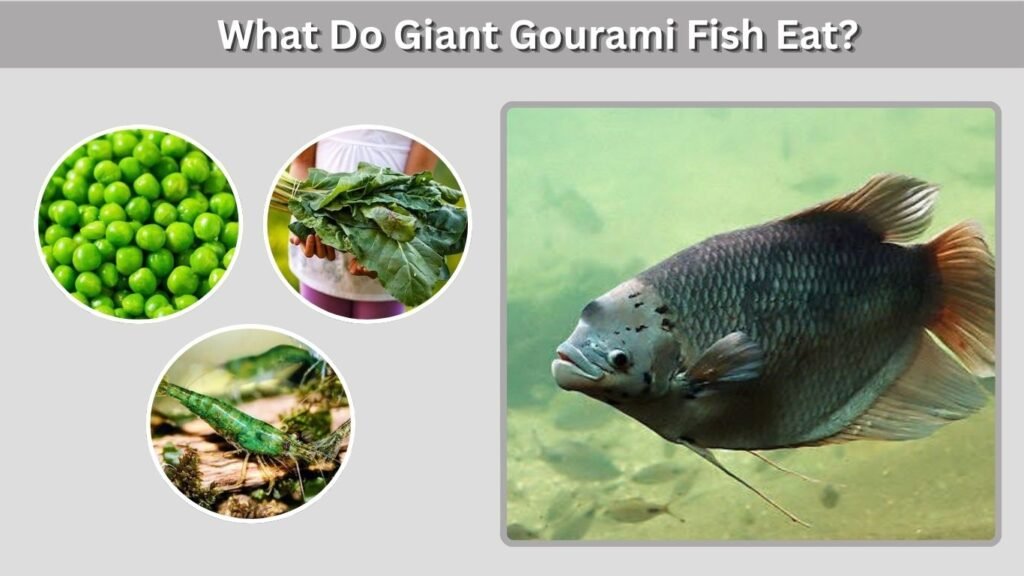
Giant Gourami fish are omnivorous, although plant material forms an important part of their natural diet. In the wild, they consume aquatic vegetation, fruits, invertebrates, and occasionally smaller animals. Aquarium specimens accept various prepared and fresh foods. Providing a balanced diet supports healthy growth, coloration, digestion, and long-term health while helping prevent nutritional deficiencies.
Best Food for Giant Gourami Fish
- Quality Pellets: Nutritionally balanced pellets formulated for large omnivorous fish.
- Vegetables: Blanched spinach, zucchini, peas, and leafy greens.
- Plant-Based Foods: Algae-based pellets and suitable aquatic vegetation.
- Frozen Foods: Occasional shrimp, worms, and other appropriate invertebrates.
- Fresh Foods: Small portions of suitable plant material.
- Protein Supplements: Occasional aquatic invertebrates to provide dietary variety.
Giant Gourami Fish Feeding Schedule
Young Giant Gouramis generally benefit from smaller, more frequent meals, while adults can be maintained on carefully measured daily feedings.
Offer portions that are eaten promptly without leaving significant leftovers. Overfeeding can cause digestive problems and deteriorate aquarium water quality.
A varied diet containing substantial plant matter is preferable to feeding only high-protein foods.
Giant Gourami Fish Tank Mates and Behavior
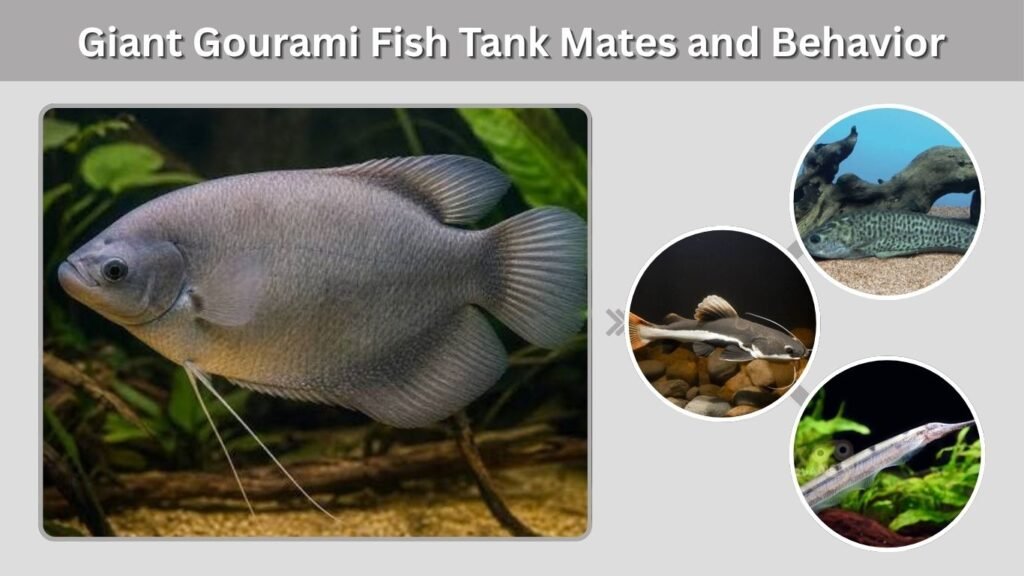
Giant Gouramis are often described as intelligent and interactive aquarium fish. Many individuals recognize familiar caretakers and approach the aquarium glass during feeding. However, their temperament varies, and some adults become territorial. Choosing compatible tank mates depends on aquarium size, individual behavior, and whether other fish can safely coexist with such a large species.
Which Fish Can Live With Giant Gourami?
Potential tank mates include certain large catfish, robust knifefish, and other substantial freshwater species with compatible water requirements.
However, compatibility is never guaranteed. Large Giant Gouramis may become aggressive toward unfamiliar fish, especially in confined spaces.
A single Giant Gourami is often the safest arrangement for aquariums that cannot accommodate additional large fish.
Will Giant Gourami Eat Other Fish?
Yes, Giant Gouramis may eat smaller fish that fit inside their mouths. Although they consume considerable plant material, they are opportunistic omnivores.
Small community fish, including guppies, neon tetras, and other tiny species, should not be considered safe tank mates.
Even larger companions require monitoring for aggression and competition during feeding.
Giant Gourami Fish Breeding and Buying Guide
Breeding Giant Gouramis is possible, but their impressive adult size makes reproduction challenging in ordinary home aquariums. Successful breeding requires substantial space, compatible mature fish, and suitable nesting conditions. Buyers should also consider the long-term expense of maintaining these fish. Understanding sex differences, reproduction, availability, and purchasing considerations helps aquarium owners make responsible decisions.
Male vs. Female Giant Gourami Identification
- Dorsal Fin: Mature males generally develop more pointed dorsal fins.
- Anal Fin: Males often have more pointed anal fins than females.
- Forehead: Some mature males develop a more pronounced forehead hump.
- Body Shape: Females may appear fuller-bodied, particularly when carrying eggs.
- Juveniles: Young males and females are difficult to distinguish reliably.
Giant Gourami Fish Breeding
Male Giant Gouramis construct nests using plant material near the water surface.
After spawning, eggs are collected into the nest, where the male provides protection. Under suitable conditions, eggs may hatch within approximately 24–36 hours.
Breeding adults require substantial aquarium space, and developing fry need appropriately sized food and stable water conditions.
Giant Gourami Fish Price and Availability
Giant Gourami fish prices vary depending on size, color variety, location, and seller availability.
Juvenile Giant Gouramis are generally easier to transport and house temporarily than full-grown adults. Albino, white, and other unusual color forms may command higher prices.
Aquarium stores and specialty breeders sometimes offer Giant Gourami fish for sale, including in Indian aquarium markets. Always confirm the scientific name, fish health, and adult housing requirements before purchasing.
FAQs
Giant Gourami fish often attract attention because of their unusual appearance, substantial size, and long lifespan. Aquarium owners frequently have questions about housing requirements, compatible companions, feeding behavior, and color differences. Understanding these details is particularly important for beginners considering a Giant Gourami as a pet, since these fish require significant space and a long-term commitment.
1. How Big Does a Giant Gourami Fish Get?
Giant Gourami fish can reach approximately 70 cm (28 inches) in standard length. Their impressive adult size makes them unsuitable for small household aquariums.
2. What Is the Minimum Tank Size for Giant Gourami Fish?
An aquarium of approximately 180 gallons represents an absolute lower limit for an adult. A larger tank of 250–300 gallons or more is preferable, particularly for fully grown fish.
3. How Long Do Giant Gourami Fish Live?
Giant Gourami fish can live for more than 20 years under suitable aquarium conditions. Proper nutrition, clean water, and adequate swimming space contribute to their longevity.
4. Are Albino Giant Gourami Fish Different From Regular Giant Gouramis?
Albino Giant Gouramis are color variants of the same species. They generally share the same feeding habits, adult size, and aquarium care requirements as normally colored Giant Gouramis.
5. Can Giant Gourami Fish Live With Oscar Fish?
Giant Gouramis and Oscar fish may coexist in exceptionally spacious aquariums, but compatibility depends on individual temperament and available space. Both fish can become territorial, so aggression and feeding competition must be monitored carefully.