
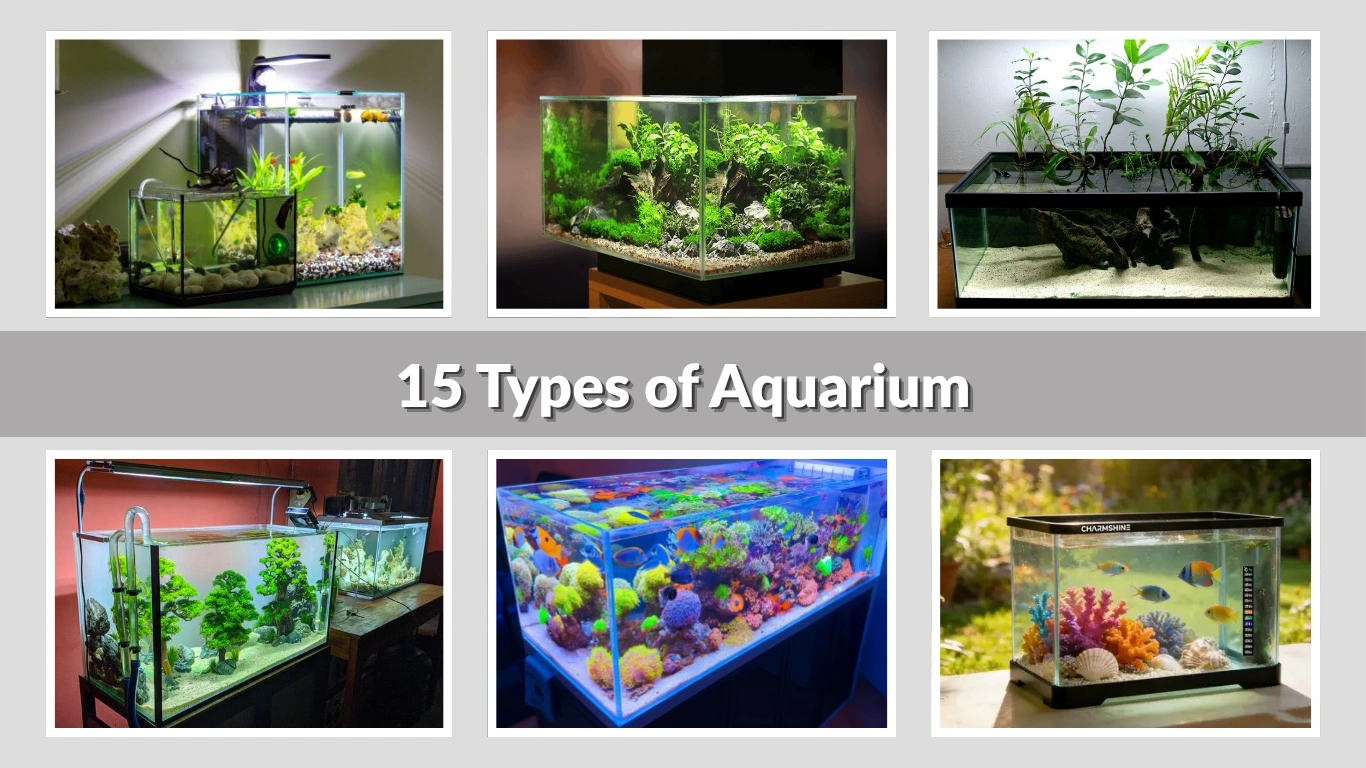
Aquariums come in many styles, each designed to suit different environments, fish species, and skill levels. From simple freshwater tanks to complex reef systems, every type offers a unique way to enjoy aquatic life. Choosing the right aquarium depends on factors like space, budget, and the level of care you can provide.
Some aquariums are perfect for beginners, while others are better suited for experienced hobbyists who want to recreate natural ecosystems or breed fish. Understanding the different types helps you make better decisions and ensures a healthy environment for your fish.
In this guide, you’ll explore 15 types of aquariums, along with their purpose, placement, key features, and care needs—helping you find the best option for your setup.
1. Freshwater Aquarium
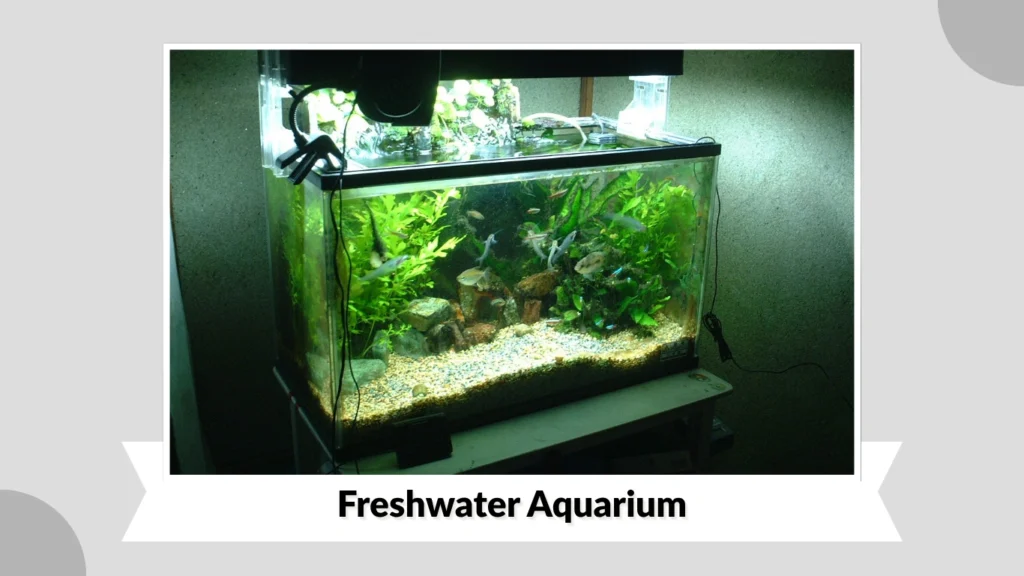
A freshwater aquarium is one of the most popular and beginner-friendly types of aquariums. It uses non-salty water and supports a wide variety of fish, plants, and decorations. Because it is easier to maintain and more affordable than other types, it is often the first choice for new fish keepers.
Where It Fits Best
Freshwater aquariums work well in homes, offices, classrooms, or small apartments. They don’t require complex equipment, so they can be placed on desks, shelves, or dedicated stands. Just ensure access to electricity and avoid direct sunlight to maintain stable water conditions.
Why Choose a Freshwater Aquarium
This type is ideal for beginners due to its simple setup and lower maintenance needs. Fish are generally hardier, and supplies like filters and food are widely available. It also offers flexibility, allowing hobbyists to create colorful, peaceful aquatic environments.
Key Features
- Uses non-salty (fresh) water
- Supports a wide range of fish species
- Compatible with live plants and decorations
- Easier and cheaper to maintain than saltwater tanks
Care and Size Considerations
Freshwater aquariums come in many sizes, from small 10-liter tanks to large 200-liter setups. Regular care includes feeding fish, changing water weekly, and checking filtration systems. Choosing the right tank size depends on the number and type of fish you plan to keep.
2. Saltwater Aquarium
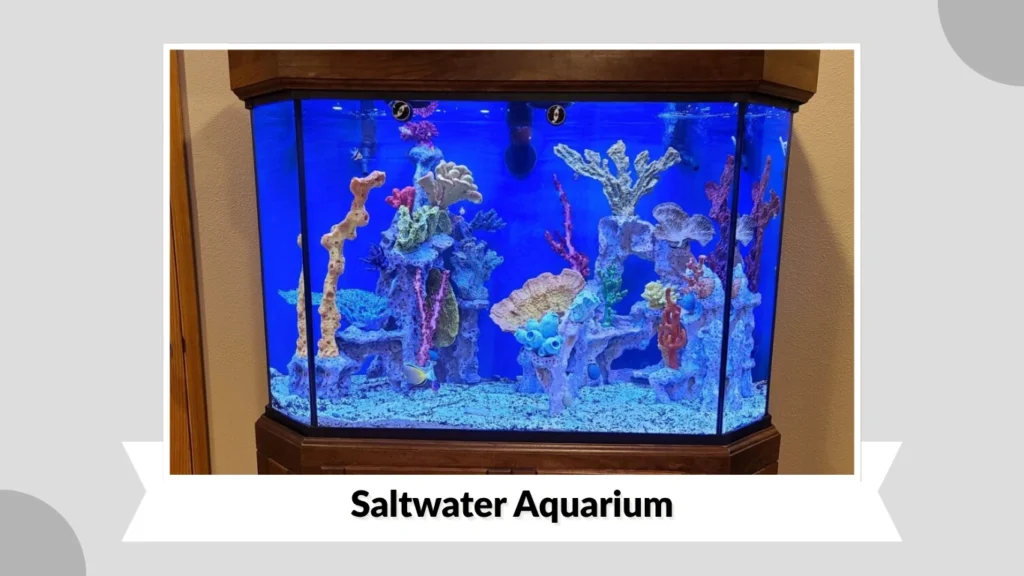
A saltwater aquarium, also known as a marine aquarium, contains salt-mixed water and is home to marine fish and organisms. It offers vibrant colors and unique species that are not found in freshwater setups, making it attractive for hobbyists seeking a more advanced aquarium experience.
Where It Fits Best
Saltwater aquariums are best suited for stable indoor environments like living rooms or dedicated hobby spaces. They require sturdy stands and consistent temperature control. Because of their complexity, they are not ideal for frequent relocation or unstable conditions.
Why Choose a Saltwater Aquarium
This type is chosen for its stunning marine life, including colorful fish and fascinating creatures. It allows hobbyists to explore ocean-like ecosystems at home. However, it requires more knowledge, patience, and investment compared to freshwater aquariums.
Key Features
- Uses salt-mixed water
- Hosts marine fish and invertebrates
- Requires specialized equipment
- Offers vibrant and exotic species
Care and Size Considerations
Saltwater tanks usually start from medium sizes, around 75 liters or more, to maintain water stability. Regular maintenance includes monitoring salinity, pH, and temperature. Proper filtration and frequent water testing are essential to keep marine life healthy.
3. Reef Aquarium
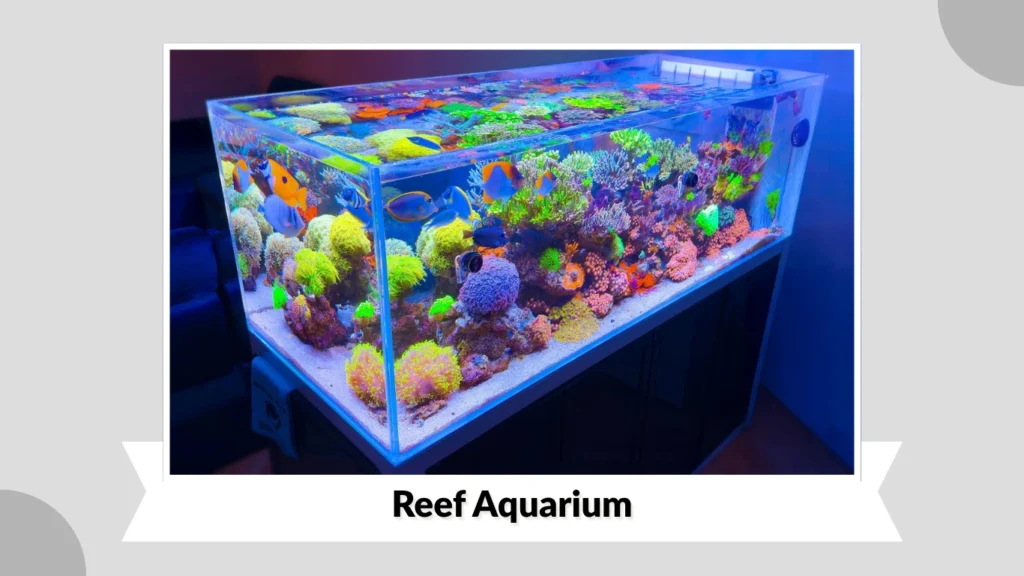
A reef aquarium is a specialized type of saltwater aquarium designed to replicate a coral reef ecosystem. It houses not only marine fish but also live corals and invertebrates. Known for its beauty and complexity, it is often chosen by experienced aquarists who want a vibrant, living display.
Where It Fits Best
Reef aquariums are best placed in stable indoor environments where temperature, lighting, and water conditions can be closely controlled. They require a dedicated space with strong support, as the setup can be heavy and equipment-intensive.
Why Choose a Reef Aquarium
This aquarium type is ideal for those who want a visually stunning and dynamic underwater environment. Corals add movement and color, creating a natural reef feel. However, it demands more time, effort, and knowledge than basic aquariums.
Key Features
- Contains live corals and marine life
- Requires high-quality lighting systems
- Needs stable water chemistry
- Offers a natural reef-like environment
Care and Size Considerations
Reef aquariums typically start from around 100 liters to ensure stable conditions. Care involves maintaining proper lighting, calcium levels, and water parameters. Regular monitoring and water changes are essential to keep corals and fish healthy.
4. Planted Aquarium
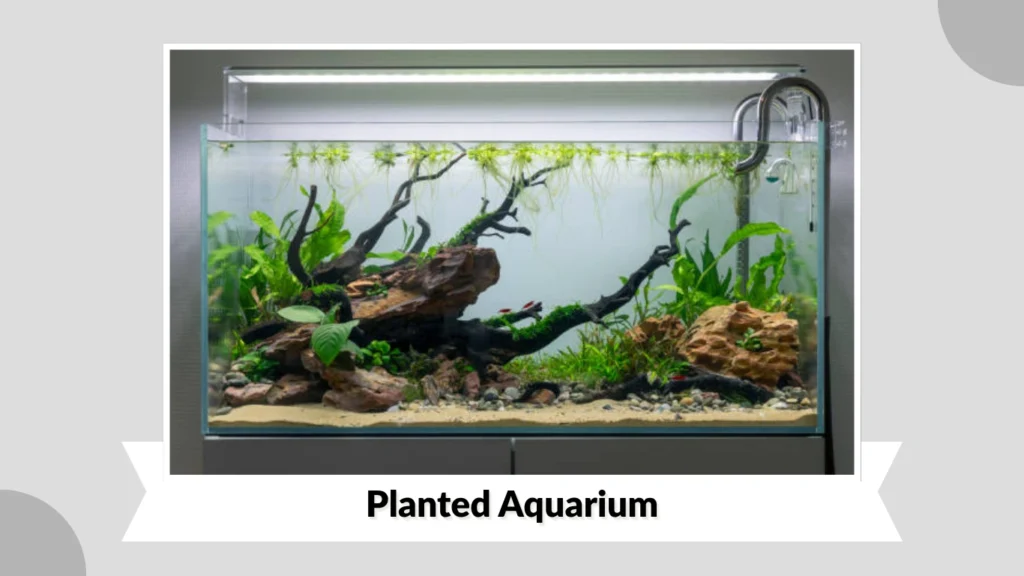
A planted aquarium focuses on growing live aquatic plants along with fish. It creates a natural underwater landscape that mimics rivers or lakes. This type of aquarium is loved for its beauty, oxygen-rich environment, and the balance it brings between plants and fish.
Where It Fits Best
Planted aquariums are perfect for homes, offices, or decorative spaces where aesthetics matter. They look great in living rooms or workspaces with indirect light. A calm, stable location helps plants grow properly without sudden environmental changes.
Why Choose a Planted Aquarium
This aquarium is ideal for those who enjoy both gardening and fish keeping. Live plants improve water quality, reduce toxins, and create a healthier habitat for fish. It also offers a relaxing and visually pleasing natural setup.
Key Features
- Uses live aquatic plants
- Improves water quality naturally
- Creates a natural ecosystem
- Enhances visual appeal
Care and Size Considerations
Planted aquariums can range from small to large sizes, but medium tanks (around 60–120 liters) are easier to manage. Regular care includes proper lighting, adding nutrients or fertilizers, trimming plants, and maintaining clean water conditions for both plants and fish.
5. Nano Aquarium
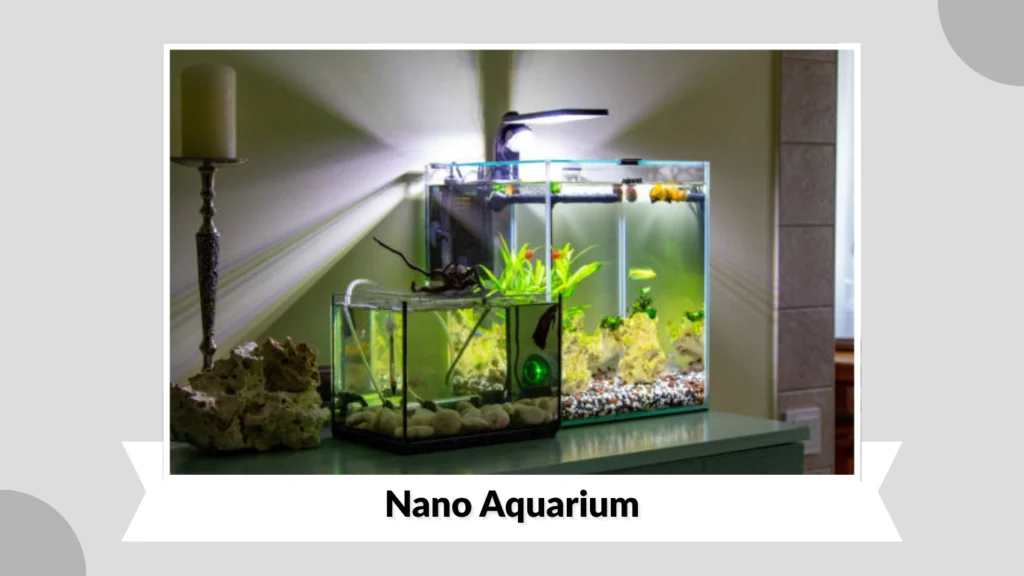
A nano aquarium is a small-sized tank, usually under 40 liters, designed for compact spaces and minimal setups. Despite its size, it can still create a beautiful aquatic environment with small fish, shrimp, or plants. It is popular among beginners and hobbyists with limited space.
Where It Fits Best
Nano aquariums are perfect for desks, small apartments, offices, or bedrooms. Their compact size makes them easy to place almost anywhere, as long as there is a stable surface and access to electricity for basic equipment.
Why Choose a Nano Aquarium
This type is ideal for those who want a low-cost and space-saving aquarium. It allows beginners to start small and learn fishkeeping basics. It’s also great for creating stylish mini aquascapes without needing a large investment.
Key Features
- Small and compact size
- Suitable for limited spaces
- Lower setup cost
- Ideal for small fish or shrimp
Care and Size Considerations
Nano tanks require careful maintenance because water conditions can change quickly in small volumes. Regular water changes, proper feeding, and monitoring are essential. Choosing fewer, small-sized fish helps maintain a balanced and healthy environment.
6. Community Aquarium
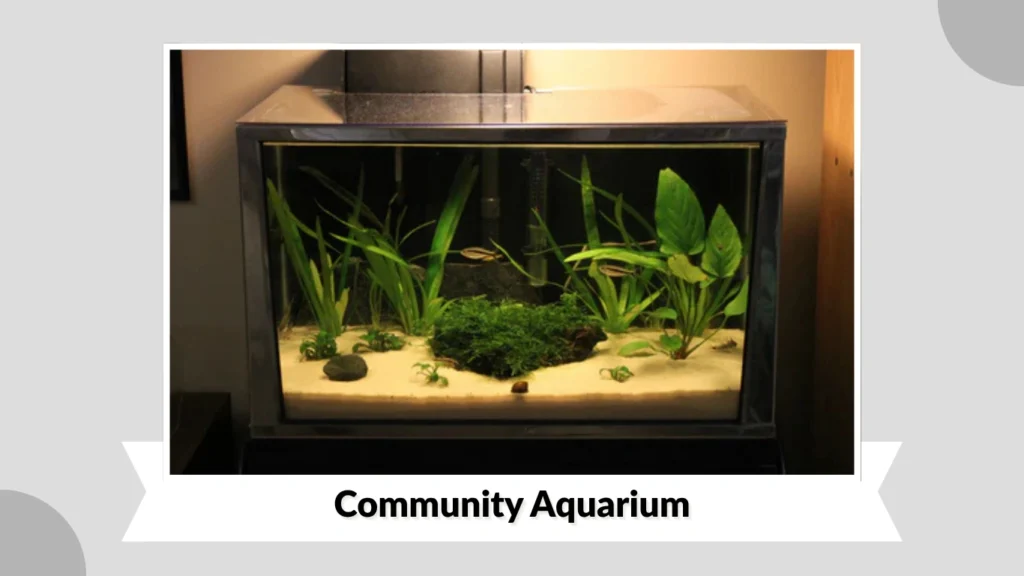
A community aquarium is designed to house different species of peaceful fish together in one tank. It creates a balanced and lively environment where various fish coexist without aggression. This type is very popular among beginners and hobbyists who enjoy diversity in one setup.
Where It Fits Best
Community aquariums fit well in homes, offices, or shared spaces where people can enjoy watching different fish interact. A medium-sized tank placed in a calm area works best to maintain a stable and stress-free environment for multiple species.
Why Choose a Community Aquarium
This aquarium type is perfect for those who want variety and color in a single tank. It allows mixing compatible fish species, making the tank more active and visually interesting. It’s also a great way to learn about fish behavior and compatibility.
Key Features
- Houses multiple peaceful fish species
- Requires compatibility between fish
- Creates a lively and colorful environment
- Suitable for beginners and hobbyists
Care and Size Considerations
Community tanks are usually medium to large, starting from around 60 liters. Proper planning is important to avoid overcrowding and aggression. Regular water changes, balanced feeding, and monitoring fish behavior help maintain harmony and a healthy ecosystem.
7. Species Tank
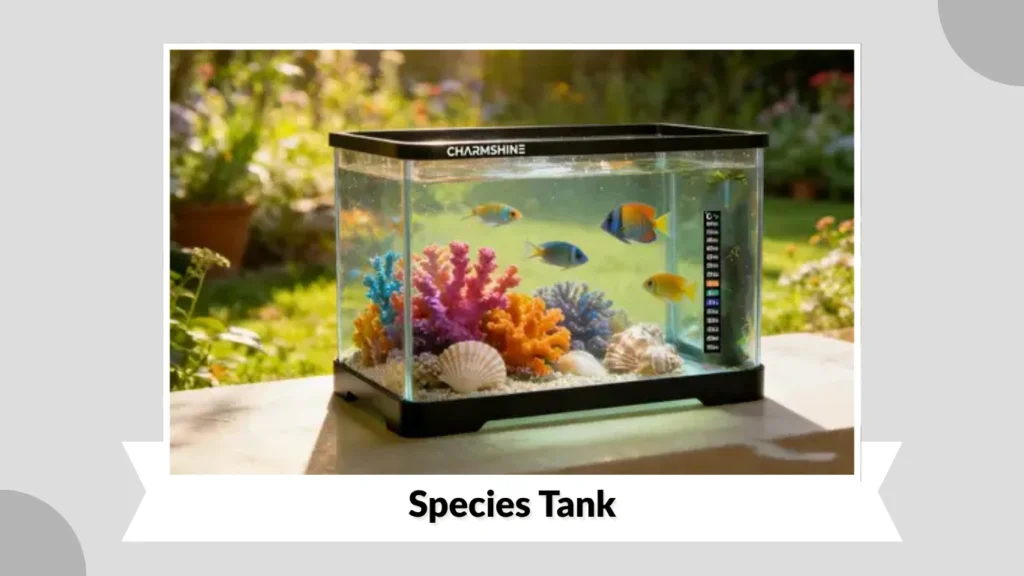
A species tank is designed to house only one type of fish species. It allows fish to live in an environment tailored specifically to their needs and natural behavior. This setup is ideal for observing unique habits and ensuring optimal care for a particular species.
Where It Fits Best
Species tanks can be placed in homes, offices, or hobby rooms where focused observation is possible. They work best in quiet, stable areas since some species may be sensitive to noise or sudden changes in their environment.
Why Choose a Species Tank
This type is perfect for fish keepers who want to focus on one species and understand its behavior deeply. It reduces the risk of aggression or incompatibility and allows you to create ideal living conditions for that specific fish.
Key Features
- Contains only one fish species
- Customized environment for specific needs
- Reduces compatibility issues
- Ideal for behavioral observation
Care and Size Considerations
Tank size depends on the species being kept, ranging from small to large setups. Care involves meeting the exact requirements of that species, including water parameters, diet, and habitat setup. Regular maintenance ensures a healthy and stress-free environment.
8. Coldwater Aquarium
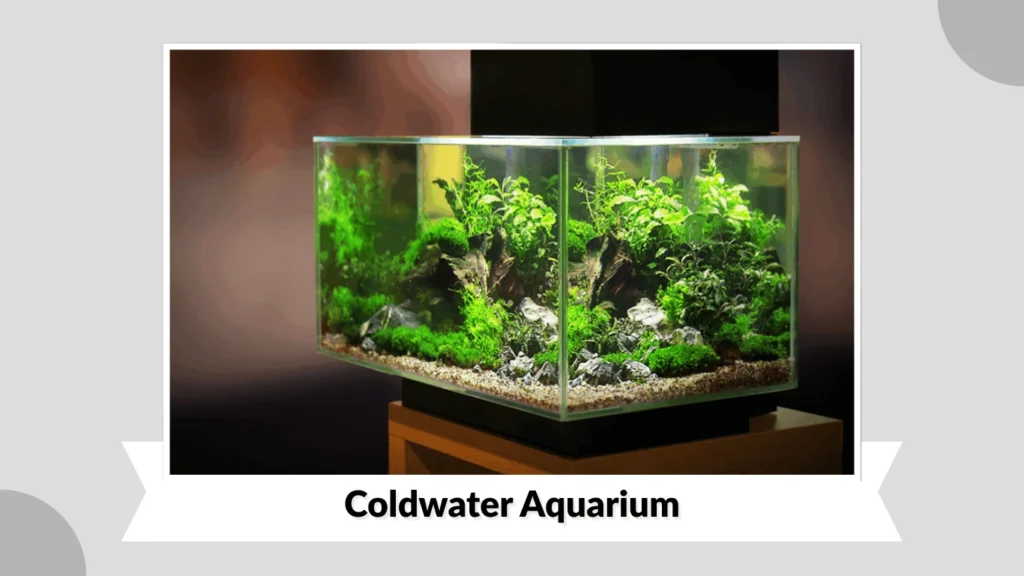
A coldwater aquarium is designed for fish that thrive in cooler temperatures, typically without the need for a heater. It is simple to maintain and often includes hardy species like goldfish. This type is a great option for beginners looking for an easy setup.
Where It Fits Best
Coldwater aquariums are suitable for homes, schools, or offices where room temperature stays relatively stable. They can be placed in well-lit areas but should be kept away from direct sunlight to avoid sudden temperature changes.
Why Choose a Coldwater Aquarium
This aquarium type is ideal for those who want a low-maintenance setup. It doesn’t require heating equipment, which reduces cost and complexity. The fish are generally hardy and can tolerate minor changes in water conditions.
Key Features
- No heater required
- Suitable for hardy fish species
- Simple and low-cost setup
- Easy maintenance
Care and Size Considerations
Coldwater tanks are usually medium-sized, around 50 liters or more, especially for fish like goldfish that need space. Regular water changes, proper filtration, and controlled feeding are important to keep the water clean and fish healthy.
9. Tropical Aquarium
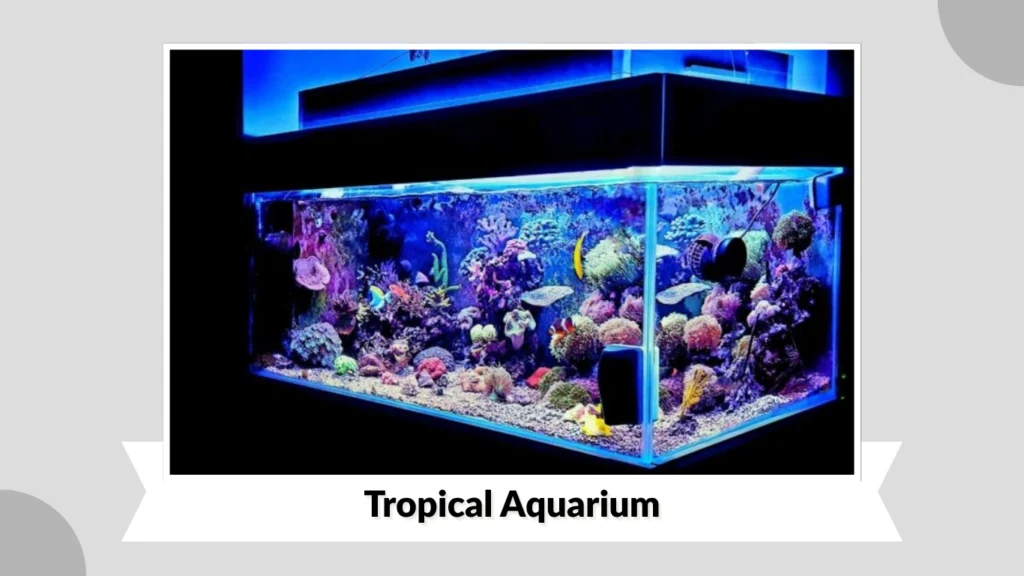
A tropical aquarium is designed for fish that require warm water, usually maintained between 24–28°C. It is one of the most common aquarium types, known for its colorful fish and wide variety of species. A heater is essential to keep the water temperature stable.
Where It Fits Best
Tropical aquariums are ideal for indoor spaces like living rooms, offices, or bedrooms where temperature can be controlled easily. They should be placed away from drafts and direct sunlight to maintain consistent warmth.
Why Choose a Tropical Aquarium
This type is perfect for those who want a vibrant and diverse fish collection. Tropical fish are known for their bright colors and active behavior, making the aquarium more visually appealing and engaging.
Key Features
- Requires a water heater
- Supports a wide variety of colorful fish
- Stable warm temperature needed
- Popular among beginners and hobbyists
Care and Size Considerations
Tropical aquariums typically start from 60 liters or more. Regular care includes monitoring temperature, maintaining filtration, and performing weekly water changes. Choosing compatible species and avoiding overcrowding helps maintain a healthy and balanced environment.
10. Brackish Aquarium
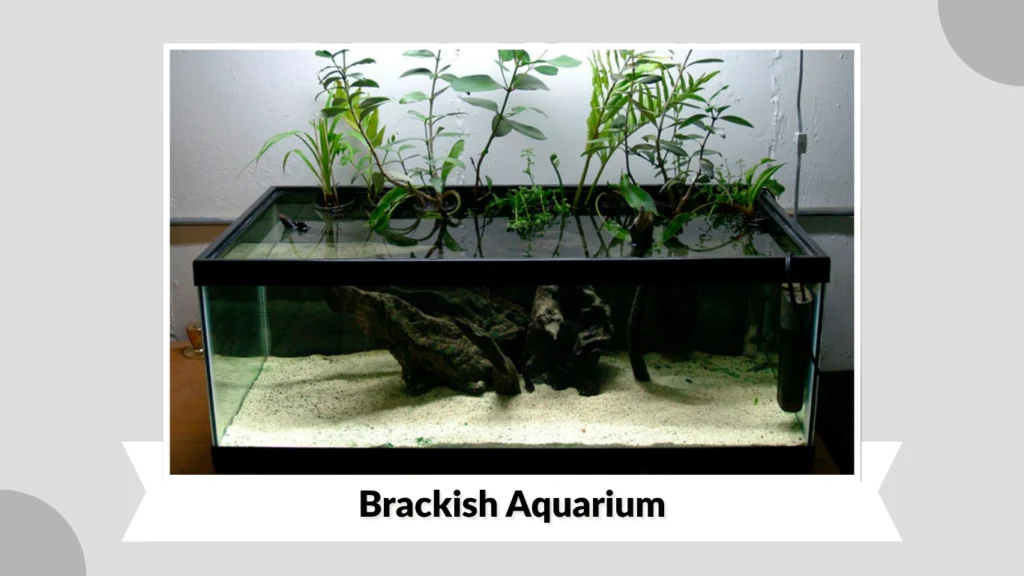
A brackish aquarium contains water that is a mix of freshwater and saltwater. It is designed for fish and species that naturally live in estuaries, where rivers meet the sea. This unique environment offers a balance between freshwater and marine conditions.
Where It Fits Best
Brackish aquariums are best suited for indoor spaces with stable conditions, such as living rooms or hobby areas. They require a dedicated setup with proper equipment, so a fixed and well-supported location is important.
Why Choose a Brackish Aquarium
This type is ideal for hobbyists who want something different from standard aquariums. It allows keeping unique species that cannot survive in pure freshwater or saltwater, making it an interesting and less common choice.
Key Features
- Mix of freshwater and saltwater
- Suitable for estuary species
- Requires salinity control
- Less common and unique setup
Care and Size Considerations
Brackish tanks usually start from around 70 liters to maintain stable water conditions. Care involves monitoring salinity levels, filtration, and regular water changes. Proper balance of salt and fresh water is essential for the health of fish and other aquatic life.
11. Biotope Aquarium
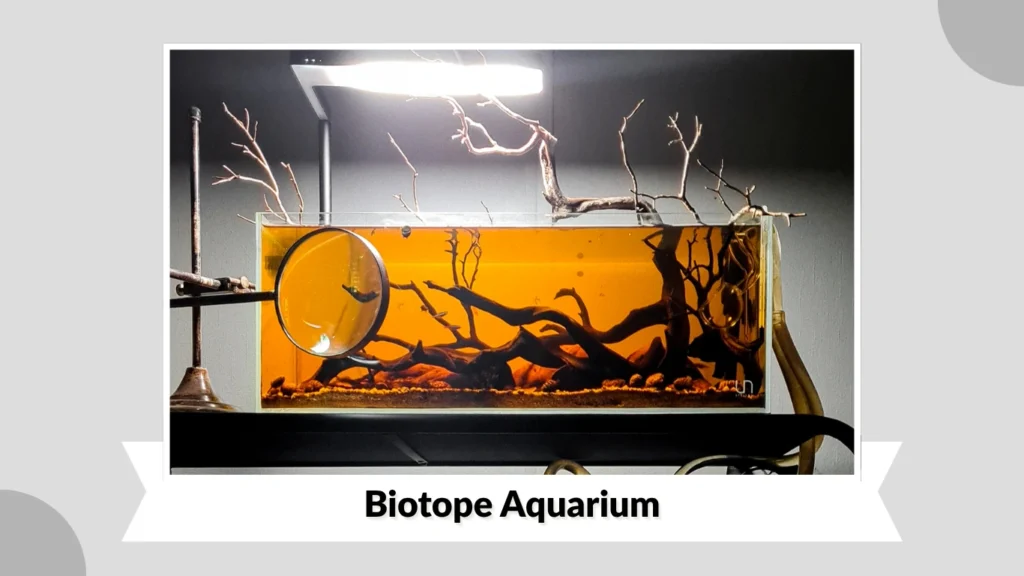
A biotope aquarium is designed to replicate a specific natural habitat from the wild. It carefully matches the water conditions, plants, decorations, and fish species found in a particular region, such as the Amazon River or an African lake. This creates a realistic and educational aquatic environment.
Where It Fits Best
Biotope aquariums are ideal for homes, offices, or educational spaces where attention to detail is possible. They work best in a stable location where the setup can remain undisturbed, allowing the environment to stay consistent and natural.
Why Choose a Biotope Aquarium
This type is perfect for hobbyists who want to recreate nature as closely as possible. It offers a deeper understanding of specific ecosystems and fish behavior. It’s also visually unique because it reflects a real-world aquatic habitat.
Key Features
- Replicates a natural habitat
- Uses region-specific fish and plants
- Focuses on realism and accuracy
- Educational and visually unique
Care and Size Considerations
Tank size depends on the chosen habitat but is usually medium to large. Care involves maintaining exact water parameters like pH and temperature. Regular monitoring and research are important to keep the environment authentic and stable.
12. Paludarium
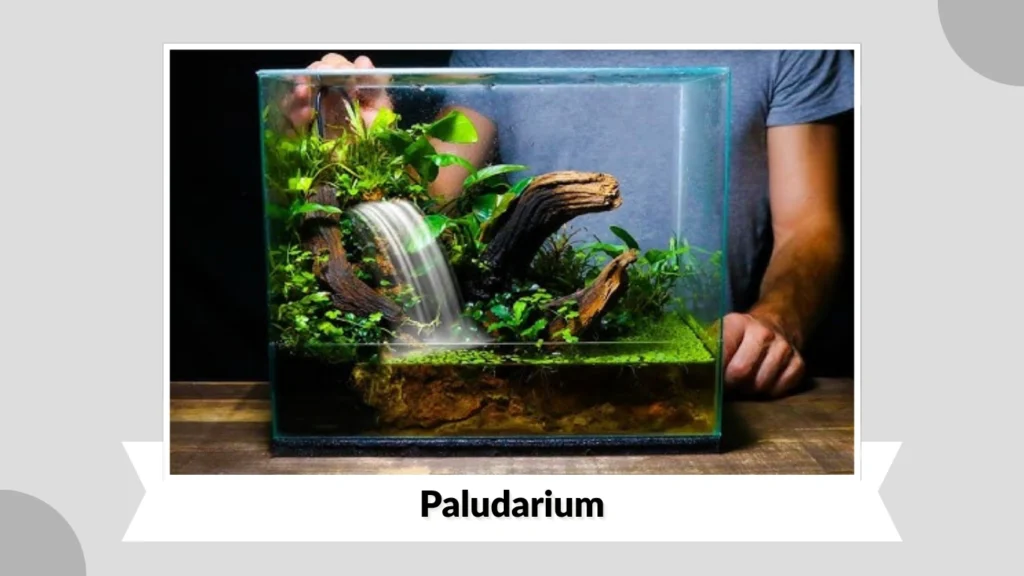
A paludarium is a unique aquarium that combines both aquatic and terrestrial environments in one setup. It includes water, land, and sometimes even plants that grow above the water surface. This type mimics habitats like swamps, riverbanks, or rainforests, creating a diverse ecosystem.
Where It Fits Best
Paludariums are best placed in homes, offices, or display areas where they can be appreciated as decorative pieces. They require a stable surface and enough space, as the design can be larger and more complex than standard aquariums.
Why Choose a Paludarium
This setup is ideal for those who want a mix of land and water life. It allows keeping aquatic animals, semi-aquatic species, and plants together. It also offers a visually striking and natural-looking display.
Key Features
- Combines land and water areas
- Supports aquatic and semi-aquatic life
- Includes above-water plants
- Creates a natural habitat look
Care and Size Considerations
Paludariums are usually medium to large in size. Care involves managing both water quality and humidity levels. Proper lighting, filtration, and regular maintenance are important to keep both land and water environments healthy.
13. Marine Fish-Only Aquarium
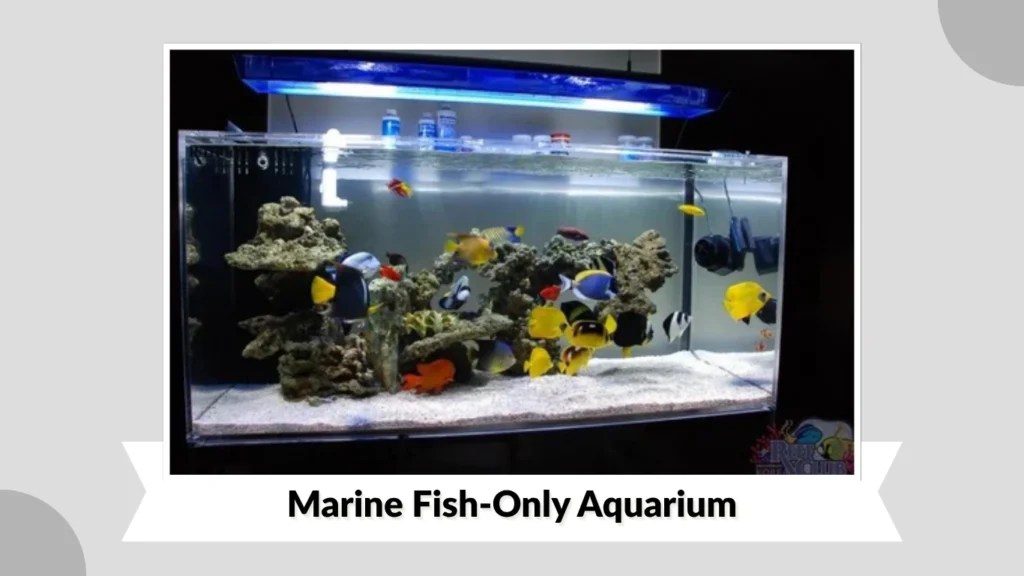
A marine fish-only aquarium is a type of saltwater tank that focuses only on keeping marine fish without corals or other delicate invertebrates. It is simpler than a reef aquarium but still offers the beauty of ocean fish in a controlled environment.
Where It Fits Best
This aquarium fits well in homes, offices, or hobby spaces where a stable indoor environment is available. It should be placed on a strong stand with enough room for filtration equipment and easy access for maintenance.
Why Choose a Marine Fish-Only Aquarium
It is a great choice for those who want to keep saltwater fish without the complexity of coral care. It requires less maintenance than reef tanks while still allowing you to enjoy colorful and exotic marine species.
Key Features
- Focuses only on marine fish
- No corals or sensitive invertebrates
- Easier than reef aquariums
- Uses saltwater setup
Care and Size Considerations
Marine fish-only tanks usually start from around 75 liters or more. Regular care includes monitoring salinity, filtration, and water quality. Consistent water changes and proper feeding help maintain a healthy environment for marine fish.
14. Breeding Tank
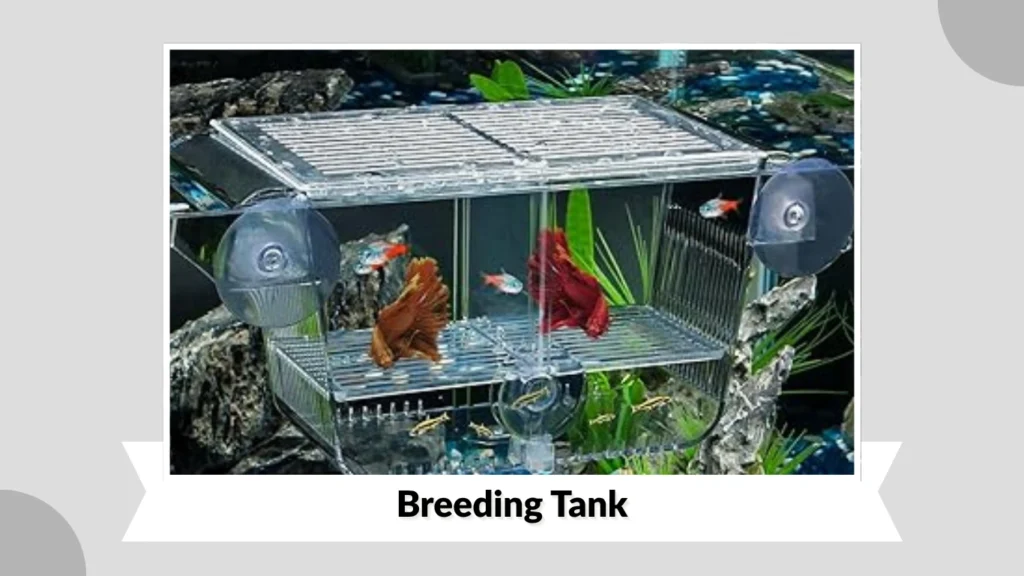
A breeding tank is a specialized aquarium used to help fish reproduce safely. It provides a controlled environment where fish can lay eggs or give birth without disturbance from other fish. This setup increases the survival rate of fry (baby fish).
Where It Fits Best
Breeding tanks are usually placed in quiet indoor areas where fish feel safe and stress-free. They are often kept separate from main aquariums, such as in a fish room or a dedicated corner of a home.
Why Choose a Breeding Tank
This type is ideal for hobbyists who want to breed fish successfully. It protects eggs and fry from being eaten and allows close monitoring of the breeding process. It also helps control conditions for better results.
Key Features
- Designed for fish breeding
- Provides a safe space for eggs and fry
- Separate from main aquarium
- Controlled environment
Care and Size Considerations
Breeding tanks are usually small to medium in size, depending on the species. Care involves maintaining clean water, proper temperature, and gentle filtration. Frequent monitoring is important to ensure the health and survival of young fish.
15. Quarantine Tank
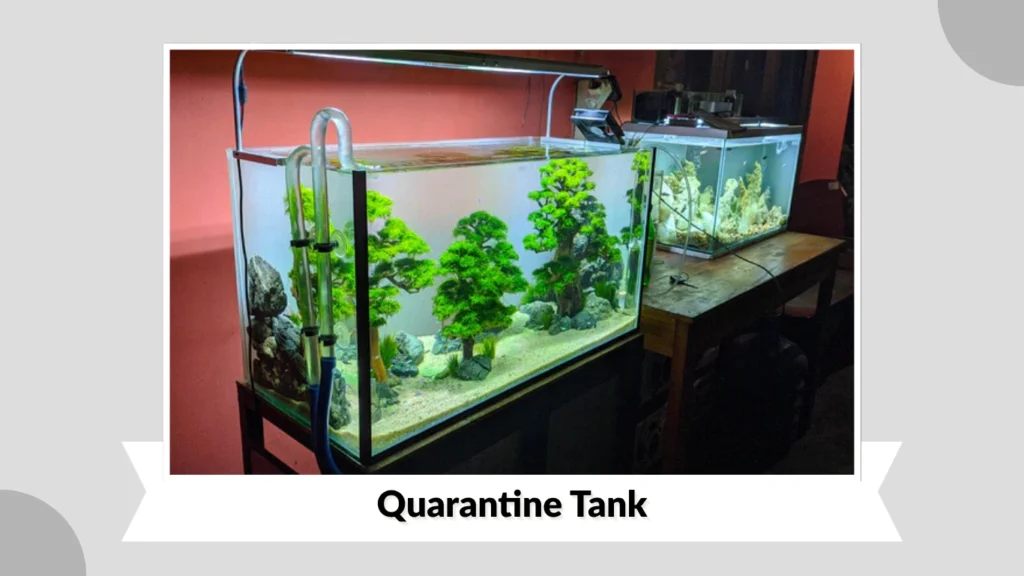
A quarantine tank is a temporary aquarium used to isolate new or sick fish before introducing them to the main tank. It helps prevent the spread of diseases and allows close monitoring of fish health in a controlled environment.
Where It Fits Best
Quarantine tanks are usually kept in a quiet, separate area away from the main aquarium. They don’t need to be decorative, so they can be placed in utility spaces, corners, or fish rooms where maintenance is easy.
Why Choose a Quarantine Tank
This type is essential for maintaining a healthy aquarium system. It helps detect and treat diseases early, reducing the risk of infecting other fish. It is especially useful when adding new fish to an existing setup.
Key Features
- Used for isolating new or sick fish
- Prevents disease spread
- Simple and functional setup
- Temporary use
Care and Size Considerations
Quarantine tanks are usually small, around 20–50 liters. They require basic equipment like a filter and heater (if needed). Regular observation, clean water, and minimal decoration help ensure fish recovery and easy maintenance.
FAQs
What is the easiest aquarium type for beginners?
Freshwater aquariums are generally the easiest for beginners. They require less equipment, lower maintenance, and the fish are more tolerant of small changes in water conditions. This makes them ideal for learning the basics of fishkeeping without too much complexity or cost.
Which aquarium type needs the most maintenance?
Reef aquariums usually require the most maintenance. They need precise control of lighting, water chemistry, and nutrients to keep corals healthy. Regular testing and adjustments are essential, making them more suitable for experienced aquarists.
What size aquarium is best to start with?
A medium-sized aquarium, around 60–100 liters, is often best for beginners. Smaller tanks can be harder to maintain because water conditions change quickly. A slightly larger tank provides more stability and is easier to manage over time.
Can I mix different aquarium types together?
In most cases, aquarium types should not be mixed, especially freshwater and saltwater systems. However, within the same category, like a community freshwater tank, compatible fish species can live together. Always research compatibility before combining setups.
Why is a quarantine tank important?
A quarantine tank helps protect your main aquarium from diseases. New fish may carry infections that are not immediately visible. Keeping them isolated for a short period allows you to observe and treat any issues before introducing them to other fish.