
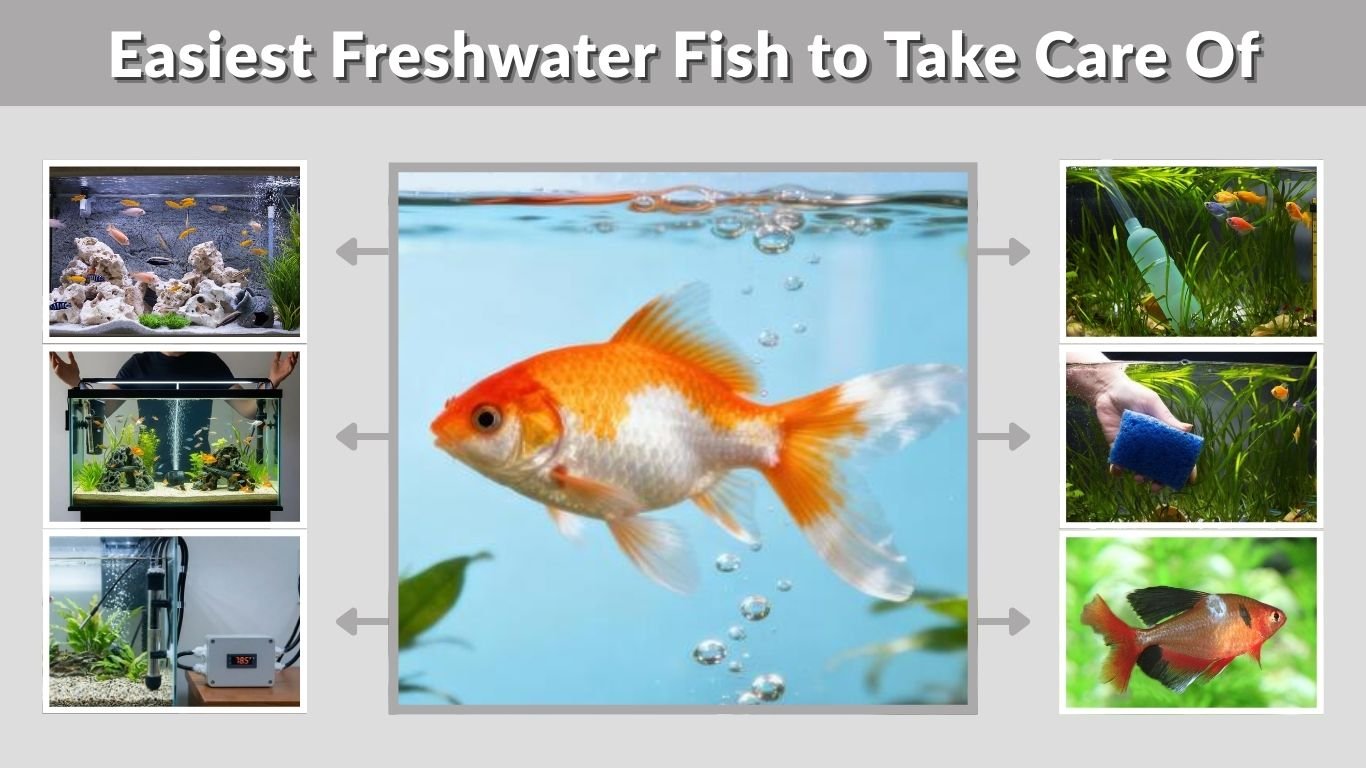
Choosing the easiest freshwater fish to take care of makes aquarium keeping much more enjoyable for beginners. Some fish are hardy, peaceful, and simple to feed, while others need advanced tank setups or very stable water conditions. This guide covers the best easy-care freshwater fish, basic tank care, feeding tips, and beginner mistakes to avoid before starting your aquarium.
What Makes a Freshwater Fish Easy to Care For?
Not every freshwater fish is beginner-friendly. Some fish look beautiful in pet stores but need special diets, large tanks, or carefully controlled water conditions. Easy freshwater fish are usually hardy, adaptable, peaceful, and suitable for common home aquariums.
Hardy Water Tolerance
The easiest freshwater fish to care for can usually handle small changes in water conditions better than delicate species. This does not mean they can live in dirty water, but they are less likely to become stressed from minor beginner mistakes.
Hardy fish are a good choice for new aquarium owners because they adjust better while the tank becomes stable. Still, every fish needs clean water, proper filtration, and regular tank maintenance.
Peaceful Temperament
Peaceful fish are easier to keep because they are less likely to chase, nip, or injure other tank mates. For beginners, community fish are usually better than aggressive or territorial species.
Before adding fish to the same tank, check whether they have similar needs for temperature, tank size, food, and behavior. Even easy-care freshwater fish can become stressed if they are placed with the wrong tank mates.
Simple Diet
Easy care freshwater fish usually accept common fish foods such as flakes, pellets, frozen foods, or simple live foods. Fish that need highly specific diets can be harder for beginners.
A simple diet makes feeding easier and helps prevent poor nutrition. However, overfeeding is still one of the most common beginner mistakes, even with hardy fish.
Suitable Adult Size
Small fish are often easier for beginners because they do not need huge aquariums. Many fish are sold when young, but they may grow much larger than expected.
Always research the adult size before buying any fish. A fish that is easy to care for in a large tank may not be easy in a small aquarium.
Easiest Freshwater Fish to Take Care Of
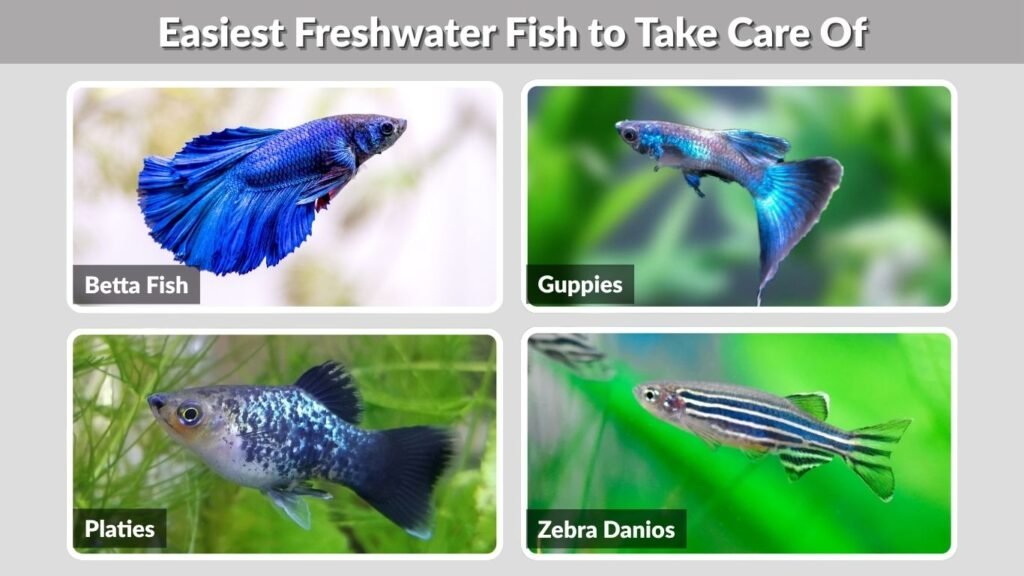
The easiest freshwater fish to take care of are usually hardy, peaceful, and simple to feed. These fish are good options for beginners who want a low-maintenance freshwater aquarium.
Betta Fish
Betta fish are one of the most popular easy freshwater fish to care for. They are colorful, intelligent, and can live well in a properly set up tank. A single betta can be a good choice for someone who wants one attractive fish instead of a full community aquarium.
However, bettas should not be kept in tiny bowls. They do best in a filtered and heated tank of at least 5 gallons. Male bettas are usually aggressive toward other male bettas, so they should not be housed together.
Guppies
Guppies are small, colorful, and active freshwater fish that are easy to take care of. They are popular with beginners because they eat common fish foods and do well in peaceful community tanks.
Guppies should be kept in groups, and they do best in a stable, filtered aquarium. They breed quickly, so beginners should plan ahead if keeping males and females together.
Platies
Platies are hardy, peaceful, and beginner-friendly. They come in many colors and are usually easy to feed. Their calm behavior makes them a good option for community tanks.
Like guppies, platies are livebearers and may reproduce in the aquarium. They are a strong choice for beginners who want easy to care for freshwater fish with bright colors and active behavior.
Zebra Danios
Zebra danios are among the easiest freshwater fish to care for because they are very hardy and active. They are small schooling fish, so they should be kept in groups rather than alone.
These fish are good for beginners because they tolerate a range of conditions better than many delicate tropical fish. They need swimming space and should be kept with other peaceful fish.
Corydoras Catfish
Corydoras catfish are peaceful bottom-dwelling fish that can work well in community aquariums. They are social fish and should be kept in groups.
Many beginners think corydoras only eat leftover food, but that is not enough. They need sinking pellets or wafers made for bottom feeders. With proper food and clean water, they are easy and enjoyable freshwater fish to keep.
White Cloud Mountain Minnows
White cloud mountain minnows are small, hardy, and peaceful. They are often easier to care for than many delicate tropical fish and can be a good choice for cooler freshwater setups.
They should be kept in groups and need clean, well-filtered water. Their small size and active behavior make them a good option for beginner aquariums.
Swordtails
Swordtails are hardy, active freshwater fish that are fairly easy to care for. They are larger than guppies and platies, so they need more swimming room.
They are best for beginners with a medium-sized tank rather than a very small aquarium. Swordtails are peaceful in most community setups, but males may sometimes compete with each other.
Easy Freshwater Fish Comparison Table
The table below compares some of the best freshwater fish that are easy to take care of. Tank size recommendations can vary depending on the number of fish, filtration, and tank mates.
| Fish | Minimum Tank Size | Temperament | Care Level | Best For |
|---|---|---|---|---|
| Betta Fish | 5 gallons | Semi-aggressive | Easy | Single-fish tanks |
| Guppies | 10 gallons | Peaceful | Easy | Colorful community tanks |
| Platies | 10 gallons | Peaceful | Easy | Beginner community tanks |
| Zebra Danios | 10 gallons | Peaceful, active | Easy | Schooling fish tanks |
| Corydoras Catfish | 20 gallons | Peaceful | Easy to moderate | Bottom-dwelling community fish |
| White Cloud Minnows | 10 gallons | Peaceful | Easy | Cooler freshwater setups |
| Swordtails | 20 gallons | Peaceful, active | Easy | Larger beginner tanks |
How to Take Care of Freshwater Fish
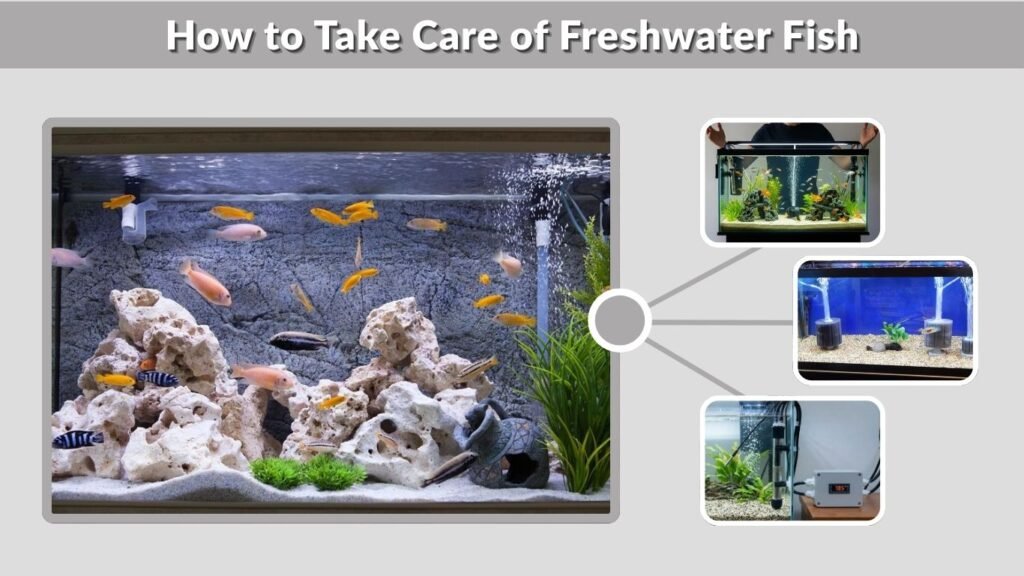
Freshwater fish care is simple when you understand the basics. The most important parts are setting up the tank correctly, keeping the water clean, feeding properly, and watching your fish for signs of stress.
Set Up the Tank Before Adding Fish
A freshwater aquarium should be prepared before fish are added. New tanks need time to build beneficial bacteria that help break down fish waste. This process is often called cycling the tank.
A basic freshwater setup should include:
- A properly sized aquarium
- A filter
- A heater for tropical fish
- A thermometer
- Water conditioner
- A water test kit
- Substrate, plants, or hiding places
- Food suited to the fish species
Adding fish too soon can expose them to unsafe ammonia or nitrite levels. Beginners should test the water before adding fish and avoid stocking the tank too quickly.
Feed the Right Amount
Most beginner-friendly freshwater fish are easy to feed, but overfeeding can quickly damage water quality. Fish only need small amounts of food, and extra food can rot in the tank.
Follow these basic feeding tips:
- Feed small portions once or twice daily.
- Use food made for the specific fish.
- Remove uneaten food when possible.
- Avoid adding more food than the fish can eat quickly.
- Offer variety when needed, such as flakes, pellets, or frozen foods.
A proper feeding routine keeps fish healthier and makes tank maintenance easier.
Keep the Water Clean
Clean water is the foundation of freshwater fish care. Even the easiest freshwater fish can become sick if ammonia, nitrite, or nitrate levels become unsafe.
Regular partial water changes help remove waste and keep the aquarium stable. Beginners should also test the water, clean visible debris, and maintain the filter without destroying beneficial bacteria.
Avoid replacing all the water at once unless there is an emergency. Sudden changes can shock fish and cause stress.
Watch Fish Behavior
Healthy fish usually swim normally, eat well, and show natural behavior. Changes in behavior can be early signs of stress or illness.
Watch for signs such as:
- Gasping at the surface
- Hiding more than usual
- Loss of appetite
- Clamped fins
- White spots or unusual marks
- Strange swimming patterns
- Aggression or bullying
Catching problems early makes them easier to fix.
How to Care for a Freshwater Fish Tank
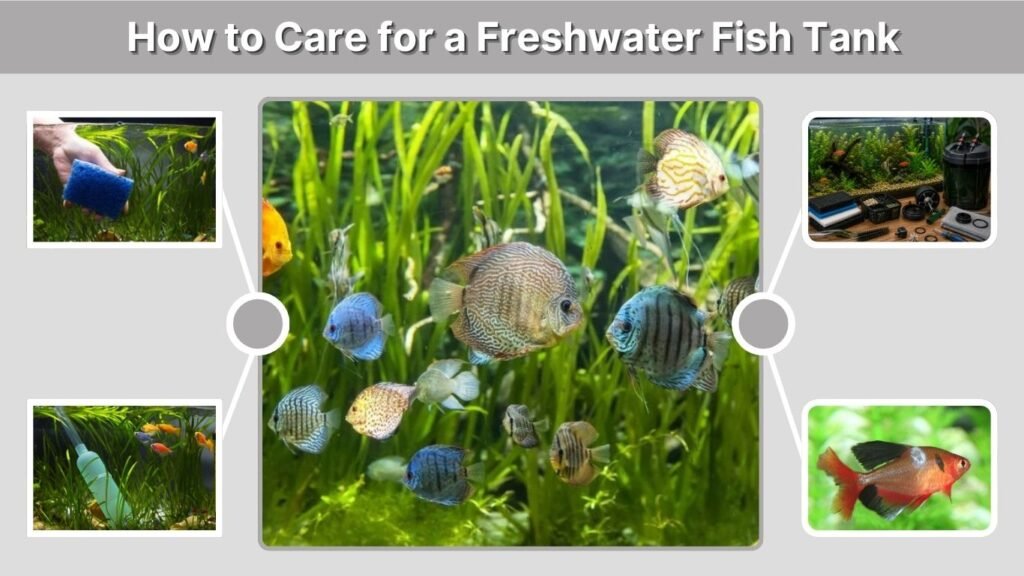
Knowing how to care for a freshwater fish tank is just as important as choosing the right fish. A stable tank helps prevent disease, stress, and sudden fish loss.
Weekly Tank Care Checklist
A simple weekly routine can keep your freshwater aquarium healthy. Beginners do not need to clean everything every day, but they should check the tank regularly.
Use this weekly care checklist:
- Test the water.
- Check the temperature.
- Remove visible waste.
- Perform a partial water change when needed.
- Inspect the filter.
- Check fish for signs of stress or illness.
- Trim or clean plants if necessary.
- Wipe algae from the glass if needed.
A consistent routine is better than waiting until the tank looks dirty.
Avoid Cleaning Everything at Once
One common mistake is cleaning the entire aquarium too aggressively. Replacing all the water, washing all decorations, and changing all filter media at the same time can remove beneficial bacteria.
These bacteria help keep the tank safe by breaking down waste. Instead of deep-cleaning everything at once, clean the tank in small steps. Rinse filter media gently in old tank water rather than tap water when possible.
Keep Tank Conditions Stable
Fish usually do better with stable conditions than with constant changes. Sudden shifts in temperature, pH, or water quality can stress fish.
To keep the tank stable:
- Avoid moving the aquarium often.
- Keep the temperature consistent.
- Do not overstock the tank.
- Add new fish slowly.
- Use water conditioner during water changes.
- Test water regularly.
Stable water conditions make freshwater aquarium fish care much easier.
Are Freshwater or Saltwater Fish Easier to Take Care Of?
Freshwater fish are usually easier to take care of than saltwater fish. Freshwater tanks are generally less expensive, simpler to set up, and easier for beginners to maintain.
Saltwater aquariums often need more equipment, more precise water chemistry, and higher maintenance costs. They can be beautiful, but they are usually better for people who already understand basic aquarium care.
Why Freshwater Fish Are Better for Beginners
Freshwater aquariums are popular with beginners because they offer more easy-care fish options and fewer setup challenges.
Freshwater tanks are often easier because they usually have:
- Lower setup costs
- Simpler water maintenance
- More beginner-friendly fish choices
- Easier feeding routines
- Less specialized equipment
- More room for beginner mistakes
For a first aquarium, freshwater fish are usually the better choice.
Freshwater Fish That Beginners Should Research Carefully
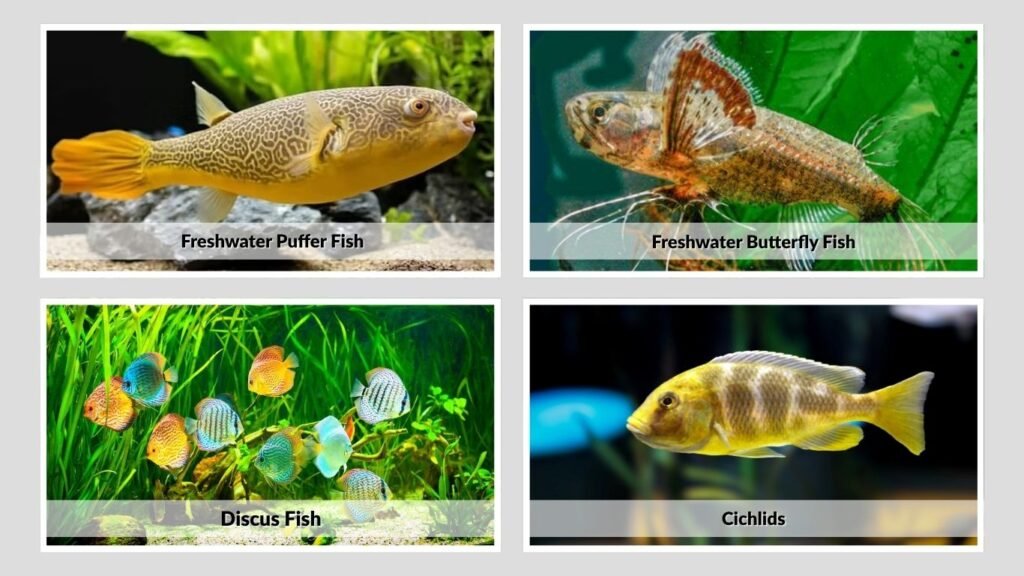
Some freshwater fish are popular but not always easy to care for. Beginners can keep them successfully, but they should research their needs before buying.
Freshwater Puffer Fish
Freshwater puffer fish care can be challenging. Many puffers are aggressive, need special diets, and may not work well in community tanks.
Some freshwater puffers need hard-shelled foods to help wear down their teeth. Others may require species-only tanks. Before buying a puffer, research the exact species because care needs can vary.
Freshwater Butterfly Fish
Freshwater butterfly fish are unusual surface-dwelling fish. They can be interesting to keep, but they are not always the easiest choice for beginners.
They may need floating foods, calm tank mates, and a secure lid because they can jump. Their care is manageable, but they are better for fishkeepers who understand tank compatibility.
Discus Fish
Discus fish are beautiful, but they are not ideal beginner fish. They usually need warm, very clean, stable water and careful feeding.
Freshwater discus fish care is better suited for experienced aquarists who can maintain excellent water quality. Beginners should usually start with hardier fish before trying discus.
Cichlids
Cichlids include many different species. Some are hardy, but many can be territorial or aggressive. They may also need larger tanks and carefully selected tank mates.
Cichlid freshwater fish care depends heavily on the species. Beginners should not assume all cichlids are easy just because they are common in stores.
Elephant Nose Fish
Elephant nose fish are unique but sensitive. They often need excellent water quality, peaceful tank mates, and a carefully planned aquarium.
Freshwater elephant nose fish care is usually better for experienced fishkeepers. Beginners looking for easy freshwater fish should choose hardier species first.
Common Freshwater Fish Care Mistakes
Many beginner problems come from simple mistakes. Avoiding these issues can make freshwater fish care much easier.
Adding Fish Too Soon
Adding fish before the tank is ready can expose them to dangerous ammonia and nitrite. A new aquarium needs time to become biologically stable.
Beginners should learn about tank cycling before buying fish. Patience at the beginning prevents many serious problems later.
Overstocking the Aquarium
Too many fish in one tank can cause poor water quality, stress, and aggression. Even easy freshwater fish need enough space.
Start with a small number of fish and add more slowly if the tank can handle them. A lightly stocked tank is easier to care for than an overcrowded one.
Mixing Incompatible Fish
Not all freshwater fish can live together. Some fish are aggressive, some need different temperatures, and some may eat smaller tank mates.
Before mixing fish, compare their adult size, temperament, water needs, and diet. Good compatibility keeps the tank peaceful.
Overfeeding
Overfeeding is one of the fastest ways to pollute a freshwater aquarium. Uneaten food breaks down and can make the water unsafe.
Feed lightly and watch how much your fish actually eat. It is usually safer to feed a little less than to feed too much.
Best Beginner Setup for Easy Care Freshwater Fish
The best setup for easy care freshwater fish is simple, stable, and not overcrowded. A good beginner aquarium gives fish enough space and makes maintenance easier.
Recommended Tank Size
A 10-gallon tank can work for some small beginner fish, but a 20-gallon tank is often easier to keep stable. Larger tanks usually handle small water changes better than tiny tanks.
Small bowls and very tiny tanks are harder to maintain because water quality can change quickly. Beginners often have more success with a properly filtered aquarium.
Basic Equipment
A beginner freshwater aquarium does not need to be complicated. However, it does need the right basic equipment.
A good starter setup includes:
- Aquarium filter
- Heater for tropical fish
- Thermometer
- Water conditioner
- Water test kit
- Gravel or substrate
- Hiding places
- Live or artificial plants
- Proper fish food
- Aquarium light
This setup supports stable water and healthier fish.
Best Starter Fish Combination
For a peaceful beginner community tank, choose fish with similar care needs. Good options include guppies with platies, zebra danios with corydoras, or white cloud minnows in a group.
A single betta can also be a good beginner option in its own properly equipped tank. Avoid mixing bettas with aggressive fish or fin-nipping species.
FAQs
What is the easiest freshwater fish to take care of?
Betta fish, guppies, platies, zebra danios, and white cloud mountain minnows are among the easiest freshwater fish to take care of. The best choice depends on your tank size, water temperature, and whether you want one fish or a peaceful community aquarium.
Are freshwater fish easy to take care of?
Freshwater fish can be easy to take care of when you choose hardy species and keep the tank clean. Beginners still need to cycle the aquarium, test the water, feed properly, and avoid overcrowding. Easy fish still need regular care.
How do you take care of a freshwater fish tank?
To care for a freshwater fish tank, test the water, perform partial water changes, maintain the filter, feed carefully, and watch fish behavior. Stable water quality is the most important part of keeping freshwater fish healthy.
Are freshwater puffer fish hard to take care of?
Many freshwater puffer fish are harder to care for than common beginner fish. They may be aggressive, need specific foods, and often require carefully planned tanks. Beginners should research the exact puffer species before buying one.
Is a freshwater tank easier than a saltwater tank?
Yes, a freshwater tank is usually easier than a saltwater tank for beginners. Freshwater aquariums are generally cheaper, simpler to maintain, and have more hardy beginner fish options. Saltwater tanks usually require stricter water chemistry and more equipment.