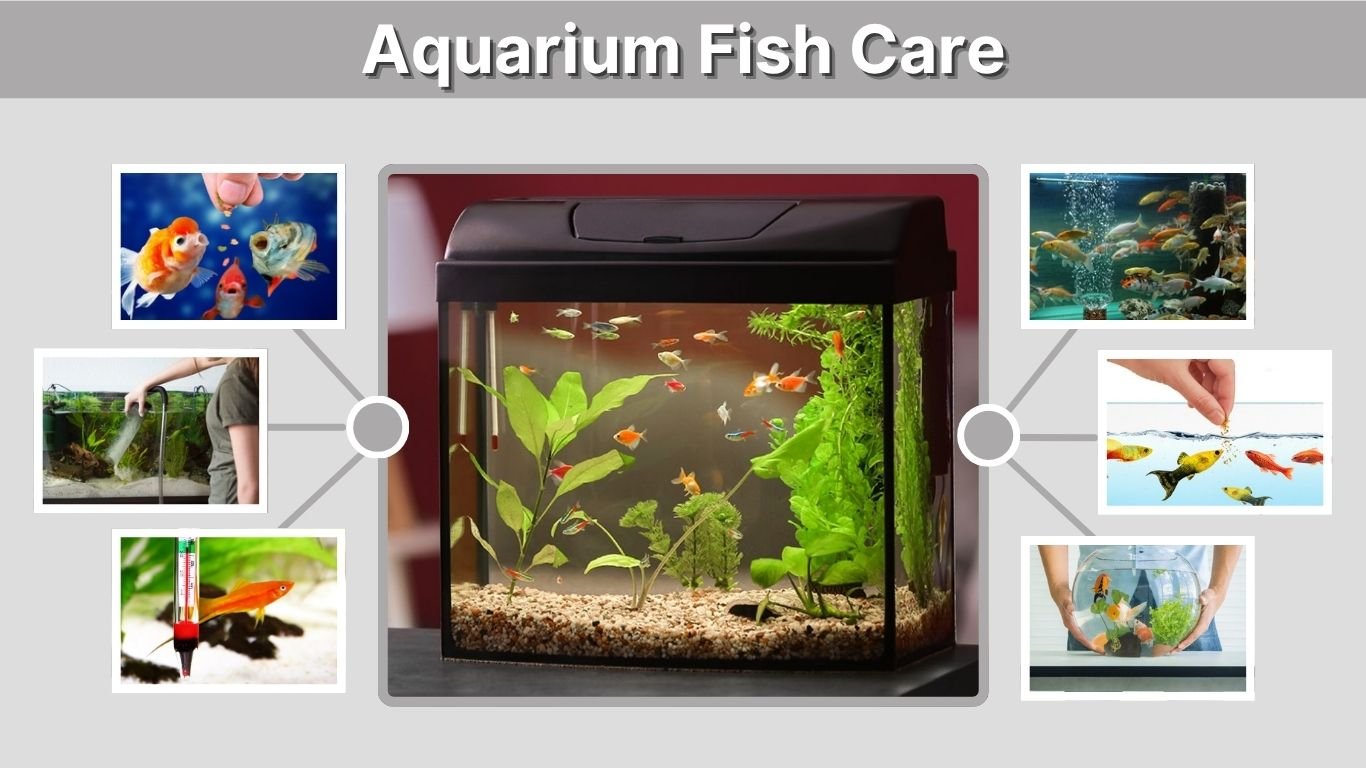
Aquarium fish care is easier when you understand the basics before bringing fish home. A healthy aquarium needs clean water, the right equipment, suitable food, and fish that match your tank size. Whether you want freshwater, tropical, betta, koi, or small community fish, good care starts with a stable environment. This guide explains how to take care of aquarium fish at home and avoid common beginner mistakes.
What Is Aquarium Fish Care?
Aquarium fish care means creating a safe, clean, and stable home for your fish. It includes setting up the tank correctly, feeding the right amount, testing the water, cleaning the aquarium, and choosing fish that can live well together.
Why Fish Need More Than Water and Food
Many beginners think fish only need a tank, water, and daily feeding. In reality, aquarium fish depend on water quality more than almost anything else. Waste, uneaten food, and poor filtration can quickly make the tank unsafe.
Fish breathe, eat, and release waste in the same water. That is why a good filter, regular maintenance, and proper water changes are necessary. Healthy water helps fish stay active, colorful, and less likely to become sick.
Freshwater vs Saltwater Aquarium Fish Care
Freshwater aquarium fish care is usually easier for beginners than saltwater fish care. Freshwater tanks often cost less to set up, need simpler equipment, and offer many hardy beginner fish.
Saltwater aquariums can be beautiful, but they require more precise water chemistry, special salt mixes, and more advanced maintenance. If this is your first aquarium, a freshwater tank is usually the better choice.
How to Take Care of Aquarium Fish at Home
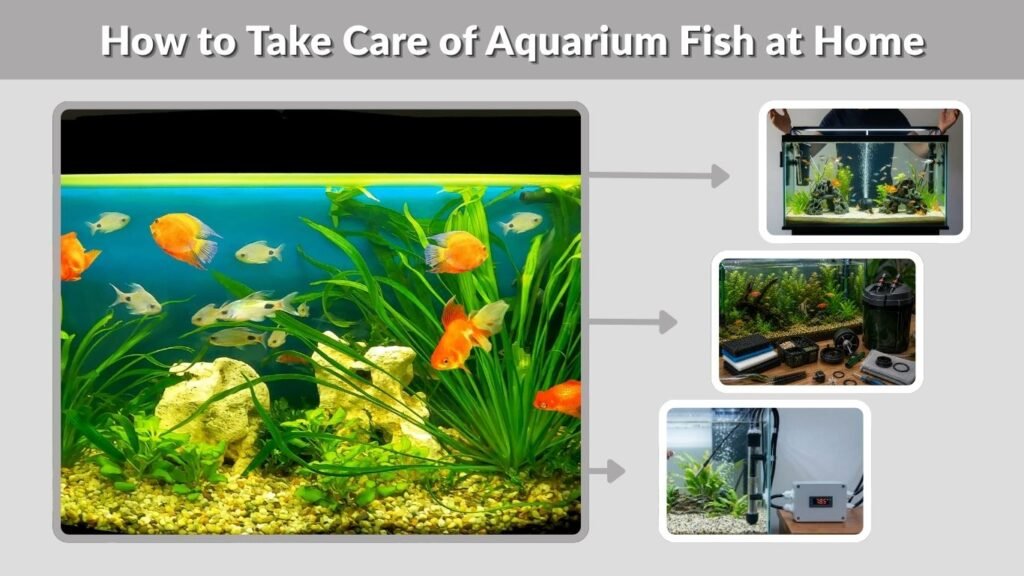
Taking care of aquarium fish at home is mostly about consistency. Fish do best when their tank conditions stay stable and their care routine does not change suddenly.
Set Up the Aquarium Before Adding Fish
The tank should be ready before fish are added. A new aquarium needs time to develop beneficial bacteria that help break down harmful waste. This process is often called cycling the tank.
A beginner aquarium setup should include:
- A properly sized fish tank
- Aquarium filter
- Heater for tropical fish
- Thermometer
- Water conditioner
- Water test kit
- Substrate or gravel
- Hiding places, plants, or decorations
- Fish food suited to your fish species
Do not add too many fish at once. Start slowly so the tank can adjust to the waste produced by the fish.
Choose the Right Tank Size
A larger aquarium is often easier to care for than a very small one. In tiny tanks, water quality can change quickly. A 10-gallon tank can work for some small fish, but a 20-gallon tank is usually easier for beginners to keep stable.
Small bowls and tiny desktop tanks may look simple, but they are often harder to maintain. Fish need enough swimming space, oxygen, filtration, and stable water conditions.
Use Safe Water
Tap water may contain chlorine or chloramine, which can harm fish. Always use a water conditioner before adding tap water to an aquarium.
The water temperature should also match the fish you keep. Tropical fish usually need warm water, while some cold-water fish prefer cooler conditions. Sudden temperature changes can stress fish, so always adjust water carefully during water changes.
Aquarium Fish Care Guide for Beginners
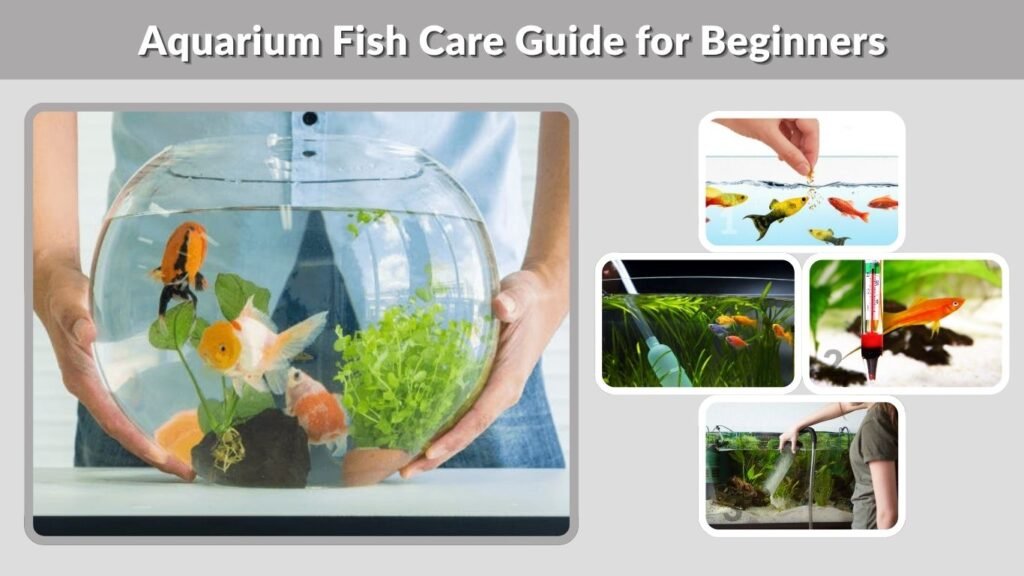
A good aquarium fish care guide should focus on daily, weekly, and monthly tasks. Once you build a routine, aquarium care becomes much easier.
Daily Fish Care Tasks
Daily care only takes a few minutes, but it helps you notice problems early.
Check your fish every day to make sure they are swimming normally, eating well, and not showing signs of illness. Also check that the filter and heater are working properly.
Daily aquarium fish care tasks include:
- Feed the fish the right amount.
- Check the water temperature.
- Make sure the filter is running.
- Watch fish behavior.
- Remove obvious uneaten food if needed.
- Look for signs of stress or disease.
Healthy fish are usually active, alert, and interested in food.
Weekly Aquarium Maintenance
Weekly care helps keep the aquarium clean and stable. You do not need to remove all the water or scrub everything at once. In fact, overcleaning can harm the beneficial bacteria that keep the tank healthy.
A simple weekly routine may include testing the water, changing part of the water, wiping algae from the glass, and checking the filter.
Monthly Aquarium Care
Monthly care may include deeper inspection of equipment, trimming live plants, cleaning decorations lightly, and checking whether the fish have outgrown the tank.
You should also review your stocking level. Fish grow, and a tank that seemed fine at first may become crowded later.
Aquarium Fish Care Table
This table gives a simple overview of beginner aquarium fish care tasks and how often they should be done.
| Care Task | How Often | Why It Matters |
|---|---|---|
| Feed fish | 1–2 times daily | Supports growth, energy, and health |
| Check fish behavior | Daily | Helps detect stress or illness early |
| Check filter and heater | Daily | Keeps water clean and temperature stable |
| Test water | Weekly | Tracks ammonia, nitrite, nitrate, and pH |
| Partial water change | Weekly or as needed | Removes waste and improves water quality |
| Clean algae from glass | Weekly or as needed | Keeps the tank clear and healthy |
| Inspect equipment | Monthly | Prevents filter, heater, or light problems |
How to Feed Aquarium Fish
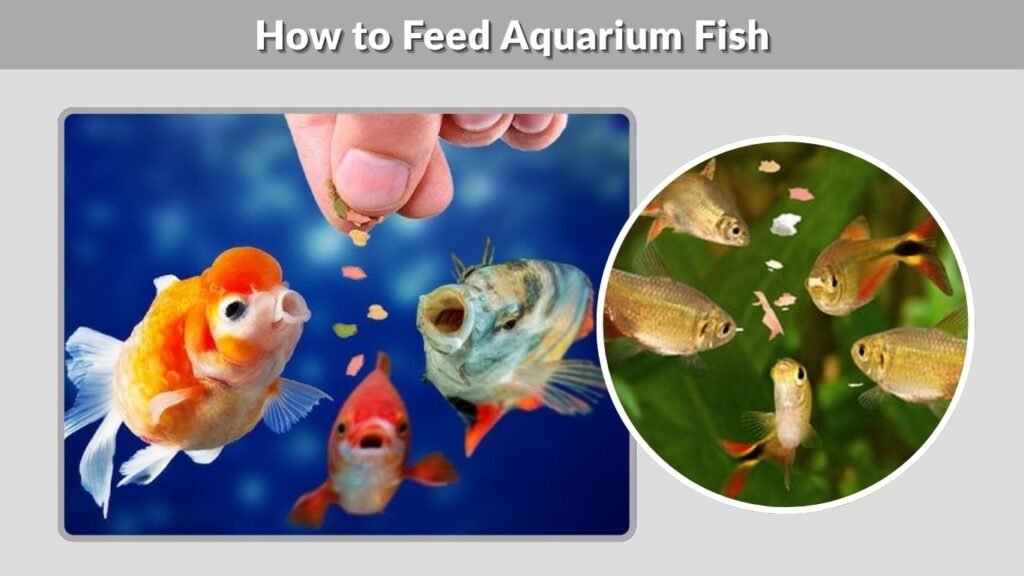
Feeding is one of the easiest parts of aquarium fish care, but it is also where many beginners make mistakes. Overfeeding is more dangerous than underfeeding in most home aquariums.
Feed Small Amounts
Most aquarium fish only need small portions. A good rule is to feed only what they can eat quickly. If food sinks and remains uneaten, you are probably feeding too much.
Extra food breaks down in the water and can cause ammonia problems. This can make fish sick and make the tank smell or look cloudy.
Choose the Right Food
Different fish need different foods. Some fish eat flakes, some need pellets, some need sinking wafers, and others need frozen or live foods.
Common fish food options include:
- Flake food for small community fish
- Pellets for bettas, cichlids, and larger fish
- Sinking wafers for bottom feeders
- Frozen foods for variety
- Vegetable-based foods for herbivorous fish
Always choose food based on the species you keep.
Avoid Overfeeding
Overfeeding can cause cloudy water, algae growth, poor water quality, and sick fish. It is better to feed lightly and consistently than to add too much food.
If you are unsure, feed a smaller amount and watch how quickly the fish eat. Adjust slowly instead of adding large amounts at once.
How to Keep Aquarium Water Healthy
Water quality is the most important part of fish aquarium care. Even easy-care aquarium fish can become sick in poor water.
Understand the Nitrogen Cycle
Fish waste and uneaten food create ammonia. Ammonia is toxic to fish. Beneficial bacteria in the aquarium convert ammonia into nitrite, and then nitrite into nitrate. Nitrate is less harmful but still needs to be controlled with water changes.
This is why cycling a tank is important before adding fish. A tank without enough beneficial bacteria can become dangerous very quickly.
Test the Water Regularly
A water test kit helps you understand what is happening inside the aquarium. Beginners should test for ammonia, nitrite, nitrate, and pH.
If ammonia or nitrite is present, the tank may be unsafe. High nitrate can also stress fish over time. Testing helps you fix problems before fish become seriously ill.
Do Partial Water Changes
Partial water changes remove waste and refresh the aquarium. Many beginner tanks do well with a 20–30% water change once a week, but the exact amount depends on tank size, fish number, and water test results.
Never replace all the water unless there is a serious emergency. Sudden changes can shock fish and damage the tank’s healthy bacteria.
Easy Care Aquarium Fish for Beginners
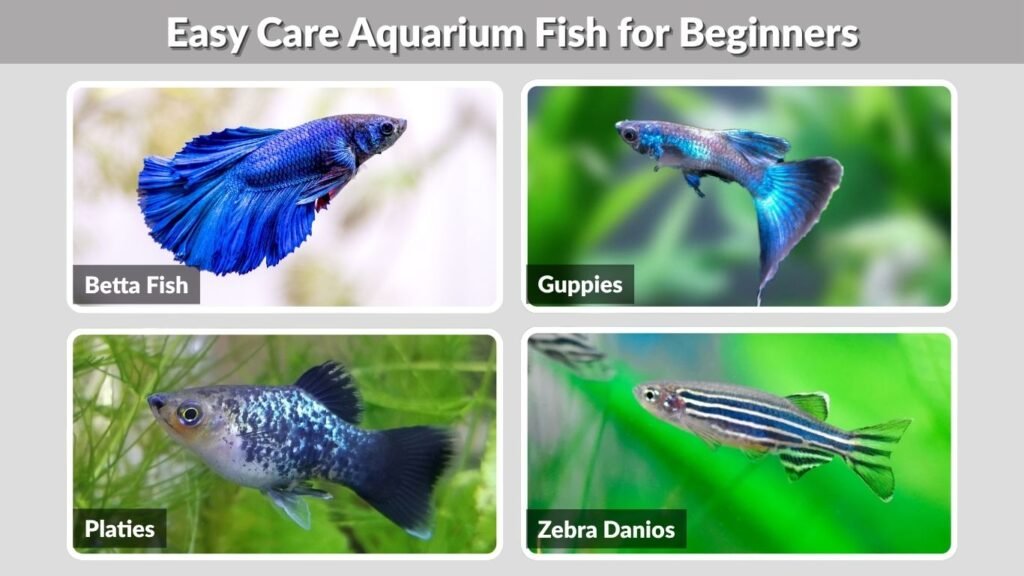
Choosing easy care aquarium fish makes a big difference. Some fish are hardy and peaceful, while others need special food, large tanks, or advanced care.
Betta Fish Aquarium Care
Betta fish are popular because they are colorful and full of personality. A single betta can be a good beginner fish when kept in a proper aquarium.
Betta fish aquarium care should include a filtered tank, warm water, hiding places, and suitable betta food. Bettas should not be kept in tiny bowls. Male bettas should also not be housed together because they may fight.
Guppies
Guppies are active, colorful, and easy to care for. They do well in peaceful freshwater community tanks and usually accept common flake foods.
They breed quickly, so keep this in mind if you mix males and females. Guppies are best in groups and need clean, stable water.
Platies
Platies are hardy freshwater fish that work well for beginners. They are peaceful, colorful, and easy to feed.
They can live with other calm community fish and are often more forgiving than delicate species. Like guppies, they may reproduce in the tank.
Zebra Danios
Zebra danios are active schooling fish that are very hardy. They are good for beginners because they tolerate a range of conditions better than many sensitive fish.
They should be kept in groups and need space to swim. They are a good choice for a peaceful beginner aquarium.
Corydoras Catfish
Corydoras catfish are peaceful bottom dwellers. They help add activity to the lower part of the tank, but they should not be expected to survive only on leftovers.
They need sinking food and should be kept in groups. With proper care, they are excellent community fish.
Tropical Fish Aquarium Care
Tropical fish aquarium care usually means keeping fish that need warm water. Many popular aquarium fish, including bettas, guppies, platies, and tetras, are tropical fish.
Use a Heater and Thermometer
Most tropical fish need a stable warm temperature. A heater keeps the water from becoming too cold, while a thermometer lets you check that the temperature stays in the right range.
Do not place the tank near windows, air conditioners, or direct sunlight. These can cause temperature swings and algae problems.
Choose Compatible Tropical Fish
Not all tropical fish can live together. Some are peaceful, while others are aggressive or territorial. Some need soft water, while others prefer harder water.
Before buying tropical fish, compare:
- Adult size
- Temperament
- Temperature needs
- Diet
- Swimming level
- Grouping needs
- Tank size requirements
Good planning prevents stress and fighting.
Koi Fish Aquarium Care
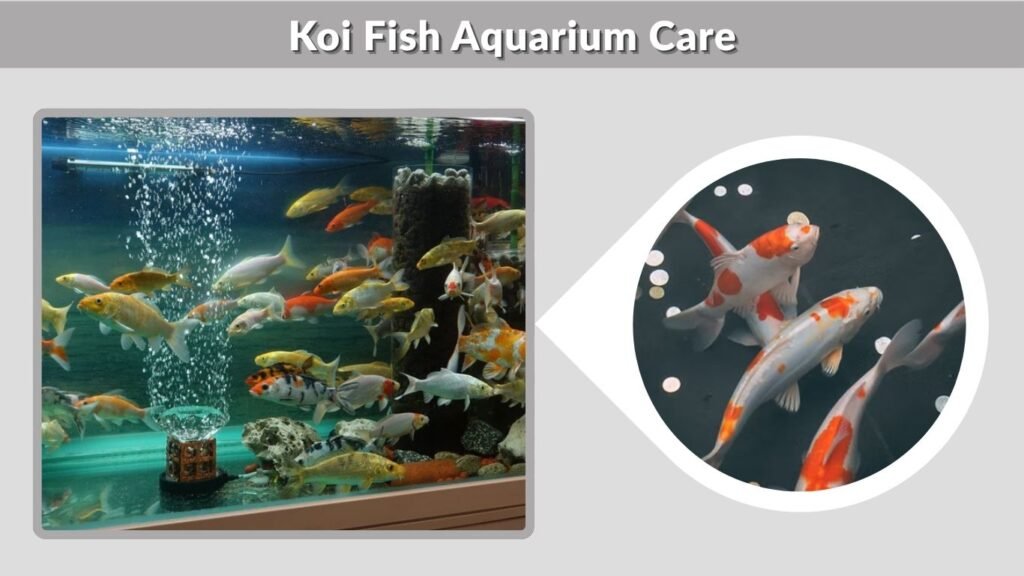
Koi are beautiful fish, but they are not ideal for most indoor aquariums. Many people search for how to take care of koi fish in aquarium, but koi usually need much more space than a typical home fish tank can provide.
Why Koi Need Large Spaces
Koi grow large and produce a lot of waste. They are usually better suited to outdoor ponds or very large indoor systems. A small aquarium can quickly become overcrowded and difficult to keep clean.
If you want koi, research their adult size and long-term space needs before buying them.
Better Alternatives for Small Aquariums
For smaller aquariums, beginners may be better off choosing guppies, platies, bettas, white cloud minnows, or zebra danios. These fish are much easier to house in normal home tanks.
Common Aquarium Fish Care Mistakes
Many fishkeeping problems happen because of simple beginner mistakes. Avoiding these problems can keep your fish healthier and make aquarium care less stressful.
Adding Fish Too Quickly
Adding too many fish at once can overload the tank. The filter bacteria may not be able to handle the sudden increase in waste.
Start with a few fish and add more slowly after testing the water. This gives the aquarium time to adjust.
Overstocking the Tank
Too many fish can cause stress, poor water quality, disease, and aggression. Even a good filter cannot always fix an overcrowded tank.
Choose fish based on adult size, not just the size they are at the store.
Cleaning the Filter Incorrectly
The filter holds beneficial bacteria. If you replace all filter media or wash it under untreated tap water, you may remove bacteria that keep the aquarium safe.
Clean filter media gently and avoid replacing everything at once unless necessary.
Ignoring Sick Fish
Sick fish may hide, stop eating, breathe fast, rub against objects, or develop spots and damaged fins. Do not ignore these signs.
Check water quality first because many fish health issues start with poor water conditions.
Best Aquarium Care Tips for Healthy Fish
Good care is simple when you stay consistent. Healthy fish need clean water, correct feeding, enough space, and a peaceful environment.
Keep a Regular Routine
A regular care schedule helps prevent problems before they become serious. Feed at the same general times, test water weekly, and perform partial water changes as needed.
Research Before Buying Fish
Never buy fish only because they look nice. Some aquarium fish become too large, too aggressive, or too difficult for beginner tanks.
Before buying any fish, research:
- Adult size
- Tank size
- Food needs
- Water temperature
- Temperament
- Lifespan
- Compatibility with other fish
Do Not Chase a Perfect Tank
Beginners sometimes change too many things too quickly. This can stress fish. Instead of constantly adjusting the tank, focus on stable water, proper feeding, and regular maintenance.
Small, steady improvements are safer than sudden changes.
FAQs
How do you take care of aquarium fish?
To take care of aquarium fish, provide a properly sized tank, clean water, a working filter, suitable food, and stable temperature. Feed small amounts, test water regularly, perform partial water changes, and watch your fish for signs of stress or illness.
What are the easiest aquarium fish to take care of?
Some of the easiest aquarium fish to take care of include bettas, guppies, platies, zebra danios, and white cloud mountain minnows. These fish are popular with beginners because they are hardy, easy to feed, and suitable for simple freshwater setups.
How often should I clean my fish aquarium?
Most aquariums need partial water changes weekly or as needed based on water test results. You should not clean everything at once. Instead, remove some water, clean visible waste, check the filter, and keep beneficial bacteria in the tank.
Is betta fish aquarium care easy?
Betta fish aquarium care can be easy when the fish is kept in a proper tank. Bettas need warm, clean water, filtration, hiding places, and suitable food. They should not be kept in tiny bowls or housed with other male bettas.
Can koi fish live in an aquarium?
Koi fish can live in very large indoor systems, but they are not suitable for most home aquariums. They grow large and produce a lot of waste. Outdoor ponds or very large tanks are usually better for long-term koi care.