
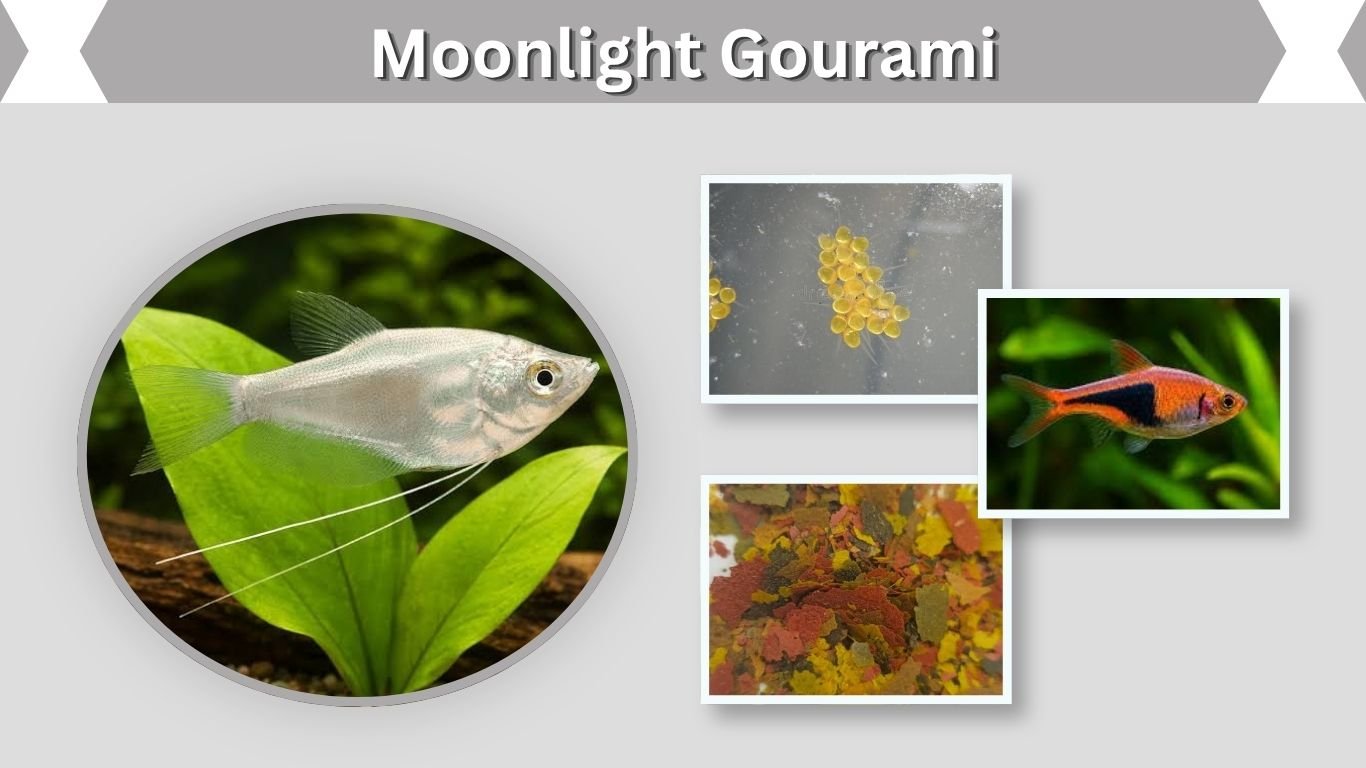
The moonlight gourami is a beautiful freshwater fish admired for its shimmering silver body, graceful swimming movements, and peaceful temperament. Its distinctive appearance makes it an attractive centerpiece for larger community aquariums. However, proper moonlight gourami care requires understanding its adult size, preferred water conditions, and compatibility with other fish. This guide covers everything you need to know about its habitat, feeding, tank requirements, lifespan, and breeding behavior.
What Is a Moonlight Gourami?
The moonlight gourami (Trichopodus microlepis) is a tropical freshwater fish belonging to the Osphronemidae family. Native to Southeast Asia, it naturally inhabits slow-moving waterways, ponds, and wetlands surrounded by dense aquatic vegetation. This species is particularly appreciated for its metallic silver coloration and exceptionally long, thread-like pelvic fins.
Appearance and Identification
Moonlight gouramis have laterally compressed, elongated bodies covered with tiny, reflective scales that produce a beautiful silvery glow.
Key identification features:
- Shimmering silver or pale bluish body.
- Long, thread-like pelvic fins.
- Slightly concave forehead.
- Large eyes with a yellowish or reddish appearance.
- Broad anal fin extending along the underside.
- Adult body length reaches approximately 6 inches.
Unlike blue or three-spot gouramis, moonlight gouramis lack the characteristic dark spots along the sides of their bodies.
Natural Habitat and Origin
Moonlight gouramis originate from Thailand, Cambodia, and Vietnam.
They naturally inhabit ponds, swamps, marshes, and slow-moving freshwater environments containing dense vegetation.
These habitats provide shaded resting areas, abundant food sources, and protection from larger predators.
Replicating their natural surroundings with plants, gentle filtration, and open swimming spaces helps encourage normal behavior.
Moonlight Gourami Size and Lifespan
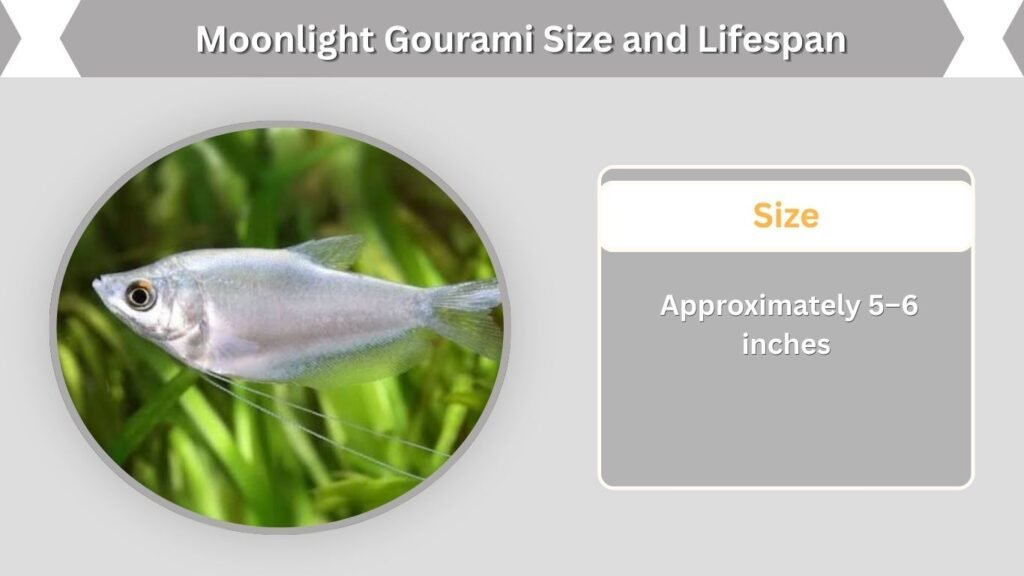
Understanding moonlight gourami size is essential before introducing this species into an aquarium. Juveniles may appear small in pet stores, but they grow considerably larger as adults. Their eventual size and lifespan depend on genetics, nutrition, water quality, and the amount of space available.
How Big Do Moonlight Gouramis Get?
A full-grown moonlight gourami typically reaches approximately 5–6 inches (12–15 cm) in length.
Both males and females can attain similar adult sizes, although females may develop rounder bodies.
Because these fish grow relatively large, small aquariums can restrict their natural swimming behavior.
A spacious tank provides the necessary room for comfortable movement and interaction with compatible companions.
Moonlight Gourami Lifespan
Moonlight gouramis commonly live approximately 4–6 years in captivity under suitable aquarium conditions.
Some individuals may live longer with consistent care.
A balanced diet, stable temperature, proper filtration, and regular aquarium maintenance support long-term health.
Avoid overcrowding and aggressive companions because prolonged stress can contribute to health problems.
Moonlight Gourami Care Guide
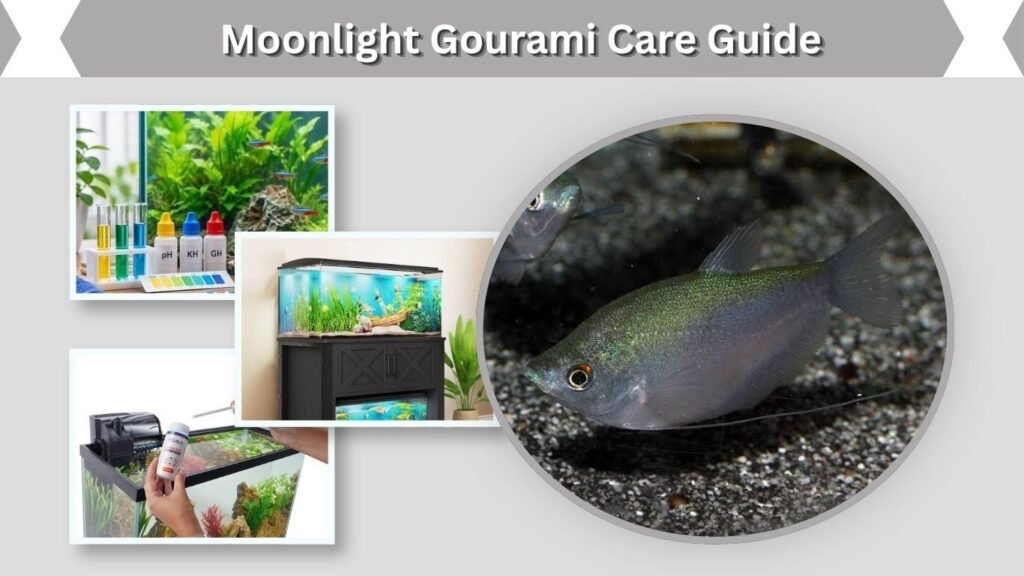
Moonlight gourami care is relatively manageable for aquarists familiar with tropical freshwater fish. However, their adult size and preference for peaceful surroundings require careful aquarium planning. Providing clean water, stable temperatures, suitable filtration, and adequate vegetation creates a comfortable environment for these attractive fish.
Moonlight Gourami Tank Size
A 40-gallon aquarium with sufficient horizontal swimming space is a reasonable minimum for a single adult moonlight gourami.
However, a 55-gallon or larger aquarium is preferable, especially when keeping companions.
Recommended aquarium features:
- Spacious swimming areas.
- Live plants along the sides and background.
- Floating vegetation for shade.
- Gentle filtration.
- Driftwood and natural hiding places.
- A secure aquarium lid.
A 29-gallon aquarium is generally too small for a fully grown moonlight gourami.
A longer aquarium is more beneficial than a narrow, tall tank of similar volume.
Water Temperature and Parameters
Moonlight gouramis prefer warm, stable freshwater conditions.
Recommended water parameters:
- Temperature: 77–86°F (25–30°C).
- pH: 6.0–7.5.
- Water hardness: Ideally soft to moderately hard, although the species tolerates a broader range.
- Ammonia: 0 ppm.
- Nitrite: 0 ppm.
Regular partial water changes help maintain suitable water quality.
Avoid sudden temperature changes and excessive water movement.
Like other gouramis, this species possesses a labyrinth organ that allows it to breathe atmospheric air. Therefore, it must have access to the water surface.
Plants and Aquarium Decorations
Moonlight gouramis appreciate aquariums containing vegetation and sheltered areas.
Suitable plants include Java fern, Amazon sword, Anubias, and water sprite.
Floating plants create shaded environments that resemble their natural habitats.
Arrange decorations around the aquarium’s edges while preserving open swimming space.
A calm surface and warm, humid air above the water are also beneficial for these labyrinth fish.
Moonlight Gourami Diet and Feeding
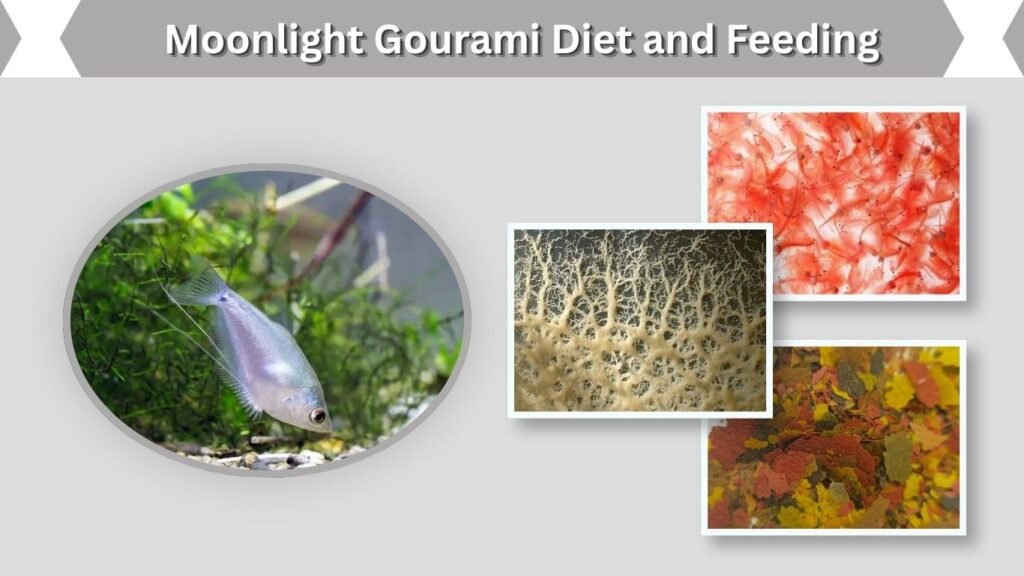
Moonlight gouramis are omnivorous fish that consume plant matter and small aquatic organisms in their natural habitats. They readily accept various commercial aquarium foods, making feeding relatively straightforward. However, providing nutritional variety is important for maintaining healthy growth, strong coloration, and proper immune function.
What Do Moonlight Gouramis Eat?
A balanced moonlight gourami diet can include:
- High-quality tropical fish flakes.
- Appropriately sized floating pellets.
- Frozen or live brine shrimp.
- Daphnia and bloodworms.
- Spirulina-based foods.
- Occasional blanched vegetables.
Feed small portions once or twice daily.
Offer only what the fish can consume within a few minutes and remove uneaten food.
Avoid relying exclusively on one food type because dietary variety supports overall health.
Moonlight Gourami Tank Mates
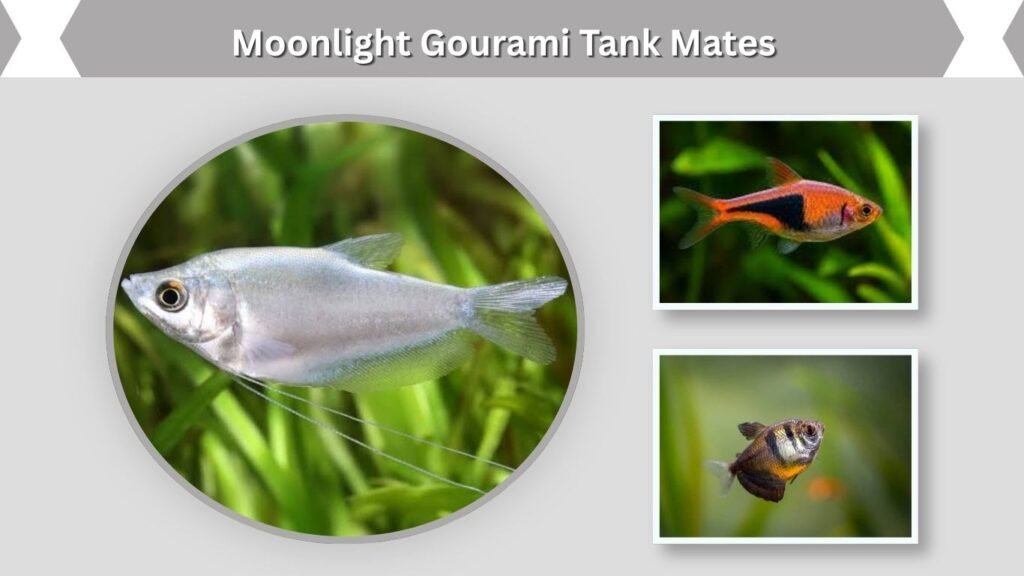
Moonlight gouramis are generally peaceful community fish, although they can become territorial toward similar-looking species. Their larger adult size also means extremely small fish and shrimp may be vulnerable to predation. Suitable tank mates should have compatible water requirements and relatively calm behavior.
Best Tank Mates for Moonlight Gouramis
Potentially compatible companions include:
- Harlequin rasboras.
- Larger peaceful tetras.
- Corydoras catfish.
- Kuhli loaches.
- Bristlenose plecos.
- Peaceful rainbowfish.
- Selected nonaggressive barbs.
Compatibility depends on aquarium size, individual temperament, and stocking levels.
Angelfish and pearl gouramis may coexist in spacious aquariums, but territorial interactions are possible.
Avoid aggressive cichlids, persistent fin-nippers, and extremely small fish that could be swallowed.
Moonlight Gourami With Other Gouramis
Combining moonlight gouramis with other gourami species requires caution.
Blue gouramis and three-spot gouramis may become territorial, particularly in crowded aquariums.
Pearl gouramis are often comparatively peaceful, but individual behavior varies.
Providing visual barriers and sufficient swimming space can reduce conflicts.
Monitor all fish closely when introducing new tank mates.
Moonlight Gourami Male vs. Female
Distinguishing male and female moonlight gouramis becomes easier as the fish reach sexual maturity. Although both sexes share the same silvery coloration, differences in their pelvic fins, body shape, and dorsal fins can help identify them.
Male Moonlight Gourami
Adult males often develop orange or reddish pelvic fins, especially when mature.
Their dorsal fins may appear longer and more pointed than those of females.
Males sometimes become territorial toward rival males, particularly during breeding.
Female Moonlight Gourami
Female moonlight gouramis generally possess yellowish pelvic fins.
Their dorsal fins may appear shorter or more rounded, and mature females can develop fuller abdomens.
Coloration and body shape can vary, so examining several characteristics together provides more reliable identification.
Are Moonlight Gouramis Aggressive?
Moonlight gouramis are usually peaceful, but occasional territorial behavior is possible.
Males may chase other males or similarly shaped fish when establishing dominance or defending breeding areas.
Aggression becomes more likely when fish are overcrowded or lack sufficient hiding places.
A single moonlight gourami can live comfortably in a suitable community aquarium without needing a same-species companion.
Maintaining enough space and monitoring social interactions helps prevent persistent harassment.
Moonlight Gourami Breeding
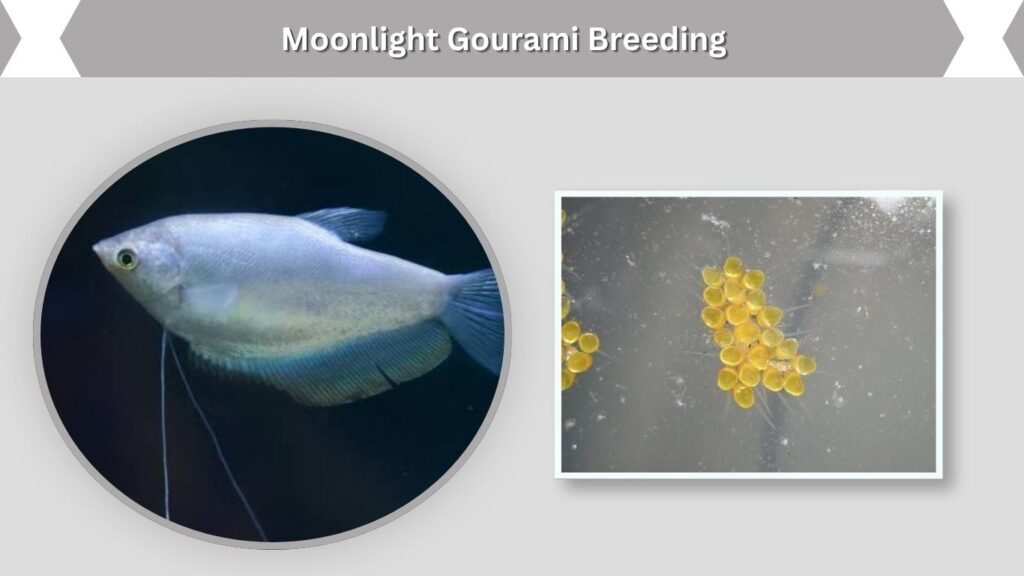
Breeding moonlight gouramis is possible in captivity but requires suitable conditions and careful preparation. Like many other gouramis, this species reproduces by building bubble nests near the water surface. During breeding, males become territorial and take responsibility for protecting the developing eggs.
How to Breed Moonlight Gouramis
A typical breeding process involves:
- Prepare a separate breeding aquarium with floating plants.
- Maintain warm water and gentle filtration.
- Condition healthy adults with nutritious live or frozen foods.
- Allow the male to construct a bubble nest.
- Observe spawning beneath the nest.
- Remove the female after spawning if the male becomes aggressive.
The male guards the eggs, which generally hatch within 24–48 hours.
Fry become free-swimming after another few days. At this stage, the male should be removed.
Newly hatched fry require tiny foods such as infusoria before progressing to newly hatched brine shrimp.
Common Moonlight Gourami Health Problems
Moonlight gouramis can develop health issues when aquarium conditions deteriorate or when stress compromises their well-being. Monitoring feeding habits, coloration, breathing, and swimming behavior can help identify developing problems. Preventive aquarium maintenance remains one of the most effective ways to support fish health.
Diseases and Warning Signs
Potential problems include ich, bacterial infections, fin damage, and digestive disorders.
Common warning signs are:
- White spots on the body or fins.
- Loss of appetite.
- Unusual hiding or inactivity.
- Damaged or clamped fins.
- Rapid breathing.
- Abnormal swelling.
Test aquarium water whenever symptoms appear.
Quarantine newly purchased fish when possible, and seek appropriate aquatic veterinary guidance for persistent or serious illness.
FAQs
1. Are moonlight gouramis good for beginners?
Yes. Moonlight gouramis can be suitable for beginners who have a properly cycled, spacious aquarium and understand basic tropical fish care.
2. Can a moonlight gourami live in a 29-gallon tank?
A 29-gallon aquarium is generally too small for a fully grown moonlight gourami. A 40-gallon long aquarium or larger is more suitable.
3. Do moonlight gouramis eat other fish?
Moonlight gouramis are not typically aggressive predators, but they may eat extremely small fish or fry that fit into their mouths.
4. Can moonlight gouramis live with angelfish?
They sometimes coexist peacefully with angelfish in spacious aquariums. However, both species can display territorial behavior, so careful monitoring is necessary.
5. Can you keep a single moonlight gourami?
Yes. A single moonlight gourami can live successfully in a peaceful community aquarium with enough space, vegetation, and compatible companions.