
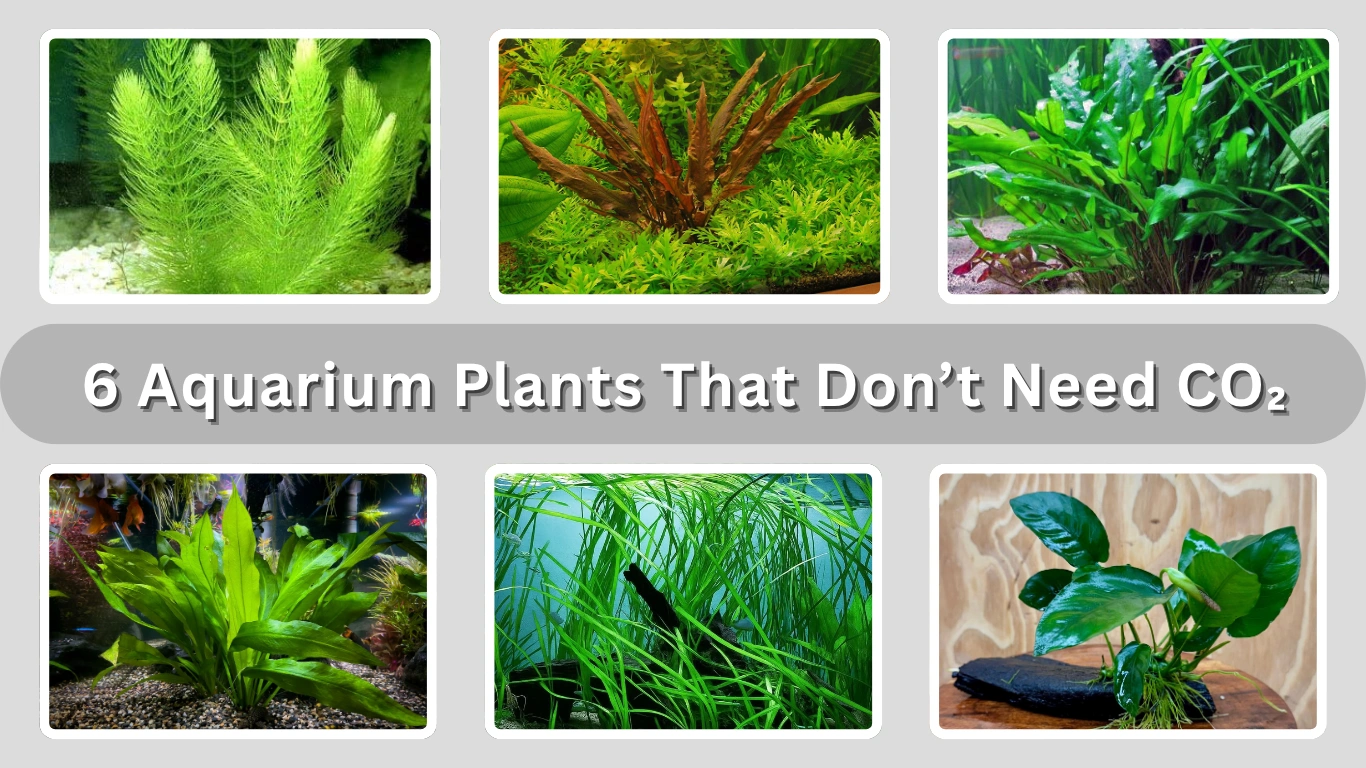
Creating a beautiful planted aquarium doesn’t have to involve complex setups or CO₂ systems. Many aquatic plants can thrive in low-tech environments, making them perfect for beginners and hobbyists who prefer simplicity. These plants are hardy, adaptable, and require minimal maintenance while still enhancing the natural beauty of your tank.
In this guide, you’ll discover six reliable aquarium plants that grow well without CO₂ injection. Whether you want lush greenery, natural hiding spots for fish, or better water quality, these plants offer an easy and effective way to build a healthy, visually appealing aquarium.
1. Anubias
Anubias is one of the most popular low-tech aquarium plants, especially for beginners. It thrives without CO₂ injection and requires minimal care, making it ideal for low-light setups. Known for its broad, dark green leaves and slow growth, Anubias is highly durable and can adapt to a wide range of water conditions.
Key Features of Anubias
- Thick, hardy leaves that resist damage from fish
- Slow growth rate, reducing maintenance needs
- Can grow in low to moderate lighting
- Does not require substrate (can attach to rocks or driftwood)
- Suitable for both small and large aquariums
Ideal Growing Conditions for Anubias
Anubias performs best in stable water conditions with temperatures between 22–28°C (72–82°F). It prefers low to moderate light, as intense lighting can lead to algae growth on its leaves. This plant does not need to be planted in substrate; instead, its rhizome should be attached to hard surfaces like driftwood or rocks. Burying the rhizome can cause it to rot, so proper placement is essential for healthy growth.
Benefits of Adding Anubias to Your Aquarium
One of the biggest advantages of Anubias is its resilience. It can tolerate a variety of water parameters, making it suitable for community tanks. Its tough leaves are rarely eaten by herbivorous fish, which makes it a great choice for tanks with species that tend to nibble on plants. Additionally, Anubias provides excellent shelter for small fish and shrimp, helping create a more natural and secure environment inside the aquarium.
Common Care Tips for Healthy Growth
To keep Anubias healthy, regular tank maintenance is important. Gently clean its leaves if algae buildup appears, especially in brighter setups. Since it grows slowly, avoid overcrowding it with faster-growing plants that may block light. Occasional use of liquid fertilizers can support its growth, although it can survive without them. Most importantly, always ensure the rhizome remains exposed to prevent decay and maintain long-term plant health.
2. Java Fern
Java Fern is another excellent choice for aquarists looking for a hardy, no-CO₂ plant. It is widely appreciated for its unique leaf shapes and its ability to grow in a variety of conditions. Like Anubias, Java Fern is a slow-growing plant that thrives with minimal effort, making it perfect for beginners and low-tech tanks.
Key Characteristics of Java Fern
- Long, textured leaves with a distinctive appearance
- Extremely hardy and adaptable to different water conditions
- Thrives in low-light environments
- Does not require substrate planting
- Compatible with most fish, including plant-nipping species
Ideal Environment for Java Fern Growth
Java Fern prefers temperatures between 20–28°C (68–82°F) and can tolerate a wide range of pH levels. It grows best under low to moderate lighting, and excessive light may lead to algae issues. Similar to Anubias, its rhizome should never be buried. Instead, attach it to rocks, driftwood, or decorations to allow proper growth and prevent rotting.
Benefits of Keeping Java Fern in Aquariums
This plant is highly valued for its durability and ease of care. It can withstand fluctuations in water parameters, making it ideal for beginners. Java Fern also helps improve water quality by absorbing nutrients and providing shelter for fish and shrimp. Its tough leaves are generally avoided by herbivorous fish, ensuring it remains intact even in active tanks.
Simple Care Tips for Long-Term Health
Maintaining Java Fern is straightforward. Keep lighting moderate and avoid placing it in direct, intense light. Trim older or damaged leaves to encourage new growth. Occasionally, you may notice small plantlets forming on the leaves—these can be detached and replanted. Regular water changes and basic tank care will keep the plant thriving without the need for CO₂ supplementation.
3. Vallisneria
Vallisneria is a classic background aquarium plant known for its long, ribbon-like leaves that create a natural underwater jungle effect. It grows well without CO₂ injection and is highly favored in low-tech setups due to its fast growth and ability to spread بسهولة through runners, making it perfect for filling larger spaces.
Key Features of Vallisneria
- Long, grass-like leaves ideal for background placement
- Fast-growing plant that spreads via runners
- Thrives in low to moderate lighting
- Helps oxygenate the aquarium naturally
- Easy to propagate and maintain
Ideal Conditions for Vallisneria Growth
Vallisneria grows best in temperatures between 20–28°C (68–82°F) and prefers a neutral to slightly alkaline pH. It should be planted directly into the substrate, where it will develop a strong root system. Unlike rhizome plants, Vallisneria relies on nutrients from the substrate, so a nutrient-rich base or root tabs can enhance its growth, though it can still survive in basic setups.
Benefits of Using Vallisneria in Aquariums
One of the biggest advantages of Vallisneria is its rapid growth, which helps absorb excess nutrients and reduce algae. Its tall leaves provide excellent cover for fish, creating a more natural and secure environment. It also adds movement to the tank as the leaves sway gently with water flow, enhancing the overall aesthetic appeal.
Care Tips for Healthy Vallisneria
To keep Vallisneria thriving, ensure it has enough space to spread, as it can quickly take over an aquarium. Trim excessively long leaves to maintain shape and prevent overcrowding. Avoid frequent uprooting, as this can stress the plant. With stable water conditions and basic care, Vallisneria will grow vigorously without the need for CO₂ supplementation.
4. Amazon Sword
Amazon Sword is a popular and visually striking aquarium plant known for its large, broad leaves and strong presence in the tank. It grows well without CO₂ injection and is ideal for creating a lush, natural look in low-tech aquariums. Due to its size, it is often used as a centerpiece plant.
Key Features of Amazon Sword
- Large, wide leaves that create a bold focal point
- Fast to moderate growth under proper conditions
- Suitable for midground or background placement
- Strong root system that anchors well in substrate
- Beginner-friendly and easy to maintain
Ideal Conditions for Amazon Sword Growth
Amazon Sword thrives in temperatures between 22–28°C (72–82°F) with moderate lighting. Unlike epiphyte plants, it must be planted in the substrate, where it absorbs nutrients through its roots. A nutrient-rich substrate or root tabs can significantly improve its growth, although it can still survive in basic setups without CO₂.
Benefits of Adding Amazon Sword to Your Tank
This plant enhances the aquarium’s appearance by adding depth and structure. Its dense leaves provide excellent hiding spots for fish and help create a natural habitat. Amazon Sword also plays a role in maintaining water quality by absorbing excess nutrients, which can help reduce algae growth in low-tech tanks.
Care Tips for Healthy Amazon Sword
To maintain healthy growth, ensure the plant has enough space, as it can grow quite large over time. Trim older or damaged leaves regularly to encourage new growth. Provide occasional root fertilization if possible, and avoid overcrowding with other plants. With stable water conditions and basic care, Amazon Sword can thrive beautifully without CO₂.
5. Cryptocoryne
Cryptocoryne, often called “Crypts,” is a versatile and beginner-friendly aquarium plant that thrives without CO₂. It is well-known for its wide variety of leaf shapes and colors, ranging from green to brown and even reddish tones. Its adaptability makes it a perfect choice for low-tech aquariums.
Key Features of Cryptocoryne
- Wide variety of species with different leaf shapes and colors
- Slow to moderate growth rate
- Thrives in low-light conditions
- Ideal for foreground or midground placement
- Strong root feeder that grows well in substrate
Ideal Conditions for Cryptocoryne Growth
Cryptocoryne prefers stable water conditions with temperatures between 22–28°C (72–82°F). It grows best when planted in the substrate, where it absorbs nutrients through its roots. Low to moderate lighting is sufficient, and sudden changes in water parameters should be avoided, as this plant is sensitive to fluctuations.
Benefits of Adding Cryptocoryne to Your Aquarium
One of the main advantages of Cryptocoryne is its adaptability. It can thrive in a wide range of conditions, making it suitable for beginners. Its dense growth provides excellent shelter for fish and shrimp. Additionally, its variety of colors and textures adds depth and visual interest to aquarium layouts.
Care Tips for Healthy Cryptocoryne
Cryptocoryne may experience “crypt melt” when first introduced, where leaves die back due to environmental changes. This is normal, and the plant usually recovers with new growth. Avoid moving it frequently, as it prefers stability. Provide occasional root nutrients if possible, and maintain consistent water conditions for best results.
6. Hornwort
Hornwort is a fast-growing and highly adaptable aquarium plant that does not require CO₂ injection. It is popular among beginners due to its ability to thrive in a wide range of conditions. With its feathery, bright green foliage, Hornwort adds a soft and natural look to any aquarium.
Key Features of Hornwort
- Fine, needle-like leaves that create a bushy appearance
- Extremely fast growth rate
- Can float freely or be anchored in substrate
- Absorbs excess nutrients efficiently
- Suitable for both small and large aquariums
Ideal Conditions for Hornwort Growth
Hornwort grows well in temperatures between 15–30°C (59–86°F), making it very versatile. It prefers moderate lighting but can also tolerate low light conditions. Unlike many rooted plants, Hornwort does not require substrate and can be left floating, which allows it to absorb nutrients directly from the water column.
Benefits of Adding Hornwort to Your Aquarium
Hornwort is excellent for improving water quality, as it absorbs nitrates and helps reduce algae growth. Its dense structure provides great hiding spots for fish fry and shrimp. Additionally, it releases oxygen into the water, contributing to a healthier aquarium environment.
Care Tips for Healthy Hornwort
Maintaining Hornwort is simple due to its hardy nature. Regular trimming is important, as it grows quickly and can take over the tank. Remove excess or shedding needles to keep the tank clean. With basic care and stable conditions, Hornwort will thrive without the need for CO₂ or special fertilizers.
FAQs
Do aquarium plants really need CO₂ to grow?
Not all aquarium plants require CO₂ injection. Many low-tech plants like Anubias, Java Fern, and Cryptocoryne can grow well without it. While CO₂ can boost growth speed, these hardy plants adapt easily to natural CO₂ levels in the water, making them ideal for beginners.
What is a low-tech aquarium setup?
A low-tech aquarium is a setup without advanced equipment like CO₂ systems or high-intensity lighting. It typically uses basic lighting, minimal fertilization, and hardy plants. This type of aquarium is easier to maintain, cost-effective, and perfect for those new to aquascaping.
Which aquarium plants grow the fastest without CO₂?
Hornwort and Vallisneria are among the fastest-growing plants that don’t need CO₂. They quickly absorb nutrients from the water, helping reduce algae and maintain water quality. Their rapid growth also makes them great for filling empty spaces in the aquarium.
Do I need fertilizer for no-CO₂ plants?
Fertilizer is not always necessary, but it can help improve plant health and growth. Many no-CO₂ plants survive on nutrients from fish waste and leftover food. However, occasional use of liquid fertilizer or root tabs can enhance their appearance and overall vitality.
Can I grow aquarium plants in low light without CO₂?
Yes, many aquarium plants thrive in low-light conditions without CO₂. Plants like Anubias and Java Fern are especially suited for low light. Keeping lighting moderate helps prevent algae growth while still supporting healthy plant development in a low-tech aquarium.