
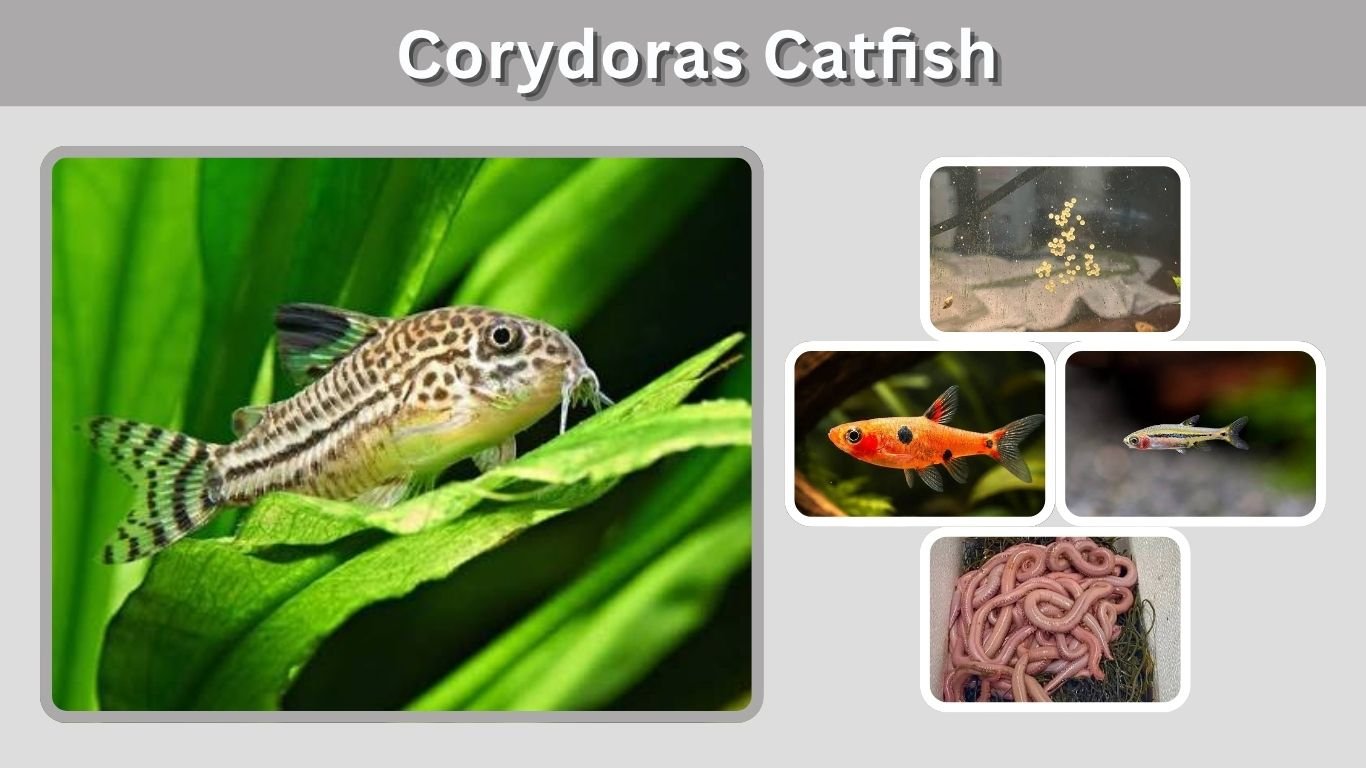
Want a peaceful bottom-dwelling fish that adds movement without disturbing your community aquarium? Corydoras catfish are popular for their playful group behavior, distinctive whisker-like barbels, and wide range of colors. These South American freshwater fish spend much of their time searching the substrate for food, but they still need regular meals and clean water. Whether you prefer panda, albino, bronze, or pygmy corys, understanding their tank size, diet, water temperature, and breeding habits helps you provide a safe, comfortable home for these social fish.
What Are Corydoras Catfish?
Corydoras catfish, commonly called cory catfish or corys, are small freshwater fish native to South America. They belong to a group of armored catfish recognized for their peaceful temperament and bottom-dwelling habits. Their protective bony plates, sensitive barbels, and social behavior make them interesting additions to planted aquariums and peaceful community tanks.
Corydoras Catfish Size and Appearance
Most commonly kept corydoras reach approximately 1–3 inches in length, depending on the species. Pygmy corydoras remain especially small, while bronze and Sterbai varieties grow considerably larger.
Their bodies feature protective bony plates rather than ordinary fish scales. Short, whisker-like barbels surrounding the mouth help them locate food along the aquarium bottom.
Colors vary from metallic bronze and spotted gray to black-and-white patterns.
Corydoras Catfish Lifespan
Corydoras catfish commonly live around 5–8 years with proper aquarium care. Some individuals survive longer under excellent conditions.
Their lifespan depends on water quality, nutrition, genetics, and environmental stability. Maintaining a suitable group and preventing prolonged stress helps support their health.
Popular Types of Corydoras Catfish

Corydoras are available in numerous species and color varieties. Some have distinctive patterns, while others display metallic colors or unusually small bodies. Although their care requirements overlap, their preferred temperatures, adult sizes, and aquarium needs differ. Choosing the correct variety helps aquarists establish suitable conditions.
Common Corydoras Catfish Species
- Albino Corydoras: Pale pinkish-white fish with reddish eyes, commonly developed from bronze corydoras.
- Panda Corydoras: Recognized by dark patches around their eyes, dorsal fins, and tails.
- Bronze Corydoras: Hardy fish displaying metallic bronze or greenish coloration.
- Sterbai Corydoras: Attractive spotted catfish that tolerate warmer aquarium temperatures.
- Peppered Corydoras: Grayish fish covered with irregular dark markings.
- Pygmy Corydoras: Tiny, active corys that frequently swim above the substrate.
Corydoras Catfish Tank Size and Setup
A suitable aquarium should provide enough bottom space for group movement, feeding, and resting. Corydoras naturally explore their surroundings together, making horizontal swimming space especially important. Soft substrate, aquatic plants, and good filtration help recreate a comfortable habitat while protecting their sensitive barbels.
Minimum Corydoras Catfish Tank Size
For a group of six average-sized corydoras, a 20-gallon aquarium is a practical starting point.
Smaller species, including pygmy corydoras, may thrive in a properly maintained 10-gallon aquarium with an appropriate group.
Larger varieties need additional bottom space. Tank dimensions, stocking levels, and filtration capacity are just as important as total water volume.
Best Substrate and Aquarium Decorations
Corydoras spend considerable time exploring the substrate, so choosing appropriate materials helps protect their barbels.
- Fine sand: Provides a soft surface for natural searching and digging.
- Smooth decorations: Driftwood and rounded stones create sheltered resting areas.
- Aquatic plants: Java fern, Amazon swords, and Cryptocoryne provide useful cover.
- Open bottom areas: Allow groups to forage without navigating crowded decorations.
Avoid sharp gravel and decorations that could cause injuries.
Corydoras Catfish Water Temperature and Parameters
Water requirements vary among corydoras species. Match aquarium conditions to the particular variety rather than using one temperature for every species.
- Temperature: Many species prefer approximately 72–79°F (22–26°C).
- pH level: Around 6.0–7.5 suits numerous commonly kept varieties.
- Ammonia and nitrite: Maintain both at 0 ppm.
- Filtration: Provide effective filtration and well-oxygenated water without excessive turbulence.
Peppered corydoras generally favor cooler conditions, while Sterbai corydoras tolerate warmer water.
What Do Corydoras Catfish Eat?
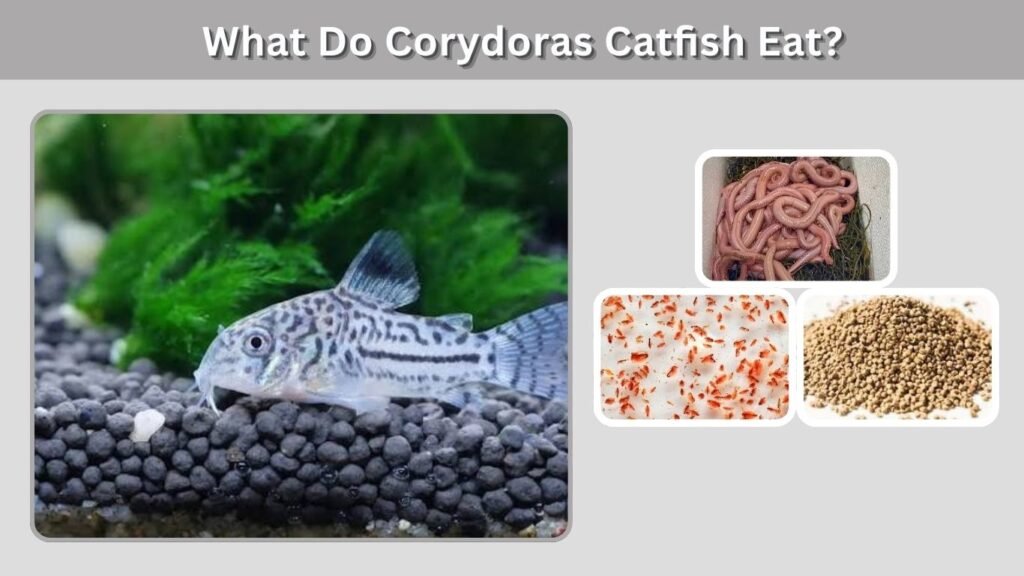
Corydoras are omnivorous bottom-feeders that consume small aquatic organisms and other edible material. Although they frequently search the aquarium floor, they cannot survive entirely on leftover food. A nutritious, varied diet supports healthy growth, natural coloration, and reproductive activity.
Best Food for Corydoras Catfish
- Sinking pellets: Provide a convenient, balanced everyday food.
- Bottom-feeder tablets: Deliver nutrients directly to their preferred feeding areas.
- Frozen foods: Bloodworms, daphnia, and brine shrimp add dietary variety.
- Live foods: Small worms and insect larvae encourage natural foraging behavior.
Feeding Frequency and Algae Consumption
Feed corydoras once or twice daily using portions they can consume without leaving excessive waste.
Monitor feeding carefully when keeping them with faster fish, as other aquarium inhabitants may consume sinking food before corydoras reach it.
Corydoras are not reliable algae eaters. They primarily search for edible particles and small organisms rather than removing algae from aquarium surfaces.
Corydoras Catfish Temperament and Tank Mates
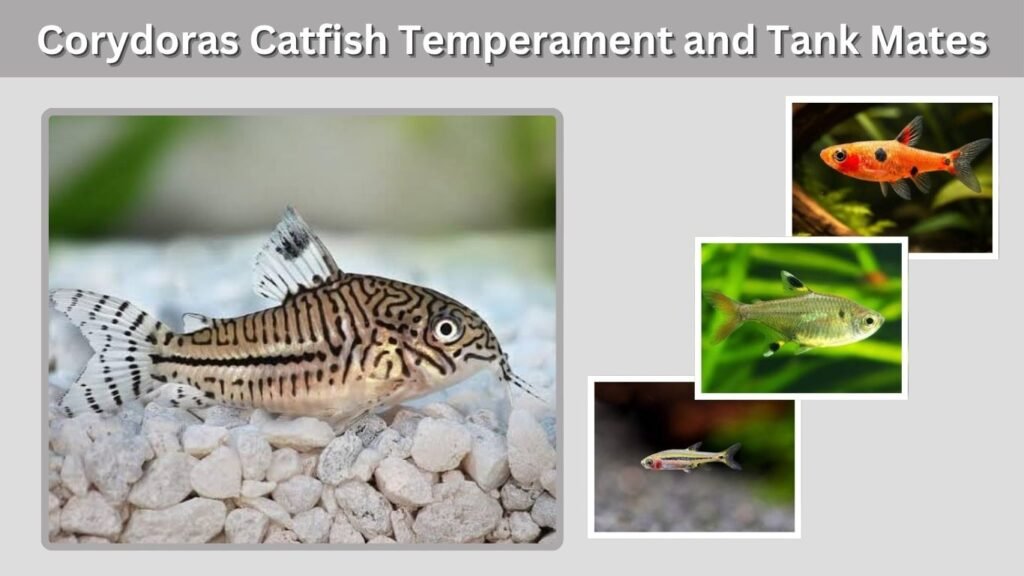
Corydoras are generally peaceful, social fish that rarely threaten compatible community species. They spend much of their time exploring the bottom together and occasionally swim upward to gulp atmospheric air. Choosing suitable companions allows them to display natural behavior without competing aggressively for space or food.
Best Tank Mates for Corydoras Catfish
Small tetras, peaceful rasboras, and appropriately sized livebearers can make suitable tank companions.
Other nonaggressive freshwater fish may also coexist with corydoras when their temperature and water requirements match.
Avoid large predatory fish and aggressive species that might harass or injure them.
Can Corydoras Catfish Live With Bettas?
Corydoras can sometimes live successfully with betta fish because they occupy different aquarium areas.
However, compatibility depends on the betta’s individual temperament, available space, and water conditions.
Provide hiding places and monitor interactions closely. Separate the fish if persistent chasing or aggression occurs.
How Many Corydoras Should Be Kept Together?
Most corydoras should live in groups of at least six individuals of the same species.
Larger compatible groups often encourage more confident behavior and natural social interactions.
Keeping a single corydoras may cause unnecessary stress because these fish naturally seek companionship.
Corydoras Catfish Breeding and Eggs
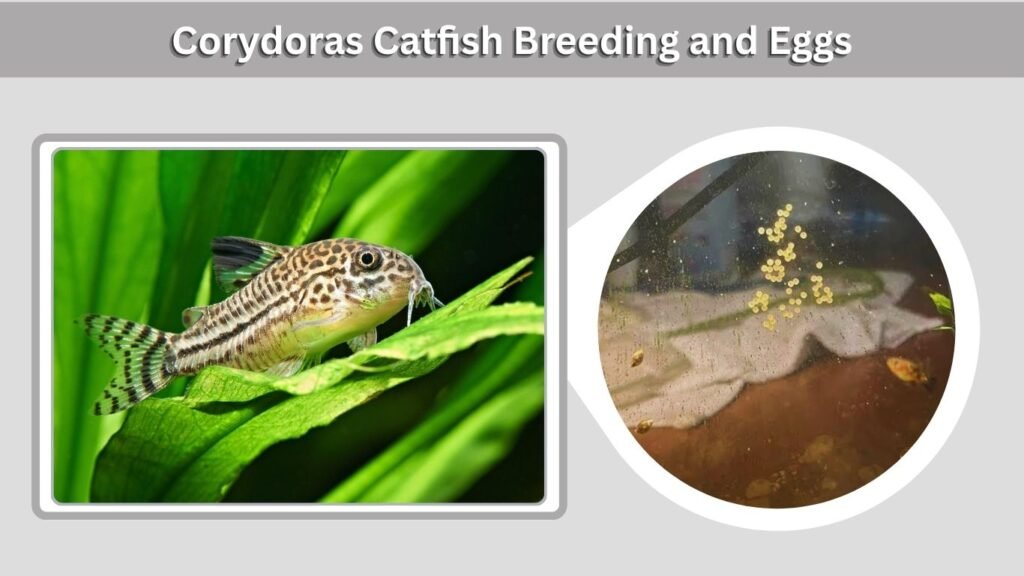
Breeding corydoras can be rewarding for aquarium enthusiasts. Healthy adults sometimes reproduce in established community aquariums, although a separate breeding setup improves the chances of raising fry. Proper conditioning, stable water conditions, and suitable egg protection are essential for successful reproduction.
Male vs Female Corydoras Catfish
Mature female corydoras are generally larger and broader than males, especially when carrying eggs.
Males usually have slimmer bodies and may appear more streamlined when viewed from above.
These differences become easier to recognize as the fish reach sexual maturity.
Corydoras Catfish Eggs and Fry Care
During spawning, females deposit adhesive eggs on aquarium glass, plants, or other suitable surfaces.
Adults may eat their eggs, so breeders often transfer them carefully into a separate, well-oxygenated container.
Depending on species and temperature, eggs generally hatch within several days.
After absorbing their yolk sacs, fry can consume appropriately sized foods such as microworms and newly hatched brine shrimp.
Maintain excellent water quality throughout their development.
Corydoras Catfish Health and Maintenance
Healthy corydoras are active, responsive, and regularly explore their surroundings. Poor water conditions, unsuitable substrate, and inadequate feeding can affect their well-being. Routine maintenance and careful observation help prevent common aquarium problems.
Common Health Problems
Corydoras may develop bacterial infections, damaged barbels, or other illnesses when aquarium conditions deteriorate.
Red patches, unusual breathing, appetite loss, and damaged fins can indicate health problems.
Persistent symptoms require prompt investigation of water quality and appropriate professional advice.
How to Keep Corydoras Healthy
Perform regular partial water changes, remove accumulated waste, and maintain stable temperatures.
Keep the substrate clean without disturbing beneficial filtration bacteria.
Provide a balanced diet, compatible tank mates, and enough space for natural group behavior.
FAQs
1. Are Corydoras Catfish Good for Beginners?
Yes. Many commonly kept corydoras are beginner-friendly when housed in established aquariums with suitable group sizes and clean water.
2. Do Corydoras Catfish Need Sand?
Fine sand is ideal, although smooth, rounded gravel can work when maintained carefully.
3. Can Corydoras Catfish Live Alone?
They may survive alone, but most species should be kept in groups of six or more for healthy social behavior.
4. Do Corydoras Catfish Eat Algae?
Corydoras are not effective algae cleaners. They need regular feeding with sinking, nutritious foods.
5. Why Do Corydoras Swim to the Surface?
Corydoras occasionally gulp atmospheric air as part of normal behavior. Frequent surface visits accompanied by distress may indicate poor water conditions or inadequate oxygenation.