
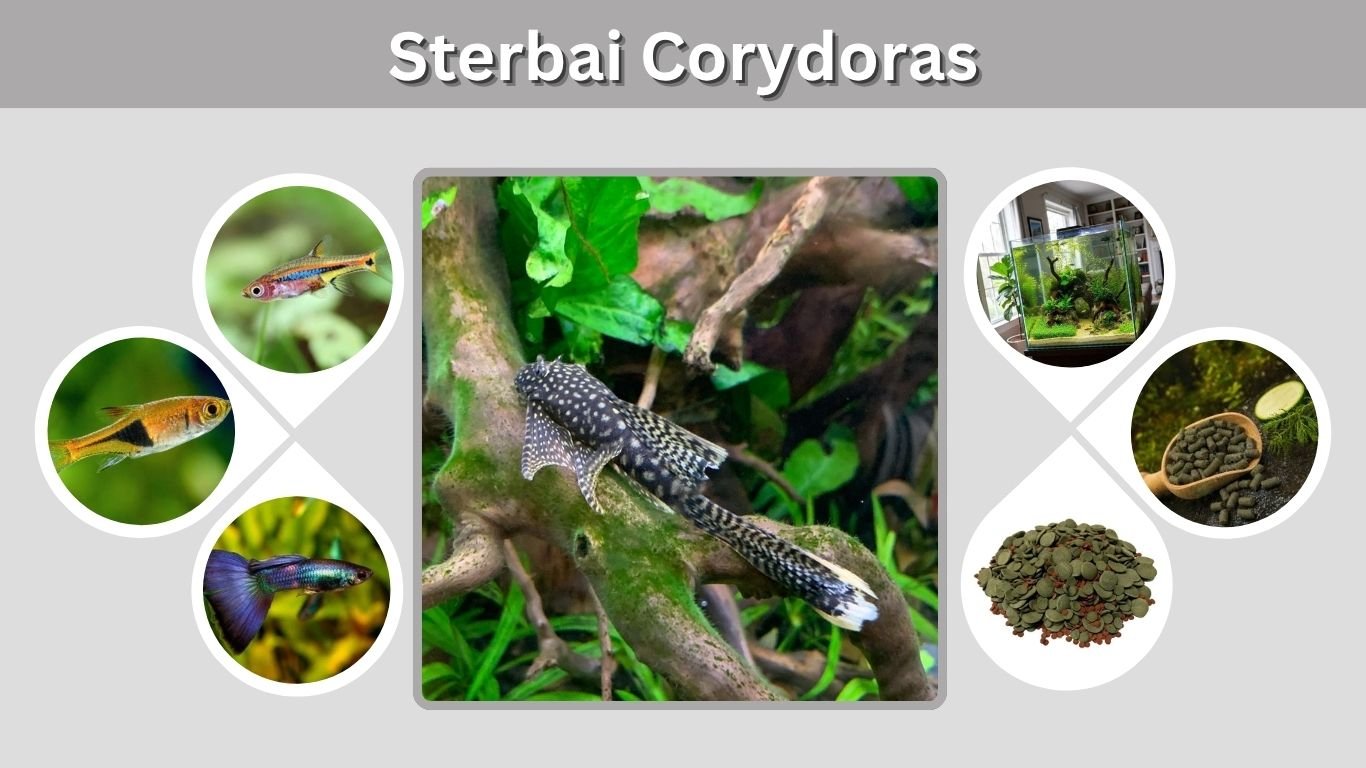
Plecostomus catfish are popular freshwater aquarium fish recognized for their armored bodies, sucker-shaped mouths, and algae-grazing behavior. Commonly called plecos, these fascinating bottom-dwelling fish belong to a diverse family containing hundreds of species. While some remain small enough for ordinary home aquariums, others grow remarkably large and require spacious tanks. Understanding their feeding habits, water requirements, temperament, and lifespan is essential for responsible fishkeeping. This guide explores plecostomus catfish identification, popular varieties, adult sizes, aquarium care, breeding, and compatibility with other freshwater fish.
What Is a Plecostomus Catfish?
A plecostomus catfish is a freshwater fish belonging to the family Loricariidae, commonly known as the armored suckermouth catfish family. Most species originate from tropical regions of South America, where they inhabit rivers, streams, and other freshwater environments. Their unusual body structure and specialized mouths distinguish them from many other aquarium catfish.
Are Plecostomus Actually Catfish?
Yes, plecostomus fish are true catfish belonging to the order Siluriformes. Unlike many familiar catfish, they possess protective bony plates covering much of their bodies instead of smooth, unarmored skin.
Their scientific classification includes the family Loricariidae. Hypostomus plecostomus is one particular species, although the common name plecostomus is widely used for several related genera.
Plecostomus Catfish Appearance
Plecos generally have flattened undersides, broad heads, and downward-facing sucker mouths. Their bodies often display spotted, striped, or mottled patterns that help them blend into natural surroundings.
Many species use their mouths to attach themselves to rocks, driftwood, and aquarium glass while grazing on attached food.
Different Types of Plecostomus Catfish

Plecostomus catfish include numerous species with distinctive appearances, adult sizes, and feeding requirements. Some are suitable for moderately sized community aquariums, while others require specialized setups. Understanding the differences between common varieties helps aquarists choose a fish that matches their aquarium space, experience, and maintenance abilities.
Popular Plecostomus Catfish Varieties
- Common Pleco: A large-growing armored catfish often reaching 12–20 inches or more, depending on the species sold under this name.
- Bristlenose Pleco: A smaller variety, generally reaching 4–6 inches, recognized by facial bristles in mature males.
- Clown Pleco: A relatively small pleco, typically growing about 3–4 inches, with attractive banded patterns.
- Rubber Lip Pleco: A peaceful bottom-dwelling species usually reaching approximately 4–6 inches.
- Sailfin Pleco: A large variety featuring an impressive dorsal fin that can reach approximately 15–20 inches or more.
- Albino Pleco: A pale-colored form of several possible pleco species, rather than one specific species.
Which Plecostomus Is Best for Beginners?
Bristlenose plecos are often recommended for beginners because of their manageable size, generally peaceful behavior, and adaptable aquarium requirements.
Common and sailfin plecos are less practical for smaller home aquariums because their eventual size requires substantially more space and filtration.
How Big Do Plecostomus Catfish Get?
Plecostomus catfish size varies dramatically among species. While smaller varieties may reach only a few inches, large armored catfish can exceed 18 inches in length. Juvenile plecos often appear deceptively small in pet stores, making it important to research their expected adult size before introducing them into an aquarium.
Average Size of Plecostomus Catfish
Bristlenose plecos usually grow approximately 4–6 inches long, while clown plecos remain around 3–4 inches.
Common plecos and sailfin varieties can become considerably larger, sometimes reaching 20 inches or more under suitable conditions.
Their growth depends on species, genetics, nutrition, and environmental conditions. A restricted aquarium does not safely limit their natural growth.
How Fast Do Plecostomus Grow?
Young plecostomus catfish can grow relatively quickly when provided with suitable food and stable water conditions.
Growth usually slows as they approach maturity. Large varieties may continue developing over several years, creating long-term space and maintenance requirements.
Plecostomus Catfish Tank Size and Aquarium Care

Proper aquarium conditions are essential for healthy plecostomus catfish. These bottom-dwelling fish require adequate swimming space, hiding places, oxygen-rich water, and effective filtration. Because some plecos produce substantial amounts of waste, regular maintenance is particularly important. Tank dimensions should always be chosen according to the fish’s expected adult size.
Recommended Aquarium Tank Size
A bristlenose pleco generally does well in an appropriately stocked aquarium of approximately 25–30 gallons or larger.
Large common plecos may require 125–180 gallons or more, while especially large sailfin species can need even greater capacity.
Aquarium length and floor space are as important as total water volume.
Water Temperature and Conditions
General guidelines for many captive-bred tropical plecos include:
- Temperature: Approximately 74–80°F (23–27°C).
- pH: Around 6.5–7.8, depending on species.
- Ammonia: 0 ppm.
- Nitrite: 0 ppm.
- Nitrate: Ideally below 40 ppm.
- Filtration: Effective biological and mechanical filtration.
- Decorations: Driftwood, smooth rocks, caves, and shaded shelters.
Suitable Aquarium Environment
Plecos appreciate secure hiding places where they can rest during daylight hours. Natural driftwood provides shelter and supports biofilm growth.
Moderate water movement and good oxygenation benefit many species. Avoid sharp decorations and maintain clean aquarium surfaces through regular partial water changes.
What Do Plecostomus Catfish Eat?
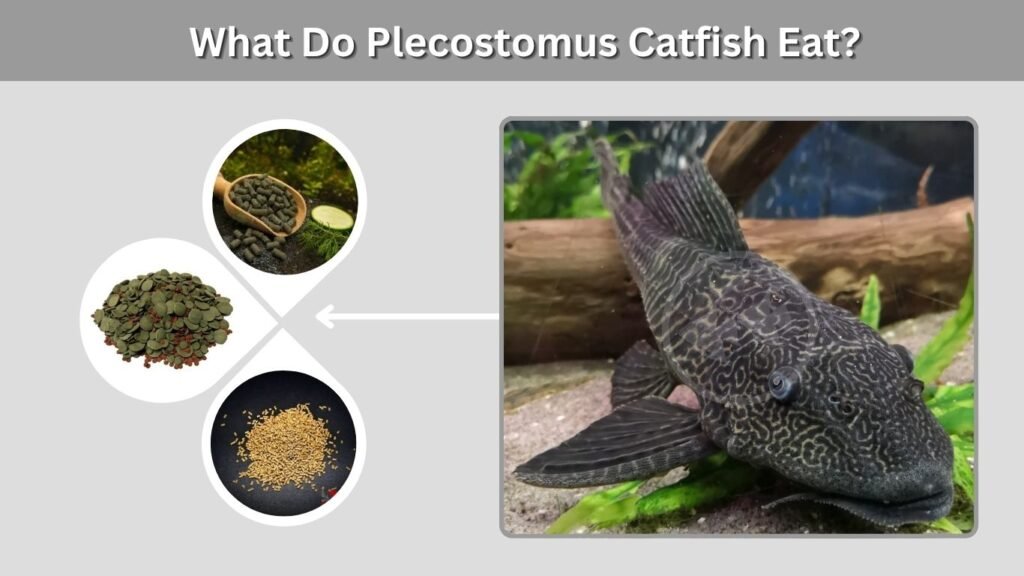
Plecostomus catfish are commonly marketed as algae eaters, but different species have different nutritional requirements. Some primarily consume algae and plant material, while others feed on microorganisms, wood-associated materials, invertebrates, or protein-rich foods. Providing a varied, species-appropriate diet is essential because aquarium algae alone rarely supplies adequate nutrition.
Best Foods for Plecostomus Catfish
Depending on the species, suitable foods may include:
- Sinking algae wafers and vegetable-based pellets.
- Blanched zucchini and cucumber.
- Spirulina-based aquarium foods.
- High-quality sinking catfish pellets.
- Appropriate frozen or protein-rich foods.
- Natural algae and biofilm growing on aquarium surfaces.
How Often Should You Feed Plecos?
Most plecos require regular supplementary feeding, with portions adjusted to their species, age, and available natural food.
Many become more active after the aquarium lights are turned off, making evening feeding particularly effective.
Remove uneaten vegetables before they deteriorate and affect water quality.
Plecostomus Catfish Behavior and Tank Mates
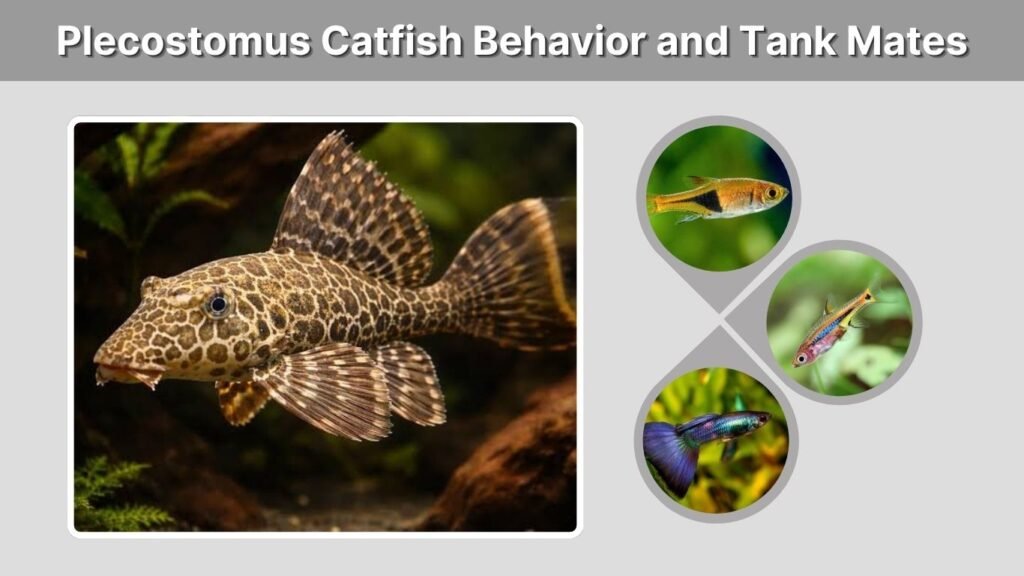
Most plecostomus catfish are relatively peaceful toward unrelated fish, although territorial behavior can develop as individuals mature. They typically spend significant time exploring the aquarium bottom or resting beneath decorations. Some species become more active after dark, while others learn to emerge during regular feeding periods.
Do Plecostomus Get Along With Other Fish?
Smaller peaceful plecos can often coexist with tetras, rasboras, guppies, and corydoras catfish in appropriately sized aquariums.
However, compatibility depends on temperament, available space, and food access. Large plecos may disturb slow-moving fish, and some individuals become territorial toward other bottom dwellers.
Can Cory Catfish Live With Plecostomus?
Corydoras and smaller peaceful plecos can generally live together when the aquarium provides sufficient bottom space and suitable water conditions.
Both species need access to sinking food. Multiple hiding places and adequate feeding help reduce competition along the aquarium floor.
Plecostomus Catfish Lifespan and Breeding
Plecostomus catfish can live for many years under proper aquarium conditions. Lifespan varies with species, feeding habits, water quality, and overall care. Some smaller varieties commonly survive around 5–10 years, while larger species can live considerably longer. Breeding behavior also differs among varieties.
How Long Do Plecostomus Catfish Live?
Bristlenose plecos often live approximately 5–10 years, sometimes longer under excellent conditions.
Large common plecos may survive 15–20 years or more. Their long lifespan means owners should consider future housing needs before purchasing juvenile fish.
Breeding Plecostomus Catfish
Bristlenose plecos are among the easier varieties to breed in home aquariums.
Females typically lay eggs inside caves, where males guard and fan them until hatching. The developing fry require stable water conditions and appropriate food.
Large Pterygoplichthys varieties are much harder to breed in ordinary aquariums because of their specialized reproductive behavior.
Common Plecostomus Catfish Care Mistakes
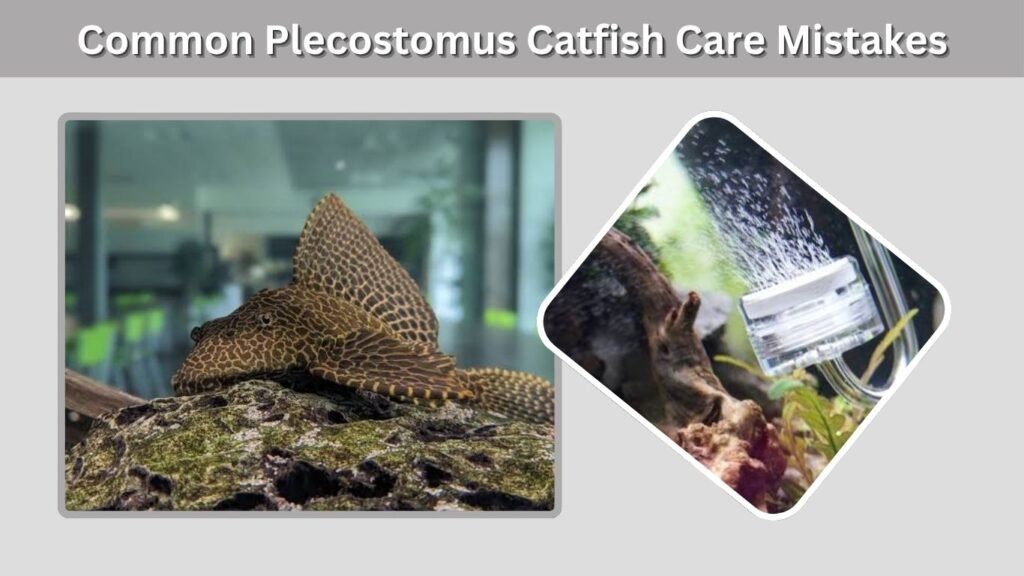
Although plecostomus catfish are often considered hardy aquarium fish, inappropriate care can cause serious health problems. Choosing the wrong species, maintaining unsuitable water conditions, or relying entirely on algae may lead to poor growth and illness. Avoiding common mistakes helps these fish remain healthy throughout their lives.
Mistakes to Avoid
- Choosing an undersized tank: Large plecos eventually require substantial aquarium space.
- Depending only on algae: Most species need additional nutritious foods.
- Overlooking filtration: Plecos produce waste that can quickly reduce water quality.
- Keeping incompatible fish: Aggressive tank mates may cause stress or injuries.
- Ignoring adult size: Small juvenile plecos can grow into very large fish.
Never release unwanted plecos into natural waterways, where introduced populations can harm native ecosystems.
FAQs
1. Is a Plecostomus a Catfish?
Yes, plecostomus fish are members of the catfish order Siluriformes. They belong to the Loricariidae family, commonly called armored suckermouth catfish. Their distinctive bony plates and specialized mouths distinguish them from many other familiar catfish species.
2. Are Plecostomus Catfish Good Algae Eaters?
Many plecostomus species graze on algae and biofilm growing on aquarium surfaces. However, their effectiveness varies among species, and they cannot replace regular tank cleaning. Most also require supplementary food to maintain proper nutrition and healthy growth.
3. Can Plecostomus Catfish Live in Outdoor Ponds?
Some plecostomus species can survive in suitable warm-water ponds, but outdoor conditions must match their temperature and oxygen requirements. They should never be released into natural waterways because certain species can establish invasive populations.
4. Are Plecostomus Catfish Aggressive?
Most plecos are peaceful toward unrelated aquarium fish, but some become territorial toward other bottom dwellers. Larger individuals may compete for food, caves, or resting spaces. Aquarium size and species selection strongly influence compatibility.
5. What Is the Smallest Plecostomus Catfish?
Several small pleco species are available, including clown plecos, which generally grow approximately 3–4 inches long. Certain specialized dwarf plecos remain similarly small. Always confirm the scientific name because fish sold under general pleco labels vary considerably.