
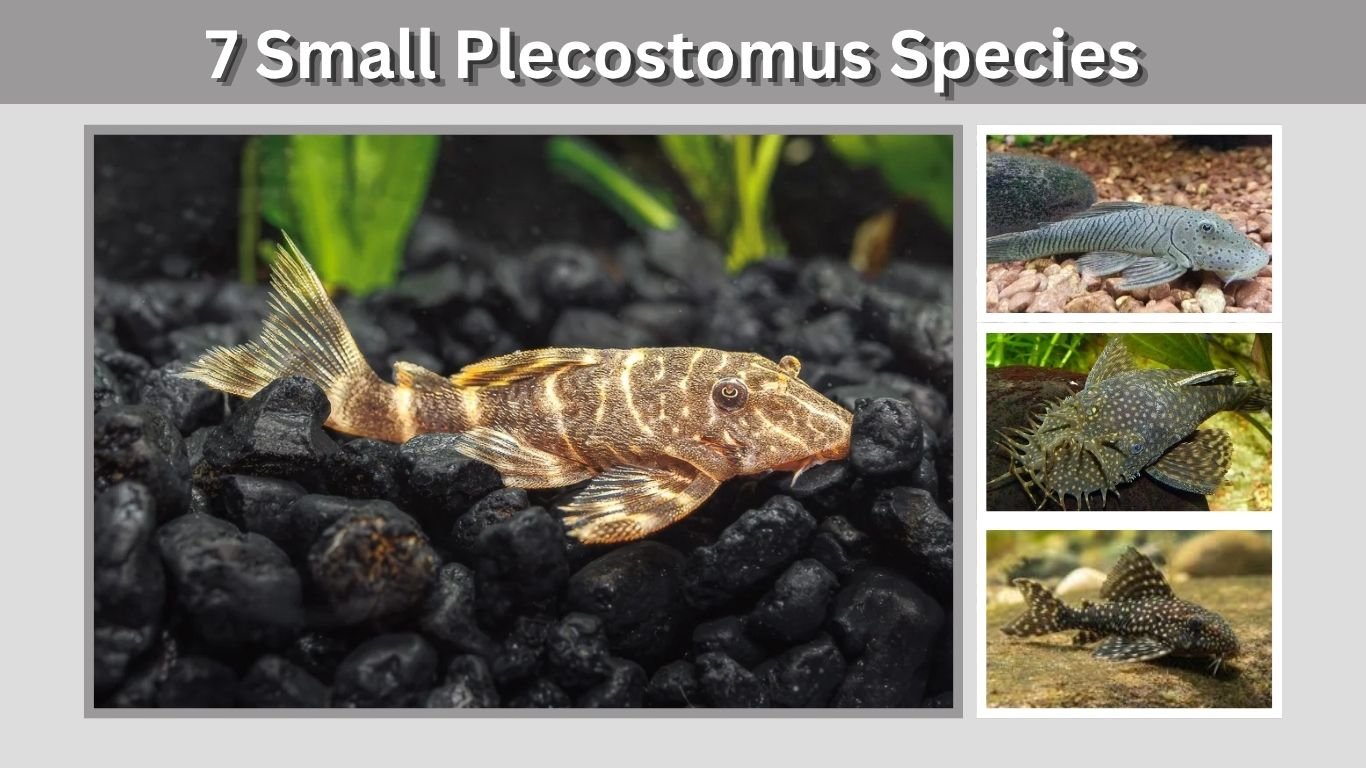
Small plecostomus fish are excellent choices for aquarium enthusiasts who want attractive, bottom-dwelling catfish without keeping extremely large tanks. Unlike common plecos that can grow over 18 inches, several small plecostomus species remain under six inches throughout adulthood. These compact fish feature unique colors, armored bodies, and interesting feeding behaviors. However, each species has different requirements for food, water conditions, and aquarium space. This guide explores seven small plecostomus species, their adult sizes, tank requirements, feeding habits, and essential care tips.
What Are Small Plecostomus Fish?
Small plecostomus fish are freshwater armored catfish belonging to the Loricariidae family. They originate primarily from South American rivers and streams, where they live among rocks, driftwood, and submerged vegetation. Although commonly called algae eaters, their feeding habits vary considerably depending on the species.
Do Small Plecostomus Stay Small?
Yes, certain plecostomus species naturally remain small throughout their lives. Many reach only three to six inches as adults, making them suitable for moderately sized home aquariums.
However, juvenile common plecos are not dwarf plecos. They may appear small when purchased but eventually grow much larger. Always verify the species before buying.
7 Best Small Plecostomus Species
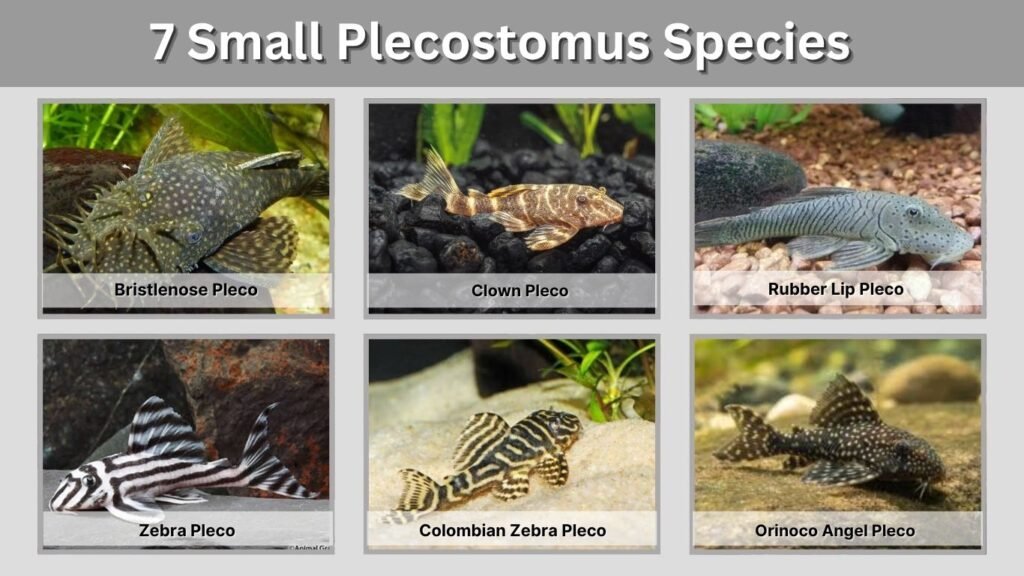
Several types of plecostomus stay small and can thrive in properly maintained home aquariums. These species differ in appearance, temperament, and nutritional requirements. Some are ideal for beginners, while others need specialized water conditions and careful feeding. The following seven varieties are among the most interesting options for aquarists seeking compact plecos.
1. Bristlenose Pleco
Scientific name: Ancistrus spp.
Adult size: 4–6 inches.
The bristlenose pleco is one of the most popular small plecostomus species. Its distinctive facial bristles, especially prominent in adult males, give it an unusual appearance.
These peaceful fish adapt well to many community aquariums and graze on algae and biofilm. They also accept sinking pellets and vegetables.
A 25–30 gallon aquarium or larger is a practical choice for an adult bristlenose pleco.
2. Clown Pleco
Scientific name: Panaqolus maccus
Adult size: 3–4 inches.
Clown plecos are recognized by their attractive dark brown bodies decorated with lighter yellow or orange bands.
They are generally shy, spending much of their time hiding beneath driftwood and decorations. Unlike many algae-grazing plecos, clown plecos rely heavily on wood-associated feeding.
A mature aquarium of at least 20 gallons, with plenty of natural driftwood, is recommended.
3. Rubber Lip Pleco
Scientific name: Chaetostoma spp.
Adult size: Approximately 4–6 inches, depending on species.
Rubber lip plecos have broad heads, flattened bodies, and distinctive fleshy lips. Their grayish or brownish coloration helps them blend into rocky aquarium environments.
These fish are effective grazers of natural algae and biofilm.
They prefer well-oxygenated water with moderate to strong circulation. A 25–30 gallon or larger aquarium is suitable for many smaller varieties, provided their cooler temperature preferences are respected.
4. Zebra Pleco
Scientific name: Hypancistrus zebra
Adult size: Approximately 3–4 inches.
The zebra pleco is among the most striking small plecostomus fish. Its contrasting black-and-white stripes create a distinctive appearance.
Native to Brazil’s Xingu River system, this rare species requires warm, highly oxygenated water and excellent filtration.
Unlike typical algae-grazing plecos, zebra plecos primarily consume protein-rich foods. They are better suited to experienced aquarium keepers than beginners.
5. Colombian Zebra Pleco
Scientific name: Hypancistrus debilittera
Adult size: Approximately 3–4 inches.
The Colombian zebra pleco, commonly identified as L129, has attractive dark markings with lighter irregular stripes.
This small catfish generally behaves peacefully toward unrelated fish but can defend hiding places against other plecos.
It prefers protein-rich sinking foods, clean water, and secure caves. A well-maintained aquarium of approximately 20 gallons or larger can accommodate an individual.
6. Orinoco Angel Pleco
Scientific identification: Hypancistrus sp. L201.
Adult size: Approximately 4 inches.
The Orinoco angel pleco features a dark body covered with small, pale spots. Its compact size and distinctive appearance make it desirable among pleco enthusiasts.
This species prefers warm, oxygen-rich water and a diet containing substantial animal protein.
Several similar spotted Hypancistrus species are sold under confusing trade names, so accurate identification is important before purchasing.
7. Medusa Pleco
Scientific name: Ancistrus ranunculus
Adult size: Around 5–6 inches.
The medusa pleco is recognized by its unusually broad, flattened head. Mature males develop impressive facial tentacles.
This distinctive catfish inhabits fast-flowing, rocky environments and requires warm, oxygen-rich aquarium water.
Although relatively small compared with common plecos, it is not the easiest species to maintain. Its specialized habitat and feeding requirements make it more appropriate for experienced aquarists.
Small Plecostomus Size Comparison
Small plecostomus species differ considerably in their adult dimensions, even when juveniles appear nearly identical. Comparing expected sizes and practical aquarium requirements is the easiest way to select a suitable fish. Tank volume should also account for swimming space, filtration, other inhabitants, and the particular requirements of each species.
Adult Size and Recommended Tank
| Species | Adult size | Suggested tank |
| Bristlenose Pleco | 4–6 inches | 25–30+ gallons |
| Clown Pleco | 3–4 inches | 20+ gallons |
| Rubber Lip Pleco | 4–6 inches | 25–30+ gallons |
| Zebra Pleco | 3–4 inches | 20+ gallons |
| Colombian Zebra Pleco | 3–4 inches | 20+ gallons |
| Orinoco Angel Pleco | Around 4 inches | 25–30+ gallons |
| Medusa Pleco | 5–6 inches | 30+ gallons |
These are practical starting recommendations for individual fish, not universal minimums. Aquarium dimensions and species-specific conditions remain essential.
Small Plecostomus Tank Setup and Care
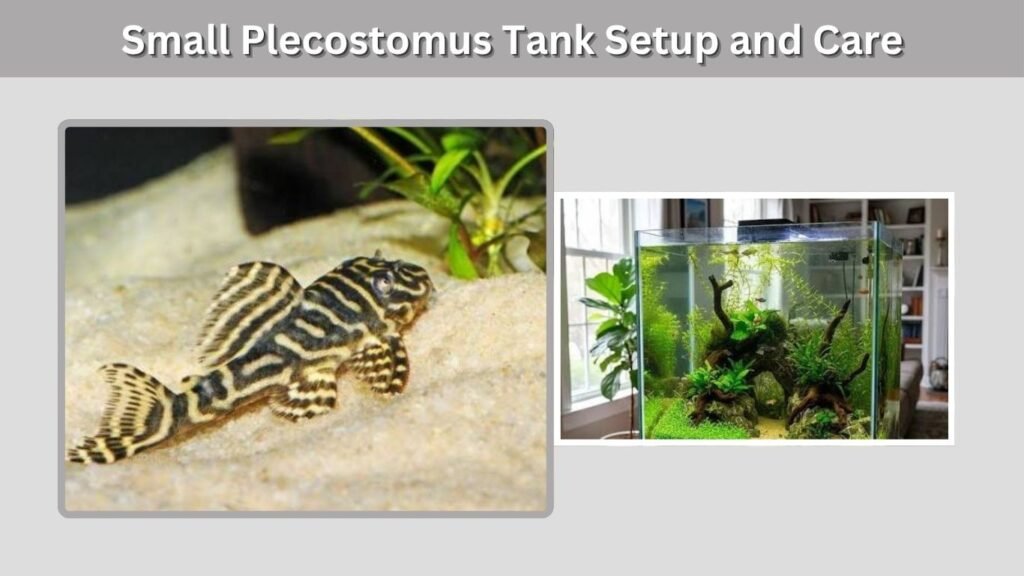
Providing an appropriate aquarium is essential for healthy small plecostomus fish. Although they require less space than large pleco varieties, these catfish still need stable water parameters, adequate filtration, and suitable resting areas. Their preferred temperatures and water movement vary, so aquarium conditions must match the species rather than follow one universal setup.
Ideal Aquarium Conditions
General requirements include:
- Tank size: Usually 20–30 gallons or larger, depending on species.
- Temperature: Match the species; tropical plecos have different preferred ranges.
- Water quality: Maintain zero detectable ammonia and nitrite.
- Filtration: Provide effective biological filtration and adequate oxygenation.
- Hiding places: Include caves, driftwood, and smooth rocks.
- Lighting: Provide shaded areas for nocturnal and shy species.
Do Small Plecos Need Driftwood?
Many small plecostomus species benefit from driftwood because it provides shelter and natural grazing surfaces.
Clown plecos have particularly important wood-feeding requirements. Other species, including zebra plecos, rely more heavily on animal-based nutrition.
Consequently, driftwood should be selected according to the species’ natural habitat and feeding behavior.
What Do Small Plecostomus Eat?
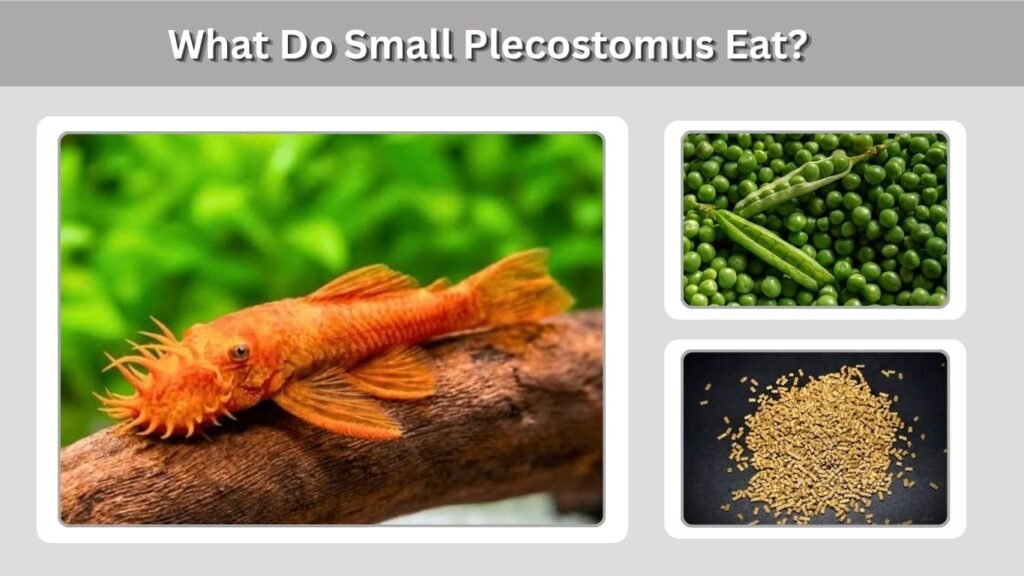
Small plecostomus fish have diverse feeding requirements. Some species consume algae and plant matter, while others prefer invertebrates and protein-rich foods. Feeding every pleco only algae wafers is a common mistake. Their nutritional needs should be researched individually to support healthy digestion, growth, and long-term survival.
Best Foods for Small Plecos
Depending on the species, suitable options include:
- Sinking algae wafers.
- Spirulina-based pellets.
- Blanched zucchini and squash.
- High-quality sinking catfish pellets.
- Frozen bloodworms or brine shrimp.
- Natural algae and biofilm.
- Driftwood for wood-feeding species.
How Often Should Small Plecos Be Fed?
Most small plecos benefit from regular supplementary feeding. The quantity and frequency depend on age, body condition, species, and natural food availability.
Evening feeding can be useful because many plecos become more active after dark.
Remove uneaten vegetables promptly to prevent deterioration in water quality.
Small Plecostomus Behavior and Tank Mates
Small plecostomus catfish are generally peaceful, but some individuals become territorial around caves and feeding areas. Their behavior depends on species, aquarium space, and available shelter. Most spend daylight hours hiding or resting and become more active during the evening when searching for food.
Compatible Aquarium Fish
Bristlenose, clown, and certain other small plecos can coexist with peaceful tetras, rasboras, guppies, and corydoras when their water requirements match.
However, specialist species such as zebra plecos may be better maintained in dedicated aquariums.
Multiple male plecos can compete for territory, particularly when suitable caves are limited.
Common Mistakes When Keeping Small Plecostomus
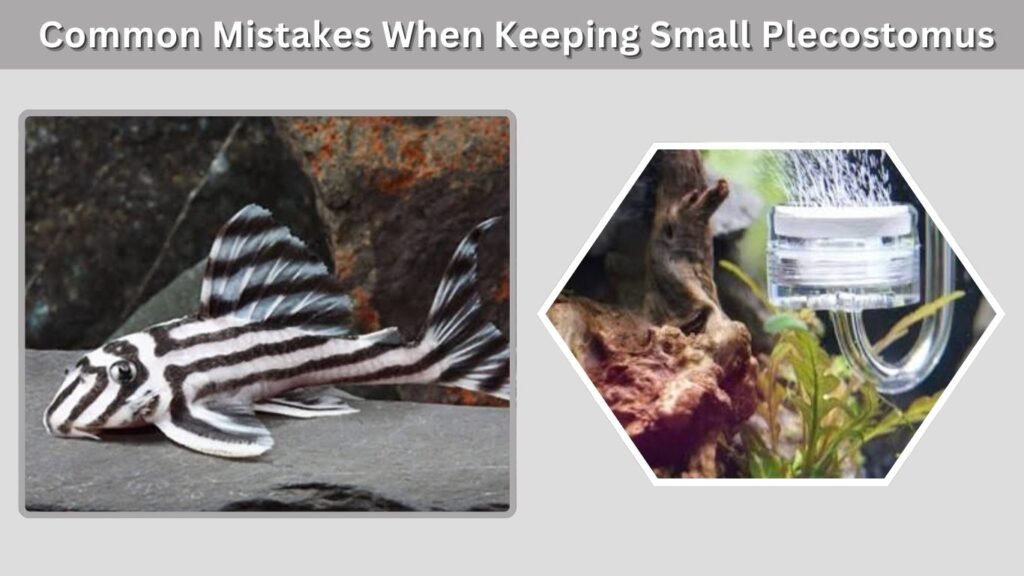
Even the smallest plecostomus species require proper aquarium care. Problems often develop when aquarists underestimate adult size, choose unsuitable water conditions, or fail to provide adequate nutrition. Understanding these mistakes can help prevent stress, illness, and premature death.
Mistakes to Avoid
- Buying juvenile common plecos and assuming they will remain small.
- Keeping plecos in aquariums without sufficient floor space.
- Feeding every species the same algae-based diet.
- Ignoring filtration and oxygen requirements.
- Combining fish with incompatible temperature preferences.
- Keeping territorial males without adequate shelter.
FAQs
1. What Is the Smallest Plecostomus Species?
Several small pleco species reach approximately three inches as adults, including the Colombian zebra pleco. Some specialized dwarf loricariids are even smaller. However, availability and care requirements differ considerably, so adult size alone should not determine your choice.
2. Can Small Plecostomus Live in a 10-Gallon Tank?
Most commonly available small plecostomus species are better suited to aquariums of at least 20 gallons. A 10-gallon tank offers limited floor space and water volume, making long-term maintenance challenging for many adult plecos.
3. Which Small Plecostomus Is Best for Beginners?
Bristlenose plecos are generally among the best choices for beginners. They remain relatively small, adapt to many community aquarium conditions, and accept varied foods. Clown plecos can also be suitable when their specialized driftwood requirements are met.
4. Do Small Plecostomus Eat Algae?
Some small plecos, including bristlenose and rubber lip varieties, regularly graze on algae. Others, such as zebra plecos, prefer protein-rich foods. No pleco should depend entirely on aquarium algae, and all require species-appropriate nutrition.
5. How Long Do Small Plecostomus Live?
Many small plecostomus species can live approximately 5–10 years, with some surviving longer under excellent conditions. Lifespan depends on species, genetics, nutrition, water quality, and aquarium maintenance. Choosing suitable housing contributes significantly to long-term health.