
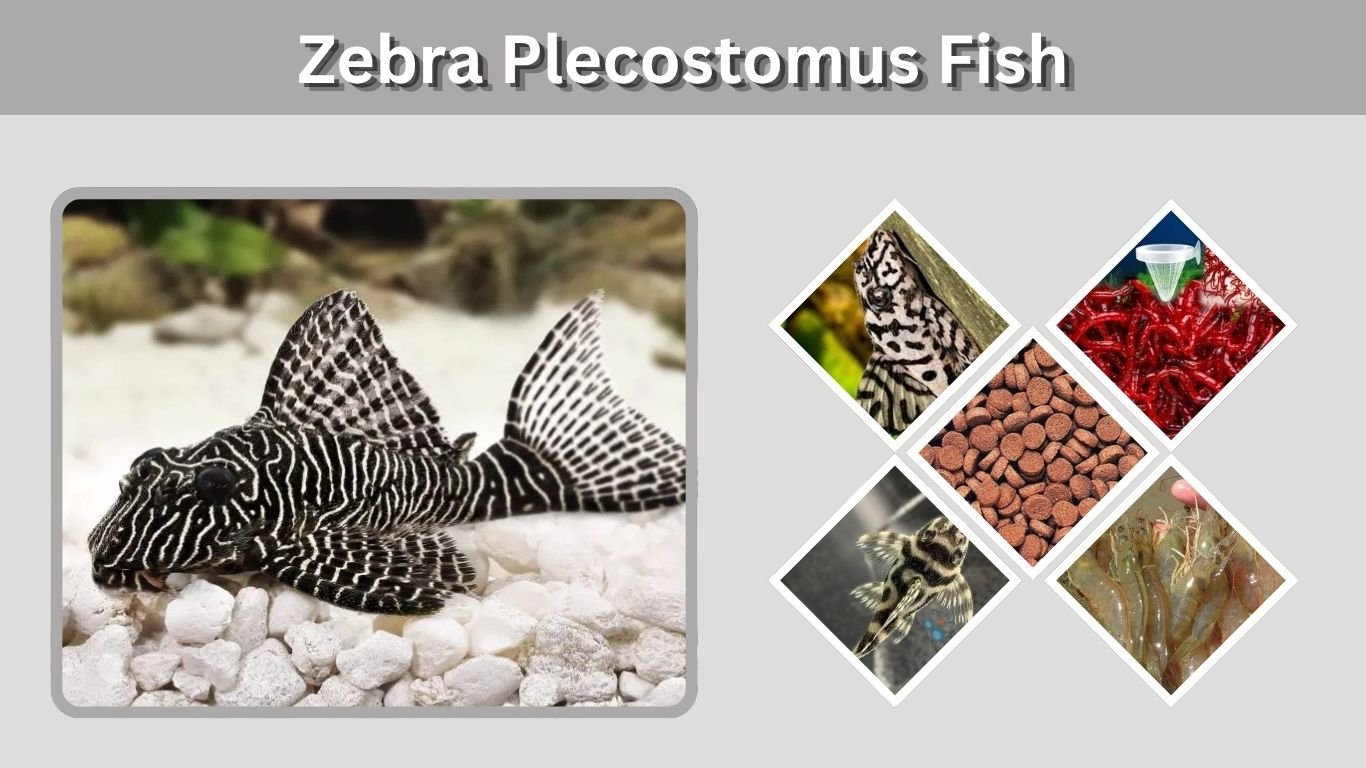
The zebra plecostomus (Hypancistrus zebra) is one of the most beautiful and sought-after freshwater aquarium fish. Known for its striking black-and-white stripes, this small catfish originates from Brazil’s Xingu River. Unlike many common plecos, zebra plecostomus require warm water, strong filtration, and a protein-rich diet to stay healthy. Its rarity and unique appearance also make it relatively expensive. This guide covers everything about zebra plecostomus care, including adult size, lifespan, tank requirements, feeding habits, compatible tank mates, breeding, and current market prices.
What Is a Zebra Plecostomus?
The zebra plecostomus, commonly called the zebra pleco or L46 pleco, belongs to the Loricariidae family. It is a small freshwater catfish recognized for its distinctive striped body and specialized aquarium requirements.
Appearance and Identification
The zebra plecostomus has a creamy-white body covered with bold black stripes extending across its head, fins, and tail. Its flattened body, broad head, and sucker-shaped mouth help it navigate rocky environments.
Unlike larger plecostomus species, its compact size makes it suitable for carefully maintained smaller aquariums. Adult males generally develop broader heads and more prominent bristle-like structures on their pectoral fins.
Natural Habitat and Origin
Zebra plecos naturally inhabit the Rio Xingu in Brazil, where they live among submerged rocks and narrow crevices.
These environments contain warm, fast-moving, oxygen-rich water. The fish spend much of their time hiding within rocky shelters, emerging mainly during periods of reduced light to search for food.
Zebra Plecostomus Size, Lifespan, and Quick Facts

Understanding the basic characteristics of zebra plecostomus helps aquarium owners create suitable living conditions. Although relatively small, this species requires more specialized care than many common freshwater catfish.
- Scientific name: Hypancistrus zebra
- Common names: Zebra pleco, L46 pleco, imperial zebra pleco
- Adult size: Approximately 3–4 inches (7–10 cm)
- Lifespan: Approximately 10–15 years with proper care
- Minimum tank size: Around 20 gallons recommended for an individual
- Temperature: 79–86°F (26–30°C)
- Water pH: 6.0–7.5
- Diet: Primarily protein-rich foods
- Temperament: Generally peaceful but territorial around caves
- Care level: Intermediate to advanced
Zebra Plecostomus Care and Tank Requirements
Proper zebra plecostomus care requires stable water conditions and a carefully designed aquarium. These fish are sensitive to poor water quality, low oxygen levels, and sudden environmental changes.
Ideal Tank Size
A 20-gallon aquarium provides a practical starting point for a single adult zebra pleco. Larger aquariums are preferable when keeping several individuals because males may compete for hiding spaces.
Choose a tank with sufficient bottom surface area rather than focusing only on height. An established biological filtration system is essential.
Water Temperature and Parameters
The ideal zebra plecostomus temperature range is 79–86°F (26–30°C). Maintaining stable temperatures is especially important for long-term health.
Slightly acidic to neutral water is generally preferred, although a pH range of 6.0–7.5 is commonly recommended. Regular water changes help prevent waste accumulation.
Ammonia and nitrite should remain at zero, while nitrate should be kept low.
Aquarium Decorations and Equipment
A well-designed zebra pleco aquarium should resemble its natural rocky habitat.
- Smooth rocks: Create shelter and natural territorial boundaries.
- Breeding caves: Provide narrow hiding spaces for security and reproduction.
- Fine sand: Creates a comfortable substrate for bottom-dwelling fish.
- Powerful filtration: Maintains clean, oxygen-rich water.
- Air stones or circulation pumps: Improve water movement and oxygenation.
Avoid sharp decorations and unstable rock piles that could injure or trap the fish.
What Do Zebra Plecostomus Eat?
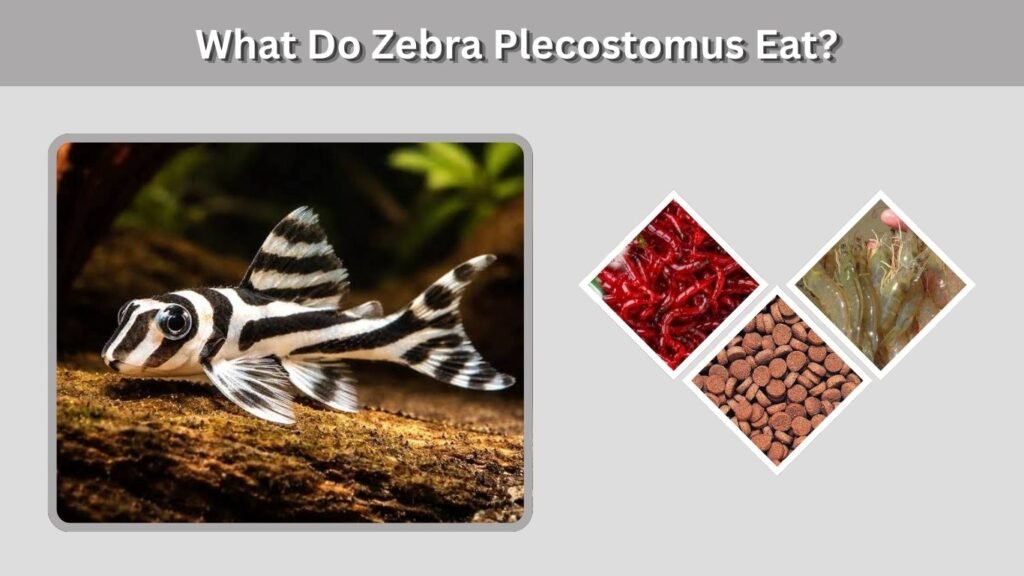
Unlike common algae-eating plecos, zebra plecostomus are primarily carnivorous fish. They require protein-rich foods to support growth, maintain body condition, and remain healthy.
Best Foods for Zebra Plecos
A varied diet provides essential nutrients and encourages natural feeding behavior.
- Sinking carnivore pellets: Provide convenient, balanced daily nutrition.
- Frozen bloodworms: Offer an attractive protein-rich supplement.
- Brine shrimp: Provide additional dietary variety.
- Chopped shrimp or mussels: Supply animal protein in appropriately sized portions.
- Quality catfish granules: Help diversify their regular feeding routine.
Feeding Schedule
Feed adult zebra plecos once daily, preferably during the evening when they become more active.
Offer only enough food for them to consume without creating excessive waste. Remove uneaten food promptly.
Because these fish are shy, ensure their food reaches the bottom without being eaten by faster tank mates.
Zebra Plecostomus Tank Mates and Behavior

Zebra plecostomus are generally peaceful toward unrelated fish but can become territorial with other bottom-dwelling species. Males may defend caves against competitors.
A species-only aquarium is often the safest arrangement. Carefully selected peaceful fish that tolerate warm, oxygen-rich water may also be suitable.
Can Zebra Fish and Plecostomus Live Together?
Zebra danios and zebra plecos are different fish despite their similar names.
Although they may tolerate some overlapping temperatures, zebra danios generally prefer cooler conditions than zebra plecos. Therefore, they are not ideal companions for a permanent aquarium.
The zebra pleco also needs quiet feeding opportunities and secure hiding places.
Zebra Plecostomus Breeding and Reproduction
Breeding zebra plecostomus is possible in captivity, although it requires patience and stable conditions. Mature breeding groups perform best in established aquariums containing multiple caves.
Male and Female Differences
Adult males typically have broader heads, thicker pectoral-fin spines, and more noticeable odontodes.
Females usually have rounder bodies, particularly when carrying eggs. These differences become more apparent as the fish reach maturity.
Breeding Process
During breeding, a male selects a suitable cave and encourages a female to enter.
After spawning, the female leaves while the male guards and fans the eggs. A clutch commonly contains around 7–15 eggs.
The eggs generally hatch after about one week. Newly hatched fry initially rely on their yolk sacs before accepting suitable small foods.
Colombian Zebra Plecostomus vs. Zebra Pleco L46
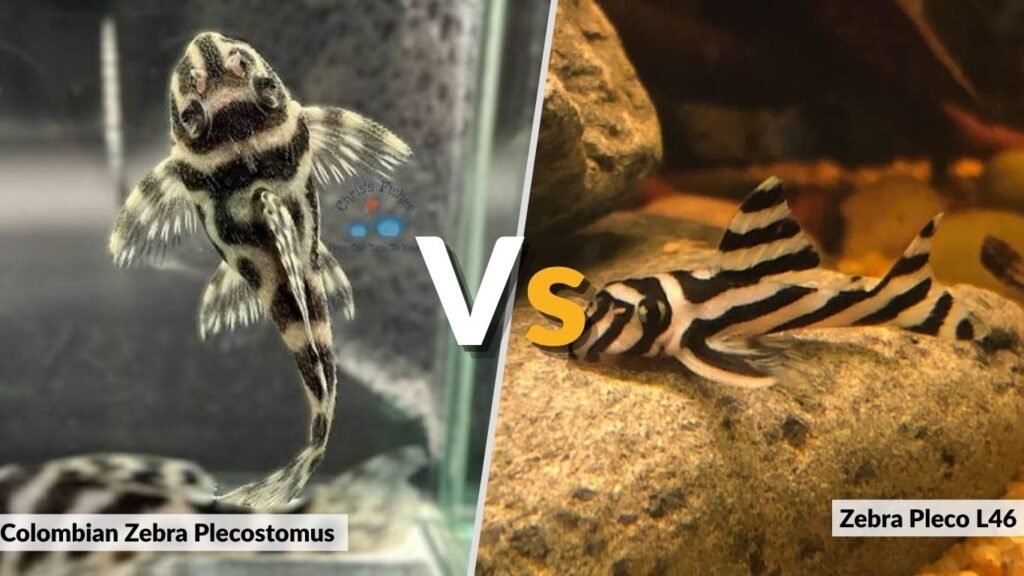
The Colombian zebra plecostomus, commonly identified as L129 (Hypancistrus debilittera), is different from the true zebra plecostomus L46.
L129 originates from the Orinoco River system and generally displays darker, less uniform markings. The true L46 has more distinctive black-and-white stripes and originates from Brazil’s Xingu River.
Other aquarium trade names, including Orinoco zebra, royal zebra, brown zebra, and spotted zebra L174, may describe different pleco species or varieties.
Always confirm the scientific name and L-number before purchasing. The terms imperial zebra plecostomus and L46 generally refer to Hypancistrus zebra.
Zebra Plecostomus Price and Where to Buy
Zebra plecostomus prices are significantly higher than those of common plecos because of limited availability, specialized breeding, and strong aquarium demand.
In the United States, captive-bred juveniles are commonly advertised at approximately 100–250, while larger specimens may cost $300 or more. Actual prices vary by size, seller, and availability.
What to Check Before Purchasing
When searching for zebra plecostomus for sale, consider the following factors:
- Captive-bred origin: Choose responsibly bred fish from reputable suppliers.
- Healthy appearance: Look for clear eyes, normal breathing, and a rounded belly.
- Correct identification: Confirm the scientific name Hypancistrus zebra and L46 designation.
- Documentation: Request appropriate proof of legal origin and required trade paperwork.
Avoid purchasing suspiciously cheap fish without reliable species identification.
Zebra Plecostomus Conservation Status
The zebra plecostomus is classified as Critically Endangered on the IUCN Red List.
Its restricted natural habitat is threatened by river modification, including hydroelectric development, and historical overcollection.
The species is listed under CITES Appendix II, which regulates international trade. Commercial exports of wild-caught specimens face strict restrictions.
Choosing legally captive-bred zebra plecos helps reduce demand for wild collection while supporting responsible aquarium keeping.
FAQs
1. How Big Does a Zebra Plecostomus Get?
An adult zebra plecostomus typically reaches approximately 3–4 inches (7–10 cm), although size varies between individuals. Unlike common plecos that can grow much larger, zebra plecos remain relatively small throughout their lives, making them suitable for specialized home aquariums.
2. How Much Does a Zebra Plecostomus Cost?
Zebra plecostomus prices commonly range from around $100 to $300 per fish in the US aquarium market. Juveniles generally cost less than mature specimens. Captive-bred origin, size, breeder reputation, and local availability can significantly influence the final purchase price.
3. Are Zebra Plecostomus Good for Beginners?
Zebra plecostomus are generally unsuitable for complete beginners because they require consistently warm water, high oxygen levels, excellent filtration, and specialized feeding. Aquarists with experience maintaining stable freshwater conditions are better prepared to provide appropriate long-term care.
4. Do Zebra Plecostomus Eat Algae?
Zebra plecostomus are not reliable algae eaters. Unlike many other plecos, they prefer protein-rich foods such as bloodworms, brine shrimp, and sinking carnivore pellets. They should never be purchased primarily to control aquarium algae growth.
5. How Long Do Zebra Plecostomus Live?
Zebra plecostomus can live approximately 10–15 years under suitable aquarium conditions. Their longevity depends on consistent water quality, appropriate temperatures, proper nutrition, adequate oxygenation, and low stress. A stable, well-maintained aquarium supports their overall health and lifespan.
